

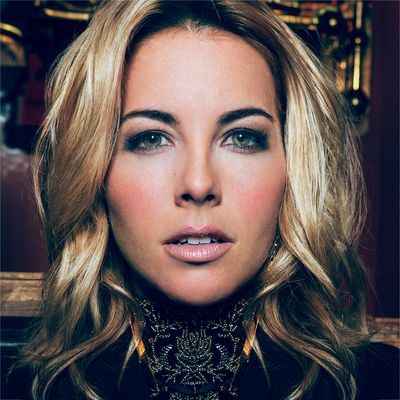
Ebony and Pamela interview Morgan James about her new Jesus Christ Superstar Highlights album featuring an all-female cast. The album is available on all streaming services now... Read More
From the show: Theatre Geeks Anonymous Podcast by Ebony Vines and Pamela Shandrow
Guests
Featured Shows
About
Ebony and Pamela interview Morgan James about her new Jesus Christ Superstar Highlights album featuring an all-female cast. The album is available on all streaming services now. For purchase you can go to http://www.morganjamesonline.com/music/ or https://www.she-is-risen.net/ You can follow @sheisrisen on Instagram for updates.
Transcript
This transcript was automatically generated and might contain errors.
[0:01] Ebony Vines: Welcome to Theatre Geeks Anonymous.
[0:05] Pamela Shandrow: The podcast about Broadway flops, scandals, and new work.
[0:09] Ebony Vines: I'm your host, Ebony Vines.
[0:11] Pamela Shandrow: And I'm your host, Pamela Shandrow.
[0:13] Ebony Vines: Don't forget to rate, review, and subscribe to the Theatre Geeks Anonymous Podcast.
[0:19] Pamela Shandrow: On the Broadway Podcast Network and all your favorite podcast listening apps.
[0:24] Ebony Vines: Thank you.
[0:26] Morgan James: Hi, this is Morgan James, and you are listening to Theatre Geeks Anonymous.
[0:37] Ebony Vines: My mind is clear enough.
[0:42] Morgan James: Alast all too well.
[0:45] Morgan James: I can see you all soon will be.
[0:53] Morgan James: If you strip away the myth from the men who see where we all soon will be.
[1:18] Ebony Vines: Let's talk of God is true.
[1:22] Pamela Shandrow: We are like today is super exciting.
[1:27] Ebony Vines: Okay. Super exciting.
[1:30] Pamela Shandrow: It's another departure from what we normally do.
[1:32] Ebony Vines: It's very, very, very, very, very exciting.
[1:34] Pamela Shandrow: Tell us why, Ebony.
[1:36] Ebony Vines: Well, it kind of, right? Because we do new works. So even though this is an interpretation of something we all know and love, it's still new.
[1:47] Pamela Shandrow: Yes.
[1:47] Ebony Vines: Right. So I feel like this does go along with like what we do.
[1:52] Pamela Shandrow: Okay.
[1:52] Ebony Vines: So let's start the story by starting back in for us 2018.
[1:59] Ebony Vines: Okay. Pamela and I were driving back from another interview for this podcast.
[2:07] Ebony Vines: And Pamela, I had just finished producing a concert with Pamela, and she was like, Ebony, what do you think about an all-female JESUS CHRIST SUPERSTAR?
[2:17] Ebony Vines: And we talked about that for like hours all the way home.
[2:21] Ebony Vines: So I've been obsessed with playing Judas my entire life. Because who wants to play, you know, like who wants to play the girl parts that they write, you know, for all of these musicals?
[2:32] Ebony Vines: Like, you know, sometimes they're boring, sometimes they're just whatever. Or sometimes they're just simply two-dimensional, and you can't do anything with them, right?
[2:39] Pamela Shandrow: Right.
[2:39] Ebony Vines: And they're all boy crazy. It's like the whole part is only about the dude. I, you know, and y'all know by now we could care less about that noise.
[2:49] Ebony Vines: So um, so we're talking about that, became obsessed with this idea, and like Googled all-female JESUS CHRIST SUPERSTAR, and that's when we found, or that's when I found.
[2:59] Pamela Shandrow: That's when you found.
[3:00] Ebony Vines: What did you find?
[3:01] Ebony Vines: YouTube clip, okay, of the all-female JESUS CHRIST SUPERSTAR concert that happened in 2017.
[3:09] Ebony Vines: So I was so pissed we missed it.
[3:11] Pamela Shandrow: I know, I know, but at the same time, then we were like super excited because someone had thought of this idea as well, and they brought it to fruition.
[3:19] Ebony Vines: And so that culminates into what we are doing today, which is the all-female JESUS CHRIST SUPERSTAR with Morgan James.
[3:32] Pamela Shandrow: Oh we got a she has a lot of dogs, so they're excited.
[3:38] Ebony Vines: They're as excited as we are.
[3:40] Ebony Vines: So today, friends, Morgan James is with us. She is the producer of this concert. She played JESUS in the concert.
[3:48] Ebony Vines: And we cannot wait to talk to her about this beautiful, beautiful reinterpretation of this amazing piece of work. So welcome, Morgan.
[3:57] Morgan James: Hi, thank you so much for having me.
[4:00] Ebony Vines: Oh thank you for joining us. This is gonna be so fun.
[4:03] Pamela Shandrow: So fun.
[4:04] Pamela Shandrow: Morgan, if you'd just start from the inception, because I read you'd had a dream, like this came from a dream.
[4:11] Morgan James: This indeed came from a dream. Um I dreamed that I was doing a production of JESUS CHRIST SUPERSTAR, and I was playing JESUS and Shoshana Bean was playing Judas.
[4:20] Morgan James: Uh Shoshana Bean is often graces my dreams, and uh like all of us. And so I texted her and I said, Oh, I had this dream. You know, would you ever want to do anything like that?
[4:31] Morgan James: And she said, Yes, when are we doing it? And the friends that I was with for dinner said, You have to make this happen. We want to make this happen.
[4:39] Morgan James: And we kind of jumped into the idea and we decided we wanted to try to do a concert version, a staged concert of the entire score with a female band and a female cast of all stars.
[4:51] Morgan James: We started putting together our dream cast basically, and you know, putting together a budget and figuring out how to do it. We'd never done anything like that before.
[5:01] Morgan James: So uh the concert was absolutely electric. It was we sold it out, we sold out Highline Ballroom in about two days.
[5:09] Morgan James: Uh it was I mean Shoshana in one of the interviews said, I think I blacked out because we were all so excited that like when the overture started, we all like we really felt like we were gonna faint because that overture is so iconic, you know.
[5:24] Ebony Vines: I love it.
[5:24] Morgan James: It chills, it goes right through my chest. It's wonderful. I think about it, and I have chills all over my body, and so when the overture started, we were doing the entire thing live.
[5:33] Morgan James: You know, I we were just giddy. We all felt like those little, you know, theater kids that grew up wanting to do these kinds of roles, but we never got to do them, you know.
[5:42] Pamela Shandrow: Yeah, yeah.
[5:51] Morgan James: Okay, so we did the concert, yeah, and it was so you know, electric, like I said, and everyone loved it, and everyone said what's next. You know, the Andeloid Weber's team sent like 10 people, the really useful group, there were all these producers and casting agents and actors and people in the audience, and they all were saying, What's next?
[6:10] Morgan James: And um, you know, I'm not a producer by trade, you know, so I was kind of like, I don't know what's next, you know. This was my idea, and I did it, you know.
[6:18] Morgan James: So I in my mind I wanted to do a recording, a concept recording, just like the 1970 concept recording, because that is my favorite version of JESUS CHRIST SUPERSTAR with the brown, the brown cover, you know, and I wore that out when I was a kid, and I wanted to do an homage to that, uh, you know, so that's what I started planning for.
[6:39] Morgan James: Um, I started raising money and bringing people on, and you know, it took me about a year to raise the money and plan and get everybody the right team pulled together.
[6:49] Morgan James: And uh, so that's what we started planning for.
[6:52] Pamela Shandrow: Cool. From the original concert version to what you currently have, how much has changed as far as the people that were involved?
[7:01] Morgan James: Uh, you know, a couple casting changes. Like we added uh Leticy came on to sing Simon, um, Bridget Everett came on to sing King Herod, uh, Cynthia Erivo came on to sing Mary Magdalene.
[7:13] Morgan James: Um I I had read you know like uh in in an article that you did that it was a big deal to keep um was it like the chords and everything like the same and not change it because there was this thing about like oh well they had to make a whole like that people would say oh you had to make a whole bunch of changes so that this could work for women and you were like screw that noise that that's yeah we we kept the we didn't change any keys and we didn't change any tempos we didn't change anything really we didn't change any pronouns obviously we we uh yeah we didn't I didn't want anyone to be able to say oh well the only reason it works with women is because you changed everything that's great right yeah so I wanted to show that we weren't trying to do our interpretation we were really just stepping inside these roles um you know I'm I'm not a huge fan of when someone takes a great song and then completely changes it well there then it changes sometimes what's great about the song.
[8:45] Morgan James: And I really wanted people to be able to, who already love the score, to really still be able to feel comfortable and sit inside of it and see how exciting it is with women's voices.
[8:55] Pamela Shandrow: Yeah.
[8:56] Ebony Vines: And it is exciting. We've been listening to the soundtrack for the last couple weeks. In fact, I was just talking with Ebony before we started recording.
[9:03] Ebony Vines: I listened to "Gethsemane" for like, I don't even know the umpteenth time. Because it's one of my favorite numbers.
[9:11] Ebony Vines: And it's, I mean, it's remarkable. It's it's almost six full minutes of just your gorgeous pipes singing "Jesus Lord."
[9:19] Ebony Vines: And it's like, it's oh, it's it's really stunning. I was telling her, like, we got to the two and a half minute mark, and it was like, oh yeah, see my devil, we're reward.
[10:00] Morgan James: Show me just the name of young present race. Show me now the reason for the wanting me tonight.
[10:13] Ebony Vines: I fell back in my chair because it's just it's really gorgeous the way that you do it. And the one thing that did impress upon me was the fact that all of the keys were the original keys, and that's difficult to do.
[10:23] Morgan James: It's challenging. Obviously, you have to kind of flip between head and chest voice or the lower key and then taking it up the octave.
[10:32] Morgan James: But honestly, I think it works so well, especially with all of the voices that are involved.
[10:38] Morgan James: Well, thank you so much for saying that. Um, when we when we started the process, a lot of the women said, okay, well, what am I supposed to do?
[10:46] Morgan James: And at the beginning, I when we would put them in a room with the, you know, with our music director at the time, Julie, um, we would say, figure it out, like play with it, you know, play with it in and um and pretty much across the board, everybody's like, oh, this fits better than I thought it would.
[11:04] Morgan James: You know, especially the roles that are less, of course, we all sing along with Mary and JESUS and and Judas, but how much do you sing along with Annas and Caiaphas and Pilate, right?
[11:12] Morgan James: And so you don't know, like when Debbie Gravitt, Tony winner Debbie Gravitt came on and I said, I want you to sing the bass role. She was like, This is so weird.
[11:21] Morgan James: And she was so amazing and badass, you know. And and then Brianna Parham, uh Brianna Marie Parham, who comes in and plays Annas, when she comes in on that first, like and screams that I laugh every time.
[11:35] Morgan James: I'm like, she is so stupid, she is so good. And she's just that woman can play anything.
[11:41] Morgan James: That woman, I could have put her in every single role in that entire score, and she would have just sang the crap out of it.
[11:47] Morgan James: And so every single woman that I invited into this project, they're all superstars. They could all play every role. They've all played leading roles all over the world.
[11:55] Morgan James: So this is like we're asking superstars to sing in the ensemble, and they all did it with joy and humility.
[12:01] Pamela Shandrow: That's awesome.
[12:02] Pamela Shandrow: Just to be in the room together.
[12:04] Ebony Vines: Yeah.
[12:05] Ebony Vines: Oh, that's incredible.
[12:07] Pamela Shandrow: Yeah. Love to hear that.
[12:09] Pamela Shandrow: Uh, because like, you know, another thing that that you had said, and we've sort of spoken about maybe before I hit record, I'm not sure though.
[12:18] Pamela Shandrow: Are, you know, just the roles for men and the roles for women, right? And so it's like to get the opportunity to sing these songs that are so, as we've said, iconic, that are so deep, that are so wrought with emotion and like um expression of like worrying about your life ending and like what to do with your life, and how is my life purposeful and all of those those questions?
[12:48] Pamela Shandrow: I feel like we're still looking for in musical theater for women.
[12:53] Morgan James: Yeah, it's like we still have a very long way to go.
[12:57] Pamela Shandrow: So it's not surprising to me that you have these women who are like, of course I'll be do I of course I'll do this.
[13:05] Morgan James: Yeah, and and you know, women also wanted the opportunity to none of us had been in a room with that many women.
[13:13] Morgan James: Like that's what's actually very shocking and sad is that every single woman said, Oh wow, I've never been in a room with this many creative women.
[13:21] Morgan James: And I was doing an interview about this project, and somebody said, Well, now they're six and there's softs, and I was like, but it's 2022.
[13:27] Morgan James: Like you realize that these shows only came out in twenty like all these years, women when they look at roles in shows, they're looking at maybe one leading lady, maybe one sidekick, maybe and and there are plenty of shows with seven, eight roles for men, yeah.
[13:44] Pamela Shandrow: And so no question, no question, you know, and so it's just all we wanted to do was step inside it.
[13:51] Morgan James: We didn't want to change anything, we didn't want to like so many people responded on the forums and things and comments like, oh, this is taking wokeness too far, and and what why do they want everything?
[14:02] Morgan James: You know, says the most privileged of people in the world.
[14:06] Pamela Shandrow: Always always, always.
[14:08] Ebony Vines: So Ebony and I have chatted about this too, because even within the confines of one or two female roles in a show, then you're also limited by how you look, what your what your skin color is, uh, you know, anything like that.
[14:22] Morgan James: And then you also kind of on the other side of this, you see men then stepping into female roles as kind of a novelty in a show that they will reproduce. And you're just like, wait, why is that cool? But that I have to, you know, stay in the chorus, or you know, I'm I can be that one track in the show that looks like me at any given time. It's just it's really frustrating.
[14:48] Yeah, exactly. And I didn't want it to be a novelty. I didn't want this to be a gimmick project. We all took it very, very seriously. Yeah, you know, and and as the project went along and it became more and more difficult, and there were so many difficulties getting this project finished across the finish line, and you know, everything from legal things to Pledge Music going bankrupt to all these things. So when it got down to the end, it became this art imitating life, imitating art, because when I got sometimes when I listen like a seminar, I laugh because you know, it's like after all I've tried for three years, feels like 90. Like, why like when I was trying to get it finished? I was like, I really this is really feeling like I'm dragging this project across a desert. Trying to get her done. Just screaming out 20 seconds worth of why.
[15:38] Yes, exactly. Why did I even try? Um, you said it took you about a year to get the money in place and also the people in place. How long from the moment you decided you were gonna do this this recording until the very end? Like how long was that process then?
[15:55] Well, we recorded everything, all the principal recording was done in January of 2018. Oh, okay. So we were ready to we were ready to release it in spring of 2018, but NBC announced they were doing JESUS CHRIST SUPERSTAR in April of 2018. We said okay, which they decided after they saw our concert, not for nothing. Um so then we said, Oh, okay, we'll wait, you know, just tell us when you want us to release it. They said, Oh yeah, give us six months.
[16:28] So um in that time, Pledge Music went bankrupt and took everyone's money, right? So then we had yeah, yeah. So then we lost our money, and then the Andalid Weber camp, you know, there are lots of people involved there. It's not just him and his lawyers, but it's also the really useful group. It's also in um Rust and Hammerstein was doing some of the publishing then as well, and NBC and all these people. So they said, Oh wait, then we check in with them. Oh, we're now we're gonna release an album, and we're like, we kept saying, Well, we're not in competition with we're like actually gonna help you. Like we wanna do it with you, and actually you're gonna get most of the money anyway because you own it.
[17:04] Right. So they kept saying, No, no, just wait, let's wait till it's a better time where we can publicize it more, and then time kept going, and then a pandemic. And uh so here we are.
[17:17] Oh jeez. And then I so basically I had to finish the project with my own money, which also is why it took so long too. So um, and it's just been a passion. I I wanted to see it through to the end, and that's that's what I've done.
[17:31] I'm a roll of that.
[17:31] I know me too. Because I I think anyone wouldn't have blamed you if you had just been like, okay, whatever. I guess they'll release it when they're ready. But to really like go through it, go through all that trial and like finally just get it done. It must be really rewarding for you to be able to see that album cover and you know hold something tangible in your hand and listen to something tangible in your ears and go like, we did that.
[17:57] Yeah, yeah. And you know, I couldn't have done it without the amazing women, not only the amazing women that said yes, that gave me their voices and their talents, but um, you know, Toria Beard, who was one of my co-producers, um, who is incredible. Uh Richard Emilius, the one, our one, you know, female adjacent male, um Meg Tui, who co-produced the album with me and put together all the musicians, um, Hannah Tobias, like it just it's just the list goes on and on and uh of of people who made it possible who who worked for less than they're worth and long long hours and who just believed in it the way I did.
[18:34] And so you can't do anything like this alone for sure.
[18:38] Absolutely. That's awesome though. It's a nice collaboration.
[18:43] Uh I was gonna ask uh a little bit more about the concert because another thing I read was that um there was like a screen with Black Lives Matter and a bunch of other protests and things because it was happening around the time of the women's march or right?
[18:58] Yeah, and so can you just tell me a little bit about that? Because it when I read that, it made me jump back to um Easter 2020, when Andrew Lloyd Webber was like pumping out a bunch of his um shows that you could just watch on YouTube.
[19:17] There was a JESUS CHRIST SUPERSTAR with Tim Minschin, and they were referring to protests that were happening in the UK at the time.
[19:25] Yeah. Um, and so I I was just interested in like your thinking of that because we weren't there and I am still bummed about that. But like just like how that all came together and the thought process and everything.
[19:40] My director Richard Emilias who had put together the, you know, all the slides and all of the, you know, did the the light staging that we did and put the show together when we did the the concert um came up with all of the imagery that we were using and and um and put to we we did our concert like a few days after the women's march.
[20:02] So the atmosphere was so uh ripe with um emotion and tension and um celebration and sadness and all of these things at once. Like it was such a and of course then what we went through throughout throughout the last few years. But yeah so it there were so many he put together a lot of imagery of the things that JESUS would be standing up for today frankly.
[20:26] And as a reminder that um he stood for things that um sometimes the far right and and uh organized religion forgets that he would be with the people of the street right he would be he would be protesting for these for these rights and these people um i we forget that you know and and so we wanted to be reminded if we take it out and we put it in this space and time that is now and every every time right if we don't set it in like sandals in the desert right um and also that JESUS was, you know, a black man.
[21:04] And uh, you know, no one wants to talk about what he really stood for and what he really looked like. And so, okay, if JESUS is a black man, right, and he's always portrayed as a white man with a beard and you know, a a halo, then he can be and and so he's all of us, right?
[21:21] So we've we've already removed what he is, we've made him this fictional, let's let's make him real again, right? Yeah, let's show what he really stood for. Um so that was the idea behind that.
[21:31] Yeah. Man, do I love that.
[21:33] I do too much.
[21:36] Yeah, yeah. And and Richard was really um is very thorough and knows the score like the back of his hand, and and um we we really wanted to so often you see productions of JESUS CHRIST SUPERSTAR, and their choices are very strange, you know, that they make Mary so one-dimensional and they and they and they make everything about um I don't know, we just wanted to really bring it back to the text.
[21:57] And because there's no dialogue in the show, um, I'm actually shocked that people don't pay more attention to the text in the yeah and the transitions in the in the score.
[22:06] Um, and I think it's the best thing Andrew Lloyd Webber ever did, frankly.
[22:10] Totally, absolutely in agreement there.
[22:12] By a mile, and um, and so I yeah, so I I just really fell in love with it all over again.
[22:18] And um outside I don't really listen to myself for enjoyment, but in terms of everyone else on the score, like I put it on for just to listen to because I love hearing these women so much.
[22:31] It's gorgeous. I mean, truly, because and I I'm in a gush again because listening to the music really it as a little 10-year-old, I decided the Broadway was what I wanted to do, and obviously that has had to change in the last 30 years, which is fine.
[22:45] But I still have that kind of like inside me, I want to be able to sing and I want to be able to do, and but when you're 10 years old and listening to these musicals, you listen to the voices that you that sound like you.
[22:59] And those are the ones that you sing along with. And so finally now to be able to hear an album that is all voices that sound like me, and that I could sing any of them. Like that really does speak to an entire generation of little kids growing up going, oh, I didn't realize that I could think outside the box, which is silly because that's all theater is.
[23:25] Supposed to be, supposed to be.
[23:28] Yeah, we've gotten so far away from that, which is also just a huge frustration that Ebony and I have voiced on this podcast before. It's it's just one of those things where if we can get away from the politics and away from the money side of show business and like really think about where it came from, which was telling stories and entertaining, but also making people think and act on what they're thinking about.
[23:53] Like that's the importance of theater.
[23:55] It is, it absolutely is.
[23:56] Amen.
[23:57] And you know, if we can, I even get annoyed that if if someone was cast in a role, for instance, on Broadway, and they are replaced, even the even the just boring choice of like, oh, we oh we have to replace it with another person just like that person.
[24:11] No, we don't. Who says that's the I just don't understand why we it's supposed to be this suspension of display, you know, of disbelief.
[24:19] And it's supposed to be um, like you say, out of the box.
[24:22] And I wish that it wasn't just out of the box for a few, you know, like, oh, we're gonna make this choice so we look good to HR.
[24:29] No, threat. Really, why do it can be anything we want it to be? There's no rules.
[24:35] There we can create the world we want to create, right?
[24:38] Right. No parameters.
[24:39] The world is our oyster, like this this this in this business is the business that you can make any decision because there are no no limits.
[24:49] And yet we still put a limit on it. My my friend Asmarette, who's been in, you know, many, many, many Broadway shows, and she wrote an article uh kind of early in the pandemic about, you know, I'm I'm tired of being your token black girl, right?
[25:02] You know, she was the the token black actress in ten Broadway shows or something, or you know, maybe I'm exaggerating, but a lot.
[25:11] And you know, it's fun at first, right? And great. And she, of course, loved to work.
[25:15] Yeah. But there comes a point where I mean that I was that's all we saw for so many years was um, oh, okay, there's one slot for the woman and one for an Asian person and one for a black person.
[25:25] It's just like that is so tired, and that is so old.
[25:30] And um and we just need to continue to reimagine and remind others to reimagine the theater space.
[25:37] Right. Because the the I do think like the theater has the potential to like it can be the world that we actually want to see.
[25:45] Right. We we have the opportunity to create a world where it's like everybody is welcome and included and like also fully seen and fully heard, right?
[25:57] Yes.
[25:58] And and I I just am like, why are we not doing more of that?
[26:05] And I think and I think people are starting to, you know, for sure.
[26:08] And I think that Hamilton made great strides in certain ways.
[26:11] Um I love how they um made people reimagine things that that had never seen, you know, theater casts that way before.
[26:19] I love that.
[26:20] And there are certainly other people are trying.
[26:23] Um it's harder when you get to the more expensive, you know, bigger, more commercial spaces.
[26:29] It's definitely harder to do that but um it it will continue to reflect the world we're in and um it's going to reflect the the trauma we've been through it has to because that's what art does you know and and it's going to reflect the tension we're currently living in and that's why I think this project is even more timely it continues to be timely because we we continue to um to have these these parallels in art and in our culture you know with women's rights and and the rights for minorities in this country and um it just it's a tale as old as time yeah unfortunately unfortunately yeah yeah um I just thinking back on the concert um and thinking about how um your director really thought about the text and also like who JESUS was which Pamela and I have had so many conversations about especially in the last five years as you can imagine.
[27:34] What is going on?
[27:36] What the hell is going on?
[27:39] Yeah just all the time.
[27:41] All the time every day every day and so um I had found this thing several years ago on Twitter actually from a pastor who was like JESUS was a brown skinned man who was struck down by police forces and it's like not a thing we saw we just say out it's like that's what happened right and so in in what you've done with with this work and just made it so accessible for people um to be able to see themselves no matter the gender no matter what they look like no matter who they are it makes it just accessible in this way that can can actually make change I feel because it it's you know I think about like things like how I have I so I have like seven nieces and nephews okay and um I have been imbuing them with musical theater since they were born I will send them DVDs but and they sing and that's but like that they get to grow up in a world where like things like you know the only time they ever saw Annie the first Annie and whether or not you like this one is fine but she was black so they have no concept right of and Annie can only be white which is what I grew up with right she was just white white white they're like oh but she's black you know yeah it matters it matters really matters and so here I am at my age like incessantly listening to this JESUS CHRIST SUPERSTAR where like not a singer not an actor but I'm like oh my gosh I'm in this I can I'm these are this looks like me this sounds like me and and and now it's something that I can share with my nieces and nephews yeah especially my nieces and be like you know you you don't have a limit.
[29:47] Morgan James: Yeah, it somehow gives you permission to be whatever you can possibly be. Like it's such a weird thing to think about that way. But even as, you know, a 40-year-old woman, I get stuck in my own way sometimes with thinking of like, oh, well, this is where I'm supposed to be. This is the lane I'm in, which is so silly because I can just go off the road. Like there's, yeah, who wants to stay in my lane when I can just take a step left or take a step right and go. There's nothing holding me back, but like somehow seeing it gives you permission. Somehow hearing your, you know, your voice or seeing your body on stage, somehow it's suddenly you're like, okay, oh, okay, I can do that.
[30:36] Morgan James: Well, it also, you know, it's good to remind people that it's not taking away from any of the traditional versions that have come before. And I think that that's the problem with privilege, with white privilege, is that when somehow that people feel that if someone else gets something, that takes away a piece of the pie for me. But there's plenty of pie. Like everyone calm down. Like there are plenty of things to go around in. And I think that that is the essence of privilege that you think someone else having something is a deficit to you.
[31:10] Ebony Vines: Right.
[31:11] Morgan James: Well, though, that's how the patriarchy works.
[31:14] Ebony Vines: Yeah, exactly.
[31:15] Morgan James: In their power structure, if you take it away from them, it's not they don't get it anymore. So there isn't enough pie.
[31:23] Ebony Vines: Right.
[31:23] Morgan James: Right we're saying pie doesn't even exist in this. There are no slices, there's no pie at all. Everybody just has it's cupcakes. There's plenty. Just like just grab one, you know. You know what I mean? No, you know. Here's a recipe for you, and here's a recipe for you. Go and make your own baked goods.
[31:41] Ebony Vines: Well, and nothing, and nothing is taking away. There are still versions of JESUS CHRIST SUPERSTAR that are traditional. There are still versions of Annie with a white Annie. And you know, it doesn't, it takes nothing away. And the fact that, you know, having a Disney princess or like your nieces seeing, you know, a black Annie, that's why did it take so long?
[32:01] Morgan James: Yeah.
[32:02] Ebony Vines: Because she's an orphan. There's orphans of every kind. Like, why are we so stuck on these things?
[32:08] Morgan James: But she was the desired orphan. She was the one that made it. And really, like, if you really want to deconstruct, I mean, and this is I've fallen to these rabbit holes of like where the patriarchy has actually kept us, which is a big old boot on our necks, every single one of us. And that includes the men in this. Even the most privileged has a boot on their neck at this point, right? Because the patriarchy is toxic.
[32:33] Ebony Vines: But if you look at it and you really consider if Daddy Warbucks, a very rich white, privileged man, adopted a black child, and then raised her up to become the child of a very rich white man from the outside looking in in the lens of the patriarchy.
[32:57] Morgan James: That doesn't seem right. It doesn't work.
[32:59] Ebony Vines: It doesn't work.
[33:01] Morgan James: And another thing that's just silly to me is that when they did the one on TV, why is he bald? Just let him have hair. Like, just why do we do the things like we do I've always done them? It's so stupid. Why are you putting a bald head on Harry Connick? Like, come on, like think outside the box. Just give him hair.
[33:20] Ebony Vines: Yeah.
[33:21] Morgan James: I agree. We're just we're so stuck to the way things used to be. Oh, it has to be this way. I mean, it's like my friends did a production of Charlie Brown, you know, Nick Searly and Laura Molina and a lot of people they Laura, you know, Lucy had a blonde wig and everyone complained, "Well that's not Lucy, that's not right." And they said, "It's a fictional, it's a cartoon."
[33:44] Ebony Vines: Right.
[33:44] Morgan James: It's not real. It's not real. It's not real today. It's not real in the cartoon like who cares and like people are so stuck to what they thought when they were a kid.
[33:56] Ebony Vines: Well this is I this is the challenge with making a movie out of a book too. I mean there will always be a cache of people who say, "Oh, I don't want to watch that movie they're gonna ruin it for me." There might, you know, but like that's the fun of reading a book right? It's using your own imagination and your own, you know, you're creating the characters and you're putting whoever you want to see out there.
[34:18] Morgan James: And yes seeing the movie after that book is a little bit limiting because it's probably not what you had in your own mind when you were reading it but it doesn't make you enjoy the story any less, yeah or it shouldn't, it shouldn't.
[34:18] Ebony Vines: Morgan, I'm curious, do you have like any stories or situations like that just made your heart so happy in making this whether it's from the cast or people who've reached out to you, you know, since the albums come out?
[34:18] Morgan James: One of the really special days when we were making this recording was, so Toria Beard is the artistic director of a broader Way, which is, was started by Dina Mattel, and so Torya now runs it along with a lot of other incredible people, and so she, we kind of scheme together how could we involve a broader way, and so we decided to have all the like the choral parts. There are a couple tunes, the overture and "Could We Start Again Please" and one other tune has like, we wanted it to be a children's choir, and so we used a broader way, we used a lot of young women, and we got them on a bus and took them out to Brooklyn to a recording studio. We were we rehearsed with them ahead of time and they learned their like, so on "Could We Start Again Please" gives me chills.
So we reimagined "Could We Start Again Please" as we had Marva Hicks as Mother Mary. We kind of took a liberty there to have her be in the show, and she was singing it with Peter and this children's choir, and the day we recorded their sweet angelic faces of this like young girls' choir, it was so, so special. I've never experienced anything like that. And I was like conducting it, and so that felt like, yeah, I felt this pressure the whole time to be a great leader, right? And I really stepped inside the role of JESUS in the way that if you're gonna cast yourself as the lead of something, you better lead all the way around, right? And so just getting to hear those young voices and see their faces, is why we do it because we were all those little girls that wanted to do theater.
[36:36] Ebony Vines: Yeah, and we grew up and we have these experiences that make us jaded or make us tired, and we forget when we had this joy and excitement. So that was really special.
[37:00] Morgan James: I've been living to see you, to see you, but it shouldn't be like this.
[37:12] Morgan James: This was unexpected. What do I do now? Could we start again, please?
[37:24] Morgan James: I've been very hopeful so far. It was also special that I had so many friends involved in the project because of course I asked all my friends to do it. And you know, Pearl Sun and Tamika Lawrence, Rebecca Covington, Joanne, Orfe, Debbie, like Anne Herata, Ellen Marsh, Isabel Santiago, all of them were friends from different projects, and when we all like literally broke bread together and had lunch on a couple of the recording days, and they kept saying, "Here we are, like the sisterhood of people." Like a lot of these women have never been in a room together, and we like I said, have never been with this many women, you know, 25, 30, 40 women in a studio all working together, and it's something I'll never forget, you know.
[38:10] Ebony Vines: Yeah, my goodness. This just sounds so beautiful, all of that.
[38:13] Morgan James: Yeah, I love it.
[38:14] Ebony Vines: Yeah, yeah. And you know, and Toria and one of our other producers, Dawn, worked really hard to put together like swag bags of female-run businesses so that all of the women involved in the project, because we couldn't pay them very much. We wanted them to, they walked away with, you know, bags full of female and black-owned businesses, and we just wanted from every aspect of the project to be the way we wanted other projects to be, right? If we could choose the way it was gonna go, how would we do it? How would we want it to look, right?
[39:00] Morgan James: Also, we're doing a limited run of physical CDs. Yeah, they're going to be available, they're shipping this week. So physical CDs are gonna be available on my website and at my live shows or probably at Shoshana shows and various cast members. Yes. So you can get, you can stream the album on wherever music is found. And you can buy the physical copies at MorganJamesOnline.com. They'll be available end of May.
[39:27] Ebony Vines: Great.
[39:28] Morgan James: So yeah. So I guess really my, what will be my last question really is next anything. Is there anything next after this?
[39:40] Morgan James: Well, I really would like to. I'm gonna make a push or I'm gonna start a big campaign to try to get a Grammy nomination for the album. Yeah, I'm gonna submit it for a cast album Grammy nomination, and that would mean so much to the entire team involved. I know that even though it's just a popularity contest like every other award show, it still matters to certain people. And the people that worked so hard on it, I would love to do that. So we're gonna work on that throughout the summer and fall. I'm doing a concert this summer that I'm going to involve some of the JESUS CHRIST SUPERSTAR cast members, and it's going to be we're gonna do a Q&A about the process. That's gonna be at Little Island July 31st. And we're gonna have invite some of the cast members to sing some roles that they would normally never get to sing. So it's gonna be really, really fun, yeah.
[39:46] Morgan James: So that's what we tried to do.
[39:56] Ebony Vines: That's awesome.
[40:34] Ebony Vines: That's amazing.
[40:35] Morgan James: Okay, so we'll also remind people in following episodes about that.
[40:41] Ebony Vines: Okay, great.
[40:42] Morgan James: Yeah, I'll send you that info. Because Little Island, I haven't been there yet, but it's like more accessible.
[40:48] Ebony Vines: It's so beautiful, my goodness.
[40:50] Morgan James: It's awesome.
[40:51] Ebony Vines: I've heard that, and I saw a lot of the concerts from last summer that were out there. People just look like they were having a blast.
[40:56] Morgan James: So yeah.
[41:00] Ebony Vines: Well, I think that's it for us, right?
[41:02] Morgan James: Yeah, this is such a pleasure. Thank you so happy to meet you.
[41:09] Morgan James: It's so great to be here, and thank you for having me, and thank you for listening. You know what I mean? I grew up in an era where I lived and died by cast recordings, and you know, you couldn't find anything at, you know, we're at the same age, so you couldn't find anything on there was no YouTube, and you waited for that cast recording to come out, and I would wear it out, you know, and that's how I dreamed about coming to New York and I dreamed about being in shows. I couldn't see them, I couldn't travel to see them, and so I really grew up in an era where the cast album was the most special thing in my life. And so I know that there's still a generation of people coming up and kids coming up who do the same thing, and I wanted this to be for the new generation of theater lovers, I wanted it to be a cast recording that they wanted to wear out.
[42:00] Ebony Vines: Awesome.
[42:00] Morgan James: I oh I think I mean I want one of those to wear out.
[42:03] Ebony Vines: I know.
[42:04] Morgan James: I know. I was like, since it's streaming everywhere, I'm going on a road trip with two of the littles I was mentioning.
[42:13] Ebony Vines: Yes.
[42:15] Morgan James: Yep.
[42:16] Ebony Vines: There we go.
[42:17] Morgan James: Pick a roll. Sing along.
[42:23] Ebony Vines: Well, thank you so much for your time, Morgan. We really appreciate it.
[42:25] Morgan James: Thank you.
[42:28] Morgan James: Thank you so much for having me.
[42:29] Ebony Vines: Thanks everyone for listening.
[42:31] Morgan James: Bye.
[42:32] Ebony Vines: We'll see you next time.
[42:34] Morgan James: Thank you for listening to our podcast, Theatre Geeks Anonymous.
[42:39] Ebony Vines: You can follow us on Instagram and Twitter at T G A B Way.
[42:45] Morgan James: And on Facebook at Theatre Geeks Anonymous.
[42:48] Ebony Vines: And if you want to tell us how much you love us, or you have a great story about one of the shows we've talked about, drop us a note at T G A B Way at gmail.com.
[43:01] Morgan James: Until next time, geeks.
© Broadway Podcast Network, All Rights Reserved