

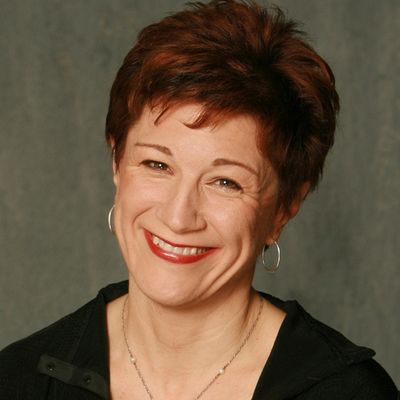
Join us for our season finale episode in which we get to talk to the artist who coined the name for our podcast, writer and actor Lisa Kron! We discuss Lisa’s early artist days and the “living culture” of WOW Café as well as the origins and almost European tour of the Five Lesbian Brothers... Read More
From the show: Thesis on Joan
Guests
Featured Shows
About
Join us for our season finale episode in which we get to talk to the artist who coined the name for our podcast, writer and actor Lisa Kron! We discuss Lisa’s early artist days and the “living culture” of WOW Café as well as the origins and almost European tour of the Five Lesbian Brothers. This leads us to the importance and rarity of queer spaces, queer identity outside of the patriarchy, the incandescent and creative life of the subculture, and the sanctification of a chosen family. In our discussion of Fun Home, we get to hear excerpts from Lisa’s childhood diary and about the autograph line confessions at the Fun Home stage door. Lisa reflects on the intersection of art and activism and her family history in light of today’s political climate and provides some pre-election insight that’s still prescient to our presidential transition time. We leave you this season with the reminder, as Lisa says, of “our power to create the future.” Be powerful and keep it queer.
Lisa Kron: Website
Queer Culture Rec:
- AOC Sunrise Speech
- Gentleman Jack - HBO
- Great British Bake-Off (specifically Noel Fielding) - Netflix
- Taskmaster - Amazon, Youtube
Queer Gives:
Georgia Senate Runoff Campaigns to Support:
Thesis on Joan:
Follow Thesis on Joan on Instagram & Twitter
Leave us a voicemail at (845) 445-9251
Email us at thesisonjoan at gmail dot com
Transcript
This transcript was automatically generated and might contain errors.
[0:07] Harrow: Hey everyone, welcome to Thesis on Joan.
[0:10] Meghan: I'm Meghan, she/her.
[0:12] Harrow: I'm Harrow, they/them.
[0:14] Harrow: Thesis on Joan is a podcast dedicated to amplifying voices from the LGBTQ+ community in the New York performing arts scene and examining the industry from a queer perspective.
[0:24] Meghan: Join fanqueers and theater professionals, me and Harrow, as we sit down with groundbreaking theater folk from Brooklyn cabaret performers to people backstage and on Broadway.
[0:34] Harrow: For many queers, theater has been an escape.
[0:37] Harrow: This podcast looks to have open conversations on where we've come from and where we're headed as a community while queering the canon along the way.
[0:48] Meghan: Hi, Harrow.
[0:49] Harrow: Hi, Meghan.
[0:50] Meghan: Wow.
[0:51] Meghan: Here we are in our last episode of season one.
[0:54] Meghan: I can't believe it.
[0:56] Harrow: Yeah.
[0:56] Meghan: Harrow, was there uh like a moment from our whole season that sticks out to you or was kind of a favorite for you?
[1:04] Harrow: I mean, so many, right? Like when we were talking about this, it's I feel like I could pick like a few moments from each episode because all of our guests were just so fantastic.
[1:14] Harrow: Um, but I think one that like really stands out to me is early early on. I think it was our third or fourth interview we did, our second episode with Marga Gomez, um, who I had like definitely a stage crush on after seeing her in Dr. Ride's American Beach House last fall.
[1:30] Harrow: Um, one of the probably last like off-Broadway shows I saw before the pandemic started. Um, but just like talking to Marga and seeing someone who was finding so much joy in the challenge of trying to do theater this way, and just like so much humor and I don't know, just seeing an artist like so quickly adapting and adjusting to I mean that's what comedians do, right? But adjusting to this like insane time and using like their creative energy to try to find ways to bring theater and and bring some like just excitement to people and I keep seeing on Marga's Instagram like the commitment to digital theater and and like making this magic happen.
[2:20] Harrow: Um but yeah I think they're like really set like a bar of like okay this is not all gonna be like doom and gloom this is what the state of theater is now. You know like Marga really was able to elevate it and uh keep it like just like a really positive conversation about art.
[2:38] Harrow: And I I think I needed that for sure and I'm grateful to Marga for that.
[2:43] Meghan: Yeah and I think we laughed the most in that episode too.
[2:47] Harrow: Oh so cathartic could probably be like a half hour of bloopers from that episode.
[2:53] Meghan: How about you Harrow what what stands out that over 14 episodes I think uh I said this before Diana O's episode um that was really like the dream for me and like when I envisioned this podcast with you I'm like this is what I want who I want to be talking to um who I want to hear from and just like being able to hear from them and you know hear what's keeping them going and also be like realistic about where we are in the world was was very uh grounding and also just like mind blowing for me that um we had that time with Diana.
[3:33] Meghan: Um yeah.
[3:35] Meghan: So that was very much a dream come true for me.
[3:38] Meghan: Uh yeah, but yeah, like like you said, all of our guests have been incredible and I've enjoyed talking to everyone uh and wish we could have just had more time with everybody.
[3:49] Harrow: Um and I think like I was really lamenting at the beginning that we wouldn't be able to have these interviews in person, right? But there's been like something really quirky and cool about getting to like get a little snapshot into either their homes or where they're at at that particular moment of their life.
[4:08] Harrow: And I feel like every episode like we either get to meet the pet or there's like something pointed out at the apartment that's like, oh, by the way, this is from when I did this show. Or like I I'll like never forget that Ty was like mid moving a friend like while doing the interview.
[4:26] Meghan: Yeah.
[4:26] Harrow: It was just cool to like have these like slice of life moments with all these artists who are, you know, in very different times than they probably anticipated this year, but um it was cool to kind of like be welcomed into whatever their home was at that moment.
[4:41] Meghan: Yeah, oh yeah. In this episode, Lisa like steps away for a minute to grab a very important um piece of literature that she shares with us.
[4:50] Harrow: Oh my gosh. If I had to like fill out a mad libs for like a dream that I had, it would be Lisa Kron read you her childhood journal.
[4:57] Meghan: So please get excited for that later in the episode.
[5:04] Harrow: Uh-huh.
[5:05] Meghan: It's a delight.
[5:07] Meghan: Yeah. And I'm excited that, you know, we're gonna be back next year. Um, you know, we're already thinking and planning on what we want to do and things to add and people to talk to.
[5:17] Meghan: And, and you know, our community is so vast and different, and uh it's just been incredible to hear so many different um viewpoints on our industry and the work that they're doing.
[5:30] Harrow: Um, and we have there's such a wealth of information out there that we still have to to like explore more.
[5:37] Meghan: Totally, and I feel like every guest we talk to, like we're all we're always talking about queer families, right? And um every guest we talk to, they inevitably like mention two or three people within their queer family who would be like a great person for us to talk to.
[5:51] Meghan: So it's just I don't know, it's just fun to kind of continue to follow those trails out, and like you said, Harrow, just explore how vast and wonderful this community is definitely uh lots of thank yous to make this whole season happen.
[6:07] Harrow: We really couldn't have made this season kind of the like season of our dreams, which it ended up being without the help of our friend Kirsten.
[6:17] Meghan: Uh Kirsten was our test guest for our first trial episode, and well boy, was it a shit show? My microphone didn't work for 45 minutes, and Kirsten was just like patiently waiting, like oh gosh, like what we we don't deserve to have a friend like Kirsten sometimes.
[6:39] Harrow: Yeah.
[6:39] Meghan: Um, but yeah, she has been working tirelessly on our transcripts.
[6:45] Meghan: So if you guys didn't know, every episode has a transcript attached you can find in the show notes.
[6:50] Meghan: Um, and Kirsten works on that for each episode.
[6:54] Meghan: Um and Kirsten is also pretty much the godmother of my dog.
[6:58] Meghan: My dog just saw Kirsten today and um basically had like a little mini puppy heart attack when she saw her rounding the corner and coming down the street.
[7:07] Harrow: So and I also feel that way when I see Kirsten around the corner coming down the street, but all that to say, she's amazing and um our our number one fan from the beginning.
[7:20] Meghan: Thanks again, Kirsten. We love you.
[7:23] Meghan: Um her name, her full name is Kirsten Williams.
[7:25] Meghan: She is a stage manager and a production assistant.
[7:28] Meghan: Uh so if you're working on projects, you can hire her.
[7:31] Meghan: She is fantastic.
[7:33] Harrow: Thanks, Kirsten.
[7:34] Meghan: Yeah, we love you.
[7:35] Meghan: And yes, hire Kirsten.
[7:39] Harrow: Um also thank you to the Broadway Podcast Network.
[7:42] Meghan: Um they brought us into their podcast family, and it's been great to get to know the other podcasters and be part of this community.
[7:50] Harrow: Yeah, and thanks to BPN for just saying like yes and letting us kind of run with exactly what we wanted to do and talk about as much queer stuff as we wanted to.
[8:00] Meghan: Yeah, yeah. Uh there's no um parameters on what we're allowed to do, which has been really amazing.
[8:06] Harrow: We also want to give an extra special shout out to Brittany Bigelow, who was very patient with us from the very beginning and welcomed us to BPN and just kind of made the process easy when all the tech was working against us.
[8:22] Meghan: So thanks, Britt.
[8:23] Meghan: Um, and also Stan at BPN.
[8:26] Meghan: Thank you for your patience and always being as big a fan of our guests as we are.
[8:29] Meghan: It's been great to have Stan, Stan, stands.
[8:33] Harrow: We are stan stands indeed.
[8:36] Harrow: And we stand for Stan Stans.
[8:42] Meghan: Oh, thanks, Stan.
[8:44] Harrow: I'm sure he's never heard that before.
[8:46] Meghan: Probably not.
[8:47] Harrow: Yeah.
[8:49] Harrow: We're so down with the kids, Meghan.
[8:51] Meghan: I know, we know the lingo.
[8:53] Harrow: Um thank you to our our amazing, incredible guests who are so like incredibly talented who you know gave their time to be with us.
[9:05] Meghan: We're so grateful.
[9:06] Meghan: Um and we love hearing from them.
[9:08] Meghan: We asked so many people that we thought would be a long shot and a dream guest, and they all said yes.
[9:14] Meghan: So we are so grateful to have the chance to talk to so many people whose work we've admired for for so long, forever.
[9:23] Harrow: So it's been it's been a delight.
[9:26] Harrow: And who deserve all the the work and the money, give it to them.
[9:30] Meghan: Yeah, hire them too.
[9:31] Meghan: If you're listening to this and you have that power, hire all those guests too.
[9:35] Harrow: They are great.
[9:36] Meghan: Yeah.
[9:37] Meghan: Um, and Harrow, thanks for being you and for doing this podcast with me.
[9:42] Harrow: Oh, well, Meghan, thank you for uh, you know, pitching this to me.
[9:46] Harrow: This was your idea, and look where it's come.
[9:49] Harrow: I mean, I can't I kind of can't believe it.
[9:51] Harrow: And it's it's just been like such going back to what I was saying about Marga, it's like this has been my pandemic joy.
[10:00] Harrow: Like I feel like this has kept me creative and excited, and um getting an excuse to hang out with you digitally at least once a week has been so wonderful too.
[10:11] Meghan: Oh yeah, for sure.
[10:12] Meghan: It's definitely kept me grounded and like a fun, joyful project to work on.
[10:19] Harrow: Uh and I feel like I learned so many new skills from this whole thing too.
[10:23] Meghan: This is true.
[10:23] Harrow: Yeah, we have a lot of podcast skills now.
[10:26] Meghan: Yeah.
[10:26] Harrow: Um, and I think it also has shown me that like I've put up in this industry, things can feel very isolating and um you can feel like shut off from a lot of opportunities, and it's been really wonderful to see like kind of the queer community is here to support each other.
[10:46] Meghan: I feel like we've um it's it's been really easy, right?
[10:50] Meghan: It's been easy to talk to all of our guests and just easy to like work together.
[10:55] Harrow: And um, yeah, it's just giving me a lot more like hope for our industry as well.
[11:00] Meghan: Yeah, same.
[11:02] Meghan: We're not gonna end the season without giving you some homework.
[11:05] Meghan: Um so some actions you can take while we're on a break is uh really supporting the Democratic candidates in the Georgia Senate runoff elections.
[11:16] Harrow: Um there are two Democratic candidates who are up for Senate seats.
[11:21] Harrow: If they both win, we would have a tied Senate with uh vice president Kamala Harris breaking any tiebreakers.
[11:28] Harrow: So these are super important races to pay attention to to support.
[11:32] Meghan: Um you can volunteer your time, your money, um, talk to your friends and your family about them.
[11:38] Meghan: Um this would really make a huge difference to the next several years in our government.
[11:45] Harrow: And another thing we learned this year is that if there is a runoff election and you turn 18 before that election, so January 5th, you are allowed to vote in the runoff.
[11:55] Harrow: So if you are a Georgia voter and you are going to turn 18 by January 5th, your cutoff to register to vote is December 7th.
[12:05] Meghan: So I think Newsweek said there is an estimated almost 30,000 voters that this could apply to.
[12:11] Meghan: So you guys can make the difference.
[12:13] Meghan: If you if you know any teenagers in Georgia, it's on the register to vote.
[12:17] Meghan: And like the presidential race, you know, it's gonna be very, very close, we think.
[12:21] Harrow: So every single vote counts.
[12:23] Harrow: Uh, and if you can talk to one person, text with one person and convince them to vote, um, that you know can make a huge difference.
[12:31] Harrow: Um, so support uh Jon Ossoff and Raphael Warnock in those two elections.
[12:36] Meghan: Yeah, Harrow, I am excited for a bit of a break and then and then to come back like really energized to start season two.
[12:44] Meghan: I feel like we already have so many people that we're pumped to talk about for season two and excited to bring even more interviews to you guys and maybe some new things too.
[12:53] Harrow: So we will be back in the new year, and just keep your eyes on your feed, and I'm sure we'll be talking to you guys really soon.
[13:01] Meghan: Yeah, and we'll miss you for sure.
[13:03] Harrow: Yes, have a happy queer holiday season.
[13:05] Meghan: Yay!
[13:06] Meghan: And oh my god, now it's time, lucky you, to listen to the wise, wise words of our guest this week, Lisa Kron.
[13:14] Harrow: Oh my gosh, get ready for a masterclass.
[13:17] Harrow: Like get out a pen and paper and just start taking notes.
[13:23] Lisa Kron: Without further ado, here is Lisa Kron.
[13:27] Lisa Kron: Lisa Kron is a writer and performer whose work has been widely produced in New York, regionally and internationally. She wrote the book and lyrics for the musical Fun Home with music by composer Janine Tesori, which won five 2015 Tony Awards, including Best Book, Score, and Musical, and was a finalist for the Pulitzer Prize. Lisa's other plays include In the Wake, Well, and the Obi Award-winning 2.5 Minute Ride. As an actor, she received a Tony Award nomination for her performance in Well, and a Lortel Award for her turn in the Foundry Theatre's acclaimed production of Good Person of Sichuan. She is the recipient of Guggenheim, Sundance, and McDowell Fellowships, a Doris Duke Performing Artists Award, a CalArts Albert Award, a Helen Merrill Award, the Claven Prize for Libretto Writing, and grants from Creative Capital and NYFA.
Lisa is also a founding member of the Obi and Bessie Award-winning collaborative theater company, The Five Lesbian Brothers. She serves on the boards of the McDowell Colony and the Sundance Institute and is vice president of the Council of the Dramatist Guild of America.
[14:34] Harrow: Hey everyone, welcome to Thesis on Joan. And today we're so excited to be sitting here with Lisa Kron. Lisa, thank you so much for you know blessing and naming our podcast Thesis on Joan. We're so excited to have you here.
[14:50] Lisa Kron: Well, I'm really happy to be here. I'm really honored that you chose this name.
[14:55] Harrow: When we were thinking of names, we're like, well, we're gonna talk about Fun Home in every episode, so we might as well just like go for it.
[15:01] Meghan: Um yeah, we should make a roll of outtakes of just every guest bringing up Fun Home independently, honestly.
[15:08] Lisa Kron: It's wonderful. Um so welcome to the podcast. We always like to start with asking folks to share their name, pronouns, and anything else you'd like to tell us about how you identify.
[15:17] Lisa Kron: My name is Lisa Kron. My pronouns are she, her. Um gosh, I don't know. I identify as a cranky old lesbian, I guess.
[15:29] Meghan: It's definitely a mood. Uh so you describe your early work as vaudevillian. Can you tell us more about how you how your path to New York City and Cafe Wow?
[15:42] Lisa Kron: Yeah. Um my God, you know, I feel like I used to have a fairly concise version of this story. In a certain way, it's gotten more concise and more boring because I'm so old now that you know the story is just not that fresh anymore. It just feels like it happened a really long time ago. But um, you know, I didn't really have plans to be in the theater. Uh I think it's a vocation, it chooses you. And um, you know, I didn't see theater when I was a kid. Uh and then I was sort of drawn to the theater department in my small, small Midwestern college that I went to. And that was a kind of a love affair, they didn't love me back, you know. Um, I couldn't really get cast in anything, um, except as I like to say, you know, uh neighbors, old women, sometimes old men, and the occasional animal. Um, you know, I mean, I was told explicitly that I didn't quote unquote convey sexuality on stage, and therefore I couldn't be cast.
[16:50] Meghan: Wow.
[16:51] Lisa Kron: And um, and so and and also as I was, you know, so but I, you know, I just felt that there was there was something that happened in the theater, even though I wasn't seeing good theater, I wasn't, you know, it was you know, looking back, I don't know what was inspiring except that whatever that thing is that makes people drawn to the theater who want to make theater. And um, yeah, and I um uh but I I just you know, I just couldn't get away from it, and I felt this, you know, very powerful thing. And then at some point, I mean, in my senior spring, I was the show was Picnic. I don't know if you know this play Picnic. This oh god. Uh but you know, for me, I was like, wow, finally apart for a lesbian, you know, old maid.
But then I didn't get cast uh as rosemary in Picnic, and I was instead Mrs. Potts, the neighbor lady who walks, you know, back and forth. It was in a thrust theater, so I took a lot of diagonal crosses in the thrust, you know, same lines like I baked a lady Baltimore cake. Um exit into Vom. Um and then um and but I had the final speech, and you know, the plot of Picnic is that there's a young woman, an older woman, an old maid, and then an old lady, and they're just basically like you know, living in this town. And the monologue I had in the end was I don't remember verbatim, but it was something like I just I didn't even realize that I wasn't alive anymore. And then this young man showed up, and that reminded me that I'm a woman, and that was good.
Oh wow and I was like, huh. And really what I felt was devastated because I felt that there was I felt that there was some transformative power in the theater, and that but that it was being used for my and many other people's obliteration, uh, and that there were never going to be, there were no plays or really almost no plays that I knew, in which women at that was you know my focus at that point, what parts women played, um, in which women uh existed except in relationship to men.
[19:29] Meghan: And um, and and to further to be a a sort of a uh reflection of a male protagonist's concerns and journey, and that felt uh crushing. So blah blah blah, blah blah. Then I, you know, did summer stock. I actually toured within uh national repertoire company for a season, which was uh amazing right out of college, and then I came to New York, equity showcases, you know, whatever, mostly I was you know, I tent a temp for 10 years in New York, so word processor, and that uh and then you know, my roommate from college was a lighting designer, so naturally a lesbian, and um as were all so then she knew all these other lesbians because all the lighting, you know, she wasn't a lighting designer, she was a lighting uh she was a police spot operator, and all the you know, all the light the lighting people were these dykes off Broadway.
So she went she she came home one night and she was like uh I just saw this show downtown. It was actually at that point in the uh in at this little theater in like the East 20s to the East 30s, and it was the Split Bridges Company doing their show Split Bridges in a tiny little theater, and she was like, We're going tomorrow night. And I saw it and I was like, what? I didn't know what it was. I was scared of everything, like you know, the amount of things I didn't do when I moved to New York because I was just you know, this girl out of the Midwest, and I was like, that sounds confusing and scary. I don't think so. But I just was, and I was scared of that, whatever it was, I didn't know what it was, but I was just drawn to it like a moth, and then, you know, I ended up at this incredible place, the WOW Café, that was this, you know, lesbian world of, you know, was what Wendell Pierce calls a living culture.
You know, there was no commodification, we were invisible to everybody else. There was no money involved. Literally, the budgets for shows there were like $400, you know, between two and four hundred dollars. And it was just, you know, his definition of a sort of living culture is one that in which whatever that cultural, and you know, his uh he's from New Orleans, of course, and you know, he was speaking about it in terms of the way music is everywhere in New Orleans, and he's like, it's the way that you um you know you celebrate your arrays that you get at work, you know, your the births and deaths and losses and achievements. You're it's just you're just always expressing that communally through that art form.
And you know, everybody sort of had a day job, and then we were at this, and you know, most of the people who were there weren't in the theater. They were just it was like a lesbian social club in a way, but we just made performance and plays, and you know, we just we just turned them over just all the time. We were just making, making, making work. So, anyway, in that way it was like a community theater in the best sense. Um, and and then I think for some people there was a a different kind an additional ambition, which was um not necessarily a professional ambition because there wasn't really a profession that was open to anybody at that point. Uh I mean, there was a little bit. I mean, Peggy Shaw and Lois Weaver had, you know, they toured in Europe a lot.
And I remember at some point saying to Peggy Shaw, the great Peggy Shaw, how do you can could we tour? You know, the Five Lesbian Brothers had just formed. Could we tour? And she was like, Oh, yeah, I could totally tour. You know, the five Legend brothers had just formed. Could we tour? And she was like, Oh, yeah, I could totally tour. I was like, Can we could we go to London? You know, oh yeah, totally, totally you go to London. I was like, how do we do it? She was like, okay, you go to London. Um, and then I was like, okay, okay, okay. And then when you get there, um, you go to the bar. I'll give you the name of the bar. You go there, it's a dike bar. And then you tell them that you're there and that you have a show.
And I'm like, okay, okay, okay. And then I'm like, well, it uh where do we stay? And she's like, oh, somebody will you stay on somebody's floor. Like if you go to the bar, then somebody will say, Come in my house. I was like, okay, okay. And I was like, and you can um you can make like enough money to uh to get by. And she's like, oh, totally, totally, totally. And I was like, and you know, like make enough money and like buy food and stuff. And she was like, you steal your food. And I was like, oh, oh, oh, oh, oh, okay. I'm I see now that part of the reason that I am so completely compelled by you is you are a true Bohemian, and I am a true middle-class girl from the Midwest, and I will not be doing that.
I wish I was going to be, but I'm not gonna be doing that. Anyway, so that being said, there were a million, I'm circling along long-windedly to the end of the answer to your question. No, it's great. There were a million performance spaces in East Village then, you know, that was the Wawa Hut and Gates of Dawn and Gusto House and PS122 and La Mama and um Dixon Place and um, I mean, just a million million places. And, you know, somebody'd say, Come here and do 10 minutes, come here and do a show, come here and do this. And so, you know, I mean, the first time I did a variety night at WoW, I guess I had done a variety night, went very well. I didn't know what I was doing. They were like, You want your own show?
I was like, Yeah, I did my own show, didn't know what that meant. Sang some songs, told a bunch of stories that I'd been telling for a long time. You know, at 11 o'clock at night, it went fantastically. I was like, I am so talented. I don't need to do anything, but just stand on stage, and nothing would fall from my mouth. Then I did another show and it was not good, like eight months later. I I had to learn the skills to be consistently uh, you know, to connect with an audience consistently on stage. And because there were all those spaces, I would just, you know, like a vaudevillian. I would just brought it right back around. Uh I would go, you know, from you know, we just would just all go from club to club to club, you know, and we'd just make up new shows for every place that we went.
We had a lot of energy. We had a lot of energy. I don't know, this is like 20 years ago or something, so long after our, you know, those early days, and we were someplace and we were uh it was actually Meow Mix, I think, and we were downstairs and we were doing something and we were watching these drag kings who had obviously like come up with this whole act for this performance, and we were like, oh my god, they have so much energy. We used to do that. Like I really didn't. Amazing.
[26:15] Meghan: And speaking of the brothers, can you tell us a little bit more about the origins of the Five Lesbian Brothers and how you guys got together?
[26:21] Lisa Kron: Yeah, I mean, at WOW, you know, it was just a collective. WoW still exists, and I believe it's still collectively run. In order to get a time slot to do a show, you just had to, in the previous year, have done some support work on somebody else's show, like run their lights or run the box office or whatever, and then you'd be given a time slot.
[26:55] Lisa Kron: So all kinds of people made all kinds of things, and but I think people kind of gathered in affinity groups, you know, sort of aesthetic affinity groups. And and uh, you know, as I said before, there were I think some people who had a slight, you know, Mo Angeles and I had this idea that maybe we could tour something. She had gone to ETW at NYU, I had toured with this national company, and we we had a little bit of an idea that maybe we you know there might be some like some sort of narrow professional path to take, or at least some little bit of touring. And so we decided that we were gonna, you know, figure out this group of people who were sort of the core of, you know, we had already been making um shows together in different configurations, but there was kind of a core group of people.
And we went to them and said, if we and it was, you know, uh me and Mo, uh Babs Davy, um Dominique DeBelle and Peg Healy. Dominique was younger uh than us. It's so funny. She's not she's I I always think of her as so young, but she's like four years younger than us, I guess. Um so we we asked her to, and we we went we went to all those people and said, if we could get some touring gigs, would you be willing to you know step away from your life to to do that? And everybody said yes. And then I really thought that I was gonna like run these the creation of these shows. I was disabused of that very quickly. Um and um, and the first show we made was I mean it was torture, it was torture. We did not have a good time.
I'm not sure why we decided to do another show. Uh, but there was something that happened that made us feel compelled to um to do it again. And we didn't we started working without a a name, and then Dominique um is a you know, she's really good cartoonist, and she had made she had drawn a little cartoon of all of us, and when she was a kid, um she had really loved uh the uh now uh uh discredited book Five Lesbian Brothers, I believe, and but she had really loved that book, and so she drew this picture that said five lesbian brothers, um that was sort of based on her uh love of that book when she was uh a kid, and um, and we were like, Oh, that's cute, let's put that in our program. And then we took that on as our name.
Amazing. And you recently did a reunion and and did a virtual production of Brave Smiles, and what what was that like to do the reunion part? And then can we expect more digital theater from the brothers?
[29:46] Lisa Kron: The brothers have been um we we had been we were really happy to be asked to do that. Um Michael Urey, Doug Nevin, Nick Mayo, who have been doing for a while the uh the Pride plays, the festival in the summer. Last year, um they asked, or they did a uh in the festival, they did a uh reading of Brave Smiles, and they had an amazing cast, Kelly McGandrew, um Judy Gold. Um, I don't know, look up all the names. The cast was incredible. And we went to see it and it was really, really, really fun to see it. I we felt like it really held up. So then they asked us this year, um, you know, after COVID um changed their you know, conception of what they were going to do, if we would do if we would come back together to do a reading of it.
And the brothers had been meeting, um we've been meeting for a while and trying to trying to work on something new. Um we had actually in the past couple of years gone away together um twice to um try to write something. So the last thing that we did, it's been about 10 years since we wrote together. Wow it's been fun. Um and you know, I think like everybody making theater, it feels a little ungrounded right now, what it is that we would make and how we're making it. It was really, really, really fun to um be able to do that reading and perform together. And you know, it's got so it's it's so dumb jokey that it was fun to do that on Zoom. Although I I feel like there were some people who were like, what is happening? This is the worst acting I've ever seen. Because if you didn't quite understand the camp style, you'd be like, what are these people doing? Um Zoom camp is its own style now.
[31:54] Lisa Kron: Yeah. And then we were wondering if there is a five lesbian brothers tattoo, and if not, what would it be? Well, we did have um we did have uh a motto, and we had magnets uh that Mo Mo had come up with this motto, um uh commercially viable yet enchantingly homosexual. So maybe that would be it. I mean, the other thing we used to always say, the other joke we used to um have was that we were gonna call a play big heavy-handed message from five angry lesbians who are too ugly to get men an evening of song. So that's probably too long for a tattoo. But that's another five lesbian brothers saying. I believe it's awesome. Yeah, exactly.
[32:44] Lisa Kron: Oh, so shifting um to talk about more about your writing and how you think about writing. Uh, we read that you think a lot about dramatic action in in your work and just in writing in general. And how do you think that queerness can affect dramatic action uh when coming out isn't the main dramatic narrative? Uh, because that has been the go-to for so long. What else could be possible? You know, I think one of the really, really, really great things about being at WOW uh was that I was just talking to a student today about this, about about the way identity is manifested, can be manifested um in the theater if you are from uh a misrepresented this is something I heard recently, not underrepresented but misrepresented um group.
And um, you know, uh so I had you know come from this context where in as much as I had seen any lesbian theater, and as I said, it was really more about uh women uh you know, the plays that I had seen were just you know, women, mostly white women trying to assert their presence in the world. And that that was sort of, and then I came to wow, and a lesbian context was assumed. So there was nothing that needed to be explained. Um, you know, it was mostly sort of appropriations, can't be sort of appropriations of um, you know, uh really familiar story tropes, um, you know, Busby Berkeley musicals or uh, you know, sort of film noir tropes, or I mean, uh a lot of different kinds of things. And and those sort of stock, you know, mainstream culture types of stories, we just filled them with uh lesbians.
Um, you know, there was a lot, a lot of butch femme um in there so that so that those kind of um you know stock male female dynamics got queered basically. And um, and then when I started to do my own work, then that was the you know, that was the because the opposite of that is to stand in front of the powers that be and say, I am here, I am also a person, see me. And I think what what being at wow, part of what it did for me was to make me realize that that is a very disempowering way to go about it. That part of that the that the power of being an artist is that, and this isn't exactly about dramatic action, but this is about another thing that I'm interested in, which is about what my partner Madeline George has called the democracy of consciousness across the stage.
That there's no narrator in the theater. Every character has a 360-degree consciousness, ideally. The story might not be about them, but um, but what you see, you know, you're following sort of one person through there, through the through whatever the narrative is, that person doesn't know they're in the narrative. They're moving through, believing that what they see around them is the world, and what we see is that that is insufficient, that that is not complete. We see exactly why Oedipus thinks that he has overcome his curse. We see why that makes total sense and why he would think that, and we see that there are things he doesn't know. And then we see that in trying to manifest whatever he's gonna manifest, that everyone he deals with had you know, that it's an unfolding present, and that everybody else is gonna have to, you know, things are gonna play out because everybody else, everybody's moving through the world from the place where they stand.
Um, and uh so you know, when people talk about how we need to hear, like uh, you know, more you know, we need women's stories, we need queer stories, we need I think I think we need people, all kinds of different people to tell us the story of the world from where they stand, you know, where a wherever a person stands, they can they see things that the person on the other side of them, it's so funny, I've used this analogy for a long time, and that what I always say is that when you're when I'm looking at you, I can't see what's behind you can see what's behind me, but I can't, and now we're on Zoom, and I can see what's behind me. But um, so now I'm searching for another analogy, but you get the picture in the world, you can't, and and you know, this is the this has led to a real um impoverishment of well of mainstream meaning white heterosexual culture, because if you don't have those other perspectives, your own your your frame just gets smaller, smaller, smaller, smaller.
So there's some there's I think uh so the what I'm getting to here is that rather than as an artist feeling like what you need to do is to sti is to say me too, me too, me too. Actually, what you can do is say here is the world from where I stand. You know, here is the story from I'm I assume my the sense not that there's not humility in work, not that there's work isn't made of questions, all those things are true, and you start from a point of view, and that point of view can be whatever is particular about you. So at WOW, uh what I learned was that I could talk about, and uh the brothers did this also. Everybody at WOW, I think did this. You write plays about whatever, and the point of view that it is grounded in, uh certainly on my own work, is a lesbian uh point of view.
In The Secretaries, for instance, you know, that's a play about straight women, about what these, you know, it's it's really a play about how women can become the enforcers of sexism. It was written the way it was written because of what we as lesbians uh had experienced in our lives, in our families and in the offices that we had all worked in and in the culture, you know.
[40:09] Lisa Kron: So I think, but we weren't, yep. I didn't talk about dramatic action at all. Because I don't uh because I don't, I don't, I don't know that I um I mean I'm very interested in dramatic action. I don't know that there's anything particularly I th I think what's I think I I guess I f I f I f I find what's interesting I I don't know that there's a a queer element to what I think is interesting about it. I'm glad we led down that path though with Madeline's consciousness. That's like incredible way to think about theater. I I love that so much. Well switching gears a little bit, but still thinking back to the uh WOW days. What have you seen change about the queer community in theater over the years from that time until now?
I mean lesbians were literally invisible. I mean I feel like not you know, not just culturally. I feel like we were literally invisible. Um I mean, obviously uh yeah, uh queer people of color, certainly even in the past few years. I mean, why would you not uh you know, there were there were some uh women of color working a while, but not that many. Um you know, as is always the true with uh true uh when they're mostly white people, that's not by accident.
[41:44] Meghan: It's interesting that you uh that you say that lesbians were invisible. Um but like the the world you're describing of the downtown theater scene seems like there was there's so many representations of lesbians in theater, uh at least in your world. And and I feel like I haven't experienced that in my time.
[42:03] Lisa Kron: Yeah. Yeah, me either. Wow. I mean, I guess we were we yeah, I mean, I guess we we went to other c uh we went to other clubs. I guess we had a presence. We were definitely there was a second classness to it, I would say. And at that time there were um, you know, HBO Showtime were just starting to come down and like lift people up. Spaldon Gray, Dennis Leary, um John Leguizamo a little bit later, um, David Sederis, um, you might uh notice generally um some similarities in democratic um and um and even when the you know people academics and people started to write about like Charles Ludlum and gay men, it took an incredibly you know, there would be retrospectives on the East Village, and it's really only recently that WOW was considered at all.
I mean there were there were lesbian academics and you know, people like Elisa Solomon and C Carr at the Voice, um, and academics who were uh writing about what happened there. Um you know, that was very frustrating to see people be written about and taken up, and the and on the other hand, for me, I always say it was like in a lot of ways the luckiest thing that happened to me because there was no reason to be there, except for the love of being in that community and making that work and seeing what would happen. Um but yeah, I mean uh trans visibility, obviously, completely uh I mean it was relatively non-existent. I mean, Marcia P. Johnson was around. Um I mean there, I think there were a lot of trans people around, but that but that wasn't as an identity, it was not um yeah. It wasn't compared to how we see today.
[44:26] Meghan: Yeah. Even though it's still underrepresented.
[44:29] Lisa Kron: Yeah, yes, yes, yes. Yeah. And speaking of, you know, visibility, um, your Tony Award win was a huge moment for aspiring women, especially queer women writers in musical theater. Um, and we obviously still have a long way to go uh to get more diverse voices represented. So since you're when have you seen any changes happen and what still needs to be done, do you think?
[44:52] Lisa Kron: I don't know. What do you guys think about these things? What feels I mean, I'm curious, what feels different to you about visible? I mean, you Holly, you just said that you don't you don't feel like there's a lot of queer representation. What are you guys seeing? What's your sense of it?
[45:10] Harrow: Yeah, I guess maybe that I'm not as like plugged into the downtown art scene. I think there's a lot of queer theater happening there that I'm just not seeing because maybe I'm just not hearing about it.
[45:19] Meghan: No, I think I think like resonating off of what Holly was saying too. I feel like I've had a lot of like specific show experiences where I'm like, oh, here's my community at this show. And um, like most recently I would say it was when I went to see Hurricane Diane. And because I was like, oh, I looked around, it's it was what you're saying is like what I crave. You go into a space and like a certain queer identity is assumed as like the base level understanding of the show. And I feel like that happens. So like Hurricane Diane is an example. I mean, of course, Fun Home, but it's you know, I I feel like it's there's not a location that I could go to and be like everything that I'm gonna see here is gonna assume that's like the base we're coming from. So you kind of have to like seek it out piecemeal. But again, like Holly was saying, there's probably a downtown space that I don't know about, you know, pandemic aside that that is the identity, but right.
[46:14] Lisa Kron: I don't know. I mean, there's a I I mean yeah, I I mean I I don't I probably at this point I don't know much more than you guys do, and you probably know more than I do about what's happening sort of downtown, and um I would say that you know I I wonder sometimes about lesbianism as an identity, you know, that felt and feels significant to me for me, but I don't necessarily perceive uh young people. Um I mean, certainly there were many people who I think when I was coming up would have identified as lesbians or which lesbians who are now trans. Um and then there are also I I think young people refer to themselves as queer more than lesbian. From a just on a feminist point of view, I feel that it's important for me to say lesbian.
And to, you know, I I was thinking about the word, you know, dyke, um, and what that means. And you know, Madeline, let's quote Madeline again, is one can never do too much. Um, you know, she was saying, you know what, you know what a dyke is? A dyke is someone who has no truck with the patriarchy. And I thought that's exactly right. And so I think that's what I'm interested in is an idea queer identity that has no truck with the patriarchy. And uh, yeah. I mean that that means something valuable to me. And I think it's just I think the patriarchy is very seductive. Um, and so, you know, in a lot of subtle ways. So yeah, I mean, we see you know, toxic masculinity show up in in queer and lesbian relationships too, and yeah, it's it's in um truly ingrained in all of us.
[48:33] Meghan: Yeah, absolutely, absolutely, yeah.
[48:37] Lisa Kron: So uh, and and then uh the other thing, sort of, you know, in more mainstream, you know, there's a lot more lesbian characters and not necessarily lesbian creators. And I feel sometimes when I watch those things, and I will not speak specifically about anything, I'm just like, what what is this? You know, this is some kind of like a sense of cachet with no actual um, I mean, whatever, it's sort of classic tokenizing, I guess, in a certain way.
[49:12] Harrow: Or never as the main character either.
[49:15] Lisa Kron: Yeah, or sometimes as the main character, but not I don't know. You can tell, like when you could tell.
[49:23] Meghan: Yeah, I feel like well, especially I was just gonna say like the audience, like when you go to a show that's like written by a queer person that represents their identity, like the audience is just a different energy and it's filled with those kind of like people who identify in a similar way or like would understand. Um, and it's just such an amazing experience to be part of and and yeah, so different from something written by a straight person.
[49:46] Lisa Kron: Totally, totally. And I think uh, you know, I I think I have long said that there is no better recipe for commercial success than a show that looks like it's subversive, but is actually upholding the status quo. And there's a kind of uh, you know, mainstream queer show that is not actually queer, and that actually is, you know, upholding the status quo. I feel like we get at least one of those every year in the Broadway circuit. And you look like Holly said, you look around you and you don't see your community represented in the people going to the show, and it's access to the show.
[50:30] Meghan: That's true. I think what's always frustrating though is like uh the the idea that like the other people going to see that show might be like good on me for like seeing something so I don't know, like transgressive.
[50:46] Lisa Kron: Totally. Absolutely, but it's not.
[50:48] Meghan: They feel like they check their box for like their radical show of the year.
[50:52] Lisa Kron: Totally. Not even close. Yep. But um a different kind of inclusion. How would you describe queer joy? And then how do you include that in your work?
[51:07] Lisa Kron: You know, I I don't I don't know if this is exactly an answer to your question, but around the time that of the Windsor decision, you know, the gay marriage became legal. Um there were a lot of questions about this, about you know LGBTQ culture, how people felt about it. Did they feel like uh particularly for for people who um were ambivalent about marriage? Um which I have been in I mean I I am married, uh as Holly Hughes wrote on her Facebook page when she got married. I am old and the revolution seems no closer. Although now the revolution seems very close, but anyway. Um but just to uh as a I mean not in terms of personal commitment, but it you know, as a institution. It's a problem it feels problematic for me.
Uh not my ideal structure, but I think um, but anyway, there were a lot of questions about that, and of course, one doesn't, or I certainly don't wish to I don't want to I I don't romanticize not having civil rights, but there was something about not having that path open, that path of um, you know, whatever you put into this container of you know that leads toward marriage, having children, whatever that thing is, that heterosexual path, whatever the reality of your circumstance is, a lot of things are conferred upon you in terms of adulthood, legitimacy, purpose, um, accompaniment world.
[53:08] Harrow: Pardon?
[53:09] Lisa Kron: Professionalism. Professionalism, yeah, all those things. When that's not available to you, then you actually have to make choices about. I mean, I guess the thing that's really conferred on you is it's it's a it's a conferred sense of meaning. Adult, the meaning of your adult life is tied to entering into that institution. And if that's not open for you to you, then you have to choose what's meaningful for you.
[53:37] Lisa Kron: You have to choose what constitutes a relationship that is a sanctified relationship.
[53:50] Lisa Kron: A sanctified relationship, then can be your friends, you know, your friendships, uh the people you take care of when their families reject them, you know, chosen family, the sanctification of a chosen family, um the sanctified act of choosing a family, you know, that is just an extraordinary gift. Um to, I mean, that's what a subculture is. You know, that's the that's the extraordinary experience of being in a subculture to make those choices and to imbue a sense of collective meaning within the subculture on choices and relationships and communities that are ignored or degraded by the mainstream culture. Um that is a very joyful experience. I think it's a very meaningful experience. I think it's a generative creative um incandescent really experience.
And I keep thinking back now to your um point about the like new prevalence of like a lesbian character in a cultural, and is it because like the predominant culture can now like impose their ideas of joy and success upon that care, like because it those avenues are available to them now. So it's like they finally fit into a story that like everyone understands. I'm using hand clothes here, um, rather than like, you know, this like beautiful, kind of more messy way of figuring out the world.
[55:47] Meghan: Yeah, that seems really right, yeah.
[55:50] Lisa Kron: Uh I feel like you put into words so eloquently like the feeling I've had many times when in making choices and decisions about my life and feeling bad for folks who don't allow themselves to, you know, challenge or really analyze their choices and like are they just doing what they think they're supposed to be doing, or do you have they really like examined their lives and what they're doing, yeah, what they want to do.
[56:14] Lisa Kron: Absolutely absolutely I mean when I was you know working on Fun Home you know you know people would say to me uh a a lot uh you know as we were sort of working through not my collaborators but other people um you know Bruce didn't have a choice because of the time that he lived in and I was always like of course they had a choice of course he did and a lot of people made that choice there were always people who are out always there were always people who were out and they gave something up but they chose something else. So this is I just no no no no I mean the tragedy of him is that he couldn't or wouldn't make that choice. But it wasn't because it wasn't possible it was because he didn't have the courage to do it. He couldn't give up what he would have had to give up to do it. But it's not that it was impossible because people have always done it.
[57:12] Meghan: Right.
[57:13] Lisa Kron: I know it's interesting to think of that well character but real person today and if it would have been the same avenue or not it could have been the easily could have been so now that we are in the fun home world uh we wanted to ask you who was your personal Joan if you would be willing to share with us because Madeline George I don't know there were a lot of, you know, a lot of just swaggery butches who I really really I mean really any swaggery butch, let's face it. Any swaggery butch is my Joan.
[57:54] Meghan: Oh amazing.
[58:01] Lisa Kron: Um in the vein of my home. Did you keep a diary as a child? And and what did you focus on?
[58:07] Lisa Kron: Oh my god. I meant to um send me these questions. I meant to look for this. I should go get it. It's just humiliating. I did I didn't write. I didn't write, but I have a humiliating. Oh my god, I can't believe I forgot to grab it. It's in the other room. Anyway, it's humiliating journal. Do you want me to go grab it?
[58:25] Meghan: No, we don't have to be a good idea.
[58:25] Lisa Kron: Yes. Yeah. Hold on for one second. Hold on. I I I really I I did not write. Uh I was never gonna be a writer. But I did um, let me know what that is. Um this is uh I did write this uh book called Secret of the Pine Forest. Oops, I see that's Secret of the Pine Forest. Beautiful. That's that's a whole other that's a whole other podcast. I'm not gonna get into that. Um this little diary, which has a lovely renoir. Oh my gosh. Can I take a screenshot of this?
[59:00] Meghan: Yes.
[59:03] Lisa Kron: These two girls just checking out a piano together. And then I'm on the back. Uh this made with a label maker. I put my name on it with a label maker. Oh my god. Um anyway, um, let's see. What's in here?
[59:21] Meghan: How old are you when when this is happening?
[59:24] Lisa Kron: Well, uh nine, nine years old. I was nine. That's uh it's a is how old is small owl and yeah, about about eight or nine. This is not no, nobody's gonna write a musical about this person. I'll tell you that right now. Oh, let's see. Um yesterday's party was a rotten New Year's Eve party. It was too wild, and I had a very bad time.
[59:56] Meghan: Wow, that's sad.
[59:57] Lisa Kron: Then later here, I think there are these. Oh yeah, here we go. Oh god, I think I'm getting my period here.
[1:00:05] Meghan: Oh my gosh.
[1:00:07] Lisa Kron: Oh no. Oh my gosh, this crazy, this is my little cursive handwriting here.
[1:00:13] Meghan: Oh it's really good.
[1:00:16] Lisa Kron: Oh, dear diary. Sometimes I feel like no one likes me. Everyone has their own little group but me. At Maine, all the Barnes kids stick together.
[1:00:30] Meghan: Yeah.
[1:00:31] Lisa Kron: Blah, blah, blah. But there's a part here where I'm like, uh, there's a part here that's really good where I talk about how I really I love simplicity. That's the best part. A nine-year-old. Yes, I love simplicity. This might be later. Oh, but see, there's a whole thing here about Nixon, which is, you know, it's true that Alison, I haven't looked at this in a long time. Allison does have a thing in her journal about um, you know, Watergate. Watergate was happening. Wow. Yeah. Oh, here I'm in junior high. Yeah. Let's see. Oh, because there's a part here about the here's a part about my cat died. But there was a part here about um I'm talking about this fight I had with my mother about Christmas decorations and how I didn't want Christmas decorations because we were Jewish.
But then she had a an elf, this little elf thing, and how I is I just loved this wise old elf. And sometimes I would talk to him and oh that's when I said it uh right that I love simplicity because she um she had put up the I didn't like the Christmas decorations because I love simplicity. This was not at all true. I did not love simplicity. And uh I I wrote a thing about how I I would talk to the wise old elf, which also untrue, absolutely untrue. Why would I do that? Why would I talk to a weird little Christmas decoration?
[1:02:00] Meghan: Theatricalizing already.
[1:02:00] Lisa Kron: Yeah, yeah, yeah. Anyway.
[1:02:04] Meghan: That's amazing.
[1:02:05] Lisa Kron: So that feel that feels on par with a small Allison, you know. I guess uh if you find any other gems, please send us a picture of the I will.
[1:02:17] Meghan: All right.
[1:02:18] Lisa Kron: All right. Thank you for getting that. That's awesome. Is there anything that you wish you had a record of that you didn't write about?
[1:02:28] Lisa Kron: Oh gosh. It's hard to go back, you know what when you write when you're a kid, it's not like it's not like really a record of anything except your your little child ego in a painful way, you know.
[1:02:47] Meghan: It's true, yeah.
[1:02:49] Lisa Kron: It is true. Well, it's funny, like no one was reading my diary as a kid, and when I go back and look, I still like when I was just starting to realize I was like queer, I like talk around it. And I'm like, I wish I would as more direct, you know. It's like even little you is like, I gotta protect this from the audience that's gonna read it right now.
[1:03:07] Meghan: Which is only gonna be myself.
[1:03:09] Lisa Kron: So it's so strange. Um so keeping it in the world of queer kids, did you have a ring of keys moment?
[1:03:18] Lisa Kron: You know, I didn't I I um I did not I didn't. I was really into I I thought I was straight. It is only in retrospect that I realized that every boy I liked was gay. And as I said at some point, I like a manly girl and a girly man. Um and um uh there was one guy I had a crush on. Uh, you know, at some point I realized every boy I ever had had a crush on was a gay boy, because I was really just like, you know, fantasizing that they were lesbians, I realized later. But um uh there was one guy I had a crush on, like a huge crush on when I was a freshman in college, and I was like, he's the one guy I ever had a crush on who wasn't gay, and then I saw him some years later, he came to see a show, and um uh he's totally gay. I mean it's just like he was like, What are you are you insane? Why I was so gay, I am so gay. What's wrong with you?
[1:04:22] Meghan: Amazing.
[1:04:25] Lisa Kron: Um and have you have fans reached out to you about their ring of keys moments?
[1:04:32] Lisa Kron: Um a little bit, you know, the the the Broadway cast of Fun Home used to refer to the autograph line as the second act, and there they got a lot of, you know, they really got a lot of people's personal stories. And um, including like, you know, people would come up to Beth a lot, you know, a young person would come up and say, 'My parents are back there, they don't know about me. You know, they were they got a lot of confessions. Also, um, you know, uh Judy Kune got a lot of um women who were like my husband back there, he's gay. Wow. A lot of people with wow um gay fathers. Um it seemed like it's very common for the their fathers to that for them to have a painful conversation in a car. That was something I heard a lot. That um happened a really surprising amount of time. Oh, we heard that's that was a story we heard a lot.
[1:05:33] Meghan: Wow.
[1:05:35] Lisa Kron: So shifting away from Fun Home. Um it was recently announced that your solo show 2.5 Minute Ride will be presented. Um that's part of the studio theater, the studio in first studio theater studio in first person series next season. Uh so it's been like 21 years since that happened at the public. And uh, do you ever revisit that piece?
[1:05:55] Lisa Kron: I have, I mean, after it was at the public, I I toured it quite a bit. Um the most the time I did it most recently was at Two River Theater in New Jersey. Um, and um it was um that was awesome. My dad was still alive, and he came to see it actually. He really, really, really wanted to see it again. They, you know, lived in Lansing, Michigan. Madeline flew to they were quite old at that point. She flew to Lansing. My mother picked her up in the car. She said to my parents, I want I want you to be all packed and ready to go. Pick me up at the airport, scoot over. I'm gonna dive into the car like James Bond, and I'm gonna drive you and she drove them to New Jersey. Oh wow and then they stayed for like two nights and saw the show and then she drove them back.
[1:06:56] Lisa Kron: What a hero. I've done that trip many times. It's a long time. It's a long drive. It's a long drive. Yeah. Well, yeah, it was a really long drive with my—I mean, my parents were great. It was just a—anyway, there were a lot of physical necessities that had to happen on the trip that Madeline, God bless her, handled. I'm not gonna screw it any more than that. But yeah, it's—you know, other people have done it over—you know, it's licensed and other people do it. I don't—I've never seen anybody else do it. I've really almost never seen anybody else do well. I'm not—I'm very, very happy for people to do it. And I think that people do a lot of really good work with those plays, and it's actually not as a person, it's as a playwright that I can't—and as the person who performed that, I can't quite do it, you know.
I don't know—I don't know that I—I mean, now that both my parents have passed away, I don't know that I would do it again. You know, some of it feels—I mean, I think about the, you know, the—I mean, I've thought about a lot of it a lot during the last four years. You know, when the immigration ban happened, the first thing I thought was, you know, my father was a refugee from Nazi Germany. And I was like, he wouldn't have been able to come in. And then I was like, oh, right. His parents were not allowed to come in, and they perished in a death camp. You know, that also happened, you know. And when my father came here, his experience was that sort of popular anti-Semitism was as present, or even more so than the town he had left in Germany.
But those, you know, those questions—I mean, I'm certainly right now in these days, particularly right now when, you know, we're all in this next—I mean, I don't know when this is gonna air, but you know, there's a lot of activation going on, not only about getting people out to vote, you know, all of those things incredibly important, and also a preparation for a massive mobilization, depending on what happens in the days after the election, where there's ample reason to believe that there's gonna be a, you know, an autocratic power grab. Okay, couple, yeah. And so the—you know, coups can be overturned. I mean, whatever, for four years, you know, this administration has overreached, and then people have pushed back with more or less success, but a lot of things have been pushed back.
So I think a lot about, you know, I picture like what it must have been like for my father and his parents to watch Hitler take over, to watch those things happen. And then also, you know, the story of 2.5 Minute Ride, the sort of central questions that he had were about his own questions about if he, you know, is—he says in the Lohman story, if I—if it had not been for the good fortune, he would say, quote unquote, of being a Jew, I wonder if I would have been a Nazi. You know, would I have been someone who raised their head above the parapet and said, no, that I will not do. And you know, that's every moment where these days are filled with those choices, you know. There are the big things, but the big things are made of smaller choices.
So, you know, that part of it feels very alive, and I think about all of that a lot, and I obviously think about him a lot. I mean, I had a—just to—I mean, it was a couple of months ago where I was like, this thought just passed through my head. I was like, huh. I wonder if I could—I don't even gotta say this. It's too dark. And I mostly feel we can manifest—we can manifest, we have a lot of—we need to be aware of our power to create the future. I don't think that the future is not written. I don't think it's necessarily gonna be good, but I don't think it's necessarily gonna be bad. And the best case scenario is this, you know, that we're in this seventh generation moment of, you know, actual transformation into something new, and I'm—I want—I'm trying—I'm doing what I can do to dedicate myself to doing that instead of, you know, being gloomy and forecasting terrible things, which I—it's my—is easy for me to do.
So, but the other thing about 2.5 Minute Ride that is interesting is that there are a lot of jokes that are—there is a lot of humor that is couched in the—it was written in a world where there was no gay marriage, and it was an impossibility to even picture it. And those things don't—they don't make any sense to an audience anymore. They really don't make any sense to a straight audience, and the dynamic of a straight audience listening to that play is completely different now with those things than it used to be.
[1:13:09] Meghan: Wow, yeah, yeah, I'm sure. And just with the format of the show since the pandemic, everyone's turning to solo performance pieces. It's what we're seeing. So yourself being a celebrated solo artist, what are your thoughts on, you know, the idea that a lot of theaters are maybe turning to these as necessity? Or is it a great opportunity for solo performance? What do you think?
[1:13:33] Lisa Kron: I mean, you know, people do solo performance for a lot of reasons. Sometimes it's just a storytelling urge, you know. A lot of solo performance is actually—I mean, this is sort of going back to the dramatic action question. This is why I became interested in it. I became interested in the difference between solo performance and theater. And I endeavored then to make shows in the solo form that would have dramatic action in them, in which rather than watching somebody tell a story about something that happened, you would watch something happen to the storyteller in the course of trying to tell a story. So, you know, my interest in it was, you know, I had that sort of formal thing I was trying to figure out, and I liked being in front of an audience.
I liked understanding the nature of theater in a certain way. Like, what is the difference between us talking right here and a person in front of an audience? Both of them are actual interactions, but they're very different. If I'm performing, I'm going to be the only one talking, presumably, and I'm going to go on a set path. And yet, there is a dynamic that is unfolding in that interaction. It is not only one way, and I was very interested as a performer and as a creator of that work of trying to figure out what that was made of. I—you know, the beauty of solo performance is that nobody—you—I mean, I think this is true to a greater degree than people imagine. You know, nobody gives you permission to be an artist.
Nobody gives you permission to make theater. I think in the culture as it has been in this country, there are a lot of playwrights, certainly, who imagine their primary relationship with an artistic director or a producer rather than with an audience. But a playwright's primary relationship should be with their audience. And if you're doing solo performance, you could just find people to do it with. There's a lot of bad theater of all kinds, but you know, I always say, you know, people ask me my advice. I say, just never use the phrase, and then I realized my biggest piece of advice. Amazing. Good pro tip.
[1:17:16] Meghan: Do you think there's anything about the genre besides the actual, like, only having one performer on stage that lends itself well to this particular time that we're going through?
[1:17:27] Lisa Kron: You know, I was reading Michelle Goldberg, who's a—up-ed writer in the Times. I really, really, really like her. And she has a piece today about—it was about sort of what Donald Trump has taken from us, but it's also about narrative and how one of the things that he has done is just to just eat up every narrative. And that there—it's not possible to talk about really anything else right now. So, and I—the other thing that I listened to recently that just keeps going through my head would—I—because I was listening to Sharon Salzburg. Do you guys know Sharon Salzburg, who's—she's a meditation teacher? She's amazing. She was one of the three Westerners, these, you know, young Jewish people in the 70s who went to India and then brought back meditate—meditation practices and sort of popularized it in the West.
And she's just extraordinary, and she's been doing a lot of pot—you know, podcasting and meditations and teachings during this pandemic, and I highly recommend listening to her. She's really wonderful. And she was on—she did an interview a couple weeks ago with Krista Tippett on, you know, speaking of faith. And there was this thing that she said where Chris Tibet asked her about if what was triggering about this time. And she talked about the experience, this childhood experience that is being replicated right now of being unseen and uncared for. And it just keeps going through my head, unseen and uncared for. That—that is part of the panic that we feel. And Matt—and then Madeline, just because I need to quote her again.
It's how many minutes have passed? I better quote her again. She said, not only are we unseen and uncared for, but this, you know, sort of if we—if we're looking at it through a sort of parent-child trauma relationship, there is a demand that we look at him all the time. Every second, every second, every second. And we cannot look away because he's literally killing us. And so all that to say, I have seen some—you know, when the lockdown happened, I thought something's gonna happen on Zoom that's gonna—you know, they're gonna be this opening of form. I've seen some beautiful things, but I haven't really seen that. And I think part of the reason is that he is no other narrative right now. This is part of what's happening to us.
[1:20:19] Lisa Kron: This is what's happening to us. Um, you know, early in the lockdown, um George Um Dirt Saunders, yeah. Um he there was a letter that uh uh that he um wrote to his students, his writing students, and it um you know got sort of disseminated out in the world, and he basically said, What is happening right now is what you will be writing about for the rest of your lives. You don't there's nothing to turn around necessarily right now. You just need to observe, observe, observe, observe, observe. And I I think certainly for me, and that I just think it's not the most generative time. It will be. So, yeah.
[1:21:15] Meghan: Yeah. No, that's a great lead into like one of our final questions. Um thinking about your artistry and your activism, how has that relationship evolved over the years?
[1:21:28] Lisa Kron: I mean, I I have never felt of my um theater work as activism. I think, you know, art or theater manifest, I mean, theater certainly um Ethan Lipton said uh theater's really the last responder. And um that seems right to me. I mean, I think theater is reflective, you know. I don't I think it's very rare that theater ever, I don't think theater gets people to do things. Theater doesn't really, you know, Brecht really, really tried to get people to do things based on theater. I I don't every once in a while it happens, but I don't actually think I think it's doing something else. It's doing something incredibly important. I never worried that there won't be more theater. I I when we can when we can gather again, the feeling that we're gonna have of being in an audience together and watching whatever the play is that you know, it's like it's like what happened when um Paul Chan did uh and um says name who I said earlier in the um from New Orleans uh anyway, when they did Waiting for Godot in uh in New Orleans right after Katrina, you know, out in a broken down, you know, the feeling of collective metaphorizing of uh an inexpressible and also atomizing experience.
You know, this we're physically separated. We're you know, in so many ways, what's happening to us is you know we don't know what it means. We don't, we don't even know what it is. And what theater will do for us is we will come together and we will understand what we have shared and we will imbue it with meaning. That's what will happen. That's what it's for. So it does that that's what it does. It doesn't necessarily move us forward. Activism moves us forward. The art, the the expressions of joy and activism in the streets around, you know, the George Floyd Black Lives Matter protests, that is also an art, there's artistic expression in there that is very, very um powerful and galvanizing.
And that is um, you know, whatever art does a lot of different things, but it doesn't have a specific set of demands, you know. You know, activism has a specific set of demands. It says the X, Y, and Z, we want it changed in, you know, in these ways. There can be more or less specificity, but that but at some point, activism is always uh the it's always specific. And it's and it and it and it is it definitely has imagination to it, it has artistic expression to galvanize it, it has all those things, but it is about changing conditions in the real world ultimately.
[1:24:37] Meghan: And just keeping in mind that we this will be releasing post-election, and we are recording pre-election. So is there anything that you would want to encourage the queer community or the queer theater community specifically to remember after next week, regardless of what the outcome is?
[1:24:55] Lisa Kron: Regardless of what happens, we have so much work to do together. We have so much work to do together. Watch AOC's incredible ext. Have you guys seen it? The extemporaneous speech that she gave in Sunrise Movement, did a beautiful, like, oh, it's a beautiful oh my god, it's incredible. It's incredible. Watch that, do that, do what she tells you. That's what I have to say. We're just we're just not there's so much to do. There's so much to do, there's so much to do. This is a this is just uh um, you know, it's uh we're on a precipice of something, and it could be something really, really great. And in order for that to happen, we we will we will be the ones to make it happen.
[1:25:37] Meghan: Absolutely, and thank you for doing so much to organize to really galvanize the theater community too. Um switching into kind of our last few sections. Um, the first one is called Queering the Canon. Uh so is there like a classic theater piece that you'd like to adapt and perform in or write and queer it up?
[1:25:57] Lisa Kron: Um I was very interested in this question. I mean, I feel like we we that's totally what we did all the time at WOW. Um, I guess what I would really like is to figure out how to just like lift the racism and sexism out of you know, so much beautiful musical theater, which is just unbearable now. It's just untenable. I mean, it always was, it always was. Um, but um yeah.
[1:26:24] Meghan: Do you have a favorite show or piece that you would want to do that with the most?
[1:26:28] Lisa Kron: Well, I mean, you know, there's songs in South Pacific that are so beautiful, but who could bear it? Um I don't know. There's some, you know, Fiddler really holds up. You can't argue with Fiddler.
[1:26:41] Meghan: True.
[1:26:42] Lisa Kron: Um basically all Rogers and Hair Snack.
[1:26:50] Meghan: Yes, it's true, it's true.
[1:26:51] Lisa Kron: It's cut up. It's not okay.
[1:26:54] Meghan: Yeah.
[1:26:55] Lisa Kron: You know what's really kind of great is um Music Man.
[1:26:59] Meghan: Oh, that's interesting.
[1:27:00] Lisa Kron: Music Man has an incredibly complicated female uh, you know, protagonist. I mean, there's a is it very sort of mature. Anyway.
[1:27:11] Meghan: Oh yeah, I was just gonna say I haven't watched Music Man since I was like little. So I'd be curious to see what it was like now. I should should revisit.
[1:27:19] Lisa Kron: But great. Um great. And then our last question is outside of theater. I mean, you just gave us a great example of the AOC speech, which we will definitely link to. But is there any other culture moment or culture indulgence that is uh kind of preoccupying you right now?
[1:27:39] Lisa Kron: Yeah. Well, uh when I read this question, I thought it was queer, a queer uh indulgence, in which case I would say this isn't current, oh, I could go back to it at any moment. I a gentleman Jack.
[1:27:50] Meghan: Oh, yes, yeah.
[1:27:52] Lisa Kron: Gentleman Jack, I mean how the hell did that happen? How did it happen? The brothers watched it together, and I have to say it was a oh my god. It was an incredible experience. Uh those women who made that are not there straight. Unbelievably. They did a good job. They did a really good job. That's really great. I want uh the costumes in that show.
[1:28:17] Meghan: Oh, striding.
[1:28:18] Lisa Kron: Striding. All she does is stride. She's striding, striding. Oh my god. That opening credits with her hands, with her I mean, come on. Come on. Every part of it. Oh my god, it's so crazy. Um that um, you know, uh Great British Bake Off. Um, I am really obsessed with Noel Fielding. Um that weirdo, really obsessed with him. Um, you know, during the lockdown, we only and exclusively watched Taskmaster, and um, we were really obsessed with it. And then when uh a couple weeks ago we tried I think a new season came out, we tried to watch it, and I don't know if you've ever watched it. It has it has a do you know what it is? It's this British um sort of game show where these three or there's like four comedians um are given goofy tasks to do, and I I uh it anyway we it was the perfect the perfect thing to watch during the weird lockdown where there were so many things you'd watch and you'd be like why aren't they wearing masks I don't understand what's happening.
This is just like out of time, but there's a very weird aesthetic to it and this weird kind of creepy music to it, like um like I don't know how to describe it, like little tinkly tinkling music to it. And but we just we just like literally watched nothing but Taskmaster. We watched, I would say a hundred hours of it during the lockdown every night for five hours we watched Taskmaster, and we tried to watch it again, and both of us were with the music came on and we were like, Oh god! So intense and we couldn't watch it. Yeah. There's a few cultural things like that. I'm like, I might not be able to revisit revisit this after this year. But Gentleman Jack is not one of those.
[1:30:17] Meghan: No.
[1:30:18] Lisa Kron: Yeah. Um, and then okay, one la one last thing. For queer gives, uh, is there uh an organization or a co-op or um nonprofit you want to shout out that supports the LGBTQ community?
[1:30:31] Lisa Kron: Um my god, I completely wasn't meant to be on top of this one. I mean lesbian history archives always. Um also um outright, which is um uh you know, works for um a human rights organization for LGBTQ people internationally. Um is uh really an organization that I really really love.
[1:30:57] Meghan: Awesome. Lisa, how do we follow you online?
[1:31:01] Lisa Kron: Not really. It's just uh it's I just really I mean a little bit on Instagram, um I don't even know what it is. I turned my phone off. Um you're under the radar a little bit.
[1:31:15] Meghan: Yeah, I just can't. I mean, I still have a Facebook account, I just can't. I just can't. And uh Twitter. Uh uh similarly, but also, you know, I have a little ADD, so if I the other thing is, in addition to my whatever, highfalutin political, I go on Facebook and I'm like, you know, three hours later I'm like, there's a cat who, you know, whatever. I mean, it's just like it's just a rabbit hole. It just doesn't go well for me. It just dissipates into nothing. And the same with Twitter. Um it's uh it's just it's okay.
[1:31:50] Meghan: You're above the edge.
[1:31:51] Lisa Kron: I'm not, I'm I'm incompetent. Basically, I'm incompetent. Um, you know. Uh yeah.
[1:31:59] Meghan: Well, thank you so much for being with us. Uh we're so thrilled to have you.
[1:32:03] Lisa Kron: Yeah, this is incredible. Thank you.
[1:32:05] Meghan: You're both awesome. It was such a fun conversation. I really um glad to be here.
[1:32:13] Lisa Kron: Oh, thank you for this.
[1:32:14] Meghan: Yeah, just thank you for your wonderful show. Thank you for this conversation.
[1:32:25] Meghan: Thanks so much for listening. If you like what you heard, please rate and review us and share us with your friends.
[1:32:30] Meghan: We'd love to hear from you if you have any queer culture recommendations or other ideas about how to clear the canon. You can call us and leave us a voicemail at 845-445-9251.
[1:32:43] Meghan: Or email us at thesis on joan at gbal.com. And you can follow us on social. We're on Instagram and Twitter at Thesis on Joan.
[1:32:52] Meghan: Until next time, keep it queer. Not that it'd be that hard for y'all to do.
[1:33:06] Lisa Kron: Amazing. And who would you cast as? I guess you said Madeline. Who would you cast as Madeline in a musical if there was a musical about your life?
[1:33:17] Lisa Kron: I can't. You know what? That's that's gonna I that's a that's a that's a dangerous path. Or you can ask Madeline and get back to us on what Madeline's answer is.
© Broadway Podcast Network, All Rights Reserved