

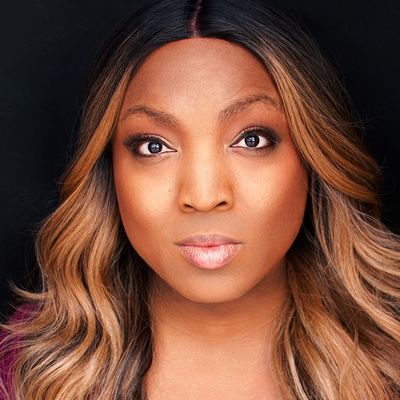
Welcome back, queers! The incomparable L Morgan Lee is our first guest of Season Two! Join Harrow and Meghan as they talk to L Morgan about making space in developing projects, the Pulitzer situation, intersectional change, always being a student, the demands on musical theater actors, the genius of Michael John LaChiusa and searching for L Morgan’s personal George Seurat... Read More
From the show: Thesis on Joan
Guests
Featured Shows
About
Welcome back, queers! The incomparable L Morgan Lee is our first guest of Season Two! Join Harrow and Meghan as they talk to L Morgan about making space in developing projects, the Pulitzer situation, intersectional change, always being a student, the demands on musical theater actors, the genius of Michael John LaChiusa and searching for L Morgan’s personal George Seurat. In this episode we discuss the productions HI, ARE YOU SINGLE? By Ryan J. Haddad, directed by Laura Savia and Jess McLeod, and presented by Woolly Mammoth Theatre Company in association with IAMA Theatre Company. We also discuss THE BLACK QUEENS SCREEN TESTS written and directed by Jerome A. Parker, A Patterson Projects Workshop Production sponsored by the Tank NYC and produced in conjunction with Alan K. Schuster.
L Morgan Lee:
HI, ARE YOU SINGLE?
- Show Information
- Ryan Haddad- Website
THE BLACK QUEENS SCREEN TESTS
- Show Information
- Patterson Projects Inc- About
Queer Culture Rec:
- Veneno
- Real Housewives
- Fate: The Winx Saga - Netflix
Queer Gives:
Our Dogs!
Thesis on Joan:
Follow Thesis on Joan on Instagram & Twitter
Leave us a voicemail at (845) 445-9251
Email us at thesisonjoan at gmail dot com
You can find a full transcript of this episode through this link.
Transcript
This transcript was automatically generated and might contain errors.
[0:07] Harrow: Hey all, welcome back to Thesis on Joan.
[0:09] Meghan: We're here for season two.
[0:11] Harrow: Hey queers, welcome back.
[0:13] Meghan: Thesis on Joan is a podcast dedicated to amplifying voices from the LGBTQ+ community in the New York performing arts scene and examining the industry from a queer perspective.
[0:24] Harrow: Join us as we sit down with groundbreaking theater folks, from Brooklyn cabaret performers to people backstage and on Broadway.
[0:32] Meghan: For many queers, theater has been an escape.
[0:34] Harrow: This podcast looks to have open conversations on where we've come from and where we're heading as a community while queering the canon along the way.
[0:41] Meghan: We are so excited to share even more interviews and discussions about queer theater with you this week.
[0:47] Harrow: Yeah, we have some great stuff planned, but first, how are you doing, Meghan?
[0:51] Meghan: It's been a minute since the end of our season one.
[0:54] Harrow: It has.
[0:55] Meghan: I feel like so much has changed since December.
[1:00] Harrow: Yeah.
[1:01] Meghan: In many, many different ways.
[1:03] Meghan: Um, I didn't tell you this yet. I got vaccinated this week.
[1:08] Harrow: So amazing.
[1:09] Meghan: Yeah, we're both one dose in, so that's very exciting.
[1:13] Harrow: Yeah, yeah. I got mine like a week ago, and yeah, it's exciting, it's hopeful.
[1:18] Meghan: Yeah. It was like the BMI system is oppressive, but thanks for this one, Wyn.
[1:24] Harrow: Right. Use it to your advantage. It's been oppressive to us our whole lives, or at least for me.
[1:28] Meghan: And yeah, that's one time that we can use it to our advantage. If you don't think you qualify, check your BMI because it's a real racist, messed up way of measuring people's quote-unquote health.
[1:40] Harrow: You can be any size really and have a maybe unhealthy, obese BMI.
[1:47] Meghan: So check it out.
[1:48] Harrow: Yeah, I think most people that I know do. So you are eligible.
[1:54] Meghan: Um, but yeah, it was kind of like vaccine Disneyland in there. It just felt like a little bit of a step closer to something better.
[2:01] Harrow: Yeah, I really hope so. I don't know. How about you?
[2:04] Meghan: Uh, my big news is that as of January, my partner and I adopted a dog, and his name is Business, and we call him Busy for short, and he has just completely changed our lives and makes every day so much happier.
[2:23] Harrow: He is such a joy. I mean, just from being like an onlooker to the business time. He's just and he loves my dog Indy.
[2:34] Meghan: They're like the bestest of friends.
[2:34] Harrow: Yeah, they love playing together. They both have a lot of energy.
[2:40] Meghan: So much energy. I remember when you were first telling me that you were getting Busy, and you described an area of the apartment as the business center.
[2:50] Harrow: And I was like, cool, cool. Holly's got like a nice computer setup going on, like they've got this great workstation.
[2:57] Meghan: And it took me like a half a day to realize what you meant, and the puns abound with Busy.
[3:04] Harrow: Yep.
[3:05] Meghan: There are so many opportunities. I remember my co-worker told me that when I posted the picture of Business the first time he experienced snow because he's from Texas, the caption should have been, "There's no business like snow business."
[3:22] Harrow: Oh my gosh, missed opportunity.
[3:24] Meghan: Well, yeah, we're due for another nor'easter, right? We're getting 60 degrees this week. It'll snow next week. Second winter, it'll be great.
[3:31] Harrow: Um, but yeah, he does have an Instagram if you like dogs. It's Business the Dog NYC.
[3:39] Meghan: And he's like a little kind of schnauzer-looking terrier dog.
[3:44] Harrow: He's a mix between a long-haired Chihuahua and some kind of terrier, they don't know. But he is very cute, if I have to say so.
[3:51] Meghan: Yeah, Business is the best thing to happen this year, I think.
[3:55] Harrow: So and then Indy was the best thing last year.
[3:57] Meghan: So that's true. It's always dog-related.
[4:00] Harrow: Definitely.
[4:01] Meghan: Yeah, I'll put Indy's Instagram up too because everyone. Indy's just friggin' gorgeous.
[4:07] Harrow: I know. She's like a little manic supermodel, but she lives a good life, that's for sure, with us home all the time.
[4:17] Meghan: So oh yeah, same.
[4:19] Harrow: So something new we want to do this season is to talk about shows that we've seen, some like queer-centered shows at the top of the episode.
[4:28] Meghan: These are not reviews, but these are mostly just us as queer folks responding to shows about queer folks.
[4:34] Harrow: Um, and we're super excited about that. Please send recommendations our way. If you have a friend or know of a performer who you love that's doing something digitally, we'd love to check it out.
[4:46] Meghan: So keep us in the know. Help keep us current, kids.
[4:52] Harrow: So the first show we're going to talk to you about today, we're super excited about. It's called Hi, ARE YOU SINGLE? by Ryan J. Haddad.
[4:59] Meghan: Directed by Laura Savia and Jess McLeod. This was presented by Woolly Mammoth Theatre Company in association with IAMA Theatre Company, and it was streaming throughout the month of February.
[5:11] Harrow: Um, and this one was just like, it was such a delight to—I know I'm stealing your line, Meghan—but it was so great to see something that was happening inside of a theater.
[5:21] Meghan: Um, and they actually had a small audience there from Woolly Mammoth of people who had been tested and worked on the show.
[5:29] Harrow: Um, so to just actually, you know, not have that awkward Zoom pause and hear genuine reactions to what Ryan was doing.
[5:38] Meghan: Um, but this show is about Ryan's life as a gay man in the dating world living with cerebral palsy, and it's a little bit about like his escapades in dating and some really interesting reflections on what that means to him.
[5:55] Harrow: Yeah, it was great that both of the shows we're gonna talk about today happened actually inside theaters.
[6:02] Meghan: Um, for me it was just such a nice escape from the Zoom backgrounds I look at every day, and like my suspension of disbelief just shot up 200%.
[6:13] Harrow: The show gave me so many baby queer feelings.
[6:16] Meghan: Um, all the, you know, Ryan going to gay bars and trying to like hit on people or get hit on and it's just like super innocent attempts to talk to anyone.
[6:31] Harrow: Um, yeah.
[6:38] Meghan: When you do a pass through the bar and you're just like, well, it starts less direct and then he starts saying the name of the show, "Hello, are you single?"
[6:46] Harrow: But like how many times have you been in a bar, like baby gay and just doing a lap just to see like what's new?
[6:53] Meghan: It's kind of like what I do at Trader Joe's, like what's new on the shelf, you know.
[6:58] Harrow: It's so true though that like you go to a gay bar with your friends or a friend, and then you get like stuck in a place, and then everyone thinks you're inaccessible.
[7:07] Meghan: So, like, how do you make yourself available?
[7:11] Harrow: Right. And I was like so inspired by him with his own mobility things that he's working with, and he was still doing the parade, you know.
[7:21] Meghan: He's like, just because I have my walker over here, like I'm not standing in the corner. Like everyone wanted him to kind of like stay put, and it was cool to hear that part of his story.
[7:31] Harrow: Um, and another, like we were both so excited to find out he was from Ohio because he starts naming like Cleveland gay bars, and we're like, yes, not just New York City gay bars.
[7:44] Meghan: But yeah, something that he talked about that I was really struck by, and I feel like I've seen it in some other pieces by queer creators, is that you go to gay bars as like a baby queer with the sense that this is gonna be your safe space, and when that falls through, it's like, oh, this space is safe, but not for someone like me.
[8:09] Harrow: And that's like, where do you go from there?
[8:10] Meghan: And that was like a really poignant moment that I'm sure many folks have felt on different levels.
[8:18] Harrow: Um, and the way he articulated it was like so funny, but also so endearing and sincere at the same time.
[8:25] Meghan: Mm-hmm.
[8:25] Harrow: And so vulnerable, like in the second half of the show, he details a lot of micro or macro aggressions that he experienced as a disabled person in gay bars or in gay dating, um, or in dating in gay dating.
[8:43] Meghan: Um, and then like the second half of the show, he really goes into like how he's had transgressions against people and how he's been prejudiced or, you know, ignorant and hurt other people.
[8:58] Harrow: Um, and it was just really refreshing to see that honesty and vulnerability and to actually confront that and hopefully, you know, move to change those behaviors and acknowledge that, you know, even though we may be oppressed in some ways or, you know, experience um, yeah, oppressed in some ways, we might—we definitely are affecting and harming other people who might not have the same experiences and privileges that we do.
[9:28] Meghan: Yeah, I thought that was very brave of him, but also very necessary for the show to be as impactful as it was.
[9:39] Harrow: Like it would have been like a fun romp through like someone's dating life if he hadn't brought it around to really be introspective about it too.
[9:47] Meghan: And um, yeah, it was just a really incredible performance, and I hope he continues to like take it on a grand tour once he's able to do it in person in front of a live audience.
[10:02] Harrow: Yeah, I think like his interactions with audience members, I think are some of the most poignant moments too when he brings someone from the audience up on stage and dances with them.
[10:15] Meghan: Um, and then this particular recording, it's someone from the creative team, so they know each other.
[10:21] Harrow: But like him talking about this moment of intimacy, um, and getting to like ask that person questions, especially I think in COVID, where like seeing two people so close to one another, even though they were masked, um, was really special and really heightened that experience of just two people getting to know each other.
[10:43] Meghan: So, and then the other show we both got to see was The Black Queens SCREEN TESTS, written and directed by Jerome A. Parker, and was a Patterson Projects workshop production sponsored by an artistic residency with the Tank NYC.
[11:00] Harrow: Uh, and they broadcast a streaming version of this for about a month.
[11:05] Meghan: Uh, so The Black Queens SCREEN TESTS is an all-black virtual workshop production of the BLACK QUEENS or House of Dinah, built to elevate and theatrically explore the live.
[11:16] Harrow: Um, so this show is an absurd musical which taps into the art of drag, mixes lip syncing and live moments of dance and music to tell an intergenerational black queer story of self-reliance, resilience, and survival.
[11:29] Meghan: Um, so this was a show, it was broken up into three different acts.
[11:34] Harrow: I thought it was interesting they sold tickets to each act individually, so you could just view one act or just or you could see the whole thing.
[11:42] Meghan: Um, and it kind of followed this cafe, this diner, um, where a young femme person comes in needing kind of help and shelter from it looks like she's just been physically assaulted.
[11:58] Harrow: Um, and the folks there kind of take her in, but also take advantage of her and um, kind of enslave her for service.
[12:09] Meghan: Uh, which I was a little confused by the ending, but um, it was such a beautiful, I thought, celebration of dance and like the legacy of the civil rights movement and how it relates to like current movements.
[12:25] Harrow: Um, and you know, the costumes were so amazing and beautiful and like celebratory of, I thought, some queer drag and culture.
[12:34] Meghan: Um yeah, and it was just amazing to see again another show in a theater. And you know, this was I think a much lower budget production than other the other piece we saw, but it was really beautiful and they had like really amazing imagery involved. There were like nooses that they were using as a bell rope. Um, yeah, they did a lot with what they had. It took some time for that to acknowledge the noose was a bell. I was like, why is there just a noose in the back of the scene? I was like, someone please explain this to me. Um yeah, I almost feel like the the way that they did some in-person, well, I guess it was all in person, but the way they had like the the shots on an individual and then the dance scenes in the wider theater kind of gave it this like magical dream quality that I thought was like really enticing.
Um what was happening in the reality of the play and what was more like in the characters' heads or in their memories, um, which I thought was uh really beautiful, especially Holly, after you read the description with that line like intergenerational. Um I I feel like I would go back and watch it in a different way if I was reflecting on that more and how it was staged. Um to think about like how it's being perceived through the eyes of the different characters. But yeah, I was very uh intrigued by like the use of Dinah Washington's music because she's one of those many performers from that time that once I heard a couple songs, I was like, oh, I've heard that before, but I had no idea who this performer was.
I also have no idea how she's connected to queer culture and being a queer icon so that was something that I definitely like to explore more but I'm glad that the show wasn't like an explanation of that right it was more like a celebration and a lived experience of it. Yeah it was such a a nice mix of like lip syncing and original songs too and then um yeah the dance pieces it was like such a great mix of things to see going back to like the imagery like Wilhelmina who was like the serving person uh when the show starts she always had like an orange box around her face did you notice this yes I I was was this on purpose I was thinking she was the only one who had that throughout the whole show and I was like oh is that is that like um we're supposed to like focus on her or is it like a framing she's in a box I don't know I was trying to figure out like what the symbolism of it was but it definitely like kept me interested.
I thought the choreo I know we talked about a little bit the choreography was incredible the way that like kind of inclusion of like classic but also using like very ball culture reference like dance moves was just like such a yeah such a cool collaboration.
[15:36] L Morgan Lee: Yeah and I and I feel like this was an all black team and I probably you know thinking about black audiences and this isn't necessarily like creative for us. So like um, you know, we probably didn't even pick up on all the references or all the nuance to it, but um I really enjoyed watching it. Um yeah and I loved I loved having the intergenerational aspect and having like the elders there and talking about like their involvement in the civil rights movement about like some gay group sex in bushes like during protests. That was all really fascinating. Um yeah and I think I wonder I wondered if this production was like talking or thinking about how like older generations of uh I don't know if yeah queer community how they accept you know trans folks or gender nonconforming or non-binary folks and how um you know maybe some like older generations of civil rights activists or activists in general aren't um as accepting or like um open to different gender presentations or identities as you know younger folks today are um which I think is maybe like what the ending might have been about but yeah I'm not I'm not completely sure.
[17:00] Meghan: Yeah I'm definitely excited to see whatever else this team brings to the world um and getting to see this in person one day would also be amazing.
[17:12] L Morgan Lee: Definitely yeah I'm excited to see like what else what happens next with this production with this show.
[17:18] Meghan: And shout out to the tank tank is always out there hustling and just getting stuff done and offers free space so much free space to artists like if you don't know about them and if you have a project definitely hit them up.
[17:31] Harrow: So we're super excited to jump into this interview, but before we do, we just wanted to ask uh who you wanted us to talk to in the rest of the season. You know, we plan on going through the rest of the year, so we have lots of uh interview slots. Please let us know who are some of your favorite queer artists or administrators or stage managers or designers, uh, anyone in the theater community we're excited to talk to.
[17:56] Meghan: And we are thrilled that our first guest of the season is the incredible L Morgan Lee.
[18:02] Harrow: So let me tell you a little bit more about her before we get into the interview.
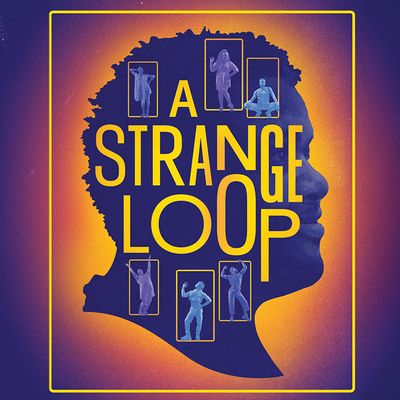
[18:06] Harrow: L Morgan Lee is an award-winning actress and seeker of light. Her performance in the Pulitzer Prize winning musical A Strange Loop garnered her an Obi Award as well as a Lucille Lortel nomination. That production gave L Morgan the distinction of being the first openly trans actress to originate a role in a Pulitzer Prize winning piece of theater. Other credits include national and international tours and projects with Long Wharf Theater, Musical Theater Factory, Ars Nova, Fifth Avenue Theater, and more. She is dedicated to being a part of work centering underrepresented voices on both stage and screen. She needed a hero, so that's what she became. Welcome to the podcast, L Morgan.
[18:47] L Morgan Lee: Hi, El Morgan. It's so nice to have you on Thesis on Joan. Thank you for being here.
[18:51] L Morgan Lee: Thank you for asking me to be here.
[18:53] Harrow: Yeah. Uh so we usually start with uh our guests introducing themselves with their name, their pronouns, and whatever you want to share about how you identify.
[19:02] L Morgan Lee: Sure, I am L Morgan Lee. I use she and her pronouns, and I identify as a black woman who is trans and queer.
[19:11] Harrow: And we're gonna take it back a little bit. Um, on your website, you said that you took a step back from the business, and when you returned, your career in life, in a sense, started all over. So could you tell us a little bit more about your decision to return to the theater industry?
[19:26] L Morgan Lee: Sure. And so on the website, I I'm still fiddling with like how exactly to word that because I do want I do want to put out sort of a bit of the story. Um I didn't take a like an official step away. It was more of a like I laid low for a moment. Um so I wasn't like actively pounding the pavement and putting myself in front of all these people. Instead, I was doing a lot more soul searching and taking time to really figure out myself and the things that were sort of starting to um starting to come together in my head. Um there had been a lot of there'd been many years of just question marks and not necessarily having the right kind of language to piece together like why I am or was who I am or was.
Um, so I I took a moment to kind of lay back and like the things that I was even being called into audition for um just weren't things that I felt particularly connected to. And I really wanted to do a little bit of soul searching to understand like why is this? Because at this point, things have not you've been in the city long enough that you should have started to get into more of a groove, but things really just are not sinking together, and you know what's going on really, but you're you don't want to really step into it because you're terrified. So, like, let's take a moment to see like what that's about. Um, and so I did that. And so when I came back into the business, um, I mean, mind you, through all that, I had been working on A Strange Loop and doing random like workshops and readings and things.
Um, so around A Strange Loop, uh, like a year or so before A Strange Loop is when I I was more public. And once I became public, it's almost like things just went like took off all of a sudden. It's like the universe saying, You need to tell the truth so that I can actually put you in the driver's seat.
[21:14] Meghan: That makes so much sense. The something else on your website about one of your favorite quotes, um, she needed a hero, so that's what she became. Can you tell us more about what that means to you and how it informs the art you make?
[21:26] L Morgan Lee: Of course. Um she needed a hero, so that's what she became. Is I didn't have anyone to look to. I didn't, I didn't have I'd met people who I had met trans people, short certainly, but no one was doing what I wanted to do. And no one was sort of that person for me to look to as a child and growing up. So I I know I didn't have that, so I want to do my part as much as I can to like be that for someone else.
[21:53] Harrow: Have you had folks reach out to you and like kind of tell you about their their own story and their own journey?
[22:01] L Morgan Lee: Little bits here and there. Um it always makes me so awkward because I'm like, oh God, I'm still going through this too. I need time I'm like, you're struggling through this and you're saying how much I've helped you. And I'm like, it's so crazy because I think that we never like we never stop going through. We never stop growing. We never stop evolving to where we need to go. Um, so it's it's interesting when people mention that you've somehow touched them or somehow moved them, because I'm like, it's crazy. I feel like I'm always the student. I can never really be the teacher. Um, but I guess even in that is is teaching to some extent. It's like we never we never get there. And anyone who thinks that they are there, I'm kind of nervous to talk to.
[22:39] Meghan: That's really great to keep in mind.
[22:42] L Morgan Lee: And I'm gonna store that away right now.
[22:45] Meghan: Yeah, like the people who feel like who who just know everything and are already arrived and already there. It's like I really have no interest in what you have to say. Like you're you're not, you're not. We are always learning. If you can't learn, then I'm not interested in you.
[22:58] L Morgan Lee: Yeah, no, that's that's completely true.
[23:01] Meghan: Um, so let's take it over to A Strange Loop and talk about A Strange Loop a little bit. Um received so many well-deserved accolades last year. Uh can you tell us a little bit more about being a part of the show and what it was like when it was announced that they won the Pulitzer Prize?
[23:17] L Morgan Lee: Um it was it was a gift to be a part of the show. Um on so many levels. Um, I mean, we have become a family over the years. And I think that Michael's voice is voice as a writer, voice as a person. Michael's voice is so necessary right now. Um, and it's I think the Pulitzer situation was a the Pulitzer situation. Pulitzer. Hearing about the Pulitzer, it's not something that you ever imagine. Um, and and I think more than anything, it's like, yes, we were super excited. We were, I mean, knocked over that that the show um received that honor, but we also were in a space of this award belonged to Michael. Um, and this award was for Michael's piece. It wasn't necessarily even our performances that got the Pulitzer, it's Michael's piece that got the Pulitzer. So it's it's it's more of a celebration of Michael's voice getting that much more visibility, um, and sort of the pride in being a part of that happening.
[24:16] Meghan: That's amazing.
[24:16] L Morgan Lee: Yeah, but A Strange Loop was just, I mean, it was a wonderful process. I mean, I I I came out, I guess you could say, I hate that term, but I I I became, I used to say I became vocal about gender. Um, I became more vocal about my gender during the workshopping process of the show. And there were a lot of moments where um I could have not, there were a couple moments when I was not going to be a part of playwrights. Um, because I had pulled my, I had, you know, asked to be pulled out basically. I had said to them, I think that this is someone else's story to tell. And I don't, I don't want to stand in the way of that story being as authentic and as beautiful as it as it can be. So I can pull out pull myself out and I will be in the front row cheering you all on. And then there were conversations that were apparently happening behind my back up to that point.
[25:08] L Morgan Lee: Where they were like, well, no, no, no, let we need to chat with you. We want to take you to dinner really quick and like have a chit chat. Um and they were like, we were talking about you behind your back. And just so you know, we've already been discussing this, and we've already been talking about the fact that your presence in the show expands the reach of the show. And it's not that we want someone else to even come into this because we want you, like you're the person that this has been built around. You're the person that's been here with the family this long. And we really want to um continue to foster that and then people see that and like we will work with you to figure out the things that made you feel like this was not a space for you to be in.
It's like in and when those moments come up in the rehearsal process, let us know. And like, and it was really lovely. I think that that work will always continue to be done, sort of in the flows of shows and that kind of a thing. But um, there was, for instance, one song in the show that I've always felt very uncomfortable about being in. Um, the song is Memory Song, which is like it's like one of the one of the trademark songs of the show that everyone knows and sings. Um, and I always felt very awkward about being in the space during that song. Um, and so I brought it up during the rehearsal process, and you know, I it was sort of I still was there when we were on stage blogging, and I was like, y'all, like this is can we please find something?
Because I feel so uncomfortable in this moment. Um, and like they did they did a really good job of listening, and like we figured out a way for me not to be on stage during that. And like it the moment got to be exactly what I feel like it should be. Um, and I would say I think that there was also at that point in my own journey some sort of insecurities about how I would be received in the show and how how the audience would see me in the show. So I was just very um persistent on wanting to make it very clear who I am and and and make sure that the waters were not muddied at all. Um, because I had a feeling that the show would probably get attention. And I was like, the last thing I want, and the last thing any trans person wants is to be in a show and then have like reviews come out or something happen and then you are misgendered somewhere.
Um, and so I think for me that was like a it was a major concern because I had never been in a space um since I had been vocal, I had never been in a space where I was getting that much exposure by this many strangers. So it was very like, I have no idea what they're gonna think or what they're gonna say, but I will say by the end of the by like the middle of the run, I could have very well been in that number that I felt uncomfortable with, and I would have been fine. Um I think I think it was more about just wanting to be very clear. Um, it was more about clarity and more about my feeling like I was sort of invading on the space of these black gay men. Um, and so I think like if if for some reason there were another, you know, if something were to happen in the future with the show, if that discussion came back up again, I think that there's a little bit more flexibility now that I do know how I'm received and how I'm seen, and now that I feel more comfortable in my own transition and such. Um, but I think that's it was really beautiful that they took the time to see me and to have those conversations.
[28:15] Meghan: That's amazing that that sounds so um collaborative and respectful of working with you. That's awesome.
[28:23] L Morgan Lee: And Michael Jackson, Michael Jackson, Steven, it's Michael Steven, Raja, Rona. That team was just also they are all artists who in so many ways are a bit underrepresented themselves. So I think that you know, people who are not seen see everything. I think that they have they have a chance to to do the work and create the kind of environments that they wanted to be in or that they want to be in. So that's so it's so powerful to hear that. Like and and to hear that your pro thought process going into it was what probably so many people experience is like, well, I know that this this something I'm going through personally is going to make me not right for this role. So in your mind already taking yourself out of the equation, and to hear that that is that now space is made.
So like now, also like now there where there was not where there was not a woman in the show before, now there is a spot for women in the show. Um, and I think like that's another conversation in itself about about I think it's kind of cool that there's a trans woman that has made that space because now it the track is just a woman. She does she's not specifically trans. There's just she's a woman. So there could very well be at some point in the run of the show one day a ciswoman in that space, and knowing that like a trans woman created that space. See, we're we are giving to the room as well. We're not we're not just looking to be a part, like we're actually wanting to make that room larger for everyone. That's amazing.
[29:43] L Morgan Lee: Speaking of making the room larger, uh, a strange loop calls for a big black and queer ass American Broadway. Hashtag uh strange loop on Broadway 2022 um or 21. Um do you think after the demands on white American theater in the past year, do you think we're any closer to that reality or what changes have you seen or want to see?
[30:09] L Morgan Lee: Yeah, I think it's interesting, the big black and queer, big black and queer ass American Broadway show. I I I it's funny. It's one of this is one of those things. So I think that like the conversation around what what queerness is such a vast one and like the number of things that are sort of included in that thing. So I I think like it's an example, for instance, where I think that this big black and queer ass American Broadway show is specifically the show that Usher wants to build, but I don't necessarily think it's always the show that like every single individual thought at every moment wants to build. Um and so like the space I come from, I'm like here to cheer on that big black, queer ass American Broadway show, but like I'm not centered in that queer ass story necessarily unless it's being built in a specific kind of way.
Um so like because for instance, I I identify as queer, but the way I use it is very um from a space of I don't believe that the words that were given to us are actually were actually made with us in mind. Um I don't believe a lot of the labels that have been handed out to us in terms of sexuality um were meant for trans people, could to be honest with you. So I feel very kind of like uncomfortable taking on some of those other words because I just don't feel attached to them the way I do feel that attached to queerness. And I think queerness then has this umbrella that is a little bit more accepting of sort of any any identities that may or may not fall within the normal sort of scope of things.
Um so where it's like I'm not like a uh a pink hearts and rain, well, I'm a pink hearts, but I'm not like a I'm not like a unicorn and rainbows kind of a person um necessarily in that like I don't wear things on my forehead. And I feel like like that space is actually within queerness but it's so um rarely seen or discussed. So I think that the show the big black and queer ass American Broadway show that Usher wants to create is probably a lot more bells and whistles than anything that I particularly need. But I'm here to cheer his story on and help him you know get what he wants because he deserves that um I do think that this white see why uh this white American theater demand situation is so layered and I'm not I I think that we we are closer in that there are the beginnings of conversations happening um and I say beginnings because I think one of the biggest things that I have been really personally frustrated with about the like where we are today as opposed to where we were a year ago is that there are people listening and doing work to some extent um but I think that it's turned into such a black and white issue that it starts to really diminish the conversations that could be had had right now it's not it's it's so much more expansive than just a black and white conversation because even within black and white there are so many underrepresented groups of people that are not in the discussion at all not to mention that there are more races in in our world than black and white.
So it's like I feel like imagine that I think that I think it it's it's I'm a little nervous actually that we will get to the other side of this, and we'll see lots of of of black faces in the mix and lots of black people and sort of positions, and like for black people that's amazing, great. But how many of those people will be cis? How many of those people will be sort of societally considered thin? How many of those people will be um, you know, uh completely like able-bodied folks? It's like one of those things where I just feel like I there'll all be how many of those people will be young. It's just it's just I think that there's so many other intersections that we have the opportunity to talk about right now that I'm nervous that people are not actually caring enough to hear from.
Because the reality is is those intersections are the ones that have really rarely been seen, period. Um, so it becomes if you're truly in the space to listen to people right now, listen to the people who are actually not being heard the most first. Like, let's start really digging into the conversations and like having those chats and having and people doing the work of seeing, you know, what does this person who meets a long list of intersections? Let's listen to what that person thinks because they're gonna be able to tell us so much more about what's lacking than anyone else who's sitting in a lot of uh spots of privilege.
[34:27] Meghan: Yeah, absolutely.
[34:28] L Morgan Lee: Yeah, so I hope I think I think that we are we are like, you know, there's been forward motion, but like I think it it could be a could be a lot further than it is, and that on top of us being in the middle of a pandemic, like it just it's so many things piled on top of each other that people are putting out you know, you know, new postings and new castings of things, and they're like, you know, look at this, look at this, you know, mixed cast of people. It's it's so exciting. And I'm like, it doesn't feel exciting to me because it's like it's just one step closer to the world that we live in. Like, I'm like, I can't, I can't, I can't throw bells and whistles because you added, you know, because there's like a black person playing a part that a black person wouldn't have played, quote unquote.
It's like, but that I don't know that we learned the lesson by just making a substitution. Like, why are we not asking that that black person if they know any writers who might be able to write something new?
[35:19] Meghan: Right.
[35:20] L Morgan Lee: You're so right. Looking at it as a as a binary problem is not solve anything for us.
[35:25] Meghan: Um and one more question about Strange Loop before we go for it.
[35:29] L Morgan Lee: So I was the first openly trans actor to originate a role in a Pulitzer Prize winning show. What what do you hope this means for trans actors in the past and in the future?
[35:40] L Morgan Lee: Hmm, that we are that much, I guess one one baby inkling of a step closer to getting the kind of visibility that we want to get. I don't know. It's it's such a like it's it's such a huge award. And even saying like even having that like she's the first, you know, openly trans actress to be in the part. It's like I can't even really feel the the excitement underneath that because there's so much work to do. And like I think that I would feel that I would want to do cartwheels if the writer of the show was trans. Like if if the actual person who received the grant and the emblem and all the like all of the stuff around it was actually a trans person. I think then I would I would want to do cartwheels.
But but being a part of the of the of the production of that thing is such an honor. But I think it's a it's I don't know. I don't like I don't even know how to feel about it in terms of um like where does that put us? I I I don't know because people don't even really know it, to be honest, because nobody knows who I am yet. Um and I think that's a, I think that's a part of it. I think when when my platform grows, I think that then I can I can be even more vocal about those those smaller things that are happening. Because I feel like you need to actually we live in that, we live in a such a digital moment where you kind of have to have that you know blue check mark and hundreds of thousands of followers before some of the powers that be even want to actually listen.
Um so it's like that's part of why I would really love to be in a position. Like I'd love, you know, hashtag book how Morgan Lee in a series regular. So that's so that I can have more space to like really have those conversations where more people are gonna hear them in their cars and everywhere. Um I just think it's so important because I I I don't I feel like an I don't feel like enough people have truly gotten into the door and then left their foot in the door. And like, and I feel like that's what I would I that's what I want to do.
[37:44] L Morgan Lee: I want to be one of those, one of those people that gets in the room, gets comfy, cozy, is having drinks, is having a great time, and then just there just happens to keep more and more of us in the space. No one knows how they're getting there, and they just continue to come in and like just knowing that like ha ha ha, I sent out invites and none of you had any ideas. But I want to be like that person. I love thinking of the industry as a party that you suddenly take over. She's like sitting quietly in the background, just to herself and just gradually keeps moving up in table to the table. Next thing you know, she's like standing at the podium speaking. There's a room full of people like her in the room.
Amazing. That'd be awesome. And you know, another evening that was like that. Um, we had previously had Lady Dane on the podcast as a guest, and she was telling us about um black trans women at the center that we did you did with Long Wharf. Uh, can you share what it was like um to be part of that event?
[38:41] L Morgan Lee: It was wonderful to have an event that was actually centered on black trans women specifically, um, was a gift. Um, Long Wharf, Long Wharf uh did like they really did what they needed to do um with the assistance of Dane and being led by Dane. Um and being led by, I think there was a there was a little team that had that built that produced that event, and I think that they all did um what needed to be done in that moment. Um and I think there was, you know, maybe there's always there's always gonna be people who feel different kinds of way about the material that's being heard or what's happening around that. Um, but it the evening happened and and the the plays were presented, and I think that was what was important.
That was the most important thing about the night is that you got a group of plays that were centered around black trans black and trans people. Um I was in a piece by Desi Bing Um that was called Things Unknown. Um, and it was, yeah, that piece was the piece was great. Like it just it was it was whenever I get to do material that's written by or specifically for trans people, um, it's just special. And when especially when it's written by, when it's when the piece is written by the demographic of people who it's talking about, it's there's just so much nuance present that like cis people um just would never figure out because there's things that I think that cis people ultimately just don't get, even when you try to understand, it's just they're not gonna, they're not gonna fully get it.
[39:10] L Morgan Lee: Um, and I think that that's that's we need to have more of those kinds of moments so that cis writers who are excited about trans stories and trans people will even know like where to start. Um, because I think everyone's in a space where they really want to plow forward right now with trans stories, and I think there are a lot of people who do want to hear from trans people, um, but these people are already in the room and they're like, we want to expand our portfolio. And it's like, well, I mean, that's great. And like, yes, but like bring us in the space with you to help you do that before you sort of take the reins and basically tell us who we are who you think we are. That's that's like it's very weird uh dynamic in a room.
[40:51] Meghan: Wow, yeah, totally. Um I'm so that's so amazing that event happened though, hearing from Lady Dane about how it all came together. It's just so wonderful.
[41:00] L Morgan Lee: Yeah, she's a powerhouse for sure. Um, this is a little bit of a long question, so stick with me here. Um but we're very excited about it. So last fall you started a music video of the song Strange Power from the musical Maxa, which was set to debut last year. When talking about the project, you said this is the mindset that theater is dead and that our business is over, but I have never felt like there was more of a pulse under the city and under the business than during this time. How are we innovating theater in the time of COVID-19?
[41:29] L Morgan Lee: Carefully, with respect, and with all our hearts. And almost a year into theaters being shut down. Do you still feel this is the case?
[41:37] L Morgan Lee: Sometimes I say things that sound so nice together. Um I'm like, I'm like, oh wow, that sounds really lovely. That sounds really lovely. Um, I do think that we I think that we are a little less careful now than we were. Um, and I do think that there are things happening. I think that we've gotten to the point where we're almost at the year mark. So there's there's an anxiety under everything. We're all ready to get out of this. Um, I mean, I'm personally climbing the walls. So I feel like it's like we're all ready for this to be done. And I think that that's starting to creep into the ways that things are being made um so I think we have to we're gonna have to hold on a little bit to the sort of careful one step at a time process that we were doing before um but yeah I I do think that we are still there that pulse is definitely still there I think that it has calmed a little bit on the theater side of things but that's because the TV film side of things has really picked up um and I mean I think we're gonna have to figure out what that means right now because I think there are a lot of theater actors who are not getting appointments for TV film things um and as a result are still sort of sitting twiddling thumbs so I don't know we have to figure that out yeah and I think the push to uh just the lack of work for actors is gonna be hardest hit for those who are least represented right so yeah yeah yeah well that's and that's a yeah that's a main that's a big factor is that the people who do not have representation how do you work at all like um it's I mean I got God forbid you're someone who doesn't have representation and who is like just out of school and new to the business because you're you're starting with like no pieces together.
[43:24] L Morgan Lee: And if you didn't go to one of the big schools then it's gonna be even more challenging but like I feel like if you can make it through this it's gonna be smooth sailing after it for you it's just it's like you have to stick it out though. And I do think that there's a lesson in sticking it out. There's this idea there are a lot of people in this I speak as if I'm so old. There are a lot of people that is that's in this that are in this generation. Um, who I do think have this, there's a hint of entitlement that creeps into how they're handling things. Um, and I think it's just it's a little, it just feels a little like it needs to be people need to be uh reminded of perspective. There are people there are people that have been here fighting for the same things that you're fighting for for so many years before you and to completely ignore their fight, ignore those people to act as if you deserve this, you deserve this.
It's like, well, like you might have to sit and wait for a moment. Like that's also part of the business. You you get you get to the city and you start auditioning, and maybe you don't get Broadway on the first time you're here. Maybe that doesn't work out. And you keep fighting, you keep pushing until you can be seen. People will not see you right away. You just got here. People might not actually pay attention to you because you just got here.
[43:56] L Morgan Lee: Um, and I think that there's a there is an element of that that I don't think people see when they're actively pushing for it. When I first got to the city, I was like, oh, I'm here, I'm only doing Broadway. That's the only thing I'm interested in, period. Like, and it was it was a thing of like I look back at that now and like, bless your heart. Like you were, you were you were talented. You were you were talented. You could easily have been on Broadway, but like, no, that it wasn't, it was not your time for that. And I'm very grateful for those things not working out because those things are what got me to today. And I mean, it's been a little more time than I typically talk about. But like, but but like I'm really happy because I think that um the foundation was really solidly built, and I didn't come in expecting to be, you know, I I or no, I did come in expecting something, but I was beat up enough that I understood that like sometimes you have to like work.
Sometimes you have to actually wait. And like life is gonna do what it's gonna do for you. You have to trust, trust in the universe that what is meant to be will be, and what's yours is always gonna be yours.
[45:46] Meghan: Yeah. It's a little loopy-doopy, but I'm a little heady, but yeah.
[45:51] L Morgan Lee: That's so right. And like hearing that, I hope that a lot of people who have that mentality right now and are using COVID as like the excuse that they should do something else. Like, I'm just worried that we're gonna lose some great talents because people see COVID as an obstacle that they can't overcome when as you're saying, so many people have been struggling to fit into this industry in some way for years and years and years. This is just one of the many things that's a problem.
[46:16] L Morgan Lee: We will not lose the people that we're meant to hear. And the people that we that we do lose were meant to do something else. And it's it's like it's that that story, their story was not one that was supposed to be seen by us. They'll be used some other kind of way. I'm that's what I mean by I'm loopy, like there is I feel like there's no such thing as like there's no such thing as falling backwards because you're always moving forward. Like, so it's like you you didn't you we don't lose those things. It's like it we we were just not meant to hear that. We just weren't meant to hear that person. And like it sucks to us. I have people in my life that I'm like, you're not in the like you dropped out.
What's wrong with you? He was so talented. But like, but I know that like they're what makes them talented is also being used in other ways that is fostering so many more talented people coming up too. One of those people I know is a teacher in New Jersey. She's like one of the best voices I've ever heard in my life. And I it pains me that she is not on stage or not being heard, and like, but I know that she's teaching kids, and she's like putting what she does into all those kids, and I'm like, you know what? I see you. I see you. I'm still upset, but I see you.
[47:27] Meghan: That's such a beautiful way to look at it.
[47:28] L Morgan Lee: Yeah, I'm gonna be able to sleep better tonight.
[47:32] L Morgan Lee: Well, that's what it's all about finding ways to like to keep your sanity. Yeah, um, going back to Maxa where this question originated, are we gonna be able to see that anytime soon?
[47:45] L Morgan Lee: I hope so. Um, I know that Mika and Thomas, Mika Kaufman and Thomas Jacobson um are they just did a workshop of the show, or I guess of sections of the show at University of Minnesota in Duluth where Thomas teaches. Um I think in the fall they're gonna be doing uh production of the show. So, like, what a snazzy way to like, you know, try your show out and see how things work when you're a teacher in a university and you could just use your students to try it out. Um, so I I don't know. Like, I'm I'm very curious about sort of what they want to do. I personally would love for them there to be backing for the show to do it on film, um, because I think that that story is so dark and so delicious, and on film would really give them like the chance to show everything they'd like to show, and we could really get into the gore and really get into how dark and dangerous the show is.
It's a lot. The pieces like it's it's it's it's it's an example of when you have a non-binary book writer discussing trauma. Um, that like it's I I was like literally sobbing just reading like updates in the like the rewrites. And I'm like, these are these pieces that like people have no clue, like, and not that sobbing about a piece is like always a great thing, but like it's just some people really get it. Some people just just get it.
[49:10] L Morgan Lee: That it's yeah, I'm gonna I won't spiral into another conversation. I will let you continue because there's a there's a show everyone needs to see called La Veneno that that is really wonderful in HBO Max speaking of people who get it wait what's it called it's called Veneno V-E-N V-E-N-E-N-O-S oh my god can't wait yeah adding it to the list binge binge binge I hope we get to see it and I just from that clip of the song like you're oh my god the movie version of it would be insane that and that's why I was thinking I was like oh my god this music video is like this is kind of what it could look like on on screen it's so good yeah it's like sexy and terrifying and epic and yeah so good all the good things yes exactly um so speaking of another project that is also in development um we saw the video of you singing silk from the upcoming Danish girl with the trans voice company so beautiful um and we wanted to go to a statement that the producers released about the show and they said that the performers whose roles will be set only on vocal range and not by gender age or any other demographic markers can you tell us a little bit about how it's different to be involved in a show that is cast this way as sure as opposed to other shows you've been in in the past sure so first thing the the video that came out with that choir there were like eight or nine people who were trans in the choir but everyone else was cis.
[50:35] L Morgan Lee: So it was definitely a mix of people in that video. So Lily and Gerda are specific and then the characters that are built around them are open. And I do think that from what we've seen so far, because we've been kind of zooming a bit on things and like um I was supposed to be there in January, but things happen the way it did. So now there's like potentially I'll be there in March um over in London. And so we'll see we'll see kind of what we're doing in the in a workshop over there. Um the parts have the parts the players have been sort of it's interesting because they're playing they're all playing things that do kind of align a bit with the genders that they are um closest to there are cis people in the mix as well um uh and it's an it's it's it's it's interesting because I feel like because it's a brand new project it's inward in the development process it doesn't feel strangely different than any other developmental process um which maybe is the whole point altogether that it's like if you just pick the people who are right for the track then we can go forward.
And so I think that's kind of what's happened is that they're building these tracks and the people who are playing because they're playing lots of other things kind of throughout they're playing lots of different people within their lives. So those those people are I think there's there's been some I'm trying to think of the people that are like main featured so far in the show and like they're all playing things that sort of align with their gender. It's just there might be a trans person in that spot um where in America there hasn't been there has not been a trans person able to play this particular is just really fantastic because they are really committing themselves to doing the work of a thing it right.
Um, and I'm still a little like blown over by the fact that I'm getting to do Lily in this story because um I I I remember seeing the film and I am one of those people that was like, well, this is not really cast appropriately, but the work was really beautiful and like so I felt um like it was never something that I would have imagined being asked to do. Um, so getting that chance to work on this. I'm like, I'm a black trans woman. Like that's could not be as far away from from Lily Alba as as it couldn't be possibly as far. Well, actually, they've already cast someone who's a man, so that's quite far away. Um, but but being a black woman in that space does make me feel sort of a different way.
Um, and I think it's kind of that is what I would like to see more of, kind of tracing back to your earlier question. It's like I'd like to see more of we expect something, but we get something different. And what we get, you're like, oh, that's why she's there. That makes sense. That's that's it's also just giving someone else an opportunity to tell the story um whose intersections and things are going to bring nuance that you wouldn't have seen if you'd sort of if they'd seeked out this, you know, very, very, very thin white, um, androgynous person who who is who usually gets these kinds of tracks. Um, if they'd seeked that out, they probably wouldn't get the same things that they're gonna get from that they're getting so far from me. Um, so I'm just really like excited about getting to even do it. Fingers crossed that somebody sees it and picks it up and then we're on the West End. That'd be amazing.
[54:15] Meghan: That would be awesome. And I hope you get to go there in March. That'd be so much fun.
[54:20] L Morgan Lee: Yes, fingers crossed. It's just to get out of the city. Yeah. I got I was like, I've got to leave. I've been in this apartment for like for a year now after we go. Oh my god, yeah, it has been almost a year. Wow. So you know, we've talked about your film stuff and theater, and so you performed in this diverse array of uh theatrical productions as well as film and TV. Is there a form that you're most passionate about? And how or not, how has that changed or not throughout your career?
[54:47] L Morgan Lee: I'm actually sort of going back to what my initial thing was. So when I was a little kid, I wanted to be on TV. I wanted to be on some, I wanted to be on some like prime time drama show. I was an intense child. Um I wanted to be like on a prime time drama um or like a soap and like a nighttime soap moment. Um I feel like like that's that's actually what I would really love to be doing right now. Um I think that's that's the area that I'm the most um excited by definitely on camera. And that includes musicals. So like it's like I I still want to always do musicals, but I think just the demand of an eight show week is it gets really um strenuous on you, and I'm not 21. So I think that like there starts to be a little bit of a okay, I want to be able to really write this out as long as I can write this out because what I'm usually asked to do is a lot.
So so I'm like eight shows a week of I mean, I mean being thinking of like even thinking of the Danish girl, like my god, like the journey is is really a lot. Like it's it's it's a tall ask. So like eight shows a week of that. Think of you're doing it for like a year or two. Like you're really like it's putting years on your body and on your emotions and on your spirit. So I think I'd like to be able to very carefully select like the projects that I want to be able to expand that much of myself into that way, and then go back to my like job that changes every week. My job that's just something new and it's done. Something new and it's done. And I'm and I'm compensated very like very well for doing those things on TV.
Um, so yeah, it's I I love the and the reach of television is just so much farther. We talked about that. Um the platform is the platform is very important to me. So I think um I'd love to be doing stage, um, but I I'd almost like to do plays on stage more than musicals, to be honest with you. Amazing. Um I it doesn't mean I want to stop doing any of these things. I'm not saying I want to stop. Please do cast El Morgan Lee. Um, but but I really am interested in in more TV and including musicals on film um and then plays on Broadway.
[57:02] L Morgan Lee: Yeah, and then like thinking about a more inclusive Broadway or a theater, like the only people who can do eight shows a week are those who are, you know, physically and mentally able to keep up that stamina. It's it's a brutal schedule. It's intense. Like it's it's really and it I've seen, I've just seen so many people go in and like get their big moments and they're like the center of the show. And then a year later, they look like 10 years older. And they and they've they've they've their bodies have waived away and they're they're really skinny, and they're like, and I'm just like, I I don't know if I like like I get it. And like, I mean, I'll I'll come back to you all uh, you know, as you know, in the event that the Danish girl happens and we end up in New York again.
I'll come back to you then wafed away looking 10 years older and going, remember when I said I'm still trying to get to that place, and I'm still not there yet. Now I can't, I can't eat anything, and I'm really hungry and angry, and it's like it's just not a place that I really would like to be. I enjoy having a dessert. I enjoy having a peaceful life.
[58:04] L Morgan Lee: Yeah, I feel like we need to get rid of the stigma of like seeming like you if you needed someone to do two shows a week for you or three shows a week for you, like normalize that. I'm always shocked that it's not more common. And then when it is, I feel like it's always surrounded by such negativity, and it's like this actor was suddenly incapable of holding up the week. And it's like, well, operas do that. Like any of the other art forms that are ex that are extreme demands, they they need that. If you're doing Mama Rose and Gypsy, I want you to have a matinee rose. Like, I want you to have someone there to actually take that on because it's a lot on you.
[58:44] Meghan: Yeah, and it's better for the audience member when they do get to see someone who is mentally and physically able to do the role.
[58:51] L Morgan Lee: That's true. It's like, yeah, we need to add it to the list of things to fix. There's so many. Oh man. Well, you have so many talents. You are also a photographer. So we wanted to talk about that a little bit as well. Um, how did you become interested in that kind of work? And how do you think being an actor informs how you get the best out of your clients for headshots?
[59:14] L Morgan Lee: I started doing photography. I was I was doing, I was temping, and the company that I was temping with had a retreat that I got to organize for my department. Um, and it was like this place upstate that we all went to on this retreat. Um, and I kept taking pictures with pictures with my phone the whole time. Um, and as I was doing it, I was like, you know what? This is interesting. I have I definitely always have an opinion. I always have something to say about things. Um I wonder if I bought a camera, what I could like do with this. Um and it was also a moment where I was like, I'm I'd been doing some auditioning here and there for things, but I was developing a project, a musical. Um, and people had seen like a reading of it, and I was having to hear people's opinions of what they thought that characters were supposed to do.
And I'm like, well, but I've been living with this material for like years now. So like telling me what you think that person should be doing, or or you telling me who you think that person is, is kind of a problem with me because I've been living with her in my head for three or four years now. And like I think I know who she is a little better than you do, but I'm like happy to accept the note, and I but I will move forward. And I was just at a place where I was like, I'm kind of tired of hearing everybody else's opinions on top of me. Um, I would love to find something that I could do to fill time for myself that I could just put things out into the universe and not have to explain why they are there. Um, and photography is that.
[1:00:45] L Morgan Lee: Photography is something that you put that piece out, whatever it is, and anything anybody else puts on it is about them. It's not about you. Um and I was like, you know what, I really like that, that freedom. Um and it took me a while to start um taking headshots. Um once I finally started taking headshots, I was like, I need to figure out what makes me a little different than all of the other, you know, 50,000 headshot people in New York City. I was like, I need there to be some like actual voice behind what I'm looking for. Um and once I figured that out, I think I start taking headshots. And it it does help that it does help to be in the business because you know what you need. You know what the headshot is supposed to be.
Um, I like to say that whenever people are shopping for headshot photographers, you're you would do yourself a better service to shop for the person that's shooting you and not necessarily just um the referral that somebody made. Um because it's one of those things where any pictures that I um any pictures that I see of other people, if I know the photographer and I see their shots, what we're seeing is we're seeing a like snapshot from that person's brain. It's how that person views the world. So in a sense, you're getting to know when you're looking at a headshot, you're actually getting to know something about the photographer. Um so it's like if I see a headshot photographer that I think is interesting, it's like that you're you're hiring that person.
You're if someone comes to me, they're trusting how I see people. They're trusting how I like the world that I put you in in my head. So it's like, so I would want to be taking pictures with photographers who are more vibrant and who have um who connect to you is what you're looking for. Um yeah, so I think it does help to be an actor just because you you understand.
[1:02:30] Meghan: And and they're beautiful shots too. I love looking at things like that.
[1:02:33] L Morgan Lee: Thank you. Yeah. I'd like to think that they're alive. That's kind of my I I want you to like, I want you to feel something from the person on the shot. Like I I would love if my brand, quote unquote, as a photographer for headshots, um, was that if someone passes through, they go, Oh, Elle Morgan took this shot. And they the reason they know that is because the pit the person in the shot is like somehow speaking to them.
[1:02:54] L Morgan Lee: Like that's what I that's what I would like for it to be.
[1:02:57] Meghan: Oh, that's nice.
[1:02:57] L Morgan Lee: And I don't know, that that will probably be fading out slowly but surely though.
[1:03:01] Meghan: Yeah.
[1:03:01] L Morgan Lee: She's she's she's gonna be wrapping up the headshot world in a bit, I'm sure.
[1:03:05] L Morgan Lee: I need to get my name soon then.
[1:03:07] Meghan: Okay.
[1:03:08] L Morgan Lee: Well, I've already met you now, so it's different. It's like if I've met if I've met you, then it makes, but like I'm trying to be, I'm I know that thank God I think acting is starting to pick up in some ways, and I am I'm gonna need to filter that out soon. I'll still be shooting, it'll just be like fun shoots.
[1:03:22] Meghan: Awesome.
[1:03:26] L Morgan Lee: Um so you've had the opportunity to collaborate with a lot of different writers and directors over your career. Um is there an artist that you still want to collaborate with but haven't, um, or that you love collaborating with uh and want to work with again?
[1:03:39] L Morgan Lee: Oh um, well, I have never worked with Michael John LaChiusa. Um, and I would kill to work with Michael John LaChiusa. Um, who you would know from Wild Party and Hello Again, and um I I yeah, I'm in love with his work. And I love it because I just had a conversation with you about how musicals are so strenuous and so demanding and so and Michael John writes worlds that are like extremely that they are huge pieces that demand a whole lot, but like for Michael John, you do it. Like for it's like for music that is for music that touches you the way that that music does. I think it's it's yeah, you have to. You have to do it.
[1:04:21] Meghan: So we originally had for the queering the canon section, it was about Sondheim, because we saw your Sondheim cover online was so beautiful, but you could also talk about Michael John LaChiusa if you'd like. Um so we're wondering, is there a show that exists that you would like to queer or a particular role that you would like to take on personally?
[1:04:40] L Morgan Lee: Hmm. Um well since you opened it up to that, that changes things. Um I mean, yeah, yeah, yeah, yeah, yeah. Yeah.
[1:04:48] L Morgan Lee: So my so my son. So so well, firstly, I'll say I don't, I don't think that I don't think that my presence in the show necessarily would queer it per se, just because of because I'm a woman. So like this and the tracks that I want to do are women. Um like it's like I'm not zany that way. So like it's like I'm pretty zany and worky in my quirky in my own way, but but I feel like in terms of what I would think of as queering a show, um, I don't know that I would be the one to do that. Um and in Sondheim, the dream is Dot in Sunday in the Park with George. Um, and just because I think that she's sh I think that having me in that track would certainly give reason for some of the response. And it's like one of those things where I don't necessarily want the director in either of these cases, I don't want the director to lean into the fact that I'm a trans actress.
Um I want to just do the show that the writer wrote. Um, however, I think that there is a layer of nuance to the fact that I am a trans woman and the fact that I'm a black woman in both of these instances. Um well, not the not the Michael John one. Um, but there is there's a it's it's a like me as Dot would just bring some different colors to appear. Just A because I'm black, that would make a difference to her being sort of whispered about and talked about and have all these things around her. I love the scene where she's sitting in front of the powder in front of the mirror, sort of dabbling and and and looking at herself and feeling things out. I think that there is like there is nuance to to knowing that the actress is trans who's doing these things.
Um however, she also gets pregnant in the show. So it's like I'm not playing a trans woman. I'm clearly playing a woman who is cis. Um, but just knowing that the actress who is there, it's like it's going to hit me in different ways than it would someone else. Um, the Michael John role, well, there's a couple of them with Michael John, but one of them is certainly Marie Christine. Um, which is this is, and this is my problem. Like, this is why I have to like talk about film and TV, because the things that I'm drawn to tend to be the most stressful, strenuous roles that kill you. It's like I it's like this is why I'm like, oh, Morgan, you part you actually have to get on television because otherwise you're going to kill yourself on stage.
Like you're literally going to play roles who are sucking everything out of you dry. So um, but Marie Christine, I mean, like it's that would be a dream. I think that that one is an example of um, oh, it's just it's just in my like that's just in my in my thing. Um, I think that uh there are there for that one, uh I hate to say it from my own purposes, but for that one, I would definitely probably request a key change or two. Um so to me, in a sense, that would like muddy some things up for me in the in the why, because generally the roles that I want to play are things that I can already do. There are already roles that I can sing, um, if there's if it's a musical. Um, but Marie Christine is one that I know there's like one or two songs in the show that get a little bit high for me.
Um, and I could like get them out, but I would, it's like if it was a one night only moment, we could really like rough it through. Um but if I was like, we're gonna do like a six-week run, then it's like, well, let's change that key because I'm not gonna be able to sing that crazy thing, like that eight shows in that high emotional world that it's in. So I would definitely want to like shift it down a teeny bit, um, but still keep the quality of what the sound is that the composer intended. Um, because especially with someone like Michael John, I think that he's a genius. So the things that he writes, there is a sound, there's a particular timbre in his mind as he's writing. Um, and so I would want to be able to hold true to that.
[1:08:27] Meghan: Do you have, I have to ask, do you have a dream George to play opposite you as Dot?
[1:08:32] L Morgan Lee: I'm always searching for my George. I like because that to me, that's been a dream role for me for so many years. Um, I meet, like literally, literally, I meet male men. And I'm like, whenever they're actors, I'm always listening and I'll go, oh, interesting. Okay. What kind of actor is he? Let's see. And it's like literally always, I'm always searching for George.
[1:08:55] Meghan: I want to see you in both those shows so bad. Someone make it happen.
[1:08:57] L Morgan Lee: I hope you find your George soon.
[1:09:02] Meghan: Oh, in real life, too. Let's get to it.
[1:09:04] L Morgan Lee: Let's get George in here. He's a little nicer than music actors.
[1:09:05] Meghan: Oh, well, that's true.
[1:09:10] L Morgan Lee: I just love emotionally distant people who are unavailable.
[1:09:15] Meghan: He's very luring.
[1:09:17] L Morgan Lee: Um, one of our last sections is uh queer culture wreck. So outside of theater, what would be your queer culture indulgence?
[1:09:26] L Morgan Lee: Um hard question for me. I'm kind of a boring Jane. Let's see. Um, I I do a lot of, I mean, well, we can call that queer culture, I guess. Um, I mean, I'm a real housewives crazy woman. I definitely watch many of the franchises. Um, I do a lot of like, especially during this quarantine, this like pandemic period, I've been doing a lot of TV showy things. So, like lots of binging. Um, there's this series, oh my god, now I'm gonna forget it. It's I think it's called like Fate: The Winx Saga. Um, it's a show about fairies. Um it's it's a show that takes place in like a university kind of a setting where everyone is fairies. I'm all into magic and all that kind of stuff. In that way, I'm very like queer, quote unquote.
Because I feel like that is a queer sort of common thread that there's a that there is a lenience towards the magical of some way. Um, so I do think uh maybe it's called Fate: The Winx Saga or something, but it's it's about it's about fairies and I mean it's it's awful. I mean, I probably shouldn't say that. I probably should not say that on like a public space. But like it's one of those, like it's like not great, but but it's but so great. And I binged the entire thing.
[1:10:42] Meghan: Oh, I love it.
[1:10:42] L Morgan Lee: Um that's a like guilty pleasure watching.
[1:10:45] Meghan: Perfect, amazing.
[1:10:46] L Morgan Lee: Yeah, we're always looking for more like queer trash to watch.
[1:10:50] L Morgan Lee: That's like and not even and like the only thing, like I think the only thing that remotely makes it quote unquote that I would put it under the queer category is just because it's about fairies. But like, like it's so like CW sort of cishet world where they're like, oh, in this university, but I'm like, ah yeah, whatever. Like, but but the characters, but the actual like, like it's one of those ones that I'd love to like recast some other kind of way with lots of different like that's an example of something that I would love to queer, for instance. Like that world, the vampire diaries, like these projects that are very um already sort of otherworldly. So there's so many, there's so much more availability for like for um for more variants.
[1:11:30] Meghan: Sure.
[1:11:30] L Morgan Lee: Yeah.
[1:11:31] L Morgan Lee: Without without losing the color that the show has already. Because I think for me, that's one of the things. It's I I'm all about reimagining material and like sort of bringing a new idea to it, but I still want to always sort of preserve, I want to preserve what the writer put on the page. Like I want to be able to reserve preserve what that writer saw when they put it there. Otherwise, I'm more interested in new work where where we are already included and we're already a part of the world that's there.
[1:11:57] Meghan: Yeah.
[1:11:58] Meghan: So we also wanted to um check in with the organization that you uh wanted to shout out for queer gives. So you mentioned Legacy, a black queer production collective. Can you tell us a little bit more about them and how we can help out?
[1:12:11] L Morgan Lee: Yes. So they are, I'm gonna read a little bit from their like little blurb. They're a group of black queer artists based in New York City. Um, and they're they've come together as a response to deep-seated underappreciation, undervaluing and underfunding of black queer art. Um, they focus on uplifting black queer voices and experiences by creating space for artistic endeavors, providing equitable compensation for time and work, and fostering fellowship and opportunity for our present and future communities. They are a group of four beautiful black queer people who are trying to start this. Is this they're they're in a space where they're trying to begin this company. Um, and they've got I believe they have like a season of projects that they want to work on, and so they're currently fundraising to try to get what they need to uh back these projects.
Um, and there's like there's there's a lot of different angles. It's not just theater, there's like performance art and music videos and writing and poetry, and there's a lot of um they want to be really inclusive about what art looks like for queer people. Um, so yeah, I'm I'm so standing behind them. They just this during this Black History Month, they're doing this little like spotlight feature situation where they've asked people to um do videos for them, sort of spotlighting people that touch their lives within the black History spectrum. Um, so I did one of those recently for them, and it was like a reminder, like, oh my god, no, they're they've started this up and they're really trying to push forward. Um, it's yeah, it's a great group of people, so definitely reach out to their website and such if you get a moment. They're on Instagram as well.
[1:13:45] Meghan: Awesome.
[1:13:47] L Morgan Lee: Yeah, we'll share them in our uh the notes and on our social media too.
[1:13:51] L Morgan Lee: Thank you.
[1:13:52] Meghan: Um and lastly, how can our get our listeners find you online?
[1:13:56] L Morgan Lee: I am on Instagram at uh LMorgan Lee. I'm on Twitter at LMorgan underscore Lee. Um, and my website is just LMorgan Lee.com. All of the letter L Morgan Lee.
[1:14:09] Meghan: Amazing. Thank you so much, L Morgan, for being here.
[1:14:12] L Morgan Lee: Of course, thank you.
[1:14:20] Meghan: Thanks so much for listening. If you like what you heard, please rate and review us and share us with your friends.
[1:14:25] L Morgan Lee: We'd love to hear from you if you have any queer culture recommendations or other ideas about how to queer the canon.
[1:14:32] Meghan: You can call us and leave us a voicemail at 845-445-9251, or email us at thesisonjoan at gmail.com.
[1:14:41] L Morgan Lee: And you can follow us on social. We're on Instagram and Twitter at thesisonjoan.
[1:14:47] Meghan: Until next time, keep it queer.
[1:14:49] L Morgan Lee: Not that it'd be that hard for y'all to do.
[1:15:03] L Morgan Lee: But yeah, when he named like going to the boiler room, that like really took me back.
[1:15:10] Meghan: I don't think I've been to the boiler room, but I've definitely been to therapy, and he talks about that a lot.
[1:15:15] L Morgan Lee: Yeah.
[1:15:15] Meghan: Um would not recommend the boiler room.
[1:15:18] L Morgan Lee: I don't know if the boiler room has survived the past year.
[1:15:21] Meghan: I it probably will. Like it's one of those places that I think is hard to kill.
© Broadway Podcast Network, All Rights Reserved