

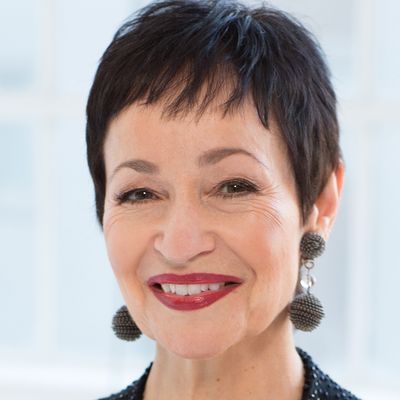
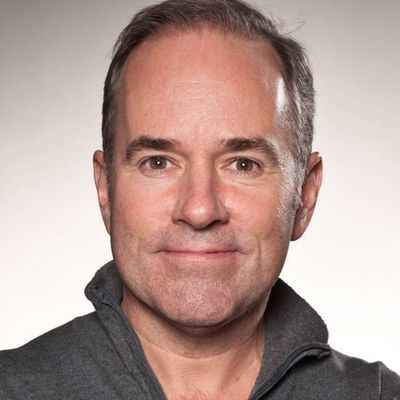
In this special episode, Jose talks to Lynn Ahrens & Stephen Flaherty, the composers behind beloved musicals such as Ragtime, Once on This Island, and Anastasia. During the pause provoked by the pandemic, the duo went to their archives to put together a new album called Legacy: Two Song Cycles... Read More
From the show: Token Theatre Friends
Guests
Featured Shows

About
In this special episode, Jose talks to Lynn Ahrens & Stephen Flaherty, the composers behind beloved musicals such as Ragtime, Once on This Island, and Anastasia. During the pause provoked by the pandemic, the duo went to their archives to put together a new album called Legacy: Two Song Cycles.
The double album features previously unreleased demos split into two song cycles. The first is called 1859: A Farmer's Diary and features vocals by Jason Danieley and the great, late Marin Mazzie. The second, A Boy With a Camera, was inspired by photographs taken by Ahrens' father in the 1950s. It features vocals by Steven Pasquale and Sarah Uriarte Berry.
The duo talked about why some songs never make it to the final version of the musical, and talk about what it means to look back at 37 years of work together. The episode includes a special appearance by Juju Nieto, a Dramaturgy student at Carnegie Mellon University who had some questions for the legendary music makers.
Transcript
This transcript was automatically generated and might contain errors.
[0:40] Jose: Can I call you Lynn and Steven?
[0:40] Lynn Ahrens: That's our names.
[0:49] Jose: So, Lynn and Steven, welcome to Token Theatre Friends, and thank you for joining me. I'm so happy. It's like a Christmas gift to me that you're here today. Um, but let's talk a little bit about Legacy and what was the idea behind putting this album together and releasing it this year.
[1:12] Lynn Ahrens: Um, you know, we've all been in isolation, quarantine, lockdown, all of those words, and when you have time on your hands, that happens all of a sudden, you know, and takes you out of the normal everyday work process that you have. And for Steven and me, we work constantly. We're always working on a new project or, you know, tweaking a project that's about to happen, and you know, it never ends. And all of a sudden we found ourselves very separated, we were very far apart, we couldn't get together like we usually do, and it gave us time to think, which, you know, and really contemplate the world, our circumstances, what we had put into the world to date. And it suddenly popped into my brain, because my brain had time to be free, I think, that we had done these demos in 2004 of these two song cycles that we were quite beautiful and we were excited about them at the time.
And for one reason or another, they never we never put them into the world. It never quite cohered or something. And I suddenly remembered those, and I said, Stephen, what about those two song cycles? This, you know, I'm sitting here and they were beautiful, they were meditative. Um, they were one of them is about New York City, and you know, we love our city and felt, you know, it was a wonderful way to celebrate New York now. And the other one is a year in the life of a farmer and his wife going through travails just as we all are, going through joys just as we all are. It was a diary of his life, and they suddenly seemed so topical that we dug out these demos, and lo and behold, you know, of course we remembered who they were sung by, but they are so beautiful.
And I think I'm speaking for myself, it completely surprised me at how beautiful they were and how just crystalline, you know, just beautifully recorded, even those many years ago and beautifully acted, and they just moved me so much. So, um, that's that was the genesis of it. And Stephen, you know, you can take it from there.
[3:23] Stephen Flaherty)): Yeah, well, it's interesting because we had lived with them for like a period of two years, but we hadn't really heard them in all this time. So it was interesting because the piece is really kind of about excavating, you know, and like going into an attic or going into your boxes or going into your storage unit that you haven't been to, you know, in like, you know, more than a decade. And it was really wonderful just rediscovering these pieces. And we were lucky that there's been, you know, recently some technological advancements. So we were able to take these older recordings and sort of remix them, re-EQ them, make them a little glossier, a little more finished. But that said, there's something really beautiful about the recordings themselves because they were just done with singers, the human voice, and piano.
And none of them were manipulated in the studio. So in other words, there this was like, you know, we weren't using like auto-tune and we weren't using like, oh, let's take that line and punch it in here. You know, these were totally live performances. And the first one with the farmer and his wife, it's Marin Mazzie and Jason Danieley. And to hear them sing the roles of a husband and a wife being husband and wife, it was so moving to me. And it also really brought back the sessions because these were very intimate sessions. It was a tiny little studio in the Flatiron district where Lynn had done a lot of commercial work in the past. And so it was just an engineer, Lynn in the control room, myself at the piano and Marin and Jason down the hallway, you know, in the little ISO booth.
And there was something beautiful about just hearing totally live music. You know, this is before, you know, samplers and all of that kind of stuff. And you could actually hear tiny little like the creak of a pedal, you know, which I actually really like because it reminded me, oh, that's what a real piano sounds like. You know, it's not a perfect thing. And there was something just great about excavating them. And then we had to sort of put together a timeline of what we did and when we did it and when these were written. And it was really fun just reliving that time. And all of our singers, they remembered these songs, you know. And this is 16 years ago, and all of them immediately said yes, you know, because they remembered the songs, they remembered the experience, and getting a chance to polish it up a little bit and putting it into the world at this moment in time because they all are really reflective songs, and they're about, you know, journal entries or looking at a photograph or looking at a still moment in time and meditating on what that is. And so it seemed kind of perfect actually, and also in the final year, a final month of this year, too.
[6:27] Lynn Ahrens: I'm just gonna add one thing quickly, which is that the second song cycle was inspired by photographs that my dad took of New York in the 40s and 50s. He was a photographer, and they're sung by Sarah Uriarte Berry and Steven Pasquale, and just so amazingly beautiful to listen to, the two voices melding. And it just seemed like, you know, another gift that we could give at this time. You know, the album is called Legacy, and it's not just about what we leave behind, but also what we unearth, you know, from the past. And so in a way it seemed apropos for now because we're there cleaning out the closets of our literally unearthing. And literally, you know, the drawers and closets of our homes. And you know, we've had the time. So I think that's why it felt right to us to do it now.
[7:21] Jose: I have like a thousand follow-up questions just based on this one answer. And the first one is, you know, like you're saying that you have this song that you kind of forgot about. So as a fan, I'm thinking, wait a second, does this mean that there's some sort of like, you know, like Raiders of the Lost Ark, kind of like warehouse with music that you're like, oh, well, you know, like, oh, this is just a song, we'll get to it.
[7:44] Lynn Ahrens: Yeah.
[7:44] Jose: Like how many songs like that are there? Like, how many musicals do you have that are in storage?
[7:53] Stephen Flaherty)): There are 10,000 of them.
[7:54] Lynn Ahrens: No, I'm only kidding.
[7:56] Stephen Flaherty)): Well, on this recording, there are 19 songs, and 18 of the 19 have never been recorded and have never been heard. And just having Marin back, you know, is it's like she's with us again, you know. And I was so moved by her performance on this. But in terms of trunk stuff, you know, we have things here and there, you know. You may or may not know this, but each opening that we have, I give Lynn, we create a book for her, and it's basically the orphaned, yeah, it's the orphaned songs, you know, the songs that never made it to the Broadway stage for that night. And I try to put them in little categories like songs that never made it out of your living room, songs that never made it into past reading one, songs that never made it past the workshop.
And there's something about putting all these little orphan songs in a volume together because you can sort of really see the creative process of how this thought actually led to this thought, and this led to the idea that wound up being the idea on the show.
[9:00] Lynn Ahrens: I was looking for the books on my bookshelf because I have, but I think they're up too high. I need a ladder, so I won't do that now.
[9:08] Stephen Flaherty)): Yeah, we don't want you falling down on the camera. That would not be good.
[9:13] Lynn Ahrens: But yeah, we, you know, we don't, I wouldn't say that we have any truly complete works in the trunk, but we have a whole lot of songs. And you know, someday maybe we'll go back to 54 Below or something and do a review of all of our cut songs. There are lots of fun ones, although there's reasons they were cut. But, you know, what's also interesting, there's some projects that we had started, and then we realized this isn't something that we should that we're interested in right now, or whatever. So there are a couple of like demos from this project or this film project that was almost happening but then didn't, you know. We did make a little CD not too long ago, maybe a couple months ago, to benefit a theater in New York.
They wanted something to auction, and so we gave them a little four-song sampler. It was called Ahrens and Flaherty's Secret Stash, and they were four demo recordings from projects that never happened, you know, mostly TV projects basically. And that was fun to hear those again, you know. So yeah, there's some fun stuff. We'll come back on and talk to you about those things some other time.
[10:22] Jose: Yeah, I hope so.
[10:23] Stephen Flaherty)): Yeah, because like now I'm wondering is there a song that now you know everyone knows and everyone loves the song that maybe people had to like fight you because you wanted to kick it out of the show.
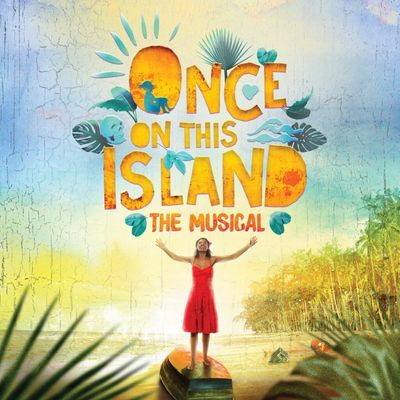
[10:35] Lynn Ahrens: Well, there's one song in particular that is done all over the place that we did cut. Um, and it's from Once on This Island. It's called Come Down from the Tree. And it's a beautiful song. It's been recorded by all kinds of people, male and female. It's been, you know, used in various cabaret performances and stuff. And it's just one of those songs that when people hear it, they just it says something different to everybody. You know, it's a lovely song. And I would say that that's probably the one that, you know, I actually came across a Mexican recording of Once on This Island. And it has the song back in the show. So there's always that thing. There's a reason why these are cut. And yet people, if they love the song, they try to like stick it back in, you know.
[11:22] Stephen Flaherty)): So oh dear.
[11:25] Lynn Ahrens: That's a rare recording that I have that. I wish you hadn't told me that, but oh well.
[11:30] Stephen Flaherty)): It's good. It just shouldn't be in the show.
[11:33] Jose: So how do you decide then when a song works? Like how, you know, how do those songs end in storage?
[11:42] Lynn Ahrens: Because you because the audience usually tells us that they're not working.
[11:47] Stephen Flaherty)): Um, you can just sense it. You know, the audience is the most they call the audience the last actor or the last, you know, element to come to the show, last collaborator. And you sit in the back row and you think, oh, oh, they're gonna love this song so much. And when that beautiful song comes up into the show, all of a sudden people are looking at their watches, their programs are rustling, they're like, you know, what time is it? And you can tell that something is not working. And when and it's one of the skills that you learn as you go. You know, the more shows you actually get to do, the better you get at reading an audience's reaction and knowing what's not working. Sometimes it's a little section of a song like that's not working, and you have to fix that one little section. There was in Once on This Island, actually, another song, the song Waiting for Life that gets done all the time.
[12:35] Lynn Ahrens: And you know, young women love to sing that song. And there was something wrong with it, and we could tell from the audience. And I said, we have to cut the song. It's just not. It was out of the show for a while. It was out of the show, and it's like a great song in the show. But we discovered finally that what wasn't working was the bridge. And we rewrote just the little bridge, and suddenly the song took off. So, you know, it's really about just craft, musical theater craft and knowing, you know, what works and what doesn't, and figuring it out.
[13:06] Stephen Flaherty)): Well, even the opening number in that show, um, we dance. I remember Lynn said, Do you want to take another stab at that? And like my entire score to that point had been based on that theme. I'm like, ah, you know, but there is something about it, and I thought I thought I see what you mean. You know, I said, I think the raw material is absolutely right. I think the prayers to the gods feel right. I think that theme is right. And what proved not to be right actually was the chorus. The chorus was too much living in the head. And these people are not, you know, people that sit around thinking profound thoughts, you know, it's this it's like a very visceral world. And I thought it had to have that kind of joy and also movement and grit. And I had to get out of my own head to be able to write that. But whenever, you know, I discovered, oh, this could be what the chorus is, it seemed absolutely right. And it worked like gangbusters from there on in.
[14:00] Lynn Ahrens: Yeah. So, and sometimes it's even if you have the song, and it could be the most wonderful song, but if it's in the wrong place in your show, there's a beautiful song that we love from A Man of No Importance, which is the show we did with Terrence McNally at Lincoln Center. And um, there was a song that we had in act one called The Cuddles Mary Gave, and it's about an older character who has lost his wife, but he still loves her, and he experiences that love on a daily basis. And it was sung in act one and it never worked, and we cut it. And way later, like maybe a year later, I can't remember who brought it up again, but we found that it wanted to live, but in the second act, and as a result of the song being sung, our lead character hears that and realizes I've never experienced love in my life.
I have to get out and I have to find what that is. And so it became this whole motivational thing for our lead character for the entire act. And what did not work in act one worked like gangbusters in act two, and we didn't change a word or note of it.
[15:09] Stephen Flaherty)): Oh wow, so it's kind of like you're saying like your songs take a lot on a life of their own, like you have no control over them once they're out there.
[15:19] Lynn Ahrens: We don't love about it. It's like it sort of has its own energy field. I don't want to get too metaphysical on you, you know, this early in the day, but they do have this energy about them and they do have their own lives, and as you're writing them, they actually tell you what they need to be. You know, after a while, it really feels like you're not you're just sort of hanging out with the song, and you're not in the driver's seat, and it's telling you what it needs to be. What it needs to be. And in a weird way, I think that's not to bring it back to Legacy necessarily, but you know, those songs were just sitting there waiting for the time that they feel relevant, and suddenly there we were unearthing our lives, basically.
And we unearthed these two pieces that you know have to do with what people leave and what people find. And you know, how we relate to the past and how we relate the past to where we are now. And um, yeah, so it but that we just left them in a drawer. It never seemed to us that we knew what to do with them. And suddenly, oh, this is what, and luckily, you know, I just wanted to mention Van Deen and Broadway Records. We sent them over to him and said, Is there anything to in this? And it was so immediate, their reaction was so lovely and immediate that um, you know, we're grateful to them for and the album. I'll just talk about the album design. It's so beautiful, absolutely beautiful. It's a work of art, you know, not that CDs are what people listen to anymore, but I've sent out about 10 of them already to friends and family because I'm so in love with the design of the actual CD, which not only um is beautiful but includes a lot of photographs that my dad took, which inspired these songs, and that's moving to me. And just um, you know, that that putting together the physical product is was a great thing to to have happen during this time.
[17:12] Stephen Flaherty)): I love the fact that you say that songs you know are coming out when they're supposed to come out, like they're like waiting and they're like, We're ready, like take us out.
[17:20] Lynn Ahrens: Yeah, or we're not ready, you know, or they're like and which is frustrating, but you know, go with it. You know, when I'm susiting training, and it's two parts, and like you said, you know, like one's a farmer and his wife, and the other one's like New York City, which in some ways has always been like the city of the future, even like centuries ago. So I was listening to it, and I loved how you know I'm glad that we're over like the election season and all of that. But it was like a perfect album about unity and about like, hey, look, the farmer and New York City are not that different, like they had the same feelings, they shared a soul almost.
[18:05] Lynn Ahrens: Thank you. That's a beautiful thing to say, actually. And you know, I know and I have thought that there was something lovely about the contrast between the rural and the urban in this one, you know, set of song cycles, but that's a really nice way to put it. I think that we're all, you know, products of our environment, but we're all in this world together. And um, you know, yeah, it's that's I just I like what you said. I should be there's something great about the idea that of the interconnectedness of things, and I think in a very close focused way, I think um I think it taps into that idea, you know, even though it's about this event that happened on a Wednesday in February, you know, there's there's something very universal about these events, and how you know I also there's something moving to me about the idea that uh even in difficult times, people turn back to their work and their families and find a way to continue. You know, the idea of continuance, I think is really a big theme in this.
[19:10] Stephen Flaherty)): Yeah, I agree. And I want to talk about that because I don't know what your parents do, Stephen.
[19:18] Stephen Flaherty)): Well, my dad passed 15 years ago. It's an interesting thing. My father had one of the best set of ears of anybody I've met. He was never a professional musician, but he was a great amateur trumpet player. And he would play the blues in our attic after we would have dinner. And there's all that, like sort of thinking back on it, kind of left a very mixed message to the family when he's singing or when he's playing, nobody knows the trouble I've seen, you know. But uh he had a he was very eccentric. He was a lovely, gentle person. He taught me a lot about music about how to listen to music. You know, we would be listening to a piece and he would say, Oh, listen to what the clarinet line is doing right there, you know.
And I was able to understand the idea of like different ingredients, but you put them together and they have a different effect, you know, once they're in the same pot with one another. So he was also an artist. He was a painter, you know. So uh none of this professional, but but amateur, you know. So there was always art, there was always music in my house. My mother is a very artistic soul, and uh she's written poetry, and now she's 90. She turned 90 this year. And uh she decided at age 85 that she wanted to uh study oil painting, even though it's she had never done it in her life. And she says, I don't know if I'll be good at this, but I think I'd like to really try. And it turned out she was really good.
You know, that was like, whoa. And so I I think the fact that they both cherished and thought music was a thing of value. I think that really helped me on. So as a kid, I was always studying music since I was seven, art since I was eight. I paint as well, you know, it is sort of like just being in an artistic environment and then later finding the theater when I wrote when I was 12, and then wrote my first show at 14 and just kept going. And it's sort of the only thing I can do, you know, and the only thing that I ever wanted to do. So I'm glad it's you know it's turning out well.
[21:21] Lynn Ahrens: Well, so I'm glad that I know that that both your parents painted because like Lynn, when I saw that your dad was a photographer, I immediately thought, you know, you are also a photographer. Like songs are snapshots. And immediately I started thinking about, you know, the music that you create together, like conjures memories for us also. So would you say that, you know, without me getting to like Freudian or anything, like the fact that your parents wanted to capture moments and wanted to capture memories. Is that maybe why you wanted to create also like pictures and portraits and landscapes, I guess, of feelings for music?
[22:04] Lynn Ahrens: There's no doubt about it. As you know, and as I've said, my father was a photographer. I some of my earliest, I have a million baby pictures, a million pictures. And some of the earliest ones taken some by him, some by other people, are me looking at a camera, me, my father saying, don't put your finger on the lens. He was always pointing things, look at the light, look at this blade of grass, look at this. So I think he gave me a framing device in a way, to look at the world through and you know, to look at the details of people and to really pay attention to that sort of thing, which is so useful. It's songwriting and and almost the whole, you know, just being interested in human nature, whether you know that's what a photographer does, that's what a writer does.
And I think he gave me that that interest in human nature. And my mother, who, you know, is a fantastic writer has been published but you know I would say that she spent her life bringing up children as most women of her generation did she just turned 95 this year she's still brilliant she's still writing she's still amazing but what she did for me in addition to giving me a love of words and reading was she would read all of the books my books out loud and act out all the parts and do all the voices and she it would it so I think in in somewhere in her as a performer that was never able to come out and and there's no performer in me that's for sure but as Stephen knows I don't want to do that but I do hear the voices and my head and I can write them out and I can you know put them in the bodies and hearts and voices of actors and I think my mother gave me that side of things that you know that the ear to to listen to words and to listen to the music in words and um so that I think both of my parents really contributed to making me who I am I was I was you know setting songs when I was a teeny I mean I was like probably four or five and I was setting words to you know other people's music so um yeah I think that our parents make us who we are on many levels and then of course there's always you know the surprise that you of who you are when you pop out of the room and you know there's going to be stuff that they never expected but I I know I got that both of those qualities from my parents.
[22:56] Lynn Ahrens: That's like you're describing your songs also, Helen.
[24:45] Stephen Flaherty)): Are you better, dearest? Can you hear me, dearest? Is the lamp too long? September is so gorgeous. And I was like struck by the fact that you know it's the ninth month of the year, and we have been in quarantine and living an epidemic for nine months also.
[25:13] Lynn Ahrens: So looking back at this year, what would you say is maybe like the most precious thing that you've learned about yourselves as artists and human beings, uh, given that we've spent so much time, you know, at home. Gosh, that's a that's a there's so many answers to that question. Speaking for myself, um, I've learned that I am never bored. Uh that I cannot be bored. I I will always find something to keep me from being bored, and that was a revelation because I really didn't realize that I've always been working so much that when the work was removed, well, by golly, I found other things to do. I found that I've I finished a book, I put out a CD, uh, I wrote some songs with Steven long distance, I gardened, I cooked, I read a lot, I walked to books on tape and read all the Harry Potter books on tape.
You know, I can never be bored. That was really a big thing for me to learn because I I have always been a little terrified about filling up my spare time with work. And so I don't feel the need to do that so much. And I also realized how much I love my husband. I mean, to be stuck in stuck in a house with him for all these months, you know, and I know it could go one way or the other. You should tell them what say what today is though.
[26:36] Stephen Flaherty)): Oh, today is my anniversary.
[26:39] Lynn Ahrens: And yes, there you go. It's not a it's not uh a huge, well, it's a huge number, but it's not, you know, like one of those momentous numbers. But we've been married, legally married for 31 years today. And um so that's a long time. And then there was a lot of time before that that we were together but not married. I won't even tell you the number. But um, yeah, so that's what I learned. Being cooped up with Neil Costa is not such a bad thing. You know, it's um it that was my two revelations, I think.
[27:12] Jose: Congratulations. I hope you have a lovely uh celebration planned for the rest of the week.
[27:17] Lynn Ahrens: I'm gonna cook that's what I'm gonna do.
[27:22] Stephen Flaherty)): Yeah. I I think for me, I I had to learn to be still, you know, because we're always running around and doing things, and then all of a sudden, you know, just the idea of being still, you know, it's harder than you think, you know. And uh I think the idea of meditating, just being there, taking the moment in. I I think that was a big lesson for me. I I'm also lucky that uh my husband and I have been, you know, in quarantine together. And um we've we've we well, right now we're in Mexico. We have a place here, but then we've spent a lot of uh the summer uh in the coast of Oregon, which was interesting. So we have little changes of locale, but it's been great having the this little two-person adventure, you know, in in the midst of all this.
And also I have to say, on my um listening lists, I I've been listening to composers I've never had a chance to really listen to. I've been listening to other people's music, you know, which has been which has been fun for me, you know.
[28:24] Lynn Ahrens: So that's really lovely. And with the idea of uh legacy in mind, I invited the software of uh mystical history, uh Juju Nieto at Carnegie Mellon to submit some questions, and I was hoping we could go through them in a lightning round.
[28:38] Juju Nieto: Oh, hello, my name is Gigi Nieto. I am a sophomore dramaturgy major at Carnegie Mellon University. And this semester I was really, really lucky to have been able to take a class on musical theater history and repertoire. And through this class, and also a huge musical theater um nerd, I was able to not only learn about the really important um history of musical theater in America, but I also got to dive into the world of composers. So of course, um you you both were covered in our class. My roommate actually was assigned to research y'all. So um I have become very, very familiar with your work in the past semester, and I didn't realize how in my life your music has been. Um I grew up on schoolhouse rock.
I memorized the preamble song in eighth grade. I can still sing it today, um, six years later. Um, so it's really just a joy and a pleasure and a gift to be able to ask you some questions about your work. Um, so I wanted to start with um a question on collaboration, especially artistic collaboration. Obviously, y'all have been working together for a really long time. So I wanted to know how have you made your artistic relationship last so long, and what makes a really good fruitful artistic collaboration.
[29:49] Lynn Ahrens: You have to have a sense of humor, and you have to be willing to surrender your ego at the door, check your ego at the door. Nobody is right and nobody is wrong. It's all about the show.
[30:01] Stephen Flaherty)): Yeah, yeah. I I also think that it's always about being curious. I think that you have to have natural curiosity. And also you have to know that in a team, uh, you're everything changes from day to day. And so uh an idea that might be right like five years down the road might not be right at the at the moment. So a lot of it is intuitive. It's not like a big plan. There, it's not something you could put on a graph. You just have to be in the moment, be intuitive. And um I also think the fact that whenever I met Lynn, I was writing words and uh book, and Lynn was writing music. So I think the fact that uh we have knowledge of that is really helpful. So, in a weird way, we're sort of like one another's editors, which I think is great.
[30:46] Lynn Ahrens: And we both wear red all the time.
[30:48] Stephen Flaherty)): And we have no matter what color, actually that's almost true because it never fails. Whenever I show up wearing navy blue, he's got navy blue. Whenever I have on turquoise, he has turquoise. It's uncanny.
[31:01] Lynn Ahrens: So here you go. This is an example.
[31:02] Stephen Flaherty)): There you go.
[31:03] Lynn Ahrens: Yeah, I was gonna ask if you had planned it because like no one told me.
[31:06] Stephen Flaherty)): So I was gonna go get something red.
[31:08] Lynn Ahrens: Um, I know you two have worked with some really cool people like Elton John and Cheetah Rivera. Um, so besides each other, like who have been some of your favorite collaborators?
[31:17] Stephen Flaherty)): So that means living people.
[31:19] Lynn Ahrens: Living people, or I mean, you know, I don't really have any other collaborators other than Alan Mancken, who I adore. He's a friend. We did one show together a long time ago, Christmas Carol. It ran for 10 years, so I got to work with him for 10 years in a row, uh, tweaking the show and coming back to put it up every year at Madison Square Garden. And he's a wonderful writer and a wonderful person. Um, but beyond that, you know, but Steven's my collaborator. I I admire a million other people. Um, but just speaking from terms of a collaboration, yeah, that would be it.
[31:52] Lynn Ahrens: It's uh I did one show with Frank Galati that we did at the uh Museum of Contemporary Art in Chicago, and it was about the writing and philosophy and life of Gertrude Stein. And so everything was a word that Gertrude herself had either said that was either part of a letter, part of a poem, part of a speech, part of an address. And uh Frank, uh his rules for this were that we could not approximate, that we couldn't lengthen or change or create a sentence that she had not said. So every single word and every single sentence in the entire 90-minute show had to be something that she had said. And I found working with Gertrude Stein it was very challenging, you know, because I couldn't say like to Lynn, like, can I have an extra note there?
Or can I just like move down to the end of this because we're treading water here, you know. So it was interesting working with that kind of found text with a dead collaborator, you know, that was like challenging in a totally new way.
[32:51] Stephen Flaherty)): And um then, in terms of other collaborators, I had done a uh dance piece at um The Old Globe with Christopher Cotelli, who directed and choreographed it. And to me, that was a personal challenge because it was about telling stories without relying on words. So these were 10 dance musicals written by the stories, uh, were written by 10 different playwrights, and so they could come up with any time period, any uh place, uh, any culture. And uh it was almost like what is behind door number three, and it was like a big challenge, you know, because like you'd open it up, and uh David Henry Huang did a piece uh that was set in the Ming Dynasty, and then uh also contemporary Asia and a dealt with club music and peaking opera, and like I had no reference point to any of these things. So working with these different writers and with Chris and trying to find a way into this was actually interesting. It was really challenging, but and a lot of fun.
[33:55] Lynn Ahrens: So that sounds like a lot of fun.
[33:57] Stephen Flaherty)): It was, it was. We we would do like maybe two or three a year over the course of seven years or something, you know, and it was like very sort of on the side burner, but but great fun.
[34:07] Lynn Ahrens: And work with the answers. Just a PS for your for your questioner. Um the the wonderful thing is with Steven and me, we've we've worked together now for is it 37 years, Stephen?
[34:18] Stephen Flaherty)): I don't even know, since 1983.
[34:20] Lynn Ahrens: Yeah, well, we we we met like within the first six months that I was in the city, and then we began working. What I was gonna say is that the the cool thing is that um, you know, if I have if I get an offer that I can't refuse, Stephen is fine with that, and vice versa. You know, it's not like we're joined at the hip and get hurt if we go off to do a project with somebody else because our collaboration, you know, is so strong. Um when I remember when I said, Stephen, I that I've gotten invited to do a Christmas carol, and you know, do you mind it's gonna take me away for you know, uh six months or whatever it is? And he said, No, I'll learn finale. And he went off and he learned finale. It was great. So, you know, I and I it was a learning experience for me because because he was, you know, totally generous and fine with that. And I felt the same way with these other two projects that he did. So anyway, that's hopefully that's an answer.
[35:11] Stephen Flaherty)): Yeah, and it's also good to have other experiences and things to bring to the table. Otherwise, it's like, oh, you again, you know, as opposed to, oh, I did this interesting thing, and here's what I discovered, and here's a new thing that I can bring to uh to the table. I think that that's really healthy.
[35:27] Lynn Ahrens: Yeah, definitely. And we're working with Susan Strowman now, who did Christmas Carol with me. That's where I met Susan Strowman. So, you know, I I now she's working with Steven and me. And um, that was a big, it was wonderful, you know, to know that that could happen.
[35:41] Stephen Flaherty)): That's really lovely.
[35:42] Lynn Ahrens: Like when I heard you say operate, can't refuse. I'm I'm thinking about like, let's see if you're doing the Godfather musical.
[35:48] Stephen Flaherty)): Oh, it's like I'm sure somebody's writing it right now, you know.
[35:56] Lynn Ahrens: For Lynn, this is a question um that I really wanted to know about as a woman in a male-dominated field. Um, has been a woman in uh this world of musical theater had an impact on you, and has it changed the way that you've navigated these spaces? Um, and any advice for young women kind of moving through this world, either as composers or as theater makers.
[36:21] Lynn Ahrens: Uh, you know, I have never for a moment um worried about the fact that I was the only woman in the room. In fact, I I have a little picture, a little cartoon on my wall, my office in there, uh, which is Dorothy uh feels peeking out of the men's room at the Algonquin. And, you know, I just my advice would be just perfect your craft, work as hard as you can, work, take whatever opportunity you're given, and never ever feel discriminated against, even if you are, because you know, your the goal is to just keep moving forward and growing as a person and growing as a creator. Um, and if you do that and you don't uh become bitter and you don't become uh judgmental, uh good things will happen. That's all I can say. It happened for me. I think it would happen for anyone if you're talented and if you're determined and if you're open-hearted and open-minded, good things will happen.
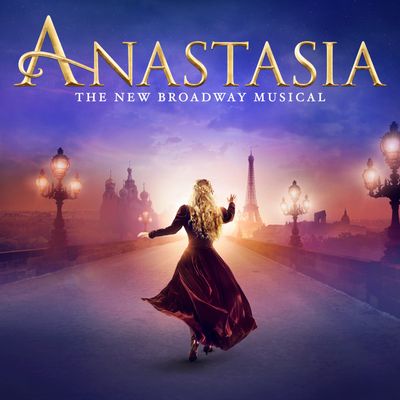
[37:21] Juju Nieto: Another question that I'm asking on behalf of my musical theater history class, specifically my professor, um, whose like favorite musical is Anastasia, she did tell me. Um why was in the dark of night not included in the musical?
[37:40] Lynn Ahrens: You know, we will like from day one of working on the adaptation for the stage version of Anastasia. I think we all felt that we wanted to go much more close back to what really happened in Russian history than we were allowed to in that film. And once we did that, we knew that the Rasputin character in that whole storyline was probably not gonna be there. But yet I liked I really liked parts of that theme. And it took us maybe four tries to get that particular song in the movie, and that part of the song, the main theme. I would always try to reinsert that in whatever it was that I was working on, because it just felt so Russian and dramatic and, you know, theatrical. So in working on the adaptation, I took part of that theme, the part that I liked, and it's part of a new song.
[38:39] Lynn Ahrens: And you know, I'll just add for the class that when we first started working on the show, we knew Terrence McNally was gonna be the right collaborator for us because, you know, A, he's a friend, B, he's a brilliant writer, C, he's done things that he loves history. And we knew that we would be working with him, and Terrence really felt very strongly that he wanted to rethink and recreate the story. He didn't want to do an animated movie and then stick it on the stage and have it just be, you know, that kind of an adaptation. So, in thinking about it, we decided, made a conscious choice to eliminate the cartoon characters, and that was Rasputin, who was dead in the movie, but you know, kind of alive still.
And his sidekick, Bartok the Talking Bat, you know, the albino bat. So they both bit the dust for the stage, and we created some new characters who were more realistic, like the character of Gleb, who's a former revolutionary and now in the hierarchy of the government. And you know, that was a choice that the writers made. So that's why in the dark of the night, with all those evil little underground minions and Bartok, and that's why it's gone because you could only do that in a cartoon. And you couldn't really, you could do it on stage, but we didn't want to. We really wanted something that was more a little more mature and a little more realistic and emotional. And yeah, that was an authorial choice. It was a fun song to work on though in the studio. It was fun. It was a lot of fun.
[40:06] Lynn Ahrens: It should be like Jim Steinman, like Bat Out of Hell. One of these days, I think I said, well, why don't you get Jim Steinman then? And Jim co-produced that track. So we had a lot of our theater singers like Lillius White and Greg Edelman and people like that. And he brought in all of his Bat Out of Hell rock and roll singers. And it was a collaboration on the vocal arrangement. You know, I did my parts and then he did his parts, and it was really fun because it was a very, very different way of working. And they actually said they wanted that something like Bat Out of Hell, but also something like Just Let a Woman In Your Life. Yes, my fair lady. And we were like, you want that and that together?
Rocky Horror and Rocky Caribbean. It was just an impossible assignment, but we managed to pull it off. And Jim Steinman was great, he's a lovely guy, but he never shows up before one in the morning. So it was a lot of waiting for Jim Steinman to show up. He just comes to life in the middle of the night in the dark of the night.
[41:07] Lynn Ahrens: Yeah, we were talking about, oh, so why don't we mix it at three? And we assumed that meant three p.m. It was 3 a.m. And we're like, where is he?
[41:18] Stephen Flaherty)): It's amazing.
[41:21] Lynn Ahrens: What does the future of musical theater look like to you both? And what do you think the future will look like post-coronavirus, post-RCU white American theater, and post-Black Lives Matter movement?
[41:32] Stephen Flaherty)): No, we're waiting to find that out ourselves. Nobody really knows. I think it'll be a combo platter of live and digital. Maybe things will be recorded, videoed on stage, and then streamed. I think it's going to be a big old combination. And I don't think anybody knows, not even the producers who produce Broadway, they're all waiting to find out, you know, and making plans that may or may not come to pass because it's such an unpredictable time. So if we knew we'd be writing it, but we don't.
[42:04] Lynn Ahrens: I think that's a hard one. I think unless you have a crystal crystal ball that's very reliable. I think we just have to be aware and emerge and see how the new world feels in, you know.
[42:18] Stephen Flaherty)): A crystal ball.
[42:19] Lynn Ahrens: There it is. This happens to have the little dancer inside, which is our show that we're waiting for.
[42:28] Stephen Flaherty)): So yeah, soon.
[42:30] Lynn Ahrens: Yeah, so that's the future.
[42:33] Stephen Flaherty)): That's the future, yes.
[42:45] ♪ Musical number ♪
[42:58] Lynn Ahrens: The song was really, really gorgeous. And obviously, Susan to Marin's voice. And given the context of 2020 and all of that, it made me think a lot about how back in March and up until now, like I mean, first of all, I'm like so impressed by the resilience of human beings that we're still around. But also like the song made me really think about the fact that at least I had to give myself permission to find beauty again. And I wonder if you know that was a similar case for the two of you. Like did you have to be okay with finding something beautiful, like your song says?
[43:47] Lynn Ahrens: I think that that's what we're here for, don't you?
[43:51] Stephen Flaherty)): Well, during this pandemic, during at the beginning, I'll just say this. I really wanted to write something. And I don't take this the wrong way at all. But I said to Stephen, let's just write something. Just send me some tunes. Send me some tunes. And he said, you know, I don't have any music in me right now. And that was the first time he's ever said that anything remotely like that in all these years. And I, you know, I so I just said, okay, I understand that. And I didn't feel the same way, but I just thought, you know, I'll do something else. I can wait. I don't need to be writing songs every day. I don't need to be working on a new project. And so that's when I went and I finished a long overdue manuscript of a book and I did a lot of other things. And I realized that I had other things in me.
[44:36] Lynn Ahrens: But I do think that I don't want to speak for Stephen, but from what I could gather, it was a tough time for him to find that beauty for a while. I think I personally think that creating anything, you know, but music especially comes from a place of joy. It comes from a place where you're filled up with something, you know, big emotions. And with towards the beginning of this, especially, I just felt flattened. I mean, to be quite honest, you know, and I thought, sure, I could just be chip chip chipping away like, but I really felt that I needed to take care of myself first. You know, otherwise there ain't gonna be no more music coming out, you know. So I thought it's okay not to have to be prolific. It's okay to feel whatever it is you're feeling, because this is such an extraordinary year, and it's not been like any year that I had experienced, you know, any of us have. You know, so I had to allow that for myself.
[45:39] Lynn Ahrens: So I needless to say, I am so looking forward to 2021 and to emerging and seeing music. And you know, and I miss my music making friends and just being in a room with them, you know. And I miss, you know, just the idea of the community and hanging out and creating things together, you know. It's so I look forward to more of that, you know. I'm excited about that.
[46:04] Stephen Flaherty)): So well, that happens in a while. You know, we go back to being together in community at the theater. How are you receiving the feedback and the applause and the love from audiences and from your fans?
[46:18] Lynn Ahrens: How are we receiving it?
[46:20] Stephen Flaherty)): Yeah, like have you found you know, like this like the Zoom like the emoji. You know, it's not the same.
[46:27] Lynn Ahrens: It's not the same as a good hug. It's, you know, people write nice things, you know. We've gotten a lot of great feedback on Legacy and you know from people who've heard it, and it's not the same. It's just not the same. There's nothing like being with people, there's nothing like a real audience. You know, so yeah, it's a different that part of it is difficult. The non-living quality of the work now and of feedback and all that. It feels unnatural. And as fun as this is, like this kind of format with an interview works great. You know, some things work great, but do I love watching theater on computer? No, I want to see it in the theater. I want to see real people. I don't want to see, I don't want to sit there glued to a screen. There's a lot that doesn't work for me. But you know, what choice do you have? You know, you gotta do what you gotta do. But yeah, there's there's no comparison to real life.
[47:24] Stephen Flaherty)): I mean, it's interesting because I think that that's the thing that drew us, you know, me certainly to theater to begin with, was I love the idea that you could be creating something in real time with real people in front of a live audience, and it seemed like it was like you were a magician, you're making magic. And it's like I remember being a little kid seeing the first live show I ever saw was a passion play, you know, the story of Jesus. And all of a sudden there was a scene. I don't know what the scene was doing in this show, but all of a sudden there was water coming out of a rock, and it was like a miracle. And it was really done with some sort of a white sand with a special light. And I just remember thinking, how is that possible? I, you know, it's not a movie, it's not TV. It's like I am there and this thing is happening in front of me. And I'm so amazed by it. And there was something very powerful in that.
[48:17] Lynn Ahrens: And I think creating something in real time, and you and also the fact that it is ephemeral, you know, you have to be there that one moment in time, that one night, and then the performance is gone. And I actually think that that's one of the beautiful things. It's not like a final cut. It's about sharing and about sharing the experience with a group of people. And that's been rough, not having that this year.
[48:45] Stephen Flaherty)): I, you know, one of my Christmas traditions is that I drew my Christmas tree now that I live on my own, you know, now that I'm an adult and I don't get to do my Christmas tree with my parents. I decorate my Christmas tree with Once Upon a December on repeat for as long as it takes me to put the whole thing together. And I wonder, you know, what does it feel like for the two of you as again as like creators to realize that, you know, like your work and your music becomes part of people's traditions?
[49:20] Lynn Ahrens: Oh, it's so moving. It's just wonderful. I mean, you know, we've heard from people who've given birth to songs from, you know, to Mama Will Provide and you know, and stuff like that. And weddings, you know, the human heart is played at weddings all the time and Make Them Hear You is out in the zeitgeist right now with, you know, all sorts of protests and demonstrations and marches. You know, it's humbling really to realize that your songs they do take on a life of their own, and they go marching off into the world, and you know, sometimes you hear from them, and you know, it's always a wonderful surprise to realize that people are relating to these, and you know, to get a note from somebody that said they played, you know, Human Heart at my mother's funeral, and it was just so perfect and beautiful.
And then it's, you know, they played, we sang marched down the aisle to Human Heart and you know, love and death and all of the emotions of life to have them, to have our songs be part of that is very moving, very humbling experience.
[50:30] Lynn Ahrens: And you know, we're uh I feel really lucky about it. I must say. Sucicle, you know, means so much to adults. I mean, it's unbelievable. You know, they love it, and they they they there's songs in it that they love. And you know, the in Man of No Importance, the song Love Who You Love, which has become um really a statement for all kinds of marriage equality, you know. Um it just makes you proud. I mean, it's great, it's great. And um, yeah, that's that's how I feel. Yeah.
[51:00] Stephen Flaherty)): I I think the surprising thing is, you know, we're with us being musical dramatists, we're always writing for a particular character in a particular story at a particular moment in their lives. And as we're writing these songs, we never think of that. That it couldn't have a larger library, it could transcend that particular uh story. So whenever it does, I'm profoundly moved, you know, and it and it's a surprise to me because I'm always thinking about, oh, but that's about Tumun, but in fact, it's about everybody, you know, but it's focused in on that character in that story. So I I find I find it very, very moving. It's wonderful.
[51:41] Lynn Ahrens: There was one other example, which is that um Kevin Chamberlain, who starred in Sucicle on Broadway, told me that um there is a version of Drag Queen Bingo, and when they hit a particular number, uh they all sing, you can never go back to being four. And I mean, that's so great, you know. So anyway. Yeah, when you get that plateau. That's amazing.
[52:08] Stephen Flaherty)): Um, I was gonna say it's it would probably be very uh counterproductive, or like it would lead people to be paralyzed if we were consciously and constantly thinking about legacy while we're doing our work, right? Like we wouldn't be able to do anything. But considering that you're, you know, living legends by now, I would say, uh, how has your idea of legacy uh changed from like did you ever think about legacy like uh 37 years ago when you started working together? And now looking back, it's like it's like I don't know, it's like incredible.
[52:43] Lynn Ahrens: I don't think of it as a legacy, I think of it as a body of work.
[52:46] Stephen Flaherty)): Yes I was gonna say the same thing. It keeps getting more and more satisfying to me and to us you know because you can say oh we did that and look how we did that there when when we first met there was a fell we were in the BMI musical theater workshop and there was a fellow in the workshop who was very concerned about his legacy and about what songs and what works he would leave for future generations. And to be honest I don't care because I'll be dead and if they want to discover my songs good for them I'm very happy about it. I could care less but what I care about is my body of work while I'm alive and while I can enjoy it and I can enjoy its results in and seeing it on stages and hearing people respond to it and um you know having it move them and stuff like that.
[53:32] Lynn Ahrens: So legacy no I don't think about it but yeah I guess some people do. I I remember our very first agent Lynn and I when we were just starting out he said to me he said it's all about the body of work and I said what do you mean he said some shows will do well some shows will not do well some shows will be lucky some will be difficult some will drive you crazy you know he says it doesn't matter it's not about anyone's song or anyone show it's about when you step back and just look at this is this is the body of work and I think I think that I think that's all it's ever about you know it's that that's something that I find in the farmer's diary um song cycle. It's it's about finding a way to continue to work and to keep your heart open. And you know, it's it's never about anyone award or any one review or any one thing. It's a it's all about the big picture.
[54:32] Stephen Flaherty)): Our old agent who gave us that advice, um uh was giving it in response to a bad review for our first show. We were upset about it, and he was trying to explain that it's just one tiny little part of the whole picture. And you know, in the farmer's diary at the end of it, they've uh one of the one of the months, they she's pregnant, there's this joyous pregnancy, and she actually lost the child in real life. And and he writes about that. And the last line of that, uh the last lyric of that song cycle is uh they're they're mourning the death of their baby, but then they come around to singing something that has been sung earlier, which is when I am stronger, I will help clear fields, meaning taking the stones out of the field and putting it to the side. And and I think you know, that's that's it. It's like you get over your tragedies and you go on and you keep clearing the fields ahead of you, and that's what that's about.
[55:27] Lynn Ahrens: Um, and I think that that's true for all of us. I at one point, uh, you know, we've taught over the years. We started the fellows program at the Dramatist Guild for Young Emerging Writers, and you're always having to kind of give them hugs nowadays, virtual hugs when things don't go well for them. And one of our um former fellows had a sort of notorious Broadway flop show that opened and closed in a day or two. And um, and I wrote him a poem called The Body of Work, in which I tried in a funny way to tell him, you know, when all of these people are dead and gone, you know, you will have the body of work to to fall back on. And uh somewhere I have that poem.
[56:08] Stephen Flaherty)): Um, and after Susico, which was a you know, flop on Broadway, we were invited to um speak before uh a uh a gathering of critics. And I said we had to have lunch with them. And I said, we have to go eat meet with critics. Like, oh no. And this is right after not only did we have to eat, but we had to kind of sing for our supper because they were gonna, they made get up on a stage and answer one question. And our question was, how would you make Broadway better today? And I wrote a poem that had to do with the body of work and and people being kind, and you know, and I read this poem to the assembled bunch. And I I think that you know, you just get over these bumps in your road as as best you can. My way is to write dog girl verse that you know is funny. Just get it out. And you know, so you know, the it is it is um, yeah, we all are clearing our fields in the only way we know how. Just keep working.
[57:12] Lynn Ahrens: Amen. And I don't want to put pressure on you, but uh if you have Eddie that you're comfortable sharing, what's your like I don't know, like major resolution for 2021?
[57:24] Stephen Flaherty)): Ooh. I don’t have one. I I don’t know that I made my resolution. Uh it's gonna happen right at this just stroke before midnight. I will be making some sort of resolution. It will not have to do with diet or weight anymore. It will not have to do with exercise anymore. I have surrendered. Uh, just don't make those resolutions because they just get broken. But I'll think of something. I I think I think it's it's really about looking forward. I think it's been really hard this year for people to look forward with everything happening and then going into that, you know, marathon of an election season and then beyond that. And I I think people are ready to look forward.
[58:08] Lynn Ahrens: And I also think with everything that's shifted this year, I think that there's this more of a sense of understanding one another. And I'd like to think there's going to be greater support for artists of all kinds. And I just think I'm feeling positive about it. My personal resolution, I haven't thought about that yet, but I'm sure I will. Like when like Lynn says, probably in the last moments, you know.
[58:33] Stephen Flaherty)): Yeah, 1159. I know what I'm going to be saying. No more Oreas. That will be it. I learned the Spanish language. I'm trying, and it hasn't gotten it under my belt yet. But that'll be one of them, I know.
[58:47] Lynn Ahrens: Right. I think like we know, like the uh farmer salary, we're ready to turn a page on 2020. And we'll see what happens next year. So uh where can people find legacy? And do you have any other projects that you would like to uh talk about? And let us know where we can go get them.
[59:05] Stephen Flaherty)): Just in terms of the other projects, just to say very quickly, we had um we had a beautiful show at the uh Oslo Rep about to go onto the stage. We’d had three weeks of rehearsals and kaboom, the pandemic hit, and we all had to disperse. So that is called Knoxville, and it will be at the Oslo rep next season. We don't exactly know the dates, but it's gonna come back with a beautiful cast of actors, and we're very excited about it because it's based on a famous, famous novel called A Death in the Family by James A. G., which won the Pulitzer. Um, and it's a very, very emotional, beautiful uh show that we're excited about.
[59:41] Lynn Ahrens: And our other show, which we are waiting to hear, you know, what its fate is going to be, but it premiered at the Kennedy Center, uh, had a big hit at the uh Seattle Fifth Avenue Theater, sold out in both places, and you know, just a gorgeous show, directed and choreographed by Susan Strowman, and it's called Marie. So please keep your eyes out for Marie and wish us luck with that. The show's ready to go.
[1:00:04] Stephen Flaherty)): And um, yeah, we're all excited. So those are our two new upcoming projects. And then something totally unknown that we don't even know yet, is gonna bubble up again. And I just wanted to add that um Knoxville is uh adapted and directed by uh ragtime director, Frank Galati.
[1:00:20] Lynn Ahrens: Right. So it was a true joy to be back in a rehearsal room, if only for three weeks with Frank Galati. And I know we're all really excited about the about the show.
[1:00:31] Stephen Flaherty)): Um we also have a song in a new documentary called Nazarene, which is uh, I think it's what are they called, like virtual theater. I don't know what they call these things. It's a it's it's on streaming platforms and it's gonna go uh uh larger on Amazon, et cetera, in in January. And uh it's a beautiful song. It was actually my favorite thing of the year that we created, and it's sung by uh the singer Angelique Kijo, who uh won the Grammy this year for Best World Album.
[1:01:02] Lynn Ahrens: And uh she's fierce. I feel like she she's like the modern day Nina Simone in so many ways. And uh the song is about human rights, and um, it's exciting to be part of that project. And then also tell people where they can get legacy.
[1:01:19] Stephen Flaherty)): Yeah, legacy, uh right now. I'll write now uh you can get legacy via Broadway Records on their website uh on Amazon.com. Uh, I believe it's streaming on Apple Music uh or you can you know do uh music download via via Broadway Records it's also on Spotify right now if you want to give it a listen and uh it's just wonderful to have these songs that we love out in the world finally after all of this time with performers that we love working with and get the C D if you have a C D player because it's so beautiful I love it yeah yeah the pictures are really gorgeous and uh I was gonna say Steven if you want to learn Spanish Angelique's uh Celia album just sing along to it so beautiful isn't it wonderful it's so gorgeous yeah it's it's really really beautiful so you know like she just sing along and dance and there's your Spanish and you're dancing you're cardio for for today it is it's such a feel good album and uh I I just think it's it was one of the most beautiful records of the past year really gorgeous well congratulations and thank you for uh being here happy new year and happy holidays thank you for joining me and I hope to see you again very soon thank you thank you thanks for having us.
© Broadway Podcast Network, All Rights Reserved