

For the first time ever, we have two amazing guests on the show. Dori Berinstein and Sammi Cannold directed and produced the Apple TV Documentary, The Show Must Go On which chronicles the race against time to save live theater in the wake of a global pandemic... Read More
From the show: Was It Chance?
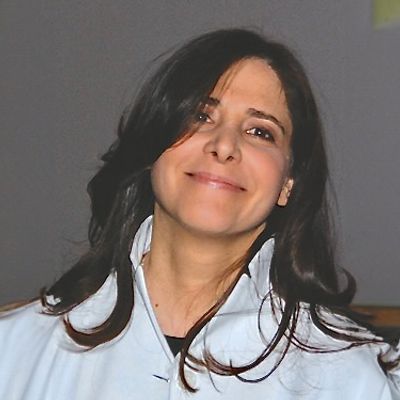
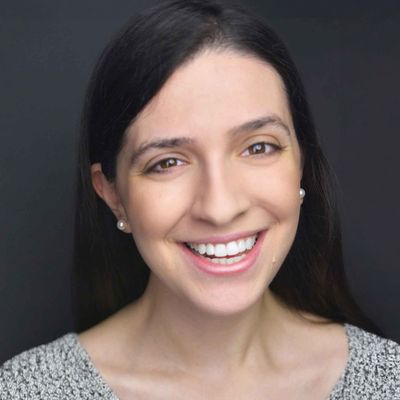
Guests
Featured Shows
About
For the first time ever, we have two amazing guests on the show.
Dori Berinstein and Sammi Cannold directed and produced the Apple TV Documentary, The Show Must Go On which chronicles the race against time to save live theater in the wake of a global pandemic. The film focuses on some of the theater-makers determined to win the race.
In March of 2020 and for the first time in history, the performing arts were decimated worldwide when theater shut down indefinitely in every country except one: South Korea. From the frontlines in Seoul, this film follows a company of artists involved in two theatrical productions--the World Tour of The Phantom of The Opera and the South Korean Tour of Cats--two of the productions that pushed ahead safely during the pandemic and helped show the way forward. And a continent away in the UK, the film simultaneously follows Andrew Lloyd Webber, composer of Cats and The Phantom of the Opera among others. Webber used the example set by his Korean colleagues to fight for theater's future on the West End and beyond.
The Show Must Go On chronicles the survival of the performing arts and the worldwide resuscitation of an artform with the fate of a global industry at stake. But more importantly, the film tells a human story - one of the resilience of storytellers and their determination to come together to heal, create, and inspire.
Stream The Show Must Go On on Apple TV+ today!
Our guests have inspiring bios:
Dori Bernstein is an Emmy Award-winning documentarian, a four-time Tony Award®-winning Broadway producer, and an Olivier Award® winner. Berinstein most recently joined Ryan Murphy as producer of the Golden Globe Award®-nominated Netflix feature film adaptation of her musical The Prom. Dori is also Co-Founder/CEO of the Broadway Podcast Network. Find Dori on Instagram.
Sammi Cannold is a director who is one of Forbes Magazine's 30 Under 30 in Hollywood & Entertainment, has worked for CBS, Nickelodeon, Paramount+, and Cirque du Soleil. This is your first documentary feature, and upcoming projects include several new musicals, revivals, and feature films. Associate director credits include the Broadway production of GREAT COMET. Outside of her work in theater, film, and TV, Sammi currently serves as Senior Case Manager for Human First Coalition, an organization dedicated to providing humanitarian aid in Afghanistan. Sammi holds a B. A. from Stanford University and an M.A. from Harvard University. Find Sammi on Instagram.
- Make sure to follow this podcast everywhere you find podcasts, leave a rating and a review, and slip into our Instagram DMs at @wasitchance.
- More about Heather via @heather_vickeryandco on Instagram and Threads, @Braveheather on TikTok, and listen to The Brave Files
- More about Alan via @theatre_podcast on Instagram and listen to The Theatre Podcast with Alan Seales
EPISODE TAKEAWAYS
- Creativity will always find a way to be expressed.
- There’s a way, find a way!
- Look for hidden opportunities. Be open minded, they are there.
- “How you do it” doesn’t have to be the way you get it done.
- Use tech to your advantage. Everything you need may already be at your fingertips.
- Once again, community is often what makes all the difference. Get out there and grow your network from a heart centered space.
- Use your skills to help with your creative endeavors. All of your skills are useful.
- Make the big ask, you never know when someone will say YES!
- Focus on the storytelling, not the platform.
- Be willing to throw yourself into the fire and risk failure in order to create magic.
- Never think of any project as a failure. Everything leads to some new knowledge and opportunity.
- Design your own metrics for success.
- Artistry is always about changing the world.
- Art heals.
Transcript
This transcript was automatically generated and might contain errors.
[0:00] Dori Berinstein: There was a specific project for me that taught me how to think about different metrics of success. And on that specific project, it was talking to certain people who had come to see the show and to whom the show was really meaningful. Then I was like, okay, on this particular show, my metric of success is what this group of audience members felt coming out of this show. If that's always the way that you sort of approach making art, then everything will be successful in some way.
[0:35] Heather Vickery: Hi everyone, welcome to Was It Chance, the podcast about embracing opportunity and taking intentional risks for your creative life. I'm Heather Vickery.
[0:43] Alan Seales: And I'm Alan Seales, and Heather and I started off as two perfect strangers who met by chance and just embraced an opportunity and started a podcast. Listen in as we chat with other successful people about the risks they've taken to put themselves on a path to creative success.
[0:59] Heather Vickery: So we actually have two guests today. Not just one. This is our first double guest.
[1:04] Alan Seales: And they're talking about a film that they made together. And so I want to actually read about the film before I get into who they are.
[1:13] Heather Vickery: So in my best, like, you know, coming this summer voice. Here we go. In the wake of the global pandemic, The Show Must Go On chronicles the race against time to save live theater and focuses in on some of the theater makers determined to win it. In March of 2020, and for the first time in history, the performing arts were decimated worldwide when theater shut down indefinitely in every country except one: South Korea. From the front lines in Seoul, the film follows a company of artists involved in two theatrical productions: the World Tour of The Phantom of The Opera and the South Korean Tour of Cats, two of the productions that pushed ahead safely during the pandemic.
[2:08] Alan Seales: And a continent away in the UK, the film simultaneously follows Andrew Lloyd Webber, composer of Cats and The Phantom of The Opera, among much else. He uses the example set by his Korean colleagues to fight for theater's future on the West End and beyond. The Show Must Go On chronicles the survival of the performing arts and the worldwide resuscitation of an art form.
[2:29] Heather Vickery: Alright, that's enough Cats for me. The Show Must Go On, co-directed and produced by both Sammi Cannold and Dori Berinstein. This is what happens when I let Alan do all of the pre-work.
[2:45] Alan Seales: More coffee. Sammi Dori Dorenstein. Have you ever been called that before?
[2:51] Sammi Cannold: I've never been called that. That's a wild hybrid.
[2:57] Dori Berinstein: Oh my. This is worlds colliding for me. And I am so happy. Heather, podcaster, Dori, podcaster, business partner, producer, Broadway lover, Sammi, like producer, director, podcaster. All of this is coming together in such a fun way. And we'll get into bios later because you guys both have bios that are longer than my arms.
[3:20] Alan Seales: But I want to talk about The Show Must Go On because this is a documentary. And Sammi, this is your first documentary. Dori, this is your like umpteenth million documentary. So where did the two of you even get the idea to start recording this, filming this, making this?
[3:36] Sammi Cannold: Sorry, it cut out. Um, I don't know what you asked. I'll move to the other room though.
[3:41] Dori Berinstein: In a world where Sammi doesn't have good Wi-Fi. She has to move to another room.
[3:52] Alan Seales: Well, so while Sammi is moving to the other room, you know, this show is about embracing opportunity, taking intentional risks to be creative. And hopefully that leads us to success, but it leads us to creativity, which is something that we had to go out of our way to have during the pandemic. And I think that's one of what I love the most about your documentary is you brought all of those things together. So yeah, I'm with Alan. I want to know how this came to be.
[4:22] Dori Berinstein: Well, exactly what you're talking about. I mean, there were people all over the world when theater shut down that came to Korea to keep theater alive, to put the show on, and we wanted to celebrate that. We wanted to document that. At the beginning of the pandemic, I was alone in my apartment, very bummed out that our life form had sort of just disappeared. You know, there was no theater. Theater makers all around the world were sort of confused about what to do, how to make a living. That's not news to anybody here. I was FaceTiming with my friend Kristen Blodgett, who is the musical supervisor of Phantom of the Opera World Tour, and she supervises a lot of the Cats tours that go out around the world.
This was June of 2020, and she said at some point in our FaceTime, oh, you know, in a few weeks I'm actually going to South Korea to mount the South Korean tour of Cats. And I was dumbfounded because at the time nobody was going anywhere, let alone going anywhere to do theater. I was asking, you know, how is that possible? I'd heard that the Phantom of the Opera was at the time that it opened in Korea, the only large-scale English language production running anywhere in the world. So I knew that something was going on in South Korea, but didn't quite realize that it was the country that was sort of like keeping musical theater alive. I immediately was like, this has to be documented. And I went to Dori, who also happens to be my mother, and you know, because she's a very experienced documentarian, and I said, you know, I've never made a documentary before.
Do you want to partner on this? Because I can get on a plane and go to Korea, but I don't know what I'm doing, and you know what you're doing, so maybe we have sort of a way to work together here. And she said yes immediately, and then we wrote to Andrew Lloyd Webber and we said, Hey, can we document what your productions are doing in Korea? And he said yes, and all the other parties said yes, and then we were sort of off and running from there.
[6:28] Dori Berinstein: We had that question. My partner and I watched the documentary last night. We couldn't quite figure out if people were filming their own things, if you had the idea after, and you just like worked really hard to piece these things together. So you actually went and filmed this live. There was a crew with you.
[6:42] Sammi Cannold: Couldn't have been much of a ragtag.
[6:45] Dori Berinstein: I think it was much more ragtag than you'd think. First of all, this was June and July of 2020. There was no vaccine, we were all quarantined, nobody was going anywhere. And you know, it's not like, hey, let's hire a crew, let's go to Korea. It wasn't like that. It was much more kind of daredevil and getting on a plane, yeah.
[7:09] Sammi Cannold: Yeah, which I did. We really had three weeks prep, which is crazy for a doc. You just don't have three weeks prep. I had been shooting a doc in Korea pre-pandemic and did have a shooter on the ground that because it was the pandemic, he was available and was willing to take this on. But you know, we kind of threw ourselves into this without having any real plan in place, other than getting thumbs up and yeses from people. We had to figure it out as everything unfolded. And Sammy was frontline and really, you know, went into this not knowing what was ahead, never having done a doc, never having shot anything before. And she had to figure it out as she went along. And so it really was kind of crazy.
[8:07] Dori Berinstein: In answer to your question, we immediately contacted the casts of both shows and asked that they document their own travel to Korea as they were coming from South Africa and the Philippines and Australia and the UK and the United States, all from all over the world descending on South Korea to help save theater. And so we asked them to document their own travel moments, and then we pick up with them in Korea.
[8:39] Heather Vickery: I have four daughters, and I'm very curious as a mother, right? And an artist and a creator and a producer and all of these amazing things you do. The Show Must Go On. No pun intended. But the mother side of you sending your child out into this pandemic world, like what was that like for you?
[9:01] Dori Berinstein: Um, that's a really good question. One, there was no stopping her. Two, it was very clear that things were only getting worse in New York, and Sammi was smack in the middle of New York City, and things in Korea, as we documented the film, were at the time far more under control. I mean, there was still COVID being spread all over the place, but I felt that she—and she'll go into detail about being embedded with both productions—but that it was actually a safer place. And it also would give her purpose, and I felt very strongly it was a very important moment to capture for all those reasons. It was not easy wearing the mom hat. It was torture having her so far away from me every single day, every single moment, but it was the right thing to do as her business partner and it was also wearing the mom hat again.
I felt she was in a relatively safer situation. I think I was also just driving her nuts, calling every day, just being like, What is my life's purpose? I can't make theater, and she was like, Okay, well, we need to get her busy doing something.
[10:22] Sammi Cannold: I can see the mom side of that. That is so accurate. Yes.
[10:27] Dori Berinstein: But something you said as I watched the show, I found myself getting re-angry at the way the pandemic was handled here in the United States because of how Korea handled it, which was they really mitigated it well, and we didn't. So you were probably better off, Sammi.
[10:42] Sammi Cannold: Sammy, what was that like for you going out there and being able to, like literally we see in the documentary, you sit down with Andrew Lloyd Webber and you're talking with him, and he's probably like, was he in South Korea the whole time, or did he just fly out? Or like that whole process of working with the team and like what Dori was saying, being embedded with the cast, right? So I guess, did you become part of their bubble? And what was that like for you just sitting out there watching this happen in somewhat of a, I mean, it sounds like it was somewhat of a normal tech opening process in this country that actually handled it way better than the US did?
[11:23] Sammi Cannold: Yeah, so I, you know, when I got to Korea, I had to quarantine for two weeks in a government facility. And basically what that meant was that I was put in a hotel room. I was not allowed to leave the hotel room. I was told that if I left, I would be deported. They brought three meals a day, they came to the room and tested us. It was, you know, it was pretty intense. And then once I was out, then I was in the bubble. I started with the Cats company, and I would sort of switch back and forth between the Cats company and the Phantom company at different times. You know, each time there was sort of a process to make sure that I wasn't being a bridge between the two companies, because that would also be sort of problematic.
The companies were not integrated, you know. But it was amazing because I, you know, as a director, a theater director, I never get to go on tour. You know, it's not—unless you're like a resident on a tour, it's very rare that theater directors get to go on tour, and all of a sudden I was like getting to live my best life on a Cats tour. Like it was just, you know, a very bizarre gift and experience in that way.
[12:28] Sammi Cannold: And the Andrew portion of it, we actually shot that in London. So when I was done in Korea, I stayed there for three months, and then once we were done shooting in Korea, I flew to London where there was no quarantine. Then I interviewed Andrew there and did some other shoots that are in the film there in London. Because part of what we were trying to communicate in the film is that Korea really pioneered how to reopen. And then London learned from Korea, and then we learned from London. And I think that memorializing how that happened is really important to me. And I know Dori as well, like that theatrical history documents that in this moment of need it was South Korea that led the way.
[13:16] Dori Berinstein: That's so cool. You mentioned something that you sit in a government facility. So did you have to get government permission to do this, or was it just like anybody coming in from certain countries had to quarantine and the government monitored it, or like were they involved with the process at all, other than just quarantining?
[13:32] Sammi Cannold: Yeah, in my case, it was just sort of like I just showed up and I had to fill out some paperwork ahead of time, but it wasn't like I didn't get special permission. Because you are during the pandemic, you were allowed to go to Korea without a visa if it was for under 90 days. So that's why I left at the culmination of three months. I would have kept living in Korea because it was great. I mean, it was like a functional. But the Cats Company and the Phantom Company, everybody working in those companies, they all had visas, and so the government knew there were these people from all over the world that were coming in and were cool with it and excited about it. And really, you know, it's the Korean government kept theaters open when it seemed like they wouldn't. You know, there was a time while I was there where professional sports teams were not allowed to practice, but theater could happen.
[14:27] Dori Berinstein: There was a time where nursery schools were shut down, but theater was allowed to stay open. Um, it was just, you know, the government recognized that the way protocol works in the theater makes the theater uniquely safe when compared to other public activities and allowed it to stay open.
[14:49] Alan Seales: All right, so we're relocating Broadway to South Korea. I think that's the message. That's the most logical thing. So, Dori, what were you working on while Sammy was in South Korea? I'm sure you found lots of ways to stay busy, but what was happening for you? Where were you and what was happening for you?
[15:08] Dori Berinstein: I basically didn't move from this spot for two years. Uh, almost. There was a lot, there actually was quite a bit of shooting that we did in the tri-state area. I was capturing things locally. I was also producing from afar because obviously we had to manage all the crew. We also had to manage the footage that was coming in and bring on an editorial team, manage all the footage and figure out how we were gonna capture it, figure out all the rights issues, the music issues, you know, everything that was around putting this film together. There was a tremendous amount to do, not to mention raising the financing for it. And, uh, because it, you know, obviously this all costs money to do. And we have tremendous partners on this project that really from the get-go said, we're in.
We want this to happen. We want to support this. And Liz Armstrong was there day one. Um, and so grateful for that. And WYSIWYG producer, executive producer from WYSIWYG in South Korea also joined forces with us, and we're so grateful to both of them.
[16:19] Dori Berinstein: Heather, I want to also point out that both of these two individuals we are talking to today are two of the most humble, non-braggadocious people ever that you will meet. So, Dori Berinstein is an Emmy Award-winning documentarian, a four-time Tony Award-winning Broadway producer, Olivier Award winner, and most recently joined Ryan Murphy as the producer of the Golden Globe Award-nominated Netflix feature adaptation of her musical, The Prom, and also co-founded the Broadway Podcast Network with me and is the CEO.
[16:48] Alan Seales: Just a few things.
[16:50] Dori Berinstein: Just a few things. Sammy is a director who's one of Forbes magazine's 30 Under 30 and worked for CBS, Nickelodeon, Paramount Plus, Cirque du Soleil. Uh, we mentioned this is her first documentary feature, but now has new projects, including musicals, revivals, feature films. She's been an associate director on GREAT COMET with Josh Groban. I mean, come on. These two people are like, you asked her, you asked Dori what she's doing. All she answered was about this project.
[17:14] Alan Seales: No, no, no, no, no, no, no, no, no. What I'm saying is Dori's not going to be the one to tell you everything she was doing because we have to break, we have to say what she's doing. And Sammy too. The two of them are like the—I've never met two people, by the way, Heather, that are the least ego-driven in this business. Show business is all about ego, and these two people do it for the art of creating and for the love of theater, not for themselves. And that's so rare in this business from a creative standpoint.
[17:47] Dori Berinstein: I think that showed in the documentary.
[17:49] Alan Seales: Thanks, God. It's about creativity. And one of the exciting things that we went through, Dori, and this applied to sort of everything, is as the pandemic hit, we're launching a podcast network. We have to figure out how to go virtual, how to record over the internet, how to exist without in-person opportunities. And so I remember, uh, Sammy, like it was opening night of I think it was Cats, right? Where it was one of the early, early days of figuring out how to record people remotely.
[18:26] Dori Berinstein: We had you interviewing, um, who were you interviewing in the house before the house opened on opening night?
[18:32] Sammi Cannold: Kristen Blodgett.
[18:33] Dori Berinstein: Oh, that's right. That's right, Alan. Thank you. Yeah, yeah, that was a beautiful moment in the film, and thank you for making that happen.
[18:41] Sammi Cannold: Yeah, so I mean, you're welcome. We had to figure out how to capture on the fly last minute. It was, well, you know, we're 12-hour difference or something, whatever it was. So it's literally like the morning time here in New York, and you're literally getting kicked out of the house. You woke up very early to do that. And so it's, I love the chance encounter of all of this because, I mean, again, like this is the time, you know, don't be humble, right? I want to know, you mean you just like, yeah, I just contacted Andrew Lloyd Webber. Like everybody just can't contact Andrew Lloyd Webber, right? So you just contacted this guy who a couple people have heard of, and you just happen to get these producers, and then you just happen to fly out there, and then you do like along the way, what looking back, what are some of the biggest chances that both of you were able to embrace to really pull this project together and make it come together?
[19:38] Dori Berinstein: You mentioned at the beginning a lot of what you talk about on this podcast is about taking risks, and I think that there it was a huge risk to go make this film. We didn't know if Phantom and Cats were gonna make it. You know, we didn't know if Cats was gonna open, we didn't know if Phantom was gonna stay open. You know, in fact, uh, you know, both shows were basically able to survive Korea. Phantom then went to Taiwan, but then it had a whole leg of its tour in China that had to be called off because of COVID. And so we felt very lucky that there was actually something to document because I could have showed up in Korea and both shows could have been shut down, you know.
[20:20] Sammi Cannold: Yeah, talk about risk.
[20:22] Dori Berinstein: Yeah, it was just sort of like what are we gonna find? And we sort of came to the conclusion that like if that was what happened, we would document that too. We just wanted to capture a moment in time and how a community was sort of approaching it and struggling with it. And I think I'm, you know, from a dramatic storytelling perspective, I'm very grateful that the film ends on a note of triumph and on a note of inspiring others to follow suit. Um, but it could have been a very different film. Um, and, uh, so, um, you know, I think a lot of a lot of a lot had to be put on the table with hope and confidence from all involved parties, and we're really grateful for that.
[20:59] Sammi Cannold: Just gonna add that I think that on the risk-taking front, um, you know, when there were limitations on what we how we could capture in um what was going on in Korea, we were allowed to have a crew of two, and that included Sammy. So we had a shooter and we had Sammy and we had a giant musical and a huge cast and that, you know, having done many documentaries about theater, that's not how you do it. And Sammy wasn't a shooter; she hadn't done this before. And so, you know, in terms of risk creatively as well as practically, kind of just to dive into this situation in a foreign country with a crew she hadn't worked with before, um, and earn everyone's trust so that they were comfortable with her capturing all the behind-the-scenes of both of two separate companies and learning how to shoot and do you know all that she had to do, uh, it's quite extraordinary.
Um, you know, she's not gonna say it, but I will say it for her, and I think when you look at the film, you know, it's certainly a little scrappy as it should be under the circumstances, but you know, given the reality of how it was captured, it's extraordinary. I think, you know, that we really were able to tell this story and capture sound, oh my goodness, just basically capture sound, capture the visuals and have everyone on board to being part of this and kind of Herculean. And, um, uh, what a partner is all I can say, what a partner.
[20:59] Alan Seales: I love that. Sammy, I'd be curious to know while you were on the ground in Korea, I mean, what chance opportunities presented themselves that you didn't anticipate? You're like, oh, we're gonna lean in this way. Oh, I'm gonna do it like this.
[22:57] Sammi Cannold: We had a very funny phrase because there were a lot of Australians working on both shows. And in Australia, you call a documentary a DOCO, um, which I find very funny. Um, and, uh, so we had we had a saying when anything bad would happen because I would always just grab the camera right away and start filming and, uh, like I would sort of get excited when bad things would happen, which is sick. But it would be like, oh, I would be like, that's drama. Um, and these aren't like people dying bad things, they're like, you know, theatrically speaking, bad things. Um, uh, but uh—
[23:30] Dori Berinstein: Broke his shoelace.
[23:32] Sammi Cannold: Exactly. I'd be like, oh my god, drama. Um, uh, but, uh, we had this phrase that was like bad for the humans, good for the DOCO. Um, so anytime anything bad would happen, we'd go like bad for the humans, good for the DOCO. The biggest one of those was basically that when the Phantom Tour was—when I got there, the Phantom Tour was finishing up in Seoul and it was about to go to another Korean city called Daegu. And Daegu was the epicenter of the outbreak of COVID in South Korea. It was one of the first cities in the world, you know, to get significantly hit. So it was a really big deal that Phantom was coming back to Daegu, that it was reopening the city. And just as Phantom was about to go from Seoul to Daegu, numbers started to go up again. It got very, very dramatic very quickly. Obviously that was difficult for the Phantom Company, but it was very dramatic for the camera.
[24:22] Dori Berinstein: The power of television.
[24:24] Sammi Cannold: Yeah, it's um, we were not there, you know, because Phantom opened in Korea on April 1st, 2020. And if I had had the, you know, foresight to know to be there on April 1st, 2020, certainly we would have been there. But all of that, you know, the two COVID cases that came up in the Phantom Company, which is a large part of what we follow in the Phantom storyline in the film, all of that happened before I got there. But through the generosity of the company members sharing iPhone footage with us, um, through, you know, other things that we were through interviews, um, we were able to sort of document that part of it retroactively and then everything after June in real time.
[25:06] Alan Seales: What's the chance of, I guess, uh, Dori, from your experience using iPhones? Sammy just mentioned the iPhone footage. And when we've been on shoots together, you're always capturing 4K cam footage with your iPhone, uh, 26, whatever it is. And like back in the day, literally back in the day, like five, six years ago, you couldn't have the footage off of cameras like this.
[25:31] Dori Berinstein: I do it all the time. There are apps that allow you to capture 4K footage on your iPhone. I'm shooting other docs right now, and I, in particular in situations where you have to be a little discreet. You can't have a whole crew behind you or you're on the move or something happens spontaneously, you have a real good quality camera with you. I think the problem is more that you don't have the sound support that you need to really capture something incredible, so it's supplementary. But, um, you know, I've often when I know I'm in a shoot where I have great sound, I will be the fourth camera, I'll be the second camera or whatever with my iPhone. And that footage has consistently been great.
[26:24] Alan Seales: I love it. And it's all over the movie that you saw, The Show Must Go On. What's one of the biggest apparent setbacks when the two of you started to film and put footage together and things where you're like, I don't know how we're gonna overcome this that you all of a sudden turned around, you're like, oh, this is great actually. We can pivot this way and all of a sudden it becomes this great thing.
[26:46] Dori Berinstein: Well, interestingly, we were only originally gonna follow the Cats company because that's what was happening in real time. I mean, their process was happening in real time. Um, and then there were some like travel complications, things got a little complicated, and uh, Gareth Hewitt Williams, who's in the film quite a lot, who is producer, general manager, extraordinaire, who really is a large part of why these shows succeeded. Um, he said, you know, do you wanna follow Phantom too? That's kind of like the big one. Uh, you know, not that Cats isn't the big one, but that was the one that succeeded when all else was not open. We were like, oh duh. Like why didn't we think of that ourselves? And so, um, that was how we ended up following both shows, not just one.
[27:38] Sammi Cannold: That's great. And the film itself premiered in the Majestic Theater, uh, which is home to Phantom here in New York. We really wanted to help bring Broadway back and, uh, having the event at the Majestic was just, uh, really just so meaningful to all of us, you know, to help welcome Phantom back to, you know, kind of a post-COVID world, even though it wasn't post-COVID, and, uh, to help let the world know that Broadway was back. It was just an epic night and we, you know, we're so fortunate to have incredible performers that joined us that night, um, Adrian Warren and Ariana DeBose and Josh Groban and, uh, Sierra Boggess and on and on and on that helped us welcome, uh, not just Broadway back but, uh, a giant audience that hadn't been in the theater for over two and a half years. It was quite a thrilling night.
[28:41] Alan Seales: One of the things that you said a second ago, Sammy, we have seen a consistent theme with everyone we've interviewed on this show where your community, your network, the people that you choose to spend your time with always has this tremendous ripple effect in your opportunities, your chances, your creativity.
[29:01] Sammi Cannold: And I just love seeing that come full circle. Like that's how Phantom became part of your show for part of your film. And for listeners, I just want them to know how powerful that is—talk to people, know people, make friends, not because you want something from them, but because you want to grow your soul community and haha soul community, no pun intended. And then you just kind of never know.
[29:27] Dori Berinstein: Yeah, I mean I think that one of the things I'm most grateful for on this film is just the people from all over the world that, you know, we got to meet and work with and our Korean partners and our partners in London and our partners in Australia. And like, you know, I think it's a reminder that the theater community, the entertainment community is global and sometimes we are so, you know, Broadway centric. And I think it's important to remember that we are a global community and there are people all around the world who are amazing who, you know, we can be in conversation with. I want to pivot and back up on the general industry of show business and Broadway and TV and film and whatnot. And Dori, I want to get into your history in a second because you originally went into finance before all of this bullshit in business.
So we'll get to that. But Sammi, as growing up with all of this around you, was there ever—did you ever want to do anything else? And then at what point were you like, I'm gonna take a chance and just try to make it in this business where it's literally next to impossible to make it?
[30:37] Sammi Cannold: Yeah, you know, it's funny. I was so lucky that, you know, my childhood I was like immersed in all things Broadway. I just hung out in the back of the theater. I was doing homework and rehearsals. I was, you know, it was just like what a gift of an upbringing. And early on my parents sort of identified directing before I even knew what directing was—not that they, you know, pushed on me—but they would—I would do this thing where they would bring back little shampoo bottles from hotel rooms and I would put on little shows with the shampoo bottles on the bathroom counter. It's like, and you know, so very early the word director was like always sort of associated with me. It was like, you know, oh she's gonna be a director, whatever.
And then I had these like bizarre opportunities when I was in middle school to like direct—uh, direct little productions with, you know, fellow middle schoolers. The drama was that when I was in high school I had a little period of revolt where I was just not having it with the idea of doing what my parents did. I was like, I don't want people to say, oh she has a career because, you know, her parents are producers or whatever. Like I just didn't like the narrative of it. I wanted to make my own way. So I like made a hard left turn and I thought I was gonna go into education policy.
[32:02] Sammi Cannold: Wow. Yeah, I know—quite a distinction. I went to college for a combination of education policy and international relations 'cause I sort of wanted to do something international.
[32:07] Dori Berinstein: Was that Stanford or Harvard?
[32:21] Sammi Cannold: No joke.
[32:21] Dori Berinstein: Right, right. Okay.
[32:21] Sammi Cannold: You help because you have a BA from Stanford and an MA from Harvard. Just putting that out there for the listeners.
[32:27] Dori Berinstein: Yeah.
[32:29] Sammi Cannold: Um, I'm fortunate. Yeah. Three weeks into college I was like, oh, I have to get over my little revolt because theater's what I'm meant to do, not education policy. No offense to education policy. The irony is now I'm sort of working a little bit in education policy and international relations. So, um, it all comes back around, but um, that's great. Everything—I think that's part of the beauty of being an artist is that like things from, you know, all corners of your life can sort of merge into what you're doing. Dori, on your end, talk about coming—going into college, going into finance and realizing, yeah, this isn't for me.
[33:07] Dori Berinstein: Well, I never, ever, ever had any intention of having a career in finance. That was never going to be me. Uh, was not where my passion was. Um, my passion was definitely, uh, I'd say it was split between the arts, theater, television, film. I wanted to be a storyteller. Um, I had no talent to be on stage and knew no one at all. And so figuring out how to, um, you know, I had no exposure to the behind the curtain of it all, had no idea how to become somebody in that world. And when I was graduating from college, all of the mentors that I had, my parents, they said you need to get a foundation in business and finance. And whatever you end up doing, you know, that's gonna serve you well. And I had no way into the world of theater.
I had no way into the world of film and television. I didn't know anybody and, you know, was writing all these cold letters to people. And I thought, you know, this will be a good thing in the long run. And there was an opportunity to interview for a job that was considered, you know, a hot job in that world at Morgan Stanley in mergers and acquisitions and um, kind of was fortunate enough to get it and was thrown into the fire. Oh my goodness, that was intense and learned so much. So it was like an amazing education in business and finance and strategic planning. And I am so grateful I did it, but not for one second did I ever think this is what I'll be doing. This was laying the groundwork for, you know, knowledge that will come in handy when I really get to do what I really want to do. I mean, hugely beneficial in producing obviously numbers are important.
[35:02] Dori Berinstein: No, it gives you, you know, just a comfort level. I'd—it's not an area that scares me at all. And I think without that experience, without that training, it may have felt a little bit more daunting, and it isn't to me. So that helps. For both of you looking back across your careers thus far, and both of you have long careers ahead of you still, um, what is one of the earliest things that you can each remember where it was like one of the biggest risks where you're like, if this doesn't work, I don't know what I'm gonna do? And then on the flip side of that, something that didn't work that you were able to turn into triumph that you were able to make take advantage of and push forward using the benefit of the—I’ll put it in air quotes—initial failure. And I would say a pandemic is actually pretty high on the list of things that, you know, screw things up and make people.
[36:04] Sammi Cannold: I'll say in the first category, you know, the very first thing that I directed in New York was a concert rendition of Ragtime that was site-specific on Ellis Island. And it originally the idea was to sort of test out the music on the island, like with friends around a piano, and then it kind of just snowballed because we asked Laura Michelle Kelly to play mother and didn't expect her to say yes, you know, and then she said yes, and we were like, oh no, like now it's like a really big deal. And so then we had to sort of like find other actors who were sort of at her caliber, and it snowballed and it got really, really big, and it was being followed by a lot of press, and I was 22. Um, no, I was 21.
And you know, and I was very stressed out by the idea that it could succeed or fail. I was like, oh, my life will look really different if this succeeds or this fails. And I think that's sort of like a bit of a melodramatic thing that a lot of emerging artists take on, you know, where they're like, if this show doesn't, you know, get good reviews, my life is over, you know, and I think I've since learned that maybe that's a little bit too dramatic. But it definitely certainly felt that way at the time. And I—I often when you're in it, I feel like most artists can relate to that. It does feel that way. You're like, oh, the world is over if this doesn't go well.
[37:29] Dori Berinstein: Oh yeah. If this doesn't go well, whatever you're experiencing in the moment feels like the biggest thing you've ever experienced, I think, in so many cases. Dori, I know you're thinking hard.
[37:38] Dori Berinstein: Oh my goodness, I don't even know where to begin on that. I think that early on I learned that it was all about storytelling, and I wanted—and it wasn't about the platform, and I was very fortunate early on to have many, many different experiences in so many different realms, whether it was film or television or special effects or, you know, whatever it was, that I became very platform agnostic. And I'm gonna talk about meeting podcaster Alan Seales, who I—I was story actually. I was in, you know, I had produced The Prom and we went down to Google to have an exciting afternoon at Google Talks, and I met this guy who was running Google Talks, and we just started to talk. And you know, I think it was one of those moments where, you know, you meet somebody and it sounds like the same thing happened with the two of you, where we just started, you know, we ended up getting together to just chat about our shared love of podcasts, and it was like, hey, let's start a podcast network.
And I think because of having so many different experiences in film and television and special effects and all these different worlds, that it was not for one second, I think for either of us, was it daunting that, oh, wait a minute, I don't know anything about podcasting. Like nothing. I just listened to them. You know, it never occurred to me to think, well, maybe I better think about what I'm agreeing to do here and what does it mean to run a podcast network and what—what's involved in that and who is this guy? I just met him. You know, there wasn't anything normal about the situation, but yet we just said, let's do this. And we were off and running and we did it. And it's been a tremendous partnership and a wonderful, you know, I think the Broadway Podcast Network has had great success and also it really is a labor of love.
So, you know, I think being fearless a little bit, um, maybe ignorant, maybe naive, but just throwing yourself into various fires and just, you know, seeing what happens. And I think the film is very much like that too. We didn't know what was gonna unfold or if it was gonna work or anything. And, you know, to me those kind of ventures are very thrilling. They're really exciting because you have to in the moment figure out how to make it work and the Broadway Podcast Network, every step of the way is figuring out how to make it work and reinventing and it's extremely challenging, as was this film, but it's also extremely satisfying.
[40:30] Heather Vickery: I want to point out too that I've said or that Dori is not one to brag, Heather. And every now and then we'll just be talking and we're like, oh yeah, so and so, blah, blah, blah. And Dori's like, well, here's a picture of me with that person from like 20 years ago.
[40:42] Sammi Cannold: Yeah, but you do the same thing.
[40:43] Dori Berinstein: No, no, no, no, this is different.
[40:45] Heather Vickery: Like, like Fred Savage, I want to say, but look, look in the video, and we'll post this video online. So behind Dori's head are two green gloves.
[40:52] Dori Berinstein: Those are from Shrek the Musical, right?
[40:54] Heather Vickery: Those are the Shrek gloves, and then right in between is a little gray glove that is from Little Monsters because Dori was part of the team, the production team that made Little Monsters happen. And before that, if you watch the movies who made us on Netflix, Dori is interviewed because she was part of the Dirty Dancing team that made that happen.
[41:13] Dori Berinstein: I get messages all the time from people who say, I just watched the story of how you were born on Netflix. Because in that special, they tell the story of how they met and you know, fell in love. It's very personal. It's a little weird. It's on Netflix.
[41:20] Heather Vickery: But it is—
[41:38] Dori Berinstein: No, that is not what we talked about.
[41:43] Heather Vickery: I think that was a little manipulative of the team that made that—that's the one.
[41:50] Dori Berinstein: The way it's edited, it is like a love story. And we were only there to talk about the creation of the film. So liberties were taken, I must say, and I'm sure that's a little awkward for Sim.
[42:03] Heather Vickery: Well, so my point of breaking all this up is that you've got these milestones where you're like, we've literally changed the world. We've made this movie and we've made that show, and we've done this, and these are movies that shaped people's lives—movies and shows that have shaped people's entire lives because it influences them in their childhood. But on the flip side, what people don't want to ask about, what people don't talk about are all the things that don't work.
[42:29] Sammi Cannold: Yeah.
[42:29] Heather Vickery: Because everything that you put out there doesn't—everything that anyone puts out there doesn't automatically work. It takes a lot of effort, a lot of risk, a lot of pivoting when failure is about to hit or does hit, whatever that case is. So I guess, like for both of you too, do you each have one of these moments where you're like, I don't want to talk about that anymore? This is horrible. I'm gonna ask you to talk about it. But do you not want to talk about anything that you're like, okay, I've learned from this, I know not to do that again. This has been an experience that I will take and improve upon next time, but no one needs to know about it?
[43:06] Dori Berinstein: Yeah. So let's—or even a failure that turned out so much better than what you had planned. I never—I try never to think of any given project as a failure, even if it didn't turn out as I wanted it to, because it's a question of how do we measure success.
[43:24] Sammi Cannold: Like, because I think that when I first started getting reviewed as a theater director, it like crushed me because I was like, oh, you work for years on one thing, and then some person you don't know says something about it, and that is the mark of whether or not it's successful. There was a specific project for me that taught me how to think about different metrics of success, and on that specific project, it was talking to certain people who had come to see the show and to whom the show was really meaningful. Then I was like, okay, on this particular show, my metric of success is what this group of audience members felt coming out of this show. That to me makes me feel like it was successful.
And I think if that's always the way that you sort of approach something like that, like approach making art, then everything will be successful in some way. It's just the metric might change. For me, one example would be The Prom, which was the hardest musical, hardest theater project I ever worked on in terms of getting it to Broadway because the subject matter was very challenging for a lot of people, and it shouldn't be, and that's why we were making it. But our metric at the beginning, and obviously that the show made it to Broadway. The show was wildly successful in so many ways on Broadway. This show became a major motion picture and now is touring the country and all of that, and so to Sammy's point, speaking about metrics, it was never about how many awards can we win.
It was never about how, you know, we wanted, of course, to do justice to our investors and make money and do well in that way, but it was not about that. It that, you know, we were gonna do everything we could to be successful in all those ways, but the metrics for us in the very beginning, it was so much about wanting to change the world and wanting for there to be acceptance and tolerance when it came to LGBTQ issues and same-sex marriage and all that. We wanted to have the show in schools in every single city around the country, which is about to happen, where parents who obviously wouldn't go see the show or wouldn't watch the movie had to go because their kids are gonna be in the show and they're gonna hear that story. And we hope lives are gonna change. So, you know, we went into that with every intention of having the most successful show possible in every way, but our real goal was to change the world.
[46:04] Alan Seales: And speaking of changing the world, I always want to touch on Sammy's personal life for a hot minute because she talks about this publicly on Instagram. Can you tell the story of your of what just happened with your boyfriend and what he's going through now?
[46:18] Sammi Cannold: Yeah, so my boyfriend is a humanitarian aid worker. He runs an NGO called Human First Coalition, which came about in August and was created to help get folks who needed to get out of Afghanistan because their lives were in danger out of Afghanistan. And then it sort of moved into providing humanitarian aid for people who are still there who don't have access to food, shelter, and in many cases a lot of what we're focusing on now is education. And I, you know, am a volunteer for the organization and we work together on a lot of the initiatives that he's working on. You know, what you're mentioning specifically is in December, he made, or this fall he made two trips back into Afghanistan to facilitate aid, and he was sort of helping to negotiate the control of the airport in Kabul because the airport was really key to getting aid in and out of the country.
And he went in with eight bodyguards, he was there at the invitation of the Taliban. You know, a lot of people when they hear that, you know, he went to Afghanistan, they were like, why was he in Afghanistan? And it was like, well, you know, someone has to do it. But also he had every reason to believe that he was protected. The senior levels of the Taliban had invited him into the country with, you know, all these assurances of protection. On his second trip in on the last day of the trip, he was taken captive by the Taliban. He was held for 105 days. It was horrific. You know, for the first 17 days we didn't know if he was alive, and then we didn't have really actual communication with him about until about day 45.
Even then it was, you know, very, very difficult. And he was in an eight foot by eight foot basement cell, no window, he couldn't see the sun. You know, just very, very bad stuff. But the sort of culmination of the story is that he's back. It's incredible that he got out. A lot of hostages do not, or it takes a long, long time. And that he's right back to work. You know, I keep being like, sit down, rest, rest, sit down. But he really wants to keep doing the work because, you know, Afghanistan is deeply in need, and he's also doing a lot of work trying to free fellow hostages. So, bit different than musical theater. Does that in any way inform the creative work you're doing right now, Sammi? Or that you plan to do in the future?
[49:56] Sammi Cannold: Yes. It helps me to think a lot about what matters to me in art, and so much of what he does is impact driven, and it makes me think a lot about how I can make sure that the projects that I choose, the projects that I pursue are also impact driven that they make the world a better place in much in the way that his work makes the world a better place. But also, you know, I think he is new to, you know, Western musical theater. And the more that we sort of talk about my world, the more that we sort of see opportunities to tell stories that could be impactful in the world of his work. So I think, you know, everybody asks us, oh, are you gonna make a movie about, you know, his journey? And it's very much something that we're interested in and thinking about, but you know, it's still very fresh.
So I think we're figuring out exactly how and with whom and what the right journey is. Also, there are just like a lot of stories in and around this work that telling them might sort of lead to more advocacy and things like that. So yeah, we're trying to figure out how to merge the two worlds to make the greatest possible impact.
[50:09] Alan Seales: Yeah, there's such a story to be told and an awareness that could be made of all the humanitarian need. I mean especially here in the US, right? And we're coming off of yet another mass shooting as we're recording this episode right now. And things are so messed up and I said this all the time when we were in the pandemic and brought it with shut down like I had to keep recording podcasts. I mean the problems that we face are so small compared to what so many other people face but like art heals. We have to be able to express ourselves and connect in a way. It transcends language. It transcends so many things that if we all could just accept each other for who we are, tell stories, enjoy the art as in its most basic form, then you know, we could come together as a global community in a way that I think we've never been able to before.
[51:04] Sammi Cannold: This was so lovely. It's a pleasure to officially fully meet you, Dori.
[51:10] Dori Berinstein: So great to meet you likewise.
[51:12] Alan Seales: Dori, always a pleasure. I'll see you in like an hour, Dori.
[51:18] Dori Berinstein: Dori gets a special prize.
[51:21] Sammi Cannold: Yeah.
[51:22] Alan Seales: Thank you so much. I love the film. Everyone go watch it. It's on Apple TV. The Show Must Go On. Thank you for the incredible gifts that you give to the world. We know that art heals. We know that art changes the world, and it's just such a pleasure to see the two of you out there doing that work. Thank you for being here.
[51:44] Dori Berinstein: Thank you so much. And thank you for your great podcast.
[51:47] Alan Seales: Thanks. Fabulous.
[51:48] Dori Berinstein: You're welcome.
[51:51] Alan Seales: What a duo, right?
[51:53] Heather Vickery: Yeah. The two of them are two of the most, like I said it during the interview. They are two of the most humble driven people I have ever had the pleasure of working with. And they do it, like Dori said it, they do it for the art. They do it to change the world. They don't do it for a cash grab. They're not those people, and they're so well respected.
[52:15] Alan Seales: Yeah, just lovely. They said something that I didn't want to dig into too much because I didn't want to take the focus. I didn't realize you had a production role in the film. How did you, what was your involvement there?
[52:29] Dori Berinstein: When COVID hit and everything shut down and nobody knew what to do with themselves technologically, because we're used to showing up in person. Immediately, and this is how the Broadway Podcast Network, how we continued to produce content, we quickly developed a virtual work stream and a virtual studio and a way to like you and I right now. I'm in New York and you're in Chicago every single time we were recording for the most part. Which I've done for four years. So it's fascinating to me that that was a pivot for all of you.
[52:58] Alan Seales: Well, for the Broadway community in general is one of the last industries technical from a producing standpoint to change technologically. They want to do things how they've always done, they want to do advertising how they always do it. And this is, it's a challenge to get the industry to stay current with tech. And so one of the easy things that we did was immediately pivot to this online thing. And then so when we needed to quickly capture some interview before the opening night, it was literally before opening night. They were holding the house, they couldn't open the house to let people in for opening night of Cats in South Korea because we were recording with Sammy. So I was online, we were on our online recording workflow that was developed, and we were recording Sammy interviewing some footage. So that footage made it into the final documentary, so I got a little credit right at the end. But yeah, that was it. That was all there was.
[53:53] Alan Seales: And there were so many things that I found fascinating. We didn't get to talk about how surreal the footage of a completely empty Times Square. It's wild. I mean, empty subways, empty Times Square, empty everything. When literally the marquees being dark, it was a ghost town. It was the emptiest I had ever seen anything of this nature, and it was such a different time. There is a photo exhibit at the Peggy Notebaert Nature Museum here in Chicago. It's a whole wall of photos, and you look at them, you're like, oh, it's Chicago. It's so pretty. And then you look closer, and the question above it is, what's missing? And the answer is people and cars. The whole wall of photos, the photographer came out and took, were the same thing, no people.
[54:42] Sammi Cannold: I remember that.
[54:43] Alan Seales: I remember like there are no people. I remember not putting gas in my car for like three months. I get gas every week. Every week, which right now at six dollars a gallon sucks. Anyway, I just I love the heart-centered connection. How do we make the world better? I loved Sammy's answer to how her boyfriend's situation is informing art. It's mostly just reminding her to make sure that she's connected, right? With the purpose, the reason that she's doing the work. Not it's not about sharing his story, although that may come. It's just that reminder of making sure that you have the passion for the work that you're doing.
[55:21] Heather Vickery: Mm-hmm.
[55:22] Alan Seales: Yeah. That's something too. Again, that goes back to like why are you doing it? Are you doing it for money? Are you doing it for art? Are you doing it for love? And if you do it to help other people, then other people are gonna help you back. We say this all the time, a rising tide lifts all ships.
[55:38] Heather Vickery: Yeah.
[55:39] Alan Seales: You're gonna grow. Everybody else is gonna grow when you're all pointing in the same direction for the same reason.
[55:43] Heather Vickery: Absolutely.
[55:45] Alan Seales: Well, it's a lot of fun. I hope everybody goes and watches and follows everything that these incredible ladies are up to. It was a fun little kismic connection of chance encounter leading to wonderful things between you and Dori and you and me. And it's just so cool. All the other connections that are out there, like if when you were digging into this stuff, if you go to Dori's website for her documentary company, dramaticforces.com, you'll see all the stuff she's done, and The Show Must Go On is listed there as well. But like she's done documentaries on Mark Hamlish and Carol Channing. She's actually asked to speak at Carol Channing's memorial service when she died. And so like that's how much all of this becomes this giant family of people who are trying to do positive things in the world.
So and sammicannold.com, S-A-M-M-I, sammicannold.com, of course, this will all be in the show notes. We're glad you're here, folks. We appreciate that you spend some time with us every couple of weeks. We hope that you will share the episodes with somebody you think it might resonate with. We want to know how you are out embracing chance and opportunity. Tell us, send us a message. You can find us on Instagram at wasitchance. At was it chance. At was itchance at was it chance. At was it chance. Send us a DM, reach out. We want to hear what you're up to.
[57:14] Alan Seales: Thank you so much. You've been listening to Was It Chance, the podcast about embracing opportunity and taking intentional risks for your creative life. I'm Alan Seales.
[57:23] Heather Vickery: And I'm Heather Vickery.
[57:25] Alan Seales: Bye now.
[57:26] Heather Vickery: Bye.
© Broadway Podcast Network, All Rights Reserved