

This episode was originally released Feb 28, 2023 as episode 34. To listen to Lili's episode from Dec 2023 on The Theatre Podcast, click here. --- ORIGINAL NOTES --- Do you remember when our collective hearts broke watching “Connor's mom” breakdown in Dear Evan Hansen?.. Read More
From the show: Was It Chance?
Guests
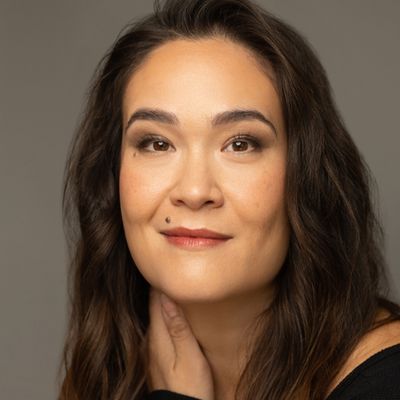
Featured Shows

About
This episode was originally released Feb 28, 2023 as episode 34. To listen to Lili's episode from Dec 2023 on The Theatre Podcast, click here.
--- ORIGINAL NOTES ---
Do you remember when our collective hearts broke watching “Connor's mom” breakdown in Dear Evan Hansen? Yeah, that was traumatic! And Lili Thomas does it every single night on stage as she performs the beautiful and devastating role of Cynthia Murphy for the North American touring company of Dear Evan Hansen.
The child of two world-renowned classical musicians, Lili made her own path in the arts. She became a triple threat by training extensively in acting, singing, and dancing in addition to, of course, learning several instruments. She plays professionally on 6 different instruments. Lili recently completed the pre-Broadway run of Octet and is an acclaimed vocal coach, choreographer, director, and the hardest job of all, parent of two kids. She’s kind, funny and crazy talented!
Follow Lili and learn more on Instagram, grab tickets to see Dear Evan Hansen here, and make sure to stick around to the end of the episode for a fun, dirty joke form Lili!
- Make sure to follow this podcast everywhere you find podcasts, leave a rating and a review, and slip into our Instagram DMs at @wasitchance.
- More about Heather via @heather_ vickeryandco on Instagram and Threads, @Braveheather on TikTok, and listen to The Brave Files
- More about Alan via @theatre_podcast on Instagram and listen to The Theatre Podcast with Alan Seales
EPISODE TAKEAWAYS
- Being exposed to professional musicians helped Lili embrace chance as an entertainer.
- She randomly started singing with a live band at the age of 5 and people loved it. The thrill was real!
- Both of Lili’s parents are world-renowned musicians but they didn’t pressure her into playing music, which Lili considers a gift.
- Lili’s performing love is musical theater - that’s her creative home.
- She loves playing complex characters and embracing them fully which she does beautifully.
- It’s really hard to balance being a parent and needing daycare with auditioning (as a job) because it’s not a paying job but must be treated as a job.
- When she went back to theater it felt like breathing again. This is truly where she's meant to be.
- She has such a loving and supportive family who love seeing her pursue her dreams.
- Positivity and energy are the core of who Lili is and that’s counter-intuitive to the role she plays in Dear Evan Hansen.
- When Lili needs to decompress and get into creative a space she needs total quiet and solitude (just like our co-host, Heather!).
- The most creative minds are also the most curious ones.
- Self-taping has become really dangerous for people - it drives perfectionist behaviors and that’s just not possible. It sets unrealistic standards and puts undue pressure on actors (and kids!).
- Returning to the theater has been part of Lili’s journey toward loving herself and it’s magical.
Transcript
This transcript was automatically generated and might contain errors.
[0:09] Heather Vickery: Hey everyone, welcome to Was It Chance, the podcast about embracing opportunity and taking intentional risk for your creative life.
[0:17] Alan Seales: I'm Alan Seales.
[0:20] Heather Vickery: Listen in as we chat with other successful people about the successful people.
[0:25] Alan Seales: That's what happens when I pull up the script and you don't.
[0:28] Heather Vickery: I was just watching a video about Super Mario remake.
[0:32] Alan Seales: So I was like, and that's what happens.
[0:34] Heather Vickery: You know, offensive Italian accents.
[0:36] Alan Seales: And listen in as we chat with other successful people about the risks they've taken and put themselves on a path to creative success.
[0:44] Heather Vickery: You totally skipped the part about you and I starting off as perfect strangers who met by chance and embraced opportunity, but that's fine.
[0:50] Alan Seales: Okay, yeah, we can skip that. Heather, we don't have a guest today on purpose, because we're bringing you one from the vault.
[0:57] Heather Vickery: Absolutely, because we have had over 70 incredible guests on this show.
[1:04] Alan Seales: And so many of them are out doing more and more incredible work.
[1:08] Heather Vickery: And today's guest is extra special.
[1:10] Alan Seales: She's groundbreaking, trailblazing.
[1:13] Heather Vickery: We couldn't help but reshare Lili Thomas with you guys today.
[1:25] Alan Seales: Hey, one may not go back and listen to the old episodes.
[1:28] Heather Vickery: So yes, we're bringing you back Lili Thomas because today, as we are recording this in late September, it was just announced that Lili Thomas is gonna go into Gypsy, the upcoming revival with Audra McDonald and Danny Burstein that everyone is talking about.
[1:44] Alan Seales: I cannot wait.
[1:45] Heather Vickery: Yeah. She's gonna be Miss Mizz Eppa, which rhymes with Schleppa.
[1:48] Alan Seales: That's how I know how to say it.
[1:51] Heather Vickery: She's gonna be Miss for a good 15 minutes.
[1:54] Alan Seales: I know.
[1:55] Heather Vickery: I know. She's gonna be Miss Mizz Eppa alongside another incredible list of principal casts, Leslie Margarita, Jordan Tyson, Joy Woods, and as previously mentioned, Danny Burstein and Audra McDonald.
[2:05] Alan Seales: But we're gonna tell you her story again.
[2:07] Heather Vickery: We're bringing it back here because it deserves to be told, and it is timeless.
[2:11] Alan Seales: It is absolutely timeless. So when we first talked to Lili, she was playing Connor's mom in Dear Evan Hansen on the touring cast.
[2:19] Heather Vickery: And I actually got to see that show live.
[2:21] Alan Seales: She was incredible, brought me to tears, and I know that was quite an emotional experience for her.
[2:27] Heather Vickery: You're gonna hear all about that in the episode. We originally released this, it was episode 34, back in February of 2023.
[2:35] Alan Seales: So time sure does fly.
[2:37] Heather Vickery: Jeez, yeah. And then she also made history in November, December last year, 2023 as the first Asian American Mama Morton in Chicago on Broadway.
[2:47] Alan Seales: That's episode 297 of my solo podcast, The Theatre Podcast, where she and I dove into that.
[2:54] Heather Vickery: Yeah, so we'll link to that one in the show notes. But now, of course, we just want to bring back Lili's original story to you because she is in the news again, and you need to hear about her.
[3:03] Alan Seales: Absolutely. Go enjoy Lili Thomas, y'all.
[3:09] Heather Vickery: Lili Thomas is with us today. She's the child of two world-renowned classical musicians and made her own path in the arts, still saying F you to the musical side.
[3:19] Alan Seales: So we'll get to that. She became a triple threat by training extensively in acting, singing, and dancing, in addition to, of course, learning several instruments.
[3:26] Heather Vickery: I guess you have to, having played professionally on six different instruments all at the same time.
[3:31] Alan Seales: Well, I don't know. That's like a one-man band.
[3:34] Heather Vickery: She recently completed the pre-Broadway run of Octet, is an acclaimed vocal coach, choreographer, director, and the hardest job of all, a parent of two young kids.
[3:43] Alan Seales: She's currently playing Cynthia Murphy in the National Tour of Dear Evan Hansen. Lili Thomas, so glad to have you here. Welcome.
[3:50] Lili Thomas: Thanks for having me. This is so exciting.
[3:54] Heather Vickery: So we were saying before we started recording that we had to warn you that Heather's mind is super, super dirty.
[3:59] Lili Thomas: So everything, everything coming out of her mind's gonna be perverted.
[4:03] Heather Vickery: I wanted to comment on that because at the end of the show it gets really heavy. And you know, we when we come off stage and we're crying and you know, sobbing and have to get ready to make the shift to the next scene.
[4:16] Lili Thomas: Sometimes that shift is really hard. So when I first joined the tour, my hair supervisor, Jess McGinty, she told me a dirty joke to get me to laugh so that I could shake the feeling quicker.
[4:30] Lili Thomas: And now it's become a ritual. And she tells me a dirty joke every day. And we do eight shows a week. So every show, she tells me a new dirty, dirty joke at the end of my final scene before we go in for like the finale where we're all supposed to be happy by then.
[4:45] Lili Thomas: And there are some really, really great ones. So maybe at the end I'll think of something. I'll think of one to share with you that I don't know what your level of appropriateness is on the show.
[4:57] Heather Vickery: So I think everything's bottom of the barrel, Lili.
[5:00] Lili Thomas: All right, well, when you said that, I was like, I gotta share some jokes.
[5:03] Heather Vickery: So yes, yeah, we set a low bar. We're great. We just we're here.
[5:07] Lili Thomas: Please do. I love that.
[5:08] Heather Vickery: So I actually saw the show in December with my 13-year-old, and you were amazing.
[5:14] Lili Thomas: In Chicago.
[5:18] Heather Vickery: Oh, great.
[5:19] Lili Thomas: Yeah, yeah.
[5:19] Heather Vickery: So now I have this whole new perspective of what happened between the second to last scene and the last scene.
[5:25] Lili Thomas: So how does she stop crying?
[5:28] Heather Vickery: Oh, some dirty jokes.
[5:31] Lili Thomas: And I have to tell you, I'll tell you a little secret. Hopefully, I'll make you feel good. I told my daughter we're gonna get to interview some folks from the show. Maybe you can tell me who you really want to hear from. And you are the one she picked.
[5:44] Lili Thomas: Really?
[5:45] Heather Vickery: From the 13-year-old.
[5:46] Lili Thomas: That's shocking.
[5:47] Heather Vickery: Yeah. You know, it's really, it's been my daughter's 11, so very similar age group. And it's interesting, she was a big fan of the show before I booked the show.
[5:59] Lili Thomas: And kids are such a pain in the ass. It's so funny. It's like I booked the part and she's like, oh, okay. Well, but tell me about the other people. Like she's like, oh, that's kind of the most boring part in the show. But I'm really interested in all of the other ones, especially the kids.
[6:16] Lili Thomas: It's hard because you know, like in my mind, I'm not really an adult yet, even though I am and I'm a parent. But like when I saw the show, I was like, oh, those women are our old, you know, old school old moms. And here I am, and I'm like, oh, like the kids who are waiting outside at the stage door are usually like waiting for the kids, you know, and they're like, oh, the parents, yeah, we don't care, we don't have to talk to them.
[6:42] Heather Vickery: So that's actually means a lot that your daughter said that it's really cute.
[6:46] Lili Thomas: Yeah. I actually am curious about that. Why did she? I mean, not that she shouldn't, but why was she into like one of the moms, right?
[6:49] Lili Thomas: Okay, well, so in the interest of full disclosure, my kids have come up through the Actor's Garden, which is a theater program that Anthony Norman also participated in, which is what instigated. I was like, Alan, we've got to have this conversation. This will be so much fun.
[7:08] Alan Seales: Anthony, who's currently Evan Hansen.
[7:11] Lili Thomas: He's currently playing Evan Hansen. Yeah, we really talked about it a lot. She is an actress. She does not want to be in musical theater, but she wants to be an actress.
[7:20] Heather Vickery: Smart girl.
[7:21] Lili Thomas: Good for her.
[7:22] Heather Vickery: Yeah, well, she's 13 and 10. She wants to be in film, right?
[7:25] Lili Thomas: TV or film.
[7:27] Heather Vickery: Yeah. Okay, good.
[7:29] Lili Thomas: That's where the money is.
[7:31] Heather Vickery: It's all just gonna magically happen for her. You know, we don't have to actually take acting classes or audition for anything.
[7:41] Lili Thomas: It's just gonna like shine down upon her.
[7:44] Heather Vickery: So we're, you know, we're working on that part. But so we talked about all the different parts, and there were a couple of other, I mean, she really we really love the show. The cast is really fantastic, but something, I don't know, something about you. She's I mean, you it felt very natural, but you were up there working your ass off, and I think she could tell.
[8:01] Lili Thomas: Thank you.
[8:01] Heather Vickery: And she just was like, I just I don't know. I really, I really think I really think the mom.
[8:08] Lili Thomas: And I was like, which mom? And she was like, not Evan's mom. I'm like, oh, okay, okay. The crying mom. The crying mom really, the really sad one.
[8:17] Lili Thomas: Oh, well, you know, you did, yeah.
[8:19] Heather Vickery: Yeah. No, that means a lot, you know. I think it also speaks to like a level of empathy that kids these days are ha are experiencing and being able to communicate through, you know, and I've noticed it in my children too, and especially with them coming to see the show.
[8:37] Lili Thomas: You know, being able to like absorb that and really empathize with these characters and really feel their grief. I feel like I wasn't really, you know, kids just weren't that intuitive back in the day.
[8:50] Heather Vickery: No, or just not encouraged to be.
[8:53] Lili Thomas: Yeah, exactly.
[8:54] Heather Vickery: Yeah, yeah. No, and I mean, even even now in preschool, kindergarten preschool, where my kids are going, they've got with this whole, I forget what they call them, but there's like these whole little groups where they're already talking about self-identity and race and different colors and different backgrounds and all this stuff.
[9:13] Lili Thomas: And so they're coming home. And to them, as it should be, it's no big deal. It's just part of life. We were doing math last night, and Logan, my older one, loves to be asked math problems. And so like he likes to give me like six-digit numbers to add two six-digit numbers to add together.
[9:29] Heather Vickery: And so I just stack them on top of each other and I add column by column, like we were told.
[9:33] Lili Thomas: Yeah.
[9:35] Heather Vickery: And so, and he's like, I don't get it. I'm like, what do you mean you don't get it? Because I'm like carrying the one and doing all of that stuff. And he's like, Well, you take these two numbers, you put them together, and you slide this over and you put this together, you put the and then my wife looks at me.
[9:53] Lili Thomas: Like a Rubik's cube.
[9:54] Heather Vickery: Yeah, she looks at me, she's like, There's no way, there's no way we're gonna be able to keep up with the way that they're learning anymore. And I'm like, and that's, it just scares me shitless.
[10:02] Lili Thomas: Yeah, I have to say the parents at my kids' school, we have to take a math course as the parents.
[10:12] Heather Vickery: Oh, so we have like a, it's like at the beginning, I think of second grade or something when they because they go to a private school and they do this thing called Singapore math there, and then you as the parents have to go to like the welcome back to school night, and then you have to also have to sign up for if you haven't done it, you have to sign up for like the parent Singapore math training so that you can help your kids and you know what's going on.
[10:38] Lili Thomas: And I can tell you, I had to do it twice for both of my kids. I've never seen a room full of like such successful adults who looked so confused.
[10:48] Heather Vickery: Wow.
[10:49] Lili Thomas: It's just like all of us are sitting there with our tongues hanging out of our mouths, like looking up at the sky. It was ridiculous.
[10:56] Heather Vickery: I'm gonna have to look that up. I will tell one story and then we will actually get to interviewing you, Lili. But like obviously we could all just hang out.
[11:03] Alan Seales: So the next time we're in town together, let's just do that.
[11:06] Heather Vickery: Definitely my we do back to school, everyone does back to school night. And for fourth grade, which my youngest daughter, I have four daughters, my youngest is in fourth grade. She's like, Well, I want to show you a math problem. And my kid was so excited. Oh, you're gonna have to do our math. Now, one of my dearest friends, her son is also in that class. She is a teacher, she is smart and knows all these things.
[11:28] Lili Thomas: So they give us this math problem, and Rachel gets the answer right away. And I'm in this room with all these parents, and I look and I go, How the fuck? And then I'm like, oh, wait, they're all laughing, they were little kids. I'm like, oh yep, sorry. Like, I don't know. I mean, and Rachel's like, here, honey, I'll show you. I'm like, how did you do that? It's so perplexing because it's so ingrained in us to think of it a different way.
[11:54] Heather Vickery: Yeah. Oh, well, that seems like a good lead-in to right, like to think of it a different way.
[12:01] Alan Seales: Well, this show is all about that that was a stretch.
[12:04] Heather Vickery: That was even that was a stretch of a segue, even for me.
[12:07] Alan Seales: I liked it because we think about things in different ways. When we're manifesting creative success, okay, we think of things in different ways than other people do.
[12:14] Heather Vickery: Don't question me, Alan Seales. You got a yes and her.
[12:15] Alan Seales: I heard you had musical theater training.
[12:18] Heather Vickery: Yes and yes, and I agree.
[12:20] Alan Seales: There it was.
[12:22] Heather Vickery: Oh good. Thank you, thank you, thank you. So this is, you know, we love to hear people's creative journeys. And I am curious, all if we could go all the way back to little Lili, like at what point, what chance presented itself for you that led you eventually to be down this theater path or music path.
[12:45] Lili Thomas: Well, I mean, I think that like the exposure, first of all, obviously with parents that are like mine who are mainly concert and classical chamber musicians. The exposure to music was from, you know, in the womb. And so I mean it was definitely reserved to classical and jazz. I would say I didn't really ever listen to much else as a kid. Jazz was like the let loose, like, oh, let's put something on that's fun, you know. And so, but so much of jazz is from musical theater, you know. So like all of those jazz hits are all were all taken from musical at the time. And so then I started getting interested in those. And you know, my parents showed me Sound of Music when I was really young, like the VHS that I wore out to like the point of burning the tape through.
And my mother actually wrote, I think, to Paramount or whatever it was, and they sent us a second one. Was Sound of Music that the double VHS. And I watched it pretty much every day. That and Babes in Toyland. I don't know if you know that one at all, but it's like Annette um what's her name? Annette Vincentelli or something. Yeah, and it is such a kitschy, like campy kind of thing, and I just loved it. So those were kind of like my only exposures to musical theater. But what it was was like, oh my God, I get to listen to something other than classical music. Like it was always such a treat, you know. So it felt super rebellious from the beginning. And then I lived in um I lived in Baltimore. I was born in Boston, and my father, he's the founder of the Boston Jamie Music Society, which is still going strong up there.
[14:40] Lili Thomas: But um, we moved down to Baltimore. He took a position at Peabody Institute and taught cello down there for a while. And we were downtown one day by the harbor in Baltimore, and NPR had somebody out there doing a segment on, I don't even remember what it was, but um, I think that I was like, I started singing with a live music band that was there just for fun. And they were like, wait, wait, wait, do this over again. And they recorded me doing it, and my dad was like, all right, sure, this is fun. And I thought being on the radio was like the coolest thing in the entire world. And it was sort of the first time that I had like sang in front of people. And I think I was five years old. And um, and I just got like a huge thrill.
And I remember just kind of wanting to do that over again, whatever it was, I didn't know what it was, but I just wanted to sing for people. And that's I guess that's kind of just like the origin story, you know, of getting the bite. I mean, five is pretty magical. We like, oh, I'm just gonna start singing, and then people are like, wait, hold on, keep doing that. It's like, you know, you're young enough, you're young enough that like you don't have the inhibitions yet. Like you don't have like that self-awareness or that self-conscious feeling. Um, and but like you're old enough to be like, I'm my own person, you know, like really believe you know something. What uh were you ever pressured at at like that age to to get into instruments at all I feel like like by your parents did they make you do it or did you feel no so like my parents both came from very strict upbringings with music.
I mean my mother never even learned how to ride a bike because she's a pianist and her it was like you can't take a chance on doing anything that could compromise your fingers. Wow so she she had a really big like void in her childhood in terms of friendship and joy and play and and was you know she would come home from elementary school and practice three hours a day and do her homework and eat and go to bed and that was kind of it and she is um she was born and raised in Seoul in South Korea and she ended up entering an adult professional I'm just gonna go on a little like family brag because my parents are really cool and parents sound fucking incredible and my mother um she entered this competition with like all of these already established professional musicians and and at the time you had to have permission to leave the country and she was 14 and she won the whole competition and the win the prize of this competition was that the president of Korea would give you a visa to leave the country so that you could then go study in America um and like do the country proud you know so she came here when she was 14 when she was 15 she came all by herself went to a private girl boarding school and did Juilliard prep so she was driven into the city every Saturday and then she did her she went to Juilliard for undergrad.
She got her master's from Juilliard and she just like her, she came here for like to represent her country on a musical level with I at the age of 14, all by herself, which I think is just so unbelievable. And she is a force to be reckoned with. She is an unbelievable woman. Um so yeah, so they were very much like, we want you to love music. We want you to do um, you know, to explore and to cultivate the musical talent that like you obviously have, but they were not stage parents at all. I mean, they I took cello, I took Suzuki cello for, you know, maybe like four years, and I played a big buck concert when I was like eight years old for a gala for something, and then and then I put the cello down and said, okay, what's next?
And I quit the cello. So it's like that's kind of I'm not great at any instrument, but I'm passable at a lot of them. But wait, wait, wait, wait. I was curious. You've performed professionally with on the trumpet, euphonium, tuba, piano, percussion, and guitar, yet you're not good at any instruments. But that's like that's like in a musical. It's like I would never be able to pick up one of those instruments and kind of like go to a jam session with a bunch of like like rock band or jazz, like real just just musicians, not like actor musicians. And I wouldn't be able to like keep up. I'm good when I can practice it when I could sit home and be like, this is what I need to do. But the ease at which a real professional musician can play their instrument, like first time, I don't have that.
I'm very, I'm very like um structured and I'm really good at making myself practice. And I can like achieve it because I know what I have to do to get there, but I can't just do it at any time. We're gonna take a quick break. Stay tuned for more of the episode. And now we're back. So of all of your incredible talents, you are so creative and so talented. Which one is like easy? It just rolls off. It's just like this, this is my home. I mean, that's musical theater. That's like musical theater. Actor, singer, dancer, you know. Um I love I I mean, I really, really love the acting musician work that I've done. It's been probably the most fulfilling, like all-encompassing because you know, especially as a singer, like you're singing the melody so many times, and what's happening underneath you and the arrangement and the score is always really exciting, but but when you're not doing that, it's pretty simplistic, you know, what the demands are musician-wise for musical theater.
And so I loved being in um like especially Hello Girls that I did off Broadway. I love doing that show because I got to play, we got to play three different instruments, and we were the band. There were no hired musicians for that show. So there were 10 actors in that show, and all 10 of us played, and we were the band. And that to me was just like so fulfilling, and that we really worked on ensemble work and and you know, you really had to work together and all of us were actors first too. So all of us were coming from this place of like, okay, I really have to like oil these wheels, you know, and like get get these things in my body again. None of us were really used to that. Going back, I I guess thinking thinking back on where you had the choice.
Are you was it ever a choice, or did you just always know that you wanted to pursue musical theater? Because I know that you said that like sound of music, you wore it out. That's you know what you wanted to do, etc. etc. Were you ever like maybe I should get an accounting degree and then as a fallback, or right? My fallback was always that I wanted to be a doctor. Oh, fair. Of course. Of course. That was like very well. I went back to college for a little bit to do a post baccalaureate pre-med because I just like really loved it. Um, and then I got it, and then I got an acting job, and I was like, ah, screw that. I guess I'll just be an actor. Well, and so then in terms of I used to say that as a little bitty kid, my mom, like really little, two, three, four, five, what do you want to be when you grow up?
And I'm like, Oh, well, I'm gonna be a singer, but if I'm too good for that, I guess I'll just be a doctor. So we have that in common, except I'm not sure. I mean, a lot and a lot of classical musicians are doctors. Like, I mean, it's a very shared part of the brain, I think, that um, you know, that works that way. So um, it's not uncommon for those to be shared interests. Well, look at uh Kim Kim Ken Jiang, right? Or yeah, yeah, he he's literally a a doctor and was like, well, I'm just gonna go to stand up and then became an actor. Exactly. I mean, he did it the smart way. He like got the degree to make the money first, and then decided like when he when he's financially stable, he can choose to take all the chances that make you really poor.
So fair. But okay, so you at one point had to have come to a crossroads where you're like, I am gonna continue down and do the doctoring thing, or I'm gonna continue to to audition, right? Like you don't just get a show and decide, oh, I'm gonna not do my my post baccalaureate anymore. But because while you're being a doctor or try doing going through that route, you still have to be auditioning and embracing that that calling that's in the back of your mind somewhere, right? I think that like I mean, I just always knew I I I'll tell you a funny like young kid's story. It was I was in third grade, and it was the first time that I could audition for a school show. And I had never done any acting before, but I was always like just very animated.
My parents would film me, and they're like, you know, they're sort of these more introverted musicians, and they were like, where did she come from? She's like so weird. And um, and so the school show was Snow White, and I'm always like, Great, why didn't you audition? And I said, Oh, great, let's do it. And so I um I went in and and my mother picked me up from school. I was in tears, and she was like, Oh, did you not get in the show? And I said, No, I did. And she said, What happened? I said, I got snow white. And she was like, What's wrong? And I said, I wanted to be the evil queen. And that's I love that. That's how my actor daughter would feel. That is a very like that's just sort of like a staple story that we tell about like, you know, I was never the ingenue.
I was never into that. Um, I I was always really into the idea of acting for completely going into these like different personalities and exploring these characters. And and you know, when I went to college and I learned about techniques and I learned about backstories and Stanislavski, it's sort of like, oh, that's kind of what I've been doing my whole life. Like, okay, where am I and who am I? And what happened to me last year? Like, I was just had a very creative imagination. Um, and so I think that like knowing that and my parents knowing that my parents also like not wanting to raise a kid with a really strict, you know, they really wanted me to have a life. And there were some times where I was um I I could have auditioned for some big things.
And we, you know, I grew up in Westchester after Baltimore we moved to Westchester when I was nine. And I grew up close to the city and there were times when opportunities came about. And my mother always said no she was like you can do whatever you want, but you cannot like not have a normal childhood. She wanted me to have these experiences of just normalcy. And she was like if you're meant to do this, it'll happen later. And I was so mad at her at the time of course because that's all I wanted to do. But she said you can do things if it's like a one night this or something like that, but you're not gonna like quit school to do this movie and you're not gonna like go on tour with this new you know that was a time when they were forming all those girl bands.
It was like auditions for girl groups. And she was like no way you kidding like absolutely not are you now glad that she held that firm line a hundred percent a hundred percent um especially as a mom you know and seeing like being so privy to the importance of like every social encounter and navigating through the sequence of school uh you know the sequence of grades same environment different teachers I just think they're all such such invaluable you know learning milestones for for understanding yourself as a person which is like kind of the hardest thing to make sure that you can do when you're an adult, you know? And um yeah it is I think that I would have been really lost and I have I have some friends who who did the child actor thing and you can see where in their adult lives they have gaps and where things are more difficult.
I've always thought that the child actors if they get super famous their their uh maturity level kind of gets frozen at that point in time because people know them as that character in that age and that's how they're treated and therefore they'll always have to identify as that yeah yeah yeah so I I've I mean my babies were just the cutest babies of course like no offense to anybody else listening but of course my babies are the cutest and so I was like man these kids need agents and then at the end of the day I'm like you know what this is no I want them to have like a regular childhood they can choose to do it and I do feel like that's the one exception though. It's like as babies when all they're doing is laying around all day just being cute like I do wish that I had you know put my babies in some baby modelings made a savings account for them like that would have been that's true.
I think that's that's the that's the one excusable part of it's all so then fast forward a little bit you're out of college and you've got you've got two children you're still doing the the acting life the creative life and then now you're you're in a national tour. You're joining us you're based out of New York but yes you're coming to us right now from San Francisco. So how how is that working? What was that decision process? Well, and what chance or risk led to this wonderful tour. I'm I'm gonna go back a little because I did stop acting for a while. Um I I had my first, I had my daughter, and I took her out to do like um, it was a long run at Milwaukee rep. And so I took her out to do a show, it was another actor musician show, really, really fun.
Um, but then I came back and I was like, that was that's rough, you know, doing eight shows a week with a baby and um and then I got pregnant with my second child, and so I said, I'm gonna take a break and I'm going to just teach because I had sort of like a smaller teaching studio at that point for in between gigs. And um I I said, I'm gonna just take off until the kids are in school full time, you know, because it it was always really hard for me to justify putting them in daycare to like go audition. You know, auditioning is that job that doesn't pay anything.
[29:06] Lili Thomas: So it was like really hard to figure out, okay, I'm gonna hire a babysitter or put them in daycare for that, but then I better book the thing. And I think the pressure of like that handoff of not being with my kids and going to those few auditions, I was like, this doesn't feel right. Um and so I did not, I like completely I left my agency. I just completely stopped performing and stopped trying in every way for about like four or five years. Um and then when my I guess this is like 2018, um there is a cute little, I was still equity, so like there's a cute little equity theater up by my mom's house, and I like to spend some time there during the summer, and they were doing a production of A Chorus Line, and I was like, okay, they're having auditions in Connecticut, which is much less intimidating than like going and auditioning in New York, which I at that point was like, I've been out of the game for so long.
I don't feel like I can do that without having a panic attack. Um, especially having had two children and going to like a A Chorus Line audition where the dancing is out of control. Um and so I was like, okay, I'll go to that local audition and maybe I'll just sort of like get my toes wet again with auditioning. And I happened to book it as Sheila, who is like, you know, the aging dancer, which worked really well for me.
[30:37] Alan Seales: You are not old.
[30:39] Lili Thomas: This woman is not old for anybody listening.
[30:42] Alan Seales: No, look at her, look at her episode artwork. Not old, not old at all.
[30:47] Lili Thomas: All right, one more quick break. Hang on a second. All right, here's the rest of the episode. But you know, when you're a dancer, like the clock is ticking always because your joints just can only hold on for so long. And um, and it was it was great. I did the show. I felt like a part of myself that had been, you know, in hibernation and in dormant for five years, was able to breathe again. And I really cannot put into words the feeling of that opening night and like being and performing in front of an audience again. Um my kids were so proud of me. They um like being able to share that with them, you know. They came to a couple of rehearsals and um this is pre-COVID. Now kids can't come anywhere with you.
But um, you know, I thought it was really something I was gonna have to keep separate, but they were so great. And I fully caught the bug, and then I was like, okay, I'm just gonna go to a few more auditions. And then I booked up um an off-Broadway thing, and then that led to another off-Broadway thing. And I just sort of followed this journey of uh with really this idea in mind of like I want to do something that makes that part of my, that part of me feel alive again. And so that was it was never like I want to do something super big. It was never the way that it had been before with having these like crazy ambitions, but it was just like I want to do work that's gonna make me feel fulfilled as an artist.
And you know, they always say like you never know what you have till it's gone. And it's like I didn't know, I didn't know what that how big that void was when I was to not be doing this. So it's it's been a long journey back, but there's a big chunk of time gone.
[32:32] Lili Thomas: And um, and I have to say that like the excitement that my kids have when I do when I performing, they come and see everything. And some of the stuff is inappropriate, and I'm like, oh my God, I can't believe that you know, my kids came to see me in A Chorus Line where the chorus line can get inappropriate. And but it's like not it's not that bad, you know. But it's like, okay, I just hope that my son doesn't ask me like what the word, you know, masturbation is later or whatever it is. Like he was five years old. So one day he will be like, oh God, I can't believe I had to watch.
[33:09] Alan Seales: Exactly.
[33:09] Lili Thomas: He'll be like, I can't believe that I saw my mom say these words. You know, yeah, he doesn't know what they mean right now. They're just funny words.
[33:16] Alan Seales: Exactly. Well, let's hope that we don't have to have that conversation later down the line. But um, but I think I think that having the support from them, you know, like as I said, they were fans of the show before I booked this. Um, COVID changed everything. They they are very empathetic and really kind kids who um really want me to be happy, which is just the sweetest thing in the world. They are I feel like they are the most selfless children, you know. They they were so excited that I got this. Of course, they were really upset that I was gonna be gone and and it's been hard for everybody, but I think that more than anything, you know, they're excited and they they call me and tell me how proud of me they are, and when they see something online or whatever, they send it to me and they're like, Oh my god, you are on TV or whatever it is.
Like they they are wonderful. And I if they weren't like this, you know, which they would still be great kids, but if these weren't major qualities of their personality, I don't think I would be able to do this, you know, because as parents, we are just programmed to be guilt-ridden, and so I feel like that guilt would have completely taken me over, which some days it does, you know, and especially with the track in the show, it's really hard to separate. You know, I have a girl and a boy, and in a show I have a girl and a boy, and I'm trying to do all the right things, and sometimes I fail. And there are too many parallels to not access real emotions on that stage. Um, and so if I if it was not going so well, I think that it would be too hard.
[34:55] Lili Thomas: Yeah. So I'm very thankful for them.
[34:57] Alan Seales: I have chills just hearing you say that because as an audience member, I feel that watching you perform it and then knowing what you're experiencing on stage. Just sorry, go ahead.
[35:07] Lili Thomas: I saw Dear Evan Hansen on stage on Broadway a month, a couple weeks after it opened, before the cast album came out. Remember the days like when a show would open and then the cast album would come out?
[35:20] Alan Seales: Yeah, right.
[35:21] Lili Thomas: Yeah. And so it it hadn't it was before Tony before award nominations, before cast album. Uh same with Hamilton side note. Now that I'm thinking about it, I saw Hamilton before it freaking exploded, which is when the cast album.
[35:32] Alan Seales: You know what? It's not cool to brag. I'm just saying.
[35:35] Lili Thomas: It's not an attractive quality.
[35:38] Alan Seales: No, but what he's saying is that he went in blind. Which is like we don't ever get to do that anymore.
[35:43] Lili Thomas: Right. That's true. I know. I just like to bust his chops.
[35:46] Alan Seales: I know, I know. But I also like that is a conversation that I love having because going into a show blind is it that's when you get that full theater experience when you feel like your entire body and soul has been like transported.
[36:02] Lili Thomas: Mm-hmm.
[36:03] Alan Seales: Well, yeah. So the the reason I brought that up is the parallel what you were saying is that um it was it was about two months, two or three months after my first son was born that I saw Dear Evan Hansen and I left that devastated. Broken, broken and devastated more than I already was. And I mean it's not it's it's a serious subject matter. And how how do you how do you shake that? Because you're the mom of this kid who who harms himself beyond the point of any repair eight times a week. And having your own kids.
[36:35] Lili Thomas: And he's great, by the way.
[36:37] Alan Seales: What's that?
[36:38] Lili Thomas: The actor is so great.
[36:40] Alan Seales: The guy who plays Connor.
[36:41] Lili Thomas: Yeah.
[36:42] Alan Seales: Yeah. Like how do you how do you how do you separate that?
[36:46] Lili Thomas: You know, I don't ever think of like I don't ever uh I don't ever think of my own kids in the roles. So I have a great relationship with both of the actors who play um Connor and Zelly. And um, and you know, when I'm up there, it's like when I say it's hard to separate, it's hard to separate those emotional access points, but like I'm very different from Cynthia Murphy. Yeah, and you know, my kids are very different from these characters. So, like when I'm up there, I'm receiving and emoting as Cynthia, you know, but it's just sort of like that the vessel is it's it's like it sort of feels like I have to crack open these parts of myself as Lili and then hop into Cynthia, like really vulnerable, you know.
And so then after the show, when I hop back to Lili, it's like okay, I'm feeling scarred a little bit, you know, but it's like it's not directly applicable to my life. It's not like that I had to think about my son being like that or my daughter being like that, but it's the same, like the same points in the body, I guess.
[38:03] Alan Seales: Yeah.
[38:04] Lili Thomas: So I've been living in living an extremely vulnerable life for the past few months. I mean, I think that's incredible as a performer, even to be able to know you need to do that and then have the skill to do it, and then repair yourself and separate them. They're not the same. I'm not this person, and then do it again the next day or maybe later in the day. Um it's really remarkable that you can.
[38:30] Lili Thomas: It's just really a trial and error because I think it's really different for everybody because it's all about like, you know, my vessel is gonna be different than the woman who played it before me. And, you know, like it's gonna, it's just gonna hit everybody differently. For me, I'm a really positive person in real life. I am of a lot of energy, positivity, and energy lots of energy are two things that are hard to um you know have simultaneously while I'm doing this show. So like I have to be mindful of things like caffeine and things like exercise, and you know, like I usually have my worst shows on Tuesdays because we have Mondays off, and I do something great on a Monday. It's like the one day of the week I don't have to cry. And it's like I'm glowing with happiness from Monday, and then all of a sudden Tuesday comes, I'm like, oh, I have to just like think my best shows are at the end of the week when I'm exhausted.
[39:31] Alan Seales: Isn't that fascinating? Because you can really lean into the character.
[39:34] Lili Thomas: Yeah.
[39:35] Alan Seales: And that's the opposite with so many other shows.
[39:37] Lili Thomas: So many other shows. It's like, okay, we gotta like have a lot of energy, and especially I've done all these dance shows and these musician shows that are really physically exhausting. I haven't done a show that's been this emotionally exhausting. Yeah, you know, and I've actually never done a show that's for this long of a run.
[39:57] Alan Seales: Yeah, how much longer is the run?
[39:59] Lili Thomas: We have about five more months.
[40:01] Alan Seales: Okay, that's intense.
[40:02] Lili Thomas: Yeah, so it's one year, so we're about seven months through. I hope that's a big vacation plan. Like a really wonderful vacation plan coming up very soon, and I'm really excited.
[40:16] Alan Seales: Well, talk about the the chance, the the conscious choice you made to take this year and tour, because it's not common for somebody with with preteen children to just up and go for a year around the country and like they're not with you, right?
[40:36] Lili Thomas: They're still at home in school and doing their normal thing. Yeah. And I'm a single mom. So like it it leveled up too. So, you know, I have a good co-parenting relationship with my ex. And he moved into my house. And so he is taking care of the kids right now. Um, we have grandmas and family members helping out. Um really, though, like if my kids were not at this school it would be a different story. This is a school that teaches the whole child. This is a school that invests beyond that first layer in the children and um, you know, is really great about communication. I'm in almost daily communication with a lot of the people at the school. Um, my my, you know, fellow parent friends from the school who are always keeping an eye out and at every event are like, okay, I'll be the parent to them at this event. And they are, you know, you can't do this without an amazing support system.
[41:36] Alan Seales: It sounds like a beautiful community.
[41:38] Lili Thomas: It really is. It's yeah, it's very rare. And I'm so lucky that they go there and um and that they come home happy every happy every day, you know. Like I talk to them after school and they tell me about their it's we have our patterns of just normalcy. And my son and I like to FaceTime. Um, we don't do it while I'm on West Coast time, but when I'm back in a more similar time zone, we do reading time because he has to read for 20 minutes every night. And so we've made this deal that for his reading, we FaceTime and he reads to me while I'm getting ready. So while I'm doing my makeup and my my wigs getting put on, he'll read to me. So that's like our little tradition that I really love.
[42:23] Alan Seales: When you find yourself sort of in in your most creative state, if like if you're thinking about your flow state and you're trying to learn lines or learn music or or hold on to a dance number, is there something you do to put yourself into a mode where you just absorb all of this more creatively more easily than any other times?
[42:43] Lili Thomas: I think that um I'm a very easily distracted person. My mind is like in 10 different places at once, running a million miles a minute. Um I have to have no technology around me. I have to like, if I'm reading music off of my iPad, I have to turn the internet off. Like I really have to turn myself a blank. I do. I love that. I have to give myself like a blank canvas. Yeah. Because otherwise I'm very easily influenced, you know, like uh I have a very like I have a reasoning mind, so I could reason anything, but then I don't know what I want or what my artistic inclination is. So I really have to like be alone, turn everything off. Um I think that that's when I'm the most productive with my with my art. But it's you know, like to know that about yourself.
[43:41] Lili Thomas: Yeah, well, I definitely didn't know this about myself before kids until I'm like, everybody just be quiet. And in the world of COVID, having to self-tape everything, you know, there were no auditions for so long. Everything was you have to tape yourself. And so a lot of people, you know, like, and I didn't have a partner, and so it was just me and the kids at home. And so at one point I remember being like, Annabelle, you have to read this tape with me. And then I listened to it back and I said, that's ridiculous. It's like this young kid's voice and the scene. I was like, it just makes no sense. But you know, a lot of people were doing this with their partner during the pandemic. And for me, it was just hard enough to just like get a time and a space where the house is gonna be quiet and the dog didn't try to bark and sing along with me. And like, you know, I mean it's just so any kind of solitude that I can get, I feel like everything just calms down and the juices can flow.
[44:44] Alan Seales: That's very cool. I, as an extrovert, I now value my alone time for that same reason because I love being with the kids and I love giving the energy and doing all of that. But then every now and then I'm just like, you know what, I'm a much better dad when I don't have to see you all the days. I was talking to somebody earlier today who homeschools, and I was like, nope. I'm like, you know, you need to go to school. I will see you in six hours. Bye bye.
[45:15] Lili Thomas: Yep, yep.
[45:16] Alan Seales: Yeah. I'm like, I love seeing you when you get home in the afternoon, but I don't love seeing you at the same point in the afternoon if I've seen you all day already.
[45:24] Lili Thomas: Right. I love to see you again after not seeing you.
[45:29] Alan Seales: Absolutely. Absence makes the heart grow fonder. Go to school. Um Lili, I would love to know. I mean, it is so hard to be in the career that you're in and not have a somewhat healthy relationship with failure, but. But what is your relationship with failure and how do you sort of process it? And a follow-up question is has there been something that you thought at the time was a massive mistake or failure, and it turned out to be just the right thing.
[46:00] Lili Thomas: Yeah, um, well, I think that because of the business I'm in, I'm innately like really hard on myself. Um I, you know, I think that the most creative minds are the most curious ones. And when you're curious, there's a lot that you find out that you don't know and a lot that you find out that you can't do. I think also just to speak on that really quickly, the nature of self-taping has given a heightened sense of critical thinking on ourselves as actors and performers, because what we do is especially for theater actors, what we do is sacred to the room. And when there's no room anymore, then you're striving for perfection rather than an experience. And so, like, you know, I think the most important thing to know as an artist is that there's no such thing as perfection.
And once you can let that go, you know, I'm still working on it. It's really hard. I'm sure you guys know this, especially from podcasting, that like the way that you sound is different than how you think you sound. And that's the same thing. So when you're watching your videos back and you are getting ready to send them, you're like, oh no, that's not what I'm planned on sounding like. But sometimes it's the right thing. And a lot of times those videos that you're really apprehensive about sending are the ones that book you something. And um, you know, so like you have to take a chance on those videos too. And you have to sort of like take a chance in those moments of being just saying I'm gonna trust that this is the right take or the right thing.
But um, for me, it was you know, my marriage failing, and I my parents are divorced and remarried, and two other musicians they all play together too, by the way. Like all four of them will play. It's great.
[47:40] Alan Seales: That's cool.
[47:42] Lili Thomas: Um yeah, that's very cool. That's uh that's a daytime TV movie or something. I mean, right. We need like a family tree to keep everything intact. Also, a writer. Could you write that script?
[47:50] Alan Seales: Yeah, I should. I absolutely should.
[47:53] Lili Thomas: Um, but you know, I think that like I think everybody who grows up with divorced parents says, I don't ever want to get divorced, you know. And and so I was really, I was really upset when my marriage fell apart and when I realized that it wasn't going to work, and when I realized that I was going to be on my own, and um, but that all of those realizations and all of that is what led me back to this and led me here, you know. So, like I probably wouldn't have started performing again, or I probably wouldn't have felt the permission to like follow my heart and do what I wanted to do and start to learn how to love myself and take care of myself if I was still trying to like fix this marriage and make all of that work.
And I got, you know, I got I had my daughter quite early, got married really early, and so I still feel like there was a lot to learn about myself that I hadn't done in my 20s because I was in a relationship that was a little in over its head, and um, being able to kind of like be by myself and revisit that 26-year-old where I left off and say, okay, like who are you? And what do you want? Because now you can dictate the rest of your life. And um, that has been the hardest moment in my life and the most fulfilling. So I I'm very happy that I went through this horrible thing. And you know, things I things always I I really do believe that like there's a reason for everything, and everything will lead to something that eventually will make you feel like all of that were all of the pain were like parts of the stepping stones to get there.
[49:39] Alan Seales: I love that. All of the part of the stepping stones to get there.
[49:44] Lili Thomas: Yeah.
[49:44] Alan Seales: Look at that tattooed on my butt.
[49:47] Lili Thomas: I completely agree that it's the icky parts that lead us to the better parts. And yeah, that's lovely to hear you say that.
[49:56] Lili Thomas: Yeah, they also like create, they also make the parts of you that need to be more resilient, such, you know, they they toughen you in those ways to be able to withstand like greater success and you know, a heavier load of responsibility, um, whatever you whatever it is.
[50:16] Alan Seales: Yeah, that's beautiful. You are so cool. You are so much fun. Oh I love this. This is awesome. Where can where can everybody connect with you, find you online, say hi, share their?
[50:30] Lili Thomas: I'm on Instagram at the Lili Thomas, because apparently there's another Lili Thomas out there. And um, that's L that's T-H-E-L-I-L-I-T-H-O-N-A-S. One L. And um, yeah, I'm like, you know, not up to date on the TikToks and the Twitters and all that. I I I'm I'm a simple gal. I stick with I stick with Instagram and um, I love it. But listen, if you all are somewhere where Lily and the casting crew of Dear Evan Hansen are going to be performing, go see the show. It's so good. And you just heard that whole crack open perform like it's just magical. I don't know. I want to see you do it again, and then I want to feel what you're feeling, but we could tell anyway. You're lovely. And I just thank you so much for taking time.
[51:23] Lili Thomas: I have to give a little plug because um my father, who I said was a cellist. Um my younger sister, who is also a cellist, is actually joining our tour in one week as our cellist. That's it. So my sister is gonna be in the orchestra.
[51:38] Alan Seales: Yes.
[51:41] Lili Thomas: And it's so so exciting for me. Um, and especially like this show that is for me all about family and to be able to have my family with me on the road, but also like to tell this story. The cello part in this score is so beautiful and so featured. And so to be able to like tell the story with my sister about family is really, really exciting for me. So I just had to put that out there.
[52:09] Alan Seales: I love that. And before we go, I do have to ask, did you remember any of those dirty jokes?
[52:14] Lili Thomas: Oh, yeah. Oh god. Okay. Um all right. What is the difference between a golf ball and a G spot?
[52:29] Alan Seales: I don't know. Do you know Alan?
[52:31] Alan Seales: He's something about the dimples. Can we just let her live drop?
[52:36] Lili Thomas: Yeah, go ahead. Crunch line, punchline.
[52:38] Lili Thomas: A man will actually look for a golf ball.
[52:43] Alan Seales: And that, folks, is why I'm a lesbian.
[52:45] Lili Thomas: So that's awesome.
[52:50] Alan Seales: Lily, thank you so much.
[52:53] Lili Thomas: Thank you for having me.
[52:59] Alan Seales: Lily is fabulous. She was so much fun to talk to. She really was. It was so heart-centered. Like I felt so much emotion. I had goosebumps through like two-thirds of the entire conversation, and I really want to go see the show again. Now I need to travel somewhere. It's already been to Chicago. It's fun to me. Uh, in the interviews that I've done it to talk to a parent who a real life parent who plays a parent in the show where something like serious, not something serious, but something uh not necessarily negative serious, but just like something very emotional happens as a parent between a parent and child in the show. And when you're reliving that eight times a week, I think it just like it gives you such a perspective on your own relationship.
And uh I love I love yeah, gratitude, and I just absolutely love to watch, like you said, just watch and listen to these performers who are getting to feel their feels, which there's all sorts of feels when you're a parent, but to feel this professionally and and be and to relive it on stage and it it's I think it's wonderful. I think it's absolutely wonderful.
[54:06] Alan Seales: So good, and she is great. What an incredible talent. I think we didn't have enough time to dig all the way in, which I would have loved to. If you can kind of maybe play six instruments, like you're super talented. Like you do not have to be so good that you could, you know, go play on stage for a large audience immediately to still have crazy immense talent I think she's got very high expectations for herself and Lily you're doing a great job yeah she's doing great I wish I could have seen it if it comes through North Carolina I'll have to look at the tour schedule because I'll maybe go visit my parents and go see it in North Carolina.
[54:47] Lili Thomas: You should that would be comes back anywhere near Chicago it's not gonna come back at Chicago on this tour but this leg. But if it's anywhere near then we should go see.
[54:52] Alan Seales: We should go see it.
[54:56] Lili Thomas: Absolutely you guys should all go and see it. Um Lily is just she's fun and she's real and I thoroughly enjoyed that I'll tell you I was really touched it's so true. I don't there was a news article like scientists have come out and said that girls in particular are far more inclined since COVID to be depressed. Huh girls' suicide rates are really high right now and now as the mother of teenage girls I can tell you this has been our experience that through COVID um it has affected all children I think really drastically certainly all people but especially young girls and when she talked about that self-filming um and how you know normally we yeah you're in a room I'm this I'm the same way. I I I'm a keynote speaker and when you have to do them virtually and there are not people there I do a live show every week called Brave in action and as if I see an eyeball that tells me there's somebody actually watching I'm fine.
Like I'm like, oh, I can talk to that eyeball, but if there's no one there and I can't tell, it's very difficult to do. And we really the perfectionism is is real and it's gotten so much worse since COVID. And I think what she shared there is is really powerful.
[56:16] Alan Seales: It's tough performing to a lens.
[56:19] Lili Thomas: Yeah.
[56:20] Alan Seales: Very hard. And and I think it takes it I mean, I heard somebody talk about this the other day. I didn't bring it up with Lily. Um, but when you're doing your own uh self tapes, you have to be an audio uh an audio person and a lighting designer.
[56:36] Lili Thomas: Yeah, you gotta do a cameraman.
[56:38] Alan Seales: Yeah yeah, you have to do everything. So you're worried about all that, and it's so hard to just detach and like be in the moment. So yeah, I feel it. I feel it. And then, you know, if you've got your young kids running around, then and your dog and your sirens, because you're in New York City, then all that stuff just makes it. I mean, hey, we built a whole new private room in my house during COVID because there were seven of us, and we have a small little house. And I was like, I need to get away from these people that I love really desperately. I enjoy seeing you after school as long as you've been to school first.
[57:10] Lili Thomas: Exactly.
[57:11] Alan Seales: All right, so Alan, where can people find us and tell us what they think of the show and all that good stuff?
[57:19] Alan Seales: On the iggs, on the igograms, uh was it chance is our usernames, and on the Igga Mails, was it chance podcast at GAMail.com. Hit us up, let us know, and let's know you're listening. Say hi. We'll respond. We promise.
[57:32] Lili Thomas: Yeah, yeah, yeah.
[57:32] Alan Seales: And if you feel so inclined to write a review, we would be really thrilled. Like we get we get really excited. We text each other. We're like, look, they like us, they really like us.
[57:43] Lili Thomas: Yeah.
[57:44] Alan Seales: They like us, they're really dope. All right, folks, you've been listening to Was It Chance, the podcast about embracing opportunity and taking intentional risk for your creative life. Thanks for being here. I'm Heather Vickery.
[57:56] Lili Thomas: And I'm Alan Seales.
[57:57] Alan Seales: And we'll talk to you soon.
[57:59] Lili Thomas: Okay, bye-bye.
© Broadway Podcast Network, All Rights Reserved