

We're now about halfway through the 2018-19 Broadway season, and several shows have closed and some still have yet to open. Ryan McPhee, Managing News Editor at PLAYBILL, joins the podcast once again to talk about the notable shows of the 2018-19 Broadway Season... Read More
From the show: Why I‘ll Never Make It
Featured Shows

About
We're now about halfway through the 2018-19 Broadway season, and several shows have closed and some still have yet to open. Ryan McPhee, Managing News Editor at PLAYBILL, joins the podcast once again to talk about the notable shows of the 2018-19 Broadway Season. We focus especially on those that are likely to get some Tony Award recognition.
Here's the list of all shows we mention in this episode:
• Andrea McArdle and Donna McKechnie at 54 Below
• Getting the Band Back Together did not get good reviews
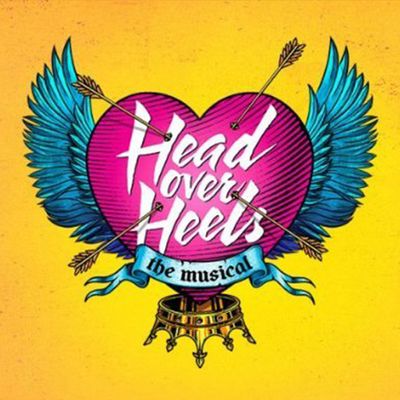
• Head Over Heels was thrown out on its heels in January
• The Cher Show gets a diva endorsement
• American Son getting a Netflix adaptation
• The Intricacies of Family in Waverly Gallery and The Ferryman
• Lifespan of a Fact with Daniel Radcliffe
• Network and Bryan Cranston's electrifying performance reviews
• To Kill a Mockingbird overcame lawsuits to make it to Broadway
• Are you going to The Prom?
• King Kong stirs up controversy and bad reviews
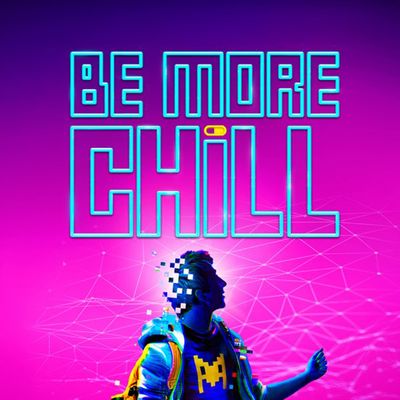
• Be More Chill goes from Off-Broadway to the big time
• Kiss Me Kate in the #MeToo era
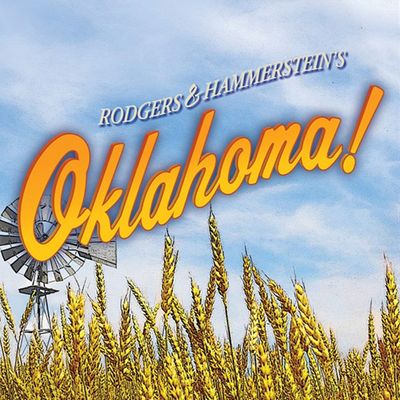
• Oklahoma! sets a darker tone in this reboot
• Hadestown's road to Broadway
• Gary: A Sequel to Titus Andronicus is a new comedy with Tony veterans
• Tootsie gets a facelift
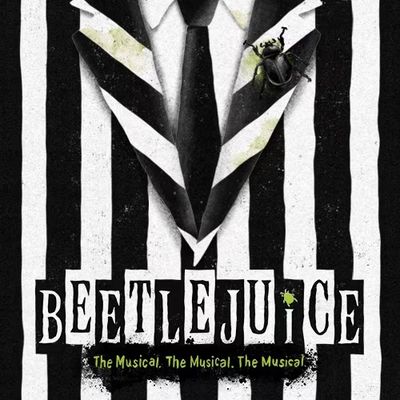
• Beetlejuice...Beetlejuice...Beetlejuice out of town
• Ain't Too Proud to Beg, the latest Broadway temptation
We also give special shoutouts to Bonnie Milligan and Stephanie J. Block.
Follow Ryan McPhee on Twitter.
The time and expense needed to bring these guests and conversations to you each week is sometimes challenging but always rewarding. Please consider buying me a coffee to support this work that goes into each episode. Join the WINMI community by following on Instagram or Twitter as well as reaching out to Patrick with any questions or comments: contact.winmipodcast.com"Hot Swing" by Kevin MacLeod (incompetech.com)
Licensed under Creative Commons: By Attribution 3.0
http://creativecommons.org/licenses/by/3.0/
Transcript
This transcript was automatically generated and might contain errors.
[0:09] Patrick Oliver Jones: Hello and thank you for joining me on the very first Tony Awards bonus episode of the year.
[0:16] Patrick Oliver Jones: I have with me Ryan McPhee, who's gonna be joining me in just a minute. He's the managing news editor at Playbill, and we're gonna talk about what's coming up and what's been happening on the Broadway scene.
[0:28] Patrick Oliver Jones: It's been quite a busy season so far, and so I'm so glad that you are joining me as we dissect who we think might be getting some Tony nominations come April.
[0:40] Patrick Oliver Jones: We're gonna be covering a lot of the shows that are out currently, but also give a preview of shows that have yet to open.
[0:49] Patrick Oliver Jones: And we're gonna be covering plays and musicals, and including a few acting moments here and there of people that we think will be recognized by the Tony Awards.
[1:01] Patrick Oliver Jones: So without further ado, join me as I sit down with Ryan McPhee at the Playbill offices in New York City.
[1:11] Patrick Oliver Jones: Ryan, thank you so much for inviting me to Playbill.
[1:15] Ryan McPhee: Thank you for having me back.
[1:16] Patrick Oliver Jones: I know you are actually our first guest to come back onto the show.
[1:20] Ryan McPhee: Oh, well, I'm honored.
[1:22] Patrick Oliver Jones: Yes. Well, we have Andrea McArdle and Donna McKechnie to thank for that.
[1:26] Ryan McPhee: This is true.
[1:27] Patrick Oliver Jones: Yes, yeah. A week or two ago, you and I bumped into each other again at 54 Below, which is a cabaret space here in the city.
[1:36] Patrick Oliver Jones: Andrea McArdle, who I performed with doing Annie, as well as Donna McKechnie, they were doing like a duo cabaret performance, and yeah, we both got to see it.
[1:45] Ryan McPhee: I thoroughly enjoyed it. I had heard obviously Andrea sing before in the show, but I had only seen Donna McKechnie like on clips and stuff, but I've never actually heard her live, and it was great to be able to do that.
[1:55] Patrick Oliver Jones: Yeah, and it was really special to like see her dance and sort of do her own sort of like recreation of the music in the mirror choreography on a tiny stage, but it was still so special.
[2:04] Ryan McPhee: Yeah, because both of them basically reprised a lot of the songs that made them famous, obviously, from Annie and then from A Chorus Line. But then they also incorporated some nice duets that I thought were really good.
[2:16] Ryan McPhee: My favorite was they did "Everybody Ought to Have a Maid."
[2:19] Patrick Oliver Jones: Right.
[2:20] Ryan McPhee: From Forum, right?
[2:22] Patrick Oliver Jones: Yeah, which I thought was really, really funny.
[2:24] Ryan McPhee: And they changed the pronouns on that.
[2:25] Patrick Oliver Jones: Right, they changed the pronouns, you know, he instead of she, which I thought was very, very funny.
[2:30] Ryan McPhee: Yeah, I would apply to be Donna McKechnie's houseboy, probably.
[2:34] Patrick Oliver Jones: Oh, yes, yeah, yeah.
[2:35] Ryan McPhee: I think that would be, I mean, because they both seem like they were having a good time on stage, which always is fun for us in the audience.
[2:42] Patrick Oliver Jones: Yeah. Well, speaking of having fun on stage, we are here to talk about the 2018-19 season. Kind of this is kind of the midpoint, a little past the midpoint, and shows have already started to close, shows have yet to open, and so I want to kind of get a taste of the Tony Award season and kind of how it's shaping up for this year.
[3:06] Ryan McPhee: Never too early for that.
[3:08] Patrick Oliver Jones: No, no, no. It's never too early to talk about Tony Award buzz.
[3:12] Patrick Oliver Jones: And so I feel like we should start with the shows that have already closed.
[3:17] Ryan McPhee: Okay.
[3:17] Patrick Oliver Jones: And so I think for me, two of the bigger ones or more notable ones are ones that didn't really, they never really found an audience. One of those would be "Getting the Band Back Together," which I think lasted a month.
[3:30] Ryan McPhee: So it's that, yeah. It really came and went.
[3:31] Patrick Oliver Jones: And it found zero audience, obviously.
[3:35] Ryan McPhee: Yeah, it just kind of came and went, which is a shame. I had a couple people I knew a part of that show, and it just fizzled as soon as it came out.
[3:43] Patrick Oliver Jones: And then the other one, "Head Over Heels," that one just closed a couple of weeks, two, three weeks ago at the beginning of the year. And again, this is one of those jukebox musicals that tried to do something different, you know.
[3:56] Ryan McPhee: Yeah.
[3:57] Patrick Oliver Jones: And before we were recording, we mentioned jukebox musicals, and I think that that show was a really great example of how to do that successfully.
[4:08] Ryan McPhee: Yeah.
[4:08] Patrick Oliver Jones: Because there are different ways. You can, you know, do the biomusical route, and then you can fall into certain traps with that, and there's a right way to do that. But to have an original story, not just an original story, but one that just felt so immediate and necessary and heartwarming and charming and really matched the energy of the music that they were celebrating.
[4:27] Ryan McPhee: Right.
[4:27] Patrick Oliver Jones: I thought it was brilliant.
[4:30] Ryan McPhee: Yeah, because the basic idea of it was taking the music of the Go-Go's, you know, the big girl group from the 80s, and taking their music and putting it in kind of a Victorian era feel, and so it had some of that kind of haughty Shakespearean language-ish.
[4:49] Patrick Oliver Jones: I thought it was very cleverly done and the way that they incorporated the music, even though yes, it was songs that we recognized, it still fit and progressed the story.
[5:00] Ryan McPhee: And then, right, so you didn't feel like she horned in.
[5:00] Patrick Oliver Jones: Exactly. It wasn't like a stop, stand and sing a fun song, and now get back to the story.
[5:07] Ryan McPhee: Yeah, I thought they incorporated it really well.
[5:09] Patrick Oliver Jones: Yeah, and at the same time, I had just as much fun with that book material.
[5:12] Ryan McPhee: Right.
[5:13] Patrick Oliver Jones: Like you said, it's sort of like a medieval, like Arcadian kind of vibe to it. But the story itself is super queer, it's very subversive about, you know, the different couplings that you have. You have a lesbian couple, you have a person who, like a deity of sorts that identifies as gender non-binary, right?
[5:34] Ryan McPhee: Um, and all of that sort of worked into this very arcane story was very fun to watch.
[5:40] Patrick Oliver Jones: Yeah, yeah. And so, I mean, the setting, while very archaic and medieval, the subject matter was very present and very, very now. And so it was, you know, it was one of those things where when I first heard it, I was like, the Go-Go music, right? Like, you know, in like the 1600s, like why? Why do I need to see this?
[5:59] Ryan McPhee: But I did, I think it was like either rush tickets or lottery tickets, and so I was like, all right, well, I'll go see this, you know. And I was thoroughly surprised, really, how much I enjoyed it because I went in with low expectations, which maybe is why I was so thoroughly surprised.
[6:20] Patrick Oliver Jones: And I came away, and the tunes, of course, I knew the tunes, but I was like dancing with them in my seat and enjoying, and Bonnie Milligan, she was absolutely hysterical and wonderful, and she basically plays the daughter of the king, kind of, you know, there's kind of the pretty daughter, and then there's the other daughter, and so she plays that other daughter.
[6:44] Ryan McPhee: She was like, "This is who I am, why don't you love me? Yeah, I'm everything."
[6:48] Patrick Oliver Jones: And that's addressed by all the other characters too. She is the one who is sought after, she is the prize to all these suitors, yeah.
[6:55] Ryan McPhee: Um, and so just another example of how that show sort of like subverted expectations a little bit.
[7:00] Patrick Oliver Jones: Right, it kind of casts the traditional roles kind of on its head, kind of, and there's one particular scene where she basically destroys the set. She like has this temper tantrum.
[7:09] Ryan McPhee: Well, just belting the crap out of the Go-Go's.
[7:13] Patrick Oliver Jones: I mean, when it was done, I mean, before she could even finish, everyone was like on their feet ready to applaud.
[7:20] Ryan McPhee: It was so good.
[7:21] Patrick Oliver Jones: It was so good. But even whenever I went, it was maybe two-thirds full in the house. And so I think that that was their problem for the five months or so that they were gonna be.
[7:30] Ryan McPhee: Yeah, and they stuck around for a lot longer than people were expecting, especially those who were looking at the numbers of the show on a week-to-week basis.
[7:30] Patrick Oliver Jones: Yeah. You know, it wasn't performing super well basically since it started.
[7:39] Ryan McPhee: Yeah.
[7:40] Patrick Oliver Jones: Um, it had terrific word of mouth for the most part, at least from the people who were seeing it, I just don't think it was enough to actually garner a paying audience for that long of a time.
[7:49] Ryan McPhee: Yeah.
[7:50] Patrick Oliver Jones: Um, but I'm glad that they stuck around for a while, um, even past what people were expecting because it got more people to at least hear about the show. It allowed them to perform the Thanksgiving parade, I think on CBS.
[8:03] Ryan McPhee: Oh, right.
[8:03] Patrick Oliver Jones: Um, had sort of like a performance there, different talk shows, things like that. And now the rights are being released for amateur and professional production.
[8:11] Ryan McPhee: So hopefully the show will have a great life regionally.
[8:14] Patrick Oliver Jones: Exactly.
[8:15] Patrick Oliver Jones: And so with a show like that that closes so early, isn't it, you know, months before the Tony nominations, would with the show itself or Bonnie Milligan, as we mentioned, would they really have a shot at getting nominated?
[8:27] Ryan McPhee: I'd say they have a shot. It's definitely more of an uphill battle though.
[8:30] Patrick Oliver Jones: Right.
[8:31] Ryan McPhee: Um, you know, you have to sort of keep the show in the conversation in a way that's much harder when you don't really have the show to plug, you know.
[8:40] Patrick Oliver Jones: Yeah.
[8:41] Ryan McPhee: Um, but they're trying to do that. And you know, it's being smart. You know, you did a lot of press while the show's around, um, and then you pick it back up maybe in April while all these other shows are happening. At that point, maybe Bonnie might do a cabaret set somewhere, you know, other ways that you can be a part of the conversation and part of the theater scene as well, so people still have your name on their lips.
[9:04] Patrick Oliver Jones: I've ever so perfect. When it comes to jukebox musicals, as you mentioned, another way, another route that they go are the bio picks. You know, we had "Summer," the Donna Summer musical last, which also just closed in December. And we have the newly opened "Cher Show," which are almost weirdly identical in the fact that there's three actresses playing the title role.
[9:41] Ryan McPhee: The structure is eerily similar for sure.
[9:44] Patrick Oliver Jones: I didn't see "Summer," but I have seen the "Cher Show." How do they compare as far as like setting up that structure and utilizing all three women as the character?
[9:54] Ryan McPhee: Uh, I would have to say that it's much more clear in the "Cher Show." Um, I think the "Cher Show" benefits from having its creator or its subject matter rather around.
[10:06] Patrick Oliver Jones: Um, and Cher was very active in the development of it.
[10:09] Ryan McPhee: Yeah, and she was very vocal about it too, like saying, you know, it needs work. I like she would say that in interviews, which is kind of hysterical, that she'd be like, it's not quite there yet. It's like, well, you open in a few weeks.
[10:22] Patrick Oliver Jones: Um, but having her there, I think added a lot like a level of self-awareness to it, where it didn't take itself too seriously. It was a very earnest telling of the story, sure, but it still allowed it to live in that camp land that you associate Cher with.
[10:39] Ryan McPhee: Absolutely.
[10:39] Patrick Oliver Jones: Um, whereas I think "Summer" didn't benefit from that. Uh, it was focused on, you know, celebrating her story, and I think it got a little lost in that at points.
[10:49] Ryan McPhee: Um, and it didn't really make a whole lot of sense as why you have three people playing Donna Summer.
[10:55] Patrick Oliver Jones: Well, see, I felt the same with "Cher Show" that I kind of got because Stephanie J. Block, I would say, is the main one playing Cher, and then the other two play her at different points in her life.
[11:04] Ryan McPhee: And I could kind of see like when they went back to young Cher when she was growing up, and then into the teenage years, having a different actress play that.
[11:13] Patrick Oliver Jones: But then once she's kind of grown up past that, I thought Stephanie J. Block could have really done it all.
[11:20] Ryan McPhee: Now, I think that would have obviously put a lot more on her plate, obviously, as far as singing and stage work. But at the same time, it kind of got muddied because there's several moments in the musical where all three of them are just talking to each other and kind of having a conversation about themselves.
[11:36] Patrick Oliver Jones: Yeah, and I love that.
[11:37] Ryan McPhee: And that was kind of the campiness. I mean, like, okay, I kind of compared it to, do you watch "Drag Race"?
[11:44] Patrick Oliver Jones: I've seen "Drag Race."
[11:46] Ryan McPhee: Okay. My favorite thing about "Drag Race," which I watch religiously, is the moments where you have the Queens like in the workroom or backstage or behind the scenes on set, whatever.
[11:58] Ryan McPhee: Um, and they are having either an incredibly earnest and heartfelt and truly meaningful conversation about something impacting the LGBT community, or they're just having like the most glorious of reality television fights.
[12:13] Patrick Oliver Jones: And but either way, they're in like half drag, and they have like the lashes maybe on, and like they don't have the wig, they have the wig cap, and like no one's acknowledging how ridiculous everyone looks.
[12:23] Ryan McPhee: And that was kind of the thing with "Cher Show." The entire time I'm watching it, and I'm thinking, like, oh my god, this is so ridiculous, or wow, I'm like surprisingly moved by this. But at the same time, you have Stephanie J. Block in like full Cher drag.
[12:34] Patrick Oliver Jones: And not just in Cher drag, like I think she literally wore every outfit and costume Cher ever wore.
[12:41] Ryan McPhee: I mean, what is there's like 50 or 60 costume changes?
[12:44] Patrick Oliver Jones: Oh, it's absurd.
[12:46] Ryan McPhee: It is so crazy. But I mean, like, you would expect nothing less from Bob Mackie.
[12:49] Patrick Oliver Jones: No, I mean, and the costumes are their own character.
[12:52] Ryan McPhee: I mean, because 100%.
[12:54] Patrick Oliver Jones: Because she never wears the same thing twice in any scene. And there's one song, I would say there's at least 12 costumes in this one number where she walks on, she does a little riff, walks off stage, and 20 seconds later she's in another Bob Mackey extravaganza.
[13:10] Ryan McPhee: Yeah. But yeah, you have her, and then you have not that it's just Stephanie J. Block as Cher, but then you have her talking to other people playing Cher.
[13:18] Ryan McPhee: Yeah.
[13:19] Ryan McPhee: It's absurd. You have Cher talking to Cher, talking about, well, girl, you should have done this whenever you were this, and like, well, why would I have done that? Because you did the, and they're like having an argument that's like.
[13:28] Ryan McPhee: Yeah, but you know why in the Cher Show, at least it served a purpose. I'm not gonna say it didn't serve a purpose in Summer, that's not fair, but I thought it was clearer in the Cher Show. It allowed you to get like a more in-depth view of how Cher operates, how she feels about certain instances in her life, and it really played up to like the "if I could turn back time" kind of mentality of this show. Like, I thought some of the most touching moments were when you had the younger iterations of Cher having the chance to revisit past moments right again. I mean with the foresight of current Cher.
[14:07] Patrick Oliver Jones: Yeah, because I get your point that it's interesting, kind of getting into the head of Cher, like what she was thinking and the different struggles that she went through in her life and kind of how she dealt with those. So I mean that was interesting but overall for me I think having three Chers was clunky. It wasn't as smooth in every scene for me that it could have been. It was a bit more distracting than I think.
[14:28] Ryan McPhee: Sure, that's fair. But at the same time the other one, I mean obviously Cher is the thrust of that show but the other one is the cameo of Lucille Ball and then of course Cher's mother both played by Emily Skinner.
[14:45] Patrick Oliver Jones: Yes.
[14:46] Ryan McPhee: And she like, you know, playing the mother that's kind of Emily Skinner's wheelhouse of kind of the strong woman who's like, you know, who's gonna tell you like it is but then all of a sudden she comes out as Lucille Ball in the full wig and makeup and dress from like her like 1970s Lucille Ball.
[15:04] Patrick Oliver Jones: Yeah, I have never gasped that hard in the moment she says please welcome to this stage Lucille Ball and out comes Emily Skinner. I was not ready for Lucille Ball Vegalia. I was not ready for that and she was hysterical.
[15:19] Ryan McPhee: It was spot on, yeah, it was so good, it was so good. So I mean it was one of those shows where you know I had certain and I thought that the second act was a bit stronger I think with its message than the first act for me. But at the same time I had a fun time and despite any reservations or things that I thought you know I would do differently I still overall enjoyed the show.
[15:45] Patrick Oliver Jones: And I thought Stephanie J. Block delivered.
[15:46] Ryan McPhee: Killed it.
[15:48] Patrick Oliver Jones: Yeah, yeah. She absolutely, I mean, vocally, she was spot on. I happened to hear her talk about getting that role and she mentioned that one of the final steps was getting Cher's approval. You know, as you said, Cher was intimately involved with the production of this. And so she's in a studio, a small studio, just her and Cher and probably a few others, but basically went through the whole show, Stephanie J. Block as Cher in order to get her approval. And she said that was really the most nerve-wracking process of the whole thing.
[16:21] Ryan McPhee: Understandably so.
[16:22] Patrick Oliver Jones: Yeah. I mean, you're like portraying someone who's sitting five feet from you.
[16:26] Ryan McPhee: Right. And not just someone, but one of the world's most iconic women in entertainment. So, but from there, she mentioned that one thing was about her voice. She was like, I don't sound like that. And it was other people around Cher that said, yes, you do, here. Yes, you do. So it was one of those things that Stephanie J. Block had to work a lot on.
[16:46] Ryan McPhee: Yes, and I thought it like to get the voice, especially in her vocals, her singing voice as Cher. I thought it was like a really beautiful blend of unmistakably sounding like Cher, and yet it didn't sound like an impression of Cher. Like there was still very much, you had those Stephanie J. Block-isms in her voice. She has a very distinct, almost, I don't want to say Judy Garland-esque, but like there's a very specific like timbre to her voice.
[17:13] Patrick Oliver Jones: Yeah, she has a Stephanie J. Block very strongly.
[17:16] Ryan McPhee: Yeah. And you still heard hints of that throughout her performance, and I really admired that.
[17:23] Patrick Oliver Jones: You have both simultaneously.
[17:34] Ryan McPhee: We don't want to leave out the plays. There are obviously quite a few plays that have also closed. American Son and Waverly Gallery are probably the two biggest ones. I think American Son did extremely well because it got good reviews, and I think that was a hard ticket to get.
[17:51] Patrick Oliver Jones: Yeah, and it was a limited run, as much it was meant to be.
[17:59] Ryan McPhee: A week before they closed, announced that they were going to have a Netflix adaptation.
[18:04] Patrick Oliver Jones: Right.
[18:04] Ryan McPhee: Oh, that's right, yes. I saw that. They're filming it in February, and it's going to be sort of like a hybrid play-movie kind of situation. I don't know entirely what that means, but I believe they are filming it on the stage, but in a very cinematic way.
[18:17] Patrick Oliver Jones: Oh, okay.
[18:18] Ryan McPhee: And not with an audience, so it's not just sort of like a filmed performance.
[18:20] Patrick Oliver Jones: Yeah, yeah, yeah.
[18:21] Ryan McPhee: Yeah, because the producers kind of felt like that it was staged, but at the same time, it still gave it its cinematic element. So yeah, so I assume that they'll do something like that. And Lifespan of a Fact, yes, which with Daniel Radcliffe has closed. And plays are typically more limited in engagements as well, so they're expecting that. It's not especially in the fall too, because then they're making way for things to come in the spring.
[18:45] Patrick Oliver Jones: Right.
[18:45] Ryan McPhee: And so does that tend to affect their Tony nomination process, especially if they opened in the fall, had their two or three month run, and then closed as opposed to those that are open in say March and April?
[18:58] Patrick Oliver Jones: A little bit. I think sometimes the conversation does lean heavily on the shows that have more recently opened when it comes time to announce the Tony nominations. But again, shows can be smart in how they make sure that they're a part of the conversation again as it comes time for those deliberations.
[19:12] Ryan McPhee: Right. Because another one with a limited run that's currently open is Network, and that one's getting extreme praise and a lot of buzz because of Bryan Cranston's's performance. And I think that one's gonna like have a four-month run total by the time it closes or so, but it's definitely gonna be closing before the Tony Awards as well.
[19:32] Patrick Oliver Jones: I think before the Tony Awards, but they did extend it at least through this, you know, award season for the nominations. Yeah, they'll last through that, but I think by the time the Tony Awards come along they will have to at least for now, who knows what things could extend. But To Kill a Mockingbird is another one that's obviously getting a lot of buzz because, and I hadn't realized there is, I guess, this play out there of it. Yeah, there have been such adaptations of it before and they actually, and so why do you think this one is getting such, is it just because it's Aaron Sorkin?
[20:03] Ryan McPhee: I mean, that's part, and there haven't been one on Broadway, first of all. And it is sort of a very specific interpretation of the show so much so that there were legal battles surrounding this production. It's framed a bit as like a memory play in ways you have older actors playing these characters, and it's sort of seen through the lens of Scout and a little bit of it is through the eyes of an older Scout being able to look back on how she perceived the situation at the time. But yeah, I think the fact that it's Aaron Sorkin is getting a lot of buzz. It's Aaron Sorkin working with Jeff Daniels again, who's Atticus. Do you think that those would probably be the two front runners in play categories, Network and To Kill a Mockingbird?
[20:08] Patrick Oliver Jones: That sounds right. However, we do have some other ones that are very strong contenders in there. What the Constitution Means to Me, which is opening later, that was off-Broadway and will now be opening. Now does that one have an open-ended run once it comes to Broadway?
[21:03] Ryan McPhee: I'm pretty sure it's gonna be limited.
[21:05] Patrick Oliver Jones: And then you have other new shows coming like Hillary and Clinton and Ink, which can very much, you know, become a part of that mix in that category. And so on to musicals that will be coming. I think the one that's open right now that has the biggest buzz would be The Prom.
[21:24] Ryan McPhee: Oh, that's currently open.
[21:26] Patrick Oliver Jones: Right.
[21:26] Ryan McPhee: That's currently open.
[21:28] Patrick Oliver Jones: And do you think that because of its message, because it has to do with, you know, a teenage lesbian going to the prom and being accepted or not accepted, do you think because of that message that that alone kind of sets it apart and gives it an edge over other more traditional kind of musicals?
[21:49] Ryan McPhee: I don't know how edgy that is necessarily because we were just talking about Head Over Heels earlier, and that too had a very, you know, smart, present-day feel to it. However, that doesn't have the benefit of currently being open.
[22:04] Patrick Oliver Jones: Yeah.
[22:04] Ryan McPhee: So yeah, that could set it apart from other musicals. What I think was really smart about it though was it was kind of twofold because you have that aspect of it, like the teen story, but then you also have old school, big flashy musical with the other side of the story, which is the group of kind of washed-up Broadway veterans.
[22:27] Patrick Oliver Jones: Yeah, the older actors coming in and trying to assert that they're still relevant and they can play all these roles and everything.
[22:35] Ryan McPhee: Yeah, I think it deals with that in a very humorous way. In a surprisingly self-aware way as well. You see different sides of that. You see the frustration of someone like Angie Horror's character constantly being in the ensemble waiting for that break to finally play Roxy Hart. But then you have like the pure delusion of Beth Leavel's character, Didi Allen, who is so deliciously absurd. It's wonderful.
[23:03] Patrick Oliver Jones: Yeah, yeah. I love her character. It's so funny. Like I, that's one of those shows that I've been recommending to people because I know that it caters to those kind of different audiences, but also make sure that it just feels so open to everyone, you know.
[23:22] Ryan McPhee: We would be remiss if we didn't bring up those that had mixed reviews. King Kong. I mean, I think I'm saying the word mixed to be kind. It and speaking of reviews, it got the reviews itself were bad, and then the reviews of the reviews also covered around dealing with that.
[23:46] Patrick Oliver Jones: Yeah, because people, and it was very interesting how it's one thing for people who may not be in the business to say, why would you say something so bad about people or cut them down for their performance or this or that? You know, we need to celebrate theater. But it was surprising for people in theater who know how tough this business is and how reviews come and go, good and bad, that they were the ones who I thought were more up in arms than anyone.
[24:14] Ryan McPhee: Yeah, it was a little strange, and I don't want to call out anyone in particular, but I do feel like there was a sense of the people that were calling out, you know, those types of reviews, like why are we cutting these down? Sometimes are the same people who are saying that we shouldn't have a King Kong musical in the first place. So it's kind of a you lose either way situation. You're not willing to give the musical a chance, but then you can't have anyone professionally criticize a musical.
[24:42] Patrick Oliver Jones: So see, I'm very good when it comes to sticking to a point. I don't think we should have musicals like King Kong. And I agree with the reviews that they were bad. I mean, I mean, but to be fair, I haven't seen it. I've only like reading.
[24:54] Ryan McPhee: But you have an opinion on it.
[24:57] Patrick Oliver Jones: Oh, of course I have an opinion. There's a huge ape on stage. No, from all the reviews, the ape itself and the technology and puppetry of that was amazing. The ape is awesome.
[25:07] Ryan McPhee: Right, right.
[25:09] Patrick Oliver Jones: But then everything else from all the reviews that I read, not just The New York Times, which is the one that got so much controversy, but all the reviews talk about the poor songs and poor writing and the bad book and then some overacting.
[25:25] Ryan McPhee: Definitely upstaged virtually everything else about that show.
[25:28] Patrick Oliver Jones: Yeah. I still had a fun time. Did I think it was a great show? No. But I think it serves a purpose and it serves that purpose decently.
[25:40] Ryan McPhee: Okay.
[25:41] Patrick Oliver Jones: It's not the epitome of high art. I don't know if it's trying to be. So here's a question I have for you then. Does King Kong, did it need to be on stage?
[25:51] Ryan McPhee: No.
[25:52] Patrick Oliver Jones: Okay.
[25:53] Ryan McPhee: So it, yeah, because that to me...
[25:53] Patrick Oliver Jones: But Broadway is by design not built out of necessity.
[26:01] Ryan McPhee: Yes, yes and no. I mean, I mean, yeah, yeah. When it comes to like all the theater as a whole, the art of theater I think very much is a necessary thing. But when we're talking about Broadway, we're throwing commercialism into the mix.
[26:09] Ryan McPhee: Yeah, yeah, because yeah, things have to make money, they want to win awards, they want to have a life on tours and regional. I absolutely get the commercial nature. And I want producers to make money because me as an actor, I want them to then make more stuff that I can be a part of. So it's that yin and yang. And so I want both. But at the same time, I just think, you know, we're trying to turn all these movies and all these iconic stories and images and characters now into Broadway musicals. And I think sometimes it works, like once, you know, that's taken from a movie. It served that purpose, and it made sense that that would now have a stage adaptation. Moulin Rouge is another example that's finally, finally, after all these years coming to the stage. But did King Kong need to be put on stage?
[26:57] Ryan McPhee: It's like to me, that's when you're like just reaching for anything. Yeah, I don't know if Broadway necessarily was the right medium for a stage adaptation of King Kong. I kind of left being like, this is probably gonna do really well in Vegas. You know what I mean? Right, right. Um but I mean, I at least was intrigued by the prospect of how do you incorporate musical theater into a story in which one of its main characters is not human and does not have a singing voice.
[27:28] Patrick Oliver Jones: Right.
[27:30] Ryan McPhee: And with that, then you focus on the character of Bandero, and how do you give her more agency, and how do you sort of let this be more of her story? Um so I thought it was at least interesting in how it attempted to explore that. I don't know if it was very successful in doing so.
[27:44] Patrick Oliver Jones: Yeah.
[27:44] Ryan McPhee: Um but yeah, I think there is a point to taking things that people are familiar with, and how do we explore it in new ways based on the medium that we're presenting it in?
[27:52] Patrick Oliver Jones: Yeah.
[27:53] Ryan McPhee: Because if all the reviews are correct, they do talk about the technical wonder of the puppetry and how from this huge beast, you know, that they were able to elicit emotion and the movement of it. And so maybe that in of itself was an exercise in what can be accomplished through puppetry.
[28:12] Patrick Oliver Jones: Like a feat of stagecraft, you mean?
[28:14] Ryan McPhee: That's right. Exactly. Exactly. And so that maybe that in of itself was a point and a purpose for it to be on a stage. We'll see.
[28:25] Patrick Oliver Jones: So of course, with me being a musical theater performer, that tends to be what I focus on. But obviously, in the world of plays, you are much more well versed. What's kind of standing out to you in the play world on Broadway?
[28:38] Ryan McPhee: Well, in addition to To Kill a Mockingbird, which we've talked about, um, and Network. Uh we've talked about uh coming up Hillary and Clinton and Gary. Uh but we've also had uh the London import of The Ferryman, which is still running on Broadway.
[28:58] Patrick Oliver Jones: Which is actually one of the few plays that I've seen this Broadway.
[29:01] Ryan McPhee: Well, what did you think of it?
[29:02] Patrick Oliver Jones: I it was it's one of those where you just kind of sit back and just kind of let it flow. It's very it's a very slow-moving play.
[29:10] Ryan McPhee: Like, and it all takes place over the course of I think 24 hours.
[29:15] Patrick Oliver Jones: Is it 24 hours?
[29:16] Ryan McPhee: It's a short period of time.
[29:17] Patrick Oliver Jones: Yeah, yeah.
[29:19] Ryan McPhee: It's either a day or a week, but it yeah, it takes place in a very short amount of time. And it's kind of very unexpected.
[29:28] Patrick Oliver Jones: I I I will just say the ending is not what I thought it was going to be at all.
[29:32] Ryan McPhee: Oh, yeah, it takes a hard left turn in those last year.
[29:36] Patrick Oliver Jones: Yeah, I'm not gonna give anything away, but I'm just gonna say it's going along, and you're like, oh, okay, yeah, oh wow, okay. And then literally the last minute, you're one you just sit there going, what just happened?
[29:48] Ryan McPhee: Yeah.
[29:48] Patrick Oliver Jones: So yeah, and it's a bit of a journey to get to that point.
[29:53] Ryan McPhee: It is a long play.
[29:54] Patrick Oliver Jones: Yes.
[29:54] Ryan McPhee: Um and it took a little bit of time for me to get used to a lot that was going on, both in terms of sort of that pacing that you're talking about, the kind of slow burn mentality of it. But then also just whether it be the dialect or the historical context of it, which despite having the last name McPhee, I did not read on a Wikipedia page.
[30:18] Patrick Oliver Jones: Uh which I would recommend, you know, reading up on the troubles.
[30:21] Ryan McPhee: Uh but uh yeah, once I was, you know, once I got locked into it, I was, you know, along for the ride. I thought it was stunning the way that it unfolded.
[30:31] Patrick Oliver Jones: Um it did not feel as long as the play actually was.
[30:35] Ryan McPhee: No, no, I mean, because as it's going along, like the performances are so riveting, as well as I think with it being in a single set also helped because it kept you focused on where you need to go.
[30:45] Patrick Oliver Jones: It's not like you kept changing and you're like, okay, where am I now?
[30:48] Ryan McPhee: It takes place in this one house. And allowed you that allowed you to really focus in on those dynamics of that family and who they were.
[30:54] Patrick Oliver Jones: Exactly.
[30:55] Ryan McPhee: And I I would say for a play, it has a bigger cast than a lot of musicals.
[30:59] Patrick Oliver Jones: Yeah, it's there's like 20, 25 people in a play, which is unheard of on Broadway. You know, usually it's five, six people, and that's about it. So to have this entire family and um, you know, uh this Irish community coming together.
[31:15] Ryan McPhee: Uh yeah, it's a it's it's definitely one of those that I had heard was good but didn't really know why.
[31:21] Patrick Oliver Jones: And then I saw it and went, ah, that would be why people are seeing this.
[31:25] Ryan McPhee: And it is uh doing pretty well. It's uh again, it was a fall arrival, uh, but it is still riding that tide.
[31:33] Patrick Oliver Jones: It will be through award season, I am sure.
[31:35] Ryan McPhee: A lot of the cast is leaving, however, uh, before you know we get into the swing of the Tonies and everything.
[31:41] Patrick Oliver Jones: Right.
[31:41] Ryan McPhee: Um, so you have a new company going in there, but the show will very much still be around.
[31:45] Patrick Oliver Jones: So that will certainly help the play itself. Will that affect those original cast performances as far as whether they get nominated or not if they leave?
[31:54] Ryan McPhee: I don't think so. As long as people are still talking about the play, um, I I think their performances will be remembered.
[32:01] Patrick Oliver Jones: We had talked about um what the constitution means to me. That went uh started off Broadway and is now coming to Broadway.
[32:08] Ryan McPhee: Another one that had that same path was Be More Chill. That one is getting a lot of buzz. Now, this is another show that I did I didn't catch it off Broadway, so hopefully once it comes to a Broadway stage I can see it.
[32:19] Patrick Oliver Jones: But what do you think about it is is capturing so many people's just fanaticism?
[32:26] Ryan McPhee: Uh it really, really tapped into that young theater goer, very savvy social, socially uh digitally savvy person who gets excited about something and just has to talk about it with anyone else who will listen, and the engagement levels of people who are talking about this show is crazy.
[32:49] Patrick Oliver Jones: Yeah.
[32:50] Ryan McPhee: Um it was in 2016, before it was even off Broadway, it was the second most discussed musical on Tumblr after Hamilton.
[33:01] Patrick Oliver Jones: Yeah.
[33:02] Ryan McPhee: Um yeah, I mean the the people who love it absolutely love it and they talk about it all the time. And it has such a fandom behind it before it's even been on Broadway, and I can't remember the last time we've had something like that.
[33:12] Patrick Oliver Jones: Um it's getting some comparison to Spring Awakening in terms of like its fan base and the way that they're engaging with the show.
[33:18] Ryan McPhee: But Spring Awakening was a little bit more of a slow burn. People were talking about well, it was off Broadway, sure, but it did not have that fandom behind it in the way that this does.
[33:26] Patrick Oliver Jones: Yeah, and its use of the digital medium, I think is is another reason why it's it's a very current, very present uh musical.
[33:35] Ryan McPhee: Yeah and and why because like Spider-Man tried certain things digitally and with projection and that kind of thing, and it seems like Be More Chill is is going the right way about using it.
[33:50] Patrick Oliver Jones: Yes.
[33:51] Ryan McPhee: Uh I mean I can't really speak too much of the design of the show itself, but um I think it is taking advantage in general, whether it's in the production or in its outreach or its marketing of being in this digital age.
[34:05] Patrick Oliver Jones: Right, exactly, exactly.
[34:07] Ryan McPhee: Yeah, I mean it's still gonna have the goods, and and from what I've heard of the music, obviously I I've not seen it, but what I've heard of the music, it certainly sounds very, very now, very catchy, very much.
[34:18] Patrick Oliver Jones: Yeah, Joe Iconis, I think is like the epitome of contemporary musical theater.
[34:24] Ryan McPhee: And I don't mean that as a dig necessarily, but he just has that sound that you feel like is representative of musical theater now and today. Um it's the kind of thing that when I if I were a teen now, if I were a high school, like that is very much something that I would be interested in because it would make me feel cool as a theater lover, you know what I mean?
[34:46] Patrick Oliver Jones: It's kind of like um, you know, Spring Awakening or a rent, or you know, it kind of feels like that kind of thing that people are they feel proud to love it so much.
[34:56] Ryan McPhee: And then some more you know, rather more traditional musicals that that will be opening.
[35:01] Patrick Oliver Jones: Uh, we have the revival of Kiss Me Kate, we do.
[35:03] Ryan McPhee: Which is coming.
[35:04] Patrick Oliver Jones: And I mean, I love the musical itself. And have you heard anything about how this one may be different or take a new approach to it?
[35:12] Ryan McPhee: Well, Amanda Green is attached to sort of rework the book a little bit because to do Kiss Me Kate in a Me Too era, which is you know, talking about doing revivals or things like this in the Me Too era has become a little bit too much of a buzzword without people really exploring what that means.
[35:32] Patrick Oliver Jones: However, it is something that does need to be recognized and uh confronted if you're going to do a show like Kiss Me Kate that revolves around you know the male domination of yeah, exactly.
[35:43] Ryan McPhee: But uh but but I will say as opposed to say like a um like Carousel, Kiss Me Kate already starts with a very strong and in your face woman who who doesn't take slack from anyone, which which I which I think is the whole point of of female empowerment.
[35:59] Patrick Oliver Jones: And and so I think they already have a strong character to start with.
[36:03] Ryan McPhee: No, I don't know if they would change her, but I mean the whole concept of you know taming of the shrew.
[36:09] Patrick Oliver Jones: Right.
[36:09] Ryan McPhee: Like, is that something that needs to be tamed? Um I think there's a different mentality to that now.
[36:15] Patrick Oliver Jones: And I was actually looking at um sort of reviews and interviews from the past uh production, sorry the late Marin Maisie, um, and sort of how they talked about it, and I was reading it, and uh I was like, wow, this would play so differently in 2018, 2019.
[36:32] Ryan McPhee: Not just the musical itself, but the conversations that were being had back then about it.
[36:35] Patrick Oliver Jones: Yeah, about how it's okay how he treats her in certain parts and things like that.
[36:43] Ryan McPhee: And it's yes, whereas back in the 40s, that that that might have just been kind of winking a nod kind of joke, and and here we're gonna be a more visceral reaction to such outward display of of you know putting down a woman, deservedly so.
[36:58] Patrick Oliver Jones: Yeah, and I'm glad uh, you know that they are bringing someone on and it is Amanda Green, who's at least seeing what it means to take you know those dynamics on now.
[37:09] Ryan McPhee: Um I don't know, I I don't think it's gonna be something that's entirely revolutionary in how we look at a musical like Kiss Me Kate.
[37:19] Patrick Oliver Jones: Um but it definitely is something that's added to the conversation that we were talking about last season with like My Fair Lady and Carousel and what it means to put these shows on now.
[37:27] Ryan McPhee: Right, right.
[37:28] Patrick Oliver Jones: And so when it comes to just the the world of theater that we're in now and and this era that we're in, then how much do you think, especially revival works, how much do they need to change and adapt to the time as opposed to be a representation of when they were written?
[37:47] Ryan McPhee: I think for both the creators and the audiences, it's a matter of understanding nuance that you're going to put these shows on, and it's neither going to be a time capsule, uh, because then it's like, well, what are you saying by doing that like isn't wasn't this such a better time when we didn't have to worry about these PC conversations or whatever, you know.
[38:10] Patrick Oliver Jones: Um what is the point of showing that?
[38:13] Ryan McPhee: And then two, you also don't need to radicalize or change the material really in order to explore how you can look at these stories through a contemporary lens.
[38:26] Patrick Oliver Jones: Right.
[38:26] Ryan McPhee: Right. Those conversations don't necessarily have to be spoken in order for productions to explore them.
[38:31] Patrick Oliver Jones: Because like you you were talking about uh the previous revival of Kiss Me Kate and how different it would be received or produced now, um that that made me think of Gigi, which was a couple of seasons ago as well.
[38:45] Ryan McPhee: You know, for a show like that to now be produced now.
[38:49] Patrick Oliver Jones: Now, I'll just say that I didn't really care for the production, and there were a couple of actors that I thought did horrible jobs.
[38:55] Ryan McPhee: But the the one that I remember the most was Victoria Clark.
[38:58] Patrick Oliver Jones: Like she stood out head and shoulders above I think really anyone else on stage, and this is not to demean anyone, this is more just to say how great and wonderful she was in her role in her character, and I thought that she presented a wonderfully strong female character that that had heart and was beautifully acted and sung.
[39:17] Ryan McPhee: And she is really the one that I remember most from that production.
[39:20] Patrick Oliver Jones: And she got the Tony nomination.
[39:22] Ryan McPhee: And see, so other people all also thought that.
[39:25] Patrick Oliver Jones: Um but yeah, do you think that that it will going forward that it will affect the types of shows that are revived and that w it'll it'll be more contemporary shows rather than you know, maybe like from the 70s or 80s rather than going all the way back to 30s and 40s to a much different time of male-female dynamic and how how characters are written.
[39:48] Ryan McPhee: No, I I think it just depends on uh who's behind the production and how they're dealing with it. I don't think we're going to see like a diminishing of Rogers and Hammerstein, Lerner and Lowe, you know, that core of the golden age of Broadway.
[40:05] Patrick Oliver Jones: Yeah.
[40:05] Ryan McPhee: Um but there's also more from the musical theater repertoire the repertory that you can bring into the mix as well.
[40:14] Patrick Oliver Jones: Right.
[40:15] Ryan McPhee: Right.
[40:15] Patrick Oliver Jones: Yeah, yeah, yeah.
[40:16] Ryan McPhee: Because I think that once we kind of got into the to the more pop rock 60s, 70s, I I I think musicals started to take on a different flair to them.
[40:24] Ryan McPhee: And I think that those kind of musicals that we don't hear a lot from could start to be revived a little bit more and more.
[40:32] Patrick Oliver Jones: Yeah.
[40:33] Ryan McPhee: I mean, looking at the only other revival we have this season, however, a revival of a musical I should say, is Roger the Hammersign show.
[40:43] Patrick Oliver Jones: It's Oklahoma.
[40:43] Ryan McPhee: Right. Heading to Circle in the Square, recently occupied by Once on This Island. Just to bring it full circle in the square. See what I did there? I'll leave. But no, I mean that is an example of taking something that, you know, you're not changing the dialogue, you're not changing the book material or the score, but you are totally looking at it from in many ways as something that feels like it can only be done now. And it's not necessarily setting it in modern time or anything like that. It's just really looking at the themes, like the darker tones of that show that have always been there, but that we don't necessarily immediately associate with that show. And taking them and really putting them at the forefront versus, you know, all those catchy melodies that you hear everywhere.
[41:34] Patrick Oliver Jones: Yeah, yeah, because everyone knows that.
[41:36] Ryan McPhee: Not to say that it's not gonna have those. Oh, absolutely. It's very much there and those joyous moments are very joyous, but it's making sure that you don't shy away from why we're telling this story now.
[41:47] Patrick Oliver Jones: Yeah.
[41:48] Ryan McPhee: And I think that's very smart. Because I think that like in all of musical theater, I think Judd Fry is one of the darkest and most sinister characters because it's so subtle. It's not like he's like, you know, with a knife stabbing everyone and like it's just this evil but there's a creepy, awkward weirdness about him that makes him I think more sinister than a lot of current villains, quote unquote, that we have in musicals today. It's because it's so pervasive of his life, you know, within the context of Oklahoma. It's like he just lives by himself and just lives with these thoughts that he has and they're dark thoughts. The floor creaks, the door squeaks, there's a field mouse a nibbling on a broom and I sit by myself like a cobweb on the shelf by myself in a long...
[41:59] Patrick Oliver Jones: So now moving forward into what's coming up, what do you see as like the big productions that have yet to open that will probably make the biggest splash?
[41:59] Ryan McPhee: Oklahoma I think is absolutely going to make a splash. I don't know if that will be a commercial splash. I'm very eager to see how that plays out because it's very much not a traditional commercial production of Oklahoma.
[43:36] Patrick Oliver Jones: Yeah.
[43:36] Ryan McPhee: Other things I am very excited about, Hadestown that had tremendous buzz while it was off Broadway and will be coming here fresh from a run in London at the National Theatre. So I think that and it's directed by Rachel Chavkin and it very much has that kind of vibe that she brought to Natasha, Pierre & The Great Comet of 1812.
[43:45] Patrick Oliver Jones: Oh, okay.
[43:46] Ryan McPhee: It was incredibly immersive off Broadway. And so I don't know how they're gonna sort of reinterpret the space once it's at the Walter Kerr Theater. But I'm very excited about that. Other things that I think can make a splash, we're looking at plays, two plays are new and I think are gonna be very buzzy and have certainly a buzzy cast. One is Hillary and Clinton, which is John Lithgow and Laurie Metcalf. Because anything that Laurie Metcalf does is wonderful, at least of the stuff that I've seen her do.
[44:19] Patrick Oliver Jones: Yeah, because I saw her in A Doll's House Part Two, that was that last season or the season?
[44:22] Ryan McPhee: The season before.
[44:23] Patrick Oliver Jones: Season before.
[44:24] Ryan McPhee: And I saw her in Misery.
[44:27] Patrick Oliver Jones: That was a few seasons before that one.
[44:29] Ryan McPhee: Right, right. And then I saw November, which was her and Nathan Lane. So I mean, basically anything that she does, she brings wonderful.
[44:35] Patrick Oliver Jones: Yeah, and she was in A Long Day's Journey Into Night just last year, too.
[44:38] Ryan McPhee: Right.
[44:38] Patrick Oliver Jones: Oh, that I never got to see that. I heard so many good things about that production.
[44:42] Ryan McPhee: That's great, yeah. So I'm very excited for her to come back to the stage. So you have that, and then you also have Gary, a sequel to Titus Andronicus, penned by Taylor Mac. I'm very excited about that. You have Nathan Lane and Andrea Martin in that together, and I think it kind of has these vibes of A Doll's House Part Two, speaking of which, at least from what I know of it, you know, having this comical send-up framed as a sequel to this play that so many people know.
[45:12] Patrick Oliver Jones: Do you think that with the success of A Doll's House Part Two that more writers are gonna be looking at works and sequalizing them?
[45:20] Ryan McPhee: I don't know if that's gonna be much of a trend, and I wouldn't call it a trend once you know it's just two coming to break.
[45:26] Patrick Oliver Jones: Right, it's just two, but it just gets me thinking like will people be taking old classic works and bringing them into the now.
[45:34] Ryan McPhee: But you know, but making it...
[45:35] Patrick Oliver Jones: We might get more of that, but hopefully, yeah.
[45:38] Ryan McPhee: Hopefully it won't become an easy target to do, you know what I mean? I hope it will be done smartly every time it's done and but as you said, it's Broadway, it's commercial and they love something that people have heard of which is why movies are now the instead of books or plays, it's movies that now everything's being turned into a musical. Two big ones speaking of which, Tootsie and Beetlejuice are coming and I don't know how good they're gonna be but I'm certainly curious to see how that's going to be turned into...
[45:43] Patrick Oliver Jones: I think Beetlejuice of the two seems the most ripe for a stage adaptation and the fun that you can have.
[46:17] Ryan McPhee: Yeah, I so I did not see either of these in their out of town tryout incarnations unfortunately but from what I have been sort of re-following and reporting on is Beetlejuice does stray from the source material of the movie a pretty good amount.
[46:35] Patrick Oliver Jones: Okay.
[46:35] Ryan McPhee: It's focusing the story more on the dynamic between Lydia and Beetlejuice. Lydia is at the center of the story as opposed to the Maitlands, Adam and Barbara, Alec Baldwin and Gina Davis in the movie. So it's with that and I personally think that's a smart move because she is, Winona Ryder's Lydia is like one of those iconic performances that people remember from that movie and has become, you know, a part of pop culture, her and like the black veil and that kind of...
[46:50] Patrick Oliver Jones: So yeah, I'm excited to see how that unfolds and from what I've seen of the design of it is remarkable.
[47:13] Ryan McPhee: Oh yeah, I can only imagine like David Korins' set is gonna be...
[47:16] Patrick Oliver Jones: Yeah, I'm actually much like SpongeBob, it's gonna be very visual, very, very colorful, and so many different elements to take in.
[47:25] Ryan McPhee: And then Tootsie with Santino Fontana.
[47:25] Patrick Oliver Jones: There we go.
[47:33] Ryan McPhee: I was like about to say Farino. I was like, no, that's not right. With Santino Fontana. This one ought to be interesting with that. It's a gender bending going the other way because I've certainly seen a lot recently where women are taking on male roles, much like King Lear, which is Glenda Jackson's gonna be taking on King Lear. And so now this is one where a male will now take on a female role.
[48:01] Patrick Oliver Jones: Right, it's part of the story, yeah.
[48:03] Ryan McPhee: We shall see. I think it's a very interesting follow-up for David Yazbek after he just won a Tony for The Band's Visit to do something that seems to, at least on paper, stray very much in tone from the... But at the same time, like he did Full Monty, so it's a good thing.
[48:19] Patrick Oliver Jones: Yeah, and you know, Dirty Rotten Scoundrels.
[48:21] Ryan McPhee: So it's not, I'm not saying that he doesn't have the chops for it by any means. I'm just saying it does feel like David Yazbek whiplash a little bit as someone following his follow-up to The Band's Visit.
[48:25] Patrick Oliver Jones: Yes, it's definitely going back. Although The Band's Visit was also a movie. No one had really ever heard of it, but so that seems to be his kind of bread and butter is taking these movies and turning them into, you know, I would say well-known musicals that stand on their own apart from the movies.
[48:48] Ryan McPhee: Yeah, I think that like he just has a sense like musically of how do you capture the tone of a story that people know through its music. I mean, I think he did that brilliantly with Women on the Verge. Not necessarily one of those examples of musicals that stand on their own and that a lot of people know. But there were, you know, some really spectacular moments in that that he fleshed out for the stage.
[49:09] Patrick Oliver Jones: Yes, for sure. And probably one of the biggest ones that will also be opening is Ain't Too Proud to Beg, which is the Temptations story. This is another one. We've kind of started off with talking about these jukebox musicals, bio musicals, and this is another one that it seems like it's gonna follow in the vein of maybe a Jersey Boys kind of thing, where it's going to incorporate their music, but it's also going to give their backstory and talk about them as a group.
[49:40] Ryan McPhee: Have you heard anything good or bad about this?
[49:44] Patrick Oliver Jones: What I will say is this musical has had a pretty long road to Broadway. They've had several pre-Broadway engagements around the country from California and DC. So I'm interested to see to hear more about the evolution of the musical from all those to Broadway and this final incarnation that we get has had a lot of opportunities to perfect its craft.
[50:15] Ryan McPhee: You know, to be fixed, to be tweaked, to be, yeah.
[50:18] Patrick Oliver Jones: All right, yeah. And is there anything in particular that you think is going to be the standout when it comes to the season? And that's plays or musicals, but what do you think as we approach the Tony nominations, what's gonna be the biggest buzz you think?
[50:33] Ryan McPhee: I think we're going to be talking a lot about Hadestown. I think we're going to be talking a lot about what I mentioned, Gary and Hillary and Clinton. We also have a revival of All My Sons coming with Annette Bening, which we haven't mentioned, but I suspect that that will be something that will be discussed a fair amount come award season. And then I'm very curious about how we were talking about the spectacular nature of Be More Chill's social engagement. But how is that going to translate to, you know, award speculation and how it fits into the Broadway season at large beyond just its fan base? So I'm interested to follow that for sure.
[51:17] Patrick Oliver Jones: I mean, you know, Jeremy Hansen did just move the Tony Awards not too long ago. So I'm not stereotyping, but...
[51:21] Ryan McPhee: Yeah, yeah, that will be very interesting because a Tomzor presence does not a Tony campaign make.
[51:31] Patrick Oliver Jones: So, in looking at this season, even though we're a little more than halfway through, comparing it to last season, and as far as comparing, you know, is Broadway going in a good direction. How do the two seasons match up with each other?
[51:43] Ryan McPhee: In terms of last year, and again, I'm speaking with the hindsight that we have now, of course, you know, you had The Band's Visit sort of dominating the conversation and dominating the awards. I don't know if we have one of those musical front runners this season necessarily. I think it's gonna be a little bit more of an interesting race, but let's not forget Head Over Heels. If you're listening, Tony nominators, believe me, I want Bonnie Milligan to get just a special award for best tantrum or whatever you want to call it, like somehow, because if you haven't seen it, she starts off and it's a rather kind of like typical musical theater voice. And somehow through the story and as her character develops and grows, then so does her voice. And so her voice grows and changes as her character does, and I thought that that was as impressive as the actual voice itself. It was very smartly structured all the way through.
[52:41] Patrick Oliver Jones: Absolutely. Well, I think we have dissected the 2018-19 season. Thank you so much for coming back and kind of giving us a preview for what the Tony Awards and their nominations are gonna look like. We'll definitely have you back again in June to kind of see how correct we were.
[53:00] Ryan McPhee: Right, right. Yeah, yeah, there may be a whole new slew of shows or shows that we thought were gonna really make it that fizzled out. Who knows?
[53:08] Patrick Oliver Jones: Who knows?
[53:08] Ryan McPhee: But we'll definitely have you back again.
[53:10] Patrick Oliver Jones: Thank you, Patrick.
[53:16] Ryan McPhee: We certainly covered a lot of ground today, but don't worry, I've got you covered on the website. Check out the show notes for this episode at winmepodcast.com. That's W I N M I podcast.com. Coming up next week is Tony Howell, and he'll be talking about branding and marketing and better ways for us to promote ourselves online. Until then, keep making it, and I'll see you next time.
© Broadway Podcast Network, All Rights Reserved