

Years after the failed Lerner & Loewe movie musical of The Little Prince, producer Joseph Tandet tried again with composer John Barry and a full Broadway production, which brought with it a whole new set of problems... Read More
From the show: Why I‘ll Never Make It
Guests

Featured Shows
About
Years after the failed Lerner & Loewe movie musical of The Little Prince, producer Joseph Tandet tried again with composer John Barry and a full Broadway production, which brought with it a whole new set of problems. The Little Prince and the Aviator began rehearsals in late 1981 and starred TV and film actor Michael York as the pilot with a 10-year-old newcomer in the title role, Anthony Rapp.
We talk about that troubled production, which never actually opened on Broadway, and we also discuss other shows like Rent and Star Trek Discovery. So in today’s episode you’ll be hearing four stories from his life and career:
- Story #1- How he was cast in The Little Prince and the Aviator and why it failed
- Story #2- Three movies where the directors wanted to cast him but producers did not
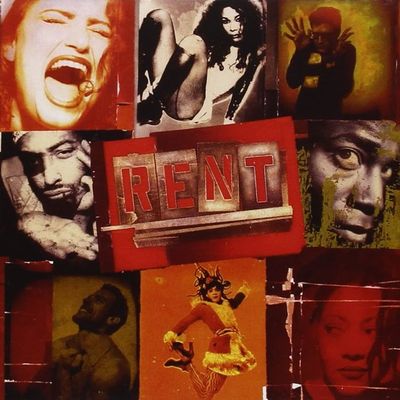
- Story #3- How Rent changed his life and what it was like coming back to the show years later
- Story #4- Dealing with the loss of his mother and the memoir and one-man show it inspired
WINMI Blog: The Final Five
Anthony Rapp has been acting and singing professionally since he was nine years old. Even with an extensive list of wonderful achievements, Rapp also knows the hardships and uncertainty of this business. And through it all he's discovered what truly matters most in his life and career. He gives further thoughts and insights in the Final Five.
SUBSCRIBE TO WINMI
Bonus Episode: Anthony Rapp Talks About You're a Good Man, Charlie Brown
This week's main episode is already full of intimate stories and insights from Anthony's life and career. But there's a special segment from our interview saved just for subscribers. He goes into details of the collaborative process to create this Broadway revival production and what led to it's short-lived run.
Get access to Audition Stories and other bonus content by becoming a monthly or yearly subscriber to Why I’ll Never Make It. Producing this podcast is rewarding in its own way, but I’m essentially a one-man operation. So it is both costly and time-intensive to put together each episode. By subscribing you’ll be supporting these podcasting efforts, and have access to extended conversations and other bonus content. Your financial support of this podcast is greatly appreciated!
- Subscribe to get access to bonus episodes and extra content
- Make a one-time Donation to support transcripts and podcast production
- If you’d like to support WINMI but have limited funds to do so, then contact me directly for reduced-price or even free access to the bonus content.
Follow WINMI: Website | Instagram | YouTube
Why I’ll Never Make It is an award-winning, Top Theater Podcast hosted by actor and singer Patrick Oliver Jones and is a production of WINMI Media. Background music is by John Bartmann and Blue Dot Sessions is used under a Creative Commons Attribution-NonCommercial 4.0 International License.
Transcript
This transcript was automatically generated and might contain errors.
[0:00] Patrick Oliver Jones: Years after the failed 1974 movie musical of The Little Prince, producer Joseph Tandet tried again. But this time he mounted a full Broadway production, which brought with it a whole new set of problems. Now it began rehearsals in late 1981 and starred TV and film actor Michael York as the pilot, as well as a 10-year-old newcomer, Anthony Rapp as The Little Prince. Well, I am so thrilled to have Anthony join me today to talk about that troubled production, which actually never even opened on Broadway. We also discuss Rent, of course, and Star Trek Discovery, and a few other moments in his career where he wasn't sure what to do next or when he would see that light at the end of the tunnel.
[0:49] Anthony Rapp: It really felt like all doors had closed. And I don't even remember auditioning brand. I don't remember having meetings. I probably did here and there, but it just felt like no one was calling. It was like total desert crickets.com.
[1:37] Patrick Oliver Jones: There you can also support WinMe financially and contribute to its ongoing production. Again, that's why I'll never make it.com, or just look for the link in the show notes. Well, welcome, Anthony. It is so nice to meet you and so nice to have you on the podcast. So thank you very much for joining me.
[1:58] Anthony Rapp: My pleasure. Thank you. I never get to talk about Little Prince, but I know.
[2:02] Patrick Oliver Jones: Yeah, I wanted the chance to talk about things that you don't normally get to talk about. Obviously, Rent and other shows have been a big mainstay of your career as far as you know what people know you for. But us actors, we have so many things in our resume that may not get much attention. So it's always good to bring those to light.
[2:20] Anthony Rapp: Sure. Well, the first story, as you said, I that I want to talk about what was to be your first Broadway show in 1982 was called The Little Prince and the Aviator. And it was based upon, of course, the famous children's book. However, the director and choreographer were replaced during rehearsal process, the Broadway previews were delayed, and eventually the show closed before it ever actually opened on Broadway. Now it just sounds like a roller coaster ride for you and the cast.
[2:45] Anthony Rapp: Yeah, I actually was originally cast as the Fennec, the Box. And the understudy did the Little Prince because they were concerned that I was um I was very young. I mean, I was just I just turned 10 uh at the end of October of 1981, right before we started rehearsals. So they were understandably, you know, concerned about a 10-year-old being able to carry a show. Um but during the uh rehearsal process, I don't remember, you know, it was so long ago I was very young. I don't remember the exact amount of time that passed, but not too long into it. They actually changed things where they'd made the actor who had originally been cast as the little prince my understudy. They made an adult actor the fennec, and I became the little prince.
And I can, you know, all these years later, as an adult, I can only imagine how devastating that must have been to actor Who's cast. He was, I think, four years older than I was, maybe three, something like that. It must have been very, very hard for him, but I mean, it was incredibly exciting for me.
[3:44] Anthony Rapp: Um to get that. I was plenty happy to be playing the FedEx. It was a really fun role, also. So that was the nice upswing on the ride. I mean, I had a very good time throughout it. For whatever reason, I always, as a kid, from the first moment I ever did any kind of rehearsal and show at my summer camp theater where I made my debut as an actor. I just always loved being in that process. So whatever the process was like, however it was going, I was happy to be there. You know, I can look back again as an adult and see, oh yeah, there are things that were chaotic and weird. But for me, it was just like I was just rolling with it. I was just happy to be there, having a really good time, learning all these songs. I got to fly in it, like um flying by foy, you know, the guys that did Peter Pan.
[4:30] Anthony Rapp: Oh, yeah. That was really fun. I mean, there all those things I just have I have really happy memories of it. And I can also recognize that it was probably a really rough show from a you know audience perspective.
[4:40] Patrick Oliver Jones: Well, yeah, especially for a Broadway show, because as you mentioned, you started rehearsals, you say in October, and then it was something like that. Like in June, this November, I don't know, somewhere in there. And then because then it was set to open at the end of December of that same year, but it previews didn't start till January. So especially in today's terms, that's a quick turnaround for a Broadway show to begin and then to open.
[5:02] Anthony Rapp: Yeah, and I couldn't even tell you. We certainly didn't do weeks of tech rehearsals the way they do now. I think sometimes some shows do like four to six weeks of tech rehearsal. I know it's kind of crazy. Um, I think maybe we did a week, maybe. I mean, and we had some technical things going on. We had like flying, we had things on tracks, which then was still pretty not. There weren't that many shows that we're doing automated tracks coming on and off stage. We had a the planet that the Little Prince was on was on a cherry picker, like you would see at a construction site. So that was part of our set. We had people in like the guy playing the snake was in a interesting state costume where his arms were becoming like the cobra head above his head.
So we had to like he had this very skin tight outfit and he had like move like a snake and keep his arms up. And we had a lot of things going on. There was dancing, there was a big plane because of the aviator, you know, all that stuff. And we had a pretty short period of process, as you said, and the there was staffing changes during it too, which I don't even like that's a part, like as a little kid, I don't even think that I registered.
[6:04] Patrick Oliver Jones: So for you, what was that audition process like since you were originally cast in a different role?
[6:09] Anthony Rapp: I don't honestly remember the material I had to do for the through the auditions, but I I was I believe I was first seen in Chicago where I grew up outside Chicago. So they did like a nationwide search count. And then I had at least one callback. I think it was only one session in New York, and that was the first time I ever went to New York. My mom and I, it was her first time being in New York. We flew to New York and I remember getting out of the cab from the airport and looking up at the Chrysler building and thinking it's the Empire State Building, which I'm sure that 99% of people everyone does, yes. I also immediately fell in love with it. I'd been to Chicago, then was the other major city that I've been to, and I like Chicago, but something about it.
I again I couldn't tell you exactly what, but I just felt like I was full. You know, so the audition process was as far as I remember enjoyable. Like I feel like I was well treated. There was nothing about it that was scary or weird or dangerous, you know, feeling or anything like that.
[7:00] Anthony Rapp: Um I've I've said this before in other interviews that I've given in the I don't know if it's ever really come across. So this was the early 80s. This is before the internet, this is before reality TV. This is before, like where I grew up, but we weren't thinking about becoming famous. It wasn't about like trying to get your profile and your and your um become an influencer. There was it was just simply like just putting one foot in front of the other, and oh okay, now we're one in New York and I'm gonna be in a Broadway show. There was no like grand design, and I was fortunate enough to have a mother who was just incredibly supportive and eager for all of us kids to have whatever things in our life that we wanted. I was the only one who was pursuing acting, but you know, my brother was an athlete and she was very supportive of being, you know, in basketball and track and field and baseball.
[7:48] Anthony Rapp: So I say that to say that it wasn't like some like we had this, we had our sights set on like coming to New York and becoming a professional actor and becoming famous. It was just like, oh, this is what we're doing now. Um, we were very naive in every way that it could be. Yeah, not knowing what would come of it, not certainly thinking, oh yeah, Broadway show is gonna close before it opens. I mean that was for sure.
[8:09] Patrick Oliver Jones: Well, yeah, you know. Who could have predicted that?
[8:11] Anthony Rapp: Yeah. And my mom was the breadwinner of the family. She was a single mother nurse, my um, and she had three kids, and and and at some point I it wasn't right away, but we went out alone at first, and then my brother and sister joined us, but like right after that the show closed, and then we were like, what do we do now? So it was kind of a chaotic family, too, as much as anything else.
[8:32] Patrick Oliver Jones: Oh, yeah, I bet because now you, your mother, your your family are planning on this show to at least last a few months, you know, who knows how long.
[8:40] Anthony Rapp: Sure. But yeah, you you don't expect it to close right away. So I can only imagine because were there any signs that you can remember during rehearsal that it was troubled?
[8:49] Anthony Rapp: I mean, well, I was oblivious to it if it was. I mean, I was just having fun, like I said, I like it.
[8:54] Patrick Oliver Jones: Yeah, yeah.
[8:54] Anthony Rapp: Now I was another legacy.
[8:55] Patrick Oliver Jones: Oh, oh yeah, the director was fired.
[8:57] Anthony Rapp: Yeah, that's trouble. There was a lot of material got changed a lot, but I I recognize that's just the case of almost any show that's in development. Um, so that's not necessarily a sign of trouble. You know, Michael York was lovely to me as a 10-year-old child. He could not have been more lovely in Ellen Green, like all David Purdom who played the Fedek. I mean, all of the adults were just so wonderful to me.
[9:20] Anthony Rapp: Um, I'm sure that they were going through a really stressful moment because they could see the writing on the wall, I'm sure in a way that little kid me couldn't. And I'm sure that they tried to maybe shield you from some of that as well.
[9:33] Patrick Oliver Jones: Yeah, that's certainly possible and pro and probable. You know, I remember going into Michael's Jesse Ruman intermission and running alliance with him. And I I even like I recently moved and I found a note that he'd written me um that was just lovely, really supportive. And I I I'm certain that it was a crazy thing for him. I believe it was his musical theater debut or at least Broadway musical theater debut. I mean, I know he was in the film of Cabaret, but he didn't really sing in it. So he wasn't really a singer. So it was a big risk for him too. And his name was above the title and all that stuff. So I'm sure he had a lot writing on it. I'm sure there's huge sense of setback and disappointment. If it was, he didn't none of I don't have any memory of that being filtered down on to me in any way, shape.
[10:15] Anthony Rapp: Yeah, because this production, the producer of this Broadway version, Joseph Tandet, he also produced the Lerner Low musical movie. Did you know of that movie or had you seen that in any way?
[10:26] Anthony Rapp: I don't have a memory of seeing it then. I've seen it since, but I don't think I'd seen it then. I was very familiar with The Little Prince because I'd done a production of a play adaptation of it when I was like eight. And it was a it was a really special experience because it was a theater in which deaf and hearing actors worked together. It was a community theater, but wow. Um, the the director who was hearing, she worked with and somebody to help her adapt it. And so that there were some actors who were deaf and signed their role, and then there was a speaking actor, sort of like what Death West has done in their productions. And I, as a little prince, spoke my lines and signed. And I'd read the book. And so I mean it was it was very much a part of my spirit and my soul. Like I it was something that had meaning resonance.
[11:11] Anthony Rapp: But other than that, I don't remember any other knowledge. And I know it's it's an interesting thing that because it's adaptations have been attempted multiple times over the years, and it seems like no one has really gotten it right. But you know, it's like some pieces of work, their best version really is on page, maybe, you know. It's just everything has its place and setting. And some adaptations can kind of heighten things and illuminate things and make them special in their own right in some things. It just gets something gets lost on translation.
[11:39] Anthony Rapp: I think I saw the movie whenever I was in my teens, and so I I was, you know, had been doing a little bit of musical theater up to that point. So I at least knew who Lerner and Lowe were and this and that. So I at least was interested in it just from a musical standpoint. But then critically at the time it did not do very well. But I love the movie and and it's kind of gotten a fan base ever since. But even since the book was written, for whatever reason, the Little Prince has been a difficult property to translate onto the stage, especially. And and looking back on it now from your memories of of having done those two productions, do you see a reason why it's just so difficult?
[12:13] Anthony Rapp: I think because it's you know, it's very much an allegorical parable kind of story. And I think that there's something about the delicacy of those types of tales that maybe just lend themselves a little bit better to that inner voice poetry experience you have of reading words and imagining it in your head. And when you whenever anything's on stage or on screen, it becomes literal in a way that maybe just it's harder to maintain that ineffable, mystical, mysterious experience of what the imagination can do on some. I don't know. That's just a theory.
[12:49] Patrick Oliver Jones: No, but it does make sense to read a book and have a certain idea of what it looks like, what it feels like, what this particular relationship is like, but then to see it, it'll either meet with your expectation or it won't.
[13:01] Anthony Rapp: Exactly. And it just seems like people's imagination may be a lot wilder and a lot more inventive than whatever productions they've seen.
[13:10] Anthony Rapp: Yeah. And you know, then every once in a while, you if you have somebody in the in the realm of the Julie Tamores who can come up with these wonderfully inventive ways to make these fantastical images on on stage that you can feel the magic of it, you know, in its best moments of Lion King, like they really really feel like you're seeing something truly otherworldly. But it's still at the same time, there's moments in Lion King where you're still, oh, I'm still watching an actor in a puppet thing. It gets gets there's times where it just gets a little like.
[13:40] Patrick Oliver Jones: Now, as I was editing and putting this episode together, I actually discovered something very interesting. Joseph Tandet, the producer, actually did hire Julie Tamore to do the set. Tandit had seen an off-Broadway show she had running at the time at the public theater, a musical called Haggadah, based upon an old Hebrew folk tale. Taymore created the set, costume, puppet, and mask designs for that show, which was her very first off-Broadway credit. Now, just like Anthony, the Little Prince in the Aviator was set to be her Broadway debut as well. But when the original director left during pre-production, the replacement director wanted nothing to do with Tamor.
[14:22] Anthony Rapp: Either you fired Julie or I quit, he said. Well, Tandit needed a director more than he needed a set designer. So unfortunately, Julie Tamore was let go.
[14:35] Patrick Oliver Jones: Whenever the show did close, whenever you found out you weren't gonna open, how did you find out?
[14:41] Anthony Rapp: I think I I mean my memory is like a I don't know if it was in a meeting, an announcement. I just I remember being very sad. Like as a 10-year-old, like that was a big sad moment. And uh totally unexpected. And again, not I wasn't sad because I wasn't gonna be like opening it a Broadway show, I was sad because the experience was like we didn't even get to have the pleasure of having an opening night.
[15:04] Patrick Oliver Jones: Right, no party, no no all those things that come with that opening night.
[15:08] Anthony Rapp: Yeah. So how long did you and your family stay in New York? Did you go back to Chicago after?
[15:13] Anthony Rapp: No, so we had just gotten a place in Staten Island, and it was this might sound like I'm making up, but it's true. Like the heat was really messed up. It didn't have much heat. We didn't have a refrigerator, we put our food on the windowsill. It was winter.
[15:27] Patrick Oliver Jones: Oh my gosh.
[15:28] Anthony Rapp: And we were like trying to figure out what we're gonna do next. It was crazy. There was a point at which I almost like sang on the South Island Fair to make a little money, because we had no money coming. We had the four of us. But pretty quickly, like I think within a couple weeks, I auditioned for and got the tour King and I that Yo Brenner was doing.
[15:45] Anthony Rapp: And uh, so that happened pretty quickly. And then I went just right there and joined the tour, joined the tour down in Florida. My mom went home with Adam and Ann, my brother and sister, and uh got them settled and then came on tour with me. So it was a whirlwind bananas thing. Again, as an adult, I come up back and go, wow. As a kid, I was just like, oh, this is what we're doing. You know, it's just one thing in front of the other. No, no sort of like long-term plan or awareness or thinking of anything in terms of a career or anything, just having these experiences, these opportunities.
[16:21] Patrick Oliver Jones: Well, you certainly survived that setback and uh, you know, not only have continued to do theater, but you made movies as well. And three of your movies uh were talking Adventures in Babysitting, which was your very first film. Then there's School Ties and Dazed and Confused. In these movies, the producers did not want to cast you, yet the directors did.
[16:44] Patrick Oliver Jones: Now did you find out about these differences of opinion after the fact or during the audition process?
[16:51] Anthony Rapp: Or it's hard for me to remember exactly when I found out, honestly. So with Adventures of Babysitting, I did a screen test and it went very well. And um, I think Chris Columbus told me this when we were on set problem, but I just don't remember the show. But um, but for the I they asked me to come back and do a second screen test.
[17:09] Anthony Rapp: And for the second screen test, they dyed my hair red, which was the color it wound up being in the film. And when they dyed it red, they dyed it permanent red. They didn't do like a rinse. So it felt like it was probably gonna happen that I was gonna get the role. But so what I found out was that the the I don't know if it was producers exactly or the studio, somebody at Disney, I think, not necessarily the producers themselves, was concerned that I would be as a blonde person that I would remind people or be too reminiscent of Anthony Michael Hall, who at the time, you know, this was after Breakfast Club and Curdy and Pink, and I don't know what was he in Pretty Pink? What the all the it was, you know, it was sort of in the 80s movies, yeah.
[17:49] Anthony Rapp: Um, so they were so one of the executives at Disney was like, Oh, we can't cast a blonde kid in this role. So then they were like, well, let's just dye his hair, but then they dyed it red, uh, you know, or they dyed a red permanent dye, which because Chris was like very calm, he wanted me anyway. So that was the first time that uh, you know, the director had to go to bat for me, which I appreciate.
[18:09] Anthony Rapp: Second time, School Ties. So there was sort of like Little Prince in the sense that one of the original director, I had actually auditioned for a phone for him years before that I didn't get, but I had really good auditions for School Ties and looked like maybe I was gonna get it, and then I didn't get it. As they were getting ready to go into production, the original director got hired to become the head of Paramount Studios. So he no longer was directing it. So when Robert Mandel came on board, he actually cast me in the role.
[18:38] Anthony Rapp: So it's a little different. It's it, but it's a role that I almost didn't get that I would get it, um, because of the change of circumstances. And and then in uh, Dazed and Confused, it was similar to the Adventures in Babysitting in the sense that um, Rick Linklater, who did tell me this pretty soon after word was he had to go to bat for me because the producers thought that Tony, my character in Dazed and Confused was sort of a stand-in for Rick, and Rick has brown hair, and so they were like, How can you cast a blonde?
[19:07] Anthony Rapp: What is it with your hair? I mean, it's just funny to me because you can always dye hair for anyway. So Rick won that battle. We had a whole for Dazed and Confused audition, it was a it was he did a really interesting process. He had like a whole day where he brought in, I don't know, 20 or so actors and he kind of mixed and matched us with all these different combinations.
[19:30] Anthony Rapp: And I think that was the idea of Rick and also the original casting director. Uh but like Rick again in the in telling me afterwards, he was like, Yeah, I was you were my guy all along, but I just had to kind of go to bat and prove through this day, like among other things that you could do because they were concerned about you not having brown hair.
[19:48] Patrick Oliver Jones: So, you know, I mean it's so interesting that for two of those, your hair was the issue.
[19:53] Anthony Rapp: Yeah, the the other was maybe just a difference of director, and then and then things changed. But uh so do you know what led to the producers or the the studio finally giving way to the directors?
[20:05] Anthony Rapp: I guess I mean through my screen test for a bit of say you guys, oh yeah, it can have red hair, okay. No, I think my call. I guess that solved that.
[20:10] Anthony Rapp: And then it gets it was just a change of color. Yeah, and then I guess they confused. I guess you know, the day went really well. And so the producers were then convinced, oh okay, he doesn't have to be brown hair. I don't know. My casting wasn't the only battle he had to fight on that movie. Like the producers were pushing against a lot of things that he was doing, because Rick comes at things from a very unconventional point of view, especially I think it's a little more conventional now than it was when it was starting out, but he wants the work to be very organic and very like in the moment, and there's a lot of improvisation that goes into the process.
[20:46] Anthony Rapp: And in some filmmaking worlds, that's like you gotta plan everything, you gotta have it all like like a battle plan. And he's unconventional in what he wants the texture of it to be sometimes, and he and the kinds of actors that he likes are weirdos, you know.
[21:01] Patrick Oliver Jones: Well, and and Dazed and Confused is a is a different kind of movie.
[21:05] Anthony Rapp: Yeah, it really stuck out in the 90s from other movies that were being made at that time. And and because for me, one of my favorites of his is Before Sunrise.
[21:12] Patrick Oliver Jones: Yeah, again, a very like just two people walking the streets of Europe.
[21:17] Anthony Rapp: Like that's a movie. Okay. Yes.
[21:20] Patrick Oliver Jones: But he makes it work.
[21:21] Anthony Rapp: He's definitely a different kind of director when it comes to that. And I think it's great that he was able to uh to push for you, especially in you know, in that movie, because I remember a theater production that I did. It was almost the exact opposite situation, where I had the entire creative team producers, they wanted me, but it was the director who didn't.
[21:39] Patrick Oliver Jones: He just had someone completely else in mind for it, even though I had nailed the callback. I I knew that I had done well. You know, you just you feel that energy in the room.
[21:47] Anthony Rapp: Yes.
[21:48] Patrick Oliver Jones: Yes. It was interesting once I was told that it made me appreciate having gotten the role even more so. It's like, oh, so someone had to fight for me. Did you kind of feel that same when once you found out?
[21:59] Anthony Rapp: Yeah. I mean, I especially being a director, like there's something about I've I've always felt such um, I've been pretty fortunate that that like 99.9% of the directors I've worked with have been like really good people to work with and for. So I've always felt very supported by them and very like it's been a really collaborative experience for the most part.
[22:19] Anthony Rapp: So I think knowing that it's probably part of what has led me to really be willing to trust and um work with directors because I know that they have to do this kind of stuff sometimes or they have to really advocate, fight for you. And yeah, it meant a lot. It made it meant a great deal to me to know that I had their confidence in them.
[22:37] Patrick Oliver Jones: When it comes to directors on film or television versus theater directors, do you have a different working relationship with them?
[22:45] Anthony Rapp: Well, like television in it in a television series, which is you know, being on Star Trek Discovery is the first time I've ever had a regular television series, it's a very different kind of dynamic. Our lead, our wonderful actor or what wonderful human beings was the leader in our show Synequin, Martin Green, she used the terminology kind of that the show was our house, and the directors who come on board are essentially guests because they just come in for that episode, most of it.
[23:09] Anthony Rapp: That we do have sometimes where they've occurred, no, over the course of seasons, and then they're part of the family, and then it's their house too. And it's not said in a way that's like adversarial, but just you know, that they're not the boss in quite the same way as they would be in a play or it's it's you're just a little more uneven playing field in terms of we we know more about the world that we're inhabiting than they probably do, and including like sort of the tone and the history of our characters.
[23:39] Anthony Rapp: And so there's a they kind of many times do rely on us to help fill in some gaps, or you know, we're we're both trying to fulfill each other's vision, but we just have a little more say, I guess you could say, in how that vision comes across than we might in a film.
[23:55] Anthony Rapp: But then, like people like Jonathan Briggs, who is been he's directed, I think five or six episodes now, that's a lot of time we spent with him, and he's very much a part of my fan.
[24:04] Patrick Oliver Jones: Well, and he's very much a part of the Star Trek universe for sure.
[24:08] Anthony Rapp: And it helps that he's also a great director to work with. Like he's so much fun, and he's he really loves actors and he wants us to uh be able to collaborate fully, all that stuff is very meaningful.
[24:21] Patrick Oliver Jones: You know, it's the only time it could be weird is if the director comes into a TV show that's like this pre-established kind of environment and they come in with like a way of being that's very at cross purposes with the sort of the way the kind of machine is working, that would be that could be very disruptive.
[24:38] Anthony Rapp: But thankfully we haven't really had too much.
[24:41] Patrick Oliver Jones: So when it comes to the TV series that you're a part of or the films you've done versus the theater work, what is there one you're more drawn to, the stage or the screen?
[24:51] Anthony Rapp: No, I'm very much more drawn to stage as a performer for she.
[24:54] Patrick Oliver Jones: I figured, yeah, I figured.
[24:56] Anthony Rapp: Yeah. You know, I've done a little bit of directing on camera. I I think ultimately, I think as a director, there's a lot of excitement for the extra level of collaboration that can happen as a film or television director. That's that's a weird way to say, because there's tons of collaboration that happens in theater director too.
[25:13] Anthony Rapp: But I don't know. There's something about being on the set as a film director just feels a little more tactile than being I've directed some plays and some live shows too, which is very enjoyable. But there's something it's a little more I don't know, passive that passive is a wrong word. It's just I feel like as a director in film or television, you're a little more in with everybody.
[25:31] Patrick Oliver Jones: Well, I mean, yeah, there are those rehearsals where the director can kind of be there on stage and maybe you know, kind of more of a hands-on director, but a lot of times there is that that table or they're in the house.
[25:41] Anthony Rapp: And so there's a distance. Whereas when I've been on set, the director's like right there, okay.
[25:46] Anthony Rapp: I want you to, you know, turn on this moment and then deliver the, you know, you know, it's it's like they really kind of get into it and they kind of stare at you and then say, try it, try it. I had this one director say the line to me. No, no, no, try that. Okay, then you know, okay, and and and so not a line reading, but more just like yeah, yeah, yeah, yeah, yeah. Just like really in my face, going, yeah, do it just like that.
[26:04] Anthony Rapp: And then he pulls back. So there's a different approach because you know that the eyebrow, the the lip movement, the timbre of your voice registers and rings so much more on screen. And the camera, you know, working with as a director, talking to a cameraman, like the camera is another character so absolutely and you know, so like yeah, when you're directing stage, of course, the light is a character and set moves as a character, but it's just a little you can get that much more precise and specific in a way that you're talking about that what the camera's doing is part of that it's part of the scene also part of the moment and that's just fun and exciting to get in there with the with the technician who's also an artist um is very special.
[26:14] Patrick Oliver Jones: Do you see yourself wanting to transition to directing or balance that with acting a little more as you go along?
[26:14] Anthony Rapp: Yeah, well I don't ever see myself like transitioning out of acting and into only directing but I would like very much to do most.
[26:14] Patrick Oliver Jones: Yeah I bet.
[26:14] Anthony Rapp: Yeah. I went to I went to film school only for one semester it was very expensive um and I was paying for myself but uh but it's something that I've been very interested in since I was in in my early teen years watching films by great directors is one of my favorite things to do.
[27:12] Anthony Rapp: I wouldn't want to copy but to try to absorb what makes those films special and then find a way to bring that to my work is something that I that's sort of how I am with actors when I see a great performance I don't want to copy it. I don't want to emulate it I want to be inspired by it and what is it about that work that spoke to me and have that be embodying I think that's a lot of times what we as actors or directors or whatever we're watching it's like I see how resonant that voice is that perspective is how honest it is what can I do to bring to my performance or directing that can be just as honest and and so it's still us it's still a part of who we are but yet we're taking that as you say inspiration from others.
[27:54] Patrick Oliver Jones: Exactly yeah now with regards to that was this semester that you lasted at NYU and then you left what was the trigger that said, nope, I'm out of here.
[28:03] Anthony Rapp: I can't do this.
[28:04] Anthony Rapp: It was money.
[28:05] Anthony Rapp: Seriously.
[28:05] Anthony Rapp: It was money, and the fact that you know, I think the undergrad program at NYU film school, and this was again, this is a long time ago. It's the this 1989. Um is not quite the same level of training as the grad program.
[28:20] Anthony Rapp: And I think that's true of a lot of arts university programs that the grad program gets so many more resources, it gets so much more attention. It's much more kind of curated experience.
[28:30] Anthony Rapp: And an undergrad program is a lot more like a here, throw it all against the wall and see what sticks. Um, it felt more like a trade school than an art school experience to me. So I was a little disappointed.
[28:40] Anthony Rapp: And you know, at the time, and I think this may have been improved, but at the time we were watching films, you know, classic films as part of what wanted, you know, one of the film classes that I took was uh language of cinema, you know. So we're watching classic films, the agents. We were watching it in an auditorium in a lecture hall. So we were watching like old prints of movies that the films themselves might have been shot on cinema scope, and we're watching six essentially 16 millimeter prints with bad sound at one of the top film schools in the country, paying a lot of money to do that. So all those factors made me a little like I don't know if this is worth it. Plus, I didn't, you know, was running out of money.
I was an actor who I'd saved up some to go to school, but I was like, I wasn't working, so I put my school hold essentially, and then right away soon after I got cast in Six Degrees of Separation, which then became a big hit that I was in for a couple years, so then I just never went back.
[29:33] Patrick Oliver Jones: Well, I mean, it certainly seemed to work out for you.
[29:35] Anthony Rapp: I think so. But at the same time, at the time, did you think maybe not do as much theater, but film would be the next thing?
[29:42] Anthony Rapp: No, not necessarily. It was just something that I was very passionate about, and having at that point done a couple of films, you know, and working with Chris Columbus on Adventures in Babysitting. I mean, I was so spoiled my first film experience was with a extremely kind and really fun and very collaborative, enthusiastic, passionate filmmaker, Chris Columbus. And that was his first film. So I was like soaking it all up, and he was eager to share with me. So I felt like I had a kind of he wasn't like directly my mentor, but I had a kind of mentoring experience right away. So that was concurrent with me seeing films by great filmmakers like David Lynch and Jonathan Demme, the Coen brothers that were like kind of blowing my mind about what movies could be. All of that was happening at the same time, and that's what made me go like, I want to do that.
[30:36] Patrick Oliver Jones: Even with all his appearances on television and in movies, Anthony is still known best for his work on the stage. And in this week's bonus episode, he talks about his first Broadway show after Rent, which we'll get to in just a moment. That production was the 1999 revival of You're a Good Man, Charlie Brown, which he performed with two other former guests of this podcast, Ilana Levine and Andrew Lippa. Anthony shares the joys of the rehearsal process for Charlie Brown and the out-of-town tryouts all the way through the disappointment of a bad review in the New York Times that led to its short-lived Broadway run. Now, bonus episodes like these are only available to supporters of Why I'll Never Make It. So if you'd like to help this podcast as well, then please consider either a donation or an ongoing subscription by going to why I'll never make it.com or just click on the link in the show notes.
[31:39] Patrick Oliver Jones: Well, it was decades later that you got to work with Christopher Columbus again in doing the movie for Rent, which has certainly been, I assume you would just say Rent has been a blessing to your life and has given you things that you wouldn't have otherwise.
[31:53] Anthony Rapp: Yes, unequivocally, from the first moment I did it until now continues. Yes.
[31:58] Patrick Oliver Jones: Now, from that moment, even before opening, you know, when you're just in the rehearsal, the collaborative process of creating it, did that show feel different from other previous theater work? Was there an energy or spark to the show or role?
[32:11] Anthony Rapp: 100% from the first moment of the first day of rehearsal, Michael Greif spoke very eloquently about some of the themes of the show. Cause you know, when you're starting rehearsal, that doesn't always happen. Sometimes you just dive into learning the music. But he spoke very eloquently about that the show was about facing grief and crisis and loss, and also trying to live your life fully. That both of these things could be true at the same time. Like that alone was like, that sounds really full of wisdom and strength and possibility. And then the first thing we did in rehearsal was learn "Seasons of Love." And you know, there had never been a song that I'd heard that was quite like it, certainly in theater.
Uh, and I don't know whether there's really been a song like it since. Um, so yeah, right away, I was like, uh oh. And I had listened to some of the music, I'd listened to Rent for my callback, and that was a cool, fun rock song that said, Oh, this is cool for music theater. But that didn't begin to tell you what was the power of the show, which so encapsulated "Seasons of Love." So, yes, from the moment from the first moment of the first day of rehearsal, I was like, this is something special. And then it just got more so and more so.
[33:22] Patrick Oliver Jones: Yeah, it's interesting what you said, Michael Greif told the cast about that balancing of grief and then still going on with your life. And it really is amazing how Rent itself matched that with the loss of Jonathan Larson and you know, dealing with that grief. But then also you personally were dealing with your own mother was battling cancer at the time. And so that you had your own battles. She uh trying to manage that. So you had mentioned whenever you answer the the final five questions that one of your favorite pieces of advice was the only way out is through.
[33:57] Anthony Rapp: Yes.
[33:58] Patrick Oliver Jones: So how did you keep going through that first year or so of Rent with Jonathan and your mother losing their fights to these deadly diseases?
[34:06] Anthony Rapp: I mean, I was very fortunate in the sense that Rent itself encapsulates that idea. So, you know, I think it would have been a very different story if I was in I don't know, Dirty Rotten Scoundrels or something. Like the fact that I was in Rent that was in and of itself telling the story and what it's like to live your life fully in the face of all this, not denying that it's happening, not forgetting about it, not pretending that it's not happening. It is happening. La Vie Bohème is all about that. Like two people living with not dying from disease and acknowledging that they are also living with disease and they could be gone. So it's not saying forget about them, it's saying, Here, hold them up, embrace them, celebrate them for however long they're here.
And then the rest of the show, you know, there's a funeral in the show that we were fortunate as a cast, and as of personally as a friend of Jonathan, that I had that avenue that he'd kind of written for us to help mourn it. Um, so it felt like a gift in so many ways. At the same time, unfortunately, traded all if he happened to still be there. But similarly with my mom, I mean yeah that I had a place to kind of put all that stuff that I was going through you know and and as much as anything else that the Rent also the the schedule we were on was five show weekends um which is really intense especially for show like that. Sometimes Saturday night was the hardest one because like I've got two more and my I'm exhausted and like my voice is tired. How am I gonna do it? So look by Sunday night like okay I can just like relax.
[35:44] Patrick Oliver Jones: Right. You see the light at the end of the tunnel it's like Monday's coming.
[35:47] Anthony Rapp: Yeah. So with Rent it's certainly vocally taxing it's certainly emotionally taxing but is there one that's like okay well I can at least just rely on I know my voice is good so I'm just gonna barrel through this or is it more the emotional like okay I'm just gonna let the emotion carry me even if my voice isn't with me?
[36:04] Anthony Rapp: Yeah it's easy question. Um I mean I I take really good care of myself physically and vocally so I would you know I never I never really got like to a point where I was like worried like I'll come out um but it was just more like I would get like at the end of La Vie Bohème on a night when my was physically tired I would almost you know that time sometimes when you're you're singing like I would be singing the end of La Vie Bohème and dancing and it was almost like I got tunneled is like my head like the blood in my head was just pounding. Like that was what that was the experience just the just having to like run that extra little burst of energy when when your body's like I just need to sit down but I don't care.
So it was that was the thing I felt the most when I went back in the show years later with Adam, I actually had learned even more about nutrition and hydration and stretching and rolling out your IT band and all that stuff. So actually, as an adult, I felt like I I was still being really intense in the show, I promise you. But I just felt like I I didn't get quite as wiped out because I was able to even take better care of myself than I was as a youngster. Plus, I also didn't have that extra weight of going through my mom's illness and all the extracurricular stuff we were doing in the original show too, all the press and all the recordings and stuff, which was great to do, but it was also exhausting.
[37:25] Patrick Oliver Jones: Do you feel like that you brought a bit more? Certainly you were 10 years older whenever you came back to Rent that second time. You have a bit more experience, life experience and professional experience. Do you feel like you were able to attack the role differently than you did previously?
[37:40] Anthony Rapp: Yeah, I think so. I mean, I think I was, I felt like I could just trust it more. I didn't have to like prove anything. Not that I felt like I had to prove anything as a youngster, but it just felt like a little more, a little simpler, I guess. It's more essential. Things kind of like got down to like the real core of it, maybe a little more. And also like I was visiting an earlier part of myself so I could like, I wasn't in it at my like when I left the Nederlander as a 25-year-old, I was so much living life mark. And as an older person, I could look back and see that life that I'd lived. So I could sort of almost let it go a little more. So it was, yeah, it wasn't, it wasn't as exhausting. There were times when it was a little too much, like I could never escape it.
And so, you know, towards the end, I did I would take a night off here or there just to sort of give myself a mental health break. But mostly I really wanted to be because I had a chance to kind of channel it into something. And it was something that also that my mom was very, very proud of, and it meant a great deal to her that I was doing. So she didn't want me to leave the show to go be with her. She was very clear about that. You know, so it's like that, but balancing it was hard. I'm not saying it wasn't hard, but I was shorted up by the fact that I was part of something that was telling the story that I was telling in a way that was also helping much personally.
[39:00] Patrick Oliver Jones: It sounds like she, as you had mentioned before, was very, very supportive of your career, of doing what you were passionate about.
[39:07] Anthony Rapp: Yes.
[39:07] Patrick Oliver Jones: And so I imagine that that is something that you got from her as far as like living your own life and really pursuing your passions and having that type of drive and persistence.
[39:18] Anthony Rapp: Yeah, I mean, the sense that I always made of her approach was that she came from a, you know, in her upbringing, she didn't necessarily feel that kind of support. She had to fight pretty hard to live the life that she wanted to live. And I think she kind of made a vow to herself that she wasn't going to do anything like that to us. So she made sure that we knew that we had her full support. And then she also, I think it helped too that she was a lover of the arts and that she felt a lot of pleasure and pride in what I was doing, and that I was good at it. You know, it was it brought her joy. And I think she didn't have a lot of joy in her own. Um, I think that we we as kids were the biggest source of her joy, you know.
Um, she had a really tough childhood. She was a single mom under a lot of stress as a nurse. She had a lot of pain that she experienced from the people that she took care of. She was very passionate about, she was a wonderful nurse, but it was like it was hard, you know. So this was a place where she could feel some light that light could shine. And uh, so she was, yeah, very much in favor of it. And I was incredibly lucky and grateful that she was able to come to see Rent because it was the last thing that she saw me do. Um, that would have been very strange. I mean, I I would have been able to find a way, I know, but uh it would have been really, really extra hard if she hadn't, because it was such a culmination and the kind of crowning moment of everything that we had built together through the years, you know, and she'd seen me like struggle and you know, not get work, and she was always a huge champion of mine and huge cheerleader and supporter, and uh so for it to turn out as well as it turned out was I know very, very comforting too.
[41:02] Patrick Oliver Jones: It sounds like that your successes were her successes as well.
[41:06] Anthony Rapp: Absolutely.
[41:07] Patrick Oliver Jones: Your parents had actually divorced when you were a toddler. So, as you said, your mother was really your world as being a single parent, raising you and your siblings. I I myself grew up with a single mother as well. How do you think that that shaped you growing up with a single mother?
[41:23] Anthony Rapp: Um, I mean I think that it probably contributed to my willingness or desire or ability to kind of be so fully absorbed into artistic work because I was home alone a lot. Um, she was working, so I read a lot. I would, you know, I didn't watch a lot of TV, but that like I would get very involved in like stories. And then when I did start doing plays, uh I don't know, just had never had any difficulty kind of jumping fully into sort of imagination exercise. And so I think that's part of it, and it's in some ways, because I had a lot, I was like left to my imagination a lot as a kid. I mean, I'm just I'm just grabbing at theories right now, but seemed like it made make sense to me.
[42:08] Patrick Oliver Jones: Certainly sounds right, yeah.
[42:09] Anthony Rapp: And and like I said, because she was so she was such a supporter of the arts that it it felt very natural and easy. Then like I I know many young actors who told me that they had to kind of battle a little bit to get the support of their family because their family was more being in the arts and it's not a stable life and all that stuff. That was never a conversation I had. So I feel just lucky also that I didn't have to like transcend that hurdle.
[42:34] Patrick Oliver Jones: Now you had released a memoir about your mother and your time with Rent called Without You. And was that a difficult piece to write? Because you because you wrote it several years after all of that. But was it a little easier to write with that distance?
[42:46] Anthony Rapp: It was not it, it was the hardest thing I've ever done creatively. And I've written a story that got published this past year, which I'm very proud of. That was the first thing I've really written since. I find writing to be kind of lonely. Like the longer I went with writing my book, which sometimes was periods of not writing, the more the pressure of it started to feel like enormous and overwhelming.
[43:10] Anthony Rapp: And then I would like I would have a no, I would know like, okay, I have to write the scene now of the moment when I went in and spent time with my mother's body after she died. And I know how I want to approach it and I know what I want to do, but I just couldn't touch it. It was just too hard. So it was just really, really, really hard to do. But I'm also proud of it. And I'm I mean, and I honestly didn't expect it to get well received. I thought, you know, who's gonna care in a way, but the reception that it got was far exceeded anything that I have hoped for. So I was very grateful for the continued over these years now. It's been came out like 16 years ago. Um that that it continues to touch people.
And you know, part of the reason I wrote it was so there was not a lot of literature out there that at the time anyway, I don't know about anymore, that was directly about a young person losing a parent. There was other literature that was about losing a parent, like when you were an adult, you know, and even though I was 24 and or 25 and technically an adult, it's still like a young adult as opposed to like somebody in their 40s or 50s.
[44:14] Patrick Oliver Jones: Yeah, and shortly after the release of that book, you created a stage version of a one-man show of the book. It featured your own songs, you conceived the show yourself. Was that a bit of catharsis as well to present this thoughts and grief on stage that was so personal to you?
[44:31] Anthony Rapp: It was, but I want to be very clear. Like I didn't ever think that's what I was gonna do with it. And I was actually, there was a young producer that I met who planted a seed in my mind. I was like, I don't know, how do I do it? And uh a director friend of mine named Steve Mailer, who I worked with um in Boston and Henry the Fifth, uh, we had a great experience working together. We've been looking for other projects, and then I got in touch with him and was like, Do you think you might want to help me try to adapt this? Because I don't know where to begin. And he's like, Yes. And he did, he did me the great service of kind of taking the 300 page book and chopping it into like a hundred pages of text that he felt could be the spine of a show.
If he hadn't done that, I I wouldn't know where to begin. And then we just started like a kind of a workshop process of just sort of like, I have this song that I wrote years ago about visiting my mom. Is there a way that we could try to fold it in to the text? And so we'd get that. And and we just tried it, and then we were like, here's what we'll do. We'll do a reading and invite people that we really trust who aren't just gonna like yes us to tell us if there's something here. Because I there we I could not have very much objectivity. I would yeah, you can't separate yourself from a show like that. Yeah, so we did a night of that at Arsenova. Um, you're great. We were lucky enough to have the connection there that gave us a night to do that.
And Brian Yorke, who's who had become a friend through working with him on early versions of Next Normal, and then we worked together later on then. He came, Michael Grife came, my brother Adam came, another wonderful sort of advisor that I'd known for many years came, and other friends, and they have all unequivocally said yes, keep going. And that was just like the boost that just said, okay, yes, let's keep going. Um, so we wrote some new songs, we did we did a whole bunch of stuff, and then we've done many now several different iterations of it. I didn't know what doing it was gonna be like in terms of I thought it might be a little too much for my system to take. I thought it might be a little too hard, but honestly, it it did become kind of cathartic and winning.
And I felt like I was gonna spend time with my mom in a way that was really, really special. And I would still love to do a proper run of it at some point again in New York. Um, it's a little hard to plan these things in COVID times, plus being in a TV show. It's a little hard.
[46:52] Patrick Oliver Jones: Yep. The the TV show problems could probably have, but hopefully, you know, that's something that we keep our eyes on. People have said really incredible things to me after seeing the show. I had a young man in Toronto a number of years ago, and who just lost his mother, like two days before. And I was like, Well, you told me that. I was like, and you're here, are you sure? And he's like, No, please, yes, yes, yes. So there's many stories like that of people who've shared that kind of thing with me. So I'm yeah, I'm very proud of him. I believe in it. It's been very, very special thing to have possibility of doing again, and who knows, maybe.
[47:27] Anthony Rapp: I think that's one of the beautiful things about theater. I mean, even though this started as a book, but I think bringing it to the stage, like that young man said, it it was something that he needed at that particular moment. And I think theater, its live element provides such a visceral response and connection with an audience that that you can't find in other mediums. And I I I know for myself, that's one thing that I love most about theater. And no matter what the show is, it can be a heavy, more serious show like Rent, or it can be something light like Music Man. Anything that can connect with an audience and make them laugh or cry is special.
[48:04] Patrick Oliver Jones: I agree, yeah. And there was something about doing the show that you know, this idea of the only way out is through. That's something that I say. It's words that come out of my mouth on the show. And in a way, by doing the show, the show itself is living through that I have lived through this moment, and here I am to tell you helps prove that the only way out is through. I don't know if that makes any sense, but you know, whatever that's worth.
[48:36] Anthony Rapp: Because one of the professional experiences or things that you went through in between that first run of Rent and your second is there was a a gap of time in there where you couldn't find work. You had kind of been going strong, strong, strong through the nineties and then 2000 and you hit a uh dry spell. What was that like?
[48:54] Anthony Rapp: It really felt like all doors had closed. And I don't even remember auditioning very much. I don't remember having meetings. I probably did here and there, but it just felt like no one was calling. There was like total desert crickets. And in the meantime, I was also working/slash not working on my book. So that was hanging. So it was a really scary, rough time emotionally. I was financially okay because I'd been able to save some money from that fertile period. But it was also starting to get like, if I never work again, what am I gonna do for money kind of thing?
[49:27] Patrick Oliver Jones: Was that really something that you thought that, you know, based upon all the success and what you'd accomplished that you might not work again?
[49:33] Anthony Rapp: I mean, in a certain sense, it wasn't like I don't know if it was that articulated, like you were never gonna work again, but they're like it just did feel like hmm, maybe I'm maybe maybe it's done, maybe I'm done. Maybe nobody's really interested. I don't know. It just and I got close to a couple things. I did get close to a couple things in that time too that didn't come out. I was like, okay. Um but then I was in LA. I was staying with a good dear friend of mine um in his guest house, trying to write my book. Like I was really just trying to do that, which was very much a struggle, and auditioning a bit, but like not much was happening. And um I had auditioned quite a while before that for A Beautiful Mind, like maybe at least a month or two.
And I hadn't heard anything, so I was like, okay, I'd check another one off that wasn't gonna pass. And I woke up in the morning and I had a call from my agent, and they're like, Oh, they want you to do mine. So it's like that was the end of the foul period. It couldn't have been a better ending. I mean, it was it turned out to be an incredible experience, you know. But if if you had asked me before it was not gonna come through, I would have said, No way. I was done, I auditioned for it so long, but I like never heard anything, it's not gonna happen.
[50:42] Patrick Oliver Jones: Did you ever have a sense of, well, they don't want Anthony Rapp anymore? Maybe I need to do something else. Maybe I need to branch off into something else, do so, or maybe I need to audition to it. Was there ever a thought that you needed to do something differently?
[50:56] Anthony Rapp: Um, not necessarily. Yeah, I I mean, I I was also doing a bit of um teaching here and there and you know, doing some music stuff. So I was like, I have other things in my back pocket that I'm gonna try to make. I'm just writing my book under contract, so I did have that going on. Um, but I I never got to a point where it was like, I'm gonna change careers altogether or give it up. Um, but I did wonder if it was if if I was toast if I was clipped, you know, right? So I fully know now, especially after all those years being at this there are people who win Academy Awards and then someone said, Well, two years. I mean, that happens. It's just a weird thing. I remember in the early 90s when I was doing Six Degrees of Separation.
An actor friend of mine was doing a two-character play at Ensemble Studio Theater, this tiny little theater in Midtown. And I went to see it, and in it was this actress named Edie Falco. And uh she was incredible in this play. And I also seen her in like Hal Hartley film. So I was a little aware of her, but I was like, this actress, she's amazing. We should we both live downtown. We shared a cab afterwards, and on the cab ride downtown, she was like, Yeah, I can't get arrested. I don't know. I don't know. I might have to give it up. It was a full like eight years later that she got Side Mad and Strongness. And she was always one of our best actresses from my estimation from seeing her in this little two-character play.
That's all it's so it's not like she magically overnight became the amazing actor that got, you know, that won all these awards. Um she always was that, but it just for whatever reason, it just happens differently for different people at different times.
[52:32] Patrick Oliver Jones: Yeah, I think that's one of the beautiful but also frustrating things about this business is that it can be. There are those people that just kind of like, oh well, uh acting could be fun. Let me audition for something. And they they get it. And it's just like boom, it was this huge role, huge movie or show, whatever it is. And then there's Edie Falco, there's you, there's me, where we have these moments of, okay, I'm doing everything I've done before to get work and now it's not working. We start to question ourselves. We start to wonder. We start to think, well, this is as good as it's ever gonna get.
[53:04] Anthony Rapp: Yep. And you know, it is it's a long life, and you know, things come and go, you know, it's it's pretty wild. Now, for you being in your position, you certainly have things on your resume that a lot of people don't have. Does that give you some assurance? Are you at a point now where it's where you don't worry about that?
[53:25] Anthony Rapp: Yeah, maybe I'm naive, but I feel pretty good. I'm gonna get you work and stuff.
[53:29] Patrick Oliver Jones: Oh, for sure. Um yeah, I mean, I I also know that I I have enough colleagues and friends that we could say, let's come up with something together if it really came to it. Like we could, you know, like I did with my friend Steve, the director, you know. Um, so that is something I feel fortunate about too. If I have to generate my own work in that sense too, that's I'm happy to do that as well. So I I don't mean to say like, oh, I'm I got it selling up. Yeah, no problem. But I do feel like I've earned enough of a hopefully enough of a reputation that um I could be counted on to, you know, quality work and um good to work with and um and yeah, that I could say, you know, down the road if if a couple years from now I'm like really twiddling my thumbs, I could, you know, call up a couple of my friends, say, is there anything? Can we do a little something just to like make something happen? You know, we'll see. You know, maybe.
[54:22] Patrick Oliver Jones: I definitely think it's good to have those people in your life, but also those ideas, those sparks that will just keep you going whenever months turn into maybe more months or maybe a year or two.
[54:34] Anthony Rapp: Yeah.
[54:35] Patrick Oliver Jones: So what do you say to those who are kind of in that in between? We're not really well known, but we're certainly not beginning. But what do you say to those who want to continue but are finding that struggle, finding that when's the next job coming? Why am I not getting this? What do you say?
[54:51] Anthony Rapp: I mean, I would say that you can only control what you can control, and what you can control is trying to fill your life with as much um stuff that does bring you fulfillment as possible, because the vagaries of this business are almost never gonna line up the way you want to. So, yeah, sometimes you'll hit the jackpot of a great, amazing experience, and sometimes you miss out on those things. But what you can control is how you find things that fill your soul. So I would urge you and others to try to find for those periods of time. And that's probably easier said than done sometimes, but no one can take that away.
[55:29] Patrick Oliver Jones: Yeah, it's ultimately up to us.
[55:30] Anthony Rapp: It's very true.
[55:32] Patrick Oliver Jones: Well, Anthony, this has been such a joy to talk to you to get to know you better, and I really appreciate you opening up and sharing your experiences with us.
[55:40] Anthony Rapp: Thank you so much for asking me. Appreciate it.
[55:46] Patrick Oliver Jones: Thank you so much for joining Anthony and myself today. But remember, the conversation continues with that Charlie Brown bonus episode, as well as the final five questions on the WINMI blog. You can find a link to the blog in the show notes or by going to why I'll never make it.com.
[56:05] Patrick Oliver Jones: Well, I'm your host, Patrick Oliver Jones in charge of writing, editing, and producing this podcast. Background music is by Blue Dot Sessions and John Bartman. Why I'll Never Make It is a part of the Helium Radio Network and a member of the Broadway Makers Alliance. Join me next time as we talk more about Why I'll Never Make It.
[56:33] Patrick Oliver Jones: You had mentioned whenever you answered the final five questions that one of your uh favorite pieces of advice was the the only way uh the only way to get uh what was it? The only way out.
[56:44] Anthony Rapp: Yeah, the only way out is through.
[56:47] Patrick Oliver Jones: Yes. But um but considering the the heaviness and seriousness start again. Considering the heaviness and seriousness of a show like Rent, was it a nice change of pace to do something light and fun like Charlie Brown?
© Broadway Podcast Network, All Rights Reserved