

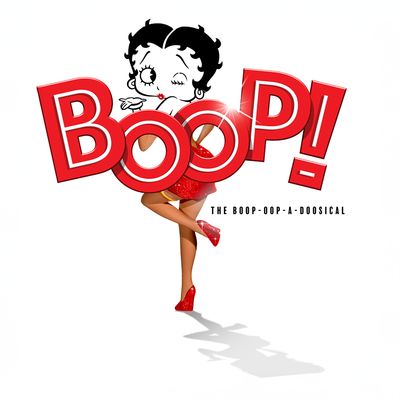
With Boop! The Musical earning three Tony nominations this year—including Best Choreography, Best Costume Design, and Best Leading Actress for Jasmine Amy Rogers—I’m joined by cast member Aubie Merrylees for a conversation that goes beyond the awards buzz... Read More
From the show: Why I‘ll Never Make It
Featured Shows
About
With Boop! The Musical earning three Tony nominations this year—including Best Choreography, Best Costume Design, and Best Leading Actress for Jasmine Amy Rogers—I’m joined by cast member Aubie Merrylees for a conversation that goes beyond the awards buzz. We talk about the fun and energy of Boop!, but also the moments that shaped his career long before this Broadway run.
From a season of missed opportunities that led him to grad school, to the high expectations and quick closure of KPOP, Aubie shares how he’s navigated the uncertainties of this business. We also talk about how last year’s strikes pushed both of us to pivot and rediscover different parts of our craft. It’s a candid look at the many turns a career can take—and the unexpected joys that come along the way.
Why I’ll Never Make It is an independent production of WINMI Media and Patrick Oliver Jones. To support the ongoing efforts of this podcast please subscribe or donate. Thank you!
Transcript
This transcript was automatically generated and might contain errors.
[0:05] Patrick Oliver Jones: Every June, Broadway gets all dressed up for the Tony Awards to honor standout shows, performances, and creative teams.
[0:13] Patrick Oliver Jones: And this year, one of those shows in the spotlight is Boop! The Musical, which picked up three nominations, including Best Choreography, Best Costume Design, and a well-deserved Best Leading Actress nod for Jasmine Amy Rogers, making her Broadway debut.
[0:31] Patrick Oliver Jones: Now, I'll admit that I've got a bit of a personal connection to this musical in the fact that I have five friends of mine who were involved with Boop!, including Jerry Mitchell, who directed and choreographed the show and has been on this podcast before.
[0:45] Patrick Oliver Jones: And joining that circle of familiar faces now is today's guest.
[0:50] Aubie Merrylees: Hi, my name is Aubie Merrylees. Uh I'm from outside Philly originally, and uh I moved to New York in 2016, so now I'm from Brooklyn.
[1:04] Aubie Merrylees: Uh I'm an actor, uh, but I also identify as a director, a coach, and an appreciator.
[1:12] Patrick Oliver Jones: Aubie is currently playing Oscar, the director in Boop!, and as exciting as the Tonys are, our conversation goes well beyond this star-studded affair, because Aubie's path to Broadway has been anything but straightforward.
[1:28] Patrick Oliver Jones: We talk about the roles he didn't get, the quiet season that pushed him toward grad school, and how a return to musical theater, after years of being away from it, was actually sparked by the Hollywood writers and actor strikes of 2023.
[1:44] Patrick Oliver Jones: And then we also dive into KPOP, a show that came with a lot of buzz, but it just didn't get the Broadway run that many had hoped for, highlighting the pivots and surprises that come with building a life in the theater.
[2:04] Patrick Oliver Jones: I'm Patrick Oliver Jones, and thank you for joining me on season nine of Why I'll Never Make It, an award-winning theater podcast where I talk with fellow creatives about three stories or moments of personal struggle and professional hardship.
[2:20] Patrick Oliver Jones: Subscribers will get additional audition stories as well as early access to the episodes.
[2:26] Patrick Oliver Jones: The website is why I'll never make it dot com, where you can subscribe, donate, and learn more about the podcast.
[2:34] Patrick Oliver Jones: Again, that's why I'll never make it dot com.
[2:43] Patrick Oliver Jones: Well, welcome, Aubie. It is such a pleasure to meet you. Such a pleasure to have you on the podcast. Thank you for being here.
[2:49] Aubie Merrylees: Thanks for having me. It's very it's a pleasure to meet you.
[2:52] Patrick Oliver Jones: Now I would say that you are in one of the funnest shows right now on Broadway in Boop!.
[2:57] Patrick Oliver Jones: Uh I got to see it just a couple of weeks ago. Thoroughly, thoroughly enjoyed myself. What a fun show it must be to be a part of.
[3:05] Aubie Merrylees: It's incredibly fun, it's joyful, it's like high-spirited, it's optimistic.
[3:13] Aubie Merrylees: All of these things that feel particularly good to tap into every night for an audience.
[3:21] Aubie Merrylees: Um Yeah, I'm having the time of my life.
[3:24] Patrick Oliver Jones: Well, it certainly looks like it. I mean, everyone from the cast on down and I've had Jerry Mitchell on the podcast before, and he's a joy to work with and to know.
[3:35] Patrick Oliver Jones: And he has done such a great job with that show. So yeah, it looks like you guys are having fun, and for us as an audience that it really shows.
[3:43] Aubie Merrylees: Yeah, Ricky and uh Ricky is my scene partner, he played my assistant director who follows me around with a megaphone.
[3:50] Aubie Merrylees: We have um he and I in particular, I just have such a blast working with him.
[3:56] Aubie Merrylees: And um I I mean I I guess um on it being so fun, I uh book gets talked about it as a family show, uh which it is, but I wanted to like I feel like um there's an opportunity to get more specific about what family means because it doesn't it it doesn't just mean kids.
[4:16] Aubie Merrylees: It means I think family means everyone. It means community and it like you can go see Boop! with your community and um whatever that means to you.
[4:26] Aubie Merrylees: So and it's gonna leave you feeling good and feeling sort of opened up and and I just feel like opportunities for that are um feel sort of few and far between.
[4:41] Aubie Merrylees: So um that is I I would say one of the things that I'm enjoying the most about it, and I'm enjoying seeing sort of all different types of communities at outside at the stage door after uh the show.
[4:53] Aubie Merrylees: You know, it's like you know, bring your family, but also like instead of like bring your friends instead of sitting in the park and splitting a bottle of rosé, like we could see Boop!.
[5:05] Aubie Merrylees: We can see Boop!.
[5:06] Aubie Merrylees: Oh my gosh, the whole viral thing. I mean, it's this one woman, one line. I oh, I could go see Boop!, and now it's become this whole viral thing.
[5:16] Aubie Merrylees: But uh I yeah, it's a it's it's such a fun show. And and and you're absolutely right that family can mean many different things because I'm in the Beetlejuice National Tour, which can be described as a family show in the sense of that community, you know, if you feel outside, if you feel othered, if you feel not seen, you know, Beetlejuice is a way to kind of feel seen and relate to whatever character you find on stage.
[5:41] Aubie Merrylees: Yeah, I just think sometimes we hear family show and we think kids, which like it's so great that there's a show that kids can appreciate, but it like reminds me of sort of like old school musicals, old school like Disney musicals where like there are you know, Robin Williams is the genie, there's all these jokes for kids, and he's constantly throwing things in for the adults.
[6:03] Aubie Merrylees: Like it just feels it's just that sort of all-encompassing show, and I definitely think Beetlejuice has a lot has is tapping into that too.
[6:12] Patrick Oliver Jones: Very much so, very much so. Well, we're definitely going to be talking about Boop! a little bit later, but for right now, we'll get to story number one.
[6:19] Patrick Oliver Jones: And it goes to an experience that we've actually both had. Um back in in 2010, despite continuous auditions, I was out of work for 11 months, and in that time, you know, I had to find something to do.
[6:30] Patrick Oliver Jones: I actually got into producing my first time producing some plays, and similarly for you back in 2012, uh there were a couple plays that you wanted, but you weren't really casting them, so you had this open season ahead of you.
[6:42] Patrick Oliver Jones: What were these plays and and why were you so drawn to them that you wanted them so much?
[6:46] Aubie Merrylees: Um so I was living in Philadelphia. I was an actor in Philadelphia after undergrad.
[6:51] Aubie Merrylees: Um I graduated from Brown in 2010, and all my friends were moving to New York, and I had like one connection in Philly.
[7:02] Aubie Merrylees: Um, this theater actually outside Philly where I had grown up, and I had like the opportunity to do a play there.
[7:08] Aubie Merrylees: So I was like, I think I will have a better chance of breaking into the Philly scene and working. It's also a smaller market.
[7:14] Aubie Merrylees: So um I all my friends moved to New York and I moved to Philly.
[7:19] Aubie Merrylees: Um with sort of one lighting designer who has become this sort of really great respected lighting designer in New York whose name is Una Curly.
[7:31] Aubie Merrylees: The two of us moved to Philly.
[7:33] Aubie Merrylees: Um and sure enough and like worked all the time because there was just a there was it I mean it's just a smaller market.
[7:43] Aubie Merrylees: Um and I knew people. But anyway, so I was working in Philly for a few years and then yes, in twenty twelve so this would have been my I guess second year living in the city.
[7:59] Aubie Merrylees: Um 'cause in the beginning I just commuted.
[8:02] Aubie Merrylees: Um I auditioned for a couple of things and in in Philly they cast way in advance.
[8:11] Aubie Merrylees: So I was like I sort of knew that I had an empty season.
[8:16] Aubie Merrylees: And I what were the plays? I remember the last one that sort of really turned it was this production of Three Sisters um that Kurt Columbus had translated.
[8:28] Aubie Merrylees: Kurt Columbus was the head of the Brown Trinity acting program and I knew him and I had done some workshops of him and then I didn't of it and then I didn't get cast.
[8:38] Aubie Merrylees: And I just remember thinking I don't know how to approach auditions.
[8:45] Aubie Merrylees: I don't know I'm sort of just like, if it's really similar to me, and it's sort of like something kind of small and awkward and um when I say small, I mean like sort of like if it's like mumble core in any way, you know, safe, uh, then I know what I'm doing, but like as soon as it demanded like big a big expression of truth, I was sort of out at sea.
[9:18] Aubie Merrylees: And I remember sort of bombing the Three Sisters callback, and I felt like they wanted to cast me.
[9:25] Aubie Merrylees: But I wasn't good. And just being like, okay, I I guess I had always sort of wondered about graduate school and thought there's um there are some sort of people at Yale.
[9:43] Aubie Merrylees: I went to the uh School of Drama.
[9:45] Aubie Merrylees: Um at Yale we talked about um there was a funny joke that professors would make about the acting pill.
[9:53] Aubie Merrylees: It's like that people come thinking they're gonna get an acting pill, but I think I always thought, yeah, like there's a secret to this, and maybe one day I'll go to grad school and I'll learn the secret.
[10:02] Aubie Merrylees: But so I started so anyway, I was looking into this empty um season, and at the time I had been watching uh Six Feet Under, and which is an amazing television show.
[10:17] Aubie Merrylees: Um, and I saw Michael C. Hall in that, and I had recently seen Dexter, and thought, well, this guy is just playing himself.
[10:27] Aubie Merrylees: And he's playing the serial killer.
[10:30] Aubie Merrylees: Um, but he's so good and so simple, it just seems like it must be who he is.
[10:35] Aubie Merrylees: And then I watched Six Feet Under, and he plays an emotionally sort of a deeply vulnerable, emotionally kind of explosive uh uh uh um gay funeral director.
[10:48] Aubie Merrylees: And couldn't be more different from Dexter.
[10:50] Aubie Merrylees: And I was like, oh, this is who he is.
[10:53] Aubie Merrylees: And so when I realized he was plu these two extremes and he was both of them seemed like him as opposed to a character he was putting on, I was like, who's his acting teacher?
[11:01] Aubie Merrylees: And it was Ron Van Lu, who is this master acting teacher from uh who had taught at NYU for 39 years and then went to the Yale School of Drama now teaches at Columbia and Yale I I think.
[11:12] Aubie Merrylees: Um anyway, I was like, I want to learn from him and he was at Yale so I crazily auditioned for Yale.
[11:19] Aubie Merrylees: That was the only school I auditioned for.
[11:22] Aubie Merrylees: Um and well now to audition for a play and then bomb it, you don't do very well, you don't get cast and then to say well the next thing I audition for is Yale.
[11:30] Aubie Merrylees: Like like that must have been daunting of it in and of itself.
[11:34] Aubie Merrylees: I think it's like at a play I in this play audition I was trying to show people that I was right for the play or I could do something there was something that the play required that I could do but I didn't really know what that meant or was and yeah and then when I was like oh I'll audition for grad school I think that the most successful graduate school auditions are ones that I mean well I know but like what we did watch at Yale we were allowed to like watch people auditioning.
[12:08] Aubie Merrylees: So I did see a lot and I sometimes coach grad school auditions now but like you really tailor the audition to you.
[12:16] Aubie Merrylees: You want to like show them you.
[12:19] Aubie Merrylees: Like, and so that was something I felt like I could do.
[12:23] Aubie Merrylees: I'm like, I do well in school.
[12:25] Aubie Merrylees: I uh I respond well to the structure.
[12:29] Aubie Merrylees: Um I get like really into it, like I would be good here.
[12:35] Aubie Merrylees: And um, and I guess I I should say that I in my undergrad I studied theater, but I study a lot of other things, and I was very much like actively not it wasn't all about theater for me.
[12:49] Aubie Merrylees: So I always sort of in the back of my mind was like, maybe there's a conservatory experience that I could get something out of because I had never had that experience.
[12:58] Aubie Merrylees: So uh yeah, I mean I think looking back was kind of crazy that I was like, yeah, I'll I'll audition for Yale, and I and and that's it. But it sort of just felt like I sort of believe, and I think this is helpful as an artist, like that things happen for a reason, and I find that very comforting. And I think I just was like, okay, what's the reason that I don't have any work lined up for this next year? And what and like how am I gonna fill that? Um and so I auditioned. Turns out I ended up like doing a couple plays that season anyway, but I didn't know that at the time.
[13:41] Patrick Oliver Jones: Of course, of course you don't know that. And so getting into Yale, then did you have any backup plan? Had that not happened?
[13:47] Aubie Merrylees: No, I think I thought, well, if I don't get into Yale, it is I was like, well, it is a prestigious program. So um, you know, maybe I won't get in. Um and I somebody I asked to write my recommendation was like, uh I don't know if you're gonna get in. I don't know why I can't I had my continue to ask. Maybe ask someone else to write that record. Yeah, and then I like doubled down and was like, I need you. You know, it's like the um, you know, the chase of like, oh, you've withheld your love. Um, but uh no, I think my plan was if I don't get in, I'll keep um I'll figure something else out. I was like, I had been working in Philly before that, and in this moment I was tapping into a particular like vulnerability or this sort of humble place that I think is very useful for artists, which is like I don't know anything.
I was really like allowing myself to live in that. But at the same time, I was like, I do there are things I know, and like I'll be okay. So maybe I'll get in, maybe I won't. Um but I did the same with undergrad. Like I only applied for one school. I think I'm just a little crazy.
[14:59] Patrick Oliver Jones: Yeah, well well, I mean, but there's something about having a focus, because I I I did the same. I only applied to two colleges and and both thankfully accepted me. So then it was not common. Yeah, so then it was just kind of 50-50. Well, I'll go with the one that offered me a scholarship, so that you know that's what I did. But uh but I I'm I'm curious when it comes to auditioning, just in general, like how do you handle callbacks and moving on when you don't hear anything, when you when you don't book the part? How do you kind of process that?
[15:24] Aubie Merrylees: Um, it can be quite difficult. Um I was thinking actually when you asked me what the plays were that I didn't get cast in that season. I was like, huh, how how funny that I don't remember. I think I have my brain has learned to sort of quickly forget the negative, which ca sometimes causes problems for me in my life, because I like know that something bad happened, but I like can't really remember the specifics of it, so it's hard sometimes to like process it after the fact. I like to process things quite quickly for that reason. But that is to say, um I a lot of times I just try to forget. Um, but also you like I think more and more you try, I think it's important I've learned it's important to fill your life with other things that are really meaningful, um, that bring you a lot of joy, that can ground you in who you are and what's important to you.
And um, so I I bike all over the city. I find that very um sort of transformative. I play Dungeons and Dragons, got into that during the pandemic. It's a wonderful creative, collaborative, improv outlet. Um just like theater. Um but also um I've really taken to heart the advice of people of mentors and just like people who say shit on Instagram, which is all sort of like um uh uh I think Brian Cranston says something like audition, you're not going to audition to get a job. Like auditioning is your job. That's my job. So today my job is I get to to act. And so changing the way I think about auditioning at the time when I was in Philly, it was like I gotta get this job or like I'm gonna have an empty season.
Whereas now more and more, I think like I'll I'll figure it out. I'm just gonna I get to play this character today, and I'm gonna go in and try to make fans rather than get the job. And I'm gonna, you know, they say book the room, not the job. Like I want them to be like, wow, he's so totally wrong for this, but like let's keep bringing him back. Or like let's put him in something developmental or whatever.
[17:56] Patrick Oliver Jones: Yeah, yeah, I mean that there's something to be said for that. I I I know that uh, for example, back when 30 Rock was on the air, I auditioned for it four times. So the fact that they kept bringing me back in, I I was obviously doing something right, or they wouldn't have called me back in, but it just was never quite the right role or the right time or whatever it was. But uh, that can be so hard though, right? Because you get like more and more like, oh, they want me, right? So it's like what's wrong with me? Why am I not getting this? Or or or you get that like, well, it's just a matter of time. I just need to keep going back. I'll get it. And then the show went off the air and I never got to do it.
But uh, but yeah, it it it it can be tough to try and figure that out. But I I think you bring up a good point about forgetting the stuff that doesn't happen. I mean, because uh 90% of our auditions never lead to anything. So how can we possibly just for our own mental sake, how and why should we remember all that?
[18:45] Aubie Merrylees: Yeah, yeah. I think that yeah, I mean it's a blessing and a curse, but that then there are things that you know sometimes I just decide on getting something, and those are the ones that I still remember.
[18:58] Patrick Oliver Jones: Yeah, do you have have you found that those are the ones like you were saying that that fit you the most that that you just kind of could live in them a much easier than maybe other roles?
[19:09] Aubie Merrylees: Sometimes, but I also think I just like I I don't know, I'm sure other artists are this way, but like I just think there's some magical thinking involved in being an actor, and sometimes like you are just like, Yeah, I I I feel it, it's the right time, like there was a good vibe, like this is gonna be me. Well, recently I I wrote a an article for StageLink, and I kind of wanted to get your opinion and see what another actor thinks of this. And and it was basically an open letter directed to casting directors, you know, for for the headline I call it stop ghosting us, just because you know, you know, to kind of get that in there. But basically, it's asking casting directors to let us know when we're not casting a show so that we don't, you know, a week, two weeks, three weeks go by and we just don't hear anything and we just assume. What what are your thoughts on casting directors and communication with them?
[20:05] Aubie Merrylees: I look, I know that casting directors are massively overworked and underpaid. I know that the often everything is sort of on a crazy deadline for them. They're under the gun all the time. Everybody's margins are getting thinner and thinner in this world, and that obviously makes things hard for casting directors as well as for everybody. However, I just often when I think about this question, I think about my friends because I didn't just study theater at Brown, I have a the majority of my close friends are not in the theater world. And so when I think about the business world or sort of any other job interview situation, like it's so unheard of that you wouldn't hear back. And it's so it's also there's like a different level of communication.
Like, you interviewed me, so I'm gonna be I'm gonna email you. Um I have the ability to email you the next day or the day after and be like, hey, thanks so much for that interview. Obviously, if everybody's doing that, like that to casting directors, that's really hard. But like what I guess what I'm getting at is like theater is a business of relationships and um and connection and collaboration, and I think actors are in kind of a disempowered position in that scheme, uh, because they're sort of their access is sort of to a lot of other collaborators is sort of gatekeep.
[21:55] Patrick Oliver Jones: Oh, absolutely. Yeah.
[21:55] Aubie Merrylees: I just think that's obviously I recognize there are a lot of sort of crazy actors, and I people get into acting for all sorts of reasons, and um and people have all sorts of delusions, and you know, I know that, but it's it's too bad that things are so um siloed.
[22:19] Patrick Oliver Jones: Yeah, well, I mean the business term.
[22:21] Aubie Merrylees: Well, I mean, yeah, I mean, I I think you hit upon the fact that so many of us as actors, you we have some control over the auditions we actually go to, the material that we prepare, that kind of thing. But yeah, ultimately the casting directors, the director, choreographer, whoever it is behind the table, they get that final say as far as to whether or not we're in a show.
[22:42] Patrick Oliver Jones: So I mean it's it's it is in many ways our careers out of our hands in that respect.
[22:47] Aubie Merrylees: Yeah. I yeah, I guess sometimes I find myself wishing sometimes because you start to feel like you have a relationship with a casting director. And sometimes I find myself wishing like I could be like go right to the source and be like, hey, I'm not really feeling that this is right for me. Like um so or like for this reason I think I might have to pass. Like I think I'm just a very personal like I just really like personal interaction. So it's like sometimes it's quite hard for me to feel like I always have to go through somebody else. Um you know and and yeah they I I wish we knew right away there's I get my I get it's a more complicated thing from their end but I just like wish we could know to answer your original question.
[23:33] Patrick Oliver Jones: Yeah.
[23:34] Aubie Merrylees: Yeah. Yeah.
[23:34] Patrick Oliver Jones: It's it's it's just yeah for me but my my point was just that we put so much time into the audition especially now with self tapes I would argue we're doing a lot of the casting director's job for them with these self tapes and finding readers and finding accompanists and you know lighting and sound and all the things we have to do to make a self tape look good and sound finding a reader is such hell right well now there's this whole cottage industry now of like finding a reader online whether you know that there's these whole websites devoted to finding readers. So it's uh yeah it's uh it it's it's its own thing and and so with more of our job taking on the casting director job I I think and this is this is my own supposition I think it does leave them with a bit more of an opportunity now to reach out to us.
[24:22] Aubie Merrylees: I think that's a really good point and I would love to see more of that. In general um who said Liz Ler is it oh my god. I I almost said Liz Lennon because you mentioned Dirty Rock. Liz Lurman, I think has this book, is the author of this book called um hiking the Horizontal, and it's about like sort of the hierarchy we have and like knocking it down so it's horizontal. In general, I'm just way more into the horizontal structures. Like, and what you're talking about just feels more horizontal as opposed to like, oh well, like it doesn't work this way, like we don't let you know because we're up here, you know.
[25:01] Patrick Oliver Jones: So I I agree.
[25:02] Aubie Merrylees: I d I I like that visual of of being more horizontal.
[25:05] Patrick Oliver Jones: Yeah, because in the end we're all trying to create the same show and we have different roles to play in that show, but we're all trying to make the show the best it can be. So there is a horizontal aspect to that.
[25:12] Aubie Merrylees: Yeah, I agree with you.
[25:22] Aubie Merrylees: Well, as we get into story number two, now this is where we get into K-pop, which had a uh sh you know a lot of hype coming into it. It had an off Broadway run, and now it was coming to Broadway. It featured the style of uh of pop music that was growing here in the US, thanks to groups like you know, BTS and Blackpink and stuff like that. But uh, but you know, it also featured the cast of almost all Asian actors and singers, which was which was certainly a big thing. You got to be a part of it. And so were you uh a fan of of K pop music? Like like what drew you to this musical to audition for it?
[25:58] Aubie Merrylees: I didn't really know much about the genre, to be honest. Um now I'm the fan, and um and I had such a wonderful experience on that show. Um but no, I I mean it was the pandemic, and I had heard about this production and it happened off Broadway, but I was in another show at the time and couldn't go. And then I forgot about it. And then during the pandemic, like we were all sort of scrambling like what's the next job gonna be. And uh my manager at the time reached out to me and was like, This show's gonna be huge. Um and so I auditioned for uh a non-speaking role in it. Um uh the can the guy operating the camera. And I was like, you know what? Like, like I that's fine. That's fine with me. Like I I need a job.
This sounds like a cool project. Um, and I was gonna be understudying Will Brill. And um I don't actually know that I've I don't know that I've ever told this story. Um and 'cause Will Brill had been playing it in some of the workshops during the pandemic. And then he got the uh the Sam Hunter play at Lincoln Center, which I'm forgetting the name of right now, um about the two guys. Um so I did it in the workshop in some of the workshops and then he got a TV show and they were like, We have loved your version of this character, so like we just want you to do it. So that was amazing. Um but uh I don't know what your question was, but I think it was about how I got into it. I think that's the answer.
[27:51] Patrick Oliver Jones: Yeah, yeah. Well, I mean that that's that's certainly you know, that's the whole sudden foster story. The understudy goes on to the lead. So it's uh it's it it's you know, as one person progresses and does something else, then you know, gives us an opportunity to fill in. So that's that's really great that you got to step into it. And with there being so many Broadway debuts in this show, obviously people h either had come from the pop world, so they weren't really theater actors per se. Well, what was that rehearsal process like? Was uh that was it difficult kind of corralling all these debuts into one or did did it flow seamlessly?
[28:25] Aubie Merrylees: I think it was uh there was trickiness in so many people making their Broadway debut um in the cast and also on the creative team. I just feel like and it was this huge Herculean undertaking, and they were massively changing the show from how it was off Broadway. And um, and I do think, of course, that brought you know, growing pains. But like every process has growing pains, kind of, and every process is so similar in some in many ways, because it's like we're always doing the same thing, but at the same time, every process is so completely different. And so this is no different. But um one of the tricky things about that process was it was right in this moment coming out of the pandemic when we were so hopeful about how different everything was gonna be and about how horizontal everything was gonna be.
Um theater was gonna be different. And so we all sort of came in with that, and I think everybody did. Cast, creative. But then you sort of run on Broadway, it's like a big business, and there's not a lot of time and there's a lot of money at stake, and you're sort of up against the clock, and it just those two things kind of crashed into each other a little bit um in our workshops and ultimately I think it like yielded something great. Anne Bogart talks about like in her book uh talks about like um good collaborations having like like friction sort of yielding something beautiful and I think that was good but I think that everybody had their own idea about like what the play was the piece was so personal that everybody had their own idea of like what it needed what it was and what it needed to be and what it should be. But I think that that sort of transformed it into something that hopefully everybody felt really they could own.
[30:45] Patrick Oliver Jones: And by by the time it opened did did the creatives as well as the cast feel like they were putting the best show forward?
[30:51] Aubie Merrylees: Um I mean I who knows but I but I I know that I had so much joy in it every night and um and I know that the people I talked to it all have felt extremely personal. Um so I think yes um I I still think of course you always wish you could go farther you're always like oh if we had made this choice months ago like we could you know this it w this other thing would have happened but but I think at the end of the day it was just like it was a really hard time to open a show uh on Broadway. Um I mean it was just a tough time to open stuff on Broadway and um we got hit pretty hard by COVID and it was such a sort of traumatic experience um because we all I think believed that this show was gonna sort of be this big thing and it was so personal to everyone involved.
I mean it's personal to me because I cared about the show, but like um I was the only white guy in the cast white person in the cast. Um so I was looking around at people for whom it was personal in just a different way.
[32:18] Patrick Oliver Jones: Yeah.
[32:18] Aubie Merrylees: And yeah, yeah, it's it's definitely um a music style, a culture that is much more personal to them. Absolutely. Just I know that it was like this is our first time that like we have all gotten to tell this kind of story, our story, like front and center. It's about us. And like and so it was sort of extra, it's sort of ending was extra traumatic for that reason, and because of I think because of that trauma, I'm like, wow, I don't even really know how to talk about the experience. But I can tell you that it felt like um I think we announced we were closing and then like had another week of shows, and that week felt like being with a loved one on their deathbed. I watched not but not in like a I mean the shows were joyful, the audiences were so great that week, but I spent so I spent so much of that show entering from the house, so I was always like watching from the house.
And I remember just like watching the songs and just crying, watching the scenes and crying, and it just felt like this sort of I know we have about a week with left with her and like we're trying to present like strength and joy and be with the love of it but it's also so sad knowing that in about a week she's not gonna be with us anymore.
[33:50] Patrick Oliver Jones: No.
[33:50] Aubie Merrylees: So it was like crazy death experience.
[33:53] Patrick Oliver Jones: I bet and and and certainly part of that you know low ticket sales that that's always something that producers blame whenever a show closes but certainly one of the uh one of the first signs of trouble or or or uh and controversy was that the Jesse Green review in the New York Times review didn't wasn't too favorable about it. And and I think getting back to what you said about taking it personally I think that's why it stung some people more than others because you know a bad review is a bad review and they happen all the time so that that's nothing new but but there were people who took this particular review very personally.
[34:28] Aubie Merrylees: Yeah I think it felt very personal to a lot of people and I understand why and no one's ever told me I have slanty eyes as a way of making me feel less than so or um or squinty eyes. I was misremembering what the quote was um so I sort of just in that moment I'm sort of like I'm here for everybody we're all sort of holding space for each other in this moment of I think that everybody just I yeah people felt people felt attacked obviously um whether that was Jesse's intent or not and I'm sure it wasn't um I mean he did he did mention loving the off Broadway version so obviously he had some some liking of the show.
[35:19] Patrick Oliver Jones: Yeah I I just think that when you're already sort of wrestling with low ticket sales it feeling like the audience audiences aren't coming out like it's it feel it can feel sometimes like a rejection by the community and so when that you know that can be magnified by uh by sometimes like a tongue in cheek uh sort of uh a a kind of writing style that sort of is like taking the piss a little bit and I um I I just think when you're in that feeling of feeling so like rejected and defensive of what you've created it it's that stuff's all gonna feel way worse. Um and so uh yeah that was a hard that was a hard moment.
[36:11] Aubie Merrylees: I think it was uh at the end of the day we had K-pop stars in our show and they were like the people in our world don't know this show is happening. So at the end of the day it was a colossal marketing failure that I think should be studied in business schools. Um whatever I'm sure there were so many other factors as well but um you know it's uh we're sort of in the on the frontier of figuring out how to market stuff in a different way now I think.
[36:48] Patrick Oliver Jones: Well yeah, I mean since since COVID, I mean, audiences have changes have changed uh theater itself is trying to change. You know with with with shows like K-pop, there there are these there is this effort to tell different stories. And with that can come well the need to educate audiences. Like these are important stories that you need to go see.
[37:07] Aubie Merrylees: Yeah. And I just think people didn't know the show was happening. Like at the end of the day, um people didn't know about it.
[37:17] Patrick Oliver Jones: Yeah.
[37:17] Aubie Merrylees: And and in and sometimes these days with I think a show that if you're if your show doesn't have a lot of word of mouth about it already, I think maybe they thought K-pop would um because of the off Broadway. I don't know what anybody thought. And I don't fault sort of I don't really fault anybody. I'm so grateful to Joey and Tim our lead producers who like put their put their I mean really put so much on the line to tell this story. But uh uh yeah at the end of the day like sometimes it just like it takes so little while for word of mouth to build and we were opening like going right into the um into the winter season which is historically the hardest time for Broadway and I just think it was uh tricky. I mean we were opening pretty much the same time that um Tammy Faye opened and that also really struggled so it's it's a tricky slot.
[38:28] Patrick Oliver Jones: Yeah yeah and and and this business is is finicky and fickle and as are audiences and and you know and critics for for that matter. So yeah, it can be tough to to get all the elements to come together. So yeah, finding a hit on Broadway just it it remains a tough and elusive thing.
[38:46] Aubie Merrylees: Yeah. I wish we could go back and do K-pop again.
[38:50] Patrick Oliver Jones: Yeah, well, yeah, you know what? Something tells me that it it will have a life. It's just a matter of what that life will be.
[38:55] Patrick Oliver Jones: What we has yet to has yet to happen. So we shall see.
[39:20] Aubie Merrylees: And both of these led to obviously a lot of out of out of out of work actors, and you know, for me, I was at the Tonight Show at the time, which you know shut down production completely, uh, you know, forcing me to go back into to theater work and trying to find uh find work there, and unfortunately got an off-Broadway pay, uh an off-Broadway play. Um and for you though, it left you wanting to do musicals again. It left you kind of like dreaming of musicals again. It had had you been away from musicals for a while by this point.
[39:51] Aubie Merrylees: Yeah, so I had never done a musical professionally. I well, sorry, K-pop, obviously. But I didn't think it's a good thing. But you weren't singing, yeah. Um I did argue, I did sort of push pitch that Harry, my character, could sing a little like just a little ditty on his own, because he was always sort of between scenes, just being like, I'm making a film, it's gonna be the best. And then like right as I'm about to go into something, they're like, Harry, we're ready. I'm like, oh. But um but they didn't go for it. Um, which I understand. Um, but um but yeah, I uh I mean it was a time again, just like the Philly not booking things story, these moments of hardship are opportunities to sort of pause and reflect on where you are, where you wanna where you wanna be.
That's a boot reference. A book um and uh uh and whether where you are and what you're doing is gonna get you to where you want to be. And the industry has been changing so much so quickly, and um m money continues to vanish towards the top of everything.
[41:10] Aubie Merrylees: Um I was just thinking about and I was thinking about the impending uh m existential dread of um of AI and the impending sort of the continued loss of jobs, and people are always like, Well, they'll you know, every time a job is lost by a technological advancement, like new jobs are created, not with AI, like yeah, like to some degree, but like not at that scale. That's the reason AI is so appealing to people at the top.
[41:44] Patrick Oliver Jones: Yeah.
[41:45] Aubie Merrylees: It's it, you know, um, it does save you money. Anyway, that's not what this is about. But I was just thinking about what kind of theater people are always gonna want. And I was thinking about how people like it people are always people are sometimes talking about like uh like we don't like seeing plays anymore. Like we get that from our Netflix show or whatever. Um we get that itch scratched. But people are always gonna want big flashy spectacle and like big musicals and is what I was thinking. I'm an audition reader a lot for musicals that's one of my day jobs. And so I would also like watch musical auditions and be like I'm always a there's a little voice in the back of my mind my mind being like yeah like you like this.
Like this is you loved this. I did I I was obsessed with musicals in high school um and I did them all through college and then I stopped. Um but then I saw uh I went to see Funny Girl. I had a friend who uh was on in Funny Girl and I went to see her and I just had such a good time and there was some crazy I don't really know Funny Girl so I don't know the level was but there was some crazy character.
[43:04] Aubie Merrylees: There's like a manager character in it or a you know what I'm talking about?
[43:08] Patrick Oliver Jones: I don't I didn't actually get to see it.
[43:10] Aubie Merrylees: So yeah. Um well there's some club nightclub manager or something and he was like sort of given a crazy old school musical theater performance and I was like I could do that. I love that and so I had just started thinking that and then I was in I was an audition reader for Boop and um and they kept we were in sort of work sections and then going into final callbacks with this actress who I was like she's really good named Jasmine Amy Rogers. And um and at uh uh and in her final callback for that I was an audition reader and all the whole creative team was there and um and I went home from that call back I've never talked about this um I've never said anything like this before uh after a day of audition reading but I was with friends and I was like, I I've never said this before but I think I just witnessed a star get her big break.
[44:14] Aubie Merrylees: Um I like was so moved by it that I had to share it with my friends and I've that had never happened before. Um when she left the room everybody was in tears because they were like we have a show and um during those sessions leading up to that Jerry and I had sort of become friendly with each other. And he was like Who's this guy? I love like do you dance? What's the deal? And um and you know he was like we gotta find an opportunity to work together. I was like I'd love that and uh three days before rehearsal started for Chicot the Chicago production uh someone dropped out and they were compiling a list of men in their I think sixties to replace him and Jerry apparently said and what about that reader and uh oh my gosh.
[45:08] Aubie Merrylees: So K Kevin, the casting director called me and was like I don't know if you'd want to do a musical or if you even sing, but like Jerry mentioned wanting to see you and because of the strike and I had been thinking about this I was like again everything happens for a reason. I was like it's a sign yes I'll go in and I s and I sort of spent all weekend prepping for it. And I went in and I s and I sang for him first because he meaned he was like, I don't even know if you sing. And we did the scenes, then we did a little dancing, and I s I'm a little out of practice with dancing. Well, and Jerry Mitchell choreography is not exactly easy. So it took he it took me a second, and and he looked at me and he was like, eh, good enough. Um and uh an hour later I got the call.
[45:59] Aubie Merrylees: So I do think that if it weren't for the strike, and it weren't for me seeing I started to just see like, oh, because stars can come down when Hollywood is tightening, stars can come down and take my parts in place. Yeah. But but musicals are always gonna need people who have really worked on their instrument because they're fucking demanding. And so I was like, maybe I can do a musical.
[46:33] Patrick Oliver Jones: Well, it's interesting because you got to see Jasmine, so in some ways you knew the the w where where the show was headed. You knew kind of the face of the musical.
[46:42] Aubie Merrylees: I knew the world of the play, I knew the tone. Yeah. Um, like it it Jerry, you know, the day that Jasmine came in, Jerry um before she came in, Jerry like tapped Bob Martin, the book writer, on the show on the shoulder and was like, He's gonna be our Grampy cover. And Bob was like, Oh, really? And I was like, No, I don't know what Jerry's talking about. Like and I, you know, I play Oscar, who's a great part in the show, but I also I cover Grampy, because that's the part I was playing with Jasmine.
[47:16] Patrick Oliver Jones: Funny.
[47:17] Aubie Merrylees: Oh my god. Now, now I t I love the story because it's only happened to me once where I was a reader. Now, I went into it and I was a reader for a show. This was a regional production of uh Bridges and Madison County. I went in wanting to do the show. They they hadn't brought me in. But as a reader, I was like, I dressed the part, and anytime I got to do the scene of the of the character that I wanted, I was the reader reading against someone. I gave my best performance ever as a reader. And so I was like angling to to somehow get an audition. It it worked because I because I got to do it. But for you, you you didn't have any idea of like turning this reader into an actual yeah.
[47:59] Aubie Merrylees: No, not at all. I mean, I find that to me like I totally get that, but that it is so it just it's like just adding disappointment to your daily life. It's in a way. Because like, because most of the time people aren't even thinking about you, and they shouldn't be. But every once in a while, you have a director who's really noticing all the elements, and um, and obviously it can happen, but I just find it better.
[48:31] Aubie Merrylees: I mean, I think that's also why I read so much from musicals, because I was like, well, I'm not doing musicals, so like there won't ever be a conflict of interest, and occasionally there's a world that I'm like, ooh, I love this, I would love to do this, but I always could have told my manager, like, get me an audition for this, but I never did because I think I was always like musicals aren't my thing. Like the the Rachel Chafkin helmed uh Florence and the Machine helmed uh Gatsby that went to Boston. Um and I don't know what's going on with it now, but like I was a reader for a lot of that. That I mean that show is fucking great, and that of course it crossed my mind.
[49:14] Patrick Oliver Jones: Yeah.
[49:15] Aubie Merrylees: But um but I don't know. I guess for both of our stories, my takeaway is like you never know who's watching. And any time it goes back to the audition, my approach to auditioning, like any chance to act, like if you can just treat it with love and gratitude and like really do the thing, like it's a gift to the actors auditioning. If you're really doing it, like I'm doing it for myself, kind of. You know, like I'm using it as an opportunity to like fine-tune text work and get better at making a structure, something that's quite structured, because I want to trying to g throw the same balls at the same places so that like everybody gets the best version of me.
[50:03] Aubie Merrylees: Uh taking your structure and making it still feel fresh and new. I mean, that's our job as actor as theater actors. And so like being an audition reader is kind of like an opportunity to get better at that too.
[50:13] Patrick Oliver Jones: For sure, for sure.
[50:14] Aubie Merrylees: Yeah, yeah. And and even once you you get the show, doing that show eight times a week, you still find those nuances. You ch you know like like my my part is Otho has changed from when I first did it all these months later. It just it evolves, it changes. I find certain comedic bicks or or lose other ones, yeah.
[50:31] Aubie Merrylees: Yeah, you're listening to the audience, you're finger feeling bouncing off your scene partner. I I also like I continue to make discoveries as Oscar in poop and um and continue to be like, oh well that's yeah, maybe that's better or stuff. And like and the the I mean the true vet of our show, uh Faith Prince, like that's she's all about that.
[50:52] Aubie Merrylees: I don't I I did a show with her and she is just a joy to work with, but just to watch her on stage is a masterclass. Yeah, she was a great person to talk to during this process because I was like, it's a little cartoony. Like this this style is so big and cartoony for me in particular, because I'm literally a cartoon. Um I was like, I don't know, what about this? And so we sort of workshop some stuff out and and there's actually like there's a moment in the show where there's a couple moments where I'm like talking way up here and then I drop down here.
[51:24] Aubie Merrylees: And she and like that was her idea. She's like, Well, you know, you know, if you're stuck, you can always just drop the octave. It's like little things. Uh now speaking of of changes, did the show itself, as you went through the rehearsal process, did it go through a lot of changes or had was it pretty set?
[51:41] Aubie Merrylees: Yeah, it changed a lot. Particularly in the Chicago iteration. We were changing things. I mean, there was a day that Jerry sort of beautifully choreographed a number.
[51:54] Aubie Merrylees: Took all day to do it, and then they ran it once or twice, and he was like, "Donner, it's not active. It's not pushing the story forward. It's like cute." And we came in the next day and he completely re-choreographed it. I was like, the ego-lessness of that, the confidence of that, watching him devise a song being like, "There needs to be a song. This song actually needs to be more like this." It should be like, "No, no, no, no, no. Like, I don't love you. I don't love you anymore." Like those lyrics weren't what he said 'cause that makes no sense in Boop, but like that's what came into my head. But like he and David Foster and Bob Martin and Susan Birkenhead pretty much devised a couple of songs like in the room.
And so that was amazing. We put a new finale in during previews of Chicago, totally new finale. I mean, I'm sure you've had these experiences too, but like I was like, this will go in in a couple of days. They were like, it's going in tonight. And then from Chicago, the changes were less sort of with neon signs over them in the Broadway version, but there were still a ton of changes in our rehearsal process, tightening cuts, and you know, the most one of the most noticeable changes is that act two opener with the color changing. That's all new, which we didn't have that in Chicago. It's just so brilliant. I mean, like when that happened, like, you know, because if I remember correctly, it comes out black and white first, which is like, okay, now we're back in the comic strip.
But then as soon as people turned around, I was like, "Wait, wait, what?" And it's so cleverly done, and then it keeps tripping back and forth, and then people are coloring black and white together. It was so well done. So like, it definitely is a standout number, and yeah, such a good showcase for Jerry Mitchell, who Jerry Mitchell is as an artist and as a director, because he saw all that in his head, and it was so complicated, and it required such a leap of faith for all of his collaborators. I don't mean the actors, I mean like the people like putting out the money to build those half and half costumes, like to court, you know, they wrote a new song for it. Jerry was like, "Here's what the song needs to do.
It's gotta be simple, and we're just gonna crank it up." And to see that because like obviously you have to choreograph that before costumes are made. So you just kind of have to know, like, okay, in this iteration, then when people turn around, it's this, then when they have the turnaround, the other half turns out. You have to see that before you even have a costume. It was so confusing in the rehearsal room. I'm so glad that we started rehearsing that number, I believe, on the first day of rehearsal for the Broadway production. And I think we all at first I was like, well, I need this because I, you know, I'm not I haven't danced since college. But I think we all needed that to sort of get it so in our bones because that song was really complicated to rehearse in our street clothes.
And you know, and for the swings, I oh, oh I didn't even think of that. That's perfectly in. To be a person, because swings they generally there, you know, there's maybe one swing covers half the ensemble, the other half. So it's like to cover more than three or four parts in that and to remember where the hell you're going. Yeah, you're cutting and you're covering the color world and you're covering the black and white world. It's like the people the Valentina covers in the show who they prince plays, one of them is a black and white person. So her Valentina track is the direct opposite of what she does every night, which is hard, like in a way, like hard because you're constantly reinforcing the neurons. I'm a Grampy cover, but Grampy's black and white too, so it's like it's worlds easier for me.
[56:20] Patrick Oliver Jones: Right, right. Oh my gosh. Yeah, I yeah, believe me. Swing brain is a skill and a mindset that it's, yeah, I just don't have that. It just isn't within me. I can understudy a track, that's fine. But as far as like swinging multiple ensemble dance tracks, yeah, I don't even get it. But it's a superpower.
[56:40] Aubie Merrylees: Well, speaking of a superpower, there's of course Jasmine, who we've talked about. She's nominated for best actress, well-deserved nomination. She, I mean, she is the life of the show. I mean, it's she's the title character. But she must have been, as you said, even in the audition room. But then once you get from the audition room into the actual performance of it, she must have even come to life even more, just shining.
[57:04] Aubie Merrylees: Yeah. I mean, her performances just deepened so much. It's so nuanced. And she's always discovering new things. So yeah, it was deepening all through rehearsals, Chicago. And then now on Broadway, it continues to deepen. And she is just one of the most present actors I've ever worked with. Like when I get to go on stage with her at the end after she sings something to shout about, we have that little exchange. And I'm like, this is somebody who's with me. And that, you know, should always be the case with actors, but like when you've done a part for a long time, a lot of times it's not the case. You can like, you know, say all that an actor's painting by numbers or whatever. Jasmine is, she's just kind of one in a million.
She reminds me a lot of Celia Keenan Bolger, who I did To Kill a Mockingbird with, who both of them lead with such joy and sort of goofiness backstage, and then go on and just like give the most heartfelt, deeply vulnerable, funny, perfect performance every night. And are both like backstage, like, "Oh, how are we gonna do this? Well, I don't know." Like, oh I just it really in grad school, I was around people. There's, you know, everybody takes themselves quite seriously these days, and there was a lot of like listening to headphones and being like, "Oh, we're gonna do this," and like, and so I started thinking like, of course, that's what you need to do in order to like stay focused and do the job.
But it really showed me I just learned so much from Celia and Jasmine, the degree to which play in life is required or like really can help and set you up for a performance. I love that as opposed to like self-seriousness.
[59:11] Patrick Oliver Jones: Well, see, and it's her performance, but I mean the whole show, the cast in general, that you know, that made me think and believe that Boop was overlooked in the best musical category. I'm just gonna say it. Now, I recognize theater is subjective and it's, you know, that people have their own wants and wishes when it comes to theater, but I just found Boop more engaging, better directed, just it just playing more fun than some of the nominees that are there for Best Musical. That must have been a blow to some of the cast.
[59:44] Aubie Merrylees: Yeah, I think so. For sure. I mean, of course I feel like it was overlooked. Like, no shade on anybody else. Like, I wanted us to get that nomination. But at the end of the day, I mean we met we talked about K-pop. To Kill a Mockingbird also wasn't nominated for best play. And so I'm sort of like, you know what? I'm just gonna keep doing my job, and I am gonna invest this thing with as much love, as much like belief in what I'm doing. The trap is to start to believe that whatever anybody's saying, the critics, the award nominators, whatever, that like what they're talking about is objectively true, or it like is an objective statement about the work you're doing because that makes the job so much harder. I love that like Jasmine's getting these accolades and I think it's well deserved. But like I mostly just try to tune that noise out. So but yeah, coming up of course it that's too bad.
[1:00:55] Patrick Oliver Jones: Yeah. And there's been all this talk, this petition of getting Boop to perform on the Tonies. Has that been any discussion with the cast or creatives?
[1:01:04] Aubie Merrylees: Yeah, for sure. People have discussed it because as far as I understand it, yeah, we just we weren't invited. There was an offer made to pay. That's what I've been told. So I feel it's too bad for the show because I think this show what I have discovered doing the show is the show has such an ability to impact so many people, brings such a refreshing kind of energy to Broadway, and it has the capacity to be the show everybody wants to see all summer. But it's just like we need to continue to get the word out about it. Because like I was saying with K-pop, like it just word of mouth spreads slowly. So I'm sad we don't get the opportunity, of course, to sort of make people go, every time people see a video, I look at the comments and stuff, they're like, "Whoa, now I want to see Boop."
It's like as soon as people see something from it, they're like, "I gotta see this." I had been skeptical before, but like and that's because people just don't know what it's about. Boop, like it's kind of a, it's yeah, I don't know. I'm just like I don't know.
[1:02:28] Patrick Oliver Jones: No, no, no, that's what I went. And it's like Boop wasn't that like a cartoon from the thirties? Like what does this have to do with the mute? Yeah, like I didn't know what to expect. And so going into it, I'm like, "Oh, that's what they've done." And the title used to be Betty Boop, as far as I remember, the title used to be Betty Boop's Day Off. And I understand why they changed it to Boop. Boop is very like clean, clear, you know, but I kind of think Boop is a good shortening of what I sometimes wish the title was, which is Betty Boop's Day Off, 'cause it like it just tells you a little more what it's gonna be about. And it's like it's a little sort of risky. She's cutting out of work. I mean, like, that's really what the show's about. But so I'm sad we don't get to perform, but also I'm mostly sad that am I correct about this? I think she's the only best actress nominee who won't be performing.
[1:03:24] Aubie Merrylees: Yeah, yeah, yeah. That's been part of the petition as well. It's like get her on stage, let Tony audiences see her.
[1:03:30] Patrick Oliver Jones: Yeah. And that feels complicated for me. You know, like I feel like that's really an oversight. To have a young person making such an explosive Broadway debut that is that everybody's talking about. You know, not to mention a woman of color. Like, I just think it seems like such an easy opportunity just to like elevate her, and so I'm disappointed that she won't be. But also, it's like, again, I just want to say, I'm also like, okay, whatever. Like, we'll get the word out some other way. Gotta go see Boop.
[1:04:12] Patrick Oliver Jones: Well, thank you so much for joining us today. And remember, you can get early access to our full conversation by going to why I'll never make it.com and click subscribe. Well, that about does it for this episode. I'm your host, Patrick Oliver Jones, in charge of writing, editing, and producing this podcast. Background music is from John Bartman, and the theme song that was created by me. Stay tuned for the next episode when I ask the final five questions, and we talk more about why I'll never make it.
© Broadway Podcast Network, All Rights Reserved