

As much as we actors wish it wasn’t so, auditioning really is our job. Performing it’s just an added perk, if we do that job really well. That being said though, there are times when we mail an audition and simply couldn’t have done any better, yet we still don’t book the part... Read More
From the show: Why I‘ll Never Make It
Guests


Featured Shows

About
As much as we actors wish it wasn’t so, auditioning really is our job. Performing it’s just an added perk, if we do that job really well. That being said though, there are times when we mail an audition and simply couldn’t have done any better, yet we still don’t book the part. Such is the life and labor of an actor.
Welcome to the annual episode of Audition Stories…the good, the bad, and the hysterical. And today you’ll be getting a sampling of the bonus episodes available to monthly supporters of this podcast. You’ll hear from the following actors, directors, and choreographers as they share their most memorable auditions:
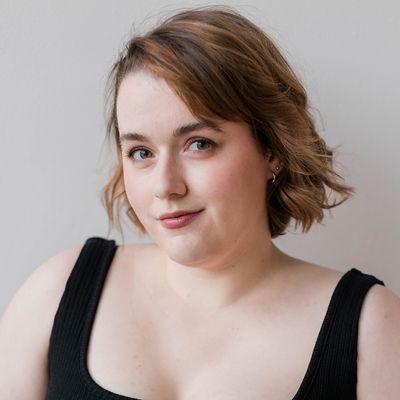
- Barton Cowperthwaite - actor and dancer from Tiny Pretty Things
- Misty Rosas - actress, singer and performance artist from The Mandalorian
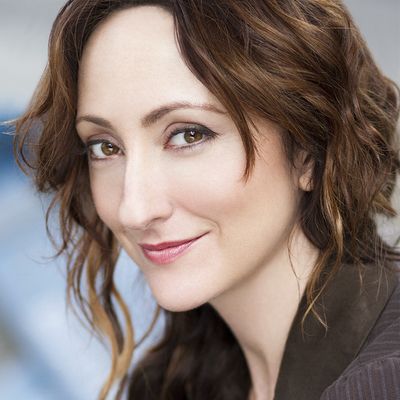
- Carmen Cusack - actress and singer from Bright Star and Flying Over Sunset
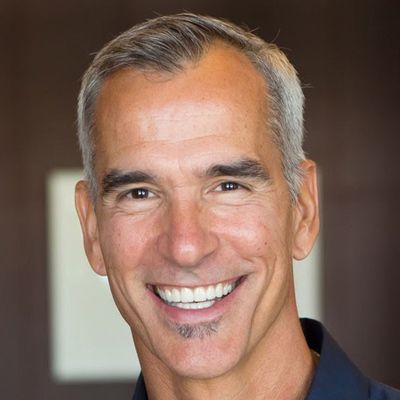
- Jerry Mitchell - director and choreographer of Kinky Boots and Pretty Woman
- Al Blackstone - director and choreographer from So You Think You Can Dance
- Michael Learned - famed actress from The Waltons
- Kathryn Allison - actress and singer from Company and Aladdin
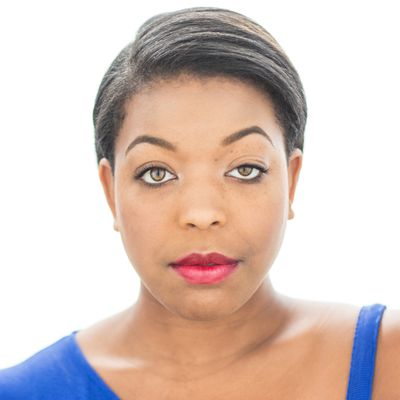
- Briana Packen - actress and coach from Movement 4 Everybody
- The Prom Tony Nominees - Caitlin Kinnunen, Beth Leavel, and
- Brooks Ashmanskas
SUBSCRIBE TO WINMI
Get access to Audition Stories, the Final Five questions, and other bonus content by becoming a monthly or yearly subscriber to Why I’ll Never Make It. Producing this podcast is rewarding in its own way, but I’m essentially a one-man operation. So it is both costly and time-intensive to put together each episode. By subscribing you’ll be supporting these podcasting efforts, and have access to extended conversations and other bonus content. Your financial support of this podcast is greatly appreciated!
- Subscribe to get access to bonus episodes and extra content
- Make a one-time Donation to support transcripts and podcast production
- If you’d like to support WINMI but have limited funds to do so, then contact me directly for reduced-price or even free access to the bonus content.
Follow WINMI: Website | Instagram | YouTube
Why I’ll Never Make It is an award-winning, Top Theater Podcast hosted by actor and singer Patrick Oliver Jones and is a production of WINMI Media. Background music is by John Bartmann and Blue Dot Sessions is used under a Creative Commons Attribution-NonCommercial 4.0 International License.
Transcript
This transcript was automatically generated and might contain errors.
[0:00] Patrick Oliver Jones: As much as we actors wish it wasn't so, auditioning really is our job. Performing, well, that's just an added perk if we do that job really well. Auditions can certainly take a turn for the worst, and there's just no saving them. That being said, though, there are times when we nail the audition and simply couldn't have done any better. Yet, we still don't book the part. Such is the life and labor of an actor. I got out onto the floor, I was center stage, and there's a live drummer, the Countess N, and I completely forgot the entire routine. I mean, I just lost it. And I was center in the front, so I had no one to follow. Welcome to Why I'll Never Make It and the annual episode of Audition Stories: the good, the bad, and the hysterical.
I'm your host, Patrick Oliver Jones, an actor and singer who's been auditioning for almost 30 years. And today you'll be getting a sample of the bonus episodes available to monthly supporters of this podcast. You'll hear from actors, directors, choreographers, as they share their most memorable auditions. The website is why I'll never make it.com, and be sure to check out the show notes for more information on each guest featured in this episode.
[1:31] Patrick Oliver Jones: Our first two audition stories come from the TV world. You'll hear from actress and performing artist Misty Rosas and how she booked a career-changing experience in the Star Wars epic series The Mandalorian. But first, you'll hear from last week's guest, Barton Cowperthwaite. We spoke at length about his time on the short-lived Netflix series Tiny Pretty Things. Well, here's the very unique way that this talented actor and dancer booked that show.
[2:02] Barton Cowperthwaite: I had just accepted the Jerry understudy for the non-equity tour of An American in Paris in China. And we did a two-week rehearsal process in Taiwan. And as I was learning my new ensemble track, and as I was preparing my materials to learn Jerry again, my manager emails and is like, "There's this tape. It's like a dance show. We think he'd be great for it." And I was just like, "I'm swamped. I'm learning two tracks, and I'm in Taiwan, and we're rehearsing, we're in the throes of putting this show up." And I was like, "I don't have time to make a tape." And so it disappeared. And you know, a month later, we had done previews of the show in Fooling China, and my manager emails and is like, "This tape is still here.
They're still looking for someone for this role." And I was like, "Well, I have my tracks down now, and I've done all my rehearsing, so yeah, I have time." So we ended up in Changqing, China, and I was in the basement of a theater, and my friend Zach Prince helped me tape for Tiny Pretty Things. He did the two scenes. One was a sex scene, of course, and then there was like a dance tape that I made when I was in the studios, and so I sent that in, and the next day my manager got back that I would have a producer callback.
[3:48] Barton Cowperthwaite: And I ended up having to like we opened An American in Paris. I woke up at 8 a.m. to do my producer callback over Skype. And in China, there's like the Great Firewall. You can't even use Skype unless you're on a VPN. And so our Wi-Fi was so spotty the entire tour. And it was truly like an angel was on my shoulder. It was the only solid hour that my Wi-Fi stayed connected for the entire three months that I was in Asia. And I did the producer callback, and it was 8 a.m. and the casting director had me screaming into a pillow. It was 8 a.m. for me and 8 p.m. for New York. So that was just bizarre and wild. And then literally the next day, they were like, "You have the role. We gotta get you out of Beijing."
[4:41] Barton Cowperthwaite: So like you had to leave the tour.
[4:45] Patrick Oliver Jones: Yeah, so they essentially gave me two weeks' notice. I negotiated with the tour to get out of Dodge.
[4:53] Barton Cowperthwaite: Were you happy to be leaving it? Or was it like, "Oh damn, am I doing the right thing?"
[4:56] Barton Cowperthwaite: I was pretty elated. You know, the show An American in Paris will always have a wonderful place in my heart. It was just a non-equity tour in Asia. A lot of the beds were pretty much box springs with no mattress pad. We were roughing it at some stops. And that show is just intense; it's a 30-minute ballet at the end of a three-hour show, and you want to be able to get a good night's sleep and feel like you're being compensated well for the work that you're putting in. And we were working in some of our rehearsal studios were literally concrete, so you're doing 30-minute ballets and tap numbers on these concrete floors, and everybody's like shin splints and foot fungus. We were going through it, so I was kind of like, "Okay, two weeks' notice.
We're gonna go to Shanghai, and then we're gonna go to Beijing, and then I'll get to leave from Beijing." I messaged one of my best friends, Tanner, who was living in Austria with his son and his baby mama, and I was like, "Tanner, I booked a Netflix show." And he was like, "I'm getting married in two weeks." And I was like, "What?" He was like, "Yeah, there's an issue with my citizenship, so we have to get married." They were gonna get married anyways, and he was like, "Can you come?" And I was like, "Well, where?" He's like, "Vienna." And I was like, "Oh, give me a day." I called my team and I was like, "Is there any way that Netflix is gonna fly me first class from Beijing back to the States?"
And I was like, "Is there any way they would just give me the travel stipend so I could book my own travel home?" They only needed me for a grace period of two weeks, so I could kind of get my life together before moving to Toronto for six months.
[6:51] Barton Cowperthwaite: So I ended up flying from Beijing to Vienna. I was Tanner's best man in his wedding. We celebrated his bachelor party on my birthday in Vienna. So there was just this cosmic, like it felt just like fate, you know. It's meant to be.
[7:10] Barton Cowperthwaite: It was meant to be. And then after the wedding, that Christmas, Tanner and Leah sent me photos of their son Luca and asked me to be his godfather because I was able to make it to the wedding. That was just so special. And that audition was just, yeah, I'll never forget the feeling of when I actually got the offer.
[7:32] Barton Cowperthwaite: Was it surprising?
[7:34] Barton Cowperthwaite: It was just shocking. I mean, I was in China, you know. I'm just like, I'm doing a musical in China, like also such a great job. And I was happy to be doing that. As artists, we love to complain, so we'll find something to complain about. It's a part of what makes it fun. But like it felt like years and years and years of hard work paying off. It was kind of like this was the moment that everything had come to fruition. I was getting to use the acting and the dancing, and I just was like, "Oh, I'm on the precipice of doing exactly what I'm supposed to be doing."
[8:11] Barton Cowperthwaite: My most memorable audition story was definitely, you know, and at the time I didn't know I was just auditioning for Star Wars and The Mandalorian. There's absolutely a part of me that is glad that I didn't know because it would have been this added pressure on top of everything else because the day of my audition was the very beginning of a very stressful month of having issues with my left ear. My left ear is the one that I rely on most for hearing, and I was just having trouble. I went to a doctor appointment before and was just hoping that everything was gonna be fine, and they were gonna put the hearing aid that I wear in that ear back in, and we would be done. And they had a look in my ear and they said, "No, we can't put it in."
So, like I left my appointment just devastated, and I called my agent immediately and was like, "I know I'm supposed to have this cold reading audition, but I cannot hear." I rely on my left ear. I'm not allowed to put a hearing aid in there, and so I'm left with my right ear, which I was born with that hearing loss, and it's like no hearing, so I'm very deaf right now. And she's just like super calm with me because she could tell and hear in my voice that I was freaking out and I was bummed, and she's just like, "Just, you know, I really think that you need to go to this audition and get in front of this casting director. Just politely ask them to speak up if you can't hear them." And there's just something in my heart that is like, "You have to go to this audition. You're excited about this. Just go despite the circumstances, go to the audition."
[9:59] Barton Cowperthwaite: And I did ask my agent, I was like, "Can you ask them if I could come in a little bit early?" And so she did, and they said, "Yeah, sure." I show up an hour before. She was like, "I'm here." And it's like, I just want to prepare as well as I can because this really means a lot to me. And they were cool, you know, I signed my NDA and they gave me my script, and I went into the waiting room. And you know, I usually like to just read the scene just to read it and to get a feel for what it is. And I just will never forget that feeling of, you know, I know this character, I know him from the struggles in my life, and you know the long journey that it's taken to get here and all of the hard work that has been put into it to just be here now.
So I was very excited, and despite my hearing loss and the fact that I really could not hear that day, the way for me was to just be courageous enough to try. And it went really well, I think, and obviously, right, I booked it, and the rest is history. I just honestly like the best moment was walking away from the casting agency and calling my agent like, "I did it, and I think I did pretty good." So I was just so happy that I tried, and whatever happens, happens.
[11:35] Patrick Oliver Jones: So it was just more about um showing up and honoring courage.
[11:41] Patrick Oliver Jones: So yeah yeah I mean because obviously we want to do well in auditions but it sounds like your victory that day was simply showing up and simply doing it and and you know pushing through the the struggles and the challenges you had and just getting it done which is which is oftentimes its own reward where whether whether or not you get the call back or whatever.
[12:03] Misty Rosas: Yeah.
[12:03] Misty Rosas: Yeah.
[12:04] Misty Rosas: So it was just uh a huge victory all around obviously because um then you know a few weeks later uh they sent my agent the deal memo, and she had called and she's like, Where are you?
[12:19] Misty Rosas: And I'm like, I'm driving.
[12:20] Misty Rosas: She's like, Okay, I just emailed you something, but you really should pull over.
[12:24] Misty Rosas: Um, because I need you to read it now.
[12:26] Misty Rosas: And I'm like, okay, you know, and I'm like in my car, and so I pulled over to the side, and you know, I'm reading it's like, oh, goodie, you know, I got a part, and then I scrolled down and the Star Wars literally.
[12:39] Patrick Oliver Jones: So that's so that's when you find out what it was really.
[12:42] Misty Rosas: Yes, when they sent the deal memo, and I just gasped and like started crying. Like, hey God I pull my so yeah, and uh again, so many little victories that you know, personal victories that not everybody knows about, you know.
[13:00] Misty Rosas: Oftentimes I think they think, Oh, you know, you just go in and you do it and you get these amazing, you know, opportunities. But for someone like me, there were just obstacles all along the way.
[13:12] Misty Rosas: But those obstacles are what creates your own, you know, personal character as a person, and it helps you to really develop your courage. Um, you know, as you move along as a person in progress.
[13:33] Patrick Oliver Jones: There's a popular phrase from the wide world of sports that also applies to actors in the audition room the thrill of victory and the agony of defeat. Sometimes auditions just don't go as planned, no matter how much we prepare or think we're right for the role. And up next, you'll hear from Al Blackstone.
[13:54] Patrick Oliver Jones: Before he was an Emmy-winning director and choreographer, he recounts the story of one of his most unfortunate dance auditions. But first, we hear from my dear friend and wonderful actress Carmen Cusack, who was most recently in the short-lived production of Flying Over Sunset.
[14:13] Carmen Cusack: Well, she shares with us an audition for another show at Lincoln Center. Most memorable would be not my favorite. And it goes totally back to what you were saying about pushing everything that you have to say aside and trying to come up with this other person, this other character that you think this should be.
[14:34] Carmen Cusack: Well, that's exactly what I did for an audition. And funnily enough, brings us back to Lincoln Center. It was the Broadway audition for South Pacific as Nellie Forbush. At the time I was playing Alphabet in Wicked. And they were very excited. They wanted to see me, so they flew me to New York. I was on tour, national tour. They flew me to New York. So it was a big deal. You know, it was it must have been kind of like the last, you know, week of uh trying to find the Nellie Forbush.
[15:03] Carmen Cusack: So I went thinking, I am not Nellie Forbush. I don't know why they want to see me for this. I'm very flattered, but so how am I gonna do this? How am I gonna make this work? So I thought, who do I envision as Nellie Forbush? I envisioned like Doris Day, you know, blonde, little cute little turned up nose, butter could melt, sun shining through her ass type of role, you know, person that, you know, and so I just thought I'll just channel Doris Day through all of this because I just don't think I can pull this off by myself.
[15:40] Carmen Cusack: So I decided I was just gonna sing. I'm in love, I'm in love with the wonderful guy, as Doris Day. And I just started being Doris Day, which is not me. And I remember watching, but Bernard Telsey just all of a sudden his eyes got big, and he started sh like I don't think he realized his head was shaking no. He was his head was shaking no back and forth as I kept kind of floating and dancing and pretending to be Doris Day while I was singing Wonderful Guy for this audition and and realizing that I was not gonna get this part, but I still had the rest of the song to sing and I was already in it.
[16:21] Carmen Cusack: Shit, how am I gonna serve how am I gonna save this? Well, no, it's too late now. So I didn't get it at the time. And then it c then it came around again when they were auditioning for the national tour of South Pacific, and they wanted to see me again. And so obviously you didn't do that badly.
[16:36] Carmen Cusack: Well, what had happened was somehow or another I'd spoken to uh Craig um from Bernie and Telsey casting and said to him, because he was I I called him up to ask him um some ad some um some advice about agents at the time because I was looking for an agent, and uh and he and he mentioned off the cusp or something that that that they were looking at the national tour, and I was like, Oh god, that was an awful audition. I remember that audition. He said, Oh yeah, and I then I told him, I said, Yeah, I did the terrible thing. I decided I was just it's gonna be no and he said, Oh, we're looking for it again. Do you and he said, Do you want to go back in for it? I was like, Are you serious? Oh, damn it. Okay, well, I can't say no right now because I don't have an agent.
[17:18] Carmen Cusack: So I went in again, and but literally I remember throwing this the script across the room when my husband was trying to help me with it, and I said, I'm not Nelly Forbush. He said, Why is that? And he's and he said, No, you're not Nelly Forbush, you're Carmen. So just be Carmen, say the fucking words. And I was like, Oh yeah. Okay, fine. I'll be Carmen and I'll channel and I'll just say these words and and think of other things. Think of the era and think of other other colors, I think. I just brought into I just started thinking colors, but with myself. And then I went and did win it and in and did it in front of Bart, Bartlett Sher. And uh got the gig.
[18:04] Carmen Cusack: I did some, I did my I just channeled me that time and and got it. I mean, I mean that that's like a perfect example of when you're someone else, you're not gonna get it. When you finally just open up and be yourself, that's when things can happen.
[18:19] Carmen Cusack: Yeah, you just channel your own experiences and fuck it, you know. I didn't get it last time, so I mean, you know, it's almost like the pressure was on. It's like, well, whatever. I mean, it it can't get any worse than that first time. So in that in that, did you feel like it was a better? I mean, did you obviously you felt more at home because you were being yourself?
[18:39] Patrick Oliver Jones: I felt more at home, but you felt better about the audition, I assumed then.
[18:43] Carmen Cusack: Yeah, especially after I I noticed that that Bart just kind of I knew when I got him that it was a moment when I put something, I did something because I never watched the Lincoln Center ver he wanted me, he he wanted me to see it, and so I did see it, but I didn't get to see Kelly O'Hara's version. I saw Laura Osnes, I think it's her Osnes. Yes, I saw Laura's version, and it was beautiful. Um, but luckily I'd already come up with my own take on the role, um, and and really stuck to it.
[19:20] Carmen Cusack: I stuck to my own take, and it was nothing like what Kelly or Laura had done. It was something different. And and Bart, you know, it resonated for him. And yeah, and that and good on him for seeing uh it through a the lens of someone else's you know, another actress's interpretation. And um, and I know I remember the moment when he sat up because I did it was something funny that something just that I, you know, I couldn't do any differently than how I was doing it because that's how Carmen would say it, you know, and he found it funny. And yeah, so it took off. I got the gig and very, very, very grateful for that gig because that really established my being able to stay in America.
[20:07] Patrick Oliver Jones: Well, it gets back to something we said in the main interview, that there is this power in not caring what other people think or how they're gonna and so this is what's so hard about actors, or how we we can be hard on ourselves, that there's the leap of making a bold choice of doing something that's not how it's been done, or I'm gonna be myself, I'm gonna try this, okay. So there's that. Then there's the second step of well, maybe the director isn't gonna like that, and I need to be okay with that.
[20:30] Carmen Cusack: Yeah.
[20:38] Patrick Oliver Jones: And so you you you had to make the choice first to do it yourself, and then the second choice to not care what how they took it. But also to be open to if the director says, think about try and do it this way, to being open to being able to literally on the spot change it, you know.
[20:55] Carmen Cusack: It's scary.
[20:56] Carmen Cusack: Acting's hard.
[20:59] Patrick Oliver Jones: Oh, why do we do that?
[21:00] Carmen Cusack: I used to think it was easy, but it's hard.
[21:02] Carmen Cusack: It's fun, but then but then it gets hard.
[21:04] Patrick Oliver Jones: Yeah.
[21:04] Patrick Oliver Jones: I remember auditioning for the National Tour of Sweet Charity, The Revival, choreographed by Wayne Salento. And I really felt like it was my moment. I was sort of, I don't know, maybe 23, 24, feeling very confident. I'd gotten my groove back. I felt like I was ready to this was gonna be it. You know, the style was so my style. I had this really um vibrant green long sleeve shirt on, and I think I wore khakis because I was trying to be edgy and not wear dance clothes, maybe sneakers. And I just I don't know, I felt really good going into it.
[21:42] Carmen Cusack: And I remember, you know, for dancers learning the choreography, I really felt like oh, I was I felt confident, it was in my body, and I just I don't know. I felt really, really good about it. And it was a lot of people. It was, I mean, it was an invited call, but it was, you know, it was a lot of great dancers, and I knew everybody, especially, you know, at a at a men's dance call. You it's a pretty small community here in New York. You you know each other.
[22:09] Carmen Cusack: I got out into the floor, I was center stage, and there's a live drummer, they count a sen, and I completely forgot the entire routine. I mean, I I just I just lost it, and I was center in the front, so I had no one to follow. And it was devastating, and I just sort of faked my way through it, and then we did it again, and I forgot it again.
[22:34] Carmen Cusack: And I I can't really explain what happened. I don't know. I mean, sometimes it just happens. Our brains and our bodies sometimes.
[22:41] Misty Rosas: Yeah, they don't it happen.
[22:42] Carmen Cusack: I mean, it happens. It it does happen. It's terrifying to just for me to say like that happens. There's no way to avoid it. It does happen. Um, and I just felt so embarrassed. I mean, there's no resolution to the story. That's the story.
[22:56] Patrick Oliver Jones: And you know.
[22:57] Patrick Oliver Jones: Well, you didn't book it.
[22:58] Carmen Cusack: I did not book that job, no.
[23:01] Carmen Cusack: And I don't think I ever wore the green shirt again.
[23:05] Carmen Cusack: But um, but I I think situations like that help me, you know, empathize as a teacher.
[23:10] Barton Cowperthwaite: And as a choreographer, um, when I see people have experiences like that, always asking them if they want to go again. Although I have to be honest and say that if I had gone again, I don't think that I would have even remembered it. I think it just it just went on vacation. It it left the building for me. I mean, as someone who who doesn't dance for a living, those moments happen frequently, you know, where I'm like good for like this eight count, and it's like, oh gosh, what's next? Or I jump ahead to the to the next eight count, and I so then I'm ahead. Yeah. So things like that happen to me frequently in those dance calls, and I just hope that they're looking up here from the neck up. Of course, fake it till you make it, right?
Oh my gosh. What what one of my favorite dancer audition was that, you know. So we we learned this core out, so this is for spam a lot, and we go through and then they break us up into like the two or three people. I get out there, I can't tap at all, but there's a tap section, and so when we get to the tap, I just go, I'm literally going in my and and I just put my foot where I'm supposed to go and put my foot. I mean, the choreographer's laughing hysterical. I was just like, so that's all I could do. Boy, is that courage? That's inspiring. That's really good. I should have made sound effects that maybe would have helped me in that situation. Thank you for sharing that. That is that's that's great. Well, when I audition for you again and you throw some tap in, get ready. Scatter wet.
[24:37] Patrick Oliver Jones: In this day and age, self tapes are the way to audition. Not just remotely if you're out of town or something, but for many, it's the only way to submit for those initial auditions for any show. But the Emmy winning actress from the classic TV show The Waltons, Michael Learned, shares how one director made her audition for the Broadway play The Sisters Rosenswag before video auditions were even a thing. But first, let's listen to another director and choreographer, Jerry Mitchell, talk about his eclectic stage career that also included an audition for the Academy Awards.
[25:19] Jerry Mitchell: When I got to town, I was six foot four, I was tall, and I was getting hired a lot. And I was dancing a lot. And so I um had danced not only on Broadway, but I had danced on all the television shows that were being shot in New York City, the Tony Awards, The Night of A Hundred Stars. And I was going out to LA to visit friends because I had made the movie of the best little Harls in Texas in LA. So I was going back to see some friends, and there were auditions for the Academy Awards. And Scott Salmon, who was the original choreographer of Lacage on Broadway, was choreographing the Academy Awards. I went to the audition and I got kept all the way till the end. And I flew back to New York, and I was expecting to get I really was expecting to get the show.
You know, when you go to an audition, you feel like, oh, I'm gonna get this. This I'm gonna get. I was like, I was like, all my friends. And I got a phone call from him, a personal phone call. He called me and he said, Jerry, I would love to hire you for this, and I should hire you for this, but I have one slot left, and I'm gonna hire one of my phone. I mean, he was honest with me. Yeah. I gotta give him kudos for reaching out and calling because I always feel it's great to be honest with performers, particularly if you think they have something, right? And you don't want them to be um he probably realized that by not getting it, I would be affected, and I was for a little while. But I remember his generosity and calling, which didn't feel like generosity at the time.
But in hindsight and hindsight, it really was because he was saying you deserve this and you're worthy of this. There's just not enough contracts. And and I I respect that. I assume that phone call did help because it it let you know, oh, I didn't falter. It was just it didn't help at the time because I was too I was too young to understand the gift of what he was doing, you know. But in hindsight, it did tremendously. And the funny thing was a year later, I got the Academy Awards and I danced on them, and I got to partner Sid Cherisse. So for Ron Field, the wonderful Ron Field. So I mean, who can complain? Well, working for Dan Sullivan and Wendy Wasserstein, you know, I was replacing, as I said, uh Jane Alexander, and um my audition was to sing happy birthday over the phone to Dan Sullivan.
And um, so I did it. And he said, You got the part. And uh, I guess he knew I'd more happy birthday. What why was that song chosen? Well, I think he just felt he had to audition me. And um, he knew I I'd worked at ACT, so you know he knew I I was a rap actress and he knew I I had experience and um I think I had met with b both he and Wendy Waserstein and um we had a nice meeting and then he said okay sing happy birthday because she has to sing in the show but it's not about singing I'm not a singer. So I sang happy birthday and he said okay you got it and uh that was the thrill. So was that more just kind of like perfunctory like oh okay okay I have to audition you so do this. Exactly. And that was one of my happier auditions because I'm terrible at auditioning I turned to stone.
I swear to God I turned to stone I'm so terrified it's like operating on a baby that is a that is a great metaphor for what it can feel like because it because you don't want to make a single wrong move and anything you do means death. And you have no idea what you're doing because you haven't had a rehearsal so you don't really know. Yeah you're just guessing and hoping and uh Bathaw I think I got the Waltons because of her. I never knew it she never told me and you wouldn't know Bubba she was the head of uh uh casting at at CBS back in the 70s and um she used to come up to ACT and see the plays so she the story I learned later was that she wrestled Fred Silverman to the ground to to get me the on the Waltons and I bless her soul every day for that lucky break. Yeah.
[29:46] Patrick Oliver Jones: It's interesting in both of those examples that you gave that you're you had already set up a reputation both personally and professionally that people went to bat for you and people knew okay, she can do this. And and you almost didn't have to try as hard to prove yourself because you had already done the work beforehand.
[30:06] Michael Learned: That's right. And and and I have had angels in my life, and Mrs. Blair was one of them. Mrs. Blair who held a fort when I was working those long hours uh on the Waltons. And Mrs. Blair was just like a mother to me and a grandmother to my kids. She was just she just well, I can't say enough wonderful things about this woman. I think about her every day. So every every actor should be so lucky as to have someone like that to help her out. Because you can't do both. You can't work 15-hour days and come home and do what you have to do. So she was there and held the fort for me when I was doing the Waltons. God bless her.
[31:03] Patrick Oliver Jones: Why I'll Never Make It will Never Make It without you. Listeners like you who enjoy and learn from these episodes are the reason I keep producing them. But it does take time and resources to do it. These audition stories are just some of the bonus episodes you'll get by subscribing to Why I'll Never Make It and giving your financial support. For just a few dollars a month, you can sign up on Supercast to get access to more than a hundred bonus episodes and counting. Currently, only a handful have signed up, which means about 90% of the cost to produce this podcast comes out of my own pocket. So I would greatly appreciate it if you would consider joining this small group and help why I'll never make it be the best it can be. Go to why I'll never make it.com and click subscribe or look for the link in the show notes to learn how you can support this podcast.
[32:06] Patrick Oliver Jones: Not every audition is for a show. As high schoolers across the country know, there are also those important auditions to get into college theater programs. Actress and movement coach Brianna Packen shares how sometimes others want to limit our goals and ambitions. But first, you're gonna hear from Broadway actress Kathryn Allison as she shares a few stories highlighting some of the surprises she's found in the audition room.
[32:39] Kathryn Allison: So this one is like a great story, like super awesome. And I walked into the room to sing I Didn't Plan It and I didn't realize that Sarah Borellis would be sitting there. Hello. And I my heart was like, oh my god. I was like, oh no, no one warned me about this. Um so obviously extremely nervous. Um and I do the song and I finish, and like the room is kind of quiet, and like she just starts to clap, and I was like, is this really happening to me? I was like, is Sarah Borrell's clapping? Um, but to be fair, like she probably did that to everybody else that like came in that day. But like in my heart, I wanna believe like that was that was just for you. That's um that was just for me, but I will cherish that forever.
Wow, that was the beautiful moment that I will never forget. Yeah, yeah, it is crazy whenever you walk into the room and seeing the people behind the table. Often it's just that one casting assistant that that's that's been there all day, but every now and then they'll have a producer, a director, maybe one of the creative team, the authors there, and it can be really intimidating, as you say, but are really kind of a magical thing to be with the person who has written this. Yes, I was like shook to my core, my very core. I don't know how I grappled my soul together enough to like stare there because she's iconic and amazing and just a wonder. Um, so yeah, I don't think I've told that to anybody because I was like, that is a very precarious story to tell. But it's a lovely moment. It's a lovely moment. It was a lovely moment, it was a lovely moment, and I was like, wow, cool. If I can die happy now.
[34:50] Kathryn Allison: There was another audition that I was like, I want to be bold. So the scene was like I was playing a character who was very upset about something, and I was like, you know what? I'm gonna like walk out and like go back in. And so I was like, either they're gonna love this or they're gonna hate this. Um, and so I finished the scene and I literally walk out the door and like slam it, and I was like, Oh, okay. Um, and then I walk back in and I'm like, hello, and they were like gave me like a thumbs up but I was like, okay, you know, sometimes you gotta take a risk, and it went out, it went, it happened all right. It happened all right. Um, I don't think I don't know. Wow, I was very bold in my early years.
[35:42] Kathryn Allison: Yeah, I did some very different things when I first moved to New York for sure. Yeah, things that I probably wouldn't do now. No, no, no, definitely not. Oh my gosh. But did you book that one? Do you remember?
[35:52] Kathryn Allison: I got a callback. I don't think I booked it though.
[35:56] Patrick Oliver Jones: Okay, a callback's still good.
[35:58] Kathryn Allison: It worked out, they still wanted to see more.
[36:00] Patrick Oliver Jones: Yeah, they wanted to see more. They're like, what else is she giving? Maybe she won't slam the door this time.
[36:06] Kathryn Allison: Maybe she'll stay in the room the whole time. I remember like coming out and slamming the door, and like, you know, everyone sitting there, which is like not a thing now, but everyone's sitting there and they were just like doe-eyed looking at me, like, what did she just do?
[36:21] Patrick Oliver Jones: What happened then there?
[36:23] Kathryn Allison: Yeah, I remember the old actor's equity space when with those audition rooms and the walls were so thin. You heard everything. If someone was not singing well, we all knew it, but you know, you just kind of like it's like I know I've been there, but then there are those times where someone really gets into a scene. I think I want to say that I have actually been in the waiting area when someone did that, whenever they you know, you heard the yelling going on in the scene, and then you see them come out and they slam the door.
[36:55] Kathryn Allison: And I remember looking at her as she just kind of slammed that door. There was that moment where she's still in it and then you see her kind of shake it off and walk back in. I was like okay so yeah I've been in that waiting room just looking crazy yeah but my other favorite is before the audition I've had those people that get in and you know and they'll like stand there and then they kind of like start to shake their head and they're just going through their thing and then they just oh this one girl oh my goodness she was like doing I don't know some kind of like martial art where she would just like drop and then she would rise up again and her hands would go up and then she would just drop from her waist down and then and then she started doing these like sweeping motions like she was like I don't know fighting off ghosts.
[37:43] Kathryn Allison: I don't know it was just like this whole routine I was like I think she does this before every audition that this is this is her thing. This is her moment this is how she gets in prepares you know everyone has their thing everyone's got their thing.
[37:56] Patrick Oliver Jones: What a time what a time I know I can't wait to get back in person again.
[38:01] Kathryn Allison: Oh I've done one in-person audition since this has happened and I thought it was gonna be weird but it was honestly kind of very touching it was like everyone was just so happy to be right back doing it.
[38:18] Kathryn Allison: It was like just so it wasn't that normal nervousness of like at least for me because usually I'm like oh my god I can't believe I'm doing this and I'm like it's a whole thing but um it was more of like we're just so excited to see anybody right now just like in front of us singing live.
[38:35] Kathryn Allison: Like you know that they haven't been able to be in that space doing that. So yeah, it was a really beautiful process.
[38:42] Kathryn Allison: Which I would not usually say after an audition, but it was it was I decided I was going to audition for Mason Gross School of the Arts, which is at Rutgers University.
[38:55] Kathryn Allison: I am a proud Jersey girl. And I wanted to go to Mason Gross because it had a wonderful reputation, which ultimately is what led me to study at the Maggie Flanagan studio, because there was this whole lineage of of uh Meisner and Esper and all that through Rutgers.
[39:15] Kathryn Allison: So I go to Rutgers and I go to my audition and I'm there and I made two audition appointments. The first was for acting, and the other was for stage managing because I wanted to go to Mason Gross, and that was what was most important to me.
[39:29] Kathryn Allison: So I go to my acting audition and I do it fine, and they say thank you and ask me questions, and I leave. And then I go into the next room and I applied, I go to have my conversation. It was more of like an interview with the stage management. Carol Thompson, who was the head of the program, said to me, They're not gonna let you in the acting program.
[39:48] Kathryn Allison: You did acting and stage management. Do you do you have any idea what it takes to be an actor in one of these programs? And I said, What? And at that time, like excuse me. She said, They're not gonna let you in the acting program. You're coming to do the stage management too. So what do you want to do? Do you know what do you have any idea what it's like to be an actor in one of those programs?
[40:10] Kathryn Allison: It's you will have no life. You can do nothing. You'll be doing acting through your ears, out your nose. And I said, Oh, well, I thought maybe I'd also swim. And I thought that I would, you know, do maybe I would do crew, or and she said, honey, that's not what this is.
[40:29] Kathryn Allison: And I said, So I'm definitely not going to get in thick movement. She said, I can let you are you interested in stage management? Are you? Do you even know what this is? And I said, no. And um, and I said, I just want to go to this school.
[40:43] Kathryn Allison: And she said, I don't think this is the program for you at this time, not because of your audition, but because you don't realize the discipline that it takes to be in a program like this. And it sounds to me like you have many other wonderful things you'd like to explore.
[41:00] Kathryn Allison: And I left that audition crushed. I was crushed. And I thought, well, I do want to act, and this is what I want to do. And I'm not gonna do that. I already know that. So this was my backup. My backup was Mason Gross, and it was the only acting program that I had applied to because it was the only I thought I'd go to school.
[41:23] Kathryn Allison: I had a full scholarship pretty much to Rutgers. I thought I was gonna get in Mason Gross, and that was my plan. And I didn't. And I went for journalism and communication and and I did that, and I took every single acting class that I could, and I got special permission to take classes that were only for majors, and I was never a major.
[41:42] Kathryn Allison: And then I ended up meeting Joe Hart, who was one of my mentors who has since passed away, who introduced me to devised ensemble work, which is ultimately the movement work I teach. Um, and that in combination with Lloyd Williamson work, but it set me on the path to my training and my artistry, but because I didn't get in, it created a lot of self-consciousness around what it takes to be in this industry and in this business, and feeling like I was always a bit of a, you know, square peg trying to fit in a round hole.
[42:19] Kathryn Allison: And when I look at my life now and my career and kind of the out of the box quality of my relationship to acting, I really I don't fit into a pigeonholed acting program. I'm I have many more uh interests and things that I've explored that I've added to my artistry throughout the years.
[42:41] Patrick Oliver Jones: So did that make you doubt at any point that, oh, maybe I shouldn't do acting, maybe I should pursue one of these others.
[42:48] Kathryn Allison: All the time.
[42:49] Kathryn Allison: Yeah, all the time. And still to this day, I'll say, like, oh, acting isn't the only thing.
[42:56] Kathryn Allison: And is that bad? Because I was always told, well, if you can do anything else, go do it.
[43:01] Patrick Oliver Jones: Right.
[43:01] Kathryn Allison: I've always disagreed with that statement.
[43:03] Kathryn Allison: I've always disagreed with that. I'm like, well, as an actor, I should want to do other things. If I have no other interest besides acting, well, I'm not going to be a great character then.
[43:12] Patrick Oliver Jones: Exactly.
[43:12] Kathryn Allison: And that's what every single acting teacher has ever said to me. And every single director has always thought that as well of life experiences, what rounds you out to be able to play these things.
[43:24] Kathryn Allison: Uh, but that has always echoed in my head. If there's anything else you can do, go do it. And I've done plenty of things, and you know, my muse that has always called me back again and again is also acting.
[43:51] Patrick Oliver Jones: But I just want to thank you for joining me for this very special audition stories episode. There is such a range of emotions and feelings we have in being in the audition room or doing a self-tape or even being on the phone.
[44:06] Patrick Oliver Jones: And I'm so grateful that these artists have been willing to share their own joys and anxieties. I'm your host, Patrick Oliver Jones, in charge of writing, editing, and producing this podcast.
[44:17] Patrick Oliver Jones: Background music in this episode is by John Bartmann. And that podcast intro theme music was created by yours truly.
[44:25] Patrick Oliver Jones: Why I'll Never Make It is a win-me media production, and it is a part of the Helium Radio Network and a member of the Broadway Makers Alliance.
[44:35] Patrick Oliver Jones: So to finish this episode, I want to share with you a story from another former guest of the podcast, Caitlin Kinnunen. She is joined by fellow stars of The Prom, Beth Leavel and Brooks Ashmanskas, as they sat down with Backstage magazine to share their own audition experiences.
[44:54] Caitlin Kinnunen: And I was like, well, I don't really know this Guys and Dolls song. Rebecca Black's Friday seems easy enough.
[45:01] Caitlin Kinnunen: Um let me tell you, it is not easy enough. I got into that audition room and they were like, okay, go ahead and sing.
[45:07] Caitlin Kinnunen: I had to restart the song four times, and I did not make it through it once because I would be like, Friday, Friday. I'm so sorry, let me start again.
[45:18] Caitlin Kinnunen: Friday, Friday. I don't know the words. Four times.
[45:23] Caitlin Kinnunen: Needless to say, I did not book that. I really, I have so many. I went to a dance call thinking I was a dancer.
[45:30] Caitlin Kinnunen: Snuck out the back door. It was that bad. I made my little leg warmers, and maybe I had a headband on, but I remember thinking, you need to get out of here.
[45:41] Caitlin Kinnunen: You have no talent or skill. I just kind of snuck out the back door.
[45:47] Caitlin Kinnunen: While I was singing, they stood up and like moved back and were talking, and then I heard and I just kept going with sort of gritted teeth.
[45:57] Caitlin Kinnunen: And right was I when I was about to say, excuse me, you know, I heard the director guy say to him, or we could just get turkey.
[46:07] Caitlin Kinnunen: And I was like, You're gonna get turkey, all right.
© Broadway Podcast Network, All Rights Reserved