

Balancing work and life is a tough juggling act for most any actor or artist. Adding a relationship to the equation can be even more difficult to maintain and actors as a whole aren’t known for the longevity of their relationships... Read More
From the show: Why I‘ll Never Make It
Guests
Featured Shows
About
Balancing work and life is a tough juggling act for most any actor or artist. Adding a relationship to the equation can be even more difficult to maintain and actors as a whole aren’t known for the longevity of their relationships.
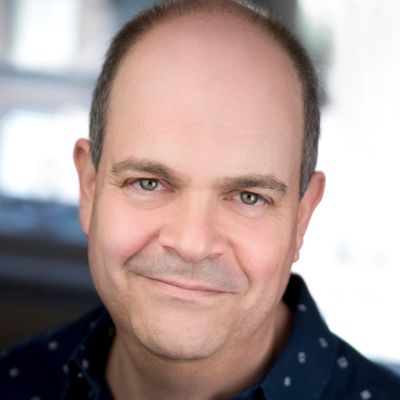
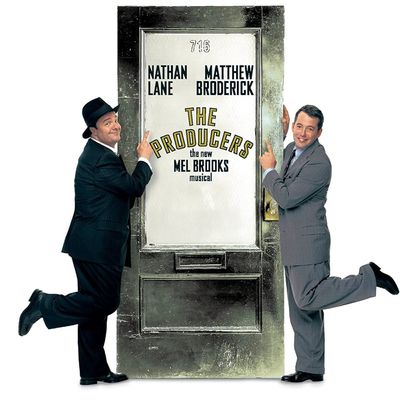
Brad Oscar and Diego Prieto are actors and husbands who have learned their own lessons in both living and working as a couple. Brad has appeared in nine Broadway shows and is a Tony-nominee for his performances in The Producers and Something Rotten. Diego has performed at some of the biggest regional theaters and is also an actor with one of my favorite organizations, Only Make Believe, bringing interactive theater into children’s hospitals and care facilities.
These two talented gentlemen remind us that just like our acting careers, being in a relationship isn’t about perfection. It’s about persistence through the ups and downs. We talk about how they met, what they've learned living and working together, and how they support each other emotionally and creatively.
SUBSCRIBE TO WINMI
Get access to Audition Stories, the Final Five questions, and other bonus content by becoming a monthly or yearly subscriber to Why I’ll Never Make It. Producing this podcast is rewarding in its own way, but I’m essentially a one-man operation. So it is both costly and time-intensive to put together each episode. By subscribing you’ll be supporting these podcasting efforts, and have access to extended conversations and other bonus content. Your financial support of this podcast is greatly appreciated!
- Subscribe to get access to bonus episodes and extra content
- Make a one-time Donation to support transcripts and podcast production
- If you’d like to support WINMI but have limited funds to do so, then contact me directly for reduced-price or even free access to the bonus content.
Follow WINMI: Website | Instagram | YouTube
Why I’ll Never Make It is an award-winning, Top Theater Podcast hosted by actor and singer Patrick Oliver Jones and is a production of WINMI Media. Background music is by John Bartmann and Blue Dot Sessions is used under a Creative Commons Attribution-NonCommercial 4.0 International License.
Transcript
This transcript was automatically generated and might contain errors.
[0:00] Patrick Oliver Jones: Balancing work and life is a tough juggling act for most any actor or artist. But adding another person, a relationship, to the equation can be even more difficult to maintain. And let's just say that actors as a whole aren't known for the longevity of their relationships. But that doesn't mean it's impossible. Connection with others is something we all need and desire. And it's important to figure out how to make it work. Brad Oscar and Diego Prieto are actors and husbands who have learned their own lessons in both working and living as a couple. Brad has appeared in nine Broadway shows and is a Tony nominee for his performances in The Producers and Something Rotten. Diego has performed in some of the biggest regional theaters and is also an actor with one of my favorite organizations, Only Make Believe, bringing interactive theater into children's hospitals and care facilities. These two talented gentlemen remind us that just like our acting careers, being in a relationship isn't about perfection. It's about persistence through the ups and downs.
[1:35] Patrick Oliver Jones: Hello and welcome to Why I'll Never Make It, or Win Me for short, one of Feed Spot's top 25 theater podcasts. I'm your host, Patrick Oliver Jones, an actor and singer for almost 30 years. And each week I talk with fellow actors and creatives, exploring the realities of what it really means to make it in this business. The website is why I'll never make it.com, and there you can sign up for the monthly newsletter as well as support this podcast financially. Learn about all that and more at why I'll never make it.com or click on the link in the show notes.
[2:17] Patrick Oliver Jones: As I was preparing for this episode, I happened to do a Google search for actors and relationships. And I found this one article titled Nine Reasons Why Dating Actors is a Bad Idea. Now it was written by a Dr. Ali Benazir, who authored two companion books on the Tao of dating, one for men and one for women. So would you like to hear a couple of the reasons that this relationship expert gives for not dating an actor? Well, one is that actors have funny schedules. Hmm, interesting. Another is that our self-absorption leaves little room in our lives for others. But one of the most damning reasons he gives, quote, they are incapable of sustained deep happiness. Really? Well, as someone who has dated men and women, actors and non-actors, I can tell you I have found some of these qualities in both.
So with that being said, dating and relationships are just hard, no matter the profession or the gender or the sexuality, and there are a multitude of reasons why relationships don't make it. And as my two guests today will attest, it takes work and commitment to build and maintain a thriving relationship and acting career.
[3:45] Diego Prieto: Hi, my name is Diego Prieto. I was born and raised in the DC area and moved to New York in 2007. And my parents moved here from Argentina. So I was the first person in my family born in the US. And my occupation, I'm a senior account director at Arsenal, New York, so I'm in sales for a visual marketing company.
[4:06] Patrick Oliver Jones: Diego's dream, like many actors, was to come to New York. However, he had a teacher in college that urged him to go back home to DC first and start his acting career there. So Diego took that teacher's advice and started his own theater company and performed in such places as the Kennedy Center, Signature Theater, and Arena Stage, which is where he also got his equity card.
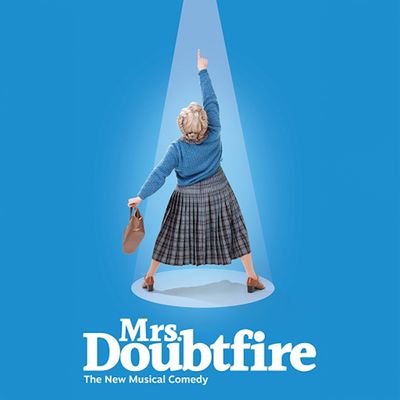
[4:38] Brad Oscar: My name is Brad Oscar, and I too, I was born in Washington, DC and raised in the DC area and have been in New York now since 1986. And I am an actor on hold, as many actors have been for the last year or so. Um, but uh no, very excited that finally once again things are starting back up, and in the fall, I will indeed go back into rehearsal for the show that I was doing when we shut down, Mrs. Doubtfire, the new musical version of that film.
[5:11] Patrick Oliver Jones: Now, unlike Diego, Brad graduated from college and came straight to New York, living the stereotypical life of most actors early in their career by waiting tables and auditioning as much as possible. But he finally got his equity card in 1989 and a year later made his Broadway debut as a swing in Andrew Lloyd Webber's Aspects of Love. And have been pretty blessed to, you know, have been working fairly consistently ever since. You know, supporting myself really as an actor in the arts because it's you know very random and very crazy. You know, I mean again, Diego had the best of both worlds in DC, uh, in that he was able to work professionally, you know, support himself financially, because you can't necessarily support yourself financially as an actor in DC on those salaries necessarily, because also when you work regionally, right, or you work outside of New York, I guess, or unless you're on tour, these gigs are for six weeks, these gigs are for eight weeks. So you're employed, but you're only employed for a various, you know, amounts of time. So you've got to put jobs together to survive as an actor in a regional city like DC or Chicago.
[6:20] Brad Oscar: But yeah, but Diego had a great gig where he was able to have a, you know, a job job as we call it, right? And then, you know, made that sacrifice to move up here and you know, auditioned and did his readings and some workshops and all that stuff. But, you know, eventually it gets, you know, it gets frustrating in the job that he's currently in, the opportunity presented itself. But anyway, it's you know, you juggle and you play the game. And I uh, you know, Diego made I know he's wanted he wanted to come to New York, but certainly us being together, he made that sacrifice to leave that to come up here. And uh, you know, I'll always, of course, appreciate that and always still wish him his Broadway show. I am semi-retired from acting. So you never know.
[7:00] Diego Prieto: Yeah, you and me, Diego.
[7:01] Brad Oscar: Yeah, we're both waiting for that. So it's never that's just it, though. You know, you're never retired from that. I mean, at any given moment. I you know, I truly believe that. And that's just the thing with acting careers, isn't it? They can change at any given moment, whether it's finally making your Broadway debut, or even having the entire theater profession go away as it did this past year and a half. In fact, that Mrs. Doubtfire musical was just one of many casualties of the pandemic, with just a handful of shows under their belt before all of Broadway shut down.
[7:34] Brad Oscar: We only did three performances here in New York, three preview performances, of course. We were previewing for a couple weeks before we would open, but uh we had done an out of town tryout in Seattle. So Diego had seen the show uh a few times in Seattle tryout, seen it change, because of course we worked on it there, and we're still working on it when we shut down and we'll continue it when we start back. So, you know, we have a sense of what we've got for sure, which again, which is why I'm yeah, very proud and excited. And I think uh yeah, it's a really good show. And I think those of you listening who know Brad and are fans of Brad, you know how amazing and hysterically funny. And this show is will just further highlight that.
[8:12] Diego Prieto: Oh, great. Now there's expectation.
[8:15] Brad Oscar: Now I want way, I want to take back the things that I did. I didn't realize Diego was your PR, your marketer, your promoter.
[8:24] Diego Prieto: You know, he is he is the perfect husband in so many ways. But yes, oh my best cheerleader, of course. I want to touch back on something that you had mentioned because you moved to New York in 86, and it was about four years until your Broadway show. And that can seem like an eternity, especially whenever you came here with those hopes. How was that four year gap and what kept you going, knowing that okay, maybe next year, maybe next month, maybe it's coming?
[8:50] Brad Oscar: There were a couple things. First of all, I had been blessed, I guess, with enough people in my life, mentors that had guided me, and many of whom were very aware that me, who I was, the person I was going to become, you know, this character actor, if you will, obviously, the older I got, the more employable I was probably going to be. So I was always sort of aware of that as just a generality, um, which makes it a hell of a lot easier at first when you're not getting work, let me tell you. But anyway, you know, I graduated college, I'd finally moved to the city. I was waiting tables at a restaurant in the neighborhood that no longer exists, but it was uh, and I say in the neighborhood, in here in Midtown in the Broadway district, and it was a place where a lot of people hung out, people in the industry, both on and off stage, and and uh, and I got to see so many shows for free with you know comp tickets and and previews and stuff.
So I was really having a ball just living in New York City and going to what open calls I thought I should go to or whatever, and trying to, those non-equity before I was union, those open calls are, you know, they're they're not fun. And then you get to sing maybe 16 bars and the whole idea of this. But um, so much of that time though, I remember so fondly, because it was the beginning of you know, the rest of my life, if you will. Uh, yes, all my dreams and aspirations, uh, but I don't remember being overly concerned that I something needed to happen. I didn't give myself a time limit. You know, I was blessed with parents who were very supportive. So I never felt like, well, if it doesn't happen in, you know, two years or three years or whatever people the limits people give themselves.
So, you know, relatively speaking, I feel like it happened in the sense that once I started working in uh yeah, in 1990, that I was able to continue working. You know, everyone's path is so different. If I'd had that Broadway show in 1990, and then that which ran a year, and then I went on tour for about a year with it or whatever. But you know, again, if those jobs hadn't fallen into place, one job after another, and you know, a couple years go by, things turn out differently.
[10:48] Diego Prieto: Yeah.
[10:49] Brad Oscar: So happenstance almost random, the path that we get on.
[10:52] Patrick Oliver Jones: Yeah. So fast forwarding, how did you two first meet? And was there an instant spark between the first two?
[10:59] Diego Prieto: Well, we met doing a production of Damn Yankees at Arena Stage in 2005. I was cast as Vernon, one of the ball players, and she wanted him to be Cuban. So I had a cigar. And that denote Cuban. Whatever. Well, at least you weren't best like the sandwich.
[11:16] Brad Oscar: Rad played Applegate. And no, there was no like spark when we were. Not initially. I mean. But I distinctly remember the first time I saw him, what him walking into this old ugly rehearsal space that was in this abandoned like all across from arena. It's all gone now. But we were in this, you know, and he's walking down the hallway and I shake his hand because he's meeting some people and I need him. I'm standing in the doorway to walk into the rehearsal space. And so that's where I shook his hand. So I I distinctly remember the moment I first saw him and the moment we met, which is, you know, not everyone remembers that whatever. But no, there wasn't a a spark per se. It was like weeks into the rehearsal process. We just yeah started sort of but yeah, but it was like what four weeks because four weeks so.
[12:06] Brad Oscar: Oh the core stories.
[12:08] Diego Prieto: Yeah, exactly.
[12:09] Patrick Oliver Jones: So when did you both know that this was more than infatuation or a showmance?
[12:16] Diego Prieto: Yeah, we had been very honest with each other from the beginning. We knew what we wanted, we knew what each other had and was looking for. He was in New York, I was TC, you know. Uh we sort of planned it to be a showmance at first, and then it for me personally, I remember it being like closing weekend of the show. We were at a party, and I just got really sad and emotional. And I turned to him and I said, you know, I know you told me not to fall in love with you, but I think I did. And it was a beautiful moment. And he said, me too. And so we were like, okay, that was the moment we were like, let's see what happens. Let's try this out. And he ended up keeping his dad's old car, which he just borrowed for the show while he was down in DC.
We have that car to this day. It's our car. And uh he was just gonna he was gonna sell it after the show because he didn't need a car here in the city. But yeah, so that's that's sort of how it happened. It was a showmance that then became Yeah, but by the end of the yes, we realized when I when it was obviously time for me to come back up here, and that it was something that yeah, we wanted to keep going and and could, because again, the the great thing about both of us being from DC, of course, is that both of our families are there and it's not that much of a you know commute from here. So that made the reality of continuing it totally possible in that respect.
[13:32] Brad Oscar: So it stayed long distance relationship basically for about two years.
[13:36] Diego Prieto: Yeah, just for about another, yeah, I guess year and a half years.
[13:39] Brad Oscar: Yeah, yeah. Which is weird looking back because it felt like such a longer now, of course. But yeah, um, you know, yeah, we did. But in that time, of course, I came to DC again to do another show. We did cabaret together. So we were and we lived together at that point downtown, which was great because we actually got to live together.
[13:54] Diego Prieto: Yeah, because they gave me an apartment when I came down to DC to do the show.
[13:57] Brad Oscar: It was a trial run.
[13:59] Diego Prieto: Exactly, exactly. Where I basically moved into his actor housing for two months or whatever, still in the in this in my city in my hometown. Uh, but yeah, that was sort of what I'm saying. So being in the same room, the same space 24/7, that that's when you know worked together, you know, so we were always together. But so again, that it were it was so easy and but then the longest time was when he was in Vegas.
[14:22] Brad Oscar: That was the longest stretch. We were apart, yeah, yeah, yeah. Because Diego was doing two shows in DC back to back, and I was doing six months in Vegas.
[14:32] Diego Prieto: Yeah, six months opening The Producers in Las Vegas, which is when we first met you.
[14:36] Brad Oscar: Right. I was in the building across the way over there at Bally's doing Jubilee.
[14:42] Diego Prieto: Oh my god, some of the best times of my life, some of the best times.
[14:48] Brad Oscar: Well, I have to say that because we had a 12-show week, which is crazy to think about now, but we did 12 shows, and Thursday, ironically enough, was our last show of the week. So we had Fridays off. That was our one day off. And I remember every Thursday, you guys from the cast. It was the perfect thing. We had an eight o'clock show. We only had, you know, we kept paring down, right? You know, the whole Broadway and Vegas thing never really worked ultimately. But anyway, I think we did an eight o'clock. We were done by 9:30, and you guys did a—was it like a 10 or a 10-year-old?
[15:21] Diego Prieto: It was a 10:30 show.
[15:22] Brad Oscar: There you go. So we would do our hour and a half show, come down at 9:30, we would have some cocktails and some to eat whatever in the dressing room, and then we would come next door, you know, and see Jubilee. And it was such a boost, you know, because we were on our 12th show of the week. So if we were tired, but then you guys would come in and it was just like life out there in the audience because, you know, we had a lot of people, especially tourists who would come in, buy these $95 tickets in the front tables and then fall asleep.
[15:52] Diego Prieto: Yeah.
[15:52] Brad Oscar: So of course. No, of course. It's very hard, you know. Again, it's especially there doing things and shows like that, you know, people don't appreciate always what's happening. They don't connect. You know what I mean? I just come on. And you guys worked your tits off. Because I'm sure you never stop changing, you never stop. Again, people just don't get what's really going on. And that's like Vegas was so special too, because that was the time we decided I was gonna move up as well.
[16:20] Diego Prieto: I remember it was in Vegas.
[16:21] Brad Oscar: Right. But Diego was gonna move to New York, yes, coming up on Valentine's Day.
[16:25] Diego Prieto: Oh, how tower.
[16:27] Brad Oscar: Oh my gosh. David Hasselhoff said, "I'll make sure you get my table for Valentine's Day. I'll make sure you get my table," which his table. It was, but it was the table like in the corner. I'm just literally looking across at the Bellagio with the—so you know, it was beautiful. We had a lovely Valentine's Day.
[16:43] Diego Prieto: So then you decide to move to New York. Was that both a professional and personal decision for you?
[16:49] Brad Oscar: Yeah. Totally.
[16:51] Diego Prieto: Me too.
[16:51] Brad Oscar: Yeah.
[16:54] Patrick Oliver Jones: So then what changes or adjustments did you, Brad, have to make now that you have someone living with you in New York? What kind of adjustments did you have to go through?
[17:02] Brad Oscar: I mean, at that point, it was great. It was so great to have him here for us to be again together again, as far as that living together, being together, and setting up what I hope was the rest of our lives together. So it was actually, I remember it being actually quite wonderful. And, you know, Diego was again so thrilled to be here, and I was so excited to introduce him to, you know, life in New York. Mind you, his best friend ironically had moved from DC to New York the year before, a year and a half before, you know, and he had plenty of friends, either people he worked with in DC or whatever. So it wasn't like he was moving to a place just for me, you know, he wasn't my Russian war bride.
[17:40] Diego Prieto: Exactly.
[17:41] Brad Oscar: So he had, and that was great. So I don't remember it being a huge adjustment in that way, other than it was just so great to be together.
[17:49] Patrick Oliver Jones: But for you, Diego, I'm sure it was a bigger adjustment.
[17:52] Diego Prieto: Yeah, I mean, I was moving to a whole new city, but I was used to living in DC, so it wasn't that big of a deal city-wise. When I moved in, he had a whole corner of cardboard boxes and nothing on the walls. So when I moved here, it felt like we made it, we really were able to make this a home together. And it was stuff we talked about in Vegas once we made that decision, because I had been here, so I'd seen it, and I was like, "Oh, we're gonna do this, we're gonna do that." So it was—we made this our home together, even though we'd been here a couple of years.
[18:19] Brad Oscar: I mean, I'd been here a couple of years, but you know, that's the part of me that's sort of straight is that I had not really done a lot other than I was able to do some renovation and stuff like that, and had help, of course. But I mean, I didn't do it myself. But anyway, what's nice is when he did move up, there was still plenty of stuff to be done in the apartment that we could make it our home together, right? So it wasn't, you know, just like he was moving into my existing world entirely. We, you know, we started to buy plenty of pieces that we needed together, you know, replace things or whatever that might be. So yeah, that was great.
[18:52] Diego Prieto: Specifically for seeing in Brad was him being used to, you know, because as an actor, he would be out of town here and there or whatever. And when I would be here and he was not when I first moved in, and I was having friends over, you know, coming up from the city to stay with me. You know, I remember it being like, "Oh, um, okay, everything's gonna be okay." Like, you know, it was—I he was leaving his apartment in my hands, you know, like that adjustment of trust.
[19:20] Brad Oscar: No, no, that was before you moved up, and I thought maybe you could still be a serial killer or something, and you had the keys to my apartment, and you were inviting me. And I was like, "My friends are coming up," and he's like, "All I saw was a bad 80s movie about to happen. They're gonna take over your place, Brad, kick you out."
[19:35] Diego Prieto: You're so right. That's so funny.
[19:36] Brad Oscar: But no, I mean, but no, there was—I still never felt like it was any challenge, you know, in terms of adjusting to really—it really felt very organic. It wasn't, yeah, again, it didn't feel hard.
[19:48] Patrick Oliver Jones: Well, that's certainly one of those signs that it's meant to be. If there's a smoother transition to getting into this new chapter of your life, then maybe it's the right chapter to take, right?
[19:58] Diego Prieto: Yeah, you know, it was just very easy. So with you both in the city, did it ever come up that you were both up for the same role or the same show? I mean, you're both kind of character actor types.
[20:09] Brad Oscar: Well, the one, and I'll tell you, because that's the worst, you know, being two actors in a relationship, there's no way, especially character. I mean, exactly similar type. The competition exists merely because—not competition as much as just comparative, whatever I'm looking for, the right word might be. So that always sucks to be in a relationship with a fellow because your empathy, my empathy at least, is overwhelming. And two things about Diego immediately that made this work when he moved up here professionally, I think, slash personally, is A, he said to me early on, he said, "Your successes are my successes." So right away I was like, "Wow, if you really mean that, then I can truly enjoy the success that I have or have, you know, will have or have had, and it's no indication again of better or worse, or this or that, or talented or you know what I mean? Because what we do is so subjective."
[21:00] Diego Prieto: So there's that.
[21:04] Brad Oscar: Plus, when Diego moved to the city, that was 2007. So I had by that point already done several Broadway shows. I had done The Producers. And you know, I had established myself enough in our little village of Anatevka that it's not like we were in the same pool, if you know what I mean that way, realistically. So that wasn't a competitive issue.
[21:27] Diego Prieto: No.
[21:28] Brad Oscar: The hardest thing was and still is that I just wanted him to get work. I just wanted him to be able to do what he loves, does so beautifully, and make a living doing it, or even not make a living if we can make a living together doing it. Because honestly, you know, in the rare times in my life when I've been making some stupid money, which actually was really just with The Producers, really. And then sometimes if I'm working here at home, and we'll see because times, you know, we'll see what happens now economically and blah, blah, blah. You know, I want Diego to be happy doing whatever he's doing. But yeah, my dream, of course, would be for him to work as well. And again, just put together jobs, you know, and we could make it work financially.
I mean, right now, like it's a mixed blessing that he's got a good gig with health insurance, with you know, there are plenty of good things about this job. It's very close to home, can make his own hours at times. It's absolutely, you know, so we were—we understand. I say we, yeah, you know, but well, I mean, that was part of the whole switching gears there was because I feel like I lived vicariously through Brad in many ways, and I still feel very much connected to the theater community here in New York now, more than ever, really, you know, because I've had the opportunity to meet such wonderful people who he's worked with, and we've just hit it off. It's been amazing.
[22:46] Diego Prieto: But I also felt like—and never did I feel any pressure from my husband when I was unemployed for so long that I had to switch gears. It was all my decision, but again, just being connected to what I love so much. And again, being able to experience that in a way has been a blessing, really having to leave and pivot. I still feel very much connected. And you know, I get to experience really amazing things.
[23:17] Patrick Oliver Jones: And it sounds like that you've both found a person that of course you each have your own careers. You're trying to make that work, you're trying to support that and be as creative as you can. But then you also have this partner who is supporting and wanting just as much, if not more for you.
[23:31] Brad Oscar: Yeah, it's true, which is great because it's, you know, and that's again when that's real and pure, because it's not then complicated by any kind of jealousy or just all those things that we all naturally tend to feel for whatever reason. Especially again, I maintain as artists, you know, and that's a huge umbrella, as we know, artists.
[23:52] Diego Prieto: Right.
[23:52] Brad Oscar: It is purely subjective. So one person will read your book and say that was the best book I've ever read, and one person will read your book and say, I didn't get it. And one person will look at that painting and say, "Oh," and one person will say, you know, so it's all subjective. And so we all live in this world where we're constantly being, you know, anyone's idea of who we are can define that if we let us. So anyway, in a relationship with two artists, as twer, to not let it be about that in any way. It's not subjective.
[24:21] Diego Prieto: I don't know, yeah.
[24:23] Brad Oscar: I think we found a very good place, you know. And again, I think I look at it as Diego being a very special, accepting and a person who made me see, you know, opened my eyes to ways that you can communicate, if you will, and trust that let that exist.
[24:40] Patrick Oliver Jones: So have the two of you been able to work together as far as like doing each other's auditions, you know, reading with each other and helping in those kind of ways as well?
[24:49] Diego Prieto: My God, my poor husband. I have never done so many accents and voices in my—
[24:55] Brad Oscar: Please.
[24:55] Diego Prieto: I have to tell him to cool it. I'm like, if the reader's better than the performer, right?
[25:00] Brad Oscar: Yeah, exactly. I'm telling him, Diego, if you get this job, because God bless him, you know, basically for the last—once film and TV started to pick up in the fall, I was able to at least put myself on tape, you know, again and again and again and again, and you know, not book a job, God bless. The frustration of, you know, again, this world that we live in. But that's never been my—you know, I've gotten—I’ve done my Law and Orders and Good Wife and Secret Secretary and all that stuff. But anyway, thank God for Diego because he knows what he's doing. So he was a great reader, but then technically, literally to have someone help to just put you on tape to start the, you know, and you gotta put up the ring light and you do the—it's just such mishigas, and yeah, so I'm so grateful to have him for that.
[25:46] Diego Prieto: Either of us are very tech savvy, yeah.
[25:49] Brad Oscar: So it's, you know, it's—yeah, we've—you know it. I don't know how people do it by themselves.
[25:55] Diego Prieto: Yeah, that's tricky, I would think to do it by yourself is tricky.
[25:57] Brad Oscar: Yeah, yeah, it's all about turning that camera around and just hoping it looks good.
[26:02] Diego Prieto: No, we're—yes, we're there to put each other on tape whenever we need to. You know, I've done a lot of stuff for him, but he also for Only Make Believe we did the—oh yeah, we filmed it all thought it was great. We filmed an entire show in the living room. Basically, it's not OMB Live because we do live shows on Zoom, it's a pre-recorded and produced show that you can download and see or whatever. And so Brad was my art director, technical director, green screen assembly person. So, you know, we both have done it for each other at this point, which has been really fun.
[26:39] Patrick Oliver Jones: Oh love it, love it. Now, in what ways has being together helped your careers?
[26:46] Diego Prieto: Wow, that's a big question.
[26:47] Brad Oscar: Well, yeah, interest from for me personally now, it's just I just feel supported in whatever decisions I need to make, and not feeling pressure for anything. I, you know, it's because again, what Diego does is, you know, it's on commission basically. I mean, it's as far as getting clients and the jobs that he does for, you know, mostly high-end retail. So, you know, it's the same, you know, he jokes, it's the same hustle as acting, only different. You're trying to get the same kind of gig, you're competing with other people for the same, you know, vinyl jobs for the windows or the same thing. It's a huff song, you're always auditioning, and you're always trying to sell yourself, and you know, you go from job to job.
[27:25] Diego Prieto: And yeah, when I interviewed my boss said, "Oh, you're an actor, you're used to rejection. That's great."
[27:33] Brad Oscar: Isn't that true?
[27:33] Diego Prieto: Well, I mean, it's true, but it's also kind of harsh to hear it out loud. A lot of rejection, you know, you're always bidding on jobs, and no, sorry, we gave it to someone else who was cheaper or whatever. And with COVID, things have really slowed down. So I just never feel—and again, it's all commission. So I—it's not like I get a salary, the same paycheck every two weeks. I get a commission of what I sell. So it's just been a little tough lately, but again, I've never felt any pressure from my husband's, you know, anything like that. So I just feel very supported, and I know that any decision that I make, whether it's a midlife crisis decision or not, which I've never—you haven't gotten there yet.
I have a long way to go. Uh, you know, look, when he took the job, obviously because he was making a choice to take, you know, when you take a job that requires you to literally go to work five days a week, you take a job. It's not like you're, "Oh, and I'm gonna be an actor too," because you can't start going to auditions, you can't, you know, make both commitments. So, yeah, um, right at the beginning, we decided, okay, if you hate this when the day comes or whatever, that this is then you will leave because that it's not worth it. We can make it work, we will make it work. We have made it work for the last year and a half, with both of us, you know.
[28:44] Brad Oscar: I mean, me not really bringing in anything at all, and Diego obviously severely slowed down and now picking up a little bit. But, you know, look, we are lucky because when I was doing The Producers and making what I referred to earlier as stupid money, I was smart enough to save money and invest some money, and you know, so money for the rainy day, which it certainly has been pouring for the last year. So, but we don't have to worry about paying our mortgage. We are very blessed because as people, you know, living in New York City, in the industry, if you will, in some capacities or whatever, in many industries, we are lucky that that was not a problem for us the last year. I mean, it's time to start making some money, but God bless.
So I'm glad he feels that way because I never want him to feel like that he's got to, you know, because it is what it is, and I totally get what he's doing and how frustrating it is. I see the work that he puts into getting these bids together, getting these proposals together, and then you don't get the job, you know. So it's the same damn thing. I think of all the ways that I've learned from Diego, I guess, all the ways that he's just opened my eyes to different ways of thinking or seeing things, situations, people, whatever that might be, and that is invaluable, I think, when it comes to being an artist, because that's all that we do is observe and try to be and try to reflect the world and all that stuff.
And you know, obviously we can talk in many, many highfalutin terms, but I think the more the wholer you are as a person, or the more you can see of the world, and especially the more you can see in other people, the richer life is, much less I hopefully the better you are as an actor, as a performer, as an artist. So yeah, Diego has certainly done that for me. And I would guess that as you come together as a couple, it goes from mind to ours, you know, these kind of changes in vocabulary, but also just in the support that you get through those rejections.
[30:47] Diego Prieto: Oh, yeah, you know, like Brad was talking about all these auditions on tape, you know, I've seen him get very frustrated and upset that there's all these things that we've tried to get and nothing's really hit. And you know, just sort of like, I don't want to forget this one. And I would be like, honey, let's just put it on tape and I'll convince him to, you know, he'll just wouldn't feel like doing this certain audition. I'm like, just take a breather, you know, and I'll try to just balance that out. And that's what our relationship is all about, and something we still work on is balance when one of us is feeling one way, the other person automatically usually always counterparts. And I hear about it when I don't, but he's right, he's like, No, no, you're supposed to do that, and I'll like you're right, honey.
You're right. There are times when I'm like, I was expecting you to balance my anger, not you also get angry at a certain situation or something like that. Right. But that's when I kick in to like, because I know what that's like to be like, I'm done, I don't want to touch this today. You know, and I'm like, that's my job to help ease him out of that, or just be there for to let him let out that frustration and let out that, you know, whatever he's feeling. You gotta let it out, let it out. And I'm there to be that sounding board.
[32:02] Patrick Oliver Jones: As the old cliché goes, when it comes to relationships and especially marriage, it's all about give and take. Brad and Diego have found a partnership that relies on balance and being there for each other. But they not only give to each other, they also give to others. And so the three of us talk about an organization we all love and support called Only Make Believe. In the second season of the podcast, I did a couple of episodes focusing on Only Make Believe, a wonderful charity bringing theater to children in hospitals and care facilities. And in 2010, that's whenever you and I both, Diego, that's when we both joined OMB. You joined as one of the actors, and I was a volunteer at that time, kind of helping in the office.
And Brad, you were with OMB since about 2005 as part of the honorary board, and that's changed to now you're a permanent member. You're ensconced in the hierarchy of the board now. But for you, Diego, as an actor of the company, what has that experience been like for you over the years of acting for these children?
[33:10] Diego Prieto: Oh, it's an amazing, amazing organization. I went as a grad's plus one to a gala, and I was like, this is right up my alley. My older brother grew up with special needs, so I did a lot of stuff related to that, including Special Olympics, things like that. So I've always had that love of working with kids with special needs. So when I learned about Only Make Believe, I was like, I want to be one of these guys. And so when I moved to New York, you know, I waited, they didn't really have any openings right away. So I waited a few years. Finally, they had some openings and I auditioned. And I have my days now when my boss knows I do it. My colleagues know that I'll leave randomly during the workday to go do one of these shows.
And my company has produced printed materials and stuff like that for Only Make Believe pro bono because they know what it means to me. But there are days when I'm like, you know, in the weeds, you know, busy with work, and I have to go do a show, and I'm like, this I don't have time for this. And I get there and I immediately realize everything's put into perspective, you know, and it just makes my day so much better. And I realize what really is important. And so I always leave with such gratitude, and I just feel so lucky to have that opportunity to reach these amazing kids, you know, who just teach me every time what it's like to really open your mind up and play, you know, because play is so important, even as adults, and these kids just releasing, you know, it's amazing seeing, you know, and there's so many different stories I could share with you.
But sometimes there's kids who don't want to participate, they're in a bad mood, and you see them transition from that all the way to the other side of the spectrum where they're participating. You see kids who are just like super excited to participate that energize their fellow kids, you know, and sometimes these kids know each other, sometimes they don't, it doesn't matter, but just watching them all get involved, and for the most part, 100% of the time, they all come around during the show. And it's just such a beautiful thing. And to see kids do it for some of their other friends. You know, sometimes we do sites that have a wide range of ages, and sometimes the older kids will take on that role of someone to look up to, and they will, you know, help their younger friends open up or come out of their shell a little bit more and participate.
It's incredible. I love the organization. We love it very much. For our wedding, instead of gifts, we asked for donations to Only Make Believe. So I love any time that they ask me for something, I try to make sure that we are able to do it for them there. And recently now during COVID, it's gone online. So I've been recently working on online shows, which is really a whole different, yeah. So that's been really fulfilling in many ways as well. So I still do get that kind of creative outlet. It's been on pause as everyone has been for the last year and a half, but still it's something that you know I love so much to do, and it really fills me creatively and yeah, and I always say that that's taking what you know we do as actors, storytellers, and elevated to the highest degree of good, exactly.
Because what Only Make Believe does, you know, this interactive thing with kids in hospitals or whatever, and then is so important and so crucial. And you see, you literally see how telling stories, acting, make believe what that does to a kid's imagination, to a kid's mind, especially kids that are in strange and scary places, you know, but it's no different than any of us going into a theater and lights going down and being taken on an adventure or whatever.
[36:49] Brad Oscar: So, no, Diego, and I listened to him because again, they've been doing these online shows recently, and I'm so joyful because not only is he getting to act again in that way, or still acting again, totally, you know, and hilarious. I hear him, and I'm like, God bless, you know, but using it to this purpose for this reason, and it's inspirational and it's very, at its base, there's something so pure and joyful about it. They're an incredible group, and I'm so happy that my husband is now on the board because I feel like he represents the more of the actor side, because sometimes, especially in organizations like this, the board is very far removed from what actually happens in the right, right? Because there's so much about the numbers or you know how is it doing or the logistics of things rather than the art.
[37:34] Diego Prieto: Exactly. So this way is I feel a way for us to be a little bit more represented. Because I feel like he, being married to me, also knows what it's like, and he's been to many shows and stuff like that. So I think that's gonna be really good for the board. I'm excited about that.
[37:50] Brad Oscar: Yeah, it's something that's been near and dear to my heart as well since 2010, whenever I joined. And for you, Brad, you performed at the galas as well as being a part of the board, and so you've been a part of making sure that the word gets out more about this organization.
[38:06] Brad Oscar: Correct, exactly. Yeah, yeah. I was brought in, yes, a friend was an assistant for a while to the woman who founded Only Make Believe, Dina Hammerstein, and yeah, I performed at one of the first Gala benefits in 2001. And gosh, I think I've only missed a couple over the low these 20 years, I think, or 19 years of benefits, but now yes, now on the real board, so which is great. Like Diego said, just to bring whatever perspective I can, because I do strongly feel that the actors are the backbone of Only Make Believe. I mean, you all you need to do is actually go see one of these shows live. I mean, you see the videos, and you know, you read about what they do, and you know, you know what they do, and you've read about it and you've seen maybe clips.
But again, as Diego was just saying about the experience of performing these shows and the effect that it has on these kids. These actors are really special people because I as an actor, I don't know that I could do this as well. But you have to have a certain, there's just, you know, dealing with kids and then dealing with kids in these situations that are critically ill or that have all these issues to sort of detach emotionally in a way and yet be able to be there fully present and engage and then be prepared for whatever might come your way, because these shows are scripted, but they're very interactive, so lots of stuff happened. And kids will say and do anything. And let me tell you, as an actor in general, I'm not an improv fan at all.
I'm not for improv. I want to tell me, you know, give me that page. I'll, you know, whatever we can play, but not please no. So yes, so there's so many aspects to what how they actually have to deal with as performers, as actors that incorporate so much more of what we normally do when you're just doing a normal play or script or film or whatever it might be. So it's a great thing, it should be everywhere, as you well know. This should be in every children's hospital or facility, you know, around the country, around the world. It's a wonderful thing, so yeah, and it's great, and it's something we can share, which is terrific, you know, that we can share it together and both be, you know, so involved. Again, Diego's much more involved than I am in that way because he's doing the thing, but it's totally a family affair, and it's so fun.
[40:23] Diego Prieto: It is, and our both of our mothers, this is, I mean, it literally is a family affair because up until a couple years ago, now, really, Diego's mother was a translator at Children's Hospital in DC where OMB performed. Interpreter, sorry. And my mother was a volunteer at the Children's Inn at NIH in Bethesda, Maryland, where OMB started to perform. When OMB went to DC, I was part of the team that went down there, helped them with auditions and all that stuff. And then when they hired their actors, I went down and we did shows at NIH that his mom got to see and at Children's Hospital, which my mom got to see. So that was really cool because they were two that we were in three facilities when we first went to DC. And his mom worked at one, and my mom worked at another.
[41:11] Brad Oscar: I love that. And I also love you had mentioned that you had wedding gifts going to OMB. And I love this story. So I wanted you to tell it, your wedding and where you had it and who officiated. It just kind of brought everything back full circle for both of you.
[41:27] Diego Prieto: It did. It did. Um, yeah. Well, I remember when Cabaret was finishing up back in 2006, we saw a model of this new Arena Stage. They were renovating, they were keeping the existing two of the existing performance spaces, the main two performance spaces, but literally building around them a, you know, one big beautiful space because they weren't connected. It was an old bad 60s design, you know, where I grew up basically education, learning so much about theater, going to Arena as a kid. So anyway, and then we meet there and blah, blah, blah. So then they do this renovation. So then we see it after it's done a couple years later, and you know, we joke, oh, you know, wow, you could have a wedding here, we could get married here.
Wouldn't it be great to get married where we, you know? Well, you know, no joke, they were starting to do events. It's a great thing for Arena now because any regional theater that can find any other way to bring in some extra funds, you know, it's terrific. And this is a great event space. So indeed on Monday night, dark nights, whenever you can have so. So yes, when it all went down that we were going to get married. And actually at that point, we could only get married in DC because it was not yet legal here in New York City. It wasn't legal nationwide yet. Yeah, we went, we talked to Molly Smith, the artistic director of Arena Stage. And, you know, we said since she was the one that directed us in Damn Yankees and Cabaret, we felt it was important to have her be our officiant. So she accepted. She got ordained and did everything.
[43:03] Diego Prieto: You know, she did a lot of work because God bless DC, it's a really hard place to get ordained and be able to do a wedding. Whereas in places like Maryland, you can get online and in 20 minutes ordained. Um, so we, you know, uh, thank you, Molly, for doing that for us. And she, yeah, so she officiated our wedding and we got married in the nest, which is the third new space that was created when they did this huge renovation in 2010. And it's all about um nurturing and cradling new American works. Like the Brad and Diego show. Yeah, it's a beautiful thing. It's really beautiful. And so yeah, Molly officiated our wedding, and she said to us, she was, you know, if you have because we're dealing with the theater, you know, we knew, and because we had worked there, we knew the people who did all the tech and the lighting people were very open and welcoming to us.
Um, the entire theater staff was wonderful. And Molly said, if you have any issues to let me know, I will push from above. Um, so they were very wonderful, gracious, and just we had everything we could have possibly dreamed of amazing events. And as you'd mentioned, uh marriage wasn't legal yet nationwide. And so, what prompted you both to make that step? I mean, you'd been living together several years at this point. So, what made you decide on marriage?
[44:26] Brad Oscar: When 2009 on my birthday, Brad surprised me with a limo. And I I get up and we go downstairs, and there's a limousine waiting for us. And so the limo takes us down to City Hall, and we got uh our um domestic partnership. Is that what they called it? You know, I didn't know we were doing it, but from that's what we did for my birthday in 2009. It was really sweet and romantic and so cute. So we got domestic partnership in 2009. So that was as far as we could go, and we're like, this is wonderful. And part of the reason for that though was also, I mean, not only that, because you know, the funny thing is people, you know, who proposed to who? When did you decide to get married? Uh uh neither of us can look back on any moment when one said to the will you marry me, or we really decided, oh, let's get married.
It just sort of naturally sort of it just progressed. Felt like I guess we'll get very organic. And the reason uh getting back, sorry, to the domestic partnership. Diego had moved up. I was about to go on tour for nine months, 2009. So Diego obviously was going to be here in the apartment, you know, alone while I was gone or whatever, living, you know. And you know, my name was on the lease of the apartment, of course, or whatever. And so in that and and any other way that it could ever come up, I didn't want there to be any issue as to you know what our relationship was. And at that point, again, the most you could do was a domestic partnership here in the state of city of New York. So, yeah, so that made it official in that way, and I think that probably led to well, yeah.
And then in 2011, you know, DC passed gay marriage, right? And we thought, oh, that's amazing. I think why don't we go and literally or was it and then 2012 New York passed it, but we were planning on getting married in DC anyway. So once they passed gay marriage, that's when we were like, Yeah, I mean that become sort of a reality in a way. And and so we did. We and Arena Stage had finished, you know, two years from their grand opening of their new amazing space, and we were like, that's where we want to get married. Let's it there, it's allowed now. Let's let's do it. So yeah, it just happened. And we we sort of had a plan it, not knowing if it was really gonna happen because we didn't know his schedule.
So it's one of those things, and it just all worked out. And it was a Monday in April, and of course, people are like, Monday, why are you getting it? I know it's like, and and every actor understands, of course, it's on a Monday. And and and again, especially because it was at arena. I mean, we literally had to do a Monday in the space, and it was everything was dark. So we had the we had the whole all three spaces to us if we needed them for whatever reason. It was a wonderful. Yeah, it was great. It was crazy.
[47:09] Diego Prieto: So, with the two of you, I am curious with things kind of settled for you both as a couple. What do you hope or how do you see yourself growing over the coming years together?
[47:22] Brad Oscar: Hopefully, not much bigger than we are now. Hopefully, not literally physically. Yeah, yeah. That's an interesting question. For me, it'd be amazing, just more of the same, really. Like, I I love our I mean, I think we just want to kick it, you know. We love certainly doing stuff, you know, traveling, you know. We would love to maybe sometime, you know, get a little house outside of the city. We have dreams like that, like just like everyone has. Just like every married couple, just like every married couple, but um, but yeah, I mean, I think that's the yeah, the joy of sharing your life with someone in that way. One thing I am hoping for and wishing for and happened for a while is we we have one for baby.
Oh god, no, don't bring but I no, you know, I really want to I want a second baby. We're not getting another dog, it's not a baby, it's a dog, and we're not getting a second hear me, people of podcast land hear me. This is a problem, yeah. So, yeah, great. Great. See, everything was so rosy. We're like, oh, what a wonderful couple. They seem to be such a lovely couple. Until you bring up the dog or the baby or whatever it's called. No, we have a perfect situation with an amazing dog that we love so much, who is not a dog's dog, he does not like other dogs. Not that he's uh aggressive, it's not about he just wants to be left alone. He's like Garbo. But as long as he loves you, that's all that matters.
[48:42] Diego Prieto: Exactly. But leave well enough alone. Exactly. Thank you. Moving on. Well, I do want to end on this because I I have to bring it up because one of my favorite moments for you, Brad, is Nostradamus in Something Rotten. Uh, the it's a musical number, of course. I mean, basically a seven-minute long ode to musical theater. It's the true definition of a showstopper. And I saw the show three times. Oh, yeah, I was I was one of those people, and every time that number got thunderous applause, people were standing, the show literally had to just wait to continue until that was done. Did you or the writers have any idea that that number was going to be so so huge and just stop the show?
[49:25] Brad Oscar: I don't think so. I mean, I I don't know if they did. I certainly did not. I knew it was a really fun number. I knew that it had been really well staged and you know, had this ridiculous ensemble of actor, singer, dancer people, you know. Uh and uh so anyway, we knew it was funny. I thought me, you know, ever the critic and ever the watchful eye and the judgmental, you know, because I want to get there before you do. If you're gonna criticize something, I will have said it first, right? But anyway, I thought, was it too meta? Was it too wink, wink, nudge, nudge, look, we're making fun of musicals, look, we're we're sending up or we're having fun or we're referencing. I don't know. It just felt like that had been done a couple times already recently enough in several shows, you know, spam a lot or Evening Q or their other examples or producers.
Well, producers started that ball rolling, exactly. Right. But honestly, no, we did a group sales presentation at the Little Schubert Theater, which is a theater on 42nd, or it was called the Little Schubert, it's not anymore, but it's an off-Broadway house that seats about I don't know, five, well, obviously 500 or less, but it's a nice, decent-sized space. So we did a group sales presentation for people from all over the country. So by groups, we did the number. It was in this smaller off-broad, you know, space, a crazy reaction. It was very exciting. And we thought, wow, that was really fun. We did other numbers from the show. They seemed to love it. It was all went well. But no, when we did the first preview in New York, and literally they stood up and it was crazy.
And then that happened the next night. And it happened the next night. And for a while, it was ridiculous. Um, no, I don't think anyone anticipated that that would happen. Because I've been going to the theater long enough. I love musical theater. I love musicals. I, you know, it's my favorite thing when the lights go down and the overture starts. So I've been in the audience for so many shows, great shows. And I've rarely ever experienced that as an audience member, you know. Uh uh, and so yeah, I I knew we all knew that's just it. Again, a company of veterans. We all knew this does not happen. This is special, this is wonderful, and you, you know, you live it and you appreciate it. Because even talking about it to this day, I, you know, I wish I could experience that every night.
It's what we dream of. And um, but I also experienced it to its fullest every night because I knew this is really special, and I didn't take it for granted. None of us took it for granted again. I'll never forget I went to the invited dress, and it's a house full of people. Right, exactly. Judgy, judgy, judgy, but love you. But also judgey judge judgy as they should be. And the number ends, I'm in the first front row of the balcony, and I'm with my my friend Vishal, and the crowd goes wild, and we're going wild, and then it just kept going, it just kept going, and then all of a sudden people are standing, and we look at each other, and he's like, Oh my god, oh my, and we were like the last people to stand because I was like, This is unbelievable.
And I'm you didn't think it was that good, right? Like, I remember you thought and I'm looking at I'm looking at my husband and the whole cast holding their playbills, you know, and they're like just final pose, just like living it and taking it in, and it was just so amazing. And I uh I'll never forget that night, and then seeing his parents afterwards, and they were like, How was the show? Because they're coming the next night to the first preview, and I was like, Oh my god, you guys are going to die. After Brad's number, they literally gave a standing ovation for five minutes. It stopped the show. Brad's like, honey, no, that's not gonna happen tomorrow. Don't get them excited. That's not how that just that's not gonna happen. And sure enough, they got to witness that themselves, and you know, they were overwhelmed at how what a beautiful yeah, it was incredible.
[53:15] Diego Prieto: Well, that's what surprised me so much. Since I got to see it three times, and I brought a different person with me each time. It's like you have to see this show, and so it was crazy each time. Like the first time, I was just excited. So I was one of those standing and applauding, but then the second time I was more looking around to see how what other people are gonna do, and they stood in front of me, and then we all stop and the show and the clap, clap, clap. And then by the third time, I was like, Is it is it could have happened? And it just happened again, as you said, being in the audience and getting to see that in the same show at the same spot every time. It was just a magical thing.
It's like these people get it. So, yes, it is that wink wink nudge, as you said, but it's also for people who love this art form. It was there were so many subtle references, sure, and so many, so many it was built that you could have ended that song at so many different times, but it just built and it was written so beautifully that it it just kept growing and growing. So it the only way for it to end was in that eruption, yeah, you know, and it's such a you know, as you say, it is it's such a celebration of the as the whole show is. The whole show really is a well, the whole show is really about the creation of the musical, if you will. So, you know, it's a celebration of what the American musical comedy is.
So that number, of course, you know, crystallizes that in in so many ways. But it's also what I love about the whole show. Um, is that I think it really celebrates what we love about American musical comedy, and it's smart, it's really smartly written, and uh it was a terrific experience. Everybody got on the same page, and that's the trick, I think, to create a really good piece of musical theater is to get everybody, because there's so many various components that come into telling that one story. You know, it's not just one author sitting down with a pen, you know, and a director putting on a play. It's a lot of people composer, learner, da-da-da-da, choreography, this. You know, we know sets and costumes can mean so much more.
Anyway, it was just uh after the producers, I never thought I would be a part of something uh that felt as special and wild and unique and exciting, and you know, that really people were so abuzz and and something rotten, you know, at that very same theater, some how many years later, 14. Thank you. Um, yeah, it's like there I was on stage at the St. James, and it was almost more thrilling because people expected the producers to be good in a way. I mean, you know, Brooks and Nathan and Matthew and Strowman, who had all these talents coming together. You hoped it was going to be at least decent. Something rotten, nobody knew what the hell that was. Yeah, we didn't know what what to expect. So, you know, the expectation wasn't there, and so that's why it was that much more thrilling because we were like, wow, this is you know so yeah, I'm so glad that you got to experience it a couple of times because yeah, it was really special.
[55:56] Patrick Oliver Jones: Yeah, cool. All right, well, thank you so much. This has been a joy to talk to both of you. I have loved sharing and getting your little hints of wisdom, both personal and professional. Thank you. And it was fun for us to do it together. Yeah, yeah.
[55:57] Patrick Oliver Jones: Thank you so much for joining myself, Diego, and Brad in this wide-ranging conversation about relationships and performing. I think we've shown that Dr. Alezir that it's not always a bad idea to date an actor. Sometimes it can be quite wonderful and even magical. Well, don't forget the conversation continues on YouTube with the final five questions as well as some audition stories from Brad and Diego. You'll find a link to the Why I'll Never Make It YouTube channel in the show notes. I'm your host, Patrick Oliver Jones in charge of writing, editing, and producing this podcast. Publicity provided by Imagine PR Group. The karaoke song clip you're hearing of a musical from Something Rotten is by Sing Broadway Now. Other incidental music is by Chad Crouch. Why I'll Never Make It is a part of the Helium Radio Network and a member of the Broadway Makers Alliance. Join me next time as we talk more about why I'll never make it.
© Broadway Podcast Network, All Rights Reserved