

In today's wide-ranging conversation with Bianca Marroquin, one of the issues she addresses is that of language and accent. Growing up near the Texas border, she had the opportunity to learn both languages... Read More
From the show: Why I‘ll Never Make It
Guests
Featured Shows

About
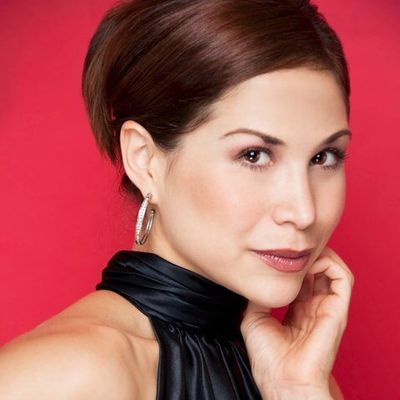
In today's wide-ranging conversation with Bianca Marroquin, one of the issues she addresses is that of language and accent. Growing up near the Texas border, she had the opportunity to learn both languages. So in addition to being the first Mexican woman ever to land a leading role on Broadway, she is also the only one ever to do Chicago in two different languages.
Yet in the 18 years since the Broadway debut as Roxie Hart, she has still faced confusing and ignorant statements from casting directors and reporters, for example, regarding their expectations of what a Mexican is or should be. At the end of this episode I'll shine a spotlight on this week's Hispanic Icon, John Leguizamo, who has a few things to teach us about Latin History.
But first, Bianca and I discuss an issue we are all dealing with as artists: the state of theater and the arts during this pandemic and what that might look like in COVID's aftermath.
Since childhood Bianca's life has been one filled with change. Though she was born in Monterrey, she grew up living on the Mexican side of the border in Matamoros, yet went to school on the Texas side in Brownsville. She first studied dance at the age of three but by high school was also learning flamenco, jazz, and tap. For college she wanted to study in Spain but her father insisted on a technical college in Monterrey, where she majored in Communications with the intention of becoming a reporter.
But she soon found her dancing feet again in a flamenco company as well as various festivals and concerts. She had made a name for herself, so much so that by the time she was doing Roxie Hart in the Spanish version of Chicago in Mexico City, she won best actress and caught the attention of Chicago's Broadway producers. And in 2002 she came to NYC in the show and role that has come to be the one constant in her life.
CBS News - Language Barriers Cause Problems
Patrick Swayze on working with Bianca Marroquin in LA
Follow Bianca: IBDB / Instagram / Twitter
Follow WINMI: Instagram / Twitter / Website
- Donate to the podcast: https://ko-fi.com/winmipodcast
- Don't forget to check out all the helpful offers available to you through WINMI guests and partners: resources.winmipodcast.com
- WINMI is a Top 20 Theater Podcast thanks to you! https://blog.feedspot.com/theatre_podcasts/
Transcript
This transcript was automatically generated and might contain errors.
[0:00] Patrick Oliver Jones: Well, we're midway through Hispanic Heritage Month here on the podcast, and today Bianca Marroquin joins me to discuss Broadway, family life, and all that jazz.
[0:13] Bianca Marroquín: She's the first Mexican to ever play a lead role on Broadway and feels a sense of obligation to pay that knowledge and experience forward to other Hispanic artists like herself.
[0:28] Bianca Marroquín: And not only just to teach, but to share all the information that I've learned that I've picked up all the 19 years that I have in CHICAGO’s, instead of staying with all the information, I think I have the responsibility of sharing it.
[0:41] Bianca Marroquín: It can't stay with me.
[0:47] Patrick Oliver Jones: Hello, and a happy international podcast day to you. Thank you so much for choosing to spend your time listening to Why I'll Never Make It, which features honest and insightful conversations with fellow creatives on the realities of life in the arts.
[1:04] Patrick Oliver Jones: I'm your host, Patrick Oliver Jones, and for more info on the podcast, and to sign up for the monthly Win Me Newsletter, go to Why I'll Never Make It.
[1:18] Patrick Oliver Jones: One of the most obvious traits of an Hispanic individual is their language.
[1:23] Patrick Oliver Jones: In fact, that's precisely what Hispanic refers to.
[1:27] Patrick Oliver Jones: Those who are native speakers of Spanish or have Spanish speaking ancestry.
[1:32] Patrick Oliver Jones: And often gringos like me will use this term interchangeably with Latino or Latinx.
[1:40] Patrick Oliver Jones: And I'm not the only one.
[1:43] Patrick Oliver Jones: The U.S. Census and CDC are two examples of government agencies that confuse the two.
[1:50] Patrick Oliver Jones: However, not all Hispanic are Latino, and conversely, not all Latinos are Hispanic.
[1:57] Patrick Oliver Jones: That's because not everyone from Latin America or with ancestry there speaks Spanish.
[2:03] Patrick Oliver Jones: Brazilians are a prime example of this, since they speak Portuguese.
[2:07] Patrick Oliver Jones: Therefore, they are Latino but not Hispanic.
[2:12] Patrick Oliver Jones: But as with most topics here in the U.S., polls have found differences among those who fall into either category, as far as which term they prefer most.
[2:25] Patrick Oliver Jones: Some even preferring to identify with their family's country of origin instead.
[2:30] Patrick Oliver Jones: But however they choose to identify, language remains a distinguishing factor here in the U.S.
[2:37] Patrick Oliver Jones: A few years ago, CBS News reported on the language barriers faced by an influx of Hispanic into the Midwest and the South.
[2:47] Patrick Oliver Jones: It can affect legal and health services and of course employment as well.
[2:53] Patrick Oliver Jones: In today's wide-ranging conversation with Bianca Marroquin, one of the issues she addresses is that of language and accent.
[3:03] Patrick Oliver Jones: Growing up near the Texas border, she had the opportunity to learn both languages.
[3:09] Patrick Oliver Jones: So in addition to being the first Mexican woman ever to land a leading role on Broadway, she is also the only one ever to do CHICAGO’s the Musical in two different languages.
[3:22] Patrick Oliver Jones: Yet in the 18 years since that Broadway debut as Roxy Hart, she has still faced confusing and ignorant statements from casting directors and reporters, for example, regarding their expectations of what a Mexican is or should be.
[3:41] Patrick Oliver Jones: At the end of this episode, I'll shine a spotlight once again on this week's Hispanic icon, someone who has a few things to teach us about Latin history.
[3:52] Patrick Oliver Jones: But first, Bianca and I discuss an issue we are all dealing with as artists.
[3:58] Patrick Oliver Jones: The state of theater and the art during this pandemic and what that might look like in COVID's aftermath.
[4:08] Bianca Marroquín: What do you think is going to happen? Do you think that this virtual kind of way of performing and teaching is going to be a new norm or that we'll actually get back to normal, so to speak?
[4:20] Bianca Marroquín: Well, of course everybody is hungry and desperate and cannot wait to get back on stage and for our world to come back. Right now it seems a little impossible with everything that's happening. Like how do we come back to a theater with seats full? You know, like how is it gonna work and theater and producers still get, you know, some money into it because half the attendance, I mean, do you see somebody and then skip three and see someone else? Like how is that gonna work? How are we ever gonna come back?
[4:54] Bianca Marroquín: And of course we're so grateful for this medium like being online. This is a way to connect and all of us, this is so new to all of us and we're learning and being more technological and like I said we're grateful for it. But of course it will never compare with being in person and the immediate contact with people.
[5:16] Bianca Marroquín: But I don't think what we've accomplished online, I don't think is just we're just gonna go, okay, thank you. Thank you for helping me out for a moment and then just go out live. I think this will remain. I've also seen some plays that are starting to be written for this format. And so that gives a little nuance to how we can tell stories in a different way.
[5:37] Bianca Marroquín: Yeah, without having to travel and leave our families or having the whole expense, I imagine also for producers who are getting people and flying them from everywhere to in the room. Listen, I'm doing in October a development project of a show that's trying to make its way to Broadway that we were working on right before COVID. And then of course like many projects gone it was um hold please and then now it came back but it's virtual when I got the offer I asked my agent, wait, so we're coming back? It all seems like no no this is virtual. So two weeks six hours each day from Monday through Friday two weeks on the computer. Yep.
[6:15] Bianca Marroquín: I still don't know how that's gonna work with choreographies and yes thank you with choreographies and the scenes and working with I I'm very curious. But you know they're gonna find a way and it's gonna work so guess what? Maybe even when all this is back and our world comes back, I'm sure a lot of producers are gonna come back to this. Maybe I have first steps until when it's time to everybody come together and then put it up for a workshop or something. So like the reading kind of makes sense doesn't the readings and that maybe maybe they'll opt for this.
[6:53] Bianca Marroquín: Well I also think this will be a great avenue for theaters because I know that some are starting to bring back performers or cast even a new show. Bring them to the stage, film it, and then present it online. So this will start to be a new way that theaters can reach out to new audiences, you know, because then online they can go anywhere in the world.
[7:13] Patrick Oliver Jones: Totally.
[7:14] Patrick Oliver Jones: As well as what you said, I think new works, this can be a great way for that first one or two steps of a new piece to start to find its feet and find an audience.
[7:24] Bianca Marroquín: Yeah, and see what works, and I imagine. I mean, this has been revolutionized. This is changing these things. Everyone's reinventing themselves. We are evolving. We have to evolve with the world. And we can't just stay nostalgic and my times down and depressed, just waiting for it to come back. We gotta get on the ball. The world as we know it is no longer and is changed.
[7:49] Bianca Marroquín: But since childhood, my life has been one filled with change. Though I was born in Monterrey, Mexico, I grew up living on the Mexican side of the border in Matamoros, yet went to school on the Texas side in Brownsville.
[8:05] Bianca Marroquín: I first studied dance at the age of three, but by high school was learning flamenco, jazz, and tap. For college, I wanted to study in Spain, but my father insisted on a technical college in Monterrey, where I majored in communications with the intention of becoming a reporter.
[8:25] Bianca Marroquín: But I soon found my dancing feet again in a flamenco company as well as various festivals and concerts. I had made a name for myself. So much so that by the time I was doing Roxy Hart in the Spanish version of CHICAGO’s in Mexico City, I won Best Actress and caught the attention of CHICAGO’s's Broadway producers.
[8:48] Bianca Marroquín: And in 2002, I came to New York City in the show and role that has come to be the one constant in my life.
[8:57] Patrick Oliver Jones: Let's see, your first Broadway was 2002, and then it stretched all the way to 2018, I think was your last time as Roxy on Broadway. And I looked it up. It was 19 times that you went back to Broadway as a replacement for this event.
[9:11] Bianca Marroquín: I did 19 times.
[9:11] Patrick Oliver Jones: How about that? Oh thank you. I had no idea.
[9:16] Patrick Oliver Jones: And so what would you say changed from that first time to your last time? How did you grow in the role?
[9:23] Bianca Marroquín: I mean, I practically literally grew up with Roxy. Seriously. I was very young at heart and in mind that was very green when I first got Roxy in Mexico City 2001. And six months later I got invited to cross over and learn in English and come to Broadway 2002. So I bet if you look at a video from the first in 2002 and then look at it now, a lot of things have changed, not just as a more mature woman, but my choices, I think, are a little better acting-wise because I've lived more.
[10:02] Bianca Marroquín: Because I've gone through a lot of loss and a lot of change in my life. The only constant thing in life is change. The only constant thing in my life was Roxy Hart, which I was very lucky to say, and that's how it started on my 50th birthday. Saying that because I was very, very lucky. God said, Here you go, here's a role. You're gonna grow up with her, go experiment, go grow, go, you know, and try, and you're gonna be she's gonna take you by the hand, you're gonna leave and come back because you're gonna be doing other stuff.
[10:27] Bianca Marroquín: But every time you come back, you'll have something more to bring to the table, something more to offer her and to feed her. So not only I became wiser as a dancer and wiser as a comedian, wiser in my timing. Because imagine being on tour, also having all that as practice, and now we're gonna give you this audience, and now you're gonna go to this state, and they're like this, and they're like that, and on Broadway, even on Broadway. Tonight's audience is mainly Asian. Tonight's audience is mainly, you know, Latinos or all Americans, lots of people from, from so sometimes people understand and get the jokes, you get a lot of response, and sometimes they don't, and that's an exercise as well.
[11:09] Bianca Marroquín: What's happening in the world politically, the climate, what's happening to you? You know, when I lost my mom, and I had three days later I was back on the stage going through my divorce, going through all these changes, tired, and what kind of a show do you deliver? And so all of that I would say cut to 2018. I'm more seasoned and wiser and more mature, wiser in knowing how the whole arc of your show, where all the different colors and the mathis, how to deliver a smarter show to keep your audience here and connected and captive, you know.
[11:52] Patrick Oliver Jones: I think that's something that a lot of audiences will forget, you know, because they see us on stage or see us on screen, and it's a performance, you know.
[11:59] Patrick Oliver Jones: That they know our voice, they know how we are, how we perform, and all of those life experiences that you mentioned really play a part and start to color our performances. You find all these different layers as you start to grow into a role.
[12:15] Patrick Oliver Jones: And I would imagine doing it 19 times over, you know, over those 16 years or so. You kept finding, you kept finding. Because otherwise you'd be bored, right?
[12:26] Bianca Marroquín: Totally. So every time my entire show changed because, for instance, whenever in the monologue, and then Amos came along. There was a time I couldn't even do that without crying. Because I understood now, and because maybe Amos was somebody in my life, or maybe I in and then that loss or that we've all met, but not until years later.
[12:47] Bianca Marroquín: In the beginning, I didn't understand that. I was so, so, so young. I didn't have all that experience to understand the complexity of Roxy and all her depth. She's seriously, like Walter Bobby would put it, it was like an Olympics of emotions. You went through all the emotions that are in the two hours and 25 minutes. And she's very, very extreme, like she's vulnerable, but she's bigger than life, and then her ego gets the best of her, and then she humbles herself, and then she's euphoric, and then she's mad and she's angry and she's a spoiled brat and she's immature, and then she learns and she grows. So there's more to her than a lot of people think. Yes, it's amazing songs, amazing choreography.
It's a great time to be funny. One thing that I would always do because I was younger, and Gregory Harrison asked me one night when we were going to dinner, he was sort of like a mentor to me. And he asked me one night at dinner, "Why do you keep cutifying everything?" And I went, "What do you mean?" So he made up this word, "cutify." And he says, "Yeah, like you delivered this, but you're afraid because Bianca in her real life doesn't cuss, doesn't swear, so la la la." So it's always followed by, "I'm sorry, but I'll be keeping you so you don't hate me." And so because that you're all on tour on your own, right? And it's like a machine. And so he took me under his wing and he started, "Okay, tonight," and not standing in the wing and watch my mom along every single night.
"Okay, let's pull this apart," this moment that he taught me a lot, and I started to get it. Don't be afraid, he would say, "Don't be afraid, it's a genius script. Don't be afraid." So for instance, in the very end when all the reporters leave the courtroom because there is a bloodier, more interesting crime that just been committed and they all leave and Roxy's like, "Where are you going? I'm Roxy Hart! What the hell happened? I tell him really Flynn," and he goes, "Well, uh, I got you, you're not guilty, and who the hell cares about that?" You know, and just deliver like, "Who cares about that?" But for real, before when I would say, "But who the hell cares about?" I don't know how I would say it in the beginning, but kind of like, "Can I keep it five?"
Nothing when I would say it for real and deliver it like people would crack up, and I wasn't even looking for a laugh, but it was so ridiculous. Roxy like, "Oh my God, this woman, like she doesn't get it," and her hunger and her, you know, and I just started discovering a completely different show if you're honest and if you're real and you trust the material and you trust and you get into the character and you totally leave yourself behind because remember I was a dancer. In the beginning, I didn't train as an actress. I had good instincts and that's it, and every only the stuff that I had lived to pull from, which wasn't much when it came to relationships and guys and life and loss. At that point, I hadn't lived through much. So it took a lot of guidance.
[16:04] Patrick Oliver Jones: Because certainly now you're considered a triple threat. I mean, you've done all three very well. Obviously, the dancing came first, so I assume that was the easiest. Which one was the hardest for you to really grow in and become comfortable with?
[16:18] Bianca Marroquín: Great question. Yes, I'm a dancer first. And that's where I had my training, all my basis, all my technique. Then when I find myself in Monterrey in college, and Beauty and the Beast comes to Mexico to open a Spanish-speaking production of Beauty and the Beast, they're looking for dancers who can sing. So at the time, my singing was very, very just natural. I had a good ear. I've always played piano by ear, never took classes of all my frequency dancing. But because of that, I had a good ear. So not a lot of training vocally, good style. Yes, lots of style, but not, you know, good enough to land myself a little spot in the ensemble of Beauty and the Beast. Good enough for then later being a swing in Rent and for being a meme cover, singing with style out tonight.
Good enough later for being the dance captain of Phantom of the Opera and being Meg's cover and cover for all my diva girls. Good enough little voice. Where in the world have you been hiding? For a ballet dancer with technique that had a voice, it was very difficult to find in Mexico ballet dancers who could sing. Okay. And then CHICAGO’s comes along. My voice by the time was good enough, they would tell me, because I was like, "Oh, I know my voice, I know." I always apologize, I'm always apologizing for my voice. And then they believed in me, and then they chose me. And Gary Chris and Walter Bobby came down and everyone came down, and they said, "No, you are singing. You are singing." Oh no, I said, "Okay, thank you."
And that's how I got Roxy in Mexico. Always kind of like being a little embarrassed about my voice, but a damn good dancer and powerful. And then a lot of passion to also bring into the acting because no chops, but lots of instincts, a lot of passion. So when I go to tour and I come to Broadway and I go off to tour, I realized, "Okay, I'm gonna be honest with myself. My singing and my acting are not up to par with my dancing." That's why I came down from the two years because I needed to find a teacher. I asked Roy Bean, who at the time was on Mary Sunshine, and he had this little magical voice. I'm like, "Where's your technique from? Who taught you?" My teacher is Barbara Bliss and call her up.
So I called Barbara Bliss. She became my mentor, my teacher. She was a Malpa singer, and she took me in for years. And for the first six months, she undressed my voice and took all the bad habits away. "No, we're gonna sing straight." So Barbara Bliss, and may she rest in peace now, but she gave me an instrument and she helped me find my natural voice, my natural vibrato and placement, my mix, my head, my chest. And she gave me this powerful, powerful tool. And then later I was singing scores for a beat, they were looking for somebody to replace Elena Roder back then in West End, not to replace, to give her some time off so she could have some rest time. And they auditioned me in New York, they signed me to London.
I got it, I was gonna do it, I was gonna do June, July, August of 2007, and we were negotiating and the show closed. But that wasn't, but I learned, okay, it wasn't for me, it was so that I could train and I could get ready for it. Didn't happen, but then Sound of Music, when did I ever imagine I was going to go back to left as a dancer and came back singing the score of Sound of Music.
[19:53] Patrick Oliver Jones: Yeah, it's interesting that you bring that up because I think in each of the three disciplines, whichever one you start off with, I think really sets a course for how you treat the rest of your performing. Like for me, I started out as a singer, and so for singing, yes, there is technique, but the first thing I learned was just learning the notes, but then expressing it, you know, telling that story. And so it's a very emotional experience, it's very subjective on the day, and your voice is going to be different, so you have to make adjustments. But it's a very kind of subjective emotional experience. Dancing is very by the numbers, like your leg goes here, your arm goes there, and then you move, you know, and also there's a language for it.
There's all these names, and as soon as you say that, you know what you need to do. With the voice, you have to kind of figure out what your voice is and what you need for this, and it's gonna be a different language, and acting has its own thing.
[20:56] Bianca Marroquín: Yes, and I sort of got a little obsessed with it and was very, I wish there were more classes a week with Barbara, and it was only one, so I would take them in the rest of the week. I lived in New Jersey at the time in South Orange, I would commute. The rest of the week, I remember being in my home and being on the train, listening to them over and over and then taping myself, singing it until I would find progress, until I found something change, a breakthrough, something. So I was constantly, constantly, constantly doing my warm-ups and doing my exercises. And she came, and I'm so grateful to this woman. And I still talk to her to this day. She passed already like six years ago, and I still talk to Barbara because she was not only my teacher, she was also there when my mom passed, and she came to see me in Mexico.
She came to see my performance in Sound of Music and Mary Poppins. She was proud of me because I came to her with a certain voice, nothing, and she grabbed it, and I was her student. And also, I was having breakthroughs in my classes, but then in auditions, I was still singing the same. My nerves would get the best of me, and I was still going back to my old habit.
[22:07] Patrick Oliver Jones: I've found that too, where I would work on my monologue, a scene, a song, and I would get it to a point where I was proud of it. And then as soon as I step in front of the people on the table, then it's like I'm back to 17 years old, just trying to muscle my way through it and do, and I'm like, "Wait, wait, why am I doing what I've always done?"
[22:26] Bianca Marroquín: I know, it's funny. Same thing. I would go to like from Barbara's class, I'd go straight to the theater and get ready for Roxy. And there I am on the ladder singing "Funny Honey," and I couldn't apply my breakthroughs and my new voice. I would automatically go to the back. And so thank God I had show after show. I had, you know, these contracts were lengthy. And so, okay, next show, next show, what am I gonna do different? How am I relaxed? Let just sing here, stand, because as a dancer also, the certain positions you would do, your voice would go with it, the old voice. So I had to change everything and just stand still and pretend that I was in class in front of Barbara and kind of deliver it.
So it took me a long time to make that breakthrough also and bring it to the stage. But once I did it, I felt like I was a little girl with a new toy. And I was showing up for auditions and very, very grateful, never forgetting that this voice was new, never taking it for granted, you know. And just wanted to eat the world and send me out to this and send me out to that. And when I did my concert, it was so good to be able to sing and not apologize anymore. So when that's what I tell people now, like if you don't like something about your work, stop complaining about it and do something about it. Get off the couch, go to classes, train, put in the work, put in the hours. It'll pay off. And then you'll live opportunities, other doors will open, and you'll feel much better and you'll have a happier life.
[24:01] Patrick Oliver Jones: You were on tour with CHICAGO’s for, what, in one stint it was two or three years, wasn't it?
[24:07] Bianca Marroquín: Yes, there was a time where there were two consecutive years without stopping. There were three weeks that was a vacation in December that they gave the whole tour, but I didn't get a vacation because I came to Broadway those three weeks to work with Patrick Swayze, and Patrick Swayze was coming into the show, it wasn't announced. His rehearsal shows were to be on Broadway. So I came down, and so people imagined this curtain would come up or whatever, and then here he came out, and people were like, "Well, no, it wasn't announced," so it was like crazy. And then after the three weeks, he came with me, and we both rejoined the tour and went to California. But all just to say it was the two consecutive years, and I didn't accept the third year because I felt that I needed to come home at the time, New York City.
At the time, another different marriage, and that I needed to keep learning, and I needed to go back and train and more vocally and more and go back to training, go to class, go to auditions and see what else I could do and see what else, because you're put away in a sense. It's a wonderful experience, and I'm very grateful for all the years. But at that moment in my life, I'm like, "I need to grow more. I need to go to classes and go to courses and go to workshops and go audition, audition, audition."
[25:29] Bianca Marroquín: And that's when I got Pajama Game. In 2006, Roundabout Theatre Company brought a revival production of the Pajama Game to Broadway. It starred Harry Connick Jr. and Kelly O'Hara with direction in choreography by Kathleen Marshall. One interesting fact is that the original 1955 production won Tony Awards for Best Musical and Best Choreography provided by Bob Fosse. The 2006 Revival also won Best Musical of a Revival, as well as Best Choreography. For Pajama Game, I remember auditioning and Kathleen Marshall, and she had a very tight circle of family, people that she worked with, and I was lucky enough that she looked at me and she said, "Okay, they had a little opening in the ensemble." And she had a very diverse ensemble, and they were looking for the Latina.
And so I got it. And I remember receiving advice from a lot of people going, "No, no, no, no, don't go back to the ensemble." And I remember me feeling very strongly about this. Listen, I paid my dues in Mexico City. I started from down and I climbed. I haven't done that in New York. I haven't done that on Broadway. I came across the world, no one knows who the heck I am. No one knows my work ethic. No one, like I need to prove that to myself and to everyone that I want to work, and this is my work, and if I know how to be in an ensemble first, and that was a beautiful experience because I got to be a part of a show that was starting from scratch and building it from scratch, right? So I had done that in Mexico, but I hadn't done that in New York.
So that was very important to me. And I would show up and it didn't matter what I had done, and I was there and very grateful to have my and it was wonderful that Kathleen Marshall also gave me a lot of freedom and liked my work and kind of let me take my little spin on Carmen and kind of received a lot of little the fronts and theatering and her nano side of way, and when we went to the Tony Awards, there I am. Oh my god, I don't know how I still have my head on. That because we were so excited and the adrenaline of being at the Tony's and when you're like, go it's live and perform that number that we had come up with for the Tony like never before, that feeling, that rush that it was just so wonderful.
And then we won, we won that musical revival. We're all on stage, and it was such a magical moment that I am so glad that I said yes, that I showed up and that I didn't listen to a lot of people. And then after that, they had Usher coming into Broadway into CHICAGO’s as Billy Flynn, and they wanted their younger at the time I was one of the young Roxy, and they wanted a young Roxy to be his Roxy. And I came back and I came back to my Roxie.
[28:33] Patrick Oliver Jones: When it comes to the various stars that you played opposite in CHICAGO’s, and certainly CHICAGO’s over the years has had plenty of them. Is there one that sticks out to you? Obviously, everyone's your favorite and you know, and everyone's wondering.
[28:46] Bianca Marroquín: Thank you. But there's probably ones that you either connected with more or maybe you knew from before and you finally got to work with them. Was there one that stood out to you? 'Cause there's so many. But someone just came to my mind right now and it was very special. Joey Lawrence. I love the way he acted. I love the way his Billy Flynn, the way he delivered and very contained at times, and we had a very we were similar in age, I think, and we just connected really well. He was my Billy when my mom passed, so also there was a connection there because I came back and they all knew and so I have to say Patrick, of course, because he truly was a very humble spirit and a very magical spiritual guy and shared a lot with me, taught me a lot as well, and was truly, truly a team with me, very, very generous on stage and off stage.
There's a video, Sadra, just for your entertainment, amusement and entertainment. There was a video where they interview him about our work together, and it's such a jewel that I have a treasure for the rest of my life. It's just been a true joy for me to work with Bianca. She's malleable. She changes. She's fun. She tries to make it different. And needless to say, as a dancer she's bristick. She's beautiful. She's got those legs for days and what I love about her is she puts 100% of herself into every performance and that's hard to do with a show like this.
[30:12] Bianca Marroquín: I think he was already sick at the time no one knew. So when it happened it like a year later it all came as a shock. And then I understood a lot of the things because he viewed life so differently and the way he was, you know, I understood a lot of the things but met his wife met his mother they all came every person who came to visit him he would bring them to my dressing room at the Pantages in LA. And it was just such a generous guy and then we spent the Christmas together we spent the New Year's and Kiwiches come over to my dressing room and we have lunch between shows on Sundays he'd go out sign autograph and come back in his robe and we'd have lunch and so that was very special to me because somebody that had been in the limelight for so long of his life and then at that moment in his life still he's so humble and so generous.
So and he was a dancer like me first because he scattered a dancer. So it's a different language you know when we're also you grow up just surrounded by mirrors and the discipline and the center and the focus and the respect to your teacher used to criticism always constant criticism. So your ego is not out there you're used to yes sir no ma'am yes ma'am of course right away right away you connect with those kind of people because it's like a different breed. We come from a different stream.
[31:32] Patrick Oliver Jones: Yeah, absolutely. Because you were bouncing around between Broadway, Miami, Mexico, regional around the country. And then now you have a home. You have a place. You have a growing big family. And so this has been quite an adjustment for you over the last couple of years, I would imagine.
[31:49] Bianca Marroquín: Definitely. And you said it correctly. And it was flying from everywhere. Imagine mixing projects at the same time. Eight shows a week on Broadway in CHICAGO’s. This happened many, many, many contracts many times. Where on the day off of Broadway, on the one day off of Broadway, which was Wednesday for CHICAGO’s, somebody offered me a TV show in Mexico City, and it happened to shoot on Wednesdays. And I said, "Why not? I'm available." So I would take a flight Tuesday night after my last show and go to the airport. And there was a 12:50 flight to Mexico City, 10 to 1. I would be on that flight for 10 weeks in a row. And I'd wake up in Mexico City or not, because I mean you I can't sleep on flight.
Be there at 5 a.m. They pick you up, go straight to the studio and makeup and hair and everything. Meetings with the producers, with the rest of the judges and the TV shows, what's happening, what happened in the week, you know, kind of like all the information. And then go on and start and take the entire day. You're done by six, by seven, go back or go to a restaurant, eat everything you can, because I mean you haven't been sitting in the new nature of the week, and I remember just being like, oh, and then go to sleep and catch the very first flight the next day, Thursday, back in time to New York to do the show Thursday night, Friday night to Saturday, to Sunday, Monday night, Tuesday night, on the airport, and ten times again.
And this was one scenario. This is one example. Other times would be rehearsing for Mary Poppins in Mexico City from Monday through Saturday. Take Sunday's flight to Miami to be a judge and take the TV show from Mina Kemaila, which is a Hispanic version of dancing would start shooting in Miami, coming back on Monday straight to rehearsal for Mary Poppins and for the entire two months of the Mary Poppins rehearsal time because it was from scratch in Mexico.
[33:43] Patrick Oliver Jones: It's so interesting because we as actors we love that one day off that we get Kirk run. And yet you're not taking it off. People thought I was crazy. Listen, when you're in it, you commit it. So you're disciplined, this is how we are right dancers, here people so you commit and you make it work in hindsight. You're like how did I do this? How did I survive? How did I have energy to step on stage and pull out Roxy right after getting off a flight, sleeping very little you know all the stress of a flight, physically, mentally everything. And but you just do it, which is a one and I feel proud of myself and now that we're sort of all standing by for a bit, I sit and I and just talking to you, remembering and reflecting and thinking back, I feel proud and it was such a good time.
I feel like you know what you were living you were dancing you were acting in the soap opera and also flying and doing a TV show and you did it all. So at this moment when I'm standing still again during this pause I feel that I used that I've used the time right and it's okay, and I feel now that I'm cooking a chicken pot pie or an eggplant parmesan for the kids. I feel that this is the time. I never had the chance to be a homebody, to be a housewife ever. And I do it with such joy because I always dreamed about this. Be careful with what you wish for, because I got it. And I got these little girls with me, and it's such a beautiful feeling. And I did Mary Poppins and I did Sound of Music. Little did I know that life was gonna imitate art, and that I was actually life was telling me this is a premonition, okay? This is coming to you in some years. I'm like, holy crap. And I'm saying to them, and it's so funny.
[35:46] Patrick Oliver Jones: Now that now, are you more like a Maria or Mary Poppins with your children?
[35:51] Bianca Marroquín: Exactly. I think I'm a little bit of both. I am. I think it's the mix. When I got Sound of Music, I at the time did not have any nieces or nephews. I didn't have children of my own, nothing. So I really hadn't had experience with kids. I didn't know how it was gonna go. I didn't know that about me. Like, do I like it? I don't know. So I told the stage manager at that time, this was like 13 years ago, let's figure something out. So I don't know if I'm gonna have patience and tolerance and if I'm gonna like kids, being honest with you. So, like if I get fed up, or if I'm losing my patience or something, I'm gonna do like I'm gonna touch my nose or something, and I'll make sure you're watching me, and that will be our sign, like take the kids away so that they don't ever see a bad side of me.
Okay, Bianca, okay. Well, that day never came. I did not know. I was nervous, I was worried, right? That oh my god, Sound of Music, like from Roxy Hart to Sound of Music, hmm. But it was the most wonderful I had never had a relationship with a kid, and all and there were three casts of all the kids, but all these kids, and it was my first return to Mexico when I left for Roxy back in 2002. I returned as Maria Montrap six years later. And this was like my first return, right? So all these kids had a lot of expectation and they had a lot of like hunger to be with this presence in their lives or happened to be me. And I didn't know myself how much I needed little love and the little energy of these little people and how much I was gonna learn from them.
[37:33] Bianca Marroquín: Yeah, yeah, because kids on stage, yes, they can be rambunctious. So there is that heightened energy. And sometimes you're ready for that, and then other days you're like, please can I just sit alone? But yeah, there is a hungerness and an eagerness. Like in some ways, they can be a little more professional than even the adults because they're ready to go. They have every word memorized, including your lines. So they know the entire script, and when you mess up, they're like, this is the line. Yeah, I've had that because I've done Annie twice in my life. So if you can get through Annie and children, then you know. Then you know. And same thing with Mary Poppins, and I'm still to this day in contact with lots of them. They're all grown up.
[38:12]
[38:13] Bianca Marroquín: They're all grown up. And in a way, now that I have my four kids, right? And my very own Vontrap, Captain Vontrap, I'm like, this is so funny. And it's not the first time that this has happened to me where you work on a project and then something very similar happens in your real life. I don't know, that's something very peculiar. I wonder if this happens to other actors. It's kind of creepy and it's kind of magical. And in a way, I felt that I was being warned or prepared, you know. So yes, yes, Maria, and because I bring a lot of because I'm very bugging and people feel me, and I'm always making jokes and I'm always trying to make it fun for them and for this place to be a safe place for them and that and and uh the harmony place for them.
And then there's the part of me Mary happens where I'm trying to correct them because I see that they're a little off track here and the you know, when they speak certain way to their father, go mm-mm, you know, this is how you speak to your dad, this is your dad, respect. I find myself like this with my kids. Like I know when, I know how, I know when to just be quiet and let them figure it out, you know. So it's an interesting journey. And when it comes to motherhood, I was looking up you had done a show, solo pito about your late mother. Would you say that you've taken a lot of what you learned from your own mother and are now applying it?
[39:39] Bianca Marroquín: Oh my god, so much. And I wish my mother could be here now, right? Like, where are you when this happens to me? Like when I have this big role and this big responsibility, which I chose. Like at my wedding, I was doing we're doing vows, and I'm like the play husband, and then I turned to the kids and I said, I'm not only marrying your father, I'm marrying you. I know what I'm getting myself into, like making, you know, men kind of funny. And I'm taking the responsibility and I accept. I'm gonna do my best to be a guide for you, to protect you, to be your friend, to be there for you. And you can count on me and we're gonna be a family. So a lot of things I think why my mother was such an elegant woman, both outside but in our home, and she was very much a housewife and very much mother and very much decorator and I remember now because before gypsy, you know, who am I cooking for?
And I was just alone and it is just a place where you can come after your shows and servers put your feet up and serve yourself a glass of wine and just kinda unwind from your show. That was it. Open my refrigerator and there's only coffee, wine, leftover salad from today's lunch and yogurt for the morning. I mean, that was it. People would open my refrigerator, I'm like, Don't judge me, I live alone. You know? You're eating most you're eating out most of the time when you're doing you're in show after show because you got people over and you go anyway, it's a very different life. Now I've got four kids to feed and so I have to learn how to cook. I've always wanted to. Turns out I'm a great cook.
I didn't know the natural thing. Yes. Yeah, seriously, I actually dare to say it. And so I'm but I've been learning. And yes, it took me a while to get the dish right, like maybe two or three times and then now and they ask for it now. And I love it. Like Audrey's birthday was coming up last week and she said, Can you do the chicken pot pie for me? And little individual casseroles that I thought about. She loves it. So I go back to my childhood and I remember what was it that I loved the cooking. And I want them to always and I try to make them some things new, but always like the morning things or the evening or the smells of the candles always to be the same so that they will remember and when they grow up and they're off to college and that's what they'll dream of, and when they come back to see us and it just and and the way I fixed their sheets and they're because I remember smelling my towels and they smelled like a very specific detergent.
It's so silly me now in my forties doing this with these kids. Home is so many things. It's certainly the people that are there but you're right there is the things that you played with or the different things that you read. There's also just the smells that you talk about the different kinds of food that you grew up with and and some things that I remember I my mom couldn't make because I didn't like it and now I'm cooking it. But it's so important for somebody to have that even being on tour let's go back me my gypsy life oh my God I would travel with my sheets with my detergent with my candles with my throws with all my sheets because I wash them wherever so that I could have something familiar so that I could have some sort of stability in every hotel room that I was so I'd bring out my candles and bring out certain things that I would decorate the hotel room put away certain things from the hotel decorating and put out mine so that I had some sense of route anywhere that I went.
[43:16] Bianca Marroquín: And that's especially helpful when you're in a city you know because a lot of times maybe it's just a week or so but those that you say two, three, four weeks where you it can really be your home for that month. Yeah you know settle down for a bit. Yeah then you can really like unpack actually use the drawers which I hardly ever did on tour. It was always in my suitcase. But I'm curious about the audiences you know being on the road, being on Broadway but also being in Mexico is there a difference in the type of audiences or responses that you get?
[43:48] Bianca Marroquín: Definitely. I remember when I first did my crossover from Mexico audiences in Mexico. They're great, but they're a little more quieter. Their response is a little more subtle. I came to Broadway the very first time. And I couldn't believe it. They were celebrating every single thing you did and so appreciative and very vocal and very woo and like, what is a woo I've never heard of woo for in Mexico. Like everybody was a little more proper. And standing relations? Like, what? Like the very my very first show on Broadway with George Hamilton and Stephanie Pope is my Velma. I remember very worried and focused to stick to one language, first of all, and to remember only because I at the time I was doing the show in Spanish in Mexico.
I would study in English during the day and Spanish at night. And then the day came, I traveled to New York, somebody went on for me in Mexico while I was gone. And I only had four days of rehearsal and then went none. So all my focus was don't walk up, don't fuck up, stay, stay, stay, stay in your English. So yes, I was in it and yes, but it was mostly I gotta stay technical, be in the right place, be in the right say the right thing to everybody and and don't don't piss off anybody, don't step on anybody's, you know, lines, everything, just trying to be very respectful and and so when at the in the bows at the very end curtain call, I come out and people just went pfft and they stood up and I remember just going and instead of looking at my Velma, when I turned the corner, I remember going and walking and going, holy, like what is this?
And I started crying because I had never gotten such a response or such an appreciation from an audience. I just couldn't believe it. And it was show after show after show and someone I remember I think it was Donna Marie told me, Welcome to Broadway.
[45:48] Bianca Marroquín: Now you mentioned doing it in Spanish and English. I would imagine over the years you've done it that you've gone into one when you needed to be singing the other. I assume that's happened, yes.
[45:59] Bianca Marroquín: No. Really? Yeah, I sort of got no only because I grew up on the border. So I grew up living in Matamoros, Mexico, but crossing the bridge every morning to go to school in Brownsville, Texas. So I grew up with both languages from my very, very beginning. And so English at school. My mom was American, Latina, she was born in Texas, and that's why I have dual citizenship. But I was born in Monterrey, Mexico. But because of my mom and because of my prestigious, you know, opportunity of going to school on the other side and growing up with two cultures, two languages and two traditions. Cut to when this opportunity comes my way, that's why I'm able to do that. Because my brain already is half English, half Spanish.
That's the only reason why, because I was so lucky to grow up that way. You know, so but if I if ever I wanted to bring a little Latina Flair, I'll do it with consciousness. You know, and because maybe we were in the spot where people were either gonna be like in Miami. Right, it could be a Spanglish Roxy. Yeah. And I did it that way. Like when I went back to this was very exciting last year, the tour, the American tour, CHICAGO’s Tour, was going to Mexico for the very first time. There have been lots of attempts and no one had gotten it. It always fell through at some point, the negotiation, it never happened. Well, now the National American Tour of CHICAGO’s is going to Mexico and Monterey, the city where I was born and where I went to college.
So it was huge. And of course they asked me, Bianca, you you've gotta be the Roxy, and they're asking for you, and you're gonna be the Roxy. And I was about to get married. I'm like, when is it? So from my honeymoon, I only did one week honeymoon because I already committed to this. And I left my husband at the airport, like, bye, goodbye. Because I had to, he came back to New York City and I went to Monterey and in Monterey, but it was in English because it was national the American the American church. So but I remember in the Rock scene, I did this on purpose, and we're doing it all in English, so it came the monologue. And Roxy has a newspaper and so I said, Hola, como están Monterrey, como lo da todo bien, todo bien, because you mean you bring down the fourth wall anyway.
I said, I have to. I have to say hello. And then I did like a little piece, and then okay, yeah, regresemos al show. Let's go back to the show. All right, so where were we? And so went back to Roxy, but I had to do a little thing like that, but only because it was so obvious that it was Bianca returning to her hometown, returning to her birthplace, and there were a lot of people, and I had to say something. And for my last show, I remembered the Spanish version of Roxy, and I started singing. Oh, it's for the very last show, as a treat, as a special performance, only because I could, you know. My dad was in the audience one night, and they asked they let me. I said, Can I say some words in the curtain call?
And so I said, Um, gracias. They the music stuff, but I'm not a matter, la la, quiero provechat, and everybody from my college, lots of students from the college I went to was there. Oh, and my dad was there. So it was so special that I was able to get to do that.
[50:26] Bianca Marroquín: Do you ever bring your Latino heritage, that culture into any of roles since most of them have been very, you know, stereotypical white roles? Exactly. Like I did not do it at all in casting in a chorus line. This was a in St. Louis at the Miami. And I remember, of course not. Because there's no space for it. There's really no reason for it. And I actually appreciated that to get a role. This is the whole thing about Salso, Latinos fighting for being seen as an actress as a triple threat, as a performer first, before a Latina because of my last name, and just always being offered roles that are, you know, like for instance in this upcoming workshop that I'm gonna be doing, the one I was telling you about, in the reading right before I went to this amazing director and choreographer her home for the first little workshop work through of the script and the song in her home.
And they were asking me to read for two characters. One was Latina, she was a Cuban lady, and the other one was a barfly, a triple threat dance, la funny comedian, just American. And so when I get the offer to do it now, I saw that they only gave me one character. And I was so happy that it was the barfly and it wasn't the Latina. Of course, I'm proud to be a Latina, and of course I would have been very grateful and accepted my Cuban character, of course.
[51:03] Bianca Marroquín: But I thought it was interesting. And I said, I'm glad that they didn't see me as only the Latina, that Susan Stroman was able to see me as my dancer, my singer, and John Kander, you know, and both of them are working on this. So I was so grateful. Thank you for looking at me as what I bring to the table as a performer, my work. So all this to say that bars I'm not gonna go into my Latina, you know, they're in New York and other characters. Well, Mary Poppins was in Mexico, so that was tricky because it was all translated to Spanish, but you had to bring like a certain style in Mary's way of speaking because very, very, very proper. Yes. So there's no room for anything there because I'm already in my country and sound and music same thing.
But for the role that I've got over here, well, yes, for instance, in Bye Bye Birdie, as Rhodes, Alvares, of course, there was room for me to bring in all my stuff, and they gave me a little room in Spanish Rose in the song to add little things like that and say taco and enchilada the proper way. And there I am gonna participate. This is coming up October 1st, in a concert for Viva Broadway, which is an extension of Broadway League for the Latino community. And this is a one-night only on Playbill.com concert, and everybody turned in the performances, and I had great ideas. The number that they asked me to do was Spanish Rose, and we changed up a little bit of the scenes in there to sort of express the experiences that I've had as a Latina in auditions or in interviews.
And so we changed it up a bit to make it real and to make it personal because of the way I grew up and the opportunities that I had as a kid. And I said, I will try my best to make a career in both countries. And so if I was able to get away with learning, I learned this language when I was a little kid. And if I'm able to speak English without people noticing where I'm from, I would do CHICAGO’s a certain way, my Roxy, come out and sign autographs. And if there were people at the stage door that were from Mexico, I would turn it, go into my Spanish and go, Oh, I get access, what do we need? Then don't be in where you song, where are you coming from? And then the American people that were there around us would go, oh my God, why do you speak Spanish?
I'm from Mexico. But it was such a like yes that I was able to get away with that. Because that meant that I had more options of more characters, more juice, more juicy characters to play, and more broad, you know, opportunity. And it's important for me to for people to see my talent, first of all. But yes, when I I'm very proud of Latina, so yes, when I get a Hispanic role, I want to do it as authentic as I can and bring as much truth as I can and authenticity were if it's a woman from Mexico or it's a woman from Puerto Rico, if it's a woman from Argentina, do your research and make and may do it justice and try to be respectful to the people on the culture like if it was a Rita if it was you know of course it's a big responsibility and of course same thing goes in English and it's it's almost like it's a compliment to me to my work and my talent that they're gonna view me first as what I can do rather than what does she sound like or what does she look like.
Because I've have you gotten that in all in auditions hey can you make this sound more Mexican? Yes and that's actually one of the funny just like that Patrick is in the Spanish Rose take for the concert for Viva Broadway one of the things was I pretend that I'm in a I'm an audition and that's happened to me. And they said um yeah um could you maybe sound a little more Mexican and so oh my God oh okay so I guess you want me to talk like this I don't know like this you know and there's still that can't see past the accent can't see past the look you know so it's um flattering later now when I get invited to do something Latina because they're like hey they overlooked that part and they're still accepting me and they accept my take as a Latina or my version of a Latina and I think that's what's so crazy to think about.
Casting directors and writers and producers seem to understand the fact that there is no one American, a southern boy, to valley girl, someone from Boston, to someone from Minnesota, don't you know? Yet Bianca reveals that somehow these same people seem to think there's only one Hispanic or Latino, and it's just a matter of them being more Mexican, whatever that means.
[56:24] Patrick Oliver Jones: Well, this week's Hispanic Icon faced much harsher treatment here in the U.S. and it paved the way for much of the writing he would do in his career. John Leguizamo has made a name for himself with the off-beat, character-driven roles he's played in movies and on television. But his theater career has mostly consisted of one-man shows, drawing stories from his own life and experiences. Leguizamo was four years old when his family immigrated to New York City, where they lived in various neighborhoods in Queens. After graduating from high school, he began his theater career as an undergraduate in NYU's Tisch School for the Arts, from which he eventually dropped out in favor of a career in stand-up comedy.
Like Bianca, Leguizamo found some trouble with auditioning as well. You know, here I was wanting to be an actor and studying with some great acting teachers, Lee Strasberg and Herbert Burgoff and Wynn Hanman, and you know, I had all my friends, and I'm going to auditions, and my white friends are going to five auditions a day, and I'm going one every few months. And I'm like, wait a minute. I study with great acting teachers. I worked hard, I was as good at them in acting class. Why don't I have the same opportunities? It was just, it dawned on me, oh wow, it's gonna be different for me, and in this Hollywood. And I started writing, and I was like, I'm not gonna let this system crush me. I'm gonna write my stuff.
I never see Latin people anywhere. We're like invisible. So I started writing my stuff and doing it in downtown performance art spaces, and then I all of a sudden I had these seven characters, and then all of a sudden I was put in a hallway of a theater, the American place, because they didn't know if Latin if anybody wanted to hear about Latin stories. So I wasn't even in the theater. I was in the hallway on a platform like this. And I had to be done before the real show in the main stage at eight o'clock. And then boom, all of a sudden there was Sam Shepard in the house, Arthur Miller was in my house, Al Pacino. So that was the beginnings of it. And I didn't know if it was gonna work. And the fact that no Latin stories were out there, I knew I was hungry to hear Latin stories.
So I knew there were people out there. And it was right after Mambo Mouth came out on HBO that all of a sudden my next show was full of Latin people, and it was incredible, man. Wherever I went, it was like across the country. We had found each other. You know what I mean? The art my Latin audience and myself, and together boom, we became sort of this marriage. Two years later, in 1993, came another off-Broadway show written and performed by Leguizamo called Spicorama, where he made fun of the stereotyping of Latinos in the U.S. In 1998, he debuted on Broadway in the production of Freak, a semi-autobiographical play that was also recorded for HBO and directed by Spike Lee. Next came Sexaholics, a love story, and then there was Ghetto Clown.
Now, you should know that each of these one-man shows won awards for solo performance. That's Obi Awards, Outer Critic Circle Awards, and Drama Desk Awards. His latest show in 2017 was actually inspired by his son and the treatment he was receiving at school. My son was bullied at school because of, you know, ethnicity. You know, you think it's the modern world, you're in New York. How can people but they're still doing it? But what had happened was it woke up all the stuff that happened to me as a kid. Being picked on all the time, you're playing stickball with your friends, and you beat them, and all of a sudden, you know, you're the spic, get out of my country. And you're like, oh yo, what happened?
I thought we were friends, you know, all of a sudden a mother, and you realize, oh wow, they see me as other. I didn't realize I didn't see myself as other, but now I know for sure. And then and then I started like analyzing all the history I was reading. I go, Wow, if our Latin contributions were in history textbooks, they wouldn't say things like that, like get out of my country. I mean, because Latin people are the second oldest ethnic group in America after Native Americans. We're the only ethnic group that has fought in every single war America has ever had, and we're the most decorated minority in every single war. And I'm talking about the American Revolution, I'm talking about Cuban women in Virginia sold their jewelry, the hoop earrings and door knockers, defeat the Patriots.
And Latin General Bernardo Galvez gave $70,000 worth of worth of weapons to George Washington. So we too are the sons and daughters of the American Revolution. And so Leguizamo set out to right this wrong in 2017 with his own classroom on Broadway, teaching Latin history for morons. I'm embarrassed that I did not know enough about my ancestry to pass on to my kids. I mean, I kind of sort of knew about our Latin timeline. What is that? Everybody knows that, right? 1000 BC. We had Mayans, and then we have now. And what is this? The age of Pitbull. Dame culo. Makulo, Tola Colo, Lantulo, Totolo Culo. But what happened in the 3,000 years between our great indigenous civilizations and us, man? Did we just stop existing?
So, yo, I had good reason to panic. Because as the great 20th century Spanish philosopher Santana once said. No, not Carlos, George. Those who cannot remember the past are doomed to repeat it, coño. Chris Jones of the CHICAGO’s Tribune says, Leguizamo is a master at offering sugar with the hard truths, usually throwing the jokes back on himself in a way designed to prevent resistance to what he is actually trying to say. Well, I think I can speak for morons everywhere. I certainly hope he keeps saying it and continues to show how varied and multicolored American history really is.
[1:02:44] Patrick Oliver Jones: Well, that does it for me, and I thank you so much for joining me in this episode, and much thanks to Bianca as well. She is such a wonderfully gracious and talented person, and it was a joy to talk to her. Stay tuned for our bonus episode where she answers the final five questions. I'm your host, Patrick Oliver Jones, and all the recording, editing, writing, and producing was done by me. If you would like to support these efforts, please go to donate.winmipodcast.com. There you can give to the continued production and creation of this podcast. No amount is certainly too small, and of course, no amount is too big. And it is all appreciated nonetheless. Well, let's get together next time as we talk more about why I'll never make it.
© Broadway Podcast Network, All Rights Reserved