

This is part two of my conversation with Janine DiVita. Last time was a Spotlight episode on her work with the USO Show Troupe. In this episode she and I dig into what drives her as an actor and singer, the choices she’s made in her career, and how she maintains a work/life balance since getting married... Read More
From the show: Why I‘ll Never Make It
Featured Shows
About
This is part two of my conversation with Janine DiVita. Last time was a Spotlight episode on her work with the USO Show Troupe. In this episode she and I dig into what drives her as an actor and singer, the choices she’s made in her career, and how she maintains a work/life balance since getting married.
Janine opens up about going to therapy and how it’s helped her focus on what truly matters, especially in auditions. She also shares what is was like filling in for Idena Menzel in the Broadway musical IF/THEN. Janine is a poised and consummate professional, whose singing voice is as angelic as it is powerful. She co-founded Empowered Voices, a company that combines dynamic theatrical techniques with traditional prevention education tactics to combat and prevent Sexual Assault within the U.S. Military and beyond.
Follow Janine on Twitter and Instagram as well as her website.
You can also find out more about the USO Show Troupe.
Reach out with your own questions or comments about the podcast at contact.winmipodcast.com.
The time and expense needed to bring these guests and conversations to you each week is both sometimes challenging but always rewarding. Please consider buying me a coffee to support this work that goes into each episode.
Transcript
This transcript was automatically generated and might contain errors.
[0:07] Janine DiVita: And as I've gotten older, the more I really just have to learn to let go because the more you try to control it, the more you're just gonna drive yourself insane.
[0:21] Patrick Oliver Jones: Hello and welcome to another episode of Why I'll Never Make It, featuring insightful stories and conversations with fellow artists on the realities of a career in the entertainment industry.
[0:33] Patrick Oliver Jones: I'm your host, Patrick Oliver Jones, and the website is winmepodcast.com.
[0:40] Patrick Oliver Jones: Well, it is uh it has certainly been a stormy one here on the ship.
[0:45] Patrick Oliver Jones: In fact, we missed our first port of this 16-day cruise because of the weather.
[0:51] Patrick Oliver Jones: So I had what uh what I feel like is going to be very rare on this contract, a complete day off.
[0:59] Patrick Oliver Jones: I had nothing to do, and I will admit that I was a little lazy with it.
[1:05] Patrick Oliver Jones: I basically watched television uh all day, and uh from morning till night I stopped to eat.
[1:13] Patrick Oliver Jones: But other than that, I just watched television and just hung out in my room.
[1:17] Patrick Oliver Jones: But I think we all need days like that, right?
[1:20] Patrick Oliver Jones: We all just need a time where we don't do anything, where we're not thinking about anything, we're just relaxing and kind of getting away from the daily grind.
[1:29] Patrick Oliver Jones: And that is certainly something that I was very grateful for for that day off.
[1:34] Patrick Oliver Jones: Uh but speaking of uh being thankful, uh as we know at the end of this month, Thanksgiving is coming up, and I would love to get your stories of gratitude, of appreciation, of of things that have happened for you over the last year, past few months, whenever, of things that um that you're particularly thankful for this year.
[1:56] Patrick Oliver Jones: Go to contact.winmepodcast.com, and there you'll have a few options as far as how to share your story.
[2:04] Patrick Oliver Jones: You can either use the contact form there on that page, or I would love to get a voicemail message where I can hear your voice and you can share your own story here on the podcast.
[2:18] Patrick Oliver Jones: And I will just be honest that putting this request out there, it comes with my own internal fears and anxiety that no one will respond.
[2:28] Patrick Oliver Jones: But I wanted to put it out there anyway, uh, to give you a chance to be a part of the win me community.
[2:36] Patrick Oliver Jones: So on the Wednesday before Thanksgiving, I'll be sharing the stories that you share as well as a couple of my own.
[2:43] Patrick Oliver Jones: Because as we know and as this podcast regularly showcases, this is not an easy business.
[2:49] Patrick Oliver Jones: It is not a forgiving business, and oftentimes there's much more heartache in it, much more frustration than there is success.
[2:57] Patrick Oliver Jones: And so I think it's important that we celebrate those successes when they do come.
[3:02] Patrick Oliver Jones: But for today, I am back with you for the second half of my conversation with Janine DiVita.
[3:09] Patrick Oliver Jones: As you know, last week, I'm sure you listened to it, my conversation with her about the USO Show Troop and her work with that great organization.
[3:18] Patrick Oliver Jones: For today, we get into Janine herself.
[3:21] Patrick Oliver Jones: We get into what it takes to keep a clear mindset in this business, uh balancing work and home life.
[3:28] Patrick Oliver Jones: We even talk about how therapy helped her book and audition.
[3:33] Patrick Oliver Jones: I also share a little bit about my days as a boy soprano, as well as her time with the Broadway musical If/Then going on for none other than Adina Menzel.
[3:45] Patrick Oliver Jones: And I think my conversation with her from a couple of months ago when I was in the USO office really highlights some important aspects of this career.
[3:55] Patrick Oliver Jones: So I certainly got a lot out of our conversation and listening to Janine's experience and the wisdom that she's gained over the years, and I'm pretty sure you will too.
[4:11] Patrick Oliver Jones: So you have to balance your time at as of now between USO and performing.
[4:17] Janine DiVita: How is that balance working out for you?
[4:20] Janine DiVita: It's definitely an adjustment because I'm very picky now about where I put my energy and where I spend my time and what my what I spend my time on artistically.
[4:35] Janine DiVita: Um I'm not taking every audition.
[4:38] Janine DiVita: I'm not um saying yes to everything like I used to.
[4:42] Janine DiVita: And it's really because I feel like uh my time is really precious and I want to be able to give myself to each entity, each part of myself, give myself um the right amount of attention to each side of it.
[4:59] Janine DiVita: So I guess the biggest change for me is just um being uh a little more picky and a little more discerning about where I put my my energies.
[5:09] Patrick Oliver Jones: Well, yeah, I mean, because I think that's something that we as performers grow into.
[5:14] Patrick Oliver Jones: Because when we start out, and I assume you were the same, you just kind of jump at everything.
[5:17] Janine DiVita: You know, if there was an audition, you wouldn't do it.
[5:19] Janine DiVita: Yeah, I mean, I moved here with an agent, I moved here part of Actor's Equity, and I still went to every single open call, every single seminar, because I wanted to learn and I wanted to get my name out there and I wanted people to get in front of people.
[5:34] Janine DiVita: And um, and I I am a big believer that work begets more work.
[5:38] Janine DiVita: I've always been that way.
[5:39] Janine DiVita: It just as I've gotten older and as I've built my resume and I've you know done the things that I sent that that I set out to do, you know, in terms of checking a box, you know, if you can even say that in the artistic world.
[5:51] Janine DiVita: But I did start out with goals in mind.
[5:53] Janine DiVita: And um, you know, having achieved some of those, it's you start to become a little bit the at least I have, I've started to become a little bit pickier about um, you know, making uh linear moves rather than lateral moves, at least trying to, like really trying to think that way of like what's what's going to enrich my life and what's going to enrich my career, not just keep me busy.
[6:15] Patrick Oliver Jones: Right, because it's very easy to just on to the next audition, you know, busy here, go to this class, go to the city.
[6:21] Patrick Oliver Jones: And that is so how I lived for a long time.
[6:24] Patrick Oliver Jones: Not only because it was artistically fulfilling and I was building a resume and I was playing these great roles, but also financially and um just to get your health insurance weeks and everything too.
[6:32] Patrick Oliver Jones: It's like it's that's just a reality where I would I went out of town a lot in my beginning of my career simply because I could sublet my apartment and not pay rent and go play a great role and save that money.
[6:46] Janine DiVita: Right.
[6:47] Patrick Oliver Jones: You know, so it's it was a lot of like thinking strategically of like what are the pluses to this job versus the minuses, and it's time away from the city, it's time away from other opportunities that could be bigger career moves, yet I get to go play a great role at a great regional theater and save some money on rent.
[7:05] Janine DiVita: Right.
[7:05] Patrick Oliver Jones: So those were all those things that went through my mind, and now I'm in a place in my life and my career where I can just say, you know, I'd rather be in the city.
[7:16] Patrick Oliver Jones: I'd rather be at home.
[7:17] Patrick Oliver Jones: I'd rather be with my husband.
[7:18] Patrick Oliver Jones: I'd rather be here and available for things that I really want to do artistically, um, to to fulfill myself and my career.
[7:28] Patrick Oliver Jones: And what was that first show when you moved to the city?
[7:30] Janine DiVita: What was that first show that made you realize, okay, good, I I can make it, I can be here, I can do this.
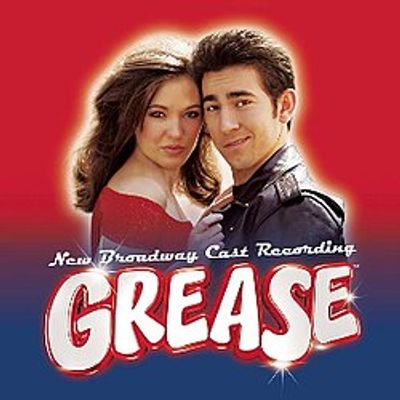
[7:37] Janine DiVita: I um well, I played Rizzo in Grease uh about a year, not even a year out of college.
[7:42] Janine DiVita: That was my Broadway debut.
[7:44] Janine DiVita: And that for me was honestly very surprising.
[7:48] Janine DiVita: I always knew I could do it.
[7:49] Janine DiVita: I knew I had the talent, I believed in myself.
[7:52] Janine DiVita: I just needed other people to believe in me.
[7:54] Janine DiVita: And I couldn't believe that someone believed in me that much to like Kathleen Marshall.
[7:59] Janine DiVita: It's I'm I owe her everything um that she believed in me, and that validation, for better or for worse, you know, we're all insecure, but that really did validate me and it validated my worth in this business, and um from then on I really uh I worked nonstop after that.
[8:19] Janine DiVita: I really have not luckily, knock on wood, haven't really had a period where I've um really wondered if I'll work again.
[8:28] Janine DiVita: Yeah, it's it's been I've been really blessed in this, but that was that was my first thing, you know.
[8:34] Patrick Oliver Jones: Right.
[8:35] Patrick Oliver Jones: How often does that ever happen?
[8:36] Patrick Oliver Jones: Like a year, like not even a year out of school.
[8:38] Janine DiVita: And also, you know, I always played more mature characters in college, and then I make my Broadway debut as a teenager.
[8:46] Janine DiVita: I mean, granted, she's an old soul, Rizzo, but but still, I mean, uh that was just the irony to me, the sweet irony is like I just I always felt older than everybody in a way.
[8:56] Janine DiVita: Like I don't know why.
[8:58] Janine DiVita: I I don't know.
[9:00] Janine DiVita: Uh but um yeah, and then I mean I probably did be as a teenager, so I was like, okay, well, that's that.
[9:05] Patrick Oliver Jones: Now, was that something that you felt like an old soul, so you went more toward older roles, or was that just something that was you kept being cast, and so that's that was your niche.
[9:14] Janine DiVita: Well, I just I think our essences always come through in characters.
[9:20] Janine DiVita: I I think that that that is the most authentic thing to to watch and to portray, and I don't know, I I feel like I just I grew up really quickly just because of circumstances at home and my childhood and everything, and so I feel like I was like a mini adult at eleven.
[9:38] Janine DiVita: So I just I just grew up quickly, and not to say that I didn't have you know fun in high school or whatever, but and in middle school, I I mean I had a childhood, but I just I grew up very aware, I think, and I think I I I think that I I wasn't naive.
[9:53] Janine DiVita: Uh and I think that that is why even in my you know, in college, I just seemed a little older.
[10:04] Patrick Oliver Jones: I and not and I now looking back at pictures, it's not like I look older or anything, it's just yeah, I don't know.
[10:08] Janine DiVita: I just had like a it's probably the way you carried yourself, yeah.
[10:11] Janine DiVita: And that's just what people said.
[10:13] Janine DiVita: I think it's just because I would I just been through a lot and I came out the other side just kind of knowing, and it's hard to what's like once you know you can never go back, you know.
[10:24] Patrick Oliver Jones: So uh were your artistic endeavors supported when you were growing up with as you were younger?
[10:30] Janine DiVita: Yeah, they were, but it again it was more like me not believing in myself because I um both my parents are attorneys, and it just didn't seem like a logical thing to do.
[10:30] Janine DiVita: It just didn't seem logical.
[10:46] Janine DiVita: It was like, oh, that'd be nice, but that's not possible.
[10:51] Janine DiVita: Like like you can't make a living as an artist's Yeah.
[10:55] Janine DiVita: Like it's not like it's not like yes, of course you can't make a living, and also that that's that's just fun.
[11:00] Janine DiVita: That's just right.
[11:01] Janine DiVita: That that's something you do, uh you know, uh extracurricular activities.
[11:04] Patrick Oliver Jones: Exactly.
[11:05] Janine DiVita: It was never something that I even considered doing as a profession, like making a life in the arts.
[11:12] Patrick Oliver Jones: And what what was the first time that you kind of realized, oh, maybe I can do this?
[11:17] Janine DiVita: It was when I I mean I remember the moment exactly.
[11:19] Janine DiVita: It was when I saw Songs for a New World at uh UMKC in Kansas City.
[11:24] Janine DiVita: It was a college production and it was incredible and I had never seen a show like that before in my life.
[11:32] Janine DiVita: I'd never been moved by music that was so spirited and um just contemporary and driving and I was really, really just enthralled by it and I just thought I wanna be a part of this world.
[11:50] Janine DiVita: Like I I wanted to go for it and just see what happened.
[11:54] Janine DiVita: Um I mean I grew up as a soprano, you know, singing Lerner and Loewe and Rogers and Hammerstein and all that beautiful music and um I never really sang that kind of um thought provoking music ever and it was just so thought provoking for me.
[12:12] Janine DiVita: I remember the song I'm not afraid of anything and it just really really spoke to me and I just decided to audition for musical theater programs for college.
[12:22] Janine DiVita: I just decided, screw it, I'm just gonna go for it.
[12:25] Patrick Oliver Jones: Because before seeing that show, what track were you on or what did you going toward?
[12:29] Janine DiVita: I was going towards uh communications uh major in journalism.
[12:35] Janine DiVita: That's what I wanted to do.
[12:36] Janine DiVita: That's what my degree ended up being in.
[12:38] Patrick Oliver Jones: Oh hey um and then I thought you know maybe I would go to law school one day you know I don't know I I I've I was always I always excelled at school and um I just thought you know I actually I got a full ride to University of Kansas and turned that down to go to Michigan and decided to double major in musical theater and communications.
[12:59] Janine DiVita: So I was able to double major there.
[13:02] Patrick Oliver Jones: Wow so that kept you busy.
[13:03] Janine DiVita: Mm-hmm.
[13:04] Janine DiVita: I was very busy yes if Michigan is known as one of the musical theater kind of machines of just churning out performers and artists and that kind of thing.
[13:17] Janine DiVita: For me again it's like I'm so brainy and heady about stuff that for me it was like if I'm gonna go into a business that is so scary and sketchy and unpredictable and not linear in the way that my parents' professions were I want to go to the top school so that I have the best chance at making it.
[13:40] Janine DiVita: Or I'm not gonna do it at all.
[13:42] Patrick Oliver Jones: It was like a go big or go home moment for me.
[13:44] Janine DiVita: That's what it was.
[13:45] Janine DiVita: I I didn't want to go anywhere else except for the best and if I didn't get into the best then I wasn't gonna do it.
[13:51] Patrick Oliver Jones: Wow so if Michigan or one of those top schools hadn't accepted you so it was Michigan or nothing.
[13:57] Janine DiVita: Well no I auditioned for like the top schools I auditioned for uh like Carnegie Mellon and Cincinnati and Emerson and Boston Conservatory and Michigan.
[14:05] Janine DiVita: And I think that those were like I think I auditioned for like five.
[14:07] Janine DiVita: Mm-hmm.
[14:08] Janine DiVita: Whereas like I know a lot of kids audition for like 20.
[14:11] Janine DiVita: You know, but I didn't I didn't want it that bad.
[14:14] Janine DiVita: It was like I either wanted to like I was either going to do it and get on the fast track and do it or I was going to do something else with my life.
[14:23] Janine DiVita: I probably wouldn't have been as happy or as adventurous or as and you know fulfilled as I am now because you know artistry is like who I am but um at the time I was just so like I was just in a go bigger go home mentality.
[14:39] Patrick Oliver Jones: No you talked about having a kind of a linear brain and and trying to fit the arts into that has that always been something you know that right brain left brain way of thinking about it it's always been a struggle for me because like in my mind it's like A plus B should equal C and that is so not how this business works.
[14:58] Janine DiVita: It's A plus B equals D with a flourish and a backflip.
[15:01] Janine DiVita: Exactly, exactly, it makes no sense at all. And as I've gotten older, the more I had really just have to learn to let go because the more you try to control it, the more you're just gonna drive yourself insane.
[15:17] Janine DiVita: Control is such an issue that we hope to have, that we want to have, but that so much of this business is out of it.
[15:23] Janine DiVita: Oh, it's especially as an actor, like there's just there's no control.
[15:28] Janine DiVita: All you have control over is giving a good audition.
[15:33] Janine DiVita: A good audition to you because you can't say I gave a good audition and hope to please somebody. You know, you can't, it can't be someone else's version of good, the person behind the table's version of good.
[15:44] Janine DiVita: It has to be good for you. Like whatever that measurement is for you of what good is, that's what that word good means.
[15:51] Janine DiVita: And I think that people start, I, I, me personally too, I would get, well, what is good? Did they think I was good? You know, you start really questioning that word and everything attached to that word, and that's a dangerous direction to go in.
[16:05] Patrick Oliver Jones: Oh, yeah.
[16:06] Janine DiVita: I think so many times in search for that control that we want, we start looking for other avenues to give us that confirmation, to give us that definition, as you said, of good when really it needs to come from within us.
[16:19] Janine DiVita: We need to constantly be doing classes and trainings rather than this kind of abstract casting or directors because they're so subjective in what they're looking for.
[16:32] Janine DiVita: It's so subjective, and a lot of times casting is so surprising, you know, it's so not what you thought they were gonna go with. And so the more you try to please and guess what they want, you're just doing yourself a disservice because like you're not being true to yourself. And that, I mean, it's taken me a long time to realize that, and I think it also took me getting married and being a little more subtle and grounded and all that kind of stuff, where you just start really placing value in yourself as a person rather than identifying yourself as a performer. Like you're really, like you're a performer because you're a person, right?
[17:16] Janine DiVita: Like, and that's the only way your performances are going to be grounded if you just bring authenticity to it.
[17:22] Janine DiVita: And so in your auditions, if you just go in there and play the part, like it doesn't matter what anybody else thinks, just go in there and do what you do and play the part.
[17:30] Patrick Oliver Jones: Yeah, it's hard.
[17:31] Janine DiVita: My therapist told me that.
[17:33] Janine DiVita: He's not even in the theater. Like honestly, he's like, he's so, so, so, so, so smart, and he says the most profound things to me about acting.
[17:43] Janine DiVita: It's amazing. He's like, just go play the part. Literally those words to me, like changed my life.
[17:49] Patrick Oliver Jones: How did those few words spark something in you?
[17:52] Janine DiVita: Because it made me just ignore everything else that was going on and just focus on playing the part.
[17:57] Patrick Oliver Jones: Yeah.
[17:58] Janine DiVita: Just go play the part. Like don't go, don't go get the part. Just go play the part.
[18:05] Janine DiVita: And then whatever happens will happen.
[18:07] Janine DiVita: And whatever happens will happen, but just go play the part.
[18:09] Patrick Oliver Jones: Yeah.
[18:10] Janine DiVita: And I, a little, I like, I had that, I had a session with him the day before I had an audition for a pilot and I booked it. I just went in and I just played the part.
[18:20] Janine DiVita: I just played the part. And it was like, it was so freeing. It just played the part.
[18:28] Patrick Oliver Jones: Do you find that there's that difference between the stage and the camera work as far as your auditions or prep for it?
[18:34] Janine DiVita: No, my prep is the same. I mean, with film, people like to say throw it away.
[18:40] Janine DiVita: With film, just throw it away, throw it away, throw it away. I think that that's kind of like a careless thing to say because there's so much internal work that goes on for film work because it's so, it's so, I hate to say this, but it's so indulgent because the camera needs to see what you're feeling and what you're thinking and it needs to because it's a visual medium, so it needs to see that.
[19:06] Janine DiVita: And it's so close on you that it really knows. So technically speaking, I think that it's more just, it's more about you. Whereas I think in theater, we're taught to always be about the other and listen and all that stuff, and not to say you don't do that on camera, but I think on camera you're allowed to be a lot more indulgent.
[19:29] Janine DiVita: Just because it's about, it really is about that creating that experience for that character. At least that's what I've found.
[19:36] Patrick Oliver Jones: Yeah, because instead of a huge stage that has to be filled not only by you but other performers and lights and sets.
[19:42] Janine DiVita: Yeah.
[19:43] Janine DiVita: A camera is focused on, you know, from your chin up.
[19:45] Janine DiVita: Yeah, that's your stage.
[19:47] Janine DiVita: Oh yeah. And so, yeah, when I'm on set, my first take is always too much. It's always too much.
[19:55] Janine DiVita: Bring it back, bring it back. And then the director will tell me to bring it back. And I'm like, all right, totally, totally.
[20:01] Patrick Oliver Jones: Yeah.
[20:02] Janine DiVita: Like I'll be in like a living room set, for example. And I'm in a living room set, you know, because that's what I do. I'm on a live, I'm in a living room, that's as my set piece.
[20:12] Patrick Oliver Jones: Yes.
[20:13] Janine DiVita: And on camera, it's just, it's so toned down. Like it's just, but it's as intense, it's just intense in a very different way.
[20:22] Janine DiVita: It's just more zeroed in or focused.
[20:27] Patrick Oliver Jones: Yeah. What was the first on-camera experience that you got that kind of drove these points home?
[20:34] Janine DiVita: I shot a film in 2014 opposite Dustin Hoffman.
[20:40] Patrick Oliver Jones: Yeah.
[20:41] Janine DiVita: And I played Josh Lucas' wife in a film called Hear My Song, formerly known as Boy Choir, but the title has changed now, it's called Hear My Song.
[20:51] Janine DiVita: And it was picked up by the Hallmark Channel and CBS, and then it's literally all over Asia. So my friends have called me.
[21:01] Janine DiVita: You are known as a few years.
[21:01] Patrick Oliver Jones: Oh, yeah.
[21:02] Janine DiVita: So my friends have called me and been like, I saw you on the plane on my way to Taiwan. And I'm like, cool.
[21:08] Janine DiVita: It's a beautiful film though about the power of music, about how it can really heal people who've been through traumatic experiences, especially kids.
[21:16] Janine DiVita: It's specifically about a boy soprano who finds his voice and then what happens when his voice changes.
[21:23] Patrick Oliver Jones: Oh, interesting.
[21:24] Janine DiVita: Yeah.
[21:25] Janine DiVita: My voice changed in ninth grade. I held on to that.
[21:28] Patrick Oliver Jones: Oh yeah.
[21:28] Janine DiVita: You held on for a long time.
[21:29] Janine DiVita: I held on to my boy soprano as long as I could.
[21:34] Patrick Oliver Jones: Wow.
[21:35] Janine DiVita: Yeah.
[21:35] Janine DiVita: You really did. I tried to. But then it was like 11, 12.
[21:37] Patrick Oliver Jones: Yeah.
[21:38] Janine DiVita: Yeah. Most kids, it's like maybe sixth, seventh grade or so.
[21:40] Patrick Oliver Jones: Yeah.
[21:41] Janine DiVita: I was like holding on because the thing is like my identity was so much that voice, that boy soprano, and you know, in church and other concerts that I would do and be a part of that that's what I was known as. And so if I lost this voice, then well, what's this new voice going to be? I don't know that voice. I'm gonna hold on to this voice. So I did for as long as I could.
[22:04] Patrick Oliver Jones: But was it hard when it changed?
[22:07] Janine DiVita: Well, I mean, the bottom dropped out. You know, I went from boy soprano to then kind of a fledgling bass who couldn't really hit the notes when tried. So, but I wasn't a baritone yet.
[22:18] Patrick Oliver Jones: Did you have a voice teacher who was helping?
[22:20] Janine DiVita: No, no, it, I did church choir, and so the choir directors and yeah, they just kind of like tried to navigate me through that, and but yeah, it was, it was, but I remember being in eighth grade, still having my boy soprano giving a solo as part of a song. And yeah, and I got the snickers and laughs because I was still way up there. I think that was the first time when I realized, okay, maybe I've outlived this voice. You know, I started maybe it's time.
[22:48] Patrick Oliver Jones: Yeah.
[22:48] Janine DiVita: But, but you know, but I had to wait another year before it like totally went away.
[22:54] Patrick Oliver Jones: Does the same thing happen in a female's voice? I know that changes, but not the same way.
[22:59] Janine DiVita: Yeah. No. I mean, my voice changed a lot in college because I got my tonsils out.
[23:04] Patrick Oliver Jones: Oh yeah, I hear that that can change a lot.
[23:05] Janine DiVita: Well, it changed in a really good way because I was singing over all this stuff.
[23:10] Janine DiVita: Oh yeah, all that crap all the time. And so when I got my tonsils out, I all of a sudden had so much more space.
[23:16] Janine DiVita: I also had to rethink though the way I talked, the way I spoke because my voice teacher really got on me about this. And so that I tell my students, I would talk down, like I would talk down here a lot, like I would talk like on my chords.
[23:31] Patrick Oliver Jones: Oh, okay.
[23:31] Janine DiVita: Rather than have it be present in my resonance in my cheekbones.
[23:35] Patrick Oliver Jones: I think I do that a lot. I just sit down here and it's on my voice and I sit.
[23:35] Janine DiVita: Yeah, you shouldn't do that.
[23:41] Patrick Oliver Jones: No, no, I, no, you have a very present talking voice though.
[23:44] Janine DiVita: When I'm on stage, then it definitely comes through.
[23:46] Patrick Oliver Jones: Yeah, that's for sure.
[23:47] Janine DiVita: Yeah, yeah. So I started being really, really cognizant of my speaking voice and so I think that kind of helped my singing voice keep, like to keep it in the same place as my speech to become more of a speech-based singer.
[24:02] Janine DiVita: But my voice changed a lot in college because of that changing the way I speak and then also my tonsils. And so that really opened up more freedom in singing to my resonance was completely changed. I had so much more resonance for both my soprano and my belt. I mean, I never belted till college anyway, but I all of a sudden like was able to flip into my belt, a belt that I'd struggled with before, and all of a sudden I was able to like get a really pingy belt, whereas I was never able to do that before.
[24:32] Patrick Oliver Jones: Oh, interesting.
[24:35] Janine DiVita: Yeah.
[24:36] Janine DiVita: In college for me, fortunately, by that time I had navigated through baritone-ness. But I was still like my highest note was an E. You know, give me an E sharp, and no, no, nothing's gonna come out. So it's, but that was actually college was my first time to have voice lessons.
[24:52] Janine DiVita: My very first voice lesson.
[24:54] Patrick Oliver Jones: Yeah, and it was, you know, those classroom settings where I think it was like six of us or so.
[24:59] Janine DiVita: Yeah.
[24:59] Janine DiVita: Did you do individual lessons as when you were younger as well?
[25:04] Janine DiVita: Or is it, yeah, I started when I was eight.
[25:06] Janine DiVita: Oh wow.
[25:06] Janine DiVita: I started really young.
[25:08] Patrick Oliver Jones: So your parents must have known that you had this voice and I mean my, I mean singing has been a part of my life since I was like three years old. My mom and my dad, they both noticed that I had a good voice. And my both my both, both my parents are musical. You know, they don't sing professionally or anything, but they both love music and sing and stuff like that.
[25:29] Janine DiVita: So yeah, they noticed that I would just sing along to everything on the TV and I had good pitch, so I was able to like sing along well to things.
[25:37] Patrick Oliver Jones: You know, you're four. I mean, every parent thinks they're like God's gift.
[25:39] Janine DiVita: Right, right, right.
[25:42] Patrick Oliver Jones: A gifted child.
[25:43] Janine DiVita: Yeah, I have a gifted child, yes, gifted child.
[25:45] Janine DiVita: But so they put me in dance lessons and then I started voice lessons and I was eight with Dr. Yoss in Kansas City, who said he'd had no openings, but said he would like listen to me to be nice, and then told my mom that he'd take me.
[26:00] Patrick Oliver Jones: Yeah.
[26:01] Janine DiVita: So I like to think that maybe it was a sign.
[26:05] Patrick Oliver Jones: Right.
[26:06] Janine DiVita: So even in four, there's, I was eight at that time. Sorry, sorry, at eight, this reputable voice teacher saw something.
[26:16] Janine DiVita: Yeah, I mean, he was like the guy and still is the guy in Kansas City, and I studied with him from the time I was eight to eighteen.
[26:23] Patrick Oliver Jones: Wow, 10 years for college.
[26:25] Janine DiVita: Yeah, yeah. I mean, he really instilled musicality in me, and also like just the reverence for the voice too.
[26:33] Janine DiVita: Really honing it.
[26:36] Patrick Oliver Jones: Yeah.
[26:36] Janine DiVita: You know, it's something that you work on and it's something that you practice, and it's not something that just happens.
[26:43] Patrick Oliver Jones: Yeah.
[26:43] Janine DiVita: Like it's hard work. And, you know, there's always somebody working harder than you.
[26:49] Patrick Oliver Jones: Yeah.
[26:50] Janine DiVita: And so, you know, it really takes work and practice and respect of what you've been given.
[26:56] Patrick Oliver Jones: Would you say that a lot of your identity came from your voice? Didn't that start to become something that you identify as something that I'm a singer, this is what I do, and that became kind of your own self-validation?
[27:10] Janine DiVita: Yeah, I mean, I love the thing that's, that's I've always struggled with is that I'm actually really shy, and so I really don't like the attention that I get from it. I love to sing. I love to sing. I don't necessarily like the attention that comes along with it and the focus on me that comes along with it, which I think is so weird to say because I know I'm an actress.
[27:40] Patrick Oliver Jones: Does that mean you felt more comfortable in choir settings as opposed to soloist?
[27:46] Janine DiVita: No, because I enjoyed the challenge. But, and I liked that people could hear something that I produced that was good, right? But I didn't want anyone to look at me. I don't, it makes no sense at all.
[28:04] Patrick Oliver Jones: Well then, so would you rather just record something in the mic in the studio and then it's almost like I don't want anyone to hear it?
[28:10] Janine DiVita: Right, right.
[28:11] Janine DiVita: Right, it's almost like I just wanted to sing to sing. Yeah, I started getting more attention for it and then I started, then I auditioned for musical theater. It's always a struggle for me though to share it. Even though I know I have it and I know that I've worked on it and I know that it's meant to be shared. I do in my head, I know it's meant to be shared. But for me to just sing on a whim or whatever, I enjoy singing. But it's hard for me to share that joy because I'm shy.
[28:49] Patrick Oliver Jones: So auditions must be tough for you.
[28:51] Janine DiVita: I mean, at the point you're obviously used to it.
[28:51] Janine DiVita: I'm used to it, but yes, in a way because it's a lot of focus on you. Well, especially once you get to the callback and the producers there, directors there, the seven assistants are there. I mean, I have trained myself, believe me, I've trained myself to just do it and get through it. And once I'm on stage, like everything else goes away. Stay, like on stage is where I feel my most comfortable, my most at home, all of that.
[29:24] Janine DiVita: And I love the rehearsal room even. Like I love the rehearsal room because there's freedom there and I've actually even started to like the audition room even because it's another playground. Like it's another place to play. Which is so hard to see auditions as a playground. It's one thing to, you know, once you book the job you're in rehearsal and then you can play. You can make the mistakes. You can figure your way out. But an audition room to see it as a playground is a tough way to look at it. Well, I mean, like I said, it's taken me a long time to get there, and it's only within the past like five years that I've started to view it that way. But really, I mean, I do it more now for myself than then I because I have to just do it for me.
I have to play the part. I have to play the part in the way that I want to play the part and not think about other people. Because if I start thinking about other people, I get self-conscious. And that's the worst thing for me because I'm shy. So like I just have to make it about me and not worry about other people looking at me or whatever because I get self-conscious.
[30:29] Patrick Oliver Jones: Right.
[30:29] Janine DiVita: So I have to be very selfish about it actually. Which is kind of crazy because you're performing for other people for other people to experience it. But for me, emotionally to get through stuff like that, I have to like it's very intimate me and the character. Like my relationship with my character is like super personal and super intimate. And so that's how I'm able to get through it. Like I do it like it's like an experience for me and for whatever character is using my body as a vessel. I always find an attachment with a character. It's more like in an odd like because you're not gonna book it if you don't connect with it.
[31:09] Patrick Oliver Jones: Right.
[31:09] Janine DiVita: Like I've never, I've never, you're not gonna book it if you don't connect with it. So there have been things I've auditioned for that I definitely don't connect with.
[31:17] Patrick Oliver Jones: Oh yeah, yeah.
[31:18] Janine DiVita: You know, and I don't book it because I don't connect with it. You know, it's not living through me. And so obviously I'm not gonna book it.
[31:26] Patrick Oliver Jones: Right.
[31:27] Janine DiVita: So like ones that I've booked, no, because I always find something to connect with. That's why probably why I booked it in the first place. But the ones that I don't book, absolutely.
[31:37] Patrick Oliver Jones: Is there a particular role that connected with you the most? Like from the moment you got the music, you were like, Oh, it's like they wrote it for me.
[31:45] Janine DiVita: Francesca, absolutely. I was up for the national tour five years ago. And you know, a lot has happened in the past five years, and I'm older, and so I just I connected with her like literally from the minute I started delving into that material. I just connected with it so hardcore. I also really connected with Little Edie in Grey Gardens.
[32:12] Patrick Oliver Jones: You know that that's a show that I don't know very well.
[32:14] Janine DiVita: Oh it's Edie when she's younger in the 1940s, and she just has this overbearing mother, and she's horribly insecure, and there's so much pressure on her, and I really I just connected with her of like that pressure that she felt to be perfect and to find a husband, you know, being embarrassed of her mother and being in the shadow of her mother and all this stuff. I just really I connected with her a lot. Also, the music is so telling for me too, and Scott Frankl's music is just amazing, as is Jason Robert Brown's. So those two things, those two characters really really got to me.
[32:52] Patrick Oliver Jones: Yeah. Not booking the national tour was that was that tough. I mean, because especially with the character that you loved you resonated with so much.
[33:00] Janine DiVita: I knew I'd play it someday. I knew I would. I also knew I was on the young side to play it, you know, five years ago.
[33:08] Patrick Oliver Jones: Right, right.
[33:09] Janine DiVita: Like you said, you didn't know what I'm saying. I mean, I'm already on the young side to play it, and even five years ago I was even younger. So, you know, I was definitely pushing it, but I just that music is so it's just so in my soul. I don't know how else to explain it. Like it's just that longing and being Italian and everything, and just I was finally able to act with my hands and not.
[33:35] Patrick Oliver Jones: That's a that's that's true.
[33:36] Janine DiVita: I remember during the rehearsal process, you were saying that you're you often have to like tie your hands down and not move.
[33:42] Patrick Oliver Jones: I'm so expressive with my hands.
[33:43] Janine DiVita: I just talk with my hands all the time, it's just who I am, right?
[33:46] Patrick Oliver Jones: Right, but not every character is not that, but not every character, that's their physicality, and so I always have to like think about it, you know, with my physicality for my characters, and finally with Francesca.
[33:57] Janine DiVita: Francesca, you could be free.
[33:58] Patrick Oliver Jones: I could just do what they have.
[34:01] Janine DiVita: Well, I can certainly say that sharing the stage with you was a joy to watch, and you definitely I mean, musically, you certainly connected with it in a beautiful way.
[34:09] Janine DiVita: Thanks.
[34:09] Patrick Oliver Jones: And one thing that I found in watching you every night was really the craftsmanship that goes into singing, and I think a lot of us singers forget that. Yes, a lot of it is natural talent and something that's God given and we're born with, and we can build upon that, but we have that foundation. At the same time, once you do start to work with whatever talent, however big or small it is, then it can blossom into something absolutely wonderful, or if you don't work on it, then it just kind of peters out and it's okay, it's not as good as it could be. And I think in listening to you, it was interesting to listen. It never sounded like you were working, but being a singer, I knew the amount of work that went into making it seem like you weren't working, you know. And how long did it take you to feel like it was easier?
[35:02] Janine DiVita: Um I think Michigan, I mean, I just had such great voice teachers there, and I love using the different colors of my voice. That's just something I've always loved doing and acting with my voice and using it as like a way to express my character. So I don't really think about it. If that sounds weird, I just kind of like intuitively do it.
[35:32] Patrick Oliver Jones: Well yeah, because the more you do it then the more it just kind of becomes yeah.
[35:36] Janine DiVita: So technically speaking, I mean I study with Mike Ruckles here in the city and he's a technician and so I get incredible guidance from him in terms of placement and learning new new tricks to tricks is makes it sound so flippant. New techniques to produce certain sounds and there are just certain characters and certain scores that suit me better than others.
[36:10] Patrick Oliver Jones: Yeah because because you had mentioned I remember doing rehearsal that Francesca just sits in your voice and and you almost don't even have to really think about.
[36:10] Janine DiVita: That's the thing with Francesca that score is just written so at home for my voice. Like it's how my voice wants to sing. Like it's just it's how it wants to it wants to sing in a lyric soprano way.
[36:30] Patrick Oliver Jones: Yeah.
[36:30] Janine DiVita: That's just how it wants to sing.
[36:32] Patrick Oliver Jones: And so what would be a role that would be outside of that that you really had to work harder at?
[36:36] Janine DiVita: Um okay so um If/Then that was one that I did have to work a lot because it's such a pingy pingy belt and I have a lot of chest in my belt, and so I have to I had to really focus on putting it more forward and really gearing it into my resonance in my cheeks, and I had to play a lot with tongue placement, so there was a lot of technicality that happened with that one. But the more I practiced it, the more I was able to sing intuitively, and also you know, I will say that Carmel Dean, the music director, and Tom Kitt and Michael Grife, they were all very, very open to me singing it the way that I want to sing it.
[37:23] Patrick Oliver Jones: Right, because when you would go on, you would have to be filling in for Idena Menzel.
[37:26] Janine DiVita: Yeah, I filled in that and that must have been pressure in and of itself to fill those shoes.
[37:31] Patrick Oliver Jones: Absolutely.
[37:32] Janine DiVita: I mean, luckily, like she was super gracious, and the fans were super super gracious, and so I felt very supported. I never felt scrutinized in a negative way ever, which I can really honestly say I never felt that.
[37:45] Patrick Oliver Jones: That's wonderful.
[37:46] Janine DiVita: Yeah. I sang it the way that I sang it. I mean, the music is written in a way that requires a certain kind of sound, but nobody ever told me to sound like Idina. Ever. They nobody ever said that to me, and I really, really, really appreciated that because I think that they really tried to honor every cover and every replacement's own gifts, and I think that that's really important.
[38:13] Patrick Oliver Jones: Yeah, because each of us we have to, and and this gets back to what we were talking about at the beginning of really being and figuring out who we are and being that authentic self and bring that into the room and not try to be someone else.
[38:27] Janine DiVita: Yeah, yeah.
[38:28] Patrick Oliver Jones: Yeah, but I did I mean I love singing that score. His music is and Tom K and Yorke's lyrics are just amazing, and yeah, yeah, they're Next to Normal is like one of my dream shows.
[38:39] Janine DiVita: Yeah it's great, great stuff, and um, but yeah, I really enjoyed singing it. It's just so powerful I mean the hardest thing I had was just not getting emotional while I'm singing like that was the hardest part so you're so emotional and I never did it enough times in a row to really get into a rhythm of the emotion and so I would find myself so overcome with emotion that I'm like oh crap I gotta sing still you know and meanwhile you're like drainage is coming and you're like oh my god how am I gonna sing over my snot how am I gonna do it um and um but yeah it I mean I love singing that music and uh yeah but that's one where you know I had to figure out technically you know where things were sitting at certain moments and whatever for the certain color that it needed and all that jazz.
[39:32] Patrick Oliver Jones: Yeah yeah so as you are in this new place of finding that balance between your work life USO you're married now and and having a career has the term contentment happiness fulfillment have have they taken on a new meaning now?
[39:32] Janine DiVita: Yeah, I mean I am always striving for more, you know I'm never one who's just complacent that's just not who I am so I'm always trying to you know make my marriage better make my apartment better make my career better make other people feel better, you know, I'm always trying to make things a little bit better. So yeah, I mean contentment, yes. Definitely has a different meaning. I no longer feel like I have anything really to prove, I guess. Whereas I felt like I always did, and now I'm kind of like I know what I'm about. And also I've developed a really good sense of other people, I think too. So I know the kind of people who I want in my life, and I know you know who I want to get close to and who I don't want to get close to, and who I think is bullish and who I think is not holy shit, you know.
[40:55] Patrick Oliver Jones: So I think that just kind of comes with experience and well, I mean, yeah, because as soon as we figure out and are comfortable with who we are, then I think that only helps us know the kind of people that are gonna mesh with that.
[41:08] Janine DiVita: Absolutely.
[41:09] Patrick Oliver Jones: Because now we're in tune with ourselves and we want other people to be in tune with that.
[41:13] Janine DiVita: I think I think that's totally true, and I think and as an artist too, I think it's really important that we protect ourselves. I think that we you know, we put ourselves out there so much and give so much of ourselves more than any other kind of person in this world, I think. I think artists are the most vulnerable giving people ever, and that takes a toll of just giving so much and not getting anything back, and I think that that can take a toll, and so I think it's really important for artists to protect themselves and not and stand up for themselves too, you know, if they can.
[41:13] Patrick Oliver Jones: I think it's really hard. It's really hard to stand up for yourself when you're so vulnerable because you want people to like you so much.
[42:01] Janine DiVita: So it's really hard. But um, my hope is that people I don't know, just figure out that their artistry is like actually really precious and it shouldn't just be exploited.
[42:12] Patrick Oliver Jones: And to take care of that.
[42:14] Janine DiVita: To take care of that, yeah.
[42:23] Patrick Oliver Jones: How are you taking care of your craft and protecting yourself? Are you finding contentment and fulfillment in this career? These are the questions that we have to ask ourselves. And sometimes the answers aren't easily found, and even when we do get them, sometimes it's hard to know exactly what to do with them. And I hope that this conversation with Janine provided some insights into how you answer those questions as well, and how you're going through your own process, your own journey along this artistic path. For more on Janine and the USO, look in the show notes for ways to follow and learn more about her and that great organization. And if you enjoy listening to these stories and interviews as much as I love being a part of them, then please share this podcast with those who you think would enjoy and benefit from these conversations.
[43:23] Patrick Oliver Jones: As always, I thank you for joining me and Janine today. Don't miss a single episode by subscribing on Apple Podcast or your favorite podcast app. I'm your host, Patrick Oliver Jones, reminding you the reasons for not making it may be countless and frustrating. But the reasons to keep going are even more numerous and rewarding. Let's get together again next week as we talk more about why I'll never Make It.
© Broadway Podcast Network, All Rights Reserved