

For only the second time in my career, I’m doing back to back shows at the same theater. First there was Anne of Green Gables this past summer and now there’s 42nd Street here at the Goodspeed Opera House... Read More
From the show: Why I‘ll Never Make It
Guests
Featured Shows

About
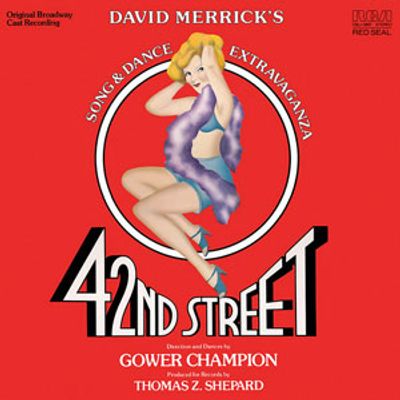
For only the second time in my career, I’m doing back to back shows at the same theater. First there was Anne of Green Gables this past summer and now there’s 42nd Street here at the Goodspeed Opera House. It’s a show I’ve did a few years back and in the same role as too, only this time there’s a lead producer who’s working to bring this production (and hopefully its cast) to Broadway. It has Carina-Kay Louchiey as the young starlet Peggy Sawyer and Max von Essen as the hard-nosed director Julian Marsh. I’m in the role of Pat Denning, playing opposite one of my favorite leading ladies of Broadway...
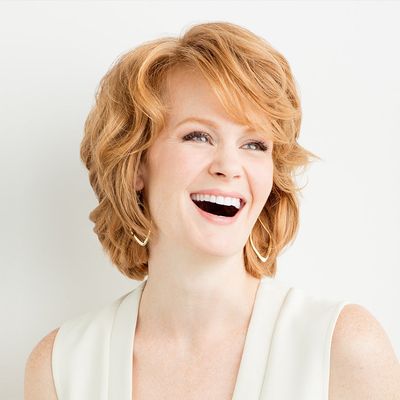
Kate Baldwin, who plays the veteran actress Dorothy Brock, joins the podcast to talk about this current production of 42nd Street and why it means so much to the both us. Then we take a surprisingly candid and unvarnished look at her career and why she was told she’d probably never have one in theater. We also discuss the ways we performers often compare ourselves to others and how to handle those times when someone else books the show instead of us.
As Kate mentions in this episode, she and Georgia Stitt have worked together for years. And it was back in 2017 that MAESTRA MUSIC was formed by this composer/lyricist and music director to give support, visibility, and community to the women who make the music in the musical theater industry. Their membership is made up of female-identifying, non-binary, and gender non-conforming composers, music directors, orchestrators, arrangers, copyists, rehearsal pianists and other musicians who are an underrepresented minority in musical theater (Back in Season 4, Stitt came on WINMI podcast to talk about her career and this wonderful organization).
FINAL FIVE QUESTIONS WITH KATE BALDWIN
In addition to our main conversation, Kate answered the five final questions on topics that we only briefly touched on in this episode. She shares her definition of "making it" as well as what annoyed her most about some singers (riffing). She also discusses music directors, her early days in Thoroughly Modern Millie, and the importance of going where you are loved. Read it all on the WINMI Blog.
Subscribe to get access to bonus episodes and extra content . You can also make a one-time Donation to support podcast production. If you’d like to support WINMI but have limited funds to do so, then contact me directly for reduced-price or even free access to the bonus content.
Why I’ll Never Make It is an award-winning podcast hosted by actor and singer Patrick Oliver Jones and is a production of WINMI Media. Background music is by John Bartmann, used under a Creative Commons Attribution-NonCommercial 4.0 International License.
Transcript
This transcript was automatically generated and might contain errors.
[0:05] Patrick Oliver Jones: For only the second time in my career, I'm doing back-to-back shows at the same theater. First there was Anne of Green Gables this past summer, and now there's 42nd Street here at the Goodspeed Opera House in Connecticut. It's a show I've done before a few years back, and in the same role as well. Only this time there's a lead producer who's working hard to bring this production and hopefully its cast to Broadway. It has Carina-Kay Louchiey as the young starlet Peggy Sawyer, Max von Essen as the hard-nosed director Julian Marsh. I'm in the role of Pat Denning, playing opposite one of my favorite leading ladies of Broadway.
[0:48] Kate Baldwin: Hi, my name is Kate Baldwin. I am originally from Evanston, Illinois, but also Milwaukee, Wisconsin. I now live in Maplewood, New Jersey, after a 20-year stint in New York City. I am an actor, a singer, a fundraiser, a mother, a wife, a friend, and I love tacos.
[1:05] Patrick Oliver Jones: Now, see, that's a woman after my own heart. As if there wasn't reason enough to love her from her roles in Hello Dolly, Finian's Rainbow, Big Fish, who doesn't love a good taco? But getting back to theater, in 42nd Street, Kate plays the veteran actress Dorothy Brock, and we talk about this current production of 42nd Street and why it means so much to us. Then we take a surprisingly candid and unvarnished look at her career, and why she was told she'd probably never have one in theater. We also talk about the many ways we performers often compare ourselves to others, and how to handle those times when someone else gets the part over us. Jealousy is interesting because we all get jealous, so denying that you don't get jealous, I call bullshit on that. I always like to pay attention to jealousy because that tells me what I really want.
[2:10] Patrick Oliver Jones: Welcome and thank you for joining me for another episode of Why I'll Never Make It, an award-winning top 25 theater podcast. I'm your host, Patrick Oliver Jones, an actor and singer, talking with fellow creatives each episode of personal struggles and professional hardships with lessons we can all learn from. The website is whyillnevermakeit.com, where you can subscribe to bonus episodes and offer your own financial support to the production of this podcast. Again, that's whyillnevermakeit.com.
[2:49] Patrick Oliver Jones: Welcome, Kate Baldwin. It is a joy to have you. We're already laughing. I love it. I love it. We've been talking already, but it's a joy to welcome you to the podcast.
[2:58] Kate Baldwin: I'm so happy to be doing this.
[3:00] Patrick Oliver Jones: Now, you and I are, of course, sharing the stage here at Goodspeed at 42nd Street. So whether it's a classic show like 42nd Street or newer works, like you just did Karate Kid Musical, what is it that you look for? Like what draws you to one show over another?
[3:18] Kate Baldwin: Well, the story, first of all, the script and the music, whether or not there's something fun for me to do in the show. And also with a new work like Karate Kid, how much I can contribute to it and how much I can be a part of its actual creation. And then, no surprise to you, my friend, it's the people involved. I want to be in the sandbox with the most delightful, creative, fun, perky people I can find. So whether that's doing something like 42nd Street, which I already knew Randy Skinner and Rob Berman when they approached me about doing this part, or a new work with a new composer and someone who's unfamiliar to me as a director, I want to find out who they are and what they're all about and what makes them tick. That's what keeps me coming back.
[4:09] Patrick Oliver Jones: Now, at this point, are you just approached for 42nd Street to just join, or do you still audition? What is that process like?
[4:16] Kate Baldwin: No, I do some auditioning. For this show, I was asked to join. For Karate Kid, I was asked to join. But I auditioned for Hello Dolly. I definitely went in for that. And I've auditioned for shows since then that I didn't get. So, you know, I would say it's about 50-50.
[4:32] Patrick Oliver Jones: Now, with 42nd Street, you're playing the part of Dorothy Brock, a famous star of the stage, making her comeback with the new musical. Since you're playing an actress on stage, what parts of Dorothy Brock are you? What parts are not? Is there an intermingling of the two?
[4:49] Kate Baldwin: Well, that's fascinating. I think about Dorothy Brock and I think about when Bert, played by the amazing E. Clay Cornelius, and Maggie, played by the delightful Lisa Howard, and Max, who's playing Julian Marsh, are talking about the cast early on. And Julian's saying, "Well, that's Brock, I'm worried about. She hasn't had a hit in 10 years." I think about how my career has kind of, yes, I've done six Broadway shows, but they've been all kind of spaced out. It's kind of like one every five years. And with the exception of Hello Dolly, I was in each one for approximately four months. So I've never really had a long sit-down in a big hit show. That kind of vulnerability sort of plays into what I think about when I bring somebody like Dorothy on stage, someone who is deeply vulnerable.
In her case, it comes out as paranoia of like, is she going to be scorned? Is she going to be mistreated? Is she going to be shoved aside and somehow maligned while she's working on Pretty Lady? Me, Kate, I just feel lucky to be in the room. And so I try so hard, as you know, to think of fun things to do, make sure everybody feels good about what they're doing, and keeping it fresh and keeping it new. So I can relate to Dorothy's vulnerability. I think we all carry all of that as actors. Every time you start something, you're worried about its outcome, excited about it, but also concerned too.
[6:21] Patrick Oliver Jones: Yeah, I think that that's something that whether it's personal or professional, all of us actors can relate to.
[6:28] Kate Baldwin: Yeah, I think so too. And I think it's interesting because in our scenes, because you're playing Pat Denning, who is the true love of her life and the person that she's evidently, you know, I wanted to make it evident from the very beginning that they belong together. So I wanted her to kind of drop the facade of her grandeur. Sometimes, and I'm sure you know people like this, when they're feeling vulnerable or nervous about things, they kind of put on a grander state of being. I think that's what Dorothy does. Sometimes I do that in my real life too. But I wanted that to all fall away when she sees Pat and realizes that her true past has caught up with her, and the decision about what to do in the future becomes more urgent. Which way is she gonna go? Is she gonna go for her showbiz life and the fake relationship with Abner Dylan, or is she gonna follow her heart?
[7:19] Kate Baldwin: Well, it's interesting that Randy Skinner said that the Dorothy-Pat relationship was the love story of 42nd Street, which I hadn't thought of it that way until this production.
[7:30] Patrick Oliver Jones: Yeah, right. You always think of Billy and Peggy because Billy comes on so strong at the beginning. And then sometimes that Julian Marsh triangle is thrown in there.
[7:39] Kate Baldwin: Right. And that is something that we have altered for this particular production to make it sort of more palatable for 2022.
[7:47] Patrick Oliver Jones: Right, less creepy director, which I think is a good thing.
[7:50] Kate Baldwin: Agreed. Now, with 42nd Street having just opened, you know, reviews are coming out, mostly good. They're talking about wonderful things. Do you have a policy when it comes to reviews of reading them or not?
[7:59] Kate Baldwin: I do not read reviews.
[8:01] Patrick Oliver Jones: Why is your rule to not read them?
[8:03] Kate Baldwin: Because then all I'll do on stage is think about what the reviewer said, whether it was good or bad. You know, it doesn't matter if it was a criticism or whether it was praise. I'll just think, "Oh, I'm really good at this part," you know what I mean? Or, "Oh, I sucked right here. Let me see what I can do to change it." For me, every night it's about taking the temperature of the audience and making sure that I'm connecting with the people on stage. I mean, because every audience is different. Sometimes too, like I remember a quick story from Hello Dolly. That show five years ago on Broadway starred Bette Midler and David Hyde Pierce, and it had this deluxe production. No corner was cut, no expense was spared in terms of costumes and the design elements and the set and the orchestra.
Everything was just really first rate. And so they charged a first-rate ticket too. So premium prices were through the roof for that show. I'll never forget we're standing there at curtain call, and the curtain comes down, and I'm two people away from Bette, and she sees a couple in the front row, a younger couple, who were standing and applauding, but the look on their face was one of kind of disappointment and dismay. She said, "Ah, the curtain hit the floor," and she turned to me and Gavin and said, "I think the ticket prices are too high. I think people are expecting me to shoot confetti out of my ass or something." You know what I mean? Like they didn't think that they'd see a musical with a wooden train in it.
You know what I mean? Like it wasn't to their expectations. And so it was a reminder for me that every audience has a different expectation. An audience, too, is not a monolith, right? It's filled with different individuals who bring their own experiences to the material. Some people who may have seen 42nd Street before, others who have no idea what it is, other people who are seeing a musical for the very first time, or people who have seen every incarnation of 42nd Street ever done, and are familiar with the movie and the novel and all those other source materials. So it really is just trying to have fun in the moment and be real in the moment and do what delights myself and do what delights hopefully bringing other people along with me, not at the expense of anyone else on stage, you know what I'm saying?
[10:15] Patrick Oliver Jones: Of course. But like, you know, there's something to be said for having fun in a role, and that fun is gonna hopefully connect with an audience and then bring them into the show as well.
[10:24] Kate Baldwin: Yeah, yeah.
[10:32] Patrick Oliver Jones: Well, let's get to your first story, and this first one is about your height. You know, you say you were never an ingenue, but rather you were stuck covering and understudying other actresses until you finally grew into your leading ladiness. And casting directors, artistic directors, teachers all told you that you were too tall for a career in theater. Now, I'm wondering, outside of theater, had you ever been self-conscious about your height?
[10:58] Kate Baldwin: Um, I don't think so. No, I don't think anybody made me feel like I couldn't do something because I was too tall. No, just on stage.
[11:06] Patrick Oliver Jones: So, what was it about being too tall that made you seem so uncastable to these people?
[11:10] Kate Baldwin: Well, when you're young on stage, youth equals short and maturity equals tall. I'm sure you've understood this. So here I was in college and newly graduated from college, tall. I have broad shoulders, I have a low-speaking voice. I've read a book or two. I was a little salty when I graduated from school.
[11:40] Kate Baldwin: I thought I was smarter than everybody else. I didn't know what to do. So, you know, I projected a maturity that wasn't necessarily right for the roles that I wanted to audition for, you know. Who would buy me as a scraggly, you know, um, awkward kid? I wasn't. I was, you know, sort of a leading lady waiting to come into her own. And actually, a casting director said, you just have to wait. You just have to wait and you have to get ready in the time. He's like, You're gonna hit it in about 10 years. And so, did that feel defeated? Did that feel like, oh, what am I doing? In the moment, yes. But I thought, okay, I'm not interested really in playing in genuine roles anyway. Like I'm going in for Belle and Beauty and the Beast, and I'm going in for, you know, I got two great understudy roles early on in my career.
One, I understudied a fabulous actress. Both of them are fabulous actresses. But one, I watched her craft her role and I watched her ask for specific things to be changed within the script or within the staging. We were working on a revival, so there was only so much leeway she had. But I watched her communicate with people and I watched her charm everyone and I watched her performance, which I thought was so wonderful. And I thought, huh, that's how you do it. And then after that, I understudied another actress who was equally as talented, but had that paranoia. And so anytime anything got cut or changed or, you know, anything, she would react as though she had been slighted, she had been somehow diminished.
So her defenses were up. And I watched how the room changed, the temperature in the room changed, and how the creative team kind of put up a little wall between themselves and her. And I thought, huh, that's how not to do it. So what I'll say about being too tall to play the roles that I was understudying, my youth did not align with the way I looked and what those roles required was that I got the benefit of being in the room and watching other people do the thing I wanted to eventually do. And I got to learn from them how to do it and maybe how not to do it. So and that was incredibly helpful.
[13:46] Patrick Oliver Jones: We were even talking about this a couple of nights ago about there was a particular show where you got to sit in in the audition.
[13:51] Kate Baldwin: Yes. And so I imagine that it was interesting seeing the various actors and actresses that were coming through that were going to be in this show that you had already been cast in.
[13:59] Patrick Oliver Jones: Yeah, and watching actors audition because I know what it's like to be the auditioner. I don't know what it's like to watch actor after actor come in. Have you ever been a reader or been in that situation?
[14:09] Kate Baldwin: And it's fascinating to watch. And you see those nerves come through, you see the people that hold the script in front of their face and they're just shaking, and then you see the people that put that script down and they're just like free birds just flying all over the room. And it's wonderful to see.
[14:23] Patrick Oliver Jones: Yeah.
[14:23] Kate Baldwin: And you see people get in their own way all the time. It was very informative for me because I think we all want to go in and be perfect and give an opening night performance. And what I learned through watching auditions was that even if you make a mistake or something doesn't go as planned, it's the way you recover that tells a creative team more about how you'll handle a rehearsal process and a performance than anything else.
[14:49] Patrick Oliver Jones: Yeah, yeah, absolutely. Well, as you mentioned, I am someone who's tall.
[14:52] Kate Baldwin: Yes.
[14:53] Patrick Oliver Jones: And I know that my height has been an issue for some directors as well. But I would say in general, you know, if I didn't book a show that I was auditioning for, I would think of other reasons why I didn't book it. You know, my height was never an issue when you were auditioning and didn't book something, was height something you thought of, or was it other things?
[15:10] Kate Baldwin: I was told, you know, I didn't get the revival of Follies in 2000, whatever it was, the Blythe Danner one because I was too darn tall. Yeah, I mean, they tell you things all the time. Oh, here's one though. I booked a replacement in Wonderful Town. So Wonderful Town happened on Broadway in 2004, maybe with the wonderful Donna Murphy playing Ruth Sherwood and Jennifer Westfeld played her sister Aileen and my friend Nancy Anderson played their wacky next-door neighbor, Helen Wade. So Nancy was gonna leave the show. I had seen it. I was like, well, that'd be really fun to do. So to play Helen and then to cover the two ladies. That sounded great. And so I went in and I had one of those auditions where you're just flying, where you're just like, I know this.
This is crazy, you know. And I did it and heard the next day that I got booked apart. This was great. And then maybe a week later or something, I went on a commercial audition and I ran into a friend. And we were at this commercial audition. Hey, what are you doing? What's what's up? How you doing? Oh, I just booked Wonderful Town. And she goes, huh? That's weird. They told me I was too tall. And we are eye to eye, me and my friend. We are like the same type, you know, because we're in for a commercial and they go for the same. And I just looked at her, I was like, wow, they'll say anything to like give you a reason as to why you didn't get it. When sometimes the reason is just it's not you today. It's not yours today. Has nothing to do with your talent, has nothing to do with who you are as a human. And it really isn't about how tall you are, right? It's just about it wasn't you today.
[16:40] Patrick Oliver Jones: Right, right. And it could be who you're up against. I think me being tall helped the fact, you know, since you're a taller woman that our height difference looks good on stage.
[16:49] Kate Baldwin: Oh, thank God for you.
[16:50] Patrick Oliver Jones: Right. So in this case, my height was a benefit, you know, since they'd already cast you.
[16:54] Kate Baldwin: Yeah. Whereas in other times I've been cast because the other girl was five, too, and they thought that would be funny.
[16:59] Patrick Oliver Jones: How did that work?
[17:00] Kate Baldwin: It actually worked well. It was for Greece.
[17:02] Patrick Oliver Jones: Oh, that's so...
[17:03] Kate Baldwin: We were like, you know, foot and a half apart, but it made it a funny pairing. Cheyenne would talk about that too. Cheyenne Jackson would talk about early on in his career, he played Tony in West Side Story, and he said his Maria was like four foot eleven. He said he literally would like pick her up and kiss her and then put her down again. You know what I mean? And that was unintentionally funny, but funny.
[17:36] Patrick Oliver Jones: Well, this gets us into story number two where you like to play casting director at your auditions.
[17:42] Kate Baldwin: That's so right.
[17:43] Patrick Oliver Jones: Yes. And what you do is you say that you look around the room and you pick the people who will do a better job than you.
[17:49] Kate Baldwin: Not a better job, but would be a better fit for the role.
[17:51] Patrick Oliver Jones: Better fit.
[17:52] Kate Baldwin: No, no, what I'd cast her in this. Yeah, she'd be great in this. What is it you're looking for? What do you see that's a better fit?
[17:58] Kate Baldwin: Well, I have an idea, maybe of my version of the role, but I look around and I see other people and I go, oh well, she clearly has a clearer idea. Or she looks like she knows what she's doing better than I do.
[18:10] Patrick Oliver Jones: It's typecasting.
[18:11] Kate Baldwin: I kind of am. I know it's the worst. Listen, I went in for Hello Dolly, and I was like, they're never gonna pick me for this. I'm too old. I'm too tall. I'm too this, I'm too that. I just and I looked around the room, I was like, oh, I'd totally pick her instead of me. They were all younger than me. I was like, oh, they're gonna pick somebody younger. I got it. Okay. You know, they're doing me a favor by calling me in. And in that regard, in that particular sense, it took any sort of stress or pressure right off. Because I was like, I'll just go in and I'll just, you know, I'll do it. I've played Irene Malloy twice before. I know this role in my bones. I don't need the script. You know, I'll just go in and do my version. And if they like it, they like it. No, but you know, and I will not have wasted this afternoon. Which to me is the best mental space to be in when you go into an audition. It's like whatever happens, happens. I'm just gonna have fun in the room.
[19:02] Kate Baldwin: Yeah, exactly. Because she's gonna get it. So I have no shot anyway, so no big deal. But go in and attitude that that fun, that playfulness is obviously what got you the role.
[19:12] Patrick Oliver Jones: I think that's right. Because they called the same day. They didn't even have callbacks.
[19:15] Kate Baldwin: Yeah.
[19:15] Patrick Oliver Jones: So I got on the train and went home and then my phone rang. I was picking up the dry cleaning. They're like, hey, do you want to play Irene Malloy? I was like, oh yeah. Sounds great. Now, have you ever thought of going into casting yourself?
[19:25] Kate Baldwin: No, I would hate to be the middleman. I think that sounds like a really terrible job. Don't you?
[19:31] Patrick Oliver Jones: Well, yeah, because you scare actors in the way that they're nervous around you, but yet you really have no power ultimately at the end of the day. The director, the producers, they're the ones who really call the shots. They're the ones who make the decisions, but you're a gatekeeper. That casting director is really a gatekeeper.
[19:46] Kate Baldwin: But that's a person I feel like a casting director can get yelled at from both sides. They get yelled at from the producers. Why aren't you bringing me the people I want to see? And they get yelled at from the agents. Why aren't you seeing my clients? So like I would not want to be that person who gets yelled at the other team. It's a special kind of person.
[20:01] Patrick Oliver Jones: It does.
[20:01] Kate Baldwin: It does. God bless them. Now, also when you say when it comes to auditions that you want everyone to like you, which is, you know, I think it's what we all do in auditions. But you want the people in the holding room to like you. And so you start getting all chatty and you start, you know, talking with them, and you say that you get distracted, you know, rather than sticking to your guns, to your work, to your prep, and you're far more interested in what they're doing than what you need to be doing going into the audition. What is it about the holding room that kind of distracts you so much?
[20:35] Kate Baldwin: I think people are fascinating, and I think actors are the most fascinating people of all, really, honestly, truly. And you know, I've been in New York for 25, been a professional actor for 25 years. So chances are in that holding room, I know at least two or three or four people. Like, I'm thinking of an audition I went on last summer where I just was chatty Cathy in the audition room the entire time and didn't get a callback because I was too like invested in like, how was your summer? What are your kids doing? Oh my God, where are you living now?
[21:04] Patrick Oliver Jones: So you found that once you went into the audition room, you weren't present?
[21:07] Kate Baldwin: I don't know that I I'm not gonna blame because I was very well prepared for that. I think I just ultimately was the wrong person for it. But um I value community, I value our community so much. And so I kind of err on the side of going overboard of trying to make everybody feel welcome. I think the opposite, if I were to sit in a chair by myself and like deny who else was in the space with me would stress me out. If like my friend is over there and she's getting ready for the role and I'm also getting ready for the role, to not acknowledge that she's there and to talk to her and ask her how she is would make my nerves through the roof. But I know those actors, I've had friends who like it, will kind of give a glance, maybe a head nod, and then they go right back to their script because I know that they're focused.
So I mean, that there is certainly that that time to be focused. I generally find for myself it's the more serious roles, or maybe one that I don't know as well that I have to focus, but fun, lighthearted roles I might be bouncing around the whole talking to people.
[22:08] Patrick Oliver Jones: I'm the opposite. I have to get it out, I have to get it out, and I have to like acknowledge it and get it in and deal with it, deal with it in a nice way, in a good way, before I can then focus on what I need to do in the room. And once I get in that room, it's bam, I'm into the business.
[22:23] Kate Baldwin: Now, I do wonder though, whenever you're talking, especially whenever it's like friends, in some way does it calm you down to have that connection and that personal touch with people in the holding room before you get in.
[22:34] Patrick Oliver Jones: Yeah.
[22:35] Kate Baldwin: Well, yes. Because guess what? Whether or not either of us gets this job, we're still gonna be friends. You know what I mean? They can't take that away from you. I think one of the most powerful things somebody ever said to me was, What's the worst thing that could happen at an audition? They say no, big deal. Like that's not the worst thing. That's gonna happen most of the time. And you still have your, you know, you still have your family, you still have a place to live, you still have, you know, ice cream in the freezer, you still have your community and your friends. Like nothing has been taken away from you. It just an opportunity came and went, but you're not diminished in any way. Like you're still you.
[23:18] Kate Baldwin: Is jealousy ever an issue for you as far as friends getting it or not getting it over you? Jealousy is interesting because we all get jealous. So denying that you don't get jealous, I call bullshit on that. People you go, oh, I wanted that, or that seemed like such a cool project. I always like to pay attention to jealousy because that tells me what I really want. Because I'm pretty good at convincing myself, oh, this was the right choice. And that's what we do as humans, right? Like, oh, well, this happened, you know, that whole everything happens for a reason kind of mentality that some people have. I think sometimes if you go, oh, I would have liked to have done that, or what's she doing?
Oh, I wanted to do that. Uh I have to look at that and go, what is that leading me towards? What does that tell me about where I need to go next and what I need to focus on and what I'm interested in? I think jealousy is another uh way to figure out what you're really interested in. Does that make sense?
[24:12] Patrick Oliver Jones: I think it does because I know earlier in my career, I was auditioning for everything. If they needed a male, I was there. You know, it was that kind of thing. Whereas as I started to get older, as I started to do more shows, I started to find out, oh, I really like this, or I gravitate toward these characters, or this is my typecasting. And so I started to see a pattern, not only with casting directors, but then in myself, what I liked, what I gravitated towards. So then as parts fell away that I stopped auditioning for, I wasn't as jealous when other people were getting them. Cause it's like that that's not me. That's not true. But then the parts that did mean something to me, the shows that I really loved, you know, I started to see a passion and drive to get those. So I think you're right that jealousy is it's a natural inclination, but it's also an indicator as to a direction to go.
[25:00] Kate Baldwin: Right. And sometimes you don't know what's for you until you're in that audition room. Have you ever had the experience where you're there and you're like, oh, this job is not for me? Like in the middle of the audition that has happened.
[25:10] Patrick Oliver Jones: Oh, yeah.
[25:10] Kate Baldwin: Yeah. And and not just because I can see, you know, their eyes rolling the back of their head as I'm auditioning. No, no, no, no. But as I'm doing this role, I'm like, this the song just it doesn't fit right. Like I can't. And then the director gives you feedback or a little tweak, and then you do it, and it's like, oh, I'm just not either connecting with this role or sometimes it's a chemistry with the director. You just don't, you're not on the same page. So yes, I've definitely felt that.
[25:35] Patrick Oliver Jones: Yeah. And then conversely, there are those where in the room, it takes on a new, and you're like, oh, I really like this. And that happened to me when I was doing a nymph audition. And it was for Swiss Family Robinson for this French pirate.
[25:49] Kate Baldwin: Okay.
[25:49] Patrick Oliver Jones: And there was a certain, and I mean it's a funny role. So I could have fun with it, but what I had prepared was not even close to what I did in the audition room that kind of went to another level, you know, and and you start to really feel a part of that character and hopefully a part of the show.
[26:05] Kate Baldwin: That's so magical when that happens.
[26:07] Patrick Oliver Jones: Isn't that magical? For you, what have you found in the audition room has been that spark that's brought you to another level or sent you into a place that you didn't know that you could do?
[26:17] Kate Baldwin: Um, it won't surprise you that in every instance I try to find humor, whether it's deadly serious or a role that everybody thinks that they already know, because I do a lot of revivals. I've done a lot of regional work and I've played a lot of leading ladies and in genou's. Like I always try to make them laugh because um part of laughter is surprise. So that means I'm doing something unexpected. So I love in the audition room bring in props. I love to use physical humor. I love to uh use the reader or the accompanist in a specific way. Yeah, I go for the humor of it always. And if I can make them laugh, that means I've succeeded. There have been plenty of times where that just doesn't happen.
I just but I take a big I try to take a big swing, you know. Uh, and sometimes it's a swing and a miss. What the most frustrating auditions is when I are when I can't take a big when I don't allow myself or I think, oh, that's too much, or I can't do yeah, when we hold ourselves back.
[27:18] Patrick Oliver Jones: Yeah, yeah, yeah. And those just feel dreadful. That just feels awful.
[27:27] Kate Baldwin: When I bring a guest onto the podcast, I not only ask them for their three stories, I also ask them five final questions. These are topics that may be briefly mentioned here in these interviews, but in the written form, guests are allowed to go into a bit more detail. And so almost every guest this season, Kate included, has shared their own insights and experiences when it comes to lessons learned, best advice given, and of course, what making it means to them.
[28:00] Patrick Oliver Jones: I think um the definition of success is having choices, choosing what your next project will be, and choosing it for reasons that make sense to you and to your family. You know, what best benefits. And also, success is also rolling with whatever comes at you and making the best decision you can in the moment, given the information you have. My dad always says it's you either make the right decision or you make the decision right. How can I fix whatever is falling apart? How can I switch course here and make uh the next best choice? Even if it means going like, whoops, I screwed that up, you know. So um, how can I save? It's also it's the same thing you do in the kitchen, right? If you burn the dinner, how can I save this? What can I do? Or in the audition room, you know, if you make a mistake, you keep going. And that tells you more about a person than anything, right? If if we were perfect all the time, how boring would that be?
[28:54] Kate Baldwin: And you are not boring at all. I'm trying to say I make lots and lots of mistakes. Check out those final five questions on the win me blog. You'll find the link to Kate's answers in the show notes.
[29:19] Patrick Oliver Jones: Well, this leads us into story number three, which is this deep-seated and pesky belief you have that performing a player musical eight times a week, it just isn't enough. You know, because it it's not saving lives, you're not you know, helping the planet, you're not feeding people who are hungry. So it it sounds like that you're asking yourself, you know, what is it all for? What exactly is the point of all this singing and dancing? Yeah. Obviously, you find enjoyment in performing, but but there's but there's a part where you see it as maybe less than other jobs.
[29:48] Kate Baldwin: Of course. Yeah, I think so. Because look at the world around us. And I uh as I as I get older, I think about what is the legacy one leaves behind? What what can I do to make the world a little bit better than how I left it? And I don't know if that's just you know, being in my mid to late 40s. I don't know if that's being a mom. I don't know if that's um coming through a uh a pandemic and um a really rocky political climate, but those are all on my mind often, and they weren't, you know, 25 years ago when I was just starting out. When you're young, you're just like me, me, me all the time. What can I do? What about it? What about me? And and now it's more about like, what am I doing for them, for you, for us?
What uh version of a service can I provide? And is this service? Is doing eight shows a week enough? And is it helping? And I vacillate. There are days when I'm like, yes, people need to laugh, they need to feel like I need to lighten their load. And that's my job. I would talk to, okay, sorry during Hello Dolly, Victor Garber who played um, oh God, Mr. Vandergelder. He took over for David, and he and I shared uh a hallway, and he would come in and he would lie down on my chaise. I had a chaise in my dressing room, and he would do oh woe is me. And I love Victor because even when he's doing Oh Whoe is me, he's hysterically funny. And he was like, Oh God, Kate, how are we gonna do a musical today?
You know, there there are children dying, you know, there are people starving, you know, there are people, you know, and he would he would have the weight of the world on his shoulders. And it was my job to say, Victor, there are people in that audience who have paid upwards of 250 dollars so that you bring them some joy, you bring them some laughter, you t take them away from the world for a minute. You were doing some hello dolly is a charm ball. You know what I mean? Like it's just a big old love bomb. So that's what they want, and that's what we're gonna do. And so, and sometimes I have to give myself that talk because I'm sometimes I'm like, oh God, why do we work so hard and why do we put ourselves through this? And it's not really putting food on the table for anybody, and it's not really giving anybody a uh a safe place to live. Um, that and those things are needed too. So yeah, I wrestle with that often.
[32:15] Patrick Oliver Jones: So this attitude, this perspective, does it influence the kind of shows you go for?
[32:21] Kate Baldwin: No, uh no, it's so funny because whenever I'm doing like a comedy, I really want to do a serious drama. You know what I mean? Or like whenever I'm playing uh doing a soprano role, I want to be a belter, or whenever I'm doing a belter roll, I want to be a soprano. So you always want the opposite of what what you're up to. Don't you feel that?
[32:37] Patrick Oliver Jones: Oh, yes, yeah, exactly. When the role's so big that you're on stage every minute, you're like, God, I just I just want to like have a 15-minute break.
[32:44] Kate Baldwin: Exactly. Exactly. And then when you're a little roll, then it's like, oh my gosh, I just want five more scenes, please. Or when you're doing something that's particularly heavy, like my friends who did Dear of Andhanson for a long time said the minute they would get off stage after a particularly like emotional heavy scene, they'd like be doing goofy dances and like trying to crack each other up, you know, and and conversely, sometimes when you're doing a light comedy on stage, you're like, really? But I feel like crying most of the time because I'm paying attention, I'm aware of what's happening in the world. And how can you, how can you be a good artist without being aware of the world? You have to take it all in, but you have to also be able to let you figure out how to not let things get to you in a sense that it makes you unable to do what you what you're supposed to do, you know, and what you ultimately want to do.
[33:31] Patrick Oliver Jones: Well, right. I think that balanced seesaw perspective is good. So that when one is up, you realize the other has to come up too. And it's a balancing act of these different emotions and perspectives and feelings when it comes to playing a role, but also what the audience is getting too.
[33:45] Kate Baldwin: Yeah. And also the sort of like external nature of what we're doing. I was trying to talk to with one of my dearest friends right now, is having a really hard time on tour because there's so much attention coming at him, you know, as as part of a national tour that is a giant big show and and uh with a lot of press and a lot of uh just attention that he wasn't necessarily used to. And he can fake it, he can go along with the interviews, he can go along with the you know extroverted kind of like, yes, I'll sign your program at the stage door, but that takes a toll on him. And he's like, Why do I feel so crappy every day? Why is it so hard every day? I was like, Yeah, it is hard to put yourself out there and receive that kind of attention that that feels huge in the moment, but isn't really doesn't really have the same meaning that a real personal relationship would have.
You know what I'm saying? Like it feels more impersonal than the personal relationship that actually feeds you and makes you which is so interesting because from the outside it looks so glamorous, it looks so busy, and you're on top of the world and you're everything. It can leave you so mixed up inside and leave you so feeling so empty.
[34:55] Kate Baldwin: You feel your emptiness even more.
[34:57] Patrick Oliver Jones: Yeah, it's tough, it's really tough.
[34:59] Kate Baldwin: And it's this is his first bout with it. And so I was like, I've been through this before. Let me hold your hand now. Yeah, it's gonna be okay.
[35:06] Patrick Oliver Jones: Well, you have been nominated for many awards, you know, from from Tony Award.
[35:10] Kate Baldwin: Well, I'm just saying, you've been there, you've done the Tony Awards, the drama desk, outer critics. I mean, you know, you've had all these award nominations, haven't won one yet, unfortunately.
[35:19] Patrick Oliver Jones: Oh I wish I wish listener, you could see the pity in his eyes.
[35:23] Kate Baldwin: Oh, so much the caring. But I mean, so with this, like, you know, worldly perspective, then do these awards really mean that much?
[35:31] Patrick Oliver Jones: Well, you know what? An award means different things at different times in your life and different moments in your career. An award right now, at my advanced age, is not going to change my life. It really isn't. An award would only be like an ornament on the Christmas tree. It would be like an acknowledgement of like, hey, Kate, you did a good job. But in many respects, the nomination is that also is also the industry, the community, the people whom who I respect and love and want to make stuff with, saying, Hey, we like making stuff with you too. That's what it feels like to me. So it just feels like a nice acknowledgement, handshake, uh, you know, a hug in that regard.
[36:10] Kate Baldwin: But I've won one award in Chicago. There is a group called the Sarah Siddons Society.
[36:17] Patrick Oliver Jones: What is Sarah Siddons?
[36:18] Kate Baldwin: Right. Sarah Siddons was a famous actress, uh, and she is referred to in All About Eve. Do you know that movie, All About Eve? There was a fake award called the Sarah Siddons Award in that movie. So the Chicago uh theater supporters community decided to create a real Sarah Siddons Award. So, along with the award each year, there are scholarships given out to Chicago area college students who go to Northwestern, DePaul, Columbia, and Roosevelt. And so it is a scholarship program, and then each year they have a big gala dinner and they invite somebody to quote unquote win their award. It was Christine Eversall last year. I've sung at it many times because they've honored my friends Brian Darcy James and Sutton Foster and all this kind of stuff.
And then they gave it to me one year. So it's like an honorary award, so to speak. Yeah, it there's no competition. It's just a group of people saying, We want to have a fancy dinner. Who should we invite? Who's good at talking? Ding ding ding. You're a talker.
[37:15] Patrick Oliver Jones: Yeah.
[37:15] Kate Baldwin: And then I went up on the words to my song during my awards uh acceptance performance. It was great. Showing why you were deserving of that award. But as far as your competitive awards. I haven't won a damn thing.
[37:30] Patrick Oliver Jones: Okay.
[37:30] Kate Baldwin: Always the nominee. But you know what? Happy to be there. Happy to be invited to the house. Just can't win a damn thing.
[37:38] Patrick Oliver Jones: Right. Always the nominee, never the winner.
[37:40] Kate Baldwin: Correct. It's with your MO for this thing.
[37:42] Patrick Oliver Jones: That's what I'm saying. Oh my god. But I want to tell you a funny story. Uh I uh what Graham and I, my husband Graham and I went to the Tony Awards um in 2000, 2017, because that was the Hello Dolly year. And my son, Colin was five years old at that point. And so he stayed home with the babysitter. He wasn't gonna come with us to the Tony Awards, but we said, hey, you know, mom's category will come on, I'll give you a sign uh when they when they put the camera on me and dad. Uh, and we'll and you'll see us on TV and and we'll give you a little sign so you'll know that we're thinking of you. So unfortunately, my category didn't come up until after his bedtime. His bedtime was nine o'clock. But we had DVR'd the Tony Awards.
And so the next day when I came to pick him up from school, um, I asked him, you know, said, How are you doing? And and what do you want to do? And he said, Well, I want to watch the rest of the Tony Awards with you. And I was like, Oh, okay. Well, you know, sure, of course we can. So we get to the to that part. Um, he thought Kevin Spacey was hilarious, by the way, as the host of a Tony Awards.
[38:42] Patrick Oliver Jones: He was a good host.
[38:43] Kate Baldwin: He was like despite all the shitty things he's done. He was a good host. Yeah, yeah, yeah. We haven't we haven't really told him the you know finale to that story yet. But we got to my category. Graham and I did our fun little like fist bump, you know, for for our son and everything. And so I went to go turn it. I was like, there it is. There's the little sign for you. And I went to go turn it off. He goes, No, no, no, wait. I want to see how it ends. Like, what what happens? And then it said, and the Tony Award goes to Rachel Bay Jones, and Colin's face fell. It had not occurred to me that he didn't know that I didn't win. Uh and that his expectation was. So he was like, What? And he started tearing the couch apart. He started like tearing the cushions off the couch. And he goes, he was like, wait, I hate the Tony Awards. I hate the Tony Awards. He started doing that.
[39:39] Patrick Oliver Jones: Had he seen you in Hello Dolly?
[39:41] Kate Baldwin: Uh, yeah. I think by that point he had seen me in Hello Dolly. Yeah, yeah, yeah, yeah. But for him, it's not a big deal. For like watching mom on stage is like really not a big deal. But he just assumed mom's gonna win.
[39:50] Patrick Oliver Jones: Yeah, of course.
[39:51] Kate Baldwin: Yeah. Why would why else would we take a night away from him if if it wasn't something really important? Right. You know, something like that. So we had to turn off the TV, and I had to have a good talk with him about it's not about winning and losing, it's about showing up and doing your best, your very best. And it's about, you know, uh being part of a group, about part of a community and part of a celebration because the whole night is a celebration. So we have to talking about that. But it's really fun now that he's 11 to remind him of that moment and him going, yeah, yeah. I he has really has no memory of it. But he he uh what he does have a memory of is the Roquettes. So the Roquettes were on that night too, and I just remember him looking at the Rockettes being like, uh-huh, okay, got it. So yeah. Oh my goodness. I hate the Tony Awards. That's a fun that's a that's a catchphrase in my house. We don't like them. We don't like them at all. It's funny.
[40:47] Patrick Oliver Jones: Well, I would imagine though, that with this idea of there are more important things in life to do than you know, get up and sing and dance, that you get maybe antsy or bored with doing the same show over and over again.
[41:00] Kate Baldwin: I do, yeah.
[40:59] Patrick Oliver Jones: So I do too much during the day. I do other lots of other projects during the day. So, well, right now I'm planning a concert in December. My friend Georgia Stitt and I have co-created or are in the midst of co-creating a concert that features the women composers and lyricists from Broadway. And we'll do five performances at the 92nd Street Y. So that's my days are spent talking to visual artists, talking to the line producers, um, getting my cast together. I have five singers, I'm one of them. Um, and then picking material to work on and and what stories we're gonna tell. I just I love making stuff. So I that pandemic was really hard for me because uh to not have an a creative outlet to not have people to make stuff with was really really really really hard.
[41:46] Patrick Oliver Jones: Well, and Georgia Stitt is a wonderful person to work with. I I had her on the podcast, and and she talked about Maestra and the wonderful things that that organization is doing and uplifting uh women musicians and composers and and uh and the like. So it's uh it's it's a wonderful thing that uh that she does, and so I'm glad that the two of you you've worked together before and other.
[42:05] Kate Baldwin: Oh my gosh. Uh, uh Georgia is my work wife for almost 19 years now. I've sung on her albums. She has written specialty material for me. She is my music director and my accompanist. Um, whenever I do concert work, um, she is my person who comes along with me and I do her songs in my shows, and then she arranges when I like you know, have a new song, I'm like, Well, you do arrangement on this, and she does, and and um, you know, she's one of my best friends and one of the smartest people, most creative people you'll ever meet. And if I ever feel like I'm overwhelmed and like overprogrammed during the day, I just think, oh, Georgia's doing where every one thing that I'm doing, Georgia's doing five.
She she's unbelievable. She never stops. I I remember whenever we sat down. I mean, she had to kind of place it not just between her work, but also then she has kids and then with Jason. And so just trying to schedule a moment in her life is really tough. And so I yeah, I can only imagine how busy she stays. I mean, we we're on a vacation compared to her most days.
[43:06] Patrick Oliver Jones: Yeah, I know. And I think to myself, well, I really could rest during the day and really, you know, like save all my energy for the show at night. But I think part of part of what I can bring on stage each night is fueled by the things that I get to do during the day. So it is always about finding a balance.
[43:26] Kate Baldwin: And I imagine since COVID, you know, when we were all shut out of anything creative, you've had a renewed sense of of staying busy and wanting to do more things.
[43:35] Patrick Oliver Jones: Yeah.
[43:35] Kate Baldwin: Um, I had two projects during the pandemic. One was joining Georgia's organization, uh, her not-for-profit, that's called Maestra. If you go to Meistermusic.org, um, I directed Maestra's virtual spring fundraiser. And so that was in 2020. And I gathered everyone and and wrote the virtual spring fundraiser. Um, obviously not alone, obviously with a lot of help with from a digital company called Broadway Unlocked and Jessica Ryan and and Julianne Merrill was our music director, and we had so many wonderful collaborators. Heather Gershanowitz filmed and cut together so many wonderful videos for us. And then we did a version, a hybrid version last year in 2021, where we had a live venue and we also streamed it at the same time. And now we're in the throes of planning for Amplify 2023. So I'm kind of like directing things, I guess-ish.
[44:25] Patrick Oliver Jones: And how does that feel?
[44:26] Kate Baldwin: Um, fun. It's fun to be in charge. You know, it's nice to say you're gonna sing this song and I'm gonna do this, and you're gonna do that, and and this is what it should look like. And yeah, it's it's fun to make decisions that way and to impart some knowledge and to share what I know to other artists. That's and also hear from them. And we talked about your marriage and being a mother. I assume that that's also giving you a different perspective when it comes to not only your life, but your career as well.
[44:53] Kate Baldwin: Oh, yeah, absolutely. What jobs will you take and and um what jobs won't you take and how that all fits in into your family life. My husband is incredibly thoughtful and communicative, and we work as a team to make decisions about what kind of work makes sense for us in the moment. And we always revisit those conversations and thankfully we uh can work it out together. I know it's not always easy for two artists to live together. You know, when one person is uh involved with a project, that kind of means the other person needs to be the primary parent and take care of the home front. And that I'm fortunate to have a husband who will do that for me at this moment. Um, and then that will flip on November 7th. He'll go into rehearsal for something, and I'll have to be the primary parent at that point. But that's the deal you make, right? You know, he would do it for me, so I will do it for him.
[45:56] Patrick Oliver Jones: Thank you so much for joining Why I'll Never Make It. And don't forget, you can become a subscriber and get bonus conversations by going to why I'll never make it.com and click subscribe. Or just look for the link in the show notes. Be sure to join me next time as we talk more about why I'll never make it.
© Broadway Podcast Network, All Rights Reserved