

Having worked with Lauren Kennedy at Theatre Raleigh on BRIDGES OF MADISON COUNTY, she joins the podcast today to talk about her transition from Broadway back to doing theater in her hometown of Raleigh... Read More
From the show: Why I‘ll Never Make It
Featured Shows
About
Having worked with Lauren Kennedy at Theatre Raleigh on BRIDGES OF MADISON COUNTY, she joins the podcast today to talk about her transition from Broadway back to doing theater in her hometown of Raleigh. From her time growing up and studying theater in college to landing her first Broadway show and ultimately deciding to direct, Lauren shares her own experiences in auditions and what she now looks for on the other side of the table. It's a great conversation about the business and how she found fulfillment in what can often be a trying and frustrating profession.
Contact me with your own "why I'll never make it" story or ask me a question you'd like to have answered on this podcast. Email me at whyillnevermakeit@gmail.com or leave a voicemail message at contact.winmipodcast.com. As the WINMI community continues to grow there are two ways you can help:
1) Please consider subscribing or donating to support the work that goes into each episode.
2) Share this podcast with those who you think would benefit from the stories and conversations featured on each episode.
Transcript
This transcript was automatically generated and might contain errors.
[0:04] Patrick Oliver Jones: A lot of people are like, oh, you made it right away. But the tricky part about what looks like you're making it right away is that it actually comes crashing down on you.
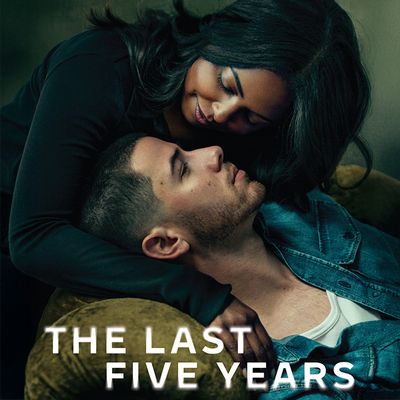
[0:19] Patrick Oliver Jones: Hey there. Thanks for joining me on another episode of the podcast. As I've mentioned before, this past summer, I had the absolute thrill and honor to play the part of Robert Kincaid in Bridges of MADISON COUNTY at Theatre Raleigh. And the director and also artistic director of that theater company was Lauren Kennedy. And she is someone who used to live in New York. She is a wonderful, wonderful actress herself. And in fact, she actually knows and is good friends with Jason Robert Brown, the writer of Bridges of MADISON COUNTY. They first worked together on The Last Five Years. She originated that role and unfortunately didn't get to move with it when it moved to Broadway because she was pursuing other options.
And in today's episode, she talks about that experience with Jason as well as other roles she's taken on throughout the years. But it's her time in Raleigh that I really wanted to focus on as she transitioned from actor to director to theater producer, running her own theater company. And it's that transition that really fascinated me about how to go from one side of the table seamlessly to the other side of the table. I learned so much from our conversation together. So stay tuned afterwards to get some of my thoughts on our conversation. But for now, here is Lauren Kennedy, Broadway actress, theater producer, and director.
[1:51] Lauren Kennedy: Thank you so much for being on the podcast.
[1:53] Patrick Oliver Jones: Of course. This is so good. And we're actually in your home, or I guess a part of your home. You house some of the actors here.
[1:57] Lauren Kennedy: This is what we call a mother-in-law suite.
[2:01] Patrick Oliver Jones: Or an actor in law.
[2:03] Lauren Kennedy: Yes. So we house actors and directors here at the apartment at the house, as well as the housing, you know, where you are, and we put people up at hotels wherever.
[2:12] Patrick Oliver Jones: Because Raleigh, this is the area that you grew up in. You were born and raised here in Raleigh.
[2:14] Lauren Kennedy: I literally one mile from here.
[2:17] Patrick Oliver Jones: Wow.
[2:18] Lauren Kennedy: Yeah. So who knew? I would live in New York for twenty-three years and then come right back where it all started.
[2:22] Patrick Oliver Jones: What got you started here in Raleigh with theater? When did you know?
[2:25] Lauren Kennedy: Well, my parents were lovers of the arts and they went to see Broadway shows when they were young and they actually both performed in some community theater.
[2:37] Patrick Oliver Jones: Okay, so they had that acting bug.
[2:39] Lauren Kennedy: Yeah, oh they love it. My mom was a great dancer and a singer, and I think she feels like if she had lived in a different time, she would have pursued it. But you know, having graduated from high school in the sixties, she was expected to become a teacher and get married and all that.
[2:52] Patrick Oliver Jones: Right.
[2:52] Lauren Kennedy: But they loved it and they supported it, and my sister and I would go watch them perform or whatever, and we just got bit by the bug, and my sister almost even more than I, and she would drag me to auditions because she was pretty shy, she didn't want to do it by herself. And then that was it. Like we were in every Sound of Music and every Annie you could have possibly imagined.
[3:14] Patrick Oliver Jones: Of course, of course. We're all one girl, two daughters, one daughter.
[3:17] Lauren Kennedy: Oh, I played all of them, all the fun traps, all the orphans.
[3:21] Patrick Oliver Jones: When did you think, oh, I could do this maybe for a living?
[3:25] Lauren Kennedy: I think it was probably around seventh grade. Then I started working at the North Carolina Theater, which was a new regional theater. Now it's a premier regional theater down here. And at the time the artistic director was Terrence Mann.
[3:40] Patrick Oliver Jones: Which is it's hilarious, amazing.
[3:42] Lauren Kennedy: So here I was this like middle schooler getting to work with Terrence Mann and all these other people from New York, and I'd see the actors come, they'd stay at the hotel, they'd do the show. And I was like, oh, I want to be one of those people that goes to another city and stays at a hotel and does a show and then, you know, goes back to New York. And I just I didn't know you could make a career out of it until I saw people doing it. And that was such a great way for me to be formed by it too, because Terry had a lot of connections inside the Broadway community or the theater community. And I remember just thinking, I don't really want to be a star. I never wanted to do movies or anything like that or TV.
I just wanted to work in the Broadway community, and you know, I wanted to be respected amongst my peers. And it was just such a weird dream that most people who aren't in our industry would even understand what that means. But to me, it was like I want to be like Terry Mann, or I want to be like Beth Leavel, who also grew up here and I did shows with when I was in high school.
[4:34] Patrick Oliver Jones: Yeah.
[4:35] Lauren Kennedy: And I just saw her in the prompt.
[4:37] Patrick Oliver Jones: Oh man.
[4:37] Lauren Kennedy: And she was absolutely amazing.
[4:39] Lauren Kennedy: She's astounding. When I was a senior in high school, I was in the ensemble of Hello Dolly, where she played Dolly Levi. She was all of like 35. You know what I mean? But I'm sure she was amazing.
[4:46] Patrick Oliver Jones: I was amazing.
[4:49] Lauren Kennedy: And literally, later in that spring, my high school did Hello Dolly, and I pretty much copied her performance. So I was Lauren playing Beth Leavel playing Hello Dolly. I mean, she was incredible. So getting to watch people like that just locked it in for me. Like I wanna do that.
[5:06] Patrick Oliver Jones: So it wasn't just that you were around actors or performers; you were around like some of the crème de la crème of that time.
[5:12] Lauren Kennedy: I think I was really lucky because of that, yeah.
[5:14] Patrick Oliver Jones: And so that formed where you went to school, I assume?
[5:17] Lauren Kennedy: One hundred percent. When I was doing West Side Story, I was a sophomore in high school. I was one of the—I got to be one of the dancers, and a guy named Joe Mahowald, who's an actor in New York, was playing Tony, and I was like, where did you go to school? Like, I want to know where you go to do this. And he said Cincinnati Conservatory of Music. And I was like, great, that's where I'm going. And that was it. Like, I put my sights on it. I auditioned for it.
[5:39] Patrick Oliver Jones: Did you apply anywhere else?
[5:39] Lauren Kennedy: Well, I did, but it was the first place I got in, and so I canceled the rest of my auditions. I was like, nah, forget it. That's where I'm going. That's where Joe Mahowald went.
[5:47] Patrick Oliver Jones: Well, and a bunch of other Broadway.
[5:49] Lauren Kennedy: So yeah, CCM has become like synonymous with, you know, great musical theater people.
[5:53] Patrick Oliver Jones: Yeah. But you did not finish school.
[5:56] Lauren Kennedy: I did not.
[5:57] Patrick Oliver Jones: No.
[5:58] Lauren Kennedy: Because a little audition got in your way, right?
[6:01] Lauren Kennedy: Well, so my sophomore year, an agent came to do a master class. Jim Wilhelm, who's my agent to this day at DGRW. How about that? And he came and gave a master class. And at that point, they were only letting seniors sing for him because they were getting ready to graduate and go to New York. But there was time left over, so all the underclassmen put their name in a hat, and he drew out two names, and mine was one of them, and I got to sing for him. And that summer, when I was working at the Music Theater of Wichita, I got a call from him to go in for the understudy for Ellen in Miss Saigon on Broadway. And they were doing this new show called Sunset Boulevard starring Glenn Close, and he would make sure that I got seen at the open call. I was like, all right, sure.
[6:43] Patrick Oliver Jones: So you were in Wichita at this time, and he said come to New York for these two auditions.
[6:48] Lauren Kennedy: Yeah, yeah. And so I just like put myself up at a hotel. Oh no, I might have stayed with a friend, I can't remember. But I went to those two auditions and that was it. I mean, I like got a callback and auditioned for like Trevor Nunn and Andrew Lloyd Webber on the stage of the Marquee Theater randomly.
[7:05] Patrick Oliver Jones: Wow.
[7:06] Lauren Kennedy: And I was all of nineteen years old. I was like, what is happening? Like, what was going through your head? Like, uh, okay, you had seen great performances in Raleigh. But then how did that translate to now you're on stage in New York?
[7:18] Lauren Kennedy: Yeah, it was crazy. I mean, you think you're prepared, you think you're prepared, and then you're like, I am in over my head. Cause I was also at this audition that was on the mark, you know, the stage at the Marquee with like top New York dancers, you know, and I'd hear people singing from like the other room. And I was like, oh my God, what am I doing here? And you know, a lot of so much of like me probably really wasn't ready for it, but I don't know. I think part of why I ended up getting that job is I was just fearless and raw, and I didn't know the game yet.
[7:49] Patrick Oliver Jones: You knew it was a big deal, but you didn't know to be scared of it or to overthink it at that time.
[7:53] Lauren Kennedy: Yeah, because I thought never in a million years am I gonna get this. I'm just gonna go have fun.
[7:56] Patrick Oliver Jones: Yeah.
[7:57] Lauren Kennedy: And then what do you know?
[7:58] Patrick Oliver Jones: And then what do you know? Like, I'm next thing I know, I'm on a plane to LA to go do the premiere out there for 10 months, and then we did it on Broadway the next year.
[8:05] Lauren Kennedy: And so bye-bye, CCM.
[8:07] Patrick Oliver Jones: Yeah, so I left CCM.
[8:08] Lauren Kennedy: Yeah, which is, you know, that they did their job for two years. I was sort of ready to go, though. I loved my training there and I loved my teachers and the program is fantastic. There's part of me now, you know, I'm almost I'm getting ready to turn 46. There's a part of me now that thinks, oh, it would have been nice to have got my degree.
[8:25] Patrick Oliver Jones: Right.
[8:26] Lauren Kennedy: And I toy around with thinking about getting some sort of degree, but I think our paths take us where they're supposed to.
[8:34] Patrick Oliver Jones: And you've certainly gained your own kind of life degree with all the experiences that you've done.
[8:39] Lauren Kennedy: And that is a big part of what a lot of people will say when you work in our business is that it's the school of life. You know, you learn on the job. With Sunset Boulevard, so you're 19, 20 years old as you go through the LA performance, and then you finally get to New York. Was there a different energy?
[8:54] Lauren Kennedy: Oh, 100%. As a matter of fact, the whole time in LA, I was not a hundred percent happy because it was just LA, and I didn't ever have any dreams of being in LA. So I was like, this opportunity is amazing, and working with Trevor Nunn and Bob Avian and, you know, David Caddock and Andrew Lloyd Webber for God's sake. Just it was so like a dream. But then once they left and the show was open, I was like, and now I'm in LA. You know, I don't want to do TV and film. I'm not trying to afford my career here, I just want to be in New York, you know. So that was it was a weird sort of limbo period for me. And as soon as we got our Broadway offers, I was like, yes, I can't wait. And then I just felt like at home once we were in New York, and on Broadway, that was like, yep, this is it, this is me.
[9:40] Patrick Oliver Jones: I bet. And so how long were you with Sunset Boulevard?
[9:43] Lauren Kennedy: From start to finish.
[9:44] Patrick Oliver Jones: Oh, oh, you did the whole thing.
[9:46] Lauren Kennedy: Well, I did it 10 months in LA, and I did the first year on Broadway, and they left it because I got cast as Carla in Nine at Paper Mill, and I just wanted to play a role.
[9:57] Patrick Oliver Jones: Right.
[9:57] Lauren Kennedy: Because I was in the ensemble and I was covering Betty Schaefer. So I left it, and then I did—there was nine months where I was just doing regional theater and pounding the pavement, and then I toured on the national tour as Betty Schaefer, which is the role I understudied on Broadway. So it was like three years all together.
[10:13] Patrick Oliver Jones: Right, right. So you really lived that show.
[10:15] Lauren Kennedy: I really did. I really did. And then so the funny thing is is that, you know, when you—a lot of people are like, oh, you made it right away. But the tricky part about what looks like you're making it right away is that it actually comes crashing down on you. That kind of Broadway always working on that level is unsustainable.
[10:33] Patrick Oliver Jones: Yeah.
[10:34] Lauren Kennedy: And there was two years after that I didn't work.
[10:36] Patrick Oliver Jones: And so what did you do after Sunset Boulevard? I mean, what were you expecting to?
[10:40] Lauren Kennedy: Oh, I'll just do the next show.
[10:41] Lauren Kennedy: Yes, of course, because I was so naive. I was like, yeah, they're just gonna keep coming. And they didn't keep coming. With that nine-month period when I left to go do Paper Mill, that was a real dry spell for me. And I was like, oh god, what am I gonna do? Like, I'm not booking the jobs. That was a rude awakening. Then I got the tour, and so that was great. And then right after that, I came off the tour and I did Side Show, to be the standby for Daisy Hilton in Side Show, but that was all of three months.
[11:10] Patrick Oliver Jones: Right.
[11:11] Lauren Kennedy: I had forgotten how limited of a run that was. I mean, it opened and was gone in two, three months.
[11:17] Lauren Kennedy: Well, so this is one of the metrics that I always say because it was the best understudy standby scenario you could have ever imagined. I was standing by for Emily Skinner, and she told me from the first day of rehearsal, she was like, girl, I am not going on every day. You'll do at least a show or two a week. And I was like, really? Great. So I ended up doing 33 out of the 99 shows we did.
[11:38] Patrick Oliver Jones: But that was it. 99 performances on Broadway. That's it.
[11:40] Lauren Kennedy: And you did a third of them?
[11:42] Lauren Kennedy: I did a third of them.
[11:42] Patrick Oliver Jones: Wow.
[11:43] Lauren Kennedy: I know. That's pretty great.
[11:44] Patrick Oliver Jones: Yeah, yeah. That I mean the same thing kind of happened to me on The Addams Family because I was understudying Mal on that tour, and our Mal would go out, so I was probably on at least once a week, once every couple of weeks.
[11:59] Lauren Kennedy: Yeah.
[11:59] Patrick Oliver Jones: And so over a year and a half span, I did like 40 or 50 performances.
[12:03] Lauren Kennedy: I mean, it's amazing.
[12:04] Patrick Oliver Jones: Yeah. Did you have an understudy track or an ensemble track in addition to the understudy?
[12:08] Lauren Kennedy: So you were just a standby.
[12:09] Lauren Kennedy: I was just a standby, yeah.
[12:10] Patrick Oliver Jones: Right.
[12:11] Lauren Kennedy: So for me, I was ensemble in The Addams Family. So when I got to go on for Mal, it was like a vacation.
[12:15] Patrick Oliver Jones: Oh yeah, because like nothing.
[12:17] Lauren Kennedy: Right, right. Because I have like, you know, four or five scenes. No crazy costume changes. There was one—the stupidest thing. The one costume change that I really had that was quick is right at the end of the show, we like sing our last note. Ten seconds later, I have to run off, change completely out of a suit and put on this tie-dyed thing with the headband in ten seconds and then run off for a bow.
[12:40] Patrick Oliver Jones: That was it. Quick change for the bow.
[12:43] Lauren Kennedy: Sounds about right.
[12:44] Patrick Oliver Jones: Thanks, Broadway.
[12:45] Lauren Kennedy: Thank you very much.
[12:46] Patrick Oliver Jones: Thank you very much. So Side Show, I would assume was a disappointment to much of the cast for the way that it closed.
[12:52] Lauren Kennedy: It was so upsetting. Yeah, it was sad because it was such a beautiful piece and we were also emotionally invested in it. So that was a disappointment. And then, yes, after that, I really had a dry, dry—there's a few years.
[13:07] Patrick Oliver Jones: Yeah, and then mainly because I didn't want to continue understudying. I wanted to like, oh, maybe I should put some parameters up for myself and say, you know what, I'd rather play leads at regional theaters than being an understudy on Broadway. Otherwise I'll always get caught in that. You know, I didn't work.
[13:27] Patrick Oliver Jones: Right, right. That there is that transition because you have to kind of force casting directors to see you. Oh, we just thought you were always going to be the understudy 'cause I've kind of fallen into that trap as well.
[13:36] Lauren Kennedy: So for years in New York, I'm basically seen as, oh, a good cover understudy. But then regionally then it's like, right, right. Now we'll give you some lead roles. So it's, you know, it's such a weird political game, isn't it?
[13:49] Lauren Kennedy: Yeah. So I sort of ended up putting like a line in the sand about it, which now I look back and think, oh, I just—I should have just worked. I should have just said yes to everything. Because what I really look back and think about my sort of professional career as an actress is that I just love the people. I just loved being in the room.
[14:06] Lauren Kennedy: It didn't matter in what capacity in the end, you know, I thought it did when I was younger, but now it just what really drove me was just to be a creative voice in the room in whatever capacity I could be.
[14:18] Patrick Oliver Jones: Right.
[14:18] Lauren Kennedy: And so, you know, I don't know. Maybe that's a where to the wise, you know, just say yes to things, you know, because ultimately I think that's why we do it is because we want to be around like-minded, creative people and um making something magical. And working with people who are at like at the apex. I mean, when I've been in the ensemble, these people that are doing leads, I look up to them. They're so wonderful and what they do perfectly cast. Uh-huh. And you know, like for Adam's Family, there were a few moments where Jerry Zach's needed me to do something, so you still get those moments. So cool. It's awesome. You want to play up, you know, and learn from people. Which is interesting whenever you've done regional, that that then you're kind of the person at the top, and you have these people that are just coming out of school or this or that, and now they're looking up to you. Did you find that whenever you would go regionally?
[15:02] Lauren Kennedy: Yes, and I find it here in this job too all the time, which is great. I love that part of it as well. But I still am trying to make sure I'm challenging myself even now to bring people in who are better than me, smarter than me, more interesting than me, so I can continue to make sure I am learning and being creative. Now, one of the shows that you took was Lone Star Love.
[15:28] Patrick Oliver Jones: Oh, yeah, that one.
[15:29] Lauren Kennedy: Yeah. That that's one of those shows that had a lot of buzz. It had I mean it had an opening date, it had a theater. It was ready to come to Broadway. I picked out my dressing room, exactly. Hodi and I went and checked it out. We picked out our dressing rooms.
[15:42] Patrick Oliver Jones: Oh my gosh.
[15:43] Lauren Kennedy: But then it kind of came crashing down a bit.
[15:45] Patrick Oliver Jones: Oh my god.
[15:46] Lauren Kennedy: It was just the weirdest experience that I've ever had in my entire life. And I've had weird experiences.
[15:52] Patrick Oliver Jones: Yeah.
[15:53] Lauren Kennedy: I assume it at the beginning it was just like any other rehearsal process, development. We're just kind of trying things out, things are changing. Well, it started off great. You know, and like you said, it was your classic Broadway, you know, four-week rehearsal period. There's only a few signs early on that you know, people involved in the show might be a little tricky. And for people who may not, because it never came to Broadway, who may not know what this show is, just give like a brief synopsis of what the show was about.
[16:19] Lauren Kennedy: Because it was based on which Shakespeare was based on um the Merry Wives of Windsor. And so it was sort of this Texas sort of contemporary retelling with bluegrass, written by the Red Clay Ramblers, who were a North Carolina band. So I think that's ultimately why I got involved is because of my North Carolina connections. They liked that. Um and the piece is so funny. You know, Randy Skinner was directing it and choreographing it, and um, we had great actors like Robert Cuccioli, you know, and um who played your husband yesterday. Exactly. And Dee Hody, myself, and it's just a fantastic Dan Sharkey, so many great people in it. And starred Randy Quaid.
[16:57] Patrick Oliver Jones: Randy Quaid.
[16:58] Lauren Kennedy: So Randy Quaid um ended up because they wanted a star to attach to it. They needed that to bring it to Broadway. It was between him and Bo Bridges, apparently, and I'm sure they were wishing, you know, halfway through the process that they had cast Bo Bridges.
[17:13] Patrick Oliver Jones: I know.
[17:13] Lauren Kennedy: Oh Bo. But Randy, um he just started uh kind of uh going off the rails a little bit, and really started uh I think he was um operating out of fear that he wasn't gonna be any good, and his wife was very involved, and it was just crazy because he had creative control, so that's ultimately how it all went wrong, is that they gave him final say on anything creative to get him to sign on. Things had to be cleared through him.
[17:41] Patrick Oliver Jones: Yes, they had to be cleared through him.
[17:44] Lauren Kennedy: And um when the show we were at Seattle Fifth Avenue, and um things were there was a lot of things that need to be fixed, and that's the point of going out of town is to fix things. Right. Right, right. Because it, you know, script needs to be adjusted, or why is that set piece there, or all the things? Yes, and so he uh started, I don't know what was happening, you know, behind closed doors with him and his wife, but they were coming up with some crazy ideas about the way they thought the show should go, which did not sort of coincide with the way in which the creative team thought the show should go. Um, and so he uh ended up I think he'd just come off of Brokeback Mountain, by the way, too.
So this is this is me projecting, but I think he kept talking about how he thought it should be like a Falstaff, the gay cowboy. Like he wanted to rewrite the show, like so he was gonna like Falstaff was gonna have like an affair with this other cowboy who was played by Clark Thorrell, who was getting like incredible like response. The audience was nuts over him, and I think he wanted to align himself with that. And they were like, That's not Shakespeare.
[18:45] Patrick Oliver Jones: Right, that's not how the story goes.
[18:47] Lauren Kennedy: So, you know, I it was just bizarre. And then so ultimately he said, No, you can't make any changes to the show until they're my changes. And so we were caught in this crazy trap. And um, you know, uh a lot of things ensued after that, some shenanigans on their part, lots of craziness. He was acting out on stage, he was acting out off stage, there was harassment that was happening, and it was really toxic and it was really scary, but it's also kind of funny at the same time because you're like, is this real? Like there was some crazy stuff going down.
[19:23] Patrick Oliver Jones: Was there anything particular that that you saw or were involved in?
[19:26] Lauren Kennedy: Um, you know, when uh you know, the your director calls you on the phone and tells you why you're not going to New York and it's because the star has been crank calling the producers and saying dirty things to them on the phone. You know, that's like, is this I might have been punked? Somebody punking me. What's happening? Um, so that was crazy. So we just pretty much knew that that was gonna be that. And but the main the real main thing was he was abusive to some people on stage and the actors and the producers, and we all got together and ultimately he was kicked out of the union.
[19:59] Patrick Oliver Jones: Oh, wow.
[20:00] Lauren Kennedy: And we had to go up in front of the board and you know, at Actors Equity and Stories. Because the show was so tied to him as the star, then once he left the did the show not have any legs to stand on.
[20:12] Patrick Oliver Jones: I think it's still caught in litigation, to be quite honest. I think there's still things where there was some kind of like deal put in place that was just hard to penetrate, and there was litigation for years. I'm not sure if it is now, but I think about it all the time because it was such a great piece. And I think um it's just a real shame. Um, you know, the everybody put their heart and soul into it and it was too bad that that ended up happening. But again, it's show business. Things like that happen all the time. Maybe not that crazy and not that like high profile crazy, but um I certainly have been involved in a number of other shows that were supposed to come to Broadway and did not.
[20:49] Patrick Oliver Jones: Yeah. Now d now there was one that did end up coming to New York, but you didn't up being a part of it, and that was the last five years.
[20:56] Lauren Kennedy: Um, yeah, because you were the original original cast that's in Chicago, correct?
[21:00] Lauren Kennedy: Yeah, we did it at the North Glight Theater in 2001. And that was my introduction to well, I knew who Jason Robert Brown was, of course, and loved his music, but that's the first time I met him and when I auditioned for that, and um was lucky enough to get cast playing opposite Norbert Butts, and um we when we were in rehearsals in New York, and I got a a call from my agent saying Trevor Nunn, who I had worked with on Sunset Boulevard, is in town for like one day. He's gonna see five girls to play Nellie Forbush at the National Theater in London, and he wants to see you. I was like, okay, five people. All right, those are pretty good odds. Let me just Trevor Nunn's like you're not gonna say no. But it there was no dates associated with it.
And also the other crazy thing about the last five years is that um we did not have New York dates set yet because we were supposed to do it at Lincoln Center. Okay, but um the show had also its own sort of legal issues around Jason, his ex-wife, because it was written about their relationship. And so there was some uh stuff there, and so Lincoln Center had ultimately pulled out of doing it. I think if memory serves, but there were no dates for New York. So I was like, after this run in Chicago, I don't know what's gonna happen.
[22:13] Patrick Oliver Jones: Yeah, so it was kind of in limbo, you didn't know it was gonna be.
[22:15] Lauren Kennedy: It was in limbo, totally. And so I went to this audition, I spent like 20 minutes with Trevor standing around the piano auditioning, and that was that. I literally got a call that afternoon saying that I'd booked it.
[22:26] Patrick Oliver Jones: So were you were the one of the five?
[22:28] Lauren Kennedy: I went into that audition, and like two hours later they called and said that I got it. And um That's amazing. And I we hadn't even gone to Northwhite yet to do last five years. So I the dates were October through, you know, June. And um I was like, Jason, I've got these dates, I don't know what's happening with the last five years, and he was like, I don't know what's happening either, but we'll we'll just keep talking.
[22:49] Patrick Oliver Jones: Yeah.
[22:50] Lauren Kennedy: Ended up being that a lot of producers came to see last five years when we were in Chicago and loved it and wanted to bring it in right away. And I had already committed to doing South Pacific. And you you can sit around all your whole life and be like, what if, what if? Um, but I I have a lot of clarity about the that it worked out the way it was supposed to. Um, but you know, when you're sitting around for two years not working, you're like, why does it when it rains at course, you're like two awesome jobs, and then there's two years where like nobody's calling you to do anything.
[23:17] Patrick Oliver Jones: Exactly.
[23:18] Lauren Kennedy: It's crazy. The same thing happened to me. It was like seven months of just I was auditioning, auditioning, nothing was coming up. And then finally things start coming in, and it's like three things all happen in a month. I'm like, where have you been the past seven months?
[23:31] Patrick Oliver Jones: Yeah, exactly. Like I could have done all three of you. Spread this out over the year. Come on.
[23:34] Lauren Kennedy: Yeah, why aren't directors and theater companies? Don't they know my schedule?
[23:37] Patrick Oliver Jones: Right, don't they know I'm free?
[23:41] Lauren Kennedy: It's so true. Oh my god. But that that was definitely one of those moments where I was like, shoot, that would have been cool. But again, I was so connected with Jason and his music and felt like that I had found sort of vocally and sort of aesthetically my place. And when I knew I couldn't do it, um, I wrote him before I went to London, and I was like, listen, I've always wanted to release an album. I never knew what my music was until I met you. And I feel like your music is my music. And can we do can I do an album with your music? And he was like, Yeah, let's do it. So I was just asking permission to use his music, then all of a sudden we were doing it together and we collaborated on it. He did the orchestrations, he played on it, you know, we mixed it, mastered it together. I mean, it was such an amazing um experience for me as a creator, quote unquote.
[24:30] Patrick Oliver Jones: Yeah.
[24:31] Lauren Kennedy: And I always hearkened back to that experience was what made me realize I could be a director and a producer. It was the first time I had ever stretched any of those muscles of like telling a story from beginning to end with like a you know, a group of songs, understanding how to like pay people and like do a budget and you know because I did all that.
[24:50] Patrick Oliver Jones: Yeah, you kind of had to be your own company manager, director, producer.
[24:54] Lauren Kennedy: Yeah. And so that I just loved it so much, and it changed everything for me. So I didn't get to do last five years in New York and be sort of synonymous with that show, but I did get this experience that sort of tipped off the rest of my creative life. And so what was it or what was that uh that piece that you're in New York and you finally decide, okay, I'm gonna come back home?
[25:14] Lauren Kennedy: So, you know, I think this is probably great for me to talk about on your podcast because of what it's called. But um I started feeling at 39 that I was never gonna be Kelly O'Hara, you know. I'd be I'd been doing it for 20 years. Um I'd gotten real close to so many things, and I just felt more and more as I was going to auditions that I was diminishing, and I wasn't um I was so I just felt like with each audition I went to and didn't get, I just felt like it took a little bit out of me that I wasn't um, you know, I wasn't comfortable with. I wanted to feel like I was adding to the world, not you know, the world taking away from me in some way.
[25:58] Patrick Oliver Jones: Did it feel like the auditions were like taking piece by piece of you and you kind of had a little less to give?
[26:03] Lauren Kennedy: I just did, and I I was exactly just that. I was giving less, I was less invested, I was like bitter. I was like, who wants me? If I'm gonna be bitter, like why don't I just let this be for people who are are in love with it, want it bad, still in the fight, you know. I don't need to be a part of that anymore if I'm bringing not a hundred percent great positive energy to it. So um I had been doing theater Raleigh, but it was then called Hot Summer Nights prior to my move down, but I was doing it from New York, and I was still trying to like straddle these two worlds, like still be, you know, a relevant actress in New York, but also do this producing thing. Well, at the time, my daughter really wanted to be in Raleigh.
She was not digging being a city kid and um my whole family still lives here, so she had cousins and all that kind of stuff. And because I felt so rewarded by what I was doing at Theater Raleigh and giving people opportunity and hiring people who had the joy and the love that I felt like I was missing as an actress, I it just felt like it was a good time for me to have a little bit of a rebirth and let somebody else do that, you know, and me just be the one that was offering the opportunity.
[27:16] Lauren Kennedy: As a matter of fact, that was one of the things I remember saying to a friend was um I just want to be picked. Like I kept saying that to myself, I just want to be picked, I just want to be picked. I put so much value in that. But when I realized that at Theater Raleigh I had the opportunity to pick people, and I revalued that, it changed everything for me. Because then I was able to, you know, create jobs and offer opportunities for people who weren't getting the gigs in New York or who wanted to do more plays but were only cast as a musical actor or actors who wanted to try their hand at directing. It was just an opportunity and a safe place to give people, you know, a chance to do something different or exciting or something that they loved.
And um when I made that sort of mental switch, it's it's just been like, you know, full steam ahead. Haven't looked back. And I don't really want to perform on in the New York sort of scene anymore. It's not really what drives me anymore.
[28:11] Lauren Kennedy: Um, creating new theater and creating, you know, um, you know, maybe even developing new shows and stuff is something I'm interested in doing. But performing I can I can live without. I still do it, but um it doesn't drive me the way it used to.
[28:23] Patrick Oliver Jones: Yeah, because you still had a chance to do you've done stuff with Theater Raleigh and North Carolina theaters since you've been back.
[28:29] Lauren Kennedy: Yeah, and I'm gonna do um ragtime at Playmakers this fall. Um but again, it's then about shows that I'm dying to do, or I'm in love with the piece or want to work with the director, and it's can I can pick and choose now.
[28:40] Patrick Oliver Jones: What would you say your, you know, your time as an actor as a performer, what did you most bring from that into now being a theater director and producer, and as you said, offering those opportunities to...
[28:40] Lauren Kennedy: I hope that what I bring to it and you tell me since you just worked with me, um, is uh sort of an understanding and a love for creative artists. And you know, because I come with the history of being an actor and hopefully we're taking good care of people as a company, and hopefully I as a director am able to create a room where people feel like they can be creative and do their best work and not be fear-based or you know, whatever. That it we're just we're in there together and we're um we're creating this piece from ground up as a group. So I mean I hope that's what I'm bringing.
[29:31] I also think the offering the opportunity is a part that is really rewarding for me.
[29:35] Patrick Oliver Jones: If you could look back on, you know, Lauren the actress in New York, now that you're a director, what would you tell the actor part of yourself?
[29:43] Lauren Kennedy: I tell her to calm down. Stop trying so hard. But because we do. We do push it. We like we we uh sometimes bring desperation into the room. I mean, that there's all these things and expectations that we put on ourselves in that room.
[29:58] Patrick Oliver Jones: Yeah, and you know, it's so funny because I worked with Mike Nichols uh in Spam Lot and I had the opportunity to have a two-hour rehearsal with him. And I'm traumatized by it, by the way. I'm gonna preface the story with I'm traumatized by it. But he was fascinating, and he is so old school as a director, but he pretty much ripped me apart and was like, Why are you trying so hard? You know, like if you were to encapsulate what he said to me, it was like, you were playing a diva, somebody who expects the world to come to her. Why are you working so hard? You know?
[30:29] Lauren Kennedy: And I thought that was a great life lesson ultimately, not only on stage, because I was so mad at him, so mad at everybody else that night, and I ended up just going on stage and being like, F you, I hate this audience, I hate my nickels, I hate everybody. But it was hilarious. When I did that, the audience went nuts because I didn't give a rat. You know what I mean? So I ended up like trying to put my bitterness aside about how he had hurt my feelings, and then just sort of kind of adapt it to my life is and and take it into like let's turn the tables around. Like, I don't have to be uh like everybody's favorite person, or I don't have to be in this business to please everybody else. You know, you can turn the tables and try and say, What is Lauren want? Like, how is what is Lauren gonna get out of it?
[31:15] And you know, anybody as an actor can do that and say, you know what, I'm going into this audition, but it's not like please hire me, please hire me. It's it's just this is what I have to offer. It's one of your many options. If if it doesn't work here, it'll work at another audition I have, you know, tomorrow or the next day. Because we end up being so desperate sometimes, and it sort of we shoot ourselves in the foot.
[31:35] I also think that we as actors are so outward focused as far as like, what do I need to do? Who who do I need to please? Who who do I need to meet? Networking and you know, be in this room and that room and it's so much about the outer circle of what we need to be doing and where we need to be that we do forget that we're the ones that we have to bring into the room. We're the gift. We're the talent we're the the experience that we bring into the room. And when you don't do that you're doing yourself a disservice.
[32:02] Patrick Oliver Jones: Yeah.
[32:02] Lauren Kennedy: I mean again I always quote like Kelly O'Hara and Sutton Foster but I was I kept saying to myself why are you trying to be a second rate Sutton Foster? Why don't you just try to be a first rate Lauren Kennedy? Because you just want you want to deliver what people are accepting. But if you don't bring your most authentic self into the room then you might have missed that opportunity because you were trying to be somebody else. It's a it's an awesome lesson to learn and I think ultimately I learned it a little too late. But I'm a better actor now than I ever was when I cared about being an actor which is a fascinating turn of events.
[32:36] Patrick Oliver Jones: Yeah no totally I'm more accessible I feel more at home I definitely feel like I am I've aged into myself but in that ironic now I don't really care.
[32:45] Lauren Kennedy: Now that you're ready to do all those wonderful things you're like move moving on.
[32:48] Patrick Oliver Jones: I'm I I've got other things. So that's my advice to people is try to figure that out for yourself as early as possible and just always touch back in with your own authenticity because if you don't you're you really are doing yourself a disservice.
[33:00] Patrick Oliver Jones: Would you say that that's what you look for now as when you're in the audition room behind the table you're you're looking for those people who are themselves?
[33:08] Lauren Kennedy: Yeah 100% and you can always tell you can tell when when people walk through the door.
[33:13] Patrick Oliver Jones: What would you say is that thing that you see okay that person's being real.
[33:16] Lauren Kennedy: Oh, that person has they're either having a bad day or they're trying to be something they're not.
[33:21] Well, you know, I also feel like what I will try to do as a artistic director and a director in a in an audition room is try to help the actors cut through that.
[33:29] Patrick Oliver Jones: Yeah.
[33:29] Lauren Kennedy: You know, so even if you do see somebody that you recognize, oh, there's a there is something there. Now I'm gonna spend time working with that and trying to peel away the stuff that they're bringing that is getting in their way. Um which a lot of directors won't do, you know, a lot of people won't take the time to do that. But I feel like because I wish people had done that with me more, you know, I want to make sure I'm doing that for other actors.
[33:51] Um I think that happens all the time. And uh, you know, just because you walk in a little nervous or maybe trying to play the character as you walk in, doesn't mean that the person across the table can't see your authenticity.
[34:06] Um that's why I usually try to talk to people and ask questions about them so they can the real them comes through.
[34:12] Patrick Oliver Jones: Right.
[34:12] Lauren Kennedy: And you know what you're working with.
[34:14] Patrick Oliver Jones: Yeah.
[34:15] Lauren Kennedy: So you know.
[34:16] Patrick Oliver Jones: Yeah, because I I hear it so many times that you want to know a person you're gonna work with.
[34:20] Lauren Kennedy: Not not just the actor, you want to know, can I be in rehearsal with this guy?
[34:23] Patrick Oliver Jones: Yeah, exactly.
[34:24] Lauren Kennedy: Or this girl. And are they gonna be willing to play and adjust and take direction and you know, what are their tools that they bring with them? Good and bad. You know what I mean? Because some people bring amazing tools, but then people also bring like their bag of tricks, which sometimes you have to help them.
[34:40] Patrick Oliver Jones: Right.
[34:40] Lauren Kennedy: It's it's like, okay, we're not doing a magic show, so put those away. Let's let's be real and and let's get to the character.
[34:46] Patrick Oliver Jones: Yeah.
[34:46] Lauren Kennedy: Because you did a little bit of that with me when I auditioned for you.
[34:50] Patrick Oliver Jones: Was that I I mean, granted, I'd only looked at the music for less than twenty four hours. Your audience should know that you were our reader the day before.
[34:58] Lauren Kennedy: And I was obsessed with you that whole day, and I was like, why is he not auditioning? Bring him in. Bring him in.
[35:03] Patrick Oliver Jones: So so yeah, so you bring me in, you know, after just looking over the music that night. So I'm just like buried in the music. I'm just trying to like sing something that sounds like what maybe you want to hear.
[35:14] Lauren Kennedy: I I forget who the pianist was, but you just had me keep going over. And then you were like, I I'm just gonna be over here.
[35:19] Patrick Oliver Jones: So you would turn around, yeah.
[35:21] Lauren Kennedy: Right, right, right. So you're over doing your talking with you know busyness, and then I just kind of kept going through the music little by little.
[35:28] Patrick Oliver Jones: Uh but honestly, you know, it I knew that you could do it from when you were being the reader the day before.
[35:33] Lauren Kennedy: All I really wanted to hear was that you could carry a tune.
[35:36] Patrick Oliver Jones: I mean, seriously.
[35:37] Lauren Kennedy: And then I was like, can he add those notes? Great, check. Done and done. Because you had the essence, and you had also as a person being in the room with you, I knew I felt like I knew what you would bring.
[35:48] Patrick Oliver Jones: And um you had just have a connection.
[35:50] Lauren Kennedy: It's uh it's not only personal preference and taste, but it's also just like some kind of connection that you can't really put your finger on. It's like, oh yeah, that person's gonna be my jam.
[36:00] Patrick Oliver Jones: Well, so many people uh have related auditioning to dating.
[36:04] Lauren Kennedy: It's it's like, is there chemistry? Is there a connection?
[36:06] Patrick Oliver Jones: Yeah, that's the word chemistry.
[36:08] Lauren Kennedy: Yeah.
[36:09] Patrick Oliver Jones: Well, thank you so much. This has been a joy.
[36:11] Lauren Kennedy: Oh my god, I love talking to you.
[36:13] Patrick Oliver Jones: I know.
[36:13] Lauren Kennedy: Well, I know because we've had a chance to be in rehearsal, but now just to kind of like to hear all my stories and shoot the breeze, right?
[36:19] Patrick Oliver Jones: Yeah.
[36:20] Lauren Kennedy: So thank you so much for sharing those.
[36:21] Patrick Oliver Jones: Thanks for having me.
[36:27] Patrick Oliver Jones: I truly love hearing those behind the scenes stories, those anecdotes and happenings of things that we you know, who aren't involved in the production or those of us in the audience don't really know anything about. I mean, th her story of Lone Star Love. What the wasn't that crazy? I mean, it is, it's truly amazing how some actors act, right? I mean, it's it's kind of wild.
[36:53] Lauren Kennedy: And it was really interesting hearing her stories of that show and other shows that she's been a part of, how she got started.
[36:58] Patrick Oliver Jones: It really seemed like the stars aligned for her to uh to find the path that she did in getting to New York and and getting on Broadway. But there was something that she mentioned that really stuck out to me in this conversation we had.
[37:15] And it dealt with when she started talking about, you know, it had been a few years, she'd done the Broadway, she had done other work regionally, and she was at a place where auditioning had kind of diminished. It kind of meant a little less to her. She wasn't able to bring as much as she wanted to in the room. There were there was a disconnect. And she realized that she needed to find her purpose, her fulfillment, her basically her happiness in something else, because that wasn't doing it anymore.
[37:53] And the biggest reason that that stood out for me is that I've gone through that. And I I don't know if you have as well, whether it's through auditioning or directing or producing or any other part of this business, but it I think there's so much creativity, there's so much of ourselves that we put into performing, into creating theater, that uh it it's hard to be 100% all the time.
[38:24] I mean, that that's there there's no way that's going to happen. You're gonna have those highs and you're gonna have the lows. But when you start to realize that even in the highs that this business isn't quite what you thought it was, or it doesn't mean as much as it used to, or the the wonderful things that you used to do aren't as fulfilling as they as they once were, then that's something that I have gone through myself.
[38:51] And I've started to wonder, do I need to look elsewhere? Do I need to focus more on directing? Do I need to maybe leave New York? Live somewhere else, pursue other options, other avenues when it comes to uh either performing arts or just theater in general.
[39:12] And auditions are they're they're tough. And some are wonderful, and I've had great experiences. But I I will admit that in the last six months to a year, it takes a lot to kind of gear up for an audition. It it's it's not the oh great, I I get to perform this role, I get to do this, I get to show off this song. It's uh do I really want to do that? It's uh maybe I just want to sleep, or oh I I have a friend in town, I'm gonna do that. I I seem to be finding a lot more excuses for not going to auditions.
[39:52] And, you know, I mean, yeah, we all have our lazy moments, but I think there's something deeper happening. And maybe it's something similar to what Lauren went through, or maybe it's just I'm in a you know, in a funk right now, and certainly being on the ship is is a time away from auditioning, so I don't have to think about it right now, and I have a few months to just focus on performing, and and that's about it really.
[40:16] But I know at some point I'll be back in New York, and I will have to face that. I will have to think about that again as far as what do auditions mean to me? Are they fulfilling me? Am I able to bring my 100% my authentic self, as Lauren talked about, into the room each time.
[40:34] And I I would love to know if that's something that you're going through as well. I, you know, I certainly know I'm not alone in feeling this way, but I I would love to know either how you're processing that, how you're dealing with it yourself. Um so please reach out to me and let me know kind of what you're what you're thinking and and how this conversation with Lauren affected you.
[40:58] Maybe it was that particular aspect of auditioning, or maybe it was one of her other stories that she told. But I would love to hear from you. And you can reach out to me via email. That's why I'll never make it at gmail.com, or you can reach me on Twitter at win me podcast.
[41:18] Twitter is also a great way to stay up to date with uh with what's happening and some inspirations, motivations along the way, as well as the guests that will be coming up.
[41:28] So once again, a big thank you goes out to Lauren Kennedy for joining me today on this episode, and thank you for listening and being a part of our conversation.
[41:38] And if you enjoy listening to these stories and and interviews as much as I love being a part of them, then then please share this podcast with those who you think might benefit from these conversations.
[41:51] I'm your host, Patrick Oliver Jones, reminding you the reasons for not making it may be countless and frustrating, but the reasons to keep going are even more numerous and rewarding.
[42:03] I'll see you next time on Why I'll Never Make It.
© Broadway Podcast Network, All Rights Reserved