

What does it really take to build a lasting career as an actor? For Michael Kostroff, the answer is persistence. Michael was actually one of the first guests to ever come on this podcast, and throughout this 10th season, you’ll get to hear from a few returning guests as they share lessons and experiences they’ve had since that initial appearance... Read More
From the show: Why I‘ll Never Make It
Featured Shows
About
What does it really take to build a lasting career as an actor? For Michael Kostroff, the answer is persistence.
Michael was actually one of the first guests to ever come on this podcast, and throughout this 10th season, you’ll get to hear from a few returning guests as they share lessons and experiences they’ve had since that initial appearance. Known to many audiences from Broadway, national tours, and television, especially his memorable role on HBO's The Wire, Michael shares the winding path of a career that has spanned decades.
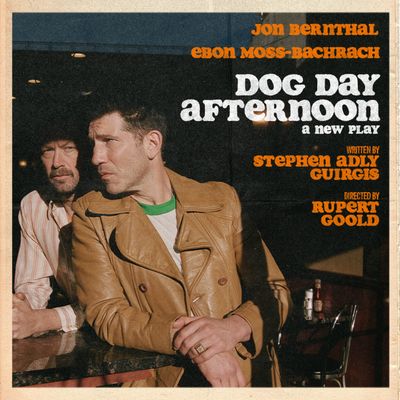
From his first professional contract at the Lawrence Welk Dinner Theatre to what he jokingly describes as having two Broadway debuts, Michael reflects on the opportunities, disappointments, and unexpected turns that shaped his journey. He also shares the story of landing a role in the new Broadway production of Dog Day Afternoon at the exact moment he was preparing to move his life to Canada.
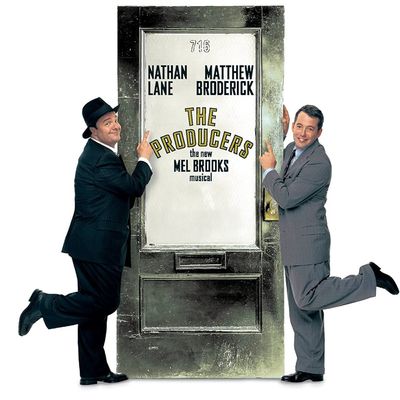
The conversation also revisits one of the defining experiences of Michael's career: the first national tour of The Producers. He explains why playing Max Bialystock became one of the most challenging and rewarding roles of his life, and how persistence over the years has continued to shape him as a performer.
Follow Michael: IMDb / IBDB / Instagram
Why I’ll Never Make It is an independent production of WINMI Media and Patrick Oliver Jones. To support the ongoing efforts of this podcast please subscribe or donate. Thank you!
Transcript
(This was digitized by an automated process and may contain transcription errors.)
Patrick Oliver Jones:
Of all the character traits an actor must have, there is only one that really matters. Persistence. Sure, talent, personality, and even finances are important, but there are plenty of people who lack one or all of those. And yet they still book auditions and go from show to show. And that's because they have persistence and dedication to stick with it. That's what's kept me going for 30 plus years as an actor, as well as my guest today who believe me, has plenty of talent and a great personality.
Michael Kostroff:
This is Michael Kostroff. I'm a proud New Yorker. That's where I was born and raised, technically. I currently live in Vancouver, Canada and I wear a lot of hats, but I'm primarily an actor.
Patrick Oliver Jones:
Michael was one of the first guests to come on this podcast and throughout this 10th season, you'll get to hear from a few returning guests sharing lessons and experiences they've had since that initial appearance. Now, I've actually known Michael for 18 years and from the first time we worked together in the Producers, I have admired and looked up to him for his ability to not only command a stage, but also work with a cast and raise the level of everyone involved with the production. But as you'll hear, his career has been a bit more one sided than he anticipated with one hundred and nine film and television credits, yet only five national tour and Broadway credits. In fact, he'll be sharing the unusual story of having two Broadway debuts, the Nance in 2013 and currently in Dog Day Afternoon. But while his journey to performing has never been an easy path, it it is his persistence that has kept him going. I'm Patrick Oliver Jones and you're listening to why I'll Never Make It.
Michael Kostroff:
I just had to keep doing it, even if it was for no pay or no success or I just had to do it wherever I could have the opportunity to do it. It's the only thing that felt the right fit for me.
Patrick Oliver Jones:
Well, welcome Michael. It is always good to see you. It's always a fun time getting to talk to you and be with you. Thank you for coming back onto the podcast.
Michael Kostroff:
My pleasure, my pleasure. We go way back. This is what I love. It's like we get to have a visit and a podcast.
Patrick Oliver Jones:
Well, yeah, because like you've been on the podcast, but I have also worked with you. My very first job when I moved to New York, that, that producers that we did together, that was my very first job coming to New York. So yeah, we have known each other now since 2008.
Michael Kostroff:
Oh, we were so young. Yeah.
Patrick Oliver Jones:
Remember way back When. But you say that your first introduction to theater was this thing called Paper Bag Players. Tell us about this theater company.
Michael Kostroff:
When you asked me about this, I flashed back to a memory of being a little kid and there was this theater company called the Paper Bag Players. And I just remember that my parents took me to see them, and I was, of course, completely entranced. And they had. I think it was the story of Aladdin, because there was a song called I'm a Genie, Not a Meanie, and another one that was something. Up, up, up, up high. You can fly, you can fly, you can fly. I mean, it's funny that it's years and years and years later. Well, so the very, very exciting thing was, after the show, we got to line up and meet the genie.
Patrick Oliver Jones:
Oh, wow.
Michael Kostroff:
Very, very exciting. In retrospect, I can tell you that we were meeting a very, very bitter actor because, oh, gosh. I mean, as a kid, you don't notice these things. You can't tell. But we would line up and they'd pull back a curtain and he would turn away from the sink where he was washing his makeup off and smile real fast and turn back and go back to washing off his makeup. He was obviously fulfilling the minimum of his contract.
Patrick Oliver Jones:
Right? He saw you, he waved. That was it.
Michael Kostroff:
He smiled and he went back to get out of his makeup. But I remember that he was scrubbing his face off and he was, like, not very excited to meet the kids. But we didn't know. It made no difference since it was still very exciting to meet the genie.
Patrick Oliver Jones:
Of course.
Patrick Oliver Jones:
Of course. Now, as you say, it was one of the ones that stuck out in your mind. But besides getting to meet the genie, which obviously was a thrill at that time, what was it about theater, about performing at that time that started to tickle those fancies?
Michael Kostroff:
I don't know. I really. As corny as it might sound, I just believe this is a calling. And I think that when the kid who's got that calling, when you first trot out theater before him, he goes, that's for me, that's it. I remember that there was a ladder that they used to create the story of flying. And that was enough for me. And just the sort of. It was very simple.
Michael Kostroff:
They'd wave a little piece of blue fabric, and that was water. And I just remember being so entranced by it. It's funny because, of course, I haven't thought about that in decades. But it just. It hooked me. I was like, that's my world. I don't know. It's a weird thing, isn't it?
Patrick Oliver Jones:
Well, I mean, I think you're tapping into something that we as children will do, that it may be harder as we get into adulthood, but something we as children will do is that we will see something that is so obviously not magic, but it becomes magic to us. You know, like ribbons are water and ladders. Make you fly.
Michael Kostroff:
Yeah, yeah, yeah, yeah. But I do think it's a calling. I do think that for little future performers, it's just you sort of lock on like a tractor beam and you go, that's it. That's my thing.
Patrick Oliver Jones:
You know, it's like built within us is that light switch is just a matter of what's going to trip it.
Michael Kostroff:
That's what I think.
Patrick Oliver Jones:
We have it. We have it. Whether we want it or not. It's within us.
Michael Kostroff:
Yeah. I mean, it took me so long to get around to any sort of employment.
Patrick Oliver Jones:
Well, that's a whole other thing.
Michael Kostroff:
Yeah. Honestly. I mean, honestly, I had a really, really long and circuitous journey to get to any kind of work because of just weird being a weird kid, which to me supports the idea that it was just. I was locked in. That was what I was going to do, period, you know?
Patrick Oliver Jones:
Well, this gets us to the first story that you want to talk about, which is that the Lawrence Welk dinner theater back in the early 90s and you were doing a production of Me and My Girl.
Michael Kostroff:
Yes.
Patrick Oliver Jones:
Which is such a great musical, great show.
Michael Kostroff:
Not done nearly enough.
Patrick Oliver Jones:
No, no, it really isn't. I got to do an episode on my other podcast, Closing Night about it, and it lasted three years on Broadway and had this great run. But, yeah, it's not a show that you hear about very often.
Michael Kostroff:
It's very clever. It really should. Is way overdue for a revival. Oh, absolutely. You know, maybe skip, Skip a couple of Death of a Salesman's, you know.
Patrick Oliver Jones:
Right.
Michael Kostroff:
A couple of cabarets.
Patrick Oliver Jones:
Right, right. We've done Gypsy. We're good.
Michael Kostroff:
We've done a lot of them. A lot of gypsies, a lot of cabarets. Maybe skip some. Skip a couple of them.
Patrick Oliver Jones:
Yeah, let's bring back some that haven't
Michael Kostroff:
been Me and my girl. I got my Equity card too soon. I had managed to get my SAG card and so I bought into Equity without having done any summer stock. Any. I mean, I really botched a lot of things. I was so dumb, didn't have a lot of guidance in my career, and I did a lot of things backwards. So I figured I should be Equity. But I Didn't have the credits to support being Equity.
Michael Kostroff:
So I didn't work for a long, long time in theater. So I was in LA and I was auditioning and not getting work. Auditioning, not getting work. And I had my Equity card. And somebody said, going to go in for this production of the Launch Vault Dinner theater. And somebody said to me, let me tell you how to get this job. Tell them you have housing in San Diego. I went, that's it? They went, oh, yeah, they'll flip over you if you have housing in San Diego.
Michael Kostroff:
So I told them I had housing in San Diego, and it seemed like I could do no wrong at the audition. They kept going. They laughed at every joke. And they're like, and you have housing, right? And I would sing. They're like, that was terrific. You have housing, huh? That was the magic key. I had been well advised. Funny.
Michael Kostroff:
And then, of course, I called a friend in San Diego. I said, so, right, of course. So then housing. Yeah. First of all, the Lawrenceville Dinner Theater is. It's funny in itself. Did you ever work there?
Patrick Oliver Jones:
Lawrenceville? No, no, I've actually never done. Except for Modesto, I've never worked in California, apart from national tours.
Michael Kostroff:
Ah, well, okay, so the Lawrenceville Dinner Theater, it is a theater that is part of a retirement home property.
Patrick Oliver Jones:
Yeah, it's like part of a resort, right?
Michael Kostroff:
Part of a resort, exactly. A retirement resort. So in a very bad planning, they first feed the elderly denizens a nice meal, then they bust them down the hill, and then they put them in nice comfortable seats and turn off the lights and do a show where they promptly fall asleep, of course. And so the guys in the pit, first of all, and it's a tiny. When I say the pit, there were three guys in the pit. It's a tiny theater. And they would hold up signs that would say sing and dance and hurry, because it was the only thing that would wake anybody up. It was impossible to get a laugh.
Michael Kostroff:
It's just a funny, funny place to work and a really pleasant place to work. I really had a great time working there and learned a lot of lessons because it was my first Equity contract after being equity for 10 years.
Patrick Oliver Jones:
Oh, 10 years, wow.
Michael Kostroff:
I've been equity for 10 years and never worked. And I was just insane about this one high note. And I used to just go out back and scream my lungs out. Warming up and warming up and warming up and warming up and warming up and warming up until somebody much smarter and more experienced said, you only have so many GS. Why don't you save a few of them for the show? Yeah, yeah.
Patrick Oliver Jones:
Don't blow it here.
Michael Kostroff:
Yeah. And I. Yeah, I cracked.
Patrick Oliver Jones:
Was this a solo note? Were you part of an ensemble or was this a.
Michael Kostroff:
No, it's a big, big solo note. It's a big. It's where the whole stage turns to you as you hold this beautiful note, which, of course, I freaked myself out so many times, and I cracked, and I. It was awful. Awful. And, you know, again, the lesson there is that there's a lot of psychology involved in singing. You know, you could really freak yourself out. I mean, you know, now I, I, I sing a G, like, fresh out of.
Michael Kostroff:
Out of. Out of a dead sleep. It's nothing, but it's. It was just that thing of like, here comes the big note and every turn.
Patrick Oliver Jones:
Yeah, it's one of the tricks that I like to do. I like to get away from the sheet music as much as possible, because then all I'm thinking about is, oh, my gosh, how far above the staff is that note? How am I going to.
Michael Kostroff:
Oh, yeah, yeah, yeah.
Patrick Oliver Jones:
I get in my head about where it is on the staff, whether it's just, like, play the note. Okay, I think I can.
Michael Kostroff:
Yeah.
Patrick Oliver Jones:
And then I can sing it.
Michael Kostroff:
Well, also, really what it is, is like, you know, in this particular song, it was the character having a very proud moment of, you know, and if you invest in the acting part, the note is there. You know, it was nothing. But, boy, did I. I screwed myself up a lot at the Lawrence Folk Dinner Theater. But it was a. It was, you know, it was exciting to finally be using my, My Equity card. Oh, sure.
Patrick Oliver Jones:
Because during those 10 years, you were getting SAG work, I'm guessing.
Michael Kostroff:
No, I was waiting tables. I was working at a bank. I mean, I don't think people really, who know my work really understand how long it was before I actually was employed for money as an actor. I didn't really work till I was in my late 30s, early 40s, and certainly not with any regularity until I was in my mid-40s. I had a lot of stuff to work out, a lot of growing to do, a lot of. A lot of learning to do about my, My craft. I just. Yeah, I kind of had a weird circuitous route and then very much made up for lost time once I got going, you know.
Patrick Oliver Jones:
Well, and then dinner theater is kind of its own ecosystem of performing, you
Michael Kostroff:
know, because, well, they weren't eating while we were performing. This was a different kind of dinner
Patrick Oliver Jones:
theater, different kind of okay, well, that's good then.
Michael Kostroff:
That's a whole different thing. They were napping while we were performing. It was a different kind.
Patrick Oliver Jones:
Well, yeah, because they ate and now they have to nap.
Michael Kostroff:
Yes, yes, of course it was a funny place. But, you know, these are the memories you treasure because, you know, it was hilarious. It was a very funny gig.
Patrick Oliver Jones:
So then what's interesting is that you're not just like some 20 something fresh out of college with your first show and all these older actors. You are one of the older actors there. And so were you feeling like people needed to look up to you or were you looking up to some of the other actors or how did that.
Michael Kostroff:
You've known me a long time and I'm just honest. I just felt like the least experienced and one of the oldest people in the cast all at the same time. I just felt like such a dweeb. I had no right to be that inexperienced at 30 something years old.
Patrick Oliver Jones:
Which of course then puts its own expectations and pressure on you.
Michael Kostroff:
It was terrible. It was terrible. I just felt like people were like, how did they hire this guy? And why? Yeah.
Patrick Oliver Jones:
And so throughout that production, like, by the end, did you start to feel like that you were more capable or did you still have those anxieties?
Michael Kostroff:
No, it got to be more and more fun. And it is a very fun show to do.
Patrick Oliver Jones:
Yes.
Michael Kostroff:
And then of course, it became the fun of trying to see if we could get them to laugh, even though they were.
Patrick Oliver Jones:
They were sleepy.
Michael Kostroff:
Yeah, yeah.
Patrick Oliver Jones:
Because I've never seen it, but I've only seen clips of it back. Back in the day. And it's such a. A physical show as well.
Michael Kostroff:
Yeah, yeah.
Patrick Oliver Jones:
And so it's not just vocally taxing, it can be physically taxing as well. So you, you, you know, you had your work cut out for you.
Michael Kostroff:
Absolutely. Well, our lead did much more than I.
Patrick Oliver Jones:
Yes, yes, this is also true. And so when it came to musical theater, is that really where you felt at home or had you been trying to do plays as well as TV
Michael Kostroff:
and stuff, as, you know, things rarely go the way we planned? I thought that my career was going to be as a comedic musical theater, song and dance guy, kind of like musical theater character, man. And lo and behold, it took off more as a TV drama guy, which I still don't quite understand because that's not where I feel. You know, you've worked with me, I'm the gooseball, you know, and like, that doesn't seem like my home base, but that's where I've made most of my career is playing, you know, very serious roles on television, and I'm grateful for that as well, but, boy, it wasn't the direction I thought it was going to go.
Patrick Oliver Jones:
And so what kept you going during those 10 years when you weren't booking anything? Did you still think theater? Is it Acting? Is it?
Michael Kostroff:
I don't know. I just had to keep doing it, even if it was for no pay or no success or. I just had to do it wherever I could have the opportunity to do it, whether it was in a class or community theater or, you know, or wherever. You know, I, I just, I guess I just had to keep doing it. That it's the only thing that felt right, the right fit for me.
Patrick Oliver Jones:
And you talk about getting low pay. I remember my first professional job was $150 a week. Do you remember what Lawrence Welk was paying back then?
Michael Kostroff:
Probably about that, honestly. Yeah.
Patrick Oliver Jones:
And so, I mean, for, for nothing a week?
Michael Kostroff:
Oh, yeah, for nothing.
Patrick Oliver Jones:
They got all of us, you know, rehearsal hours, performance hours, everything.
Michael Kostroff:
Yeah, yeah. But look, you know, I had, I had a job for, for $150 a week that took me to Egypt once to do murder mystery weekends. I mean, you know, we get some great adventures with some fantastic people.
Patrick Oliver Jones:
This is, this is true. Yeah, yeah. My very first, my very first show, 150 a week. But Rebecca Luker was there on stage with me.
Michael Kostroff:
Come on.
Patrick Oliver Jones:
So it's like, of course I want to do.
Michael Kostroff:
She was making $175.
Patrick Oliver Jones:
She was 175.
Michael Kostroff:
At least.
Patrick Oliver Jones:
least. But no, she was making her grand return to Birmingham, you know, which has an arts community, but it wasn't like a mecca when it comes to musical theater or anything. But, yeah, she had gone to school in Birmingham, and so she was coming back and doing this show, so it was kismet, was the show.
Michael Kostroff:
I, you know, I've often described this as a wonderful, terrible profession. I wouldn't trade it for anything. You know, we find ourselves in the oddest of places wearing the oddest of things, you know, and it's all so much better than spending your life in an office, you know? Yeah, it really is, because I've had
Patrick Oliver Jones:
the office jobs and. No, thank you.
Michael Kostroff:
I mean, and, and yes, we, we go broke and we, you know, don't know where our next jobs are coming from. And then something fantastic happens. So who knows? I, I, it's, I wouldn't trade it for anything.
Patrick Oliver Jones:
Well, speaking of fantastic things that have happened to you, let's get on to Story Number two. And this is the two parter here. Because you, in some ways, you've had two Broadway debuts.
Michael Kostroff:
Yes.
Patrick Oliver Jones:
So we'll start with the first one. And. And this was the nance back in 2013. And you were an offstage cover.
Michael Kostroff:
Yes, yes.
Patrick Oliver Jones:
And so for this, even though offstage cover, did you think, like, okay, finally I've made it, I've come to Broadway.
Michael Kostroff:
Yes, yes and no. I mean, first of all, let's not miss how long it took me to get there, because, you know, a lot of people have their Broadway debuts at 24 or 19.
Patrick Oliver Jones:
I know, right out of school, there they are.
Michael Kostroff:
My journey's been a different kind of a thing. It was very exciting to cross the threshold of the backstage of a Broadway theater. I was thrilled and honored. And I was understudying Lou Stadlin, who's somebody that I very, very much admire. And it was no small thing, and it was a great honor. And I honestly did not expect to go on, because Lou Stadlin, I describe him as a train. He's a train. He' he's just.
Michael Kostroff:
He's old school. He goes on, you know.
Patrick Oliver Jones:
Yeah, it's a different generation where it's like, unless I'm bedridden and cannot move, I'm gonna be on that stage.
Michael Kostroff:
Well, now I covered him in the tour of the Producers, and the Producers is a different animal. Cause it's a three hour roll and it's very taxing. And I went on for him a fair amount, but I didn't expect to go on. And being an offstage cover is its own thing. And I don't want to sound ungrateful. I was thrilled to be invited. And also, the experience is not like being part of the cast. You don't work with the director, you don't work with the cast.
Michael Kostroff:
And once the show's up and running, you know, you rehearse with the stage manager and it's a service job. And I like to think of it as the SWAT team. I knew that if they needed me, I was ready to make sure the show was not going to suffer if Lou had gone out. And I take a certain pride in knowing that that show was not going to be diminished by his absence. I was going to make sure that it went on with this, with. With this equal quality. But nobody ever, ever knew that because I never went on. And so I went to work and went up to the dressing room and basically, you know, plugged in my.
Michael Kostroff:
My computer. And then a few hours later, I'd go, oh, Is it over? And then I'd go home. So it was a. Again, listen, to be employed as an actor, I draw the line right there. Right there. Put a pin in it. That's an extraordinary gift. I did not consider that my Broadway debut, because I.
Patrick Oliver Jones:
It certainly doesn't sound artistically fulfilling, whatever it may have done for your bank account, that was certainly good, but artistically, it seemed deficient.
Michael Kostroff:
I like to put it this way, to put it in the most positive context. I've made my Broadway debut in stages. I made it to backstage, and now I actually get to be on the stage, which is. That, to me, is the real debut. Yeah.
Patrick Oliver Jones:
Because there was a friend of mine who got to do Cats, but as an offstage singer. So he was never on stage or on stage, but, you know, part of the show, at least, singing the material. But still, like, there's something to be said for crossing the wings onto the stage. That's a different kind of debut.
Michael Kostroff:
Yeah. And again, this is. I don't say this without gratitude. It's just not the same as going, I'm on Broadway.
Patrick Oliver Jones:
And from what I understand, Lou, was he part of helping you get this job or at least putting you.
Michael Kostroff:
Yes, I believe that he put in a word for me and recommended me for the job. He also. The last night of the show, when it closed, he pulled me aside and said, don't ever do this again.
Patrick Oliver Jones:
Why did he say that?
Michael Kostroff:
He said, promise me. Okay, well, I'm not saying this about myself, Patrick. I'm just going to quote him. He said, you're too good. He said, don't do this again. And I said, I promise. I promise I won't. You know, now I like being in the show and covering a role that's fine.
Patrick Oliver Jones:
You know, like ensemble understudy, covering surgery.
Michael Kostroff:
Yeah. That's exciting. I did that in the Producers. I covered two roles, and I was in the ensemble. But I made a solemn vow to Lou that I would not be an offstage cover again.
Patrick Oliver Jones:
Now, were you at least with the other swings? Because obviously, there's swings that are offstage as well and aren't in every show.
Michael Kostroff:
It was a play, so we don't call them swings because they were just understudies. Yeah.
Patrick Oliver Jones:
So at any point, was there a moment at which it's like you might go on or. Did it ever.
Michael Kostroff:
No.
Patrick Oliver Jones:
So you never even thought.
Michael Kostroff:
No, but. No, but, you know, I got to rehearse on the set, and I got to, you know, I mean, I had a costume, and, you know,
Patrick Oliver Jones:
it was
Michael Kostroff:
a Partial Broadway debut. You know, kind of great.
Patrick Oliver Jones:
It's so interesting that you talk about the difference between plays and musicals, because having been on national tours and now having made my Broadway debut, seeing what swings and understudies go through, it's like, well, we do get at least be a part of the room when they're rehearsing things or going through things.
Patrick Oliver Jones:
And so.
Patrick Oliver Jones:
But it. But that was not the same for your experience.
Michael Kostroff:
No, we were just. We would just observe. It is very different from in musicals because they'll have, you know, I think because there's dance involved and there's swing rehearsals, and. I mean, we had rehearsals as well, but, I mean, it's just. It's just different from a play. We basically were watching rehearsals and taking notes and all of that, and that's fine. As I said, I don't believe in entitlement. It's not like, well, we forget to go on.
Michael Kostroff:
You're there to protect the integrity of the show in the event that somebody goes out, and it's insurance. That's a fine job. That's a job to be proud of. But this is better.
Patrick Oliver Jones:
Yes. Yes. And so now, years later, you're in Dog Day Afternoon.
Michael Kostroff:
Yes.
Patrick Oliver Jones:
This is the stage Broadway debut, the
Michael Kostroff:
onstage debut, actually, on stage.
Patrick Oliver Jones:
And from what I understand, you hounded your manager to even get this audition, right.
Michael Kostroff:
Yeah, I just, you know, I've gone back between New York and LA quite a lot, and I was spending some time in New York, and I got wind of this production, and I thought, really, this is my kind of thing. It's a New York story. It's got lots of roles I was right for. And I just kept. I kind of nagged my manager a lot. I said, the casting people know me. He goes, oh, I'm sure they'll call you. And I said, call them.
Michael Kostroff:
Call them. Remind them. Remind them they like me. Remind them they want to call me. And I'm glad that he did, because they went, oh, yes. Oh, that. Yes, we want to see Michael. They needed the reminder.
Michael Kostroff:
So it was. I kind of nagged.
Patrick Oliver Jones:
And what was it about this show that intrigued you so much or one that made you want?
Michael Kostroff:
Well, I mean, first of all, the film is a classic. It's a fascinating story. It's based on a true story. It's a fascinating story. The two stars are two actors that I am in awe of, Jon Berndahl and Evan Moss Bachrach. And they're both just. I love watching actors who make me say, I don't know how to do what you're doing. You know, they're so brilliant.
Michael Kostroff:
And it just seemed like the kind of world I would fit in, you know.
Patrick Oliver Jones:
And what is the role that you're playing? How do you fit into the story?
Michael Kostroff:
I'm the manager of the bank. They actually saw me for several different roles. And this is just where I landed was the bank manager. Yeah, it kind of dragged out. They saw me and then I had call back and then. I don't know if you want to. I don't know if you want to talk about the whole move thing here, but, you know.
Patrick Oliver Jones:
Yeah, yeah, we'll definitely. We'll definitely get into that.
Michael Kostroff:
Okay.
Patrick Oliver Jones:
But I do want to get into the rehearsal process, which has been, you know, it's been a rehearsal process.
Michael Kostroff:
It's intense. You know, I mean, it's interesting. Obviously, when I found out that I had the part, it's a lifelong dream come true. Since I was a little kid, I've wanted to be on Broadway. I mean, I was just swept away with emotion. And then comes the work. And the fact is, we spend our days in a bank heist and it is emotionally taxing. As any actor will tell you, things get under your skin.
Michael Kostroff:
They really do affect you on an emotional level, if you're a halfway decent actor. So it's been a lot of self care, a lot of just like needing to let it go at the end of the day and make sure that you're taking good care of yourself and being kind to yourself. Because this is especially now when we, you know, especially going through the tech process, where it's these long days and you're just repeating the show again and again and again. It's a bit tough on you, you know?
Patrick Oliver Jones:
Yeah, yeah. Especially if you're having to do a particular scene or moment again and again and again.
Michael Kostroff:
And it's just this sort of living it terror. But that's also what makes this show so electrifying and so exciting and so just sort of knife's edge. And it's also why the actual event caught the attention of all of New York, because it was such a. Such a riveting story.
Patrick Oliver Jones:
And with that stress and anxiety of the show itself. How was the cast dynamic with each other?
Michael Kostroff:
You know, you hear this a lot in interviews, and I don't know if people are bullshitting or not. In this case. This is a. God, it's a lovely group of people. I mean, it is a lovely group of people. A very safe, emotionally generous group. I just think it's such good fortune Given the material, that it's just a gorgeous group of human beings, I have to say. And in that sense, we're very lucky.
Patrick Oliver Jones:
Well, I mean, there's so many different elements, obviously, of any production. There's the creative team and how the designers fit into it and how the set and backstage. But then the cast, of course, that's your family, that's who you're with, and you get to see. And it can really make or break how you feel about a production and whether or not you're enjoying yourself, regardless of if the. The production itself is good.
Michael Kostroff:
Yeah, there's a kindness and a admiration for each other that I just, you know, that's not guaranteed. You know, you throw a bunch of people together, it's not guaranteed that that's going to happen. And we just really. I've been just blown away by the really nice chemistry that happens.
Patrick Oliver Jones:
And what's crazy is that getting back to something you mentioned earlier is that you had basically assumed this wasn't going to happen. You know, like many actors, we get an audition, we get a call back, grateful for that, and then you do it. And then the weeks go by, you don't hear anything, so you move on.
Michael Kostroff:
I went on with my life.
Patrick Oliver Jones:
You move on.
Patrick Oliver Jones:
And you had not only moved on with your life, you were moving on with yourself into another country.
Michael Kostroff:
Yes.
Patrick Oliver Jones:
So, okay, so, number one, why were you moving to Canada?
Michael Kostroff:
I was moving to Canada because of President Trump. I no longer wanted to live in the United States of America. And so about five years ago, six years ago, I began the process of applying for permanent residence. At the time, my friends kind of chuckled at me and said, oh, come on. Oh, you're one of those liberals being so dramatic. And now most of them are asking me, how did you do that? How did that work? How do I do that? Because I do err on the side of paranoia and fear. I get ahead of the curve. So after waiting and waiting and waiting and waiting, I finally got my permanent residence approved in September of 2025.
Michael Kostroff:
And in January of 2026, I made the big move to Vancouver, figuring, you know, Dog Day Afternoon is obviously not happening, so I'm going to move forward. I found an apartment right away that I was going to move into on February 1st. And on February 2nd was when rehearsals started for Dog Day Afternoon.
Patrick Oliver Jones:
Of course, yes.
Michael Kostroff:
Sometime in January, actually, two weeks before rehearsals started, they let me know that I had the part. And so I begged and pleaded and was able to get into the apartment a little bit earlier. So it's sitting full of boxes in my Vancouver apartment, which I'm paying for because I committed to a year's lease, is sitting full of boxes unused. I'm paying for an expensive storage unit. But again, how do you complain? I'm doing a Broadway show. It's very exciting, but it's something that we joke about in our profession as you know, you could set your watch by it, move to Vancouver, you'll get a Broadway show. So it was pretty crazy. It was pretty crazy.
Patrick Oliver Jones:
So as soon as you get the call, I mean, you're excited. It's like, wait, wait, I booked it. I booked Broadway.
Patrick Oliver Jones:
And then like the very next second
Patrick Oliver Jones:
is oh shit, Vancouver.
Michael Kostroff:
So my Canadian agent is very happy for me and also like, oh, great. So I very much do look forward to getting back there because I continue to not want to live here.
Patrick Oliver Jones:
And, and so what are you doing in New York? I mean, obviously you're living somewhere in New York.
Michael Kostroff:
I'm renting an apartment here as well. Luckily, I have a friend who's letting me rent her apartment. Less expensive. I won't say inexpensively because it's New York, but less expensively than one would expect.
Patrick Oliver Jones:
And so why Vancouver over any other place in Canada?
Michael Kostroff:
A couple of reasons. I had some contacts there, but also I have, I have a long distance marriage. My wife lives in Idaho and Vancouver is the closest I will have ever lived to my wife.
Patrick Oliver Jones:
This is one of those things, like, like you said, we' each other a long time and this has always been one of those things that's interested me. Like obviously every relationship is different and you find your rhythms, but you and your wife are more often apart than together. Yeah. And that's how, how it's been.
Michael Kostroff:
It's how it's been. But I always say I have a, an odd relationship with the person that I want to be married to. So, you know, there isn't another choice for me. Jenny is my, my person and I, I can't imagine life without her. And it's just how it, how it shook out. She has a great job that she loves there and that's, and we're fine. You know, it's, it's what's ideal. Every, every, every relationship is different and.
Michael Kostroff:
Yeah. Quirky and we're making it work well.
Patrick Oliver Jones:
Yeah. And she's always been so supportive of your God.
Michael Kostroff:
Yes. So, so supportive. So supportive. I mean, it's not easy to be married to an actor, you know, especially
Patrick Oliver Jones:
even living with them.
Michael Kostroff:
I don't like living with myself. I can't Im, be my partner.
Patrick Oliver Jones:
I'm curious, since you've kind of been through this process now twice, you know, backstage and now on stage, do you think we, as actors, we put too much emotional weight into that Broadway debut? Even though it's something we dream about and there's nothing wrong with that, but do you think we put too much on it?
Michael Kostroff:
I don't know the answer to that question. I will say that Broadway veterans, people who've done several shows on Broadway say that, yes, we do that. It's just like doing theater anyplace else.
Patrick Oliver Jones:
But they've done several Broadway shows.
Michael Kostroff:
Yeah, exactly.
Patrick Oliver Jones:
So, yeah, they're looking at it from the lens of. Well, with my five credits, I can tell you it's not that special.
Michael Kostroff:
It's like me saying, oh, being on tv, what's the big deal? You know, it's like. It's. It's. Yeah.
Patrick Oliver Jones:
Which in some ways, that's whenever they think about actors, they think about, oh, have I seen you in anything? Meaning TV or film? In fact, we had a talk back at our show. We had one of the student matinees, and one of the students, one of their question was, yeah, for those of you on the panel, have you been in movies that I've seen?
Patrick Oliver Jones:
That was their question.
Michael Kostroff:
I know, because that's what they care about. One of my favorite things, when I was on tour with Les Mis, you know, I always volunteer for anything for all the extras, like if I can help with press or mentorship or educational outreach. All of this, I think, supports theater and encourages people to go to the theater, and I will. I'm always available. So I was doing this press event at a school, you know, and, you know, the press was there, blah, blah, blah. And I. At the end, this kid comes up to me and I'm doing. I'm doing Les Mis, and he comes over and he says, can I have your autograph? And I said, oh, sure, sure.
Michael Kostroff:
And I signed. He goes, you know, in case you ever make it. There it is. There it is.
Patrick Oliver Jones:
In case you ever make it.
Michael Kostroff:
I'm like, I'm Tonarnier and Les Mis. Take a good look. This is what it looks like. What do I have to do to impress you, kid? In case you ever make it. In case you ever make it. Just. You know what?
Patrick Oliver Jones:
Just in case. Now that you're making your Broadway debut. Maybe.
Michael Kostroff:
Maybe. No, no, no. I think unless I was, you know.
Patrick Oliver Jones:
Yeah.
Patrick Oliver Jones:
Starring in a movie.
Michael Kostroff:
In a Marvel movie, he wouldn't have been impressed.
Patrick Oliver Jones:
Yeah, there's that, too.
Michael Kostroff:
Oh, my Gosh. Oh, my gosh. I love. In case you ever make it. In case you ever make it.
Patrick Oliver Jones:
Well, let's get on to story number three. And, I mean, this is how I got to know you was the Producers. You've done so many different productions of the producers.
Michael Kostroff:
Yes.
Patrick Oliver Jones:
And your. Your first time with it. Your first time with it was on the first national.
Patrick Oliver Jones:
Correct.
Patrick Oliver Jones:
That was your first.
Michael Kostroff:
Yeah.
Patrick Oliver Jones:
So this was. I mean, it must have been a dream come true to you, because, you know, this is what you consider to be really your breakthrough show. And doing this national tour of Producers. And so what was it that made this particular show, this moment, this production, made it feel like a turning point?
Michael Kostroff:
Oh, my God. I mean, everything. I mean, I never thought I would be considered at the level to be worthy of being in a show like that. I never thought I would have an audition for a show like that. And something strange had happened. I don't know. They had some perception of me, where they were seeing me for Max, and they flew me back, and they called me back, and then they asked me, we know you're very successful in television. Would you only consider Max or would you be willing.
Michael Kostroff:
And I was flabbergasted. I didn't understand what I said. I would be honored to be anything in the show. I don't know. And they went, oh, that's a very good answer. And then I got the ensemble covering Max, but I'm like, who do you think I am? My God.
Patrick Oliver Jones:
See, to them, you had made it.
Michael Kostroff:
I guess. I don't know what they were thinking. I mean, there was no world in which they were going to cast me as Max. There's no world with zero Broadway credits. I don't understand somebody who told them that there.
Patrick Oliver Jones:
Yeah.
Michael Kostroff:
That I was somebody who would consider turning down the ensemble and the producer. But it was thrilling in every respect. I mean, getting to just see how it all works, how touring works, how the rehearsals are structured, how. I mean, everything about it was a thrill. I mean, this is top of the line where you come into music rehearsals and the music director knows your voice already and is not poking around to see who's going to take which harmony. He's like, michael, you're on the B, so And so you're on the G. You know, like, he's already worked out where the harmony, the whole thing was so exquisite. And the quality of the costumes, everything.
Michael Kostroff:
The quality of everything was so, so, so good. And then to get to understudy Max Bialystok, the biggest, biggest mother of a role in the world and then to get to go on. And again, that feeling of saving the day when our lead was out and the show.
Patrick Oliver Jones:
What was that first one like? The first time you went on?
Michael Kostroff:
It was really something I learned. And I learned a very valuable lesson, which I'll share. I've always had great respect for Lou Dadlin, and I was making a little bit too big a deal of flattering him by saying, oh, don't you go out. I can't do what you do. Oh, my boy. I could never do. And I meant it respectfully, but I woke up one morning in my hotel and I thought, that's not being fair to him. And so I ran into my theater.
Michael Kostroff:
I said, listen, I know we've joked about this, but I'm ready if you need to go out. And he said, are you ready? Because I really, really need to go out. He had been holding out because I was making a big deal about not being ready. And the next day he was out. And the thing is, the Strowman folks are so well organized. That organization, my God, they would rehearse me and rehearsed me and rehearsed me. So even though it was a big deal, I really was ready. They had really prepared me.
Michael Kostroff:
And I mean, it was a blur. There was no way to review Max Bialystok. It's three hours long. And I was just like, press, play and go. And it was a great, great time. It was a great time, you know? And then, of course, it was a two show day, so I was like, oh, my God, how does anybody do this twice, right? Oh, my gosh. But it was more heady and more of a high than anything else. But the greatest part of that was not starring.
Michael Kostroff:
It wasn't the starring part. It was not letting the company down. That feeling was superb. Just feeling like the show went on, man, that's the best for me.
Patrick Oliver Jones:
Yeah. Not in an egotistical way, but it's almost like I coming in, I'm saving the show. I'm keeping it going.
Michael Kostroff:
That's right.
Patrick Oliver Jones:
Let's go. Let's do it.
Michael Kostroff:
That's right. We still had a show. To me, that's the cool thing about being an understudy is just. It doesn't feel like a show offy thing. It feels like the captain's sick. I'll steer the ship today. And it's pretty cool.
Patrick Oliver Jones:
Now. When did you. Obviously anytime you go on for your first understudy, when you go on for that first time, you're just kind of like in Your head and like you say, press, play, go. But when did you finally get to experience Max and really dig into it and enjoy it?
Michael Kostroff:
Yeah, I think, like, the fourth or fifth time, it started to be like, okay, this is fun. And what I especially loved was looking over and seeing the swing who was wearing my costume, doing my parts. I thought that was such a weird thing to be like, oh, that's what I usually do. It's so weird. That was really cool to see the swings blow my mind just jump in and do things. It's just crazy.
Patrick Oliver Jones:
And you have described Max as being this all consuming Mount Everest of a role.
Michael Kostroff:
It is, yeah.
Patrick Oliver Jones:
I mean, obviously I've seen the show. I been in the show with you. What is it about it that is so challenging, taking it on?
Michael Kostroff:
Well, first of all, he's almost never off stage for three hours. I think if you're doing it right, the level of anxiety and desperation of the character should wear you out. I mean, I think he's desperate for that money and desperate to not go to jail and desperate. It's desperate. He's got to get the worst director in New York to sign Everything is desperate. And so I think if you're doing it right, it's a very high energy role almost the whole time.
Patrick Oliver Jones:
And by the time we were doing it, so this was 2008 at the Gateway Playhouse out on Long Island. By the time we were doing it, did it feel like it was in your bones? Like you didn't have to really work as hard at it, even though I know you worked hard.
Michael Kostroff:
But the first part. Yes, it feels very much in your bones. And the good thing is being passed. Oh, I hope I remember everything and going, okay. You get in a groove. Yeah, you get in a groove. That's what I'm trying to say. You get in a groove.
Michael Kostroff:
Like I said the first time on, I thought, how does anybody do eight of these a week? And then when you're in the eight show week, you're like, yeah, let's keep going, going. Let's do this. Let's do eight of these. And yes, you have to live like a monk and rest your voice and everything, but it's a blast. It's a lot of fun to do. Yeah. Yeah.
Patrick Oliver Jones:
Well, I just remember you guys being backstage and working out the different bits. Obviously the script is the script, but working out how to deliver it, the timing of it, like inserting this little bit, inserting that little physical bit to it. It was never a show that was static.
Michael Kostroff:
No. Yeah. And it's also, it's not actor proof. I mean, you have to. There's such a thing as embellishing too much. There's something. There's such a thing as, you know, I mean, Mel Brooks is a rhythm genius, you know, and you have to honor the rhythms. And it takes some experimentation with the audience sometimes just to see how best to render a joke because he's given you all the tools.
Michael Kostroff:
It's a fun show to do. I won't do it again, though. I've done it seven times and I don't need to do any more. Max Brielle Stocks.
Patrick Oliver Jones:
Is it just because, like, you've done it and now you can say you've done it, check it off the list
Michael Kostroff:
or I think I'm too old. I think I'm too old and I don't think. I think I'd like to discover new things, you know, new, new, new roles and. Yeah, nothing improves.
Patrick Oliver Jones:
Well, throughout those seven different productions, how did your Max evolve over the years?
Michael Kostroff:
Well, I think mostly it evolved from who I'm playing opposite and with, because every Leo is different. And I really like to. I don't come in and say, well, this is how we do it. I'm not really a schtickmeister. I really believe in truth, in comedy, truth and stakes. And I think it's always funny if it's not funny to the character. And I really believe in that. The other Max cover on the road said to me, I like what you're doing.
Michael Kostroff:
What are you doing? I said, I'm doing Greek tragedy. Because to Max, it is absolutely crucial that he bilk these little old ladies for their money and put on the worst show on Broadway and get away with it. And it's non negotiable. He'd sell his mother for this. And so it's the fact that it's that high stakes for him is what makes it funny, I think.
Patrick Oliver Jones:
And getting to do it, you know, from the tour on to the different regional productions, I mean, that must have been a big boost to your confidence, to your. To your just self worth as an actor.
Michael Kostroff:
Yeah, I mean, just leading a company again, it's another thing I never thought I had the talent or leadership skills to do. And I don't think I've always been successful at it. But I like trying to take on that role, you know, of.
Patrick Oliver Jones:
What does that mean to you to lead a company?
Michael Kostroff:
Well, a friend said to me once something very, very profound that I believe in, which is leading actors must lead and not every leading actor does that. And I think that when you're in the lead. And again, I have not always been successful at this, but I think you have to be the mommy or daddy of the company. You have to take on the added responsibility for morale and encouragement and
Patrick Oliver Jones:
having
Michael Kostroff:
a good attitude even when you don't feel like it. And I think that's part of the job. Yeah, I think your responsibility goes beyond just doing the role. And so my role model for that is Stephanie Block, who I've known for a lot of years. And I'll tell you, nobody leads a company the way Stephanie does.
Patrick Oliver Jones:
What show or shows have you gotten to do with her?
Michael Kostroff:
Well, I believe we only did one show together, which was Triumph of Love a million years ago. But I just have seen the way she works with her casts when she was on tour with Wiccan, and I just. You'll never know if she has a problem. She just keeps it together and keeps them, and she takes care of people, and she. I just think she's really got a great discipline and a great policy for taking responsibility for the morale of the cast. You know, it's a special responsibility. So even if I'm exhausted as Max, you know, I can't be complaining and going, I'm tired, or, you know, I can't, you know, at. I think that's part of the job.
Patrick Oliver Jones:
Thank you so much for listening to why I'll Never Make It. For early access to episodes and bonus audition stories, visit why I'll never make it.com and click subscribe or use the link in the show notes. I'm your host, Patrick Oliver Jones, in charge of writing, editing, and producing this podcast. And the theme music you're hearing was created by me, with additional music by John Bartman. Join me next time as I ask the final five questions and we talk more about why I'll Never make it.
© Broadway Podcast Network, All Rights Reserved