

Here in America, we just marked the 20th anniversary of 9/11, and on the eve of that anniversary a live recording of the Broadway production of Come From Away was released. It featured many past and present members of the cast, but one of the original cast members, Rodney Hicks, was absent from the filming... Read More
From the show: Why I‘ll Never Make It
Guests
Featured Shows
About
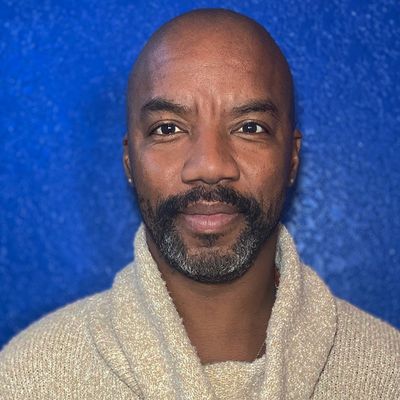
Here in America, we just marked the 20th anniversary of 9/11, and on the eve of that anniversary a live recording of the Broadway production of Come From Away was released. It featured many past and present members of the cast, but one of the original cast members, Rodney Hicks, was absent from the filming. In part one of our conversation, Rodney takes us through his long journey with the show and how it came to a sudden end. He reminds us that even in the darkest of times, there is still some light to be found.
Listen to Part Two of my conversation with Rodney!
SUBSCRIBE TO WINMI
Get access to Audition Stories, the Final Five questions, and other bonus content by becoming a monthly or yearly subscriber to Why I’ll Never Make It. Producing this podcast is rewarding in its own way, but I’m essentially a one-man operation. So it is both costly and time-intensive to put together each episode. By subscribing you’ll be supporting these podcasting efforts, and have access to extended conversations and other bonus content. Your financial support of this podcast is greatly appreciated!
- Subscribe to get access to bonus episodes and extra content
- Make a one-time Donation to support transcripts and podcast production
- If you’d like to support WINMI but have limited funds to do so, then contact me directly for reduced-price or even free access to the bonus content.
Follow WINMI: Website | Instagram | YouTube
Why I’ll Never Make It is an award-winning, Top Theater Podcast hosted by actor and singer Patrick Oliver Jones and is a production of WINMI Media. Background music is by John Bartmann and Blue Dot Sessions is used under a Creative Commons Attribution-NonCommercial 4.0 International License.
Transcript
This transcript was automatically generated and might contain errors.
[0:31] Patrick Oliver Jones: Here in America, we just marked the 20th anniversary of 9/11, and on the eve of that anniversary, a live recording of the Broadway production of Come From Away was released. It featured many past and present members of the cast, but one of the original cast members, Rodney Hicks, was absent from the filming. In part one of our conversation, Rodney takes us through his long journey with the show and how it came to a sudden end. He reminds us that even in the darkest of times, there is still some light to be found.
[1:13] Patrick Oliver Jones: I lost my voice, but I gained a new one. I gained a whole new one. I've never stood so complete and whole in my being since losing my voice.
[1:31] Patrick Oliver Jones: Hello and welcome to another episode of Why I'll Never Make It, one of Feed Spot's Top 25 Theater Podcasts. I'm your host, Patrick Oliver Jones, and each week I talk with fellow artists as we explore the realities of what it really means to make it in the performing arts. The website is why I'll never make it.com, where you can show your support and donate to this podcast. For as little as five dollars a month, you'll get special bonus episodes available only to podcast supporters. Learn all about that and more at why I'll never make it.com or click on the link in the show notes.
[2:16] Patrick Oliver Jones: Come From Away opened on Broadway in 2017, but it had many years of readings, workshops, and out-of-town productions before finally making its way to New York. And for almost all of that journey, Rodney Hicks was a part of it. The many rewrites, the cast changes, as well as the seven Tony nominations it received, including Best Musical, Best Score, and Best Featured Actress for Jen Kalella. But its only win at the Tony Awards was to Christopher Ashley for Best Direction of a Musical. But just as the musical itself was riding on a wave of critical and audience acclaim, Rodney Hicks was battling an unknown condition that would ultimately force him to leave the production. In part two, we'll talk about what happened to Rodney and how it forever altered his career.
But in part one, we discuss Rodney's involvement with Come From Away, how he helped build and create the role of Bob, and how his personal and professional life was in some way preparing him for his tragic departure from the show.
[3:28] Patrick Oliver Jones: So, Rodney, when Come From Away was first announced, there was certainly a lot of buzz and hype surrounding its opening on Broadway. And I'm curious, what was that energy there from its beginning stages? Like, did you feel this show was different even in those initial auditions for it?
[3:45] Rodney Hicks: It's funny. I actually did not audition for the show. It's one of those rare stories, right? Where it was a true blessing in my life, and it came at a really wonderful time in my life in 2014. I received a call from my friend Ian Eisendrath, who is the musical supervisor of the show, and they were prepping for the workshop in Seattle at the Fifth Avenue Theater in the summer. And he said, "Rodney, would you be interested in taking part in this new workshop of this new musical? We don't know who you'd be playing, but are you interested?" I said, and they said Christopher Ashley is directing. I said, "Absolutely. You know, why not?" I had always wanted to work with Christopher Ashley. And I just said yes.
Literally, I don't—there was no script. I just said yes, and that's how I came on board to the show in 2014. I did the workshop in Seattle, and it was a fun, fun, fun experience. And I personally, I can only speak for myself, I knew that it was special. I read the script, I think like two days before rehearsal. I think that's when we got it. And I hadn't read anything like it. And they told me at that point it was Bob, but they didn't know who else. And I thought, "Oh, well, this is exciting." And I knew that they did an amped presentation, and then they did another reading in Toronto with Sheridan College, I believe. And this was the first time that a black person would be playing Bob. Chris just thought outside the box, you know, and it was exciting, and I've I'm used to doing that right in my career. So I thought, "Wow, okay. So I get to like really, really create this person from scratch."
[5:49] Rodney Hicks: And one of the things I asked when we were in our two-week workshop, it was the second day. I said, "Chris, can I ask you a question? With the writers, with David and Irene, can I make him obviously black?" And they said, "What do you mean?" That was going to be my question. What does that mean? Well, here's the thing, you know, in shows, really specifically musicals, a lot of times characters that are black or of color tended to just be a black person playing that role, right? And there was the—there's sometimes it's not, you know, obviously like a black person in a sense in this situation, you know, so it's very much like almost monolithic, right? At times it's very homogenous, all the roles can be the same, there's no differentiation kind of thing.
Yes, it can be, right? I'm sure there—and of course there are instances where there's not, but that's not the case. But with this, it was so specific to Canada, and so specific that he is from New York and he is afraid, he's anxious. So I thought, "Well, he is in this all-white community. And what type of black person would have fear in an all-white community?" And I thought, "Well, if it was reversed, and if it was a white person in an all-black community, there would be some fear and hesitation." And so I thought, "Well, what if he is from like working-class blue-collar Brooklyn somewhere? Where he may be a sanitation worker or something, where his only experience with people who were white was on the news."
And he was someone who grew up kind of weary of people who were white, right? And for me, I didn't have that experience. So that's why I thought, "Oh, I get to really create someone who's not like me." Because when I grew up, my father is a police officer, detective and lieutenant, and all of that. And you know, he brought in a lot of things in our house, but what he did not bring in was racism. What it did not bring in was a fear of people who were white, and so I didn't grow up with that lens. I grew up almost naively, really, of thinking that, you know, we're all the same, really, you know, and I had to see it for myself as I got older. So I thought, "Oh wow, what if this person has never really been around a lot of white people?"
I said, "There's the comedy there," and I had these monologues, so I thought, "What if I stand perfectly still and don't move a muscle?" And that's—and it's just the words just come out because when you're scared, like an animal, right? You like—I thought about animals and how deers really, when they like that deer in headlights kind of thing, you freeze, they freeze up. And so that is where I took Bob and I was like, "Okay, I get this. There's not gestures and all of that. He's just gonna be right here and let the words do it." And it worked, you know. I didn't know what was gonna happen. We had our first audience, and people were just cracking up, you know. And so they got it. They got it, they totally got it. And it made sense as we went through the trajectory of the character's journey, and we kept it, you know.
[9:42] Patrick Oliver Jones: So, did they rewrite anything, or did you just take what was already there and imbue it with these cards?
[9:48] Rodney Hicks: I took what was already there. I mean, the writing was so brilliant and specific, and it wasn't like, "Well, can you change this to make it black?" None of that stuff. It was, "Well, I can do that." I as long as I know I have to be so specific with this character in his journey. You know, of course, we're playing all these other characters too. So I just really had to go into doing the work and making it as specific as possible, so that therefore it looks like I'm doing nothing, even though I'm doing everything. You know what I mean? That's our secret, right? That's the secret sauce. I had pages and pages of like, "Here's the person," you know, but then you throw it away, and each—and it's interesting, each city was a different demographic, and I'll never forget this.
Chris and I, we had this thing where every city, he would give me, like, not even an adjustment, it would just be a little nudge in this particular direction for this demographic, right? And it was just very—we had this kind of beautiful sleight of hand, like in terms of working together. It was never—I never had to ask him and say, "Had these deep and intense conversations," because he said, "You know, do what you're doing. And if I have something, then I'll say it, I'll share it." Man, that was so freeing.
[11:10] Rodney Hicks: I bet. There was no micromanaging at all, you know, and it was so beautiful. And every city, I'm like, "Oh, okay, there's a little bit of a different Bob now," like very, very subtle. But you know, then we get to Canada, the Royal Alexandria, and it's this humongous theater. And I'm like, "Oh wow, okay, I have to fill this space, and I'm only standing still," you know. So it was—I loved it. I loved it. I loved, I loved it.
[11:43] Patrick Oliver Jones: Now, did you find that in these little nuances, these little tweaks and changes that you did from city to city, that those around you, that their characters kind of changed?
[11:52] Rodney Hicks: Oh, yes, you know, and that's the joy about Come From Away is that we all fed off of each other. It was a true ensemble show on stage. We—it was kind of kinetic, right? One thing affected another person, another person, and then you lock it, right? But we all really, really, really fed off of each other, and that was really beautiful. It was really, really beautiful.
[12:21] Patrick Oliver Jones: And so from those initial workshop rehearsals through opening night, in what ways did the show itself—obviously, you were kind of going through your own character changes, but how did the show itself change?
[12:31] Rodney Hicks: Well, the show changed a lot. You know, from the workshop, and we had a whole different cast, right? And then when we went to La Jolla, I was the only one from the Seattle workshop who was asked to continue on to La Jolla. So that was different because now it's like, "Oh, okay, I have to now let go of everything I did in Seattle, and I have to now adjust and hear the rhythms of the other people, even though I was kind of off book, you know what I mean?"
[13:05] Rodney Hicks: When we were doing our table read, you know, the first day, um, you know, and I got a new character in that one, Captain Burgess. And that was a fun story because it was, I think he had like two lines, you know, and it was something about being very, very handsome and knows it or something like that.
[13:28] Rodney Hicks: And so I'm like, okay, got it. You know, it's like, hey, how are you? You know, it was just very dropping into like Denzel or something, you know what I mean? And we're all laughing, but I also love doing code readings, you know.
[13:42] Patrick Oliver Jones: Oh, so do I.
[13:43] Rodney Hicks: I love it because it's it there's such a freedom of well, I can do anything, I can be anything. Yes, all you're doing is listening to the words on the page, and you're listening to the punctuation, and you're listening to everyone around you. And I I and that's why I love doing code readings, because then I believe the it's it's a silent collaboration, you know, and in a way, you're not going into a rehearsal process. I have all these questions, you know what I mean? Which which I'm not knocking anyone who that's their process, but I learned early, early on. I mean, I've been doing this, oh my gosh, for many, many years. And I learned early on, uh, that keep the questions in your journal, honey, you know, uh, unless you cannot answer that question.
Unless you cannot answer that question, keep it in your journal. Right. Because you need to give it time for that question to kind of seep in, figure itself out. And then if you really can't, then it's time to you know explore it more. But let those questions sit there. Yeah, because what do we do as humans? We constantly have questions. What am I doing? Where am I going? Absolutely. So a lot of that right editing, they don't know the answer. Right. Because we're all figuring it out as we go. And there's there's one uh I believe it was Michael Grife who who shared this with me. You know, the best answer is I don't know. If you don't know, do not try to make it up. You know what I mean? As as we would want to do as actors, right?
Uh, and I learned early on, I don't know, you know, but if you do, then I kind of I'm someone who's like, I'll just do it, you know, and and let's see if it's right or wrong. And each city, we made changes, every city, you know, in La Jolla, we made massive changes, and we, you know, we had a new opening like every other day. And uh, how about this? No, how about this, you know? And and for me, that's the joy, you know, of of working on new musicals, because you never know if something's gonna be cut, so you're desperately going, I gotta make this right. I have to make this right, you know. But in reality, it's not about you. It it's you know, in terms of the actors and all that, because they're not looking at anyone in in any one individual, they're looking at how a show works as a whole. And so uh that was really wonderful to know to to realize that yes, this is an ensemble show, and how do we all work on this bicycle? You know, exactly.
[16:21] Patrick Oliver Jones: Yeah. Now now now, one of the key differences of come from away from I guess more traditional musicals is its use of the ensemble as a whole, that that nonstop nature of the blocking, the scene changes, choreography, everything.
[16:33] Rodney Hicks: Yes.
[16:34] Patrick Oliver Jones: So in some ways it did it feel like a 90-minute marathon from beginning to end.
[16:39] Rodney Hicks: Honey, it was yes, yes, yes. I mean, let's go back to learning the the choreography, you know. I mean, and and Kelly Devine, like brilliance, right? I mean, her and Chris Ashley, I mean, the entire creative team, just brilliance in the cast as well. That was something that I'm like, wow, I don't think I could ever learn relearn that again. Because then you have the turntable on top of that. Right. It was mammoth, uh, the process of figuring that out. And now imagine being in a rehearsal space without a turntable, and you have Chris Ashley and Kelly Devine doing like walking around as if they're the turntable, as trying to do it and and figuring out. So that was a real big stomach circle rub and head pat, you know. But we did it, but we did it.
[17:31] Patrick Oliver Jones: Well, I mean, it certainly came across like that. And even for the audience, it's the same way of sitting back, and as soon as the music begins, for the next 90 minutes, you're it's go, go, go.
[17:42] Rodney Hicks: It really is. And it was like that for us. We we didn't have a break, and I I loved that. I loved that about the show. It was just 90 minutes of ready set rocket launch. There was something that was said to us in La Jolla that Chris had said, I want you to not put your experience on top of this because we all know where we were, and we steeped ourselves in the research of these people in that time, so that we weren't like you know, sobbing all over the place, right? Um, and so there was this detachment in a way, but with that, you know, in a show that's kind of almost joyful, right? There is a darkness underneath it, and you basically have to compartmentalize your emotions, right? Um, because this show is happening on the other side of the world, uh, away from all of the massacre, and that was happening in New York City and Washington, DC with the Pentagon, and you really had to trust the days of the show, and and trust that you don't know until you know.
So, for that first part, we didn't know. Like the characters don't know, they don't they didn't know what happened until that moment in the show where we find out, and that I believe I can't speak for everyone, but for me, that was the release. And then, yeah, I can speak for every. I mean, that was all of our release, and now you have the audience has the weight that we're having throughout. And with Bob, you know, he was carrying it from the beginning. So it's like he's like, where are we? Who what what's going on here? You know, and and I love that journey because by the end of it, he was the most free he'd had ever felt in his life.
[19:52] Patrick Oliver Jones: Now I'm trying to remember because I I saw the show only once. Yes. Uh during its first year. And I'm trying to remember someone was was having a phone call. Was it like a mother was having a phone call?
[20:02] Rodney Hicks: Q Smith. Uh she yes, uh it was uh Q. She was calling her son. That's she plays the role of Hannah, you know, and and that was the last song that was put in in Toronto. Um, I remember that. And Q, oh my gosh, when we first heard her sing that song was just amazing. And it wasn't put into the show uh yet when she recorded it for the cast album. Hmm, interesting.
[20:29] Patrick Oliver Jones: Yeah, because why I brought that up was that that's what I remember in the audience. That was the first time because I I didn't cry. There were people kind of tearing up throughout the whole thing in the audience. I I could kind of feel that around me, but it didn't really affect me until that that phone call, that that song that she had. That was whenever it really kind of hit me differently. Because I I also wasn't in New York when 9-11 happened. I was I was literally on the other side of the world, I was in Tokyo when it happened.
[20:57] Rodney Hicks: Oh, wow.
[20:57] Patrick Oliver Jones: So I was really in another time and another space.
[21:00] Rodney Hicks: Oh, I was I was there, I I was there, I was uh stuck in my car, you know, heading to Connecticut uh on the um Cross River Bronx Parkway, and uh, and like all of the cars were at a standstill, and we watched the second tower fall. You know, we were all out of our cars. So it's you know, you will never forget, like like just like people in the 60s, they will never forget where they were when Martin Luther King was assassinated and when Bobby Kennedy was assassinated, and like all of these very real events. Uh to go back to what you were saying, it it was it was very much a responsibility. Um, it was an honor and a privilege to do that show um for this audience because I realized oh, this isn't about us.
This is about the people who sacrificed their lives to help people, you know, that they didn't know. They housed them, they fed them, you know, they gave them clothes. And it's about generosity and kindness. And, you know, I gone were my beliefs of this is gonna make me a star, you know what I mean? It's like, oh, this isn't about that. That's not what this show is about. And so that was I had to have that come to Jesus moment personally in my own head, right? Um, you know, after DC, I I had received a call about a TV show uh um, you know, availability, and and I'm but you can't do Broadway, you know. And I was like, well, there's no question, I'm going to continue with the show. Yes, of course, right.
Little did I know I would not have a voice for our whole Broadway run for five the five months I was on Broadway with it. Um, I could barely speak. And it was it was humbling. Oh my gosh, it was humbling.
[22:54] Rodney Hicks: Despite having been with the show from its beginning, I would only stay with the Broadway company of Come From Away for a few months after it opened. His departure was a pivotal moment for both his life and career. So getting to that, there came a time at which you had to leave the show. Now tell us about exactly what was going on that led to that departure.
[23:17] Rodney Hicks: Oh, absolutely. And I'm in a really wonderful place to share the story. Um, we were in Toronto, and it was a little bit before Thanksgiving. One day, uh, it was me, Josh Breckenridge, and uh, and I I don't know the other person who was in the room with us. We were in like this little piano room, and we were all just like goofing off singing, and uh, and someone was playing Wheels of a Dream, and I was like, that's my favorite song. And I started to sing it and I couldn't. And I was like very low-key about it, and I was like, Oh, somebody else sing it, you know. And from then on, I had trouble with my breath support, and uh I had it was really hard for me to uh form sentences, uh, but it wasn't that bad yet.
And you know, openly, uh I I am a medicinal cannabis consumer, and uh in that I thought, oh, maybe it's that, you know, maybe something's wrong in Toronto with their um flower, you know, but it wasn't that, and at first I thought, oh gosh, what is happening to my voice? And I went to the doctors when I went home from Toronto, and the doctor, um, they were, well, we think it's just anxiety, because I had had anxiety my entire life, and so um, I thought, and I had been on previous medications for it. And at that point in my life, it was medicinal cannabis that helped really helped me um break through that. And so, and it was regulated as well. But I thought, well, should I not do that? And so the doctor said, Well, let's prescribe you Xanax. So I thought, okay, the doctor didn't tell me that it would make me sleepy, you know.
[25:15] Patrick Oliver Jones: It knocks you out, yeah.
[25:16] Rodney Hicks: It knocks you out. So here I am in tech for Broadway, and like just, you know, nodding off, but like thankfully, I was so open about what's good, what was going on, you know, and I let them know. Uh, but I didn't know what was happening. Now, what exactly was the physical sensation? What did it feel like as you were trying to sing and form words?
[25:37] Rodney Hicks: Yes, it was it was it was a slow process that was happening where you can hear it on the cast album, actually, because uh that was the early stages of the spasmodic dysphonia happening. What happens with spasmodic dysphonia? It is a disconnect from your brain to your vocal cord, and it basically skips, and there is a spasm that happens in your voice, and so what was happening was that as I was talking, uh it was like a hiccup almost, right? So by the time we got to Broadway, I also was losing a lot of weight, but in retrospect, I was kind of like toning up because I thought we were joking, and I was like, That's Rodney's TV weight, right? And so, but in actuality, I was losing weight because of the stress. And of me like, okay, I'm not gonna say anything, you know, and then when we got to New York, I was at the doctor's. Um, I called out of the show. Um, I think after three months or two months in, and uh, because I just knew something's really wrong.
[26:45] Rodney Hicks: And at that point, it was so bad that people were like, Ron, you're doing an interesting thing with your voice, you know, and I turned it into a character choice, quote unquote. And I mean, it got to the point where people were laughing still at everything I was doing. And it was unnerving me, to be honest with you, because I thought, wow, I am not doing this on purpose, and I don't know what's going on. And it got to the point where I would open my mouth and I didn't know what was going to come out or how it was going to come out, which is nerve-wracking. I was having panic attacks, and no one knew that I was having them. And my, again, my dear friend Ian, he gave me the best advice early on in previews.
He said, because we actually lived a building over from each other in Long Island City, and he said, you know, don't talk about it. Just like show up, and that's what I did. I said, okay, I'm gonna show up. I got up every morning, I ran. I, you know, I worked out and I ran. I just made sure my cardio was on point. And but you know, we were in the show, and I just knew it was in the middle of costume party. I came off stage and I finished the show, but I said to our producers who I love and adore, I said, Sue, I think I'm gonna have to call out. And it devastated me. You know, because I'm not a caller outer, right? And I just was like, and you know, it was almost like we all knew this day was coming, kind of thing, because it was like progressively getting worse and worse, and the Xanax was not helping, and the antibiotics that I was given wasn't helping.
Because at first, when I went to the doctor, they misdiagnosed me. And from there, I then went to another ENT, and then he saw again because there was no redness or anything that they thought it was a vocal problem or anything. And then he said, I think you have spasmodic dysphonia. Let's now go to the laryngist. So this is all while I'm doing the show at night, but going to the doctor's during the day. And the laryngist, he said, ah, I mean, I had tubes stuck down my throat and up my nose pretty much every other day. And he said, this is spasmodic dysphonia. And our stage manager even said it. He goes, I think I know what you have. And I sounded like Catherine Hepburn, if there's any kind of it was kind of like that, right?
And I could barely sing my stuff, and it was muscle memory, so I could sing enough of it, but the grace that everyone showed me, I will never forget. I will never forget because I don't know how many producers would have said, we're keeping him in this show. You know, it'd be like, hey, this is a multi-million dollar show. We love you, Rodney, but you gotta go. You know, that did not happen.
[29:54] Rodney Hicks: And the Tony Awards came. Oh, I went to the neurologist, and this was the night that Clinton was at the show. Actually, I didn't know he was going to be there. And that morning, I had my neurologist's appointment. And that's when we did all these tests. And he confirmed this, it was like my third confirmation of having spasmodic dysphonia. And he said, you won't, you will never be able to speak clearly again. And you definitely won't be able to sing again. And then I reached out to other vocal therapists. And at that time, actually, what saved my life actually in the show for opening was Liz Kaplan and Christopher Ashley, man, he said, what can I do to help? And we were in previews, and I said, I don't know.
I said, you know, maybe I can like go to a voice coach or something. And they recommended Liz Kaplan, and she did this holistic thing that helped me. And then I worked with Ryan, you know, and he then I had to learn how to sing again. I had to learn how to use my voice and speak phonetically again. It was all hands on deck helping me, basically. And it was frightening for me every single day. I was like, I'm not making these choices. I'm slowing my speech down because that's the only way I can get out these words, and I have to now make a different character choice on the spot. And my friend Lee, who was in the show, he said, honey, I don't know how you're doing it. He was like, I mean, it's working.
And I said, I don't know either. I am here, but for the grace of God. And it took, we did the Tony Awards. And by then, you know, they had to keep taking in my pants because again, I was down to like a 28 size waist. And you know, and everyone was just there for me. And we did the Tony Awards, and after the Tony Awards, I went on my vacation, and I had my first procedure to my throat, which is testosterone shots, and that wiped out my voice completely. And I come back to the show, and I said, they were like, your voice, you can talk. I'm like, I can talk, I cannot sing. And then I shared them an example. And is it the sustained nature of it? Oh no, I couldn't sing at all. Like, even voice was gone.
And that was because of the Botox injections, right? So but those injections were helping the speaking, and that was the main. They were helping the speaking, but it wasn't a play, right? And so it was, and it was me, I gave my notice that day. Because I think a month prior, I had already confided in our producers and Chris that I think I'm good, you know, because it was truly in my mind, an actor's nightmare every single day. And then I was doing like press stuff, and I had to practice how to talk. And it was, and I just thought, well, okay, this is what's happening to me right now, and there's nothing I can do about it. And you know, Pema Chodron says the only way out is through. So it was, I had to move through it.
And it was the most humbling experience of my life, of my adult life in that time. It was the most terrifying experience of my adult life. And the day that I was told by my neurologist of my having spasmodic dysphonia, I don't think I ever cried that much in my life. And I called my husband first, and then I called Sue Frost, our main producer, our lead producer, and you know, she cried, she stayed on the phone with me, and she didn't have to do that. And the love that I could feel and warmth coming from the phone, and that night I had asked Chris, I said, Chris, I kind of don't want to be in my house by myself. Can I see the show? And he said, absolutely, you know, and I got to see the show for the first time.
And that's when Clinton, the Clintons were there. Chelsea had already come prior, you know, and I watched the show not with a heavy heart. I watched the show with a very light heart because again, I had started my meditation practice and mindfulness practice for myself at the end of 2014. So now it's two years in, or three two years in really, because 2015 is really when I began. But two years in is still, you're still very new, right? But I had enough of the tools to not have a nervous breakdown. You know what I mean? And I watched the show with a full heart. And I got to watch my dear longtime friend Josh Breckenridge portray this character who I just loved, you know, and I got to watch my friend and I got to actually watch the show, but I also got to watch Bob.
And that, ooh, I'm tearing up. That meant the world. And Chelsea said to me backstage after she said, I really wanted you to be here, you know, the show. And I said, I know, I know. And I have to say, you know, honestly, it took a while for me to let go of the show in my heart, in terms of because my thought was I had this fantasy, I'm gonna get better and I'm gonna be back in the show. You know what I mean? It was like I'm gonna have a comeback story, and because ironically, my father died because my father was diagnosed with cancer, stage four cancer, while we were in Seattle in 2015, and that hit me like a ton of bricks. And so, but we didn't have the best relationship growing up, but we had a really we had worked our way to a good relationship as adults, right?
In those most recent years. And so I was remembering that. And it was wow, okay, I'm gonna lose my father any day now while I was doing the show. And then he passed away March of 2018, March 12th. I woke up that morning, I saw him in the hospice the day before, and I always tested my voice every single day because of the spasmodic dysphonia. That morning was the first time I could speak clearly, and then I see all these texts saying my dad died, and I didn't know what to feel. It was, and I thought, oh my gosh, this just gave me a new life in a way, and because I was setting my course for another life, and at that time I didn't know, you know, if I could actually be a playwright, you know, like really, you know, I thought, well, okay, I can be a writer and we'll stay on my computer, you know, but I didn't know if anyone would really take me seriously as a playwright.
So I didn't know what kind of career I had. And I'm sure we can all relate to that kind of uncertainty. This pandemic has forced us all to look both inward to ourselves, but also outward as we try to figure out what to do for work, how to exercise our creativity, and what's next for us as artists.
[38:32] Patrick Oliver Jones: In part two of our conversation, you'll hear the path Rodney found himself on, one of both personal and professional self-discovery. We also discuss his experiences as an original cast member of Rent and what it was like to come back to the show years later as it closed on Broadway. Rodney and I also talk about this year's Tony Awards and the future direction of Broadway and theater in general. And just like last week with Will Swenson's episodes, both part one and two with Rodney will be available on YouTube for you to watch. Go to join.why I'll Never Make It dot com for all the details on how to donate and support this podcast.
[39:41] Patrick Oliver Jones: Join me next time as we talk more about Why I'll Never Make It.
© Broadway Podcast Network, All Rights Reserved