

When it comes to work as an actor, there’s that old adage of "feast or famine." For myself that has meant going 11 months without any work…all while still auditioning of course, but there have been other times when three shows come up at once, and I had to decide which ONE of them I’m going to do... Read More
From the show: Why I‘ll Never Make It
Guests
Featured Shows
About
When it comes to work as an actor, there’s that old adage of "feast or famine." For myself that has meant going 11 months without any work…all while still auditioning of course, but there have been other times when three shows come up at once, and I had to decide which ONE of them I’m going to do.
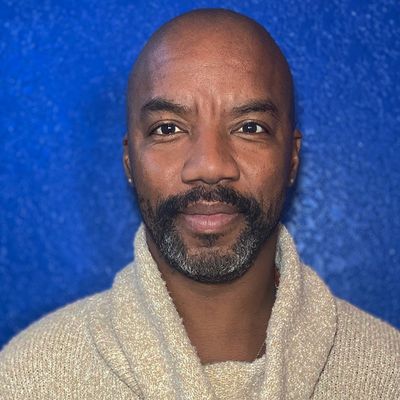
In Part Two of my conversation with Rodney Hicks, we’re going to be talking about the feasts and famines of his career -- various shows and original casts he’s been a part of as well as the shows he didn’t get and the lessons he’s learned from both experiences. As he shared in Part One, Come From Away marked a time in Rodney’s life that was certainly a feast. Not only was the show a wonderful chance for him to create a rich character, but the show itself opened on Broadway with a lot of fanfare and high expectations. At the same time other aspects of his performing and coaching career were taking off, but his diagnosis of spasmodic dysphonia and it’s unfortunate progression took him in a very unexpected direction. That's the part of his story where we pick up our conversation today: a look at how everything was going right in his life and how quickly it all changed.
SUBSCRIBE TO WINMI
Get access to Audition Stories, the Final Five questions, and other bonus content by becoming a monthly or yearly subscriber to Why I’ll Never Make It. Producing this podcast is rewarding in its own way, but I’m essentially a one-man operation. So it is both costly and time-intensive to put together each episode. By subscribing you’ll be supporting these podcasting efforts, and have access to extended conversations and other bonus content. Your financial support of this podcast is greatly appreciated!
- Subscribe to get access to bonus episodes and extra content
- Make a one-time Donation to support transcripts and podcast production
- If you’d like to support WINMI but have limited funds to do so, then contact me directly for reduced-price or even free access to the bonus content.
Follow WINMI: Website | Instagram | YouTube
Why I’ll Never Make It is an award-winning, Top Theater Podcast hosted by actor and singer Patrick Oliver Jones and is a production of WINMI Media. Background music is by John Bartmann and Blue Dot Sessions is used under a Creative Commons Attribution-NonCommercial 4.0 International License.
Transcript
This transcript was automatically generated and might contain errors.
[0:01] Patrick Oliver Jones: Something that I have learned, and I think many artists have learned during this past year and a half of the pandemic is that much of who we are as people is wrapped up in what we do as artists. And when that creativity, that expression is taken away from us, then there's a certain part of us that also goes away. And that is where we left off with part one of my conversation with Broadway actor Rodney Hicks. Come From Away had just opened on Broadway, yet he was losing his voice and unable to perform to the best of his ability or even at all. But this certainly wasn't the first time, nor would it be the last when he would face hardship and have to find a way to keep pushing through.
[1:01] Rodney Hicks: It was all part of my journey. It was all part of my growth.
[1:07] Patrick Oliver Jones: Well, hello and welcome to Why I'll Never Make It and my continuing conversation with Rodney Hicks. I'm your host, Patrick Oliver Jones, and each week I talk with fellow artists as we explore the realities of what it really means to make it in the performing arts. The website is Why I'll Never Make It dot com, where you can show your support and donate to this podcast. For as little as five dollars a month, you'll get special bonus episodes available only to podcast supporters. Learn about all that and more at why I'll never make it.com or click on the link in the show notes.
[1:45] Patrick Oliver Jones: When it comes to work as an actor, there's an old adage of feast or famine, or when it rains, it pours. For myself, that has meant going 11 months without any work, all while still auditioning, of course. And then there have been other times where three shows come up at once, and I have to decide which one of them I'm going to do. In part two of my conversation with Rodney Hicks, we're going to be talking about the feasts and famines of his own career, various shows and original casts he's been a part of, as well as the shows he didn't get, and the lessons he's learned from both experiences. As he shared in part one, Come From Away marked a time in Rodney's life that was certainly a feast. Not only was the show a wonderful chance for him to create and perform a rich character, but the show itself was getting a lot of buzz, and it opened on Broadway with a lot of fanfare and high expectations.
At the same time, other aspects of his performing and coaching career were also taking off. But his diagnosis of spasmodic dysphonia and its unfortunate progression took Rodney in very unexpected directions. And that's where we pick up our conversation today: a look at everything that was going right in his life and how quickly it all changed.
[3:05] Rodney Hicks: Prior to Come From Away, I was a college professor when I was in Portland, and I absolutely loved it. I loved it enough that I thought, oh, well, I don't want to act anymore. I'm gonna, you know, and then I get the call from Come From Away in the same year. That's how I met Tina Fey, you know, for the Kimmy Schmidt show. And that I wind up testing for that. And funny enough, it was me, Billy Porter, and Titus Burgess, who tested for the role in 2014, all before Come From Away. So, you know, you flash forward, and then it's like, wow, now my whole world has come crashing down. And I don't want to teach because I don't want to teach what I can't can no longer do. I don't want to be that teacher, you know, and I don't think people really understood that, but I did. And it was, I think I have to do something completely different.
[4:03] Patrick Oliver Jones: Would the teaching have been a reminder of it? Is that part of it?
[4:07] Rodney Hicks: Yes, absolutely. You know, and then Haila Kilgore, who I had mentored, you know, and coached for her audition for Once on This Island, you know, and now she's making her Broadway debut almost in the same year that my world was crashing down, and it was so surreal in this freaky Friday kind of way, you know. And it was like now I but I still have to hold space for this young lady's journey and be there. So I got off of social media. I literally unplugged my whole accounts and just said, because then I was just sharing, oversharing, oversharing, you know, of just because I thought I must have done something to create this. Then when my dad died, you know, I got my speaking voice, and then I went on this entirely different journey. I went even deeper within. I went even deeper with my Thich Nhat Hanh readings with Pema Chödrön, with Brené Brown, you know, with Abraham Hicks, you know, it was just Michael Beckwith. I just immersed myself in healing.
[5:20] Rodney Hicks: And then I think it was, and then I was working on my voice. Later that year, I could sing again. Wasn't the same. It's not the same as it was before. I don't have the same freedom, right? And range. But now you hear me, I'm speaking very clear.
[5:40] Patrick Oliver Jones: Yeah.
[5:42] Rodney Hicks: I mean, of course, I had voice therapy as well. I worked with a great voice therapist in Portland. And we I had to learn how to speak again, basically, and I had to learn how to sing again and get over the fear of that. And I did my first musical back, Heart Island, which ironically I was playing a prisoner, and so it was all this trauma, and I'm thinking, okay, well, let's see. And I loved the show, you know, and it told me a lot because it said, okay, you don't have the same freedom of range. Then I went into another show, and that was intense. I didn't let on how intense it was for me at all. I just showed up and did the job. And I was able, because I'm an actor first, so it was well, hello, I'm gonna do Betty Buckley right now, and you know, and like all the other devils, you know what I mean?
And just tell the story, honey. Just and hit the notes every so often. Not that she does that, I'm saying, but for me, you know, when you know, and I thought I am going to pretend that I am like 79 years old, you know, and just tell the story, focus on that.
[7:03] Rodney Hicks: But it was after Paint Your Wagon at the Muni, I had an amazing time, that I realized, and I was about to premiere my first produced play, and writing was always my happy place. Being in a rehearsal room as an actor is a happy place. But in these four years now, being a playwright is like the ultimate joy for me. It's the ultimate joy. And I'm a writer who I'm not precious with my words at all. I can hear if it doesn't land on someone, and I just go, okay, here's this, you know. But I love figuring it out and I love watching actors. Oh my gosh. I mean, in every show I've done, I pretty much stand backstage and watch people because we're a special breed of artists. And so being on this other side gives me even more of a profound respect for artists.
[8:11] Rodney Hicks: And you know, when it was announced that Come From Away was doing the pro shot, I told Sue, I said, I am so happy for everyone. Please know that. And if that was like three years ago, I'd have been like, ah, you know, sure. That's my role, you know, but it's not my role, right? And so I've already done it, I've already stepped in the shoes, and now there's like seven, eight, nine, ten bobs out there. And I have the joy of knowing, wow, you created that role. And there's a satisfaction in that. And so it did take me about three to four years to really release the show, and just it's love for me, you know, and I'm very proud of everything the show is and what it's for. And I'm proud of everyone in it because we all had our own journeys on that show. And I can't say enough but positive things.
[9:13] Patrick Oliver Jones: That's beautiful. I didn't I love just kind of letting you go and share that. That was beautiful. Thank you. Now, would you say that your identity as a person, as an artist was wrapped up in being this actor, this singer, and so was losing your voice, like losing a part of yourself?
[9:33] Rodney Hicks: I lost my voice, but I gained a new one. I gained a whole new one. I've never stood so complete and whole in my being since losing my voice. I was someone, Patrick, who it was like I identify as a gay, queer, gender non-conforming man. And it has taken me so long to be comfortable saying that, to be comfortable just kind of living in that. And because I'm someone who the majority of my career I've only played straight characters. The majority of characters were straight. And that's a lot, you know. I don't think people really realize how it's a lot because I don't identify as straight. And so in my 20s and early 30s, I had a total identity crisis where I felt so comfortable playing characters and stuff that I didn't know who I was, you know.
You know, I was that person who was deeply closeted, and you know, telling my straight friends, straight male friends that I was straight because I didn't want them to think that I liked them, that kind of thing, right? But telling everyone that I was straight because I thought, you know, in the 90s and early 2000s, you know, what was the representation of black men who were gay? None. Zero, you know. So and you're kind of taught that being gay is bad, right? And that you will never work, you will never really make it, quote unquote, right? If you're gay, you know, and so you have to suppress, suppress, suppress.
[11:26] Rodney Hicks: And so, yeah, yeah, I mean, the don't ask, don't tell that came out at all during that time. Don't ask, don't tell. Just go on and don't say anything. I mean, when I was in Rent, I was 20 when I was an original in the original cast of Rent, I was 21 years old. I should have been in my senior year of college, right? I left college after two years, and you know, in '96, I get Rent. I was so scared to be gay in the gayest show.
[11:59] Patrick Oliver Jones: Well, I was just about to say, because you were saying that in the 90s, early 2000s, yeah, there still wasn't this representation, but Rent did kind of break that mold. It was giving representation and voice to people who hadn't.
[12:10] Rodney Hicks: And I was not there yet, right? The show was there, but you weren't ready. You weren't ready yet. In and out. One day I was gay, the next day I wasn't, the next day. I was so flighty that I could have been an airplane. You know what I mean? And but then again, you know, and I used to beat myself up over it until I'm like, that's gone, honey. That doesn't even exist anymore. You know how people can get caught up in their yesterdays. It's like actually, it no longer is here. The only moment we have is the present moment. That is the only moment available to us. So I didn't learn that until seven years ago, right before I began Come From Away, and right before the world began doing what it's doing, like last year and everything.
Had I not learned meditation, mindfulness, all of these things, I don't we wouldn't be talking now. I'd be a mess. And I probably would still not be able to talk because I wouldn't have had the tools. I was someone who didn't know how to sit still, right? Because I was running away from myself constantly. And one way that we run from ourselves or hide who we really are, especially as actors, is to focus instead on the expectations of others, what we should be doing, how we should be doing it.
[13:34] Rodney Hicks: We'll also sometimes promote or even exaggerate our own accomplishments to better fit into or impress someone else's idea of who we are, and whether in the corporate world or the artistic world, one of the biggest no-nos is lying about your resume.
[13:52] Rodney Hicks: Yet somehow I found myself in that very situation. I was doing Jesus Christ Superstar in 2000. I was uh 26 years old, and I, you know, received a compliment from someone after the show, and she said, Oh, you must have gone to Juilliard, you're so great. And I didn't know what else to say. So I said, Yeah. Let me tell you something. Just be yourself. Just be yourself, people. Just be yourself. You are enough. And that one yes. I didn't know that she was a casting director. I didn't know that then she would share to people. And then I had to keep, well, I kept saying it because I thought, oh, okay, well, maybe that's the reason why I have this talent. And then I spent every single day at the drama bookshop because I said, well, if I went to Juilliard, I have to read all these books.
I have to, I mean, I literally became obsessed with mastering the art of acting. And like going, well, okay, I have to now learn Shakespeare. And you know, it was, and I studied Juilliard. It was a I was a mess. I was a hot mess. And this went on for some time until it didn't. Until I started sharing to people, I did not go to Juilliard. And that was very difficult to say. And until it wasn't. And it was, I went to Mansfield University for two years. And my college was New York City and having the opportunity to work at the highest level of theater. And I learned from so many people. I mean, I was so fortunate to learn from the greats early, early on. And I had to learn, Rodney Hicks, you are enough.
And I am grateful to God that I learned that very valuable lesson. And so I share that little story because it could have been a big story, and no one would have really gotten to know who I am. I would have been in a circle of trauma until I picked up my first TikTan Han book, you know, and started reading Pemishadron. And now it's all kind of second nature for me. And the medicinal cannabis has lessened. And it's so it's I'm just really grateful. I know how to be here now. And being present is so it's so tough for us. I think it's tough for actors because we're so used to going from show to show. We're so used to being on, as you say. Yeah, we're so used to being someone else or meeting someone else's expectation.
And having to be something for somebody else. Right. And so it's difficult for us to be present for ourselves. And I mean, I'll admit that that's something that I myself have had to go through about, especially over this last year. Without acting, then what am I? Without theater, what am I? Without this other focus, without someone telling me and showing me and writing for me, and then what am I on my own? That's just these are tough questions. And I learned that in Portland, Oregon. You know, I met my husband, and you know, we began this life, and I shared with my agents, I'm gonna move to Portland. And they did not drop me, you know. And but I kept passing on auditions, you know, of them trying to get me back there, right?
And what I learned in Portland, Oregon, it because I thought, you know, I had this dream that I was gonna go to Portland and just, you know, be the creator, be a creative force there, right? Because I thought, well, I have all this experience, but that wasn't the doors that opened for me there. And what opened for me in Portland was the doors to my soul, the doors to friendships outside of shows, and to really getting to know who Rodney Hicks is, and love really, and I learned how to love myself in Portland. It took some time, you know, and I learned how to really, really understand what love is. And it was, you know, if you don't have love of self, then you can't really have anything to give someone else, right?
Um, and I learned how to do that, and I learned how to just be honest with myself and to just go, who are you? And that I will never uh regret at all moving to Portland. And uh I'm here now and I'm auditioning. Like I said previously, you know, I've been auditioning now for three years for serious regular roles on TV shows, and I haven't booked one thing yet. And I'm someone who used to always book, right? And I'm okay with it, you know, because I used to have anxiety auditioning and and and and not able to like memorize things. Now I can have an audition, and you give me 11 pages of sides, and I have it memorized the next day, not just memorize, but a full character. I had never had the headspace to do that because it was clogged, right?
And now it's like, oh, right, great, got it. And my husband's like, babe, you just asking any questions. Let's just it's here, and I can do it. Yeah. Yes. And now it's like, it's not about getting the job. You know, it is about putting yourself out there over and over and over again. And what is meant for me will be for me. What is meant for anyone will never pass you by. So when we can get into these as actors, oh my God, I'll never work, or oh my God, I can't think that anymore. It's like, you know, I'm in this mindset of I cannot wait for someone to present me the table. I have to build the table. And do you want to come, you want to be in this table? Awesome. But I am not going to him and hall or be angry or all these things.
What make the opportunity happen for yourself. Taking a step back, you had mentioned when you joined Rent that you weren't ready to really be yourself. You know, the scared little gay boy, so to speak, you know, not really sure what to do, right? Yes, yes. So, but you had the opportunity then years later to come back to the show and finish out the show. What what was how are you different in coming back to it?
[20:46] Rodney Hicks: Yes, I I thank Michael Grife for that. Um, you know, uh in 96, you know, when they were figuring out understudies, I mean, it goes as far as that. Like, you know, clearly, I'm sure people are like, well, you should understudy Angel, you know. It's like, and I believe I said to our um assistant director at the time, Martha Banta, I said, I I I don't want to understudy Angel. You know, you know. I kept saying that because I can't sing that high. That was like my my go to. I was like, I can't sing that high. I was so terrified to like, I mean, A, the character had HIV, all of these things. And at that time I thought, you know, I just was terrified of myself. And, you know, and then 10 years later, I now have a body of work.
And not only that, I did grow, you know, I was out to friends, right? But at that time I was in a relationship with someone who was not out at all because of their occupation. And I felt like I was kind of living their life, you know, and I was the only person in their circle that knew they were gay, and that was a lot to hold. I bet. Especially in retrospect. And and this person is one of my best friends to this day, right? Um, but I knew, ooh, this is not because I was coming into myself, you know, and I knew I can't do this. So when I came back to rent, I was just doing King Lear at Denver Center, actually. And uh I found out that the Benny was leaving. I sent an email to Michael Grife. I said, Michael, I know that such and such is leaving, and I would love the opportunity to come in and audition.
And um, and so he got me an appointment. And because you have to know, in those 10 years, I actually went to see Rent at least, oh my gosh, 10 times a year. Wow. It was my solace. It was me grieving for my friend, you know, Jonathan. Because just to quickly go back, one of my very first shows was the Jonathan Larson piece, Blocks, in 1995. And that's where Anthony Rapp and I first met, and Yasmin Ahlers and I first met. And so I it his death devastated me and devastated all of us, right? But I didn't know how to grieve at that time either. And I'm thinking, what we're still doing a show. So 10 years later, I thought, man, if I can get back into this show, I actually can have a good experience internally.
And I did, you know. Um, and I I that it we just had a really wonderful time. And our original cast, that's my family to the day I die, right? I mean, that that's just words cannot express the love that I have for all of them because I was their little brother, you know what I mean? And like just all over the place, you know. But they've they of all people have watched my growth into the man that I am today. So they are my sisters and brothers for life, for life. And going back to that show with this new cast, they're my other sisters and brothers, you know. I was like, I love these people, and again, friends for life. So, but this time I was a grown man. I I was I was like, okay, I can do this now.
But you know, I still still was kind of not in my body, but I knew how to hide it well. You know what I mean? Um, I knew how to put the mask on. Like Irene Lewis, a director I worked with, she said to me in 2005, Ooh, you wear your mask really well. And she kind of called you out. Yeah, she didn't know that I wasn't like antidepressants, and like, you know. And um she knew she was speaking to a kindred spirit, you know. I've had so many experiences in the theater where, you know, I think people could have easily written me off. Uh, you know, I I've had nervous breakdowns in shows, you know, I've had panic attacks, all of these things. And it's interesting because I now look back and I'm not sad about it.
It was all part of my journey. It was all part of my growth. And I can look back now and go, Wow, I am so grateful to be here now without any of that because why? It's already happened. I've already I've already experienced all of that. And now at 47, I feel as if I have this new beginning, and it feels really, really good.
[25:43] Patrick Oliver Jones: I certainly want to give a big thank you to Rodney. Not only for coming on the podcast, but being so free and open with his journey, sharing the lessons and hardships he's faced in the past several years. If there's anyone that you know who you think could benefit from Rodney's story, then please share this episode with them. This podcast and conversations with Rodney and many other guests are also available on YouTube. You can type why I'll never make it into the search bar or share the YouTube links in the show notes. Well, I'm your host, Patrick Oliver Jones, in charge of writing, editing, and producing this podcast. Publicity provided by Imagine PR Group. Extra music in this episode is by Heisen. Why I'll Never Make It is a part of the Helium Radio Network and a member of the Broadway Makers Alliance. Join me next time for a very special episode with Misty Rosas of The Mandalorian as we talk more about Why I'll Never Make It.
© Broadway Podcast Network, All Rights Reserved