

The 2024 Tony Awards were certainly a night to remember, celebrating a very full Broadway season filled with remarkable performances and groundbreaking productions. Yet amidst the accolades and celebrations, some highly anticipated shows were left without a single nomination... Read More
From the show: Why I‘ll Never Make It
Guests
Featured Shows

About
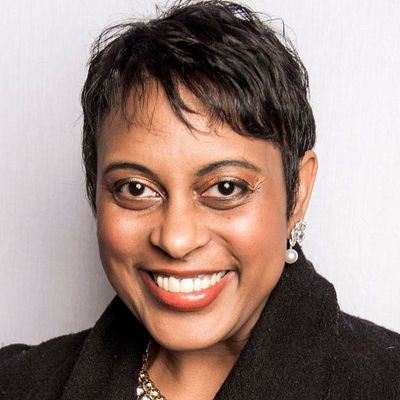
The 2024 Tony Awards were certainly a night to remember, celebrating a very full Broadway season filled with remarkable performances and groundbreaking productions. Yet amidst the accolades and celebrations, some highly anticipated shows were left without a single nomination. One of these was The Wiz, a revival production directed by the wonderful Schele Williams. But despite the lack of Tony recognition, Williams' work on The Wiz has made its mark on Broadway this year with near capacity crowds at every performance and averaging more than $1.4 million dollars each week since it opened back in April. But Schele wasn’t content with just one Broadway show this season, she was also part of the directing team for The Notebook musical.
However, her illustrious career actually began as an actress, performing in iconic Broadway productions such as Rent and Aida, and eventually transitioned to directing. Her journey from celebrated performer to visionary director has been marked by perseverance and a commitment to amplifying diverse voices. As the first Black woman to direct a musical on Broadway in more than 40 years, she hopes her work this year will inspire kids of all backgrounds to follow their dreams. Here are her three stories:
- Schele shares her journey from being a child prodigy drummer to choosing a path in musical theater (Her father is famed drummer James "Diamond" Williams of the Ohio Players).
- We delve into her memories of seeing The Wiz as a child and the profound effect it has had on her, ultimately leading to her directing its first Broadway revival.
- We discuss the personal trials she faced as her mother struggles with Alzheimer's and how it influenced her decision to co-direct The Notebook with her longtime friend and collaborator Michael Greif.
So listen as we explore the remarkable career of Schele Williams and the stories that shaped her path in the world of theater.
----------
- Subscribe to get early and ad-free access to the full conversation with each guest, which includes the auditions stories that are only available to subscribers.
- You can also donate to WINMI and help further podcast production with a one-time or ongoing contribution.
- If you'd like to support WINMI but have limited funds to do so, then contact me directly for reduced-price or even free access to the bonus content.
Follow WINMI: Website | Instagram | Twitter | YouTube
Why I’ll Never Make It is an award-winning, Top Theater Podcast with actor and singer Patrick Oliver Jones and is a production of WINMI Media. A snippet of "I Want to Be Free" by the Ohio Players was used to highlight James "Diamond" Williams on drums. Background music is by John Bartmann and Blue Dot Sessions and is used under a Creative Commons Attribution-NonCommercial 4.0 International License.
Transcript
This transcript was automatically generated and might contain errors.
[0:00] Patrick Oliver Jones: The 2024 Tony Awards were certainly a night to remember, celebrating a very full Broadway season filled with remarkable performances and groundbreaking productions.
[0:11] Patrick Oliver Jones: Yet, amidst the accolades and celebrations, some highly anticipated shows were left without a single nomination.
[0:19] Patrick Oliver Jones: One of those was The Wiz, which was led by a woman making her Broadway debut as a director.
[0:27] Schele Williams: Hi, my name is Schele Williams. I am originally from Dayton, Ohio. I currently live in New York, and I am a theater director.
[0:37] Patrick Oliver Jones: But despite the lack of Tony recognition for herself or the show, Williams' work on The Wiz has made a mark on Broadway this year, with near capacity crowds at every performance and averaging more than 1.4 million dollars each week since it opened back in April.
[0:55] Patrick Oliver Jones: But Schele Williams wasn't content with just one Broadway show this season. No, she was also a part of the directing team for The Notebook musical as well.
[1:05] Patrick Oliver Jones: However, her illustrious career actually began as an actress, performing in the iconic Broadway productions such as Rent and Aida, and eventually transitioning into directing.
[1:17] Patrick Oliver Jones: Her journey from celebrated performer to visionary director has been marked by perseverance and a commitment to amplifying diverse voices.
[1:26] Patrick Oliver Jones: As the first Black woman to direct a musical on Broadway in more than 40 years, she hopes her work this year will inspire kids of all backgrounds to follow their dreams.
[1:37] Patrick Oliver Jones: In our conversation, Schele shares her journey from being a child prodigy drummer to choosing a path in musical theater. We delve into her memories of seeing The Wiz as a child and the profound effect it's had on her, ultimately leading to her directing its first Broadway revival.
[1:55] Patrick Oliver Jones: Additionally, we discuss the personal trials she has faced as her mother struggles with Alzheimer's and how that influenced her decision to co-direct The Notebook with her longtime friend and collaborator, Michael Greif.
[2:08] Patrick Oliver Jones: Join me as we explore the remarkable career of Schele Williams and the stories that have shaped her path in the world of theater.
[2:19] Schele Williams: You know, it was also really important to me in the revival that The Wiz doesn't get redemption.
[2:25] Schele Williams: That there isn't someone magical who comes in and makes everything better for you. The people who recognize the best in you are the people who are actually in your life on the journey.
[2:47] Patrick Oliver Jones: And each week I talk with fellow artists about personal setbacks and professional hardships with lessons we can all learn from.
[2:56] Patrick Oliver Jones: The website is why I'll never make it.com, where you can donate, subscribe, and find past episodes. Again, that's why I'll never make it.
[3:30] Patrick Oliver Jones: Now, one of the things that I love about your story is that you started out as an actress and then got into directing. That is a path that I have wanted to partake of myself. What was your journey to it? And how did you finally make that switch?
[3:47] Schele Williams: I did so many things. I had a lot of interest. And my mom, you know, used to say I was such a precocious child that I took every class she could afford just to keep me busy.
[3:59] Schele Williams: Um, so I did, you know, I was dancing from the time I was three years old. And you know, I sang in the church choir. Um, my dad is a professional musician. He is the drummer for the Ohio Players.
[4:11] Schele Williams: And when I was in junior high, uh, when I was in elementary school, I had a really hard time adjusting. I went from private school to public school, and the kids did not like me.
[4:23] Schele Williams: Um, and I really got into music. And my dad is a drummer and we had drums in the house, and I picked up sticks, and it was like they were meant to be in my hands. I love that.
[4:34] Schele Williams: Like I was a real drum prodigy. You know, when I was in the eighth grade, I was drum captain of the high school band. Like I, you know, I was playing college solos when I was in the seventh grade.
[4:46] Schele Williams: Like it was, you know, it was something that just felt like it was meant to be for me. Um and then I, you know, I played in the pit of the shows. And these were musical shows as well, like, like, yeah, musicals.
[4:59] Schele Williams: Yeah, I went to performing arts school, so we did many shows during the course of the year and I'd play in the field orchestra. I played in the pit orchestra for community theater shows, you know.
[5:08] Patrick Oliver Jones: And were you also on stage as well for some of the productions?
[5:11] Schele Williams: For some of them. Um, and it wasn't until my senior year when they did The Wiz and I played Dorothy, but I was like, uh oh.
[5:21] Schele Williams: Um, I think I like it up here a lot. I think it's time to get out of it. And it changed everything. I mean, it like it uprooted my entire life plan.
[5:34] Schele Williams: I had scholarships to go to college for music. And then I, you know, I had to have the most uncomfortable conversation I have ever had with my parents, and say, I don't want to be a musician. I want to be an actor.
[5:48] Patrick Oliver Jones: So obviously they had been very supportive of your music path, you know, with your dad being a drummer himself. Obviously, he was supportive of it.
[5:55] Schele Williams: Oh, 100%. I mean, I literally was like, I want to throw away 13 years of private lessons and scholarships to college to like do this thing that I did, you know, a month ago on stage.
[6:07] Schele Williams: Like it was bananas. And what was it about? I mean, obviously, there's the adulation, the applause that comes with performing and getting to inhabit these characters, but what was it specifically that made you want to just switch and go from drumming to now performing?
[6:21] Schele Williams: I don't know. It, you know, all of a sudden it just felt right. Like something really connected with me.
[6:29] Schele Williams: I think part of it had to be that I was doing The Wiz and I was inside material that felt very true to me as a Black girl. I felt like I could live in a way that I didn't in any other way that I was expressing myself.
[6:43] Schele Williams: Um I, you know, looking back on it, I don't know that there was like a it was this thing that happened that changed my mind. But like every molecule in my body was like, this is what you have to do now.
[6:57] Schele Williams: Um and my parents, you know, to their credit, my dad said to me, Well, what I don't want you to do is waste our money.
[7:07] Patrick Oliver Jones: So the practical one, right?
[7:10] Schele Williams: Yeah. And he said, if this is what you're, if this is what you really want to do, then this is what's gonna happen. You're going to get a job. You're going to study acting. You're going to make a plan for what schools you're going to audition for. You will go to college.
[7:25] Schele Williams: So you're going to present a plan and then you're going to follow it. And I came up with a plan. I found myself an acting private teacher. I got a job.
[7:33] Schele Williams: Um, and I did something that was so, you know, taking a gap year was not in vogue in 1989. You know, I was an honor student. I graduated top of my class.
[7:45] Schele Williams: I had, you know, teachers that said to me, you know, where are you going? And I was like, I'm gonna take a gap year and become an actor.
[7:53] Schele Williams: And I had one of my, you know, one of my honors teachers say, Wow, I thought you were gonna be something.
[7:59] Patrick Oliver Jones: Oh, that must have hit you right there.
[8:03] Schele Williams: Yeah. How about that, Miss Buller? Yeah, that's exactly.
[8:07] Schele Williams: You know, I mean, that was it, it really, and I was like, Oh, I'll show you. You know, like in my mind, I was like, so I couldn't believe that she really thought that I had just given up.
[8:21] Schele Williams: You know, to me, it was like I was doing the purest, most wonderful thing in the world, following my heart, you know.
[8:27] Schele Williams: And so it lit a little fire under me when she put some doubt in that. Um, and then I was I was very fortunate. I had, you know, I was a part of an organization called Muse Machine.
[8:37] Schele Williams: Um, Michael Lippert was my acting teacher, you know, he was amazing, Scott Stoney. I had great acting teachers in Dayton.
[8:45] Schele Williams: And I got a scholarship to AMDA. And that brought me to New York City.
[8:49] Patrick Oliver Jones: Wow. Now we've been getting into it, but for story number one, I kind of want to dig into this drumming part of your life. You said it was like 13 years of you drumming and doing this.
[9:00] Patrick Oliver Jones: And so your father was a drummer. Was it him specifically that inspired you, or was it your own playing that really made you pursue that?
[9:09] Schele Williams: It's interesting. I mean, he's ridiculously amazing. You know, he's like, you know, Rolling Stone magazine named him one of the top 100 drummers in the world.
[9:19] Schele Williams: He's number 72 on the list. Like he's a badass. I went a slightly different route. He's a funk drummer, you know, plays in the Ohio Players.
[9:41] Schele Williams: I was a percussionist mostly. I said I played set, I played jazz band, that whole thing. But I was really into playing in symphonies.
[9:50] Schele Williams: Uh, when I was 16, I played Carnegie Hall in the first youth orchestra that ever played Carnegie Hall and Steve Reinicke, who is the conductor of the New York Pops.
[9:59] Schele Williams: We were in orchestra together in Dayton, Ohio. Um, I've known Steve since I was like 14 years old. Um, and, you know, I wanted to be the next Vic Firth in the London Philharmonic.
[10:12] Schele Williams: Like that was my dream. I went to orchestra camp. You know, when people talk about going to band camp, and I was like, oh, I can out geek you.
[10:19] Schele Williams: Right. I went to orchestra camp. Oh, wow. I mean, you know, like I was really deep in it. You know, I was like listening to Shostakovich in my like, you know, ear prompts.
[10:30] Schele Williams: Like it was so for real for me. Now, being a percussionist versus a drummer, what is that distinction?
[10:36] Schele Williams: You play all of it. You play xylophone, marimba, timpani, snare, bass drum, all the auxiliary instruments. You know, I did play, like I did play the set.
[10:46] Schele Williams: I played traps, you know, I played, you know, in the pit of A Chorus Line. I played the drum book for that. You know, I could play it all, but my passion was like, I really loved playing in orchestras.
[10:59] Schele Williams: Um, because I loved playing the xylophone and marimba. And I love the variety. I love to like jump around to all the instruments and it's pretty active when you're playing like a really interesting percussive piece.
[11:13] Schele Williams: You're going like, oh, you know, you're there's like a box full of instruments, and you're going between all of them, and you've got like the tambourine and the cymbal and the cowbell and the, you know, it's super fun.
[11:23] Schele Williams: Um, and then sometimes you're like doing broms and you're counting like a hundred and ninety-five measures to hit the cymbal at the end, you know.
[11:30] Schele Williams: So it just really praying for a copel, you know, you're playing for uh just, you know, the uh a Tchaikovsky, you know.
[11:40] Schele Williams: Um, but it is um it was so fun. I loved it so much.
[11:46] Patrick Oliver Jones: It sounds like there's a lot of variety in that. I mean, just the sheer number of instruments that you have to kind of play, but also keep rhythm, whether it's a xylophone, whether it's this or that, it just seems like you're never bored.
[11:58] Schele Williams: No, your brain's going like a thousand miles a minute, you know, because as you're switching instruments, you're still counting measures, right?
[12:04] Schele Williams: If you're really smart in the rehearsal letters that come up, you like go, oh, the French horns come in here. So you don't have to count until like rehearsal B, you know, until you get to like B, you know.
[12:17] Schele Williams: But you know, you are your brain's counting, you're switching through, you're switching mallets, you're like it's really fun to watch a percussion section, you know, on a great piece.
[12:17] Schele Williams: It's really fun to play, you know, Bizet's Carmen, super fun. Really fun to play the overture to West Side Story.
[12:36] Schele Williams: Oh my good god. Oh, I bet that is. I remember playing that in a southwest regional orchestra, and I was, you know, you when you get a drum book and they tell you which one you're playing. I remember getting the drum book and you pull out all the instruments that are in your book to play. There's like four or five percussions, and it's a break drum. And I was like, I played a lot of drums. I don't know what a break drum is. And I asked everybody, what's a break drum? And we're looking at the thing, and then the bottom of this box, which is packed all you know, with all the instruments, is this like metal thing. And I pull it out, and I was like, is this the break drum? How do you play this? What do you play?
What mallet do you play it with? And the conductor came over and he's like, Yeah, that's the brake drum for a car. And I was like, and what do you play it with? He's like, a metal mallet, because Bernstein wanted it to sound like the streets of New York. The streets, right? And I was the streets. Oh my good god. I mean, it's such a deep cut, but as a really geeky musician, it was amazing. I get to play the break drum, right? Let's not even a real drum. It is actually just the metallic sound that belongs in a car. You know, that's wild. That's what's wild.
[13:56] Patrick Oliver Jones: Yeah. Now, I imagine though that this drumming has stuck with you as you watch musicals, as you go to watch orchestras. Is there still that part of you that's kind of like tapping along?
[14:07] Schele Williams: Yeah, you know, because everything has rhythm, right? Like, you know, good comedy has rhythm everything like all humans have a rhythm and just knowing not only when the beat needs to happen but when the space needs to happen is like vital so so I really do you know sometimes I'm listening to scenes I'll just close my eyes and listen to the rhythm of the sea and I can tell when someone's saying a line like when it doesn't feel right I can hear it I can hear the rhythm change in their voice and I'm like you don't believe what you're saying I can I can hear that your pace has changed and why has your pace changed then what what is the hiccup in this line and then they'll talk about it you know they think that they've like faked fake their way through it but what we want to get to always is the truth so rhythm to me is like vital in any piece um and so that that really does stick with me.
[15:05] Schele Williams: It's also you know the one thing I can't stand and it's my own pet peeve is when someone can't keep time it's like the you know I it's like you know people can sing flat or sharp but like if you're ahead or behind the beat I'm like I can't breathe like this the hardest thing for me um but you know someone who can really like sit in the pocket and know what that means is very very exciting to me. So I love working with musicians and composers that understand the importance of of rhythm and pocket and how things need to land yeah I can get super geeky and that's the reason why I love musicals so much because music is like my first love.
[15:49] Patrick Oliver Jones: And so, do you have that that annoyance if someone's on the one and the three versus the two and the four?
[15:54] Schele Williams: A hundred thousand percent. But you know, worse for me if they're slightly ahead or behind on the two and the four. It's no better to me than being on the one and the three. I'm like, they're equally wrong and awful.
[16:09] Patrick Oliver Jones: Well, especially for The Wiz, there's no one and three.
[16:12] Schele Williams: No, no, no, no, not at all. But the pocket's so tight that you couldn't even if you wanted to. Like it is so like you feel it, everyone feels it together. Even if your inclination was one, the show forces you to the two, right? It's like yeah, you're you're you're gonna do that second beat. Yeah, there's yeah, yeah, yeah.
[16:33] Patrick Oliver Jones: Right. It's so interesting. You talked about with your father playing and and doing church choir. My my mother did church choir as well, and that's what kind of got me into doing church choir. And then from there, then I start doing the church musicals and then school musicals. When you have parents who at least understand or at least are a part of the arts in some which a way, I think it opens up a different path for us that maybe some who just kind of have to find it on their own.
[16:56] Schele Williams: Yeah, uh, you know, no matter what you're doing, if your parent believes in you, you can do anything. Because that's your frame of reference for um, you know, I I have two daughters and they're constantly seeking my approval, whether I think it or not. And so, you know, even you know, when I say that was amazing, I see them light up. And I know how much that means the fact that my parents were like, of course you can do anything. I came to New York, there was no question to me that I would ever make it broadly. Not because I was arrogant, but because I was raised to believe that if you work hard, then the moment will meet the preparation. It might not happen when I want it to happen, but I believed that it was going to happen. And I knew that if I kept working towards that goal, that I would meet that moment.
[17:55] Schele Williams: And that's the kind of that's the thing that I think being a musician really did serve me so well because I deeply believe in practice. I deeply believe in rehearsal. I do I believe in the rigor of doing something. You know what it means to like do a rudiment over and over and over and over until it's tight, until it's right, until both hands are even. Like you just, it's work. I believe in the work that it takes to get something, not in the glory. I believe in the work. And it's the same whether it's a musician or a dancer. I put them in the same category because they both require such uh persistence and dedication to the craft in order that the performance happens. Actors and singers, we we can get a little lazy sometimes because we can just kind of wing it or feel it or just rest on what we've been doing. But there's a certain dedication and craft that goes into dancing and being an instrumentist of any kind that I think us actors and singers could really learn a lot from.
[19:01] Schele Williams: You know that what really is you no dancer is ever getting up and landing a triple the first time around, right? No musician is picking up an instrument and playing like anything perfect the first time around. They're not like, you know, I mean, no, no one's sitting down at the piano playing Chopin for the first time around and been like nailed it, right? So it you start out by assuming failure. You see what you want, and then you work towards that. But you can say words and get a laugh first time around. You can have a natural inclination for your voice. And people say, Oh my gosh, you're amazing. I love your voice, right? It doesn't mean that you were in pitch, doesn't mean that you had great intonation.
It doesn't mean that you supported the note. It doesn't mean that your rubber was where it needed to be, or like you could sustain, or that you were following the dynamics of the music, right? But you know, you get praise, and that praise can feed a sense of accomplishment as a singer as an actor much earlier than you can as a dancer when you're doing plies for a year just to learn how to land safely. Like you you have not done, you know, your great bat mass you haven't done your tour j'aise because you have to plie for years first, right? Like there's just a it's it's a different, no one is telling you like you nailed up plie, right? They only tell you you nailed it when you've done something big, but the only way to get there is by doing something small a thousand times, and that to me was the greatest lesson that I could ever hope for, you know, is that I I have a uh a real sense of work inside me.
[20:56] Patrick Oliver Jones: Let's get into story number two, and we're gonna talk about The Wiz now. We've mentioned it briefly, but this is something that you saw at the age of seven with your mother, really young. And what impact did this show have on you seeing it at such a young age?
[21:10] Schele Williams: It was, you know, I call it seismic. I mean, The Wiz for me was absolutely incredible because I grew up without seeing myself in children's books. You know, this is 1978. I didn't see illustrations of black kids in children's books. There were no cartoons with black kids. There's certainly no like Disney princesses that were black. You know, I was like existing in a world in which I was always othered. And from an entertainment perspective. And then I saw The Wiz. And suddenly I was in there. Suddenly, I it was a fantasy, a story that I knew, but I was suddenly included. I wasn't on the outside looking through a window. I was looking at a mirror. And for someone who had never experienced that, it meant everything.
[22:10] Schele Williams: Because my mom took me to see all the shows that came in. And every time I saw someone else's view of a world that I knew but wasn't included in. And not much has changed today. Really? Oh, yeah, for sure. There are very few shows I can take my kids to. There are shows that will have black people in them, but they're not actually acknowledged. Like their validation as black humans inside the piece is not acknowledged.
[22:39] Patrick Oliver Jones: You mean that they were originally written maybe for another character, but now they're being cast with a black actor?
[22:44] Schele Williams: Yeah. So you you'll see a black person, but it's not an authentically represented black experience. And there's a real distinction. You know, The Wiz wasn't the Wizard of Oz with black people, it was The Wiz. It sounded like us, it danced like us. It was a different thought out experience that was intentionally inclusive.
[23:09] Patrick Oliver Jones: With your own experience as a musician, did you feel that othering as well? I mean, was I the like the only black person in the orchestra?
[23:18] Schele Williams: Oh, yeah, sure. Like, oh yeah, for sure. Um, there were other ethnicities in the orchestra. There were Asian children in the orchestra um in my hometown, but I was the only black person in the orchestra for sure.
[23:33] Patrick Oliver Jones: Did that stand out to you? Did it matter to you because you were so focused on the music? Did that impact you in any way?
[23:39] Schele Williams: It was normal for me. You know, when I went to elementary school, I was one of two black kids in the class. Like you just get used to being othered always. And I didn't really think about it much at the time because I didn't know the difference. That was the world that I was brought up in, that was the world that I knew. I really do feel the impact of that now in my life. I really do think how nice it must feel to be in the majority ones.
[24:12] Patrick Oliver Jones: Did that change once you moved to New York? Because obviously there's a wider spectrum of people in New York than in Ohio.
[24:19] Schele Williams: Because I I went to New York to be in theater. So yeah, you know, like I, you know, like my world was still incredibly segregated. You know, when I went to school, um, I wasn't doing Chekhov, I wasn't doing Ibsen, my senior recital. I played a maid in both scenes. You know, it it is really like how the world was going to see me was still going to be limited. And I still fought to be a part of that world because I loved the feeling of theater and the thought that there could be a Wiz again, felt like possible. When I moved to New York, Once on This Island was on Broadway. And I was like, oh my God, I saw LaShawn's. And I was like, it's possible, right? Um so there was the hope. But I certainly wasn't, you know, I wasn't getting trained to have like complex text in my mouth and understand those journeys.
[25:18] Schele Williams: I was not getting prepared for the rigor of, you know, big stories and character development, because even my professor saw me and my possibility in this business as limited.
[25:31] Patrick Oliver Jones: Yeah, I had an actress on a couple of seasons ago, Deborah Ann Byrd, and her big focus was Shakespeare. And as a Black actress, there isn't much for, you know, traditionally, and she had to really push her professors to really get those roles to push herself to be in those types of shows.
[25:50] Schele Williams: And now she does her own one-woman Othello, which is quite outstanding. And so that there is a bit of push that has to happen with that.
[25:59] Patrick Oliver Jones: Yeah, for sure. And when it comes to The Wiz, when it comes to directing it, as myself, as many people we know the movie, but it hadn't been on Broadway for 45 years. So the movie was really, I think for a lot of people that's what's in their head. Were there any inspirations or things that were taken from the movie, or did you stick solely to the stage script?
[26:20] Schele Williams: No, I used all the resources. I used the original book, I used The Wizard of Oz, I used The Wiz, the original Broadway show, I used The Wiz, the movie. There were amazing things to glean from all of them. And I wanted anyone who saw the show to feel like whatever their entry point was was valid.
[26:41] Schele Williams: You know, and it's so interesting because I was doing an interview yesterday, and they were saying, "Yeah, like what happens when people are like, I love the original Wiz?" And I always say to them, you know, I have two children. I love them both, right? It is possible to love the original Wiz and also make space in your heart to like love this one too. And it doesn't mean that the love for the other one has gone away. And that is to me the greatest thing about art. I've seen so many versions of Romeo and Juliet, and I'm super excited to see this next one again. Because I can watch art evolve in thoughtful ways.
[27:30] Schele Williams: We can make the art that we have speak to the moment and make it relevant in ways that feel incredibly prescient. And speaking about that evolution, from what I understand, The Wiz started before the pandemic. And so obviously then things halted during the pandemic. Did it start to evolve and become a different show than it would have been otherwise?
[27:53] Schele Williams: I got hired during the pandemic. So I, you know, from the time that I had my first conversation and I said, I need a few months in every version of The Wiz you can send me. Like I wanted to. I'm a person who researches very deeply. I have like a whiteboard here. It's got like notes and notes and notes and post-its, and like I go on very, very deep dives on things. And so I wanted to do that. I kind of wanted to get so inside this world and then have a fresh eye on the questions that I had.
[28:25] Schele Williams: You know, the questions were like, what happened to her parents? Like who are her aunt and uncle? Like, why is she living with Aunt? Like I had real questions of like thinking about what my kids would want to ask. Why, what do we want to say to this generation? What is the actual point of the story? And so, you know, to me, the story is about belonging. You know, why do we get sent on journeys to where we have to be brave? You know, how do we find our tribe? How are, you know, what does it mean to do something that forces you outside your comfort zone? What does it mean to find the quirky group of people that are all different and all feel in some way inadequate, and yet you love them and they love you for exactly who you are, and you bring out the best in each other.
[29:14] Schele Williams: You know, it was also really important to me in our version that the Wiz doesn't get redemption, that there isn't someone magical who comes in and makes everything better for you. The people who recognize the best in you are the people who are actually in your life on the journey. So I was like, he doesn't get to give a certificate and say, "And you get this." I'm like, no, it's actually your friends that get to do that. Like these are the things that I want my daughter to know. You know, there are things, it's an amazing children's story that keeps coming up in our lives again and again. You know, many times we wonder, where do I belong? You know, there are times you feel like that as a teenager.
You feel like that when you're in college, you feel like that when you move out of state into your first job. I think sometimes you feel like that when you start a life with someone and you get married. You know, you keep defining what does home mean. You know, the idea of you have to keep believing in yourself. I feel that way, and I'm in my 50s, right? You know, there's so many moments in this show that still feel very true to me. And I wanted this generation for them to say, "This is my Wiz too."
[30:30] Patrick Oliver Jones: Yeah, I got to see it a few weeks ago, and so many great performances. And what's amazing is that three of the four leads, they're making their Broadway debut. This is their first mark on a Broadway stage and such great voices, such great character work that went into. I just have to ask, what was it like working with these, especially some of these new to Broadway?
[30:52] Schele Williams: It was incredible. You know, one, I saw so many people for the show. The audition process was long and rigorous. And the thing that I said to everyone is, I want you to bring your authentic self into the room. You know, the one thing I think is interesting about many young Black actors is really giving them permission to take up space. And I won't even say like young Black actors, because I never felt like I could take up space in a room. I always felt like I had to walk into the room and be as big as I thought the room could allow me to be. That was my version of Broadway. And that's the reason why I became a director. You know, I've said to actors in the room, I really want you to fill the room. I want you to know that all of you is all that I want. I want you to know that you are welcome in this space and you don't have to be smaller than what you are. And I've seen people just literally start crying.
[31:52] Schele Williams: Yeah, I mean, because being ourselves is tough, no matter who you are. I mean, bringing yourself to a performance to a stage. Yeah, I remember I was in the middle of a rehearsal one time. It's my first off-Broadway show. And we were in the song. It was called "I'll Jump," and it's about jumping and, you know, taking that leap into something, the unknown. And so that's what the song was about. And I didn't even plan for it, but in the middle of one of the verses, I stopped. I just started to cry. I couldn't because it was so personal to me. And I didn't even realize it until I started singing it. It's amazing. That's like the transformational thing that art can do. You know, it's like you had that moment, someone watching the show in the audience will have that moment. You know, it's incredible. But when those reminders hit us, we're like, "Whoo, yeah." This isn't just play pretend sometimes; sometimes it's very, very real.
[32:51] Patrick Oliver Jones: Yeah, for sure. Now, the show unfortunately did not get any Tony nominations. What is your general view of the Tonys? What was your reaction to that?
[33:02] Schele Williams: You know, obviously there was disappointment, you know, of course. But I have to say, this was my debut year, a mid-debut season as a director. I directed incredibly two shows this year, and you know, I was sad for a little bit, and then I was in the shower and I went, you know, if I were talking to a baseball player, and I said, you know, you didn't get into the World Series in your rookie season. And if he said anything except like, "I'm in the game to win the game," like I'm in it to win it, I would be like, "You're a jerk," right? Like, do I really get to be sad that in my rookie season as a director, I didn't get a Tony nomination when there were what, 42 shows that were out this season?
And I said to the cast, what we have created has been transformational for Black audiences. And we're the only Black show on Broadway, and it matters. There are other shows with Black actors on Broadway, but we're the only Black show on Broadway. And to see generations, multi-generations of Black families come to see the show and see themselves celebrated is the reward. And there's no statue that can replace the pride that I have every single night when I see the joy that this show gives.
[34:46] Patrick Oliver Jones: And to have so many little Black kids see their very first Broadway show and see that that is possible for them.
[34:55] Schele Williams: Well, I can certainly tell you from the mezzanine, I was surrounded by people of all shapes and colors and sizes, and everyone was moved by it.
[35:03] Patrick Oliver Jones: So I can certainly tell you that from an audience perspective, it was definitely moving and joyous to watch the show.
[35:11] Schele Williams: Yeah, and we need joy.
[35:13] Patrick Oliver Jones: For sure.
[35:14] Schele Williams: Yeah, it was a season with a lot of drama. And as things ebb and flow, you know, it might be like a time where people are really craving a lot of drama, right? I'm craving joy in my life. The world is like crazy town, right? And it feels good to laugh, and it feels good to laugh together, you know. So I'm enormously proud of the show.
[35:42] Patrick Oliver Jones: The three stories shared in this episode are only part of the conversation. Subscribers get early access to the full interviews with guests, not only including these stories, but audition stories as well. Join Why I'll Never Make It and help support this podcast, as well as learn more about the guests and the lessons they've learned. Go to whyillnevermakeit.com and click subscribe or find the link in the show notes.
[36:30] Patrick Oliver Jones: Well, let's get into story number three here, and we'll talk about your mother and having Alzheimer's and how it affected your decision to join The Notebook production.
[36:39] Schele Williams: My grandfather also had the same condition, and he certainly had his lucid days. You know, he was the same granddaddy that I knew and loved. Excuse me, I'm sorry.
[36:51] Schele Williams: I know. I know. But then there were days where he was someone else.
[36:58] Patrick Oliver Jones: Yeah.
[37:00] Schele Williams: And it's tough. It's really tough to go through that. But also not just tough for me, not just tough for my family, but tough for the one experiencing it. How has it been for you and your family?
[37:12] Schele Williams: You know, it has been cathartic. It has been healing. I've shed a lot of tears. I cry a lot in rehearsal. Like we all, Michael and I would just like hold hands and cry. And you know, it was interesting when my dad saw the show in Chicago. I was so nervous. I was like, oh my gosh, he's gonna freak out, it's gonna be so hard. And he said, "I feel seen." Because he really thought he was living in isolation, and he was like, "Oh my gosh, you get it. Other people get it."
[37:47] Schele Williams: It was like it was the most incredible gift to give to a caregiver who feels so alone to validate this incredibly difficult journey that you do for love.
[38:06] Schele Williams: My parents are high school sweethearts, so you know, everyone always talks about my mom having Alzheimer's, and like I liken her to Allie. I'm like, I liken my dad to Noah; he every day is fighting to hold on to, you know, my mom to remember her of everything, you know, remind her who I am, reminder of our life.
[38:27] Schele Williams: It's in, you know, it is, and it's another one of those moments where when I saw The Notebook, I didn't know what, you know, I didn't really know much about Alzheimer's, and it hadn't hit my life personally yet. But when I started working on the show, I went back and revisited the story. Obviously, I went back and watched the movie again. It kind of hit me that this is another experience in which I'm not included in. This is another one of those like epic journeys in which there is no belonging for someone like me.
[39:04] Schele Williams: And when I, when Michael approached me about co-directing this, and Beckett and Ingrid had talked about doing it in a multiracial way to make it more inclusive, it really made me feel like my God, what art can do. It's been so healing and so connecting and so beautiful in ways that you know I had never even imagined. I never dreamed big enough to think that I could be included in a story like The Notebook, although I was living it. And that's healing and beautiful and necessary.
[39:54] Schele Williams: And as you said, it went through a revision from the original book and the movie that was done. And a lot of that was due to the book writer, Becca Brunstetter.
[40:04] Schele Williams: Yeah. And she, unlike The Wiz, The Notebook did get some Tony nominations. She was one of the Tony nominees for her writing.
[40:11] Patrick Oliver Jones: How did you approach? How did it differ from the book and the movie specifically?
[40:16] Schele Williams: Well, you know, we loved the source material, you know, and so really, if we were, you know, if we were all committed, and we all were to creating this in a more inclusive way, it really had to do with where it was going to take place and when it was going to take place. You know, doing the show in the Deep South obviously felt incredibly complicated. And doing the show in the 30s and 40s also felt like, well, if we're going to introduce this multiracial couple, then we now have to talk about it. We can't just pretend, right? We've kind of realized, I think by now, that we can't just use color as props. We actually have to connect it and make it authentic.
[40:59] Schele Williams: Um, and so we thought about a lot, we did a lot of research, and then we realized if we shifted the story to 1967, then the war we're talking about is the Vietnam War. And then it actually gave Noah something really interesting to dig into because it allowed us to also talk about the economic disparity of the haves and have nots. You know, Noah and his friends are getting drafted. And Allie and her fee, you know, Allie's friends, her fiancé could like go to school and not be in the war. So it actually creates a really interesting different dynamics there.
[41:41] Schele Williams: We also found some beaches in the coastal areas of the Chesapeake that were black beaches that were right next to white towns that had integrated functions. Cars Beach was one of those beaches where they had like big concerts that were integrated with white and black people, and white and black people lived in integrated beaches were illegal at that time, but they didn't care. And there's these pictures of these, you know, James Brown played Carr's Beach, and like 5,000 people are there. And you look at pictures of the crowd and they're integrated and happy. And I'm like, there are places where this love could have happened. So then we had real things to anchor it on. And then we could tell the story the way that we wanted to tell it.
[42:26] Schele Williams: And we could create a theatrical convention where we're following the rules we've always had in theater. You know, you sit in a chair, you put your hands up, and you're like, oh, you're in a car. You play some crickets and you're like, oh, we're outside. You say, Allie, Allie, Allie, they're all wearing blue. You're like, oh, that's Allie, right? Some people have had a harder time believing that three people dressed the same with the same name could be the same person. But I'm like, but we've all these are always the rules of theater. So if you're not believing it, you're choosing not to believe it. And that's okay. But when you hear a cricket in a theater, you're not actually outside. And you know that to be true, right? When someone sits in a chair, it's not actually a car, even though they put their hands up like they're driving something, it's not actually a car. But we go on the journey because we want to.
[43:38] Patrick Oliver Jones: Yeah. It's interesting when you brought it up and start talking about, you know, the Deep South and then the 30s. It's interesting in this day and age, and I I'm I'm more just want to kind of get your thoughts and opinions on it, but I am seeing, you know, whether it's TV shows, stage productions, but they'll they'll be set in certain places during certain time periods where integration was not a thing. Segregation was the rule. And yet in these productions or on television, it's showing people mingling about that. I'm from the South. I certainly know its history where that wouldn't have happened. But on this stage, we're just kind of going with it and everyone's kind of intermingling. What are your thoughts on presenting it as the ideal, which is that is the ideal of everyone intermingling and it not making a difference, even though you're in a time period where that wasn't the case?
[44:28] Schele Williams: It's tricky. And it's tricky about how we're, you know, I think I think in this day and age, and I can speak only as myself as the director, right? I'm not gonna judge other people's choices. Right. But to me, if I'm gonna put someone on a stage, I don't want them to pretend like they're not something. I always want them to feel like they authentically belong and they're presenting themselves in their most authentic manner. If that means we have to deal with it in the story, I think that's important. Every time I, you know, I said this in a speech the other day. I'm like, every time I walked on stage, I was always playing the role of a black woman. Whether the part was written for black women or not, because every person in that audience is like black girl, right?
Right. Yeah. So we have to deal with that. Because there's a difference between being and belonging. And I am really I it really matters to me that actors belong in a space and they're not just there as props.
[45:26] Schele Williams: Props to make us feel good, props to make us feel like we've done something progressive, props to make us feel like we have created a utopia of art. We actually have to go deeper into the rigor of making art to create belonging.
[45:41] Patrick Oliver Jones: Yeah. It's interesting to hear you talk about these details that you look for and that you infuse into the pieces that you direct. But then from what I understand, when you were first getting interested in directing, you approached Michael Greif about being his assistant and he turned you down at first.
[46:00] Schele Williams: Yeah. Why was that?
[46:02] Schele Williams: Well, I, you know, I was like, hey, can I assist you on something? And he's like, you should go find your own projects because he's really smart, right? Because he's like, you need to find your voice and you need to grow and you need something, you know. I've known Michael for 30 years, right? I asked him, you know, he pushed him like 20 years ago. Because he knew I'm super headstrong. I needed to find things that resonated with me. And it was the best, it was the best thing anyone had ever done. You know, I started really meeting young writers. I started like doing readings of plays that really mattered to me. Like, you know, it is when you know directors that are working on Broadway, and you can say, you know, can I assist you?
It's a good check. But you might not be as like scrappy and hungry as you would if you don't have that good check coming in every week because you're maintaining a show, right? I'm a pretty scrappy gal, you know, and I've got like good hustle. And it was important for me to maintain that and make relationships and seek out projects that really excited me get like in a cushy on maintaining the show vibe. You know, I had done that before. So I'm in I'm so grateful to him for that.
[47:19] Patrick Oliver Jones: And what's it been like working with him now side by side?
[47:22] Schele Williams: It's been amazing. I mean, you know, we've been friends for so long. Um, we maintained our friendship after Rent. Like we, you know, I think I've seen everything he's ever directed, um, especially in New York, you know, everything he's directed in New York, um, readings included, you know. Um we have enormous respect for each other. We're very different directors. We have different sensibilities and different styles. Um, but we when I look at The Notebook, I see both of us, and I see the space the actors brought themselves to it. I see the complexity of this interesting like male, female, white, black, Jewish, Christian dynamic, right? That we have like all the things happening, right? And and the rigor of the conversations that we have had about things, I think have made that the characters richer because there were so many different perspectives, you know, talking with Becca and Ingrid and and Katie, who is the choreographer, you know, there were just so many perspectives looking at this. And it was beautiful to have, you know, multi-generational, multiracial, you know, multi-ethnic cast, you know, all I mean, uh, of creatives contributing to this end product.
[48:48] Patrick Oliver Jones: And as far as moving forward, how have the both The Wiz and The Notebook, how have they affected you in ways that now going forward, the type of projects, the time the things that you want to do in the future?
[49:03] Schele Williams: I don't know that they've affected me in those quite I've been on a chart for a long time. You know, they feel like they're right in the trajectory of the kind of work that I want to be doing. So it feels they feel like they happened in my life at the right moments. And then as I go forward, it's about taking the lessons I've learned from this year and going forward with that. Um, but I I don't feel like it's altered my course or my trajectory at all. I feel like it really has affirmed so many things that I knew to be true that I wanted to do.
[49:37] Patrick Oliver Jones: Thank you so much for joining Why I'll Never Make It. And don't forget, you can become a subscriber and get bonus conversations by going to why I'll never make it.com and click subscribe or just look for the link in the show notes.
[49:53] Patrick Oliver Jones: Well, that about does it for me. I'm your host, Patrick Oliver Jones in charge of writing, editing, and producing this podcast. Background music in this episode is by Blue Dot Sessions and John Bartman. Be sure to join me next time as we talk more about why I'll never make it.
© Broadway Podcast Network, All Rights Reserved