

Cabarets have been an integral part of New York City's cultural fabric for over a century, offering a unique blend of entertainment, social commentary, and artistic expression. From the early 1900s to the present day, cabarets have served as a hub for artistic experimentation and innovation... Read More
From the show: Why I‘ll Never Make It
Featured Shows
About
Cabarets have been an integral part of New York City's cultural fabric for over a century, offering a unique blend of entertainment, social commentary, and artistic expression. From the early 1900s to the present day, cabarets have served as a hub for artistic experimentation and innovation. They have also served as a launching pad for many Broadway stars, including Liza Minnelli, Barbra Streisand, Audra McDonald, and others who got their start honing skills and building a loyal fan base before transitioning to the Broadway stage. The intimacy and informality of cabaret performances have allowed performers to develop their craft and connect with audiences in a way that is impossible in larger, more formal venues. And here in New York there’s been one man in particular helping artists find their voice onstage.
Sidney Myer has been a cabaret booking manager for four decades at venues like Don’t Tell Mama, Rose’s Turn, and Panache. He’s also a performer himself, having won MAC and Bistro Awards (MAC stands for Manhattan Association of Cabarets & Clubs). As Sidney can attest to, cabarets offer performers a chance to showcase their vocal talents and connect with audiences on a personal level. They have given voice to marginalized communities, including African Americans, LGBTQ+ individuals, and immigrants. Through this cabarets have played a significant role in shaping New York’s cultural identity as well as giving a home to many artists like Sidney.
- STORY #1 - The struggles he faced at an all male prep school, especially when he happened to say he liked Judy Garland instead of the TV show Bonanza.
- STORY #2 - The random set of events that led up to his first acting experience in summer stock theater.
- STORY #3 - A very special act that he recruited to open up a new nightclub.
SUBSCRIBE TO WINMI
Get access to Audition Stories, the Final Five questions, and other bonus content by becoming a monthly or yearly subscriber to Why I’ll Never Make It. Producing this podcast is rewarding in its own way, but I’m essentially a one-man operation. So it is both costly and time-intensive to put together each episode. By subscribing you’ll be supporting these podcasting efforts, and have access to extended conversations and other bonus content. Your financial support of this podcast is greatly appreciated!
- Subscribe to get access to bonus episodes and extra content
- Make a one-time Donation to support transcripts and podcast production
- If you’d like to support WINMI but have limited funds to do so, then contact me directly for reduced-price or even free access to the bonus content.
Follow WINMI: Website | Instagram | YouTube
Why I’ll Never Make It is an award-winning, Top Theater Podcast hosted by actor and singer Patrick Oliver Jones and is a production of WINMI Media. Background music is by John Bartmann and Blue Dot Sessions is used under a Creative Commons Attribution-NonCommercial 4.0 International License.
Transcript
This transcript was automatically generated and might contain errors.
[0:00] Patrick Oliver Jones: Cabarets have been an integral part of New York City's cultural fabric for over a century, offering a unique blend of entertainment, social commentary, and artistic expression.
[0:12] Patrick Oliver Jones: They have provided a platform for performers to showcase their talents and for audiences to experience a diverse range of music, dance, comedy, and other performances.
[0:24] Patrick Oliver Jones: These small intimate concerts have also served as a launching pad for many Broadway stars, including Liza Minnelli, Barbra Streisand, Audra McDonald, and more who got their start in cabarets, honing their skills and building a loyal fan base before transitioning to the Broadway stage.
[0:43] Patrick Oliver Jones: The intimacy and informality of cabaret performances have allowed performers to develop their craft and connect with audiences in a way that’s just impossible in larger, more formal venues.
[0:55] Patrick Oliver Jones: And here in New York, there's one man in particular helping artists find their voice on stage.
[1:03] Sidney Myer: Sidney Myer, a little suburb outside of Philadelphia is where I'm from, and I live now in New York City for decades.
[1:13] Sidney Myer: And I'm the booking director of the Don't Tell Mama Cabaret.
[1:19] Patrick Oliver Jones: Sidney has been a cabaret booking manager for four decades now, not just at Don't Tell Mama, but also at Rose's Turn and Panache.
[1:28] Patrick Oliver Jones: He's also a performer himself, having won MAC and Bistro Awards.
[1:32] Patrick Oliver Jones: Now, MAC stands for Manhattan Association of Cabarets and Clubs.
[1:37] Patrick Oliver Jones: As Sidney can attest to, cabarets offer performers a chance to showcase their vocal talents and connect with audiences on a personal level, and have played a significant role in shaping New York's cultural identity as well as giving a home to many artists like Sidney.
[1:55] Patrick Oliver Jones: In today's episode, he shares the struggles he faced at an all-male prep school, especially when he happened to say he liked Judy Garland instead of the TV show Bonanza.
[2:07] Patrick Oliver Jones: He recounts the random set of events that led up to his first acting experience in summer stock theater.
[2:13] Patrick Oliver Jones: And finally, he gives us the story of a very special act that he recruited to open up a new nightclub.
[2:25] Patrick Oliver Jones: And sometimes even the people closest to them look at them through different eyes after seeing them on the cabaret stage because they've never seen those aspects of them on any other stage.
[2:48] Patrick Oliver Jones: An award-winning theater podcast hosted by yours truly, Patrick Oliver Jones, an actor and singer for more than 30 years.
[2:56] Patrick Oliver Jones: Every other week I talk with fellow creatives who bring us stories from their own life of personal struggles and professional hardships with lessons we can all learn from.
[3:06] Patrick Oliver Jones: I also share your comments and questions at the end of the episode.
[3:11] Patrick Oliver Jones: The website is whyillnevermakeit.com, where you can subscribe, donate, and find past episodes.
[3:19] Patrick Oliver Jones: Again, that's whyillnevermakeit.com.
[3:30] Patrick Oliver Jones: Welcome, Sidney.
[3:32] Patrick Oliver Jones: It is such an honor to have you here on the podcast.
[3:35] Patrick Oliver Jones: Uh that New York Cabaret is such its own entity in addition to theater.
[3:39] Patrick Oliver Jones: And so I'm so, so happy to have you here on the podcast to talk about this other world of performing.
[3:46] Sidney Myer: It's a great pleasure for me to join you.
[3:49] Patrick Oliver Jones: Now, Time Out says that you may be one of the most lovable men in New York cabaret.
[3:56] Patrick Oliver Jones: What do you think makes you so lovable?
[3:59] Sidney Myer: Well, I'm not completely certain.
[4:18] Sidney Myer: As we know, cabaret and most of show business is a very tough climb.
[4:24] Sidney Myer: And most of us are accustomed to having doors slammed in our face.
[4:30] Sidney Myer: But I guess I'm known for putting down a welcome mat.
[4:34] Patrick Oliver Jones: I like that.
[4:35] Patrick Oliver Jones: Now, you're not only helping other performers, but you are a performer yourself.
[4:40] Patrick Oliver Jones: And you started out in theater, right?
[4:43] Sidney Myer: Uh yes.
[4:44] Sidney Myer: I mean, I did summer stock, and uh that's how I began.
[4:49] Patrick Oliver Jones: And then as far as the cabaret, how did you morph into cabaret performing?
[4:56] Sidney Myer: Well, when I look back on it now, I understand that growing up in that time, I was most drawn to what we would call now entertainers.
[5:11] Sidney Myer: And it was my favorite thing with record albums to get live record albums with all the applause.
[5:20] Sidney Myer: And as I started auditioning and becoming uh someone trying to get a job in show business, people would keep telling me, well, you're a different type.
[5:36] Sidney Myer: We we don't know exactly what to do with you.
[5:40] Sidney Myer: And so when I came to New York, I discovered that cabaret does know what to do with me.
[5:50] Sidney Myer: What many uh civilians outside of show business uh aren't aware of is that cabaret in New York City is an open door.
[6:01] Sidney Myer: When anyone, any aspirant arrives on these shores, whether it's from Paris or Pittsburgh or Peoria, the first door open to them to strut their stuff is cabaret.
[6:15] Sidney Myer: Meaning before anyone knows you to put you in a show, you put yourself in a show.
[6:22] Sidney Myer: And this is a time-honored tradition.
[6:25] Sidney Myer: I mean, everybody from Barbra Streisand to Joan Rivers to Woody Allen, Hal Holbrook, so many of the greatest stars in show business really had their first New York exposure in cabaret.
[6:43] Patrick Oliver Jones: I agree.
[6:44] Patrick Oliver Jones: Whenever I moved to New York myself, you know, I was just, I was trying to audition as much as I could for theater, off-Broadway, regional shows, what have you.
[6:53] Patrick Oliver Jones: But one of the first ways I got to perform was at Birdland.
[6:58] Patrick Oliver Jones: And they do uh a cast party every Monday night.
[7:02] Patrick Oliver Jones: And so that's kind of where I wet my feet as far as performing and staying up on different pieces of music, jazz, and just trying out different things.
[7:11] Patrick Oliver Jones: And it was a way to at least kind of keep my performing chops up to snuff.
[7:17] Sidney Myer: Yes, and the gift of cabaret, there are many.
[7:22] Sidney Myer: But the first one is that you can be yourself.
[7:28] Sidney Myer: You don't have to be anyone else.
[7:30] Sidney Myer: You don't have to fit a costume of someone else's.
[7:34] Sidney Myer: And it makes it possible for you to show all the colors in your rainbow, meaning you can do anything you want to do.
[7:45] Sidney Myer: It's like that burger place.
[7:47] Sidney Myer: Have it your way.
[7:49] Sidney Myer: And in most every other area of show business, whether it's television or Broadway or motion pictures, there's a director, there are producers, even for the biggest stars that tell them what to do and how to do it and what not to do.
[8:06] Sidney Myer: But in cabaret, the only voice you need listen to is the voice of your own muse, or someone you hire to direct you or guide you.
[8:19] Sidney Myer: So it really is uh a liberation that no other platform offers.
[8:28] Patrick Oliver Jones: Yeah, it reminds me of a quote by none other than Dr. Seuss.
[8:31] Patrick Oliver Jones: He said, why fit in when you were born to stand out?
[8:34] Patrick Oliver Jones: You know, us as performers, we can we can do what we do best, I think in an arena like cabaret, because as you say, it allows us to pick our own materials, pick our own songs, sing it the way we want to.
[8:47] Patrick Oliver Jones: We're not being directed.
[8:49] Patrick Oliver Jones: You really can make the songs, make the performances your own.
[8:53] Sidney Myer: Exactly.
[8:54] Sidney Myer: Dr. Seuss was very wise.
[8:58] Sidney Myer: One of my discoveries when I started becoming a cabaret booker, meaning hiring people to do their own cabaret shows.
[9:28] Sidney Myer: Now they weren't stars, but they were in the ensemble of a Broadway show, or they had small parts on soap operas.
[9:37] Sidney Myer: And I was almost mystified at their excitement to come and do their little cabaret act for maybe 25 people at a five dollar cover charge or whatever it was, you know, 50 years ago.
[9:53] Sidney Myer: And I couldn't understand why they were so excited to do that, because in one way they were getting their, they were performing already in theater or TV five days a week or more.
[10:05] Sidney Myer: They were being paid thousands of dollars.
[10:07] Sidney Myer: So why was this so particularly exciting to them?
[10:12] Sidney Myer: But then I gradually realized that most other areas of the business, well, it's improving slightly now, but for many years, of course, talent was a given, but you were hired because of your externals, what you looked like, what you appeared like, which of course may have nothing to do with who you are internally.
[10:43] Sidney Myer: So, for instance, uh a gal who's blonde and blue-eyed and very pretty, will always be cast in theater as a young ingenue, like in The Music Man or something.
[10:55] Sidney Myer: But when she comes to do her cabaret show, she's singing these get down rock and roll songs and heavy metal, because that's what she really loves and who she is and what drew her to the business to begin with.
[11:12] Sidney Myer: Or for instance, a fellow who has a very dramatic face and who's always cast in a sinister way as a murderer on Law and Order.
[11:24] Sidney Myer: When he does his cabaret show, he's singing romantic ballads because that's who he really is.
[11:32] Sidney Myer: And sometimes even the people closest to them, from their agents to their spouses, look at them through different eyes after seeing them on the cabaret stage, because they've never seen those aspects of them on any other stage.
[11:52] Sidney Myer: That small stage, a small audience, an intimate venue like that, can give someone such freedom to be uh bigger and better versions of themselves.
[12:03] Patrick Oliver Jones: I think that's really wonderful.
[12:05] Patrick Oliver Jones: And it leads us into the first story that you wanted to talk about, which is you coming into your own as well, because you were raised um at a young age in an all-male prep school from 11 to 17, and you said that you liked Judy Garland instead of Bonanza.
[12:24] Patrick Oliver Jones: I can imagine the response you got to that.
[12:27] Sidney Myer: Well, may I say I was in an all-male prep school that specialized in terrorism.
[12:35] Sidney Myer: And uh I don't even think Stephen King could have thought of what was done to me.
[12:41] Sidney Myer: Uh, it was not a good fit.
[12:43] Sidney Myer: I mean, the school was very fine academically, but all the things that they valued, none of which I possessed.
[12:51] Sidney Myer: I wasn't a football hero or could play lacrosse or was good at chemistry or physics or Latin.
[12:59] Sidney Myer: And one day amongst when I I said very little anyway, but one day I made the tragic and fatal mistake of saying I like Judy Garland and the Judy Garland show, which in those years was opposite the number one Western on television, Bonanza.
[13:20] Sidney Myer: And all my schoolmates and teachers uh I think were ready to deport me.
[13:28] Sidney Myer: And um it was just uh something that was uh, you know, I was tormented about and teased along with many other things.
[13:39] Sidney Myer: And when I graduated from that school, I got my diploma and walked off the stage and went into the parking lot into the car, and I said, I'll never go back there again, very much like Scarlett O'Hara, you know.
[13:56] Sidney Myer: And uh I kept that promise, but something very uh magical happened.
[14:04] Sidney Myer: That summer that I graduated, I got to see Judy Garland live and in person for the very first time.
[14:13] Sidney Myer: It was a pouring thunder lightning night.
[14:18] Sidney Myer: And uh back then, I don't know if they exist anymore. There was a whole circuit on the east coast of tent theaters, and she was performing outside of Philadelphia in this tent theater, the Camden County Music Fair. And my mother, father, my brother, and the lady that used to babysit for us all piled into the car, pouring rainy night, and we went to this theater in the round in the tent. And uh when we got there, the place was mobbed. And from the moment her overture started, which is a very classic overture, uh the entire theater, every single person on Moss stood up, the whole theater clapping through the entire overture. And back then there was a very uh popular television personality in coming out of Philadelphia called Mike Douglas.
And from where I was sitting all the way up, I could see him across the way uh in the round, uh, just looking mystified at the pandemonium. Well, in these tenth theaters, there were like aisles going down to the stage in the round, and it just so happened that when it was time for Miss Garland to appear, she was walking down the aisle that we were sitting on. And everybody went wild. The show was fabulous, clapping, clapping, standing ovation script. I felt like I I found my tribe.
[16:32] Patrick Oliver Jones: I mean, you talked about being in that all boys' school. Was that the first time you felt like you had a tribe of your own?
[16:38] Sidney Myer: Yes. That I felt like there were other people that loved this and loved her. And at the end of the performance, uh, she ran up the aisle during the bows. And as she came back down because people were cheering so much to make an encore, my father, who was, I think, the quietest man on the planet. My mother, who was a gracious school teacher, always used to say, your father has an opinion on everything. He just doesn't say it. But anyway, for whatever reason, in this jam-packed 1500 seat theater, he reached out. I don't know if it was to what it was. And the next thing I knew, I looked over, and Judy Garland was sitting in my father's lap. And he I was like, my eyes went out on sticks, and I was like six seats in, and all of a sudden he motioned, come like come, come.
Meanwhile, the orchestra's playing, people are cheering, and and she stopped there, and she's standing there looking at me, and I walked as if I was in a trance up to her. I I couldn't believe it. And I had dreamed of meeting her forever, and I had so many things I would say, I would go on and on and on, and I couldn't think of one of them. And she took my hand and looked in my eyes, and I looked in hers and thought they were the most empathetic, sad eyes I had ever seen. And all that came out of me was thank you. Thank you. Thank you. Or I it changed my life forever. And as um profound an impression as she makes on recordings or films, TV, seeing her in person, as it is with most great stars, they have an aura that is when there is not even one degree of separation. Do you do you know what I mean? They're electrified, and seeing her like that, and that she stopped to acknowledge me, it seemed to validate all those years of ostracism.
[19:37] Patrick Oliver Jones: Did not only her music, but just music, entertainment in general, did that provide an escape, especially from the sounds like the bullying and other things you got at school?
[19:48] Sidney Myer: Yes. And through the years, as I see through the world, music is our friend. It is the universal language. And so many people who have no one else or nothing comforting in their lives, they turn to music, and music is always there. And music communicates a language that nothing else does.
[20:23] Patrick Oliver Jones: At that time, were you aware enough to be mad at them for the way that they were treating you? Or did you ever turn that anger inward and wonder why you were the way you were?
[20:41] Sidney Myer: And I thought it was my destiny and my fate because of the way I was, that this was my fate in life. Oh, okay. I was different, and I was not accepted for my differences. My lack of being a conventional male, good at sports, good at math, and my voice didn't help. It was a character voice. And I was such an easy, naive target. Uh and uh I didn't know what bullying was then. And I think so many kids of all kinds experience it everywhere, and uh it took me many years, honestly, of therapy after coming to New York to understand the deep hurt that it cost me.
[21:51] Patrick Oliver Jones: As you grew up, as you got out of that school, did you still feel a pull to hold back to not show your full self? Or once you left that school, did you feel like you were starting to become more who you wanted to be?
[22:06] Sidney Myer: Exactly. I went to a wonderful college by a fluke, where from the first minute everyone accepted me. And uh it would seem to be as if the world had put all these misfits together, and I was embraced from then on for the very things that made me a subject of ridicule before. And going to that school and everything that followed in my life, uh just continued the uh the love, but as I still never understood at that time, much younger, that those years, even though I left them behind, but I walked off that stage with my diploma and thought I'll never go back here again to that school. I did not realize that the damage that had been done to my self-esteem and my view of myself was really something that would always be there unless I addressed it and made it go away. And that's what therapy did for me.
[23:27] Patrick Oliver Jones: Has performing been its own kind of therapy for you as well?
[23:30] Sidney Myer: Yes, because performing was the dream of my heart, as it is for so many people. And it's the thing we love the most.
[24:33] Patrick Oliver Jones: Yes. Well, this is uh uh ironic. The um the prep school when I was leaving, you know, everybody was going to Harvard or Yale or MIT, and I was not. And my mother, who was a teacher, took me to a psychologist because they just didn't know what where I fit in. And when I spoke to this psychologist, this wonderful man recommended a school, Emerson College in Boston. And while the prep school and others thought I always wanted to be in the theater, they thought that was too frivolous. So the next best thing for me in the school was communications. I still don't know what that was, but I I took it for four years. And uh what happened was, because as I said, my popularity skyrocketed the minute I left my prep school.
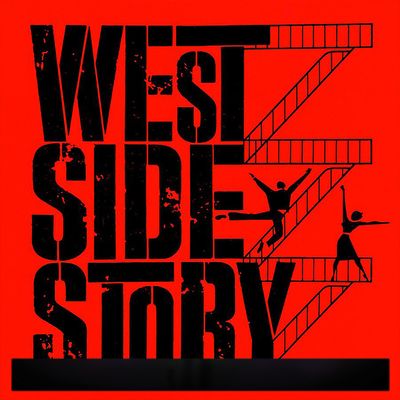
Uh, I there was a vaudeville show that the junior class always did. And I became the chairman of it. And I performed for the first time really on a stage, I performed, and everyone, it was a great night for the whole class and all of that. And then when West Side Story happened, the theater majors who had seen the vaudeville show suggested that I would be good in the role of the man in the gym. And what happened was I auditioned and I was cast.
[26:15] Sidney Myer: Now, at the very first rehearsal for that scene, oh, I was the only person, I, you know, the rehearsals had been going on for some time, and I was not a theater major. And I came into the rehearsal. And what happens is the man in the gym, you know, the teacher, he blows a whistle to stop them from dancing or fight or whatever. You may recall that scene better than I do at this point. But what happened was I came in and all the theater majors, who I was very, you know, in awe of, uh, they nodded at me because I was obviously a you know somebody that wasn't uh one of them, but they began the scene and they said start. And they told me right where the music is to come out and blow the whistle and everything will stop and start speaking.
Well, I was ready, I was eager. Uh they said, go. And I walked out and I blew the whistle and nothing came out. Nothing came out. And the director is, stop, stop, stop. Sydney, you were supposed to blow the whistle then. And I said, Yes, yes, I know I was blowing it. They said, Well, no, you weren't, but we'll do it again. And they did it a second time. And the same thing happened, and I was turning red, and the people in the dance were like, Oh my God. You know, the actors, what what where did they get this one looking at me? Like, uh, he doesn't know what he's doing, and they stopped it again. And we did it a third time, and the director was like, what is going on? And finally, the fellow who played Riff, a real actor, he walked up to me and he said, Your finger is covering the hole in the whistle, so nothing is coming out.
[28:20] Sidney Myer: Oh so I then did it, and it was fabulous. And I we did the performances, and I was wonderful, and the whistle blew.
[28:34] Sidney Myer: You could hear it to Kentucky. And uh what happened then was I got so much recognition for being this quirky man in the gym. Uh, the man who played Riff became a friend, and I had no friends in the theater department until that point. And that was West Side Story was the annual spring musical, which was a huge event at Emerson. You know, many great people had uh gone there. In any event, about two months later, one day I was walking down the street. This was in Boston, and I ran into Riff. And he I said, What are you doing? And he said, Well, I'm gonna go and do a season of summer stock. And I thought, Summer stock. I'd heard of it, I'd been to summer stock shows, but I that would be a dream to be in summer stock.
And he said, You know what? He said, I just heard they need an apprentice in the theater to work in the box office. And would you do that? And I said, Would I do it? I'd walk there to Maine to do it. And he said, Well, call this number right now. He said, There's no pay, but you'll get to spend the summer in Summerstock. And I thought, oh my God. This is fabulous. All I ever cared about was being under the tent, so to speak. So I called my parents and I said, if I could I go to Maine for the summer, they're not paying me, but they'll give me board and everything. And they said, sure. And I got hired to work in the box office in the Deer Trees Theater in Harrison, Maine. And that summer I flew to Harrison, Maine.
And when I got off the plane, the director was there to greet me. And the first thing he said was, I know you're working in the box office, but one of our actors dropped out, and we saw you in West Side Story. So would you be in the three of the four productions also this summer? So how about that? Wow. I that started everything for me. And I was reviewed more than some of the people who were hired to act. That's why I've told young performers or performers of any age, just get your foot in the door. Just be a part of things. It's like those David Geffen, who started at the mail room at William Morris and wound up being a billionaire. Just do it, whatever the job is, as long as it's legal, and one thing will lead to another.
[31:41] Patrick Oliver Jones: Yeah, I would definitely agree with that, especially coming to New York myself. You just have to say yes to a lot of things when you're first starting out. I mean, I was older at that time. I'd been out of college of several years by the time I came to New York. But New York, I was starting at ground zero. I was, I was nothing and no one, and I had to kind of just, you know, fight my way to get seen. So yeah, there is, there really is a lot of being um tenacious when it comes to finding opportunities, saying yes to those opportunities. And it sounds like that you from this experience, that that was a big lesson that you learned about just saying yes to opportunities.
[32:18] Sidney Myer: Yes, and what people don't always understand is when you're in any situation, even if it is not the role or the job that you necessarily wanted, you get to meet people and form relationships and friendships. And those people will help you along the way. They certainly have done that for me.
[32:46] Patrick Oliver Jones: Yeah, I would say that networking is one of those things that I was never really good at. I'm I'm good at at taking direction, collaborating, being a performer, but when but that networking aspect, it feels daunting sometimes. How do you approach something like that?
[33:01] Sidney Myer: I was around before there was networking. I, when I look back, I think that most every job or position I ever got was not from a regular audition, but because someone had seen me somewhere doing something. And I mean just friends. You know what I mean? Just people who you were in a class with, or this or that, uh, not with any agenda or calculating. You became their friend, just like this fellow in West Side Story. He just saw me on the street and he told me about this opportunity. Just if I hadn't been in Westside Story, I I wouldn't have known him. And then he tried, and then I went up there and I at Summerstock I met more people who became friends. And after that summer, uh, I got my first sublet through one of the friends, my first acting teacher, my first voice teacher, my first job as a waiter at a restaurant, all through people I knew.
[34:16] Sidney Myer: As we head into the third story, I want to remind you that the conversation doesn't end there. Subscribers get access to the full interview with audition stories and the final five questions included, where I ask every guest about their first professional show, personal lessons they've learned along the way, and what making it really means to them. Go to why I'll never make it.com to support this podcast by subscribing today and getting early access to ad-free episodes. That's why I'll never make it.
[35:06] Sidney Myer: It really is all about surrounding yourself with people and not only getting support from them, but being a support to other people. And in story number three, that's something that you had been a part of recruiting and grooming these acts to come to the new nightclub Rose's Turn, whenever you were booking manager there.
[35:26] Sidney Myer: Well, that's a very comical story. I had been booking Don't Tell Mama at that point, which is very famous landmark club now for 40 years in Manhattan. And the people that have played at Don't Tell Mama, uh, I could be here all day telling you, and and who have gone on from that little stage to win Oscars, Tonys, Grammys, Emmys, even a Pulitzer Prize. And they all began on that little stage. As I said earlier, it was the first door open to them. Well, I had booked this young girl at Don't Tell Mama. And uh she came in, you know, as an auditioner. And we used to have them, you know, this was before you could send out a video or a CD or anything like that. Cell phones, you know, people had audition live.
And she was absolutely charming. And I booked her, and it was going to be her first show, and we had a long talk. And anyone who works in a small business, any kind of small business knows how to multitask before that word was even invented. And when you work in like a mom and pop cabaret, you do everything, you know. Well, one day when I walked by the telephone, it was ringing, and I often picked it up because it was a reservation. And I picked it up. Hello, Don't Tell Mama. And someone made a reservation for her show, this gal. And I took it. And then the person on the other end said to me, Do you know if her father's coming? And I said, Well, no, I don't. And the person said, You don't know if her father's coming.
And I'm thinking to myself, we have dozens and dozens of shows. I don't know if everyone's father is coming or their dentist or their uncle. What? But I didn't say that. I just said, no, I don't know if her father's coming. And she said, I can't believe you don't know if her father's coming. And I was just flabbergasted. And I said, What do you mean? She said, What do you do there? And I said, Well, I'm the manager. She said, You don't know if Paul Newman is coming to your club. I almost fell over backwards. I said, What? She said, Paul Newman and Joanne Woodward are her parents. Her name was Melissa Newman. But what there are many Newmans. Why would I ever have thought? I just don't, and in all our talks together, everything getting ready for the show and the contract, she never mentioned it.
How funny. Which I applaud her for. She wanted to be known for her own talents. So she did a number of shows at Don't Tell Mama. And she was fabulous. And I have to tell you, when her parents showed up. When Paul Newman walked in, it was like the Red Sea parted. People were just floored.
[38:39] Sidney Myer: Well, this does lead to Rose's Turn. So shortly after she had done several shows at Don't Tell Mama, the same owners of our club bought this club Rose's Turn and I was to book it. And it was supposed to open. Now, this was a legendary space. It had been the space of a club called the Original Duplex, which had opened in 1948. And through the years, everyone had started there from Joan Rivers to Barbra Streisand to Woody Allen. It had a great history. So many performers came to me and said, can I be the opening act? You know, many established performers, because it was going to be a very prestigious night, you know, to open a club, you'd get a lot of attention in the papers and this and that.
And they were all great. But I thought, you know, the Duplex was famous. That space in that stage was famous for newcomers. And I thought it would be really interesting to have someone new to open it, because that is the tradition of the space. So I called Melissa and I asked her to come in. And she came in with her director for a meeting. And I told her about this wonderful opportunity because the cameras would be there, the you know, television might even be, you know, it was a landmark club in the village, and then it was having an opening. It was a big deal. And she was dead set against it. Because she explained to me her whole life, she had been followed by cameras because of her parents.
She said she couldn't even go out on the front porch because you know, they were followed everywhere. And while she loves singing, she doesn't like the notoriety that goes with it. And I was really stumped because I thought she would be such a marvelous act because she was so so terrific. And she was this blithe blonde, and yet she was singing these dark blue songs. It was a very striking combination. And I was trying everything nicely to sort of nudge her and convince her. And finally, I hit on something. I said, you know, Melissa, I understand, you know, the shadow that your parents cast, you know, uh, because of their fame and talent. But remember one thing. You're not Liza Minnelli or Nancy Sinatra in the sense that people will compare your talent to your parents.
You are doing something totally different. You're singing in a nightclub, blue songs. Neither of your parents did that. So in that way, you are being known solely for your abilities. And with that, she agreed to do it.
[42:02] Patrick Oliver Jones: Is that something you've learned over time, or have you always been innately aware of what other people are thinking or wanting?
[42:09] Sidney Myer: Well, I feel as all of us in the arts, I'm a sensitive person, and I never ever wanted to strong arm or pressure anyone into doing anything they really were against. But I just felt while I understood what she was saying, I felt that it would be wonderful for her to have this acknowledgement. And I really did believe when I came upon it that she wouldn't be compared to her parents in that regard. You know, she's doing something entirely different.
[42:49] Sidney Myer: So that was a very strong case I made, and it worked.
[42:55] Patrick Oliver Jones: Well, what would you say is this criteria that you look for people to bring into this cabaret space? What is that thing that they have that makes them stand out and makes you want to book them?
[43:07] Sidney Myer: Well, everyone has to start somewhere. And some clubs in New York are known, you know, as very glamorous places with a very high cover charge, and you're expecting a show that's a finished product by someone who's a star already. But Don't Tell Mama and Rose's Turn, we're not that, even though some great people perform there. People have to find out who they are. They have to start somewhere. That's what Summerstock was. That was vaudeville. You know, it's like a training ground. And I have seen so many people who were very nervous. You know, auditioning is a skill, like so many things. And I can often tell if someone is just so nervous doing it or feeling they're being judged. And one of the many lessons I've learned through auditioning is that somebody may have one or two great songs in their kit, you know, to audition.
And you see them and they dazzle you. And you think, oh, this person is fabulous. And I'm going to call up all the press and tell them they have to be here for this opening night. And then the opening night comes, and let's say there are 14 songs, and the only two good songs were the ones they did at their audition, and the rest of the act is such a mess, and they're so sloppy and not together that the whole audience wants to jump off the Chrysler building. So I realized then and there that yes, auditioning is a skill, and one has to do it, but it doesn't necessarily confer that other things they do will be equal to that. Do you know what I mean?
[45:10] Patrick Oliver Jones: Absolutely. Yeah, I've always said that auditioning is a different skill from performing on stage with an audience. Your goals are different. The way that you approach the songs are going to be slightly different because the setting is different. Your audience is different. So I get that it's going to be different. How do you then know that someone is auditioning and they're going to perform just as well? Or I assume you've had those people that perform much better than they audition.
[45:39] Sidney Myer: Absolutely. There's a famous right now, he's been in film and television. I guess it's still called a female impersonator, but he's an original, he's not imitating a great star. His name is Miss Coco, and he's been on television, on series, and done a lot. And I remember when he first came to audition for me, but he came as himself, Clinton Loop. And he was so nervous and so tentative, but somehow I saw something there, and I always would rather give people the benefit of the doubt. And I don't have a Geiger counter that's gonna tell me. And I booked him. And his opening night, he came on stage, and he was phenomenal and fabulous, and he commanded the room. And I realized then it was just the act of auditioning, you know, on being on an unfamiliar stage and having two or three people watching him and judging him, that was a very daunting experience for him. But once he, so to speak, got the job, he was up, up and away.
[47:01] Patrick Oliver Jones: I'm curious, as you have watched all these other performers come and go. You've helped book them, you've helped kind of either start their career or keep it going. Do you hold yourself to that same criteria when you perform your act?
[47:17] Sidney Myer: You know, so many people have said to me through the years, you see so many things. There must be a number of things that you see that are sort of not worthy. And I say, well, yes, a double day, not every book's a bestseller, but I say we learn from everyone. If someone is doing things that are, oh, you know, make you sort of squeamish, I think to myself as a performer, gosh, do I ever do that? I better not. And if somebody does something great, I think, wow, that's fabulous. What an idea. What an original thought. Maybe I can do a variation on that. So, yes, I try to do it. And just for a moment, I mean, I remember, I'll just give you some names. I remember when Billy Porter, he was still in college, and he came to audition.
My stars. And you know, he's gone on now over 20 some years to be an Emmy winner, a Tony winner, a fashionista, you know, everything. But right from the beginning, he was this, he had this fabulous voice, even if he didn't have the style that he's acquired through the years. Or the great comic who's been on television for years, Jim Gaffigan, or Alice Ripley, the great Tony winning actress. You know, they all did their first shows, just to name a few people. Jonathan Larson, the fellow who wrote Rent, who died before it got on and won the Tony Award and the Pulitzer Prize posthumously. I remember him coming and doing his show. I saw so many of these young people, when they were just their talent, they always had talent, but when their whole sort of package was being formed, you know.
And as long as I see something, just and I think anyone could see it. I don't think it makes me that special. I think anyone with half an eye can see. But many people aren't willing to give someone like that a chance. But I have found it served me well to be a yes in a world full of no.
[49:37] Patrick Oliver Jones: It sounds like that's something that you needed when you first started out as well. And so you're giving other people maybe something you didn't have as much of yourself when you were getting started.
[49:47] Sidney Myer: That's exactly right. You know, when I first started auditioning for cabarets and everything, the way it worked in those days was you'd go to an audition at a club to do your show, you'd sing two songs, they'd say yes or no. And if they said yes, they'd say, okay, we'll give you a Monday in June. They pull out a paper that was like a letter of agreement. Here it is, sign it on your way. And I knew nothing. I knew nothing about how to do it, that this or that, but that's how it all worked. You know, as Betty Davis said, you learned the hard way. Well, when I became a cabaret manager for the first time, and I think this speaks to your question earlier on about that Time Out quote. I thought, I don't want to do that for performers.
I want them to feel welcome. I want to learn something about them. I want to have them to know that there's a person involved in booking them, not just a sheet of paper with a signature on it. So with everyone that came in from the first day I started booking 40 years ago, I sit down with them, I learn about them, I tell them about our club, I explain our contract because not everyone reads everything they should, and even if they read it because of the legal ease, they might not understand it. And when I first started doing it, I thought I'm doing this. It was never done for me, but I will do it for others. And when I first started doing it, I thought I was booking these people for a night here, a night there. Some of them for 40 years.
[52:07] Patrick Oliver Jones: What kind of advice do you tend to give those people?
[52:10] Sidney Myer: Do it. Do it. Look, it's no secret show business is very tough. It is a very hard business. However, if you yearn to do it. I remember once that a gentleman who always found a place to sing, but he had to be in the war and raise a family, and he became a very successful he had a plumbing business. And he came to me in his 60s, and he said, I want to do this. And I have raised a family and I have a great business, and I can afford to do it. So he got himself together a band and a great director, and he started doing it, and he was good. And he sold out. And one night I was at another place, a concert, and at intermission, someone came up to me who knew me, and they were with a friend of theirs.
And when they introduced me as the, you know, the manager at Don't Tell Mama, the booking director, this woman, this other woman said to me, oh, Don't Tell Mama, do you know so and so, this man? And I said, yes, I do. And she said, now tell me the truth. Do you really think he's going to make it? And I was so taken aback. But I said, I believe anytime anyone is doing what they want to do, they're making it. So in this business, one does not have to be on Broadway or at Carnegie Hall to have success and to have satisfaction. Because wherever you're singing, whatever you're acting, it's the exact thing you would be doing if you were on the silver screen or on Broadway. Same thing.
[54:19] Patrick Oliver Jones: Well, it certainly seems to have paid off for you and the longevity of your career and just the joy. I can hear it in your voice, the enjoyment that you have, both in talking about it, but also the lived experiences that you've had. And I greatly appreciate you coming on the podcast and sharing those stories and experiences with us today.
[54:40] Sidney Myer: Well, it's just been a delight for me, and I'm so touched that you asked me.
[54:49] Patrick Oliver Jones: Thank you so much for joining Sidney Myer and me today. And remember, you can get early access to full episodes by going to why I'll never make it.com and click subscribe, or just look for the link in the show notes. But I never want finances to keep anyone from bonus content. So if a monthly or yearly subscription isn't possible for you, then please contact me at why I'll never make it at gmail.com, and I'd be happy to offer you a reduced price or even free subscription.
[55:23] Patrick Oliver Jones: All right. Well, now let's get to this week's comment and question, which comes from Denora Johnson, who happened upon Will Swinson's episode on Why I'll Never Make It YouTube channel. Denora writes, this just popped up on my YouTube page. I have been a fan of Will's work for years. This interview is great for both of you. I know what he's up to now. What about you?
[55:50] Patrick Oliver Jones: Well, thank you very much, Denora. I have been a friend of Will's for many years now, and it was a great chance to talk with him and discuss his background and how he came to Broadway, and he is certainly killing it right now as Neil Diamond in the musical A Beautiful Noise. And as far as me, well, thank you, Denora, for asking. I'm actually about to join an off-Broadway show in the next couple of weeks called Perfect Crime. In fact, it is the longest running off-Broadway play in New York history. So I'm very excited to be a part of this show and performing in Midtown for the next few months.
[56:29] Patrick Oliver Jones: Well, that just about does it for us here on the podcast. I am your host, Patrick Oliver Jones, in charge of writing, editing, and producing this podcast, which is a production of Win Me Media, with Maria Clara Ribero joining as co-producer. Background music used in this episode is by Blue Dot Sessions and John Bartman. Be sure to join me next time as we talk more about why I'll never make it.
© Broadway Podcast Network, All Rights Reserved