

As we came to the end of Part One of our conversation, Will Swenson and I were talking about the deeper questions of who we are as artists and the absolute importance of bringing our full selves to the stage... Read More
From the show: Why I‘ll Never Make It
Guests
Featured Shows

About
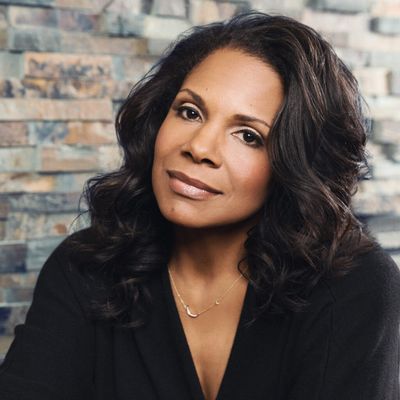
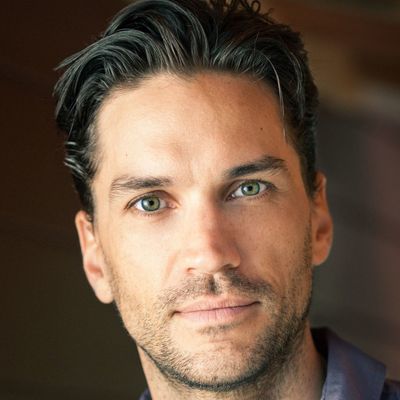
As we came to the end of Part One of our conversation, Will Swenson and I were talking about the deeper questions of who we are as artists and the absolute importance of bringing our full selves to the stage. In this episode, Will’s performance in the Broadway revival of HAIR back in 2009 and how the show and the character of Berger allowed him a freedom and an energy that he had never gotten the chance to express on stage before. We also continue to explore the more personal side of who we are and Will opens up about the about lessons he and his wife Audra McDonald have learned from each other. We also discuss
I've included the Final Five has been included, although these questions are normally a bonus members-only episode, it's been added here as I try out a slightly different format for the show. What do you think?
SUBSCRIBE TO WINMI
Get access to Audition Stories, the Final Five questions, and other bonus content by becoming a monthly or yearly subscriber to Why I’ll Never Make It. Producing this podcast is rewarding in its own way, but I’m essentially a one-man operation. So it is both costly and time-intensive to put together each episode. By subscribing you’ll be supporting these podcasting efforts, and have access to extended conversations and other bonus content. Your financial support of this podcast is greatly appreciated!
- Subscribe to get access to bonus episodes and extra content
- Make a one-time Donation to support transcripts and podcast production
- If you’d like to support WINMI but have limited funds to do so, then contact me directly for reduced-price or even free access to the bonus content.
Follow WINMI: Website | Instagram | YouTube
Why I’ll Never Make It is an award-winning, Top Theater Podcast hosted by actor and singer Patrick Oliver Jones and is a production of WINMI Media. Background music is by John Bartmann and Blue Dot Sessions is used under a Creative Commons Attribution-NonCommercial 4.0 International License.
Transcript
This transcript was automatically generated and might contain errors.
[0:00] Patrick Oliver Jones: As most theater artists have been away from the stage for almost a year and a half, there has been a lot of soul searching, a lot of reckoning, not only with ourselves, but also with the industry.
[0:11] Patrick Oliver Jones: In part two of my conversation with Broadway actor Will Swenson, we talk about the joys we feel as theater begins to open up again, but also talk about the changes we want to see and the hope of a better path forward.
[0:27] Will Swenson: We gotta put new, young, colorful, diverse people on the boards of all of these theater companies that can be imaginative and insistent that we make it different.
[0:37] Will Swenson: We make it accessible and make it affordable.
[0:45] Patrick Oliver Jones: Hello and welcome to part two here on Why I'll Never Make It, one of Feed Spot's top 25 theater podcasts.
[0:53] Patrick Oliver Jones: I'm your host, Patrick Oliver Jones, and each week I explore the realities of what it really means to make it in the performing arts.
[1:00] Patrick Oliver Jones: The website is why I'll never make it.com, where you can show your support and help me further the mission and reach of this podcast.
[1:08] Patrick Oliver Jones: For as little as five dollars a month, you'll get special bonus episodes available only to podcast supporters.
[1:15] Patrick Oliver Jones: Learn about all that and more at why I'll never make it.com or click on the link in the show notes.
[1:25] Patrick Oliver Jones: As Will and I came to the end of part one of our conversation, we were talking about the deeper questions of who we are as artists and as individuals, and the absolute importance of bringing ourselves, our full selves to the stage.
[1:41] Patrick Oliver Jones: Now, this is certainly one of the biggest lessons that we have to learn as actors and performers.
[1:46] Patrick Oliver Jones: Now, at the end of this episode, you'll get to hear the final five, but before that, I throw in a couple of extra questions about lessons both Will and his wife, Audra McDonald, have learned.
[1:58] Patrick Oliver Jones: But first, we talk about Will's performance in the Broadway revival of HAIR back in 2009.
[2:06] Patrick Oliver Jones: It was certainly a vast departure from the Will I had known both on stage and off.
[2:11] Patrick Oliver Jones: And it seemed as though that show and the character of Berger in particular allowed him a freedom and an energy that he had never gotten to express on stage before.
[2:21] Will Swenson: For sure, 100%. I mean, that show in particular is like if you're not gonna buy into the idea behind it, then you might as well not be in the show.
[2:30] Will Swenson: But it was all about freedom and authenticity and being true to the moment.
[2:36] Will Swenson: Like the goal is every night to go out, and that first time when I would walk out on stage after the opening number, and just my first line was hello, and I would just say, and like if I could say hello genuinely to the audience every night, like really look at them and actually say hello, not like this is my line, but like I'm tearing up talking about this.
[2:57] Patrick Oliver Jones: That's funny.
[2:59] Will Swenson: But I knew that the show would be in the right pocket because it was gonna be real, it was gonna actually, I was actually greeting that audience.
[3:07] Patrick Oliver Jones: Yeah, yeah, that there's such a connection that we can have with an audience that yeah, it's more than performative.
[3:15] Will Swenson: It's an emotional, sometimes spiritual, but there's a connection there that is so visual.
[3:24] Will Swenson: It's tangible in this abstract kind of way.
[3:26] Will Swenson: It's magic, it's magic.
[3:28] Will Swenson: I miss it so much.
[3:29] Will Swenson: I'm gonna cry talking about this too.
[3:31] Will Swenson: I just I miss it so much.
[3:34] Will Swenson: Having worked in TV for the last couple of years, like it's a great art form, and it and I've learned a ton, and it sure pays a lot more than theater in general.
[3:42] Will Swenson: But there's no replacing that magic in the room.
[3:46] Will Swenson: Like oh, the first day that I walk in to an in-person audition for a theater show, I may break down.
[3:54] Will Swenson: It's gonna be an emotional time just to see people on the other side of a table connecting, singing.
[4:00] Will Swenson: It's yeah, I can only imagine what that's gonna feel like.
[4:04] Will Swenson: Yeah, I'm like mentally preparing myself for the first night back because I think the show's gonna stop because the actor on stage, Will Swenson, is gonna just be sobbing and they're okay, kind of time to move on.
[4:16] Will Swenson: But gosh, what a vacancy it's been.
[4:22] Patrick Oliver Jones: Yeah, yeah. I am working with the Tonight Show, and recently they did a Broadway's back kind of episode, and you know, had many familiar faces, Broadway faces there.
[4:35] Patrick Oliver Jones: And I was talking with Jimmy afterwards, and he said that the audience was crying.
[4:41] Patrick Oliver Jones: The actors themselves were like hugging and crying because it's like we haven't done this in over a year.
[4:46] Patrick Oliver Jones: We're doing it, and there was that again, there was a live audience there in the studio with these actual Broadway performers, and that connection is something that you can't find just in there's no replacement for it.
[4:59] Will Swenson: It's just that magic in the room, that exchange that you can never replace it, and the fact that it just like vanishes into thin air afterwards, and it's like you've got the memory, the tingles you hold it.
[5:12] Will Swenson: Yeah, I love it.
[5:13] Will Swenson: I love the non-permanence of it.
[5:15] Will Swenson: I love the variable, I love telling the whole story at once.
[5:18] Will Swenson: It's delicious.
[5:22] Patrick Oliver Jones: Yeah. Well, theater is, you know, they're saying it's coming back in the fall.
[5:26] Patrick Oliver Jones: All these shows are starting to announce, you know, they're coming back.
[5:30] Patrick Oliver Jones: The Tony Awards after a year and a half are going to be happening, you know, your favorite.
[5:35] Patrick Oliver Jones: So I'm curious. How do you see theater changing?
[5:38] Patrick Oliver Jones: Do you see more appreciation? Do you see the theater art form itself, audiences? What do you think is going to come when it all comes back?
[5:50] Will Swenson: Well, it has to be different on a couple of levels. You know, one is obviously because of the pandemic, we're gonna have to figure out how to do it safely and get everybody in the same room without getting sick.
[6:05] Will Swenson: So I think there will be a different way of entering a theater.
[6:07] Will Swenson: I think there will be a different way of like qualifying to go into the theater for a while and ventilating some of those old crazy theaters that have been around for hundreds of years, literally.
[6:19] Will Swenson: And then because of the social upheaval that we've had during the pandemic, you know, the theater culture has to change as well.
[6:28] Will Swenson: And we need to be far more inclusive on every level, just not just on stage, but give everybody a shot to be a part of the show, the process, the whole thing.
[6:42] Will Swenson: It's been just for far too long a really white, white, white art form, and there's so much to gain from opening our doors and letting everybody play and also, you know, not just have it be this rich person's playground.
[7:02] Patrick Oliver Jones: Exactly, yeah.
[7:04] Will Swenson: We need to make it more accessible for everybody, you know.
[7:08] Will Swenson: I think if I've been successful, a massive, massive chunk of that is because I grew up privileged and doors were just open for me that were closed for everybody else.
[7:21] Will Swenson: You know, I could afford to fly to college campuses to audition for scholarships, and think of the massive talent that are all over the world who just have that talent, but they couldn't afford to fly to audition for a school.
[7:37] Will Swenson: So I don't get that solid. That's at least one silver lining of the pandemic.
[7:40] Will Swenson: A lot more self-tapes and schools and auditions are more open to seeing people that they wouldn't normally see in person.
[7:47] Will Swenson: Hopefully that's something that will just like be a new part of our culture, is like finding ways to get those doors open so that everybody can have their fair shot.
[7:59] Patrick Oliver Jones: It's interesting looking back and thinking about it. Did you ever feel like theater itself was closed in some way or wasn't as robust or open as you thought it could be even before last year?
[8:15] Will Swenson: I'll say this. My eyes were opened largely just because I found myself in a relationship with a person of color.
[8:25] Will Swenson: I think I absolutely grew up in a bubble of white male privilege.
[8:33] Will Swenson: And so, as is the case, I feel like with our country, if it doesn't touch you in your life, if it doesn't affect you, you don't question it because it just doesn't present itself to you.
[8:45] Will Swenson: So I was just kind of going along this golden path, just going, oh, I'm so talented. I just keep getting parts, I just keep working. I'm talented, I'm great.
[8:56] Will Swenson: And never stop to think that a big chunk of why I was finding success was because doors were closed to other people who didn't look like me.
[9:09] Will Swenson: So I didn't see it until I learned to see it.
[9:14] Will Swenson: Having to, you know, finally go, hey, Will, your empathy is for shit. You need to start looking at other people's experiences and seeing what you can do to be a part of the solution and not a part of the problem.
[9:30] Will Swenson: And you know, I think we think as white folks we're fine to just keep going along and I love people. I'm nice to people, I'm not part of the problem, but complacency is part of the problem.
[9:43] Will Swenson: And the only way to fix something is to be active about it, you know.
[9:47] Will Swenson: We need to be anti-racist and not just, yeah, I mean it's definitely a two-way street, doesn't matter who you are, doesn't matter what your race, color, background, that it's gonna be a joint effort of all of us to really make theater and then the world around us, the community around us, better and just more representative of the people who not only come to see the show but are taking part in these shows.
[10:14] Will Swenson: So it's definitely gonna be a collaborative effort as theater always is to make it a better art form.
[10:22] Will Swenson: And I think one of the biggest things is gonna be money.
[10:25] Will Swenson: And that's one of the things that I'm hoping will change.
[10:29] Will Swenson: You alluded to it before that with the pandemic, hopefully it's gonna open up different ways that we can try things that are new, try things that may succeed, may not succeed, but have this openness to new writers, to new actors, to new ways of presenting stories that may not have been done before.
[10:48] Will Swenson: It's gonna be risky.
[10:49] Will Swenson: And Broadway is averse to risk by the sheer nature that shows cost 15 million to make and they don't want to lose a dime of that.
[10:57] Will Swenson: So I think it's gonna be a struggle to find ways to make Broadway accessible and affordable on both ends.
[11:06] Patrick Oliver Jones: I know it, I know it. Like we've got all this hope for it being changed, and then somebody sent me a screenshot of trying to buy tickets to Music Man the other day, and I think that, you know, it was like $1,200 for an orchestra seat, and I was just like, oh yeah, we've learned so much.
[11:21] Will Swenson: I mean, I don't know. Our job is to like figure out how.
[11:28] Will Swenson: And we just, you know, we gotta put new, new young, colorful, diverse people on the boards of all of these theater companies that can be imaginative and insistent that we make it different, we make it accessible and affordable, you know, even for kids who don't have $1,200 can go see the Music Man and experience this incredible art form, but that it's just not this rich person's privilege.
[12:03] Will Swenson: Yeah, because the more people that see it, the more people that want to be a part of it, the more people that will grow up and be the new voices, will be the new artists.
[12:11] Will Swenson: And it's all about seeing the long game and not just how is this show gonna make money for me next month?
[12:17] Will Swenson: It's how is this art form gonna survive in the next year, five years and on down the road?
[12:22] Patrick Oliver Jones: Yeah, yeah. And the trick will be to, you know, for the producers to make money, because obviously they have to, or we don't have shows.
[12:28] Will Swenson: Right.
[12:29] Will Swenson: But at the same time, you know, have a program in the same world that facilitates access and diversity.
[12:40] Patrick Oliver Jones: Yeah. For you in looking at that future down the road, what do you see for yourself? How do you want your career to either stay on the same path? Are you seeing a different part for yourself? What are you seeing coming up?
[12:54] Will Swenson: I just I'd love to keep working. I've loved the last couple of years working more in front of the camera because I'm learning a ton.
[13:05] Will Swenson: It's something that always intimidated me.
[13:07] Will Swenson: And every time, you know, I'd get a commercial or just a little one-liner on Law and Order, I'd pop in and just be so nervous.
[13:15] Will Swenson: And those roles are like the hardest things to do something with.
[13:19] Patrick Oliver Jones: No, I know. They're the worst.
[13:20] Will Swenson: Because everything's happening, everything's happening. It's go, go, go, and then my line.
[13:25] Patrick Oliver Jones: Yeah.
[13:26] Will Swenson: And it's so hard not to be deer in the headlights.
[13:29] Will Swenson: And, you know, those shows in particular have been going for literally 20 plus years, and it's such a well-oiled machine, and you're just like this little blip that pops in and does your two lines and then pops out.
[13:39] Will Swenson: So it's so hard to create a full breathing character with that little bit of material to do.
[13:45] Will Swenson: So I've always felt so untalented and just like this terrible actor popping in on those.
[13:53] Will Swenson: So it's been so nice to get a couple of parts that have a whole through line and you get to do something with, and then learning the technical aspect of it on top.
[14:01] Will Swenson: So all that to say, I've loved learning. So I just, as far as my future, I'd love to do things that just challenge me.
[14:21] Will Swenson: It's just hilarious. I've done like exclusively musicals, basically. But because I just grew up acting, I was like, oh no, I'm an actor that sort of learned how to sing. And um, and I was like, oh, but I'm not a I'm not a real baritone. I'm you know, I can I can sing pop stuff, you know, but but you know, and so it's so interesting how we see ourselves. I mean, whenever people compliment you, is it hard for you to take it or do you see what they see?
[14:46] Will Swenson: Yeah, no, I'm terrible. I have the worst case of imposter syndrome ever, uh, Patrick. I'm just like, they're all gonna find out that I'm not talented. They're gonna find out. And I keep fooling them somehow. Um I don't know, maybe someday I'll I'll break down and go, you know what? Well, you you did a good job, but I'm not very good at that. I need to be better at it. But at least I enjoy the challenge of trying to get better. And I, you know, I figure I'm probably better at this acting thing than I was a while ago. So, and I'm not very good at anything else. So hopefully, hopefully I can keep stringing these jobs together until I can retire.
[15:24] Will Swenson: Well, this question just kind of popped in my my brain, and it's a two-parter. So, what is one thing you would say that you've learned from Audra as when it comes to this career?
[15:36] Will Swenson: Uh if there's one thing I've learned from her, it's that I am enough. I I think because I have this bad case of imposter syndrome, I've I think I've always felt like I need to put extra Zaz on my performances and extra, you know, kooky choices on into my my you know shows and whatnot. And if I've learned anything from her, it's that that like our greatest commodity is just our uniqueness of being who we are. There's not another Will Swenson and there's not another Patrick Oliver Jones. And and the second that we acknowledge that we are so unique, just in that we are ourselves. And instead of me doing uh, you know, uh a Kevin Klein impression to try to be as cool as Kevin Klein or or Mark Kutish or somebody, uh, you know, the second that I go, you know what?
I'm I'm Will Swenson, and that's awesome. It's totally enough. And the second that I hold that uniqueness as a as a commodity and not and not a shortcoming, it is gold. And I think that's probably the main thing that I've learned from Audra.
[16:42] Will Swenson: And so the second part is what do you hope or do you think she has learned from you?
[16:51] Will Swenson: Nothing. I have so little to offer her. She's so infuriating. She's one of those people that's like an A at everything. You know? Gotta love those people. Oh man. I've I've I mean, I'm like a solid B plus at a lot of things. And and she's just good at everything. I'm a better snow skier than her. So I hold that over her and I just remind her, it's like, you know what, I'm a better skier than you, babe. Just sorry, but I gotta just remember that. Remember that. I am a great snow skier, and I'm better than you, and I probably always will be. So she's, you know, maybe she's learned how to ski a little better. But that's about all I have to offer her. You know what? It's sometimes those small life skills that we can impart to the people.
[17:39] Will Swenson: Uh I wish that that our relationship was more of a two-way street. And I'm sure she probably would have some answer that would make me feel really good about myself. But uh I I she's just been an angel that has dropped into my life that that has been an incredible gift for me.
[18:01] Patrick Oliver Jones: So now we have these five final questions. So number one, if you could have any other job outside of the arts, what would you do?
[18:11] Will Swenson: Oh my gosh, I'm not very good at other stuff, Patrick. Um skiing. You got skipping ski bum. I could totally be a ski bum. Absolutely. I don't think I'd want to be a ski instructor because then I'd be like just upset that I had to teach these people because I would just want to be on ski. So maybe oh ski racer. Yeah, I'd be I'd be like on the ski on the US ski team. That's oh right. Or a potter. I recently am I in the process of learning how to to make pottery like on a wheel. I love it. I'm obsessed with it. Maybe I'll just do it. So like the clay pottery that you form.
[18:42] Will Swenson: Yeah. I got to do that in Jamaica, and it was it was really fun. So I mean the slightest movement, and then it's off, and then you can so hard. But I love it. I love it. I want to get so good at it. But early stages, but I could do that. That'd be awesome. Yeah, there you go. All right. I like pottery.
[19:00] Patrick Oliver Jones: All right. Number two, what is a bucket list role or show that you still hope to do?
[19:05] Will Swenson: I mean, something new. I'd love the new stuff. My favorite thing is creating something from scratch. I I always kind of cringe a little bit at the preconceived ideas of what uh a role should be because of the previous incarnations of it. Every time I do a revival, I'm like, yeah, yeah, that's the way it was done, but couldn't we rethink it like this? So I'm just that guy that's like, I don't want to copy that. That's yeah, anyway. Um, so something new, but that didn't answer your question. Uh Sweeney Todd. I sweeney Todd. And would you bring something new to it? Like, do you have an idea for a person on it?
[19:38] Will Swenson: I mean, not a directorial concept, but um, but but hell yeah. I mean, that that musical is insane, and that role is so fantastic that that if I had to pick one to to dive into, that's just a juicy pool to dive into. Yeah, I'd never seen the show live except for that recent revival that the the off-Broadway revival where they did it inside of a they constructed a pie shop. Uh-huh. And so it's all these people at tables being so. I I thought that that that in and of itself, just the setting gave it a whole different vibe to it. Because they're roaming in and out of the tables and the audiences and they're singing and they're touching the audience, you know, maybe a hand on the shoulder or singing to them, sitting on their lap. So it gave it a very different kind of vibe than what you assume that show would be.
[20:25] Patrick Oliver Jones: Right, right. Yeah, I loved it. All right. So number three, who is it that you look up to as a mentor or someone that inspires you?
[20:34] Will Swenson: I mean, it's my wife. It is. Um I've I've learned. Can I tell you how many times Audra has been the answer to this question? So many people say it. I'm sure. I'm sure. And as cheesy as it is, uh, you know, as a person and as and as a performer, I I've learned endless amounts from her as a person and and as a performer. She's she's amazing. Um, even though she's not the template for for you know what uh you know, my my role.
[21:02] Patrick Oliver Jones: Your career, yeah.
[21:03] Will Swenson: Right, right. I mean, what's the first time you saw her perform?
[21:06] Will Swenson: Um ragtime. And I just thought, well, that's I I mean, I saw her in carousel on the Tony Awards, but in person it was ragtime. And I just I remember leaving the theater saying, I'll never see a better performance than than her and Stokes together. I was like, those were perfect and could never be better. And I think I was right.
[21:28] Patrick Oliver Jones: Well, yeah, because the the ragtime revival, I mean, the show is so great itself, you would think that a revival just done well should take off. But yeah, they they couldn't find that chemistry again uh in the revival.
[21:39] Will Swenson: Yeah, yeah.
[21:41] Patrick Oliver Jones: All right, number four, name a personal lesson that took you a while to learn, or one that you're still working on to this day.
[21:48] Will Swenson: Well, we touched on this in our earlier conversation, but I would say that it's uh the the biggest thing that I have learned and I'm trying to continue to learn is that if I trust my uniqueness is interesting, then it'll be interesting to to everybody, and to not try to you know cover myself up, slather myself in ideas of what something should be, or try to be another version of Tom Hanks or somebody. That's the lesson that that I'm still trying to learn.
[22:13] Patrick Oliver Jones: But yeah, was there a moment in either in your life or maybe on stage where that happened? It was it was like a spark, it was a moment, a light bulb moment, so to speak, where that really drove home to you?
[22:24] Will Swenson: Yeah, I mean it was hair. Uh that that show in and of itself was so transformative as a performer. Um, but the essence of that show what was just about authenticity. Um and even though that character was so kind of over the top, um, as far as energy and and you know material, um if it was.
[22:49] Patrick Oliver Jones: And was that exhausting every night to bring that mean?
[22:52] Will Swenson: Yeah. Oh my gosh. Oh my gosh. I have never climbing through the chairs and over people. Oh, and just jumping, jumping, jumping the whole time, like my knees were busted for years after that show. Um but all if that if all of that wasn't rooted in in a real authenticity, it would have just seemed like obnoxious, I think. And maybe maybe some people did think it was obnoxious. But but that's that's also Burger's character a little bit.
[23:19] Patrick Oliver Jones: Yeah, for sure, for sure.
[23:20] Will Swenson: But I'd say, yeah, hair was was the time where I recognized that the commodity was authenticity. It wasn't just energy, it was it was it was honesty at its core, and then and then you put you put the crazy on top of the honesty.
[23:36] Patrick Oliver Jones: And uh I imagine Priscilla was much the same way because there's that balance of this over the top drag queen wonderfulness with these real honest characters who are struggling.
[23:47] Will Swenson: Yeah, hopefully a bit, um, some more than others, right? Seems like it's a lot of people.
[23:52] Patrick Oliver Jones: Well, yeah, because it's a matter of if if you bring enough of yourself, then it's something you can latch on to and create consistently night after night. But if it's too far removed, then yeah, you're having to kind of find it every night. So there's that balance.
[24:06] Will Swenson: Yeah, I don't want it to be floating over here the whole time, otherwise it's like less accessible.
[24:11] Patrick Oliver Jones: Yeah. This leads us to number five, which is what is the most useful advice you have received.
[24:18] Will Swenson: You know, sometimes we get asked to teach these master classes or or you know, uh audition workshops or that sort of thing. And um, I got asked to do one a while ago, and all the kids were supposed to do a monologue, and this girl was like, Well, I'm I'm deciding whether I want to do this one, which I probably should do, or I I wrote this other thing, and I was like, Oh, well, what did you write? And she was like, Well, it's just that I don't know, really connected to to any of the suggestions that my teacher gave me. So she she's like, I wrote this one, and it was, and I was like, Oh, we'll do that one. That sounds so interesting. And it was it was kind of just like her story about coming to terms with her sexuality, and it was so great.
It was so great because it was so connected to who she was. And I was like, Why did you feel so much pressure to do the other one? And she was like, Well, you know, because I I'm not gonna get cast for for being, you know, me, and you know, and I and I was just like, Oh no, it's the exact opposite. You're absolutely gonna get cast for being you. I was like this other monologue, you know, everybody else is doing, and you know, maybe you could do an awesome take on it, but but the the honesty of the other version is so interesting and thrilling. Just like hang on to that, you know, seek out and search for for truth at all costs. I feel like when I watch Audra work, I feel like she's like an excavator, like an archaeologist that's just like getting the dirt out of the way so that she can find that nugget of truth. And so that's that's the main thing is like be relentless in in the pursuit of truth and and authenticity.
[25:54] Patrick Oliver Jones: Well, you have been our little angel today, so thank you for dropping in on this podcast.
[26:01] Will Swenson: Well, thanks, Patrick. It's been nice, uh, you know, catching up. I'm sorry, it was all about me. I want to I want now now. Let's stop and we'll we'll do the you version. I'll flip it and then we'll we'll talk.
[26:12] Patrick Oliver Jones: Love it, love it. All right, well, thank you so much.
[26:14] Will Swenson: For sure, man. It's been a it's been a pleasure.
[26:21] Patrick Oliver Jones: Thank you so much for joining me and Will in our two-part discussion. To learn more about this podcast as well as upcoming guests, get the monthly win me newsletter. Go to why I'll never make it.com or click on the link in the show notes.
[26:40] Patrick Oliver Jones: Well, I'm your host, Patrick Oliver Jones in charge of writing, editing, and producing this podcast. Publicity provided by Imagine PR Group. The outro music you're hearing is by John Bartmann. Why I'll Never Make It is a part of the Helium Radio Network and a member of the Broadway Makers Alliance. Next up is Broadway actor Rodney Hicks from the musical Come From Away. Join he and I next time as we talk more about why I'll never make it.
[27:13] Patrick Oliver Jones: Now, as a little treat for sticking around to the very, very end of this episode, I wanted to share with you a little blooper that happened during our interview. At one point while Will was answering a question, a certain VIP happened to send him a message.
[27:30] Will Swenson: Yeah, there's always that question of like how much of yourself, your your actual self, how much of Will Swenson do I bring to each role? Because you want it to be based in reality. But then of course, you know, I'm not Burger and I am not Tick, and I am I am not Javier. But you want you want that sort of anchor reaching down from the role to so that so that you know it comes from an organic place, I guess.
[27:51] Will Swenson: Sorry about that.
[27:52] Will Swenson: Nope. Just got a text from Audra McDonald.
[27:55] Patrick Oliver Jones: Oh my gosh. Wait, you know her?
[27:57] Will Swenson: I've I've worked with her before.
[27:59] Patrick Oliver Jones: That's amazing.
© Broadway Podcast Network, All Rights Reserved