

Mother’s Day! Grab your mom and some mommy juice and tune in!! This episode explores the history of Mother’s Day, Cultural Mother figures in the world, mom brain and the mental load!.. Read More
From the show: Women of Tomorrow with Laura Bell Bundy
Guests
Featured Shows
About
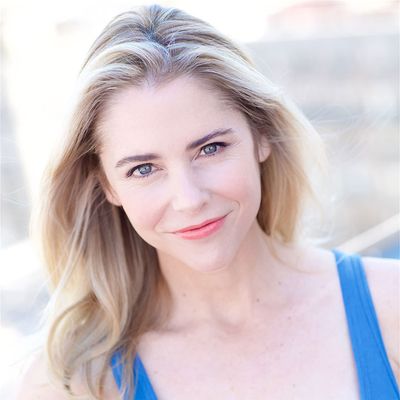
Mother’s Day! Grab your mom and some mommy juice and tune in!! This episode explores the history of Mother’s Day, Cultural Mother figures in the world, mom brain and the mental load! It includes a personal and hilarious interview by our own mom’s and special guests Kerry Butler & Marissa Winoker in a segment called ‘Mama, I’m a mama now!’
Connect with us:
- Listen to Women of Tomorrow
- Insta: @womxnoftomorrow
- TikTok: @womxnoftomorrow
- Insta : @laurabellbundy
- insta : @sheasheacarter
Produced by Dori Berinstein and Alan Seales.
A proud member of the Broadway Podcast Network.
Transcript
This transcript was automatically generated and might contain errors.
[0:06] Laura Bell Bundy: Welcome to Women of Tomorrow.
[0:08] Shea Carter's's: I'm Shea Carter's and we are partners in Feminist Crime.
[0:13] Laura Bell Bundy: Whether you look at the iconic mother-daughter duo that is goofy, like Dorothy and Sophia from The Golden Girls, unconventional like Aunt Viv and Will from The Fresh Prince of Bel Air, or complicated like Ray and Marie from Everybody Loves Raymond, the bond the mother shares with her child is unlike any other relationship.
[0:30] In today's episode, we will take a deep dive into the history of Mother's Day and the way different cultures view the idea of motherhood.
[0:37] In addition, Shea and I will discuss the relationships we share with our own moms and different mother figures who have impacted us up until this point in our lives.
[0:44] So sit back, grab a drink, well, your mommy juice, and your mom, and get ready to learn some history about motherly figures and women who have helped shape our world.
[0:53] Our special guests today are our mothers, as well as a little section we'd like to call Mama, I'm a mama now, featuring Marissa Winoker and Kerry Butler, my co-stars in Hairspray.
[1:06] Here are a couple statistics on motherhood.
[1:09] An estimated 85 million moms live in the US.
[1:13] An estimated 2 billion moms live in the world.
[1:16] 7% of moms are unmarried.
[1:18] In 2016, there were 9.8 million single mothers in the U.S.
[1:23] compared to the 7.7 million single mothers in 1985.
[1:28] 62.4% of moms are working moms.
[1:32] In 2016, there were 5 million stay-at-home moms.
[1:37] It's said that if a stay-at-home mom got paid for her work, her salary would be 162,000 a year.
[1:47] What?
[1:49] Oh my gosh.
[1:51] Shit.
[1:52] I wish I was paid for this.
[1:54] 31.8% of moms have a bachelor's degree or higher.
[1:58] Damn, mamas, get it.
[2:01] The Birth by Dorothea Lasky.
[2:04] The birth isn't about poetry.
[2:07] It is about screaming pain on a Sunday, hailing a cab and head racing to the hospital now so close to the new apartment.
[2:15] I had a baby inside me, but no one expected it to happen so fast.
[2:19] Or then at least they said they didn't.
[2:21] Maybe they expected it to happen so fast all along.
[2:24] Alone in the waiting room, I shook and shook and the blood ran down my legs.
[2:29] Later, with the magnesium, I thought of the many permutations of the bald head, pale pickling fish skin glowing with scales.
[2:37] When she came out, she was dark and full of hair, no blood but born in the call.
[2:42] Like the other magical realities of my past accomplishments, when she came out, she cried and it sounded like me, but passed me into her new reality.
[2:52] Now three weeks later, they say I'm still not an erotic object, so I wander the park in the snow with my friend.
[2:58] We light candles and pray to the darkness.
[3:00] We light the park on fire and the police come and find us.
[3:03] When they take us to jail, I say, no, it's not right.
[3:06] I am a mother after all.
[3:08] They say, but where is your baby?
[3:09] And I say, no.
[3:11] No, my baby, my baby.
[3:14] They say, yes.
[3:15] Yes, look at your beautiful baby.
[3:17] I say, I do, I do.
[3:19] Look, look and listen.
[3:22] My baby.
[3:24] My baby, she's here.
[3:27] Celebrations of Mother's Day date back to the early 19th century, and much of this has to do with social activist Anne Marie Reeves Jarvis.
[3:35] It is said that Anne had anywhere between 11 and 13 children, of which only four survived.
[3:42] Anne inspired Mother's Day because after losing so many of her own children, Anne created Mother's Day work clubs.
[3:49] That taught local women how to care for their children.
[3:52] The clubs provided assistance and education to help improve health and sanitation conditions that often led to disease and illnesses.
[3:58] Members of these organizations did home visits where they met with moms and their families to educate them personally on health and sanitation guidelines.
[4:06] The clubs were able to raise money to provide local women funds for medicine, or the ability to hire help if the mom of the household was sick and unable to care for her own family.
[4:17] One of the most amazing things achieved was the development of programs that inspected milk for quality purposes.
[4:24] This was way before it was a requirement.
[4:26] These clubs were later a sort of unified force for the country at that time.
[4:31] It was divided by the civil war.
[4:33] It's said that in 1868, Anne organized Mother's Friendship Day.
[4:37] This was a gathering of mothers to promote reconciliation between former Union and Confederate soldiers.
[4:43] She is also known for public speaking at local churches on topics that range from religion to health to literature.
[4:50] And in 1870, Jarvis gathered a group in NYC of some of that time's leading activists.
[4:56] In her opening statement at the gathering, she said, patience and passivity for women, not always.
[5:03] If women do not waste life in frivolity, men would not waste it in murder.
[5:09] One of Anne's children that made it into adulthood was her daughter Anna Marie Jarvis, who followed in her activist footsteps.
[5:16] Anna established the U.S. holiday in 1914 that we now know as Mother's Day, as a way to honor her deceased mom.
[5:24] After the success of the first Mother's Day celebration, Anna made it her goal to see that the holiday was added to the national calendar because she believed that American holidays had a tendency to be biased towards male achievements.
[5:37] By the year 1912, many had recognized Mother's Day as an annual holiday, and in 1914, President Wilson signed a measure that officially established the second Sunday of May as Mother's Day.
[5:48] However, as the years went on, Anna began to resent the holiday because of the way that it was commercialized and how many had been capitalizing on it.
[5:58] She despised it so much that she spent the majority of her later years of life fighting to get the holiday removed from the calendar.
[6:06] And by the time of her passing in 1948, she had completely disowned the holiday.
[6:11] In 2019, an estimation of $5 billion was spent on Mother's Day on items such as greeting cards, flowers, gift cards, and special outings.
[6:21] I mean, I do understand being frustrated about the commercialization and people profiting off of a holiday that has to do with honoring mothers.
[6:32] But I also gotta say that it is really nice to at least be acknowledged for some of the work that you've been doing and having a day of rest and getting a card and some flowers and maybe a gift certificate to get a massage.
[6:44] I mean, as a mom, it is nice having a day where people are focused on you as opposed to you being focused on everybody else in your household.
[6:53] So I think that while Anna didn't love that people were making money off of this holiday, I think that it still goes a long way to be what she originally intended in terms of honoring mothers and the work that they do.
[7:09] Over time and throughout many cultures, motherhood has been commonly depicted as a sacred and spiritual path.
[7:16] Celebrations of Mother's Day outside of the US can be traced back to ancient Greek and Roman cultures where festivals were held in honor of the mother goddesses Cybel and Rhea.
[7:25] Cybel was the ancient Phrygian mother of the gods and sometimes referred to as the Great Mother.
[7:30] It's said that she was the goddess who had once given birth to the other gods, to the first humans, to the animals, and to the wild nature.
[7:39] In short, she was the universal mother.
[7:42] She was often recognized by the Greeks as similar to Rhea, the mother of the Olympian gods and goddesses, Hestia, Demeter, Hera, Hades, Poseidon, and Zeus.
[7:52] Now, an interesting goddess, Gaia, who has been seen as the first goddess since she created herself out of primordial chaos, chaos meaning the void, or I guess what we would call pre-Big Bang.
[8:09] Gaia was the goddess of the earth.
[8:11] Gaia as Mother Earth is said to have created all life from her fertile womb onto Mother Earth.
[8:17] Gaia is seen as the healing goddess.
[8:19] Go back to Mother Earth and all ills will be cured, because she is always working to achieve and maintain harmony, wholeness, and balance within the environment and supports all life on this planet.
[8:31] As defined by Miriam Webster, Mother Nature is the personified version of nature as a woman, considered as the source and guiding force of creation.
[8:40] It is used to refer to the natural world as though it were a woman.
[8:45] The first known use of the term dates back to the year 1551.
[8:49] In fact, when we go, is it a male or is it a female?
[8:53] We know it's a female because it has the ability to birth and create life.
[8:59] It lays eggs.
[9:00] So when we're talking about what came first, the chicken or the egg?
[9:06] The chicken is always a female, but I digress.
[9:10] Now, if any of you guys went to Catholic school like me, many years of Sunday school, were raised with Western religion, then you know, and you've heard the story that Eve was created from the rib of Adam, which I don't think makes a lot of sense and doesn't seem like a fair assessment to what really happened, and seems like maybe a reach for trying to take a woman's power away.
[9:38] Because what is more powerful, really, than being able to birth and create life and bring it forth into the earth?
[9:47] It's a spiritual experience.
[9:50] It's, you know, giving birth is the spirit and the mind body all coming together in one moment to expand the universe.
[9:58] And that's a very, very powerful job and task.
[10:02] How do you control that?
[10:04] How do you take the power away from that?
[10:06] Is to say, well, nope, women weren't, you weren't the creators.
[10:10] Uh, it was a guy, he was super lonely, and uh, and yeah, he took his rib out and then he made a woman with it.
[10:18] That makes total logical sense.
[10:21] Definitely, with everything that I've read in my science textbooks and uh and all that I'm experiencing in nature everywhere and my sheep's giving birth to lambs.
[10:31] That all makes perfect sense.
[10:32] But it's just amazing.
[10:34] At what lengths do we go, or how or at what lengths have people gone to control women and to make them submissive?
[10:44] We'll have her wear a veil and not reveal herself and make sure that she's virginal.
[10:49] And we're going to control this gift that she has to create human life.
[10:53] And you just see that.
[10:54] You've seen that for thousands of years.
[10:57] Later in this episode, you're going to hear an interview that Laura and I did with our moms.
[11:01] And it really made me recognize the shame we have around the beauty of our ability as women to create and societally how that's been put upon us.
[11:16] My mother mentioned that she was embarrassed to buy a pregnancy test.
[11:22] And by all the rules of society, she was doing it right.
[11:25] She was married.
[11:27] And she was still afraid to buy a pregnancy test.
[11:30] There was still shame in that.
[11:31] And buying tampons is always embarrassing.
[11:35] And all of the things that are so vital for us to be able to create human life have been shamed.
[11:45] And I can't help but wonder when I think about how I grew up and the things that I learned about in Christianity.
[11:53] It was such a patriarchal idea of creation.
[11:56] It's the Father, the Son, and the Holy Spirit.
[12:00] And I don't believe that in Christian culture, we give women enough credit for being the actual creators.
[12:11] And that every process that your body goes through is honorable and beautiful and a miracle.
[12:18] And to only honor the Virgin Mary that didn't have to go through the true steps, the true scientific biological steps that it takes to create human life, is to, in a way, disregard the beauty and the magic of our physical anatomy and that process, because it is the process that takes the physical into the spiritual, into the supernatural, into the energetic.
[12:52] It is a culmination of all things.
[12:54] And I believe that we should work every day to remove that shame and to honor women and build them up and allow them to see themselves as the magical, incredible creative beings that they are.
[13:13] I'll tell you, Shea, the most profound spiritual experience I ever had was having my child and being pregnant with my child and bringing new life forth.
[13:25] It was life-changing.
[13:28] And it also was the most powerful thing I ever did.
[13:32] And I think you really speak to something when you're when you bring this up about the shaming around a woman's body, um, a woman's reproductive system, and all that that entails, and how wrong that is, because that's actually the place of her power and her connection to a larger source.
[13:57] In West African, Afro-Caribbean, and Afro-Brazilian traditions, Yamaya is a creation goddess.
[14:03] She is often depicted as a mermaid or a beautiful woman who is associated with the moon and ocean.
[14:10] She is said to govern the household and rules over conception and birth and ensures the safety of all children.
[14:17] Shea Carter's's: In Buddhism, they don't give motherhood overwhelming spiritual status and significance. Maternal imagery and symbolism are present in the concept of the archetypal female bodhisattvas, which is seen as the supreme mothers. In Mexican culture, the Virgin Guadalupe is a prominent figure who is a Madonna with indigenous features and is shown with all the values that are associated with what is considered to be the good Mexican mother. Some of these qualities include being meek, kind, and self-sacrificing. Alright, anybody experience the mommy brain? Memory gaps, aka mommy brain, is a real thing that is a result of literally being overloaded with too many tasks, thoughts, schedules, etc. Even though mommy brain may sound like a fictional condition or a convenient excuse for forgetfulness, it is actually a true condition backed up by science, and in fact, research shows that a mother's brain is impacted by having children sometimes in long lasting ways.
After giving birth, moms can suffer from something called postnatal depletion, a term coined by Oscar Seralak, a doctor of functional medicine. It's defined as a physical and mental deterioration that can occur from losing nutrients like iron, zinc, and B12 following childbirth. And that depletion can sometimes last for years later due to the stresses of parenthood. And that kind of gets us into the mental load. The mental load, similar to mommy brain, the mental load is literally all the things that you're thinking about. It's those tasks. It's thinking for your child, it's thinking for the household. I remember when I had Huck, the amount of additional things that were on my mind that had never been on my mind before was overwhelming.
I had to think about what he was eating, when he was eating, last time he was changed, how to get him into the car seat without him crying, when, you know, must grab him first, then have the diaper bag here. It was like it was so much to think about, and it was so many new things to think about. And then on top of that, your body is healing. I think over time you get used to the mental load. You get used to thinking for yourself and all of your children and everybody's needs. Um, but at first, it can really come as a shock to the system. The mental load of motherhood can take a toll on the mind and the body. And some of the common side effects include anxiety, depression, sleep deprivation, memory gaps, and headaches.
Balancing home life with work, personal, and social life can put a strain on your mind. And it is said that women are almost twice as likely as men to be diagnosed with anxiety disorders. According to the CDC, one in 10 women, mothers included, experience symptoms of depression, and moms of multiples are at higher risk. Because you're just thinking for so many people. It's a lot to be worried about. Sleep deprivation is the worst and can affect multiple aspects of your life aside from just motherhood. According to a survey by the National Sleep Foundation, 74% of stay-at-home moms have felt some symptoms of insomnia. The lack of sleep is often fueled by the demands of motherhood exceeding a mom's mental and physical threshold.
And there's an overwhelming feeling of mom guilt. Unfortunately, the tiredness can lead to other issues irritability, a weakened immune system, and a disconnect with family. While headaches are a common symptom for many people, it's said that hormones and stress levels result in women being three times more likely to experience headaches than men. The lack of sleep, anxiety, and burnout associated with the mental load of motherhood can all lend to frequent headaches. Home life can be a job in and of itself, and this is why motherhood is often referred to as the second shift. If you've listened to our show, you've heard us talk about this. The reality is that many of the household responsibilities land on the shoulders of the mom.
With women now racing towards the same professional career capabilities as men, the current situation not only puts stress and motherly guilt on the shoulders of many women, but prohibits them from the same success in the professional world. In 2011, Forbes Women and The Bump, a magazine and application, conducted a poll to understand how women felt about their roles in the household and their professional life. The results showed that 63% of working moms agreed with the statement, quote, sometimes I feel like a married single mom. Susan Newman, PhD and author of The Case for the Only Child, stated that, quote, 60% of mothers are returning to work before their child's first birthday. And while both men and women are working nearly 11 more hours a week than they did in the 1970s, mothers are still spending about the same amount of time with their children as they did in the 1950s. By working the second shift, it can cause strain on a marriage and result in symptoms of stress, anxiety, guilt, and societal pressures.
We would be remiss to not see, hear, and learn from our fellow sisters about the intense struggles brown and black mothers face in raising their babies in a country and a society heavy with racism and bigotry. Here is a poem recited by Dr. Margaret T. Burroughs. It's called What Shall I Tell My Children Who Are Black? Okay. And the subtitle is Reflections of an African American Mother. What shall I tell my children who are black? Of what it means to be a captive in this dark skin. What shall I tell my dear ones, fruit of my womb, of how beautiful they are when everywhere they turn, they are faced with abhorrence of everything that is black. A black cow gives no milk, a black hen lays no eggs.
Bad news comes bordered in black. Black is evil, they say, and evil is black and devil's food is black, all that is bad is black. What should I tell my dear ones who've been raised in a white world? A place where white has been made to represent all that is good and pure and fine and decent, where clouds are white and dolls, and heaven, heaven surely is a white, white place filled with angels robed in white, and cotton candy and ice cream and milk and ruffled Sunday dresses and dream houses and long sleek Cadillacs, and angels' food is white, all that is good is white. What can I say therefore? When my black child comes home to me in tears because a playmate identical to himself has called him black, big lip, flat nosed, and nappy headed.
What will he think when I dry his tears and whisper, yes, that is true, but you are no less beautiful and dear. How shall I lift up his head and get him to square his shoulders to look his adversaries in the eye, confident in the knowledge of his worth, serene under his sable skin and proud of his own beauty? What can I do to give him the strength that he may come through life's adversities as a whole human being, unwarped and human in a world that is full of biased laws and inhuman practices? That he might survive and survive, he must, for who knows? Perhaps this black child of mine here bears the genius to discover the cure for cancer or the brilliance to chart the course for the expiration of the universe.
So he must survive for the good of all humanity. He must and will survive. I have drunk deeply of late from the fountain of my black culture. I have sat at the knee oven learned from other Africa. I have discovered the truth of my heritage, the truth so often obscured and omitted, and I find I have much to say to all of my black children. I will lift up their heads of proud blackness and tell them the story of their fathers and their fathers' fathers. And I shall take them into a way back time of kings and queens who rule the Nile, who raise the pyramids, who measure the stars, who discover the laws of music and mathematics. I will tell them of a black people, our black people, upon whose backs have been built the wealth of three continents, Europe, Africa, and America.
And I will tell them this and more. Knowledge of his heritage shall be his weapon and his armor. It will make him strong enough to win any battle he may face. And since this story is so often obscured and omitted, I must sacrifice to find it for my children, even as I sacrifice to feed, clothe, and shelter them. This I will do for them if I love them. Nobody else would do it for me. I must find the truth of heritage for myself and pass it on to them. And in years to come, I believe, because I have armed them with the truth, my children and their children's children will venerate me, for it is the truth that will make us free. All of this talk about creation, a woman creating Mother's Day and us celebrating women and women being the ultimate creators.
We thought, who is a better guest to have on today than the women that created us? So I'm so happy to introduce our moms. Laura's mom is named Lorna, my mom is named Debbie, and this is our interview with our sweet moms. Laura and I are both firstborns. So we wanted to ask our moms, what is your memory? I'm gonna ask my mom first. What is your memory of taking your pregnancy test when you found out that you were having me? Oh my gosh. Okay. Well, you know this story, Shay, but I was with, I was on a business meeting with my friend, and I wasn't feeling very well, and I'm usually always feeling great. So I wasn't feeling well, and she said, hmm, you're pregnant. And I said, hmm, I don't think so.
So she said, we're gonna go take a test and we're gonna take it right now. Well, I am like the most embarrassed person ever for everything, which is terrible, but I was, and so my friend Ann had to. She pulled up to the pharmacy or whatever, and I stayed in the car. I couldn't even go in to get the pregnancy test. She went in and got it. And so I'm watching her from the car. So she's so excited and animated and telling them, Oh, my friend's in the car, my friend's pregnant, I need a thing. And I'm like, she goes and gets it, and then we go back, and we were out of town and we were in a hotel. She goes with me and helps me take it and all this stuff, and then I found out that I was. Maybe it's not, maybe, you know, the doctor said there's a baby.
Yeah, there's a chance, you know. But you go in and they and you hear the heartbeat. My world just that was it. That changed everything from now on out. For you, what was the experience of finding out you were pregnant? I was in Sheffield, Alabama at your grandmother's house, and I had been sick for three days, and she said, You're pregnant. And I said, What? I'm not pregnant. She goes, Yes, you are. She said, get in the car, and I said, For what? She said, I'm taking you downtown, Sheffield, Alabama, and getting you a blood test. She got on the phone and she made the appointment. So I didn't think anything of it. About five o'clock that night, the telephone rang, and she said, Would you answer the phone?
And I answered the phone, and they said, Can we speak to Lorna Bundy? And I said, This is her. And they said your test was positive. And I was in this room in your grandfather's office, and I said, Excuse me. And he said, It's positive. Well, I was thrilled. I walked out into the kitchen area, and your grandmother looked at me and said, Well, and I said, It's positive. And your father went, You're kidding me. And I said, No. And that was it. I was thrilled. I was excited, and we stayed a few more days in Alabama, and then we went home, and the trip home was very long because I was very sick. And I threw I literally threw up five times a day for nine months, but I still like being pregnant. But that's what happened. I like how someone had to tell each of us that we were pregnant. We were just like, Yeah. I was like, you know, I was you were both 26. And we were both 20.
[28:29] Marissa Winoker: Yeah, I was 26 too. It was great. It was awesome.
[28:33] Kerry Butler: Oh cute. And the first time I actually went to the doctor, which was right after I went home because I was so sick, they heard the heartbeat immediately. So I had been pregnant. I was over two months before I found out.
[28:49] Marissa Winoker: Oh my gosh.
[28:50] Kerry Butler: Yeah.
[28:51] Marissa Winoker: Oh my goodness. And why didn't you think that you were like, did you?
[28:56] Kerry Butler: I never had been before. Oh, I still had a period.
[29:01] Marissa Winoker: You did?
[29:02] Kerry Butler: Yeah, I still bled. I bled till like October. It was crazy. I was jumping off the side of a boat in the Tennessee River and everything. I was doing everything.
[29:14] Marissa Winoker: Well, that explains a lot.
[29:16] Kerry Butler: That's you know what's interesting too. I'll jump in, and you said that you bled. You know, I was eight, nine weeks pregnant, and I bled. I told you you were very heavily. And the only thing that gave me solace and a sense of security that I was not losing my baby was in my mom telling me that she had also had some bleeding during the beginning of her pregnancy. And I was like, okay. And she's like, I and you know, and it happened. So it gave me it made me feel better, and fortunately I was okay.
[29:51] Marissa Winoker: I'm so happy you're both saying this because I've never heard of this in my life, and that would have scared me so badly. And the doctor said, Oh, you're probably gonna miscarry. And I said, 'Uh, no, I'm not.
[30:02] Kerry Butler: Oh the doctor told you you would probably miss it. Why?
[30:06] Marissa Winoker: Because you were bleeding, yeah.
[30:08] Kerry Butler: And I didn't.
[30:09] Marissa Winoker: Yeah.
[30:11] Kerry Butler: So what it was for me is it was just like a piece of hemorrhagic tissue in my cervical area that hadn't been hadn't come out fully prior to getting pregnant.
[30:27] Marissa Winoker: And so the body what'd you say?
[30:30] Kerry Butler: They knew a lot more.
[30:31] Marissa Winoker: Yeah, they did.
[30:32] Kerry Butler: For me, they did. Yeah. For the IVF, they do. They could, they could they look at you every five seconds. You know, you're they're they're looking up there, charging you for something. But um, but yeah, so they could tell what it was for me. Um, but when I was bleeding, and uh and I wasn't at the doctor's office, I was very concerned. And the only thing they could say is like, lay down, lay down, stop moving around. Like I kept hearing like you need to slow down, and I was like, slow down, what is that? I don't slow down when I did get back home. I did get off my feet. My neighbor, Dan O'Connell makes me scrambled eggs and kept bringing them, and that's the only thing I could keep down. Only thing.
Well, that and the fish sandwiches from McDonald's. Well, that went on as time went on, it got to the point that the only thing I could keep down after that was a chocolate milkshake and a fish sandwich. Right? Maybe the worst combination I've ever heard. And I had the easiest labor and delivery. Oh, I almost didn't make it to the hospital.
[31:44] Marissa Winoker: Which never happens with your first baby.
[31:46] Kerry Butler: I know, but it did. Um, I'm curious for both of you. Um, what were you the most afraid of when you found out that you were pregnant? Especially in the time both of you were pregnant with so little access to information, as we've just discovered with the bleeding.
[32:04] Laura Bell Bundy: You can go first, Lorna. What do you what were you the most afraid of?
[32:07] Kerry Butler: Labor. I didn't know what I what to expect, you know, but it but it was easy. It was really easy. I had no problem. I got there at five o'clock in the morning, and she was she came at nine something.
[32:21] Marissa Winoker: Oh the only time Laura's ever been on time.
[32:25] Kerry Butler: Yeah, she came. I was 10 days late. She was 10 days late. That's right. Okay, well, there's the truth. But she wasn't gonna stay in there any longer. Yeah, she was actually due on April Fool's Day. She came April 10th.
[32:46] Marissa Winoker: That's so fun. We have a lot of similar things with this group. Shea was actually due on Labor Day, which I thought was pretty ironic. And then she was late. She was like seven days late.
[32:58] Kerry Butler: Yeah.
[32:58] Marissa Winoker: So I thought, I'm gonna go into labor on Labor Day. That's pretty good. And then she kept not coming either. So I thought the joke was on me when it came April 1st. There you go. I was ready. But it was good.
[33:14] Kerry Butler: Debbie, what were you most afraid of when you found out you were pregnant? What scared you?
[33:17] Kerry Butler: Oh. I told Shay the other day, I was like, I'm a big chicken of um anything hurting, you know, anything, a needle, anything. And I was thinking when I was pregnant, I told her I went into the bathroom and I was looking in the mirror, and I thought, this is gonna get this, and that's gonna get that, and then it everything's gonna have to come out down there. And I thought, oh. So then I'll all I could do was freak out over, you know, I was gonna get huge, and then it was gonna have to come out that little tiny spot. And I was just like, So I was scared to death. I'm like, I don't like any kind of pain. And now that that's gonna be the worst kind of pain. So I thought, so I was really nervous about that.
[34:03] Marissa Winoker: So how long were you in labor?
[34:05] Kerry Butler: Oh, I went into the hospital at like nine at night, and by the next evening at five, um, and the doctor said, You can't have this baby, we're gonna do a cesarean. So I was in labor for all that time, and then they finally took her cesarean anyway. But I liked your story about that doctor who told you, don't worry, you're gonna shoot this baby out. You're so strong.
[34:33] Marissa Winoker: That's what gave her this like fake confidence for nine months.
[34:39] Kerry Butler: Yeah, what, but it helped. I mean, my when I first went in, um, so I was a dancer at the time, so I was pretty strong. And the doctor, my first initial um visit, he was, you know, how they're feeling around down there, and he goes, dang, he said, I've never felt abs this strong before. He said, Man, you're not gonna have any problem at all shut pushing this baby out. Well, then I had like this self-confidence that I was this, you know, superwoman who was gonna be able to just walk down the street and drop the baby straight on out. So for those nine months, the thing that was scaring me the most, I thought, I've got this, don't you worry about it. I was excited then. I thought I can handle anything. So I wasn't scared the whole nine months. Come to find out he was totally wrong, but it was okay. I would rather have like 15 hours of oh no than nine months of oh no.
[35:32] Marissa Winoker: Right.
[35:32] Kerry Butler: Well, totally. She was turned wrong, and they said if we can't get the head crowned, then we're gonna have to do a C section. And I was like, Oh, I'm gonna do this. So her dad actually took my left leg and said, You've got this, and put it up to my shoulder. Next thing you know, they went, Oh, she's gonna have this baby. Oh, and they flipped her with forceps.
[35:58] Marissa Winoker: Wow, it was you were dancing even back then.
[36:04] Kerry Butler: Oh my god. Turn the wrong way. They've said that about me before. You've turned the wrong way. Well, this soft spot in your heart for more, even more for your mother that I didn't even think was possible having your own child, and then when you see your child have a baby, that's when it's even unbelievable. And I wish my mother could have seen hers. So that's that was it was great. I loved every bit of motherhood, every stage. I definitely appreciate you more now, mom, than I'm a mom.
[36:47] Kerry Butler: I bet you do.
[36:50] Marissa Winoker: Well, I did during during pregnancy and labor for sure. Um, but as becoming a mom, you know, all the little things that you have to think about that you never thought about before, and all of the you know, so much of your energy and your time is spent thinking for taking care of another human being, and you can't think as one person anymore. You can't, you and you never will, and you never will the rest of your life. It's always about him or her. Yeah, it's it's a and it's a serious sacrifice, and there's just so much um there's just so much extra added on to your plate, and there's it's just a different way of doing things, and I see what I what I give up for my son that I gladly give up, but I see that it happens, and it makes me realize all that you sacrificed to raise me, and I'm very appreciative.
[37:57] Kerry Butler: You were good, you were a good one, still are.
[38:01] Marissa Winoker: How many children do you have?
[38:03] Kerry Butler: Uh, I have three.
[38:05] Marissa Winoker: Three. I wanted 10, but I had the one and didn't have any more.
[38:10] Kerry Butler: Oh, the only.
[38:13] Marissa Winoker: Yeah.
[38:14] Kerry Butler: Oh, okay.
[38:15] Marissa Winoker: Stepchildren, but she's the only one I gave birth to.
[38:19] Kerry Butler: Oh yeah.
[38:21] Marissa Winoker: Wow.
[38:22] Kerry Butler: So you just had to go through it one time.
[38:25] Marissa Winoker: One time. And you know, a lot of people go through it and they don't want to go through it again. I wouldn't have mind, but just didn't work out. I felt like she was a blessing that I had the one that I had. And I I think I was meant to be a mother and meant to be an aunt and a grandmother, and I just love kids. I love every stage.
[38:43] Laura Bell Bundy: I really think you and my mom share a lot of that in common. My mother was a teacher and um created a performing art school for me that I didn't realize was for me until I was an adult because I was struggling and I was having a really hard time with confidence. And in seventh grade, it got really serious. I really couldn't feel like I could fit in. And I um was feeling very insecure. And so my mom created this school for me. And I remember so many kids coming up to me and always going, I wish your mom was my mom. And I just had such a deep appreciation for um for you. Because I I just recognized how many other people that you were mothering besides me because you're just so naturally like that. Um and I was wondering what has been like the most I know how many sacrifices you've made for all of us, but what have been like some of the most rewarding things about being our mom?
[39:44] Kerry Butler: Oh gosh, to number them all, Shay, I can't tell you. But just to know that you appreciate me in those times that that you would say that, even as like a little girl. I remember one time somebody said something ugly about me or to me, and you were mad at me. I can't remember what the situation, but you came in my room and you were when Shay was mad, she just like everything just you know, and stumbled. I had your back. She had my back about something. I can't remember when somebody said something and I told them whatever. She pulled them off because somebody was mad at me. Maybe it was a student. I don't know what it was, but she I remember her standing up for me. And it was so cute because she was mad at me about something else and just going to tell me that I got you, girl.
You're, you know. And the fact that the story she's telling now, up until then, she didn't. I mean, she didn't tell I I could tell she appreciated things, but after seriously, seventh grade, from seventh grade on, she has continually been the best little cheerleader for me, always telling me too, mom, you know. Um, I appreciate this, I appreciate that. My friend appreciates this. She's she's always like that. And that's just uh, it's so nice because you know, kids sometimes get ticked off at their parents and this, but she's all she's such a cheerleader for me, and that's so sweet, and I love that. And I just it makes my heart feel really good. And she's I know she's in my corner, and I love that.
[41:24] Marissa Winoker: So nice. How many girls do you have?
[41:26] Kerry Butler: All of my girls, all of them are girls, three girls.
[41:28] Marissa Winoker: All of them are girls.
[41:30] Kerry Butler: Oh, and they're similar slash worlds apart, but they're all creative, they're all that, you know, they're all the artsy type.
[41:43] Marissa Winoker: So that's great.
[41:45] Kerry Butler: Yeah, it is. Do you want me to answer?
[41:48] Marissa Winoker: Yes, I do. I would love for you to answer.
[41:52] Kerry Butler: So, what was the most rewarding thing about motherhood or being a mom? What's been the most rewarding thing?
[41:56] Kerry Butler: I don't just have one thing. I enjoyed every step, every stage. And I like I said before, you never gave me any trouble. I enjoyed the uh enjoyed the when you were a little girl, I didn't go through the terrible twos. Kind of started the terrible fours. When you start realizing, oh, I can say what I want. Um, but you were always good. You never gave me any trouble. Um, I enjoyed the teenage years where a lot of parents didn't. And I had a lot of people that would say, I wish you were my mom. I wish you were my mom. But you were always just I didn't have a curfew, that's why.
[42:44] Kerry Butler: Yeah, but you were good. You were good. I mean, we communicated. I never had an issue with you. And you used to say to me, Mommy, I'm never gonna leave you. I heard that all the time. But I said, Oh, yes, you will someday. Prince Charming will come along and you'll be gone. But I'll always be your mother.
[43:10] Marissa Winoker: But very southern thing to say.
[43:13] Kerry Butler: Very. And I did, I think one of the thrill, I mean, it's interesting when you think about people say, Oh, well, what did she do in her life that thrilled you the most? There wasn't just one thing. I was just as happy when she learned to tie her shoes and ride a bike than I was when she was on Broadway. It wasn't, you know, there wasn't just one thing. But you were always such a good girl, and you were very appreciative. And you were not only were you close to me, you were very close to my mother.
[43:52] Marissa Winoker: Yeah, definitely. I mean, some of the good times from teenage years was you taking us in the van to toilet paper the boys' houses that was fun and then the governor's wife came the next day and they threw eggs at you all had those women full remember that we had so much fun I love Kentucky even paving the pavements in New York City when I did not know what I was doing but I figured it out I always tell her now I said we really would have been dangerous if we had had cell phones back then and a computer I mean we were saving I was saving my quarters and going to pay phones to call in for her auditions it's crazy what mom I can't imagine how your shoulders felt carrying all that stuff no I know but you're right oh because you had all your audition stuff probably oh I did everything but we had to do it from pay phones we had no cell phones we graduated when we got a beeper then they kept beeping us and I'd call in yeah it's crazy oh that's so funny so we would the deal was you'd you'd go you you'd you know the night before you'd find out what your auditions were your ghossies were this is when I was going to New York City just for the summers and we would um find out and then we beat we'd be out in the middle of the day and mom would take her five pound bag of quarters and call and be like is there anything else and they said glad you called you actually have a booking today at so and so place and so she had to like call in like every hour something crazy and then she had to be prepared with what could possibly what we would possibly need for that job.
[45:42] Kerry Butler: So there was always like white socks and sneakers and like scrunchies hair makeup like big thing a hairspray because we're in the 80s man you know I think it was probably a set of hot sticks pearls everywhere rollers whatever we could possibly need plus sneaky snacks a but a bunch of you know and I was eating hot dogs off the street which is the only hot dog I've ever liked a kosher and boy was I in shape walking everywhere oh I bet and I'd be like mom what's that over there well honey that's what you call a hooker um yeah I that's true there's got there's I learned a lot I got quite an education at that time yeah then her dad then her dad came to visit and we came out of the subway one day and he goes daddy daddy she goes daddy daddy look there's pimps assistance oh my god I will never forget it we had some good times oh I love it I love that that reminds me of Dolly Parton because Dolly Parton always talks about thinking that this girl this woman in her hometown was beautiful and everyone was like well she's just nothing but trash she's the town whore and she goes oh when I grow up I want to be trash what is or was your goal as a mom Debbie you go first are you thinking about it I'm thinking because the first goal I had was just not to break their little fingers off.
[47:21] Debbie: I was so scared of their feet of her little fingers and stuff. And I thought, oh. So I used to just pray that like, get me to the next month when they're a little bigger, get me to the next. And then because I was terrified that I was gonna like kill this little baby. And at least break a finger, putting their little shirts on, you know. You're like, ah, all of that. And guys, just do you at home know all 10 of them. I know I did an excellent job. I did a very large hands.
[47:50] Kerry Butler: Yeah. You also had to move to California when I was itty baby away from your family.
[48:00] Debbie: Because she was nine days old and we packed up and moved across country. So and I didn't have my ma, I didn't have any friends. Um never been to California before. It was just, and we weren't equipped at all. We had nothing for her, zero. I we just like ignoramuses. We just took off to California. She slept for the first month. We had a couch and a chair that kind of when you put them together, it made like a little square. She slept in that little square for like maybe a month before we before she even got a bed. And um I was also terrified because I I didn't have enough like milk. And I think a lot of it I didn't have and back in the day I got plenty now, but I didn't have enough body fat for anything.
And so I was like, I felt like I just couldn't do it. She cried all the time, she was hungry, but I didn't register. She's hungry. I registered, she's crying all the time. She, there's something wrong with her. And so then I took her to the doctor, and the doctor, I guess she just cries all the time. And he said, That's what babies do. And then I felt like an idiot. And then um, my I called my mom, and my mom said, get her some formula because you're not producing enough milk. And once I got her some formula, it it was great. But that part, that just that beginning part, like just don't let me kill this child, you know, and don't let me break her fingers off, or you know, drop her or something. I was always just not that confident, but with every passing day, you get a little more confident, and then after that, I mean things just moved a wrong wrong wheel swimmingly.
[49:43] Kerry Butler: What I liked about this question, because I knew your answer wasn't gonna be like, what were your goals for me? Is I never felt like I needed to have I had an a crazy expectation from you. I always felt like I was able to kind of like find my own way, and then you weren't gonna be a fan of anything that I did.
[49:59] Debbie: That's exactly what it was.
[50:01] Kerry Butler: Yeah. Shay had this personality, very she big personality. And when she was little, well, she always, I mean, she and Laura are very like, and I think all of us are alike, the four of us, because Shay and Laura sounded like they were kind of similar, even though you know, we didn't go the professional route when she was little. She always loved to sing and perform and get up on a table and dance and to me, that was a lot of fun. She acted out every show, she would watch Mary Poppins talk on a loot. All the songs when she was two, she could sing um It's a Jolly Holiday, that whole song, and it had hard words in it, you know. You never think depressing your advantage, forbearance is the hallmark of your creed, and she was two, and then she had weird clothing things, and I was just that mom that, like, you think that's cute?
Let's go. You know, you wear one cowboy boot and then a converse. Come on, let's go. You look cute. So I think she was she was confident child up until puberty when most kids are not confident anymore.
[51:04] Marissa Winoker: And then she just went, you know.
[51:08] Kerry Butler: I'm scared now. But I really thank you, because my fashion sense, I really had to find it and go through all of the difficult years when I was a kid, and it was okay to be crazy.
[51:17] Marissa Winoker: You still thought you were cute.
[51:19] Kerry Butler: I always felt cute. Even though she would at one point, I think it was the third grade, she only wore boys' clothes and she would only shop in the boys' section of the store. And she only wore big oversized t-shirts and pants. And first of all, trendsetter, because that is really in right now. And I just want everyone to know where it started. And it was me in third grade. Thank you, Billy Eilish. You're rocking my look now. Leggings, big shirt, side pony.
[51:49] Marissa Winoker: Yeah. And if she didn't want to brush your hair, you know what? I didn't really make her.
[51:54] Kerry Butler: That's very true.
[51:57] Marissa Winoker: All right, mom. What were what was or is your goal as a mom?
[52:02] Debbie: My goal as a mom was to keep you healthy, happy, and to turn out better than I turned out. I mean, I felt like when you were three weeks old, and I took you to the doctor, just a random checkup. My parents were not around me. They were in Lexington. I was east of Cleveland in Euclid. And the doctor got real quiet, and I said, What's wrong? And he said, I don't know if your baby's heart is shaped right. And I said, What does that mean? And he said, Well, I don't know yet. So he goes, I want you to take your baby, and I want you to get her a chest x-ray. So I went and got a chest x-ray. They took you from me. I could hear them in the back. You were screaming. You were three weeks old because they had to paddle you on the behind.
They came out and they said, Well, her heart is shaped fine, but she has a hole in her heart and entrave particular scepter defect. I was by myself. I went to a payphone and called your father. And I think when something like that happens to your child, one, you thank God that you have them. And my goal in life was for you to stay healthy, happy, and to be successful in wherever you found your niche.
[53:33] Kerry Butler: I knew at the time that you were two years old. When you were sitting in the window singing maybe for Manny, um, and again, you said about uh Shay watching Mary Poppins. Laura watched the sound of music. I bet you 10 times a day. Uh but I think that would be 30 hours. No, you were every, I mean, it was over and over and over to where I don't know how Meredith Lane put up with it because we all lived together. That's all you did when we were in New York City. Um, but I feel like I wanted you to make some decisions too. And when you were in high school, after the eighth grade, I said, I'm bringing you, you're gonna go to school in Kentucky for high school. And you said, Why? I want to stay in New York.
And I said, No, if you want to go back to New York after you graduate, if this is what you choose to do, then that's fine. And so I really wanted you to make some decisions too. I feel like show business was a blessing because you got medical insurance when you were rejected from your dad's insurance at five years old because they found out that you had a hole in your heart. That was very hard. So I did for you what I knew to do, thanks to my father. And I took you to New York City, and I met with Screen Actors Guild, and they told me exactly what you had to do to get your SAG card. And at that time, we did everything, and you were very blessed. You actually booked four commercials in 24 hours, and the rest was history.
[55:16] Marissa Winoker: That is that is true, but that didn't just happen like that.
[55:19] Kerry Butler: But oh my gosh, we get home insurance, right? Be able to save a kid with a hole in their heart. This is the problem with American with our healthcare system.
[55:30] Debbie: Yeah, it is, but that's exactly what I mean.
[55:33] Kerry Butler: That is exactly the what happened. But my my goal in life is I want you to be happy. I hope to see you successful in whatever you want to do with your life. It wouldn't matter what you did as long as you were happy.
[55:47] Marissa Winoker: I have a question for you guys. You know, we're this podcast is about female empowerment, and I know that things were quite different for you guys when you had us in terms of the opportunities that were available to you. Did you feel like based on the experience you had as young single women into motherhood? Do you feel like we have more opportunities now than you do than you did at that time?
[56:17] Debbie: Yes, I do. At the time, I think boys had it easier than girls in your line of work.
[56:28] Kerry Butler: But I yeah, I do. In my line of work or in any, well, in any, but even I'm I'm comparing you as a child. When you were a child, it was still a voice. It starts at a young age. We were all, you know, we had a tougher.
[56:42] Debbie: We had a were you encouraged to go to college?
[56:45] Kerry Butler: No, I was I I was told that a woman doesn't go to college. It is a man that should support a woman.
[56:57] Debbie: I don't believe that. And I actually went back to school at a later age. But I think years ago, that's the way it was. Everything was about a man. I think girls and women had it harder. What do you think, mom?
[57:15] Laura Bell Bundy: Well, I think it's that's an individualized question because I think in my own personal career choice and stuff, and the fact that I just like girls and the fact that I had a bunch of girls, I was so excited. I love girls. But I just getting out of like my career. I graduated from high school, I went to college and I was doing all the dance stuff. So that's, you know, I always felt I was at the top of that game. There was no boys, you know, getting something I needed or I wanted. I was doing my thing. And then after I went to school, I went to graduate school, I came back and we opened a dance studio. And it was three other girls and me. So once again, we're all girls, we're running a business, and then all of us girls started a ballet company.
So I never personally had that issue. I know people did in different like corporate world or in, you know, in law and things like that. But it's like it just seemed for me that the path I chose, I was fine, you know. I didn't have to butt up against the seat and let a man take my job or something, you know. And we just, it just happened. And then when I had kids and they were girls, it was the same thing. We're just like, oh girls all the time, here we go. Boy stops, people, you know. Just it's just girl happy at my house, right? It took me a long time to realize that there were inequalities because in my little nuclear family, my parents both worked full-time and they both brought in the same incomes.
And my mom was such like was such a superstar mom that I was just like, I'm like more than equal, I'm the best. And then it took me being an adult working in different industries, working in music, which is predominantly men, learning the history of women in this country from our podcast, honestly, and starting to see these inequalities that I was just a little naive to because yeah, we just grew up like that. We just thought we were the only thing I remember in my life where there was a problem because like anything else, and in teaching, you know, high school, I mean, that's still kind of a woman's field. I mean, there are men, but mostly there's women, and most of my bosses were always women.
So weird, my life. I mean, yay, but I do remember one time my dad said this to me, and I was like, I was so mad. I was, I was in college, and I was the manager for a movie theater, and this whole big new movie theater was being built in town and they were hiring for managers. And I thought, I'm gonna go over there and take that job. And so I remember before I went to the job interview, my dad said something. He said, Well, and I was about, I think it was maybe 19, I might have been 19. And he said, You know, they're gonna hire a man. And I'm like, No, they're not. I've got experience. I've been doing this for, you know, 18 months. I know what I'm doing. And he's like, he goes, you know what?
He goes, if you walked in there with all your experience, and he said it kind of demeaningly. He said, with all your experience and you're five foot two college girl, he said, and if I walked in right behind you and I interviewed, I'd get that job. And I thought, so mad. And that was really kind of the first time I thought he's probably right, you know. Oh, he probably would get the job over me. So anyway, get it. Did I get it? Nope. I didn't get the job anyway. But um, it was just that was the I just remember that and how that hurt, and I still sometimes think about that, you know, and get mad at my dad all over again. But it's like it's not that he wasn't right, he was just saying straight up, don't get your hopes up because you're probably not gonna get it. So he did hire a man.
[1:01:10] Laura Bell Bundy: So because y'all both had kids at 26, which is interesting to me. Do you think now in hindsight, because obviously when you have a kid, everything else changes your life, is about your child with the technology advancing with IVF treatments and stuff. Do you think that's something you would have considered doing if that was available to you at the time by yourself three extra years?
[1:01:35] Debbie: No, absolutely I would have done it.
[1:01:38] Laura Bell Bundy: How old how long would you have waited?
[1:01:41] Debbie: I don't know. I had a hard time getting pregnant, so I'm all for this. I would have done everything. In fact, I wish I had. But um, I think I would have had a baby at 40. I would have had a house full.
[1:02:02] Laura Bell Bundy: What were your career plans prior to a nurse?
[1:02:07] Debbie: To be a nurse.
[1:02:09] Laura Bell Bundy: And your father goes, You're not gonna work the rest of your life. You don't need to go to go and be a nurse.
[1:02:16] Debbie: Okay. Well, guess what? I ended up working 20 some years managing a Victoria's Secret. I ended up being a makeup artist. And guess what I'm in now? The medical field. Finally doing what I wanted to do. Oh, my mom went back to school to get her certified nursing assistant license.
[1:02:38] Laura Bell Bundy: At how old, mom?
[1:02:39] Debbie: I don't know, 64.
[1:02:41] Laura Bell Bundy: 64. And now I look back, and no man should ever tell a woman they can't.
[1:02:48] Debbie: Yeah. And that's always what my goal was to be. In my 40 years of knowing my mom, I've never seen you more fulfilled with a job. Ever. And I know that you felt fulfilled, like with me when we were out pounding the pavement and we had a good time together in the early stages of my career, but I'm seeing now I've seen a shift in terms of your self-confidence, your independence and self-reliance, and how you truly do not have to rely upon anybody, and um it's really awesome to see that when we're told, you know, if you get to a certain age, like, well, you better throw those dreams away because you're too old. That I have the example of my own mother who a year away from quote unquote retirement decides to start a new career.
That that's the example that I have in my mom is that it's never too late to pursue your dreams and go after what you want to do, which is something amazing. Also, that is such a pressure on women in society that you have this little window of opportunity, and that's it for you. You know, when you're no longer this young and this beautiful, then we don't have value. And gosh, I see myself feeling way more valuable each passing year.
[1:04:20] Debbie: Totally. Well, and I think too, you know, I love children and I love all ages, but we go out the same way we came in, and we need to be nurtured and we need to be taken care of. Absolutely. And it's very important that elderly people have good individuals given them and taking care of them, and they'll live a longer life. And I love taking care of people. I just think that's what I'm put on this earth to do. I think that we all are to some extent. I think there's so much healing in when you help somebody else. Sometimes that was the missing piece in you healing.
[1:05:07] Laura Bell Bundy: I have a couple questions for Laura, actually.
[1:05:10] Debbie: Me?
[1:05:11] Laura Bell Bundy: Yes.
[1:05:13] Debbie: Okay. So I met you right before you had Huck, and we like had talked about you wanting to get pregnant and wanting to have Huck. And then I've gotten to watch kind of every stage. And we've had this really intimate relationship making this record and like watching you become a mother. And I was wondering like, how do you find that your inspiration has shifted? You know, as a songwriter, we're always inspired by different things. And now that you're a mother and you're still a creator, how do you find that that has like been maybe heightened or maybe it's even been distracting from your creativity? Like how do you feel like that's changed you as a creative?
[1:05:59] Laura Bell Bundy: Well, in the first few months of being a mom, I didn't have a creative thought. I remember we were in the middle of writing the record, and we and I knew we wanted to write Get It Girl You Go. And we had the title, and I was like, I had it was so mushy, it was like I had mom brain. There was no space for those creative ideas to come in because when you're inspired, it's in spirit. Really, you just gotta get out of the way and let the inspiration come in. And it was really hard to have the space to let it come in. You know, it there was no room, and then something really shifted. I remember that my cousin Alexi came to visit. And I was like, all right, I just gotta start. I just gotta start somewhere and write on note cards, different professions that women have.
And then you were sending me lyrics, and all of a sudden it clicked and I just kept going. I just started to move with it and the floodgates opened back up. But it was almost like the old creator version of me, pre-child is a totally different creator version of me, the way that I create, the way that I write a song, the way that I tackle a task is different. And in a weird way, it's more linear than it was before. I think that Shay and I have different styles as songwriters, but we didn't always. I think that when I became a mom, that order became more important because that was the only way that I knew how to get something done is if I had it's got to be from this time to this time, and it's gotta be dot dot dot dot in order for me to get it done because there's all these other things I have to do.
Where it used to be like, oh, I have a great idea for this and a great idea, you know what we should do. And it was just all these thoughts going all over the place. And now I've changed. Now I'm different. I will say that the things that I want to write about and focus on, my understanding of being a woman completely shifted, which is, and that we get to feed it, we have get to have this experience, but like also, this is not easy. And so I just had such a greater appreciation for women in general. And I felt like, wow, what a gift. I'm getting this opportunity to truly understand what it's like to be a woman before I finish this album. And I think that that's gonna continue on, right? Like I'm only understanding this one level of being a woman, which is to be a new mom at the end of finishing the record.
But there's so much more to learn. But my respect level for women and my adoration and reverence for women changed. And I think that I also feel I think I have a bigger responsibility now to say things with substance that are important because I now have a child. So I think I just feel different about what it is that I bring into the world artistically, and that that should have a purpose as opposed to being random or frivolous. Although it is fun to create frivolous things, I haven't been able to do that yet. I do that with my son when we're drawing.
[1:09:32] Debbie: Yeah.
[1:09:33] Laura Bell Bundy: Or singing. I've like singing stars.
[1:09:36] Debbie: Yeah. I have a question too, kind of in regards to that. Like, because I don't have a child yet, and when I imagine having a child, I'm like, I hope they're an artist. Do you hope that Huck is? I know that that's like a stressful thing. I'm like, I don't want to put pressure, I want them to be able to choose their own thing. And I know that that's the PC answer. But do you hope he wants to do that? Or do you kind of hope he doesn't?
[1:09:58] Laura Bell Bundy: I definitely don't want him not to be an artist. What I want for him is that whatever he he's truly interested in, that that ignites his soul is what he chooses to have a career in. Because then you really don't really work. You know, your work is self-sustaining. It gives back to you. It's like it's like in a, you know, one of those bikes that refuels itself when you go, you know. So I want that for him. What I hope, I guess my selfish hope is that he's a thoughtful person and that we can have deep conversations. That's my selfish hope is that he's thoughtful about the world and that and that he allows the space and the room to ask the bigger questions in life, and that we can talk to each other about those things. Sometimes that tends to be an artistic person who can do those things. But my father was an electrical engineer and a businessman, and he could do that.
[1:11:12] Laura Bell Bundy: Um so I just hope that uh, you know, that's that's that's my selfish hope. But I want him to be whatever he wants to be. Looks like he's gonna be uh either a zoologist, uh veterinarian or a farmer because he loves animals. Because we love talking to our mom so much, and we could do it all day, we're gonna have to wrap it here. But I want to say thank you both so much for giving us your time today. Good luck on the album. I know. Thanks for including us. Love you guys. Love you. Thank you for joining us. Bye bye. Love you.
[1:11:51] Laura Bell Bundy: And now here's a little section we'd like to call Mama.
[1:11:55] Laura Bell Bundy: I'm a mama now. Good on, godon, godonka. We are inviting Marissa Winoker and Kerry Butler, my two co-stars in Hairspray, to talk to us about motherhood. What I love about this interview is that Marissa has locked herself in the bathroom in order to get privacy. And it sounds like Kerry might be in a closet. And this is life when you're a mother. Just to get this podcast done, I have to put a blanket over my head and the microphone just so that you don't hear screaming going on from the other room of my young toddler. This is life when you're a mom. You haven't had a Zoom meeting where your child has been running and screaming through it. So I think it's hilarious that both speaking in hushed tones. Motherhood to me is literally unconditional love. I think that literally sums it up. For motherhood, it doesn't mean DNA. It doesn't mean blood. It doesn't, it's the person who raises you with unconditional love.
[1:13:08] Kerry Butler: Oh my gosh. And I'm locking the door in my bathroom because I'm sure someone's gonna walk in on me. That's also being mother, is when you know that you will never be alone for the rest of your life.
[1:13:19] Marissa Winoker: That's a good one, right? Like I'll never be alone because I always have a child that I'm responsible for, even when he's 30. I'm gonna be responsible for him.
[1:13:31] Kerry Butler: Wow, that's overwhelming. I don't remember not wanting to be a mother. There was never a time in my life that I didn't want to be a mom. I wanted to be a mom when I was little. I knew I was gonna be a mom. Um, as I got older, I knew I had to be a mom. So there has never been a moment in my life where I didn't know I wanted to be a mom.
[1:13:52] Marissa Winoker: And then when it became hard for me to be a mom because I had cancer and I was unable to carry because I had a hysterectomy and I no longer had a uterus and a baby to grow in. I actually had to go, I had to get a surrogate. So I had to find someone who was willing to carry my son. So my husband and I had a lot of doctors. My brothers call my son the lab rat because it was um, and only my brothers can call him that, by the way, but my brothers called him a lab rat because literally this child was made in a laboratory. Um, and then we um had a wonderful woman who was willing to carry our son, and my eggs were removed, and my husband did his business, which was way easier than removing my eggs, and probably more fun. And then um my son, nine months later was born via surrogate. Um I believe that everybody that wants to be a mom, there's always a way. So um, if it didn't work that way, we would have gone a different way.
[1:15:00] Kerry Butler: Carrie, what do you think is the most rewarding thing about being a mom?
[1:15:04] Kerry Butler: The most rewarding part is um watching them grow and feeling so loved and useful and seeing them become independent and figure things out on their own. I would say that's the most rewarding part.
[1:15:25] Marissa Winoker: Marissa, what do you think is the most rewarding thing about being a mom? The most rewarding part about being a mom is I don't know. Sometimes I just look over at him and I'm like, oh my God, look at this cool person that we're raising and molding and you know, I don't know. Like I his kisses is really rewarding. Is like just like I know this sounds so crazy, but like just like when my hand and his hand are touching, it's like I feel tingly. Like I just like love that. I also like love having my sister and her daughter and my brother. I love our family. It definitely like I feel like we're such a family. So I think that's being rewarding. I am sadly, I think I definitely find more unrewarding things because it's really hard. Um but those moments where we're just like snuggling in bed, that's like nothing. Not there's no uh ward and no job that feels better than just when we're all happy and snuggly and that I love the most.
[1:16:32] Kerry Butler: What do you think the most difficult part of being a mom is, Carrie? Because I'll tell you, for me, I think it's time management. I think it's it's time management and balancing feelings of guilt. So if I do this thing, I don't get enough time with my son. If if I throw all of my time and energy into being a mom, then my work doesn't get done. And it's this this balance of just sort of feeling like I'm doing everything half-assed. Um that's to me, that's the juggling act is the hardest.
[1:17:04] Kerry Butler: How w what do you think? The most difficult part of being a mom is um there isn't like one manual that you can follow and things come up all the time and you don't know how to handle them. So I would say that's the um most challenging part is that there aren't any clear answers in how to do it right.
[1:17:28] Marissa Winoker: I think the most difficult part of being a mom is how I, you know, I was 35 when Zev was born. So I had 35 years of only taking care of myself and worrying about myself, and I always came first, and I my career came first, and my hair came first, and you know, everything came first. Uh, and the minute you have a child, it's like I am the lowest man on the totem pole at my house. Every want and need of my son comes before mine. So I think that's the hardest part about being a mom. I don't think that that's probably um good. And I'm not saying that that's how everybody raises children. I just um kind of feel like I lost myself a little bit um in this process, but I'm finding a new self. I'm trying to make it positive, but you guys, it's been the hardest part is like just, you know, I I've for 35 years, I was my only, you know, first thing I woke up in the morning, I was like, what am I gonna do today?
Now it's like I have to drive him to school and I have to do this, and like absolutely if you're like even if I'm like on my way to an audition and he's sick, I'm like, well, I'm guessing I'm not going to that audition because I'm gonna stay home with my son. But that's like by choice, not by like, and again, I don't know if that's the smartest way to raise a child, but I do drop every single thing for him at every moment.
[1:18:49] Kerry Butler: Carrie, what would make you feel like you had been a successful mother?
[1:18:53] Kerry Butler: I would feel successful as a mom if my girls grow up to be could be good people who are empathetic and want to make a difference in the world. And they're already like that. So I already feel very successful.
[1:19:11] Marissa Winoker: Marissa, what would make you feel like you had been a successful mom? Oh my gosh, the only way I will ever feel successful as a mom is if my son is a happy, well-fed member of society. I just want to raise like a kind, good man. And I think I don't, I won't know yet if I'm successful. I won't know until my son is older. Um right now I feel very, very I'm very successful at being a mom because he's only 12. So I can tell I feel successful when he like hugs me or is like, come watch TV with me, or like we went skiing and he was like, go mom. And I was like, oh, this is great. Like he loves me. And then I felt very, I guess we we only feel successful if the babies love us back a lot. So like the more he tells me he loves me, the more proud I am of being a mom.
Um, but really what I want is to raise a boy who is kind and good and nice and uh just a good human. So I'm kind of hoping that that's I'm hoping that that's how it turns out. I mean, I'm gonna, I'm quite self-deprecating and don't feel like a good mom. So I definitely feel like I'm a long way until I am sure I can say I was a good mom or not. Um yeah, I'm kind of babbling, but that's because I'm finally alone in the bathroom.
[1:20:33] Laura Bell Bundy: Mothers have an amazing opportunity to make the world a better, more equitable place by how they raise their children. Our belief systems are largely formed in our formative years at home. I'm raising a son, and I know it's my responsibility to make sure that he respects women, that he sees me when I'm working, that he sees shared responsibilities in the home between his parents, that he feels comfortable expressing himself openly, that derogatory statements like boys don't cry or man up are not used, and that the statements about women and girls are respectful and don't include implications about weakness, but instead strength and intellect. We mothers can change the narrative about women every minute of every day.
[1:21:20] Laura Bell Bundy: To sum it all up, our podcast is about educating and empowering people, men and women. And we wanted to have a song on the album that removes any divisive culture around the women's movement. We wrote a lullaby that invites men to stand in solidarity with the women they love and the women they could not exist without.
[1:21:51] Laura Bell Bundy: And if you like our podcast, like it. Tell your friends and your moms and kiss your mother for us too.
[1:25:12] ♪ Musical number ♪
© Broadway Podcast Network, All Rights Reserved