
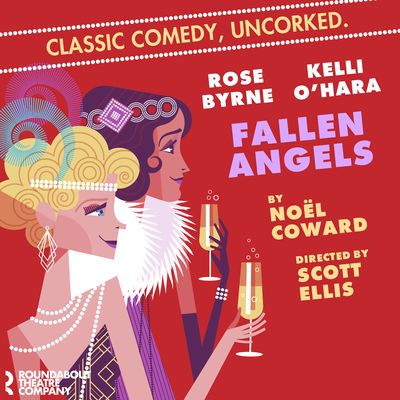
Fallen Angels, written by the witty and prolific Noël Coward, is a sophisticated 1920s comedy of manners that explores the scandalous side of marital boredom and female desire. The story centers on two best friends, Julia and Jane, who are happily — if somewhat uninspiringly — married.
Latest Episodes


Cast & Creatives
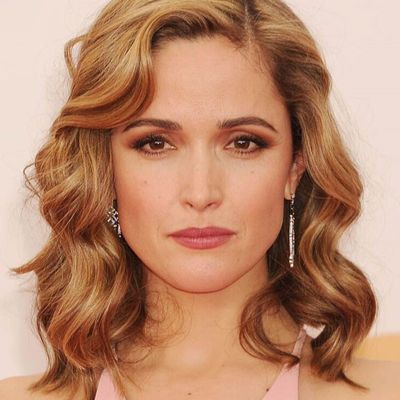
Rose Byrne
Jane Banbury (2026 OBC)

Kelli O’Hara
Julia Sterroll (2026 OBC)
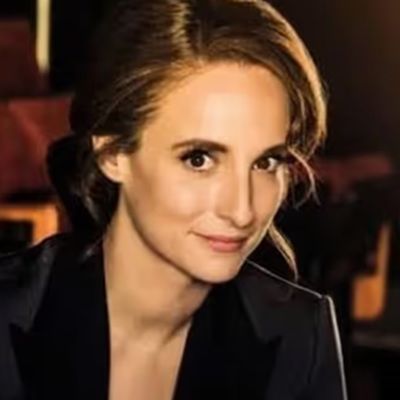
Tracee Chimo
Saunders (2026 OBC)

Mark Consuelos
Maurice Duclos (2026 OBC)

Christopher Fitzgerald
Willy Banbury (2026 OBC)
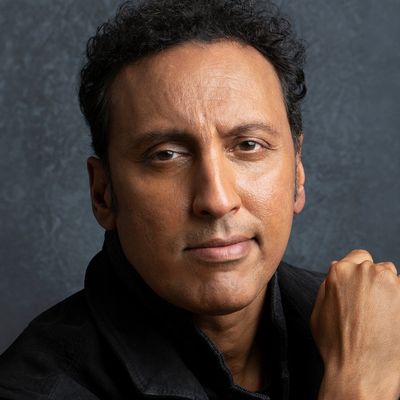
Aasif Mandvi
Fred Sterroll (2026 OBC)
About
Fallen Angels, written by the witty and prolific Noël Coward, is a sophisticated 1920s comedy of manners that explores the scandalous side of marital boredom and female desire. The story centers on two best friends, Julia and Jane, who are happily — if somewhat uninspiringly — married. When they receive word that a mutual former lover, a suave Frenchman named Maurice, is coming to town while their husbands are away on a golf trip, the two women spiral into a frenzy of anticipation and competitive jealousy. Most of the play’s hilarity ensues as they wait for his arrival, drinking copious amounts of champagne and dissecting their past indiscretions with a mix of dread and mounting excitement.
When it first premiered in 1925, the play was considered "shocking" and "obscene" for its honest portrayal of women who not only had premarital affairs but were quite open to having another one. Today, it is celebrated as a sparkling farce that highlights Coward’s sharp, staccato dialogue and his ability to find humor in social hypocrisy. Modern revivals lean into the physical comedy of the famous "drunk scene" and the play's Art Deco glamour. It remains a biting, elegant look at the tension between social propriety and the messy reality of human passion, proving that Coward's brand of "theatrical champagne" hasn't lost its fizz.
© Broadway Podcast Network, All Rights Reserved