

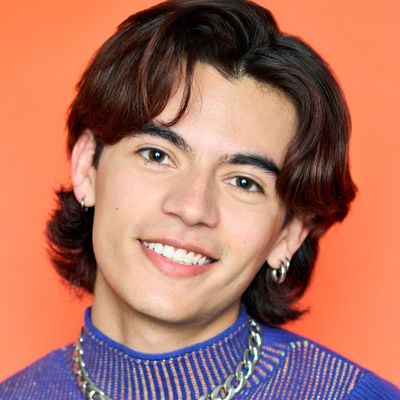
Kevin Corte is a Mexican performer who is here to share his side of the story working on the West Coast! 🔥 Tune in and listen to his wonderful journey with Latinness and queerness playing Angel in Rent! 💙 Please visit his Instagram to see what he's been working on!.. Read More
From the show: Backstage Talk
Guests
Featured Shows


About
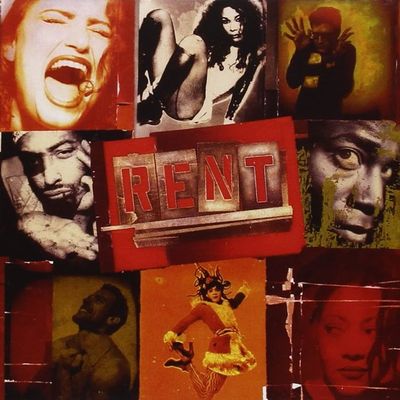
Kevin Corte is a Mexican performer who is here to share his side of the story working on the West Coast! 🔥
Tune in and listen to his wonderful journey with Latinness and queerness playing Angel in Rent! 💙
Please visit his Instagram to see what he's been working on!
If you want to know more about our host, please visit his website! Feel free to reach out with feedback or if you want to be part of Backstage Talk!
Follow us on Social Media:
Transcript
This transcript was automatically generated and might contain errors.
[0:00] Martín Acuña: Hi, everyone. I am Martín Acuña, and you're listening to Backstage Talk.
[0:10] Martín Acuña: Hello, everyone. Welcome back to another episode of Backstage Talk. I am really excited to be doing these episodes again. Today I have an incredible performer that comes from Mexico City. Kevin is a multidisciplinary artist who is constantly crossing over from theater to commercials to film and has a lot, a lot of experience in our industry. So, Kevin, thank you for being on Backstage Talk and especially on our Ladinson Musical Theater special. I'm really excited to have you. How's everything?
[0:48] Kevin Corte: Hi, how are you? I'm really happy to be here. I'm so excited to be able to have a space to talk about these things. I'm really, really excited. So, I already mentioned that you are from Mexico City, that you are a performer, but what else do we have to know about you?
[1:08] Kevin Corte: Oh, great question. Where to start? Well, I am 24 years old. I'm a Libra. I don't know if anyone cares about that. And I'm a city boy. I think a lot of people think of Mexico as this desert with farms. I don't know. Basically, all of Latin America, that is the image that people have.
[1:35] Kevin Corte: But I grew up in the city, so I grew up very used to a very fast-paced lifestyle and just lots of competition everywhere in any field whatsoever. So, yeah. That's it. So, why musical theater and why being part of the entertainment industry?
[2:03] Kevin Corte: Yeah. So, it all started when I was very little, really. I was one of those kids that grew up watching Disney Channel, and I was obsessed with it. And I think for me, it really was High School Musical that changed everything. I think the minute I watched that, I was like, I don't really know if I want to sing or dance or act, but I want to do what they're doing. I want to do everything. And then I saw my first musical ever, which was my school's production of High School Musical. And I was like, that's it. That's what I want to be doing. That's it. And I didn't know that musical theater was a thing until then. I don't know why. I just didn't. So, the minute I saw that production, I was like, Mom, how do I get into that? How do I do that? And she signed me up for theater, and that was it.
[3:04] Martín Acuña: I love that. Yeah. I love that. I love that. And since then, you've had the chance to act not only in theater, but also in film and TV and commercials. But you have on your resume a credit for being Angel in Rent production, right? Tell us a little bit about that.
[3:20] Kevin Corte: I did, yeah. That was honestly probably my favorite part I've ever played. And it was a great process. It was beautiful. It all happened kind of very, it was very destined to be. I met the director during my callback, my first callback, and we found out that we had worked for the same theater company before, just different times. Like, he worked a production of it, and I worked a production of it at a separate time. And we both bonded with that. We were like, oh, that's crazy. That's so fun. Shout out to Braden Haid. He's awesome. And I did the callback, and I was so terrified that day because I had, I was working at a different production. I was working for a commercial. So, I didn't really have time that day to practice at all.
So, I was really nervous. I told him, I was like, I'm going to be giving you sight reading at its finest. And he was like, it's okay. Just do what you can. And, you know, I got lost in the words a couple of times, but I tried to serve. I tried to give the best I could. And I think that's what Angel is, ultimately, is just nothing really planned, but just in the moment, being as free as you can and as expressive as you can. And I love that I have the chance to play a character like that, that comes from a Hispanic background, because there's nothing like it in theater at all. There's nothing like Angel, where it's both queer and Hispanic, which is part of my, it's part of my identity, you know? It's, if anything, it's like the most, the two main things about my identity. So, I was really excited when I got that part because I knew there was not going to happen again like it, so.
[5:26] Martín Acuña: That's wonderful. So, in your work, how has your heritage, your Latin heritage, impacted or influenced your artistry?
[5:31] Kevin Corte: I think, for sure, it's influenced my dance. I'm, for those who don't know, I'm a dancer first, and it definitely influenced me in that way. I think we all know that Latin is so involved in dance. Latin roots are so involved in dance. And I grew up surrounded by it, and I think I didn't really be, I really wasn't aware of it till very late in my career, of how that influenced me. Because, you know, I thought that we all moved. I don't know. I thought we all moved really well. And then you start going to these auditions and these classes, and you're like, oh, I moved better, I guess. And so, it definitely influenced in that way. It did give me an advantage that I'm really grateful for because I use it so much.
And I think it became, it made me very aware of processing dance in a different way. I think I'm very quick to pick up dance, and I'm very quick to learn something new, because that's how I grew up with like going to weddings and going to parties. And my mom was like, we're going to dance. And I would be like, I don't know what this is, but sure, let's dance. And then next thing I know, you know, salsa, or next thing I know, you know, merengue or cumbia, or all these many dances, you know. And now it's part of my career. Now I teach ballroom dance. So, I teach all these things that I grew up with that I didn't even know that I was going to profit from, you know.
[7:09] Martín Acuña: Yeah, absolutely. And yes, Latin roots are deeply, deeply intertwined with dance. And I think that it's one, when we talk about stereotypes, they remember Latin people for two things. One, being loud, which, yes, we are. It's part of our blood. But also, dance. Dance and food, like those go hand in hand. So, I would just love to like know specifically in your whole journey, how has this Latin blood within you?
[7:48] Kevin Corte: You're dancing when, as you mentioned, an example like going to auditions that people moved a little bit differently or you move differently because you were in Latin? I think it definitely comes from this freedom. I think when you see other people dance, because I'm not the most technical dancer, I will never claim that at all. I don't have that ballet technique in me even though I tried, you know, I did take ballet as we all did. I definitely see a sense of freedom that I don't see in a lot of other artists, and I'm very thankful for it. Just kind of this like passion and this kind of you just cannot let it take you and drive you, and I think that's my selling point as a dancer. I might not be the most technical or even the best, some might say, but I will be the most passionate and the most expressive.
I think in our roots is very, as you were saying, we're so loud, so I think when we start dancing it's loud. Like we managed to find a way to translate that into the dance of being so expressive and letting the emotions be there, and I think ultimately that's what any art form is. It's just expression as loud as it can be, and I just think my Latin roots helped me carry that through to the point where sometimes I don't even have to be quote-unquote loud, you know. I just exist and it's enough, and I'm very proud of that. I'm very proud of being able to carry that heritage and put it in something, in an art piece, and I always try to find a way to get away with it, you know. I always want to, even if the piece is not about Hispanic culture at all, I always want to find a way to put it in there.
[10:04] Kevin Corte: Well, I think we are living in such a tricky time in art, in any entertainment platform, because we're doing this whole transition, you know, of more visibility for other ethnicities and minorities and communities, and it's not even gonna lie, it's rough. It's hard going into certain spaces and not knowing if you're being brought into the project because of who you are as an artist or mainly because they're trying to cover that diversity quota. So it's interesting exploring this field in this time, but I think the best part about having this heritage and being in the community is that we're a big group. I think it's so underestimated how big the Latin community is, and it's really interesting going into a space where they're only casting white characters and so many people are Latin, you know.
It's really interesting, and I think I love seeing more and more people from the Latinx community in theater and in arts because it just makes it feel more, it empowers you, you know, and I think that's the best part about being Latinx and in the community right now, in the acting community, in the performing community, that it's starting to feel a sense of, we're starting to feel a sense of community, a sense of support, a sense of power that wasn't there before. Like now I go into auditions and I don't feel like I'm the only Latinx queer actor, and it's great. I don't think it's a, I don't think it sparks a sense of rivalry or tension. If anything, I'm like, thank goodness, you know, because then I don't feel like I'm walking into this audition because I'm Hispanic and they need the one Hispanic queer person in LA, which is not true.
There's so many people like me out there, but that's casting, you know. Some people are like, oh, there's only one to meet this person, and I love not seeing that. I love seeing so many people that fit that bracket, and I love that we're changing that bit by bit and it's being more like, we just need people. That's why.
[12:39] Kevin Corte: Absolutely, yeah. I agree with you. If something, we end up being like a small group family within the big audition group. Yeah, and it doesn't spark any sense of rivalry between any of us. So I love that. I agree with you. Before we close, what are your top five favorite musical theater shows?
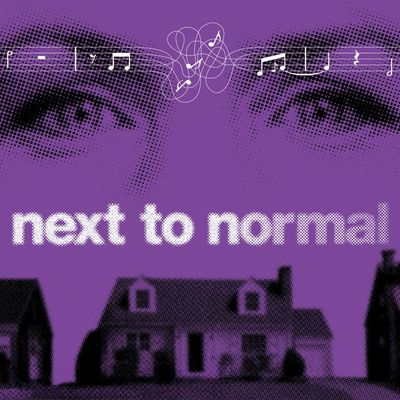
[13:07] Kevin Corte: Oh my goodness, you cannot ask me that. That's such a hard question. Oh wow. You know, I think I am that type of actor that their favorite musicals are the ones that they want to be in. And for me, of course, I want to be in Hamilton. I am that Latin person that wants to be in Hamilton because there are so many Latin people in that show. I want to play that. I want to be any character whatsoever. I love, my favorite musical of all time for some reason has always been Next to Normal. I think it just really set the bar for contemporary shows that follow that kind of like pop sound. And I love it. I'm obsessed with it. I think it's beautiful how they talk about mental issues. One classic that I will always have a special place in my heart is Cats because it's not the best show.
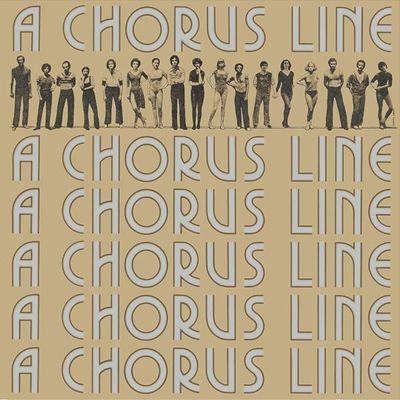
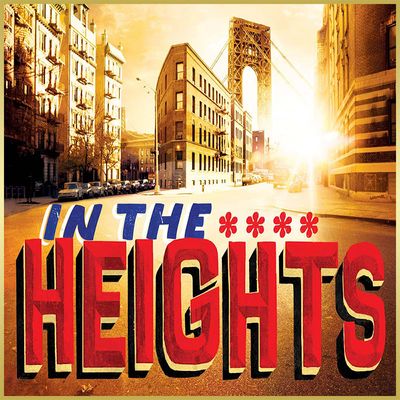
I know that. But it was the first musical that I fully watched in its entirety. So it has a special place, and I have to honor that, you know. In the Heights, of course. And probably A Chorus Line. I just love a good dance musical. I feel like they're so underrated. There needs to be more.
[14:36] Kevin Corte: Yeah, I agree with you. I agree with you. For me, A Chorus Line was one of those first musical films that I ever saw. And it was like, I like this. And I like this idea of like a meta-musical being a musical piece.
[14:53] Kevin Corte: Yeah, I agree with you. It was a mind-blowing concept. It was so great.
[14:56] Martín Acuña: Kevin, thank you so much for being here, for sharing your craft. I cannot wait to see where you go with this wild ride in the industry.
[15:10] Kevin Corte: For sure. Thank you so much for having me. It was a great time.
[15:16] Martín Acuña: Thanks, everyone, for listening to this new episode of Backstage Talk. Remember to follow us on Facebook and Instagram at Backstage Talk Podcast.
© Broadway Podcast Network, All Rights Reserved