

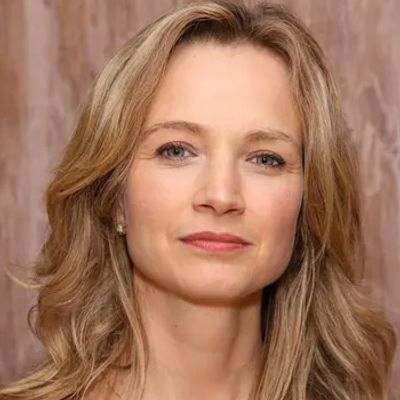
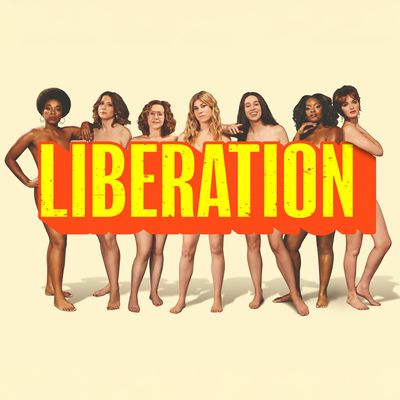
Tony Nominated Playwright Bess Wohl joins Behind the Awards for a deep dive conversation on the creation of Liberation. Bess talks about creating a team of artists to help transport the audience back to the 70s and what a joy it was to watch Whitney White, David Zinn, Qween Jean, and Nikya Mathis create poetry... Read More
From the show: Behind the Awards with Eila Mell & Bruce Gotlieb
Guests
Featured Shows
About
Tony Nominated Playwright Bess Wohl joins Behind the Awards for a deep dive conversation on the creation of Liberation. Bess talks about creating a team of artists to help transport the audience back to the 70s and what a joy it was to watch Whitney White, David Zinn, Qween Jean, and Nikya Mathis create poetry.
Also in this episode - Eila & Bruce review Schmigadoon!
Bess Wohl is a playwright and filmmaker whose plays have been produced on and off Broadway, regionally and internationally. Wohl’s plays include Grand Horizons (Broadway, Tony Nomination), Camp Siegfried, Make Believe, Continuity, Small Mouth Sounds, American Hero, Touch(ed), In, Cats Talk Back, and the musical Pretty Filthy. Her plays have been recognized with a variety of awards and nominations, including the Drama Desk, Drama League, Lucille Lortel and Outer Critics Circle. She made her feature film debut with her film Baby Ruby, starring Noémie Merlant and Kit Harington, which she wrote and directed. The film premiered at the 2022 Toronto Film Festival and was released by Magnolia Pictures in 2023. She also is developing multiple television projects and wrote for the Apple TV+ series “Extrapolations.” Wohl is an associate artist with The Civilians, an alumna of Ars Nova’s Play Group, and the recipient of new play commissions from Manhattan Theatre Club, Lincoln Center and Williamstown Theatre Festival. Recently, she made her West End debut with a sold out run of Barcelona starring Lily Collins. She is a graduate of Harvard and the Yale School of Drama.
Make sure to check out Eila's book, "The Tony Awards", and all her other amazing books: https://amzn.to/43WMu5Y.
Connect with Eila and Bruce:
- Instagram @behind_the_awards
- Eila @eilamell
- Bruce @cominghomewithbruce
Transcript
This transcript was automatically generated and might contain errors.
[0:01] Bess Wohl: Hi, I'm Bess Wohl and you're listening to Behind the Awards.
[0:14] Eila Mell: Hello and welcome to Behind the Awards. I'm Eila. As always, I'm here with Bruce.
[0:19] Bruce Gotlieb: Hello there. How are you doing?
[0:21] Eila Mell: I'm good. I have finally seen Schmigadoon.
[0:25] Bruce Gotlieb: Wow.
[0:26] Eila Mell: I know. I mean, you...
[0:29] Bruce Gotlieb: Listen, bragger, you went to the Kennedy Center.
[0:32] Eila Mell: That's why you have to, you know, go outside of the tri-state area and, you know, see things.
[0:39] Bruce Gotlieb: Yeah, really. And then you saw it on Broadway, all before I got to see it once.
[0:43] Eila Mell: Well, the thing was, when they announced it coming to the Kennedy Center, I figured there was no pre-Broadway, no Broadway, nothing was really being spoken of.
[0:55] Bruce Gotlieb: And I had conversations subsequently that night that I saw the show and tried to see if they thought that something could be in the works.
[1:04] Eila Mell: And at that point, they said that there were the start of conversations.
[1:09] Bruce Gotlieb: So I felt, you know, very lucky to be on the ground floor.
[1:13] Eila Mell: But seeing it at the Kennedy Center was, like, unbelievable.
[1:17] Bruce Gotlieb: The crowd was just the energy in the room. Everything was really, really outstanding.
[1:22] Eila Mell: Because at that point, again, nobody knew anything was coming.
[1:26] Bruce Gotlieb: And the last breath of Schmigadoon you got was that it was canceled.
[1:30] Eila Mell: Right.
[1:31] Bruce Gotlieb: So everybody, you know, kind of wanted to hold on to this, you know, joy.
[1:36] Eila Mell: And it seems so perfectly made for a stage version, too.
[1:39] Bruce Gotlieb: Yeah. Yeah.
[1:41] Eila Mell: So there have been cast changes since you saw it.
[1:45] Bruce Gotlieb: Yes.
[1:46] Eila Mell: So do you want to tell people who you saw that they're not seeing on Broadway?
[1:49] Bruce Gotlieb: Sure. Emily Skinner is now being played.
[1:53] Eila Mell: That role is now being played by Anna Gasteyer, which was played by Kristen Chenoweth on TV.
[2:00] Bruce Gotlieb: Three very different types of women.
[2:02] Eila Mell: A hundred percent.
[2:04] Bruce Gotlieb: You also then had The Reverend, which was played in Kennedy Center by Kevin DeLaglia.
[2:09] Eila Mell: Right.
[2:10] Bruce Gotlieb: Friend and guest to the show.
[2:12] Eila Mell: Yes.
[2:13] Bruce Gotlieb: On TV, that was...
[2:16] Eila Mell: Was it Fred Armisen?
[2:17] Bruce Gotlieb: Fred Armisen and now is being played by...
[2:21] Eila Mell: It's Malik Pancholi.
[2:23] Bruce Gotlieb: Thank you.
[2:24] Eila Mell: Yeah. And then also we had Ryan Vasquez in the formerly played by Aaron Tveit, now played by Max Clayton, Danny Bailey part.
[2:36] Bruce Gotlieb: Okay. And you said that part didn't have as much dance as it does now.
[2:40] Eila Mell: No. And it certainly didn't on TV.
[2:43] Bruce Gotlieb: Yeah.
[2:44] Eila Mell: But, you know, it lends to Max's strength because he's an outstanding dancer.
[2:48] Bruce Gotlieb: Oh, it's gorgeous.
[2:49] Eila Mell: Did you see the picture that People magazine captured of him doing the toe touch?
[2:53] Bruce Gotlieb: Yes.
[2:54] Eila Mell: Off the trampoline. I mean...
[2:55] Bruce Gotlieb: Amazing.
[2:56] Eila Mell: Talk about perfect timing.
[2:57] Bruce Gotlieb: I know. I know.
[2:58] Eila Mell: So, you know, I think this show works maybe even better on stage.
[3:04] Bruce Gotlieb: Yeah.
[3:05] Eila Mell: Because, you know, it's got its audience for sure.
[3:07] Bruce Gotlieb: It's super fun, really high energy.
[3:11] Eila Mell: And funny. Really, really funny.
[3:13] Bruce Gotlieb: Really funny.
[3:14] Eila Mell: I mean, there are probably some little tweaks here and there from Kennedy Center to Broadway, but not much.
[3:19] Bruce Gotlieb: It takes season one of Schmigadoon and it puts it into a two-hour love fest for Broadway, musicals, parodies.
[3:31] Eila Mell: Yeah.
[3:32] Bruce Gotlieb: Camp, all of that.
[3:34] Eila Mell: I don't feel like anything was missing from the first season of the show.
[3:39] Bruce Gotlieb: So that's really great because, you know, you don't feel like it was squished in.
[3:44] Eila Mell: It just feels like it told the exact same story, pretty much.
[3:47] Bruce Gotlieb: Yeah. Yeah.
[3:48] Eila Mell: Without the expectation or cliffhanger, right?
[3:51] Bruce Gotlieb: Right.
[3:52] Eila Mell: They do leave it a little open-ended.
[3:54] Bruce Gotlieb: It had to end season one, obviously.
[3:57] Eila Mell: And they knew they were getting a season two at that point.
[3:59] Bruce Gotlieb: Right.
[4:00] Eila Mell: So they knew they could tease or leave it a certain way.
[4:03] Bruce Gotlieb: On Broadway, it just unfortunately has to end.
[4:06] Eila Mell: Right. I know.
[4:07] Bruce Gotlieb: Unfortunately, because I could still be there watching it.
[4:10] Eila Mell: Yeah. The dancing is fantastic.
[4:12] Bruce Gotlieb: Oh, my gosh.
[4:13] Eila Mell: Yes.
[4:14] Bruce Gotlieb: It's, you know, for me, it's like a modern old school musical.
[4:18] Eila Mell: Yeah.
[4:19] Bruce Gotlieb: So it's both at once.
[4:21] Eila Mell: Absolutely.
[4:22] Bruce Gotlieb: And, you know, Christopher Cattelli is doing double duty direction and choreography, which he does so well.
[4:26] Eila Mell: Killing both of them.
[4:28] Bruce Gotlieb: Yes. Yes.
[4:31] Eila Mell: I mean, so funny.
[4:33] Bruce Gotlieb: You know, Syncopal's book is really strong.
[4:36] Eila Mell: It's really good.
[4:37] Bruce Gotlieb: Well, the lyrics are hilarious.
[4:39] Eila Mell: Yeah.
[4:40] Bruce Gotlieb: The music is great.
[4:41] Eila Mell: Yes.
[4:42] Bruce Gotlieb: It's one of those things that keeps checking all the boxes, you know?
[4:46] Eila Mell: Yeah.
[4:47] Bruce Gotlieb: And, you know, so for me, the set really added so much to it also.
[4:51] Eila Mell: Yeah.
[4:52] Bruce Gotlieb: Scott Pask did a beautiful job.
[4:54] Eila Mell: Beautiful.
[4:55] Bruce Gotlieb: It was, you know, a mix of realistic and fantasy at the same time.
[4:58] Eila Mell: Yeah.
[4:59] Bruce Gotlieb: For real.
[5:00] Eila Mell: It does.
[5:01] Bruce Gotlieb: When you're in the town and the way you're looking at the town, it's like kind of like you feel like you're at, like, community theater or high school production.
[5:09] Eila Mell: Not in a bad way.
[5:10] Bruce Gotlieb: Right.
[5:11] Eila Mell: Because it looks like, you know, you're not, you don't have as much resources when you're at that level.
[5:18] Bruce Gotlieb: So you have to make things out of foam or cardboard or whatever to try to get that 3D effect.
[5:25] Eila Mell: Right.
[5:26] Bruce Gotlieb: I think, right.
[5:27] Eila Mell: And I think the point you're making is that it's supposed to look like, you know, almost like they made it themselves.
[5:32] Bruce Gotlieb: Correct.
[5:33] Eila Mell: Because it's not a real town, so.
[5:34] Bruce Gotlieb: Exactly.
[5:35] Eila Mell: But they think.
[5:36] Bruce Gotlieb: You wouldn't have an actual building, you know?
[5:39] Eila Mell: Right.
[5:40] Bruce Gotlieb: And that's what's so clever about the set.
[5:42] Eila Mell: It really, it captures all of that.
[5:44] Bruce Gotlieb: And it starts off, you know, with just a vending machine.
[5:46] Eila Mell: So we're very rooted in the real world when you go into the theater.
[5:50] Bruce Gotlieb: Right.
[5:51] Eila Mell: A vending machine, which turns into a bed very quickly.
[5:53] Bruce Gotlieb: And then it, yeah.
[5:54] Eila Mell: That's really funny.
[5:56] Bruce Gotlieb: But then it totally has that Wizard of Oz effect when you get into Schmigadoon.
[6:00] Eila Mell: Yes.
[6:02] Bruce Gotlieb: Linda Chow's costumes are just,
[6:05] Eila Mell: they really tell a story in and of themselves.
[6:08] Bruce Gotlieb: The colors that she's using is just really, really, really thoughtfully done.
[6:13] Eila Mell: Sometimes Dan's shoes are so boring because they're all the same.
[6:16] Bruce Gotlieb: But hers are really cool because she has this one pair, I think that Sarah Chase wears, and it's yellow and white.
[6:22] Eila Mell: And they're cool.
[6:23] Bruce Gotlieb: They don't look so much like the same shoes that everybody's wearing.
[6:26] Eila Mell: No.
[6:27] Bruce Gotlieb: And a lot of the ensemble members, their shoes match whatever costume they're wearing at that time.
[6:32] Eila Mell: So.
[6:33] Bruce Gotlieb: Yes.
[6:34] Eila Mell: I'm pretty sure a bunch of them have not only costume changes, but shoe changes as well.
[6:37] Bruce Gotlieb: And for me, I mean, the best part of it is Alex Brightman and Sarah Chase, what they're doing.
[6:42] Eila Mell: It's, you know, they're, they're very rooted in reality, but they're also so, so funny.
[6:48] Bruce Gotlieb: It's like this biting humor from both of them.
[6:50] Eila Mell: And it works so well, you know,
[6:53] Bruce Gotlieb: against everybody else who is in this fantasy world.
[6:56] Eila Mell: Well, and the difference too, is with Alex Brightman, we're so used to getting such a strong character.
[7:01] Bruce Gotlieb: Right.
[7:02] Eila Mell: Yeah.
[7:03] Bruce Gotlieb: That this, yes, is playing a character, but it doesn't rely on you being coming a character like he did in Beetlejuice.
[7:09] Eila Mell: Right.
[7:10] Bruce Gotlieb: Like everything changes, you know, this,
[7:13] Eila Mell: he gets to be a real person.
[7:15] Bruce Gotlieb: Right.
[7:16] Eila Mell: And affect some of the talents that you forget that he has, you know,
[7:20] Bruce Gotlieb: he doesn't have to put on a special voice.
[7:22] Eila Mell: Right.
[7:23] Bruce Gotlieb: Yeah.
[7:24] Eila Mell: But he is in the best way.
[7:26] Bruce Gotlieb: Oh my gosh.
[7:27] Eila Mell: He's so great.
[7:28] Bruce Gotlieb: And it's such a payoff at the end when he finally gets a song.
[7:32] Eila Mell: Oh yeah.
[7:33] Bruce Gotlieb: Yeah.
[7:34] Eila Mell: No, it's such a fun night in theater and it's a real quality show.
[7:39] Bruce Gotlieb: You know, a couple other standouts for me personally were Mackenzie Kurtz, who was, when we went and saw Wicked, she was our Glinda.
[7:47] Eila Mell: Yes, that's right.
[7:48] Bruce Gotlieb: So I have a, you know, a special place in my heart for her.
[7:50] Eila Mell: Right.
[7:51] Bruce Gotlieb: She really, really like just gets the part and nails it.
[7:57] Eila Mell: Like it's the best.
[7:59] Bruce Gotlieb: And I also thought Isabella McCalla does something really special with that.
[8:03] Eila Mell: Yes.
[8:04] Bruce Gotlieb: She is such a standout.
[8:05] Eila Mell: I agree with you on both of them, but especially Isabella, Isabella McCalla, because it's so kind of a thankless part.
[8:13] Bruce Gotlieb: Yes.
[8:14] Eila Mell: It could be.
[8:15] Bruce Gotlieb: Right.
[8:16] Eila Mell: And she does everything you can with it and you like her and you kind of root for her, even though you're not really rooting for her.
[8:21] Bruce Gotlieb: Right.
[8:22] Eila Mell: Yeah.
[8:23] Bruce Gotlieb: And the dancing is by the Ensemble.
[8:25] Eila Mell: The Ensemble, it's what I love about those old style or old feeling kind of classic musicals.
[8:33] Bruce Gotlieb: Yeah.
[8:34] Eila Mell: Where the Ensemble goes from zero to a hundred in the opening number and doesn't take their foot off the gas.
[8:39] Bruce Gotlieb: Yeah.
[8:40] Eila Mell: No, it's really great.
[8:41] Bruce Gotlieb: And we have to point out that little boy, Ayan Dayap, I think that's how you pronounce his last name.
[8:46] Eila Mell: I hope I got it right.
[8:47] Bruce Gotlieb: What a cutie.
[8:48] Eila Mell: Is he not?
[8:49] Bruce Gotlieb: The second he runs out on stage, the entire audience collectively sighs.
[8:54] Eila Mell: Yes.
[8:55] Bruce Gotlieb: And he's good too.
[8:57] Eila Mell: He's not just cute.
[8:58] Bruce Gotlieb: He holds his own.
[9:00] Eila Mell: He's really good.
[9:01] Bruce Gotlieb: Right.
[9:02] Eila Mell: It's not like you're sending him out there as a prop.
[9:03] Bruce Gotlieb: He actually is good.
[9:04] Eila Mell: Yeah.
[9:05] Bruce Gotlieb: You believe him as his character, who can be cartoonish, but he's not at all.
[9:08] Eila Mell: No.
[9:09] Bruce Gotlieb: It's really, really good.
[9:10] Eila Mell: If you have not seen Schwingadoon, you should go see it at least once.
[9:15] Bruce Gotlieb: Yeah.
[9:16] Eila Mell: Well, Bruce.
[9:17] Bruce Gotlieb: Bruce can't stop going.
[9:19] Eila Mell: It's just, you know what? If you're going to spend the money on what you're going to spend on Broadway, you want to leave feeling good, having a good time, remembering the story, all of the things.
[9:30] Bruce Gotlieb: So if you find something that does that, why not do it again?
[9:33] Eila Mell: That's true.
[9:34] Bruce Gotlieb: That's true.
[9:35] Eila Mell: This will fit the bill.
[9:36] Bruce Gotlieb: But now let's segue into one of our favorite straight plays of the season, which was Liberation.
[9:41] Eila Mell: Which, you know, also, while dramatic and poignant and all of those more serious adjectives, still you leave feeling good and you feel thoughtful and you feel thought-provoked even.
[9:56] Bruce Gotlieb: Yeah.
[9:57] Eila Mell: You know, it does a lot of other things that, again, if it was still running, I would go see it again.
[10:02] Bruce Gotlieb: Oh, absolutely.
[10:03] Eila Mell: I hope that they recorded it so we can watch it over and over and over.
[10:06] Bruce Gotlieb: That would be amazing.
[10:08] Eila Mell: I saw a clip on, I want to say it was Instagram, on Liberation's Instagram, and I want to say it was like five minutes long.
[10:16] Bruce Gotlieb: Oh, excellent.
[10:17] Eila Mell: Which is a lot for Instagram.
[10:19] Bruce Gotlieb: That is.
[10:20] Eila Mell: I don't always stick around for the longer ones, but I watched it straight through, and it was giving little interview moments with each of the women and talking about the play.
[10:30] Bruce Gotlieb: I saw it this morning, and it made me feel like I got another little taste of it again.
[10:35] Eila Mell: Yeah.
[10:36] Bruce Gotlieb: I know.
[10:37] Eila Mell: I miss it.
[10:38] Bruce Gotlieb: I want to see it again.
[10:39] Eila Mell: Yeah.
[10:40] Bruce Gotlieb: So we were lucky enough to have a really wonderful conversation with Bess Wall.
[10:43] Eila Mell: Well, let's bring Bess out.
[10:45] Bess Wohl: Hi, I'm Jasmine Amy Rogers.
[10:50] Eila Mell: You are listening to Behind the Awards.
[10:52] Bruce Gotlieb: We'll be right back.
[10:53] Eila Mell: Well, Bruce, I don't even want to spend time talking about who's coming up because I'm so excited to bring her out.
[11:05] Bruce Gotlieb: Let's welcome Bess Wall to our show.
[11:07] Eila Mell: Yes.
[11:08] Bess Wohl: Thank you.
[11:09] Bruce Gotlieb: Thank you so much for joining us.
[11:11] Bess Wohl: We are thrilled to have you.
[11:12] Bess Wohl: I'm so happy to be here.
[11:13] Bruce Gotlieb: So happy.
[11:14] Eila Mell: We love Liberation so much.
[11:17] Bess Wohl: I don't know if you know this, but we had a Renee on our show.
[11:20] Eila Mell: She's the greatest.
[11:22] Bess Wohl: She's so good in this show.
[11:24] Eila Mell: Every single person that I spoke to about her thought that she was actually Italian.
[11:29] Bess Wohl: I know.
[11:33] Eila Mell: I think we had her do the post-show speech a few times for Broadway Cares, Equity Fights AIDS, and she would do it in her own voice without an accent.
[11:44] Bess Wohl: And I think the audience was actually sort of confused and disappointed.
[11:48] Eila Mell: So it was too soon for them to hear that she wasn't actually Isadora because she's so incredibly compelling as Isadora.
[11:55] Bess Wohl: Yeah.
[11:56] Eila Mell: Oh, she is.
[11:57] Bess Wohl: Well, we love this show so much. Even up to last weekend telling people, like, you need to get there. It's so special and important and timely.
[12:09] Eila Mell: It's all of these things.
[12:11] Bess Wohl: And one of the things we spoke to Renee about was how do you, as a playwright, sit down and write a piece however many years ago that is going to be so relevant today?
[12:21] Eila Mell: It's like you have a crystal ball there or something.
[12:23] Bess Wohl: I wish I didn't, to be honest, because the relevance is not something that I'm happy about because of what it means for the world and for women and all kinds of marginalized people who are struggling so much right now.
[12:36] Eila Mell: So it's a difficult thing that it is so relevant, but you just never know when you write a play, right?
[12:43] Bess Wohl: You never know how your play is going to meet the world because there's this lag time in between the writing of it and the moment when the audience sees it.
[12:51] Eila Mell: It's not an Instagram post where, you know, you're responding instantly to what's happening.
[12:56] Bess Wohl: So you just never know what world you're going to be meeting. When I was working on this play, honestly, I thought maybe we'll premiere this during a Kamala Harris presidency, honestly.
[13:09] Eila Mell: And I thought, okay, this play will be a sort of celebration of our first woman president and we'll ask some questions about how we got to where we're going and how far we've come and maybe how far we haven't come in certain ways.
[13:22] Bess Wohl: I could imagine that version of the play definitely. And of course, that's not the world we're living in right now.
[13:28] Eila Mell: So my goal is always to try to make something that is specific, but also has a timelessness to it so that whenever it meets the world, it'll have something human and relevant and sort of universal to say to people about just the experience of being alive, which I think is the thing that doesn't change over time.
[13:47] Eila Mell: Yeah. What was the impetus for this play? It's not your story. So where did that come from?
[13:50] Bess Wohl: Yeah, it has elements of my autobiography, definitely, but it is not an exact memoir or autobiographical piece. And it came from a lot of different places. It came from the fact that my mother had worked at Ms. Magazine when I was a kid.
[14:11] Eila Mell: Amazing. Wow.
[14:12] Bess Wohl: Which was a really, really unique way to grow up. You know, to grow up.
[14:16] Bess Wohl: Meeting women of the second wave, marching with my mom in protests and marches for the ERA, all of these kinds of things, you know, were part of my childhood. I had all kinds of non-gender specific toys where, you know, you would play with the Hot Wheels and then you would play with a tutu. And, you know, you would just sort of, I was encouraged growing up to see gender in a very specific way through a very specific lens. And I spent a lot of time just playing at Ms., playing on the floor, listening to my mom type on her typewriter, hanging out with other Ms. kids. As I say in the play, there was a giant playroom that was like almost padded walls, you know, there's carpet everywhere, carpet up the walls, you know, and I remember it so well.
So I always knew there was something in this world that I wanted to write about, but it really cracked open when I started during the pandemic, interviewing different women who had been part of the second wave, not just my mom, but a particular group of women from a consciousness raising group. And they were all still in touch, which I thought was so beautiful because they were in their eighties and some of them in their nineties, some of them had passed away. And they told me about each other. They told me stories from their group. They told me stories from their lives. And that was really the thing that cracked it open for me. That was when I knew, okay, I have enough specificity in terms of the characters that I'm not just writing a play about an idea or a play about a time or a movement. I can make this play about specific individuals. And that to me is what makes it more than, you know, active activism or politics. It's something more human and particular to these people.
[15:59] Eila Mell: Yeah. It felt also, you know, when it starts that you're, I heard people audibly going, wait, is that the playwright? Is that, you know, everyone is so, the way you wrote the beginning, everyone is so just brought in, in such a casual manner that they're immediately along for the ride. And I don't, I don't know at what point they realize it's not you, but everyone has settled into the fact that you're not putting on your own play.
[16:31] Bess Wohl: Yeah. And part of that is the genius of Susanna Flood, who is just so special. And she's the actress, obviously playing the narrator in the play, and she is able to talk to the audience in a way that feels so present and so real. She is not putting on a show, she is in the room with them. And that was something really beautiful that Susanna said to me at the beginning of this process. She said, look, you know, I might not be a household name, but I feel that I can offer something singular, which is my presence. I will be present with you. And that's not always the case when you go to the theater. Sometimes you sort of feel that you're watching something that's maybe happened a few times before, or you're watching something that has sort of a veil between the audience and the event.
And I think part of what I was going for in the text and what Whitney White reinforced in the production, and what Susanna Flood is also reinforcing with her performance, is the lack of a barrier between audience and event, that we are all really there together. We're building a community in real time together. And to me, that's what makes this play alive. It makes it different every night, and it's a collaborative thing that we've all sort of achieved as a group.
[17:45] Eila Mell: Yeah, I mean, the play disarms you in a good way in so many different subtle ways. I mean, first of all, you have to lock up your phone. So right away, it's a different experience. And that's not something that everyone's comfortable with, just because we're so dependent on our phones. But then you realize that you actually get to experience the play in a very different way because you don't have that as a distraction. Because even if our phones are muted, we still are aware of them, and maybe they're buzzing silently. And so you really get a better experience of the play because we have to lock our phones up. But then also, that opening moment, you don't know. You know, we know that this is Susanna Flood. You know, Bruce and I know that it's not you. But I also wasn't sure if the play had started or not. It's just such a great entry into this world.
[18:38] Bess Wohl: It's so funny because some people think that Susanna, when she comes out, because her first action is sort of to arrange some props on the bleachers, people think like, oh, is she a props person? You know, does she work on the show, but she's not in the show. And I really wanted the play to start in a sort of stealthy way. I have this personal allergy to the feeling of a play starting where you feel like suddenly everything feels a little bit artificial or something. You know what I mean? There's a feeling that I always get this feeling like I was talking to my friend next to me, maybe in the seat, and we were just having a conversation. And then the play begins, and there's this sort of different way that everyone's talking.
There's a different way that everyone's behaving. And it feels distancing to me, just personal preference. So I'm always looking for ways to begin my plays that ease the audience through that moment of transition. I want to sort of take your hand and hold it as we move into this imagined world. And so that's why I started my play Grand Horizons with 10 minutes of silence or however many minutes it is, because I couldn't figure out how else to sort of lift us through that barrier between reality and artifice. And so to me, this beginning of this play is another version of me attempting to do that. I'm trying to do it. If you look at my plays in every play, I'm trying to begin in a way that just sort of makes that moment a little less difficult to transition. It's a hard moment.
[20:11] Eila Mell: You mentioned it, and I loved Grand Horizons so much.
[20:15] Bess Wohl: Thank you.
[20:15] Eila Mell: That I remember that beginning and like sitting there, not uncomfortably, but like at one point being like, are we doing? Like is it supposed to start? It's like a start. When it does, it brings you into the play in a completely different way. And the crowd's not talking because they know they're like, shouldn't be because it's quiet. But everybody collectively is in that state of wonder of what's happening and what's about to happen.
[20:44] Bess Wohl: Yeah, it's this portal between regular life and watching the play. And it's a tricky portal to navigate. And we all know the feeling of feeling like we can't quite get over it or through it. And so it's funny because Grand Horizon and Liberation are, of course, wildly different plays in so many ways. But for me, from the inside, I am struggling with the same artistic moment, which is how do I begin, you know, and trying to find a way to begin that feels a little more seamless or unexpected than the sort of more familiar start of a play where everything suddenly feels like we're in a world of a play, you know?
[21:25] Eila Mell: When you sit down to start writing, then is that piece something that you deal with in the very beginning? Or are you like, let me start unfolding and I'll figure that out later?
[21:30] Bess Wohl: Oh, it's a great question. I think I've done a little of both. Usually, it's something from the beginning that I think, how am I going to bring people into this world? And do I have an opportunity here to navigate this transition into the world of the play in a slightly surprising way? It's just it's something I'm always looking for. But sometimes it can also come later and I can think, OK, you know, I've written this play now, how am I going to begin it? So I've kind of done a lot of different versions of it at this point. But I'm always curious to figure out if there's if there's a new way.
[22:07] Eila Mell: Was it a conscious decision to have Susanna's character, Betsy, resemble you?
[22:12] Bess Wohl: Oh, my gosh. Can I talk to you about that, please? I did not think Susanna looked particularly like me when we cast her. I loved her as an artist. She had been in my play Make Believe at second stage and I thought she was brilliant in that. And I loved working with her and I admired her work over the years in so many different plays. So I just wanted Susanna in the play. And during Make Believe, not one person ever said Susanna Flood looked like me because her hair wasn't, you know.
[22:44] Eila Mell: Yeah.
[22:45] Bess Wohl: Long, blonde, wavy hair. So so it wasn't a thought at all. And then as we worked, I kind of say it's like, you know how people start to look like their dogs? I don't know which one of us is the dog in this. I think I'm the dog. And Susanna started to look more and more like me because I think it just in a way that none of us were consciously pursuing, it informed certain creative choices. And I also think that Susanna brilliantly found some of my cadences and mannerisms as she explored the character. She actually said something to me during rehearsal that I thought was really interesting. For all of her work in all of her plays, she said whenever she's stuck on a line, one of the tricks she uses to kind of unlock it for herself is to think, how would the playwright say this if they were just saying this line?
Whether or not it's a play that sort of has elements of autobiography. So I'm sure she used that trick a little bit, but I don't think she was consciously trying to be me. And I definitely wasn't consciously trying to cast a doppelganger. That was something that evolved as we went on. And here we are.
[24:09] Eila Mell: But it really is all about the hair, because if you both had your hair up, you wouldn't look alike.
[24:13] Bess Wohl: That's right. I know. And partly why her hair has to be so long and wavy is that all of the performers have mic packs in their wigs. So everyone has to have kind of substantial hair, except for Charlie Thurston and Kayla Damien, because they need mics in their wigs because of the scene with nudity.
[24:39] Eila Mell: Right.
[24:39] Bess Wohl: That's a very good point, because as an audience member, it's happening, and not once am I thinking, where's their mic pack?
[24:46] Eila Mell: Thank you for not thinking that. That's the magic of theater. And that's also the brilliance of Nakia Mathis, who did our wigs, and the brilliance of the performers who are able to do a show with two mic packs in their wigs, and have you never even think about it, because they're athletes. They're navigating not just that, but so many technical things as they're creating this piece that looks like seamless human behavior. I mean, that is really, to me, just an unbelievable magic act that they're achieving every night on that stage.
[25:25] Eila Mell: I was in the front row, and I always like to look for the little netting from the wigs. I couldn't see anything in Susanna. I did not see. That did not look like a wig.
[25:35] Bess Wohl: Yeah. She has a fall.
[25:38] Eila Mell: Oh, okay.
[25:39] Bess Wohl: A little different.
[25:39] Eila Mell: Yeah. It's such good work.
[25:41] Bess Wohl: It's brilliant. The costumes by Queen Jean, the wigs by Nakia. I mean, it's just so spectacular. What I love is that anywhere you look on that stage, any detail, any costume piece, any tiny lighting moment from Chelsea, it's just so meticulously done. It's a pleasure. I've seen the show a lot of times. It's so easy to fall into just 70s costumes, but this play doesn't fall into that trap, because it's such a fun era to costume. I always say, because Queen Jean is such an activist in real life, I think she understands how these women need to look on a different level.
[26:27] Bess Wohl: Yeah. Queen did an enormous amount of research. She brought in so many photographs, so many materials, just endless, a real archive of gorgeous research that inspired not just the costumes, but the performances, rewrites, moments of staging. It was a real treasure trove of material that Queen brought in, so that was part of it. She has her own, of course, incredible activist work that she's pursuing all the time in tandem with her artistic life, so that is also part of it. I think we also all really were quite focused on making sure that the 70s didn't turn into Austin Powers, or that 70s show, or the more comedic versions of the 70s. We wanted something that felt authentic, and that felt real, and that didn't have quotes around it.
[27:30] Eila Mell: Right, because that wouldn't serve the play. It's so special that you can't ruin it with kitsch.
[27:36] Bess Wohl: Yeah, and it's easy for some reason with the 70s, partly because some of the actual looks are so, to us now, so off the charts. And there were pieces that Queen brought in that were authentic pieces, vintage pieces from the 70s that we were like, this is too much. Do you know what I mean? She had some amazing, amazing looks for Charlie Thurston when he comes in to play basketball, little tiny short shorts, and all gym socks, and things where, I mean, he looked great, but it was just like, this is going to be a walking joke if we bring him in like this. So together we found something that I think feels so satisfying and beautiful. And the other thing about Queen is for every look you saw on stage, she had like 12 backup looks. Do you know what I mean? There's such an incredible richness of options that she presented, and I think that just created this real depth of possibility for every look in the show, and it was really exciting.
[29:02] Bess Wohl: Whitney is such an extraordinary artist. I didn't know Whitney before we embarked on this process together. She luckily responded to the play. I sort of sent it to her out of the blue. She was the first person I sent it to. I just absolutely was dying for her to direct this play. I knew her work from Jaja's, from What to Send Up, from so many pieces that Whitney has directed, where she's able to find this total exuberance, this incredible humor, without ever losing the emotional stakes and the grounding of the play, and also is able to work with ensembles, in particular ensembles of women, in an incredibly skillful way. You know, the way she is able to navigate ensembles in space and create these gorgeous stage pictures with them is really profound.
I sent her the play, prayed that she would love it. She did, and we met, and we just started talking. As soon as we started talking, I just thought, oh, this is an artist I want to collaborate with forever. She's so brilliant. I think she's two things. She's incredibly rigorous, but she's also poetic in her vision. It's not pedestrian. She's connected to some kind of source that really feels like she's channeling something. So when she directed, for example, the whole, I would say the last 20 minutes of the play, just sort of flowed out of her in real time with the actors, and she was sort of moving them through space as they were performing the end of that play for the first time. It was like a vision was overtaking her that she was making manifest with the actors on stage.
I have never seen anyone do that, any director do that in quite that way, and it was really spectacular. It was really spectacular. The staging really never changed that much from the first pass on that end when the group sort of pours Susanna into Betsy's arms like that. That was all Whitney. It was almost choreography, and I don't know where it came from. She didn't tell me about it before she did it. It just came out of her, and it was like a real witnessing an artist in the act of making the art, you know, because you don't get to see that with a writer. Do you know what I mean?
[31:31] Eila Mell: Yes.
[31:32] Bess Wohl: But I was like witnessing her artistry take shape right in front of me with the actors, and it was one of the most moving things I've ever seen happen in a rehearsal room. That moment is especially beautiful, especially for those of us who don't have our mothers anymore. Mothers and daughters, it's such a special relationship, or it can be. I'm sad for people who don't have that. I had such a close relationship with my mother.
[31:58] Eila Mell: Yes. I think people come to this play with all kinds of stories around their relationship with their mother, some people who've lost a parent, some people who feel like they're in the process of losing a parent and are struggling with that, some people who have an incredibly close relationship with a parent who's still around, and they come together sometimes, and it leads to all kinds of amazing conversations between them. And then some people who feel estranged, where maybe the play creates either a feeling of sadness, as you said, that they don't have that, or a desire to have a conversation that they might not otherwise have had, which is also an incredibly moving thing to know that a play can provoke that in people.
So my hope is that together we're creating a wide enough net that people with all kinds of experiences of their own mother and maybe even of being a parent or being a mother or being a caregiver in any way can sort of enter the story. And what Susanna and Betsy have said about that final scene between the two of them is that they can really feel as they're performing it, that the audience is both receiving the story and sort of projecting themselves into the story, projecting themselves onto that moment and into the situation. So they're sort of holding everyone's feelings about not just mothers, but people we've lost, right, who we might like more time with. And they can feel that the audience is in the scene with that, you know, it's a real act of communion.
[33:33] Bess Wohl: And it's also interesting because the play tells you, it shows you that, you know, you can also get a lot from surrogate parent, too, if you don't have your parents. So that it's kind of rewarding, you know, as an audience member.
[33:44] Eila Mell: Yeah, yeah, that you're right. I've never quite thought of it that way before. But when Betsy steps in and says, I will be your mom for a minute, that there's a way that we can show up for each other, even if we've lost the person that a surrogate, as you said, or a friend or a colleague or a collaborator can come and meet you in that moment and also create a sense of connection and healing. And I agree, that's a really beautiful thought.
[34:16] Bess Wohl: Thank you. I love that. One of the things that I left with thinking and shared in conversations with other people, and I'm going to paraphrase you at the end there, where Betsy remarks that your mother only showed you the piece that she felt you needed to see, like she didn't reveal her whole self to you in every moment, depending on what stage of life, it resonated so much thinking about different women in my life, thinking about my mom, and just different people who I think human instinct is to not reveal, you know, a totality of yourself. But I just thought it was so profound to think that, yeah, your mom is only going to give you that small dissection because you don't get to see what she shows her husband or her friend or all these other people that might be in her life. And it was a really profound moment.
[35:11] Bess Wohl: Yeah, thank you for saying that. It's a moment that I thought about a lot because I'm a mom as well now, right? So what do I show? My kids are little, but I still make decisions about how I show up for them. And also, I'm so aware of the fact that I had this whole life before I met them, before they existed, which is impossible to conceive of, right? There was a whole world at a whole time before they existed. So I didn't miss them because I didn't know that they were, right, a thing. Like, so I think about that a lot. And I think it's really interesting to consider who our parents are beyond the role that they play in our lives. And of course, the play is also asking these questions about the roles that we all play in all moments of our life, right?
Like Margie having had to play the housewife role, you know, all of these women playing these roles, what do those roles look like? Is there something beyond the role that you've been assigned? And then the play is also asking that question in a sort of formal way, not to get too meta, but by saying, I'll step in and play that other role that's not mine. You know, Joanne stepping in to play Lizzie, Betsy, Adam as Margie stepping in. So it's asking, like, can you get beyond your role? Can you see beyond the role that you are cast in in a play or the role that you are cast in in your life? You know, I'm sort of trying to draw a parallel there and ask, who might you be if you could step outside of it? And what are the limits of identity as well?
[36:48] Eila Mell: Has anyone from the audience ever volunteered to step in when that question is asked?
[36:55] Bess Wohl: Oh, yes. Oh yeah. How does that get handled?
[36:59] Bess Wohl: Well, you know, a few times Kayla Davion, who so brilliantly comes on as Joanne has had to sit them back down because Anna says, you know, can anyone come be my mom? And somebody at one point was like halfway down the aisle. Wow. And Kayla comes in and says, I'll do it. And Kayla had to be like, I got back to your seat. But she has such extraordinary presence. And she takes the stage so brilliantly that by the you know, once Kayla is out there, I know that, you know, she's got no one is going to get up on stage. But it's a testament to how with it the audience is and how with Susanna, the audience is that they're ready to jump out of their seats. I mean, I didn't expect that when I wrote the play by any means like I never imagined that could happen.
But it's kind of thrilling that it does. And it's also because Susanna is so believable. It's just, you know, you believe that she is Lizzie. Yeah. And you're on that ride with her and you're like, you need help. OK, I'm here. I'm helping. I know. And that's been a really fascinating thing, again, that I didn't anticipate, and especially not in a Broadway theater that has eleven hundred seats that people would be would feel so close to what's happening on stage. It was one of the things I worried about when we moved to Broadway. I thought, you know, OK, it's a much bigger theater. It's a proscenium. People also, I think, are a little bit trained to go to a Broadway show and sort of be respectful and sit back and be quiet.
And I thought, are we going to be able to get that audience engagement that the play is asking for and build community between what's on stage and what's in the audience? So it's been really amazing to see that people are so ready to jump in and they talk back to her and they have things to say and they clap at strange moments. Every night we get a different sort of burst of applause. You know, the other night people applauded when Betsy Inham said that in marriage, the expectations and the rules are not equal and they never will be. You know, and that doesn't normally happen. So it's different every night, but it's really it's incredible to see how much the audience wants to participate in this conversation. But it's because of the way you set it up from the very first scene. It's because we're invited in as the audience to do that.
[39:16] Bess Wohl: Yeah. Yeah. And Susanna, again, what she does is so brilliant. And I think people also want to connect right now. You know, people want to be in conversation. And it's so rare, as you said, locking up the phones and saying we're going to put away our devices. I didn't expect that it would also be liberation from your phone. Yeah, it really is. That wasn't part of the plan, but it's so extraordinary that people are willing to do this and want to be together because I think we have less and less of this. As you both know, we have less and less moments to just be in the flesh together, in a place to have an experience that's not mediated somehow through a digital device. So it's very hopeful to see that people are still game to do that and want that.
[40:09] Eila Mell: You know, one of my favorite scenes in the play is between Kayla and Kristalyn and they have you know, they talk about their different experiences as black women. How did you approach writing that not having either of those experiences in your own personal life?
[40:28] Bess Wohl: It was definitely something that I was, I think, in a healthy way afraid of, you know, and wanted to be very respectful of the fact that I was writing outside of my identity. Again, talking about what are the limits of identity and where can you get beyond it? It's something I think about as a writer all the time, you know, what right do I have to write this or that? Or, you know, if I'm writing beyond my experience, what does that mean? And how should I think about that? At the same time, not wanting to just create replicas of myself on stage all the time, because that wouldn't be interesting either. So I'm sort of putting something on stage that I'm grappling with in that scene, right? And I think one of the things that Whitney White did that was so brilliant was she kept Susanna Flood on stage during that scene.
So the play is acknowledging Susanna's slash my gaze on the scene by having her present, you know, there's always that narrator gaze in the context of the scene. So I think that was also a brilliant directorial gesture that helped me understand what the lens on that scene was. And then of course, Kayla and Crystalyn are so brilliant in that scene. So absolutely brilliant and bring so much humanity and heart and truth to what they're doing and embody both of their characters so fully that the scene really I feel belongs to them. Do you know what I mean? And it was created in collaboration with them. So that's the beauty of theater, right? It's this collaboration. It's not just me, you know, making this thing by myself.
It's all of us together figuring out what is this scene? How do we want to play it? What do we want to say with it? What feels right to all of us? And you know, if any part of that scene had not felt right to any of my collaborators, not just Whitney, Kayla and Crystalyn, but our design team, our artistic team, our stage management team, our producers, you know, we were all making this together. And that also felt very freeing to me that I was just one of a group of collaborators and it wasn't all on me.
[42:28] Eila Mell: Did it change at all once it was in the hands of the actors and Whitney also?
[42:36] Bess Wohl: In certain ways, I would say more performance ideas than text necessarily, but every line in the play was run through everyone's point of view in terms of everyone responding and saying, why do I say, you know, and throughout.
[42:49] Bess Wohl: I tried to listen as much as I talked in terms of, obviously, the play is a lot of words for me, but once we're in process, I'm trying to listen and say, like, what feels wrong to you? What, you know, what doesn't make sense to you? Are we sure that we're saying this correctly or saying what we intend here? And everyone was really useful. Queen Jean was really, really helpful in that way, too, because of her background with activism. I was able to say to her, Queen, like, when at the end of the play, when Margie as mom says, I don't know where the community is anymore. How does that feel to you, Queen, being an activist and an organizer and working so hard to build community? You know, and we had a long conversation about what might Margie's Margie slash mom slash Betsy Adams point of view be versus what Queen's point of view might be.
So we were constantly sort of interrogating the text on all the different levels and asking how did it feel to each person in the room so that we could say something that we really felt could resonate with a wide range of people.
[43:54] Bruce Gotlieb: When you're writing, we've spoken with other playwrights that have said that they feel like they can always continue to rewrite or adjust. You had the opportunity to go from Off-Broadway to Broadway. So is there anything that you were like, oh, now I get to fix this or do something a little different from the one venue to the other?
[44:15] Bess Wohl: Yes, totally. I mean, I am a Virgo, so I'm just like constantly tinkering, never satisfied, could always, you know, adjust and change. But I had post roundabout Off-Broadway run, I had a little sort of punch list of things that I wanted to keep working on. And in fact, I went to the final performance of the roundabout and opened the notes app on my phone and took a little list of like, we got to fix this, we got to fix this, we got to fix this, because I was hopeful in my heart that we would have another shot. I didn't know for sure, but I just thought if we do, I want to have this punch list at the ready. So there were a bunch of things, there were places where we tightened, places where I felt that I actually wanted to expand a moment a little bit, or just sort of let it breathe a little bit more, and places where Whitney had new ideas as well of new staging things she wanted to try.
So it was a group effort. And the actors all also did so much work and research over the summer to sort of deepen and discover more about the time period about their characters, which was really interesting to me, because they were all fantastic off Broadway. But it was such a quick process, you have a couple weeks of rehearsal, some of them were cast a week before the show started. Do you know what I mean? So they didn't have time to dig in really, they were like, Okay, I guess I show up on Tuesday and learn these lines. And the text was changing. And they were constantly adapting to big changes in the text during our process at roundabout, you know, taking out a huge chunks, putting big chunks back.
So I just think they never had the luxury of really sinking into their research elements. So they were all was really sweet. Actually, they were all sending around articles and clips of TV shows and movies and all kinds of books that they were reading all summer long to sort of stay inspired and also keep deepening their performances, which is just a testament to how amazing they are, because, you know, they were great the first time, but they were not satisfied.
[46:19] Bess Wohl: So there is a male character in the play, I think people might not realize, but there is, I love how he's written how he's never the villain. He's never, you know, he, yeah, he's trying his best. He's not a saint. He's not a villain. Having the one character, you know, what did you want him to represent?
[46:36] Bess Wohl: Oh, yeah, it's a lot of pressure. It's a lot of pressure to be the only, the only of anything. And I think Charlie Thurston handles it so beautifully. Because I mean, if you if you knew this guy, like he's just the kindest, most empathic, thoughtful, collaborative person. He's exactly, exactly the guy that you would want as the one guy in a show that mostly talks about women. So, so we were really lucky to have him. And I think I was interested in that character, not in creating a villain, but in creating somebody who was equally trapped inside a system that doesn't allow people to be equal and fully express who they are on so many different levels. So that Bill, that character is trying to do his best.
But he's been brought up in a certain way. He lives inside a world that works a certain way. And he's constantly hitting obstacles in a way that is different from what the women are experiencing, but also has some kind of relationship to that, you know, he's trying really hard, but he didn't invent the world. You know, I love the moment when Kayla Davian, as Lizzie says, you know, they're about to go to dinner, and he knows the name of the man in the couple that they're going out to dinner with, but he doesn't remember the name of the wife. And Kayla is sort of like, oh, you know, that's so typical, like classic, you know, and he's like, it's not my fault. I barely met her. Do you know what I mean?
But the feeling that something is sort of hovering over them that is just trapping them both in a way that he in certain ways, is in his own kind of a trap. Yeah, that he doesn't know how to break out of. And I think from speaking with men, especially that generation, that that resonates with me as true for them, that a lot of them didn't know how to get out of the trap that they were in. Yes, maybe they were benefiting from it in certain ways and didn't want to, and that's real, too. But also, they couldn't see beyond the bars of their own cage, as Margie talks about in the play, that it was very different for them, but there was a way in which it was true for them as well.
[48:59] Bess Wohl: And the decision to have him play basketball throughout much of the intermission? How could you not, really? How could you not? It was like, let's just keep him out there. But honestly, on a deeper level, I was very interested in putting the women and the consciousness raising group in a space that wasn't designed for them, right? What does it feel like to be in a space that is not built for you and where you are, in fact, not really welcome? And then to have a man come in and use the space so seamlessly, fit into the environment perfectly. To me, that was making a statement of, we've been seeing this basketball court sort of used in a way that's not how it was intended for an hour of the first act. And now we suddenly see someone just dive in and be completely comfortable in this world. So it felt like that was doing a lot of storytelling, actually. And shout out to the fantastic David Zinn for creating that space.
[50:01] Bess Wohl: Zinn, I love him so much. He is another poet, artist, visionary. Here are a few things I love about his set. First of all, that the sign at the top says Fair Play on it, the scoreboard. And it also says period, which makes me laugh. And also that he built us half a basketball court. This is where these moments of artistic connection happen, where you just know you're in the right room with the right people and you don't even know how it happened. But we had made the set, we had designed it, we had the model. And then I learned that my mother, when she was in high school, had only been allowed to play basketball on half the court. That line wasn't in the play when Zinn designed the set. So I immediately emailed David Zinn and I was like, I'm putting this line in about half a court, but you've already built me half a court.
Do you know what I mean? It was like these two things just came together so perfectly. And I just love the idea that that line of women were only allowed to play on half the court, or girls were only allowed to play on half the court, and that our basketball set is half a court. It's just such a perfect image for what the women of that time were facing. He's really kind and sensitive. And he and I were born on the same exact day. He's so incredible. He's such an artist. He also designed the set for my play Make Believe that Susannah was in. And I thought he did a beautiful job with that too, because he takes something that's sort of naturalistic, and he just lifts it a little bit into poetry.
Do you know what I mean? You're just in a slightly heightened poetic world. So you're in a world that serves you completely in terms of your naturalistic behavior, but it's also a work of art. I really feel that set is a work of art. I feel so grateful to get to work with him. And I've told him I'm just going to pester him forever. So he's stuck with me.
[52:16] Bess Wohl: So it's shocking to see the politics of the time, even though we know in the back of our mind, you know, just from knowing our history, but to actually see it affecting women that we come to know in this play, it really is shocking, you know, how Dora couldn't get a divorce and just things like that. And things that you come into the play. Yes, I know that. But you don't really think about it in the same way. Now, obviously, you're of this generation. But how did you internalize that? And how did you really get to know what that felt like? Was that during your interviews with women?
[53:11] Bess Wohl: Partly during my interviews, partly through research that I did, I read an enormous amount of all kinds of books about the period, watched a lot of documentaries, primary materials, there's so much great material out there. So that was part of it as well. Part of it was growing up with the mom I grew up with, who talked about this stuff a lot. Part of it was just sort of some kind of feeling of encountering these characters and thinking deeply about what the obstacles might have been for them, you know, and seeing, as you said, how different it was then and also these points of connection between our time and their time and things that haven't changed or that are maybe going back from the progress that so many of these incredible activists made during that time.
So I would say it was a combination of research and imagination, which is where I sort of like to live. I like to do a lot of research, but not so much that I get paralyzed by the research because that can happen, too.
[54:57] Bess Wohl: I also love the, you know, the community of women that the play has. You know, I wish that there was more of an opportunity for me to have that in my life. You know, I don't feel that. And I wish I did because it seems like such a special moment. I don't know that that exists anymore just because of the way the world is.
[55:17] Bruce Gotlieb: Yeah, I think that's a great point. I think the idea of having this really close group of friends. I mean, I know for myself, I have to think back to college, you know, or grad school, maybe to think about the times when I was able to be with people in community in that way, because we're also isolated now. Theater provides that, which is part of why I love making theater, right? You know, come together as a cast. And there was this sort of beautiful thing that happened where we had the consciousness raising group in the play, and then we had sort of a larger CR group that was the group of people making the play together and the actors getting to know each other and the conversations that we had at the coffee machine during breaks being, you know, incredibly deep and self-revelatory in the way that is happening inside the play. So that sense of community and just spending time together in person is something that I love about making theater. I just love it. And it's sad that it has to end, right?
[56:36] Bess Wohl: What's beautiful about consciousness raising groups and the one that I interviewed is they were all still in touch, you know, 40 or 50 years later, and it's hard to sustain that over time. But in the theater, we do get that community for a brief time anyway. And it's, it's really, it's, it's healing.
[57:02] Bess Wohl: Yeah. The group that you, that you've assembled and created that you're talking about, no pressure, but in my mind feels like you guys are going to all be connected for that 40 or 50 year. It just feels so linked and so special and so lightning in a bottle. Like, if you tried to recreate the magic, how could you, right?
[57:20] Bess Wohl: It's so true. It's so special. And it doesn't mean that it's without difference. You know, there's definitely disagreements and moments of difference, which I think is healthy. You know, you, you have those and you navigate them and you move on. That happens in the play. It happens in real life. So, you know, I don't want to make it sound like totally, you know, just a big kumbaya moment, but it's just really beautiful to see how these artists have come together and the depth of the connection between them. And I fully agree. I mean, one of the richest things about being a playwright is being able to bring people together who might not otherwise be in the same room together, audience and the play, and then also within the group of artistic collaborators.
And so just to see that these people have all assembled to make this thing together and to feel like I can be part of providing that opportunity and environment for people, that is honestly one of the most gratifying things about what I do. It's really beautiful. And I hope that we are all in each other's lives forever.
[57:06] Bess Wohl: And amazing things have happened already during the year and change that we've been doing this play. You know, people have gotten engaged, people have had one of our understudies, who's understudying Charlie, had a baby. You know, like all we've been through these big life moments together already in the course of this year, and I hope that that continues because it's really special. It feels to me that the soul of the play really lies in the nude scene.
[57:33] Eila Mell: Oh yeah.
[57:34] Bess Wohl: I was shocked to learn that that was something that actually happened, that these CR groups would actually have these moments where they were all nude and sat down together. Did you know that? How did you find out that this was a thing?
[57:47] Bess Wohl: I did. I knew it because one of the women that I interviewed told me about it, and she had also written an article about it that was in an early issue of Ms. magazine. So I knew that it was something they did. I knew that it was something they were still talking about decades later, and I knew that it was something that I absolutely wanted to attempt in the play. I didn't know if it would work or how it would work or what it would feel like, and I really didn't know until our first audience off-Broadway because we hadn't really done the scene fully nude in the rehearsal room. I just didn't know what it would feel like for an audience to encounter this scene, which is intentionally sort of a surprise.
You know, so I really didn't know how it would be received. Would the fact of this scene flatten the rest of the play? Would people be able to see it in context as part of the storytelling, or would people just fall out completely? I had no idea, but it was really wonderful to see how it did work, and I appreciate you saying it's the heart of the play because I think in a lot of ways it really is. I think it's this moment of incredible bravery on the part of these performers—extraordinary.
[58:59] Eila Mell: Yes, absolutely.
[59:00] Bess Wohl: And also something that I think is very impactful for audiences, and that's also really, really wonderful to see. So I feel really grateful that it came together the way that it did. You know, it's a way for the audience to connect in a way that you don't normally connect because we all have body issues—men, women, everybody—and to have that be the background of that conversation, it really makes these characters even more human.
[59:26] Eila Mell: Yeah.
[59:27] Bess Wohl: That they are willing to share those feelings with each other, those insecurities. And that was what the women that I spoke with in my research shared with me, you know, that they all shared their insecurities and that they were sort of shocked by hearing the things that other people in the group shared. You know, that they couldn't believe, "Oh wait, what? You're insecure about your nostrils? Like, what?" Yeah, there's nothing wrong with you. You know, being able to be in that conversation.
[1:00:01] Eila Mell: Yeah.
[1:00:02] Bess Wohl: It was really shocking to them and still remembered all these years later. So yeah, it's a very vulnerable thing, and it's something that I've certainly never done, you know, sat around naked with a group of friends. And we were also helped so much by our intimacy coordinator, and that was a huge piece of our process that I think helped everyone feel empowered and in control and safe in the space. And we couldn't have done it without her. Her name is Kelsey Rainwater, and she's just an incredible asset to the show and a really important voice in the process.
[1:00:35] Eila Mell: So two things I think about that are kind of weird, but what was the tech like for the nude scene?
[1:00:41] Bess Wohl: Yeah, the tech we did, I think it's called like a reduced room or something, where we took everyone out who was non-essential. So it was really just, you know, the essential designers, me, Whitney, and Kelsey, and we tech'd the scene that way. All the monitors that show the show backstage are turned off during that scene, so nobody backstage can just walk by and just happen to see it. And we worked it in a very controlled environment, and we were very thoughtful about how the scene was lit, the sight lines, what everyone's different level of comfort was. So we took a lot of care around it, and the monitors are still, you know, they're off backstage. So if you're not in the scene on stage, you know, you can't see that scene. Charlie Thurston, who's not in the scene, has never seen it.
[1:01:33] Eila Mell: That was my second point. I was gonna say he probably feels so uncomfortable.
[1:01:39] Bess Wohl: He's never seen it. He said to me the other night, I was like, "You never saw it? You never went out in the audience to watch during tech to just see that?" And he was like, "No, I thought that would have been creepy if I did."
[1:01:48] Eila Mell: Yeah, yeah, I get it.
[1:01:49] Bess Wohl: And so yeah, he doesn't know what that scene looks like, which is surprising to me, but that's also the kind of person Charlie is. He's so respectful and thoughtful, and he's a real gem of a human. So yeah, it was very—and that's also again a testament to Whitney White, who's such an extraordinary leader. I think she made sure that everyone felt comfortable and confident and was rowing in the same direction, and we couldn't have done it without having that kind of a director as well that the actors trusted, you know, because that scene requires a lot of trust.
[1:02:21] Eila Mell: Yeah, I have to give it to Suzanna Flood for being so free to run naked on the stage.
[1:02:28] Bess Wohl: Wow, I know, I know. Tell me about it. She's really extremely special in that way. I have the same thought, like she's really brave, but yes, she's really in character, and she really believes in the story that she's telling. She's such a playful actor, do you know what I mean? Throughout the play, she's constantly finding moments to play and discover, and it's still happening. You know, we've been working with this material for a long time now. We've done a lot of performances, and it's different every night, you know?
[1:03:06] Eila Mell: Yeah.
[1:03:07] Bess Wohl: And also, you know, just one last thing about that scene. What you learn from just watching it is that every single woman on the stage looks perfect and beautiful.
[1:03:12] Eila Mell: Yeah, I know.
[1:03:13] Bess Wohl: We felt that way. We felt that so deeply. And it's interesting because one of the rules of our room that Kelsey instituted, which was a wonderful rule, was that you weren't allowed to comment on anybody else's appearance, even in a positive way. So there was no ability to say, "You know, you look so amazing," or "You're so gorgeous," any of that, because it would just make people feel evaluated or, "Why did she say it to that person and not to that person?" Right? So there was just a policy of no commenting, which I thought was really useful. But it was hard not to tell them how beautiful they were all the time. So we—and I would just sit there whispering to each other because we had to say it to somebody, but we just sort of said it in secret to each other because we couldn't say it to the actors.
But we were feeling exactly that, like, "Yeah, look at how beautiful they are." And now that audiences are coming, you know, people are saying it to them anyway because it's true. Each one of them is just absolutely gorgeous, and it has made me have my own consciousness raising in a way about just humans and how beautiful we are actually when we're together outside of the lens of, you know, all of the sort of judgment that our society puts on us.
[1:04:36] Eila Mell: Right.
[1:04:37] Bess Wohl: You know, we're sort of carving out a space outside of that with each other, and people are just beautiful—just absolutely beautiful. And it feels good to be able to offer that, and it is so important to see, you know, just different bodies that—yeah, I can't say that enough—how just if you see one person who looks like you, it makes a complete difference in your life.
[1:05:02] Eila Mell: Absolutely.
[1:05:03] Bess Wohl: And women of the time—and I didn't realize this when I was writing it—did not have a lot of opportunities to see other naked female bodies because often there was no Equinox. You know, they were not at the gym. They were not in shared spaces where women would be naked very often. A lot of them didn't play on sports teams, right? I think which is another place that young women first encounter seeing what other women's bodies look like. So a lot of them felt isolated and never having seen another woman's body before. And I think in a way what they shared with me was that seeing each other was just as powerful as revealing themselves.
[1:05:44] Eila Mell: Yeah.
[1:05:45] Bess Wohl: But also, you know, I don't know if you've thought about this, but what struck me was even being a woman of this time where there's so much female nudity, but I don't really see boobs of different sizes. I don't see small boobs. I see, you know, one size pretty much.
[1:06:03] Eila Mell: So even to me now, that was sort of an eye-opener and was so wonderful.
[1:06:11] Bess Wohl: That's amazing to hear.
[1:06:12] Eila Mell: Yeah, absolutely. We're assaulted day in, day out with these sort of perfect, fake, photoshopped AI creations, and we don't see real people anymore. We don't know what they look like. And so then the thing you immediately assume is that everyone looks perfect except for you, right?
[1:06:31] Bess Wohl: Yeah.
[1:06:32] Eila Mell: And it's very freeing to realize that, like, we're all different, you know? And that I think there's a sense of like maybe being a little less alone in the navigation of all of that, which I so appreciate. I mean, there was a time where I wrote about fashion for much of my career, and I remember interviewing—I won't say her name, but she was a pretty famous Sports Illustrated, Victoria's Secret model, dated Leonardo DiCaprio, you know, one of those. And she said that she was fat-shamed and she had body issues because when I started the conversation in a very different way, and I was shocked that she went there. So even the people who everyone would agree are perfect, they feel it too because nobody's perfect.
[1:07:12] Bess Wohl: Right, of course.
[1:07:13] Eila Mell: Of course. We're so hard on ourselves, and the world is so hard on us. And yeah, that doesn't surprise me at all. You know, it's really rough out there, and yeah, no one can live up to it.
[1:07:23] Bess Wohl: No one. Zero.
[1:07:24] Eila Mell: Oh, the standards are insane. And even the people who look, you know, like they're living up to it are photoshopped and adjusted and lit a certain way and have had surgery. Yeah, I mean, you know, stuff that we look at other cultures and say, "Oh, they're self-mutilating." We're doing the same thing; we just don't paint it that way.
[1:07:49] Bess Wohl: I know. It's really interesting to be in that conversation and to have the play be able to hold that conversation and have people be able to reflect on it and see, as you said, not just things about the '70s, but things about right now that we might not notice because we're just drinking it all day long. But we're being affected by it. So I didn't expect it to feel quite so radical to put that scene on stage, but it really has.
[1:08:14] Eila Mell: Yeah.
[1:08:15] Bess Wohl: And the play sort of gives me the opportunity to think I don't have to just accept this.
[1:08:22] Eila Mell: So thank you for that.
[1:08:28] Bess Wohl: Oh, well, thank you for sharing that. You know, it's a little feminist act within the play.
[1:08:35] Eila Mell: Absolutely.
[1:08:36] Bess Wohl: A moment of community and, as you said, consciousness raising.
[1:08:40] Eila Mell: That's right.
[1:08:41] Bess Wohl: I'm interested in the making of the play for sure.
[1:08:44] Eila Mell: Yeah, we think we're beyond consciousness raising, but we're not. You know, we still need it. We need to look at what we're living in and see, you know, where we can do better.
[1:08:50] Bess Wohl: Yeah, absolutely.
[1:08:51] Eila Mell: Absolutely. I mean, that is for me what the making of this play was for myself—a giant consciousness raising. You know, I always think about when I'm making things, how can I, yes, make something that resonates with people and make something that adds something to the culture, hopefully, but also make something where at the end of this process I will be a different person than I was when I began this process. Like how much can I change over the course of the making and sharing of this work? And that is a consciousness raising. So to me, what I was hopeful and searching for myself was that same sense of awakening.
[1:09:28] Bess Wohl: I love that.
[1:09:29] Eila Mell: Well, I'm so sad that we are at the end of this interview because I really could go on and on, but I feel like I have to be respectful of your time. Right? But the one thing that I would like to end with is that, you know, it feels like everyone involved in this production is really having a moment where this group together has created something that's so special and really at the top of so many people's games. And I hope that you're feeling that, and I hope that you can just enjoy the moment because it's so wonderful.
[1:09:56] Bess Wohl: Thank you. Thank you so much for saying that. I do feel really grateful for this group and for this time together. It's really special, and it's definitely something that I'm never gonna forget for as long as I live. It's a huge part of me now and who I am as an artist and a person. So I just feel so lucky to have gotten to experience it.
[1:10:20] Eila Mell: Is there anything that you have coming up that our listeners can be on the lookout for that you can speak about?
[1:10:25] Bess Wohl: That is the most terrifying question, right? Yeah, what's next? I do have a bunch of things in process, but nothing public yet. But, you know, I know that I'm sort of—I'm gonna keep going, so hopefully there will be exciting things on the horizon.
[1:10:46] Eila Mell: Well, we'll be there to talk about it, to shout it from the rooftops.
[1:10:53] Bess Wohl: Yes, thank you. That's right.
[1:10:54] Eila Mell: Thank you. I really appreciate it.
[1:10:56] Bess Wohl: Yes, we will welcome you back whenever you're ready with something. But thank you for joining us, and thank you so much for bringing us this play because, you know, we're better for it.
[1:11:03] Bess Wohl: Absolutely.
[1:11:04] Eila Mell: Oh my gosh, thank you for talking to me and for thinking about the play so deeply with me. It means a lot. It's a total honor to get to talk to you about it, so thank you.
[1:11:13] Bess Wohl: Oh, what a thrill. And we will see everyone next time on Behind the Awards. Bye.
© Broadway Podcast Network, All Rights Reserved