

What an incredible conversation with Korean Producer Yoonha Choi! As head of international producing operations for CJ ENM’s performing arts department, Yoonha has overseen a Korean production of Kinky Boots, which successfully ran during the COVID pandemic... Read More
From the show: Broadway Biz with Hal Luftig
Featured Shows
About
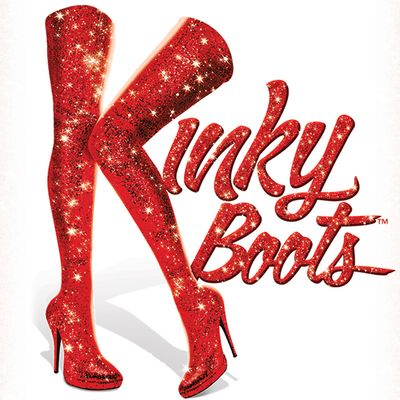
What an incredible conversation with Korean Producer Yoonha Choi! As head of international producing operations for CJ ENM’s performing arts department, Yoonha has overseen a Korean production of Kinky Boots, which successfully ran during the COVID pandemic. Yoonha also shares how Kinky’s popularity has impacted the musical theatre genre in Korea, what most inspires him to take across oceans, and his biggest hope for the business side of Broadway.
CJ ENM is Korea’s leading entertainment company in theatre (Moulin Rouge, Kinky Boots), media and television (Mr. Sunshine, Sweet Home), films (Parasite, The Handmaiden), music (K-Con) and animation (The Haunted House).
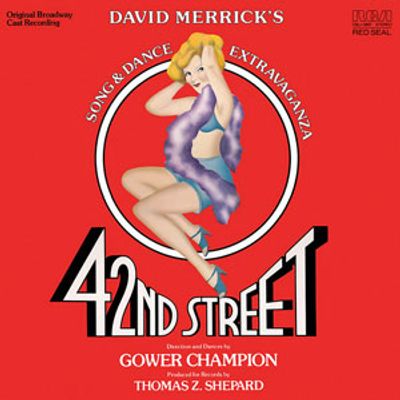
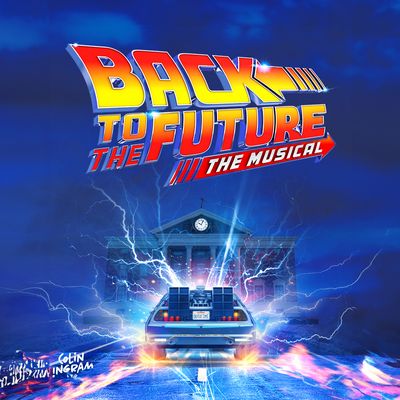
Yoonha’s main role is to produce CJ ENM’s theatrical productions on Broadway and the US as well as the West End and the UK. Other roles include acquiring shows for the Korean and Asian market. Main credits include Moulin Rouge, Kinky Boots, Back to the Future, Big Fish, Side Show, The Bodyguard and 42nd Street. Yoonha is based in New York City and is a member of the Broadway League.
For all things Broadway Biz, visit our Instagram @BroadwayBizPodcast or our website broadwaybizpodcast.com.
Have a question for Hal or a topic you'd like him to explore? Send Hal an email at broadwaybiz@halluftig.com.
Transcript
This transcript was automatically generated and might contain errors.
[0:03] Hal Luftig: Hi everyone, this is Hal Luftig with my Broadway Podcast Network show, Broadway Biz, where every episode I will chat with my friends, some of the top theater professionals in the business about the business of Broadway.
[0:25] Hal Luftig: You'll be a Broadway Biz. You'll learn to raise cash to open your snack. You'll be all the rage from the patron stage. In no time you'll know the business of show, the greatest job there is. So join our squad as we upload our love big Broadway business.
[0:49] Hal Luftig: Let's get busy with the Broadway Biz. My guest today is Yunha Choi, International Producer of Performing Arts for CJ ENM. Yunha and his team at CJ have been incredible partners for Kinky Boots in Korea. I could not have been more grateful for their work to make this American musical such a success abroad. Yunha has keen insight for producing theater in many countries. So I'm very pleased to have Yunha as my guest this afternoon. So let's give a big Broadway Biz welcome to Yunha Choi.
[1:37] Hal Luftig: Hey Yunha, how are you?
[1:39] Yunha Choi: Hello, Hal. Thank you for having me. I'm doing really well.
[1:43] Hal Luftig: Oh, good, good. You know, as most of my listeners knew from my introduction, you travel back and forth from Korea to London and New York. How has that all been for you in this crazy age of COVID and travel?
[1:59] Yunha Choi: It's um there are fewer trips, obviously. When the pandemic happened, I think it was February for us. I was actually in the UK attending the previews for Back to the Future the Musical at the Manchester Opera House, and it was quite a journey back because I was beginning to get a little bit scared about this whole new pandemic. I was in New York for most of the time, mostly at home, but I had to go to Korea for about four months for work during the summer months, and quarantining for 14 days in Korea and quarantining for 14 days coming back is really not easy, especially with jet lag on top of it. But I'm glad that I went and saw what I saw, and I'm really glad that I'm back in New York.
[2:50] Hal Luftig: No, we're glad to have you back in New York as well. And I should disclose to our listeners too that during the pandemic, and I think South Korea got this so correct that during the pandemic, you were able to have theaters open, and in fact, Kinky Boots, one of your productions, was playing over there during the pandemic, and we had a shutdown for a couple of days, correct? Because of a little scare, but then we were able to go right back up at a reduced capacity. Is that correct, Yunha?
[3:25] Yunha Choi: That's right. For Korea, there was actually never a government-imposed shutdown or a lockdown, but many shows had postponed or canceled out of caution, or because of lack of business, because when you have a pandemic, fewer people are willing to go to the theater. But for Kinky Boots, it was in a very unique situation. We were set to open in mid-August. But the week before it, there was a public holiday, and that created a second spike in Korea, especially in Seoul. And again, we had reason to believe that some of our company members might have been implicated by COVID. So we had to stop the show for seven performances for about a week and get everybody tested and to have extra precautionary measures implemented into the theater, and then we reopened at 50% of capacity.
Now, before August, it was at 100. Of course, many of these shows were not selling 100%, but we had the option to sell 100%. But since August, socially distanced seating was imposed by the government, and we could only sell about 50% of the capacity.
[4:46] Hal Luftig: Nice. Even with that, I'm just curious because you're one of the few people, I think maybe the only person I've spoken to that has had theater actively running during this time. At the 50% level, did you find resistance from people to actually go to the theater? Or were people still willing to go because they trusted that all the precautions were in place and people were tested so they didn't have to worry about stepping indoors and getting infected? How did that work?
[5:21] Yunha Choi: I mean, since the pandemic struck Korea earlier this year, the landscape looks different. Even with the people who actually go to the theater now, the general public I think they are still a little bit reluctant to see a show and they would rather stay home. But the people who are devout theater fans are still willing to come see a show. Actually, we found three or four months into the pandemic they yearned to see a show so much that some of the shows actually were selling better than last year or the year before because they were craving to see shows. By August, we were six months into the pandemic, people had gotten a little bit more used to this new normal. It's very, very visually visceral when you walk into a theater that the testing, the questionnaires, the temperature checks, and the mandate to have masks on all the time, a hundred percent of the time.
It's very vivid in directions for the audience members and towards the crew members, so I think that gives a layer of confidence for people to enjoy the show. Obviously, it's not the same as before. I mean, people are less vocal in their cheers and their applause, but for Kinky Boots, we could really see that people were having a really good time after the show when we asked them how they enjoyed it. I think it's that level of relief that they can go see a show if they wanted to that's creating a different sort of air of fun for people, although it's less visible when you talk to them.
[7:11] Hal Luftig: Well, I might be biased too now, but I was sent a clip from your production, a curtain call, as a matter of fact, and I couldn't tell if that was at 50% or 100%, but it looked pretty full to me. And the audience was, you know, as usual, going crazy. In fact, it really moved me and the crew, the writers, Harvey and Daryl and Cindy and Jerry, and we were all moved almost to tears by the enjoyment, the resurgence of that joy back to our show. They looked like they were having a great time to us, and it just really moved us to tears.
[8:05] Yunha Choi: No, it was completely real, and I think I know which video you're referring to. I saw it on Jerry's Instagram, and that was at 50%, believe it or not. It looks more full, but I think that's just the optics. It was actually quite full. It was 50%. We basically sold out what we could sell. So it was a really good night. During the curtain call, this is when the usually quite reserved Korean audiences really get into it, and with a show like Kinky Boots, which has a fantastic curtain call, is when people really get up and sort of get out of their usual character and just join in the fun. Of course, you would have noticed that everybody was wearing masks properly. You can imagine what the atmosphere would be like when there's no COVID and how people would be just elated to see the curtain call.
But yes, it is an incredibly touching moment, even for us, because we can see it closely looking at them. It's not just a sentiment of fun and joy. There's that layer of being moved by the show and being moved by the fact that they are able to see a musical despite this very difficult situation around the world.
[9:27] Hal Luftig: Yeah. I just want to share with our listeners one last anecdote, and then we'll actually get to why we're on the air talking. The first time I went over to Seoul to see your very first production of Kinky Boots, I remember you telling me that Korean audiences are different than US audiences in that they are very reserved. They don't usually hoot and holler the way we do or applaud loudly the way we do. And that doesn't mean they're not enjoying it. That usually comes at the end. So the first time I saw it, I remembered you told me, but I didn't cognitively get it. So after the first number, which gets a big round of applause here in the US, there was very polite, if you want to call it that, applause.
And I thought, oh my God, they're hating this. Oh my God, they're hating it. And as the evening went, I just thought, oh my, what did we do? And then at the end, as you had told me, it erupted. That audience erupted into what was like a rock concert. I never saw anything like it. And they wouldn't leave. They stood there and applauded for like 20 minutes. I just couldn't believe what I was seeing. I think the cast came out three times, and it was, you were so right.
[10:54] Hal Luftig: So I just wanted to tell that little anecdote to our listeners that I've learned culturally the way an audience reacts is very ingrained into that culture. So Yunha, let's get started. I wonder if you could describe to me what your role in CJ ENM is, and maybe give a little history of CJ ENM to our listeners who may not know.
[11:22] Yunha Choi: Uh sure. CJ ENM, a lot of letters, is one of Korea's largest and most active entertainment companies. It's divided into film, television, music, animation, and of course, performing arts. You might have heard a film called Parasite earlier this year, which won Best Picture at the Oscars. That's one of ours. It was fantastic. Yeah, it's uh Bong Joon-ho is a legend, a living legend right now in Korea as a director. It's one of our films. And if you're one of those people who are into Korean dramas, there are several TV series that can be viewed on Netflix, even in the United States. Mr. Sunshine and Crash Landing on You are two examples. They're on Netflix, but they are CJ ENM produced. I specifically belong to the performing arts division.
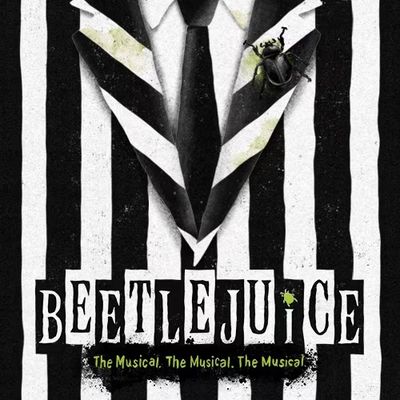
I've been with them since 2006. We mainly produce musicals in Seoul and here in New York. My role as their producer and head of international business is to produce and co-produce shows on the West End and on Broadway, and then work with those productions to be replicated in Korea and sometimes in other countries. Some examples of our involvements include, of course, Kinky Boots, which obviously is a production that we worked very closely with you, which just finished its fourth engagement in Seoul. Other shows we produce include 42nd Street, Big Fish, and we are just about to open Beetlejuice in Korea next year, which will be, I think, the first production after Broadway, so it's really exciting.
After that, we'll be doing Back to the Future, the musical version, which will be in London next summer, and then we'll be following up with Asian productions in the coming years. The musical version of Moulin Rouge, which is another show that we're a co-producer on. We're talking with the producers about taking that show to Korea also.
[13:34] Hal Luftig: You guys are involved in a lot of diverse projects, which I think is terrific. Yunha, can you talk to me a little bit about how you ended up at CJ ENM more specifically? What was your relationship to the theater and the arts growing up and how that helped you obtain this quite important position within the company?
[14:00] Yunha Choi: Unlike here in the US and the UK, musical theatre is not a traditional genre for us.
[14:08] Yunha Choi: It's actually a relatively young genre of entertainment, and I didn't experience that much of it growing up. I certainly was not a showbiz kid of any sort. I didn't have any talent in the areas of performing or anything like that. So join the club. So I wasn't one of those people. But I do remember my parents taking me to see Cats when it opened in London. We were living in London back in the 80s, and I was really impacted by it. To be absolutely honest, I was a bit scared of the show rather than enjoying it. I was a little bit scared of Cats, to be honest. But the experience itself was really impactful. Plus the fact that my father worked as a film executive for a Korean studio. I think that influenced my pathway a great deal also.
Specifically, how I came into the business was when I was in college, uh university. I studied business and I was exploring what to do when I graduate. I stumbled upon a job which was to translate theatre shows uh between British or American creatives who have flown into Korea to translate for them between them and the local Korean staff. This was in the early 2000s when mega musicals were just about to flow into Korea from the United States and um the UK, um such as Phantom of the Opera, Mamma Mia and Aida. And I worked as the director's translator for Aida, and that was uh an eye-opening moment for me because that was when I learned that musical theatre is actually uh not only a very fun genre, it's actually a very live and a very personable genre.
And I was intrigued uh how this new genre was being quickly adopted by Koreans, how it affected the audiences every night, like no other type of entertainment. I'm a big movie fan, I like television, but what I like most about theatre is the visceral experience that you get to see every night from a live audience. And I feel that to be the most gratifying part of being in the theater industry. So I started off as a theatrical translator, and then I uh at the end of that, I was given an opportunity to intern for CJEM in 2006, and I've been working with them uh ever since. Um CJ is a great um place to work for me specifically because I have interests uh in television and film, and because you know, although we have our own unique responsibilities, it's good to be in a company that has many divisions and to be within proximity of other genres and to interact with those professionals who work for different outlets of entertainment.
[17:01] Hal Luftig: Fascinating, because I didn't know I've worked with you for six years now, and I didn't know a lot of that, so thank you. Yoonha, when you look at a show, either CJ invests in or invests in so they can do a Korean production. You know, what is it that you look for? For example, I know Kinky Boots was a huge success. What was it about Kinky Boots, the story of Kinky Boots that uh CJ and you thought would work in Korea?
[17:31] Yunha Choi: When we you would remember, I think our first involvement um on Kinky Boots started in 2012, and this was before Broadway, and this was before the Chicago um try-out production. I remember being introduced to this project, Kinky Boots, by Aaron Lossbader, the general manager of the show. And at the time we didn't know what the source material was, and all we knew that it was Harvey Fierstein, Jerry Mitchell, and Cindy Lauper. So we figured, well, the initial concept, the initial image and the title seemed a little bit risque for us and for the Korean audiences because it involved a drag queen and Korea was not used to such subject matters. So we were reluctant initially before we read the script and listened to the demos and saw the source material, the British film.
But when we actually um saw the material, we felt that um the subject matter aside, this is a story about acceptance, about an unlikely friendship, about success and the efforts to get there, and what people learn during the journey of that success. So we felt that it was a universal theme with very unique um unique um subject matter and a very unique character in it. So we saw through uh and we went beyond the initial sort of bias that we had before we read the script, and we um sort of fell in love with it, and we talked to Aaron and to you, and one thing led to another. We were a part of the Broadway co-producing team, and you know, thankfully it was a massive hit over here in New York, and we wanted to do it very, very quickly in Korea, and we still to this day are thankful that you and the whole creative team allowed us to put it up in Korea so soon, which was I think 18 months um after the Broadway opening.
So a show like Kinky Boots at the time is not a typical um show that we would go for, uh but we took a gamble and it really paid off. And I think um to the theatrical industry in Korea, I think it is a good movement because um it's nice to open up new subgenres of musical theatre to our audiences, and it's very very heartening to see our audiences react to the story, react to the music, react to the theme, and basically making them hungry for new musicals that come from Broadway at the West End.
[20:17] Hal Luftig: And do you think having so successfully done that, as you said, with Kinky Boots in Korea, that that will allow CJ and you to uh look at more diverse different kinds of entertainment for the Korean audiences?
[20:35] Yunha Choi: Yes, I think so. Um, because musical theatre is still a young genre and a growing genre, we cannot go overboard and and try to replicate what's everything that's going on on Broadway and expect our audiences to react instantly. We cannot expect that, so it's one at a time. Um, what we've learned through that process was that even as producers, we sometimes have biases or preconceptions uh without actually seeing the show or reading the script, and we just um you know uh brush it aside and look at shows that seem like a more surefire hit now. Now we've learned the lesson of like there can be hit musicals that are slightly different in its character or or slightly different in its approach that still has a universal theme and it's still fun and still moving.
Um so I think a diverse array of shows will be introduced, and it already has started, that movement has already started in the last five years, so we are expecting new shows to come to Korea and to be accepted uh by the public a little bit more than let's say 10 years ago.
[21:49] Hal Luftig: I totally agree. And it sounds like what you have on your plate coming up is just that is a diverse different kinds of musicals, everything from Back to the Future to Beetlejuice to Moulin Rouge. It sounds like these are very different kinds of entertainment for uh an audience that has been very traditional up to this point. So be very curious to see how that unfolds as we move forward. Yoonha, I wanted to ask, since you, as you mentioned, you were part of uh Kinky Boots very early on in New York. You saw it in Chicago, you then were with us when we were developing previews in New York and open in New York and so forth and so on. Uh so you saw how we actually you know produced and put the show together. What for your listeners could could we talk a little bit about what it's like to transfer a show from New York to Seoul, and what you saw or experiences as some of the differences in producing it in one country as opposed to the US?
[22:58] Yunha Choi: Sure. It is different and it's it is a process. And no show is exactly the same, but you know, basically the first thing, the first order of business is to get the rights. We felt lucky and proud that we co-produced Kinky Boots and thus did not have to get into a bidding war with 12 other Korean producers. But we do sometimes with other shows, and that's a whole different episode because there's a lot of situations that can get very very funny. Um in getting the rights, I think the central part, is a central conversation is if we want to do it as is, i.e. a replica production, or if we would like to make changes. For instance, if we just take the book, music and lyrics, but have our Korean local creatives direct choreograph and design the shows themselves, that's called a non-replica.
It's a different uh structure. And sometimes we can decide um which one to do. Sometimes we don't have an option. We are, you know, we are um asked to do a replica or asked to do a non-replica. But that's the first question, usually uh when we're talking to producers or agents or creatives. I can't say which is harder or better, replica versus non-replica. For Kinky Boots, which was a full replica production, it was definitely a larger endeavor because we have to work with both worlds, the Broadway creatives and producers, and our Korean production marketing PR uh and creative team. Um, so they're from different cultures, speak different languages, but they have to work together to bring this show to Korea in its almost exact form, but also turn it into the Korean language and to make it work for our Korean audiences.
That's uh that's that's quite a challenging thing to do. With some shows, they do not allow a single change to the show, while other shows have a more flexible approach. I think with Kinky Boots, as I recall, um, there were elements of the show that were sort of like the Bible, you know, you cannot change this, but there were other elements um that we were able to convince the creative team that we need to change this little bit to make it work for our audiences, and it's an ongoing process, you know. And we're in we just finished our fourth engagement in Seoul, and every season um I think there's more flexibility in our approach. Um, but also you know, we're we're we're always um uh open to um listening to Jerry or or to Harvey or to Cindy about the reason why they don't allow certain changes.
It's not just a matter of you can't change this because this is my show. Um they um tell us why we shouldn't change this part because this is you know deeply embedded into the heart of the show, and changing that would would make more uh damage uh than you know that than good. So it is a very very close um process of conversations, um, and it can get very heated sometimes, but it's also very interesting um to to have that back and forth between the American team and the Korean team.
[26:21] Hal Luftig: Yeah, yeah. I remember one of those, and please add others, because I find this really interesting. Um, I hope our listeners do too, about what kind of cultural compromises one has to make to make the show as relevant, you know, in one country as it is in the other. And I remember one of our first hurdles was casting the role of Lola. Do you remember this? And, you know, they at Harvey, because you were the first or second foreign production, Harvey was insisting that Lola be portrayed uh by a black actor. And when we explained to him that's probably going to be harder to find in Korea, we actually all sat down and asked him why it needed to be this. And he, you know, told us it was because it was, you know, one more layer of Lola feeling like she was out they were outside of the you know, the realm, outside the box, if you will.
The uh gentleman who was finally cast, the first Lola, he was just amazing. I'll never forget that he he took the role and made it more heartbreaking than flamboyant. And I thought that worked beautifully because you almost felt like this person had to be be the Lola character. He could not have lived in the world being anything else. And that was the first time that was an eye opener. I think the creative team really saw that. So that would be one example. Do you have uh an example of where we needed to change uh some things in the show to make it culturally, I guess, acceptable in Korea?
[28:08] Yunha Choi: Of course, and the the uh the casting is always uh an issue.
[28:11] Yunha Choi: It's usually the biggest issue between the Broadway side and the Korean side because we see it differently. Um, race, of course, in Korea is pretty homogenous still. So it would be very, very difficult to find white actors or black actors or Hispanic actors. Um, we have to make do with the Korean actors, but somehow pick the right person who, of course, is not of that race, but who can portray the sentiment and the emotion of that particular character. Um, and I think the casting, because in Korea the shows are not open runs and they're not designed to run forever as they are in New York. Um, the producers are more sort of anxious about getting a star or a named person into the lead roles. And that's usually a moment of friction between the creatives and the Korean producers, sometimes because the artists want the perfect person to play those roles, while the producer might want somebody who's really good for the role, but who can sell tickets or who has media value.
Um, but I think at the end of the day, we find a middle ground, and sometimes we don't, and sometimes, you know, we don't successfully cast the person who works for that particular role. But for Kinky Boots again, I think it did really work pretty well, um, where we hired a person to play Lola who was lesser known in the industry, but who has since become a star of musical theater. So that was a really good example. Um, for us, there were small tweaks and changes in the script, but what I recall, the biggest change was I think in the second season, um, back in 2016 when Jerry flew over and we had multiple meetings about this, but we asked him to extend the curtain call, which was met with resistance at first because it was the perfect length.
And we did not disagree to that opinion. But again, because Koreans really want to get involved, but it takes a little bit of time for them to warm up. We felt like if we could expand the curtain call a little bit and maybe have the angel characters come down from the stage to the auditorium, that would accentuate the fun of the experience, you know, two times, three times of the original curtain call. And again, it was met with resistance in the beginning, but you know, eventually we convinced Jerry and his team that this was the way to go, and thankfully he agreed and he actually designed the curtain call for us, and it worked really, really well. Unfortunately, we couldn't do that in this recent season because of social distancing, but those were one of the things that really worked for us, and again it was a conversation, it wasn't we need to do this or else.
It was like a gradual sort of persuasion of the reason why we want to do this, and to see it work, I think that has led Jerry to believe that okay, sometimes different countries require different approaches. So that was one of the things that we like to think about. You know, and I'm very appreciative that CJ was very attuned to that and, you know, cooperated when they can but stood their ground when they felt something really needed to be changed, and you were 99% right.
[32:00] Hal Luftig: You know, since this is a show ostensibly about the business of Broadway and how the financial side meets the artistic side, how much did the financial impact make in CJ's decisions about the artistic merit of the show?
[32:22] Yunha Choi: There's always a struggle internally, you know, for any producer because a struggle between the creative side and the financial side because they don't always work together. Um, you know, sometimes if you want to achieve something creatively satisfying, there's a price tag to it. And because, like I mentioned, we don't have an open-ended run like on Broadway. I think Korean producers tend to be slightly more cost conscious than Broadway producers. I'm not saying that Broadway producers are not, but because on Broadway, you're designing your show to become a hit for a year, three years, five years, ten years, or thirty years even. You're looking at the upside a lot more than when the show doesn't perform as well as you expect.
But in Korea, because we have a set time limit on the run, usually between two to five months, it's very important that the producer understands that the upside of the production is absolutely limited. So, you know, instead of thinking of the upside, we need to be more responsible about if the show doesn't go in the way that we had hoped, how do we contain the losses? How do we reduce the losses that potentially can be incurred from this particular production? And when working with Broadway creatives, you know, again, it's a long series of conversations because we don't want to undermine the creativity or the quality of the show, because the exact reason, the exact reason why we are chasing after that show is because of the quality of those five, six, seven years of development.
But at the same time, sometimes we are resistant about when the entire US creative team, if they want to fly to Korea to do everything, because that's fees, royalties, but travel costs and hotels. Um, sometimes we feel like it's, you know, it may be a better idea if we have person A, B, C, and D come, but you know, E, F, and G, maybe they can, you know, guide our local staff members to do this well because we, you know, we are more conscious about keeping the budget to a manageable level. Whereas over here, it is, you know, default that the creative team are present during the rehearsals and the load-ins and tech rehearsals and have much longer technical rehearsals. In Korea, the rehearsal time is very, very, very limited because again, we only have a few months to make this work for us, and I think those are the elements that we fight quite often with the creatives, sometimes with the producers or the driver managers, and we find a middle ground along the way.
[35:30] Hal Luftig: You said this a couple of times that engagements are limited in Korea and they have a short run, and then, you know, sometimes if successful, they'll come back. And why are those runs limited? Is it because the Korean audience only can sustain, you know, a couple of months, and then after you close down for a year or two, their appetite is to come back and see it, or is it a real estate theater shortage or what causes that short term of a run?
[36:03] Yunha Choi: Um, it's a combination of both. Um, I think the first reason would be the market capacity, and because again, we don't have a Broadway, i.e., we don't have a cluster of large theaters, we don't, and we don't have as many inbound tourists as New York does. Um, so it's locally, the market is almost 90% local audiences, Korean audiences. So the market capacity, although it is growing, we are yet to be at that stage where we can have a show of 1500 seats selling out, you know, every night for many, many years. But at the same time, with the theaters, a lot of them are either subsidized by the government or the city, and some of them are completely private. But I think there is an element of fairness.
I mean, a theater owner cannot give one producer or one production the whole year because they find it unfair to other producers or sometimes unfair to other genres of live theater like ballet or opera or play. So they like to have a portfolio of their annual scheduling. So that's another reason that commercial producers are not given more than, you know, three or four months in a given year. But I see, you know, as we evolve further, more theaters will be built, and some of these new theaters probably will be dedicated to commercial runs of musicals, and then we would have six-month runs and a year-long runs and maybe longer than that, but it will be a process.
[37:47] Hal Luftig: Boy, Yunha, I was just thinking, wouldn't it be great if you could go meet our current theater owners and, you know, sort of convince them that they should take a couple of theaters in each one of their chains and dedicate it to that same philosophy that you have, that it's fair that other shows need to be seen, and you know, we're not gonna just allow something to run forever, that this particular theater will only allow a three or four or six-month run, and then, you know, it can move if possible, but you know, it needs to make room for the next experimental piece.
[38:26] Yunha Choi: I think that will go over like a lead balloon, but it's a good idea, isn't it? Yeah, and it's very interesting because, you know, Korean producers actually think the exact opposite because we don't have Broadway, we are endlessly envious about Phantom of the Opera running for 30 years, and think of the profits and the cultural impact of having a show that runs for 30 years because that never happens in Korea. But, like I said, you know, that has its own side effects because, you know, availability of theater in New York is, you know, it is very, very tough. And sometimes, you know, you want a theater to, you know, harbor new and more experimental shows instead of having a show run for many, many decades.
So while Koreans are envious of Broadway, I think Broadway professionals might feel that having a much more diverse portfolio of shows for theaters could actually be a good thing too. You and I can go arm in arm and see if it works, but I wouldn't really put much hope in it.
[39:41] Yunha Choi: Yuna, you talked about the local audiences. When you say local audiences, is that just the residents of Seoul, or does Korean theater pull from some of the out regions for people who come in and see shows?
[39:56] Yunha Choi: Well, Korea is about 51 million people, South Korea, the city of Seoul and its surrounding Greater Seoul area accounts for about half of that, 25 million. So it's a mega mega city surrounded by big satellite cities. So, like in the UK, a lot of the culture is centered around London, Seoul is the center of culture, economy, entertainment, finance. So it's very centralized. So, yes, the local audience are predominantly from Seoul or its surrounding satellite cities. Um, that's why we don't yet have a regional touring market that is as robust as we would like it to be, because it's a relatively small country and so much of everything is focused in the capital city.
[40:51] Hal Luftig: What do you think in South Korea will be the key for people to come back and say, you know, I'm gonna go back like I did before, and not ever forget this, but recognize that it's a thing of the past? What do you have any opinion on what you think that thing might be?
[41:12] Yunha Choi: Um, I think because Korea never technically had a shutdown yet. Um, I think we won't have a reopening of sorts. I mean, we have been impacted by COVID, but you know, the shows did get to go on. Now I think, you know, we are making improvements in the experience of going to the theatre. The ushers and the people who work for the theaters are very, very good at their jobs, um, not only disinfecting the premises every day, but enforcing wearing masks, you know, doing temperature checks and having proper questionnaires about their health and their current symptoms, if any, um, and contact tracing is another big thing. And, you know, I think it's more psychological than anything else because recently there was an article in the Korean news reporting that there had been about three million theatre goers since the start of the pandemic until last month so far.
[42:13] Yunha Choi: That includes musicals, plays, concerts, and what have you.
[42:17] Hal Luftig: So, uh, you know, quite a sizable number of people, but there has been zero infections at any of the theaters.
[42:25] Yunha Choi: There have been a few cases where some of the company members were infected, but only two of them for that production, and they were quarantined right away and the show got to go on.
[42:36] Hal Luftig: There are a few, a handful of cases where an audience member had COVID without him or her knowing, and they were at the theater and then they left, but you know, they discovered they had COVID upon contact tracing. They discovered that they had their masks on all the time, they didn't talk to anybody during the intermission, so they didn't infect anybody during those two and a half hours at the theater. And, you know, zero infections out of a million people, that's actually pretty safe.
[43:10] Yunha Choi: And as we get the word out that contrary to people's preconceptions of the theater, you know, i.e. a thousand people in a closed area, it's actually a very safe place because people are generally not talking during shows and they're facing the same direction.
[43:30] Hal Luftig: People are not allowed to put down their masks for even, you know, for even a couple of seconds; you would be chucked out of the theater if you do.
[43:37] Yunha Choi: So the general sort of consensus among theatergoers is that this is a responsible thing to do in order for us to protect this genre of entertainment that we like. In order for us to keep being able to see shows, we have to be responsible.
[43:37] Hal Luftig: We have to be truthful when we fill out our questionnaires. We have to be wearing our masks properly, we have to wash our hands properly, we should not behave in the same way as we used to in the theaters, meaning we can't chat with our friends as much as we used to, but it's a small price to pay to be able to see theaters and to feel safe.
[44:20] Yunha Choi: So I see that happening, and as the work gets out, I think there will be more confidence among the general public to return to theaters.
[44:27] Hal Luftig: God bless the folks of South Korea; here in America, we can't get people to not throw trash on the subway tracks. Could you imagine saying to them you can't speak or you have to keep this? Like, I just can't fathom how that would go over in New York.
[44:46] Yunha Choi: Bless you and me, like Korea, South Korea, be a beacon of light of how to do this properly.
[44:53] Hal Luftig: You know, I just I wanted to touch, if you could for a second, personally for you, if you can answer this, what draws you as a producer to a show, to a production?
[45:05] Yunha Choi: It for me, because I've been with my organization for such a long time, and I sort of grew up with the company, so to speak. It's very difficult for me to sort of separate myself from my colleagues and the taste that they have.
[45:21] Hal Luftig: But of course, we don't agree on all of the shows.
[45:24] Yunha Choi: Our tastes sometimes diverge. All in all, I have sort of two pillars of taste. One is the more experimental type of shows, and this isn't a musical, but a play. One of my favorite live shows is Warhorse, which played in New York a few years ago and in London.
[45:46] Hal Luftig: I saw it in London, and it was a completely new experience for me because it had this very minimalistic approach, but it was very complicated at the same time.
[46:01] Yunha Choi: But the emotion from those puppets and the story was just something that I had never experienced before. So I would go for that, but I wouldn't necessarily recommend that we do Warhorse in Korea because of the, I don't know, the business or the financial implications of it.
[46:20] Hal Luftig: So those are the shows that I secretly sort of gravitate towards.
[46:26] Yunha Choi: But there are similar taste palettes that we share. For me personally, with my colleagues and with the company, because I'm not from here and I wasn't born or raised in America, there are certain cultural subtle aspects that I can't claim to be as sensitive about as a seasoned New York-born and raised producer.
[46:53] Hal Luftig: So the shows that I've mentioned so far, there's a through line to them. They are either based upon very famous films or they use music from well-known musicians and artists.
[47:08] Yunha Choi: But I think we feel that that is not enough. We don't produce every single jukebox musical or every single movie musical. We feel that there is value in familiarity, you know, of a certain story or a certain film or a book or a catalogue.
[47:28] Hal Luftig: But we feel that Broadway is very good at creating an extra element of surprise in the productions that it's not only a jukebox musical, but it's a new musical using familiar source material.
[47:45] Yunha Choi: So I again I have these two conflicting tastes, and it's usually a dance between what I sort of go for versus what I feel like my audiences in Korea would go for.
[47:59] Hal Luftig: And luckily, a lot of the times they do converge.
[48:04] Yunha Choi: Yeah, that's great.
[48:05] Hal Luftig: Well, thank you for explaining that. Just having known you for so long and worked with you side by side for so many years, it was more of a personal inquiry, and I'm so glad I got to ask it, and your answer was so beautifully said.
[48:20] Yunha Choi: Thank you for that.
[48:21] Hal Luftig: I feel like I know you a little bit better now.
[48:23] Yunha Choi: Well, Hal, we're about to end this wonderful conversation, but before you do, I have a section which is called the Rapid Fire section, and it's three questions.
[48:37] Hal Luftig: All I ask you to do is don't overthink it. I'll ask it, and you say the first thing that comes into your mind.
[48:45] Yunha Choi: Okay, there's no right or wrong, it's just some fun stuff for our listeners, okay?
[48:52] Hal Luftig: Okay. So the first question is: what is your favorite musical?
[48:58] Yunha Choi: Okay. Um, I'll be I'm gonna try to be impartial and leave out the shows that we've been involved in because I think that's fair. I would say Dear Evan Hansen comes to mind.
[49:09] Hal Luftig: There are many, many, but that comes to mind first.
[49:12] Yunha Choi: And the reason that I like this show very much is not because it's the best musical of all time necessarily. I feel I was very, very surprised when I saw the show during its development and on Broadway because it's such an unlikely subject matter for me and for Koreans with an unlikely title role with a very intimate physical production.
[49:20] Hal Luftig: And to see this blow up into this global phenomenon, that was very, very impactful to me.
[49:44] Yunha Choi: That's why I chose this musical.
[49:47] Hal Luftig: I agree, and it deals with a subject matter that although people don't want to talk about because it's very painful, the occurrence of suicide among teens worldwide is rising every day.
[50:04] Yunha Choi: But it's one of those things that if you don't know what the signs are, you know, a person may commit suicide before you even notice something is wrong.
[50:13] Hal Luftig: So it, I think it's a very, very important topic.
[50:17] Yunha Choi: I agree with you.
[50:18] Hal Luftig: Okay, question number two is what is the wackiest moment you've ever experienced in the theater?
[50:26] Yunha Choi: And wacky can mean anything.
[50:30] Hal Luftig: Okay.
[50:31] Yunha Choi: Yes.
[50:31] Hal Luftig: Um, wackiest moment.
[50:33] Yunha Choi: I can think of really wacky people that I've met, but moment-wise, um, wacky moment.
[50:42] Hal Luftig: I mean, the thing that comes to mind again, again, you know, wacky may not be the appropriate term for it, but again, with the most recent production of Kinky Boots in Korea, we did a very weird thing because of the pandemic.
[50:58] Yunha Choi: We officially announced to audience members at the theater to specifically try and not to cheer so much, which is the direct opposite of what we usually do.
[51:10] Hal Luftig: Like I said, you know, we extended the curtain call because people need that extra time to, you know, to bring that oomph and to express their emotion.
[51:20] Yunha Choi: But because we're in the middle of a pandemic, we don't want to take chances.
[51:25] Hal Luftig: We were sort of, you know, reluctantly urging people at the beginning of the show, saying, don't scream and shout and cheer too much because that could make other members of the audience feel less safe.
[51:39] Yunha Choi: So while it was a very reluctant thing to do, we had to do it. We chose to say it, announce, try not to cheer too much, which is the polar opposite of our sort of emotion and our intention and heart.
[51:54] Hal Luftig: So while I don't know if it's categorized as wacky, it was certainly one of the weirdest messages that we had to deliver to our audiences this year.
[52:03] Yunha Choi: Yeah, that counts as wacky.
[52:05] Hal Luftig: Yeah, that's right up there as wacky.
[52:07] Yunha Choi: All right, last one.
[52:09] Hal Luftig: What is something you hope to see change about the theater in your lifetime?
[52:15] Yunha Choi: For Korea in Seoul, I would like to see the musical itself become the star because we are still very reliant on lead actors, stars to pull the show commercially.
[52:31] Hal Luftig: And that has its upsides.
[52:34] Yunha Choi: But we would like to, like with Kinky Boots and with Lion King and with all these other wonderful Broadway productions, where the show itself becomes the star and it runs for a long time.
[52:34] Hal Luftig: And to see a show in Korea that runs for months and months and maybe for years, I think that's what I would like to see in the years while I'm in this industry.
[52:34] Yunha Choi: While in New York, I feel that New York is best known for its flexibility and its diversity and variety that's probably at the root of its competitive edge on all areas of business and life in general.
[52:34] Hal Luftig: But what I've noticed working in New York is that there seems to be a rigidity in how a show is produced or developed, and I was really surprised by that.
[52:34] Yunha Choi: And there's good reason for that rigidity, but I'm a little bit concerned about the rigidity of the processes hindering that diversity and flexibility that New York is the beacon of for the world.
[52:34] Hal Luftig: So I would like to see more flexibility in how we conduct business.
[52:34] Yunha Choi: Amen.
[52:34] Hal Luftig: Right here beside you on that.
[52:34] Yunha Choi: Thank you for joining us today. I hope our listeners were able to glean from just our, what I think, brief conversation was what a special person you are, what a great producing partner you are, and how you so successfully bridge all three of those countries' work because you know what you're doing, you know what to look for, and you know your audience so well.
[54:29] Hal Luftig: And I think that is such a key element of being a successful producer.
[54:35] Yunha Choi: So I thank you for joining us today. I thank you for sharing your insights with our listeners, and I hope when this is all over, you and I can meet like we used to do in New York and have a nice lunch.
[54:49] Hal Luftig: Absolutely. We would look forward to it.
[54:51] Yunha Choi: Please be safe, be healthy, travel safely if you must.
[54:55] Hal Luftig: Let's promise each other that we'll see one another soon.
[54:58] Yunha Choi: Okay.
[54:59] Hal Luftig: I'm greatly looking forward to that moment.
[55:01] Yunha Choi: Let's stay safe until that moment comes.
[55:05] Hal Luftig: Amen.
[55:06] Yunha Choi: Okay.
[55:07] Hal Luftig: Thank you, Yunha.
[55:08] Yunha Choi: Bye.
[55:08] Hal Luftig: Thank you very much, Hal.
[55:13] Hal Luftig: Thank you for tuning in to this episode of Broadway Biz.
[55:18] Hal Luftig: If you have any questions about today's episode or the business of Broadway in general, let me know on Instagram at Broadway Biz Podcast or via email at broadwaybiz@halluftig.com.
[55:34] Hal Luftig: Be sure to follow me at Broadway Biz Podcast for updates on everything Broadway Biz, the business of Broadway.
[55:42] Hal Luftig: Broadway Biz is part of the Broadway Podcast Network.
[55:46] Hal Luftig: Huge thanks to Dori Berenstein, Alan Seales, and Brittany Bigelow.
[55:51] Hal Luftig: This has been produced by Dylan Marie Parent and Kevin Connor and edited by Derek Gunther.
[55:57] Hal Luftig: Our fabulous theme music is by Nell Benjamin and Lawrence O'Keefe.
[56:02] Hal Luftig: To learn more about Broadway Biz, visit BPN.fm slash BroadwayBiz.
© Broadway Podcast Network, All Rights Reserved