

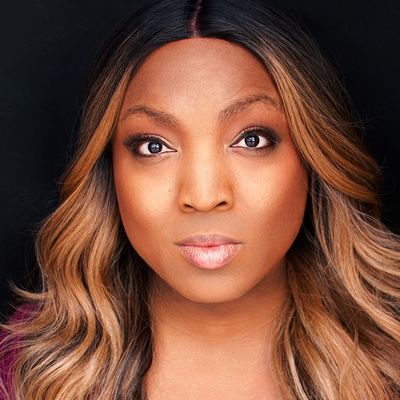
Meet the award-winning Obie star developing The Danish Girl for the stage, making history as the first openly transgender actor to originate a role in a Pulitzer Prize-winning piece of theatre for A Strange Loop, and why it’s time to allow minority voices to tell their own stories... Read More
From the show: eleven
Guests
Featured Shows
About
Meet the award-winning Obie star developing The Danish Girl for the stage, making history as the first openly transgender actor to originate a role in a Pulitzer Prize-winning piece of theatre for A Strange Loop, and why it’s time to allow minority voices to tell their own stories.
Host: William J Connolly
Technical: Jordan Priestley
Produced by: William J Connolly/Darren Bell
Welcome to eleven. The official theatre podcast that brings the biggest stars and creatives together in one place to discuss life in the arts. Follow eleven on social media via @elevenpodcast and via elevenpodcast.com.
Transcript
This transcript was automatically generated and might contain errors.
[0:01] L Morgan Lee: My name is L Morgan Lee, and you're listening to Eleven, the official theatre podcast.
[0:16] William J Connolly: Hello and welcome to Eleven, the official theatre podcast that brings the biggest stars and creatives together in one place to discuss life in the arts.
[0:24] William J Connolly: Now she's one of the biggest and brightest stars, lighting up the world of theatre by serving vocals, snatching roles, and making history while she's at it. She also has an Obie Award to her name. Most recognisable for her performance in the Pulitzer Prize-winning musical A Strange Loop, which garnered her the distinction of being the first openly transgender actor to originate a role in a Pulitzer Prize-winning piece of theatre. She's marked herself since as one of the most powerful queer voices on Broadway, bringing herself to a space that for so long didn't hear or even see openly trans people. Now arriving in the UK to star as Lily in the official stage development of The Danish Girl, she's about to take one giant step into the unknown and bring a fresh take on one of the most beloved stories of self-discovery and authenticity ever.
Here in an exclusive first conversation about what we can all expect, we discuss everything from developing The Danish Girl officially for the stage, why her casting in such a signature lead role is rare, the current level of acceptance on Broadway towards the transgender community, snatching trophies, making history in America, and her personal dreams and hopes for the future of the arts. It's the fabulous L Morgan Lee on this, the next episode of Eleven, the official theatre podcast.
[1:38] William J Connolly: Just to let you know, due to the COVID-19 global pandemic, L Morgan Lee and I connected digitally, so please forgive any brief moments while we wait for the internet to catch up. Enjoy.
[1:53] William J Connolly: It's a very, very, very sunny day here in London. And actually, for the first time in a long time, the person I'm going to be interviewing is in London. Although this isn't their usual home place, which is very strange. So we'll explain all in a second. So please help me welcome to this, the next episode of Eleven. It's L Morgan Lee.
[2:08] L Morgan Lee: Hi, how are you doing?
[2:10] William J Connolly: Hey there. It's so nice to see you.
[2:12] L Morgan Lee: It's great to see you.
[2:13] William J Connolly: And I said you are in London, and you are here in London, which isn't where you're usually based. It's very exciting. You're here on British soil, and we're going to discuss that in a second. And I did comment on the weather because we are having this unbelievably bright and sunny weather, which is very, very strange for the UK. And I did joke that it will go away very soon, so we should celebrate it.
[2:32] L Morgan Lee: We should celebrate as much as we can.
[2:33] William J Connolly: But just firstly to say thank you so much for giving me some of your time. Because I reached out to you a little while ago now because I came across you actually very randomly on YouTube. You came up as a suggested video to sing. And I've gone completely blank on the song that you were singing, and I was like, this is amazing. I feel like I want to know more. And then I found you on Twitter, and then I reached out to you and just said, I think you're amazing. And it was a very brief interaction. I think I was being a little bit embarrassing and just said you're amazing. You just said thank you very much, very politely. So thank you once again for not thinking I was completely strange in that moment.
[3:01] L Morgan Lee: Because it's always so awkward when people make comments like that. Because I think that it's like super well-intentioned, and like I'm so thankful for the compliment. Um, but it's just I I am someone that just does not, I don't do well with compliments at all. I'm always like, Oh, thank you. Okay, that's oh okay, I'm gonna go.
[3:18] William J Connolly: You must now be used to people reaching out online because you've got such a wealth of online coverage in your portfolio online. Does it become slightly normal getting messages from people like me going, I'm obsessed with you?
[3:29] L Morgan Lee: Um, I think I'm just, I am my worst critic, so I think that I will never, I it is it is difficult for me to take compliments because I always feel like, oh, but but this moment, oh, but that one, or if it's like a video, if it's a specific video and they're like, I love when you did this. My first response for me is like, oh no, I wish I had done this. It's like I just I don't make it easy for people at all, because I don't make it easy for myself at all. So I think that I am like extremely um encouraged by kind words though. Once again, thank you so much for giving me some of your time today.
[4:04] William J Connolly: And let's talk about firstly the reason why you are here in the UK, because it's incredibly exciting and actually quite rare that we get to have these conversations so early on in a project. Um, because new work and new exciting work and fresh things and things that we can just get unbelievably excited about. And my gosh, this past week when there's the announcement officially that the workshop is going ahead, the internet about exploded with excitement. And I know there's been songs and stuff which we'll talk about in a second, but this is for the potential stage adaptation of The Danish Girl. And that's why you're here in the UK. Before we talk about specifics and what to expect and what you would like to see from it and how you got involved, to be part of new work, new writing, new writing that hopefully breaks boundaries for you as an individual must be very exciting.
[4:48] L Morgan Lee: Extremely. Um, I mean, that's my personal mission statement. It's that I want to be a part of helping to foster work that centers itself on marginalized groups, or underrepresented groups. So for me, that's everything. New work is the place that I want to be.
[5:04] William J Connolly: And does it make it exciting or quite nerve-wracking for you, obviously, because you're going into uncharted territory? Because this material doesn't exist. You're gonna be part at the core of developing it and making it happen. Is that like, you know, brilliant? I get to flex my creative muscle, or are you like, oh my gosh, what have I let myself in for?
[5:23] L Morgan Lee: Yeah, I think typically, typically it is a very free ground to play in because you are the first doing it. You are the first person having a say. In many ways, you are setting up what the expectations of the role will be later on. Um, I think in this instance of The Danish Girl, um, it's a little, it's a little uh I am like I am terrified and excited at the same time because I do think that there is this is a property that people are very familiar with already. Um and so there with that comes expectations of how that story is told. Or I think there are there's a lot of emotional connection already from our community, the trans community, to that material just because of what it is. Um so I think that it's a little different than the average new project because there is uh there are expectations and there are also obstacles from previous incarnations of the story being told that trans people today would really like to see, you know, addressed somehow, um, which I think this team is doing really wonderfully.
Um but in this instance, yeah, it's it's tricky. And also for myself, it's it's it's new because people are very used to seeing these kinds of narratives being told by um typically white, uh very, very thin, sort of more androgynous kind of people. Um and it is it is a fear a little bit for me that I hope that people are are able to go for the ride when a woman is playing a woman. Yeah. It's like it's like it's this kind of a story. We never we never get to see a trans woman play a trans woman. So there's this sort of, oh, this is something new. And and the fact that I am black definitely brings another layer to things as well. So I think in many ways, I could be the complete opposite of what people expect to see in this kind of narrative.
But I think that's at the same time really beautiful and such an example of where our business has the possibility to go, where we are able to follow the story because Lily's journey is actually very aligned with mine in a lot of really interesting ways that I didn't even think about until after I was talking to the team about this project.
[5:36] L Morgan Lee: Um so I just think I think that there is so much space for stories to be told by different people. And I the reception that's happened online so far has already been so encouraging. So I'm like, oh, okay, they're not like, they're not like, who is this? Who is this woman telling them? It's like it's it's it seemed really people have been really sweet.
[8:00] William J Connolly: Yeah, people are incredibly excited and I think just intrigued by the possibility of something fresh and new. And like you say, updating a narrative that's for so long has just been told in one direction and so often incorrectly. You mentioned the word possible there, and you know, just based on what you were saying, did you think that a role like this, even telling a story like this would be impossible for you to get?
[8:23] L Morgan Lee: Um because of what we've seen so far, yes, in so many ways. It's not like, you know, I saw I saw this film, for example, and I felt all the feels, first of all. But I felt um there's always that little voice inside that's like, oh, the things I would give to be able to tell a story like this, to be a part of telling this kind of story. And the reality is black actors, trans actors, women, very, it's like people very um, it is very rare that we get a chance to really dig into these kinds of stories that are not sort of um relying on the tropes that people sort of expect from those uh uh underrepresented groups. So it's it's to have a black woman in the center of this particular story with this beautiful, like lush, sort of light in the piazza meets like a little night music kind of a score is like unheard of.
So like even being asked to sing silk originally, I was like, sign me all up. Like this, this is legit, like exactly the type of music that I would love to be doing more of. So yeah, I think that it's it's it is definitely this is a rare situation.
[9:36] William J Connolly: Do you think that that's a sign of the world spinning forward?
[9:39] L Morgan Lee: It's beautiful when people are given those opportunities who don't already have that sort of name draw coming in all right away. And I think that in order to tell the kinds of stories that we need to be seeing more of, we need to see more of that because there's clearly a lack of people. There's uh there's there are groups of people that are missing from the conversations happening right now. Um, oh, it's really crazy outside my window right now. I'm sure that's all over the um, but because we have so many holes in the representation that we see, um I think producers and teams are going to need to start drawing more from people whose names everyone doesn't know yet. It's like imagine that. It's like back in the old MGM days where you you can actually make stars, you can actually create stars because these are new stories and these are things that people are are in many ways. I believe audiences are thirsty for for new material.
[10:35] L Morgan Lee: So without question, I think I actually think, you know, I always believe that something good has to come from something bad. I've always been this not that I'd like lots of attributes to be sort of credited to money, but I always feel like I anchor myself around the fact that okay, this is a terrible situation or this is about something bad has happened to me, and therefore I've got to find something good to come for it. But I feel like that's what's been one of the shining lights or the hopes from the pandemic has been this potential reassessment and readjustment of the creative industry. And I know it applies to lots of other industries as well. But the fact that when shows start to come back, when people start to come back, we're gonna be in a new place where, okay, if you don't have a diverse cast in your show, this is the time to do it now. If you're not telling a specifically correct story in the right way, then we should do it now. And for me, this feels like the perfect time for this story because it can be done properly.
[11:24] L Morgan Lee: For you being involved, not just in being given a script and being told here's what you've got to perform, but to be part of a workshop version of it where you're going to explore it and say, actually, you know what? This isn't true to life, this is true to life. Like this feels like uncharted territory, and not to sort of make too much out of it. But this is what it is. This is what we this has not been done.
[11:44] L Morgan Lee: I mean, the reality is this and in particular, the way that this show is being put together. I think it's it would sound to most people like you're crazy people. Like they have literally pulled actors from like all over the world um into our conversations about this. Um, and to have this property that people are familiar with and to use this opportunity to really um explore deeper things inside of that property. Um there are things that people did not know because the film can only tell so much.
[12:18] L Morgan Lee: So, like the reality is like Lily lived like a good 20 years of her life before she even began medical transitioning. She was living and thriving and full of life and joy and hope, all these things for like 20 years before she even saw a doctor for the first time that way. So it's like it's something that we don't see enough in trans stories in particular, is that there is joy, period, which we really rarely see. Um, but also that there is this, there is nuance to the experience of transition. There's so much nuance. There is the freedom of being more, you know, feeling more true to yourself and feeling like you can feel more comfortable looking in the mirror at the person that you're seeing.
But also sometimes the places that one has to go to get to those steps can be really hard. But even through that, there is joy because you're like, you know what, but I'm happy to get to go through these things to get to what I know is there. And I feel like we saw this, we have this picture in our mind, and particularly with this story, where you think of Lily as being, you know, this sort of broken bird who is, you know, cowering away and just wants to be a woman and dies. And it's like, well, part of the whole story is that she was a woman all along.
[13:34] L Morgan Lee: Yeah, and that, and I think that that's a that's one of the big things that in our conversations that we had about this show is that I definitely said to them a number of times, well, not a number of times, I maybe said it twice because they listened so well to things. But I was like, I feel like it's really important that it is clear to an audience that she was a woman all along. From the beginning, she was a woman. She was presenting a different way, she didn't fully understand herself yet. But at no time was she ever actually not a woman. Um, and that's the very experience of being trans, is that you do have to there are people who use different language, and they may say, Oh, well, when you are this, or when you, it's like, well, uh, it's it, there's more nuance to it than people I think really want to be able when people are open to giving it.
And also not to do it from the adaptation or the lens of just straight cis men, you know, which is so often the narrative storytelling that we see. And that can sometimes be a good thing. I don't, it's not a complete erasure, but it's not the be-all and end all of everything, particularly when we're telling marginalized, particularly queer focused conversations. And it's like actually sometimes you have to speak to people of similar or lived experience to be able to understand what that's like.
[14:43] L Morgan Lee: So therefore, when it comes to the workshop stages, have you been encouraged to be able to say, well, from my experience, this is what I've done, and therefore this wouldn't have happened? I guess is it really that sort of 360 two-way experience?
[14:54] L Morgan Lee: Oh my gosh, yeah. Well, but it and it's not just me, is what's so beautiful about this experience is that it's not a team depending on the single trans actor in the group to also play educator. This team has brought in multiple trans people to act as consultants, people who are not connected to the project as actors, who are just speaking up for things and sort of helping to guide things. It's like that they're doing all the right work. They're doing this so the right way that it's a little crazy. Um, and on top of that, to have it all have started on Zoom is is also just a little crazy. Um, I was like, it's only in a pandemic would we have a project birthed that was done so so carefully and with so much love and like actual respect for the people that it is uh representing.
[15:47] L Morgan Lee: And that's both women in period um and also trans people. I feel like there are themes in this story that are just as strong about women, just across the spectrum, women, period. Um there's it's just as strong about just women as it is about trans women and a trans woman's journey. Um and and just this this really beautiful love story that is full of so much nuance. It's like it, and even in this musical, I mean, I speak about it so highly, but by no means do I think that anyone should come to a theater expecting to see the entire life and story of it's like, well, you can only fit so much in a couple hours. So I but I do think that like I do think that the way that this is being done is is has the potential to really change how some people see storytelling, in particular with trans people involved.
[16:37] L Morgan Lee: Yeah. It's so interesting that we talk about ownership of stories because so often we see often gay men, you know, white gay men telling stories of trans people in theater. I mean, you know, it would be very amiss to even pretend like theater is remotely in a sort of position where it should be, where it's actually being inclusive and representative of every single person. So often when you see members of an ensemble that that are trans or non-binary or gender non-conforming that could play these roles that just simply aren't given the, you know, the option, the ability to be able to step up. And I wanted, I guess, from your experience, why you felt we had those hurdles in the past and perhaps what you felt had been the building block that had been removed.
[17:18] L Morgan Lee: I guess why do you think we are rightfully starting to see the emergence of you know, genderqueer, trans and non-binary roles specifically given to people from that community, which again is a step forward.
[17:29] L Morgan Lee: Yeah, I think that it all takes time. So, you know, if you I've heard this conversation brought up in relation to the gay community, for instance, you know, there was there was gay representation very slowly, slowly, slowly, and then now now we're in a place where like it's still not as far as it could be, but there are, you know, you you wouldn't, if someone has an issue with gay people, there is a swarm of bees to come attack them about it. I think that trans issues are similar in that um, or trans representative, uh, trans representation or visibility is similar in that people are are less afraid to speak up in their everyday lives now than they were before. And as a result, that's going to find its way into the stories that we're telling.
[18:13] L Morgan Lee: Um, I do think that that there were lots of people who were trans who were probably on stages and on screens who knew and knew that they were trans. And they weren't playing trans characters by by any means. They were playing, you know, cis-assumed people. Um, but now we're getting to a place where people are starting to be more comfortable being vocal just in their everyday lives. I mean, what we do is a direct reflection of life. So I think that's also part of the reason why the cries for more visibility are coming, because when we look around our circles and see people, like we're seeing more uh more mixed company everywhere we are. And so we want to see that reflected in the stories that are being told, whether that's on screen or on the stage.
[18:57] L Morgan Lee: It always brings the inevitable question of why is it taken so long? From my experience, I feel hopeful about what's coming. I don't know if you share the same sort of hope.
[19:06] L Morgan Lee: I do feel hopeful. I think that I'm I'm a I'm a woman that constantly craves light and constantly sort of seeks light. So I I hold on to hope.
[19:17] L Morgan Lee: Um I am I am concerned uh because the system itself that we are uh I don't want to say dismantling, because I do think that like I think that we're unpacking. I'd rather use that word. I think that the system that we are unpacking and bringing to light sort of the structure of that system, it is a very strong beast. And so I think that the people who have benefited from it the most are going to hold really tight to their space because, you know, if what is it? What is it? In order to have equality, those who are those who are considered the oppressors, quote unquote, feel oppressed because it seems as if now they've been moved to the side to make room for the other people.
[20:05] L Morgan Lee: And it's like, well, but the reality is is again, when we walk down the street every day, you are seeing so many different people on this space. Why are these people not also in the stories we tell or in the rooms that are creating these stories? Why are, you know, people wonder why haven't we seen any trans people? Why are we never seeing trans people being portrayed correctly? Why are we not paying attention to trans writers? There are plenty of them. Um it's like, why are we not? It's like if we really want to do the work, because I don't, I don't feel like we've had, I think we've had a lot of really great race conversations over the past year. Um but I have feel I feel like we have been missing the other intersections that are included in this term diversity that keeps being thrown around.
[20:49] L Morgan Lee: You know, we don't we don't hear a lot about body diversity, we don't hear a lot about you know disabilities, we don't hear about there's so many other people who are not a part of stories or who are not centered in the story. Most of these groups of people are just in positions where they are supporting, you know, this sort of societally deemed attractive, typically white person. Um, everyone else is the support to that person. And it's like, well, that's not how my life is in my life every day. You know, I have white people who are around me. I have white friends. I have white people that I love. I have white, like, and they are in support of my life. So why are you telling me that that story is not possible?
[21:28] L Morgan Lee: Because I'm the leading lady in my life. And in my life, I have a white, a white, really close friend who makes me laugh. And I have an Asian friend and I have a couple black friends. Like I have this wild assortment of people. Why don't we see that? Like, what is so foreign about that idea? It's it's like it baffles me.
[21:45] L Morgan Lee: I am the leading lady of my life.
[21:47] L Morgan Lee: I'm so stealing that. That is consider that stolen.
[21:51] L Morgan Lee: It's so good. It's like, yeah, I bloody am. Like, yeah, come on.
[21:55] L Morgan Lee: So often the response. And I'm also like this, I am also the supporting, I'm the supporting lead in somebody else's life, or the extra in this person's life, or it's like we all play all of those roles in our everyday lives. Why are we so like, why do we hold so tightly to how they are done in our field?
[22:11] L Morgan Lee: Yeah, exactly. I mean, I'm never the extra part, don't worry about that, but I'm always the leading lead.
[22:16] L Morgan Lee: So often the immediate response to whenever we try and shift a narrative or be able to allow other people to a table to a conversation is well, it's just acting. It's just, you know, it doesn't matter if someone's gay or straight or transgender, whatever they might be, it's just acting. What's your response to that?
[22:32] L Morgan Lee: I think that's very convenient. I think it's it's it's it's it's a thing that I have seen, of course, recently a lot, um, where someone will go, well, you know, they cast, they cast a man in this character, they this role is a trans woman, and we cast a man because you know, we didn't see enough talent to fill that role. And it's like, well, I mean, I could pull up my phone and pull up some people for you to see. Like, what is it that you were looking for?
[22:56] L Morgan Lee: And also inside of that, it's it's uh inside of that is it's a what did you expect to see? Because I think that like, and this is what I mean even about the Danish girl, is that we are so used to seeing ourselves, we're so used to seeing underrepresented groups portrayed through the lens of people who are not those groups, that I don't think that we truly know what it looks like to see a story told from that perspective.
[23:21] L Morgan Lee: So if you are if you are this if this if this piece is about a trans woman and you've only seen men play it, when you have a woman in the space, it's going to look different and it might sound different, and how she behaves in the scene and around people is going to be different than you expect.
[23:38] L Morgan Lee: Like you said, this is uncharted territory. These things are not, we are not used to seeing trans women sitting in roles for trans women. We're not used to seeing, you know, it's like because if if it was dream girls who were talking about, and you know, you couldn't find Effie, you couldn't find there was there was just no black women that could do effie. So you went and got a an incredible white singer to do Effie. Let's say you got Shoshana Bean at like you know 250 pounds, comes in and does Effie. It's like that, like that might sound fantastic, but that it's not right.
[24:12] L Morgan Lee: Like, and if and if we had gotten used to seeing, if we'd gotten accustomed to seeing Shoshana Bean playing effie white, and that's all we were used to seeing, the minute you got a black woman in that space, people will go, oh well, this is a little different. Something somebody's different about this.
[24:32] L Morgan Lee: It's like, right, but this story is about a black woman, like this, but this is her story. So, how who are you to tell her that she doesn't that she's not capable of telling the story about someone who is in her lived experience? It's I think it's just a very convenient response. And I I actually think that you know the people that say it would fight me to the crisp on it. But I think it comes from fear. I think it comes from from the ignorance of not knowing how to find the people that you're looking for, or not having the resources to find those people. I mean, look, this is, I mean, we're talking kind of around it anyway, but like I've I've paid attention to what's happening over here. Like I see that this Priscilla that's happening that you know, you cast an understudy that is a trans person who was pretty young looking.
So like it's interesting because I was like, hmm, I remember when this post came up. I remember when the casting came up for Priscilla, um, because people in the States also saw it. And I thought immediately, I was like, oh my God, I have like one, two, three, four, maybe people in my head that would kick ass as Bernadette in Priscilla. I know right off some trans women that would be great. Um, and who are who are thri who like live for these kind of opportunities. I have one friend of mine, her name's Bianca Lee, who has been in for a Priscilla before and like got in front of the table and she was like there looking just as stunning as she always does, and she's standing there and they're looking at her like, hmm, something's missing.
And she's like, wait a minute, this woman is she's a trans woman in her 50s, she's a middle-aged trans woman, and she's like, This is what a middle-aged trans woman looks like, not you know, this man in a dress and a wig. Like, that's not that's not the same thing. So it's it's I think that it's going to take a little time for people to actually open their minds and their minds, open their minds enough to be willing to put their own preconceptions about a group of people aside and actually listen to those people.
[26:33] L Morgan Lee: Like this conversation has come up a lot recently. And I think that like it's it's even like you were saying, it's even a step forward that we're that we're able to start having these conversations because that means that we are working towards them being a thing of the past, I hope. It's almost like you're too trans for the role and you're too cis for the role, or you're too cis looking. You know, it's like, hold on a second. What is your expectation of what a trans person should look like? Exactly. Because if you're expecting them to look like it, and this is a podcast, so in quote unquote, a woman, you know, as a cis woman is that, you know, as we would refer to it, but as they would refer to it, that's not what you're gonna get.
Do you know what I mean? It's just it's it's just it is blatant discrimination with fluff on top of it, you know. Let's call it out what it is. And I refuse to believe that in a country of 16, nearly 70 million people, there isn't one transgender person that can absolutely slay that role. Like, come on. And who is and who is age and who is age appropriate? I do think that the look, I think that the search, the search itself is certainly going to be a challenge because the reality is is trans people, in particular when you're looking for trans people who are over 50 per se. Like trans people's journeys, you know, a lot of people who are over 50, when they when they came out or became public about their gender, even to themselves or to the family around them, many of them had to completely like burn and hide their lives.
So if they were actors, they probably left the business. They stepped away because there was nothing for them. So it's like these are moments where like when it's a character who is over 50 and trans, it's even more important to that community to do the work of finding that person because it's really important for them to see themselves. It's really important for trans people over 50 to not be erased and to be heard. And like, and that's actually a really it's one of my like things, actually, is I think that we're in a period where people are having so many conversations and throwing so much voice around about the trans community, and so much of that conversation is coming from people who are 30 and under.
And I think that a lot of that is fantastic, it's moving us forward, but there does seem to sometimes be a lack of of care to the people who you know worked hard so that we could have any voice at all. Um, and I think these women in their 50s and 60s are, and these men in their 50s and 60s, and these people in their 50s and 60s, they are they are we need them and we need them to know that they are loved and they are protected and they value they're valued.
[28:58] L Morgan Lee: The play the inheritance brings up a great conversation around why we don't see older LGBTQ people full stop, why we don't see you know queer elders at all, of course, because of the HIV AIDS generation and because of the epidemic, but also because people for so long would just just hid, they just didn't exist and they've gone through pretty much most of their life, a on the outskirts of mainstream society because they simply don't feel welcome enough, but also they just never came out. Yeah, is that like or their stealth and they've been they live right next door to you and you never knew exactly it's it's a different world we live in now where people are able to explore different kinds of gender expressions and people can look more sort of you know gray in the areas.
It's like it's it's we are in a different time now, so it's to to choke up the inability to find actors to do a part in a play, it seems really shallow in the whole grand picture of things, but also it's like, but that's representative of what's happening on the street too. Like we need to, we need to see more. And it's it's not enough to say we couldn't find. It's like you didn't, you didn't want to, you didn't search hard enough. You didn't open the, you didn't open the the the search wide enough. Because had you done that, there are there are like I said, I could go into my phone right now and throw you three or four people that could go into callbacks immediately. Like there's no, there's no excuse.
It's like, where were you looking? Is the question. And also don't be naive to the fact that just because there isn't a huge outpouring of love on social media when you do cast a transgender or gender non-conforming person in a role, doesn't mean the conversations and the praise aren't happening elsewhere. If that's what you're looking for, which is to say, well, you know, we're doing a good job. Firstly, yes, well done. But also people are recognizing it. But sometimes social media is a place where you don't feel comfortable enough to be able to have those conversations and even to say, you know, say well done. But actually, people at home that see, you know, if you're a transgender person and you see someone being cast in a role that you thought was never possible, yes, they might not take to social media and say how amazing it is, but imagine what that must feel like to that person at home.
[31:01] L Morgan Lee: Of course. Like it's almost indescribable. It's it's it's well, it's it's I mean, I've been very fortunate enough to have gotten some opportunities in like new projects and readings and such to play characters who were not written as trans, um, or who had only been played by cis women before that. Um, and one in particular I can think of, which was she was like the center of the show. It was a musical. Um, and she certainly was only played by cis women before. And vocally, it's kind of a bit of a bitch to sing through. Um, and it and it would have been a bit of a bitch for a cis woman to sing through as well. Um, but I think that there is a there's a responsibility that comes into it as well.
Um because you it's like this exactly this is this is what many of us want to do. You know, when I think of like dream roles I have, they are roles that were they weren't roles that were written for someone trans specific. They were roles that were generally assumed sis. And I think that me wanting to do those roles really is just about me wanting to go on the journey that that character takes. It has little it has nothing to do with my transness. Now my transness might bring nuance to how that story is told um but it's not a it's not a factor in like if the audience came to see you know Elle Morgan as Belle and the beauty and the beauty and the beast which is one of my dream roles um I mean I've got a few more years to do it but but I'm like but if but if if if someone came and saw me as Belle the first thing they're like the real the reality is they're not going to be first thinking oh well there's trans Belle.
Because that's that's probably not what they're going to see right away. And if I mean the reality is also just our business would probably make it a big deal and say oh my God see we've gotten a trans girl in this role there's a trans actress playing Belle. So I guess maybe they would say there's trans Belle. But I don't think that if someone hadn't heard that that that would be the first thing they think about. But where that would come in for someone like me is there's this really beautiful scene between Belle and the beast where she says I understand you because in my town I'm seen as the monster I understand what it feels like to be seen as someone very different and to not be understood and to know that there's more out there for me.
I I get that. So I see you inside. And it's like for a trans actor to get to say that and live in that. And I want to adventure in the great wide somewhere. There must be more than this this small town. It's like these are all themes that play really well into a lot of uh marginalized or under and underrepresented grouped people. Um so it's it's it's one of those things where to get to play those roles just really allows you to live and to not have to deal with people trying to write what your experience is supposed to be.
[33:48] L Morgan Lee: I remember interviewing Alexandra Billings and she said when she was going into Wicked as the first trans woman to play Madam Morable that yes, her trans identity is a huge part of her. And for some people that will won't even be apparent, we won't even be knowledgeable to them. They'll come and see a great show and go home. Yeah. She said, but she's also she wants, and she's not you know naive to the fact that she wants people to say, look at the brown trans woman on stage, wasn't she great? And it to be the to be a part of the sentence, but it to not be the defining part of the conversation. And that for her was really important. I imagine it's something that you agree with. If I'm playing Audrey in Little Shop of Horrors, I want you to see that's Audrey in Little Shop of Horrors.
If you know that she's a trans woman and that speaks to you, then I want you to say, oh my gosh, I see if if you're a trans, in particular, if you're a trans person watching it and you're going, oh my God, she's trans, that means I could do this too. I want you to see that. But if if it doesn't really serve you and just a random person from nowhere or from your middle of nowhere that's like, you know, I really enjoyed that little shop of horrors. It was really great. You know, that Audrey was really great. If if you saw that, um, I want you to be able to leave with that too. I just want you to, I want to tell the story. Like my job is my job is to tell the story. It's not, it's not to um try to force you to think anything.
I don't, I I want, I want to open your mind. I want you to know that I'm a trans actress and was, you know, a part of opening the minds of people about what trans people are capable of doing. Um, but my first and foremost thing is really I want to, I just want to tell the story. I'm an actress, I just want to tell the story. I don't want to have to also take on these sort of extra responsibilities around like activism that I didn't sign up for. Like, and I think that like that we are in a period where it's put on top of all of us now. Your your sheer existence is activism. And I'm just like, no, no, no. Activism is something very special. And I think that the people who are made to do that are very special people who know how to take on what that means.
I didn't take that on. I'm like, I'm an actress. Like, I I want to help open your minds. I want to be an advocate for change. Um, but I just think that we have to be more we have to be more discerning in what we're asking of people.
[35:53] William J Connolly: Well, by the time people get the opportunity to listen to this podcast, you will be actually well within your time going through the workshops of Danish Girl. So good luck with it. It's very, very exciting. And I just can't wait to see it. I think it's I think it's gonna serve itself so well for the stage. So just best of luck with all of that. It's gonna be amazing.
[36:09] L Morgan Lee: Thank you.
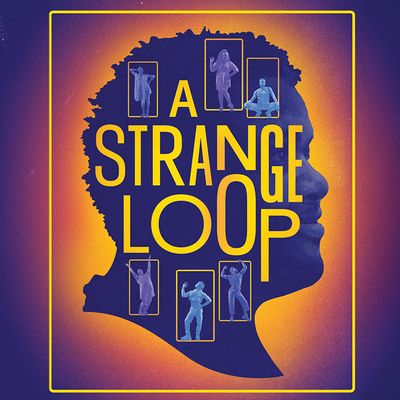
[36:14] William J Connolly: Another project that's been a prominent part of your career is A Strange Loop. Um, before I ask you lots of questions about it, the awards that you won. Um, introduce me to the show, you know, anybody that's not come across it before.
[36:26] L Morgan Lee: Sure. So A Strange Loop, which was written by Michael R. Jackson, is a story about a gay black man named Usher, who is a musical theater writer who works as an usher at The Lion King. Uh, and he is writing a musical about a gay black man who is an usher at The Lion King, who is writing a musical about a gay black man who was an usher at The Lion King, and sort of all of the foibles and craziness that is going on in his head.
[36:56] William J Connolly: And also, that was a show that I believe you made history with as well, as the first openly trans actor to originate a role in a Pulitzer Prize-winning show, which again, history and history and just progress and that in itself just seems like such an amazing moment, I can imagine for you personally, but also knowing that the world is spinning forward and the fact that you're part of something that is actually going to, you know, you'll always be the first. That can never be taken away from you. And that must be a very proud moment for you.
[37:23] L Morgan Lee: It is. I'm um I thought this triggers back to our very first um little bit we were talking about. I I don't know how to take it. So so because for me, it's very much like I'm I'm just putting I'm putting one foot in front of the other and kind of doing what I want what I need to do. Um I I'm super excited to have been the first. Um I I would be even more excited if the Pulitzer was won by a trans writer. Um, on top of that. So I but I am I'm super excited. I and I found myself just being it's funny, less excited for myself and more excited that Michael's voice is getting that much more exposure and that Michael is getting that much more visibility because the piece that he wrote is so true. It's it's so much like he's an example of someone.
I am all about people being authentic, duh. Um, but but I think that the story that Michael wrote was such a really wonderful example of what happens when you don't listen to everyone else around you, and you just tell the story that you want to tell. And that I'm sure that you know, producers and people throughout the process were saying kind of, well, you know, things would be more commercial if you do this, or things would work better if you did this. But he really stuck to his guns and told the story that he wanted to tell. So it's it's such a gift that it was received the way it was, because it's again, it's just it's a testament to truth. So I was like so happy that the piece got the Pulitzer.
And that Michael continues. I mean, he's like a meteorite now, he's exploding now as a result of that. And I think it's it's it's really incredible. It's always very weird for me to talk about myself in these things. But yeah, it was great to be um, it was great to be the first. And I might, I might actually be um like the first OB award winner that is trans as well. Like it's one of those things where it's like all these things where we're like, what also why had why hasn't anyone won these things? And it becomes because we're not in the space, we're not even there. So and we're not in projects that get received the way uh the bigger commercial sort of properties do get are received. So I don't know, it's it's it just reminds me also that we have so much work to do.
I'm always excited by the fact that when somebody becomes a first, then when somebody else looks to them as an inspired by them, they become, of course, the second person to do it. But it just takes two people to do it for two people to have actually done it, and therefore when a third comes along and fourth, and then you grow and grow and very quickly, you've built a house.
[39:56] William J Connolly: Yeah, yeah. It's it's it's the other side of it that I guess the numerical side of it, which so often people shy away from actually, I think is one of the exciting parts of it, which is just the possibility that you know, if we get enough bricks, you can build a house, and then you think, well, look at the foundations that we've made for for people 20, 30, 40, 50 years in the future. And I wish we could see what the theater and arts industry is gonna look like in even 10 years' time. I just think it's it's it's such an exciting place, and I feel like it's one of the most progressive places and organizations and sort of subcultures of society, and I feel like that in itself is what makes it the place that I know I want to be part of.
[40:19] L Morgan Lee: I love that you put it that way. I feel like next time someone asks me something like that I'll say it's the first brick to the house. I think that's incredible. Like that actually just helps me, that helps me personally view it slightly different too. It's like that's the first brick in the foundation actually being made in that after that it can only get better and better and better and better. So when you win your incoming Tony and Olivier award for The Danish Girl, please could you credit me and make sure at least get a name check please at least do that on the list of thank yous. It'll be a long list but I'll expect to be just a polite nod as you pass the trophy back to Dame Angela Lansbury to do your big speech.
[41:12] William J Connolly: You've been very calm with your time today and I cannot believe we've been speaking for literally nearly an hour but I have one final question that's for you to talk to me just a little bit about a quote that I saw on your website that I thought was incredibly inspiring and I think you know which one I'm gonna mention and that is she needed a hero so that's what she became and sometimes I mean I I joke halfway through and people like oh like I do attribute lots of different quotes to my life because I have to I'm a very much a glass half full person. I find that if I'm the opposite it sort of sends me off the rails a bit so I'm sort of the person that wakes up and is always you know happy and people are like oh you're so positive all the time I'm like trust me I have to be but that that in itself is one where I go yeah this I like this this this it you know I don't say it touches your soul but it does you feel it inside and you go okay this is what I want firstly where did the quote come from and I guess how do you think it's changed your life?
[41:58] L Morgan Lee: I don't even remember where I saw it first. Because I do feel like I saw it and then I kept seeing it places. And I do think that it was also, I think it was used in the Wonder Woman situation. And I mean, which makes sense because it's quite literally a hero. But it just spoke to my soul in a way that I did not grow up seeing a me. I did not grow up seeing, I didn't, I I spoke to someone um in a chat actually the other night, and the conversation was starting to come up. It was like a panel of people chatting about theater. And they were like, you know, when did you first see yourself represented on stage? When did you first see yourself represented on screen? And I was like, I I can't say that I've actually seen myself fully represented on screen um or on stage for that matter.
I think that there are stories that I certainly could relate to. There are actors and actresses and people that I could relate to. Um, but I haven't seen me. Like I haven't seen that person that goes, oh my God, like you are doing the kind of work that's the that's the type of voice, that's the type of line. Like I haven't seen that. Um, and so I didn't have really anyone who was specifically in my sort of groups of intersections together to look up to in a way or to look towards for like, oh, this person is, you know, that's where I want to be. I want to be doing what that person is doing. And I I can't say that even now, like, you know, we have we do have some representation, for instance.
There is some trans representation out there, there's some people out there doing things, but like, but they're not me. And they're not, they're not, they're not doing the work that I want to be doing necessarily, or or performing in ways that I would like to sort of perform. Um, the people that I'm looking at are are mostly cis women and they are, you know, fantastic, or or they were fantastic in their day. Um, but yeah, I didn't have that hero to look up to. So I I hope and and work hard to try to be that for some girl for some I feel like there's some kid that's gonna look at it at their she at their TV screen and I'll pop up doing something I hope that I'll pop up doing something that like will bring like you know those little like tears to their eyes.
I'm so sappy like I was I was that I was that kid that like would sit in front of the floor model television watching these like Tony Awards and like Disney things and MGM movies and just constantly just sobbing. I mean just like losing it oh in front of the television because I just wanted to be a part I wanted to those those people were were living lives that I wanted to live um and so I hope to like be that for someone um and and I hope that like even and it's cool that's where it's that's where it's cool for the first to come in. That's where it's cool for like you're the first person doing this because it for me inside it's like well maybe that kid will find that then like maybe whoever that person is and maybe they're not even a child maybe they're in college maybe they're in high school maybe they are you know in a situation where their teachers are telling them that they are wrong and what they do is is impossible and they you know no one's doing what you think it is that you're supposed to do so you know you need to conform and do it like this.
And I want them to be able to go no no no no look look at this look at this Elle Morgan person. Look at her she she's doing what I want to do so that it'll it will encourage them and sp in particular for trans people, it will encourage them to continue studying and to continue, you know, working in your classes and in your voice lessons and in your acting studios, and like really dedicating yourself to to finding yourself. Because the more comfortable that we are with the people that we are every day, the more uh accessible we are as vessels to tell a story.
[45:52] William J Connolly: I love what you just said then. And as part of that was that nobody is me. And I think that's the beauty of it, that nobody is you, and that's that's what makes us all different. I remember I got asked to do a speech and to write something when I became editor of an international queer publication. And I tried to find something that felt true to what I was trying to do in terms of bringing what was so often seen as a marginalized community that felt very separated together and to feel like we are a as much as we are individual together. And I I sort of came up very loosely with sort of a rough phrase, which is difference equals power and power equals change. And I remember the second I found that and I wrote it down on my notepad and I thought, this is it.
This is it. The fact that our differences are actually what makes us unique and special, and why we are all very alike, we're also very different. And when you said nobody is me, I thought that's the spirit, and that's the world that I want to live in. And everything we've discussed today, and it's just a very, very small part of your fantastic career so far, and what I know is going to be a very long career because you have a wonderful sense of just ownership of yourself. And I think in a world where we're sort of told to all be the same, I think that's incredibly inspiring. And my gosh, you've got an incredible project ahead. And I can only wish wish you the most incredible amount of luck with it. I think I think you should just be ready for the ride of your life because I think it's gonna be, I think it's gonna be quite the journey.
[47:11] L Morgan Lee: Fingers crossed. And like I said, when you do do your Olivier speech, I'll be watching.
[47:16] William J Connolly: So I got a good waiting, waiting.
[47:19] L Morgan Lee: I'm going to to write her a really mean email if she doesn't.
[47:24] William J Connolly: I will message you on Twitter. I will I will put it right under there. I will take back all those nice things I said about your dad.
[47:32] L Morgan Lee: Bitch, you didn't even mention me.
[47:34] William J Connolly: Fucks.
[47:35] L Morgan Lee: Yeah, well, I hope you show shit.
[47:36] William J Connolly: Yeah.
[47:37] L Morgan Lee: You just receive, you just receive a package at the stage door with the printouts of the conversation with like X's written on top of everything.
[47:47] William J Connolly: Oh, I love the fact we're joking when we all know this is deadly serious.
[47:50] L Morgan Lee: Okay, um such a pleasure, honestly.
[47:54] William J Connolly: I'm joking, I promise. It's such a pleasure. Honestly, this I cannot believe literally look out for. Literally, we've been speaking for over an hour, and I actually cannot believe that. So just thank you so much, Firsty, for your time, but also for the honesty and generosity that you've been in terms of the subjects that we've been able to discuss. And just best of luck. It's gonna be like I say, the ride of your life. It's an incredibly exciting project. And anybody that is sort of curious as to what it might sound like, there have been a couple of um video clips and audio clips come out from the show, one of which I believe you sing rather incredibly. So please go ahead to streaming sites, YouTube, you know the drill, and just listen to those and just enjoy what I think is going to be one of the most talked about shows, certainly of this year and in the coming.
So thank you so much for your time. Enjoy your time in London as well. I know you're gonna leave us very soon to go somewhere else in the UK, but please do enjoy your time here. And I look forward to seeing you hopefully in person rather than very soon.
[48:43] L Morgan Lee: Yes, thank you.
[48:46] William J Connolly: You've been listening to Eleven, the official theatre podcast. Find out more about Eleven at elevenpodcast.com or via our official social channels.
© Broadway Podcast Network, All Rights Reserved