

Guests
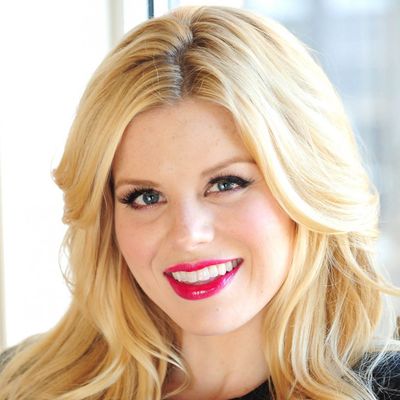
Featured Shows
About
She’s the two-time Tony nominee and all-round Broadway icon that’s cemented herself as one of the greatest to treat the boards.
From her star turns in Smash, 9 to 5: The Musical, Wicked, Noises Off and, of course, as Madeline Ashton most recently in Death Becomes Her, comedy, high-belting and joy comes as second nature to her - thrilling audiences and earning her a global army of fans.
And now, she’s coming to the UK this May for a series of solo concerts - marking her return to these shores for the first time since 2018, playing the iconic Theatre Royal Drury Lane.
So with her best British accent at the ready and direct from her home Stateside, we discuss life post Death Becomes Her as she celebrates the hardest role of her life - her words, not mine - and why Madeline Ashton is the character she now feels closest to - plus, we go deep on the non-stop nature of a leading a comedy-led role like Madeline, the online discourse around audience members filming in the theatre as she explains it can feel like a “violation” to the performers on stage, and she reveals just how her now viral improv wedding moments – including the now brilliant Jet 2 and Grindr ‘brup’ – came about.
We also talk about the growing love and legacy of Smash, how her performance of Thank Goodness in Wicked being shared online has become an unexpected throwback to her time as Glinda, and how performing for superstars like Beyoncé and Dolly Parton was the greatest of honours.
Plus, for those lucky enough to have a ticket for her now two sold out London shows this May, she shares a peak into new songs in an epic set list of hits that she’s honoured are now associated with her - in a show she promises you will leave “knowing that we are best friends”.
And why above it all, she remains true to her life mantra, by always doing it always for the gaze…
Host: William J Connolly
Produced by: William J Connolly/Darren Bell
lwtheatres.co.uk
Transcript
This transcript was automatically generated and might contain errors.
[0:00] Megan Hilty: My name is Megan Hilty, and you're listening to Eleven, the official theatre podcast.
[0:16] William J Connolly: Hello, and welcome to Eleven, the official theatre podcast that brings the biggest stars and creatives together in one place to discuss life in the arts. She's the two-time Tony nominee and all-round Broadway icon that cemented herself as one of the greatest to tread the boards. From her star turns in Smash, 9 to 5, Wicked, Noises Off and, of course, as Madeline Ashton most recently in Death Becomes Her, comedy, high belting and joy comes as second nature, thrilling audiences and earning her a global army of fans. And now she's coming to the UK this May for a series of solo concerts, marking her return to these shores for the first time since 2018, playing the iconic Theatre Royal Drury Lane.
So with her best British accent at the ready and direct from her home stateside, we discuss life post Death Becomes Her as she celebrates the hardest role of her life, her words not mine, and why Madeline Ashton is the character she now feels closest to. Plus we go deep on the non-stop nature of a leading comedy-led role like Madeline, the online discourse around audience members filming in the theatre, as she explains it can feel like a violation to the performers on stage. We also talk about the growing love and legacy of Smash, how a performance of Thank Goodness in Wicked being shared online has become an unexpected throwback to her time as Glinda, and how performing for superstars like Beyoncé and Dolly Parton was the greatest of honours.
Plus for those lucky enough to have a ticket to her now two sold-out London shows this May, she shares a peek into the songs in an epic set list of hits that she's honoured and now associated with her, in a show that she promises you will leave knowing that we are best friends. And above all that, why she remains true to her life mantra by always doing it for the gays. They don't come more fabulous than this, it's mother herself, the belting goddess, Megan Hilty. Here now on this the next episode of Eleven, the official theatre podcast.
[2:27] William J Connolly: Please help me welcome to this the next episode of Eleven. She's the Tony-celebrated Broadway singer and all-round comedy queen that's brought joy to audiences lucky enough to see her perform live, from a glamorous office secretary to a floating girl in the bubble, and all the way most recently to her second Tony nomination in what, in my words, so no arguing, is the greatest film-to-stage adaptation in basically forever, and remaining true to her life mantra by always doing it for the gays. And now she's here to tell me about coming to British shores for a series of exclusive sold-out concerts at the extraordinary Theatre Royal Drury Lane, marking her first performance in London since 2018. So I say, hello Megan Hilty, camp icons seem to be a theme with you, have we found your niche?
[3:14] Megan Hilty: Wait a minute, wait a minute, we can't dive in, we have to acknowledge how amazing that setup was, that was, I don't deserve that, that setup, that was very, very kind, thank you very much, comedy queen, I'll take it. Anyway, I'm sorry, what was the question?
[3:33] William J Connolly: I said, have we found your niche, and I think the answer is yes, camp is Megan Hilty. Short answer, yes. Everything I said, by the way, and as I said in introduction, my words are no arguing, that is true, all those things are true to you, comedy seems to be something that sits beautifully with you, of course you're an extraordinary, extraordinary singer, and perhaps most importantly, this is your first London performance since 2018, why haven't you come back, we miss you.
[3:57] Megan Hilty: Well, there was the Covid years, that kind of, that was a drag, no, I've always been dying to get back, it was just a matter of like, how, and thankfully Darren is bringing me back, I'm so thrilled, my band is so thrilled, the audiences are amazing there, and I'm just like, I can't, I just can't believe we get to do this. It's so exciting, and I mean, the fact that these shows, that this epic, epic venue have sold out is a testament to how much love there is for you to come back to these shores, I mean, two shows as well, which is extraordinary to get to do all that in one day as well, what's it like to get this sort of avalanche of love from a place that I imagine where you're sat right now does feel quite a long way away, but you're about to make your home for these concerts, what does it feel like to know that we have so much love to send your way?
[4:46] Megan Hilty: It makes me even more excited, you know, whenever you put yourself out there for concerts, it's like, oh, I hope, I hope somebody shows up, so the fact that people are going to show up and they signed up early, it just, I don't know, it makes me even more excited to do it, if it's possible for me to be more excited.
[5:09] William J Connolly: Now anybody that's had the pleasure of getting to know your career and to see the great work that you do, of course you do have this incredible, incredible career on the stage in shows and musicals, but of course you regularly do perform as a singer in these extraordinary concert shows as well, which means that you are well-versed in doing this, but to do it so soon after having been in such a signature and poignant role in your career that you've just departed, how is it to be Megan on stage? How is it to put you forward and then sort of not being a character there?
[5:36] Megan Hilty: The whole, like the whole point of doing these concerts is to get to know the artist outside of the roles that they're doing. Funnily enough, it's through the songs of the characters that I've done in my career, but like, I always say that even if you come to the show not knowing who I am at all, you're going to leave knowing that we're best friends. We will bond throughout the course of the evening. You will get to know me as I talk about my favorite subject, which is me and my career and all of these like incredible songs that I've been so deeply lucky enough to be the first to voice. Yeah, it's, it's for me, it's, it's, I've grown to really, really love doing these concerts. It's become my favorite thing.
[6:37] William J Connolly: It's always interesting. I think people that have like sort of such big character-driven sort of careers and CVs like you have, and I sort of joke about it at the start, but I wear comedy as such a key part of what you do to then make that transition. And so many people run away from it and say like, look, it's just not the vibe that I want to do. It's actually deeply, deeply terrifying if they're sort of brutally honest, but for you to do it and for you to do it on such a huge scale is incredibly commendable, but also so exciting for us. It's nice to hear that it's exciting thing for you as well. I imagine also like in a very positive way, and it sounds like a negative connotation, but also a challenge for you, which is probably something that you're like, yeah, I want to do something that's going to test me in this new chapter.
[7:12] Megan Hilty: Oh, absolutely. And the interesting thing is always adding in new songs to the sets and seeing how people respond to them. Luckily, I have some really interesting things to add after doing Death Becomes Her. They're a little, and I have tried them out in a couple of other concerts and it's, I was a little worried that out of context, they might seem strange. They don't, they work. Everything works. It's great. It's like a warm-up to London. That's what we can call it.
[7:48] William J Connolly: Oh yeah. I've been testing it out.
[7:54] Megan Hilty: Is it strange, weird, thrilling, I guess when you get the response back where you're like, oh, it does work out of context because again, so much of your genius is this beautiful voice with this wonderful physicality. So to get to do it out of context of a story, it seems like such a literal thing, but I guess there are examples where like that doesn't work. And then the flip side where it does, which for you as the artist must be such a joy.
[8:17] Megan Hilty: Yeah, it is, but it is tricky. Like, I guess popular was my training ground in trying to like take something that is so specific to a moment, like specifically in comedy too. Like you take a funny song that no longer has the setup of the entire show leading up to it. You take it out of context. And I found that it really is all about the setup because in the show, you have the luxury of like collecting all this information about all of these characters in whatever song that we're talking about in order for it to be funny. Like you need information for things to be funny. You need like a baseline. And so to take it out and do it by itself, you have to set it up in a way that gives people that information in a really quick way.
[9:30] Megan Hilty: Oh, absolutely. I think, you know, and now that you mentioned it, everything has to do with a setup that I think, because I could just go out and sing this, you know, this list of songs, it's an epic set list, and the songs are great by themselves. But if you don't have any context for any of it, it doesn't land the way that it should, you know, so comedy, like the more dramatic stuff, just like the comedy, it really does depend on how you set it up for the audience to hear it first. And before I was so afraid of talking, I was like, nobody wants to hear me talk about things. But the more shows that I went to, I found as an audience member, I was like, I really needed some more information about why this was important to this singer. You know, I learned a lot from watching other people and incorporating what I needed from those shows into mine.
[9:34] William J Connolly: What about songs, for example, I guess at the other end of that spectrum where it's not comedy, but it's like stillness and the beauty of that wonderful gift of a voice that you have. I'm just thinking things like Backwards Barbie is probably the opposite end of that spectrum where it's a beautiful song, but I guess there needs to be some setup to why she's feeling like that, perhaps.
[10:37] William J Connolly: I guess it's also, it's almost like an embarrassment of riches, I imagine, when you're at the career level that you are, where you have so many things that are so deeply connected to you. But the great side of that is not only do you get brilliant material, but also, you know that you don't have to convince anybody in that space. Like everyone's buying a ticket specifically to see you, and they have their thing of you that they hold so deeply that they're showing up for, not only to spend some time with you, but you know, fingers crossed and hear that song live to be able to experience your performance. And you know that they're on your side, which I imagine as an artist is the greatest of joys.
[11:20] Megan Hilty: Oh, it's so, it feels like quite a luxury to get to be able to do these concerts and to have these audiences that already know and love these songs. And like you said, it does feel like they're on my side. Like, I don't feel like I have to prove myself to anybody. I remember having the pleasure of talking to Audra McDonald about a similar situation, and she was just like listing off all these ridiculous songs. It's only when you like put them together, you go like, oh wow, like it's almost like a trip down memory lane, not just for us, but perhaps principally for you. How are you about looking backwards and particularly in these sorts of scenarios where it is a concert where you sort of put them all consecutively, one after another, how are you sort of revisiting the previous years? Because some people, they don't like it.
[12:04] Megan Hilty: Oh, I love it because I'm so grateful for all of these experiences and all of these, and I, all of the amazing people that I've gotten to work with. That, that's a lot of my show is talking about specifically like all the incredible women that I've worked with. I've had the luxury of being in female relationship central shows my entire career. And so I have a very like wonderfully unique through line for my show, because it's my life of talking about all of these extraordinary women along the way. And I love it.
[12:38] William J Connolly: How are you then also trying to find the, you know, you mentioned earlier about the through line or like explaining about things. How are you with being like, well, this is it from my perspective? Cause I imagine like, I'm just thinking like if someone's had an experience of Nine to Five and they're like, oh, I remember this specifically about Megan, but then you tell your part of the story, you're going to feed these people's love of you even more, which means you're going to have double the things to talk about in the future. So how are you with like experiencing what fans think of certain things and, and perhaps more importantly, their interactions with you? And maybe even sometimes the things you weren't even aware of where they're like, Megan, this thing connected to me so deeply. And I imagine that probably is followed with thank you.
[13:15] Megan Hilty: Yeah. Oh, absolutely. And a lot of the times the things that deeply resonate with people are things that I hadn't even thought of, you know? So I do really love engaging with people and getting that type of feedback for that reason, because it's like, oh, I, you know, I'm obviously like not receiving this concert like other people are. So it's really helpful to hear, especially the positive things. I don't know. I think the negative things people can themselves, but although I could learn from that too. I just don't know if I'd be pretty open to it right afterwards. I should say, I think the producers are going to be screaming my ears somewhere in the world. Like it's not a call and recall. We don't need feedback. Thank you very much.
[14:09] Megan Hilty: To sort of humor me on what are some of the songs that you principally get told rather not, and are there any real surprises in there? I'm always, and it shouldn't be surprising to me because I love this song and I love what it says, but I'm always taken by the fact that "Crazy Dreams" gets requested so much and people are so touched by it. It makes sense to me, and I'm a big fan of taking fast-paced songs and slowing them down so you can hear the lyrics, and that's one of them where it's like, you know, Carrie Underwood has this amazing version of it, like the original version of it, and I love that one of the producers in Smash heard it and they're like, you know what, that's actually saying exactly what Ivy is thinking. And so I love that, but I'm always a little surprised by that one, and I shouldn't be, I shouldn't be.
[15:17] William J Connolly: But also, I imagine Smash is such an interesting world for you because obviously being like a visual thing that people can watch at home and discover in their own time, sort of not relying on a physical performance to see it in person with you. Actually, so many generations of people will be able to, in whatever capacity, get their connection to it, either deliberately through recommendations or perhaps organically through like shuffles. It's such an interesting thing, like when certain songs come on, I'm always like, oh, it knows what I want to hear, but I maybe don't know the song, which I imagine is quite interesting because it never stops becoming new to certain people. This is a very rare and interesting industry where actually, I think this is probably one of the only industries where that does happen rather a lot because if you think about the success of Smash, like would it be crude of me to say like probably as popular now as it was back in the day? Like it never stops growing.
[16:08] Megan Hilty: Yeah, no, I'd say it's more popular now than it was even back then. And even back then, I mean, it was so odd to me that people were saying that nobody was watching it. I mean, like we had millions of people watching it, it just wasn't enough for network television, you know what I mean? Like they needed, it was such a strange time for TV in general. Like the hit show at that time was Girls on HBO, and they had way under a million people watch it. Like they had, I was just listening to an interview with Lena Dunham, and she was like, not a lot of people watched it, and yet it had this huge cultural impact, you know? And everybody was comparing like in terms of viewership, like they're like, well, it's not a hit like Girls, and it's like, but we have, like how do you compare those two?
Those are two different audiences, and like, but from a plain numbers perspective, like there are more people watching Smash. So like, you know, it's just, it's through whatever lens you want to look at it, I guess. Anyway, but because people can now stream it, you know, and watch it however they want, you know, instead of waiting from week to week, you know, it's become, it's got this whole new audience, and it's so awesome. I love that this story and these songs and these characters just continue. I don't know, like people can't let them go, and I love it myself.
[17:36] William J Connolly: Thank you for, I was like, she knows me too well, she's clocked already. But, and I should say before I ask this question, like I hate the fact that people record stuff in theaters. Like just before I ask this question for anyone that like rolls their eyes, but I feel like there is a very clever person who is not this gentleman sat here that could write a thesis on how, for example, where Death Becomes Her, how people online and the internet, regardless of what you think about people capturing certain moments and viral clips, how that became an extraordinary movement in bringing physically bringing people to ticket buying level in the theater. And I imagine you probably, maybe not initially, but you must have been aware of the fact that like the internet was, that Death Becomes Her was becoming a viral sensation and you were part of that.
[18:23] Megan Hilty: Yes, and I do have mixed feelings about that, you know, because in a way it makes the show accessible, it gets people excited about it, but at the same time, it's so not fair to us on stage. We have created it in a way that was not meant to be filmed that way, so like that's not actually the show. And when you see the show, it's not like those clips, you know, because it was not meant to be that medium. And it's difficult to have our performances, our likeness, our voices recorded in a way that is not kind, and then we are judged harshly on it. And it's like, well, it was never meant to be captured like that, you know? So I do understand how it makes it exciting for people, but it also feels like a violation, kind of, you know? Like I wish there was a way we could figure out how to do that where it was more respectful to the performers, you know? Like there is a happy medium in there, it's just not being done yet.
[19:34] William J Connolly: I had the pleasure of talking to Joy Woods not so long ago, and she was talking specifically about going viral for one particular song sung in a very particular way. And she said it's a blessing and a curse all in one because people want to hear you sing the song, but when you're not feeling like you can sing that song, you've also got to face that mountain as well. And you probably get that feeling whilst you're also already starting the show. So it's like a weird thing of the two, and there were so many clips of you. I imagine you probably had that experience, if you're comfortable to share, at multiple different times, which is expectation versus the reality of Megan having to perform them.
I don't think people realize how jarring it is to look out in the audience and see that you're being recorded. Like I don't think people understand that, like, as, so I'm trying to perform as Madeline, which is like hands down the most difficult thing I have ever or will ever do in my life. And if you see a phone, you see a phone up or you see some kind of light or something, now I'm not playing Madeline anymore. I'm in my head going, oh, I'm being recorded. Oh, I hope I don't mess up. Oh, oh my god, today might be the day where I go viral because I crack because I'm a human. Do you know what I mean? Like it's so, it's not fair to the rest of the audience either because now I'm not giving you my full Madeline, I'm giving you Megan trying not to screw up for this one phone that's up. Do you know what I mean?
[21:03] Megan Hilty: Like I, there was one performance where I was doing "Falling Apart," and the whole thing I'm looking out into the audience and about four rows back center, someone, I saw myself, someone was recording me and had flipped the phone around so that I could see myself so that the ushers wouldn't see it. But now I'm forced to watch myself, do you know what I mean? It's horrifying. It is, it is so, it is such a distraction. And the other thing that makes me crazy is that I'm like, when people are recording, it's such a distraction to the people around them because no matter what's happening, no matter what awesome thing is happening on stage, everybody's going to look at that screen. They're not going to actually, you know, what you have now taken all of the people around you out of this moment that they're sharing with the performers on stage to, and they're now looking at your screen because that's human nature, you know?
It's not, you can't not look at it. And it just, like I wish there were, I know, I know it's like I sound like an old lady talking about this, but I wish we could go back to a time where it really was just the audience and the performers sharing this one moment that will never be recreated, and nobody else has a part of it. It's not shared with anybody. You had to be there to experience it.
[22:29] William J Connolly: I saw someone on the internet come up with a very clever suggestion, and I wondered if related to exactly what you said, which I passionately agree with, is perhaps if there's a moment, something that people seem to be having great chatter about, people seem to be telling you as the star of the show, why don't we record that professionally and release a certain part of it once, and we all agree to put our phones in bags like they do at concerts? And then we all have the collective experience of the genius of you on stage live with an approved video that you may like so that you don't have to face what was that god-awful suggestion that you just, with the flip phone, which I know this is a podcast, but my mouth was truly wide open, which just seems absurd.
[23:02] Megan Hilty: But that happens all the time. You like, and that's why I actually don't want to do these shows because the audience is like, everybody's trying to get their little piece and get their attention from it, I guess, you know, from posting it. But it's like, yeah, it would be really great if we, and we do film clips and we do put them out, you know? So I gotta be really honest, when I was thinking about doing this and I had meetings about it and they were like, well, what are your concerns? I was like, my only concerns are the phones. That's my only concern. And like, can we please put them in bags? Can we please do that? Not just for me, but for the audience's enjoyment, like the whole audience.
People got in fights like because of videos, because of all of this stuff, you know? Because it's intrusive, and it's like, what can we do about this? Like I know it's part of the culture now, but yeah, like maybe the answer is more clips that can be shared. But yeah, I wish something was done because it's not kind to us, and it makes our jobs kind of terrifying because it's live. You never know what's going to happen, and that's the thing that's going to live forever. But also, if you do go and see the show, this is the biggest irony of absolutely every single thing, theater being accessible for everyone, as you rightfully said at the start, I passionately agree with that. But also, if you are one of the very, very, very lucky people, which was myself, that got to see you in that show, nothing, including your beautiful album, compares to seeing you do it live.
And that's the biggest irony is I don't want it to stop someone because they've seen it on a phone from seeing it live. And it's like, come on, don't lose that part of it. It feels like we're putting a comma or a full stop or a semi-colon, I'm not sure what it is, but it's like you're missing part two, guys, like wake up.
[24:59] Megan Hilty: Yeah, yeah, no, I totally agree. And I see the importance, I see all of the stuff, but like all I know is that I can tell you from our end, it makes our jobs really hard. So phones are absolutely a no. But level with me, what's more terrifying for Megan as Madeline? Is it seeing the phone or that arsehole that showed the screen backwards for the ushers not to see, or performing this role when Beyoncé was in the audience? Which one was harder?
[25:20] Megan Hilty: Phones, really? Yeah, and I love Beyoncé, like I'm Beyoncé, you know? And knowing she was there, you know, we've gotten to perform for like, you know, amazing people, and like nothing will pull me out as quickly as seeing a screen or like a phone up in the audience because it gets my brain, like I said, it just gets my brain working in a different way instead of focusing on the, like what I'm doing in the moment.
[25:53] William J Connolly: I don't know how you got through that performance. I would actually just be like, I don't sing in front of the greatest singer, I'm so sorry.
[25:57] Megan Hilty: No, I will tell you, well, I will tell you, I was lucky enough to be forced to sing in front of, to Jude Glinda, in front of Dolly Parton, you know, when I was very young, and that was very terrifying. And now anytime somebody fancy comes, I just look at myself in the mirror and I'm like, you did this for Dolly, you're fine.
[26:25] William J Connolly: Oh my gosh, I love that.
[26:31] Megan Hilty: Just to constantly compare everything to, yes, but Dolly, Dolly Parton, yeah, you do it for Dolly, it's okay, you're gonna be fine. But also, isn't it so beautiful as well that you have that character arc that in your personal life, away from the stage, that you went from feeling like that and also you feel like that now, which I think is so lovely to also then getting to play her character and get her blessing in Nine to Five.
[26:46] Megan Hilty: Yeah, no, she was, she came to Wicked to kind of give me the okay to do Nine to Five. So I knew she was there with Joe Mantello and Bob Greenblatt, and I was backstage and I was really nervous, and I was like, you know what, it's so dark out there, you're not gonna know she's out there, you know, that was kind of my mantra. I was like, it's just another audience. But I came down in that bubble, and all I could see was her hair in the audience and her giggle, and like I was like, oh man. But the thing about Dolly is that the second you meet her, you know that all she is is like love, light, and support of everyone, you know? So like, and myself included, so that put that at ease pretty quickly.
[28:06] William J Connolly: Isn't it wild that you can have those connections with people that feel so far away, but actually, as you sort of explain that so beautifully, they become a peer? They're still an icon to us, but you know, that was your creative colleague in that project, and you got to speak to them and spend time with them, and I suspect become a student to their brilliance.
[28:31] Megan Hilty: Yeah, whether she liked it or not, I was studying her every move. And I always say that like we should all, whatever we're doing, we need to try to do it like Dolly. She's got a way of like getting a lot of business done but also treating everybody with a world of respect. And like when she's speaking to you, it is as if you're the only person in the galaxy, you know what I mean? Like she just knows.
[28:19] Megan Hilty: She's figured it out. So if we have more Dolly's in the world, I think we'd be in a better place.
[28:23] William J Connolly: Retweet, repost that. Absolutely. A thousand percent agree with you.
[28:30] William J Connolly: What about people, and obviously I don't want to compare anyone to Dolly Parton because we love her more than anything in the world, and I have had the pleasure of meeting her and had the same, a very two-minute experience, not the same level as you did, but in terms of kindness, but what about when you become that to other people? For example, so many of the shows that are sort of huge chapters in your life are you as the principal lead female in a show where you become a company leader to a lot of other people and also to the audiences. What about when you become someone that they really care about and look up to and ask for your guidance in certain things? What about when you become the principal person there and people are saying, Megan, thank you for doing this because this means a lot to me or you really inspired me to do this?
Because some of those stage door videos of you throughout the years that are regularly available online are people sharing some pretty wildly personal things that always end with, similar to earlier, thank you, Megan. I guess, I hesitate in saying it, but it is true. It's part of the job that you lead the company when you're in those roles. And I don't know, I think I'm just always trying to, I'm always trying to be like Dolly. I'm always trying to make people feel seen and heard and know that it takes an army of people to put on any of these shows. This concert that I'm doing included, it takes a small army of people backstage, production, selling tickets, advertising, cleaning the theater.
So to me, I think the most important thing is making everybody understand that even though there's a spotlight on me, I'm not the show. It's all of us. And I think my goal is to, whether I hit that goal or not, my goal is always to at least try to make people feel that.
[30:21] Megan Hilty: And it's so extraordinary that you reference just an army of people around you because so much, especially with categories and title billing and posters and whatever else, it does have the singular name or two and pictures. And actually, what's so beautiful is that it is a collective experience. And actually, I guess the extra player in that question is the audience. The audience is the extra people that get to feed you as the star as well. And I imagine it's so interesting to be the only profession in the world where at the end of your day's work, you get a nice little round of applause.
[30:48] Megan Hilty: Yeah, that's it. It's great. What I do is really awesome. I'm really lucky that I'm able to do this stuff that people choose to come see the things that I'm doing. I feel really, really, really, really lucky. And I don't take any second of it for granted. By the way, at the end of this call, when I've done my job, please make sure that you do clap. Is that okay? I'm joking. I'm joking. I'm being British and sarcastic, I promise.
[31:22] William J Connolly: Which is the worst transition ever to a question that I wanted to ask you right at the beginning, which was connected to an introduction I mentioned about your brilliant comedy timing. Your voice is mega. Your comedy skills are mega as well. Where does it come from? Because it feels like so many of the roles, that is the blueprint. Megan Hilty is Megan Hilty. Nobody could do it as close like that. And it's always the comedy that go, the voice is mega. And it's always the comedy that go, the voice is insane. Then she does the comedy. You're like, God, she's the best of the best for that very reason. Where does your comedy chops come from?
[32:00] Megan Hilty: Well, that is very, very nice of you to say. I don't know. My dad is really funny. I grew up with a family of people always trying to make each other laugh. And I remember growing up and not just wanting to make people laugh, but wanting my sisters to roll their eyes at me. I wanted to make the corniest, I wanted a reaction out of them. And as I got older, I realized that comedy is a science. I keep saying it's a combination of the three Ms. It's music, it's math, and it's magic. You know, there's a rhythm and there is a melody to setups and, you know, knocking a joke out of the park. But there's also this unspoken thing that I can't put words to that I don't know what it is. But there's all that math, science, magic stuff.
But there's also like, it has to be like, super honest, too. You can't just do like, you can't go and do the idea of something. All of these people have to be very, very real. And you can't just like, like, I'll take Brooke Ashton in Noises Off, for example, a really, really easy and, in my opinion, incorrect way to see and play her is say, Oh, she's dumb. She's just dumb. And it's like, that's not a playable action. And she doesn't think she's dumb. Dumb people don't think they're dumb. That's that is a judgment from somebody else. And to me, I looked at they include a bios for all of those fake actors. And I looked at Brooke Ashton's bio, and she'd never spoken in anything before. And I was like, Oh, she's in a play.
She's, she wants to do a really good job. So she's gonna overdo it. It's just like playing drunk, you can't play drunk, you have to play trying to be sober, you know, to play drunk. So she's trying, she's overdoing it trying to, to do her best, because she's sleeping with the director. I watched this. I'm taking another tangent here. But I watched this interview with Will Smith, and he was talking about doing the pilot of Fresh Prince of Bel Air. And he was saying he'd never spoken in anything before. So he didn't know how to learn lines. So he learned everybody's lines. So because of that, you go back and watch that pilot, he's mouthing the lines of everybody in the show. And we all have either been that actor, or we've seen that actor on stage, you know, that is mouthing the entire show.
And I was like, Oh, that's Brooke. That's Brooke. She's so that's it. She's not, she's actually not listening to what they're saying. She's running the whole thing in her mind. She's just, you know, and I ran it through all of the actors that I was working with my director, everybody, I was like, this is how I see her. This is how I justify her behavior. If this is, if this is like, way too distracting to you, please stop me at any point. But then so I started mouthing I everybody's words with them, like, that's why she she couldn't listen to them when everything went wrong, because she had the whole thing set in her brain, you know, and that makes her a real person instead of like, Oh, she's just dumb. Do you know what I mean? And that was a really long winded way of saying, everything needs to have a reason. And they have to be real in order for it to be funny.
[35:47] William J Connolly: It's so interesting, even you saying the suggestion of her mouthing the words, it's funny. So it's like, it's such a, it's such a science. And actually, and this sounds kind of crass, but like, it would be so easy to do some of the roles that you've done, and it, it'd be a bit cheap, and it'd be a bit not funny, and actually almost goes the other way. And it's the subtleties that you were referencing, but the honesty in those subtleties that makes it like, so brilliant, like, like, just so, so brilliant. But it is, as you say, it is a science. And I imagine it's also, is it like almost an unwritten musicality in the comedy, it has to go at the right beat, or else you sort of miss the punchline?
[36:27] Megan Hilty: 100%. And that's, I mean, we can talk about Madeline too, because like, there's a very specific, she is a real person, and it would be very easy to play her as a cartoon because she is, you know, she could be seen as a very, very big personality. And to some people that might not seem real, when in reality, that she is a real, real person, dealing with very, very real things that I identify with a lot, you know, it was very, it's funny, everybody asks me like, what character do you identify the most with? And I'm like, Madeline, hands down, and they're like, really? Like, yes, yes, she is a woman who is getting older in an industry that doesn't see older women. And doesn't, and so she's desperately trying to, she's constantly questioning how far she's going to go to, to try and reach this crazy idea of perfection that doesn't exist.
You know, she drives herself bananas in this quest, and does things that might seem ridiculous, but to her, it's so important, because that's where all of her priorities are. You know, so if you do, if it if she isn't real, she's not going to be funny, and she's not going to be touching at points.
[37:50] William J Connolly: When you're doing comedy, and when you're creating like a juggernaut musical, like Death Becomes Her has become, do you get to also flex your comedy chops in terms of how things sit as Megan? And that sounds like a literal question. But like, for example, are some of the inclinations, and the ways in which things are said, are they, and some of the pushbacks, and the jokes that she said, are they from your mind, as well as the scriptwriters? Like, do you have to have an unwritten partnership that you both go on together in order to mount a character like that? It's not so literal on the page.
[38:20] Megan Hilty: Yes, and no, it's funny, Death Becomes Her is its own, it's in its own category, because to me, it's not a musical comedy. It's a sitcom with music. Yes, it the script is a is sitcom comedy. It's not musical theater. So there is a very, very, very specific rhythm and musicality to all of the to all of the lines. It's funny in rehearsal. Our beloved and iconic book writer Marco Panette, who has written endless sitcoms, he is the king of sitcom writing. It's funny, because he would, he would give us line readings in, in rehearsal. And at first, I was like, excuse me, you know, like in. And, uh, but, but I later came to realize it was like, Oh, right, because I have gotten to do some sitcoms. I'm like, that's what happens on sitcom sets.
You know, things will be changed, and you'll get line readings and stuff so that you get the rhythm and the musicality. And, um, and I was like, Oh, right, that's what this is. That's why this is so funny. That's why there's a laugh every 15 seconds, you know, because it's very, very, very specific. And if I don't do it that way, it's not going to properly set up my castmate so that they can land their joke and vice versa, you know? Um, so he was actually doing us a huge service. Whereas my theater brain was like, um, I will get there on my own. You know, like, it's not, that's not a thing with this. This is a whole different beast.
[40:07] Megan Hilty: I, um, I think I, my mind's gone completely blank. So the death becomes a fancy going to be like, there's so many better examples. But one thing I remember so, so specifically from your performance, again, I'm British. Maybe this is because I'm not American. And therefore I haven't had this word, but like, I just remember the way you said Ohio was like so stretched out and musical and elongated, but so fucking funny. And I was like, why is that funny? Because it could be offensive to people from Ohio, but it was so gay camp. And I was like, Ohio. But then I kept saying Ohio with three syllables stretched out. And I was like, that's, that's proper comedy. That's proper musical comedy that I'm sorry, your understudies, I'm sure a genius, but Megan, that's, that's you through and through.
[40:44] Megan Hilty: Well, no, it's Marco. I don't think it's me. I think it's like, I, if, if I have anything to do with it, I'm just, I'm just doing what he wrote. You know what I mean? Like, that's, that's what it is. And it's, I guess it's a combination of that and saying, well, how would, how would this woman who's never been to Ohio and probably couldn't spell it right? How would she say, like, how does she feel about Ohio? You know, like, you have to answer all of those little dumb questions in order for that to be funny. Because again, it all has to be honest. It has to come from a really true place instead of like, oh, I'm just going to say it funny. You can get laughs from just saying it funny, but then that's not servicing this brilliant script.
[41:37] William J Connolly: 15 seconds, I think is, is not even close enough. It's like every five seconds in that show. It's, it's brilliant.
[41:43] Megan Hilty: Yeah. It's, it's very fast.
[41:45] William J Connolly: Which is great for me as a ticket paying audience member. But for you, I was like, God, this woman is working hard. She, she was like, we are going to serve today and we're going to serve good. And I was like, gosh, I feel shattered for you.
[41:56] Megan Hilty: No, and it is because it's an unusual workload because it's transferred from a movie, you know, where you can have the luxury of like being in every scene and it not completely exhausting the actors. But like, I literally, when I'm not on stage, I am running backstage and like have two people helping me change and the wig supervisor changing my wig at any, any point I'm off stage. And like, you don't.
[42:58] William J Connolly: Is it an interesting reference about like the Ohio thing? Or like, I mean, again, there are millions of other different things in so many different projects that people latch onto. But it's so interesting when something becomes like a thing to audience members. Like, obviously, you know, probably what the next question is gonna be. But like, the bit that you got to improv every night became like the thing that some people would like buy a ticket for, because they wanted to see what Megan was going to do that night, which I imagine for you is probably very interesting when you just randomly think of something and then it becomes like a viral thing. Like, it becomes like an internet meme where people are like, like, I've had, I've had, surprise, surprise, gay friends say to me, like, have you seen the death becomes a Grindr thing?
And I'm like, well, I'm gay. Of course I have. But yeah, but also, it became like, like, you just go to work and people quote stuff on the other side of the pond. Like, it's wild how these things become institutions. They become key musical theater sort of, I don't know what the word is. They're just fucking great. That was a really fun moment that Christopher Gattelli gave for Madeline to do. And I, it was never random for me, like picking those sponsors, me and Mary Mitchell Campbell, who is the music supervisor for the show, who is like one of the most, I mean, on top of being a genius, she's also one of the like, most wonderful people we put together. She mostly put together this list of things that I could choose from.
And I, I even asked if I could sing jingles and stuff. And I got clearance to do it. But I quickly found out that that didn't work. It was interesting to find out to like, to see what worked and what didn't. And ultimately, it came down to about five or six that I would rotate. And I would judge the audience. I would judge the audience and I would be like, I think this is an olive crowd, Olive Garden crowd. I think this is, you know, and like for Grindr, that was for a specific audience that came to Chicago is when we started that. That was for a very specific audience that we knew a lot of people in the audience would very much appreciate it. And but it doesn't work for every audience. So that's why it's like, you got to know your audience for these jokes.
So, um, and like the ones that that have gone viral, like the social media team, like the oh, uh, uh, the jet, the jet jet to jet to, um, that I didn't know what it was. And, um, and our brilliant social media, uh, Maven, um, uh, Avery Broncos was like, I need you to do this tonight and I'm going to come film it. And I was like, am I going to get in trouble? Like, what does this mean? I don't understand. And she showed me some of the TikTok because I don't look at social media like at all. I don't know what's going on at any point. And, um, and so she showed me it and I was like, okay, I just have to remember it. Okay. I was really, I was kind of nervous and I did it. And the response from the audience was insane.
And so I kept doing it for like several weeks until it kind of died down. But like, I put a lot of thought into it. It was never, it was never random. And it was always very much like, what, what will this audience respond to? It was never like, what do I feel like? No, it was like, no. Um, uh, but the things that always killed were AutoZone, uh, Little Caesars. That's what you did when I came. Yeah. Yeah. Oh, Nike, Nike, Nike actually didn't, didn't do any. Yeah. My husband was like Nike and Nike actually surprisingly didn't get the, cause I tried out a lot of them and, uh, I'd give things like a couple of chances. Cause I thought in general that it was the shorter, the better. And I was like, no, it's not, it has to be universal enough that people get it and don't have to think too hard about it. Cause that's the other thing. It just has to be like, Rand is super random and just point to the fact that she's got a wedding sponsor. That was another long winded response. I'm so sorry.
[47:34] Megan Hilty: I mean, you were just perfectly explaining probably without even realizing the genius of comedy and how hard it is, but also how brilliant it is. The thing about comedy and what makes me crazy is that like people discount it and think that we're just up there having fun. That of course, of course we're having fun. Like there's, there's an element of that, but like there is so much preparation involved and there is so much that has to go right for things to be funny. And the biggest thing is for you to feel like we're not working. So the biggest misconception about comedy is that it's easy. It is far from it. If we are doing our jobs properly, you, you will think it's easy, but it is anything but.
You referenced a second ago about specifically doing the Grindr one for, I think it was a, was it like a Pride audience, but I can imagine knowing you've got that in your wheelhouse and you've got full of gays, like I would love to have been in that audience. You would have been like, it's party time, get ready.
[48:33] William J Connolly: Oh yeah. No, no, no. Yeah. I, I knew which audiences I could pull out Grindr for. We were talking a second ago about like things that connect with audiences and one thing that's been so beautiful. And I realized that this is going to be a hard left turn compared to all of the brilliance of comedy that we've been talking about is this gift of your voice. And it's, it's, it's beautiful and it's exceptional. And it has a brilliant way of telling stories that you feel so privileged as an audience member to, to be able to hear. And it's been so interesting recently. I think it's because of the Wicked movie that people have been discovering clips of you. And I think you probably know what I'm talking about, but the clip of you singing, thank goodness, so beautifully, so small, which again is the opposite to the comedy has been just blown up on social media of people just saying, this woman is everything.
And this is the blueprint and the singing is next level. Do you, are you aware of the fact that you've gone viral specifically for that moment? And is it a surprising for you, perhaps wonderfully reassuring as a vocalist to see the stillness and the vocals for you in something that isn't comedy led that has really penetrated to people in such a beautiful way.
[49:45] Megan Hilty: Thank you so much. That's really, really nice of you to say, first of all. And then, yeah, I am aware of this clip. I actually, I actually tried to share this clip, like just tried to retweet it from somebody else. And it was taken down because apparently everybody else is allowed to post it, but I am not, which makes me crazy because it's me. But that's for another conversation. Yeah, it's, I'm glad that, I'm glad that it's out there. Like it is such a tender moment. And it's my, it's my favorite song in the show. It always was. It's written so perfectly, like the music is such a beautiful map for interpreting the lyrics. And I was always touched by it. And I did get in trouble for doing that for taking that note.
It's, it was so little, but I did get in trouble for it. And I was like, but, but my justification was like, well, I mean, the Elphaba's can take up their, their, their stuff. And like, and, and I wanted to emphasize it, you know, and I wasn't like doing some crazy riff or something that was going to like completely change the, you know, the structure of everything, you know, and not to take away from riffs from anybody who's doing them, you know, like, but I'm just saying, if you're going to like ask somebody to not do like, I just didn't see why. Anyway, I'm grateful that that moment is out there, I guess. Yeah. It's very beautiful. And also, again, it's sort of similar to the question, like it's, it's just such an opposite to what we see you do so often, but actually just cements why you have the level of success that you do.
And you have the, the army of fans that want to show up, you know, similar to concerts like this, because you have all these beautiful things in your warehouse and, you know, some days you do it, some days you don't, but actually isn't, isn't that the beauty, the beauty of live theater is when Megan's feeling spicy, Megan's feeling spicy.
[51:36] Megan Hilty: Which is a lot. You know, like you've got a hashtag, like the Hilty I know, I'm pretty sure it's what it's called, like, like you became a thing, babe, like people, people eat it up. That's great. I love that. I love that, that it's affected people like that. And it was so small, but like, I, I thought it was justified. So it makes, I guess it makes me happy that like other people feel the same way. I don't know how to answer that. I don't know how to, I don't know how to respond other than thank you. Thank you. We're thankful that you're thankful that we're thankful for that moment because we're thankful for it. Oh, well done, well done. Damn, that's why she's funnier than me. Damn.
[52:30] William J Connolly: We've gone all over the shop in this conversation. I should say for the, for the people that like me follow your career very closely and are genuinely, you know, a big admirer of, of your talent and your career, like there are so many projects that we haven't touched upon that you may get to hear about in, in the concerts in London. But I have one final question for you, if that is okay. And we've spoken about theater in so many different ways. Do you remember very quickly, what was the first piece of live theater you ever saw where you sat your bum on a chair in an actual auditorium?
[53:06] Megan Hilty: Oh, I don't remember what the first one was, because my mom made a really big effort to take me and my sisters to see all types of live performances. So I don't remember what the first one is. But I do remember the one that I was like, wait a second, I think I want to do this. And it was the, the touring company of Jekyll and Hyde. And I remember it coming through Seattle. And at intermission, I was so like, inspired, invigorated, excited, I had all of these feelings and I couldn't like, I couldn't place it. And I was like, I want to make people feel like this, too. I don't know how, but I want to be a part of that what they're doing, you know, and I'd always been singing. At that point, I kind of thought I would go the classical route. But, but yeah, I, I remember that distinctly being a moment where like, oh, this feeling, I want to be a part of what this feeling is and give that to other people.
[54:01] William J Connolly: So if you think back to that particular feeling, specifically in the interval of how electric that felt and how this felt like the start of something, even when you don't even know what is coming next, if you think about the Megan back then, compared to the Megan now that has these extraordinary accolades, these extraordinary career highlights, these extraordinary friends, the likes of Dolly Parton, as you referenced, but also you're able to originate in these shows and have armies of fans all over the world as these concerts confirm of people that want to spend their time and money celebrating you and hearing your talents to the world. What do you think the Megan back then would think of, of all the extraordinary things that have happened and the fact that you're getting to headline here in London as a double Tony nominee with British people quite literally fighting each other for tickets? What would she think of the journey so far?
[54:49] Megan Hilty: I think she would be equal parts like astounded and also like, yeah, of course, of course you're doing that. That's what we're supposed to do. There was a, there was a crazy sense of drive in me as a young person to be a part of this somehow. So like, yeah, half of me wouldn't believe it and the other half would be like, yeah, why didn't you do more?
[55:01] William J Connolly: So just to go back to my introduction, I'm just reading it, camp icons seem to be the theme with you. Have we found your niche? I think this conversation confirms. I think Megan Hilty camp. I think that's a yes. Do you agree?
[55:29] Megan Hilty: I think so. I think so. I would agree. Short answer? Yes.
[55:34] William J Connolly: Yes. Long answer. Yes. Yes. Thank you very much. Megan, this has been such a delight. Thank you so much. And most importantly, I cannot wait to see you at the Theatre Royal Drury Lane for two crazy sold out shows. We're all so pumped and just thank you so much again. It's a real honour.
[55:50] Megan Hilty: Thank you for this. And I have one last thing for you, William. I'm applauding for you. It's at the end of the, it's the end of the show. People can't see this, but I am, I am bowing. Thank you very much.
[56:01] William J Connolly: You're the best. Thank you. What is she doing? She's applauding. Yay.
[56:07] Megan Hilty: That's what we do this for, William.
[56:10] William J Connolly: At the end of my day, Megan Hilty said, I get applause. See, no one can take this away from me now. Oh my gosh.
[56:20] Announcer: You've been listening to Eleven, the official theatre podcast. Find out more about Eleven at elevenpodcast.com or via the Broadway Podcast Network.
© Broadway Podcast Network, All Rights Reserved