

What role does projection, video, and media design play in shaping a theatrical production? In this episode, Jennifer chats with Tony Award winning projection and video designer Hana S. Kim who invites us into her world where ideas transform into powerful visual landscapes on stage... Read More
From the show: Empowered Artist Collective Podcast - for actors, singers, dancers, writers, creators and performers
Featured Shows
About
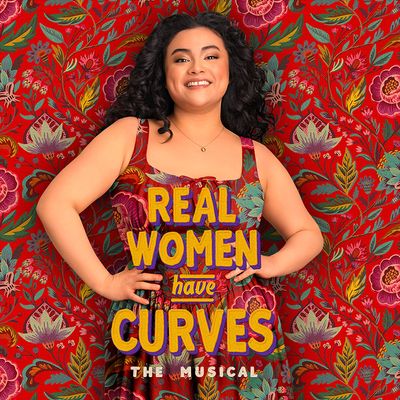
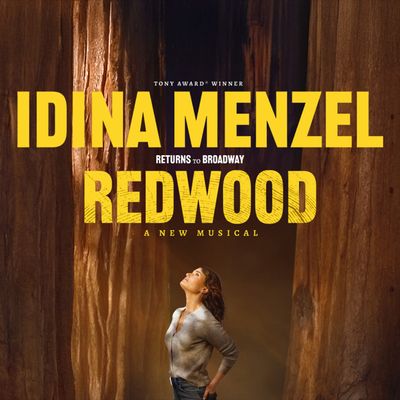
What role does projection, video, and media design play in shaping a theatrical production? In this episode, Jennifer chats with Tony Award winning projection and video designer Hana S. Kim who invites us into her world where ideas transform into powerful visual landscapes on stage. From her roots in graphic design in Seoul to designing for Broadway in productions like Redwood, Real Women Have Curves, and The Outsiders, Hana shares how her creative process always starts and breaks down how she builds visual language from emotional concepts, mood boards, and textures before layering in technical tools. She explains how each production is unique, and how her work blends into the overall storytelling alongside lighting, scenic, and sound designers.
About Hana: Hana S. Kim is an immersive media designer and a visual artist for live performances with experience across film and public art from Seoul, South Korea. Her theatrical design work has been seen on across the country and internationally. Her art installations have been shown at the Annenberg Space of Photography in LA, Jordan Downs Recreation Center, Occidental College and Baryshnikov Arts Center in NY.
Hana is a recipient of the Tony Awards, the Princess Grace Awards in Theater Design, Richard Sherwood Award from CTG, and Kinetic Lighting Award for distinguished achievement in theatrical design from LA Drama Critics Circle. She was nominated for Lucille Lortel Awards for her work on The Visitor at the Public Theater. Her designs have been recognized by the Helen Hayes Award, Stage Raw Awards, StageSceneLA Awards and Bay Area Theater Critics Circle Awards. She is a member of United Scenic Artists Local 829. Recent credits include Redwood, Real Women Have Curves, and The Outsiders on Broadway, Orfeo at the Santa Fe Opera, Sumo and The Harder They Come at the Public Theater. She received BFA in visual communication at Seoul National University in South Korea and MFA at University of California, Los Angeles.
Hana's IG: @hana.s.kim
Hana's Website: hananow.com/
Download the FREE Monologue Selection Toolkit: www.jenniferapple.net/freebie
Want to coach with Jennifer? Schedule a session here! https://appt.link/jenniferapple
Learn more about Jennifer Apple: www.jenniferapple.net
Jennifer Apple’s IG: @JenniferApple_
Monologue Sourcing Promo Link! https://empoweredartistcollective.com/podcastpromo
Learn more: https://www.empoweredartistcollective.com/podcast
EAC IG: @EmpoweredArtistCollective
EAC TikTok: @EmpowerArtistCollective
EAC Facebook: https://www.facebook.com/empoweredartistcollective/
Sign up for our newsletter! https://mailchi.mp/8e72e8dcb662/stay-in-touch
Check Out Our Merch! https://www.empoweredartistcollective.threadless.com/
Any thoughts you'd like to share? Email us at EmpoweredArtistCollective@gmail.com
Transcript
This transcript was automatically generated and might contain errors.
[0:00] Jennifer Apple: Hello. Welcome to the Empowered Artist Collective Podcast. I'm your host, Jennifer Apple, a multi-hyphenate actor, educator, acting coach, writer, dog mom, and founder of this vibrant community that champions artists as they carve out their own unique paths in this wild industry. Whether you're just starting out, in the thick of it, or seeking a bit of artistic fuel to expand your toolbox, you're in the right place. In this space, we'll have honest conversations, share actionable strategies, tips, and resources, and delve into the messy yet beautiful journey of living a sustainable creative life. We unmask the reality of life as an artist, from navigating career highs and lows to nurturing your full human well-being.
I chat with women and non-binary guests who share their personal stories, helpful learnings, and hearts to help you unlock your artistic potential, expand your knowledge, and show up fully and fearlessly in your artistry and daily life. Before we dive into this week's conversation, don't forget to hit that subscribe button so you never miss an episode. If today's chat resonates with you, please leave us a review. It helps us reach even more incredible artists just like you. And hey, feel free to spread the love. Share this podcast with a friend or post it on your socials, making sure to tag @EmpoweredArtistCollective and @JenniferApple_ so we can chat with you there. All right, grab a cup of something cozy, settle in, and let's get to it.
What role does projection, video, and media design play in shaping a theatrical production? In this episode, I chat with Tony Award-winning projection and video designer Hana S. Kim, who invites us into her world where ideas transform into powerful visual landscapes on stage. From her roots in graphic design in Seoul to designing for Broadway in productions like Redwood, Real Women Have Curves, and The Outsiders, Hana shares how her creative process always starts and breaks down how she builds visual language from emotional concepts, mood boards, and textures before layering in technical tools. She explains how each production is unique and how her work blends into the overall storytelling alongside lighting, scenic, and sound designers.
Together we unpack the various ways video and projection design impact storytelling, who is a part of the projection design village, and the importance of leading with concept and emotions over technology. This episode reminds us that theater is a human-first, real-time art form, and the most impactful design is the kind you don't even really notice. Enjoy.
[2:25] Hana S. Kim: Hi. Thank you for having me.
[2:28] Jennifer Apple: So excited for you to be here. For anybody who does not know you, who are you today?
[2:33] Hana S. Kim: Uh, I am today and then has been for the past I don't know, 10 plus years. Projections slash video slash media designer. It's basically like where we use like moving images and, you know, uh video and image and all sorts of imageistic, um cinematic, uh method to tell stories, uh help telling stories on a live performing stage.
[3:07] Jennifer Apple: I love it. It's so cool. It's so cool the work that you've done. Um, if anybody hasn't yet checked out the work that you have done, they should on your website and beyond. But I'm so excited to be here and delving into this conversation because we haven't talked about it, and it's a huge part of arguably like the landscape theatrically as it continues developing and morphing. I feel like I'm seeing so much more media video usage on so many theatrical stages. And so I'm curious to hear how you got into this kind of work.
[3:41] Hana S. Kim: Um, I got into this work in terms of like just kind of because like my mom still doesn't understand what I do. Yeah. Just kind of like getting the rap around like you know. Yeah. Like what is what is that what you do uh on Broadway Redwood, the musical with Dina Lindzel and uh Real Women Have Curves. So those are the two shows that you know say, oh that's the video design. But Redwood especially I think is like a very much video design heavy. Um so yeah like in terms of like how I fall into it is uh I studied graphic design in my undergrad. I finished my undergraduate study uh in Seoul, South Korea. And then I came here thinking I had a very vague idea that basically like back in the day um I was doing mostly like user interface or editorial design or you know or and or it's more like a broadly graphic design.
And then I had a like a very vague and weird yearning of like wanting it to be more of a life size like in terms of the scale and also like wanting to be part of like a narrative storytelling. Um which came to me like that I think that um desire came to me kind of like later in life. I my dad is a filmmaker in Korea.
[5:16] Jennifer Apple: Cool.
[5:16] Hana S. Kim: So I kind of grew up like in that medium in a way. Because like he only made two films, but like those two films uh were made when I was um like you know early teenager, so it's kind of like what kind of films were they like style wise?
[5:33] Hana S. Kim: Definitely not commercial. Okay. Al although like it had a commercial like theatrical release, and first one did okay, like you know, pretty well. Second one didn't do very well commercially. But actually, this is a little tangent, but like I had a talk with about about that with him recently because first one got like unanimously like raving critics review. So like it gave him like a kind of like rising star status, and then like second film didn't really go well in terms of reception. Like recently, like he talked about like the his second film being like so so dear to him, and he's very very proud of him. But anyways, like that didn't really go well. But like in terms of like style, it was like indie. It was not like indie film per se, yeah. Oh so you know, uh, because I'm trying to but it had like an artistic flair to it as opposed to going down some sort of like commercial methodology.
[6:30] Jennifer Apple: So arguably you were exposed to like the create not that film commercial film isn't creative, but definitely you were exposed to like the cr the art part of filmmaking because of your father.
[6:41] Hana S. Kim: I think so because I think actually like uh indie rather than indie versus commercial, I think I was having a hard time like what is indie when it's commercial because I think back then like the scale of it, it's not like Korea had like Marvel movie versus like you know, some smaller film, like e everything was like not like mega sized. I think that's why I'm so that means like I think there's like not a I don't think I did I myself didn't have like a clear distinction of what is commercial and what is not, yeah. Um but I would say like I guess like the more right uh description with the a tour style. Okay. Like he wrote and directed and he learned from he was a long time um like he started as an intern for a tour director. So like that was the type of filmmaking that he learned and he was used to.
[7:35] Jennifer Apple: Yeah. So you were exposed to that young and perhaps that like influenced this desire.
[7:42] Hana S. Kim: I think I was exposed to like just like kind of like narrative storytelling from the early age um you know and making it collaboratively because like I think we had to kind of somewhat grew up in on set for a portion of my life because you know he would be like you know off doing his thing we can't be far away too long. So like we would all like just be there during the breaks like when he's shooting um but anyways like so yeah like I think but I had a when I was younger I was very rebellious about like that world because um it seemed like all consuming and it's like such a you know as a kid I felt like like he's all always off doing this thing I don't like this thing.
[8:30] Jennifer Apple: Yeah.
[8:30] Hana S. Kim: And now look where we are and now look yeah exactly it's uh pretty ironic. So like yeah so like while I was studying graphic design I think I had a kind of like a desire like oh I wanna kind of go back to that environment in in a way, and I want to contribute to the storytelling, but I like I think I've thought hard on like what can I do to be part of it versus um yeah, like it's a slightly different from I think um if had I had I felt like I want to tell my story as a as a writer, you know, like yeah versus like I think I was like I would love to be a great collaborator to tell this like one thing with like a lot of different you know what was that transition that allowed you to move from maybe more of the other land of graphic design to projection and video and media for theater specifically.
[9:33] Hana S. Kim: Yeah, so I kind of um figured like communicating visually is something that I was able to do. Um so I kind of like had a very vague idea of like okay, narrative storytelling and then like some sort of like visual support, what can I do? And um my dad turned my in uh interest to like production design. So I thought I wanted to do production design for film and I applied to school at UCLA. Um, but it turned out I did apply to because like they didn't have production design class, so I applied to scenic design um that felt like the same thing, like dealing with a space to tell the story.
[10:17] Jennifer Apple: Yeah.
[10:17] Hana S. Kim: So we had like both classes, like some like collaboration classes with film students and like very straightforward theater classes, and the there I realized like things that I like growing up watching and admired were very theatrical films versus like um naturalistic film. Like I was a huge fan of Julie Taymor, like you know, growing up, like as a teenager.
[10:43] Jennifer Apple: Yeah.
[10:43] Hana S. Kim: It's like this is so cool. Yeah, you know, Akira Kurosawa and some of the early film stuff, and those are all very theatrical. And I it, you know, like a lot of like European directors also they had like they were doing both, which I didn't know because I wasn't really exposed to theater when I was in Korea. Um, so I realized like the sensibility-wise, I felt like I've I suited better for like non-naturalistic aesthetic.
[11:15] Jennifer Apple: Okay.
[11:16] Hana S. Kim: Um then we had a class kind of like uh, you know, it wasn't like a major, I was majoring in scenic design, but we had a class about projection design, and that's where I first learned about it. And it was very interesting because I uh my head kind of like exploded because it felt like um it was like amalgamation everything that I was interested in and I was kind of doing, yeah. Cinema, like and graphic and motion graphic and theater.
[11:52] Jennifer Apple: Um so from then on, I just kind of like never looked back, and I think that was like a second year of school.
[12:00] Hana S. Kim: I love it. So let's talk about what exactly it is that you do. You know, I feel like w thus far, you know, we've been bringing on folks across the industry to try to show you know what's possible in creating this huge massive infrastructure. Like what does it take to make something actually happen? You know, we've had a lighting designer, we've had a sound designer, like you're our first, you know, projection media video designer on here to talk about it. Obviously, you know, you collaborate with the other artists involved, and we'll talk about what that is. But as far as like the actual medium itself, what exactly goes into projection video media design? What is it?
[12:39] Hana S. Kim: Yeah, and the reason why I think there are like many ways to describe what we do, I think shows like what that is, like projection designer gets used a lot as more of a nod to like where it started in a way. Okay. Because like um earlier um like even starting from Joseph Scovada or even earlier is uh using projector or like you know back back in the day um like the legend Wendell Harrington she used uh slide projectors to like project images onto stage but then like it morphed into like there's always like a new technology right so there's like you know there was a slide projector and there was a digital projector and there's like different types of digital projector we had like one DLP and three chips TLP and then now LED walls and holograms and you know a lot of different ways of achieve like different type of effects um but I think what we do is like at the end of the day the core of it I think is um using moving images or non-moving images um to support the stage picture um and storytelling so there's and I think those like relatively new technology using all of those to the right place and right way to really tell the story.
[14:17] Hana S. Kim: Um yeah, so things that there could be like a motion graphic, or it could be like more graphical approach, or there's an archival footage that you want to show, or archival photos that you want to show, or you want to map the set, so it almost like works like a lighting sometimes where you're having like extra texture to light the set, or um, there's a live feed, so you have camera on stage or camera off stage, um amplifying or showing that you're not seeing or and or and or yeah.
[14:55] Jennifer Apple: Yeah, no, that part of this is I think what's so fascinating because I think sometimes what meets the eye simply in an audience perspective, there is this beautiful blur in many of these productions where at least nowadays where it's like, okay, is this lighting or is this projection or is this both? And that marriage feels like really exciting and innovative, and arguably I imagine it's something that for you, you know, as technology continues to develop and people are aware that this is like something that they can use to enhance their production, the ways that you are able to be collaborating with other folks in different departments. I imagine the overlap is intense and beautiful.
[15:34] Hana S. Kim: Totally, yeah.
[15:41] Hana S. Kim: At the end of the day, it is like a distinctive category because of the I I always think like projection actually like the very own characteristic, one of it is like being very like chameleon. That it could be like a lot of different things in a lot, usually most of the time, a lot of actually like assumes a lot of different look roles, even in like a single production. I feel like that's the thing that I'm fascinated by. As far as like your process then for creating your visuals, is it one of those things that you know, let's say you are given a project or you've chosen a project or somebody's asked you to collaborate on a project, you like read the script and you start to map out okay, this is the visual world that I am seeing, or is it more like a director is like, hey, I'm wanting projections for this in this kind of capacity? Can you then create it? What exactly is that process? And I guess I imagine maybe it changes depending on what the show is.
[16:43] Hana S. Kim: It really differs per project and also like per director as well. Like I would say, like, because like the very first collaborator you would be kind of like talking about like mapping out these like kind of skeleton backbone of like how much are we using, where are we using? I think all of those, like you start that conversation with the director first. Yeah, and sometimes they have a very specific idea, and sometimes they don't. Uh, some directors consider it as like just kind of like another necessary layer to the visual language, which is also like a right way to think about it, because I think the more cohesive production is it's hard to take apart each element and who's doing what, like, regardless of like lighting, even but I guess like if when it's like a more of a conventional um medium, it might be a little bit easier for you to tell, but still like a lot of the times I think you probably won't be able to tell when it's like really melded together. Like, is that set actually blue or is it just lid blue or yeah, right?
[17:48] Jennifer Apple: Yeah. So in that kind of like sense, like I feel like there's some uh directors, like sometimes like they just start right off the bet, like okay, we're just gonna use video because it's just another element. Um, versus like sometimes like it's very specific where I need to have this type of information here, or like I need this new media to work in a very specific way to like propel the story. So like that that like level of like specificity also varies. Sometimes like some some people, some directors are very well versed in it and very specific. Yeah, and sometimes like some directors are have like you know, key moments that they really want to be specific, but the rest of it I need to come and fill in the blank.
[18:37] Hana S. Kim: Maybe this is like an unfair question. Do you have a preference? As in like when a director is so specific, do you is that something that you're like, okay, cool, now I know exactly what I'm doing, and that's like something that I love creating to meet these expectations, or is it more like the carte blanche of it all when they're like, we trust you, we hire you because you know best, live your best life, please do this the way that you would do it, and then there's full essentially creative freedom. Like, do you have a preference between those two?
[19:05] Hana S. Kim: Uh I I don't. I think um like each case has like it's it's always like differently fun. I think.
[19:13] Hana S. Kim: Yeah, I guess like my only preference would be I have to be on board with it, of course. Because like even when it's really specific, because there's so much layer to the technology and like how you execute it and how just how you approach is like even though the d idea is very specific, there's like a lot of room. Because it's a visual medium, right? So you you know, you can like have a specific idea, but like the way to execute, there's still like a lot of like things that need to be like filled in.
[19:45] Jennifer Apple: Yeah. Um, but I just in general I think I have to be on board with like um the idea or the you know message and what we're trying to tell. It kind of reminds me of when I'm you know, teaching master classes for actors, you know, and sometimes people are like, all right, there's so much freedom now. Where do I even start? Versus you think about it as I I give this example often is like if you have a playground, right? I could play in the swings, I could play in the sandbox, I could go on the slide, I I could have total freedom, or I could be like, all right, here's the parameters. Today we're gonna stick in the sandbox. There are a thousand ways for you to play in this sandbox. You can throw the sand, you can bury things, you can create sand castles, you could, you know, roll around, you can jump.
I don't like the the options are a myriad of possibilities, but ultimately, like because you know the parameters or the like the create creative box, then you're able to explore sometimes even more freely because you know exactly the the sandbox, you know, that you're playing in. So it sounds like that is in some ways what you're referring to, which is like, you know, yes, there's freedom, but all like like yes, there's a box, but ultimately, like, do I don't know exactly what I'm talking about. Like, do I use this kind of technology or do I use this kind of technology, or do I layer in this, or do I use you know, I would imagine that in some ways that choice then becomes something that's really fun.
[21:01] Hana S. Kim: Yeah, yeah, yeah. Totally.
[21:04] Jennifer Apple: Hi, actor friends, talking to you. If finding the perfect monologue has you feeling stuck, I've got just the thing. I've put together a free monologue selection toolkit just for you. It's packed with resources, free and paid options, plus tips for choosing, editing, and customizing pieces to showcase you. Head over to jenniferapple.net slash freebie and stop avoiding the auditions that ask for a monologue or waiting for the perfect piece to simply fall into your lap. Dive into this free toolkit that I set up just for you that'll set you up to feel agency over your process and artistry. That's Jennifer Apple.net slash freebie and get started on finding your next go-to monologue.
[21:43] Jennifer Apple: How do you go about your process? I guess we could give we could use this as an example. You can use one of the shows, you can talk about like outsiders, redwoods, whatever it is, or we can talk about it conceptually if it's always exactly the same kind of thing. Like if somebody gives you a project, you're on board with the idea or the you know um the uh conception. Do you start doing research? Do you open up certain kinds of modalities of you know your equipment and start playing around with what you think were like what is your process?
[22:13] Hana S. Kim: It varies a lot. Um, but I guess like there are some things that are similar in like the very early stage, so like the reading the script and kind of coming up with ideas. I tend to start from like a keyword. So I tend to start like from like the idea itself. Because like I feel like some people kind of like see the visuals like right away. Uh for me, I actually kind of like start more of like in words.
[22:46] Hana S. Kim: Okay. Yeah, that's why I'm asking your process because everyone is different, and I'm curious how you begin.
[22:51] Hana S. Kim: Yeah. Maybe that's like uh maybe like more of a graphic design back background in me, like 'cause like I always like think about the message or like how to get that out versus um expression, if that makes sense. So like um, I mean, a lot of my works are like actually like tend to be pretty abstract and emotional not always, but like, you know, like I think I have a tendency to go there, like in terms of like if you just lend me like it without any input, if I just kind of like roam around, then I think like I feel like I just like kind of end up somewhere there.
[23:31] Jennifer Apple: Okay. Weirdly enough, like the start is like more like these abstract words versus like So for the outsiders, for example, when you got the script and you read it, what did you start with?
[23:46] Hana S. Kim: Uh if you remember. I know that's what I'm trying to. I think I think I the very first word I think I started from was the dreamer. Um and then it basically like I can't really remember all the keywords because I just jot it down like w with the each section.
[24:06] Jennifer Apple: Yeah.
[24:06] Hana S. Kim: And then I kind of like from then on, then I think it's almost like a key to like um then I start thinking about images. And for the outsiders, uh I started making mood boards per song, but like knowing that our language is like more of uh in that time and kind of like pony boy being a dreamer, like you know, we start with like him sneaking into the theater, like movie theater, so that like texture of the film, and kind of like I was I think I was thinking a lot about like uh kind of psychological, like more like emotional way of like looking at the film when you're like in the corner of like a dark room, so like it has a lot of like light leak, and you know, that like uh analog textures, and so like I kind of like start there.
[25:05] Hana S. Kim: Um for Redwood, I think I was thinking a lot about the height and like the space opening up and closing in, or the feeling of the scale of the space is kind of like was somewhere where I started. And then I kind of like from then on, like when I have like a rough like images in my head. Actually, this is kind of interesting. So, like there's like a you know, elephant in the room, which is like a new technology, AI, right?
[25:34] Jennifer Apple: Yes.
[25:34] Hana S. Kim: Um I was gonna get to that. I was like, how is that coming for your job? But short, let's bring it in. No, it's just interesting because currently, I mean, I guess like you can use images too, but like currently, like also like it's like a keyword-based, right? I think like maybe that's like an easier to kind of like latch onto like an abstract kind of like form. But actually, like I think it's very dangerous. I personally think it's very dangerous to just kind of like I feel like I need to like study more to like really really form an opinion. But I at the moment in my like kind of like from what I feel, what I kind of think, I think it's a little it's pretty dangerous to like start brainstorming with AI.
[26:22] Hana S. Kim: So that's something that I never do. Okay. Like on like unlike it's almost like um I almost consider it like to me, like I don't think it's the same thing at all, but like it's like kind of similar thing where like if you happen to even though I work in a lot of new works, so like I'm very blessed in terms of like I'm glad I don't have to worry too much about what was you know, because like you know, if you're doing a show that was done before, um it's there's like pros and cons, right? And then I think the uh something that could be interesting is like what if like this is something similar to like what was done before for this show, you know. Anyways, that's that's my fear, yeah.
[27:10] Jennifer Apple: Yeah. Um so anyways, like I consider actually like brainstorming it with AI to be that. I think it's unfair to call it intelligence because it's really not an intelligence, but we'll get to that later. Um but anyways, like so I I guess like what I'm getting to is like wherever you're starting, you have to have like an image in your head.
[27:32] Hana S. Kim: And then you have to like think about the tool to get to that versus like maybe that's why like I like starting from something even more open than the image, which could be like a concept, yeah, like or like a message, um slash words, like or you know, especially because English is my second language.
[27:53] Hana S. Kim: Yeah, when I like put down words in English as a keyword, it has like a weird effect for me that it's like it actually like has like a bigger, probably like a even like a bigger, you know, like my vocabulary is probably not as like so. Like when I showed it down, it's like my version of that word, yeah.
[28:13] Hana S. Kim: Uh yeah. So it's like it gives me kind of like even more freedom than like what that word actually would give you if you're like so close to it.
[28:21] Jennifer Apple: It's interesting to me that you end up labeling it then in English, like that actually is fascinating to me that you are going with English, despite it being your second language, as the words for which from which to explore, as opposed to like using your native tongue to feel through the things, like that is very curious and fascinating to me that you access it through English, and that in that it actually is more expansive for you.
[28:47] Hana S. Kim: Yeah, and I think um when I heard like sculpture or like I guess like the way I think, and I probably a lot of creative things, um like visualizing is like a sculpturing is like really like a good visualization, right? Like I need to start from somewhere kind of like you know, a little bit more specific in my field than like what's on a script, but then still big, which is like that kind of like my second language to me.
[29:19] Hana S. Kim: So it's it kind of like carries my thought, and then from then on, like I look at it and then kind of like come up with like some like color or you know, color palette or like the feeling, mostly feeling, like I start from feeling and then that leads to color, and then like that leads to shape, and kind of like you're chipping away to make it like a little bit like you know, oh now I see the silhouette.
[29:44] Jennifer Apple: I love it. You and Jessica Paz lighting, like like Jessica Paz, yeah, like you both come at it from a sculpture metaphor. It's beautiful, yeah. Like, like truly, like you have the goal for Jessica is also like creating the sculpture, and I think it's beautiful that within your own medium, you're also thinking about it as sculpture.
[30:01] Hana S. Kim: I'm just like mirroring the fact that it's just like two different mediums of art, and you both conceptually through your own spaces visualize that. I think it's so fascinating.
[30:10] Hana S. Kim: I think it actually like probably pretty universal to like creative practice, because like you kind of like hone it in, right?
[30:19] Jennifer Apple: Yeah.
[30:19] Hana S. Kim: So then when you have this, like you come from the word, you come from this concept, you start to feel into it, you start to put the emotions to it, you start to like get the colors and the images and the shapes and whatever. Is that when you would decide to like what methodology you're using? Or is that based off of budget? Is that based off of request? Is that based off of like functionality? How do you decide what you're doing on the technical part?
[30:43] Hana S. Kim: And I guess even though I won't understand anything that you're talking about necessarily, like what exactly are the potential methodologies or techniques that you're gonna be potentially using to make these uh images.
[30:56] Hana S. Kim: It's actually like holding in the technical part of it, could even kind of go in tandem because it does it does involve more like real world logistics. And thankfully, I think the more like kind of technology, like different technology come up in things like you know, sometimes like you can kind of like interchangeably use like different things.
[31:21] Hana S. Kim: So I think that part of it kind of like starts, could start like before I have like really specific idea.
[31:29] Jennifer Apple: Okay.
[31:31] Hana S. Kim: Once I get like the feeling of the kind of once I feel like a blurred vision, I'm not gonna lie, like I don't I don't have like a photo realistic, I was like, oh yes, this is this is the graphic. Like I don't I don't get there.
[31:49] Hana S. Kim: Um I get to like a blurred like vision of like if you like look at it like this, like probably the one's gonna be like that. But it's more like related to the feeling. I get to the once I'm like feel like I'm like more like tuned in how it should feel that's where I start.
[32:09] Hana S. Kim: Then I feel confident that I can go on and then like do whatever research it needs, or like for example, the outsiders was uh I took a few analog film workshops because I wanted to learn more about like that way of like making things and um also texture that I get for my idea.
[32:30] Hana S. Kim: I primarily decided to use like the texture that I create in dark room to some degree, like kind of like layering and stuff. Um and there, like so, like because there are two methodatical things. So there's like a technical part that you will be using in the theater to execute uh whatever you're making. There's content part, and there's also methodology for content part where like how do you make this content?
[33:01] Hana S. Kim: So how do you how to make the content part cannot start until I have that like level of like blurred vision with like uh emotions and you know so I need to get there to be able to think about like okay, how do I achieve this?
[33:16] Hana S. Kim: For Redwood, I had to make a uh multiple trips to the Redwood because I wanted to kind of like feel how it feels to be in that environment. Um think about like, can I shoot this thing or do I have to make it? Or you know, I have had to decide like how to do it part. So like that part actually came after I did some the initial research trip.
[33:45] Hana S. Kim: So it's like way to go about it, it's like very different per project.
[33:50] Jennifer Apple: Yeah. What exactly are some of the tools that you are actually using that you can play from if you are going down whatever path you're choosing?
[33:59] Hana S. Kim: I mean, there's so many What do you prefer? You know?
[34:03] Hana S. Kim: I personally use After Effect for most of my work because it's more of a compositing tool. Um, but things that I will be compositing could be coming from anywhere from Cinema 4D or Unreal or Blender or Photoshop or an or and or, but um usually I try to do actually, yeah, like I I get dip my hands into the final composition one way or another, and that's all happening in After Effect.
[34:41] Jennifer Apple: Got it. And as far as uh the actual manifestation of like the doing of it. So you've you know, done your research, depending on the project, you've created the the blur and the visuals potentially to go along with it. When you're actually finally in space, is the first time you're able to actually truly see your work projected? Is that during tech? Or is it like you have you're able to kind of play with that beforehand? And then because it's potentially in tech, do you have to be so specific with your usage of time to be able to adapt accordingly when potentially like this massive thing that you've created maybe doesn't work, or I don't know. How does that work?
[35:20] Hana S. Kim: Totally. I mean, I sounds like as if you've done it. I've been in a couple of shows where they've used projection, and I, you know, I've haven't had the luxury of talking in depth with one of you know the creators in that capacity. And I've always like wondered, like, okay, this is happening behind me in real time. Like, okay, we're projecting these images, and now tomorrow they're these images are no longer here. And I'm like, okay, cool. This person was either up all night or had like three decks ready to go, and they were debating which one they're using, and the director vetoed this first one and now they're using the third one. Like, I don't know, but I know that it was totally different the following day.
[35:52] Hana S. Kim: Yes, that happens a lot. Um I do storyboard, but I I know that it'll change. So um I think it's more like when I'm building the file, I'm trying to be trying to build it so it's like more flexible to move things around. But hopefully the essence of it um won't change, is the hope.
[36:17] Jennifer Apple: Yeah. And so then you get the notes, and then in real time, are you doing those edits, or is it like, okay, you get the edits, and then you do need more time for things to render and for you to potentially pull other stuff? Like, how does that work for timing?
[36:30] Hana S. Kim: Normally the latter, like they're I mean, it is pretty magical, but it's not like actually magic. It does, you know, it's like a lot of hard work, labor and all that. So, like it depends on the type of request. Like, like if it's like something that's quick, it could be done like instantly, then it will be done. And if it's not, if it's like really changing like the direction or the way we're telling the story, that usually requires some time to rework.
[37:02] Jennifer Apple: What about when you're using, you know, actual footage of stuff? And I know this is maybe like more of like a legal question, but I am curious, you know, if you're using archival footage or you're using, you know, clips from a movie or you know, anything that has already been used. Are are there copyright things that you have to go through? Is that like a totally different department? How do you know what you can or cannot access?
[37:30] Hana S. Kim: Those usually fall onto producers.
[37:32] Hana S. Kim: Um kind of expertise, because um, they have the means, and you know, most of the time you prop it's like smarter to involve lawyers as well. So it usually falls on to like a kind of producing entity, whether that's have that be the theater themselves or producers or yeah.
[37:53] Jennifer Apple: So is it more like you could be in your process and you realize like, oh, it would be really, really cool if I have access to this newspaper article? I don't know, I'm making some or this picture that's like archived in the museum, and then it's then you would basically relay that to the producers, being like, Hey, I'm really curious about using this. Is this possible? And then the feedback loop continues.
[38:12] Hana S. Kim: Yeah. Wow.
[38:13] Jennifer Apple: Have you been using the same monologue for years? Are you gearing up to apply for BA, BFA or MFA programs and need pieces for that process? Or maybe you just have no idea where to even start with monologue hunting? I get it, and that's why I offer monologue sourcing. This is a unique process where I find monologues chosen specifically for you. So many artists pick pieces based on external labels like type or for roles rather than finding material that represents who they truly are.
[38:44] Jennifer Apple: So here's how it works. We'll meet virtually and you'll share all about who you are, your passions, values, beliefs, and everything in between. Don't worry, I will help guide you through this process. Then I'll get to work finding monologues that fit you like a glove. With years of experience sourcing pieces for hundreds of artists, I've seen the difference it makes to have a monologue that genuinely feels like you. So if you want to feel empowered about the monologues you bring into rooms and use for auditions, I would love to help you find them. And because you're a listener of the Empowered Artist Collective podcast, I'm offering an exclusive rate. Head to Empowered Artist Collective.com slash podcast promo to register and claim the special offer. That's empowered artistscollective.com slash podcast promo. I cannot wait to help you find monologues you absolutely adore.
[39:32] Jennifer Apple: Why for you have you stayed in theater as opposed to, and I'm not saying this is like your end goal and you could probably morph and change and you will, but like why for you is theater the medium as opposed to potentially using what you do in a in a more film on camera space?
[39:47] Hana S. Kim: Um I love the immediacy of it, and I love the collaborator nature that is like more rather than like uh giving notes to Slack or something, you know, remotely like the fact that I'm in the room creating it together in real time is so attractive to me.
[40:09] Jennifer Apple: Yeah.
[40:10] Hana S. Kim: Um also I think I'm feeling it's stronger and stronger, like as like things are happening in the world in certain direction that I love the fact that you can't fake it. The theater is like what it is in front of you, and then you're feeling the real people with other real people, the audience in the room. I think there's like power, like the fact that like you can gather many people who have such different life than yours to be in one room together. That seems to be becoming like more and more rarity. It's not something that I can take for granted.
[40:52] Hana S. Kim: Yeah. Um, so I'm actually like feeling much more stronger about this specific media. Like I think at first, like when I was starting out as more of a, oh, I don't suck at this, just keep going, or like, you know, like I wasn't really like seriously taking it.
[41:07] Jennifer Apple: Yeah.
[41:08] Hana S. Kim: But times like this now, I I'm starting to take it very seriously.
[41:15] Jennifer Apple: Yeah, I love that as because it goes back to your ethos of why you're here as opposed to just being a job. It's like, no, you believe in this art form and you believe in this collaboration and you believe in the stories that you're telling, and it's obvious through the work that you're doing and the variety of the work that you're doing that has an impact for so many different kinds of audiences, you know, just like even thinking about the breadth of work that you've done thus far, like it's, you know, Real Women Have Curves to Redwood, to Outsiders, to Sumo. Like, we're talking about some really vastly different, first of all, like storylines, but demographics and also aesthetics. And I think it shows, you know, your adaptability and also just like ingenuity in the way in which you create and how you've been able to, you know, work on such vastly different pieces, but also just yeah, like how much you believe in the art form as this thing that can shape and change and impact people.
And I obviously that's why you're in this space because I think your work is amazing. But you know, it also is reflective in the projects that you pick, you know, but you're not just sticking in like this one kind of aesthetic and you do this thing really well, and there's no shade to that at all, right? But you're really like it's this breadth of work, and just hearing the way you talk about your approach into it, it is so clear to me. So I think that's really cool.
[42:40] Jennifer Apple: Yeah, I'm curious for you on like the collaborative end. Do you have assistance? Do you, you know, like I think about like, you know, a lighting table has certain people that you know, you run the gamut or same with sound or whatever. Like, how does it work within your particular department?
[42:57] Hana S. Kim: Yeah, it takes a village. The other day I was actually like kind of going through the credit to kind of like give credit to all these wonderful people I've worked with. And I want to brag about them. So I was kind of going through like, you know, oh yeah, like she saved me, they saved me, you saved me. And yeah, normally I think the very skeleton, like, you know, in a very compact situation, still like it would take minimum four people.
[43:29] Jennifer Apple: And who are those people at the minimum?
[43:31] Hana S. Kim: At the very minimum, you would have like a production video or however, I mean in my head, like they share some responsibility, all these like different names, like it would be production video slash video engineer slash video supervisor, like what have you, like however you would like to call it, but they would be overseeing the technical side of like how do we rig this project or like let's make it happen in the room, right? Like this projector has to go up in the air somehow, it's not gonna be someone's gonna, it's not like someone shaking a magic wand and it just like flies to its place, you know?
[43:31] Hana S. Kim: Yeah, yeah. And then there's me and I consider my role to be overseeing everything but it's almost like a master of none. And then I would have my associate, and then I would have my programmer.
[44:28] Jennifer Apple: And what are the differences between the associate's job and the programmer's job? What are they doing?
[44:33] Hana S. Kim: Programmers are the ones who program, like literally program like the content that he or she or they would take the content and then put it in a timeline so it can be triggered for the show. So it's like what deals with the playback system. So it's kind of like a bridge between like a very technical world and this person also has to speak a little bit of design language because like I communicate with this person directly to be able to like layer things in and then like how to make, we have like a raw material and then mix it and then make a sandwich. The sandwich is made there.
[45:13] Jennifer Apple: Okay.
[45:14] Hana S. Kim: The ingredient wise is like that's what we can we make in pre-production where so like this very skeleton team is like I'm talking about like when you're in tech but there's like also like normally this is like a almost like bare bone minimum. And then like you actually need animators in the rooms as well. And then they would be so animators and associate and me would be making the ingredient that can be made to make a sandwich.
[45:46] Jennifer Apple: And do you have a specific team that you use on all your projects? Do you try to use different folks depending on the project itself? Like what is your process around the hiring and this like surrounding yourself with folks?
[46:05] Hana S. Kim: Like, you know, familiar faces when possible. Although at the end of the day, I think it has to be like basically like the very primary thing to go about it is like who is the right fit for the show. I would approach people who I think could be beneficial for the show's aesthetic and can work with my aesthetic and what have you, and take direction, like visual direction from me. In terms of like preferring familiar faces is because you know, and I, you know, it kind of like circles back to why I love theater is like at the end of the day, it's such a human-centric medium.
[46:52] Hana S. Kim: But like I consider like all collaborations to be like a long standing friendship and relationship, like a different type of, yeah, you know, like I'm not gonna lie, it's not gonna be like it's a different type of friendship, right? Like you're a colleague, but it's deep trust. I mean, you're creating, you know, these worlds, and you need to be able to first of all speak the same language, but also trust that when you delegate this person knows how to do their job, and also beyond that they also have their own level of creativity to contribute to this collaboration.
[47:22] Jennifer Apple: Totally.
[47:23] Hana S. Kim: And I think they know me, they trust me, and I trust them, and I think from there, like I think the chemistry that really benefits this particular, like you know, all we do is storytelling, I think, and I think their chemistry is very important in terms of like each collaborators.
[47:45] Jennifer Apple: Yeah.
[47:46] Hana S. Kim: So yeah. When you are in this space then and all the technical elements are starting to get layered on top of each other. Obviously the director is the one who's overseeing the full visual, like the, you know, and say of it all. But ultimately like you have your building and with your, you know, let's say it's a skeleton team or larger. Who else are you collaborating with? I imagine the other departments, but is there a time that it's just like a lot more of like, okay, we actually need to work these because you're putting this spot over here and we actually need this projection box to sit here and now how do we like, is that the thing that's happening or like how are you navigating the other departments collaboratively with yours?
[48:24] Hana S. Kim: That does happen. That has to happen in the pre-production where like we exchange plans and make sure that like our instruments don't crash to each other or like I'm not blocking like a really important spotlight or what have you. So yeah, that happens during the pre-pro. And I think I work very closely with scenic and lighting designers in that regard.
[48:51] Jennifer Apple: Yeah.
[48:52] Hana S. Kim: And sound in terms of like plot, but I find it normally like I really have to work in tandem with lighting designers.
[49:02] Jennifer Apple: Yeah, that would make a lot of sense to me.
[49:04] Hana S. Kim: Yeah. I'm curious how your life and if it has the how and if your life had changed post-winning a Tony Award and also being nominated, you know, and you know, and winning drama desks but nominated for and like all how is the awards of it all affected your life or your career? Also, congratulations.
[49:26] Hana S. Kim: Thank you. I think it does like change things in a like bigger way than I thought. But I can't quite pinpoint how like because like you know, like I don't, it's more like I feel it, but like I can't quite like confirm it. It's like and also like if it's like is it real or not? Like, you know, I mean I guess like surface level it's also like exposure thing. Yeah, like the fact that like people can see because like you know, like I'm not on stage, so unless like you really like looked for it in the playbill, you wouldn't know who I am or you know, so I think the visibility standpoint it helps a lot in terms of like kind of like getting your collaborators to know you or like kind of like notice you. Notice you would be the right term.
[50:28] Hana S. Kim: Yeah. I feel like I can like pinpoint it better when I, you know, when I do it more. But now I feel like I'm still like feeling like, you know, like started to drive.
[50:45] Jennifer Apple: Are there certain things that you are feeling most fulfilled by? More specifically, like what is bringing you joy or excitement right now with the work that you are doing or potentially gonna be doing?
[50:56] Hana S. Kim: I'm so appreciative that your comment about like different demographics of the audience. I think I really felt it during the preview process. And again, like I don't wanna be a party pooper or like I am a very optimistic person because I think about this a lot too. Like 'cause like it's almost not a choice. Like what else are you gonna do? Like, you know, you have to stay optimistic. It's not like I want you, it's almost like, well then what else, you know. But times are pretty dark, and I think in that sense, like I think it was very fulfilling to be in rooms with these like different group of people who felt and reacted together. And I think that really was fulfilling.
[51:54] Jennifer Apple: Yeah.
[51:55] Hana S. Kim: You're so cool, and I feel like your brain is like I just wanna be inside of your brain because I feel like there's probably so many things that like you verbally are able to describe, but because it's such a visual medium, I imagine there's just like so much happening in like technicolor or weird other colors or things that I don't even know how to define them, like in your mind, and I just I wish I could see it, but we do in the art that you create. So I'm just I'm so grateful that you, you know, shared your process, you shared what this world is. Obviously, we there's so much more to unpack, but I'm really grateful that you know you are doing the work that you're doing and people are receiving the work that you're doing in the way that they are, and thank you for being in this space and going on this journey.
[52:40] Hana S. Kim: Oh, thank you so much.
[52:42] Jennifer Apple: Yeah.
[52:43] Hana S. Kim: I really appreciate it.
[52:44] Jennifer Apple: Of course. For anybody who wants to check out more of your work, besides going to see these incredible shows that you design, how can people reach out, follow you, find you? What within your boundaries is the best place for people to find you?
[52:57] Hana S. Kim: Yeah, I have a website and I have like I think only social that I even like go to barely is Instagram.
[53:07] Jennifer Apple: Okay.
[53:08] Hana S. Kim: I know it's like kind of funny because I'm not really good at like social media or like in that aspect. But you guys can reach anyone have any question, you know, you can reach me through there, or like there's my email on my website and Instagram, and I try to update at least once or once in a year or two years. Let's be truthful about it.
[53:34] Jennifer Apple: That's great. I love that you're like, I'm, you know, every couple of years it'll get a bit of a tune-up, but for now, just you know, figure it out.
[53:40] Hana S. Kim: No, I'm just like, you know, it's uh yeah, like I'm much faster when I'm in tech. I should say that.
[53:48] Jennifer Apple: Yeah, I love it. Thank you so much for being here.
[53:52] Hana S. Kim: Yeah, thank you so much for having me.
[53:54] Jennifer Apple: That's it for today's episode. I hope you walk away with some fresh insights, feel inspired and a little more empowered to take the next step on your artistic journey. Remember, whether it's a small shift or a big breakthrough, every step forward counts. You've got this, and we're here cheering you on every step of the way. If you found today's episode helpful, don't forget to hit subscribe so you'll never miss out on the discussions we have each week. And if something today really resonated with you, please leave us a review. It truly is one of the best ways to help other artists find our podcast and join in on the conversations. Plus, we feel the love too when you do. And don't keep all this goodness to yourself.
Share this episode with your people or post about it on social media. Be sure to tag @EmpoweredArtistsCollective and @JenniferApple_ so we can see what's landing for you and keep the conversation going. As always, thank you for being here. Thank you for listening. And thank you for being a part of this incredible community. Keep creating, keep thriving, stay empowered. I'm Jennifer Apple. Until next time.
© Broadway Podcast Network, All Rights Reserved