

In this episode, Jennifer chats with Jaz Hall about some lofty, yet pervasive topics like success, regret, & imposter syndrome... Read More
From the show: Empowered Artist Collective Podcast - for actors, singers, dancers, writers, creators and performers
Featured Shows
About
In this episode, Jennifer chats with Jaz Hall about some lofty, yet pervasive topics like success, regret, & imposter syndrome. They offer how naming these things can actually be a connector rather than throwing us further into isolation, how success is something only you can define for yourself, and how community is something to come back to especially when you want to see yourself reflected back. This is a conversation they both wish they had 20 years ago and know there is much to glean from this particular episode, no matter where you are on your journey.
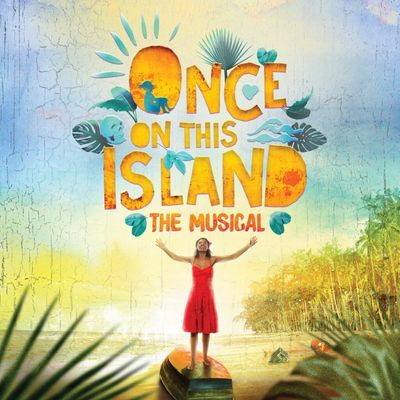
About Jaz: Jaz Hall (they/them) is a queer, non-binary, interdisciplinary artist. They simultaneously wear the hats of director, performer, casting associate, producer, curator, mentor and advocate. Jaz believes in the development of new work and art with marginalized and minority groups at the forefront. Works for and by these communities are the forward momentum of necessary change in the arts and in our world. Based in DC, Jaz previously served on the Artistic Producing team at the Oregon Shakespeare Festival (OSF), where they began as a FAIR Assistant Director in 2019. Jaz is also the creator of an independent QTPOC artist platform, WOMB, the creation space, debuted on OSF’s digital platform, O!. Currently, Jaz is assistant directing and understudying ONCE ON THIS ISLAND at OSF and recently associate directed THE GRADIENT at the St. Louis Repertory. They are excited about their collaborations with the Empowered Artist Collective and Viterbo University working with burgeoning artists, their work as a producing member of the In The Margin Collective, and their work with JZ Casting. Jaz is a proud graduate of Howard University; BFA, Musical Theatre.
Jaz’s IG: @thejazhall
Womb IG: @womb.thecreationspace
In the Margin IG: @inthemargin_itm
In the Margin website: https://www.inthemargin.org/
Want to coach with Jennifer? Schedule a session here! https://appt.link/jenniferapple
Monologue Sourcing Promo Link! https://empoweredartistcollective.com/podcastpromo
Learn more: https://www.empoweredartistcollective.com/podcast
EAC IG: @EmpoweredArtistCollective
EAC TikTok: @EmpowerArtistCollective
EAC Facebook: https://www.facebook.com/empoweredartistcollective/
Check Out Our Merch! https://www.empoweredartistcollective.threadless.com/
Any thoughts you'd like to share? Email us at EmpoweredArtistCollective@gmail.com
Transcript
This transcript was automatically generated and might contain errors.
[0:02] Jennifer Apple: Hello, welcome to this week's episode of the Empowered Artist Collective Podcast.
[0:06] Jennifer Apple: My name is Jennifer Apple, she/her, and I'm so grateful that you have tuned in, especially given everything that is going on in the world.
[0:15] Jennifer Apple: I hope that you are taking care of yourself, whatever and however that looks like for you.
[0:21] Jennifer Apple: Today's episode is truly why I started the podcast.
[0:26] Jennifer Apple: Now I know I can't say that I have favorites because they all hold a gorgeous special place in my heart.
[0:32] Jennifer Apple: But this week's episode with Jaz Hall is actually why I started this podcast.
[0:38] Jennifer Apple: It is philosophical. We talk about really large topics like success, regret, freedom, imposter syndrome.
[0:47] Jennifer Apple: We name these things as being a connector instead of furthering us into isolation.
[0:53] Jennifer Apple: How we can actually define these things for ourselves, community.
[0:58] Jennifer Apple: Really, this is a conversation that I wish I had access to 20 years ago.
[1:04] Jennifer Apple: I wish people around me were talking about these things when I first started out.
[1:09] Jennifer Apple: And I'm incredibly grateful that you are here to tune in and listen now. Enjoy.
[1:16] Jennifer Apple: Hello, hello, hello. I am here with somebody who has become, I'd say one of my favorite people, and again, somebody I've never met in the flesh over this pandemic, which feels so strange.
[1:29] Jennifer Apple: Um, but someone whose work I deeply admire and whose thoughts are just eloquent beyond, and who is innovating in a way that I aspire to create within this industry, and somebody who is truly what I feel is reimagining the way in which we tell stories and the way in which we all can show up to tell those stories.
[1:52] Jennifer Apple: Anyway, without further ado, one of my favorite people, Jaz Hall.
[1:58] Jaz Hall: Hello.
[1:58] Jennifer Apple: Hi, Jennifer. I know I said I wouldn't give you like a full introduction, but like I guess.
[2:04] Jaz Hall: I know.
[2:04] Jennifer Apple: I was like, so much to live to, eloquent beyond. I mean, it's true.
[2:09] Jennifer Apple: I mean, it's real. Jaz has been with EAC, yeah, since the beginning.
[2:13] Jennifer Apple: And it was because we slid into your DMs, I think.
[2:16] Jaz Hall: Being like, well, I think that's how, right? We slid into your DMs being like, you really we've kind of stalked you and found you and think you're really dope. You don't know us. That's literally what happened.
[2:24] Jaz Hall: Uh, but I'm always down for an artistic DM sliding. I think that's probably the only one that's copesthetic.
[2:30] Jennifer Apple: Yeah. I know otherwise we need to have a conversation about boundaries.
[2:34] Jennifer Apple: Um, well, before we kind of jump on in, tell the listener who you are today or what they maybe would like to know or you think they need to know about you in this moment.
[2:44] Jaz Hall: For sure. Thank you. Also, thank you for saying who you are today. I think that like ourselves are like ever-evolving entities, and so we should be able to show up as who we are in the present moment and then keep moving forward.
[2:58] Jaz Hall: Um, but hey folks, I'm Jaz Hall. My pronouns are they/them. Gosh, I used to have a whole spiel, and so many things have changed in recent times that uh it's completely different.
[3:09] Jaz Hall: I am currently a freelance artist. I am a director, producer, I work in casting, a performer.
[3:18] Jaz Hall: Um, so formerly multi-hyphenate, currently interdisciplinary, I think is the language I'm using moving forward.
[3:25] Jaz Hall: Um, yeah, I care about art and marginalized and minority groups and art by those groups and building community.
[3:34] Jaz Hall: Uh, I also have a collective, artistic collective for queer independent artists of color called Womb, the creation Space, um, which was doing some producing during the pandemic of just like giving folks a platform to like do shows in their living rooms because we're doing them anyway.
[3:50] Jaz Hall: So why not have an audience who can tip you? Um currently I am at the Oregon Shakespeare Festival where I am assistant directing and understudying Once on This Island, which will run for the full season.
[4:05] Jaz Hall: Um yeah, oh my gosh, it's been amazing. Rehearsals are we're a month in and they're going swimmingly.
[4:13] Jennifer Apple: Yes. See, y'all, this is you know, when people say you can't do it all, I mean, like, what does that even mean? Because like just having your foot in all of these little pockets, I would imagine just inspires and um enhances the work that you do in all the spaces, you know, it's just an expansion rather than a limitation, and it's just a different way of thinking about it.
[4:34] Jaz Hall: Absolutely. And I think it's so interesting too because I come across folks, especially from like the generation prior to mine, who have also dabbled in this, but I find that other folks are so quick to try to label them as like the person they met them as, as opposed to like allowing that person to introduce themselves and say, these are the things I do, these are the things I'm interested in.
[4:56] Jaz Hall: So I'm really excited for like in the arts moving forward that that's kind of the way we begin to engage and meet people.
[5:04] Jaz Hall: So I'm like, yeah, I will claim all of the titles of work that I do and imposter syndrome be damned.
[5:10] Jennifer Apple: Yeah, well, I love that as a transition. Let's talk about. I mean, for you, how do you navigate that for yourself in perhaps a world when you engage with people who may speak a different language about that the labeling of things, right?
[5:23] Jaz Hall: I feel like we're now gonna be throwing labels around. So I want to like put a caveat of like the the language has restrictions, and that's something that I've personally have really been finding myself consciously coming up against as I try to explain and unravel and learn more about unpacking all this stuff.
[5:40] Jaz Hall: So I just want to caveat for myself that I'm I may say or use words that I don't necessarily mean because I don't necessarily have the formatted thought through it. So I'm gonna work through it.
[5:50] Jennifer Apple: Anyway, with that, how do you find that you navigate for yourself talking to others who may not have that same vocabulary around all the different interdisciplinary hats for lack of a better term that you use and being able to engage in a dialogue that doesn't feel restrictive?
[6:08] Jaz Hall: Yeah, for sure. You know, I think I'm still navigating what that space looks like, but the through line of it for me is that I always can only speak my own truth.
[6:20] Jaz Hall: And so as I'm engaging in these conversations, and if someone's like, oh, so you're an actor, and I'm like, well, actually, I do perform, but I also, right? So it's just like, how can you plug your own self and your own talents and skills and interests in whatever conversation you're having?
[6:34] Jaz Hall: Um, because you never know, like that's the crazy thing about networking, is my little sidebar. Like, you never know who knows somebody else, and like if folks can see your truth and like understand from your mouth what you're interested in and what you're trying to do, they're much more likely to be able to like plug you to their friend or you know, make make those connections, assist in making connections.
[6:58] Jaz Hall: Um, so I kind of just tell people who I am, and if I think that they've got it wrong, I'm like, well, let me reintroduce myself or you know, clarify.
[7:08] Jennifer Apple: Yeah. How did you learn to feel confident to do that?
[7:12] Jaz Hall: Oh, but I mean, maybe that's a really like invasive let's talk to your therapist kind of question. Like I don't even know if it's invasive but no it is a deeper one like it has really been a long long journey for me of like navigating self-esteem issues and like imposter syndrome as previously named you know that before we had a word for it.
[7:37] Jaz Hall: Um and uh I don't know I kind of got to this place where I've been through so many things in life at the whim of other people's categories of me or trying to assimilate or fit into what I've been told I'm supposed to do and found myself not living in my full true self and I like you can it's hard to know when you're in your true self except that like you don't feel discomfort oh this is really hard to talk about I don't know um yeah I have gone through so much that detracted from who I was that eventually I was just like okay well let me try it this other way.
[8:27] Jaz Hall: I don't have to move through space in this way anymore especially if it's not serving me. And I know it's not serving me because I can feel it in my body like even if there's no like act I wish there were a banner that was like you're on the wrong path or like you're not doing what you're supposed to be doing.
[8:43] Jaz Hall: But like you can feel it as like some kind of cognitive dissonance in in your body at least for me that's how it's manifested um like when I get like I don't know the hairs on the back of my neck raised because someone has called me something that I don't identify by or whatever.
[8:58] Jaz Hall: And so I just started like speaking out on it. And also I as a person have always kind of operated in truth like like to a fault.
[9:06] Jaz Hall: I will often put my foot in my mouth because I'm being over honest or I think that's why I I think that's why I gravitate towards you because I do the same very much so that I've known to do.
[9:18] Jennifer Apple: Yeah.
[9:19] Jaz Hall: I'm like oh I see I see the I yep I get it.
[9:22] Jennifer Apple: Yeah so that's been something I've had to learn how to navigate where I'm like okay how you can tell the truth but like pick and choose when and where you're dropping it.
[9:30] Jaz Hall: That way you're not like right but like um yeah so when I started like actually leaning into speaking when I felt compelled to speak as opposed to squashing down that um instinct I was able to begin this journey of like okay I'm just gonna tell my truth and like sometimes it doesn't happen with confidence.
[9:52] Jaz Hall: Sometimes it's just like out of need because like I at the end of the day too as an individual want to be understood. I love clarity and so I often over explain because I'm trying to get out every version of the words that can like get everyone back to the same place or understand.
[10:00] Jennifer Apple: Yeah no thank you for um for navigating that exploration here with me. I know it was kind of like a a deeper question that perhaps both of us didn't anticipate we'd get to so quickly.
[10:27] Jennifer Apple: You know me I'm like let's go deep that's what I really want.
[10:30] Jaz Hall: I love it. I love it so much. I mean, this is such a this is a conversation, the imposter syndrome label, which, as you said too, like we hadn't had really the vocabulary around that for so long, or at least for my adolescence, I don't remember being like, I am an imposter syndrome feeling person now.
[10:47] Jaz Hall: Like it's not like I knew what to call it. You just felt that you were you didn't belong, or that somehow you you weren't worthy enough of being in that space.
[10:55] Jennifer Apple: But with the language around it now, I feel like it has become some form of healthy, but also perhaps buzzword of an excuse to like be like, well, this is it, and I don't have to necessarily take action.
[11:06] Jennifer Apple: I guess with the artists that we've had thus far through our EAC cohorts, and um, I would imagine those who are listening who are newer to our community, it's something that most human beings feel, but perhaps because the arts spaces feel so specific and gated in many capacities, that so often perhaps we find ourselves in that feeling more than others may, just because there's so many different spaces we're trying to occupy.
[11:40] Jennifer Apple: I guess I would love to have the conversation about imposter syndrome while we're here, because why not?
[11:49] Jennifer Apple: But also I think there's something about naming it that we allow ourselves to find commonality in it, which is the complete antithesis of what the whole concept is anyway, right?
[12:06] Jennifer Apple: It's like, well, I am the imposter, therefore I am the one who is not supposed to be in said, let's call it a space, said space.
[12:13] Jaz Hall: Whereas recognizing, like, oh no, we are all feeling some form of that within our own selves, and therefore there's actually a collective understanding around it, which could bring us together in some way. I don't know what I'm getting at, but that's been on my mind about imposter syndrome lately. How it's made us feel isolated when it actually could be a connector.
[12:39] Jennifer Apple: Oh, that's such an interesting thought. And I think you're I think you're right, or at least that I agree. Um what I think ends up happening too is like as quote unquote impostors or you know, as individuals faced with something that may cause you to feel like an imposter, because first and foremost, you are never actually the imposter. Like you might encounter things that cause that feeling within you, but like you yourself are like a whole and beautiful individual, period. Um it's part of the human experience where we feel like we're the only ones going through something, and so we don't talk about it. And so as things become shrouded in like silos or you know, just inner thoughts, I think it kind of cuts off our ability to build community around it.
So, like, I really agree, and I think that's maybe part of the reason why we have lost out on that opportunity to build a community around the fact that we're all mutually feeling some type of version of this thing, and how could we like support or help each other through it? And so by talking about it, like we're doing on the Empowered Artist Collective Podcast, we can help demystify some of that and also just like bridge the gaps and build some I don't know, the beginnings of connection or spark the thought that people can connect around it.
[13:59] Jaz Hall: Um, for sure. Yeah, I mean, I'm not gonna say that this was like the reason YAC started, but it definitely was a huge part of it where the feeling of being in a silo or an isolation, obviously compounded by a pandemic, um, was something that so many of us retreated into our own spaces to try to cope, which is healthy to like learn about oneself and reflect and recognize what is necessary and important, but it's also, you know, we are a socialized being as humans, and there is something about being able to observe in others and then learn for ourselves what that what is necessary for us to exist.
[14:41] Jaz Hall: Um, I just think it's such an interesting topic that obviously we're not gonna like solve anything, but I think even just putting it into the universe is it actually has potential of bringing people together when you talk about.
[14:54] Jaz Hall: Yeah, is perhaps a different, but an entrance way of acknowledging that it isn't something that as you so beautifully said, it's not something that's assigned. We like we put it on ourselves despite the fact that we are these gorgeous whole people, however we are in that moment. And it's something that in many respects we have the ability to um change when and if we enter into a space, you know, and it's like okay, well, today I may be feeling this way, which is an accurate and honest thing, and I acknowledge it and I'm with it, and I'm here with it and I'm holding its hand. And I imagine every other person in this room also has some version of that for themselves in some in some way, and therefore perhaps it's a way for me to enter more whole, not wholly as in like an H, but like whole person.
[15:50] Jennifer Apple: Yeah. Or the freedom. Yeah. Perhaps like for exploration.
[15:55] Jaz Hall: Yeah. Yeah. I get I I think I agree with that. There's something that you said about um us putting it on ourselves. And I think there's like a little bit of truth to that. But I also think that like it's born out of like the ways that we as a people, particularly like you Americans from the United States have been like indoctrinated too, like the ways in which we're taught to think about ourselves or our place in the world based on like societal standards or you know, the system of capitalism like playing into intrapersonal relationships. So I do like I think it's a natural thing to see a example of like the way that something is supposed to be. I'm doing lots of air quotes for those listening. Um as in like, you know, these are the things we're seeing in media, or this is what I'm hearing from legislature, like this is quote unquote right, as opposed to like those are some people's ideals, and like I don't necessarily have to agree with those two.
[16:58] Jaz Hall: Um, so I think I've spent a lot of time just to circle back to that question of like how did I build the confidence? Um I think I've spent a lot of time in my 20s to now, um, exploring what beliefs I hold in my physical being, like what was I taught? What of that do I actually agree with? What serves me? And then if I and then continuing to seek out new education on like different ways to look at and interact with the world and my place in it, which I think has really given me a lot of the freedom to be like, wow, I was really trying to operate within these bounds, and yet it only you know caught a little part of the Venn diagram of who I am.
[17:43] Jennifer Apple: Yeah. Um all that to say, like, yeah, like there is some of that like, oh, I was raised to think this way, so I can't show up in the X way. Um, so I must be an imposter that I can put on myself. But like it definitely comes from somewhere outside of us. I think if we were to raise a generation of little humans and like be like, you can do anything, like, and people used to tell us that growing up, you could be an astronaut, you can do whatever you want. And like you you can, but like there are also I don't know, situations from people's social locations where they were born, their religion, the their family's financial standing, um, race, gender, or the lack thereof that like really kind of put people into these different starting places on this like journey to self-discovery and also the journey to like equity in the world.
[18:39] Jaz Hall: Yeah, I think I I always I've talked about this before with friends about you know, which is better or worse. There's clearly, you know, a lot of things that are better or worse in everything. But back in the day, you know, if your family made shoes and your grandfather and your great-grandfather and your great great all made shoes, then you you know fell into I will be a shoemaker, and you did that well. And there was something I would imagine about that time where you know, you would become the best shoemaker ever because you didn't have all the options of all of the things that one can do. It's like this is the thing you will do, and you'll do it great. And you then leave this earth knowing you were really, really good at something.
You were, and yet the flip side is when we're taught young, you can do anything and be anything, and yet you don't necessarily have the resources or the accessibility or the community or the uh all of the the labeling that one needs to have access to all of those things. Um it it becomes this like nebulous phrase that actually isn't grounded in something so that there's all this potential choice in theory choice of I could be and do all the things and yet where does one begin or where does one start or how do you decide that this is actually the thing when you always know that perhaps the grass is greener because you've been taught that you can do it all.
[20:04] Jennifer Apple: And I I'm so curious to see the ramifications of that um offering which is what it had meant it was meant to be which is you can do it all but for our generation and I've seen it for myself I've seen it for my friends I've seen it for others of there the possibilities really do seem endless. And so this idea of quote unquote settling for something which it's not but this idea of settling on something makes us feel like we've limited our potential you know and so I don't know that's I I guess that like leads me to another thought of success. I know we're talking so lofty I'm I guess I'm in a mood but this idea of success right and how as we're finding these things that perhaps exploring and finding these things that we perhaps um want to use as exploration for our own artistry or human selves.
We are taught and told outside of us that there is a sphere through which success is on a barometer. And then it also comes up against our own, right? Which I think maybe is mirrored in the same you can do anything.
[21:22] Jaz Hall: Yeah, yeah. Um, and I guess I'm wondering first and foremost, how do you define success? And then let's go from there.
[21:30] Jennifer Apple: Yes. Uh before I define my idea of success, I'm so grateful that you asked that question. Because I do absolutely think that it is an individual thing. Yes, every individual has to define success for themselves. And I think that's how you end up on your path to figuring out like what brings you joy, what makes you happy, what you'll be most successful at doing as a vocation, is because you desire to do it. Um yeah, for myself, I think I define success as oh my gosh, peace. Like peace first and foremost. Um I've been I've had a long journey on my short number of years on this earth. And um I think that peace is something that I strive for, and it's like something that I'm also continually reaching toward as opposed to like a place that I can get and sit and then it's done, it's set down.
I I achieved the thing. Um, so I it's cool as a motivator also because it keeps me constantly evaluating the spaces that I am in by myself in my brain, but also the spaces I put myself in, whether that be personally or artistically. Um peace, uh gosh, success for me looks like community. It looks like building relationships with other folks and being able to sort of port and uphold offer a foothold offer i don't know just even these lofty conversations from inside of my brain that might be able to help somebody else look at the world differently um and honestly eventually success will include my like beachside house um yes manifest that yes thank you yes do you have specific beach in mind um not quite yet but i did just go on a trip to casumo and experience the caribbean sea for the first time and i'm obsessed and like i'm probably moving to mexico great we love we love yeah i mean i guess i'm not a i don't know how to manifest the way that i feel like so many of my friends do and i'm honestly envious of the way in which they manifest so deeply because I watch it happen and and it's like well this is something I in theory could do but I don't I don't think I have that spiritual connection just yet I have to work on it but the more specific they get truly the the manifestations happen I've been a converted manifester um uh idealist I don't know what the phrasing is but like it's really it's really kind of wild so yeah build that house in in your mind and like thank you yeah I can see that it has a huge soaking bathtub like an onsen like oh does it have feet or is it like in the ground I think it's a standalone tub that like is it doesn't have feet and it's flesh on the ground but it it stands alone in like the middle of a very large like bathroom space with like sunlights and lots of air and windows and just lots of like nature access.
[24:42] Jaz Hall: Yeah, like beach view through the bathroom or are we talking like tree view? I think beach view through the bathroom so that as I'm sitting in my tub I can also be like I'm in the ocean right now. Yeah, yeah, no, this is the specificity that we need. Thank you for asking these questions too, manifestations any way I can for others. Yeah, for others, no, like that's for Jennifer. Great, I mean we'll get there maybe one time, but like I'm just picturing you have like a gorgeous vanity and there's like, you know, like really clean windows. I don't know, now making up my own manifestation and your manifestations that's not actually what's happening.
[25:21] Jennifer Apple: We're building the foundation of yours. Yeah, listen, listen, I'm more of a mountain gal. Like I don't like I don't need the water. I need like cascading hills and trees and brush and the smell of woods and trees and treetops like birds at the top, you know? So you sense the distance of space and you feel small, but it feels expansive. And anyway, I can maybe we'll do an episode about mountains because it's clearly a deep love.
[25:56] Jaz Hall: Yes, oh my God, wait do you mind if I turn the question around on you? Like what is your definition, your personal definition of success?
[25:56] Jennifer Apple: I don't know if I have. I feel like it's an ever-evolving definition.
[26:16] Jaz Hall: That too, yeah.
[26:16] Jennifer Apple: And it's an ever-evolving exploration because a lot of it, I think, for me is unpacking the expectations of success that I think I inherited and was taught.
[26:31] Jaz Hall: Absolutely.
[26:32] Jennifer Apple: That some of which I still want, frankly, of these loftier, if we're talking career or interpersonal relationships, some of these things and ideals that I still I think I do want, but the way in which the ideals of success were taught and told to me are things that I'm trying to unravel and being open to perhaps the journey that it might take for me to quote unquote reach them.
[27:01] Jaz Hall: Yeah.
[27:02] Jennifer Apple: So I guess my version of success is maybe similar to yours. It's more like freedom, I think, to explore.
[27:14] Jaz Hall: Yes.
[27:15] Jennifer Apple: I think there is an ownership that I want with the word success to me, and the way in which I relate to the world around me and how I can freely find myself and explore in those parameters to reach those other things.
[27:40] Jaz Hall: I'm using a lot of hand gestures for those listening, clearly. That's how I think through my own thoughts. But yeah, I think there's I know that's also nebulous, but it's this knowing that nothing is permanent, yes, and that I am a human being who is flawed and beautiful, and that is what makes me me. And as I continue to grow and expand and explore, I have the ability to try all of the things to nebulously reach these quote unquote ideals that on the way I might realize are actually not for me.
[28:21] Jaz Hall: And that is success.
[28:22] Jennifer Apple: Yes.
[28:23] Jaz Hall: As opposed to I am on the goal, I'm on the trunk, I'm on the track, and I must go meet the thing, and then missing out on all of this the life stuff on the way. So maybe it's just the marriage of living with the freedom of doing so as I try to expand towards these beautiful, lofty dreams that were taught and told, and also became something that I wanted, but re-examining how.
[28:56] Jennifer Apple: Yes.
[28:57] Jaz Hall: Yes.
[28:58] Jennifer Apple: I think for now, that's my current definition.
[29:03] Jaz Hall: I love that.
[29:04] Jennifer Apple: For now, just to circle back to something we said previously. Like, as we as individuals are able to show up new every day, then like this is who I am today. This is what I'm interested in talking about or navigating, interested in learning about and interested in working on. I think that that your definition of success can also shift and change as you learn more about yourself, about the world.
[29:31] Jaz Hall: I mean, oh my goodness, I feel like I learned so much about myself and how I personally would prefer to operate like through, I mean, the shutdown of the past two years through the Benini, as I not so lovingly call it because it had mean rest is what it is.
[29:50] Jennifer Apple: I live.
[29:51] Jaz Hall: I've not heard that one, and I am here.
[29:56] Jennifer Apple: It's ridiculous, but like oh my god, I love it. Honestly though, like I feel like before 2020, I definitely was on the track where I'm like, okay, you know, I'm making my way up through the arts. I'm figuring out what angle or proximity to the art I desire. So and was using that to like inform my choices, career path choices on my journey to quote unquote success.
[30:21] Jaz Hall: Um, but it definitely was like in hourly or salary jobs. I'm working nine to five.
[30:25] Jennifer Apple: Well, until you're in theater and then you're working.
[30:27] Jaz Hall: You're working.
[30:31] Jennifer Apple: Um, in theory.
[30:33] Jaz Hall: In theory.
[30:34] Jennifer Apple: Exactly. On paper. Um, but you know, just like keeping a very regular schedule and like at the whim of somebody else's, some other organization's or larger entities needs, and found that like, oh, hold up weight. Like, I have these skill sets. I don't necessarily enjoy operating at like a hundred and seventy-five percent all of the time. Um, I don't have to be, I don't know, like I don't have to like be renting an apartment in a really expensive city to work at a job that like if I quit right now, I wouldn't be able to afford this apartment. Like, how are we able to?
[31:19] Jaz Hall: Oh yeah, so I guess that's another facet of my definition of success is like being able to like support my means, support myself with my means, but like without that being like a ridiculous amount of cost, like financially. So I've been like, oh, you know what? If I have Wi-Fi, I could be anywhere. I could have my own tiny home. I could live in a different country and get flown wherever I need to go because like the world is actually so much bigger than I think we're often allowed in our like white collar nine to five, the you know that mystified story of success or example of success that we had been taught to aspire to I think most of us in our generation. Um, but like oh actually I really can break that mold and I don't have to operate in that way and that's literally why I like left my job and started freelancing and you know have been knock on wood have been blessed to you know been working consistently since then.
Um, but it definitely was like okay on a leap of faith like I'm gonna really strive toward my version of success and I don't quite know what that path looks like but I know that I have these skills and I have this network and like community and how do we continue to build together.
[32:40] Jennifer Apple: Yeah, I mean like for my own personal artistic dreams or goals but also like for the betterment of the world as a whole which is my lofty Pisces.
[32:51] Jaz Hall: I love it.
[32:52] Jennifer Apple: I think by you taking that leap of faith you make space for other people who have a similar life stance to reach out and find you right because you are living in the things that matter and the truth of that for yourself right there is I will there have clearly been ups and downs of these past two years and you know I'm literally talking to you in a really run down, disgusting dump of a spot.
[33:19] Jaz Hall: But it's in Vermont.
[33:21] Jennifer Apple: I did this last year too in a different, much better spot. Um, where I otherwise would never have been. But trying to marry my like life feelings of being in said mountains, you know, accessibility to that air and the nature and the skiing and all of that for me as a human to then be able to show up for my artistry and figure and recognize that it's gonna happen the way it's supposed to happen. Big quotes. Um and the trust in oneself to know that if you've put the groundwork for you to be flexible in the ways in which the world is calling, and then you want to answer towards it will work itself out going back to manifesting. Like, I really the older I get, or the with the past couple of years specifically, I really do believe that what is meant for you will find you.
[34:10] Jaz Hall: And I feel like you are a living example of that, where you've now done like 360 of ending up where you were, but in a totally different way that is more in alignment with where you are right now as an artist and the goals in which you're thinking, and how cool that an institution, an organization that you were a part of is now seeing you and recognizing you for your growth and being like, we still love you as a human being. Let's have you here in this capacity.
[34:34] Jennifer Apple: Yeah, you know.
[34:36] Jaz Hall: Totally.
[34:37] Jennifer Apple: I thank you for saying that. I feel it. You know, it's hard like when you're in the midst of it to really like take those steps back and see the optics of like, wow, look at my journey from like there to here and look at what I've learned or how I've grown and how things have changed. Um, so it's just really nice to like have other eyes on it that can reflect it back, which is why community is so freaking important because they like remind you of like where you were so so that you can be like, Great, this is where I am, and like how do we marry that?
[35:09] Jaz Hall: Um yeah, no, I honestly you're so right. Cause I'm like, I don't quite know how these opportunities, like I don't know how I end up where I end up. I just like push toward the thing that feels right in the moment that I feel drawn to do.
[35:29] Jennifer Apple: Um after lots of agonizing thoughts behind it. But um yeah, I really do feel like we each have a path and like what is for you is for you. And like, you know, we make choices that set us like different forks in the road on like the path of life that we have options of, blah blah blah.
[35:48] Jaz Hall: Uh as I get loftier, God forgot this conversation lofty as they come.
[35:54] Jennifer Apple: This is the stuff I think about all the time.
[35:57] Jaz Hall: No, it's great. It's that's why I'm so grateful to be here. And if anybody's listening, you're welcome.
[36:02] Jennifer Apple: Yeah, yeah, exactly. You're welcome. Um, but yeah, no, I really do feel like we all have a path that's laid out, and like I feel like we end up where we're supposed to be, like, which can suck sometimes too. Like it's not always like sunshine and rainbows and whatever.
[36:17] Jaz Hall: But like I think that there are learnings along the way, there are connections along the way, there are like chance encounters that inform future opportunities too, if you are able to tap into what feels right for yourself, and then follow that path and the choices and decisions you're making, and the ability to like evaluate that when a new fork comes up, I think is like probably the most helpful thing, and is like not something that I think we had the opportunity to do as far as like with the luxury of time to have that type of introspection before the pandemic.
[36:56] Jaz Hall: I don't think that I would be where I am now had that not happened.
[37:00] Jennifer Apple: Yeah.
[37:01] Jaz Hall: Um how are you holding on to the ability to keep time for that reflection if things are kind of trying to get back into what I would call like capitalistic structures?
[37:11] Jennifer Apple: For sure.
[37:12] Jaz Hall: I came revving back. I really thought no, we were we were on the fast train. The train had been awaiting. It wasn't even the wings, it was waiting on the track. And it was like, oh, the track is kind of open. We are we are storming through. So no the train is it's it happened. It's it's been flying. I obviously it's what pushed us back to come back so soon. Like that's weird. Um yeah, I think that's something I'm still navigating as I'm like newly confronted with it. I do think that being a freelancer has been really helpful in like, oh yeah, I might have time between contracts. So I get to choose when and where I'm seeking out work. And I mean, that sounds really freaking like privileged elitist because like I don't it's not a given that there will just be things out here waiting for you.
But like there are so many job opportunities and so much remote work happening now too. And it's like, yeah, if you decide that whatever you're doing right now isn't working for you, you can seek out something new that maybe can offer you some more time. Um, but yeah, so like I I've bounced from contract to contract, but had a little time in between here and there. Um to just like sit down and be like, okay, like is this what I want to do? Is this where I'm going next? But uh I will say too, like my current goal is like I'm kind of at the whim of the work. Like I like I only will agree to do work that I feel called to do, or like is I'll learn something from, or you know, is furthering my hopes about how we could move, I don't know, the human race, mankind forward.
Um, and so as I follow that work, I kind of am at the whim of like great. So now I'm gonna be in this city and I'm gonna be here. And so I don't know that I've reached the point yet where I have to look at and evaluate the structure that I'm in right now on this like quote unquote journey to success. Um, or my version of it. Uh yeah, I don't know that I've gotten there yet to be like, great, so what now? Because I'm kind of my own boss, like yeah, which is like a new thing too, because then I now have the responsibilities of keeping myself on desk and making sure I I'm not excited to file taxes. Boy, will I tell you. Yo, yo, it's not a joke. I mean, we don't need to get into taxes because that's no, we don't have boring. But like, yo, that's there's a like this year specifically, I understood why I have an accountant and why and I'm grateful to pay them to not have to do the things as a freelancer myself.
[39:49] Jaz Hall: Yeah, with I mean the amount of W2s and 1099s that I have is is I actually don't I'm I'm I'm impressed actually about it in a very scary not okay way. Especially if your accountant got you.
[40:06] Jennifer Apple: Oh my god, I mean they got me, but it's like you know, a price here, like this isn't nothing's free, you know. It's like okay, cool, all this hard freelancing work is coming, you know, it comes back to you and you're like, Well, that would have been nice if I had a single employer who was like, Here is the thing, and you have some health and benefits and you know, retirement funds, and you're like, Well, I guess that's the trade-off.
[40:24] Jaz Hall: Yep.
[40:26] Jennifer Apple: Do you believe in regret?
[40:31] Jaz Hall: I ask that because as I was hearing you talk and reflecting for myself about, you know, as artists, freelancers specifically, who don't have a specific path, and therefore all of the paths are possibilities, which is a gorgeous freedom and also a scary thing. So when you make a decision, is it the quote unquote right decision as opposed to like it's just a decision and you can make a new one? But um, are you somebody who looks back on your life choices and says, I wish I did this, or are you somebody that's like this has taught me this and led me here? And there's some form of acceptance through all of the decision making, and therefore the trust that no matter what you decide, you have chosen that, and that is like an autonomous thing that you've given to yourself, no matter how it plays out.
[41:16] Jaz Hall: Sure. Um, I think a little bit of both, actually. I think I'll lean a little bit more toward the second. Um I hold a couple of philosophies that I've just like made up in my brain, one of which being like, you know, you're on a life path, these choices are forks in the road, and like it takes you down whatever, but like the path of your life isn't one singular line, like it's I don't know, like veins or something, like a system where like there are many possible outcomes, and it's based on the choices that you're making. Um, but I also believe another philosophy of mine that like you are exactly where you're supposed to be in any given moment because you're there.
[41:55] Jennifer Apple: Yeah, like you and I are here talking about this because we're supposed to be, and whoever's listening to this, it's because you're supposed to be, and there's something for you here, whether it's a learning or something positive, or sometimes something negative too, which like I don't wish on anyone, but like it happens, or sometimes we make, you know, I don't think there are right or wrong choices. I just think there are like better or worse choices. When I that's a phrase that one of my mentors uh who has passed on Reggie Ray shout outs um used to say he would be like yeah there's not right or wrong there's better or worse.
[42:28] Jaz Hall: And like you make a choice and then you have to live with the ramifications of that until you know there's another shift. So there are there are some choices that I made. I mean I'm human like that I wish I hadn't you know or like I wonder what like what if sometimes um but I don't ever think I've been like I would take it back because it's like the formation of how I got to the person I am now who is like on this journey of like falling in love with themselves and what figuring out what they're striving toward.
[43:05] Jaz Hall: And I feel like all those wrong choices were like or not wrong choices excuse me like not as beneficial choices um helped the scaffolding too like you have to it's like bumper cards like you have to hit a wall sometimes to know that like that's not the lane you're supposed to be on or like to allow you to re-change your course like some redirection happening too um and so it's like yeah if this bad thing hadn't happened then I wouldn't have met this person or if this bad thing hadn't happened I wouldn't have known that's what I not what I wanted or not what I needed and that I needed to make a change.
[43:41] Jennifer Apple: Yeah.
[43:43] Jaz Hall: Now do I think that it ends up positive at the end of the day for every person, not necessarily, no. Because like there are still choices to be made. And like, are we listening to the learnings? Are we like internalizing those and using them to inform our way forward? Or, you know, doing the adverse. Um, like, yeah, I don't fault anybody like for where they end up, but like it is up to us as the individual. And I think that's one of the major things that I've been learning in my adulthood. And as I'm like, yeah, navigating the world on my own, which I like I've done for a long time. But like, I feel like as you, you know, get some years, you gain a little more perspective too.
[44:24] Jennifer Apple: No, I I hear what you're saying. And I think I, you know, I was listening to Glennon Doyle's podcast as I am ought to do on a weekly basis. And uh she one of the recent episodes was about regret and how um the definition of regret versus like remorse versus you know, just like different again language, but how how it kind of perhaps impacts our choices because we hold on to the feeling of regret rather than just simply like acknowledging this isn't necessarily what they're they say they talk about, but this is I guess my addition to the thoughts of like, you know, if you can acknowledge I I wish this were different, or I wonder what would have happened, and then that is what it is, it doesn't become its own thing that takes on its own identity of well, then if I hadn't done this, and then it become we can build so gorgeously beautiful stories and then in our brains that then we are actually not living presently, we're living in the what ifs or the regret land.
[45:30] Jaz Hall: Um, you know, so I think it's I I love your mentors advice. And I also for me, I feel like I want to take it a step further of like it's not even better or worse, because even that's subjective.
[45:44] Jaz Hall: Yeah, it is. You know, like what's better or worse for me is perhaps completely the opposite for you. Arguably, you know. And so, you know, especially when I coach material, I always ask, like, how did that feel? I don't say like, was that better or was that good? Because who A, who cares? And B, it's completely irrelevant because your opinion is different than my opinion, which is different than their opinion, and also that doesn't matter either. How did that feel for you?
[45:52] Jennifer Apple: Right.
[45:52] Jaz Hall: And so, you know, I guess hearing that, I I appreciate the like, is it better or worse? And I guess I want to also offer like, are you able to live with it? You know, like, are you able to where does it sit in your body? If it's spiraling up in your brain a bit, then that is something that maybe needs to be worked out, or if it's sitting in your pit of your stomach, then how can we move it? Is it sitting in your heart, you know, and all of those things would affect the way in which you presently live in a different way, and offering that there's movement around those feelings, recognizing that perhaps it won't go away ever. But that it can be incorporated in your physical body and mind and heart and spirit and emotional life in different ways so that it you don't harbor on it in some way.
[47:05] Jaz Hall: I love that. I mean, that's really powerful.
[47:08] Jaz Hall: Um that's really powerful. Because I will say, like, as a person who like is on this journey and growing and whatever, like they're not there may not be like many things that I like quote unquote regret that I would take back because they have been in trouble in like me getting to where I am today.
[47:27] Jennifer Apple: Yeah.
[47:27] Jaz Hall: But I do still and this, I mean shit, we talk about with our therapist, right? Like harbor some sense of shame about moments in my past that I am look learning in the process of navigating. Um I suppose. And I think that's so powerful about like one, like what you were saying, Jennifer, about like where and how does that live in your body, and like can you live with it as like I don't know, an evaluator thought when making choices, when making decisions. Granted, you don't quite know what the choice, the outcome of the choice is going to be, but great. I mean, when do we ever literally but also yeah, like being able to evaluate that and checking in with yourself and your physical being.
[48:14] Jaz Hall: Um, I don't know. I'm like, I wish somebody had said this to me 20 years ago.
[48:20] Jennifer Apple: Yeah, I mean, I don't know, I don't have any of the answers to it either. And I also wish that this was said to me 20 years ago, and I that's a huge reason why I'm having these conversations now.
[48:29] Jaz Hall: Yeah, if even a single person listens to it, you know, or even if just the two of us sit here kikiing and nobody else does, like, you know, I think it's really important that we reflect, and again, I'm super cerebral in that way, but I'm that we reflect on the way in which our life choices are exactly that, they're life choices, you know, and and they're not good or bad, they just are, yeah.
[48:57] Jaz Hall: And then we have the choice of how we want to feel about it, and then what we perhaps want to do about it, if anything. Um, but all of that is yours, it is your choice. Um, hopefully, granted, there's obviously other things, but hopefully when push comes to shove, it's yours. And you know, perhaps like taking back the ownership over that too, of like so many of these things. If we're talking in the land of regret or looking back, it's like these things perhaps happened to you, even though you were the thread through which you experienced them. So you were there, but we can often, you know, blame or whatever all the other things that they did it to us, but we were there, and so then how can we choose to move forward with that?
Um, you know, and I don't know, I think it goes back to you know, all these lofty things, but it goes back to the imposter syndrome aspect about it of coming in, which is also related to what you were talking about with shame, like it's all correlated of I don't feel worthy in some way of being here or owning that in myself. It also goes back to this idea of success, right? Where it's okay, well, if this has happened to me, then how am I going to even be able to be worthy of this thing? Or if I took this different path and now it's taking me 80 steps away from what seems to be getting closer to my arbitrary quote unquote success goal, right? All of those things I really do think are related back to as we talk this through and as I'm hearing myself speak, like really related back to just autonomy of choice and then recognizing that no matter what choice you have made, it's still yours. Absolutely, which is power.
[50:45] Jaz Hall: You know, I was talking about this last night under the like incoming full worm moon in Virgo. Yes, it's popping, y'all. Please look at the moon. Is absolutely that. Like, as we're moving forward and navigating life and becoming the adults who we're going to be, and like reconfiguring and evaluating like our own individual philosophies about how and why we want to make choice or decisions moving forward, that it is exactly about that. The fact that, like, at a certain point, you have to cast off these like other naysayers or voices or things that you've been like told are should be one way. And once you formulate your own opinion on it, like make your choice, like it's your life, and you are the person who's gonna be navigating either the joys of that or the shame in the pit of your stomach because of the choices you're making.
And so to find and step into your power, because like every individual has like their own perspective, right? Like we're all sharing, like we're all engaging the world, but like based on our own social location, um, individual experiences, and uh yeah, based on those two things and whatever else, we're seeing the world differently.
[52:07] Jaz Hall: Like, we all have our own perception of what's happening, and some of it's there's fact somewhere in there in our shared perceptions, but there's also like the way that you as an individual experience the world. And um, I was saying, like, how powerful I was saying to a friend last night, how powerful is it that yes? So there's this fact that like we're all having our own perceptions, but that also means that we all have our own individual power because we our choices and our actions are impacting not only ourselves but others, yes, and so, like, how are you choosing to use your power as you navigate the earth? Period. And that can be personally, and that can be in the arts. Like, but I think that there's some kind of like one, like a joy and a pride that you can take in that and an ownership of that, and something restorative in that when you're feeling impostery or when you're unsure about a choice to make.
Like, just know that, like, whatever one you make for yourself, if it feels right for you and your body, then like trust yourself. Because I feel like yourself is going to try to steer you toward the thing that you want, your definition of success, whether you know what it is at the time or not, and whether it changes or not. Um, hopefully it's getting you closer to where you're supposed to be. And the only and yeah, I'm like, and who even knows what that is, except for you when you get there.
[53:34] Jennifer Apple: Yeah. And on that gorgeous, gorgeous wrap-up, I feel like that was like couldn't have been more of a better bow. So thank you. Thank you for doing that for me.
[53:44] Jaz Hall: Oh god, yeah. I feel like just that section alone. I'm gonna go back and replay for myself whenever I'm feeling like I need a pump up about like remembering my worth and remembering my power and reminding myself that it's in me always, and it's just my whatever is that need to be like sparked to ignite it, right? Um, so thank you for that gorgeous little wrap up. For the listener, how within your boundaries can they find you, support the work that you're doing, um, uh reach out to you if they want to either collaborate or share whatever. Like what are what is the best way to find you in the work?
[54:26] Jaz Hall: Well, thank you for that. Um, I am on Instagram at the jaz hall, that's jazz with onesie. Um I also have an email address that you're welcome to use, which is jazz hall again with onesy19 at gmail.com. Um happy to be an ear or I love mentoring or just like talking, not even mentoring, I'm like that. That creates like an interesting dynamic, but like please talk to me, y'all. Um, I also my artistic collective womb, which has been on kind of hiatus as I've been like navigating shifts. We'll see how it manifests again soon. Um, is at womb.the creation space. And I also just wanted to shout out a couple other organizations that I'm a part of too.
[55:18] Jaz Hall: Or well, rather, one organization I'm a part of and really believe in is in the margin collective, which is like an artistic nonprofit made up of like interdisciplinary artists and it's community oriented. We recently produced the New American Theater Festival, which was works done by I think nearly all POC new up and coming playwrights, directed by the same, and in conjunction, we did it with uh B Street Theater, which was like an amazing month long festival of work. Um, but in the margin is like a huge family, and it's everybody like sharing information and working together and using their multifaceted skill sets to like grow each other forward um for the betterment of the world. So if you're down, check it out. It's in the margin.org and on IG it's in the margin underscore IM.
[56:13] Jaz Hall: Um I love them dearly shout outs and then another very useful um I don't know just a useful yeah entity that I have found is the open path collective we've talked touched on the topic of therapy several times during this session and for anybody who's like struggling or you know just could use some financial support in terms of accessing therapy or you know you live somewhere where you're like I don't think there's gonna be a therapist who can like speak to my specific issues um the open path collective is like a group it's a nonprofit with a group of therapists mental health professionals where you can get like in person or online visits um on like a really like a sliding scale I don't think any session is more than like $60 per person after you pay like one a one time membership fee of like 50 something dollars um so yeah and and it's all like need based like whether it's financial need or like there's not someone who can speak to what I need to where I live they're happy to work with you too.
[57:16] Jennifer Apple: So just shout outs that's where I found my most recent therapist and she's wonderful. I love that thank you for that um as you know because you've been a part of this community the whole point of any of this is to expand one's support system and circle of support and um I'm gonna go check out those organizations as well because uh they sound like my people um so I feel you know I feel like this is yet another invitation to you, dear listener, um, to if this is speaking to you and this feels like this is in your lane of language and whatever we're talking about, then uh go support the work of these individuals and also just be curious about the ways in which they can help you help and you can help them, and it's all a mutual situation.
[58:05] Jaz Hall: Um I adore you so so much, and I'm so grateful to you. Thank you for letting me go on philosophical thought processes today. I I think I needed that, despite the fact that I had no idea. I mean, I do, I always want that. But exactly. I'm like, also I live there, so I don't know what you're thinking me. I'm like, this is my preferred form of communication.
[58:30] Jennifer Apple: Same, same, same, same. But I guess like, you know, when when I invite somebody on a podcast and I'm like, hey, we're gonna just talk philosophy today, you know, it's like not as cute of an ask. So thank you for indulging me and going on this journey with me and for always showing up so honestly and truthfully and authentically and vulnerably, and um just leading by example in a way that I aspire to and continue hoping to develop within myself. So thank you, as per ush. Um, this is just the beginning. I imagine I'll probably have you back in some capacity on this podcast.
[59:07] Jaz Hall: Ah, forevermore.
[59:12] Jennifer Apple: Yay! Until next time. Until next time. If I could have this conversation over and over and over again, if I can put myself back with jazz and have a version of this every single day of my life, I would. I know this was perhaps a lofty and conceptual episode, but I really do believe in the core of my being that talking about these things and naming them, putting them into the world allows us to actually connect further with one another as opposed to separating us.
[59:50] Jennifer Apple: Conversations like this one remind me what it means to be human, what it means to be an artist, and what it means to find community and like-minded individuals who are willing to engage in the hard things. If you feel the same, I invite you to like, subscribe, follow, and more importantly, review us wherever you listen to podcasts. This allows us to continue having these types of conversations and reaching like-minded individuals like yourself. If this was not for you, just let all that slide. As always, you can find us on Instagram at Empowered Artist Collective, on our TikTok at Empowered Artist Collective, and on our website at Empowered Artist Collective.com. I am so grateful that you have tuned in yet again, and I look forward to having you back next week. Until then.
© Broadway Podcast Network, All Rights Reserved