

TONY TONY TONY! Sarah had the amazing opportunity to fill in for Alan Seales & The Theatre Podcast at the 77th Annual Tony Awards press room. All the winners are brought to the press room right after they receive their Tony Awards and then all the press folx get to ask questions, it's so fun!.. Read More
From the show: GOOD SHOW! with Sarah Goodman
Guests

Featured Shows
About
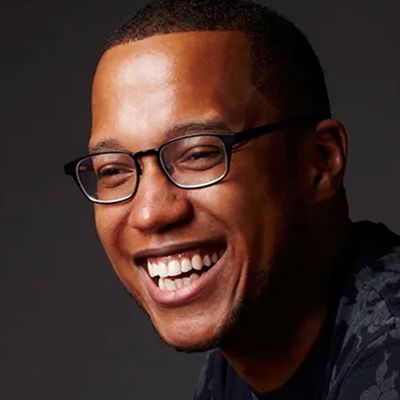
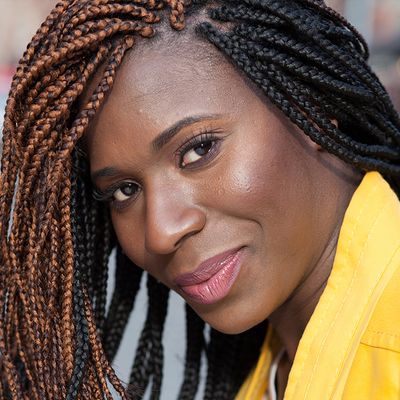
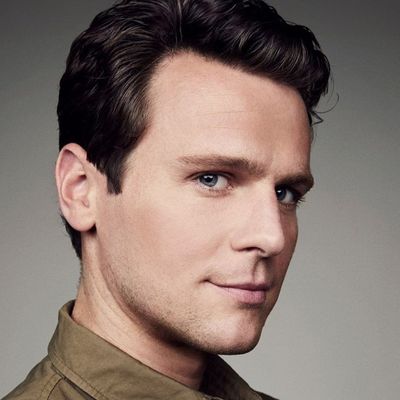
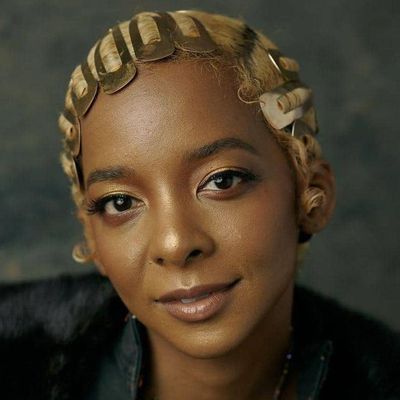
TONY TONY TONY! Sarah had the amazing opportunity to fill in for Alan Seales & The Theatre Podcast at the 77th Annual Tony Awards press room. All the winners are brought to the press room right after they receive their Tony Awards and then all the press folx get to ask questions, it's so fun! Sarah had the time of her life speaking to these incredible artists on Broadway's biggest night. The first half if a designer spotlight! Hear clips from Dede Ayite, Nikiya Mathis, Ryan Rumery, and Cody Spencer. Enjoy highlights from George C. Wolfe, Shaina Taub, Kara Young, Sarah Paulson, Branden Jacobs-Jenkins, Jonathan Groff, and Maleah Joi Moon.
Good Show Instagram: @goodshowpodcast
Good Show Tik Tok: @goodshowpodcast
Connect with The Theatre Podcast:
Visit: http://bpn.fm/ttp
- Support the podcast on Patreon: Patreon.com/TheTheatrePodcast
- YouTube: YouTube.com/TheTheatrePodcast
- Threads, Twitter & Instagram: @theatre_podcast
- TikTok: @thetheatrepodcast
- Facebook.com/OfficialTheatrePodcast
- TheTheatrePodcast.com
- My personal Instagram: @alanseales
Transcript
This transcript was automatically generated and might contain errors.
[0:00] Sarah Goodman: Hi, I'm Sarah Goodman, and welcome to our very special bonus episode of Good Show coming to you from the 77th annual Tony Awards.
[0:39] Sarah Goodman: I got the incredible opportunity to represent the Broadway Podcast Network at the Tony Awards Press Pool, where all of the winners came through right after winning their Tonys. It was really exciting. I got to ask so many people questions, and I've compiled some of my favorite highlights here for y'all to enjoy. Because I'm a designer and I really appreciate designers, and there were a lot of exciting designer wins this year. So let's jump right into it.
[1:20] Dede Ayite: Hi, Linda Armstrong, Amsterdam News. When it comes to doing costumes for a show like Ja Ja's African Hair Braiding, which in my mind made history on Broadway because I've never seen a show that focused on that population of ladies, what did it mean to you to make sure that your costumes were authentic to the ladies that you were representing since they had never been represented before?
[1:42] Dede Ayite: Oh, that's a great question. Um, it's very important to me to just find their heart, right? Because as much as in some ways, you can look at those group of women and think they're caricatures or they're just loud and bold, but they have such depth to them, right? They're human beings, and so as a costume designer, and especially with Ja Ja's, it was important for me to just find their humanity and showcase that and showcase it with tenderness and showcase it in its complexity. So as much as there's someone who might be in a bold and colorful costume, there's also heart there, and there's also fear that she carries. And to find that nuance that I can communicate through the clothes, and then hopefully that the audience, whether they're black or they're African, can identify themselves and relate to the story because that story is a shared story.
It might be in a different package, but we are all human and we sort of all need each other. And so as a costume designer, I really want to find that nuance and capture the complexity of what it means to be human through the clothes.
[2:38] Dede Ayite: What does this award mean for you personally as far as representation on Broadway and expanding the people that we're looking at on Broadway stages?
[2:48] Dede Ayite: I mean, it means so much because for me, I looked at Paul Tazwell, um, I looked at Tony Leslie James when I was coming up, and to be in this moment where I believe actually that I'm the first black costume designer to win in a play is a lot. It's a huge, huge moment because I know there are people like me that are just starting out and are unsure and you know are fearful, and you just don't know what it's gonna take, and you don't know how to find that step to take you forward. And so I'm just hopeful that this moment says, just keep at it, you know, tell the stories that matter to you, tell the stories that you find value in, and the moment will meet you. And that's what's happening for me right now.
[3:27] Sarah Goodman: Ja Ja's African Hair Braiding pulled in another Tony, a special Tony award that was given to Nikiya Mathis for wig and hair design.
[3:41] Nikiya Mathis: Hello, congratulations!
[3:45] Selisha: Hey Kia! Um, first question: Do you ever run out of ideas for hairstyles?
[3:52] Nikiya Mathis: OMG. Yes. Um, no, well, it's interesting because I do, it's always like it's tricky because again, let's say for Ja Ja's, right? It was like, okay, all of these women have to come in with a hairstyle. That could be a million different hairstyles. So then we had to start with, okay, well, what's the socioeconomic background of each woman, right? Because they could come in with twists, curls, locks. It could be a myriad of things, right? So then I'm looking at the play, and then I'm looking at what the playwright says, and also looking at what the costume designer says, and then we're going from there. And that's really what helped me with Ja Ja's. But also, like sometimes I start with a thing, and then I look at the actor and I look at it, I'm like, that's not the thing, or it's almost, and we're gonna add this, or we're gonna add that. So, like, sometimes my creativity comes like as tech rehearsal goes on, or as we're in previews, and then I'm refining it.
[4:50] Selisha: Yes.
[4:51] Nikiya Mathis: Hi.
[4:52] Selisha: Hi, Playbill here. What are some of the moments in your career that you look back on as true turning points in your artistry?
[4:58] Nikiya Mathis: Oh, well, you know, I've spoken a little bit about it lately. There was a show I did last year that was really, it felt traumatic for me. Like I felt like, you know, there were people working under me and even in management that weren't supporting me. Um, I was the one black woman, uh, I was the one black designer on the show, and really felt like there were a lot of microaggressions. There were people thinking, who are you? You have how many Broadway musicals have you designed? You don't belong here. And I tell you, like, I would walk into that space. It was a beautiful theater too. I would walk into that beautiful theater every day feeling like I was at war or praying to God, saying, Okay, God, today is gonna be different.
How do I show up different? And then it felt like it would be war again. Someone would undermine me in some kind of way. And we know, as women, you know what that is as well. And I felt like they almost knocked me all the way down. And then there was a turning point where I said no more. I went to the producer and said, either this person goes or I go. It was like, I don't need this. Like, you know, you may need this for your life, but I have a real life and like real feelings, and I like I don't need Broadway to define me. Like, you know, my life defines me. I'm here because I have a purpose here. And finally, when I did that and made that change, when I stood up for myself and wasn't afraid anymore, all of a sudden there was a standing and a knowing.
So if anybody comes to me and says, Oh, you've only been on Broadway for this many years, I will say yes, and I'm great, yes, and you know, and I don't know that I had that before. You know, I think there would be I would maybe hear the voices of you don't know enough, you haven't been here long enough. And I actually have like I've been behind the scenes helping black women for a really long time, so I understand it. So I think like they thought that they were gonna break me, but they really built a diamond, and I'm really grateful.
[7:00] Sarah Goodman: Wow, such inspirational words from Nikiya Mathis. I'm gonna play that again. They thought that they were gonna break me, but they really built a diamond. Wow. That might be one of my favorite quotes of the whole night.
[7:11] Sarah Goodman: Up next are sound designers. This was a moment that I was truly geeking out about. Um, Ryan Rumery won the Tony Award for sound design for a play for Stereophonic.
[7:23] Sarah Goodman: Stereophonic was one of my favorite shows that I saw this season. It is about a 1970s rock band recording an album and all of their interpersonal drama. But the coolest part about that show is that they've built a real studio on stage. So I had a great time listening to Ryan's answers to all of these amazing questions about his sound design.
[7:45] Ryan Rumery: It started, which sounds simple, but it's not, but I just wanted to put mics where people were so there would be more of like proximity effect, you know, someone walking by the mic, they're on the mic, they're yelling. And then also with sound which sounds weird. Um, I like to try to make it sound how it looks. And you know, that's like a band playing together in the studio. And so that was the first thing. And then everything for signal flow, like you're talking about that. We used something that's never been used before actually on Broadway through Universal Audio, and we used all of the vintage plugins that would have been in the studios and ran it through all of those plugins. So it's really complicated getting from the microphone to the console to the device to the console out to the audience. And that took a long time to figure out that balance as well. But it was definitely wild to come up with and definitely not easy as well.
[8:50] Ryan Rumery: On everything I do, I really try to become a chameleon. I really try to like learn it and like become it. And so, you know, like I listened to a ton of Fleetwood Mac albums, and I mean, because I've also since I was a kid have loved Fleetwood Mac. And you know, the thing that's like quintessential are those dry drums, no reverb, like nothing, and it's a thing that a lot of the times in theater, you know, we don't do. We're putting reverb onto things, and it's dr—I mean, there's towels from my house that are on the heads of those drums, so they have that like muffled quality. But I really and then and like the bass on some of those records, I just feel like they're just it's just like biting into this is gross, but binding into like a tomato, and it just kind of like goes everywhere.
You just can't—I know it's so weird and gross. Um, but it's like yes, it's a visceral experience. And so like I wanted the audience to be, because really like to be honest, when you're hearing drums and bass come off of a 24-track tape machine, there's nothing like it. We're so used to our phones and our AirPods and everything else, but like you really feel the music, and that was one of the most important things to me. I mean, bass is very important to me. Um, but listening to those records, and I had like a whole array of CDs and things on my table, and we're going through them, we're listening to them through the system, we're trying to make our system sound like the records, you know. I mean, it was definitely a long road of research, but also fun music as well.
Um, totally like blanking, but uh, uh, but 10CC some of those early um Tom Petty records for just like how the drums and how like the acoustic guitars and like the guitars sounded, you know, went through those, you know, everyone don't throw up, but Steely Dan, you know, some of those records as well too, just to like, you know, catch like that vibe because right now a lot of the time everyone's not sitting down in the studio together.
[10:59] Cody Spencer: You know, records are done in chunks now, and we really wanted to try to get that quality, like everyone was together and making it in, you know, the audience is just hanging out and absorbing it.
[11:11] Cody Spencer: I know that your work was not just only on sound, but as a sound designer, there were certain things that because this is about recording, you were able to contribute to just the overall stereophonic.
[11:24] Cody Spencer: So could you talk about some of those moments from your percussionist experience, from all of those things that you contributed to what we know as the play?
[11:33] Cody Spencer: I think that the two moments that I've like the thing that's like so interesting about this show is the level of involvement that I had on it as a sound designer because a lot of the times you come in at the last second, you do the sound, you go home, you know.
[11:46] Cody Spencer: But like I got to work with Will and Justin, I'm a drummer as well, and got to work on the songs, you know. We like worked on Masquerade, for instance, you know, we and Will had all the parts and we're just over at his house and working all that.
[12:01] Cody Spencer: And you know, that sort of just flourished and grew throughout time. The other thing is I worked really close with David Adjmi on some scenes that were in the show, like you know, like the whole drummer scene where like, oh my gosh, do you hear this? Do you hear that?
[12:20] Cody Spencer: Like it's happened. I've had that in the studio, and you're like, oh my gosh, we're all losing our minds. And someone's like, I hear it, well, I don't hear it, well, I hear it, you know, and you just go on and on and on and on.
[12:31] Cody Spencer: So that was cool where the console falls apart, um, not falls apart, but a channel breaks, like all these things, like I've never had a dialogue with a playwright before to talk about these things.
[12:42] Cody Spencer: And David listened, and we like worked on these things together. So it's wildly gratifying to make it to this point and to have my hands in so many crazy things.
[12:53] Cody Spencer: So yeah. Thanks.
[12:54] Cody Spencer: I won the Tony Award for best sound design of a musical for The Outsiders.
[13:00] Sarah Goodman: And I got to ask him some geeky questions about what kind of microphones they use when they get rained on during the rumble. Hi, I'm Sarah with the Broadway Podcast Network, and I'm also a sound designer, so very excited to be talking to you. Congratulations.
[13:13] Sarah Goodman: Um, can you talk a little bit about some of the challenges with having microphones on stage where people are fighting and also where there's rain?
[13:21] Cody Spencer: Uh, the biggest challenge would be the rain. The fighting, we got around pretty quickly. Early on in the process, I was talking to the special effects designer, and I said, All right, we're gonna rain on stage. How much rain is it?
[13:31] Cody Spencer: And he said to me, Well, take a shower for like three minutes, and that's the amount of rain. So, what did I do? I got every single style and microphone I possibly could, and I did different treatments, tried, and I would take a shower, and I have this little mic comparator.
[13:46] Cody Spencer: So I'd take a shower for three minutes, turn take off the timer, and then I would see not just if the mic was working, but how quickly we could clear the mic to make it so that it was working again.
[13:56] Cody Spencer: Um, I did this a lot. My fiance was a little confused why she would go into the bathroom and there'd be like a text setup in the bathroom.
[14:03] Cody Spencer: Uh, but no, we spent a lot of time trying to do research to figure that out, and that was the hardest part of the show, would be was the rain.
[14:10] Cody Spencer: Because literally, if you watch the rumble, they're laying on their back looking up at a rain curtain. So there's no way to not get the water in.
[14:17] Cody Spencer: So between my amazing team backstage, Joe Somala and Heather Augustine, they were able to figure out ways to treat the mic to get the rain to come off.
[14:25] Cody Spencer: But then also we've taught the actors and the actors have a lot to do. It's all about the flick. And if you see at the end of the rumble, as they're going back upstage for the next scene, they're flicking their mics to clear the liquid out, so that luckily 90% of the time we're clear when it gets to the next section.
[14:41] Cody Spencer: But yeah, it's a lot. Uh those are DPA 40 uh 6060 ones. We tried mini ones that I'm not gonna mention, but the 6061 had the best get rid of water fastest.
[14:54] Cody Spencer: We use something that has actually not been used on Broadway before, besides one other time, which is my other show, Here Lies Love, but it's called Alisa, and it's immersive, it's L-acoustics of an immersive sound system.
[15:06] Cody Spencer: So instead of sound just being in front of you like most shows, sound is actually happening all around you at all times.
[15:11] Cody Spencer: So no matter what seat you're in, that sound is not coming from in front of you, or just that annoying speaker there, the annoying speaker behind you, which you hear at some shows, we're able to control the whole room and get you encompassed, so it's not super loud, but you feel it everywhere, you think it's a lot, and you know, and actually the whole show we use this technology because when we first started looking at the show, we're like, who's the target audience?
[15:33] Cody Spencer: And or who's a lot of the audience, and it's kids wearing AirPods. And if you put AirPods in, you know, you have that immersive sound.
[15:39] Cody Spencer: So we really push that. So, you know, the cast for the most part stays in front of you at all times, but the band and the sound effects are kind of all encompassing you at all different times.
[15:48] Cody Spencer: In certain moments in the show, the band and the cast will encompass you a little bit to get you to feel like you're part of it, and then it'll suck back into a normal proscenium show.
[15:56] Cody Spencer: So the technology that we use just really made it easy to make that happen.
[16:00] Sarah Goodman: We'll be right back after this break.
[16:02] Sarah Goodman: We are back with more press room interviews from the 77th annual Tony Awards.
[16:07] Sarah Goodman: And up next, we have the legendary George C. Wolfe, who received his lifetime achievement Tony Award.
[16:15] Sarah Goodman: George C. Wolfe is an iconic director who is known for directing shows like Angels in America, Jelly's Last Jam, Noise Funk, and the highly anticipated revival of Gypsy coming this fall, starring Audra McDonald, who is in fact a six-time Tony Award winner herself.
[16:33] Sarah Goodman: George C. Wolfe was asked about what advice he has for newcomers to the industry who are just starting out.
[16:40] George C. Wolfe: But just see as much theater as you possibly can. Don't and work with, and if you meet someone and you connect with them, and they're if they're an actor and or they're a writer, connect with them, get to know them, build a piece together.
[16:53] George C. Wolfe: I worked with my friends before I worked with anyone that would be quote unquote, you know, of a certain stature. And that's where I started to grow.
[17:02] George C. Wolfe: And you build up a confidence and you give up and it's a it allows you to exercise and get in touch with your passion and your ferocity.
[17:11] George C. Wolfe: And then you're off to the races. And also during that time period of struggle, is one of the things which I say all the time: a crucial step to saying yes to yourself is getting used to people saying no to you.
[17:24] George C. Wolfe: And so that so you hear those no's and you go, no, no, no, no, no. I have a legacy. I've been working with these three people or these 20 people that you have no idea, but they've empowered me, and I feel empowered.
[17:34] George C. Wolfe: And you so just you just keep go forward from there. And if something scares you, do it. That's my big advice.
[17:41] George C. Wolfe: And when Tony Kushner asked me to do Angels in America, I went, How the hell am I gonna do it? Seven hours, I don't know what I'm doing.
[17:46] George C. Wolfe: And then a voice said, do it like you've done everything else, one scene at a time. And then you go into a room, and I would you work with a group of wonderful people, and then Tony comes in with new writing, and you're going, I'm in the middle of something extraordinary, but I'm not being paid to be all the way, I'm paying to do the job, so you get back to work.
[18:02] George C. Wolfe: It's about the work. And you grow and you become whoever or whatever you're going to become by investing as fully and as purely and as passionately in the work.
[18:13] Sarah Goodman: This next Tony winner put in a lot of work on the musical SUFS. Not only did she write the book, but she also composed the score and is playing Alice Paul in the production eight times a week.
[18:31] Shaina Taub: To be standing here with this award for book blows my mind because that but to your question, the main most substantive formal change in SUFS was the addition of more spoken book.
[18:41] Shaina Taub: I think initially, you know, I'm a song, I'm a theatrical songwriter. I love sung through musicals, and I thought SUFS was a sung through musical.
[18:48] Shaina Taub: And I think something it taught me as I went along in the process was oh, actually, people don't know much about the story. It will really help me if I can have spoken dialogue that tees up a song.
[18:58] Shaina Taub: So I really studied the books that I love of musicals like Ragtime, Into the Woods, other shows I love, Urinetown, um, and really kind of embraced writing spoken dialogue.
[19:09] Shaina Taub: Yeah, and so that's there's a lot more of that. And so it's wild to me, you know, I hadn't really thought of myself as a playwright, but it going through this process gave me that confidence.
[19:17] Shaina Taub: I think right now it's a hard year in the country. People are feeling a lot of cynicism and despair, myself included, often, especially seeing women's rights being rolled back and to see reproductive rights, specifically in the right to abortion, being threatened on the state level and the federal level, and not being able to count on the Supreme Court to protect that right anymore.
[19:32] Shaina Taub: And what I hope SUFS can do is remind us that when ordinary American citizens come together to coalition build and organize for justice and equality and our rights, we get things done.
[19:45] Shaina Taub: And the suffragists achieved major constitutional change a hundred years ago, and we can do it now.
[19:51] Sarah Goodman: Next up is another very inspiring woman, Kara Young, who won her first Tony Award this past Sunday for her role in Pearly Victorious.
[20:00] Kara Young: It feels um it, you know, not to not to go back, but it feels larger than me. It feels larger than me because of the stories that I've been um had the opportunity to tell.
[20:18] Kara Young: And again, it's like it's this is not me. This is the makeup of many, many, many, many, many people.
[20:28] Kara Young: And you know, especially the sacrifices of mom and dad. So holding it, you know, it's probably gonna go in my parents' house, you know, because like everything, all the every everything's everything is there.
[20:42] Kara Young: So um, because they've sacrificed a lot for me. And and and and in a way, not even knowing it, because like for a long time, it's like, Kara, are you getting paid for that job?
[20:55] Kara Young: You know, you know, but they just really um they supported me when I said I wanted to do this.
[21:01] Sarah Goodman: Hi, Kara.
[21:03] Kara Young: Hi, hi, congratulations.
[21:05] Sarah Goodman: Thank you so much.
[21:06] Kara Young: Thank you.
[21:07] Sarah Goodman: So you spoke beautifully about legacies um in this play, in your life.
[21:14] Sarah Goodman: You know, the people who've come before you and honoring them and about Ruby Dee and Ossie Davis.
[21:20] Sarah Goodman: So is there something you hope you would love to tell them or ask them at this moment?
[21:30] Kara Young: You know, I think like not to not to not to answer the question selfishly, but it's a hope in doing the work justice, right?
[21:42] Kara Young: You know, as actors, we walk into a workshop and we want to serve the play in all of its truth, and with every nook and cranny on the page, every space between, we just want to serve the playwright.
[21:58] Sarah Paulson: And um, you know, it just what I want to say is that I'm so grateful to even be a tiniest part of honoring their legacy. Years ago, my aunt lined up my picture with Ruby D's. This was not even in question, right? This was not even in discussion. And I'm like, she's like, one day you're gonna play Ruby D because everybody had been telling me for years that you resemble her. So there's that, right? And so, like that was very kissman. I kind of feel like this is this is um people have been manifesting this for me in a wild way. People have been praying over me for this, and when this happened, um I literally was like, There can be no fear, you have to listen and honor. And that was it. You know, of course, doubt, doubt slips in, you know, like a like a waterfall at times.
But you can you have to listen and honor. And it was about honoring. Ruby D is a Harlemite like me. Ruby D actually used to live around a corner from where I live right now. Like there's so much kizmet. There's so much uh things that are sort of inexplicable that I actually can't have any question about it. I just gotta say yes and just go for it and do his best and do the best work best that I can. Thank you so much, everybody.
[23:47] Sarah Goodman: Queer icon, Sarah Paulson won for Best Actress in a Play for her role in Appropriate. And her time in the media room was pretty hilarious. She told everyone that she was feeling very out of her body, which I could relate to because being at the Tonies was pretty overwhelming. Um, but we had a really good time chatting with Sarah Paulson in the press room. Hi, congratulations.
[24:11] Lindsay Stone: Lindsay Stone with From the Mezzanine right over here.
[24:13] Sarah Paulson: Hi congratulations, I'm so happy.
[24:15] Lindsay Stone: You're calling that the mezzanine?
[24:16] Sarah Paulson: I am from the mezzanine.
[24:17] Lindsay Stone: Oh, from the Broadway.
[24:19] Sarah Paulson: Never mind.
[24:19] Lindsay Stone: Wow.
[24:20] Sarah Paulson: Wow, guys.
[24:21] Lindsay Stone: I thought you were like, this is the mezzanine section of the room.
[24:23] Sarah Paulson: From the mezzanine. Love that. Okay, thank you. Um, you've expressed how much this nomination has been a pinnacle of your career. But tell me, how does it feel right now to be holding the Tony Award in your hand?
[24:34] Sarah Paulson: Um I don't know. I don't feel like I'm in my body right now. I'm um I can't I just can't believe it. I can't believe it. I really can't. It was is a childhood dream for me without question. So it's very hard to meet that moment in front of a lot of people without feeling um like I'm exposing my my inner insides to you. So I'll I'll let you know in a little in a minute.
[25:01] Sarah Goodman: That was very relatable from one queer Sarah to the other. It is a childhood dream of mine as well. So I totally understand how she was feeling. I did get the chance to ask Sarah Paulson a question, and I asked her why she thought American theater was important today. But then uh we all got a little interrupted and it was pretty funny.
[25:25] Sarah Paulson: Uh I think uh the American theater is important right now, any time it is now, you know. Like I don't think it will ever not be uh vital to our society. Um I think it's sort of the best way to um what just happened? They just gave best musical.
[25:41] Sarah Goodman: Oh, I'm so sorry.
[25:43] Sarah Paulson: Meaning I'm sorry to to to be interrupting the moment.
[25:48] Sarah Goodman: No, no, we're here for you. We're here for you.
[25:51] Sarah Paulson: Oh no, I'm so the outsiders just won, is that right?
[25:54] Sarah Goodman: Yes.
[25:55] Sarah Paulson: Was that unexpected?
[25:57] Sarah Goodman: Slightly it was? Oh, it was it was nobody knew what was it was a dark horse. I love a dark horse. I do have to say that performance, you know, because we've been doing the play for this long, I have been able to see absolutely nothing. So there's been an enormous um joy tonight sitting there um for that very long time. Um getting to see all of these these musicals, and I can't wait to see every single one of them. And I thought the outsiders looked particularly special. So congrats. I hope Sarah Paulson gets a chance to see the outsiders, and I hope she also gets a chance to see her significant other, the amazing Holland Taylor, performing in the play NA, which I just saw at the Mitsuke New House Theater this weekend, and it was wonderful. Check it out. It's a very thought-provoking piece.
[26:47] Sarah Goodman: Next up we have Branden Jacobs-Jenkins, who won the Tony Award for Best Revival of a Play for Appropriate. His play that he wrote. And he spoke a little bit about legacy.
[27:00] Branden Jacobs-Jenkins: Oh, my legacy, gosh. As a human or like as a playwright, a theater artist. I think, you know, I think for me, I found I found myself spending a lot of energy coming up trying to suss out the ways in which I didn't feel free as an artist. You know, I grew up in the 90s in a time that was like there was so much funding in youth arts culture, we were expressing ourselves. And something happened when I entered the industry where suddenly there were these like walls and and double standards and these kind of old and hair, oh great. Is that outsiders? These inherited um uh these like inherited um just like practices that were just like not right, you know. And I wish I had been warned about that, but then also I feel like I draw I drew so much inspiration from folks like Ozzie Davis, like Tony Morrison, who really were about like outing and questioning those structures of power that were preventing me from communicating what I felt I had the right to communicate in life, you know.
So I guess if when you ask me what my legacy is, I just hope that like people behind me feel freer, you know, that they don't. I never want people to sorry, whoa, why am I getting emotional about this? Boo. Um, but you know, I don't, I I just don't want people to feel that way again. I want people who come up in the theater, who found freedom in the theater to be able to express that in adult life and be able to make whatever they want to make with whoever they want to make it with and not have it be a hot dog mass.
[28:24] Sarah Goodman: Jonathan Groff won the Tony Award for Best Actor in a musical for his performance in Merrily We Roll Along. And Jonathan told amazing stories about his family and growing up in Lancaster, Pennsylvania. And in the press room, we had a beautiful moment between Jonathan and one of my colleagues at the Broadway podcast network about their hometown.
[28:48] Jonathan Groff: Hi, I'm from Lancaster.
[28:50] Colleague: Um I was in Spring Awakening at EPAC.
[28:54] Jonathan Groff: No way. Where?
[28:55] Colleague: At EPAC.
[28:57] Jonathan Groff: No way. Yeah, you came to see me.
[28:59] Colleague: Oh my god, it's so nice to see you again.
[29:01] Jonathan Groff: So nice to see you.
[29:02] Colleague: That's not that's not. What a small world!
[29:04] Jonathan Groff: I know, I know. I'd now you're doing this. And you're doing this. Look at us. It's a big night for the ones. How cool is that? How cool is that? Um, so you mentioned a lot about your younger self, but if you could speak to that younger self directly tonight, what would you say?
[29:23] Jonathan Groff: The ju the pure joy, inspiration, excitement, passion for uh the arts is a superpower. And if you can believe in it and follow it and harness it and trust it, it can change your life. And it has. I wouldn’t need to tell him that because though, because I guess he did it. So I would say, if I had to give him advice, I would say start meditating. Because I started doing that two years ago, and that really changed my life as well. Um, but yeah, that that feeling when you're young, it's what we sing about at the end of Merrily We Roll Along in in the song Our Time. That feeling, I mean, everybody in this room has had that feeling because we live in New York. So I'm I'm sure most of us came here from somewhere else, and that that ambition and that passion is uh is is a life-changing superpower.
[30:23] Sarah Goodman: Maleah Joi Moon won the Tony Award for Best Actress in a musical for starring in Hell's Kitchen. And she was the last person to visit the press room of the evening. And I was lucky enough to ask her the last question of the night. And I asked her what it felt like to be in a show that has such amazing diversity and representation.
[30:45] Maleah Joi Moon: None of this matters if we do not, I just finished saying this in the other room. If we do not do our part as theatergoers, as the theater community, to encourage the youth to keep following their dreams. There is no future of theater, musical theater, plays, anything, opera, anything creative without children. And if it weren't for the teachers and the providers and the the village that raised me, not only as a child, but as a storyteller, I would not be anywhere close to this moment in my life. So this goes out to them. And as far as the diversity in the community, it is so so important for people who look like me to come to the theater and see themselves reflected in a piece of art. Because everyone deserves to have good theater experiences that are about them. Thank you.
[31:53] Sarah Goodman: And that is a wrap on our coverage of the 77th Annual Tony Awards from the Press Room. I was so so grateful that I got to participate in the press room this year. Thanks to the Broadway Podcast Network and Alan Seales at the Theater Podcast. It was one of the most fun nights of my life. I hope I get to do it again. We'll be back soon with our final episode of the Queer Series where Kristen and I watched the prom. So stay tuned for that. And thanks again for listening, everyone. Good show.
© Broadway Podcast Network, All Rights Reserved