

We're back!! (kind of)... This special bonus episode is coming to you live from the red carpet at the opening night of Broadway's "How to Dance in Ohio". "How to Dance in Ohio" is a heartwarming musical based on a true story... Read More
From the show: Mamas Talkin' Loud
Guests




Featured Shows
About
We're back!! (kind of)... This special bonus episode is coming to you live from the red carpet at the opening night of Broadway's "How to Dance in Ohio".
"How to Dance in Ohio" is a heartwarming musical based on a true story. It follows a group of young adults on the autism spectrum who attend a group counseling center in Columbus, Ohio. As they prepare for a spring formal dance, a major rite of passage for many teenagers, they navigate their anxieties, hopes, and dreams about love, independence, and fitting in. Through humor, music, and genuine connection, the characters overcome their challenges and discover the courage to step outside their comfort zones. The show is praised for its uplifting message, its celebration of neurodiversity, and its talented cast, which features seven autistic actors. So, it's not just about learning to dance, but about embracing individuality, facing fears, and finding your place in the world.
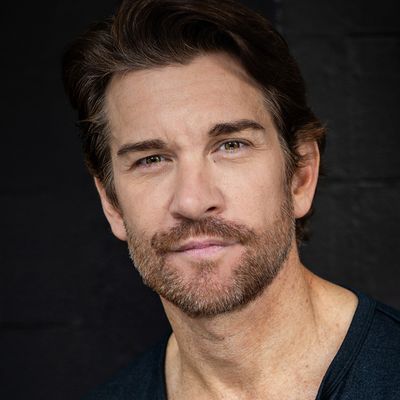
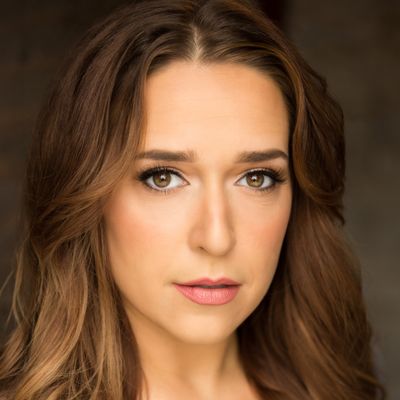
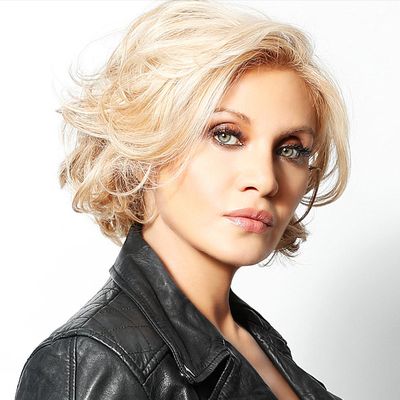
This episode features Paula Abdul, Conor Tague, Desmond Luis Edward, Amelia Fei, Imani Russell, Ashley Wool, Alex Brightman, Jessica Vosk, Andy Karl, Orfeh, Ingrid Michaelson and Will Chase.
Transcript
This transcript was automatically generated and might contain errors.
[0:25] Cara Cooper: Hi everybody, thanks so much for tuning in to this episode of Mamas Talkin' Loud.
[0:29] Jessica Rush: And I'm Jessica Rush. Surprise!
[0:36] Cara Cooper: You actually are hearing a new bonus, let's say bonus episode from us. It's been minutes over five years.
[0:48] Jessica Rush: Twice. Almost twice. Uh, time has flown.
[0:51] Cara Cooper: But we're here and we're really happy to be popping up in your feed today. Hopefully, it was a nice surprise this morning when you opened that podcast app.
[1:01] Jessica Rush: You were like, oh my god, what are they doing here? They're at the top of my feed.
[1:08] Cara Cooper: We're here today because we had a really special opportunity that the Broadway Podcast Network brought to us in December. Jessica and I were the red carpet representatives for the Broadway Podcast Network for the opening of How to Dance in Ohio.
[1:25] Jessica Rush: Hello. I know it was so fun. We were nervous. FYI.
[1:29] Cara Cooper: So nervous. We were so nervous. We are normally on the other side of that rope. We are not normally with the press line.
[1:36] Jessica Rush: And it was fun. I mean, I will say, like, side note, it was fun when our friends would walk down the red carpet. They'd be like, oh my God, hi, what are you doing? What are you doing here?
[1:46] Cara Cooper: But it was also super fun for other reasons. If you don't know about How to Dance in Ohio, it is a musical that is based on a documentary film of the same name about a group of autistic young adults who are preparing to go to a dance.
[2:01] Jessica Rush: And as all of our listeners know, I have a daughter who is on the autism spectrum. And this was a really, really special opportunity for us to be there on the red carpet and speak to not only the creatives, but the cast, most of whom are autistic.
[2:21] Cara Cooper: Yes. Setting a um new precedent or uh new precedent, but also like making history.
[2:27] Jessica Rush: Oh my god, Jessica. Um, we're out of practice. As you can see, it's been a minute since we've done this.
[2:33] Cara Cooper: No, making history for the first time ever, actual autistic individuals were playing characters who are autistic on Broadway.
[2:43] Jessica Rush: There were seven, seven of the principals, all seven of the principals are autistic, as well as some swings, I believe.
[2:50] Cara Cooper: Absolutely. Yeah. It was incredibly moving, not to mention the fact that Temple Grandin was on the red carpet and we got to speak to her.
[2:58] Jessica Rush: And Abby from Love on the Spectrum, who is my favorite. Uh, we got to speak to her and her mom, and it was just a really, really meaningful night for the both of us.
[3:09] Cara Cooper: So we're doing this little bonus episode so you can hear parts of our interviews with all the fabulous people we got to speak to.
[3:16] Jessica Rush: Yeah, we uh we started off the night right out of the gate. We had the writers of How to Dance in Ohio. Um, we were fortunate enough to catch up with them.
[3:23] Cara Cooper: Rebecca Greer Malosik, uh, who is the book writer, and then the composer Jacob Yandura. We spoke with them first.
[3:31] Jessica Rush: They were fresh out of the gate, first down the line. We were so at debuts.
[3:38] Cara Cooper: I know. That was so exciting, so so exciting. And especially knowing them for years and hearing them talk about this and the personal meaning it has for them, but then also the journey it's taken to get to Broadway.
[3:50] Jessica Rush: The show actually came in so fast. I mean, it was actually only a few years in the making. So it was sort of like lightning and super exciting.
[3:57] Cara Cooper: So listen here. This is when we spoke with the two of them about why they originally decided to create this groundbreaking musical.
[4:05] Jacob Yandura: Which one of you had the idea to make the musical?
[4:09] Rebecca Greer Malosik: I did. From the documentary.
[4:10] Jacob Yandura: From the documentary, yes. So I'm from Columbus, Ohio. My sister's autistic. So when I saw the documentary in the synopsis, and she was diagnosed right around the time the documentary came out.
[4:20] Rebecca Greer Malosik: And so we were like, we have to watch this. In the first five minutes, it sang to me. And just the ideas of human connection and community is so singable.
[4:28] Jacob Yandura: So I immediately wrote to Rebecca and was like, I think there's something here. Please agree. You don't have a choice.
[4:36] Rebecca Greer Malosik: And the rest is history. I mean, how exciting. It's come, it's come to Broadway so quickly.
[4:42] Jacob Yandura: So quickly. A whirlwind.
[4:44] Rebecca Greer Malosik: Oh, right. Two years from we've been writing the show for about six years, but we did our out of town in Syracuse last year, last fall.
[4:53] Jacob Yandura: And we've got the first one I were reading was October 2021. So from when the development train really left the station, super fast.
[5:00] Cara Cooper: Yeah. So the compelling nature of the show brought many interesting producers to the table. One of whom is Paula Abdul.
[5:10] Jessica Rush: That Paula Abdul.
[5:10] Cara Cooper: Yes, honey, she was not a cold-hearted snake. She gave them that money straight up, y'all.
[5:19] Jessica Rush: That's a shout-out for all of you like geriatric millennials and and Gen Xers. That's I mean, that's us. We were definitely fangirling.
[5:26] Cara Cooper: We were definitely fangirling. She's also the tiniest person I've ever seen in my life. And she looked flawless.
[5:34] Jessica Rush: Yes. Yes. But here's a little clip of our conversation with Paula Abdul.
[5:38] Paula Abdul: I am proud to say that I am Paula Abdul here in New York for the debut premiere of How to Dance in Ohio, which I am so honored and humbled to be a co-producer on. I couldn't be more excited. And I mean that from the bottom of my heart. This is such a jewel box to be able to be a part of. I've always been a mentor and a teacher. And teaching special needs kids, and especially teaching kids who are on the spectrum with or with the whole autism, has been to me, they're my little gems, they're my little angels. And seeing their faces and seeing their whole insights completely changed because they've found a way to align their themselves with with their heart because being able to sing and dance, there's not life would be so unfair without that. And and being this show is about celebration. It's about inclusivity, it's about the joy of performing.
[7:13] Cara Cooper: Okay. Okay, so we told you at the beginning of the episode about the documentary that the musical is based on. A highlight for me of the night, and Kara, I know you felt the same way, was when the actual Dr. Emilio Amigo, who runs the Family Counseling Center in Columbus, Ohio, that the documentary was made at, it was his brainchild to have this spring dance for the young adults in it that he worked with in the autistic community there.
[7:39] Jessica Rush: He actually came down the red carpet, the real person. I mean, I've done a lot of shows about real people, right? Like we there are real people around us, but there's something super, I don't I wish I had a better word in this moment than special, thanks, Perimenopause. There's something super special about telling the stories of quote unquote normal people, right? Not celebrities, not the famous people. And when you see them in these moments, what it means to them for the thing that they love to do, what their life's calling is to be brought to life in this way, it was magical to speak with him. His joy was infectious, his pride, he was incredible.
[8:24] Dr. Emilio Amigo: I would say I'm part of the origin story, you know. Like I planted seeds, and who knew, right?
[8:31] Cara Cooper: I would say so. Okay, so as a parent of an autistic child, I am very cool. One of the things I always ask therapists, clinicians, anybody we come in contact to, I always ask what is it that drew you to this field?
[8:47] Dr. Emilio Amigo: Right. Um, wow, several things. One was um, I had a nephew like 30 years ago who, who as a toddler, uh knew that we had some special challenges, and he was evaluated and they found he was autistic, and his parents um trusted me and said, if anything happens to us, we want you to raise, you know, Luke. And I was married at the time and had three young kids, and I was like, okay, that might change my life. And then I became passionate about I want to know everything about autism. And from a uh caring standpoint, but a treatment standpoint as well. And then I realized I got it. I don't know, I just got it. I I understood it, I'm I could translate it, and I just fell in love with individual. And I was my it was my place. It was just my place.
[9:39] Cara Cooper: Your calling found you.
[9:41] Dr. Emilio Amigo: Absolutely. Yeah. I've been focusing on it ever since, and and it's just my favorite people in the whole wide world. They're my favorite people.
[9:48] Jessica Rush: And it really is.
[9:49] Cara Cooper: Yeah. So shortly after we spoke to Dr. Amigo, Caesar Samayowa came down the red carpet who plays Dr. Amigo in How to Dance in Ohio. And we asked him what the most surprising thing about this process has been.
[10:04] Caesar Samayowa: Our first day of rehearsal, we were asked, what is your accessibility need? It was the first question that we were asked. Every single cast member was in that room, every single creative, and every single producer was in that room, and we took the time to go down the line and understand what everybody needs. This show in this company is about inclusion and it's about raising people up who may not be raised up normally. And it's the only way forward in this industry, if you ask me.
[10:31] Jessica Rush: Absolutely.
[10:32] Cara Cooper: And in the world.
[10:33] Jessica Rush: In the world. Truly.
[10:34] Cara Cooper: In the world. Truly. Next up, we speak with Liam Pierce and Madison Kopeck, who are making history as two autistic individuals, portraying Drew and Meredith respectively in How to Dance in Ohio. We asked them what advice they would give to other autistic people who are wanting to pursue a career in theater.
[10:54] Liam Pierce: I think something that is just so exciting is the fact that our show has kind of like cracked open this world for like autistic people in a professional space. There haven't been that many shows that celebrate, or really any shows that celebrate autism the way that ours does in the past, especially ones that are led by autistic actors. And I think something that we have seen like at the stage door multiple times as like young autistic people who are interested in theater and passionate about theater, being like, this is something that I can like finally do. So I think the main thing is just to know that like there are others like you out there. We three years ago were just like autistic people in college who like strived and wanted to be on Broadway, and now that's what we're doing.
And we're just, yeah, we're so excited to be like some of the first of like this big thing that I hope takes over, and I hope that there's so much more examples of autism on Broadway and in all professional spaces too.
[11:48] Madison Kopeck: Yeah, I completely agree with that. I it's so nice for autistic people to be able to see themselves represented on stage, and like, yeah, my advice is just to keep going. Just keep doing what you love.
[12:03] Liam Pierce: So there's a saying that goes if you met one autistic person, you've met one autistic person. And we had the pleasure of meeting so many uh this night on the red carpet, all of them making their Broadway debuts. And we asked them what was the most surprising thing for them when bringing the show to Broadway. And they had so many wonderful answers.
[12:21] Conor Tague: My name is Conor Tague, and I play Tommy in How to Dance in Ohio. What has been the most surprising part of this process to you?
[12:31] Desmond Luis Edward: Probably when we found out that this show was gonna go to Broadway, and it was there was so many emotions when we found out.
[12:39] Desmond Luis Edward: Uh I'm Desmond Luis Edward. I go by the he pronouns. Uh I play Remy in the show. What was the most surprising part of this process for you?
[12:48] Desmond Luis Edward: Oh my gosh. Surprising part? Everything really. I was not prepared. I went straight from high school theater to this.
[12:56] Liam Pierce: Dreams.
[12:57] Madison Kopeck: Yeah. That's what dreams are made of.
[12:59] Amelia Fei: My name is Amelia Faye. My pronouns are she her, and I play Caroline in How to Dance in Ohio. I have two, I have two answers. One is how in intense the schedule is. That is true. It's so much. And I was just like, go, go, go. And we have so little time and there's so much to do. But another one is how welcoming the Broadway community is.
[13:20] Imani Russell: My name is Imani Russell, and I play Mel in How to Dance in Ohio. I actually I think I was kind of surprised by we have more time than I thought we were going to to actually do the show. I mean, I I know Broadway is is rushed, but I also do think that that's just like a testament to the team sort of the way that they did their process and like kept us all in in the loop. So I felt like we had like a good amount of time to put together like a really beautiful show.
[13:47] Ashley Wool: Hi, I am Ashley Wool, and I play Jessica in How to Dance in Ohio. The most surprising part of this process has been seeing how many allies the autistic community has and doesn't necessarily know it. Because I think in autism advocacy circles, it's very easy to get caught up in the cynicism and get caught up in the negative, especially on social media, because the algorithm thrives on negativity bias. You share things when you're angry, you share things when you're upset.
[14:22] Cara Cooper: And it's very easy to feel like the world is always going to be against you. And that's not necessarily true. And this show has proven that to me. There are so many people who genuinely are interested in what we have to say and the stories that we have to tell and the contributions that we can make that are, you know, from our unique perspectives and our unique brains. It's just made me much more hopeful for the future of humanity that people have become so invested in learning about this aspect of the human experience. And I love that for us.
[15:02] Jessica Rush: Next up, we have our dear sweet friend Haven Burton, who plays Terry, one of the moms in the show, and has many Broadway credits to her name already. Well, and as well as let's not forget a very early episode of Mama's Talkin' Loud. It's a two-parter, y'all. You should check it out. An episode that's near and dear to my heart. So we asked her what was the most surprising part of putting How to Dance in Ohio on its feet, and she gave this incredible answer that we really feel could be applied to all productions moving forward, with or without neurodiverse individuals. It's kind of how they approached the process. So listen to her incredible answer and see what you think.
[15:43] Haven Burton: In terms of the content of the show, it's vastly different from anything that I've been privileged to be a part of on a personal level. But from coming from like a pants of practices, the access supports that we've been able to put into practice in our rehearsal space are phenomenal and they're extended to every company member, not just our neurodiverse company members, and there's a gentleness, a safeness that you feel in the room. We move at a pace that feels like it honors every person's process, and then it's just we get so much done. So it's been unique in the sense that it feels like this is the way that everything should be done from here on out. And our producers have invited all of the theater industry producers and heads of theatricals and Disney and everybody to learn these practices to go through these trainings so that we start to change the conversation and the way that we do theater, so it doesn't feel like we're just doing a show that happens to also be about people on the spectrum.
It's really a piece of activism that's looking to change the conversation awareness and practices of the industry at all. And I bet practices that don't just apply to theater, apply to all industries, right? And all people, yeah, right? It's just simple things, you know. I just asking like what your access needs are at the beginning, and everybody's able to either make those known publicly or privately, but then they're just respected. It's just a baseline of respect and acceptance that is so awesome. And then they're able to be their best selves.
[17:28] Jessica Rush: Yes. Bring that to the work. All right, so of course, these red carpets. We love getting the business side of it all and talking to those who are in the show and the creatives, and we want to hear the process. But then we also want to just have some fun. Turns out there are a lot of laughs. I mean, like we said earlier, a lot of our friends walk the red carpet, and that made for some really interesting and exciting occurrences. We love to ask them questions about, for instance, their most awkward prom or high school dance moments. You know, we stuck with the theme of the dance, but we wanted to know tell us of your most awkward time. And let me tell you all, you might be surprised by some of the stories that you hear from your favorite Broadway stars.
[18:18] Alex Brightman: Hi, I'm Alex Brightman from many, many weird Broadway shows. I want you to come back with me to junior year of high school. What am I doing? An NPR podcast? Junior year of high school. My prom, I was very, I'm not that tall right now. I was much shorter then. So like a suit looked insane on me. I looked like it was like a kid playing dress up. And I asked a young lady who I liked and maybe loved, but I think she didn't know that. Yeah. Um, because I never told her. And to prom she said yes, and I was so excited. And then the long song and short of it is we went to prom, we had a nice time, I had a blast with my friends, and then at the after party, she hooked up with another one of my friends.
And I was just sort of standing there in a suit and like having this image of little Alex just like in an oversized suit. I hear I sort of look like Charlie Chaplin having a bad day. I was like, you know, that's a great vision. Yeah, like a deflated balloon man in a suit. No, but I forgive, and I haven't forgotten though. Well, where is she? Yeah, exactly. I don't think she has two Tony nominations. I'm not sure. Maybe she does. She might.
[19:25] Jessica Vosk: Hi, my name is Jessica Vosk. I'll tell you this. We had a school dance one time that also had a battle of the bands associated with it. Now, I also happen to be dating a guitar player from the Battle of the Bands portion of the school show, and I just want to say that I felt very, very popular at that time. I'm sure. And I remember bringing a friend up to the stage to listen to my boyfriend play the guitar. We had air quotes, you guys just said. Yeah, I put an air quote around boyfriend because was it real? Maybe not. But I thought it was. I went home that night thinking like I had a boyfriend and absolutely had slumber party, pillow party, and then I don't think we ever spoke again. But that's more of an anecdote of you know, just go after what you want. You know, you never know what's gonna happen.
[20:13] Andy Karl: You know, sometimes nothing. Sometimes nothing, and sometimes also nothing, right? I am Andy Karl. I'm here to see the opening night of How to Dance in Ohio. Excellent. Yes. I went to my prom and I was dating a junior at that time. Yeah, you are. I mean, of course, not surprising. Wait now our face here. I know. The lady of my life, the prom of my dreams. The prom of your dreams. What's happening? I haven't seen you in too long. I know. We haven't seen you in literal years. Literal years. We were just, Andy was regaling us with an anecdote about an experience at prom. Do you have I did not have a prom. I keep telling everyone, my school there was no prom. Well, you're a city kid. I mean, there were no proms.
You know that. I mean we didn't have a gym. Right. So what's your story, Andy? Oh. Because you started it. You went with a junior. No, it's we had mentioned that like you could feel yeah, I went with a junior. Yeah, she was an art student. So was I, there you go. Dreams were made. Um no, it's just we went in the back of a car with my friend who was driving with his date, and then we went to the prom and the corsage and the whole deal, and we got in, listened to some songs. I don't even remember where it was or what we what our school song, what the song was. I don't I don't remember. You don't remember ours was gotta party like it's nine let's see, 99. Because that's the year I graduated. I thought your prom story was gonna end with her going off with someone else, because everyone's prom story tonight has ended with them not being I mean I know Andy Karl. The Andy Karl? No, no, no, no, no, no. I had the mood. I was I used to break dance and I was gonna be a lot. I'm not I mean, not surprised. Or Faye is shaking her head, as the wife does.
[22:00] Ingrid Michaelson: Yeah, I'm Ingrid Michaelson.
[22:02] Will Chase: And I'm Will Chase. Me and two guys did an air band competition in the middle of a dance, so it completely slowed stopped the dance because we were doing a rock trio of Rush. People don't want to hear Rush at a high school dance. We thought we were amazing. There were just crickets.
[22:25] Ingrid Michaelson: So is that happy or sad?
[22:26] Will Chase: It was happy and sad. Yes. For me, I remember my high school prom, we got a limo. I'm from Staten Island, so we got a limo, and we, you know, that was very fancy, and we all got dressed to the nines, like, you know, as you do, very fancy gown.
[22:42] Ingrid Michaelson: Do it with Staten Island accent.
[22:43] Will Chase: As you do. Um and you know, did was there a little drinking, maybe? Probably. Honestly, I can't remember. Because it was it was so not long ago. But I do remember feeling like this is a fancy night. I feel like kind of like this, no more like we're done with or almost done with high school. And it was just there was a feeling of like, oh, this is the next, you know, this is the next chapter.
[23:11] Ingrid Michaelson: Gowns and alcohol.
[23:13] Cara Cooper: So big Broadway opening night. There are so many emotions that are coursing through everyone involved. And we asked everyone to give us one word to describe what they were feeling at that moment.
[23:26] Jessica Rush: Squishy in my heart.
[23:28] Cara Cooper: Hug.
[23:30] Jessica Rush: Breathless.
[23:31] Cara Cooper: Butterflies.
[23:32] Jessica Rush: Energized.
[23:33] Cara Cooper: Confused.
[23:34] Jessica Rush: Speechless.
[23:35] Cara Cooper: Floating.
[23:36] Jessica Rush: Honored.
[23:37] Cara Cooper: Overwhelmed.
[23:39] Jessica Rush: Extraordinary.
[23:40] Cara Cooper: Inspirational.
[23:41] Jessica Rush: Thrilled.
[23:43] Cara Cooper: Grateful.
[23:44] Jessica Rush: No pressure.
[23:45] Cara Cooper: No, that was that was it. That was where it was.
[23:47] Jessica Rush: Well, that was our night. We had a great time. We really did. I mean, it was so fun to have the experience for ourselves, A, but then also to just be a part. Broadway openings are always exciting, no matter what side of the line you're on or what your role is. It is always exciting. And to be there on such a special history-making evening was incredible.
[24:11] Cara Cooper: It really was. And we're both so sad the show is closing on February 11th.
[24:16] Jessica Rush: So sad. But I really, I deeply hope that this show goes on to have a life elsewhere, whether it be a tour or regional theaters, and gives neurodivergent kids the same opportunity to get up on the stage and connect with material in a way that only they can. And to show these stories of inclusion and acceptance, I just think it's what makes the world a better place.
[24:43] Cara Cooper: It really is. I know. I've spoken to so many parents of neurodivergent kids. Obviously, I know a lot, and they're so sad to have missed it. So I really I hope it has a future life.
[24:55] Jessica Rush: Yeah, I know. I spoke with my mom. I'm sure I mentioned it at some point over the years, but my mom teaches special education. She's been a special education teacher for 47 years. Yes, 47 years. She's retiring this year. Shout out to my mom. Absolutely incredible. I asked her like what the show, how she felt watching the show and like what it meant to her. And she was talking about that it was just so wonderful. She could see her students through the years and the struggles that she had walked with them on in their journeys. She said, but also not just the students, but the adults in their lives who have their own issues and work so hard to try and understand and help their children to grow to be the best version of themselves possible. She was like, it's nothing, I don't have anything profound to say. I just I wish that I could be part of the village of the characters in the show. She said it just moved me beyond tears.
[25:52] Cara Cooper: I know. I said, Mom, you are a part of that village.
[25:54] Jessica Rush: Yeah. In real life, IRL.
[25:58] Cara Cooper: As the kids say. Come on, Sarah. Such a special show. It was just so sincere and joyful. And unlike anything truly that we've had on Broadway in that way and in those stories of inclusion. And we want more of that.
[26:14] Jessica Rush: We want to absolutely. We want to show the magic that's within all of us and what makes us special and unique in all ways, not just neurotypical, but neurodivergent as well, right?
[26:27] Cara Cooper: Like, yeah, and how to create spaces that are welcoming to everybody.
[26:31] Jessica Rush: Yes. You know, that was one of the things that this show, and just so you know, you still have a couple days left to see it.
[26:37] Cara Cooper: Yes.
[26:39] Jessica Rush: So you can go to howtodanceinohio.com for more information to get tickets. You still have time. But all this to say creating spaces where everybody feels comfortable is really important. And that's something that this show not only did in the rehearsal room, but also did in the theater. They created safe spaces for people to go who are overwhelmed, where the music and the sound is still being piped in, but they couldn't be in the presence of the show itself. They really thought of everything, and it's magical, truly magical.
[27:10] Cara Cooper: And we got a chance to reconnect and get Mamas Talkin' Loud back up on its feet for a minute.
[27:16] Jessica Rush: For a minute. Who knows what's to come? We miss y'all. We talk all the time about our podcast.
[27:24] Cara Cooper: But life, life was crazy.
[27:26] Jessica Rush: So stay tuned. We gotta do some sort of at least like where we've been.
[27:31] Cara Cooper: Yeah, where's it figuring it out?
[27:33] Jessica Rush: We're figuring it out. But um, but we were happy to jump back.
[27:34] Cara Cooper: We were happy to jump back in for a hot second.
[27:40] Jessica Rush: And hopefully y'all enjoyed hearing from everyone from that special, special opening and enjoyed being here this morning with us or whenever you're listening, obviously. I say morning because I listen to my podcast in the morning.
[27:55] Cara Cooper: Same girl, same.
[27:58] Jessica Rush: Anyways, um, have a great one, y'all. Hope you're well. Making it through the winter and see How to Dance in Ohio if you are in the tri-state area by this Sunday, February 11th. Show them some love. You won't regret it. Have a good one. Be well.
[28:21] Cara Cooper: Thanks so much for listening to this episode of Mama's Talkin' Loud. Special shout-outs to Justin Squiggs Robertson for our fabulous new graphic, Kristen Lopez, Bobby Lopez, and Justin Wardweber for our awesome theme song, and of course, the Broadway Podcast Network for bringing us to you.
© Broadway Podcast Network, All Rights Reserved