

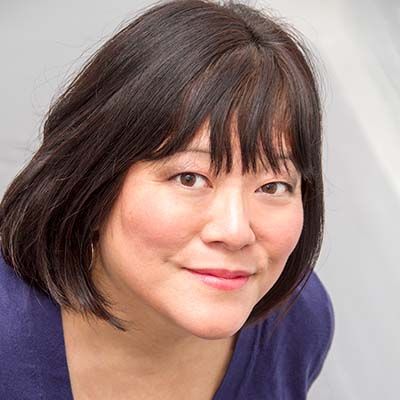
In this Artist Exploration, Ann and Charlie discuss the value of community you gain from school, the way she networked her way through NYC, having to turn down jobs in hopes of Avenue Q being a success and her TV-Film-Musical Life... Read More
From the show: Mapping The College Audition: An MTCA Podcast
Guests
Featured Shows
About
In this Artist Exploration, Ann and Charlie discuss the value of community you gain from school, the way she networked her way through NYC, having to turn down jobs in hopes of Avenue Q being a success and her TV-Film-Musical Life.
Ann is a great sport and humors Charlie in a Muppet/Puppet Trivia Game.
If you want to hear more from Ann please check her out in the following places and be sure to listen to BPN’s TWITS IN LOVE, a new audio steampunk distraction.
If you have any questions about the college audition process, feel free to reach out at mailbag@mappingthecollegeaudition.com. If you’re interested in working with MTCA for help with your individualized preparation for your College Audition journey, please check us out at mtcollegeauditions.com, or on Instagram or Facebook.
About MTCA:
Musical Theater College Auditions (MTCA) is the leader in coaching acting and musical theater students through the college audition process and beyond with superlative results. MTCA has assembled a roster of expert artist-educators who can guide students artistically, organizationally, strategically, and psychologically through the competitive college audition process. MTCA provides the tools, resources, and expertise along with a vast and strong support system. They train the unique individual, empowering the artist to bring their true, authentic self to their work. MTCA believes that by helping students reveal their potential it allows each school to connect with those who are truly right for their programs, which in turn guides each student toward their best college fit.
About Charlie Murphy:
Charlie is a proud graduate of Carnegie Mellon University’s BFA program. As an Actor he has performed with theaters such as: NY Public Theatre’s “Shakespeare in the Park”, The Pearl Theatre Company, Hudson Valley Shakespeare Festival, Chautauqua Theatre Company, Kinetic Theatre Company, and the Shakespeare Theatre of DC.
With MTCA [Musical Theater College Auditions -- mtca.nyc], he has been helping prospective theatre students through the college process for over 15 years. As a Teacher and Director, he is able to do a few of his favorite things in life: help students to find their authentic selves as artists, and then help them find their best fit for their collegiate journey. Through this podcast, he hopes to continue that work as well as help demystify this intricate process.
This episode was produced by Meghan Cordier and Charlie Murphy. Episode theme music is created by Will Reynolds.
Transcript
This transcript was automatically generated and might contain errors.
[0:10] Charlie Murphy: Hello, hello, and welcome to Mapping the College Audition, a podcast where we explore the landscape of the college theater world and try to demystify this daunting audition process.
[0:20] Charlie Murphy: I am your host, Charlie Murphy, director of MTCA. That's Musical Theater College Auditions. And today we have a super fun show lined up for you.
[0:30] Charlie Murphy: Ann Harada is an amazing actress who will get into the interview with her breadth and length of her career. And she's also our first BPN cross promotion moment, of which there will be more, in that she's here out to promote a BPN podcast called Twits, which we'll discuss in the interview, and you can download after you've listened to the entirety of this episode and not before.
[0:51] Charlie Murphy: Today with Ann, we'll get into the college research she did from Hawaii, which was booklets and pamphlets and brochures. We'll talk about some of the value that she sees in the conservatory style education, meaning the community that you have from school and the community that she still had from her liberal arts education.
[1:08] Charlie Murphy: We'll talk about networking her way through NYC via an internship and how that led to her getting a manager and booking some work. We'll talk about the idea of turning down roles. She turned down Mamma Mia in Vegas and felt like it was the best career move, like the no's that sometimes lead to the great yes.
[1:25] Charlie Murphy: We talk about Ann's struggling in the ensemble with Andy Blank and Bueller. She said, I don't speak dance, but you had to figure it out. We'll talk about Ann's exciting TV film musical life and all the kind of, you know, whether it's from Smash to Schmigadoon. I don't know where they all start with Smash to Schmigadoon to Disenchanted and all some of that great stuff.
[1:46] Charlie Murphy: And then Ann is a really great sport. We play a Muppet slash puppet trivia game, which she does fantastically at, though she was sick of our games by the end of it. She was like, What are all these games? What's happening? But before we get too deep in with Ann, Megan, what's up?
[1:57] Megan: What's up, what's up?
[2:02] Megan: Not so much. But in the interview with Ann, well, once we finished recording, I did ask a question. And I feel like our listeners might relate and or want to know. Because while she was talking about, you know, the differences of her career now from her when she first started, or quite different because she has had a long, sustainable career.
[2:13] Megan: She was talking about how Backstage was on paper. And then I was like, what? Has it always been a website? So I did ask her after, and you had that reaction when I asked her, and she was like, oh, that's so sweet, and had that looking back moment. And you know, who knew? It was like almost like a newspaper you would pick up at the little bodega down the street, and you'd see what you would audition for rather than scrolling on your phone showing my age here.
[2:58] Megan: So if you had the same reaction that Megan had, you're almost certainly under 30. You can please like tweet us and be like, oh my god, I have the same thing, my mind is being blown right now. If you're rolling your eyes like me and you're like, how is it possible that Backstage you thought was only a website? You can tweet us that too. Or Instagram us or whatever the thing is. You can let us know whether you think is Megan reasonable for that ridiculous opinion or is it crazy?
[3:20] Charlie Murphy: Only reasonable.
[3:21] Megan: Yes, you're reasonable, yeah.
[3:23] Charlie Murphy: Only reasonable. Okay, great. Well, if you're looking forward to more of that kind of silliness, let's get into it with our interview with Ann.
[3:34] Charlie Murphy: Well, we are so excited to have Ann Harada on the podcast. Ann went to Brown University, where she was a double major in English and American literature slash theater arts. That feels like a triple major to me because those three different things, but this says double major.
[3:50] Charlie Murphy: She starred on Broadway's in M. Butterfly, Avenue Q, where she originated Christmas Eve in that show. Also did that on the West End. Was in Les Mis, 9 to 5, Cinderella. She's been on your TV screens and all kinds of stuff like Smash and now Schmigadoon on Apple TV, as well as on the big screen in movies like Happiness, Admission, and now the upcoming Disenchanted, which may or may not be on a big, small or phone screen. Who knows about any kind of screen?
[4:21] Charlie Murphy: Ann also was in the podcast drama on BPN’s TWITS, which is a new audio drama recorded in quarantine. Shout out to our business daddy, the Broadway's Podcast Network. Ann, how are you doing? Welcome on the pod.
[4:36] Ann Harada: I'm okay. I feel like I have to clarify. I majored in...
[4:39] Charlie Murphy: Yeah, tell me those majors. Give it to me.
[4:42] Ann Harada: Theater arts then slash English and American literature.
[4:47] Charlie Murphy: Okay, that's how we get the double. It's English and American literature slash theater arts. It's hard with the slash, because English and American literature slash theater arts.
[4:54] Ann Harada: That gets me to a double much better than triple. I was like, but also I don't know why English would English be British literature in that case.
[5:00] Ann Harada: English and American.
[5:01] Charlie Murphy: Yes, that's what that meant at the time. I thought it was the language of English, American literature and theater arts.
[5:07] Ann Harada: Well, there we go. I did not go to normal college. I went to a BFA, so it's hard for me to comprehend all these things, you know. Let's talk through a little bit of your journey. In terms of I'd love to start if we can think back to when you were in high school, 16, 17, thinking about maybe kind of what a theater life might be like. Did you know back then that you wanted to be an actor? Did you know you might want to go to school and study theater? And what did that sort of research look like for you as you began looking at your list?
[5:37] Ann Harada: Well, it was very... I was not a great researcher of schools before I went to school. It was also a thousand years ago, so this was we did not have the internet, we did not have anything past brochures. Do you know what I'm saying? There were pamphlets, you're flipping through pamphlets. We had pamphlets, yes, we had pamphlets. And I went to a wonderful school in Hawaii. But it was Hawaii. So we didn't get on the plane and go, let's visit all the campuses. Of course. No idea what I was getting into at any of it. Do you know what I mean? I'd gone into like several schools, and I just had the pamphlets, and I was just trying to make some really, you know, decisions based on pamphlets, which is ridiculous.
[6:22] Charlie Murphy: What else were you gonna do back then?
[6:24] Ann Harada: Yeah, right, but that's what we did. And so I ended up going to Brown because, and this is a really stupid reason. I knew that I wanted to work in the theater. I didn't know what I wanted to do, right? I loved performing, but I didn't know if I was good enough to be a professional actor. Brown did not have a formal theater training program. They do now, but they didn't then. None, in fact, none of the schools really that I got into did except for Northwestern. I guess they had more of a formal theater program. But I didn't want to go to Northwestern because my high school boyfriend had gone there and I didn't want to go anywhere that somebody already knew me.
[7:10] Ann Harada: This is like CDC. You're trying to recreate a new self in college. So now I'm picking between a bunch of very good liberal arts colleges in the Northeast. And I picked Brown, not just because it's an Ivy League school. I had also gone into Penn, which had points because it was a city that I thought would like probably have had a lot of the theaters there, and it has a theater scene. But I picked Brown because I thought, well, I'm then I'd be close to Boston and New York.
[7:49] Charlie Murphy: Oh, double the trouble.
[7:51] Ann Harada: Double the trouble, yeah, exactly. And I could get on the train and go to either of those two cities to go see shows if I wanted to, and that's sort of what happened. That was the genius reasoning of that. And you ended up picking a school that is a really, you know, well-known school. I mean, fantastic, and I'm so glad I went, you know what I mean. But like talk about like dopey reason. Or not dopey, but not, you know, exactly the greatest reasons.
[8:20] Charlie Murphy: I'd love to talk a little bit about, you know, growing up in Hawaii. We just had artists from Panama, and we talked a little bit about that international experience of looking at the US. But I'd love to hear, like, you know, Hawaii obviously is part of the United States, but is not part of the continental US, and you must feel very far away from New York, just especially pre-internet. What did it feel like to think about like what Broadway's was or what the concept of like coming into New York and doing theater? Was that something that felt like an achievable dream or yes?
[8:44] Ann Harada: Yes. Yes. Well, I don't know if it was an achievable dream, but it was a dream because I had visited New York a couple of times. My parents and I had vacationed in New York a couple of times when I was in high school. And in both cases, we went to see Broadway's shows and that was sort of put the lock on it for me. I was like, well, I'm going to move to New York and I'm gonna be—this is a really antiquated reference—I'm gonna be Anne Marie and that girl. You know, I'm gonna live in a cute little flat and I'm gonna, you know, have a single girl life in the big city and I'm gonna pursue work in this industry. Still not sure what kind of work, but work.
[9:27] Ann Harada: And when I went to college, I basically, you know, tried to do every single thing that I could possibly do there. I acted, I directed, I stage managed, I ran crew, I, you know, whatever, all those things, just to sort of figure out if there was anything that I was particularly, you know, attracted to. And similarly, once I graduated, there was luckily for me a Broadway's producer who had also graduated from Brown who called the department looking for somebody who might want to be an intern in her office. And I was like, That's me, that's me, that's me.
[10:03] Charlie Murphy: So I went...
[10:05] Ann Harada: That's exactly right. I mean, I remember being in Maine because I was doing summer stock. And they were like, Well, if you want to go down and interview with her in New York, blah blah, this is the day. I'm like, okay, okay. So I bought a suit in Maine because I thought that this is what is this is early like the mid-eighties. So in there were things like power suits, you know, I don't know. Like again, like what was I thinking? So I bought a suit in Maine so I could get on the train and go to New York and interview with this producer. And aside from, you know, her not laughing at me when she saw me, you know, she thought, Great, this is a good fit, and I started being her intern.
[10:46] Charlie Murphy: I love it. The power suit works. You never know. Well, before we jump past Brown, though, I'd love to talk a little bit about so you sort of mentioned this idea of doing all different kinds of things, which certainly makes sense in getting a BA and exploring both theater and not theater, but also all the realms of theater. But if you did have to kind of sum up like in a few words, what was the experience at Brown like for you?
[11:08] Ann Harada: It was fantastic because the whole demographic, I guess, of kids who weren't Brown then, and possibly now, I don't know, it's been a really long time, is that people were really motivated to do their own work. Like there was a lot of student run theater on campus. There was a lot of people who were like, I got an idea for a, you know, terrible show, let's do it, let's do it any place, you know. And so it was kind of freeing, you know. I loved the main stage productions and I loved working on them, and I loved kind of the formality of that, but I also loved all those shows that were literally like done in a basement or whatever.
[11:51] Ann Harada: And it was just people just sort of, you know, fine making stuff out of nothing. That was really great to for me to see that because we've sort of been doing that in high school as well, you know. There were like the main stage shows, and then the ones we did in like the little basement under the auditorium. Classroom box box box, you know, and it was like, well, we've got three gels, okay, good enough, you know, like that kind of thing.
[12:19] Charlie Murphy: Yeah. And I just really appreciated that kind of spirit, I guess. And I love that, and like now, many of our listeners are maybe are looking at maybe that conservatory style education, though not all. For those maybe who look at that more liberal arts education, did you feel like were you aware like there are some areas in which my education has been more diffuse? And like, are there things that you thought right after you graduated, I gotta work on voice lessons, or I need this kind of acting class, or if musical theater world, I gotta dance a little bit. Were there things that you thought I could use more specified training that I didn't get as much of from college?
[12:57] Ann Harada: Oh, of course, yeah. I mean, once I got to New York and I decided that I was gonna try to perform, I was like, why wasn't I in dance class? Why didn't I take voice class? Why didn't I learn sight reading? You know, like all that kind of stuff that I would have gotten if I'd gone to a conservatory kind of school. But when again, I had brochures. I didn't know there were conservatory theater programs. I lived in Hawaii. I had no idea, like, oh, the University of Michigan's really popular, or CCM.
[13:30] Charlie Murphy: I know it seems cold. Why would they do theater in Michigan?
[13:33] Ann Harada: Yeah. I mean, I think it is really helpful to think about for our students too, because I think it's easy to get so wrapped up in the training that exists in those four years of school, as opposed to realizing there are a lot of skills you can continue to add out of college, and hopefully you are educating yourself through 22, 25, 28. But it's not like you go to school from 18 to 22 and then you're cooked. You're done. You've done all the training, all the learning has happened at that point, and now you're the finished actor. Whereas I think when you're 16, 17, that is sometimes what you think about. It's like, okay, I'm gonna Michigan's gonna teach me everything. CCM's gonna teach me everything. Carnegie Mellon's gonna teach me everything.
[14:06] Ann Harada: I mean, honestly, the greatest thing about to me about those particular programs is not necessarily like the skill set that you develop while you're at school, but the fact that you have so many other people there that you know. So that when you all move to New York or Los Angeles together, you already have a friend group that you know you can support each other. Like to me, like, you know, my friends from Brown, none of whom were very few, or very few of whom were actually performers, saved my life when I first moved to New York. Like, I literally couldn't have gotten through those first couple of years without them because I had no idea what I was doing.
[14:49] Charlie Murphy: Yeah, you need some kind of community.
[14:51] Ann Harada: Yeah. Um, okay. Can we play our first of two games? We're gonna play a college flashback game. So see how much you can remember about your collegiate experience. And it's not specifically about theater, but this is about the college in general. Makes sense?
[15:04] Charlie Murphy: Yes.
[15:06] Ann Harada: You look terrified.
[15:07] Charlie Murphy: Well, I just don't know what this is.
[15:08] Ann Harada: What do you think of this game?
[15:11] Charlie Murphy: Well, it won't be so bad, I promise. Um, Megan's gonna put 60 seconds on the clock. The score to beat is 14. We had Josh Sagara got 14 answers in 60 seconds. And Sarah Salzburg, you can't forget. Oh, and Sarah Salzburg got 14 as well. All of them went to college a lot more recently. Josh and I have to talk about it. Josh is almost 70. Josh does not look it, but Josh is pretty old. He's a lot older than you think. We don't like to reveal ages on this podcast, but he was. Okay, here we go. And you can always make up answers, nobody will know. Okay, 60 seconds on the clock. Favorite show you did in school?
[15:39] Ann Harada: Candide.
[15:41] Charlie Murphy: Class you never used again in your life.
[15:44] Ann Harada: Um, uh what else it called? I can't think of it. Satire.
[15:48] Charlie Murphy: You really never used it.
[15:49] Ann Harada: Worst fashion choice that you made in college.
[15:51] Charlie Murphy: Oh, leg warmers, um, oversized sweatshirt that said life is not a rehearsal.
[15:56] Charlie Murphy: Did you ever attend a frat or sorority party?
[15:58] Ann Harada: No.
[15:59] Charlie Murphy: Nah. Did you study abroad?
[16:00] Ann Harada: No.
[16:00] Charlie Murphy: School cafeteria food you kind of miss.
[16:03] Ann Harada: Ooh, um I want to say American chopsui, but did I really miss it? Great question.
[16:09] Charlie Murphy: Favorite local joint in your college town where you'd all hang out?
[16:13] Ann Harada: Wess's.
[16:13] Charlie Murphy: Uh song that was blasting from your dorm room at school.
[16:16] Ann Harada: None.
[16:17] Charlie Murphy: What was on Broadway's you were dying to be in?
[16:19] Ann Harada: What was on Broadway's? I was dying to be in. Oh. No idea. Did you vote in college?
[16:26] Ann Harada: No.
[16:27] Charlie Murphy: Do you oh time we're at time? You did fantastically.
[16:29] Ann Harada: For a game that you were terrified of, you did fantastically.
[16:34] Charlie Murphy: Um you're really wondering if there was an election in college.
[16:37] Ann Harada: That's what I'm saying. Yeah, I'm just right. There was, and I did. I did vote.
[16:40] Charlie Murphy: Okay, take the point away. She said no, and now she's saying this.
[16:43] Ann Harada: So cows. No, I remember because we had, we get this because I know there was an election. Because we had a Dukakis victory party at our house that wasn't a victory party.
[16:55] Charlie Murphy: Oh no, not the sad balloons falling.
[16:57] Ann Harada: Yeah. Yeah. Yeah. I've been there before. I remember those well enough.
[17:00] Charlie Murphy: Yeah. Um, nothing blasting through your dorm room. Is that because of technology or because you were not into music at the time?
[17:05] Ann Harada: Yeah, I might have been technology. Did I even have like anything that was capable of blasting? That's what I keep thinking. Uh-huh. Blasting might not be an aggressive man. You know what I mean? Like not a turntable.
[17:18] Charlie Murphy: I did not use a turntable. And no, and you so probably not Broadway's obsessed. If you weren't at the time, like, oh my god, I have to be in rent. I have to be in, you know, whatever's on Broadway's.
[17:26] Ann Harada: No, not I no, not at all. I mean, I obviously I was interested in Broadway's shows as a concept, but I can't say that I was particularly up on what was playing at the time.
[17:38] Charlie Murphy: Sure. Sure. Yeah, those it's the Broadway's pamphlets would be all that you could look at. Yeah. And then so then tell me a little bit about kind of moving to New York City. So now you've got this internship, you've got your one power suit.
[17:48] Ann Harada: Yeah. How do you kind of navigate those first it's pretty quick before you end up in M Butterfly? That's a couple only a couple years after college, it seems like, if my math is correct.
[17:56] Ann Harada: Well, this is why. This is what happened. One this internship was the thing that got me M Butterfly. Working for this producer, we worked, um, she was producing a play called Slight of Hand by John P. O'Meyer. This play ran for one week, okay. Um, but the lead up to it was long, and so I got to sort of see all the different parts of producing a play. And that's what I needed to learn. It's like, oh, there's, you know, if you're a producer, you have to kind of like know about all these other parts of the show, right? You're me you're taking meetings with designers and you're taking meetings with your press people and everybody. So I got if I if I sat in on those meetings, I got to sort of see kind of like all the different parts of producing a play, which is what I needed to learn.
And I learned two really important things. When I sat in on the casting uh part sessions, I was like, some of these actors are worse than I am. Most of them were way better than I was. But some you would not be the one. I was like, I'm as good as that. You know. No, I'm not, you know, and these were all pretty successful actors. I mean, they were in the room for a Broadway's play. They were nobody, you know. So I was like, okay, well, they work, so maybe I could work, right? Um, and and thinking, and like, unless you're unless you do something like that, you don't really get a sense of can I compete, you know, in this industry. So that was part one. And then part two was meeting the casting director, going to her office with like whatever the new pages were, or whatever it was that I had to bring from the producer to the casting office.
Um she had me, she I did a cabaret and I invited her. She came. Then I was in her mind when she was doing casting over at M Butterfly. And she they needed a replacement for one of the actresses, and they called me in. And I was like, what? You know, because to have like to really not have very much experience. I mean, I had earned my equity card by then, but really I had, you know, one New York credit in a music. No agent yet, no manager. I had a well, at at that point, I got a manager who was the manager of one of the other actors in the play, who I knew because that's I would go over there all the time with stuff. Uh-huh. So I already had a relationship with this manager. Do you know what I mean? So then when I got the part, I called the manager and I said, Would you please negotiate this contract? And they were like, you're free money. Yeah, I'll take money. Yeah. Yeah.
[20:47] Ann Harada: So that's how that happened. And then I've been with that manager ever since.
[20:52] Charlie Murphy: Wow. So cool. Um, okay, we're gonna go to a quick break, let BPN sell some ads. Um, and then on the back end, we'll talk a little bit about our theme of the day as we get into your career. A theme. And we may even torture you with another game. We might do it. Oh my gosh, I know. It's gonna be tough. Back in a flash.
[21:12] Charlie Murphy: All right, we are back with Ann and talking a little bit about her career. I'm gonna take you now a little bit through that journey. So, okay, you've got M Butterfly, and not to take it down too much, but I would just love to talk a little bit about like four people who've experienced this this bit of success. This, you know, you've hit Broadway's, and then it's gonna be another decade, it seems like, before Broadway's comes back, right? And I I, you know, the my theme that I'm throwing out there is w if we like it or not, is like a sustainable career. Like I think what you have done in working everywhere in all the different facets of the business and sustaining work through a a long period of time.
That's what so many of our young actors at least say they want, even though sometimes the dream is to get that Broadway's debut too. But but they also will say, like, but I want to work. I want to work, I want to build a life in the theater, I want to do this. I would just love to hear a little bit about that 12 years in terms of like hitting that peak, hitting that excitement high, and probably financially it's a little bit more money than you're getting at off-Broadway things and different things. What was the next 12 years like before now we come back and we hit Susicol and Avenue Q?
[22:16] Ann Harada: Well, it was a lot of auditioning for pretty much anything I could get. Anything they wouldn't would they would I would get submitted and they would see me for I did a lot of regional theater and a lot of off Broadway's. Um, you know, but at this point, but at that point in the game, I just figured it was better to work, you know, and to sort of like again learn my craft with professionals, just in kind of like in any situation. I really wasn't picky. I took pretty much every job they offered. Um, and I was thrilled to have those jobs, you know, because I got to work at some great, great New York theaters and some terrific regional theaters. I mean, I you know, I was so green and I was s I was really lucky in retrospect.
I look back and I now go like, oh my god, I worked with like some amazing people kind of like along the way. And we were all young, you know. I did South Pacific with Marin Maisie in Birmingham, Michigan, you know, when I was like 27 and playing Bloody Mary and you know, I mean like it's ridiculous.
[23:22] Charlie Murphy: And but was there ever like some low points in terms of like survival jobs, or was there did it feel like were you working consistently enough that you're like, I still feel like I'm building momentum?
[23:30] Ann Harada: It wasn't like a few. Oh no, no, there were many lows. There were many, many lows, and I had many, many survival jobs that were barely survival. I mean, some of them, you know, paid some money and some of them really didn't pay very much money. Um but I just sort of favorites, are there any of those ones that you go, oh god, this is a few years.
[23:46] Charlie Murphy: Oh no, well, my favorite survival job and uh was a great job was fact checking over at self magazine. You know, my friend from college was like that was his job. He he was uh in charge of that department, and he often would hire freelancers and like kind of like, okay, do this article, do this article, and you read fast, so do this article, that kind of a thing. And that was perfect for me because I could sort of fit it into a you know, I could go to the office even, work there, go off, do my audition, come back. You know, it was very flexible. Um it was, yeah, it was it was the greatest survival job ever.
[24:30] Ann Harada: Umes, any horrible ones? Any ones that you go, don't never speak of this.
[24:32] Charlie Murphy: Not that you have to talk to specific people, but you know, was there anything you go, oh god, I found myself, I was catering for this weird event.
[24:40] Ann Harada: Oh no, no, I've never catered. I'm too I'm too nervous about holding plates of food. Um when I was in college, um at s doing summer stock, it was a dinner theater. So we had to, you know, uh whatever it was, like we're doing cut cocktails and then the cowboy show, and then here's your main dish, and now we're doing the big show. You know, I mean, it's just the whole thing of it. And like my my biggest fear was always like, please don't have me open a bottle of wine in front of people, please, you know.
[25:09] Charlie Murphy: So the court is going down.
[25:11] Ann Harada: So after that, I was like, Well, I can't if I can't do that at a dinner theater in frickin' Booth Bay Harbor, Maine, I'm never gonna make it in New York City. You know, like there's no way I could never have done a server job here.
[25:22] Charlie Murphy: When you're serving, you don't always have to sing during like that's a it's a much more than a good one.
[25:26] Ann Harada: No, I know not also. Singing is the easier part in that in that oh yeah, yeah. Singing is a piece of cake. Well, speaking of singing and doing other things at the same time, let's get into Avenue Q a little bit. So this seems like uh now at that moment a big jump for you in terms of you sort of putting you on the map in a even more exciting way. Um, did you know from the first workshop this was a hit? Did you know what was that experience to be like, oh my gosh, this is happening? I'm really in the zeitgeist.
[25:52] Ann Harada: It was way before the first workshop. I mean, I you know, uh when uh Bobby Lopez and Jeff Marks were first writing songs for the show, they were in the BMI workshop and they needed an Asian actress to come in and sing, you know, that l couple of lines and everyone's a little bit racist. And so they asked their classmates, is anybody know the Asian actress and Amanda Green, my friend from college, raised her hand and said, I know somebody. So then she gave them my number and they called me, Are you busy? No, I'm not. Calm down. Okay. Like from day one, I was like, This stuff is gold. I was like, these, these are the funniest songs I've ever heard. You know, if this thing keeps going, I want to be a part of it.
Well, sure enough, you know, they would keep writing the songs and then they tried to cobble together, we cobble together a few skits with the songs, and then did it as a presentation. Kind of like at every step along the way, I was Christmas Eve. Basically, because I never let anybody else do it. I'm I'm not busy, I'll do it. Um totally free. And that went on for like three years, and then or so, and then we went to the O'Neill, I guess, um, and developed it there. And then we did it at the Vineyard, and then we moved to Broadway's. You know, it was like a whole progression. There was like a bunch of readings, and you know, like a whole it was a whole thing. It went on forever. But by that time, kind of like the core cast, we knew each other pretty well because we kept getting together to do these skits and new songs.
And I was like, Well, these are great puppeteers, you know, like I I was like, I just think it's all brilliant. I thought it was the funniest thing I'd ever seen. And sometimes, you know, we can talk ourselves into thinking things are the funniest things you've ever seen. But in this particular case, I was like, No, I really think it is. It's really and I remember before the vineyard, I'd gotten an offer to do Mama Mia in Vegas. Uh-huh. Finally, because I had literally auditioned for Mamma Mia, like four or five times by then. Um, and they were like, Hey, do you want to do Vegas? And I was like, ah, like, yes, I want to, but what if Avenue Q comes in? So then I ended up calling the producers, like, is this really gonna happen this season?
[28:12] Ann Harada: Because if it's not, I'm gonna go take money. And they were like, it's really happening. I was like, okay, so I turned down Mama Mia in Vegas. In retrospect, the greatest career move of my life and stayed with Avenue Q. Yes, yes, yes. But always hard for actors, right? Because every producer seems like they're gonna tell you, Oh, yeah, it's coming. Oh, for sure. Next season, for sure. We got the theater lined up. Yeah, I know. Well, that's it. And you like you're just sort of judging, like, how do I trust Jeffrey Seller? Do I don't know, you know, like that kind of thing. Because honestly, I also believe, and this is probably gonna get me dinged from the industry forever. I believe that actors and producers are natural enemies.
Uh-huh. Um, that it's just it that's not personal, but it's just in our nature. You know, it's like that thing about the scorpion and the it's just like it's in our neat it's in their nature to want to, you know, not give us all the money that we would want and deserve. And it's in our nature to go, like, you're wrong for thinking that way, and you know, whatever. So if they're doing their job well, they are turning you a pro into a product, right? They're doing their job, we're doing our job, and just yeah, they're trying to pay you as little as possible, you're trying to make as much as possible. And that's right, and that's your job. And my job is to say, fuck you, you know, but like you can't but with a puppet on your hand, so it's not a good thing.
With a puppet on your hand, or like, yeah, but then there's that part where you just like I just really want the job. So I really I want the job so much, but oh, I just I'm so resentful that I, you know, whatever it is. And in some ways it feels like that is the trickiest time for an actor when you've built up enough clout in the industry, which you're known at this point as an actor and respected artistically, but you not are not ne necessarily a name that they're gonna be able to sell. So you don't have power over a producer to say they have to use you. Right. Necessarily. But you you know the show might want you, but producers don't care about that really. They're like, oh we can find another actor.
Like it's all they're always they view you as more replaceable, even though the director might not. The directors say this person's not replaceable. She's fantastic. You know, but unless it's a huge name, the producer's not gonna see it that way. I feel yeah I mean I definitely feel definitely that first cast of Avenue Q, we worked for nothing. We knew we were nobody and they made it very clear we were nobody and that this play was not going to happen if we didn't take a very small salaries. You know what I mean? All of which was probably true. You know, but still it was like wow we are not making very much money for being in a hit on Broadway's. And and then hopefully though in the next couple shows now that you've done that of course then you know then you're gonna pay that equity up.
Yeah exactly no of course what about tell me a little bit about those next couple so you then you did Le Miz, you did nine to five you did Cinderella was that with Broadway's uh MTCA's own Joe Carroll were you guys together in Cinderella Oh yeah so yes. Yes. Um so and and tons of off Broadway's shows at this point. Anything from those next couple years that are like remarkable or felt like pivotal in your career? Oh yeah of course. Well first of all Avenue basically after Avenue Q I didn't have to explain anymore who I was so you know Cameron McIntosh uh was the was producing Avenue Q in London and their Christmas Eve had dropped out because she got a TV show and they were really up. Like it they were really like they had nobody because their understudy, the girl that they had hired to be the understudy, was like a very weak English speaker, to put it mildly.
And there was no way that she was gonna be ready to go in two weeks. You know what I mean? So Cameron McIntosh like literally called me personally to like, could you come to London and be in Avenue Q? Like as soon as possible. And I was like, look, I have a baby. I mean like I had a baby and I said and I my parents are living with me. And he was like bring everybody. I will bring everybody. And I was like, okay, but they're really old and we need an apartment that would have a you know elevator and I need to be really close to the subway stop. He's like, yes, yes, yes, fine, fine, fine. Like basically I basically could have asked for anything and he would have given it to me. All the demands you couldn't make as a starting out with Avenue now you're like I'm making a motherfucker to be a pharmacy and a supermarket within walking pony listens.
Yeah it was like that. Like every time everything I thought of he was like yeah fine fine fine fine fine fight. So I was like okay well everybody we're going to London. So we literally packed up my entire family and we all went to London for six months. Crazy like crazy. But you could do it if you have a baby and if they're not in school yet, you know give my parents this great adventure of living in London for six months. That's Elizabeth and I have been talking about that a little bit of like if we're ever gonna travel with theater it's like right now because we have a uh now a four and a half month old oh it's like that's young. This is the time. We actually could travel a little bit before once she's six, it's gonna be tougher but yeah, yeah.
No, oh don't don't do it yeah, don't wait. I mean, the drag about four and a half, the drag about the drag about baby age is that you have to do all the hauling. Uh-huh. You know, they can't walk with you. Yes. So your whole life is about stroller, baby bjorn, you know, stuff I'm carrying around with me all the time. That's a drag, but the portability of it is amazing. Yes. I'm trying to embrace that. This morning I did a workout going upstairs with my daughter on my shoulders where I was like, I mean, I got very tired, so I had to. Yeah, yeah, adorable. It's horrible. We're gonna make this uh you'll extra weight on it. Okay, so because okay, so because I got Avenue Q and London. So as I went to London and I did that for six months, and it was amazing and wonderful, and all those people that I worked with are just stunning, wonderful performers, and I'm still in touch with them and blah blah blah blah blah.
Um because I'd worked for Cameron Macintosh in London, he offered me the Madame Tenardie replacement in Lay Miz when I came back. Yes. Yes. And I was like, uh wah wah. Like that was not something that was even on my radar that I would ever be in that show or could ever be in that show. Um, but I was thrilled to try, and I did that. Uh again for like a six-month stint. Um, and it was incredible because you know, that's a show that I had seen in the original cast in 1987 or whenever the heck that was. And so of course it was formative years, you know. I was a young actress in New York, and it was definitely one of those shows where you're like, well, okay, that's a great show that I will never ever be in.
You know, this was sort of before um non-traditional casting. And then of course, ever you know, at that time though, he was doing nothing but casting Asian people in that show. The k the cast I was in had like buttloads of Asians in that show. And and like, thank God for it. It was so thrilling to do that show with Adam Jacobs and Ali Ewold and Leah Salonga. You know what I mean? So you you don't feel so like I'm I'm sticking out. I feel you know um it was great. Uh I loved doing that. You know, and then of course it's like nine to five that was a show I did just to prove to myself that I could I you know it was not like the greatest part. It was um but they were like would you be interested in covering Alice and Janny and I was like that is the weirdest casting idea I've ever heard why would you want to cast me five foot nothing to cover six foot you know clothes horse Alice and Janny and I'm like uh okay sure you know kind of just to see if they would and then I was a nine to five and I had to be in the ensemble and I can't dance.
So all of a sudden I'm in an Andy Blankbueller show going like what? And he's calling out the counts and saying okay now you do this on this count you do this you do I've like what are you even talking about? Like I literally couldn't keep up. I couldn't understand what he was saying half the time because I don't speak dance. Sorry I'm sorry I don't speak dance. I took a English dancer in American literature. I didn't take dance I don't speak dancer you know like you have to really lay it out for me. And he would say you just go on the 13 and I was like, I didn't know you could go up to thirteen and in my mind, you go to eight, you know. So I was like, okay, I don't I'm out of my league here.
I was really, really dying in that show. But I got through it. And like he put, you know, he put all the singers on the back all the time. So we there was no real pressure, but it was but it was like you want to get it right. You don't want to be on the wrong and or the wrong 15 or whatever. Of course, no. And it was and he changed, he changed the choreography all the time. So even if I could learn it by the next day, it was completely obsolete. You know, and I'd be like, I can't believe I worked so hard to learn that, and now you know, now we're doing another pattern. I'm gonna kill myself. Like did you ever wonder it's because you did it right? And he went, I've seen it on Anne. Nope, that's probably it's too easy if she noticed it's too easy.
If you can do it, it's too easy. Possibly. I mean, yeah. What about what about the TV and film world? So at this point now, you know, it seems like you had a steady stream of little of parts on TV and film on the IMDB at least, going back into the 90s, but then it really starts to pick up around like Smash, it seems like was a big moment to be. Yeah, to be kind of a semi-regular on a show. Yeah, and that wasn't how it was presented to me either. When I auditioned, it was literally like you might be in, you know, four episodes. Okay, great. You'd love forever. You know, yeah. Um, and then I got it and I was on four episodes, and then they just sort of kept me around. They just kept calling. Are you free to show up these days?
Yeah, I'm free, I'm free, I'm totally free. You know, kind of in that avenue queue way, like, yeah, I'm completely available to you. Call me as late as you'd like. And was that like, was the TV and film learning also like a hands-on experience of like, oh god, I'm learning as I do it and I watch other people do it? Were there TV and film classes, or how did you sort of feel like Oh no, I had no idea I have never taken a TV or film class in my life. It's just to me, it was just sort of like sink or swim, you know. And luckily, Smash, it was a show where I could just sit and watch a lot. You know, my whole part was sit at that table and pretend to write on a clipboard. I was like, I do that all the time.
That's what I did in my internship. Yeah. And it was brilliant because I got to watch, you know, people who really knew what they were doing, kind of like, you know, uh, I don't know, Jack, like Jack Davenport, who I sat next to for months. That’s not a hardship. Um he was just so smart about TV, and he was he would always say, like, if we shoot it this way, we you know, then you can don't have to do this, you don't this will solve this coverage problem. And like people were like, Oh yeah, you know, like he just knew he really he had so much experience and he knew, and but then we weren't wasting time, like you know, now we gotta redo the room because Smash had sets where you know every wall wasn't a real wall.
You just had to keep rearranging them, like now we're in the rehearsal room, now we're somewhere else. And so to get from one shot to the next, sometimes you'd just be like moving walls forever. And he'd just be like, forget it, let's just shoot it like this, and then we don't have to oh okay, you know. Uh-huh. Super cool. Any fun stories of of working with any of those? That's a uh star-studdied cast. Oh, amazing cast, the most fantastic cast. I mean, I just remember sitting with sitting at a table with Angelica Houston and getting to watch Bernadette Peters when she came in and played Ivy's mother. And we just sat there and watched her sing Rose's Turn a bunch of times. You know, and I just felt like crying the entire time.
I mean, I'm sure I did, but the camera wasn't on me, so it didn't really matter. Um any single time when you get to be like in the presence of stars like that, it was thrilling. And also to um to watch the dancers to watch the ensemble um have to do those dances full out over and over and over again. Was so like you're just in awe of like their uh, you know, kind of like stamina and uh physical ability. You just you just can't believe it. You're like, how could these people be doing this number for the 40th time full out, you know? Like, let's throw each other in the air. Oh no, you know, like this huge, massive kind of physical effort work. Full out. You can't because you can't mark on TV because that might be the shot they want you.
I was like, wow, like an I thought, you know, Broadway's was hard, but that was nuts. And then now you're doing uh something not so dissimilar with Shemigadoon, right? I say you're doing it's is there a second season of Do We Already Know? Is it it's been filmed already and it's done or no, it has not been filmed already. No, it's just let's just say that it's probably gonna be. Oh, we're are we breaking news on this pod right now? There's no set anything yet. You know what I mean? I'm sad to say I've not seen it yet, but I've heard it is fantastic. The show I don't even know why we're talking. Well, okay, I'm sorry. I mean, I you know, I saw most of your resume. I'm trying to catch it up. But though I did way back in my school experience work with Cinco and Ken, um, who were amazing.
They feel like they're just like do everything now. Like when we worked with them, they were like, We're writing this new musical called Bubble Boy, and now it's like they're everywhere. They're just literally, you know, um, every m you know, kids' movie and every everything. Um well, what's it been like with that? That that's a hell of a cast. And now not just theater actors, but there's some theater actors and some TV film stars in that as well. Yeah. What's that been like? Oh, well, it was a magical experience, first of all, because it happened during the pandemic and it was pre-vaccine.
[42:21] Ann Harada: So it was a very, very strict quarantine situation because we filmed it in Canada and they were a real country, so they kind of had a plan. Um, you know, we all quarantined for two weeks in our rooms and they would call Canada calls you like to make sure you're there randomly. So you're like, hello, hi, it's Canada. And so, you know, so like they're checking up on you. So, you know, it felt real, let's put it like that. It felt like this is really happening and but we're a pen that we know there's a pandemic and we're trying to keep everybody safe. It felt like really safe. So then to be able to like, you know, pass your quarantine and leave campus and go to, you know, a set was really exciting, and we all got tested a million times.
And the biggest problem was that a lot of other shows also shoot in Canada. And so there was such a run on the labs for all the TV and film work. Uh-huh. Like, you know, was just trying to like can we get the test back in a, you know, normal amount of time. That was really like the big pressure. Um, and it was hard not to have that kind of group summer camp experience that one might otherwise have in a foreign country, you know, like hey Aaron Tate, let's go have pancakes. That never happened. But theoretically, you know, like we were all there at the same time and we were doing working on the same thing. Um, Aaron's gotta be like keto or something at this point though, anyway, right? Probably.
I mean, you know it would have been like an almond flour. Probably, yes, yes, an almond flour situation. I was lucky that I had, you know, the people that I did get to see, like Cecily Strong and Kristen Chadwith and Ariana DeBose, you know, we bonded right away, and like they're lovely people. Like everybody I got to see, I just loved. And to be working, you know, it was a drag not to have the in-person kind of like I remember learning my song over Zoom, which is the dumbest way to learn a song because you know, the lag. So, like, they're like, Okay, you play your tape, and then you sing it to your tape, and then I'll tell you when you sing the wrong note. It's like, well, that is just the least fun music session you could ever have.
[44:32] Charlie Murphy: And was that similar for because it seems like you're just racking up the filmed musicals? Was that similar for Disenchanted? The that experience?
[44:40] Ann Harada: Oh, Disenchanted was different because all my, well, okay, we never I didn't get to hang out with Patrick Dempsey very much, but we were all of our scenes were with Patrick Dempsey. When I say us, there's like three people that they brought in from New York to play his posse, his sidekicks. And it was me and James Monroe Eigelhart and Michael McCorrey Rose. So the three of us were quarantined together in the same living space, you know, like the same housing unit. So we did everything together, the three of us, and in the movie we do everything together. So they called us the adventurers, and we were the adventurers, and we did like literally it was like, Does anybody want to go to the store?
Does anybody want like every single outing was like a group, you know, should we do this together? People, you know, everything. And we lived in each other's pockets, and it was amazing. It in terms of learning the stuff, it was much easier because we did have people like on set, like on like we could go and have a rehearsal, and we had a lot of dance rehearsal in that movie as opposed to Shmiga Dune, where I don't think we might have had one dance rehearsal. Um, but like for Disenchanted, we worked hard. And maybe we're grateful for the Andy Blank and Bueller 13 and a half at that point. That's maybe helpful. I mean, it wasn't like that. You didn't need all that. You're like, I eight was enough in this moment.
[46:05] Charlie Murphy: Yeah, it was enough. I eight was fine, yeah. Um, okay. Well, before we let you go, we've promised you another game, and you're gonna get it. I went, I could have gotten a lot of directions for you. I went for like an Avenue Q inspired game. So this and I also know you have a son, so you've experienced some Sesame Street, some of those moments. This isn't gonna be a trivia-based game based on famous puppets slash Muppets slash children's characters. Does that make sense?
[46:31] Ann Harada: Oh, brother. And listeners, feel free to try to play along if you can.
[46:35] Charlie Murphy: Okay, the first one, Big Bird.
[46:36] Ann Harada: Is Sesame Street?
[46:38] Charlie Murphy: Absolutely. Maybe both would accept. I think there's a crossover, but yeah, Sesame Street, 100%.
[46:41] Ann Harada: Gonzo is a Muppet.
[46:43] Charlie Murphy: Perfect. We're two for two. This isn't so hard. Grover.
[46:46] Ann Harada: Is a Muppet.
[46:47] Charlie Murphy: Grover Sesame Street.
[46:50] Ann Harada: That's what you meant.
[46:50] Charlie Murphy: Yeah. Okay. Telly Monster.
[46:53] Ann Harada: Telly Monster is on Sesame Street.
[46:56] Charlie Murphy: Yes.
[46:56] Ann Harada: Telly Liang.
[46:58] Charlie Murphy: Telly Leo is my friend, and he is not a Muppet. Also, our first podcast guest on this podcast.
[47:03] Ann Harada: Okay. Um, Super Grover.
[47:05] Charlie Murphy: Super Grover is also on Sesame Street.
[47:08] Ann Harada: Also on Sesame Street.
[47:09] Charlie Murphy: Grover's alter ego. Rizzo the Rat.
[47:13] Ann Harada: Is a Muppet.
[47:14] Charlie Murphy: 100% a Muppet. Fozzie Bear.
[47:17] Ann Harada: Is a Muppet.
[47:17] Charlie Murphy: Correct. Abby Kadabi.
[47:19] Ann Harada: Is on Sesame Street.
[47:20] Charlie Murphy: 100%.
[47:21] Ann Harada: Aristotle.
[47:22] Ann Harada: I don't even know who that is. I mean, he's a Greek philosopher, of course, but I don't know who that is as a character.
[47:28] Charlie Murphy: So you're going neither?
[47:29] Ann Harada: Describe. Well, um, I can't tell you. What if I made it up? What if it is the Greek philosopher? I can't tell you. I don't know who that is.
[47:34] Charlie Murphy: Well, we'll say Sesame Street.
[47:36] Ann Harada: Aristotle is a blind monster on Sesame Street. A new character on Sesame Street.
[47:41] Charlie Murphy: Flipper.
[47:42] Ann Harada: Is a dolphin.
[47:44] Charlie Murphy: But that's not like neither.
[47:47] Ann Harada: That's a neither.
[47:49] Charlie Murphy: Okay. Dr. Bunsen Honeydew.
[47:52] Ann Harada: Is a Muppet.
[47:53] Charlie Murphy: 100%. Miss Piggy.
[47:55] Ann Harada: Is a Muppet. Elmo.
[47:57] Ann Harada: Is on Sesame Street. Blue.
[47:59] Charlie Murphy: Is a dog.
[48:00] Ann Harada: But that's not on that show.
[48:02] Charlie Murphy: 100%. It's neither.
[48:03] Ann Harada: Oh, you're blue, like on Blues Clues.
[48:04] Charlie Murphy: Okay, yes, all right. Yes, 100%. We're doing great. Granny Bird.
[48:08] Ann Harada: Granny Bird.
[48:09] Charlie Murphy: I guess she's related to Big Bird. I'm gonna say Sesame Street.
[48:12] Ann Harada: I don't know.
[48:12] Charlie Murphy: 100%. Big Bird's grandma, 100%. Hoots the Owl.
[48:16] Ann Harada: Hoots the Owl.
[48:17] Charlie Murphy: I don't know who that is.
[48:19] Ann Harada: I don't know who that is.
[48:20] Charlie Murphy: Who is that?
[48:21] Ann Harada: Sesame Street.
[48:22] Charlie Murphy: Apparently Sesame Street character. G Young.
[48:25] Ann Harada: G Young?
[48:26] Charlie Murphy: G Young!
[48:27] Ann Harada: Oh, she's the new Muppet on Sesame Street. She's the new Sesame Street girl. First Asian popping on Sesame Street. Shout out.
[48:33] Charlie Murphy: Okay. Beaker is a Muppet.
[48:35] Ann Harada: 100%.
[48:35] Charlie Murphy: Bunsen Burner.
[48:37] Ann Harada: Is his boss.
[48:38] Charlie Murphy: A Muppet.
[48:39] Ann Harada: No, I think I made that up. It's just a thing just used for scientific.
[48:43] Charlie Murphy: Bunsen Honeydew is his butt.
[48:44] Ann Harada: That's the Bunsen Honeydew, that's right.
[48:46] Charlie Murphy: Um Kermit the Frog.
[48:49] Ann Harada: Is on both.
[48:50] Charlie Murphy: Yes, our only tricky one.
[48:52] Ann Harada: Both.
[48:52] Charlie Murphy: I'm not our only tricky one, there's a lot of trick. Okay, and the last but not least, Donald Grump.
[48:58] Ann Harada: Well, I'm not familiar with Donald Grump. Um, I'm gonna say Sesame Street.
[49:04] Charlie Murphy: 100% right. Sesame Street also came on Sesame Street as Ronald Grump.
[49:07] Ann Harada: Donald Grump and Ronald Grump are both uh Donald Grump. I guess.
[49:11] Charlie Murphy: I think just two different times. They mixed it up. Um you did amazingly at that game for someone who was not was worried about that game. You got like 95% correct.
[49:19] Ann Harada: That was actually thank you. I should have done better.
[49:22] Charlie Murphy: No, you did great. No, you don't have it's like you don't understand because my best friend is the shopkeeper on Sesame Street.
[49:30] Ann Harada: Oh my.
[49:31] Charlie Murphy: Okay, so then we'll edit out all the wrong answers just for the yeah. The Sesame Street ones are hard because there's some true one offs. There's some puppets that are on one Jamie Fox is a fox.
[49:45] Ann Harada: Oh my god. Yes, I know.
[49:46] Charlie Murphy: It was difficult. I agree. But I also liked every time that there was a neither, you were like, how dare you? I was like, yeah, it's part of the game. Lou Blue the Dong?
[49:54] Ann Harada: That's not one of them.
[49:55] Charlie Murphy: I know I'm like, I know, I know. Um before we let you go, I just want to do a little wrap-up contemplation as we sort of look at the breadth of your career. Um how do you feel? Like, obviously it's changed in many ways, but from when you came to New York to let's say like 2019, maybe we'll talk about the specific pandemic last two years. But from when you came back to New York to about 2019, how do you feel like the industry changed? What have you noticed in terms of its evolution in terms of um the ways that it's someone entering the industry then versus entering in 2019? How does it feel different to you?
[50:27] Ann Harada: Okay, so we're talking about when I first came to the city versus 2019. Jesus Christ. Okay, well, I mean, we're just talking about a really long time. 35. Annie is like Anne is like 35, guys. I don't know what you're talking about. Anne's trying to make it sound like she's old, but it's not true. Definitely 30 in a bunch of years. Okay. Uh-huh.
[50:52] Ann Harada: So here's for me. Uh when I first came to the city, it felt like there were kind of like it was much easier in a way to sort of be a young actor because there weren't that many ways to get seen. There was like, you know, you'd go you'd buy your copy of Backstage and then you'd look at the auditions, and then you'd see, is there anything for me? And you'd go to those auditions, right? Okay. Um and you know, you would talk to your friends and they would meet people, and then somebody might be able to use you in something. It was all very what I would call analog based. It wasn't, you know, now, in a way, it's easier to get seen because you can submit things, you can submit tapes, you can put up your own work on YouTube.
There's ways for you to get your work out there that there really wasn't before. Right. So in a way that's good, in a way that's better or easier in a way to break into something. Um, but I think it's more overwhelming, so I don't know if that's necessarily good or bad.
[52:10] Ann Harada: More overwhelming for the actor or for the casting director? I kind of miss the olden days when you know your choices were like we're gonna all line up to get seen with our eight bars and our headshot. Because at least you kind of knew what the rules were. Uh-huh. And now it's like it's all it's like the wild west, right? You people can get famous for being on TikTok or whatever. You know, like what a little bit of a big thing. TikTok is a Muppet. No. TikTok is a Muppet and Test BG. Um that like if you know, I don't know. I I don't I don't I don't know how I don't even know do people even like do backstage anymore? Uh-huh.
[52:50] Charlie Murphy: I don't I mean it's certainly a website you can use backstage.
[52:53] Ann Harada: Yeah, sure, I'm sure, right? Of course. A thousand avenues though, of course. And it's some of it is like go be an Instagram star and yeah, and then Right, exactly. Or like, or like people saying, like, people asking you how many social media followers do you have? What kind of question is that? What has that got to do with are you the right person for this job? And it's so so in a way it's a totally different world, and I think it's I think it's a little much. I think it feels a little overwhelming to me.
[53:19] Ann Harada: But now I'm old, so what do I care? I I mean for me, it's like no one's no one is going to hire me based on my Instagram followers. Right. You know, uh-huh. Thank God. Thank God, because I don't really understand Instagram. I don't really understand it. And I definitely don't understand TikTok, you know. Um but it's like, you know, but now I have a body of work and so it's different. But like when you're just starting, I just you know, I just think would be so scary. Like kind of like where do I begin?
[53:47] Charlie Murphy: Totally. Well, and then what about the past two years? So now if you take it from 2019 to now, how do you feel like you've seen the business change, you know, in this weird pandemic phase three or wherever we are and however you're tracking it?
[54:01] Ann Harada: Well, for me, number one is um self tapes. Now that we've established self tapes as a thing, I really doubt that they're ever really gonna go away. Even if the pandemic goes away. You know, like, is that really gonna happen? Who knows? But I sort of feel like because of the way uh, you know, self-tapes now have changed the game because now you can submit from any place. You can, you know, the actor does not have to be in the room, and it just opens up so many more choices for people, and you know, whatever. I mean, that so I mean that's good. You know, the bad part about self-tapes is that they're a pain in the ass.
[54:41] Ann Harada: And they're hard. They're hard to shoot, they're hard to do if you don't have other people helping you, as I know, because I was in a hotel room for two, you know, like isolated with my phone, going like, what? Trying to do self-tapes, and it's really hard.
[54:58] Charlie Murphy: And you did them literally alone, like did you record yourself and then play them back? Did you have someone on the case?
[55:03] Ann Harada: Well, no, I mean, when we were in um uh Vancouver for Shmiga Dune, Ariana DeBoes was my reader. Yes. And she was like okay, don't be to be good. Don't book it over me, okay? Please. I'm just saying, like she was I didn't book anything. Um, and to be fair, neither did she with me as her reader.
[55:19] Charlie Murphy: Okay.
[55:20] Ann Harada: That's just not a good comedy. When I was in Ireland, I did book something over a self-tape that Michael McCorre-Rose helped me with. And so, you know, it's possible, like I just like to this day, I just don't understand how anybody could book anything over a self-tape because I just think it's so not the right experience. Yes.
[55:40] Ann Harada: Um, but honestly, my in-person auditions have been so terrible. The ones that I've had for theater, that I've just like, ugh, I would have been better off doing the self-tape. We just experienced that with our students. We just did our last mock audition of the year for the students auditioning for college, and I was just feeling so much for them of like the mascography that they have to do at the piano, take it off. Now it's on their wrist, and you know, and you're trying to ask actors to be bold and fearless, and yet they're also trying to like stay in a lane of not getting anyone sick. You know, it's like naturally, those you talk about producers and actors as natural enemies. The idea of wearing a mask versus what we do as actors to take down our mask and vulnerably reveal ourselves is just antithetical. Those two things, it's incredibly hard to do those in the same room.
[56:24] Ann Harada: Oh, I can't even imagine what it would be like to sort of start like that.
[56:28] Ann Harada: Do you know what I mean?
[56:30] Charlie Murphy: Yep.
[56:30] Ann Harada: So yeah I'm not the one you know I I'm not the best person to ask. I I don't I feel like at this point you just have to you just have to offer me something because my audition is not going to be very good.
[56:48] Charlie Murphy: Okay, so you've heard it here offer Ann some roles. She's great. She just offer only that's uh we've learned here we broke a couple bit of news maybe there's a season two then that never works I keep telling my agents like offer only they're like no offer only life.
[57:02] Charlie Murphy: All right but so if you're not necessarily the person to give advice on starting out at 17 where I may wrap this thing what I think you can give a lot of advice would be like how do you suggest someone if someone wants to build that sustainable career that you have and work for 30 plus some years as as you put it what advice would you give to a young artist who who you're saying I want to I want to work for 30 some years.
[57:24] Ann Harada: All right well there's the this is the thing that has sort of saved me. It's like you you have to listen to yourself. You have to trust your own instincts and feelings about whatever it is you're auditioning for or whatever it is you're participating in because you can take all the advice, you know, people will give have no problem giving you advice about things that are good for you, things that are bad for you. This you should go to this photographer, you should, you know, whatever, you should lose 10 pounds, you should gain 10 pounds, you should just change your hair color, whatever it is, okay. You have to make those decisions for yourself and be really happy with your own certainty, because that to me, that authenticity is the key to lasting.
I tried when I was young, I tried so hard to be something I was not. You know, I tried to be like a girl who would be cast in King and I. You know, I tried to have long hair, and I wore the same ingenue dress that everybody else wore in 1980, whatever it was, which was like a Flora Ashley print dress with a collar. I mean, it's so stupid. Like you think like there's a thing you're supposed to be, so you try to do that. And that's so not me. Of course I didn't get any jobs because I wasn't authentic in any way. You know, unless you you have to present the best version of you that you can, but you shouldn't be twisting yourself in knots to try to be something that you think that they want. You have to be you, you know, and let them make that decision if you belong or not.
Because if you don't belong, then you're not gonna be happy and it's not gonna be a good fit. But if you're you and they still and they still go like, yes, that's what I want, then that's the perfect match. Do you know what I mean? It took me a really long time, obviously, because I wasn't, I didn't have that self esteem. I didn't, I didn't know that I was okay just as myself. Or it didn't seem like I wasn't like anybody else already. You know, and this happens to a lot of character girls to character women. It's like you have to get to the right age to start working. And it's like I was lucky, I stuck it out long enough to get to that age. But a lot of people give up because, you know, when you're not the ingenue, then that's all it's you just have to wait it out for a long time. You know, it seems like you get to be who you're supposed to be. Does that mean make any sense?
[1:00:02] Charlie Murphy: It makes total sense.
[1:00:03] Charlie Murphy: And I think it's great advice. It's so hard though, because it's you don't f you don't necessarily get a lot of, you know, you don't get a lot of uh people going like you're doing you're doing the right thing. You know, who's gonna say to some to anybody, you should be an actor, because that's a really good idea to pursue acting, because that's a really easy and fun career. It's gonna be so easy. Like, come on, nobody has ever said that in the history of the world. So then when you're an actor and you're sort of hanging in there, kind of like in spite of all the negative feedback, you're like, am I just insane? Like, you know, am I just crazy for still wanting to do this? You know, and the answer you so you ask yourself over and over again, is this the right choice for me? And that's what I'm saying, is like your inner voice has to be telling you all the time, yes, yes, this is, yes, you can, yes, you're doing the right thing.
[1:01:02] Ann Harada: So true.
[1:01:03] Charlie Murphy: And at every single point that I asked myself that, and I asked myself that a lot, um, over 35 years, is like, yes, I think it is. I think I I think I can, you know, and I'm so glad I stuck it out. But there are lots of times when I was like, you are a moron if you keep doing this.
[1:01:21] Ann Harada: Mm-hmm.
[1:01:22] Charlie Murphy: But then I was just like, but there's nothing else I want to do, and I think I'm really I think I'm good at it, and I think I can be successful.
[1:01:30] Ann Harada: So well, we are so glad you did stick it out because what a career you've had and given to so many audiences. Um if people loved hearing you today and they want to check more out of you, um, we can follow you at Ann Harada on Twitter.
[1:01:43] Ann Harada: Correct.
[1:01:43] Charlie Murphy: At I am Ann Harada on Instagram.
[1:01:46] Ann Harada: Yeah.
[1:01:46] Charlie Murphy: You're not on TikTok and at Anarata on Facebook. Is that all true?
[1:01:49] Ann Harada: All those things are true.
[1:01:51] Charlie Murphy: And if anyone wants to teach Ann how to use the social media that she's uh open.
[1:01:55] Ann Harada: Right. I though I will say that if you try to I mean you can try to send me messages and if I don't respond, it's probably because I can't figure out how to access them.
[1:02:04] Charlie Murphy: Uh-huh.
[1:02:05] Ann Harada: I you know, it's me. I'm really old.
[1:02:07] Charlie Murphy: So good luck.
[1:02:09] Ann Harada: Um Try DMing her, we'll see what happens.
[1:02:11] Charlie Murphy: See what happens.
[1:02:12] Ann Harada: Yeah.
[1:02:12] Charlie Murphy: Nope, no. People can also check out this twits. Do we want to talk a little bit about I don't know why my voice went up on Twits. Um but tell me a little bit about this twits where people can check this out now, right?
[1:02:21] Ann Harada: All those episodes are available. After you finish this podcast, you can go listen to that.
[1:02:25] Charlie Murphy: That's right, that's right. Um, well, you know, this is one of those things where my friend Tom Robbins had written um this confectionary twits, kind of in a woodhousian steampunky uh thing, and just asked a bunch of his friends to record it, all in isolation, you know, and I'm like, sure, I'll do it. What do I care? You know. Good luck. I hope this is good enough equipment. And it was really fun because it's well written and it's really funny and charming, and he got, of course, like the cream of the cream to do it and you it's just fun to to listen to and um and I just, it's it's a lovely diversion during these times. 'Cause I'm, you know, uh a robot servant.
[1:03:09] Charlie Murphy: Oh.
[1:03:14] Ann Harada: Steampunk.
[1:03:15] Charlie Murphy: Yeah, I don't know what to tell.
[1:03:16] Ann Harada: Steampunk.
[1:03:17] Charlie Murphy: You gotta embrace it.
[1:03:18] Ann Harada: I'm a robot servant. Just as you envisioned in Hawaii all those years ago, that you'd grow up to be a podcast robot servant.
[1:03:24] Charlie Murphy: Honey. When I was growing up in Hawaii, I couldn't envision a phone you could carry around in your pocket. You think I have this kind of I mean, you know, I made a choice on college based on a brochure. What do you want from me?
[1:03:42] Charlie Murphy: Um, well, Anne, thank you so much for coming on today. It was such a pleasure getting to chat with you.
[1:03:46] Ann Harada: Thank you.
[1:03:53] Charlie Murphy: Well, I hope you enjoyed listening to Anne there. Uh, she is so smart and funny and dry that even I didn't always catch her jokes. And I find myself to be a pretty brute champagne myself. Um, but a really real pleasure to get to sit down with her for sure. Um, I just want to dive a little bit deeper into something that Ann mentioned at the end. Um, she was giving her advice, and and one of the things she talks about is the idea of the confidence that it takes as an actor, and that muscle of building the healthy ego that we need to be able to pursue this, how huge a part of the success of an actor that their psychological competitiveness really is. Right? It's kind of like that we talked about before the the ability to get in the room and the want to be there, to believe truthfully that it can be you, despite those past 50 rejections that should make you feel like you have no chance.
Um some of this comes so beautifully from what Ann talked about with authenticity, that if you're the one making the choices that you believe and receiving your validation from you, as opposed to from external members of the business, whether it's a manager or a casting director, friends, you have a much better chance of sustaining that confidence or not having it robbed from you by these other forces. We talked a bit about that in our second episode with Vicky Bussard when we talked about that idea of resilience and how you can build that resilience. But I also think, this is now Charlie's personal opinion. I also think that some of that confidence is also a conscious effort that, especially as a young person, maybe I'm gonna say especially a young person today, to slide that dial of belief upward as you enter into a room.
I have found, especially in this past decade, that young actors are so afraid of arrogance, of seeming egotistical that they often err so far toward humility that they end up apologizing for be there, being that we talked about that in a previous episode as well, and kind of pulling themselves out of the running before they've even raised their hand and said, I'd like to audition. Uh, of course, I'm gonna give you the caveat that if you ever were to actually be arrogant, that would be a real problem. If you walked in this room and you're like, I'm amazing, I'm almost too good for this job, or if God forbid you ever came off as contemptuous in the room, which I think is like the worst form of arrogance, you could easily lose yourself jobs where your talent was strong enough to book it.
But the vast, vast, vast majority of young people listening to this are gonna fall so far on the other end of the spectrum that they can't even see arrogant. They'll take that quiet part of quiet confidence and muffle the confidence part with how quiet they are, right? This is where sometimes the value, you've heard sometimes the value of the kind of naivete that some of the actors on this pod had in their early careers, sometimes that ends up helping you as a young actor. If you don't know enough to know why not me, that's a whole lot better than knowing for sure it can't be you. But for those of you who do have a lot of knowledge and a lot of training and do know a lot, which I want for you, to be able to find that part of yourself that truly believes it can and should be you and fan that flame, that's often the difference between a successful edition and not.
Of course, that is much easier said than done. But that active muscle should be worked along with your artistic training. So along with your voice lessons and your acting classes and your dance classes. I love when Anne was sitting in an audition and she was like, Some of these people aren't better than me. That's a key factor as an actor to be able to say, I belong in these rooms. It's not that some of these people aren't amazing and I'm in awe of their talent and I'm gonna keep learning from those actors. Of course, keep doing that. But really, in all kinds of life situations, you have to feel confident to go, I belong in this room, whether it's a boardroom or a basketball court. But I think in the performing arts, you have so many more forces coming at you and basically telling you you don't belong.
You probably don't belong. It's not that they'll actively tell you, no, not you, but just the tonnage will make it feel like why you, why you? I'm too busy for you. Why you? Right. And there's so many young people who want to do this. Why should I take the time to watch your audition? It almost necessitates an idea of like, no, I do belong in this room, and I'm gonna prove it to you, right? If you can find that place of your attitude of going, I'm I'm almost cutting through potential negativity with my shield of positivity. It's a very difficult place to get to. But I think it's a journey all young actors should see themselves on. And I think maybe importantly, as you're listening to this, just to place yourself somewhere along that journey where you are, and to think I'm eventually going to get to a point where I can walk in a room and show off, to advocate for myself that I'm the best person for this job and not fear that someone might think you think too much of yourself for saying that.
That's not to say that that is the only way to book work, but I do think a lot of young people have that fantasy that if they're just like so humble and like so cute and like basically never like raise their hand at all and kind of wait to be discovered that it's gonna happen without putting themselves out there at all. Of course, could that happen? Yes, but is the exception, exception, exception, exception to the rule. It's not what normally happens. If you're trying, for instance, to be humble about your singing ability, when someone goes, Hey, do you sing? And you're gonna you're doing that because you're like, then they'll be so blown away when they hear that I actually am the most amazing singer ever.
More often than not, they've move on to the next person and they won't even hear you sing. They'll go, oh great, if she's not a singer. You know, next. That's not to say that you want to brack on yourself, but if you're going off for roles that you're right for and that you can book, you wanna be able to lead with that confidence to go, I am great for this. Here's what I would do for it, and emphasize that overemphasizing what you can't do. Well, one thing that you can't do is end this podcast until we've told you our funny little outro tags. Am I right? Um, if you've enjoyed this episode and you want to hear more, please hit that follow button. We'd also love it if you were to rate it and review us wherever you found us.
We love five stars if you're mad for Muppets, and an ironic five stars if you're a puppet pusher. Do you guys like that alliteration? I worked on that for over 30 seconds. Um, you can also reach out to us with questions for the pod at mailbag at mappingthecollegition.com or check out me and Megan directly on social media. I'm at Charmer7, that's C-H-A-R-M-U-R 7, and Megan Marie is at Megan Marie. That's M-E-G-H-A-N-M-A-R-I-E 2014. I've never actually spelled it out until now. If you're interested in working with MTCA for help with your individual prep for your college edition journey, please check us out at MTCA.nyc. You can also follow us at Musical Theater College Auditions or at tweet M-Tca on Twitter. To my young artists out there mapping their journeys, how high past 13 and does it really go? We'll see you next week.
© Broadway Podcast Network, All Rights Reserved