

In this weeks episode Tori and Eliza are joined by their favourite partner in crime, Gareth Isaac, for an exploration of cult classic musicals. Each team member takes on a different favourite—Rocky Horror, Carrie, and Six—to discuss what makes a musical a cult classic, their devoted followings, and much more... Read More
From the show: Stage Door Podcast
Guests
Featured Shows
About
In this weeks episode Tori and Eliza are joined by their favourite partner in crime, Gareth Isaac, for an exploration of cult classic musicals. Each team member takes on a different favourite—Rocky Horror, Carrie, and Six—to discuss what makes a musical a cult classic, their devoted followings, and much more. Tune in for a fun and insightful journey into the world of these beloved and quirky shows!
🎧 Follow the podcast on Instagram @stagedoorpod, and don't forget to leave a rating and review. Share your episode ideas via Instagram or email at ps.stagedoor.podcast@gmail.com.
🎨 Created and Produced by Tori Bullard & Eliza Vine
🖌️ Logo Created by Sally Henderson
✂️ Edited by Tori Bullard
Transcript
This transcript was automatically generated and might contain errors.
[0:00] Tori Bullard: We would like to acknowledge the Tharawal people of the Eora Nation, the Wurundjeri people of the Kulin Nation, and the Whadjuk people of the Noongar Nation. We pay respects to the traditional custodians, past and present, and strive to continue in the tradition of Australia's first storytellers. We acknowledge that sovereignty was never ceded, always was, always will be.
[0:21] Tori Bullard: You're listening to Stage Door Podcast, the podcast celebrating theatre and creativity, from onstage mishaps to career-defining moments. Hosted by Thespians, myself, Tori, and co-host Eliza. Fortnightly, we will bring you industry professional guests, deep dives, and more. Hello, and welcome back to Stage Door Podcast. Today, we're getting into another one of our deep dive episodes, which means we welcome back to the mic our deep dive correspondent, Gareth Isaac. Welcome, Gareth.
[0:53] Gareth Isaac: Hello, trouble. How are we?
[0:56] Eliza Gunther: Good, good. Now, without further ado, let's get into our topic of the day, which is the cult classic musical. Today, we'll be discussing anything and everything to do with musicals that have captured the hearts and minds of audiences and spawned fan followings so intense that the theatrical zeitgeist has shifted forever. Shows like Anjeliette, Hamilton, Beetlejuice, Wicked, Heathers, and many more have established what can be considered cult followings. In the world of screen performance, cult films are known for their dedicated, passionate fan base, which forms an elaborate subculture, members of which engage in repetitive viewings, dialogue quoting, and audience participation. This has translated to the theatrical world through the use of cosplay, sing-along events, fan art and crafts, and much more.
[1:43] Tori Bullard: You may be thinking the concept of cult classic musicals would be slightly broad for a deep dive, and you're right. We couldn't possibly cover every single cult musical with an obsessive fan base, so today's deep dive format will be a little different. The three of us have each chosen a cult musical to dissect and discuss, figuring out just what makes them so appealing to the obsessive mania of fandom. Now, who would like to say what they're doing first?
[2:09] Gareth Isaac: Well, I am doing the cult classic Carrie the Musical.
[2:15] Eliza Gunther: Ooh, a bit of horror.
[2:16] Gareth Isaac: Hell yeah, we love some Stephen King.
[2:17] Eliza Gunther: Yes.
[2:17] Eliza Gunther: I am doing the more recent cult classic musical, Six.
[2:22] Gareth Isaac: Oh yes.
[2:22] Eliza Gunther: Nice, nice, nice. We love the queendom. Shout out to the queendom.
[2:25] Tori Bullard: And I am doing possibly the OG cult musical, The Rocky Horror Show.
[2:31] Gareth Isaac: Yeah. Round of applause. Michael, insert a round of applause right here.
[2:35] Tori Bullard: Don't actually, that's really jarring, but let's just pretend.
[2:39] Gareth Isaac: ASMRing our audience.
[2:41] Eliza Gunther: Yes. And I think they're all cult classics for different reasons, but they all have some more intense than others.
[2:46] Gareth Isaac: I do agree with that. Some, like I would say Carrie doesn't have the most intense following as probably Six, and then Rocky Horror is kind of different than Six is to Carrie. But they're all very different in the way.
[3:01] Eliza Gunther: They've all got really varying followings as to kind of the level of which they kind of are, I guess, involved. Like, you know, I feel like Six, you know, it's a constant, you know, there's constantly stuff happening within the queendom. And then Carrie, I feel like it's much more in America, but it definitely is also here. Like, we wish that we could see more productions of Carrie. Good productions, I would like to add in there. Good, good productions.
[3:32] Gareth Isaac: No, no, no. I want to see an absolutely dog shit production, just to really set my mind at ease.
[3:37] Eliza Gunther: I think you could just go on YouTube and find it.
[3:39] Gareth Isaac: Yeah. Well, look, just before this episode, we discovered that you can watch the entirety of the Off-Broadway Revival 2012 production of Carrie starring... Well, I'll let Eliza talk about that later. Just the entire show. So if you want to watch it, I assume it was on there purposefully. I'm pretty sure the production company that did it uploaded it. So like, if you want to watch Carrie and you haven't already, that's the place to watch it.
[4:06] Eliza Gunther: Who's going to jump in first? Who's going to kick it off?
[4:09] Gareth Isaac: I mean, I'll jump in. Let's set the groundwork with a little bit of history.
[4:13] Eliza Gunther: Okay.
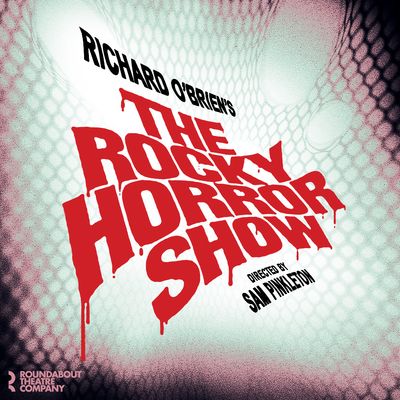
[4:14] Gareth Isaac: So the Rocky Horror Show is, as many of us will know, a fantastic passion project started by an out-of-work actor in 1970, Richard O'Brien, paying tribute to all of his favourite devices, science fiction, B-movies, fifties rock and roll and glam era England. Fun fact, the first production was directed by an Australian, Jim Sharman.
[4:38] Gareth Isaac: Yes, it ran for about a month at the Royal Court's 63-seat Upstairs Theatre. And after this, they locked in a contract to record a cast recording, which is huge, considering the thing only ran for a month. This cast recording led to a much larger production later down the line at the Chelsea Classic Cinema, after which it started getting much more and more traction in the UK. Following this, they were slated for a Broadway version which completely bombed. Nobody likes it in America.
[5:09] Eliza Gunther: This is so interesting. Okay.
[5:11] Gareth Isaac: I know. It's fascinating. And this then led to the UK's successful performances being translated into the now cult classic film, The Rocky Horror Picture Show.
[5:23] Eliza Gunther: And yet again, I need to point out, the picture show also flopped.
[5:29] Gareth Isaac: Did it actually?
[5:30] Eliza Gunther: Yes. It was not a massive financial success for the actors, for the production company, or anything. But what one cheeky little producer did was notice the people that were coming, the freaks. They loved it. So this producer started booking out midnight screenings for the picture show. And people would just turn out in droves, and that was how they would make the money.
[5:54] Gareth Isaac: And that's how it became such a massive following in the end.
[5:58] Eliza Gunther: Yes. It was essentially the earliest musical theatre memetic success. Like, we look at musical theatre now, every show has all these memes. TikTok goes nuts over pretty much anything that can be just easily repeated. Rocky Horror became this in both the musical and the picture show varieties. So much so that at the moment, I have a little tab open here called the Rocky Horror Audience Participation Script.
[6:27] Gareth Isaac: Oh, of course.
[6:28] Eliza Gunther: I thought you froze just then, and I was like, shit, not again.
[6:32] Gareth Isaac: That's fantastic. That would have been very good.
[6:35] Eliza Gunther: It's coming.
[6:36] Gareth Isaac: Oh, I should have seen it coming. But this is an actual script that has been written and prepared by fans of The Rocky Horror Show. There is always a production happening somewhere in the world. Most recently, Australia just finished their tour. We love our tour. But this is general information. Audience instructions are in square brackets. Whenever Brad appears or is introduced in some way, the line arsehole is appropriate. When Janet is introduced or appears, the line slut is appropriate in brackets. If this is before she is actually a slut, the response, she's not a slut yet, give her a chance is appropriate.
[7:12] Eliza Gunther: This is the thing about this fandom that I'm like, it's actually next level. I think this is probably the most involved fandom in the actual theater. Most of them are involved outside of the theater, but this is inside. Let's get the script going. If I went to Rocky Horror, I honestly wouldn't know any of this for the first time if I didn't do this podcast. I would be like, what are these people saying arsehole and slut for in the theater? I'm like, guys, just watch the show.
[7:41] Gareth Isaac: I know. It's absolutely fascinating to see how this has evolved from a transgressive little show about sexual identity, rock and roll and aliens to become this meme. It is a meme. This is the I Can Has Cheeseburger of musical theater. And I'm dating myself by mentioning that meme. I think it's and it translates so well. I feel like culturally across different countries now, especially with documents like this, like I was really interested when I saw it last year when Deidre Koo was Janet. It was so interesting to see the level of interaction that was still there, but also to see how many people were aware and weren't aware of that this interaction does happen. Like I definitely heard a lot of shushing happen and I was like, no, this is part of the culture of Rocky Horror as well as the amount of people dressing up.
You could definitely tell kind of where everything like I didn't dress up as a character. I kind of just went with general like vibes of the show. But there was like an entire group behind us that was dressed as like each individual character in the show. And I think that's so it's so fun and it feels like a great safe space as well for people to be able to do that.
[9:00] Tori Bullard: And that, I believe, was Richard O'Brien's original intent. Remember, this was created in 1970s England, where a lot of sexual and gender identity was being swept under the rug and in some cases still criminalized. So to be able to come out and say, hey, I have a song in which Tim Curry is going to come out and sing about being a sweet transvestite and then have just this fantastic pansexual adventure. I don't think anyone anticipated it would land as hard as it did. But that freedom of expression and as you mentioned, Tori, that safe space, I think is the more important aspect for this musical. I'll admit I'm not its biggest fan. It is not for me as your classic cishet white dude. I think the music is great. I think everyone in it is super talented. It's just not my kind of show. But I appreciate the impact that it has had and now the cult following that followed.
[9:58] Eliza Gunther: Exactly. I think also the queer community, it resonated a lot with them because I know personally one of my aunties has got the entire Rocky Horror sleeve of tattoos and how much that meant to her having that kind of, I don't know, it was just such a different show than anything else that was on and it was okay to be yourself and to be out there. And I think that's what meant so much at that time where they didn't have that kind of musical out there. That wasn't really the thing that was known. So it's interesting because it's definitely a musical of its time and I think we've all had this discussion before where we're like, yeah, Rocky Horror sits within the timeframe that it was and it's a piece of history within what it was made for and what it did at the time. Might be very different if it came out now.
[10:50] Gareth Isaac: I completely agree. Anyway, that's my little micro dive on Rocky Horror and its cult following.
[10:58] Eliza Gunther: I love it. I love it. Well, I guess kind of jumping into Carrie then. So Carrie is an interesting one and I didn't know a lot of this about Carrie before doing this deep dive because I've seen their musical, we've all sung all of the songs from it and we're like wildly loved it growing up in high school, right? But the show itself actually bombed so hard and that is why it became a cult following. Carrie's really interesting because it's a horror musical, which I think is really unlike anything else. And this was something that linked to Rocky Horror. I think what makes cult followings, cult followings is that people attach themselves to things that are weird or not quite, what did they say?
There was something really good that someone said about this. It was about unlikely protagonists exploring the unusual and that's what made cult followings become cult followings because it's the people that feel like they identified with the underdog or someone that wasn't represented usually in musical theatre and that's what became the cult following, which makes a lot of sense. You think about Heathers, you think about Rocky Horror and you think about Carrie.
[12:06] Eliza Gunther: Who is the underdog and who is being bullied at school and then gets their vengeance. And what's so interesting about Carrie is that Carrie is also the hero and also the villain, which is I think what made this so interesting to the zeitgeist of pop culture. So obviously the musical, let's talk about the musical itself. Yes. Carrie the musical opened on Broadway and it closed the far, I think it's one of the fastest to ever close on Broadway. So it had 16. No way. Yeah. I didn't know this, but like it had 16 previews and five performances. And it is one of the most notorious bombs of musical theater that have ever been, which is crazy. That's wild. Yeah. It is one of the most loved musicals now, but it wasn't back then.
And then it had a, this was in 1988. So it was back then. I honestly think it was just before its time because it was in the time of all the mega musicals like Phantom of the Opera and Cats. So people weren't really talking about my baby. Yeah. Sorry. I'm talking about your baby, but people weren't really looking for a small kind of intimate musical. They were wanting the big Les Mis, the Phantoms, the Cats. And so that could have had a lot to do with it. A lot of people say it was just kind of too camp and it wasn't scary enough, which is kind of accurate. Cause if you look at the musical now, it has this mixture of like super dark and scary music. And then the world according to Chris, you know, like we're in high school musical.
So you have this like two juxtaposing things, which is why people think that it didn't do so well. And honestly, it never went back to Broadway. It went off Broadway, but it never went back to Broadway. So it had the 2012 revival, which did really, really well, but not actually that well, to be honest, compared to the first one it did well. But honestly, it didn't actually do that well. But I think the thing that makes this a cult following, which is really interesting, because you think about all of the ones that we've talked about technically were flops first before they became cult followings. And for this one, it was really interesting because you had the start of YouTube happened around this time.
So slime tutorials started happening. So then of course they started posting the entire musical. And I would actually be surprised if the 2012 people didn't just post the bootleg themselves. Speaking of slime tutorials, this is just a fact that has come up to me recently. Not everybody knows what a slime tutorial means. A slime tutorial is a bootleg, if you weren't already aware. I mentioned this to someone recently. I was like, well, I've seen the slime tutorial. They were like, the what? And I was like, what do you mean? The sad boy cries in trees slime tutorial? What do you mean? But I think it's so interesting that so many cult classic musicals were flops, or never made a main Broadway or West End kind of debut that was necessarily particularly successful.
And they come at a later date. And I think it is, you know, we are now in a world where it doesn't happen as much in Australia, but in America and the UK, they'll have a lot smaller productions, independent productions, off-Broadway productions, where they are these more intimate musicals. You could never have Carrie on a big, massive main stage. It wouldn't work. It's only done in much smaller settings. Exactly. I think that's why it became popular after that, because high schools started doing it and then they licensed it. And so colleges and high schools, everyone like that started doing this show. I completely agree. That's probably what lent its success to pretty much every avenue post this.
When I was attending university in 2014, just to really age myself, every mezzo on the planet was singing I'm Not Alone, which everyone adores as a song. Listening to it lyrically, it's like, oh, I get what you're doing. I get the references you're making because we know how Carrie ends, but also it's just a bop. It's very good. No, I was just going to say that that's actually a big reason why this show became a cult following, that song. So I didn't know this, but in 2007, Natalie Weiss put a YouTube video out of I'm Not Alone and then every mezzo soprano after that started singing it. So that around the same time started singing the song and then everyone started getting into the musical through this.
So it makes a lot of sense that if you get a hit song on your hands and you have every high schooler, every mezzo soprano, everyone singing it, the show automatically does gain a lot of popularity. Right. So that's sort of the opposite effect of Rocky Horror then, which started as the nichest possible audience and then spread out because everyone wanted to be in on the joke compared to Carrie, where it's like, hey, we've got this one really good song and suddenly everyone is singing it. And then they put it out for communities and schools to do. And people are like, let's just snap this up. It's something to do. And then people find a place in their heart for it, which is very, very cool. And I mean, also, I feel like there's a lot of ties between Rocky Horror and Carrie.
You've got that horror aspect of both of them and the shock factor. They both have that thing that's like, oh, that's really shocking. And for Carrie, it's the pig blood. It's the prom pig blood all over her. And that's what makes it... You know, spoilers for 1988. Yeah, spoilers if you haven't seen this. Oh, come on. It's a 40-year-old musical. I think at some point, I think at some point someone might understand a little bit of a cultural touchstone. Exactly. I mean, and everyone dresses up as Carrie with the blood on them for Halloween. I think that's kind of the good thing about Carrie. It keeps going. And the cult following from the movie is why the musical is successful and still has that cult following.
Without that, I don't know if it would have because it did flop immediately. But I mean, you never know with shows that have kind of gone off-Broadway or never made a big... You look at things like Ride the Cyclone. That is a huge cult following. And it's never been on Broadway. Heather's had a Broadway main stage. No, they were off-Broadway. No, it never made it to full-Broadway. It was only ever off... It was first off-off-off-off-Broadway and then made it to off-Broadway at New World Stages. And then the script went public after the Australian tour. It went out to schools. And I think it became the most performed play at high schools for a while. Yeah. And it's... I think I really agree with what Eliza was saying that the reason that cult classics, musicals are cult classics is because they are stories about the underdogs, or the stories that we don't get to hear. I don't know if this is... I don't know if, Eliza, if you've shared all your information about Carrie.
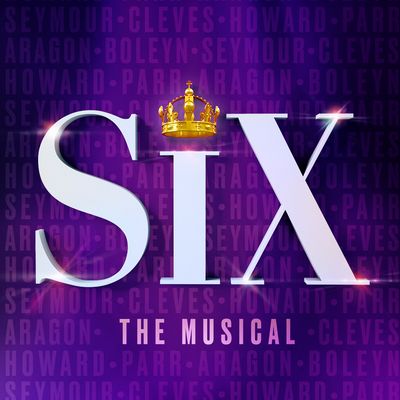
[19:27] Gareth Isaac: Oh yeah, you can go into Six now. That's like a perfect segue. Well, kind of taking that aspect of taking, you know, stories or characters that are the underdog or are not spoken about enough. Six is what I will be discussing. So if you aren't already aware of what Six is, first and foremost, you're living under a rock. But Six reimagines the six wives of Henry VIII as modern pop divas, blending historical facts with contemporary music styles. So the world premiere of Six took place at Edinburgh Fringe Festival in 2017, which was presented by Cambridge University Musical Theatre Society. So the cast of that mainly consisted of students from Cambridge at the time. Toby Marlow and Lucy Moss wrote this.
They were commissioned to do it by Cambridge University. And like I was saying, the initial cast primarily consisted of Cambridge University students, and the production's run was sold out, leading to a return invitation to the Fringe in 2018. Despite not winning any major awards at Fringe, the show garnered positive reviews and significant buzz, attracting commercial interest. So as I was saying before, the musical portrays the six queens, strong independent women, each telling their story through powerful, relatable songs. And it's also done in, I think, quite a different format to everyone else's shows. It is kind of the first of its kind. It is done as a concert. There's a lot of kind of audience interaction in that they refer to us.
They know that they're dead. They know that they've died. What a mood. And it's set in the style... This is a spoiler warning. If you haven't seen Six and you want to see Six, maybe stop listening for the next five to ten minutes, because there will be spoilers ahead. And obviously, because it's more current, I am aware of spoilers. So they obviously, they all go through... They're kind of going for competition of whose story was the saddest, which is just kind of hilarious. Because if you just listen to the album, you don't get to understand any of that. There is obviously now a live recording of the Broadway cast from their first night back after lockdown, which in and of itself is insane to listen to.
If you haven't listened to it, I recommend it because it is just, like, breathtaking to listen to because you get to hear the audience reactions. It's fantastic. And they've also included the dialogue that happens between most of the songs. So it starts off as this competition. They all use handheld mics in this show, which again, is something very unlike traditional music theatre. They've all got these little kind of loopholes sewn into their costumes where they can put their mics. And Six has, I would say, possibly the biggest cult following of cult followings, to the fact it has its own name, which is the Queendom. Now, the Queendom, I love them. They're great. They are absolutely insane in the best ways possible.
So they are a highly dedicated and supportive group of people. They often follow performers around to their different shows after their seasons with Six have ended. This has been seen massively with the Australian Queens. I have gone to many shows at the Hayes with Vidya Makin, with Chelsea Dawson, with Carla Gare. There are, like, Queendom Six fans that will come from different states that will fly interstate to see these shows because they have seen these Queens perform previously. And it's dedication. And that dedication isn't just to the main Queens either. The thing I find so fascinating and joyful about the Queendom is the fact that they give the swings their due. Six has usually got three or four super swings backstage who know every single track in the show.
So they'll go on as Pah one night and Aragon the other night. And these Queens always get their own unique costume. They always get the recognition they deserve. The fans give each Queen role, like Aragon or Bolin, the name of the swing that is performing. Like, Karis Oka got so many cute little nicknames when she went on in every single role.
[24:02] Eliza Gunther: She was the first super swing.
[24:02] Gareth Isaac: Yeah.
[24:02] Gareth Isaac: She was the first in the world to do all six roles.
[24:02] Eliza Gunther: Actually...
[24:02] Gareth Isaac: Like, full swingo, which is what we call it when you hit swing bingo. It's very funny. But I've seen an incredible smash cut on TikTok of...
[24:13] Eliza Gunther: The final mega-mix of the show, the mega-six as they call it, because we love a portmanteau of just Caris doing every single part. And it's so good.
[24:26] Tori Bullard: It is. I mean, you've even got Hannah Lauda, who's the UK queen. And so she's made it really popular because TikTok obviously is huge these days. And because she was a part of Heathers, another cult following, and also a part of Six. And whenever she posts about those two things, those TikToks absolutely blow up because they're so dedicated. And also, I feel like it's also a younger demographic of fanbase as well. So I think with Rocky Horror, you have such a large span of the fanbase from any age, whereas Six is very much that young teen, almost like, you know, heartthrobs, like how we love One Direction, they love Six. And I kind of love that for musical theatre, like getting their own idol situation.
[25:16] Eliza Gunther: It's absolutely of a similar level of support that these cult classics get. And obviously, I think that one of the reasons that Six resonates so much is it's these six women in history whose stories are not really told or are often told from a masculine point of view. And we never really get to hear much about their story. And obviously, this is based on real historical events and figures, but it does take artistic liberties in its portrayal, allowing for creative storytelling and modern day relevance, which I think is where it really comes in. People relate to these roles, to these people, to these characters so much. These historical figures, they relate to it. And obviously as well, every different queen is based off, like her style of song is based off different pop artists in history.
So you've got some that are based on Beyonce, Lily Allen, Ariana Grande, Alicia Keys, Britney Spears. So they're made contemporary and made so that the story is historical, but still there is such interest that comes with that. And I think because the story is about taking control of your story and your life, I think so many young people relate to that because they can feel so trapped in their lives, in their gender, in their sexuality, in their career. And it's really taking back that control. And I think that that's why there is such a young generation. And it's always really interesting to me, seeing, I've seen it twice now, both at the Sydney Opera House. And it was really interesting seeing the different, just huge, huge range of demographic that you had from young girls to teens to like women in their seventies that I was sitting next to going, oh God, I don't know if they realize what this is about.
They absolutely knew what it was about and they were absolutely here for it, which I love. And it seems to me that Six, much like Carrie and Rocky Horror, seem to have developed this cult classic following purely because they seem to be creating a sense of community for people. Rocky Horror has its LGBT issues and its B-movies and its sci-fi. Carrie has its incredible mid-nineties score and then the community theatre aspect and being in the know of these great songs. And Six, obviously, is just this incredible expressive space for young theatre goers. Also, it's one act. I fucking love a one act.
[27:57] Tori Bullard: Oh, we love a choppy 90 minutes, please, guys. So it seems to me that all that is the common denominator of these cult classics and these cult fandoms. I think it's wonderful. It's a really good thing. Scary at times, like the Heathers fandom terrifies me. Heather's fans are amazing, though. I remember when I did Heathers, I gotta say, I was just doing the university production of Heathers and we had girls that came all the way from Upper Queensland, Sunshine Coast, to come all the way down to Brisbane just to watch Heathers. And then afterwards they were like, oh, my God, can we talk to you? I love this. This is so exciting. And I love this about the show and this and this. And it was like, honestly, I've never experienced anything like that.
And I honestly, it was great because my inner theatre geek was just geeking out with them. I was like, yes. And like, don't you love this about the show and this and this? And so it's so cute seeing that. I don't know. It's just a very beautiful sense of community that you can just talk to people and approach people because they are cult classics and you're able to do that.
[29:05] Eliza Gunther: Yeah. And I think that with cult classics as well, they span outside of the music theatre community, which is also really cool. Like you see a lot of these, all three of these musicals and many others like Beetlejuice that also has such a cult following where there are cosplays of it. People have written fan fiction based on these musicals. And you can't say that necessarily for, you couldn't necessarily say that for Legally Blonde or for SpongeBob.
[29:36] Tori Bullard: I was going to say, I've definitely read some SpongeBob fan fiction.
[29:41] Eliza Gunther: Oh, yes. There's some depths to the internet that you are unaware of.
[29:47] Tori Bullard: Oh, I'm aware of them. I just choose not to delve. I mean, hey, I still live in my fan fiction days, manacled all the way. But it just expands outside of the music theatre and brings new listeners in.
[30:01] Eliza Gunther: Yes. Which is the big thing that we love about these musicals. Yes. Have I seen Heather's half a dozen times? Yes. Do I need to see it again? No, but I also probably will.
[30:13] Tori Bullard: I have forced you to come to way too many at this point.
[30:17] Eliza Gunther: Well, look, you forced me to too. I have been to many others.
[30:22] Tori Bullard: Have you considered when she asks you to reply, I say no.
[30:26] Eliza Gunther: Oh, I've already seen that. We're good.
[30:32] Tori Bullard: Thank you so much.
[30:35] Eliza Gunther: Thank you so much. But I think that it's so great. And look, I would be lying if I said that there aren't negative sides to these fandoms. Sometimes they can be really competitive. And, you know, something that I brought to Eliza's attention about Carrie was about one particular Carrie from that 2012 revival production, Keaton Whitaker. She is she played Carrie and she is the one that every single person, you know, if you ever see on TikTok, those like who sung the the Destruction Belt the best. And it's always her that I'm saying an air quote wins that battle. And she has actually come on the TikTok and said, stop comparing. Stop comparing us. We don't want to be compared. Nobody did it better than another.
We are all just doing our best. Like, stop making that comparison. And there are people that get into comments like get into fights in the comments of things being like, well, no, I saw this person do a better. I saw this person do a better or I saw this swing and I didn't like it. And I'm like, stop comparing them. They're doing that. They're doing their literal jobs.
[31:51] Tori Bullard: Yes. Fucking killing it. They're smashing it. And so there look, I would be lying if I said there aren't downsides to some of these fandoms sometimes. But there are also so many upsides and they are such welcoming, warm, caring communities. Even if I look at them and I'm like, oh, my God, you are insane. But God, do I love you. Much like I feel about every other co-host on this show.
[32:08] Eliza Gunther: Was that a dick? Wait, what did you say? I said I feel the same way about you guys. Insane, but I love you.
[32:16] Tori Bullard: Oh, OK, OK, OK, OK. That's that's fair. And I feel like the next big cult classic that is going to have a massive following is fangirls.
[32:30] Eliza Gunther: Oh, I already does have a following. And OK. And also, I want to take a moment. This is going to be the last thing that I'm going to say for this episode, because I've been talking for too long. Tori just doesn't speak. The casting for fangirls in the UK is absolutely fucking insane. I have never seen such a diverse cast like the West End and diverse casts. Are they perfect? Absolutely not. Are they taking leaps and bounds compared to us? Absolutely. That is a beautifully diverse cast that are all so insanely, insanely talented. It would be interesting to see an Australian musical become a cult classic. And I think that they're doing Australian accents.
[33:14] Tori Bullard: Yeah, they should be. I mean, in one of the videos I saw, there was kind of an Australian accent. It was slipping back into UK, so I couldn't 100 percent gauge if it if they are doing Australian accents.
[33:26] Eliza Gunther: Yeah, I would wonder that. I always do wonder when they take Australian work to the UK, because we're always taught how to do the UK and like a London British accent and also an American accent. Yeah. And I always wonder how that translates when they get given an Australian script and they've never ever touched Australian before. They'll be like, oh, yeah, OK, I guess I guess it's kind of similarly to when we do stuff, you know, depending on if it's, you know, Sweeney Todd, obviously we're going to do a UK accent or if, you know, Legally Blonde, obviously you would do an American accent or is it a show where accent it could have been based anywhere? Obviously, if Muriel's Wedding was to happen in America, it would have to be in an Aussie accent because it would be weird.
[34:13] Tori Bullard: So weird. Well, Muriel's Wedding is happening over in the UK soon, so I'm excited to see how it lands there. I do wonder if it's going to become a cult following, too. Those are two Australian musicals I could see becoming. I mean, Muriel's does have a really good following because it is one of those shows that has the movie before it that has the cult following. So I do wonder. It already kind of does in Australia, but I wonder if they can make that kind of a bit more worldwide with that reach of the UK. With all of that being said, I think we've all I think we've all said our pieces about these cult classics. Obviously, there are many, many more cult classics out there, but if you haven't listened to these or watched them or been to see them, take the opportunity to give them a listen.
Let us know your thoughts as well on cult classics. What's a cult classic? I'd be interested to hear if you think that there is a cult classic that isn't a air quotes cult classic that you think should be a cult classic or considered to be a cult classic. But you guys, I think that's everything for today. So thank you so, so much for taking the time to be here and listen. Please make sure that you follow our Instagram, ps.stage.pod to see updates on latest guests and we'll be doing another poll for our next deep dive, which I've already decided what our next two options are going to be.
[35:35] Eliza Gunther: Ooh, excitement. Our next two options are going to be either underrated musicals.
[35:42] Tori Bullard: Oh, okay.
[35:48] Eliza Gunther: Or overrated musicals.
[35:55] Tori Bullard: Okay. Oh, shit. Yeah, I'm here. Let me at it. Let me at it. You guys will be voting in our Instagram stories for underrated or overrated musicals.
[36:02] Eliza Gunther: You always do. Of course, please make sure that you follow our wonderful, wonderful counterpart Gareth Isaac on Instagram as well to keep up to date with his life. You can follow myself and Eliza as well. All of the information is in the description down below. But until next time, you guys, stay happy, healthy and safe and we will see you then. Bye!
© Broadway Podcast Network, All Rights Reserved