

Super Swings Podcast was recorded as an immersive audio experience by Vrialto Productions. Please listen with headphones to get the full immersive audio experience. Meet the Hosts of Super Swings—Katy Pfaffl and Joshua Kobak are no strangers to Broadway's highs, lows, and wild thrills... Read More
From the show: Super Swings
Guests


Featured Shows
About
Super Swings Podcast was recorded as an immersive audio experience by Vrialto Productions.
Please listen with headphones to get the full immersive audio experience.
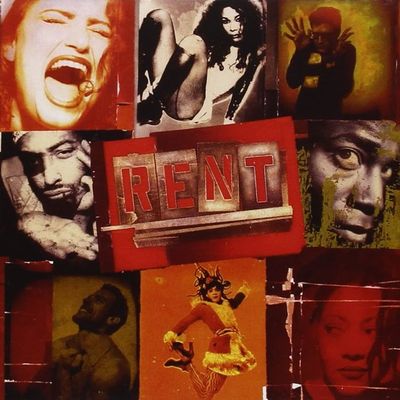
Meet the Hosts of Super Swings—Katy Pfaffl and Joshua Kobak are no strangers to Broadway's highs, lows, and wild thrills. Katy, who starred as the Song Woman in War Horse at Lincoln Center, is now a premier Broadway Voice Specialist, Co-Founder of Broadway for Arts Education, and Co-CEO of Vrialto Immersive Audio. Joshua, a powerhouse swing for 12 years in Rent, Tarzan, Fuerza Bruta, American Idiot, and Spiderman, is Co-CEO of Vrialto Immersive Audio Productions and runs Liilaa Records Studio. Together, they created Super Swings to champion the unsung heroes of Broadway—the swings—bringing their jaw-dropping stories, backstage secrets, and expert insights to new audiences in a groundbreaking, immersive audio experience.
Follow us on Instagram @superswingsbroadway
Connect with us directly:
Host: Katy Pfaffl
Instagram: @mightykate, @katypstudio
Website: http://www.singwithkaty.com
Host: Joshua Kobak
Instagram: @joshuakobak, @vrialto_productions
Sound Design, Recording, Mixing: Joshua Kobak
If you like immersive audio and would like to make your podcast or project immersive, visit:
Website: http://www.vrialto.com
or Email: josh@vrialto.com
Transcript
This transcript was automatically generated and might contain errors.
[0:03] Joshua Kobak: Sent phone, stage manager. We need you on stage tonight. Go to dressing room one for costumes and watch. Super swing.
[0:17] Katy Pfaffl: If you can understand me speaking now, as well as anyone can if you'll watch, you said a good volume. Thank you for riding with real swing. Same and the swing.
[0:29] Joshua Kobak: Hey, advice. Sounds are coming from all around me. Super swing. Same the same. There you are. Welcome to Realto. Follow me. The show's about to start. Keep your headphones on for the most immersive experience.
[0:56] Katy Pfaffl: Hi, I'm your host, Katy Pfaffl.
[0:58] Joshua Kobak: And I'm your co-host, Joshua Kobak. So we decided that we would celebrate the making of Super Swings a little bit. Have a little recap and a little wish moment for the future. So we're gonna share this episode just the two of us. We're in my studio right now on 37th Street. And we decided that we're gonna take this show on the road.
[1:16] Katy Pfaffl: What we're gonna do is instead of adding the immersion, we're just gonna record the immersion while we have a conversation. So we're gonna take you on a trip with us.
[1:25] Joshua Kobak: Yeah. Um through the rainy streets of New York.
[1:28] Katy Pfaffl: Yeah, it's raining. Through Times Square, and it's so crowded right now.
[1:36] Joshua Kobak: Alright. Oh yeah, I know. So bear with us. But uh yeah, I gotta close up my studio.
[1:44] Katy Pfaffl: Um yeah. I should leave in the building. And this is where everyone has. Yeah, this is the magic. This is where all the recording happens. I have a voice studio. Uh share with massage therapist, Rich Malenga. And it's on 37th Street, right around the corner from Ripley Greer, right in the heart of all the action.
[2:06] Joshua Kobak: Yep. And uh here I'm gonna turn off the lights. Hey Siri, turn off everything. See if she does it.
[2:14] Katy Pfaffl: Alright. Alright, thank you, Siri. She's not bringing out eight today, but she did do it.
[2:19] Joshua Kobak: Alright, so you lock up.
[2:23] Katy Pfaffl: Okay. Alright. So one of the things that we've been excited to do, we love immersive audio.
[2:30] Joshua Kobak: Yeah. Josh and I have a company with two friends of ours called Vrialto. V is in Victor R-I-A-L-T-O, as in the theater district.
[2:40] Katy Pfaffl: Yeah, theater. Yeah, and so we've been experimenting a lot with immersive audio in regards to theater and in regards to art in general. So we've been geeked to make something, and this podcast was sort of the first of our podcast that we made.
[2:56] Joshua Kobak: Yeah, we've also recorded plays and music. And if anybody's interested in anything like that, please come talk to us. We have a website, www.vrialto.com. You can see more about that.
[3:11] Katy Pfaffl: But we wanted to do a podcast. And Josh had the wonderful idea of this Super Swings.
[3:17] Joshua Kobak: Right. Because as we will say, hi. Bye. We'll say uh Josh was a swing. I was a swing.
[3:28] Katy Pfaffl: Yeah. Yeah. And uh umbrella. Alright, umbrella, arm. Um, hold on one second, coat, zipping up.
[3:36] Joshua Kobak: Alright. So Josh was a swing for many years.
[3:39] Katy Pfaffl: Yeah. And throughout that experience, we've been friends for 450 years at least. And um, during that time period, Josh has told me a lot of stories about swings.
[3:49] Joshua Kobak: Oh yeah.
[3:50] Katy Pfaffl: And um just really we realized that there's just so many people out there in the business whose stories are also not heard.
[3:58] Joshua Kobak: Right.
[3:59] Katy Pfaffl: And also, you know, not for nothing, but I had to go through a lot of like educating, getting educated as to what it is that I'm doing as a swing, but also um educating um and teaching you and my family and my friends, like holy crap, this is what I do.
[4:19] Joshua Kobak: Sure, and it's something that if you've listened to all of our episodes so far, we have four episodes out. If you haven't listened, go back and listen to all of them because they're really, really amazing humans that we are such amazing humans.
[4:32] Katy Pfaffl: And um, you know, we've we've learned a lot, I think, from through viewing each one of them, because each one of them has had really different sort of experience.
[4:40] Joshua Kobak: Right.
[4:40] Katy Pfaffl: But one of the interesting things is that there are common threads there are between every single person that we've interviewed.
[4:48] Joshua Kobak: Yeah.
[4:49] Katy Pfaffl: Um, and that those are things that we're learning just sort of come with the job.
[4:53] Joshua Kobak: Yeah, come with the territory. I think I mean, of course, I wasn't really surprised with the fact that like a lot of them were feeling a little bit like you know, swept aside or or like un unrecognized or unnoticed.
[5:07] Katy Pfaffl: Um, because I do understand that that's happened.
[5:10] Joshua Kobak: However, it does sound like there are certain things that did help that, like the whole industry having to go through COVID and then going like, oh, we really, really need swings and coverage. It's really, really a valuable thing.
[5:26] Katy Pfaffl: Sure. And these are valuable performers for our show for our intellectual property.
[5:34] Joshua Kobak: Well, and I think there was some amazing, amazing uh performers who had a big platform, like Hugh Jackman was a big one.
[5:42] Katy Pfaffl: Yeah.
[5:43] Joshua Kobak: You know, shined a bright light on some of his uh swings that he worked with in Music Man, we're about to die we're crossing the street, and um you know, Sun Foster too. Like, there was a lot of people during that time period who really really finally took their platforms to go, hey, you know what? Here's a person who saved the show.
[6:01] Katy Pfaffl: Yeah, just a person you don't know who they are, you may have never heard of them, but they are a friggin' rock star.
[6:10] Joshua Kobak: Yeah, and I love that people sort of celebrate them because you know, again, one of the biggest pieces of feedback I've had from people listening to this podcast is people going, Wow, I really had no idea.
[6:22] Katy Pfaffl: Right. I had no idea about anything.
[6:24] Joshua Kobak: Right, that you guys are talking about.
[6:26] Katy Pfaffl: And these are like the people that we heard that from were like avid theater girls.
[6:30] Joshua Kobak: Right, right.
[6:31] Katy Pfaffl: And it was like, oh, really?
[6:32] Joshua Kobak: Yeah, yeah, people who love the theater, people who go to see the theater all the time. Uh performers themselves.
[6:39] Katy Pfaffl: Performers themselves, too. You know, I I've had performers who have been like, you know, I've never had to be a swing.
[6:44] Joshua Kobak: Right.
[6:45] Katy Pfaffl: And I now hearing how much work it is, I never want to be a swing. I know that I would suck at it because yeah, you know, it's really like it's really uh home.
[6:57] Joshua Kobak: It's hopeful horns, hopeful horns.
[6:59] Katy Pfaffl: Okay, let's pass.
[7:00] Joshua Kobak: Yeah, because that's really, you know, you can speak for yourself, Josh. It's a it's a special person who has a brain and the adrenaline capacity to be able to do this.
[7:12] Katy Pfaffl: We did kind of like point out like how amazing our brains are and how sure this thing happens and how special we are, and that's all pretty true, but at the same time, um I think in one of the episodes we're kind of saying, like, well, if anybody is you know thinking about going into this, like being a swing or something like that.
[7:33] Joshua Kobak: And um when I listened back to that, I was like, wait a second. You know what? I don't think anybody actually sets out to be a swing.
[7:43] Katy Pfaffl: I think it's something that you kind of get offered, and you either take it or you don't, but if you take it, you either realize that you're you're good at it or you're not.
[7:54] Joshua Kobak: Right.
[7:54] Katy Pfaffl: And then if you realize you're good at it and you're right, you're going to get more opportunities to be a swing because if you're good at it, it's just one of those things that like like we've been saying, like it's not everyone's mind that has the right gears and plugs to make it all, you know, compartmentalize this character and that character and stage left and stage right and things that they have to do.
[8:22] Joshua Kobak: Not to mention that probably some of us swings actually um, yeah, some of us swings have that like um enjoyment of that adrenaline rush that is almost like the bad dream super swing.
[8:45] Katy Pfaffl: Super swing. Speaking with Josh earlier, one of my favorite things about you know, in one of our episodes was the story that Evan told about um how he was like vacationing with his wife in the Adirondacks, not even in Little Shop of Horrors, had not been in the show, and they called him because they were so many people down and asked him to drive four and a half hours back through a blizzard, right? Get on stage to do a role that he hadn't done in many, many, many weeks.
[9:18] Joshua Kobak: Yeah, that's just like that's a horrible dream that you've got to do it.
[9:21] Katy Pfaffl: That is your nightmare. That's the nightmare. Like a nap affair, and then it was real. Right through like, you know, it wasn't good conditions or anything.
[9:30] Joshua Kobak: Sure, and I mean how many times have you had that dream at home, any of you listeners, where you're like, I don't I'm in a show, I'm back on stage, my high school stage, and I don't know the lines anymore. I don't know anything. And I'm naked, and you know, it's like not far from that.
[9:45] Katy Pfaffl: No, it's not. It's the same kind of like, oh shit.
[9:48] Joshua Kobak: Yeah, and then it put it. But it just takes the that certain kind of person that's like, well, here we go.
[9:54] Katy Pfaffl: Sure, sure. And then it is a rush of adrenaline, and and I can say from experience that you do get that personal enjoyment out of it.
[10:05] Joshua Kobak: Sure. And what's really um awesome is when others recognize that that that happened. But another common thread was that you know, there are times that you do that, you have all that adrenaline, and maybe you were on for a small part, but it was a big deal for you because you hadn't even thought of that part, like we're saying for months or something like that.
[10:30] Katy Pfaffl: And then you get off stage and no one really notices, so it's kind of like a a bittersweet moment. Like it's like, ah, uh, but no one knows.
[10:39] Joshua Kobak: You know. She was like, when you're doing your job right, yes, and you've done it well, that's right, people don't notice because the whole show went on so beautifully, you know, that it's like so it's a testament to our yeah, yeah.
[10:53] Katy Pfaffl: But at the same time, as a human who has needs and feelings, you know, yeah, it's it's it's hard in those ways, and I think um I think Alicia was you know, one of my favorite things about her and her episode is how she was really embracing like you have and Brooke talked about this too, how you you have to you know have a certain level of surrender, yeah, and abandon and just realize you're not gonna be perfect and realize right, and I think and to be a little bit gentle on yourself about that, because otherwise you'll just go crazy.
[11:27] Joshua Kobak: Sure, sure. And I think in some people have written to us, actually, I think we should talk about um your niece, yeah, who's in town right now, right? And they've been listening to the podcast, and they were like, hold the phone in one of these programs at Great Cassie. There's someone who's listed as a swing and understudy, right? How is that possible? Right, yeah, what does that mean? To explain that, yeah.
[11:55] Joshua Kobak: There's we have noticed there's been a couple things that we kind of glossed by because we're sure we've been in the industry. Um, so we want to try to catch those things for all of our listeners, but um so understudy is both a noun and a verb, right? So you can be an understudy, but you can also understudy, right? Uh-huh. So if you are cast in the ensemble, meaning you have, you know, an on-stage ensemble part, on stage ensemble part that you're, you know, woman in the red dress on stage left or whatever. The chances are you have a nice name or something. But it's just that one character that you have the responsibility to perform every night at every show. You might be contracted to also quote unquote cover or quote unquote understudy.
Right. A lead part or maybe a secondary part, in which case you are your ensemble track and you understudy this or that lead. If you're a swing, generally swings are hired to cover the ensemble. For that very reason that an ensemble member might have to perform the lead in said performance, leaving that ensemble track open, in which case the swing would cover that ensemble track. Uh-huh. And also we call them tracks from what you do at the very getting ready for your show. It's part of your track. You do your whole track, which encompasses every word, every blocking, every everything, every vocal, every costume, yeah. You have to get from the table in the back. Which table do you go to? The backstage right, backstage left.
You have to know all those things. You have to know all your traffic backstage so that you don't get in the way of that dresser who has to run backstage sure to get to that quick change that happens, because if you get in that person's way, you're going to stop the show. So everyone in a show has a track. Yep. That they follow. Right. And so that's what's impressive and amazing about swings is they are learning multiple tracks. Yeah and it's not just the lines and it's not just the music. But so if you were a swing and an understudy, you can also be contracted to be a swing to cover the ensemble but then you might also get the bonus of covering understudying a lead word. In which case you would be listed in the playbill if you were on that night like when I was on as Tarzan I was a swing in Tarzan.
But when I was on as Tarzan it would say understudy. Understudy Josh Kobak or Joshua Kobak understudying Tarzan. Got it. But I would also be listed as a swing because both are active because that was what you were doing 99% of the time. Right. Right. And so like if it was just if I had been in the ensemble you know like if I was um one of the apes I would be listed in the ensemble and that's all. And then I would just be for that performance in the stuffer of the playbill. Right. You would say Josh is understudying Tarzan tonight. Sure. Okay. So that's that. That's that and also they ask and then what the heck is a standby.
[15:40] Katy Pfaffl: Oh man standby. Standby. Standby's different standby's different is they use it a lot in Google when there's celebrities especially true. There's a very large large role, they'll have a standby, like a very big sing for something. A very big what? Like a big sing. Like an alphabet or a oh right, yeah, where it's very taxing on your vocals. Yeah, it's very challenging. Right. So they'll often have a standby. So what that means is that person knows the lead track that they're hired to stand by for. Yeah, and that's literally standing by. Yep. They're literally at the theater waiting for if there's a need for them to go on. Like that happened in Wicked year after year after year there would be an alpha, and then they would come off mid act and go, I can't sing it.
I can't do it, I'm too tired. Right. I can't make this. Yeah, I've been in shows that do that. Yeah, and so the standby is like here I come to save the day, and they're just right there, they're ready. So a lot of times they'll do this with a celebrity too, where they need to like they have a big name who's a huge draw, right? Like for um currently for Sunset Boulevard, everybody's going to see Nicole. Uh huh. So her standby is Mandy Gonzalez, who's also a very large name. Right. Right. So that people aren't disappointed. Right. They don't get Nicole, they get somebody else who's amazing that they know. Right. That they know. So that's common. And like you're saying, being a standby means that she's there, but she's not on stage.
Nope. And she doesn't have to learn anything except for that one role. Right. So it's actually a really cool gig. It is a cool job. But it can also be kind of like you know, sad because you don't get to go on very much. True. A lot of times. If things are going well. So that's that's the sort of thing. But that's different than an understudy.
[17:36] Joshua Kobak: Let me let me interject here because you're not entirely it's not only for celebrities. Nope. Because um we had a standby in American Idiot, and he covered the three leads. So he knew the three leads. Right. The three main guys. And then I took up St. Jim with one. And uh so that's kind of how I would happen. It's not it's not exclusively when there is a celebrity, and a standby is not always as big as um Mandy either. Now hopefully that has uncovered a swing, you can be a swing and an understudy, you can be ensemble understudying, and you can be a standby offstage covering. If you're gonna kind of think of it the way that it's it's kind of like top down is like you know, leads, standby, ensemble, understudy, understudy, swing.
[18:36] Katy Pfaffl: Right. That was top down from just the I don't know, the order of super swing. One of the things that's still amazing to me about swings is how much work it is for a swing to learn so many tracks versus how much rehearsal they get for all that correct work, yes, which is uh really amazing to me. And I know as the performer myself, how much work goes into you know, just doing one track. Right. And so and how much I relied on having rehearsal and how wonderful that was to have. Right, you know, as someone who was a lead in the show, so to not have the benefit of that and still be able to go on and still be expected to go on and really shine is kind of incredible. But also I want to also kind of point out that like the shows, the directors and the producers are not jerks.
No. It's not that they are not giving us rehearsal. If you think about it, there's only one place that the show happens. Right. It's the theater. It's the theater. Or the rehearsal space that there is we're going back. It's just the theater because when you're when you're in a run, they would have to rent a rehearsal space and they're already renting the theater.
[20:05] Joshua Kobak: So what you get is generally on a standard theater schedule, right? Right. Where you have like um you're off on Mondays and it's an eight show week. Right. And your matinees are Saturday and Sunday. Let's just say that that's the that is a standard schedule. Uh-huh. So within that standard schedule you would have one four hour is it four hour yeah like a four hour chunk of rehearsal time on a Thursday afternoon. That is the the general on average um rehearsal schedules. That's the rehearsal day. So swings and understudies have an extra four hours that they spend at the theater per week.
[20:54] Katy Pfaffl: Yeah and I think one of the other things I want to kind of explain too is when you're in a show that's just being developed, like you it's changing every day in rehearsal anyways.
[21:08] Joshua Kobak: Yeah.
[21:08] Katy Pfaffl: So they they have to make sure that the main cast is actually knows what they're doing.
[21:15] Joshua Kobak: A hundred percent.
[21:15] Katy Pfaffl: And and give them the freedom to create to create it. Right. So that's another reason why they're not jerks. It's it's just that like that's that process isn't a quick process. I remember we would have things where we would spend days like creating a whole piece.
[21:30] Joshua Kobak: Oh my gosh.
[21:31] Katy Pfaffl: And just really being in it and like get it down and everybody would learn it, and then the next day we would come and they would be like, it's cut.
[21:37] Joshua Kobak: Right.
[21:38] Katy Pfaffl: You know, and now we're gonna do this thing that we've never done before.
[21:40] Joshua Kobak: And so yeah, and so then as a swing, right back in my day, you would throw away all that paper.
[21:47] Katy Pfaffl: Right.
[21:48] Joshua Kobak: And nowadays you just would hit saving the trees these days.
[21:53] Katy Pfaffl: Yeah, yeah.
[21:53] Joshua Kobak: Which is much much better.
[21:55] Katy Pfaffl: Yeah, we had loads of paper in War Horse together.
[21:57] Joshua Kobak: Oh my gosh, yeah. But you know, it's it's it's not part of the process then. So that's why they're not afforded rehearsals. Now nowadays, they're learning because of sickness and because shows have actually closed down completely because of sickness, they're learning that they have to try to rehearse understudies and swings earlier than they ever did.
[22:17] Katy Pfaffl: So I think the bottom line thing that I always like to sort of share with people who have not been allowed to shows is um that you know being in a show, putting up a show, doing all these things, it takes a lot of time and it takes a lot of rehearsal, it takes a lot of work, and it takes a lot of blood, and it takes a lot of sweat and it takes a lot of tears from everybody to do a show.
[22:40] Joshua Kobak: Yeah.
[22:40] Katy Pfaffl: And then swings are a part of that process on the periphery.
[22:46] Joshua Kobak: Yes, that's yes.
[22:48] Katy Pfaffl: And so they're experiencing their own thing on the side a lot of the times.
[22:53] Joshua Kobak: Right. All of that is not shared a lot of the times because they don't get to be a part of that experience, and that's also challenging, I think.
[23:01] Joshua Kobak: Well, and there's also a thing that swings either um are taught or they learn through experience that when you're in a developing show like that, uh-huh, um you're also you it it can feel like you're being pushed aside sometimes because if you go and ask the director or s or um choreographer or or dance captain a question, you might be asking a question that they don't know the answer to yet.
[23:55] Joshua Kobak: Like swings also have to learn to give that back to the director, to the dance captain or choreographer.
[24:05] Katy Pfaffl: Well, and I love talking there is a part of Joanna's podcast that I really love where she was talking about what it's like to her being a swing is being in service to the show.
[24:16] Joshua Kobak: And I think that's such a beautiful way to look at it.
[24:19] Katy Pfaffl: I do too.
[24:20] Joshua Kobak: It's service to the piece, service to the show. You know, that's what it is.
[24:24] Katy Pfaffl: Right. And if you show up and understand that, it can be a really beautiful feeling, a fulfilling feeling to know that you are serving the show in such a massive way that you are keeping it going.
[24:37] Joshua Kobak: You're serving like you're serving the author of the piece.
[24:43] Katy Pfaffl: Right. And that's honestly what it's all about. It's all about because that author is trying to communicate something.
[24:52] Joshua Kobak: And you know, there's a whole lot of things that can get in the way of that something. Um sometimes and that can be ego.
[25:03] Katy Pfaffl: Right. You know, where somebody's like, instead of realizing that the show is about the concept or the writing of the show, but it's about their performance.
[25:13] Joshua Kobak: And um, you know, and that's I guess that's probably normal.
[25:19] Katy Pfaffl: That is the number one thing that I run up upon in all performers, and to a certain degree, and especially when I teach younger performers, but how you know when I teach older performers too. It's just really it's not about you.
[25:35] Joshua Kobak: Right. And I think that we should all let's just take a moment, shall we, and just be like, what if your life isn't about me?
[25:42] Katy Pfaffl: Right. What if it's not all about me? Because I think when you realize what it's about something higher than all of us.
[25:48] Joshua Kobak: Yeah, right, then that really really turns it into something that's a lot um broader in scope.
[25:55] Katy Pfaffl: For sure. And whenever we can be in a part of anything that's a larger scale than this minuscule little thing that we get focused on about ourselves.
[26:04] Joshua Kobak: Right. We're gonna be a lot happier, healthier.
[26:07] Katy Pfaffl: Right. So I think that is just something that we can remember as performers. But I think all of it. I think that like that is something really cool too, that her pointing that out that kind of made me realize too, that like, well, yeah, like being a swing, you are directly confronted in ways that you didn't ask for.
[26:26] Joshua Kobak: Sure.
[26:26] Katy Pfaffl: Um, your ego is being confronted. And you know, being a human, you have the sir, you know, fight or flight, survive, right? The surviving mechanism is in a way rising up and out of your ego, because if you stay in it, you're gonna get beaten to a pulp.
[26:45] Joshua Kobak: Right. So it you kind of are forced to rise above it, which is a very healthy thing.
[26:51] Katy Pfaffl: Um and then realize that this is about this really big picture that we're all performing, that we're all going through. And um, and yeah, I mean, you know, if you if you get in the business and you're just a lead out out out of out the gate, and you don't ever really experience that way.
[27:12] Joshua Kobak: Yeah, no one's really treating you that way because like if your name is you know, right under or right above the title with the pictures on the outside of the theater, you know, it would be natural to kind of go like, well, yeah, if the show doesn't happen, it's not gonna happen without me.
[27:27] Katy Pfaffl: Summer swing.
[27:32] Joshua Kobak: Super swing.
[27:36] Katy Pfaffl: I think that's the beautiful thing about theater that I love so much.
[27:39] Joshua Kobak: Amen.
[27:40] Katy Pfaffl: It's a microcosm for the world.
[27:42] Joshua Kobak: Yeah, yeah. And it's such a and people, and you know, it's community.
[27:45] Katy Pfaffl: Yeah, and I think that that's why we you know, anyone who loves theater, whether you're in it or you love to go see it, it's about community.
[27:54] Joshua Kobak: Yeah, it's a part it's about share a shared experience.
[27:58] Katy Pfaffl: Yes, that's oh my gosh, okay. Right, but let me just pause for a second because like there are so many we don't know what it is to be a human fully. There are mysteries within humanness that that we exist within all the time.
[28:17] Joshua Kobak: Like, how big is your spirit?
[28:19] Katy Pfaffl: Sure, like you know, what is consciousness? They're still debating, we're still trying to figure this out. But what's so cool is that shared experience that you have in the auditorium of the theater it is magic.
[28:36] Joshua Kobak: It is that thing. Like I have had those moments on stage where I'm having I'm performing a scene with my scene partner and I get choked up.
[28:48] Katy Pfaffl: But I have not sniffled. And I and my voice has not broken up yet. And I I hear it happen in the front row.
[28:57] Joshua Kobak: Oh yeah.
[28:58] Katy Pfaffl: Or the second, you know, I hear yeah, yeah. And it's this really miraculous, beautiful thing that proves that we are connected.
[29:08] Joshua Kobak: Yeah, I mean, I had such a privilege. What one of my role did in the show was I always was, I was like the narrator. I came out, I was alone on stage, I was singing directly to the audience, engaging with the audience.
[29:21] Katy Pfaffl: It was so beautiful everywhere. Yeah, it was just a really beautiful piece. Um if you don't know War Horse, go check it out. There's still performances of it that are happening. And there's a new tour, I think, going out.
[29:32] Joshua Kobak: Is it but yeah, but one of the things that was magical about that is not you know, spoiler alert, um, but there was like a pretty traumatic thing that happens in the show, and you think that this amazing horse puppet that you followed through the entire show is gonna die.
[29:47] Katy Pfaffl: And the boy who's been looking for it, all these things, and it's very, very emotional. And I would come out through this very pivotal moment and sing this song to the audience, and I would see everyone in the Vivian Beaumont crying.
[30:00] Joshua Kobak: I would see people of all ages, of all colors, of all walks of life crying.
[30:05] Katy Pfaffl: And they would just be in some like ugly crying. I mean, like it was just a lot. And I you that's all you heard was me singing a cappella and sniffles and emotions, and it was like one of the most I don't know, I felt so lucky.
[30:19] Joshua Kobak: Yeah, because I was like, wow, I get to share this with you.
[30:22] Katy Pfaffl: You get to share it, but also like that just took me to that place where it's it's almost like wakey, like where like when you just said that they were ugly crying because a horse puppet is laying on its side.
[30:34] Joshua Kobak: Right, it's not a it's a puppet, it's people in a puppet.
[30:37] Katy Pfaffl: Yeah, but you never know why they're crying. So they might be crying because of the puppet, right? But they might be crying because they had a horse.
[30:46] Joshua Kobak: Right.
[30:48] Katy Pfaffl: They lost something or someone, and it's just like that's how it's sort of like Reiki, because you know, sometimes like I've had that too, like where I might not cry about something that is sad that happened in my life, and then there's something that reminds me of that outside of it that surprised me.
[31:06] Joshua Kobak: Sure, and it took and my guard wasn't up, and thereby allowing me to literally exhaust that bit of grief that's gonna be.
[31:15] Katy Pfaffl: Sure, sure, sure. Well, that's what I think it is. You know, it's it's it all of these things they're at the core of why everyone was crying is because it was love.
[31:25] Joshua Kobak: They were watching love, they were experiencing love, they were yeah, they were you know a part of love, and we all have that in us, and that's beautiful.
[31:32] Katy Pfaffl: The little thing about theaters, even if you don't like have a direct connection to something, you know, it it wakes something inside of you up.
[31:41] Joshua Kobak: Yep.
[31:42] Katy Pfaffl: And I think that's what I love about it. That's what I always loved about it. That's why I still have a career involved in it.
[31:49] Joshua Kobak: Yep.
[31:49] Katy Pfaffl: You know, and that's what I try to do with as a part of teaching everyone is just to help everyone understand how how lucky we are to do this for a life, you know, and be able to share these things with other people.
[32:02] Joshua Kobak: Yeah. And I think that's what is so magical about swings. I was never a swing. I have such an appreciation for swings because I have sat in a room with my swings and taught them ten parts.
[32:19] Katy Pfaffl: You mean your students?
[32:19] Joshua Kobak: Yeah, yeah, my students. I have sat in a room, you know, and and like gone through, I've had them do sing songs with themselves because they're all of the parts in the song.
[32:28] Katy Pfaffl: Right, yeah. I've had them, you know, work so hard for these things, and to and just be so scared, and then I've gotten to see them like Evan, like Alicia in the audience, and cry because of how amazing they are, you know, and and knowing that journey. So that's why this is so important to me.
[32:47] Joshua Kobak: Um, this podcast, and also these experiences. Um I just want to thank everyone for listening who's listened so far.
[32:55] Katy Pfaffl: Yeah, me too. Yeah, um, and for supporting us. And if you've enjoyed it and you have ideas, yeah. Please write us, let us know. Please, you know, DM us. We have a couple things in the works that um that have come from suggestions that are like really really cool and exciting.
[33:12] Joshua Kobak: Yeah, and stay tuned for that. Our Instagram handle is Super Swings Broadway. Right? Is that correct?
[33:19] Katy Pfaffl: I believe so. I don't know, I'm not great with Instagram, but I I'm on it, and that's what I believe it to be. So you can follow us there.
[33:27] Joshua Kobak: Uh, but we're also, you know, this podcast is on the Broadway Podcast Network, which we want to thank profusely because they gave us the opportunity to explore this idea.
[33:39] Katy Pfaffl: Right. Um and they really thought that it was worthwhile to hear of from these incredible performers and to shine a spotlight on them like we did. So kudos to them and thank you so much.
[33:50] Joshua Kobak: And we're also this podcast is on Spotify.
[33:53] Katy Pfaffl: Yep. As well. And um yeah, you know, we've just we've had a really magical time so far. And we're really excited for the new year to come.
[34:04] Joshua Kobak: Well, and also if anybody, like we said at the beginning, if anybody hears this stuff and thinks like, well, let's see, you know, like I I am cutting an album and I really like the idea of this immersive stuff, or um I have a play, but I don't have a big budget to put it on. Maybe I could make an immersive recording of it.
[34:22] Katy Pfaffl: Yeah, like and try it out that way, or or raise money there. Immersive audio is so fun, you guys. So we've been really, really excited at bringing about bringing this to you all.
[34:33] Joshua Kobak: My favorite part is that like even like your kids in India will be able to listen to this.
[34:38] Katy Pfaffl: Yeah, around the world, yes. Yeah, and hopefully, you know more and more of you. So please share this with your friends. Please tell everybody that you know. Uh please send us your ideas. We're so grateful for all of you.
[34:53] Joshua Kobak: Thank you so much. Uh we hope you have a happy new year. So this episode is coming out on January 3rd.
[35:01] Katy Pfaffl: It's the beginning of a new year. We hope you all have fantastic New Year's. Um we hope that you'll uh tell us Swing that you appreciated their work.
[35:11] Joshua Kobak: Yeah.
[35:12] Katy Pfaffl: Um, there's swing.
[35:14] Joshua Kobak: Keep on keeping on.
[35:15] Katy Pfaffl: Yeah, contact us. Let us know your stories.
[35:17] Joshua Kobak: Yes.
[35:18] Katy Pfaffl: Please do. And um the more the more immersive kind of stories that we can get, the more fun it'll be for me. I love making it.
[35:28] Joshua Kobak: I do.
[35:30] Katy Pfaffl: But we hope you have a beautiful new year and all of your wishes come true. Take care.
[35:34] Joshua Kobak: Bye-bye.
[35:36] Katy Pfaffl: Super Swings.
[35:38] Joshua Kobak: Same in the cell.
© Broadway Podcast Network, All Rights Reserved