

Survival Jobs: A Podcast returns with Episode 154, recorded live from the opening night red carpet of August Wilson’s Joe Turner’s Come and Gone, directed by legendary multi-hyphenate Debbie Allen and starring Taraji P. Henson and Cedric the Entertainer... Read More
From the show: Survival Jobs: A Podcast
Guests
Featured Shows
About
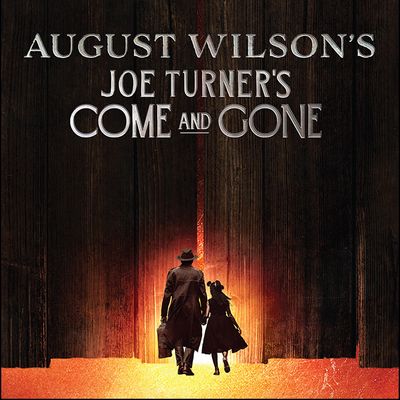
Survival Jobs: A Podcast returns with Episode 154, recorded live from the opening night red carpet of August Wilson’s Joe Turner’s Come and Gone, directed by legendary multi-hyphenate Debbie Allen and starring Taraji P. Henson and Cedric the Entertainer.
Recorded at the historic Barrymore Theatre on Saturday, April 25, the episode features powerful conversations with the cast, creative team, and special guests about why this groundbreaking play, originally set in 1911 and first performed in 1988, remains deeply relevant for audiences in 2026 and why it is more important than ever to uplift Black stories, Black artists, and Black creatives.
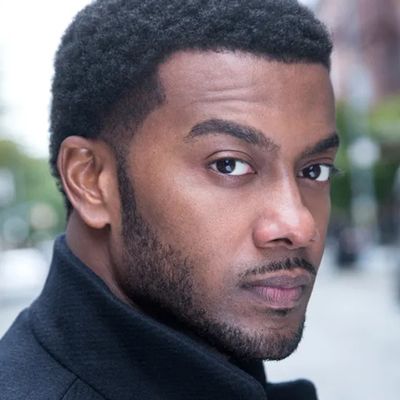
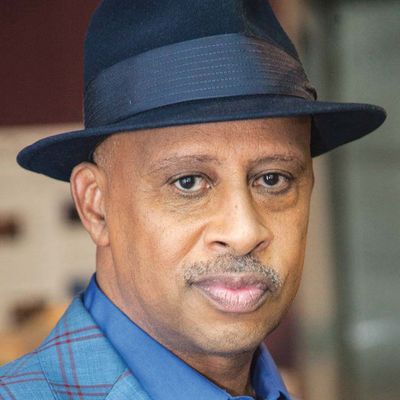
Co-host Jason A. Coombs spoke with an incredible lineup of artists and VIP attendees throughout the evening, including Debbie Allen, Cedric the Entertainer, Kandi Burruss, Joshua Boone, Shonda Rhimes, Lisa Leslie, Vanessa E. Williams, Jussie Smollett, Todrick Hall, Eva Marcille, Tripp Taylor, Maya Boyd, Abigail Onwunali, Bradley Stryker and 2026 Tony Award nominee Ruben Santiago-Hudson, among many others. The episode captures the energy, celebration, and cultural impact of one of Broadway’s most anticipated opening nights of the season.
Get your tickets to Joe Turner’s Come and Gone online here or at the Barrymore Theatre box office!
Lastly, the audio of Episode 154 of Survival Jobs is available now on Broadway Podcast Network as well as popular platforms such as Apple Podcasts, Spotify, Audible etc. Tune in now for insights, inspiration, and entertainment!
Support Our Guests:
- Get your tickets to Joe Turner’s Come and Gone online here
Important Links:
- Support the People of Minnesota Facing ICE Raids
- Help FEED the people of Gaza! PLEASE!
- Know Your Rights: If You Encounter ICE
- Supporting Transgender People in Your Life...
- Support the citizens of Gaza
- Native Land Map
- Abortion Funds Website
- Plan C Pills Website
- National Write Your Congressman Link
- Where to Donate to Support Access to Abortions Right Now
Opening and Closing Theme Music: "One Love" by Beats by Danny | Game Music: "Wake Up" by MBB.
Transcript
This transcript was automatically generated and might contain errors.
[0:00] Jason A. Coombs: Hello, Survivors. Welcome to Survival Jobs Podcast. I'm your co-host, Jason A. Coombs, and we're here on the opening night carpet for August Wilson's Joe Turner's Come and Gone. We're going to talk to the stars of the play. We're going to talk to the creatives behind the scenes of the play and to the VIPs here to support the play. We're here. It's a little bit rainy, but we're going to have a great freaking time. Let's go.
[0:19] Debbie Allen: Hi, I'm Debbie Allen, the director of Joe Turner's Come and Gone, which is opening tonight at the Barrymore Theatre in New York on Broadway. Yes, on Broadway. Congratulations. How are you feeling? You're not new to this. This is not new to you, but is it still special after all these years? Oh, my God. It's like Christmas times on steroids. I feel like I've had 10 cups of coffee. I can't sleep at night. I'm so excited. I have such mixed feelings because I don't want my process to be over because I love it so much and there's always new things to discover every day. But I feel so privileged to be bringing this production, and I thank Denzel Washington for picking me to helm this particular.
[1:12] Jason A. Coombs: Can you tell us your introduction to Mr. Wilson and how he impacted you as an artist?
[1:19] Debbie Allen: Let's start with Fences. I saw James Earl Jones in the opening of Fences. I saw the opening of Joe Turner's Come and Gone. My husband, Norman Nixon, was one of the producers. So I've known about August. We studied August, and I actually got to meet him when my sister, Phylicia Rashad, was playing on Essay in Jim and the Ocean. What an incredible human being with such a warm spirit, so full of life. I just feel lucky, and I feel like I'm channeling him every day.
[1:54] Jason A. Coombs: As you know, it was first performed in 1988, and now we're at 2026, almost 40 years later. Why is it so important, so urgent for people to see this play today, especially given everything that's in our world?
[2:03] Debbie Allen: Well, that's the main reason what's happening in our world. People being separated, families being just snatched apart, torn apart. People cannot be recognized without the racism, without some kind of economic divide. It's really bad right now. But at the same time, this play has a lot of joy, and it has a lot of hope. And you believe that we're going to find our song, like Loomis. Harold Loomis has to find his song, and he represents a nation of people, and that's black and white America. Who is a country right now? What is our identity? What do we stand for? What is our song? Can we really sing God Bless America? What are we doing in the world? It's a lot of things to be talking about.
[2:59] Jason A. Coombs: That's so powerful. Thank you for sharing that. I'm Jason Coombs. Nice to meet you. I have a podcast called Survival Talks, where we talk to artists we admire about their journeys from whatever work they did to get on Broadway. Would you mind just introducing yourself, so everyone can see your beautiful face today?
[3:12] Cedric the Entertainer: All right, good. Where we at? Right here?
[3:14] Jason A. Coombs: Yeah. Where are we?
[3:15] Cedric the Entertainer: Right here. Okay, good. What's up? I'm Cedric the Entertainer. What's happening, man? I'm right here, live on Broadway. August Wilson's Joe Turner's Come and Gone.
[3:23] Jason A. Coombs: Yes. How does it feel to be bringing this play that was written in 1988, set in 1911, to life in 2026 in the world we're living in currently?
[3:32] Cedric the Entertainer: I think it's just so interesting how relevant it still is. The idea that we live in this world of ice and all these kind of things. Right now, our families are being pulled apart. This play, it has a lot of those elements in there. The fact that people have been pulled from their families and how they find themselves and going from being lost to being found. What is that journey about for us as individuals and as people? I think it's so, so really relevant right now. The words ring true, even though it was written in 1911.
[4:01] Jason A. Coombs: Yeah, 40 years ago.
[4:03] Cedric the Entertainer: But it's crazy. That's what's really special. I'm just really proud to be doing it.
[4:08] Jason A. Coombs: Oh, I mean, as a community, we're proud of you. We're so excited for you. One last question before we go. I know it'll be a busy night. Our podcast is Survival Jobs. Before you were Cedric the Entertainer, what was your survival job? One that was memorable.
[4:18] Cedric the Entertainer: Oh, man. Probably the most memorable one that I survived was I had to throw the Wall Street Journal late at night. So I had to be up early in the morning. I'm grown. I had a college degree, but I couldn't find no job. So I had a paper route. So that's that spirit in your mind where you're hurting because you're like, damn, I went to college. I did all this stuff. And yet I had to get up early in the morning just to pay for my car and my car insurance. And I would throw the Wall Street Journal super early in the morning. But the fact that I would read that newspaper, it led me for aspiration. I wanted to see and do things bigger because it was the Wall Street Journal. Just speak and spoke to a different energy and a different life. And you saw the households that people live that got them. And you were like, oh, OK, I'm going to be on this. It's what got me into this level. And look at you now, sir.
[4:59] Jason A. Coombs: Come on, man. I got my own Wall Street Journal now.
[5:02] Cedric the Entertainer: Yes. Congratulations. Kill it tonight. OK, take care. Thank you.
[5:08] Jason A. Coombs: My name is Jason. I have a podcast called Survival Jobs with Samantha, who also does Women Out with you. We had a good time.
[5:14] Kandi Burruss: You had a good time. Yeah. She's missing today. But so we are a podcast. Am I introducing yourself? Can I go and see your beautiful face today?
[5:24] Kandi Burruss: Hello. Which one? However, everybody, I am your girl, Kandi Burruss. Yes. We're here at opening night. August Wilson presents Joe Turner's Come and Gone. How do you feel to be here on opening night for this play in this time?
[5:35] Kandi Burruss: Well, I'm super excited for me. This is my fifth Broadway production that I produce on and my second. Thank you. My second time being able to be a producer on a revival for the great August Wilson. Yes. So it's a blessing.
[5:49] Jason A. Coombs: And what is it about Mr. Wilson's work that is so timeless? Right. This play was written in the 1980s, almost 40 years ago, set in 1911, but being performed again now in 2026.
[6:01] Kandi Burruss: Yeah. I think what's so cool about his shows is that even though some of the characters are fictional, the stories are inspired by real people. Yeah. You know what I mean? So I think it's important that people see his shows and I hope that it makes them want to go back and read more about the history of that time.
[6:26] Jason A. Coombs: Yeah. So my introduction to Mr. Wilson was Fences in high school. What was yours and how did his work have an impact on you personally?
[6:32] Kandi Burruss: I would say Fences. Yeah. Yeah. It's like the number one. I feel like that always gets presented. Yeah. They say this one was his favorite. This one was his favorite. Seal of approval. Last question before we go. Our podcast is called Survival Jobs. Before you were an iconic singer, actor, producer, writer, did you have a survival job that helped you on the up and up?
[6:56] Kandi Burruss: I've never had a regular job. Good. Good. My first career was signed on my record deal with Social Dev with my group Xscape and I've just been in an entertainment business ever since. I love that for you. We all want to be like that. So awesome. Thank you for being here. Have fun tonight and thank you for bringing this work to us. We need this. So thank you.
[7:17] Jason A. Coombs: Thank you. Yeah. Have a good night. Introducing yourself. Not everyone can see your beautiful face but we are a podcast too. What about my beautiful face? Not everyone can see it. You just sent me away with that. Not everybody can see it. Yeah because we are a podcast too. So we do have video but a lot of people are going to just listen to this interview. So yeah.
[7:31] Ruben Santiago-Hudson: My name is Ruben Santiago-Hudson. I play Bynum Walker in August Wilson's Joe Turner's Come and Gone. Yes and it's opening night. We're here in the, it's a little bit wet but open night red carpet. How are you feeling tonight, sir?
[7:46] Ruben Santiago-Hudson: I'm elated. I'm excited. I'm just, I'm thrilled to be here tonight and I feel truly, truly blessed to be a part of this. Right. Opening night. So this play was set in 1911. It was written in 1988 or prepared in 1988. It's 2026. Why is this play so important for audiences to come out and support and learn from in 2026?
[8:02] Ruben Santiago-Hudson: Because of America. The position we're in and shape that we're in. People need to see community. People need to see culture. People need to be able to come out and celebrate and also understand and be able to witness and realize the beauty and the complexity of being black in America. Right. They're knowing that we're just like you. Everybody in here. We the same. This play lets you know that the same struggles, the same pitfalls, the same joy and laughter. Right. Facts. Facts.
[8:27] Jason A. Coombs: So my introduction to Mr. August Wilson was reading Fences in high school. What was yours and how did he impact you as an artist?
[8:32] Ruben Santiago-Hudson: My first play I saw was Ma Rainey's Black Bottom and I chased him until he let me in. Yeah. And he let me in at Seven Guitars and the rest is history. The rest is history. Well thank you so much for being here. Have a wonderful run and I can continue shining. Appreciate you.
[8:47] Jason A. Coombs: No, no, no. We're going to edit it. Yeah. Yes. And you're playing Harold Loomis. Oh my gosh. Opening night. Yeah. Red carpet. Yeah. How are you feeling?
[9:02] Joshua Boone: Ready. Ready. Yeah. It's a little chilly. I'm ready to go inside. So this play was written in 1988, right? Or performed in 1988. It was set in 1911 and it appeared in 2026 again. Yeah. How does it feel to have this play during this time when there's so much urgency happening in our world?
[9:19] Joshua Boone: Important. Yeah. It's vital. Yeah. You know, whether people want to, you know, acknowledge that or not, you know, it's a vital show. Yeah. Because it talks about the root of humanity. Right. And I think we need more of that, you know, as we focus on everybody's actions and what's happening in the world. Right. You know, what does it mean to understand what we're, uh, disconnecting from, you know, and if you plug back into that essence, maybe some of this stuff starts to dissipate and go away. Some of that negativity. Right.
[9:58] Jason A. Coombs: So my introduction to Mr. August Wilson was reading Fences in high school. What was yours and how did his work have impact on you as an, as a performer, as an actor?
[10:02] Joshua Boone: My introduction to August Wilson. I can't remember. Yeah. I mean, he's always been around, right? Um, yeah. I feel like it was around the same time as reading A Raisin in the Sun. Oh yeah. Hansberry. And, uh, it might have been Fences. Um, you know, because, uh, James Earl Jones, you know, I feel like I saw like my teacher might've shown us like some type of clip from that probably. And I was like, all I know is I remember whatever the experience was, all that that's real, right. That's real life. That's real life. Yeah. You know, I know, you know, that's, I know this. Yes. And, uh, that, and then when I studied in college, you know, and, and read, I ain't read all the plays. I probably read maybe four or five of the plays in college.
Yeah. I've had, I've had experiences with all of them since. Okay. Yeah. All 10. All 10. I've not read all 10. Yeah. Yeah. Yeah. I've either seen them or read or seen the movie adaptation. Yeah. Yeah. And, um, yeah, we just got to give it up. And I don't know if we've given, I don't know if we can't give it up enough. Right. I don't know if it can happen in, in, in this generation. Right. You know, what this man has done. Right. And I know we speak it up. I don't know if we can really feel just how important he is to the canon. Yeah. Yeah. Well thank you for sharing that. I know you have a busy night. One quick question before you go, you have a show. Okay. I wish I could come to that. Our podcast is Survival Jobs before you were, you know, successful professional actor on the Broadway. What was your most memorable survival job on the way up?
[11:46] Joshua Boone: I don't, I've had so many jobs. Yeah. Like so like memorable. Yeah. Oh, memorable. Yeah. Like, but this is before I even moved up here. I worked in like a pottery warehouse. Okay. It was so many pottery with Virginia, Virginia. Okay. So many pottery molds. Okay. And like thousands of them, me and my younger brother, we had to organize them during the heat of summer. And it was just, there's one that things, my first job in life was I delivered newspapers. Like, you know, Cedric did that. He told you that? I did. I know that. Yeah. He said that with us today. Wall Street Journal after you graduated college. Oh, he graduated. Yeah. Yeah. So you got something to talk about. I was like, uh, I was 12.
Yeah. Yeah. Yeah. You know, me and my siblings, my pops, we did it. We do it before school. Yeah. That's hard work. That's hard. That's why you're here. We got paid. We got money. Yeah. Yeah. That's what we wanted. We, you know, just got to buy our own stuff and everything teaches lessons. Discipline. Yeah, of course. Congratulations. I can't wait to see the play. Kill it tonight. Have a successful run. Yes, sir. Come on our podcast if you have time. Survival jobs. Yeah. We'll talk more about jobs and stuff. Thank you.
[13:00] Maya Boyd: Yes. Okay. Uh, we are podcast. So not everyone can see your beautiful face. So you might introduce yourself.
[13:05] Maya Boyd: I'm Maya Boyd and I play Molly Cunningham in Joe Turner's Come and Gone.
[13:10] Jason A. Coombs: Oh my gosh. Congratulations. It's opening night. How are you feeling tonight?
[13:16] Maya Boyd: I feel super excited and humbled. You know, I'm honored to be here. Yeah. It's a special night. What was your first introduction to August Wilson and how has his work helped shape you as an artist?
[13:23] Maya Boyd: Oh my gosh, it's shaped me in more ways than I can articulate. I think his writing is so special that it requires you to be introspective with yourself. Right. And discover things that you didn't even know about yourself. And my introduction to it was in college.
[13:35] Jason A. Coombs: Yeah. Was it Fences like mine?
[13:47] Maya Boyd: It was Seven Guitars.
[13:52] Jason A. Coombs: Oh, okay. Okay. A little different. I was telling Joey like every time it's always Fences. The play was set in 1911, right? And the first, it was first performed in 1988. What do you think is most urgent or resonant about this play for 2026?
[14:07] Maya Boyd: There's so many themes. I think what is so important about it is that these people's lives we can resonate with today. Like these issues and themes are present today. And I think that's really important to really think about it. What that means for us today as, you know, decades later, a century later.
[14:31] Jason A. Coombs: For sure. I have two more quick questions for you. If you could describe the legacy of August Wilson in one word or one phrase or one sentence, what would that be and why?
[14:37] Maya Boyd: I want to say powerful, if not timeless. Yes.
[14:46] Abigail Onwunali: I think every person who has had the privilege to do his work on a stage and to perform it in front of people are incredibly powerful people. Well, last question before we go. Our podcast is called Survival Jobs. Before you were here on opening night on Broadway, did you have a memorable survival job on your up-and-up? I babysat a lot. I was taking care of some kids before I got to move here. Love that. Well, thank you so much. Congratulations and have an amazing run. Thank you. Yeah, good meeting you too. You look amazing. For those that have video, she looks fantastic. Thank you. I'm Abigail Onwunali and I'm playing Martha Pentecost in Joe Turner's Come and Gone. Opening night. We're on the opening night red carpet. How are you feeling? I feel amazing. I'm just with a great group of people. It's such an honor to be in this space.
[15:39] Jason A. Coombs: My first introduction to August Wilson was Fences.
[15:48] Abigail Onwunali: Me too. Was he? Me too. Me too. Me too. Yeah. What did doing his work or seeing his work mean to you as a Black artist? When I watched Fences, I remember being transformed. I didn't know that people that speak like me, that I know, that I've seen that are my neighbors, that just, they just, it's in the play. Yeah, right. It's right there and it's about love and it's just about relationships and it's also about trying to keep this family afloat. It was amazing. So, August is a, he's a transformational playwright. Literally. Really, really. He's an amazing playwright. If you could describe what he means to the world in one word or one phrase or one sentence, what would that be? He's an ancestral playwright. So, there's a lot rooted in our ancestry that he has explored and he continues to explore. He takes us back to our roots, which is amazing, you know?
[16:47] Jason A. Coombs: So, to get more to this play, Joe Turner's Come and Gone, it's set in 1911, written in 1988, if I'm not mistaken. In what? It was written in 1988? Yes. Yeah. Okay. Okay. I was like, oh, did I not do my research? Why is this play so relevant and so urgent during this time in 2026, during the world we're living in, I'll say?
[16:59] Abigail Onwunali: Yeah. I mean, there's two stories that I feel that are here that are embedded in the play. There's a story about displacement and displacement of families, which is so huge that's happening in our climate right now. Right. New York City now. Literally, right now as we speak. Yeah. And there's the feeling of love and to be able to connect, even though we may be far apart, we may not be connected to one another. Love is the thing that brings us back together. I love that. So, that's the root of it for me.
[17:24] Jason A. Coombs: Yes. That's so special. Well, thank you for sharing that. One more question before we go. Our podcast is called Survival Jobs. Before you were a professional actress working on Broadway, did you have a survival job and up and up?
[17:37] Abigail Onwunali: You know, I actually was planning on going to medical school. Really? I have my Master's in Biomedical Sciences. Okay. I was in the sciences and then went to school and was trying to survive, figuring that out. Yes, yes. And so then I decided to just drop all that and be an actor. But yeah, of course, there's like always those survival things that you try to figure out. Teaching is a big thing for me that I've tried to do in some way, shape, or form. But I definitely was in the science field and I will use that degree again if I need it, you know?
[18:07] Jason A. Coombs: Well, who knows? Maybe you'll be like on The Pit or something or Grey's Anatomy and you're going to have to use those tools.
[18:13] Abigail Onwunali: Yeah, that would be an honor. That would be great. We're going to manifest that for you. Come on. Thank you. Put it up in the air. Thank you. Well, congratulations. Have a great time tonight. Have an amazing run. Thank you. I appreciate it.
[18:26] Tripp Taylor: My name is Tripp Taylor. I play Jeremy in the play Jeremy Furlow. Well, congratulations on the opening night. It's a rainy day, but it's a special day on the opening night carpet. How are you feeling? I'm feeling good. I'm feeling excited, a little nervous, but mostly excited. Excited to see what happens and I feel like it's going to be a great show tonight. I mean, I already know. I already feel it. It's going to be a great show.
[18:47] Jason A. Coombs: So this play was written in 1988, set in 1911. Why is it so important here in 2026 in the world that we're living in for this play to be put on, for audiences to see this play?
[19:00] Tripp Taylor: I mean, I wish that August Wilson plays didn't need to be relevant anymore. But the truth of the matter is the things that were struggles in 1911 and then talked about in 1988 are still lots of the things that are happening today. 40 years later, still going through a lot of the same struggles. So I feel like, sadly, it's important to see that again and see how we can get through it. And anybody would benefit from seeing it, I feel.
[19:31] Jason A. Coombs: Great. So my introduction to August Wilson was Fences. What was yours and how much of an impact did his plays or his work have on you as an artist?
[19:40] Tripp Taylor: My introduction was Fences as well. Yeah, it makes sense. Yeah, I feel like it. Yeah. And then growing up, I don't know, I had always dreamed of being in one of his plays. I did a monologue from Jitney for my college auditions. Gotcha. So I don't know. He's always been in my life.
[20:01] Jason A. Coombs: There you are.
[20:02] Tripp Taylor: Yeah, yeah. As soon as this came across, I was jumping at it.
[20:08] Jason A. Coombs: Oh, I love that for you. Congratulations.
[20:10] Tripp Taylor: Thank you so much.
[20:11] Jason A. Coombs: Yeah. One more quick question before you go. Our podcast is called Survival Jobs. Did you have a survival job on your up-and-up before you were on the Broadway, on Open Night at the Red Carpet?
[20:20] Tripp Taylor: Yes and no because I am still on the up-and-up. I mean, I'm in my senior year of college right now.
[20:28] Jason A. Coombs: Senior year of college and you're on the Broadway. Where do you go?
[20:31] Tripp Taylor: I graduate in two weeks.
[20:33] Jason A. Coombs: Wow.
[20:34] Tripp Taylor: So I'll do that officially. But while I was in college, I worked at a restaurant. And then before that, I have done many a job. I've worked at Target. I've worked on a farm in South Carolina.
[20:44] Jason A. Coombs: What?
[20:45] Tripp Taylor: I've done plenty of things.
[20:46] Jason A. Coombs: Wow.
[20:47] Tripp Taylor: So I'm thankful to be able to do this now.
[20:50] Jason A. Coombs: Congratulations.
[20:51] Tripp Taylor: Thank you so much. It's so exciting.
[20:53] Jason A. Coombs: Thank you.
[20:54] Tripp Taylor: Yeah. Well, have a successful run and kill it tonight.
[20:56] Tripp Taylor: Thank you so much. I appreciate that.
[20:58] Rosalyn Coleman: Hi. My name is Rosalyn Coleman. And you want to know what gig I did before Broadway?
[21:03] Jason A. Coombs: Yeah, let's know.
[21:04] Rosalyn Coleman: A memorable one. A memorable gig. I was a babysitter for children. And I was still doing shows at night. So I would tell the little girl, look, my eyes are closed. Now they're open. Now they're closed. I was very tired.
[21:23] Jason A. Coombs: I love that. I've seen so many babysitters out there. Some of you work in education. This is a good survival job.
[21:29] Rosalyn Coleman: Yeah. Oh, yeah. So we had the opening night of Joe Turner's Come and Gone. What was your first introduction to Mr. August Wilson?
[21:35] Rosalyn Coleman: Well, I met August when I was a student at Howard. I was on the original cast of Seven Guitars.
[21:42] Jason A. Coombs: Wow.
[21:43] Rosalyn Coleman: And I did piano lessons a couple times. I've done five August Wilson plays.
[21:46] Jason A. Coombs: So you know him well.
[21:48] Rosalyn Coleman: I do know him well. Yeah, I was so blessed to know him well. How has his being, working with him, working under him, being a student, kind of impacted you as an artist?
[21:58] Rosalyn Coleman: It defined me as an artist. It's how I think of art should be done.
[22:03] Jason A. Coombs: Right.
[22:04] Rosalyn Coleman: So all the other plays that I do, all the other new plays that I do, if they don't work like August, I think something's wrong.
[22:09] Jason A. Coombs: Yeah, yeah, yeah.
[22:10] Rosalyn Coleman: I'm used to him writing new pages, the playwright being around the table.
[22:14] Jason A. Coombs: Right.
[22:15] Rosalyn Coleman: Bringing in new work. Warm pages, we call them.
[22:18] Jason A. Coombs: Yeah.
[22:19] Rosalyn Coleman: I'm so used to his humor and his joy and his love of Black people.
[22:24] Jason A. Coombs: Yes.
[22:25] Rosalyn Coleman: Okay, last question. This play is set in 1911. It was written or premiered in 1988. It's 2026, almost 40 years later. Why is it so relevant today? Why is it so urgent for people to come see this play on Broadway today?
[22:37] Rosalyn Coleman: The reason this play is so important is this play tells you how to survive.
[22:43] Jason A. Coombs: Yes.
[22:44] Rosalyn Coleman: Because we just came in 1911, we just came out of slavery.
[22:49] Jason A. Coombs: Right.
[22:50] Rosalyn Coleman: And August, each and every character, if you listen, will tell you how to survive. My character, I understudy Taraji P. Henson.
[22:57] Jason A. Coombs: Yeah.
[22:58] Rosalyn Coleman: My character talks about love and laughter.
[22:59] Jason A. Coombs: Yeah.
[23:00] Rosalyn Coleman: That's how you survive. Another character talks about working with their hands.
[23:03] Jason A. Coombs: Right.
[23:04] Rosalyn Coleman: You know, each person about finding your song is so important because right now we need to know how to get through.
[23:10] Jason A. Coombs: You do.
[23:11] Rosalyn Coleman: And this tells you how to get through.
[23:12] Jason A. Coombs: How to get through.
[23:13] Rosalyn Coleman: So come see this play if you want to know how to get through.
[23:15] Jason A. Coombs: You want to know.
[23:16] Rosalyn Coleman: Yes.
[23:17] Jason A. Coombs: Yes.
[23:18] Rosalyn Coleman: It's so relevant. Thank you so much.
[23:20] Jason A. Coombs: Thank you. I hope you have a wonderful run. Congratulations tonight. I can't wait to see it.
[23:24] Rosalyn Coleman: Okay. I hope I get to come see you.
[23:26] Jason A. Coombs: Oh, thank you.
[23:27] Rosalyn Coleman: Yes, you're welcome. And kill it tonight.
[23:29] Jason A. Coombs: Thank you.
[23:30] Bradley Schrenker: How are you doing? My name is Bradley Schrenker. Yes, and you're here at the opening night of August Wilson's Come and Gone. Sorry, August Wilson's Joe Turner's Come and Gone. How are you feeling tonight?
[23:37] Bradley Schrenker: I feel good, man. I feel like we've done 29. This is 30, you know? And that's after we've been in the rehearsal hall for all that time.
[23:43] Jason A. Coombs: Yeah.
[23:44] Bradley Schrenker: And I put in a lot of time before I showed up. It's funny because I'm not nervous as much as just excited to see what happens tonight.
[23:49] Jason A. Coombs: Great. Great. So my first introduction to Mr. Wilson's work was Fences reading it in high school. What was yours? And did he have any impact on the work that you do as an artist?
[23:58] Bradley Schrenker: Well, this is what's funny. And I've talked a lot about this because I am white. Yeah, yeah. And I'm the only white person in this play.
[24:04] Jason A. Coombs: Wow.
[24:05] Bradley Schrenker: And actually there's four white characters in all ten of his plays.
[24:07] Jason A. Coombs: Wow.
[24:08] Bradley Schrenker: So there wasn't a lot of emphasis on me studying it.
[24:12] Jason A. Coombs: Okay, yeah.
[24:13] Bradley Schrenker: Because you were studying things that you would then do.
[24:15] Jason A. Coombs: Correct.
[24:17] Bradley Schrenker: And so I spent very little time studying it.
[24:20] Jason A. Coombs: Yeah.
[24:21] Bradley Schrenker: And then this audition came. I read the play. I go, okay, I know this. Fences, Ma Rainey. I know the things everyone knows.
[24:26] Jason A. Coombs: Right.
[24:27] Bradley Schrenker: And then I got the job.
[24:28] Jason A. Coombs: Yeah.
[24:29] Bradley Schrenker: And then I go, what's this cycle? And then all of a sudden, I'm not kidding you.
[24:32] Jason A. Coombs: Yeah.
[24:33] Bradley Schrenker: I wanted a time. I started it with Jim and stepped my way through the whole thing.
[24:37] Jason A. Coombs: Wow.
[24:38] Bradley Schrenker: All ten. And it was like, yeah, oh, yeah. I'm halfway through reading it again.
[24:41] Jason A. Coombs: Yes.
[24:42] Bradley Schrenker: And then I read a lot of books about August. I watched him in clips from 60 Minutes and other things.
[24:47] Jason A. Coombs: Wow.
[24:48] Bradley Schrenker: And I started to absorb, like, what is this? Who is this man? What is going on?
[24:49] Jason A. Coombs: Right.
[24:52] Bradley Schrenker: And there were so many similarities. Like, I've been to the Eugene O'Neill Center.
[24:54] Jason A. Coombs: Yeah.
[24:55] Bradley Schrenker: It's a long story, but I randomly stumbled upon it and got to see a stage reading, not one of his.
[24:59] Jason A. Coombs: Oh, really?
[25:01] Bradley Schrenker: Something else, yeah.
[25:02] Jason A. Coombs: Yeah, yeah, yeah.
[25:03] Bradley Schrenker: Yeah, yeah, yeah. Okay. Where he spent half of his life.
[25:06] Jason A. Coombs: Yes.
[25:07] Bradley Schrenker: And so there's a lot of similarities, but my education from the moment I got this job to this point, it's been astronomical compared to anyone else because I didn't know.
[25:14] Jason A. Coombs: Yeah.
[25:15] Bradley Schrenker: And I, listen, I'm honest about it. My ignorance is real.
[25:17] Jason A. Coombs: Yeah, yeah.
[25:18] Bradley Schrenker: And now I think I'm very educated on him and, like, what this represents and the weight it holds.
[25:23] Jason A. Coombs: Right, yeah.
[25:25] Bradley Schrenker: And it's really good for me because when I step on the stage, I keep saying this, but the sense of responsibility is high.
[25:31] Jason A. Coombs: Very high, yeah.
[25:32] Bradley Schrenker: And it always is anyway, but this is particularly, it's a little different. Also, my wife's half Black, so when I was going through the preparation of it and everything, I was thinking a lot about that half of her family.
[25:42] Jason A. Coombs: Right.
[25:43] Bradley Schrenker: And, because they happen to be Canadian.
[25:45] Jason A. Coombs: Wow.
[25:46] Bradley Schrenker: And they happen to be Canadian because the slave ship missed America and the Underground Railroad.
[25:51] Jason A. Coombs: Right.
[25:52] Bradley Schrenker: And that's the lineage.
[25:54] Jason A. Coombs: Wow.
[25:55] Bradley Schrenker: So, now you step into this world of Joe Turner and you go, if I don't show up to that stage with a sense of responsibility, then I'm neglecting my family and that makes it not possible.
[26:03] Jason A. Coombs: Right, right, right.
[26:05] Bradley Schrenker: Wow. Well, thank you so much for sharing. I have one more quick question before you go inside. Our podcast is called Survival Jobs. Before you were an actor working professionally on Broadway, do you have a memorable survival job that maybe helped you on your up and up?
[26:17] Bradley Schrenker: Okay, so here, I'm going to tell you two things.
[26:19] Jason A. Coombs: Yeah.
[26:20] Bradley Schrenker: When I was in high school, I was a door-to-door salesman.
[26:22] Jason A. Coombs: Oh my gosh.
[26:23] Bradley Schrenker: I know, which is funny because we're at the Princess Salesman.
[26:25] Jason A. Coombs: Yeah, yeah, yeah.
[26:26] Bradley Schrenker: But I was a door-to-door salesman and I sold Seattle Times subscriptions.
[26:30] Jason A. Coombs: Oh my gosh.
[26:31] Bradley Schrenker: Newspaper subscriptions.
[26:32] Jason A. Coombs: Oh my gosh.
[26:33] Bradley Schrenker: I did it for three years.
[26:34] Jason A. Coombs: That's so funny.
[26:35] Bradley Schrenker: It was a wild job. But what I did really when I became an adult, I was a personal trainer.
[26:38] Jason A. Coombs: Okay.
[26:39] Bradley Schrenker: I got nearly as excited. But, I mean, you're using those skills today, probably, right?
[26:43] Jason A. Coombs: Yep. Working with people, different personalities.
[26:46] Bradley Schrenker: Yes, yes, yes, yes. Well, what's funny is the idea of fitness and whatever else. That's just been who I am since I was young because I played sports and then evolved into that.
[26:54] Jason A. Coombs: Gotcha.
[26:55] Bradley Schrenker: But what I quickly realized was I like doing it for myself, not for other people.
[26:59] Jason A. Coombs: Gotcha.
[27:00] Bradley Schrenker: And a lot of what that job is is babysitting. And I was like, I don't feel like babysitting anyone today.
[27:05] Jason A. Coombs: Right, right, right.
[27:06] Bradley Schrenker: Yeah, yeah, yeah. So, that job didn't last very long.
[27:08] Jason A. Coombs: Gotcha, gotcha.
[27:09] Bradley Schrenker: Well, thank you so much for being here. Congratulations. Have a successful, amazing run.
[27:14] Bradley Schrenker: Appreciate it.
[27:15] Jason A. Coombs: Thank you.
[27:16] Bradley Schrenker: Of course. Good chatting with you. You look amazing. For those who do have the video, look at his fit.
[27:20] Jason A. Coombs: Look at his fit.
[27:21] Bradley Schrenker: Look what I did. The pin.
[27:23] Jason A. Coombs: Yes. Have a good run, okay?
[27:25] Bradley Schrenker: Thank you.
[27:26] Shonda Rhimes: Hi, I'm Shonda Rhimes.
[27:27] Jason A. Coombs: Okay, cool. We're here at August Wilson's Joe Turner's Come and Gone opening night. Why is it so important for people to be here supporting Black artists, Black art, August Wilson, tonight and this year?
[27:36] Shonda Rhimes: I mean, I think it's really important to support storytellers and stories told, and August Wilson's one of the greats.
[27:40] Jason A. Coombs: Yeah.
[27:41] Shonda Rhimes: I also think that, you know, when art by people of color thrives, everybody thrives.
[27:46] Jason A. Coombs: Yeah.
[27:47] Shonda Rhimes: So, I'm very excited to be here to enjoy it.
[27:48] Jason A. Coombs: I love that. Our podcast is Survival Jobs. Before you were who you are, Shondaland, did you have a survival job on Up and Up?
[27:54] Shonda Rhimes: I scooped ice cream at Baskin-Robbins.
[27:57] Jason A. Coombs: Really?
[27:58] Shonda Rhimes: Yes, I did.
[27:59] Jason A. Coombs: Oh, I love that for you. Awesome. Well, thank you.
[28:02] Shonda Rhimes: Thanks for chatting.
[28:03] Jason A. Coombs: And thank you for Year of Yes. I love that book.
[28:05] Shonda Rhimes: My name is Jason. I have a podcast called Survival Jobs that everyone can see your beautiful face. So, can you introduce yourself?
[28:10] Jussie Smollett: I'm Jussie Smollett, and I'm here at the premiere of August Wilson's Joe Turner Come and Gone.
[28:15] Jason A. Coombs: Yes, it's opening night.
[28:16] Jussie Smollett: Yes.
[28:17] Jason A. Coombs: Why is it so important for people to show up and support this work? Celebrities, everyday people, supporting August Wilson's work in 2026.
[28:23] Jussie Smollett: You know, I think that art, just in general, is so important and so relevant to tell the stories that don't often get told. And I think that the words of August Wilson are just so beautifully put.
[28:34] Jason A. Coombs: Yes.
[28:35] Jussie Smollett: But also, in this time, the idea of family, the idea of kind of searching for, you know, where you belong and searching for that space is really real right now. So, I think that, you know, in 2026, hearing the words said by Taraji and said, and, you know, Ruben Santiago, that's an entire brilliant cast.
[28:52] Jason A. Coombs: Yes.
[28:53] Jussie Smollett: It's just really inspiring. So, I'm happy to be here.
[28:55] Jason A. Coombs: I love that. Do you have a message for Taraji, making her Broadway debut tonight?
[28:58] Jussie Smollett: I already talked to Taraji. I already FaceTimed her. I'm going to see her later on. But that's my sister. That's my love, my absolute love. So, she knows how much I'm always ten toes down for her. She's always ten toes down for me.
[29:13] Jason A. Coombs: I love that. Last question for you, though. Our podcast is called Survival Jobs. Before you were working professional artists, did you have a survival job on Up and Up?
[29:21] Jussie Smollett: Oh, baby. I've worked every job. I've worked Banana Republic. I've worked AC. I've worked Gap. Oh, my gosh. I've worked at H&M for literally six hours.
[29:32] Jason A. Coombs: I'm Jason. Nice to meet you. You have a podcast called, Star Bridal Jobs. We actually met a very long time ago. You were in Color Purple. I met my friend Kane. That is a very, very long time ago. A very long time ago. It was around 2006. Don't age me, Katajari. It's so amazing to see all you have done in the past two decades. So, we are here tonight. August Wilson, Joe Turner is coming. Why is it so important for people to support Black work, August Wilson's play during this time?
[30:28] Kandi Burruss: I just think that Black excellence has always been here, but we haven't always been in a place where we could acknowledge it. I think that what Brian Moreland is doing to the Broadway community, specifically the Black Broadway community, is he is being disruptive, respectfully disruptive, and turning Broadway on its head, and causing everybody to look over in the same way that Tyler Perry has done in the film industry. He's making his own rules, and everybody is here to show up and stand up and see Blackness on stage in such a beautiful way. I think that falling in the line of the Audra McDonalds and the Jennifer Holidays and the Heather Headleys of the world, we are creating a new path where now diversity is so accepted and so welcomed. I just hope we get to see more and more of this.
[31:13] Jason A. Coombs: What was your introduction, and how has he impacted your work as an artist?
[31:17] Kandi Burruss: I think that my introduction was probably Fences as well. Didn't Viola Davis do that on Broadway? That was my first time I had ever seen an August Wilson play, and then they turned that into a film.
[31:27] Jason A. Coombs: The film, yeah.
[31:28] Kandi Burruss: So that was my introduction. I honestly don't know anything about Joe Turner.
[31:32] Jason A. Coombs: I have no idea what I'm walking into.
[31:33] Kandi Burruss: It's going to be a surprise for you.
[31:34] Jason A. Coombs: It's going to be a surprise, but I like walking in just with a blank canvas and not knowing what I'm going to experience.
[31:40] Kandi Burruss: I love that for you. I just cannot say enough that I've been a massive fan of Taraji for years and years and years. I loved her in Annie. I loved her in Hidden Figures. I've just loved her in so many of the random things she does, the podcasts she does. She just absolutely slays. She's our legend. And here's hoping there's a photo of she and I tonight.
[32:00] Jason A. Coombs: We're going to manifest that for you. Let's meet her. Let's manifest that. Let's put that into the universe.
[32:04] Kandi Burruss: Of course. Please do that for me. One quick question. Survival job. Back in the day.
[32:08] Kandi Burruss: I worked at Six Flags over Texas as a performer.
[32:12] Jason A. Coombs: Really? I love that.
[32:14] Kandi Burruss: Kelly Clarkson was there. So there was something in the water at that Six Flags.
[32:18] Jason A. Coombs: Right, right. That's crazy. That's so cool. And Burlesque, is that coming? What's going on?
[32:23] Kandi Burruss: I have no idea, but let's hope. We need it.
[32:25] Jason A. Coombs: We do need it. We need swings on Broadway. That's what I think. I think Broadway is such a risk already. If we're going to risk it, we might as well risk it with a big swing.
[32:31] Kandi Burruss: Love that. Thank you, Todrick. Nice to see you. So see you in the reals. 20 years later.
[32:36] Jason A. Coombs: Right. I'll send you the picture.
[32:38] Eva Marcille: Hey, I'm Eva Marcille. And we are here at the opening night of Joe Turner's Come and Gone. You look amazing. If you don't have the video playing, you're missing out on a great outfit.
[32:45] Kandi Burruss: Match your eyes perfectly.
[32:46] Eva Marcille: Thank you. What are you most excited about tonight?
[32:48] Kandi Burruss: Being here on the opening night of Joe Turner's Come and Gone. It's just Broadway. It's theater. Opening night. It's a beauty in appreciating what community does when production comes together.
[33:01] Eva Marcille: And a work this amazing from a literary artist so brilliant for it to live on through some of our greatest artists and produced by some of our greatest entertainers. It is like excellence at its finest.
[33:17] Kandi Burruss: Yes, exactly. I love that. Excellence at its finest. So my introduction to Mr. August Wilson's work was Fences when I was in high school. What about yours?
[33:26] Eva Marcille: Yes. Fences. Absolutely. And it definitely wasn't the Viola Davis.
[33:30] Kandi Burruss: Right.
[33:31] Eva Marcille: It was the OG. It was the actual play. And actually I did Fences in high school.
[33:36] Kandi Burruss: Really?
[33:37] Eva Marcille: Under Mark Swinton. And he's now at TPS.
[33:39] Kandi Burruss: Oh my gosh.
[33:40] Eva Marcille: But one of my first plays I actually did was Fences.
[33:43] Kandi Burruss: I love that. That's amazing. One more question before we go. Our podcast is Survival Jobs. Did you have a survival job on Up and Up that you had that was memorable or paved the way for you?
[33:54] Eva Marcille: A survival job?
[33:55] Kandi Burruss: Yeah.
[33:56] Eva Marcille: Like a job that helped you pay bills?
[33:57] Kandi Burruss: Yeah.
[33:58] Eva Marcille: I used to work at the grocery store.
[34:00] Kandi Burruss: Really?
[34:01] Eva Marcille: And I used to work in the seafood department.
[34:02] Kandi Burruss: Oh my gosh.
[34:05] Eva Marcille: And my job was to clean up after they cut all the fish.
[34:06] Kandi Burruss: Oh my gosh. That was a survival job.
[34:07] Eva Marcille: That sounds like a survival job. And they put me on carts. I was so excited. I was so happy.
[34:11] Kandi Burruss: Congratulations. You look amazing, like I said.
[34:13] Eva Marcille: Thank you. Have a great night, okay?
[34:15] Kandi Burruss: Thank you.
[34:16] Eva Marcille: Of course.
[34:17] Vanessa Estelle Williams: I'm a Broadway baby. Yes. My first Broadway show was Death and the King's Horseman.
[34:23] Jason A. Coombs: Okay.
[34:24] Vanessa Estelle Williams: And I worked with Rosalind Coleman Williams.
[34:25] Jason A. Coombs: Oh my gosh. She's understudying The Great Taraji.
[34:27] Vanessa Estelle Williams: Yes. Tonight and throughout the run. My second show was Serafina.
[34:31] Jason A. Coombs: Really?
[34:32] Vanessa Estelle Williams: Yeah, 11 weeks on Broadway.
[34:33] Jason A. Coombs: Oh my gosh. There was a movie with Whoopi.
[34:35] Vanessa Estelle Williams: I didn't do the movie. I just did the theater.
[34:37] Jason A. Coombs: Yeah, yeah. Great.
[34:39] Vanessa Estelle Williams: I just did the theater section. But my survival gigs were many. I did retail.
[34:41] Jason A. Coombs: Okay.
[34:42] Vanessa Estelle Williams: I waited on tables. You're not an actor unless you wait on tables. Definitely done that. And babysitting.
[34:46] Jason A. Coombs: Yeah.
[34:47] Vanessa Estelle Williams: Just so many, many things. Oh, I was a code caller on Wall Street.
[34:50] Jason A. Coombs: Oh, really?
[34:51] Vanessa Estelle Williams: I served for Shearson, Lehman.
[34:52] Jason A. Coombs: Yes.
[34:53] Vanessa Estelle Williams: Oh my gosh. Yes. Lots and lots of survival gigs.
[34:56] Jason A. Coombs: You sound like you were a hustler.
[34:57] Vanessa Estelle Williams: I was a hustler. You had to be.
[34:59] Jason A. Coombs: Great. You can make it here. You can make it anywhere.
[35:02] Vanessa Estelle Williams: Right.
[35:03] Jason A. Coombs: I was a hustler.
[35:04] Vanessa Estelle Williams: I was a hustler.
[35:05] Jason A. Coombs: I was a hustler.
[35:06] Vanessa Estelle Williams: I was a hustler.
[35:07] Jason A. Coombs: I was a hustler.
[35:08] Vanessa Estelle Williams: I was a hustler.
[35:09] Jason A. Coombs: I was a hustler.
[35:10] Vanessa Estelle Williams: I was a hustler.
[35:11] Jason A. Coombs: And Hollywood and Handyman.
[35:21] Vanessa Estelle Williams: Both versions.
[35:22] Jason A. Coombs: Thank you.
[35:23] Vanessa Estelle Williams: Bow down.
[35:24] Jason A. Coombs: Yes.
[35:25] Vanessa Estelle Williams: Thank you, darling.
[35:26] Jason A. Coombs: Yes. So, August Wilson. My introduction to him, yes, was reading Fences in high school.
[35:29] Vanessa Estelle Williams: The lady is the thing.
[35:30] Jason A. Coombs: Yes.
[35:31] Vanessa Estelle Williams: What was your introduction to him?
[35:33] Kandi Burruss: Actually, Rosalyn was my introduction because she worked with Lloyd and with August.
[35:37] Vanessa Estelle Williams: Yeah.
[35:38] Kandi Burruss: She's like the originator.
[35:39] Vanessa Estelle Williams: Yeah.
[35:40] Kandi Burruss: So, I went through visiting her, supporting her.
[35:42] Vanessa Estelle Williams: Yeah.
[35:43] Kandi Burruss: At the Yale Rep.
[35:44] Vanessa Estelle Williams: Oh my gosh.
[35:45] Kandi Burruss: And when she did it in Chicago.
[35:46] Vanessa Estelle Williams: So, two trains running. And Joe, I saw this show in 88.
[35:48] Vanessa Estelle Williams: Yeah.
[35:49] Kandi Burruss: Oh my gosh.
[35:50] Vanessa Estelle Williams: With Angela Bassett.
[35:51] Kandi Burruss: Wow.
[35:52] Vanessa Estelle Williams: With Delroy Lindo.
[35:53] Kandi Burruss: So, this play goes all the way back to the beginning.
[35:54] Vanessa Estelle Williams: Yes.
[35:55] Kandi Burruss: And it never fails.
[35:56] Vanessa Estelle Williams: Yes.
[35:57] Kandi Burruss: He's our Shakespeare.
[35:58] Vanessa Estelle Williams: Literally.
[35:59] Kandi Burruss: He's our August Wilson.
[36:00] Vanessa Estelle Williams: Yes.
[36:01] Kandi Burruss: And the poetry of the words and just the amount of love and mystery.
[36:02] Vanessa Estelle Williams: Yeah.
[36:04] Kandi Burruss: And how he puts the history of our people in our people throughout the decades just makes it...
[36:20] Vanessa Estelle Williams: All right, I'm gonna give you a microphone.
[36:21] Kandi Burruss: It just tells the story of our people in these amazing ways and dedicated ways. It's just brilliant. It's just...
[36:30] Vanessa Estelle Williams: And you can tell how much he loves us.
[36:34] Kandi Burruss: And so Debbie's work brings it to life. I've already seen the show, but I'm seeing it again. And so everyone does such a great job. I'm so thrilled for Taraji. I know how much work everyone puts in. And going from theater and changing genres. You know, Cedric, he loves it. He knows the stage because he does his own show. So he knows how to take up space. But they're both incredible. And I'm just thrilled for them. Thrilled for them. And I wouldn't miss it.
[37:00] Jason A. Coombs: I love that they have a cheerleader like you.
[37:01] Kandi Burruss: Oh, my gosh. If you haven't seen it yet, you're the bitch.
[37:03] Jason A. Coombs: Yeah, if you haven't seen it, you better not see it.
[37:06] Kandi Burruss: You better get your tickets.
[37:08] Jason A. Coombs: Get it, get it, get it. They're only here for a little while.
[37:10] Kandi Burruss: Yes, well, thank you so much for sharing. Have a fun night. And it's so good to meet you officially.
[37:14] Vanessa Estelle Williams: You are so iconic.
[37:15] Jason A. Coombs: I'm Jason Coombs. Nice to meet you.
[37:16] Vanessa Estelle Williams: Nice to meet you, too. Yes, maybe you should come on the show one day.
[37:21] Jason A. Coombs: I'd love to.
[37:22] Vanessa Estelle Williams: We'd love to. Do more in depth.
[37:24] Jason A. Coombs: Yes.
[37:25] Lisa Leslie: Hi, my name is Lisa Leslie. I'm a four-time Olympic gold medalist, three-time WNBA MVP, a two-time champion, and a Hall of Famer.
[37:32] Jason A. Coombs: Can I be you when I grow up?
[37:34] Lisa Leslie: Yes. Can I?
[37:36] Jason A. Coombs: Why are you here? Why is it so important for you to be here to support this play, August Wilson's Joe Turner's Come and Gone opening night?
[37:42] Lisa Leslie: Well, first of all, I just think it's amazing when we have a chance to be represented here on Broadway. I love Broadway in general.
[37:46] Jason A. Coombs: Yeah.
[37:49] Lisa Leslie: But when it's us, it's amazing. I love Taraji. She's just so authentic and an amazing woman, a single mother. So I had to come and support.
[37:57] Jason A. Coombs: Yes. And listen, you know, we want to have a reason to dress up and separate each other.
[38:02] Lisa Leslie: Of course.
[38:03] Jason A. Coombs: So I'm really happy to be here. And you, I mean, you look amazing in this purple. For those who can't see, you're missing out on the outfit.
[38:08] Lisa Leslie: Yeah.
[38:09] Jason A. Coombs: And actually, one more quick question before we go in. Our podcast is Survival Jobs. Before you were in the WNBA Olympic gold winner, did you have a survival job?
[38:17] Lisa Leslie: Honestly, I have not.
[38:18] Jason A. Coombs: Right.
[38:19] Lisa Leslie: But, but, but I take that back.
[38:21] Jason A. Coombs: Yeah.
[38:22] Lisa Leslie: My first survival job was watering grass, $3.
[38:24] Jason A. Coombs: Oh, okay.
[38:25] Lisa Leslie: In my backyard for my neighbors. That's how I started making money when I was seven.
[38:28] Jason A. Coombs: I love that for you.
[38:29] Lisa Leslie: So that was my survival job.
[38:30] Jason A. Coombs: Yes. Absolutely.
[38:31] Lisa Leslie: I don't know what I'm thinking. I like to write no papers. You know what I mean?
[38:35] Jason A. Coombs: Yeah, yeah, yeah.
[38:37] Lisa Leslie: So I had survival jobs. You have to be up. You have to be working.
[38:40] Jason A. Coombs: Absolutely.
[38:41] Lisa Leslie: Absolutely.
[38:42] Jason A. Coombs: Yes. I love that for you. Thank you. Good to shop with you. Have a good time tonight.
[38:46] Lisa Leslie: Thank you. I appreciate it.
[38:49] Nick Barada: I have a podcast called Survival Jobs. And we might introduce yourself because I can't see your beautiful face.
[38:52] Nick Barada: How are you doing, everybody? Nick Barada. It's a little rainy, but we're here.
[38:55] Jason A. Coombs: Yes.
[38:56] Nick Barada: It's opening night. August Wilson. Joe Turner's come and gone. Why is it important for people to show up and support black theater?
[39:02] Nick Barada: Well, I mean, look, a lot of history here. And I was excited to just kind of show up and be any support I could be for not only this incredible cast, but the story behind this.
[39:10] Jason A. Coombs: Right.
[39:12] Nick Barada: And my mentor and good friend Tyler Perry's involved, which makes me more excited to be here tonight to celebrate the grand opening and premiere. So we're pumped about it. And, you know, it's good. It's important to see everybody come out and be just as excited as I am. So I'm pumped.
[39:28] Jason A. Coombs: Yeah.
[39:29] Nick Barada: So our podcast is called Survival Jobs. Before you were a working professional actor, did you have a survival job on Up Enough?
[39:35] Nick Barada: Survivor job, man. I don't know about that. What can you see me doing?
[39:41] Jason A. Coombs: Oh, I mean, waiter, model.
[39:44] Nick Barada: I didn't want to.
[39:45] Jason A. Coombs: Yeah.
[39:46] Nick Barada: So I was a server for many years.
[39:47] Jason A. Coombs: Yeah.
[39:48] Nick Barada: I was a server bartender for many years. I still sometimes get the itch to get out there and be in the weeds and try and make it all happen.
[39:54] Jason A. Coombs: Right.
[39:55] Nick Barada: So at the Italian restaurant, they miss me a little bit.
[39:57] Jason A. Coombs: I love that. Thank you so much.
[39:59] Nick Barada: No, it's a pleasure. Pleasure. Come back on the actual show one day.
[40:03] Jason A. Coombs: Send me a message.
[40:04] Nick Barada: Definitely.
[40:05] Ruben Santiago-Hudson: I'm Trey Santiago Hudson.
[40:06] Jason A. Coombs: Yes.
[40:07] Ruben Santiago-Hudson: And you're here supporting opening night.
[40:08] Jason A. Coombs: Yeah.
[40:09] Ruben Santiago-Hudson: Yes. How do you feel tonight? Getting ready to support your dad is everything.
[40:14] Jason A. Coombs: So excited.
[40:15] Ruben Santiago-Hudson: He's an incredible actor, an incredible August Wilson actor.
[40:18] Jason A. Coombs: Yes.
[40:19] Ruben Santiago-Hudson: He's an incredible artist, teacher, mentor. To watch him go out there and shine and do his thing. It's always, always a blessing.
[40:25] Jason A. Coombs: I love that. And this is your first time seeing or have you seen any previews yet?
[40:27] Ruben Santiago-Hudson: I came to the first invited dress.
[40:28] Jason A. Coombs: Yeah.
[40:29] Ruben Santiago-Hudson: Okay. So that was almost a rehearsal.
[40:31] Jason A. Coombs: Right.
[40:32] Ruben Santiago-Hudson: Right. So now it's been weeks since then.
[40:34] Jason A. Coombs: Yeah.
[40:35] Ruben Santiago-Hudson: I've heard it's improved.
[40:36] Jason A. Coombs: Yes.
[40:37] Ruben Santiago-Hudson: And changed drastically. I can't wait to see.
[40:39] Jason A. Coombs: Yeah.
[40:40] Ruben Santiago-Hudson: So why do you think audiences need to get their tickets to this play right away to see this show?
[40:45] Ruben Santiago-Hudson: I mean, it was written in 1988 or performed in 1988, set in 1911, and now in 2026, it's here. Why should people see it and support it?
[40:53] Ruben Santiago-Hudson: Well, obviously, this cast is incredible. But on top of that, this writer is incredible.
[40:55] Jason A. Coombs: Yes.
[40:56] Ruben Santiago-Hudson: On top of that, we're on Broadway representing black culture.
[40:57] Jason A. Coombs: Yes.
[40:58] Ruben Santiago-Hudson: And we need that right now more than ever.
[40:59] Jason A. Coombs: Always.
[41:00] Ruben Santiago-Hudson: Yes.
[41:01] Jason A. Coombs: Yes. Well, thank you for sharing. Thanks for being here, supporting, bringing your energy. And I heard you're on Shrinking, killing it.
[41:05] Ruben Santiago-Hudson: Yeah.
[41:06] Jason A. Coombs: How's that going?
[41:07] Ruben Santiago-Hudson: It's a blast.
[41:08] Jason A. Coombs: Yes.
[41:09] Ruben Santiago-Hudson: I had a wonderful time. Another great cast, great people.
[41:12] Jason A. Coombs: Yes.
[41:13] Ruben Santiago-Hudson: Michael Urie is a friend of our podcast and on our show.
[41:14] Jason A. Coombs: He's iconic.
[41:15] Ruben Santiago-Hudson: Yes.
[41:16] Jason A. Coombs: Yeah.
[41:17] Ruben Santiago-Hudson: He's been on the show?
[41:18] Jason A. Coombs: Yeah.
[41:19] Ruben Santiago-Hudson: He's been on our show like twice. He's a great guy. I'm going to text him and let him know.
[41:22] Jason A. Coombs: Tell him.
[41:23] Ruben Santiago-Hudson: Jason's from the Bible Jobs.
[41:24] Jason A. Coombs: Yeah.
[41:25] Ruben Santiago-Hudson: And tell him that he has to be in my Ragtime production.
[41:26] Jason A. Coombs: He'll get it.
[41:27] Ruben Santiago-Hudson: Okay. Thank you.
[41:29] Jason A. Coombs: I will. Pleasure to meet you.
[41:31] Ruben Santiago-Hudson: You too. I hope I connect with you again soon.
[41:33] Jason A. Coombs: Yes. Take care.
[41:35] Frey Jackson: Hello, everybody. I am Frey Jackson for old time's sake.
[41:38] Jason A. Coombs: Yeah.
[41:39] Frey Jackson: And we're here at the opening night of August Wilson's Joe Turner's Come and Gone.
[41:40] Jason A. Coombs: Yeah.
[41:41] Frey Jackson: How are you feeling tonight?
[41:42] Jason A. Coombs: I'm excited like I think everyone else is.
[41:43] Frey Jackson: Right.
[41:44] Jason A. Coombs: The energy is...
[41:45] Frey Jackson: Oh, it's just...
[41:46] Jason A. Coombs: Magnificent.
[41:47] Frey Jackson: Yes. To R.G.P. Henson, Cedric the Entertainer...
[41:50] Jason A. Coombs: Right.
[41:51] Frey Jackson: And the wonderful work of Ms. Debbie.
[41:53] Jason A. Coombs: Oh.
[41:54] Frey Jackson: I'm so, so excited...
[41:55] Jason A. Coombs: Yes.
[41:56] Frey Jackson: ...to be here.
[41:57] Jason A. Coombs: Right.
[41:58] Frey Jackson: Yes. Speaking of Mr. August Wilson, my first introduction to him was through Frey Jackson's Come and Gone.
[42:00] Jason A. Coombs: Yes.
[42:01] Frey Jackson: And I'm so, so excited to be here.
[42:02] Jason A. Coombs: Right.
[42:04] Frey Jackson: Yes.
[42:05] Frey Jackson: And my first introduction to him was through Fences.
[42:07] Jason A. Coombs: Yes.
[42:08] Frey Jackson: The play Fences.
[42:09] Jason A. Coombs: Yes.
[42:10] Frey Jackson: Reading it in high school.
[42:11] Jason A. Coombs: Exactly. What was your introduction to him and why is his work so important after all these years?
[42:13] Frey Jackson: It's so effortful.
[42:14] Jason A. Coombs: Yes.
[42:15] Frey Jackson: Let's just say that. And so poignant...
[42:17] Jason A. Coombs: Right.
[42:18] Frey Jackson: ...at the same time.
[42:19] Jason A. Coombs: Yeah.
[42:20] Frey Jackson: And it's historical, I think.
[42:21] Jason A. Coombs: Yes.
[42:22] Frey Jackson: Absolutely. And it deserves and it should be...
[42:24] Jason A. Coombs: Yes.
[42:25] Frey Jackson: ...a piece on Broadway.
[42:26] Jason A. Coombs: Yes.
[42:27] Frey Jackson: Yes. So I'm glad to be here to witness it tonight.
[42:29] Jason A. Coombs: Oh, same. Same. The energy is fantastic. I hope everyone...
[42:33] Frey Jackson: Yes.
[42:34] Jason A. Coombs: You look amazing.
[42:35] Frey Jackson: You look amazing.
[42:36] Jason A. Coombs: Also, the jacket is fire.
[42:37] Frey Jackson: Oh, no way.
[42:38] Jason A. Coombs: No way.
[42:39] Frey Jackson: Yes.
[42:41] Jason A. Coombs: Enjoy the show, okay?
[42:42] Frey Jackson: Thank you so much. Good talking to you.
[42:44] Jason A. Coombs: You too.
[42:45] Riley Burris: Hi, I'm Riley Burris.
[42:47] Jason A. Coombs: Yeah.
[42:48] Riley Burris: And you're here at the opening of August Wilson's Joe Turner's Come and Gone.
[42:49] Jason A. Coombs: Yes.
[42:50] Riley Burris: Why is it so important for you to be here tonight showing off and supporting this work and this time?
[42:52] Riley Burris: I think, of course, my mom being a part of this is so important to me...
[42:56] Jason A. Coombs: Of course.
[42:57] Riley Burris: ...to be here to always support.
[42:58] Jason A. Coombs: Yeah.
[42:59] Riley Burris: And always, I think, she is always a part of these beautiful plays...
[43:02] Jason A. Coombs: Great.
[43:04] Riley Burris: ...that this young black woman is inspiring to see...
[43:05] Jason A. Coombs: Great.
[43:06] Riley Burris: ...and the work she's done...
[43:07] Jason A. Coombs: Yeah.
[43:08] Riley Burris: ...and the work that everyone here is doing.
[43:09] Jason A. Coombs: Great.
[43:10] Riley Burris: So, I'm just happy to be able to be here and see it.
[43:11] Jason A. Coombs: Oh, I love that.
[43:12] Riley Burris: Yes.
[43:13] Jason A. Coombs: So, is there anything in particular you're looking forward to tonight? Are you excited for Taraji and Cedric?
[43:16] Riley Burris: Yeah, I think Cedric.
[43:19] Jason A. Coombs: Yeah.
[43:20] Riley Burris: I happened to be at dinner literally sitting next to him randomly...
[43:23] Jason A. Coombs: Yeah.
[43:24] Riley Burris: ...a few weeks ago.
[43:25] Jason A. Coombs: Yeah.
[43:26] Riley Burris: ...and so, I think it's awesome to see him tonight.
[43:27] Jason A. Coombs: Oh, awesome.
[43:28] Riley Burris: Yeah.
[43:29] Riley Burris: And August Wilson, he's just an iconic playwright. Why is his work so important today?
[43:32] Riley Burris: This play was written in 1988...
[43:36] Jason A. Coombs: Yeah.
[43:37] Riley Burris: ...or performed in 1988, set in 1911, and being performed in 2026. Why is that so important now?
[43:41] Riley Burris: I think it's important because, of course, I wasn't born then...
[43:44] Jason A. Coombs: Yeah.
[43:45] Riley Burris: ...but it's great to be able to see this revival and see it played today while I'm older and able to really understand it.
[43:50] Jason A. Coombs: Bring it in, yeah.
[43:51] Riley Burris: So, I can't wait.
[43:52] Jason A. Coombs: Well, thank you so much. Thanks for chatting with us.
[43:54] Riley Burris: Thank you. Enjoy your show tonight.
[43:56] Jason A. Coombs: All right, Survivors. That's it for our opening night carpet of August Wilson's Joe Turner's Come and Gone. We had a great time. It was a little rainy, a little cold, but the energy here was amazing. Go see Joe Turner's Come and Gone. Support local theaters. Support Broadway. Support Off-Broadway. Go out and see some work, especially by Black artists.
© Broadway Podcast Network, All Rights Reserved