

Producers deserve to Take A Bow, too. Don't ya think? For the first time ever, we hear from a, multi-award winning, producer in the industry that is that backbone of a company who employs all the incredible performers you've heard from on here in the past... Read More
From the show: Take A Bow
Guests
Featured Shows
About
Producers deserve to Take A Bow, too. Don't ya think? For the first time ever, we hear from a, multi-award winning, producer in the industry that is that backbone of a company who employs all the incredible performers you've heard from on here in the past.
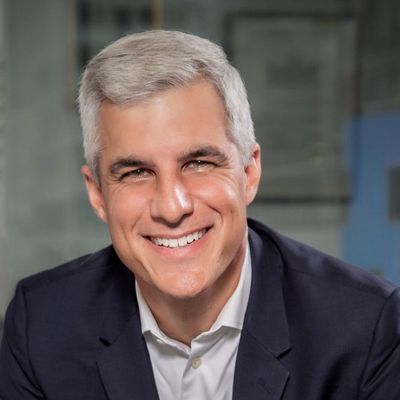
Ken Davenport produced shows such as Kinky Boots, Once On This Island, It's Only A Play, 13: The Musical, and more. Currently he is working on two Broadway transfers, A Beautiful Noise and Griswold's Broadway Vacation.
Tune in to hear what it takes to put a show on Broadway, best ways to break into the industry as a producer, where he thinks Broadway is going to be in the near future, and so much more.
Curtain up, Ken Davenport
Connect with Ken Davenport on Instagram: @kendavenportbway
Connect with Take A Bow on Instagram: @takeabowpodcast
Connect with host, Eli Tokash on Instagram: @tokash_eli
Produced by the Broadway Podcast Network
Edited by Jessica Lauren (@jessicalaurenradio)
Transcript
This transcript was automatically generated and might contain errors.
[0:00] Eli Tokash: Hello everyone and welcome to episode 124 of Take A Bow.
[0:04] Eli Tokash: I'm your host, Eli Tokash, and this week is so incredible. This whole month is gonna be so incredible. I cannot wait to bring it to you all. This whole month is gonna be dedicated towards the creative side of the industry. I noticed that you know a lot of our episodes are performers, and I don't know, I just wanted to change it up a little bit and get a couple other perspectives. And this week has been absolutely incredible. The people that I've been able to talk to, and I'm so excited to share it with you. It's interesting because it's like I thought I knew like how to like have these conversations with people, and I feel like I was getting in the hang of it with like the performers and everything, and now I'm like we're switching it up a little bit.
So now it's just like starting at square one again. So it's been great though. It's been a lot of fun. This episode is amazing. If you haven't found out already, or if you haven't realized it from the title or whatever, we have an incredible two-time Tony Award-winning producer, Ken Davenport, on the podcast. I'm so excited. He is one of my favorite producers. I mean, literally, he's one of the top Broadway producers here on Broadway. So getting his perspective has been absolutely incredible. He is really into like educating and giving back, and you'll hear a lot about that in this episode. He was super honest and super like real, and he was transparent, you know, like he was willing to say things and to understand things.
Cause I used A Beautiful Noise, which is his upcoming show, as a lot of references in a lot of ways that time because I know he's going through that process right now. So I'm like, well, how did you make this decision? How do you do that? And how do you approach this? And how do you do this? So it was really interesting, and you'll hear all about it. And we have a lot of cool episodes like that. I mean, we have producers, writers, casting directors, directors. It's gonna be a fun month. There may be a few like performers that sneak in between here and there for scheduling purposes. But nonetheless, it's gonna be amazing. It's gonna be so much fun. But first, we gotta talk about some Broadway news, shall we?
[2:09] Eli Tokash: There hasn't been like too much like groundbreaking things happening, but there are a few things I want to talk about. I do want to start out by touching upon the heartbreaking news that we received this week that Angela Lansbury passed away, an absolute icon and legend of the industry. I feel like she really epitomized and really led the way of what a leading lady is, and she just like embodied it and she really led the way for so many. I know so many people that look up to her and did anything that she did and just tried to replicate her. She was a legend, four-time Tony Award winner. We all know Angela Lansbury, we know her work, we know the name, we know it all. It's hard to believe that her and Steven Sondheim, like we've lost so many important people to our world and community who really meant so much to this community and really revolutionized like what Broadway was and like how it was and how to approach anything, like truly.
And so it was just absolutely heartbreaking to hear that she had passed away, but I hope that she rests in peace. I know that she left an incredible legacy for so many people, including myself. I met her once, very briefly. I had no idea who she was at the time, but now I do, and I look back on that moment. I'm just like, wow, this is like incredible. I got to meet her. That's just crazy. And yeah, I mean, she was the nicest human being in the entire world, seriously. And I can't thank her enough for the legacy that she left and the lives that she affected. And not to continue to pile on the bad news. I know, I'm sorry. But it was announced that A Strange Loop is closing on January 15th, 2023.
I think this was inevitable for the show. I mean, I mentioned here the past few weeks that you know I could see a future, a near future where A Strange Loop announces its closing. You could just tell from the grosses and how they were selling and all the things that it was about time to wrap up. But it's good that they are staying open until the holidays, so that anyone who's out of town or someone who hasn't seen it, they have time and they have they're hopefully gonna be traveling for the holidays to New York to be able to get the chance to see it because it's one not to miss, really, because it's one of those shows in many ways that's just so different, and it's gonna change a lot for Broadway.
I feel so it's gonna be really cool to see what the future is here on Broadway with an example of A Strange Loop leading the way. I do believe that they'll announce that they're going to be recording it and releasing it, so we'll see what comes of that. And yeah, that's what I have on that.
[4:55] Eli Tokash: So now for some a little bit better news we could talk about, some more exciting news. I was able to attend the dress rehearsal for Kimberly Akimbo this week, and absolutely loved it. You all know that I saw Kimberly Akimbo at the Atlantic Theatre Company when it was like doing its off-Broadway run. I'm obsessed with this show. I love the show, I think the transfer is great. I do think that like something that really worked well for them at the Atlantic Theater was that it was just such an intimate small space that now that it's on Broadway. I was curious to see how it would work because you know, those theaters are a bit bigger. But I think it worked really well. You know, the transition was great.
They've made changes that really helped the story. And yeah, I cannot wait. I truly believe that Kimberly Akimbo is one of the top shows of the season. So I'm excited to continue to watch the show and watch how this show grows and to see the success that this show ends up having. I think it's really beautiful. And everyone who was there, I mean, I know it's like an invited dress, so it's like all the people who are involved with in the show, or it's friends of cast members or whatever it was. It was really cool. So many cool people were there, but it was great. And it was crazy to think that that was a rehearsal. I can't wait to go back when it's opened, finalized and all the things, and everyone's a little bit more, you know, comfortable.
You could not tell it was a rehearsal. So I just know like when it opens, it's just gonna be even better. So I cannot wait, which I don't even think being even better is possible, but nonetheless, I can't wait. And yeah, it's gonna be great. I can't wait for this show and Kimberly Akimbo. So go check that one out. That's literally that one and Almost Famous, I feel like is gonna lead the way this season. So something to watch for.
[6:39] Eli Tokash: Anyways, I also am seeing Piano Lesson tonight, Wednesday, October 12th, when I'm recording. I don't know if I'm gonna have time to review it because I am hopping on a bus after the show. So I don't know if I'll be able to review it and get it into the podcast in time. So if not, you'll hear my rant about it next week on the podcast. But I am excited for Piano Lesson. It's gonna be great. So many great people are in that show. Seriously, like Samuel L. Jackson like leading the way in that show. It's like all you need, literally. And it's a show about like it takes place in Pittsburgh, which is like near where I'm from. So I have like a little connection to it, I guess you could say. So I'm excited, I'm very excited, and yeah, we'll see how it goes for sure.
[7:27] Eli Tokash: Okay, that and one more thing I wanted to bring up. Guys and Dolls officially opened down at the Kennedy Center in Washington, DC area. For those of you who live down there, I envy you because I want to see that production so bad, and I don't think I'm gonna be able to get the chance to see it, which I am not dealing well with. I'm not handling it well, but it's fine, it's fine. I'm not mad. I'm not mad, guys. I swear. No, I definitely am, but nonetheless, I am so excited for Guys and Dolls and the incredible cast that they've I guess gathered to tell this story and to create this wonderful piece. So so good. And anyone who goes to see it, please like send me a picture or something, like tag us or whatever it is. Like, I just want to know who's going. I want to know your thoughts and I want to talk to you after it because I am so excited. And yeah, Guys and Dolls, Kennedy Center. Go check it out if you're around and please tell me about it.
[8:30] Eli Tokash: Anyways, so that is all I have for you folks this week, as far as the news is concerned. Now we can turn it over to none other than Ken Davenport.
[8:40] Eli Tokash: Ken Davenport, curtain up.
[8:47] Eli Tokash: Okay, this week's guest is extra exciting, and we have our first producer on the podcast today, and this is no ordinary producer, he is a two-time Tony Award-winning producer for Once On This Island and Kinky Boots and has produced some of your other favorite shows, such as Spring Awakening, The Deaf West version, Allegiance, It's Only A Play, The Play That Goes Wrong, Bridges of Madison County, Groundhog Day, Godspell, 13. The list goes on and on. And he has very exciting upcoming musicals, including A Beautiful Noise, Griswold's Broadway Vacation, Harmony, and Joy. So everyone, welcome to Take A Bow, Ken Davenport.
[9:23] Ken Davenport: How are we doing, Ken?
[9:25] Ken Davenport: I'm great. Thank you for that. And thank you for having me. It's exciting to be here.
[9:29] Eli Tokash: Oh my gosh, you have so many exciting things going on in the industry right now, and I cannot wait to talk to you all about them. But the way I usually like to start these out is really understand how you got into the industry and ask people, you know, what inspired them to want to tell stories and be theater makers.
[9:47] Ken Davenport: So I got into this business like most of us got into this business. I started as an actor. My parents dragged me to an audition for the local community theater when I was five years old. I did that until I was about 12 and got too cool for it. And then I thought I was gonna play for the Boston Red Sox and the Boston Celtics, like simultaneously. I was gonna be that kid.
[10:26] Ken Davenport: You know, who I was at the time, which was just a 16-year-old high school student. And I dove into, uh, re-dove into the theater and the study of theater and, you know, getting every cast recording I could have and really trying to learn it. I had already been accepted to the Johns Hopkins University in Baltimore, Maryland, where I was gonna be a lawyer, but got there and transferred to the Tisch School of the Arts at NYU, still wanting to be an actor. But there I was recommended for a production assistant position on the Broadway production of My Fair Lady. And this is back in 1993, starred Richard Chamberlain. And I didn't even know what being a PA actually meant, but for me it just meant being around a Broadway show. And I knew that's what I wanted. So I got that immersive experience and realized there were a whole bunch of other positions on Broadway shows that were interesting to me.
[11:19] Ken Davenport: Yeah. And at this point, I had started to act in the world and meet other actors and performers. And I realized I was very, very mediocre. So, and if I was gonna have the type of success that I dreamed about in the world of Broadway, it wasn't gonna be as an actor. There were so many people that were not only better at it, but they were more committed to it and more passionate about it. And at this point, I started to feel like, uh, I'm not gonna go to that audition today because it's raining, right? And one of the lessons I tell people out there as you're coming up and trying to figure out what you are going to do. If ever you start making excuses for not to do something, it probably means you really, really don't want to do it.
[12:04] Ken Davenport: Right. Including like I stage managed for a little while, and one day I remember being like, I really don't want to stage manage tonight at the revival of Grease that I was working on. And um, they called me in to sub, and I was like, I made up an excuse, and I was like, you know what? That's a trigger. That means stage management is not for me. So I kept doing lots of different things until I stumbled into roles that I always wanted to do.
[12:29] Ken Davenport: Wow. And one of them was company management and general management. I did that on Broadway shows for about a decade. Everything from the Gypsy Revival with Bernadette Peters to Chicago and the original company of Ragtime. And the other thing I fell into, of course, but I was always coming up with ideas for shows.
[12:48] Ken Davenport: Really? Yeah. And so creating and producing shows is something I knew that I would always want to do. Um, and then I started in 2004. I launched the first show that I'd come out of my head, um, which was a very tiny show called The Awesome 80s Prom. And I really owe that show, which was the first domino of my entire producing and writing career to Hal Prince, who encouraged me at the time to just get started and do something.
[13:19] Ken Davenport: So that's where it started. And then in 2004, Alter Boys was right after that, and my first time was right after that, and then the dominoes kept falling, and I haven't stopped wanting to show up for work ever since.
[13:33] Eli Tokash: That's amazing. So really it was just, you know, trying every little thing, then you found that you know producing was your passion. Is that how I kind of went?
[13:41] Ken Davenport: I always say that your career, and it should be this way, and I think a lot of young people, including myself, think we have to make because society and the educational institution makes us think you have to choose a major, you have to, you know, your parental pressure. What are you gonna be when you grow up?
[13:55] Ken Davenport: Right. You don't have to know. Now, what is beneficial is knowing the world in which you want to live. I knew I wanted to be in the theater, I thought it was being an actor, but I was open to anything. So I just explored everything. I worked for an agent for a little while, I worked as an assistant casting director for like I did everything.
[14:16] Ken Davenport: And then I slowly, I often say, like choosing your career is like taking the SATs, you like eliminate the wrong ones.
[14:23] Eli Tokash: Yeah.
[14:23] Ken Davenport: And to get closer to the one you want to do. And I spent a long time eliminating things and getting closer to what I wanted to do, which was really create shows. And that's what I feel I do.
[14:35] Eli Tokash: That is fascinating. So for those listening, describe what exactly the role of a producer is.
[14:43] Ken Davenport: So the two ways I describe that now is the first is like look, a Broadway show is a business. And we don't think about it that way, but really that's what it is. And more specifically, it's a startup business. I am literally right now steps away from the rehearsal of A Beautiful Noise, the Neil Diamond musical, which is right now gearing up for its Broadway run.
[15:05] Eli Tokash: Sure.
[15:05] Ken Davenport: That's like a new company. That's like if I had a new microphone for podcasting, and I was like, we're gonna design this new microphone, and then in five weeks, we're gonna unveil it to the public and see if people like it. Same thing. Right now we are designing A Beautiful Noise, and in five weeks, we're gonna unveil it to the public. So it's musicals and plays and all this, it's a product. And as a producer, you are like the CEO of that startup, right? You are pulling together the team. Writers, like I had to find the writer for A Beautiful Noise. Directors, I have to pull all this team together. I have to work on the marketing, I have to raise the money. Just like any other startup business out there.
Just like Sarah Blakely had to do it for Spanx, or Mark Zuckerberg had to do it for Facebook, or my favorite Joy Mangano had to do it for Joy herself, which is we're doing a musical. Yes, based on her life story. So same thing. And the other thing I say that what producers do is really just get people in a room. Like I, oh, Neil Diamond musical. Okay, I'm gonna get a great writer, a great director, I'm gonna get them some investors, I'm gonna get them some, and we're gonna put them in a room, and hopefully they're gonna make something amazing.
[16:18] Eli Tokash: Yeah.
[16:18] Ken Davenport: And then I'm gonna put an audience in that same room. So producers are the CEO of a startup, but also our primary objective as that CEO or primary task is just to get people in a room.
[16:31] Eli Tokash: That is like that's brilliant, that like little description. But like you make it sound so much easier than it is.
[16:40] Ken Davenport: Just offer that easy.
[16:43] Eli Tokash: Right. Like just bringing people into a room. I was like, there's so much more that goes into that. And I'm sure there's so much trial and error and everything. And I'm sure that there's a lot of risks that are involved in being a producer. Um, like, how do you manage, you know, the risk factor, whether it's from raising the money or it's from you know, creating the creative team.
[17:04] Ken Davenport: Yeah, look, let me just say that as we were laughing there about it's a lot more complicated and it is hard and all those things. It is, but it's actually not hard getting people into the room.
[17:16] Eli Tokash: Really?
[17:16] Ken Davenport: Like, and that's what I tell people, like all of you out there who want to produce, who want to write, who want to direct, who want to create or make theater, you want to be a theater maker, right? Just get people in a room. That part is easy, and actually, that's like once you get them there, the rest kind of rolls. And you keep like, I'm listening, I'm gonna walk in after this podcast and go look at A Beautiful Noise, and they're gonna be doing a number like "Sweet Caroline." And I know I'm gonna have this moment, like, holy crap, this is actually happening. Like, how did this happen? And it happens because once you get excited, passionate people in a room, the energy just takes over. So I encourage everyone out there, if you want to do this, throw people in a room. Yes, once you get everyone in the room, it can get complicated. How do we go to the next step? How do we advertise this? How do we need someone else in the room?
[18:04] Eli Tokash: Right.
[18:05] Ken Davenport: But when you are passionate about something, no matter what that is, a new podcast microphone, a musical, like it just keeps you going and keeps you driving. And yes, you have to figure out ways to raise money and which is basically just convincing people that this is a your passion is worth investing in.
[18:24] Eli Tokash: Right.
[18:25] Ken Davenport: So yeah, there's a tremendous amount of risk. There's no question. But in my mind, there's more risk in not getting my projects to happen.
[18:36] Eli Tokash: Right.
[18:36] Ken Davenport: Because I say this a lot, but I believe the world is a better place if there is more theater in it. Period. 100%. There's only more theater in it if I make it. If other theater makers make it. So when I find a project that I believe has a message worth spreading that has a reason for existing, then there's more risk in it not happening than there is it me getting the work done and figuring out a way to make it happen.
[19:09] Eli Tokash: Absolutely. Now, with a show like A Beautiful Noise, because that's the one that's coming to Broadway first for you, of the ones that you're currently working on. And it's currently in rehearsal and all the things. What is that process like? So, you know, you brought people into a room, and now I mean it's been a whole journey. You went out of town to try it out there, and now you're bringing it to Broadway. Like, is that kind of like the way it goes? Like, that's how you should do it. You should try it out out of town and then come to Broadway. Is there like a I guess a business model for this producing type world?
[19:43] Ken Davenport: Because it always changes, and shows take eight years, it could take two years, you know. Like, what is that path like for A Beautiful Noise? Since that's the most recent one to be on Broadway.
[19:51] Ken Davenport: So, yeah, there is a traditional structure for musicals in their terms of their developmental path. You talking about usually goes way back to the first thing you do is a table read, and then it goes to an on-your-feet reading, and then it goes to a workshop, and then it goes to out of town, and then it goes to Broadway, provided everything goes well. Right? Like sometimes you take a step back, you do another reading, you would do another workshop, you put it up out of town, and then you oh, we have to go back into workshop and another out-of-town. Like it varies, and there's some amazing stories of shows like Memphis, which had multiple out-of-town tryouts before coming in. And then there are outliers.
I'd say probably like 90 to 95% of musicals go out of town or do or in town tryouts, Hamilton at the public or Spring Awakening at the Atlantic. Because it's doing a musical is a very challenging collaborative experience. I often say it's like getting 15 people to try and paint the Mona Lisa.
[20:49] Eli Tokash: Yeah.
[20:50] Ken Davenport: I want this shade. No, I want this frame. What about this? It's challenging. It's not like writing a novel or anything else. So out of towns are the first chance you have to show it to an audience and to see how they respond. And to do that cold in New York. Well, look, there's only a few, like Book of Mormon did it, right? They were one of the few, but they were supposed to go to the New York Theater Workshop. It's just that they were so far along in the process, and the workshop that they did before that went so well that they were like, we're not going to change much. This is our belief. This is what the show is, we're just going for. And they did it. And it actually worked for that show. But for there are many others that have tried where it didn't work. So most shows do go out of town. A Beautiful Noise has the benefit of being fast-tracked a bit, and that's the reason is because we don't have to rewrite any of the songs.
[21:44] Eli Tokash: Right.
[21:45] Ken Davenport: Right? You're not going like, oh, you know what? We need a new I want song for the hero, or we need a new dance number in Act Two. We know, and when we feel like, oh, we need a new song, we just take out this hundred-pound Neil Diamond like catalog book and flip through and see what we can find. You know, lyrics stay the same, music stays the same. So that has been on a pretty clear and traditional path.
[22:10] Eli Tokash: Very cool, very cool. Now, with like A Beautiful Noise, for instance, I keep using that as an example. I could use literally any of your shows because they're all brilliant. Is there a point in time where it's like it's ready to be on Broadway like this year, and we have to do it this year? Is it ever like that thing? Is timing ever a special thing when it comes to creating and wanting to produce a show at a particular time?
[22:35] Ken Davenport: Yeah, I wish, you know, they say in the stock market, like you can't time the market, you should just constantly buy, and you know, you can't you don't know when this a correction's gonna happen, like the one we're in, like, or you'll miss out on the gains. And actually, the same is true for producing. It's impossible to time the market.
[22:50] Eli Tokash: Interesting.
[22:53] Ken Davenport: Right. I've done shows that I started developing when comedies were really hot by the time that the show appeared. Comedies weren't the thing, and critics had a different feeling about them. So we suffered from that timing, but what could we do? Partly because I can't, I can't control. Back to my analogy about podcast microphones. I actually can't control when I start quote unquote selling my product on Broadway because I need a theater.
[23:22] Eli Tokash: Right.
[23:22] Ken Davenport: And I don't own theaters. I have to wait for the Schubert's Niederlander Jujanison ATG, one of the families to say, we have an availability for you. So if I could, if there was like, and this happens all the time, I'm gonna debut my new podcast microphone right before this giant podcast conference, right? So there would be a real plan to like strategy to that. I can't do that as much on Broadway because the theaters call and say, hey, we have a theater for you. We don't know when we're gonna have another one. Do you want it or not?
[23:59] Wow.
[24:00] Ken Davenport: So we try and we try not to time it. We just try to go, go, go, make the show the best it can be, and we believe that the best content will always ring out.
[24:09] Eli Tokash: Interesting. So we talk a lot about like a producer's role trying to get the show to Broadway and everything. How does a producer's role shift when it's open and running?
[24:19] Ken Davenport: Yeah, it's this is the main difference between being a film producer and being a Broadway producer. Right. So film producers produce for opening weekend. Right. And there's all there's all this like metrics and algorithms, like they know if a they know basically can calculate the gross of the entire film based on that opening weekend because that's it, and then they go. And after the opening weekend, the cast never changes in a film.
[24:44] Eli Tokash: Right.
[24:44] Ken Davenport: You don't continue to advertise and try to get the film to stay in the theater for three years or five years, right? All films have their normal cyclical process that they go through. And they're gonna make money that opening weekend and then they're gonna let it go. Broadway, you only make money if you are in that theater for an extended period of time. So a producer's job doesn't stop, which is why producers actually have a bandwidth. We can't work on too many shows at once that are running at the same time without an unbelievable team.
[25:22] Eli Tokash: Right.
[25:23] Ken Davenport: Because like a large team, because everyone requires marketing and advertising support, cast support, just daily managing the team support, all of it. And you know, we're constantly going through ups and downs of the year and trying to make sure that our product is fresh and exciting. So it's a totally different job that starts the day after we open.
[25:45] Eli Tokash: Yeah, for sure. So when we talk about A Beautiful Noise, let's talk about the show itself here. Is there anything that you can tell us about it to get us excited about it? What can we expect from it? Is it for like just Neil Diamond fans or everyone can like enjoy the songs?
[26:01] Ken Davenport: Well, look, if you're a Neil Diamond fan, you are going to love this musical. It's like such a no-brainer. If you are not a Neil Diamond fan and you come see A Beautiful Noise, you will be a Neil Diamond fan by the time you are we are finished. And not only of the music, because of the story that we tell about this unbelievable man, a son of Jewish immigrants who knew when he was a kid what he wanted to do and dedicated his life to expressing his feelings through song and music, which is just like all of us in the theater, right? Just like me. I at 16 years old saw Les Mis, and I was like, this, I'm gonna do this. And a similar thing happened to Neil. He was gifted a guitar, he saw a songwriter, and he was like, This, this is how I share myself with the rest of the world.
So you're gonna love it. Um, I will also tell you this: if you're a theater fan and but you're like, Oh, I'm not a Neil Diamond fan. We've put together, look, it's Michael Mayer from Spring Awakening, Stephen Hoggett from Once, Anthony McCartan, the four-time Academy Award nominee of Bohemian Rhapsody Theory of Everything Dark. It's like an unbelievable A-list creative team that I literally sometimes am on a Zoom with these people, and I'd be like, What am I doing here? These people are like ridiculous. I feel like uh hi guys. I'm like I'm a way underachiever in this group. So no, absolutely not. It's really, it's really special. And I know that when you go see it, you will walk away going, This is a great musical. Yeah, not just this is a great Neil Diamond musical.
[27:35] Eli Tokash: We are so excited. I can speak on behalf of everyone here because we actually had Will Swenson on the podcast who plays Neil Diamond, and he he was on before the out of town, and he was talking to us about it before he went out, and uh he was so excited about it and was getting everyone excited for it before it even was coming to Broadway.
[27:53] Ken Davenport: So we're very excited for it, and everyone loves Will Swenson because how could you not?
[27:59] Ken Davenport: So the best is not not a nice guy on top of it. I mean, like the guy is like so ridiculously talented and most amazing human being and open and positive in all the things that you want, not only in a star on the stage, but in the star off the stage.
[28:16] Eli Tokash: Oh my God. Literally. Now, like when Neil Diamond comes across your desk, right? Is there ever like a, oh my God, Will Swenson should play that role?
[28:24] Ken Davenport: Like, is there does that happen with you for like casting and stuff?
[28:28] Eli Tokash: At times it does, but that's not what happened here.
[28:32] Ken Davenport: I mean, it's um, yeah, this is one of my favorite stories, which is I was, and it's like everything happens for a reason. And two, to those actors out there or any theater makers out there, when opportunities come up, just take them because you never know where they're gonna lead. And Will is that kind of like yes and artist.
[28:51] Eli Tokash: Yes.
[28:52] Ken Davenport: And what happened was I was doing a reading of the Griswold's Broadway Vacation. And we had an actor playing the role of Clark Griswold. And that actor had to drop out like a week before the reading started. And we were scrambling, and we said, like, what about Will Swenson? And we were like, uh, I don't know if he's Clark Griswold, but we love Will Swenson. So let's get him. And let's see if he'll do it. And we'll just say, like, we, you know, can would you fill in for this? Because we're in a bind. And we called him and he said, Absolutely, I'd love to play with you guys. And I don't know, I don't care what's happening with, I just want to play with you guys. I just want to act, I want to perform, I want to do the thing.
So he does the reading. First of all, he's amazing as Clark Griswold, because the guy can do anything. And it was the last day of the presentation. And we were still looking for a Neil. We were about to do a reading. We had been talking to a few people, and it wasn't really like working or jiving with anybody. And my assistant came up to me and said, I just heard that Will Swenson does like an amazing Neil Diamond stuff. And that and that he does, you don't bring me flowers with his wife, Audra, in their cabaret. Like they sing it sometimes. And I was like, really? Oh yeah. Presentation of Vacation Ends, the final one. And I go up to him and I said, Thank you so much for doing this. We're so lucky that you did this.
He says, please, I had a blast. And then I said, Is it true that you do a Neil Diamond? Like you do Neil Diamond? You like Neil Diamond? He said, I love Neil Diamond. Yes, I sing it all the time. I said, I'm doing the Neil Diamond musical. And he looked at me and he said, I've been waiting for this my entire career. Stop. And I said, We're doing a reading in J. And before I could even finish, he said, I will do it. I am there. And he did the reading, we've never looked back.
[30:44] Eli Tokash: Wow. That is amazing. I literally have chills right now.
[30:47] Ken Davenport: Yeah. This is like, if that doesn't get you excited to see the show, I mean, I don't know what will.
[30:51] Eli Tokash: Seriously. That's when you see it, you can see that that story.
[30:56] Ken Davenport: Yeah, you can see the passion he has for singing these songs and inhabiting this man, not even this character, this man. Uh and boy, does it come out on that stage.
[31:06] Eli Tokash: Way to be sad. I love that. I'm so excited. Seriously, so so excited. Um, you see it that comes out November 2nd. It has its first performance on Broadway on November 2nd.
[31:16] Ken Davenport: You also are dropping the cast album on November 2nd.
[31:19] Eli Tokash: Yeah, what is that decision like? Because is that coming from the producer's side? Because like Neil Diamond, like you said, like everyone knows those songs, like they're out there. Like, what is that decision to be like, oh, we're gonna do it with our cast?
[31:34] Ken Davenport: So look, mute from this is definitely a producer decision. Obviously, 99% of musicals have cast albums, right? But we're gonna have a cast album. It wasn't like, hey, I've got a great idea. Let's record. It was our decision, me and my producing partner Bob Gaudio, another legend, you know, one of the four seasons, literally, a character in Jersey Boys, and I've got to like sit down with this guy and just be the fanboy over him every day. Incredible. But he's he's our really music like guru on the show. And I said, I want to record this album before Broadway. I want to record it so that we have it for the fans as soon as possible. Because I knew there would be a real incredible demand to hear this music, not only from the people that go to see the show, but Neil's fans all over the world, because Neil hasn't had a new album in a long time.
And remember, it's called a musical, right? Music is the root word of musical. It's not called a bookical or a costumical or anything. It's about music. So what markets musicals is music. So if I can get that music out, and the same is true for new musicals, by the way, as well. If I can get that music out uh all over the world, I know it will help the show in the same way, frankly, the like alternative spectrum or end of the spectrum, where an unbranded piece, look what happened to Be More Chill. The music got that show to Broadway because the music got so popular and had so many streams, right? Like music is what propels musicals. So I wanted that music out ASAP. And you can right now, you can go stream Cracklin' Rosie or watch the video. So there's one track out right now of Will doing it. So I urge you to do that, and uh, and then you tell me if you don't want the whole album after you hear that too.
[33:27] Eli Tokash: Oh, I love that. Well, actually, like when I saw that, I was like, that's brilliant. Like, I don't recall or like remember shows doing like dropping a cast album the second that they're on Broadway.
[33:40] Ken Davenport: The traditional schedule has been, and it's a very difficult schedule, which is one of the reasons we wanted to do it between Boston and New York. It's traditionally done like the day after or the week after opening. So the cast has just gone through this unbelievably difficult process, and then you're like, Congratulations, guys. Here's your opening night gift. See at the cast recording session tomorrow morning at eight o'clock where you'll be there for 12 hours. So it's very difficult. And um, I've certainly been involved with cast albums where the the vocalists have been like, I'm not up to where I need to be. I've just been through this. So we wanted to do it before so that they could be in the best shape possible.
And now it's easier for us because we knew the music wasn't changing. Right? When you're doing a new musical, sometimes songs get thrown out rewritten in previews. Right. So you don't want to all of a sudden, like I've been a part of shows where a song is added or um something has changed in previews. If like Thoroughly Modern Millie, I was the company manager on. If they had recorded that before previews, there would have been a different album than what they ended up with, which became the Tony Award-winning musical, right? So we want to make sure that what we're doing is as close to Broadway as possible. Now, listen, you'll notice a little thing, it's a few little things that have already been tweaked. Really? Um yeah, sure. Because that happens inevitably. But we knew we weren't throwing out any tunes or nothing was being added.
[35:08] Eli Tokash: Of course. So my question, like to you, my next question, I guess, that is with Kinky Boots, that show was a massive success. Everyone loves Kinky Boots, literally. So it had such great success on Broadway, and you were able to, you know, bring it around the world and you were able to tour it and you were able to there's productions like of it everywhere, it seems like, you know. So I mean, automatically with a show like Neil Diamond and everything like that, where it's you it's someone who's known all around the world and fans in every state. What is the decision like to like put a show on tour? And like how do you like have success after the a show is up and running on Broadway? I don't know if that makes sense.
[35:52] Ken Davenport: Yeah, totally. And I'm gonna go back to my CEO of a startup like analogy, which is we'll just use a restaurant, okay? Let's say you start a restaurant somewhere, could be in New York or could be anywhere, and the restaurant is unbelievably successful. But the fact is you only have so many tables in that one restaurant, right? You can only fill so many people per night. So what do you do? You open another restaurant in the next town over. And then another one, and then another one, and hopefully your McDonald's, right? Or Ruth Chris Steakhouse. Yeah, right. You franchise. And additional companies for Broadway shows are like franchises of a restaurant or a home depot or anything else. It's wow, this is really successful.
This is working in this environment, in this geographic location. Odds are it could work in other geographic locations. Let's find the best ones. And the touring market has already located where the best cities are for musical theater lovers. Right. So we just tour it to those cities. And then we go, where else in the world? Well, London. I don't know if you saw the Diamond Jubilee, but Rod Stewart sang Sweet Caroline. Oh yeah. They sing it at quote unquote football games over there. Great. There must be a lot of Neil Diamond fans. Let's try London. Wait, did you know in Australia, like one out of four households own the album Hot August Nights by Neil Diamond? Maybe Australia would be a great so that's what we do.
Just like a franchise of any company would go, this would be a good town for this restaurant or this store or whatever. We do the same thing for the musical. And some go to a hundred places, right? Some don't. Some go to three, some just tour. It depends on what the product is and the market penetration of that product.
[37:46] Eli Tokash: Very interesting. Yeah, I feel like I don't know. Neil Diamond came out and I was like, oh my God, that show. Like everyone's gonna want to see it from all over the world. And hopefully, you know, they go on tour or something like that. So I was curious to ask you, you know, how that works and how that decision is made.
[38:03] Ken Davenport: Yes, and it's it's already in the works. Already talking.
[38:07] Eli Tokash: Oh, sure, we're already talking about. I mean, nothing definitive because so much of it will depend on the success that happens here, knock some wood, right? Like everything depends on the flagship, the first company's success, just like a restaurant. So believe me, I am crossing my fingers and toes and everything I have in that we're gonna have that thing which could go to many places. Because that just does two things. Like I I often say this is my job, too. Is my job as a producer is to get the shows to run as long as they can in as many places as possible. Doesn't matter if it's Neil Diamond or Kinky Boots or Mothers and Sons, the play that I co-produced years ago, because if I get it to run a really long time, two things happen in this order.
Number one, the message of the authors through the music, through the story, has a chance of reaching more and more people the longer it runs in more locations around the world. And second, putting on my commercial theater producer hat that has to raise money for this, the longer it runs in more locations, the better chance my investors have a chance at getting their money back. Right. Now notice how I didn't say the better my chance the investors have to make tons of money. That's the a big distinction because I think there's a lot of people think that producers are just in this to make lots of money. And frankly, that's just not the case. If producers wanted to make a lot of money, we wouldn't be producers.
We'd be doing something else. All of us are in this business, just like actors and directors and everybody else to make theater. I was a 16-year-old kid that was moved by Le Miz, not because I knew that it grossed a billion dollars, because how it made me feel. And all that I want to do is make other people feel the same way. And if I can just get my investors their money back, I know those people who are passionate about the theater will do another one. Boy, a whole bunch of other people and have another message told. And if we make money even better, because they will be more willing to take risks on other shows, etc. So that's what it's about, getting it to run as as long as possible at as many places as possible.
[40:19] Eli Tokash: Oh, that's so fascinating. I never thought of it as like uh if they return the investment in everything, then they will help make more theater in a in a sense.
[40:28] Ken Davenport: But the most common thing I hear from investors who invest is look, Ken, I know this is super high risk. I get it, I love the theater, I want to support it. I believe in the project, I believe in you, and I don't even care if I make tons of money. I just want to get it back so I can do another one with you. That's what I hear. And I thank I love these people so dearly for that. Um, first of all, that's why I have a job. That's why we all have jobs. Sure. These people, so I feel very indebted to them to try to do whatever I can.
[41:00] Eli Tokash: Right. That's incredible. So let me talk to you about some of your other shows. The Griswold's Broadway Vacation just did an out of town run, and that was in Seattle, correct?
[41:08] Ken Davenport: Yes.
[41:09] Eli Tokash: Yes. So that's coming to Broadway. How excited are you to bring this show to Broadway and for more people to see this? Because this is a show is interesting because yes, it does have like the Griswold's family vacation kind of thing attached to it, but it's new and it's kind of it's original. It's like a branch, I guess, in that I guess franchise. Um, what are you excited about? And what can you tell us uh about the show to get us excited for when it comes?
[41:33] Ken Davenport: Well, it's the next chapter in the story. You know, we didn't we're not taking the quote unquote easier way out, which would be just to take the movie and adapt it and put it on stage, either vacation or European or anything. I've always been attracted to those that have done something unique on it. Harry Potter did something unique, even even Spamalot. If you remember Spamalot did something unique, it just wasn't putting the holy Monty Python on the Holy Grail on stage. Sure. He was doing Spamalot. Um, so I'm a big fan of this. Uh the things I'm most excited about are the debut of uh David Rossmer and Steven Rosen on Broadway, these two writers who are just incredible musical comedy writers, the other Josh Cohen, and uh I'm so thrilled to give them their debut.
I love this franchise growing up. I mean, the irony is, and people sometimes say, What's the what could be the message or the reason to tell this story? I was I said, Are you kidding? It's about a family taking a vacation and how it draws them closer. And very personally, I wasn't part of a divorce household.
[42:33] Ken Davenport: We didn't take family vacations. We didn't have that. So when I watch this, I see these moments, and I'm just touched. And then other people are touched by the fact that they remember their family vacations. So what's remarkable about the show, and thanks to the work, is there's so much more heart in this show than you would ever believe. Oh, like it's really filled with comedy and all sorts of fun, but there's a lot of heart. It's that's what separates it from the movies. These are not the movies. Yeah. This is a musical using the characters and taking them to a whole different place. Right.
[43:08] Eli Tokash: I gotta tell you, I'm so excited for this show because I remember my first New York vacation, and it was to see a Broadway show. It was to see the Broadway show and then go audition for the show. But yeah, like it's something that I'll never forget. And as a New Yorker now, I'll still be able to reminisce on that. Oh my god, this was me. And I feel like a lot of New Yorkers are that way because New Yorkers, it's like very few of us really would be born and raised here, you know. Like we come from other places and we come on vacation and we end up coming back and staying and living here. And then, of course, the tourists that are coming to see the show, the people listening to this right now in California or whatever, when they come to Broadway, like that's literally gonna be them, and they're gonna see themselves on stage that day.
[43:57] Ken Davenport: That's exactly right, and why we created it. I often believe that when you go see a show, one of the first things you do is look up on the stage and say, which one is me? Yes, who am I most like? And in this, when a family of four comes to see the Griswold's Broadway Vacation, every one of them will see themselves on that stage. The teenage daughter, the mom, all of them. And our goal is by the end of the musical for the dad and the mom to like reach back and put their arms around those kids and just draw them a little bit closer together.
[44:29] Eli Tokash: Oh, I'm so excited. I think it's brilliant. Like, I literally, when it came out when it was announced, I was like, how has this never happened before? Like, it's so brilliant, and I'm just so excited for the show, especially like after reading the reviews from Seattle, everyone was saying it was absolutely hilarious, and that the music is so great. Like, I'm pumped for it, and I think it'll be an awesome show. So, you have so many incredible productions in the works right now, so it's so exciting to see what's going on. I gotta ask you a couple more questions and then I'll let you go. Let me ask you this. If someone like me or someone listening to this podcast right now wanted to become a producer, there's no like major to major in in university or something like that. So, like, how do you encourage the next wave of theater makers? And what is like your advice to the next generation of producers?
[45:19] Ken Davenport: So there's more information now than there ever was. And to be frank, I have a lot of that information in our Theater Maker Studio. Yeah. So if you have an interest in producing or writing, I urge you to go check out theatermakersstudio.com. I created this because when I was starting to look, figure out how to produce, there wasn't one. And I vowed someday when I figured this out, I'm gonna create a place that people can find information on how to be a producer, on how to write, on how to direct, on how to all this stuff. And we assembled it in the theatermakerstudio.com. So Google that. Um it's why I started blogging and podcasting and all the stuff I've done over the last 15 years or so. But the other thing I will just tell you, if you want to be a producer, remember one of the things that I said a producer does at the beginning of this, which is get people in a room.
[46:10] Ken Davenport: So I'll just speak to if there are any college kids out there right now listening to this, and you're like, I want to be a producer, but I can't write million dollar checks. I don't know how to do this. You can do this. If you're a theater major, you probably have a Shakespeare collection right there, or you can certainly find one online. I want you to email 10 people, 10 people, pick up your closest 10 people to you. Don't even have to be that close, but just pick 10, pick up a Shakespeare play and say, hey, next Friday night at seven o'clock, we're gonna do a reading of Romeo and Juliet or whatever play you want in my dorm room. Who wants to do it? You will have just done what I call serving the tennis ball or starting the game.
There are gonna be some people on that list that respond. The good news is that's your people. Those are your tribe. Like that's the beginning of something. Get them in a room and read the dang play. That's actually producing. That's it. And the cool thing is, and how Prince taught me this, is that's how it starts. And maybe you go wow, and someone says, what do we do next? And you say, well, let's do another one, and you do it again. And then someone says, well, this one would be cool outside. You want to do it outside? Great, we'll just do it outside. Hey, what if we like uh put some flyers out that said we were gonna do this outside and see if who came? And hey, I know we could sell uh uh apple juice.
Who knows? Like all of a sudden you're doing a thing, and that's how it happens, and before sooner or later you've got a like alfresco Shakespearean theater company on the quad of your college. Like that's how things start. So I urge you if you're gonna be a producer, or if you're thinking, just try to get people in a room and do something. See if there's someone who's written a play. Ask your friends. Anyone have a play? Let's read it and just read it. And that is how it starts.
[47:56] Eli Tokash: Wow. Sounds good. I'm literally gonna do that as soon as we hang up.
[48:00] Ken Davenport: Yeah, that's awesome. Um, no, yeah, but the Theater Maker Studio, going back to that really quickly, is an amazing resource. I've been subscribed since the pandemic. I believe like at the start of it, it was really when it was like mid-start. But yeah, like I am obsessed with all the things. Your newsletters are amazing, your book is amazing. You have an investing book, you have like producing books, all of the things you have so many great resources, and I am so thankful to you, and that's really why I wanted to get you on, because I had checked out the Theater Maker Studio for the past couple years and just love your work, and so like I wanted to be able to get the chance to actually talk to you and then hopefully bring that to more people so that they could check those out. It's just such a wonderful resource.
[48:47] Ken Davenport: My pleasure. Yeah, so you're also a member of the Broadway League, so I am very curious. I believe it's my first time having a member of the Broadway League on here. I'm curious from your perspective, where do you see theater in general, not just Broadway, but also like nonprofits and regional theater and all that? Where do you see that in the next five years?
[49:08] Ken Davenport: Well, I think we're gonna see a shift in terms of the type of content that's created. We're already seeing this, and I think we're gonna see it more in the next five to 10 as the generation of content creators changes, right? So even me, like the generation before me. Oh, let me put it this way. I I'm part of what I call the Atari generation, right? So home video games started with me. Right. I was an early adopter, I was probably uh 10 or 11 years old when the Atari came out and we got Pac-Man cartridges that we had to plug into a system to play at home. And I was also the arcade generation, like I was the kid going with a roll of quarters down to the arcade to play Donkey Kong or whatever else it was.
That didn't exist the generation before me. So this is an entire generation of kids, starting with mine, that controlled the outcome of their hero, right? They had a joystick, they had controllers, they were able to create characters and move forward in worlds. And now that's gone to like the nth degree, right? With the generation after me and the other generation after that, in terms of the entertainment that you like to consume. You are a part of it, right? Like POV, like player games, right? Where it's you. And I believe we're already seeing this in sort of immersive content that's developing. But I think we're gonna see the plays and musicals. I don't think we're gonna see traditional curtain up, curtain-down, fourth wall, like living room dramas anymore.
You know, no one wants that. Sure. What they want is somehow that they can be involved. I'm not gonna say participate, although in some ways it will be participatory, but they want to feel like they are a part of that action, a part of that world more. So I think you will see the traditional structure of theater change a bit and it will really envelop the audience more.
[51:11] Eli Tokash: Interesting. I'm excited. I think that with the pandemic, it's given people a lot more time to really create and write down their thoughts and feelings. And so, like you said, just recently, I feel like we've gotten a little peak inside. And uh I think that it's just gonna continue to get deeper and having those conversations that may be uncomfortable and maybe challenging, but we have to go there, and that's kind of what theater is. We allow each other to be in a room and vulnerable with each other. So I'm very excited for the next wave of theater and the next wave of storytelling for sure. Ken, this has been an absolute blast. So I appreciate you for giving me your time and coming on here and talking to me and talking to everybody about what it is to produce and about your new shows.
Everyone go check out A Beautiful Noise, Griswold's Broadway Vacation, Joy Harmony, all the things. I'm so excited for them, and I can't wait to see what's next for you because I know there's a ton in the pipeline.
[52:09] Ken Davenport: Well, likewise, I'm so appreciative of you having me on and doing this for all the theater folks out there in the world. Anyone that amplifies the voice of theater is a real friend to me. So thanks for doing this, and thanks for having me on.
[52:20] Eli Tokash: Absolutely. Thank you so much. Take a bow, Ken Davenport.
[52:25] Ken Davenport: Oh my God. It was so great to have him on the show. I learned so much, and I hope that you guys were able to too. I don't know if any of you listening are interested in becoming a producer. Maybe you are now that you listen to that conversation, but it's just so much great advice from being talked about here. He had so many great pieces to offer. I'm definitely going to be emailing 10 people to read a play because that's like creating theater. And I thought that was so fascinating. There were so many great things that he talked about and just how candid he was with I guess like the business decisions and how he looks at the show as his product and you know, like the business decisions of how to make a cast album and how to do this and how to do that, and like how the timing works and going on tour.
And there was so much we could have talked about, and I literally could have talked to him for hours. He was so kind. He was literally in a rehearsing studio right next door to A Beautiful Noise. So he like stepped out of rehearsal for like an hour and rented out a studio space in the theater space that they're working in. And like I was like, you were too kind. It was so sweet of him to do that, and it was so sweet for him to give us his time. And yeah, just to talk about everything. I was literally blown away about so many things, and hopefully you all learned something, and hopefully you guys are now interested in creating theater and uh being a producer of some sort, or just I don't know, understanding a little bit more how a show works or whatever it may be.
But it was really cool. It was really, really cool nonetheless, and I can't thank him enough for coming on. It was literally surreal for me to talk to him. So very exciting stuff. We didn't even get to talk to about like Once On This Island or Kinky Boots or any of his shows, really, that I mentioned, because he has so many.
[54:09] Ken Davenport: But yeah, incredible guy, incredible stuff on this show. So anyway, that wraps up this week's episode. Hopefully, you all will come back next week to listen to the new episode that we have every Thursday. For those of you who don't know or who may not know, the episodes that have been released recently, at least I should say, like probably the last like five episodes, are up on YouTube for those of you who like want a visual approach, I guess, or like a visual aspect to watch while you are listening to these. It's up on YouTube, so go check them out. Tens will probably be on YouTube over the weekend. So that'll probably be over the weekend. But like Rachel Vay Jones and Dana Steingold and all those fabulous people are up on YouTube currently.
So feel free to go watch them. We also have a few others from like previous episodes, like Bowen Yang, and I believe I don't know off the top of my head, there's a lot, but there's stuff up there. So go check out the YouTube page. You can just search up Take A Bow Podcast on YouTube and it'll all come up. So yay, thank you. And yes, we'll hopefully see you next week with another incredible episode. I can't wait to share it with you all. And yeah, until then, bye everyone, and have a great week.
[55:26] Eli Tokash: For this episode's current call, I would like to recognize a few people who also deserve to take a bow. This podcast would not be possible without the help of Dori Bernstein, Alan Seales, Kimberly Garrett, and the team at the Broadway Podcast Network. Next in line to take a bow are our fabulous editors, Jessica Warren, who edits the audio of the podcast that you just listened to, and Tessie Tokash, who edits the videos and visuals for this podcast. And how about a bow for our executive producer, Chris Greiner? And our final bow are extra special to the patrons Brian Thompson, Pat McMara, the listeners at PCC, as well as all of the other patrons for their continued support. If you're interested in becoming a patron, go to patreon.com/slash TAB.
If you enjoyed this week's episode, make sure to subscribe on the platform that you are currently listening to this on, or go check out our YouTube where you can watch the episode. You can also subscribe, like, and comment on there as well. If you're more into the regular social media and want to follow us, you can do that at Take A Bow Podcast across all social media platforms. The music of this podcast was made by Nikki Torsha and Cormet Collinan, and the logo was created by Giselle Bustos. And that wraps up this episode's curtain call. Thank you all again for listening to this week's episode, and I can't wait to see you next week. Bye everyone. Have a great week.
© Broadway Podcast Network, All Rights Reserved