

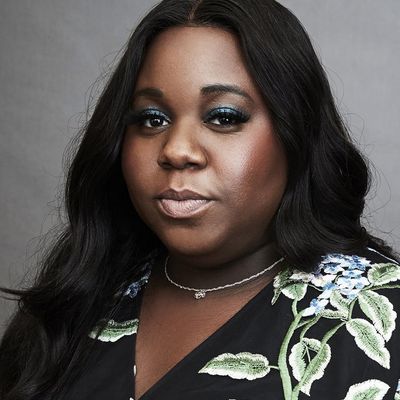
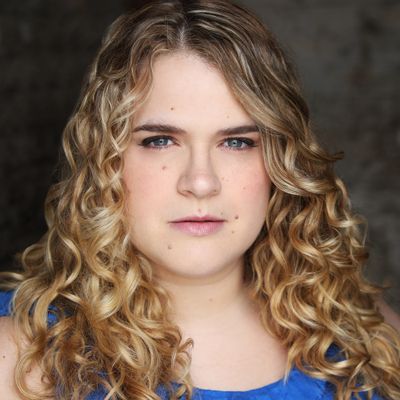
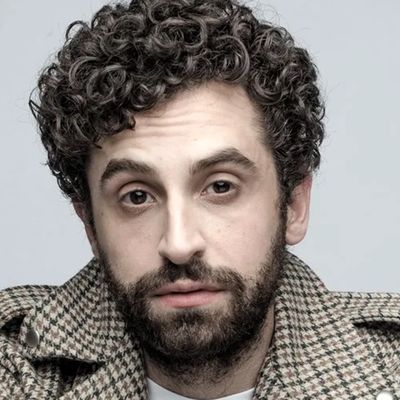
Come inside the press room of the Tony Awards with the biggest stars featuring Jodie Cromer, Sean Hayes, Alex Newell, Bonnie Milligan, J Harrison Ghee, Brandon Uranowitz, and so many more... Read More
From the show: Take A Bow
Guests



Featured Shows

About
Come inside the press room of the Tony Awards with the biggest stars featuring Jodie Cromer, Sean Hayes, Alex Newell, Bonnie Milligan, J Harrison Ghee, Brandon Uranowitz, and so many more. Listen as they react and share their favorite moments as they are recognized by winning the biggest award for their performance on stage.
Curtain up, 2023 Tony Awards
Connect with Take A Bow on social: @takeabowpodcast
Connect with host, Eli Tokash on social: @tokash_eli
Transcript
This transcript was automatically generated and might contain errors.
[0:02] Eli Tokash: Hello everyone and welcome to episode 164 of Take A Bow.
[0:02] Eli Tokash: It's Take A Bow Tuesday. We are back and we are so ready for this week. This episode, I am joined by literally every single Tony Award winner, minus Alex Newell, but still so much fun. I was just so honored to be in this room and be able to just be amongst the greats of Broadway right now and my peers and other media people. It was such a night full of learning, and it was a night full of tears and happy tears and happiness, and it was just so wonderful and friends and just theater nerds. It was great, and I can't wait to share all of this with you.
[0:56] Eli Tokash: I'm gonna take you guys inside of the Tony Award Press room, which not everyone gets to see, and I'm very excited to be able to do that and, you know, be able to hear the conversations that we had with the winners right after they won, you know, the biggest award you can get for their portrayal and performance of what they're doing right now. We hear from some of the biggest stars in the entertainment industry. I mean, we have Sean Hayes, we have Victoria Clark, we have Jodie Cromer, all of these wonderful people that are kind of names that are very recognizable across the board.
[0:56] Eli Tokash: So I'm very excited to share this with you all. And this is gonna be a fun one to watch on YouTube to kind of really see what was going on in the room, what the room looks like, and you know how it all works. You want to see their Tony looks, whatever it is. It's so fun. And so we're throwing it back. It's throwback Tuesday, I guess. Or take me back Tuesday, like take it back, I don't know. And we're going back inside the Tony Awards.
[2:01] Eli Tokash: So I'm very excited for this episode. But first, we gotta talk about some Broadway news because that's what we do here on Take A Bow. I promised you all last week that I would be seeing No Hard Feelings before the next episode, and that is what we did. I went and saw No Hard Feelings. I'm literally just getting home from it and recording this now.
[2:21] Eli Tokash: But oh my god, this movie is unbelievable. I'm obsessed. It has everything that you want. Like it's so funny, and it's so real. I mean, it's not entirely real life. It's a little weird if it's real life, but it's very relatable. There's all sorts of kind of themes and topics in the movie that are relatable to anyone. So definitely go see it. Matthew Broderick, who was our last and most recent guest on Take A Bow, and of course our dear friend, Andrew Barth Feldman, were just unbelievable.
[3:04] Eli Tokash: I mean, Andrew Barth Feldman is a star and he's gonna be a star for years to come. It was such a treat. He's literally so perfect. He's gonna be playing every awkward shy teenager for the next ten years. I mean, literally, he's just so good. Everything about him, he embodies it so well, and he's so good at it. Huge shout out and congratulations to both Matthew and Andrew. This is such a breakout role for him, and I can't wait to see what's next because this is just the beginning.
[3:37] Eli Tokash: I'm very excited for him and to see what's next. But you know, the movie itself, I mean, honest to God, you will belly laugh for like 75% of the movie, and then the other percent is like it's wholesome. It really is. It's kind of just how one person can come into your life and just open up a new world, and people change people, you know. You just are reminded that you never know what can happen and allow your life to go the way that it goes and take the punches and take the falls, but there's always someone who cares about you and has your back and genuinely wants to know you and can just turn your whole life around and your whole perspective on life around.
[4:05] Eli Tokash: It really is, it's very cute. Like it's a very wholesome movie while being hilarious all at the same time. So I can't wait for you all to see it. Hopefully, you've already seen it. And if you haven't, I don't know what you're doing, but you need to go see this movie. It's iconic. And Laura Benanti is in it, so another Broadway queen, and hopefully we can get her on the podcast and talk about, you know, all the things and her career and the movie now that I've seen it.
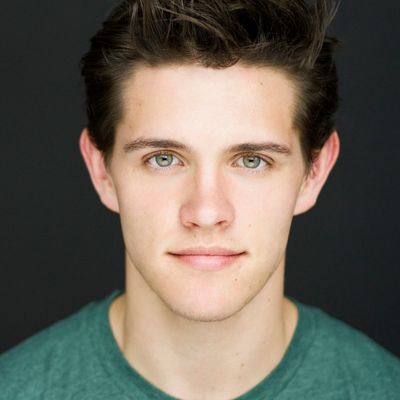
[5:03] Eli Tokash: Very exciting stuff. Okay, moving on. Casey Cott is going to join Moulin Rouge on August 1st. He's gonna be making his Broadway debut. Everyone knows, especially in the Broadway community, Corey Cott. We love him. He has been in everything. I mean, he was like Broadway's sweetheart at one time. He was in Bandstand, he was in GG, he was in Newsies. We love Casey Cott, and his brother Casey Cott is in and I guess is known for Riverdale, which is the TV series that he's been in, and we've heard him sing on all the things, so we know he can do it.
[5:47] Eli Tokash: We know he's so talented, and we can't wait for Casey to come to Broadway in Moulin Rouge starting next month basically, but August 1st. We're still in June, but it's the very tail end of June, so yeah, very exciting stuff nonetheless. He will obviously take over Derek Klena, so good stuff there, exciting news. I don't know what's going on with Broadway lately, but all of the musicians and the pop stars and the rock stars and all the things want to come over and write musicals, and you know what? I'm here for it because, honest to God, I really think that it's good for Broadway.
[6:25] Eli Tokash: It's good for the business of Broadway. It's good in the sense of reaching larger audiences and different audiences. So I'm inviting this. John Legend is developing a new musical based on the novel Imitation of Life, which seems great. I haven't read the book, but I've heard great things about it, and I know about the book. So this is really exciting. He is writing the lyrics and music to this musical. Lynn Nottage is currently working on the script and book, and they have Liesel Tommy currently directing the show.
[7:02] Eli Tokash: She's kind of on as the director, as they just recently did a reading of the show, and that's kind of who the creative team was for that. But this is all very exciting. I'm a big Liesel Tommy fan. She is, I've auditioned for her many, many times, and I am a huge fan of hers and what she, I don't know, just like the way that she runs audition rooms. So just the fact that I've kind of gotten that from a two to five minute audition, I can't imagine what it's like to be in a rehearsal room with her.
[7:34] Eli Tokash: This creative team just seems like a dream team in every sense of the word. I'm very excited to see what comes of this. So joining Kelly Clarkson and Sara Bareilles and all the things who are working on new musicals, I can't wait to see who's next, who's the next victim to come to Broadway. Very exciting stuff though, nonetheless. I also want to congratulate all of the Jimmy Award nominees as the Jimmy Awards were last night on Monday, June 26th.
[8:08] Eli Tokash: I love the Jimmy Awards so much. It's just the new talent of the next wave of talent for Broadway and the next generation of performers. We have seen so many incredible performers on Broadway right now. I mean, you name it, there's a ton of them. So the program is just so wonderful. So shout out to the Jimmy Awards and everyone who was able to perform on Broadway at the Minskoff Theatre.
[8:39] Eli Tokash: Also, special congratulations to the winners, Lauren A. Martand and Langston Lee. Langston Lee is from Texas, and Lauren is from here in New York. So representing New York and making New York and the Roger Reese Awards proud. Very exciting stuff. So congratulations to all of you. And I wanted to leave off this week's news segment here touching on other press outlets and kind of ranting about a review that was given for The Light in the Piazza.
[9:19] Eli Tokash: Now this is very upsetting for so many reasons, and it's kind of caused an outrage. I don't know if any of you are on theater Twitter, but it was a bit of an outrage on theater Twitter for a couple days. I just wanted to come on here and mention it for anyone that may not have Twitter or didn't see it or whatever it may have been. So there was a review put out after The Light in the Piazza, which I congratulated for opening last episode.
[9:51] Eli Tokash: But then their reviews came out, and I was reading the reviews, and we have a review from Theaterly. Now, Theaterly, I adore and love. I know a lot of the people that work over at Theaterly. Everyone is so sweet and so kind, and none of them stand for this. So I was extremely shocked and kind of puzzled when I was reading this news. The publisher or the writer of this article and review was Juan A. Ramirez, and apparently there is some sort of history with remarks regarding race and how he kind of just disregarded it or said something that just wasn't right to say, and frankly not the case or whatever it may be.
[10:21] Eli Tokash: He just has made these remarks in the past, and since then Theaterly has edited and kind of censored the article. But he mentioned that the casting for The Light in the Piazza and this new version led by sort of the AAPI community and seeing it through that lens, which brought a whole new aspect to the show. I haven't seen it yet, but from what I hear, that's kind of what everyone's saying.
[11:19] Eli Tokash: He had mentioned that the casting is nothing but a clever bit of social justice marketing. For me, you know, just not necessary to say. He spoke highly of the show and everything like that, but then he added that remark, and it kind of all fell apart, and he totally disregarded and kind of took away from the talent that these wonderful performers have. I mean, who's to say that Ruth Ann Miles wasn't the best person for this role who came into the room? There's a reason she got the job. It's not because of marketing; it's not because of anything like that. Ruth Ann Miles is a Tony nominee; she is a spectacular performer, and she deserves to be leading this performance, this show.
[12:13] Eli Tokash: I just think that the comment was so far from the truth and so infuriating to me in the way that it just kind of threw shade at a community of performers. We're trying to talk about Broadway becoming more inclusive and seeing stories in different lenses and hearing stories with diversity and inclusion, and then we see comments like that, and it's like we take a few steps forward and then we take steps back, you know. It's just so frustrating, but I'm so happy to say that this is what's being put out on the stage right now.
[12:57] Eli Tokash: This story is being told through an AAPI lens, and there are, you know, from what I've seen, we still certainly have work to do. There are people and creative teams out there working hard for diversity on Broadway and seeing these stories through new lenses.
[13:16] Unknown speaker: Um, and so I'm happy to be a part of a community that is working hard and becoming more inclusive and working hard to show representation of all communities.
[13:28] Unknown speaker: So um I just wanted to come on here and say that. And for any of you who didn't know that, wanted to share that story with you in hopes that you will consider, you know, supporting these stories so that you know, the as audiences you aren't influenced by that review like so many of us can be, and it's easy to be. Um, but hopefully we can all come together and support this uh monumental moment for a show such as The Light in the Piazza with an API-led show uh and production with the cast. Uh, it's just it's really important to show that we can listen to it and we are here to support and want to see and listen to the stories told by these communities.
[14:13] Unknown speaker: So um wanted to come on here and say that that's all the news. That is how I'm wrapping up our new segment today. Um we are gonna now turn it over to the all of the incredible Tony Award winners. I wish Ruthie Ann Miles was in this room, and we I could just say we're turning it over to Ruthie and Miles now. Uh, but she was not uh the winner, obviously, Bonnie Milligan was the winner of that category. Um, but nonetheless, we are gonna be hearing from all these wonderful people.
[14:39] Unknown speaker: And now I'm gonna say this. This is a very fun YouTube watch. I've said it before. This is very cool because you will literally see what it's like, you'll be looking at them, you will be in the room with them. Um, so I highly recommend that. And I also want to say that um this whole episode is kind of uh a combination of you know, press outlets such as the New York Times and Forbes and and uh, you know, I'll shout out uh yes, Broadway and Broadway Time and um a bunch of other you know outlets and and popular outlets, theaterly playbill, all the things we all kind of ask questions, and so not all of these questions are coming from me, um, but I do have the opportunity to talk to a couple of the wonderful people, and I actually am gonna have a full-length episode with one of the people that I actually asked a question to.
[15:35] Unknown speaker: So we're gonna play a little game, and you're gonna have to guess who that person's gonna be. Um, and uh yeah, that that's all I have for you folks. So without further ado, curtain up on the 2023 Trummy Award winners.
[16:10] Unknown speaker: Okay, let's have our first question right here. Yes. Congratulations.
[16:15] Michael Toya: Thank you, Bonnie, you've had such a it's so beautiful to see your journey to Broadway. You've done like some really cool original work. Is there anything that you would have changed looking back at it now? And or what would you say to that little girl back home who had big Broadway dreams and now is here with the Tony Award?
[16:38] Bonnie Milligan: I mean, I definitely wouldn't change anything because we're here, so that's pretty great. And I think that's just deepened me as an artist. And so uh I I never look backwards, I always look forward. So um I would tell that little girl to buckle up and keep dreaming and be that loud little dreamer that you are, and you will be embraced one day. So just have fun.
[17:10] Unknown speaker: Hi, and keep really your character is determined is very determinant with the protagonist. In your case, which family member or friend help you follow your wildest dreams out?
[17:22] Bonnie Milligan: Oh gosh. My whole family was very supportive of me. Um but my I would I would say my grandmother, who's not with us anymore, um, she uh paid for me to go to musical theater camp. I would write little skits for my friends and I to do, and I would use her camp quarter. Um sometimes my grandpa filming, and she would act in them. Um I wrote commercials for her to do, like I just remember milk, it does the body good. And my grandma did that. So I think that she just really always encouraged every bit of that imagination for as long as I can remember. I mean my whole family, but if we were gonna pick one, we go with grandma today.
[18:03] Unknown speaker: Next question right up here. Hello.
[18:08] Unknown speaker: Hi, congratulations.
[18:09] Bonnie Milligan: Thank you.
[18:10] Unknown speaker: You're welcome. Um I love Aunt Deborah.
[18:12] Bonnie Milligan: Yes, very much.
[18:14] Unknown speaker: Um, and I knew from the second you pulled yourself through that window that we were gonna be having this conversation.
[18:21] Bonnie Milligan: Thank you. Um hilarious. Uh but Ann Deborah is such a complex and interesting woman with a very specific life philosophy.
[18:28] Unknown speaker: Yeah.
[18:29] Bonnie Milligan: What have you learned from her, and in what ways has playing Deborah made your shitty life better?
[18:34] Bonnie Milligan: I I think what I've learned in diving for the complexities of the why of what she is doing as an actor. Um, which we, you know, you have to justify everything you're doing. I remember we were in rehearsals early on for the Atlantic, and we were doing the check washing scene, and I just thought, I'm putting all these children in danger. This is so horrible. Like, how can I do this? And I went, ah, they're kids, they're not gonna really get in trouble. The what? They'll go to Juby. And David Lindsay Vair heard me, and that became a line in the Broadway show because I would sometimes just improv in character. Um but what I I think looking, I think there's an act of love in looking at someone's very complicated circumstances and the why of what they do, and so I didn't want to make her just some bad guy who comes in and does a funny thing, but that she genuinely her last connection to humanity is Kimberly.
And so a conflict of real love but a real need of survival is higher, and uh she in the end chooses herself and she has to, and um I find that so compelling, and that's all about David Lindsay Bear and what he's written. So I think if anything I can take away from that is don't ever judge anybody by straight away by their actions. You can always look deeper, you can always find humanity and kindness where others may not see it.
[19:59] Unknown speaker: Yeah. One more right in the back.
[20:05] Unknown speaker: Hi.
[20:06] Unknown speaker: Hi!
[20:06] Unknown speaker: Um, but you're amazing the show, and it's so good. Uh, I've gotta ask you. I mean, you've kind of just taken Broadway by storm with your performances and your voice. What is this recognition just mean to you to be on to here today?
[20:21] Unknown speaker: I mean, I've loved Broadway since I was a little girl, and I've always loved watching the show. And you know, I grew up in a double-wide trailer in the Midwest with not much, no connections, and it took a while to get here. And it some for some years I had shame about how long it took me that I didn't just get off the bus and immediately book a show, and I lost myself, and I kind of had to get into therapy and do all this stuff. Um, so it's been a roller coaster, and to make all these connections within this community via readings and workshops and concerts, well before I even hit a Broadway stage, I felt a part of this community for such a while now. But to feel this recognition is um, it's like the imposter syndrome can go away. You're like, no, no, no, no, you belong here, kid. It's okay. Because that little girl with the frizzy curly hair who didn't have much money um doesn't didn't quite believe it. And now it's like, no, no, no. We're believing it.
[21:18] Unknown speaker: Hey everybody. First question. We'll start here and then we'll come to you.
[21:24] Unknown speaker: Hey Michael, congratulations. My understanding is that this is a show that uh you staged in your high in your your college dorm room. Is that accurate?
[21:33] Michael Toya: Well, um my our scenic designer and my my scenic partner and design partner Danny Laffrey and I were high school roommates at Interlocking Arts Academy, and we used to listen to shows and like dream about one day doing them, and this was certainly at the top of our list of favorite shows. Can you talk a bit about this full circle moment winning a Tony Award for uh having a vision for this musical and having to execute it on Broadway?
[21:58] Michael Toya: It's it's pretty um wild. I you know shorders bookstore was my Schubert alley, and I would I got the cast album in 1999 and became obsessed with it, and the fact that I'm my name is next to Jason Rumber Brown, Alfred Urey, and Hal Prince, who is the reason I do theater, seeing Phantom as a kid made me believe that a magic could happen on stage. So to be doing it just feels I guess cosmic could be the word, but I I'm just like overwhelmed with gratitude that they took a chance on me and let me told their amazing tell and let me uh tell their amazing story.
[22:44] Unknown speaker: Thank you. Congratulations.
[22:46] Michael Toya: Thank you.
[22:50] Unknown speaker: Hi, Michael, congratulations.
[22:52] Michael Toya: Thanks.
[22:53] Unknown speaker: Your production of Parade is so relevant to today's time. I want to know what led you to to for your take on this production and what inspired you to make your your production of Parade the way it is.
[23:04] Michael Toya: Well, I just I knew that we were seeing crime and people being hurt because of the reason of hate and white supremacy, anti-Semitism, transphobia, homophobia. These things are happening all around us. I knew it was this was an important story to tell so that we might you know look to our past for how we forge our way to our future. And I knew that I wanted the audience to be reminded at all times that these people lived, this happened not too long ago, and that you know, even the the brightest and most forward thinkers can be swept up by the mentality of a mob. And unless we start to grapple with how we heal our past trauma, that that's gonna happen more and more. So um I knew that I wanted this production to to sort of let the audience be the jury to remind them that these were real people who lived and breathed and died horrifically. Uh uh, but also that there were some incredible people, some incredible Americans who who tried to help and uh who showed love in really dark times.
[24:13] Unknown speaker: Thanks. Our last question right here.
[24:17] Unknown speaker: Hi, congratulations.
[24:18] Michael Toya: Hey, thanks.
[24:19] Unknown speaker: I'm such a huge fan.
[24:20] Michael Toya: Thanks.
[24:20] Unknown speaker: You look amazing. Your suit is dazzling.
[24:22] Michael Toya: Thank you, Kristen Cowan made it for me, and it's really hot.
[24:24] Unknown speaker: Oh, bless that.
[24:26] Unknown speaker: You Christian, but wow, let's meet in winter.
[24:30] Unknown speaker: So, as you were just discussing it, you mentioned in your speech, you've taken this revival and and made it even more resonant for today's audience. I'd love to know for you if you have a reaction from either an audience member, someone working on the show, watching it, that just touched your heart.
[24:46] Michael Toya: Yeah, someone someone came to came to me and said that they realized in watching this show that they had been ashamed, carrying shame surrounding their own faith. They're being Jewish, and that in watching this story he realized that that was something that he needed to let go of. And because when we hide in shame, we we are left uncounted sometimes. And I I thought, wow, if that's like all we did at the Jacobs was give that one person um a reason to stand a little taller and share his belief with the world, then we did our job.
[25:30] Unknown speaker: Thanks.
[25:31] Unknown speaker: Thanks so much.
[25:35] Unknown speaker: My speech was bleeped, oh cool.
[25:37] Unknown speaker: What did you say?
[25:38] Michael Toya: I I, you know, I talked about how uh to the queer trans, non-divinary youth out there that we see them and they are valuable and that their queerness makes them special. I, as a kid was called the F-word more times than I can remember, and all I can say is now I'm a faggot with a Tony. So know that you are beautiful, valuable. We will we have you there's a community who is here who will fight for you. We will win, so keep making challenging art, keep loving each other, supporting each other, standing up for those who don't have the strength or courage to do so, and to vote at every possible moment.
[26:20] Unknown speaker: Thanks.
[26:22] Unknown speaker: All right, you have the first question.
[26:24] Unknown speaker: Oh, back here?
[26:28] Unknown speaker: What's your biggest challenge?
[26:30] Unknown speaker: Um recreating New York in New York and indoors.
[26:35] Unknown speaker: I mean, if you could also speak about your amazing scriscape scene, I think it's pretty beautiful.
[26:43] Unknown speaker: Thank you so much.
[26:46] Unknown speaker: It's the biggest show I've ever done. Tommy Thompson and Sharon Washington wrote a show with I think 73 locations, which is challenging in a Broadway theater. So that was the challenge is figuring out how to create all of that in a way that was poetic but also true to New York. And we try very much. It's the show is about New York City as this engine of creativity, that people come from every place to this city and meet each other and create things.
[27:13] Unknown speaker: And the set tries to show both what's difficult about the city. So when we and this is the Times Square scene, running in and out of the subway, there was literally birdship painted on the subway to the point that the crew tried to clean it off when it came in the door because they thought it was an accident. So we're trying to get kind of the grit of New York and that these fire escapes that are rusty and dirty, and that counterpointed with the beauty of this city. We all have the experience. You walk down the street and suddenly you turn a corner and there's the Chrysler building glittering in the distance, or the Empire State Building. You walk into Grand Central and see that gorgeous ceiling, or you step out onto the East River and see the Brooklyn Bridge.
Those gorgeous New York City moments counterpointed with the difficulty and the crampedness and the fact that we're all living on top of each other in two square feet is what the set is trying to communicate, and I hope does.
[28:01] Unknown speaker: And doing all of that a mile a minute as the show whips along from location to location as the story uh barrels along. And uh last thing, crucially with the set, because the show is is a kind of golden age of Broadway musical, it's a very traditional musical. Uh for all those locations. I insisted that we do old-fashioned painted backdrops. The drops in the show are not LED, they're not that we do use a little projection, but the backgrounds are all hand painted. There's 12 of them, it's more than I've ever done in a show before. Uh I I eight of them are painted by a single person, a Ukrainian artist named Irina Ortnagina, who I've worked with for many years, who had retired after the pandemic and moved back to Europe, and I coaxed her out of retirement to come back for six months and paint this show for me.
Um, because she has sort of a singular hand and can take my designs and make them even better than what I dreamed of. Uh, and that was incredibly important to me that we that we create the set in a very classic Broadway musical way.
[29:00] Unknown speaker: And over here?
[29:01] Unknown speaker: Great.
[29:04] Unknown speaker: Next question.
[29:06] Unknown speaker: Yeah, well, congratulations.
[29:08] Unknown speaker: Thanks.
[29:08] Unknown speaker: How do you feel?
[29:10] Unknown speaker: I feel great. Um, I you know, I I ran down the aisle when I heard my name, and Sam Jackson was sitting in the front row. I did piano less with him earlier this year, and he high-fived me as I went past, and I got to give a Tony speech, and then I walked into the wings, and there's Lynn Miranda giving me a hug. And I just thought, whose life is this? I feel so incredibly much.
[29:30] Unknown speaker: One other quick question. Uh, you talked about this being a collaborative process, and uh we've talked before, and that's very important to you. Could you just touch on that a little bit more?
[29:38] Unknown speaker: There's so many hundreds of people who were involved in making a show. I I honestly haven't even counted how many were involved in New York, New York, but it was a massive, massive undertaking. Um, and it's from the painters to the artisans to the craftsmen to my assistants who kind of you know take my crazy ideas and and wrangle those for me into blueprints and drawings that the shops can build from. It's ideal in tactical theater and ideal in steel and two by fours and paint, but all of that is at the service of story and poetry. And so all the people who are making the set are artists in their way. The carpenters, the painters, all of them, they're putting themselves into it. And that is it's like a symphony. That is the magic of Broadway to me.
[30:23] Unknown speaker: You said you painted everything.
[30:25] Unknown speaker: So the sunset scene, like how long did that take to do?
[30:29] Unknown speaker: Thank you. The sunset scene actually isn't painted. That is a that is just a white backdrop. That is the thing that's farthest upstage in the show, and we have a big glowing light box that slowly lowers down. So in that case, Ken Millington, our brilliant lighting designer is painting with light. And we project a little, that's one place we do use projection because it has to keep changing. So there's a little bit of projection there, but most of that is the brilliance of Ken Britt Bellington, who has been lighting shows on Broadway longer than I've been alive.
[30:59] Unknown speaker: Did we have one more question over here up front?
[31:02] Unknown speaker: We'll get the mic to you.
[31:07] Unknown speaker: Yeah.
[31:12] Unknown speaker: Congratulations.
[31:14] Unknown speaker: I just wanted to ask a more general question. Just your thoughts on the ongoing WGA strike and whether tonight's events felt different given the strike that's been happening, especially just with the absence of scripting as well.
[31:29] Unknown speaker: Yeah, no, of course. I mean, we're you know, I I as a designer I work from the script. The words are are how I work, and so you know, I obviously am deeply supportive of the WGA and and want everybody in this business to get a get a fair deal. Um and you know the Tony's has pivoted and you know luckily we we do song and dance in this business too. Um and so I it feels to me like it's good storytelling tonight, but but we miss our writers and we want them back.
[31:57] Unknown speaker: Up here?
[31:59] Unknown speaker: Perfect.
[32:00] Unknown speaker: I'll get the mic to you.
[32:04] Unknown speaker: Congratulations, Patrick.
[32:05] Unknown speaker: Um I saw the show at the Wyndham's uh in London and I was just working with such a large company. Can you talk about what that was like for you as a director when you've got this many you know paintbrushes at your disposal to build such a magnificent campus?
[32:22] Unknown speaker: It was uh thrilling having so many actors, particularly having uh a bunch of kids as well, made a huge difference to the atmosphere of the production that we had eight children in the show. And um I I love working with a big company and uh I hope one day I'll someone will ask me to direct a musical and this was very good training for that. Um but yeah, I I've done lots of plays with small companies. And a big company is thrilling, but I'm looking forward to having a small company again.
[32:59] Unknown speaker: Next question.
[33:06] Unknown speaker: Hi, congratulations.
[33:08] Unknown speaker: Thank you.
[33:08] Unknown speaker: Um I I see I think you're wearing a writer's guild and I am.
[33:13] Unknown speaker: Okay.
[33:14] Unknown speaker: Uh can you talk about that and your feelings on uh the WGA strike?
[33:19] Unknown speaker: I'm a member of the Rights Guild of America. I I write plays and screenplays. Um and I've been a member of the Ryder's Guild 20 years now, and it's really my primary profession. Directing is a side hustle for me, really. And yeah, I stand firm with the Writers' Guild in the strike, and I put down my pen. And uh I was at the rally at the Rockefeller Center the other day, a few weeks ago, and uh I hope we win this battle, it's an important one.
[33:57] Unknown speaker: Any more questions?
[33:58] Unknown speaker: Okay, last one right here.
[34:04] Unknown speaker: Uh hello and congratulations.
[34:06] Unknown speaker: Thank you.
[34:07] Unknown speaker: Uh I just wanted to ask uh what was it like working with the great Tom Stoppard? And is there anything valuable you learned from him that you want to share with others?
[34:16] Unknown speaker: Yeah, I started working with Tom in 2016 when I directed a production of Travist's Came to Broadway in 2018. So I've really spent the last uh seven years of my life working pretty much all the time with Tom, and it's been one of the great honors and privileges of my life, really, to work with this man who I revere.
[34:43] Unknown speaker: Um and you know, I I first encountered his work when I was 14. Actually, the play Travers this was done by older boys at my school. And he's uh the word legend is kind of used too much these days, but he is, he's a legend, he's one of the great playwrights of the 20th century and now the 21st century, and it was this was a really important play. Um not just his subject matter, but it was important for Tom because his pre preceding play, The Hard Problem, hadn't been a big hit, and he didn't want to go out on that. And throughout the time we worked together on Travis's, he was desperate to write a new play. And then suddenly out of nowhere he produced Leopoldstadt, which was a huge play. I didn't, I mean he was 80, 81 when he wrote it.
And I didn't expect such an enormous work from Tom. And I was so moved that he wrote this play, and so determined not to screw it up, and to give him a hit at the age of 84, 85. He's 85 now. And I really hope he wins best play. But yeah, it's been already come back. It's just been great, and I hope he writes another one, and I get to do that too. I'd happily spend the rest of my directing life directing Stock Art. It's very rewarding, it's funny, and he's he's a gentleman.
[36:16] Unknown speaker: Me too.
[36:18] Unknown speaker: Yes, sir.
[36:19] Unknown speaker: Are you at all surprised by how good this Tony's this broadcast is so far without writers?
[36:26] Unknown speaker: That's such a loaded question. But yeah, actors are great, improvisers, and yeah, it's fun. People were getting on with it, and and the music's fabulous. And I wouldn't like it to become a trend, but uh no, I'm not surprised.
[36:46] Unknown speaker: Alright, let's start right here in the middle.
[36:52] Unknown speaker: Hi Miriam, congratulations.
[36:54] Unknown speaker: Thank you so much.
[36:56] Unknown speaker: Your play is written by the incredible Lorraine Ansbury. I want to know what would you tell her in this moment and what advice would you ask her?
[37:03] Unknown speaker: I'd ask her advice in writing. I will I would just ask her to write 10 more plays for us or 20 more plays. I'd ask her about her visionary, prophetic brain and talent. I'd ask her for advice on how we, you know, she has a great line in the play about the world is about to crack right down the middle, right? We have to change or fall into the crack. And I'd ask her to talk more about that and tell us all how.
[37:33] Unknown speaker: Yeah.
[37:36] Unknown speaker: Next question we can head over there.
[37:42] Unknown speaker: Hi, congratulations.
[37:44] Unknown speaker: Thank you. You spoke in your speech about this show, The Tonies Tonight, uh being amid the WGA strike. Can you talk a little bit more about maybe what the win means to you and uh also how the donies are standing with the WGA?
[38:03] Unknown speaker: I'm so thrilled that a compromise was found that we found a way to both honor the strike, which is so important. It's imperative that the writers get a fair deal. Um as a member of SAGAFTRA, I think some things might be brewing on that end too. We'll see. It's vital also for the theater for the Tonies to happen. And so the fact that we got to have this celebration tonight, we get America to see glimpses of all the amazing productions that have been part of the season. It's uh it's an essential thing that happens every year, and it feels wonderful to be able to celebrate. And I'm really really grateful to everybody at the WGA and at the Wing for reaching a compromise.
[38:50] Unknown speaker: Our next questions right now here.
[38:53] Unknown speaker: Hi, Miriam, congratulations on your well-deserved win.
[38:57] Unknown speaker: Uh, two quick questions. Um, how does it feel to win a Tony Award? And did you learn anything new about yourself in the process?
[39:08] Unknown speaker: It feels amazing to win a Tony Award. Um did I learn anything? Um I'm kind of shocked that I didn't completely lose it on stage just now. I um I really didn't know what was gonna happen, and when they called my name, I felt for a moment like I was gonna collapse in a good way.
[39:30] J Harrison Ghee: Collapse in a good way, and then um getting up on that stage and being able to speak. I have no idea what I said, so I'll find out later, but um being able to speak in front of everybody it and not and not collapse and be here in front of you now. It's a good little lesson and uh actors, I think, and what we what we know how to do, even when we feel like our brains are uh outside of our bodies.
[39:54] Unknown speaker: Miriam, right here.
[39:56] J Harrison Ghee: Hi. Good to see you again.
[39:58] Unknown speaker: See you. Um Lorraine Hensbury had a very short time on this earth, and in her short life, created such indelible work. And I'm wondering as you approach this play, if there's also a lesson that you have thought about in terms of how we use the time we have to create the art we can create.
[40:21] J Harrison Ghee: That's a beautiful question. I think um third the everything she packed into her 34 years of life, the three plays she wrote that are so vastly different and varied in style and form and messaging. That's a good lesson for all of us as artists, as people, that we don't have to be confined to a lane or a box, and that we should, with whatever time we have, because we never know, be pushing boundaries and striving to do different things in every direction.
[40:55] Unknown speaker: Also you go as don't think.
[40:56] J Harrison Ghee: Thank you. Thank you very much. Okay, we have our first question in the back.
[41:02] Unknown speaker: Oh, hi! Huge congratulations. I remember you from opening night on the red carpet.
[41:08] J Harrison Ghee: Hi. I'm fantastic. How are you?
[41:10] Unknown speaker: I'm well, I'm very well. Wow. Yes, I mean, this one inspires so many young black performers like myself. I want to know how does it feel to inspire young black performers?
[41:20] J Harrison Ghee: That's inspiring people, young black performers, old black performers, young white performers, green performers, people, Martians, Plutonians, because Pluto is a planet. That's my job. That's my thing. I am here to remind us that the spirit is a real thing. And that we are all agents of the sacred. We're sacred agents, people. We're not just doing entertainment. This isn't just bread and circus. This is about reminding people that the spirit exists, that we're all in one family, that we're all in one group, that we should love each other as much as possible. So that's so, yeah. That's why I love getting these, because I get to stand up in front of people and say, wake up to the love, people.
[42:19] Unknown speaker: Thank you. Great question. Thank you. We have the next question over here.
[42:24] Unknown speaker: I'm sorry, I can't see you.
[42:26] J Harrison Ghee: Oh. Hey man, how are you?
[42:28] Unknown speaker: Great. Congratulations. Great to see you. Well deserved. This production was one of the most magnificent things I've seen in theater in decades. Congratulations. Did when you wrote it, did you ever have any conception of where this play would take you?
[42:50] J Harrison Ghee: I had hopes that it would take me out of the very sad place where I was before I wrote it. I was feeling a lot of despair. I wasn't seeing plays that resonated with not just my experience as a black person in the world, but my experience as a human being. I wasn't seeing enough plays that made me go, yeah! I'm alive. I'm alive, we're alive. That kind of thing. So I was feeling very sad about that. And when I wrote this play, I said, okay, this is an opportunity to remind people that that we're alive, that we're here, that we mean something to each other. So thank you. Good to see you. I'm gonna zoom, we're gonna zoom with you promise. I promise. I got your card on my desk, I know. We'll go up here and then and then I'm opening.
[43:46] Unknown speaker: Oh, hi!
[43:46] Unknown speaker: Hi! How are you?
[43:48] Unknown speaker: Why do you think that Top Dog Under Underdog still resonates with audiences? And why was it an important story to tell?
[43:55] J Harrison Ghee: Ready to go. Yeah. It's an important story to tell because very specifically, obviously, as we all know, it's a story about two black men who are brothers uh living in one room. Um about people who don't have a lot of opportunities, and so it is very specifically that. But what happens when you tell a story with that amount of specificity and you have a and you have acted so brilliantly and directed by the way, Kenny Leon, so brilliantly, is that it resonates far and wide, and suddenly you have people who don't look like those two men on stage feeling their own vitality, feeling the possibilities of their own life, even though we're watching two men with limited possibilities, because it has a currency of the spirit.
That play came to me. Uh, and it was a play I had to tell. I tell people that the greatest act of love that I can muster is putting characters in a play. And I love Lincoln and Booth so very much. Um and so I think audiences are feeling love and power and possibility and life. And ordinarily, I just gotta say, I mean, usually plays on Broadway are you know, they play it safe because there's money involved, you gotta play it safe. There's a lot of things are expensive, you know. And Top Dog Underdog is just very raw and very real and very immediate, and I'm so proud of us as a theater community for accepting the story of these two men who most people would just discount.
[45:40] Unknown speaker: I just wanted to add plays for the play gear.
[45:43] J Harrison Ghee: Yes. Absolutely moving, emotional, touched my heart, had me in tears. God bless you.
[45:50] Unknown speaker: Oh, plays for the plague year, thank you.
[45:52] J Harrison Ghee: Oh, that's my new little show. Thank you so much.
[45:55] Unknown speaker: Thank you. The next question right behind her.
[46:00] Unknown speaker: It's hard to see this. I don't feel like yes, the answer to everything is yes.
[46:05] Unknown speaker: Hi Anne.
[46:06] Unknown speaker: Hi there. Wonderful. I feel like I predicted this when we sat down together.
[46:11] J Harrison Ghee: Yes.
[46:12] Unknown speaker: And I just have to ask specifically about your topic of race and identity. Would you have presented over the past 20 years? Why is the film at the core of the work that you're presenting?
[46:29] J Harrison Ghee: Yes. On one level, you're absolutely correct, sister. Someone might see my plays and say they're all about race and identity. Not all right. And to me, as a writer, I'm asking a question, how I'm wondering how the world is made. I'm interested in the motherboard. I mean, let's be real. Race is like race and identity are like you look at a chess board and we look at the pieces, right? I'm interested in the board itself. What's going on? So Lincoln and Booth say things like does the show stop when no one's watching, or does the show go on? I'm interested in how reality is made. And so I go through it through the through the portal of race and identity. And I always encourage people when they talk about my work not to stop at the topics like race relations.
Because, yeah, I'm asking other questions in addition to those. Like Plays for the Plague, you saw it. It was like, how is the world made? How do we remember things? How do we tell the story of being alive in this time? So transcend. That's I mean, but you bring it into the universe so that it shines on everyone, and that's I think the genius of your work.
[47:55] Unknown speaker: Lastly, this is such a big year. You've won the outer critics, the new dramatist, the drama desk award, and now the Tony. So what makes this different? And how are you absorbing all this?
[48:10] J Harrison Ghee: This year I turn 60. And I was like, what am I gonna do for my birthday year? It's the year of the rabbits, so I was like, I gotta have a good time. So I figured, yeah, I put on a pink dress. Yeah, and because I usually, y'all who know me know I'm wearing mostly black, I'm not black, you know. I put on this pink dress, and I feel like I'm so glad I get to show it off.
[48:42] Unknown speaker: Yeah. We have one more question. You can go right here.
[48:47] Unknown speaker: A lot of what you're talking right now has me like thinking about your great paper elements of style and everything you talk about, theater of Schmaltz, and now I'm so curious uh in the past couple of years and seeing a lot of your work really come to light and come warning into the conversation. Um have any of your ideas been upheld in any way, or is there something that you've reconsidered with uh within your thoughts about the American theater or theater in general?
[49:12] J Harrison Ghee: That's a great question because 20 years ago when we did Top Dog and Broadway premiere at the Ambassador Theater, I was a downtown writer having an uptown experience. I had that was my Broadway debut as a writer 20 years ago. Um I didn't see a lot of Broadway plays. I hung out with artists who were like literally, we would walk to 14th Street, and they were like, uh-uh, I don't go any higher than 14th Street, downtown, deep in the downtown scene. And since then I've done you know Top Dog, and we did the Gershman's Pork and Bess, and now back was Top Dog Revival. Um I'm excited that Broadway is saying, we welcome you. I mean, again, 20 years ago I'd walk into a room, you know, and I was not a Broadway writer, right?
And people were like, How are you? Right? Okay. Now they're like, oh, there she is. I just kept showing up and they kept embracing me, and I appreciate that they can tonight it feels like this is a win for inclusion and excellence. And that's a big deal, and Broadway embraced that, and I'm like, whoa, Broadway, she alright?
[50:24] Unknown speaker: Part of your uh speech, you were talking about Mary Fagan, and part of it got cut off. Would you mind sharing with us uh what you were going to say?
[50:30] J Harrison Ghee: Sure. Um what I was going to say before I was so rudely interrupted by my own music. Um the challenge with tonight is to balance the joy I feel about this piece of work with the reality that this work is about. So, what I said on stage was Mary Fagan was murdered when she was 13 years old. Leo Frank was murdered when he was 31 years old. It is the privilege of mine and Alfred's entire career that our words and our music have inspired so many theater artists, so many incredible theater artists like the ones who worked on this production to bring their story back to life. Thank you. Congratulations.
[51:13] Unknown speaker: Thanks. I worked on it for a while, so I'm glad I got to say it. That too.
[51:19] Unknown speaker: Alright, next question we have right here.
[51:26] Unknown speaker: Thank you. Congratulations. Jason, this is a question for you about Don Sabeski. You worked with him, he recently passed away. I just wondered if you uh had some thoughts on his orchestrations, his original orchestrations, and what it meant to you.
[51:45] Jason Robert Brown: I I think Don uh Don was a titan, you know, he won a Tony Award as well as several Grammy Awards. Uh when I started working on parade, I was a kid who never had a show produced, and I'd never had my music orchestrated by anybody else. But I knew that I wanted the best person in the world to do it, and I reached out to Subesky, but I admired my whole life, and he said yes. And he taught me so much about what my music could sound like, and he saw and heard colors in my work that I didn't know were there, and his innate theatricality, which is a thing you don't always get to hear in his jazz work, uh, was so present and so deep that you know, when we started doing this production, my one thing I insisted on was that we retained those original orchestrations that Don did because they tell the story of this show so beautifully.
[52:48] Jason Robert Brown: Hi, thank you so much.
[52:49] Eli Tokash: Um, this equation three. So you just spoke about the uh, the colors in your own musical writing. What do you have to say to young composers, young artists to help them discover their own nuanced voice, their own compositional voice, and the colors in their own work?
[53:07] Jason Robert Brown: Uh, I think if I'm talking to young composers about their music, I would say that the best thing you can do is steal everything you possibly can. Don't ever, you know, like spend a whole lot of time wondering whether you're being original or anything. If you are original, you will be, and if you're not, there's nothing you can do about it anyway. But just go ahead and steal shit, and all you should try and do is make everything you do sound beautiful to you. And if it sounds beautiful to you, that's your voice. That was the best shot I took at that one.
[53:43] Unknown speaker: I think sorry.
[53:49] Unknown speaker: Uh, this is a question for all of you. Um, the first production, the original production, didn't get the do it deserved, the respect that it deserved. And now with this production, it's kind of getting that respect and love, obviously, with the best for Bible. Um, how did you all know that this was the time to bring it back and you thought that this was the production for audiences to listen to?
[54:13] Jason Robert Brown: Well, as a writer, we didn't do a damn thing. We just got very lucky. Or no, you could call it not lucky because unfortunately the material, the time's caught up with the material, and all of a sudden it became vibrant. Michael Arden had a vision for this production that feels so clear. We're so proud of his recognition tonight. And we went to the guys a couple years ago, and um, with the thanks of City Center and Jenny Kirsten, who has obviously had just an incredible season this year. Um, that was the obviously the impetus for it, and we're so pleased how well it was received there. And then I would just add, and then you have the uh perfect combination of Ben Platt and Michaela Diamond. And it sort of is that thing that you know I remember the first time I produced a successful production, and someone looked at me and said, Oh, you have it figured out now, so they'll all be this way.
And if you talk to anyone who produces, it's never that way. And sometimes it's a great combination of luck and intention, and in this case it paid off in beautiful ways, and I would even say in some unexpected ways. So uh, we're so glad and we're so happy for Alfred and Jason.
[55:24] Unknown speaker: All right. First question for Joni will start over here.
[55:32] Unknown speaker: There she is.
[55:38] Unknown speaker: Hi, congratulations.
[55:39] Jodie Cromer: Thank you.
[55:47] Unknown speaker: Sorry.
[55:48] Jodie Cromer: Oh you were already, I could hear you.
[55:51] Unknown speaker: You were projecting really well.
[55:52] Jodie Cromer: Oh good out of that. Um, for this to be one of your first major stages and to have it taken you to receive multiple awards all over the world. What has that experience been like?
[56:03] Jodie Cromer: It's been um a whirlwind. It's very surreal because I feel like throughout this process it has just been about putting one foot in front of the other. You know, when I stopped in London, I was so fearful, um, you know, and I didn't know how I was gonna get there, um, but was willing and really wanted to take the journey. Um, and I feel like these moments are um just like the cherry on the cake in that in that sense of it's not what you kind of um set out to achieve, um, but it's it's been remarkable, and and you know, to see the response that we are getting from the audience members and how this play is actually helping change people's lives means more than more than anything. But this is such an it's such an honour. Like I'm honestly, I'm after an eight-week show and like being here right now, I'm kind of I'm in a bit of a daze, but yeah, it's I mean it's incredible.
[57:01] Unknown speaker: Yeah, thank you. Next question, let's head right up here.
[57:08] Unknown speaker: Yeah, you can be hearing stuff.
[57:15] Unknown speaker: Hi, congratulations.
[57:16] Unknown speaker: Um, first of all, I'm one of those people whose lives has changed by this place, so thank you. I there are other pieces of theatre and other pieces of what we call entertainment, I would say, telling stories similar to Tessa's, but this one felt different watching it, and I'm curious if when you first read it there was something that made it different for you, if there was something that jumped out that addressed the issue in a distinct way.
[57:47] Jodie Cromer: Yeah, I think for me this the distinction is that she is in control of the whole narrative, you know, in the execution of telling the story, and and I was really moved by that, and I think that is what why it resonates so deeply with people is that you're experiencing every single moment with her through her. You know, I've done a film before which explored the issue of rape of sexual assault, and it was told in a very, very different manner. And so you know, I'm always looking for okay. Well, if I've delved into this, what is it that this piece, you know, what is it that I've not uncovered, and I felt that was what was so unique about what Susie had did was the kind of um the power and the control that she had enabled Tessa to have in the execution of the piece.
[58:32] Unknown speaker: Thank you. I know it costs you a lot, so thank you.
[58:34] Jodie Cromer: Thank you, thank you.
[58:36] Unknown speaker: Okay, then we'll go right behind.
[58:42] Unknown speaker: Hi, congratulations.
[58:43] Unknown speaker: You talked about in her speech, why that Tessa and the show has taught you a lot about yourself, whatever you learned.
[58:51] Jodie Cromer: So much of it is so deeply personal that I would never dare to share. Um, but I feel like I really I feel like I became a woman through her. Through her. I feel like I found there are parts of myself that I celebrate so much more now. You know, um, there were parts of it that I knew, you know, where she was from, and like I I felt like her personality I knew, but this kind of um just sense of self and confidence that she had, I really had to kind of uncover within myself, and so I feel like because of that I've kind of stepped into a um uh a version of myself that I didn't really know before.
[59:30] Unknown speaker: Yeah, yeah, yeah.
[59:31] Unknown speaker: Thank you. We'll take a couple more questions.
[59:34] Unknown speaker: We're gonna hop right up here next.
[59:42] Unknown speaker: Hi, congratulations.
[59:44] Unknown speaker: Thank you. I'm such a big fan.
[59:46] Unknown speaker: So you mentioned their days after doing the eight shows of this beast of a show, and then of course you've been doing extra press, and I'm sure it's been a total whirlwind, which maybe you're a bit used to by now. But I was just wondering what you're doing to take care of yourself and practice kindness during this crazy time.
[1:00:04] Jodie Cromer: Hot baths, good food, good friends. Um honestly, this crew um predominantly women are just remarkable, you know, the kind of the environment that the stage management team have created backstage is such a hub of fun and love and safety, and everyone you know is able to voice their concerns and their opinions, and it's just like we kind of run into the theatre every day because we want to, you know, be with each other. So it's all the kind of boring stuff of like go to bed daily, eat your vegetables, drink your water. Um, but yeah, you do have to really kind of um make sure that you um take care of yourself in that way because your body is essentially an instrument, you know, which I don't think I appreciated beforehand doing TV and film. It's a it's a different beast.
[1:00:50] Unknown speaker: Yeah, thank you.
[1:00:55] Unknown speaker: Last question right here.
[1:00:57] Unknown speaker: Hi, Jodie Alex from Watson State and UK.
[1:01:00] Jodie Cromer: Hi.
[1:01:01] Unknown speaker: Congrats um having seen the show now over a year ago and seeing its journey. And um, one of the things that was most striking is in an interview with uh recently Justin said how yeah judges in Northern Ireland are having to watch recordings of the show, and you know, there are barristers want to introduce laws based on Tesla. And can you talk a bit about how often the theatre's perceived as it exists in its own bubble and it's a niche thing, but the tangible effects that this has on our legal profession and you know the life-changing things that go way beyond the play that now is being introduced by you know by pre-confaces?
[1:01:37] Jodie Cromer: Yeah, I mean it's remarkable. I mean, what I can speak to a lot more is the letters that we get on a weekly basis from hundreds of women, um, stating very clearly what this play has done for them. You know, there was one particular woman who had seen the play in London and she came to see it in Broadway, and she told us how her life had evolved in that year, she was able to speak to her family, she went to a sexual assault survivors group, um, and she felt like the she was she got rid of her shame and her guilt, and we receive like I'm not joking, like hundreds of letters like that. So it's we see firsthand the effect that this play is having, and also you know, with the law in Northern Ireland, and it's um not every job is like this, so you have to just save that every second and make the most of it, but I feel incredibly privileged to be a part of this team. You know, it's like I am it's such a team effort, and yeah, sorry guys, my brain is absolutely fried right now. I'm so sorry.
[1:02:39] Unknown speaker: I'm sorry, thank you so much.
[1:02:51] Unknown speaker: And do we have our first question?
[1:02:55] Unknown speaker: Right over here in the middle.
[1:03:01] Unknown speaker: Hi, congratulations.
[1:03:05] Unknown speaker: Back to the left side because that's what happens with life.
[1:03:08] Unknown speaker: Yeah, like that.
[1:03:09] Unknown speaker: Right.
[1:03:10] Unknown speaker: What did you tell Tommy Kale as you were walking to the stage?
[1:03:15] Jodie Cromer: You know what happened? I I was nominated for two different shows. And so when they announced my name, I didn't hear what it was. So I grabbed Tommy's arm and I said, did he did they say sweet talk? He said yes. Lucky pig.
[1:03:33] Unknown speaker: Thank you.
[1:03:43] Unknown speaker: You are a veteran at this now with winning the Tony Award being nominated all of this. What is the Tony season like for you? Does it change? Does it get old? Like what's what's how are you feeling today?
[1:03:57] Jodie Cromer: Well, I feel great. It does not get old. It's oddly. I am more nervous this year than ever before. So I don't know why that is. I don't know why that is, but um, I guess I'm working in reverse. I'm just it's getting it's getting more um new to me every time.
[1:04:23] Unknown speaker: Thank you.
[1:04:27] Unknown speaker: Congratulations, Natasha.
[1:04:29] Jodie Cromer: Thank you.
[1:04:30] Unknown speaker: Um, I'm so curious because you were nominated for two shows and they're very different shows. Like, how is it different to light with darkness and shadow and beams of light than like color and brightness? Is it is it different? Do you see things differently because of those final pictures?
[1:04:51] Jodie Cromer: No, I know, you know, I know what you're asking. It is kind of incredible that these shows are literally opposite to each other from a lighting point of view. Um, you know it really, it's the director and the music that drives for me what the lighting is. So a Song Like It Hot was buoyant, tap dancing, and there are key changes all the time. And every time the music is modulating, the lights tend to change, or they're the tap dancing, all of that sort of drives this, um drives what the color and the lighting looks like in the set. And also there they start in some sort of downtown Chicago, speakeasy, and then they get to the end, they get to the sunlight of um of California.
[1:05:42] Unknown speaker: So there's like a real sort of lighting story that goes on along with that.
[1:05:47] Unknown speaker: And then Sweeney Todd is the exact opposite. It's um it's the shadows, is it? It really comes from the darkness more than anything else? So it's not about what we don't see, but what we do see. I know that sound may sound a little bit obtuse, but that's um the difference between the two.
[1:06:05] Unknown speaker: There's very little color in Sweeney Todd, it's very limited um color pattern. Yeah, um, thank you. Congratulations.
[1:06:12] Unknown speaker: Thank you.
[1:06:15] Unknown speaker: All right, and we have one more right up here at the front. Congratulations. Uh I was wondering if you could reflect a little bit on the extent to which you think the uh theater industry has bounced back post-pandemic, and uh just share some of your thoughts on the state of the industry in general right now.
[1:06:39] Unknown speaker: Uh I was I think we're back. Um it's been a it's been a long haul, there's no question about it. What do you think?
[1:06:49] Unknown speaker: We did Sweeney Todd, actually, we were all wearing masks, and the same for Some Like It Hot. And you know what that means in the theater, especially for a lighting designer, is that we are yelling at each other the entire time through the masks, and now you can have quiet conversations with people, and it adds a different kind of camaraderie in the room. Um listen, I think we're back. I think we're just gonna get better and better and better, and we're gonna do some great work coming up.
[1:07:16] Unknown speaker: So we have one more. Great.
[1:07:23] Unknown speaker: Yeah, we'll do one more right here. Hey there. Uh Ruthie stole my question, so I have to come up with another one. Um when you're starting to create your lighting designs and picking your color palette or reflect thereof as it determines by the show, right? Where do you start? Do you start with the scripts? Do you start with the set design? Like, where does your uh creativity start piling on top of what's already there, or is it all like are you starting from what?
[1:07:55] Unknown speaker: Great question. Uh for me, I um do well, Sweeney Todd's a little different because you know I've seen it so many times. Um, but I normally would start just by reading the script and just read it without even thinking about the lighting. Because so much of what I do is collaborating with everybody else, and so much of it really is the director's vision about what kind of take they want to take on the show. I mean, we've seen so many different Sweeney Todds that you can imagine that every different lighting designer has had to have a different um take on it. So, you know, what's hard to describe is the me that's part of it. Is the I I don't I honestly don't have the words somebody else would have to find them because I think all of us lighting designers, there's a piece of ourselves, but it is it's it's submerged around trying to really um pull all the different the set design together. You know, the set might be one color, the costumes are another color, and trying to pull all these um different pieces together.
[1:09:07] Unknown speaker: Has anybody heard of the TCAs in LA? It's all laptops, no responses, so I feel right at home. Okay, first question. We can start back here on the left in the middle. Sorry, of course. You got you got a little bit of a little bit of a little bit of a lot of things. Congratulations.
[1:09:29] Unknown speaker: Thank you very much. Take care. What do you want Oscar to know about what portraying means to you, what Sweeney means to you?
[1:09:41] Unknown speaker: The the the the actual person Oscar. Oh my gosh. You know, it's it took such a long journey around 23 years to get this uh play to uh to fruition. Um it took about uh the same amount of time and 2,000 people to build the Great Pyramid. So it's been a journey, but it's been very, very rewarding. Uh I am um so honored to portray one of my heroes. Uh I I I I just I'm just you know, they pull you out of that theater, they put you in front of this microphone. I just I still need a minute. But yes, that's my horrible answer to your question.
[1:10:20] Unknown speaker: Yeah. Next question. Come right up here. We'll bring the mic to you. You guys have been here sitting here how long? Like since five. Are you joking me? Did they feed you and stuff? And you get a little bit? It's it's so hot in the theater, it's unbelievable. Show me. I'm like worried about you guys. I just want to make you happy.
[1:10:51] Unknown speaker: Um the characterization that you brought had a lot of realism for what this man was going through. Even the the movements, the the ticks of the person. And when I was watching it, I was wondering, you know, how much you had studied for that, uh where that came from, because it was it was very real.
[1:11:12] Unknown speaker: Well thank you. Um I uh fortunately and unfortunately share um uh some of the characteristics of Oscar Levant. Uh I have a family tree of um addiction uh and uh mental health issues. Um I suffer myself from extreme anxiety and um and that's what Oscar had as well and depression at some point. And um so it was uh familiar to me enough to um tap into that part of myself that experienced that as well. But as actors, you know, we try to, or at least I try to find a role where you can um that challenges you, but you can still be truthful to it. So it's not just a mimic or it's not false and it's not inauthentic. So I try my best. So thank you for saying that I try my best to really uh truly feel it every single performance.
[1:12:03] Unknown speaker: Yeah. All right, and last question. Um we'll get you in the in the back yet. Yeah, you in the sorry, behind. Right here. Oh, over here. You go. Exactly. There we go. So much congratulations.
[1:12:30] Unknown speaker: Um thank you. So first off, can you can you talk about how it makes you feel when you're playing the piano at the end? It's so magical. And can you put into words how playing Oscar has changed you?
[1:12:49] Unknown speaker: Yeah. Um you know, I think, like I said, I've been working on this on and off for about 23 years, and I think I needed to be the right age. I don't think I could have done this sooner. So I think it happened how it was supposed to happen. And with age comes um uh a little more hopefully uh relaxing inside of your own body and who you are, and you don't give a shit as much, and you know, and so you kind of um age with age comes more confidence to try things and that were for uh for less of a fear of failure, you know. And um, and that's what I I that's how I tackled Oscar was just um if I wasn't gonna go for it now, when am I going to go for it? When am I gonna show you know other sides of me as an actor? And so this is just the perfect role for me for um to combine drama, comedy, music all into one thing.
[1:13:49] Unknown speaker: So to answer your first question, the piano, yeah. Um he was he had the most famous recording of the Rhapsody in Blue Weather, the Gershwin, and so um it's it was a tall order to figure out how to organically incorporate that into the story, and Doug Wright did it so beautifully. And Doug Wright has been so studied in Gershwin and Levant. And so um we all kind of Lisa Peterson, she's so fantastic, she we all kind of just work together in the rehearsal room to figure out what this piece means to Oscar, what it means to the story. And so um, you know, after being shut up with cortisone in my hands and my elbows, so I could play it every night because I don't think Gershwin intended anybody to play it for 200 nights in a row. But uh but I'm trying my damnedest.
[1:14:41] Unknown speaker: I want you all tired. All right, here's a question. Who has the first question? Right up here to the left? Uh Peter to my left? Okay, hi! Congratulations.
[1:14:53] Unknown speaker: Thank you so much. Um so you had previously won a Tony for your acting for The Color Purple, and you won two additional Tonys tonight as a producer. Tell me how that feels.
[1:15:04] Unknown speaker: Well, I tell you, as an actor, I'm not nervous, rarely nervous, and I'm just saying because I've been doing it since I was a fetus. But as a producer, a new producer, this is my debut as a producer this year. I am so honored and nervous. Actually nervous, because what this means now is that I have an excellent record. I'm a Tony winning producer every show. So I think I should stop now. So that'll be my that's what people will remember every show she ever produces. Wanna Tony. Congratulations.
[1:15:36] Unknown speaker: Thank you so much. Yes. All right next question we'll go right behind him again to your left.
[1:15:43] Unknown speaker: To my left oh congratulations thank you so much. So I want to know what kind of other new book you want to produce.
[1:15:56] Unknown speaker: Actually if you since you're asking I am also producing Here Lies Love on Broadway for next season and I've also joined the team of well it's not announced yet I can't say that one but I have another show that I'm producing as well. But I'm working on Here Lies Love next and I'm really excited because it's a great show and want so many people to come see it. It's just gonna be thrilling. It's largely Filipino cast well predominantly Filipino cast and my stepmom's Filipino so I'm happy to shout her out and last question let's go right here in the middle in the middle we'll get the mic over there.
[1:16:40] Unknown speaker: Hi Lejans Hi huge congratulations thank you so much. Of course you wanted Tony before I want to know what are what has made these two Tonys special for you with these productions.
[1:16:53] Unknown speaker: Honestly it's um you know when we talk about EDIA B and inclusion and um having a seat at the table for everyone. I believe that the most important letter in that whole acronym is the B, which stands for belonging. So what's exciting to me about being a producer and winning Tonys as producer is that it lets so many other young women and women of color know that they belong in the space. So that's why it's really exciting for me because I'm just sort of like hoping to be an example to so many that wonder if they can do this. Yes, she can.
[1:17:33] Unknown speaker: Right up front to your right.
[1:17:37] Unknown speaker: Hi both uh Alex from What's the Stage? Huge congratulations for a well-deserved and humongous victory. Um I was just looking up some stats, and I think the last time that a production that didn't originate in the UK won a Tony Award for Best New Play was Oslo in 2017. So the run of form now in terms of plays that have originated in venues that have been subsidized and co-produced and then taken further afield has been pretty staggering. Do you guys have a message really for maybe those people that might be uh helping with the the funding of those venues and you know the current dialogue that's going on right now around that?
[1:18:19] Unknown speaker: Is it is it's so unusual.
[1:18:22] Unknown speaker: Very good. Well, yeah, actually, as it happens, Leifolstadt didn't come via subsidized but I get your point. And of course, um in Britain we're under huge threat because of the Arts Council cuts. Um Britain has had a very, very good success rate in New York.
[1:18:49] Unknown speaker: Um, primarily because of subsidy. But everybody who's involved in Leipholstadt, and in fact, everybody who's ever been involved in any produced play I've produced here has always come from the subsidized at some point. So they that's where they got their training, that's where they started. So yeah, I only exist as a producer because of the subsidised sector.
[1:19:14] Unknown speaker: Next question, we'll go over here to the left.
[1:19:24] Unknown speaker: Hi, uh congratulations to you by on your win. Uh Tom Stopper, it's an honor to just make eye contact, truly. Uh but I wanted to ask why this play and why now.
[1:19:38] Unknown speaker: There's no wrong time for Ray about prejudice and how to deal with prejudice and the occasionally tragic and terrible consequences of prejudice. There's no bad time to do such work. Uh why now? I think I got to an age and a point in my trajectory where looking back at myself in a sense became interesting to me for the first time. So that's rather personalized view of the matter, but I think that writers don't often generalize about where they fit in to the landscape of the playwright. Because you're just grateful to have a played which has turned you on or inspired something. But yeah, I think that's as good an answer as I can give you. Either way, I wish we could make eye contact, but I can't see anything.
[1:20:53] Unknown speaker: Alright, we'll do one more question just to the left.
[1:20:58] Unknown speaker: Congratulations. I have a question for Sonia. The last time I spoke to you here was after you won the Tony for the Ferryman, which was another play with an expansive design and a large cast, and I imagine an expensive cost amount. Can you speak to you your success in being able to produce plays at such a level at a time when I imagine that must be a challenge for producers and playwrights to write that way?
[1:21:28] Unknown speaker: Ooh, this is a big conversation. For a while until the economics of Broadway are it's more accessible for audiences and it's cheaper to produce. However brilliant it is, however great the reviews are, however many people come, it's a tough financial environment at the moment for most shows but particularly shows that have a cost of 38 um but yeah I've the I've I've the last four Tony um plays Tony award winning plays I produced have all had large costs Harry Potter Ferryman The Inheritance and now this and each and every one of them being extraordinary in their own way um and a very sort of I guess a giant producing feat um I hope I'll be able to again but I don't know congratulations okay everyone hi thank you so much oh right first question we'll start just right in the middle right there hi how do you embody the character and like take on playing such a person who's so young how do I do what I'm embody the character how do you take like what what inspired you to take on the character and like how did you take it on and like learn on a being so young I don't understand what do you want to do when you want to know like how did I create the character yeah like what inspired you is to create the character what inspired me the writing it's all it's all David Lindsay Bear and Janita Zori it's all on the page and then I just um I always start from the outside in so I had to first I had to figure out how she walked.
[1:24:02] Unknown speaker: That was the first thing I worked on. And then sort of you know embody it from there. Because the body tells the truth, so you always have to start with the body I think.
[1:24:14] Unknown speaker: Alright, next question will go behind her to the left.
[1:24:18] Unknown speaker: Hi, congratulations. I think one of the reasons these musicals have resonated with so many audience members is for the reminder that tiny is precious and that we have to live fully. What has been the greatest gift Kimberly has given you in?
[1:24:34] Unknown speaker: Well, I've been around a while. I think I've been an actor's equity member for 38 years, and I love mentoring and teaching and working with young people. So I think the biggest, one of the biggest gifts, there have been so many, but one of the biggest ones has been meeting and working with the young people in our show. And having them forget that I'm not actually their age, it's been very sweet. And they're giving me so much energy and inspiring me so much.
[1:25:06] Unknown speaker: Alright, let's do these two as our last two questions.
[1:25:10] Unknown speaker: Hi Victoria, congratulations. I think this is so incredible. It's so good to see you again.
[1:25:16] Unknown speaker: Yeah. It's such an incredible career. I have to know who or what has been your greatest inspiration.
[1:25:24] Unknown speaker: Wow, that is a really tough question. Um I drew and still draw a lot of my inspiration from the great opera singers. So I would say Lianteen Price, um, and Marilyn Horn were my idols growing up. And I think also um the great comedians, you know, Carol Burnett, um, Lucille Ball. So my my my taste, you know, goes from like high comedy to high art, and I think that's a great thing about this piece, and that's why I'm I'm so honored to be in this piece because you know, David goes very deftly between sort of this Ribald comedy and very heartfelt art. So I think it's a good mix.
[1:26:18] Unknown speaker: Thank you.
[1:26:19] Unknown speaker: Victoria. Hi.
[1:26:21] Unknown speaker: Good to see you again.
[1:26:22] Unknown speaker: Good to see you too. Congratulations.
[1:26:24] Unknown speaker: Thank you.
[1:26:26] Unknown speaker: In the times we've talked about this role, I know it has been something that has affected you more deeply than anything else you have done. Um after tonight, especially, um, what part of Canvas kind of go with you the rest of your life?
[1:26:44] Unknown speaker: I'm I'm kind of like inspired to do more. You know, I I want to start thinking about what I can do for other people besides my art. I don't know what that means exactly, but I'm inspired to kind of especially work with young people. So I keep looking at this young man. What's your name again? Joel. Oh, yeah, Joe. Yeah, I just I think it's a tough time to grow up right now. It's a tough world to grow up in. And um, I want to want to help out as much as I can with education and with um helping folks who are struggling. So that's what I'm thinking about these days.
[1:27:28] Unknown speaker: Take a bow to all of the 2023 Tony Award winners, so well deserved. I know they're taking bows eight times a week on Broadway, but they are the it's just so well deserved. I mean, another round of applause for them is very much in order because they did something so incredible. And continue to do so this season uh in the Broadway uh community and in the entertainment world uh for all of us wonderful audience members. Uh so shout out to all of them. This was so much fun. I cannot wait to hear what you guys uh who you guys, I guess, think is going to be the uh an upcoming guest on the podcast. That person, I will give you a hint. I it was one of like the five that I actually asked a question to. Um, so you you you don't have the odds are good. You have a 20% chance to guess the right answer. It's like a multiple choice question. Um, but I'm very excited for the episode. It's gonna be great.
[1:28:21] Unknown speaker: It's actually gonna be I'm we're gonna be recording it tomorrow. So maybe while you're listening to this, I will be recording with this fabulous Tony Award winner. Um, and I can't wait to to share that one with you guys too. Um so thank you all for listening to this week's episode. I hope you enjoyed this episode this kind of episode. It's kind of a different one, and it's kind of one that uh, you know, it's not much of me, um, but it is a lot of cool stories about winning an award and kind of achieving Broadway's most iconic and uh kind of recognitions that you can get um in our field. Um so very exciting for all of the performers, and I hope that you enjoyed kind of revisiting this night with me.
[1:29:04] Unknown speaker: And the YouTube video is a bit different um from what you just heard on the podcast. Um, and that'll be out on Wednesday, June 28th. So um very excited to share that with you if you are choosing to watch it on YouTube um or re-watching it on YouTube because it is gonna be different. I will be intervening in between um in in between interviews and uh even during an interview, I'll be pausing the interview to talk about what's going through my head or what was happening or what was going on. So um I can't wait to share that with you all.
[1:29:41] Unknown speaker: And uh until then, stay tuned, because we are having Ben Platt Noah Galvin on our next episode. So you are gonna all want to come back on Friday um as we're gonna talk about Theater Camp and their incredible careers, Javin Hansen, all the things. I am so excited, and uh it's just been a dream come true. So uh thank you all so much for listening. I cannot wait. If you're not back on Friday, I I don't know what you're doing. But uh so I'm gonna say I cannot wait to see you guys on Friday. Not I hope to see you guys on Friday. Um, I cannot wait to see you all on Friday and share that episode with you all. Ugh, what a dream.
[1:30:23] Unknown speaker: And uh until then, you know, continue to stay safe, and I hope that you all have a wonderful week. Bye everyone. See you Friday.
[1:30:35] Unknown speaker: For this episode's current call, I would like to recognize a few people who also deserve to take a bow. This podcast would not be possible without the help of Dori Bernstein, Alan Seals, Kimberly Garrett, and the team at the Broadway Podcast Network. Next in line to take a bow are our fabulous editors, Jessica Warren, who edits the audio of the podcast that you just listened to, and Tessie Tokash, who edits the videos and visuals for this podcast. And how about a bow for our executive producer, Chris Grimm?
[1:31:02] Unknown speaker: And our final bow are extra special to the patrons Brian Thompson, Pat McNamara, the listeners of PCC, as well as all of the other patrons for their continued support. If you're interested in becoming a patron, go to Patreon.com slash TAB. If you enjoyed this week's episode, make sure to subscribe on the platform that you are currently listening to this on, or go check out our YouTube where you can watch the episode. You can also subscribe, like, and comment on there as well. If you're more into the regular social media and want to follow us, you can do that at Take About Podcast across all social media platforms. The music of this podcast was made by Nikki Torsha and Cormac Collinon, and the logo was created by Giselle Bustos.
[1:31:41] Unknown speaker: And that wraps up this episode's curtain call. Thank you all again for listening to this week's episode, and I can't wait to see you next week. Bye everyone. Have a great week.
© Broadway Podcast Network, All Rights Reserved