

Bess Wohl is a Pulitzer Prize–winning playwright and filmmaker whose acclaimed works include Liberation, Grand Horizons, Small Mouth Sounds, and Camp Siegfried. Her play Liberation earned Tony nominations, a GLAAD Media Award, and widespread critical acclaim, with productions featured on numerous “Best of the Year” lists... Read More
From the show: The Drama Book Show!
Guests
Featured Shows
About
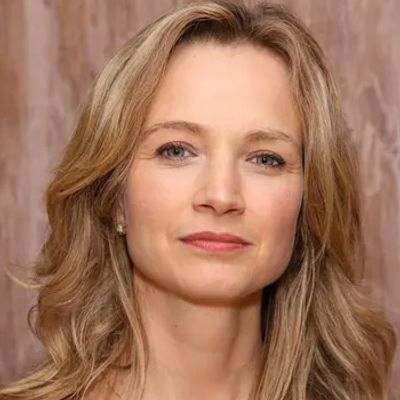
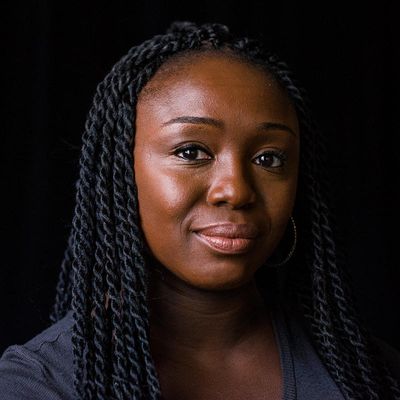
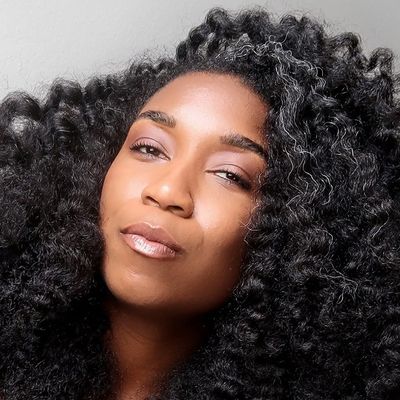
Bess Wohl is a Pulitzer Prize–winning playwright and filmmaker whose acclaimed works include Liberation, Grand Horizons, Small Mouth Sounds, and Camp Siegfried. Her play Liberation earned Tony nominations, a GLAAD Media Award, and widespread critical acclaim, with productions featured on numerous “Best of the Year” lists. Joining the conversation are celebrated theater artists Jocelyn Bioh and Whitney White, both Tony-nominated creators whose work continues to shape contemporary American theatre on Broadway and beyond.
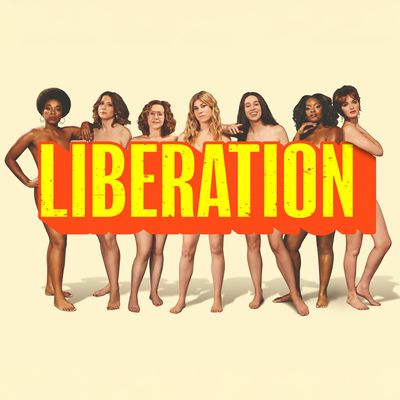
Liberation follows six women who gather in 1970 to form a consciousness-raising group in suburban Ohio, determined to change their lives and the world around them. Fifty years later, one of their daughters looks back to understand what happened to their ideals. Both intimate and theatrical, the play explores feminism, friendship, legacy, and the ongoing struggle to define what liberation truly means.
Transcript
This transcript was automatically generated and might contain errors.
[0:00] Mark-Eugene Garcia: Welcome to the Drama Book Show! My name is Mark-Eugene Garcia, and my name is Dylan Glick.
[0:19] Mark-Eugene Garcia: Welcome to the Drama Book Show! My name is Mark-Eugene Garcia, and my name is Dylan Glick.
[0:44] Mark-Eugene Garcia: Welcome to the Drama Book Show! My name is Mark-Eugene Garcia, and my name is Dylan Glick.
[1:10] Mark-Eugene Garcia: Welcome to the Drama Book Show! My name is Mark-Eugene Garcia, and my name is Dylan Glick.
[1:14] Mark-Eugene Garcia: Welcome to the Drama Book Show! My name is Mark-Eugene Garcia, and my name is Dylan Glick.
[1:44] Mark-Eugene Garcia: Welcome to the Drama Book Show! My name is Mark-Eugene Garcia, and my name is Dylan Glick.
[2:14] Mark-Eugene Garcia: Welcome to the Drama Book Show! My name is Mark-Eugene Garcia, and my name is Dylan Glick.
[2:44] Mark-Eugene Garcia: Welcome to the Drama Book Show! My name is Mark-Eugene Garcia, and my name is Dylan Glick.
[3:14] Mark-Eugene Garcia: Welcome to the Drama Book Show! My name is Mark-Eugene Garcia, and my name is Dylan Glick.
[3:44] Mark-Eugene Garcia: Welcome to the Drama Book Show! My name is Mark-Eugene Garcia, and my name is Dylan Glick.
[4:14] Mark-Eugene Garcia: Welcome to the Drama Book Show! My name is Mark-Eugene Garcia, and my name is Dylan Glick.
[4:45] Mark-Eugene Garcia: We could go on and on about the magic of theater and the magic of liberation, but I think it's time to turn it over to the women of the hour, to Bess Wohl, to Jocelyn Bioh, and Whitney White, and hear what they have to say about liberation.
[4:58] Bess Wohl: Hi everybody! Thank you all for being with us tonight and coming to the shop in the rain. First of all, I just want to say to my two dear friends here, many congrats to both of you on your Tony nominations for Liberation. It's one of the most, yes, please clap for that. It's truly one of the most beautiful, moving, sobering, comedic, and heartbreaking plays I've seen in a very long time. And honestly, there's no question why it's being so celebrated. So congratulations. It's a huge achievement. All right, so we're gonna get into it. We're gonna talk. We're gonna talk about a lot of things. I love that there was a list of some of your works, Bess, that was shared before we came out here, because I really do think that you're one of our prolific playwrights of our generation right now.
And I think it's really because all of your work is so eclectic. There's Small Mouth Sounds, which is a play about six strangers at a silent retreat. There's Grand Horizons, which is about a couple deciding to divorce after 50 years of being together and how that affects the family. To a play that I think is probably particularly triggering when you work in film and TV, Continuity, which is a comedy about a film crew trying desperately to keep continuity on the last scene of their shoot. And while all of them have this unique specificity that clearly came from personal experience, I think we can all agree that there's something that feels really deeply personal about Liberation. And so I'm just curious if you can talk about the inspiration for the play and the process of writing it.
[6:33] Bess Wohl: Oh, thank you. Thank you for those incredibly kind words about me. Mutual admiration society. I revere you and I'm honored to be here with you and with my amazing collaborator, Whitney White, on this project. It is, you're right, the most overtly personal play that I've written. It's also the first time that I've ever used direct address in a play. I don't know why. I had never tried that before. And it's the first time I've had a character. In several plays, I've had a character where people who know me might say to me, okay, that's you in the play. But it's the first time that I've ever really put a character that audiences sometimes thought was me coming out, partly because Susanna Flood is so spectacular and authentic in her performance.
And it was a play that I always knew. You know that play that you know you have in you and you just don't quite know when it's going to come out? It was that play for me. It really was. And it felt like a big hurdle because I had put so much pressure around it. It's based partly on my mom's experience working at Ms. in the 1970s. I knew I wanted to write about feminism in the second wave. And so it took a long time to figure out how to do it because it felt so personal and so important. And I really didn't want to get it wrong.
[7:53] Mark-Eugene Garcia: I'm curious. I hear a lot about a draft coming out really fast. Is that your experience with this play?
[7:59] Bess Wohl: It's fast and slow. The process for me was I talked about writing about it and thought about writing about it for like, five years. And then I tried to write and I even thought maybe it's a TV show. Maybe it's a film. I wasn't sure what medium I wanted to work in with this subject matter. Then I wrote a whole other play that was called The Movement that's in a file in my computer that will never see the light of day.
[8:23] Whitney White: Yes. I have several of those.
[8:25] Bess Wohl: Yes. In a folder called taxes. Don't look. Don't look. Exactly. Nobody finds this play.
[8:36] Bess Wohl: Exactly. Completely. And in fact, I did two workshops of it with full casts and that must have been, I remember I was breastfeeding my second child during one of the workshops of that. And now she's 10. So that was a while ago. And then I discarded that. And then I really, it was really during the pandemic, I thought, okay, I need a little more inspiration to crack this open. So I started Zooming with a bunch of different women who had been very active in the second wave and had been in a particular consciousness raising group. And they kept introducing me to their friend and their friend. It was all over Zoom and their friend. And then these specific characters started to come to life. And the ones who had been in the group who had passed away, I was able to research and find out more about or read their obituaries.
And suddenly this portrait emerged of these particular people. And it was the specificity of those particular people. And also inserting myself in as a narrator figure. That was the combination that really cracked it open for me.
[9:42] Mark-Eugene Garcia: Wow. Wow. That's really actually very cool to hear because I think there's something that feels wildly important about the play. It also feels very urgent. And as someone who has worked very closely with Whitney White, I know that she only takes on plays that have that kind of power, that feel important, that feel urgent, that feel like they have something to say, that feel like they're challenging, they're charging audiences. And so I'm curious about what, Whitney, when you first read the play or how it came to you, is that part of what made you say, yes, I need to direct it? And also, why did you want to direct it?
[10:24] Whitney White: Thank you for the question. Guys, if my face is glitching out, it's because the space-time continuum is freaking out for me because I've spent so much time with these two women. And they're like the biggest moments of my artistic life I've spent with these two women. And now they're like talking to each other. And I think I've had a lot of near psychotic moments at night where I've seen this and I'm just like, it's happening. But when I first read the play, to be honest, I just felt this sense of relief. I'm from the Midwest. I'm from a working class family. I was raised by a single mom. And now I'm a mother myself. And I have been watching my mother go through some of the biggest obstacles someone could go through in their life, being discriminated against in her job, being outcast by the fancy other moms in my private school, still holding her head up with dignity, still trying to punch through these walls.
And when I read the play, it just made me feel closer to her. It made me feel closer to the women in my life that I've seen struggle just for an inch of change. I feel like I've lived my whole life watching women struggle for an inch of change. And I was just relieved that someone had captured that in an honest, beautiful, complex way. And I took the job, not just because it made me feel connected to my mother, but because of the complexity in the language. And I think we have all seen a great shrinking of intellectual dialogue in the public arena, and a great oversimplification of storytelling because of what the iPhone has done to us. And I thought the play was messy, and profound, and rich, and complex, and asked more questions than it answered, but asked the right questions.
And that's why I took it. Ordinary women are heroes, not just in their own lives, but to society. And oh, okay, I'm having one of those moments. I recently did a talk with this guy, Mikhail Zeger. Has anyone heard of this guy, Mikhail Zeger? Check him out. He writes these books in which he triangulates. He's a queer Russian political thinker that's always looking at why Russia's always crumbling apart and all that. And his big thesis, I feel like...
[12:54] David Rigano: It really speaks to both of what you two do is that it's actually not huge political leaders that determine change. It's actually the cascading events of ordinary people that change systems and mark historical change. And she kept both of you actually in your plays capture these ordinary people making everyday decisions. But if we all made those decisions, everything would change. And I that's why I took the play because I feel so disempowered and ordinary in my own life right now. I often feel that way. And the characters are somehow taking the little power they have. That's the end of that TED Talk. But yeah, I think that's one of the beautiful aspects of the play is actually the ensemble of women that you collected.
I've become known somehow for writing a lot of plays with large ensembles. I think I really love the challenge of putting on so many different voices, so many different arguments. It's also fertile soil for comedy. When you put that many people in a room, and that many opinions in both process and the play. But that being said, Liberation boasts I think one of the finest ensembles we've seen on Broadway in a very long time. And I think we should also be making special notes of the fact that it's also the original off-Broadway company that transferred to Broadway. And I'm sure all of you are familiar with the landscape of commercial theater right now. Honestly, Broadway and off-Broadway. And right now people are feeling like the lifeline is only a celebrity.
And so to see these incredible artists who have been working really hard in their careers be able to transfer to Broadway I think is really commendable. To not just you all, to the producing team as well. I also think that this ensemble makes a great case. I'm not trying to start nothing, but I do think they make a really great case for why the Tony Awards should have an ensemble category. Because they were just so stunning. I'm really curious about how you all approach building this genius ensemble of women and one man. Shout out to Charlie that now features two Tony Award nominees and Susannah Flood and Betsy Adem.
[15:20] Bess Wohl: We did it the old school way, you guys. Trial and error. Auditions with incredible people. Talking with each other about what we liked and what moved us and what didn't move us. Really just what moved us the most. Because it wasn't a question. I remember this fondly. All the actors that came in were actually incredible. Because all the women connected to it so deeply. So it wasn't one of those casting processes where someone felt way off the map. It was just about what's going to make the character sing the loudest. One thing that all three of us share, I'm going to out us all, is we all entered this business through acting. All of us. And I think that sitting beside both of you in auditions has been very special.
Because they know that struggle. They know how much people are opening up their souls. And so there was a real generosity in the audition process. But I do think we saw half of New York City. Jocelyn was in a workshop at some point. I'm going to out her. We tried to get her, but she was too busy doing her own plays. I was like, leave me alone. But no, really, we saw so many people. Because this wasn't meant to be a star vehicle. Our effort together is the star. But we saw tapes. We saw people in person. We did workshops with people. It was very intensive. Yeah.
[16:49] Whitney White: I think people don't really understand how difficult it is to develop new work. I really do believe that people think that when you are writing a play, you sit down, you write the play, it comes out in a day. And it's perfect. And then you send it to Broadway. And then Mr. Broadway, because it is a man probably, signs off and then you just do it. And so I think I like talking about process. Because you sometimes discover the play. You discover aspects of the play in a reading, in a workshop. Yes, I did do a workshop of the play. I thought it was beautiful. And speaking as someone who was inside it, at least for that day or two, I remember feeling like whomever this group of people are who get to do it, it's going to be a very special moment for them.
And I think you can feel that in the work of all of the ensemble actors who did the play. So congratulations. You knocked it out of the park there. One thing that's also really interesting about this play is that it has a very beautifully written and I would say also stunningly directed and classily directed scene that features most of the ensemble nude. It was based on a real thing that would happen where women would meet in the nude and like, I don't know, feel empowered. I would just be having a mental breakdown the entire time, I think, personally. But I just thought it was so beautifully and classily done. It did require then that all of the audience had to lock their phones, which also I think made for a really different theatrical experience for me.
I actually found that I read the whole playbill. I was like, okay, let me read everybody's bio. I learned what people were doing, the designers. I had a lovely conversation with a really fancy dressed lady sitting next to me during intermission. It just made for an experience that felt like I was really locked into the world. I was with them in that gym. I'm just curious what you all felt having to put your phones away, for audiences having to put their phones away, what that did for audiences when they saw the show.
[19:03] Bess Wohl: That was a really unexpected part of it for me because when I was writing the scene, I didn't think, oh, and we're going to get yonder pouches. I didn't think about that reality. Whitney probably thought it when she read it, but I didn't think it when I read it. So then seeing that, it's interesting how when you make a play, there's the play itself and then there's the container for the play and the physical production of the play and the theater that you're in and the experience that the audience goes through from the minute they encounter the first piece of marketing and they walk through the door. It's all then part of your play, which is, I think, a very unique thing about making a play that's maybe different from other art forms.
So the yonder pouches became part of the artistry of the play in a strange way because to me, they spoke to the time period of the 1970s. They spoke to a kind of communication that is feeling less and less accessible to us. They spoke to a kind of concentration that's becoming less and less accessible. And I did have people say to me, similar to what you're saying, Jocelyn, oh, I had a friend who came with a teenage daughter and she said during intermission, we had the longest conversation we've had in a very long time because she didn't have her phone with her. Or people who came early and said, I just sat with my thoughts while I waited for the play to start. So in a way, the yonder pouch went so far beyond protecting the actors in the nude scene, which was a huge part of it. It became, to me, a big part of the offering.
[20:43] Whitney White: I agree. It made me sit with my own thoughts. Directing is cuckoo. It is just really a job. Ooh, it really, you just live in your mind in this way that sometimes is very productive. And when it's productive, something like liberation or ja-ja's comes out. And when it's unproductive, it's a scary place. And working on this, having to put my own phone away, it was even good for me. It was a healing process for me as well. And I'm incredibly grateful to you for that. I'm also a newer mom and thinking through a lot of things right now. And just that phone going away allowed me to focus on the work, but also what I really thought about the work, which I'm very grateful for. And I think forever I'm going to try and practice that when rehearsal is up.
It's off. It's not even in view. It's off and it's away. I just, I want liberation from the device. It's really made me realize what it's doing to me and to all of us. And I need to break free of it somehow, if it's even possible. It may not be possible actually, but something's got to shift in my own life. And that little yonder pouch broke that open for me.
[21:59] Bess Wohl: Yeah. Also shout out to our yonder pouch team. They really did. They were on it and they encountered a lot of feelings from people and they had to deal with those feelings from audience members and that's not an easy job. So I'm very grateful to them. God bless. Cause yeah. I think there was one night where someone was like, let me have your information. You guys should be sued for this. Threatening legal action about it. Yeah. At a play called liberation. God help us all. One thing that I really understand as a playwright is how special the collaboration is between a writer and a director, particularly on a new play, because while we as the playwright are having so much discovery, we are also figuring out the trust that we're going to have in our collaborator.
I'm just so curious about what your collaboration process looked like, especially because you had it over the course of development. In the off Broadway production and moving it to Broadway. And maybe if there's a particular moment that only was solved or came to be because of your collaboration, either of you can take that one.
[23:15] Whitney White: There's so many, there's so many. What I loved about our collaboration, Bess, is, as you all know, a writer, a performer, an actor, a musician, too many things. But I felt this great respect for the text from you. I feel weird talking about you like you're not here. You know what I mean? That you were serving, and I don't know if you relate to this, like serving the play as director. Do you know what I mean? And that freed me to serve the play as writer, that you were very clear about who had what role. And that goes for everyone in the room, giving people the space to figure out their own thing, being there when they needed you. There were a few things. One was the last line of the play. Is that what you're going to tell about?
We changed the last line of the play between Roundabout and Broadway, which is very unusual, because we thought, okay, we've nailed this. We know what this is. And Whitney, another thing that I love about you is that you are constantly in search of something better. Do you know what I mean? Not satisfied with whatever it is, even when it's being well received. And at Roundabout, the end of the play, Susanna Flood, as Lizzie said, something along the lines of thank you and good night. And Whitney kept saying, there's more here. It's going like this, and it needs to go. It's going like this, and it needs to go out. And I was like, it's fine. We've been doing the play for a long time. Just relax.
I don't know if we can swear, but I was losing it over that last line. I would go to sleep every night being like, it has a change. There's something more here. There's something more. And it was like three days from opening. I was like, it's fun. But then we went out for drinks with Queen Jean, our incredible costume designer. Shout out to Queen. Yes. And Shasi, our incredible lighting designer. And the four of us had drinks and a real meeting of the minds. And we were spitballing and thinking. And then I had one of those moments of artistic revelation that was like a cartoon character. I was like in a cartoon. And Queen looked at me and she was like, you know what it is? And I was like, yes. But it was off of Whitney's provocation, which is exactly what a director should be doing. And it was off of the designers stepping in and offering. And then somehow something dropped.
[25:49] Bess Wohl: Thank you all for being here. We're really excited to talk about "Liberation" and the themes that it explores.
[26:19] Jocelyn Bioh: Yes, it's such an important conversation, especially given the context of the play and its relevance today.
[26:49] Whitney White: Absolutely. The way Bess has crafted these characters and their journeys is truly inspiring.
[27:19] Bess Wohl: I wanted to create a space where we could reflect on the ideals of feminism and how they have evolved over the years.
[27:49] Jocelyn Bioh: And it's fascinating to see how the struggles of the past resonate with the challenges we face now.
[28:19] Whitney White: The play really highlights the importance of community and support among women, which is so vital.
[28:49] Bess Wohl: Yes, and I think that sense of sisterhood is something that can empower us to continue fighting for our rights.
[29:19] Jocelyn Bioh: It’s also about legacy, and what we pass down to the next generation.
[29:29] Whitney White: Exactly. The daughters in the play are grappling with the ideals their mothers had and how they fit into their own lives.
[29:39] Bess Wohl: And that generational dialogue is crucial. It’s about understanding where we come from and where we want to go.
[30:09] Jocelyn Bioh: I think audiences will find that relatable, especially in today’s climate.
[30:19] Whitney White: The conversations we’re having now about liberation and identity are so intertwined with the themes of the play.
[30:29] Bess Wohl: Yes, and I hope it sparks discussions that extend beyond the theater.
[30:39] Jocelyn Bioh: It’s about creating a space for those conversations to happen.
[30:49] Whitney White: And that’s what theater does best—it brings people together to reflect and engage.
[30:59] Bess Wohl: I’m grateful for the opportunity to share this story and to have such talented collaborators.
[31:09] Jocelyn Bioh: It’s a privilege to be part of this project and to contribute to the dialogue.
[31:19] Whitney White: I think we’re all excited to see how audiences respond to the play.
[31:29] Bess Wohl: Yes, and I look forward to hearing their thoughts and feelings after experiencing it.
[31:39] Jocelyn Bioh: It’s going to be a powerful experience, I can feel it.
[31:49] Whitney White: And it’s a reminder of the strength we have when we come together.
[31:59] Bess Wohl: Absolutely. Thank you both for being such incredible partners in this journey.
[32:09] Jocelyn Bioh: Thank you for leading the way with your vision.
[32:19] Whitney White: And for creating a space where we can all share our voices.
[32:29] Bess Wohl: It’s a collective effort, and I’m so proud of what we’ve created together.
[32:39] Jocelyn Bioh: Here’s to more conversations and more stories that need to be told.
[32:49] Whitney White: Yes, let’s keep pushing the boundaries of what theater can do.
[32:59] Bess Wohl: Thank you all for being part of this important discussion.
[33:09] Jocelyn Bioh: We appreciate everyone’s support and enthusiasm.
[33:19] Whitney White: And we hope to see you at the theater!
[33:29] Bess Wohl: Let’s continue to uplift each other and celebrate our stories.
[33:39] Jocelyn Bioh: Together, we can create change.
[33:49] Whitney White: Thank you so much for joining us today.
[33:59] Bess Wohl: We can’t wait to share "Liberation" with you all.
[34:09] Jocelyn Bioh: See you at the show!
[34:19] Whitney White: Bye everyone!
[34:29] Bess Wohl: Thank you!
[34:39] Jocelyn Bioh: Bye!
[34:49] Whitney White: Bye!
[34:59] Bess Wohl: Bye!
[35:09] Jocelyn Bioh: Bye!
[35:19] Whitney White: Bye!
[35:29] Bess Wohl: Bye!
[35:39] Jocelyn Bioh: Bye!
[35:49] Whitney White: Bye!
[35:59] Bess Wohl: Bye!
[36:09] Jocelyn Bioh: Bye!
[36:19] Whitney White: Bye!
[36:29] Bess Wohl: Bye!
[36:39] Jocelyn Bioh: Bye!
[36:49] Whitney White: Bye!
[36:59] Bess Wohl: Bye!
[37:09] Jocelyn Bioh: Bye!
[37:19] Whitney White: Bye!
[37:29] Bess Wohl: Bye!
[37:39] Jocelyn Bioh: Bye!
[37:49] Whitney White: Bye!
[37:59] Bess Wohl: Bye!
[38:09] Jocelyn Bioh: Bye!
[38:19] Whitney White: Bye!
[38:29] Bess Wohl: Bye!
[38:43] Bess Wohl: Jocelyn, Whitney, thank you for being here tonight.
[39:13] Jocelyn Bioh: Thank you for having us.
[39:43] Whitney White: Yes, thank you.
[40:43] Bess Wohl: I’m telling you that there’s one man in our cast who is, he was always trying to do the right thing, being the best person. He would practice his, he’s going to kill me for this, his little basketball shot every day and then WNBA players come, looking like supermodels and he missed that night and they were like, it’s alright man. That was truly, I wish we had that on the socials. That is liberation.
[41:13] Jocelyn Bioh: Yeah, that is. But when I think about, look there’s so many terrible things right now and so much grief and pain and that is correct. But when I do think about it, there’s so many things that are going on right now that I don’t want to talk about.
[41:43] Whitney White: Things like the half of basketball court, the WNBA. I have to also search out these places where we can find hope and we can see the results of the struggle and the progress that’s happened. I’m holding on to that as well.
[42:13] Bess Wohl: I’ve got one last question. That’s okay. I’m going to ask it, I’ll answer it for me and then I would love for you two to answer it. If you could be an ice cream.
[43:14] Jocelyn Bioh: Men’s ship, definitely men’s ship.
[43:21] Bess Wohl: I think, so the question is, what does liberation mean to you? And it could be in relationship to the process of this play because I did not work on this play. I will say that liberation to me means always looking forward and not being concerned with who’s looking at me on the side.
[44:12] Whitney White: I think I spent a lot of time in my life burdened by comparison and I’m free of that. I’ve liberated myself from that. So that’s what it means to me I think.
[44:55] Jocelyn Bioh: Don’t look at me. I just admitted to a group of people that I quit the Bahamacy school because I like to go out too much. I’m just like. I think that love is entangled with liberation for me and I will feel truly liberated when I feel comfortable and free to love who I want, how I want and live how I want with dignity.
[45:33] Whitney White: I’m married to a wonderful man and human being and he’s helped me knock down a lot of preconceptions I’ve had around the possibility of love and being an artist and being someone who’s maniacally driven to tell stories. I’m thinking about love. It’s a hard question to answer but love, dignity and walking the path you want to walk in your life safely and freely. I think I’ll feel liberated when all that feels reconciled. That was a very messy answer but I’m obviously working on the answer still.
[46:08] Bess Wohl: I love that you said you’re working on the answer because I feel the same. Just because I wrote a play called Liberation doesn’t mean I haven’t worked out. I’m in a constant struggle with what it means, with how liberated I am.
[46:26] Jocelyn Bioh: In a way I think I partly wrote the play to try to encourage it in myself or teach myself something about it but the lessons and the insights that I found are very slippery. It’s like I touch them and then the next day I’m like oh my god I’m so far away from this.
[46:43] Whitney White: It keeps appearing and disappearing and I think the play is a set of questions around it that definitely don’t mean that I have achieved whatever liberation means to me. I think for me it’s also bound up with equality and the feeling that all people are lovely human as Crystal and Lloyd says in the play. No pedestals, no walking in front or walking behind that to me is a very liberating thought and it includes everyone and it includes me that I can honor my own feelings in a situation and not be just attuned to everyone else and trying to please and trying to respond and trying to react.
[47:27] Bess Wohl: I think to me if we could really understand equality, liberation would be inside of that.
[47:34] Jocelyn Bioh: Thank you for creating I would say a seminal piece of work. I think it’s a standout. Obviously I’m biased but today my opinion is the only one that matters.
[47:47] Whitney White: Thank you.
[47:51] Bess Wohl: We should. I’ve cast.
[47:56] Jocelyn Bioh: Let’s make it happen.
[48:00] Whitney White: Honestly that’s liberation. Take the podcast equipment away from the men. Sorry.
[48:07] Bess Wohl: No thank you all. Appreciate you and thank you for being with us tonight.
[48:13] David Rigano: And we are back and we’re back. I was exciting even though Jocelyn did threaten to take our podcast away. This is actually our last episode.
[48:22] Mark-Eugene Garcia: I would happily hand this up this podcast over to them and let them talk about me too. It was incredible.
[48:28] David Rigano: I think one of the things that I walked away from this event with specifically is as a playwright wanting to have that lovely of a relationship with my director. Watching the rapport back and forth between the three of them and just the excitement it bled out to everybody here. That’s what we want. That’s what we want in collaborations.
[48:50] Mark-Eugene Garcia: I’m sure it feels very safe and vulnerable and joyful.
[48:55] David Rigano: I didn’t know if there was conflicts. They even mentioned that but at the same time it just seemed like they were wonderful conflicts.
[49:01] Mark-Eugene Garcia: The last line.
[49:04] David Rigano: That’s incredible. I just was so wowed and excited and it’s an event that we’ve all been looking forward to. Keeping it a secret for so long. Oh yeah this is happening. The book’s not out yet but we’re set for this day so we know it’s going to be here.
[49:18] Mark-Eugene Garcia: I fully canceled my plans on the day. I’m not going to say anything more about that but as soon as I found out we were doing liberation I immediately went I’m so sorry.
[49:25] David Rigano: I got you and canceling plans is easy for you I’ve noticed.
[49:27] Mark-Eugene Garcia: Oh so let me let me let me loop you in the drama book show podcast. So last night I said to Mark let I was like oh are you and Rodrigo doing anything after your shift maybe let’s go hang out at a bar or something.
[49:40] David Rigano: And then a friend of Mark’s and someone that I know from my other job offered me or Mark a ticket to Rocky Horror for free and which Mark turned it down.
[49:49] Mark-Eugene Garcia: Because Mark is because Mark is a good friend and I said yes I will take that free ticket to Rocky Horror.
[49:57] David Rigano: And so for that and then I met up with Mark and Rodrigo later but then for the rest of the evening Mark was just like no I’m still gonna.
[50:03] Mark-Eugene Garcia: Yeah and you’re still gonna. It’s gonna be fair that I’m ditched.
[50:05] David Rigano: Yeah well I did one of those I was super excited for Dylan to see the show plus I don’t want to see it without my husband.
[50:11] Mark-Eugene Garcia: Sure but we both would want to see it.
[50:13] David Rigano: The D in Dylan does stand for ditcher.
[50:14] Mark-Eugene Garcia: Oh there you go.
[50:16] David Rigano: Dylan ditch.
[50:18] Mark-Eugene Garcia: Yes Dylan ditch.
[50:20] David Rigano: Instead of Dylan Glick.
[50:22] Mark-Eugene Garcia: We’re going to ditch this conversation.
[50:25] David Rigano: To Dylan ditching me to our next event which is coming up.
[50:29] Mark-Eugene Garcia: We’re actually like recording this before the event.
[50:32] David Rigano: Oh is this the.
[50:34] Mark-Eugene Garcia: Because yeah because we’re continuing our Tony our countdown to the Tonys.
[50:37] David Rigano: Oh no Mark I’m so sorry.
[50:39] Mark-Eugene Garcia: There’s a bear.
[50:41] David Rigano: Really turned around too.
[50:42] Mark-Eugene Garcia: We’re continuing our countdown to the Tonys with a conversation with David Lindsay-Abaire over the balusters.
[50:49] David Rigano: Yes.
[50:51] Mark-Eugene Garcia: And it’s going to be two Davids because it’ll be David Rigano interviewing David Lindsay-Abaire. And it’s going to be a very fun night and I’m looking forward to hearing more about this show that I’ve been watching David read and it’s hysterical watching him react to the lines in this show.
[51:03] David Rigano: Oh my God.
[51:05] Mark-Eugene Garcia: So I cannot wait to hear more about it and I can’t wait to share that with you.
[51:07] David Rigano: And I can’t wait to share that with you.
[51:09] Mark-Eugene Garcia: So remember to follow us on Instagram at drama book show podcast. Follow us on event right at drama bookshop. And remember that all the books we talk about can be found here at the bookshop. And so can we.
[51:18] David Rigano: And we will see you at the bookshop.
[51:20] All: Bye.
© Broadway Podcast Network, All Rights Reserved