

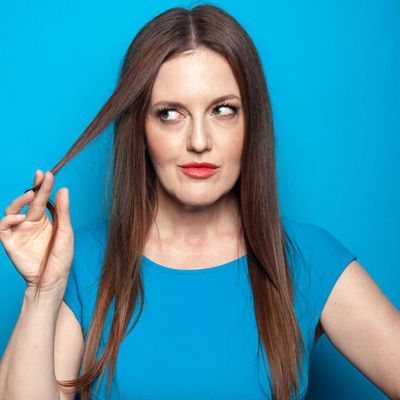
On this week’s episode, Jamie and Rob sit down with their season one and two co-host Jennifer Simard for a reunion conversation. Together, they talk about Jennifer’s pandemic experience as a working actor, her remarkable career on stage, her mentors, and her excitement about getting back on Broadway in “Company” this fall... Read More
From the show: The Fabulous Invalid
Guests
Featured Shows
About
On this week’s episode, Jamie and Rob sit down with their season one and two co-host Jennifer Simard for a reunion conversation. Together, they talk about Jennifer’s pandemic experience as a working actor, her remarkable career on stage, her mentors, and her excitement about getting back on Broadway in “Company” this fall. At the top, Jamie and Rob announce that the upcoming 100th episode of The Fabulous Invalid Podcast will also be the final regular episode of the series.
This week’s music: “Never” from “On The Twentieth Century”, “I Will Loved Tonight”, from “I Love You, You’re Perfect, Now Change”, “Put On Your Sunday Clothes”, “Hello, Dolly! The New Cast Recording”, “More”, from “Stephen Sondheim at the Movies”, “ The 25th Annual Putnam County Spelling Bee”, from “ The 25th Annual Putnam County Spelling Bee”, “Never Can Say Goodbye /Torn Between Two Lovers”, “Disaster!”, “Stars” from “Mean Girls”.
Find us on Twitter & Instagram: @fabulousinvalid
Facebook: www.facebook.com/fabulousinvalid
Rob’s reviews: www.stageleft.nyc
Email us at: office@fabulousinvalid.com
Jamie DuMont
Twitter: @jamiedumont
Instagram: @troutinnyc
Rob Russo
Transcript
This transcript was automatically generated and might contain errors.
[0:19] Jamie DuMont: Welcome to the Fabulous Invalid, Broadway's podcast where we present essential conversations with a curated roster of the best, most important, and innovative theater makers working today, from actors to writers, directors, designers, everyone in between.
[0:32] Rob Russo: We took our name from the title of a 1938 play by Kaufman and Hart that has since become a loving nickname for Broadway itself.
[0:39] Jamie DuMont: Always deemed on the verge of decline, yet always bouncing back, the fabulous invalid.
[0:43] Jamie DuMont: I'm Theater Savant, Jamie DuMont.
[0:45] Rob Russo: And I'm Rob Russo, writer and theater critic with Stageleft.nyc and Stage Left of the Podcast.
[0:51] Jamie DuMont: Hi, Rob.
[0:52] Rob Russo: Hi, Jamie.
[0:53] Jamie DuMont: We are back this week after a short hiatus, but we actually have some news to share.
[0:58] Rob Russo: That's right.
[0:59] Jamie DuMont: Uh this is our 98th episode for those keeping count at home.
[1:03] Rob Russo: And uh we'll be going on a much longer hiatus once we hit 100.
[1:08] Jamie DuMont: When we first met in 2018 and embarked on this project together, I knew it would be the first many things that you and I would do together, Rob.
[1:15] Rob Russo: Yes, I know, and you said that early on, too.
[1:18] Jamie DuMont: Like the first day I met you.
[1:20] Rob Russo: Right, yeah.
[1:20] Jamie DuMont: So after a hundred episodes, um, we're going to be pivoting to some other exciting projects that we have in the works that we can't wait to share with the world real soon.
[1:29] Rob Russo: Uh but what that means is that we won't be releasing new episodes weekly as we've done to some degree since September 2018.
[1:35] Jamie DuMont: For now though, we do have three more episodes planned as part of our regular programming this summer.
[1:40] Rob Russo: And don't worry, after we hit our 100, we've got some bonus content to share, and we'll be back in the future with some more interviews and great conversations keyed to some of the other theater projects we're working on as those roll out.
[1:53] Jamie DuMont: We're being very mysterious today, Rob, but I like it.
[1:56] Rob Russo: You know.
[1:56] Jamie DuMont: Yeah.
[1:57] Rob Russo: Well, I mean, we'll make an announcement tomorrow.
[2:00] Jamie DuMont: So you'll have to stay tuned.
[2:02] Rob Russo: But we're just, we're just, we're just trying to prepare everybody.
[2:05] Jamie DuMont: Right.
[2:06] Rob Russo: No, it's important to be prepared.
[2:07] Jamie DuMont: And uh today, in the spirit of getting the band back together one more time, we are so, so, so thrilled to be joined by our season one and season two co-host, the one and only Jennifer Simard.
[2:17] Rob Russo: But I think for anybody listening to this show, we don't have to introduce Jennifer Simard because we all know who she is.
[2:24] Jamie DuMont: Yeah, so let's get right to the convo.
[2:32] Rob Russo: Jennifer Simard is in the house.
[2:34] Jamie DuMont: Oh my god.
[2:34] Rob Russo: Hi, Jennifer.
[2:35] Jennifer Simard: How are you?
[2:36] Jamie DuMont: Hi, Jamie.
[2:37] Rob Russo: Hi, Rob.
[2:38] Jennifer Simard: I'm well.
[2:39] Jamie DuMont: It's nice to see your faces.
[2:41] Rob Russo: It really is.
[2:42] Jamie DuMont: Uh over Squadcast.
[2:44] Jennifer Simard: And uh it's been a minute.
[2:47] Jamie DuMont: Yeah, it feels like we've gotten the band back together.
[2:49] Jennifer Simard: Um, for the listeners out there, Jennifer Simard is not only our co-host, um, our dear friend, but she is our guest today.
[2:58] Rob Russo: Yeah.
[2:58] Jamie DuMont: Um, and we're excited to have you on the show, Jen.
[3:02] Jennifer Simard: I truly, it is an honor to have you in our room.
[3:05] Jamie DuMont: Oh, it's I'm a little nervous being on this side of the table.
[3:09] Rob Russo: I know.
[3:10] Jennifer Simard: You know.
[3:11] I was literally saying this to you before we hit record.
[3:13] I'm a little nervous having you on the show.
[3:15] Jamie DuMont: It feels like a big responsibility.
[3:16] Jennifer Simard: So I will do we'll we'll try our level best, won't we?
[3:19] Jamie DuMont: Yeah.
[3:20] Jennifer Simard: I'm just hello, listeners.
[3:21] Hello, true blue fans.
[3:23] It's nice to be back.
[3:24] Jamie DuMont: You have had, I mean, in a crazy pandemic that we've all just gone through and we're trying to get out of.
[3:32] Rob Russo: You've had a kind of an incredible year.
[3:34] Jamie DuMont: You you you well, pre-pandemic, you were starring in Company on Broadway.
[3:38] Jennifer Simard: Then you went to Blueberry Farming, if I'm not wrong, guest starring on Girls Five Eva.
[3:43] Jamie DuMont: Now you're gearing up for Company's Return.
[3:45] Rob Russo: And then along the way, you started a very successful, wonderful true crime comedy podcast, Killing It on Broadway.
[3:53] Jamie DuMont: Um, what else is going on? Talk to us.
[3:56] Jennifer Simard: Oh, well, I uh first of all, love and respect to everyone because the struggle's been real, hasn't it?
[4:03] Jennifer Simard: And to those who died.
[4:05] I mean, that's an incomparable thing.
[4:07] So I I have a bit of survivor's guilt, I think.
[4:10] Uh I'm sorry, nobody can bring a party down better than James.
[4:14] Let's get real.
[4:15] Um but uh but uh as far as the blessings I've had this year, if I can use that word, yeah.
[4:20] Jennifer Simard: That um you mentioned quite a few things that I've done.
[4:23] I actually just finished a Ray Romano film that he wrote and directed.
[4:27] It's untitled yet.
[4:28] I think I think they've thought of one, but it's not been announced yet.
[4:31] Jamie DuMont: But you guys will like this because I got to play one of the best friends of our queen, Lori Metcalf.
[4:37] Rob Russo: Oh my god.
[4:38] Jennifer Simard: Oh my god.
[4:40] Yes, yes.
[4:41] Jennifer Simard: And so I've known her.
[4:43] I've had the pleasure of uh, you know, sort of being in her orbit for the last decade or so.
[4:50] Jennifer Simard: We lived in the same building at one point.
[4:53] Jennifer Simard: And one day I ran into her in the grocery store.
[4:55] This is when she was doing A Doll's House Part Two, and I was doing Hello Dolly, and I just reminded her who I was, and she was so friendly.
[5:01] Jennifer Simard: She's like, Oh, Jennifer, we should work, we should walk to work together.
[5:04] Jamie DuMont: And I'm like, Yeah, we should.
[5:06] Jennifer Simard: Oh my god.
[5:07] Jennifer Simard: And so uh this was really nice to I just in perpetuity to have scene work with her is really a dream come true because I think she's really an actor's actor, you know.
[5:19] Jamie DuMont: Uh and I'm just I was delighted.
[5:21] Jennifer Simard: So I I don't know when in the movie comes out, but that was a dream, as was Girls Five Eva with that incredible team starting with Tina Fey, Meredith Scardino, that incredible cast.
[5:32] Jennifer Simard: And so any any sort of opportunity we had, the collective we to be creative this year felt like a gift beyond any other because it was we were all starving for it so much, right?
[5:44] Jennifer Simard: And of course, Killing It on Broadway kept me so busy.
[5:47] Jennifer Simard: We did 30 episodes.
[5:49] Jennifer Simard: Season one is in the in the bank.
[5:51] Jennifer Simard: And uh my my co-host Jessica Vosk and I really sunk our teeth in and committed to that last year.
[5:58] Jamie DuMont: And uh you'll be I don't know if you know this gentleman, but I also took a criminology course, a college criminal criminology class and a forensic psychology class.
[6:07] Jennifer Simard: What?
[6:07] Jamie DuMont: Where I did it online.
[6:09] Jennifer Simard: I'm from New Hampshire, and no, it was Southern New Hampshire University.
[6:15] Jennifer Simard: You probably see you have to be worry sometimes of online schools, but this was this is a an accredited program and it's not for profit.
[6:24] Jennifer Simard: And it's it's as if I was going to class where I'm from, it just happened to be online.
[6:28] Jamie DuMont: It's not like the Instagram shorts of law school or crime school.
[6:31] Jennifer Simard: Correct.
[6:32] Jennifer Simard: It's legit.
[6:33] Jamie DuMont: Yeah.
[6:34] Jennifer Simard: And it was um, oh, it was so fulfilling.
[6:37] Jamie DuMont: How many hours was it?
[6:39] Jennifer Simard: Oh gosh, that's a great question.
[6:40] Jennifer Simard: I mean, it was a nine each class was nine credits, so it was probably 15 to 30 hours of work a week, right?
[6:47] Jennifer Simard: Uh and sorry, I did it last fall, so it's it's I'm not quite I can't quite remember the ins and outs, but writing my papers again, I was like, do I still got it?
[6:56] Jennifer Simard: And I remember being so proud of my A's.
[6:58] Jamie DuMont: I was like, yeah, still got it, you know.
[7:01] Rob Russo: I love it.
[7:02] Jamie DuMont: That's so you to start a true crime comedy podcast, but to actually study and take courses.
[7:08] Jennifer Simard: Do the work.
[7:09] Jamie DuMont: Yeah, yeah, that that that speaks volumes of of who you are.
[7:13] Rob Russo: Okay, I have to ask, what's like from your courses, what's the one thing that you learned that you were completely surprised about?
[7:21] Jennifer Simard: That's a great question.
[7:23] Jennifer Simard: I assumed, like most people, that forensic psychology was essentially what criminology is.
[7:32] Jennifer Simard: I thought it was the study of criminal behavior from a psychological viewpoint.
[7:35] Jennifer Simard: When in actuality, uh, and this is paraphrased, of course, it's more the combination of psychology in conjunction with the law.
[7:43] Jennifer Simard: There was so much law involved in forensic psychology.
[7:46] Jennifer Simard: I had no idea, nor am I very interested in the law, it turns out.
[7:52] Rob Russo: Wow.
[7:54] Jennifer Simard: I say that to a man who has his law degree.
[7:55] Rob Russo: Yeah, I was just a bar certified lawyer is in our process.
[7:58] Jennifer Simard: Although I don't practice, so I I hear you.
[8:01] Rob Russo: That's not true.
[8:02] Jamie DuMont: We I feel like with with you practice law every day with when I'm involved.
[8:07] Jennifer Simard: That's true.
[8:07] Jennifer Simard: That is true.
[8:08] Jamie DuMont: A law degree comes in handy, you know, in it in everyday life in unexpected ways.
[8:13] Jennifer Simard: But um, I just love that you nourished this interest that you have during this time.
[8:18] Jamie DuMont: You know, I think a lot of people have been have had a hard time like figuring out how to organize their days without the the normal rhythm of life.
[8:26] Jennifer Simard: So I'm I'm so thrilled to hear that you did something that really, you know, fed your own uh interest and and probably your soul too.
[8:33] Jennifer Simard: I would I would venture to guess.
[8:35] Jamie DuMont: It did.
[8:36] Jennifer Simard: I don't know if anyone out there can relate to this feeling, but I truly think I'm the type of person that I will always look at the choice I didn't make and sometimes wonder if I should have done that instead.
[8:47] Jennifer Simard: For example, just this week, my husband had to reassure me that it's good that I did all of these things because because of a few things I have going on this week, it's kind of the first opportunity I've had to sit and force myself to truly do nothing, not go to the gym, not I mean to do nothing.
[9:06] Jennifer Simard: And I started to feel a lot of feelings and pain of what we've all been through.
[9:10] Jennifer Simard: I and I think there is a part of me that did these things to to not feel those things.
[9:16] Jennifer Simard: So I did have that moment where I thought maybe I should have done more of this because is it is it gonna back up on me?
[9:22] Jamie DuMont: And my husband reminded me, he's like, Jennifer, if you hadn't done these things, you'd be kicking yourself now that you didn't use that time.
[9:28] Jennifer Simard: So perhaps the answer is it's a little bit of both.
[9:31] Jennifer Simard: And the maybe the awareness of that is something to look at, and that that's the gift.
[9:36] Jamie DuMont: So I'm right now I am trying to let myself cry if I need to.
[9:41] Jennifer Simard: I mean, we I think we've all been through such trauma and it's still going.
[9:46] Rob Russo: Well, to uh to use Jennifer, one of our favorite phrases that we learned from you, uh, we'd like to signal a conversational lane change and um take a step back.
[9:56] Jamie DuMont: You know, we've we've learned uh in our time together, and you mentioned that you grew up in New Hampshire.
[10:01] Rob Russo: So I'm curious if you could share with our listeners what it was that brought you to New York professionally.
[10:07] Jennifer Simard: I was lucky enough to grow up very near the Palace Theater in Manchester, New Hampshire, which was a beautiful theater built in 1915, and I'm very proud of them to this day.
[10:17] Jennifer Simard: So I had this beautiful theater in my backyard, and I sort of learned, I think, from osmosis, most of most of all, and then got to do it locally when I could.
[10:30] Jennifer Simard: But around my late teens, I guess I started working in and around the Boston area because I grew up less than an hour from Boston.
[10:39] Jennifer Simard: And as you, and I went to the Boston Conservatory of Music, and I think most people can relate to this in their own life.
[10:46] Jennifer Simard: You meet one person and that person knows another person, etc.
[10:49] Jamie DuMont: Etc.
[10:49] Jennifer Simard: So a lot of the people I became friendly with in the Boston theater scene had already made the leap to New York City.
[10:57] Jennifer Simard: One such friend is David Benoit, and he was doing Forever Plaid when it was at the Triad Theater on 72nd Street.
[11:05] Jennifer Simard: I was dating someone at the time in the city, so I came in to visit them while I was doing Nunsense in the north end of Boston at the theater lobby.
[11:14] Jennifer Simard: So this was on a Monday.
[11:16] Jennifer Simard: And my friend David told me on that trip that the following week, Forbidden Broadway was going to be having a wide open casting call just to see what talent was out there, which they sometimes would do.
[11:31] Jennifer Simard: And David had done Forbidden Broadway, and he knew I liked to do impressions and characters.
[11:36] Jennifer Simard: So he said, Why don't I, if I get you an audition, can you come down next Monday?
[11:40] Jennifer Simard: So this was in the fall of 1992.
[11:42] Jennifer Simard: And I said, Yes, I can.
[11:44] Jennifer Simard: And I came down and I went to Theater East.
[11:47] Jennifer Simard: Uh, and Gerard Alessandrini was there.
[11:50] Jennifer Simard: And Philip George and I think John Freedson, and this was the crew that was doing the show.
[11:55] Jennifer Simard: And I sang my songs.
[11:58] Jennifer Simard: I think I sang "Never" from On the Twentieth Century.
[12:04] ♪ Musical number ♪
[12:28] Jennifer Simard: And they liked it, and they said, that's really great, and how about if we just throw a couple of people at you and see what you come up with.
[12:36] Jennifer Simard: So I think they, you know, they did Liza and Julie Andrews and Patty LuPone. And I just did what I could, and they said that was really good for just throwing it at you. So I thought that was it. I left. I went back to New Hampshire, and all of a sudden I was at my parents' house, and I got a phone call, and they said, "Jennifer, it's Gerard El Sandrini." And I said, "Okay." And he said, "Hey Jennifer, we're doing a new production in Stanford, Connecticut, and you'd have to move to New York, and we'd love for you to be a part of it." Wow. And this was, uh, and so I had to move, uh, by I think it was December 7th, 1992. I moved to New York. Wow. And, um, and that was it. And Forbidden Broadway was my New York City debut. I did it the following summer, et cetera, et cetera. So it was really that I hope that answers your question. That is how I, yeah, that is how it happened for me.
[13:27] Jamie DuMont: Oh my gosh. That is how it happened. Well, then taking, uh, I guess an even further step back, um, you know, you were marked obviously that you know you love doing impressions and characters. When did you know that you had this incredible talent? Was there like an aha moment in your childhood when you're like, "Oh, I'm actually really good at this?"
[13:46] Jennifer Simard: Yeah, I, I, my, I think it's hard to say who is my number one idol. I mean, as you know, Bernadette Peters, of course. So I have many, I have to say, and one of the top tippity top was the late great Madeline Kahn. So we used to mountain hike quite a bit in my family, and on the tougher mountains, I used to make my father and brothers laugh by impersonating Madeline Kahn in Young Frankenstein and in History of the World, uh, when the hiking got tough. And so that's how I first knew that I could do impressions.
[14:24] Jamie DuMont: I hate to break it too, but the hiking has just gotten tough. So would you indulge us in a little bit of Madeline Kahn, please?
[14:32] Jennifer Simard: I don't know. First of all, it's a podcast. I don't know if I'd sound like her now. I've not done it in years. Uh, and some of it was physical, so I don't know. But yes, no, no, no, no, no, no, yes, no, no, no, no, no, no, yes, no, no, yes, no, no, no, no, no, no, no, no, no, no. Yes. No, no, no, no, no, no, yes, no, no, no, no, no, no, no, no, no, no, no, no, no, no, no, no, no, no. Wait a minute. Yes.
[15:08] Jamie DuMont: Um, I'm pretty sure that rotates over the hour. I also really now I'm like dying to hear you sing "Never" from On the Twentieth Century. I mean, what a great score and what a great song. And I, you know, I'm imagining you singing it, and it's amazing.
[15:38] Jennifer Simard: I don't know that most people know that about me because people know you from what they saw you do. And I don't know if most people know that I'm a high soprano. I don't know that people know that. I have to say that, like, some people do because the number one, the second thing people would say when Rob and I would say that our co-host is Jennifer Simard, the first thing they'd say is, "I love her." And then the second thing most people would say is, "Did you know she can sing? Have you heard her belt? Have you heard her?" Like that's a thing. People that work with you all do know about you.
[16:15] Jamie DuMont: And I always listen for those high notes on the Hello Dolly cast album.
[16:20] Jennifer Simard: Yeah, yeah, that's right. I feel like I know the inside line. I'm like, "Yep, I know the galley sings this."
[16:43] Jennifer Simard: Oh, I sort of the, uh, well, it's all a blessing, isn't it? That's my word of the day, but that's how I truly feel, probably because I'm so grateful that I get to work again soon. But when you're a comedian like I am, often you get cast as the second banana, and the second banana rarely has the song. And even in Company, as Barbara was so, so empathic. Remember, she was so empathetic when I left the room. She was like, "She can sing, can't she? Oh, I wish I'd fought harder to have a song." Because here I am in Company, and I'm a singer, but I don't have a solo, you know? So it's, um, it's another, it's just another, it's another example of, um, yes, I sing, but you might not know it.
[17:27] Jamie DuMont: Anyway, well, we'll blame a little bit of it on Barbara Barry. Um, sing you certainly did in your next show, I Love You, You're Perfect, Now Change, which was '96. You were in the original company. When did you go to LA with the show?
[17:41] Jennifer Simard: It was the fall of '98. We were at the Coronet Theater on La Cienega Larga, which is now where Largo is home, uh, and, uh, was a tremendous, tremendous experience in my life. It was great. It was one of the, the opening night there was one of the greatest nights of my life. I'll never forget it. It was great.
[17:43] Jamie DuMont: I know the Coronet Theater well. When I was doing press in LA, there were very few theaters in LA, and the Coronet was one of the ones that a lot of the New York shows came to. It's where I worked on Forbidden Hollywood, which was the LA version of Forbidden Broadway, which had already played in LA, but it was a sit-down thing that started, I believe it started in LA. I don't think it started in New York. I think he wrote it for LA.
[17:43] Jennifer Simard: Yeah, he did. I remember that. And, um, right, I love the Coronet Theater right next to Trashy Lingerie.
[17:43] Jamie DuMont: Yeah, it's a great theater. It really is.
[17:43] Jennifer Simard: No, it was beautiful. I loved it. But moving back to New York and opening in I Love You, You're Perfect, Now Change, which was a big hit, what was that like? Talk to us a little bit about that experience.
[17:43] Jennifer Simard: Well, oh gosh, it was so great because we did an out of town, uh, in Teaneck at Fairleigh Dickinson University in 1994. So I was, and this is the beginning of '94, and I was, I was 23 years old, and we were getting paid 214 a week. And we just put it, and I realized the minute the audience responded that we were really on to something. You could just, you just knew it. You could feel it. And I was ecstatic because that show, I think I, I think it was the first show I originated in New York City. Uh, if I'm not mistaken. And it's the show at which I met my husband. So when people ask me what was the most significant experience of your life, I always give a few answers because you can never be just one thing, you know.
Look at what Disaster! did for me. I mean, I can't deny that Forbidden Broadway helped move me to the city. But the thing about I Love You, You're Perfect, Now Change, it's really the first thing that put me on the proverbial map, if I in quotes on the map, right? It was the first thing where I got to be really reviewed, I think. Um, maybe, maybe this, I think I did a few other shows before that, but it was the first big thing. And, uh, it gave me the longevity to stay here and really because it was such a hit, I was able to pay my bills, and it was a great job besides just a great fulfilling experience. And it was incredible to create characters from scratch. That was the part, and I loved the, because my track too, I really got to be.
I can't speak for my friend Melissa, the other track, I don't want to speak for her, but for myself, I loved being able to be the ingenue, who also got to play these really out there character parts, you know, and that was sort of, that's sort of been my bread and butter anyway, where you just sort of are in the middle, so you can go either way, and it was, it kind of utilized everything that I do in one, in one show. So it was kind of a dream come true.
[21:10] Jamie DuMont: Yeah, really. And then Joe DiPietro went on to much success after that.
[21:16] Jennifer Simard: And yeah, it was kind of his first big thing as well. So sort of, we kind of just kind of started out together, so to speak. And I'm so happy now for everyone's success.
[21:34] Jamie DuMont: Well, pop the champagne. Break out the cologne. Turn off the moonlight and turn off the phone.
[21:47] Jennifer Simard: Well, what a surprise. A man is in sight. And I will be loved.
[22:02] Jamie DuMont: One of the very exciting things about getting to originate a role in a musical, um, which isn't always the case, but is usually the case, is that you get to record the cast album. Um, I can imagine, you know, as a theater nerd yourself, you know, was that a surreal experience? Getting to record an original cast album for a musical.
[22:22] Jennifer Simard: Oh, it was such a dream come true. Uh, I think, uh, Bruce Kimmel from Verez Sarah Band, I think produced the CD. And, uh, you know, we were like a lot of people can relate to in Broadway shows, you're really excited to do it, but you're also doing it on your one day off. So you're pretty trashed at the end of eight shows. And so if I remember correctly, we were all just fighting, getting sick, you know. You know, uh, I think Melissa was fighting something, I was fighting something. So I'm just so glad we were able to produce it. Um, and of course, it was it was myself, Rob Rosnowski, Melissa Weil, and Danny Bernstein. Wow on the CD.
[23:02] Jamie DuMont: Yeah. I always forget that's how you, that's why you go back, you go so far back with Danny.
[23:10] Jennifer Simard: Mm-hmm. Yeah. Jordan Leeds, the wonderful Jordan Leeds, originated the show with us on August 1st, but then he left very quickly because he got cast in, um, oh sorry, what's the Sunset Boulevard had come back, I want to say, right? And so he left to do that. So a month in, I think Danny took over. And usually you do the cast album with the cast that is currently employed, or at least that's the rule at the time. And, um, and, uh, you know, everyone had their contributions to the show. And so it's often hard as often because Danny's on the CD, it's hard for me to remember that he actually wasn't with us on August 1st, 1996, because I think I did the show a really long time with him. So it's hard for me to, I did the show with so many people, so it's actually hard for me to keep it all straight. In fact, it ran so long. 1400 performances is a lot, right?
[24:09] Jamie DuMont: For you that's, that's a lot. That's a fair chunk of time.
[24:14] Jennifer Simard: Several years, right?
[24:16] Jamie DuMont: Yeah, yeah. When you went to LA with the show, was there ever a moment when you were in LA where you thought, "Oh, I'm gonna stay here, I'm gonna do this." Did you ever have that?
[24:29] Jennifer Simard: Yes, because I had, I was lucky enough to get on, uh, I was on an episode of The King of Queens out there, and I got The Flintstones in Viva Rock Vegas. But now welcome to my TED Talk, you guys. Here you go. I, uh, one of the real challenges of succeeding in this business is being able to support yourself financially. And I come, I don't come from money, but I come from parents who were so responsible with money and rich in every other way. So I felt rich, but we weren't rich. And I'm from New Hampshire, which is diagonally as far from Los Angeles across the country as you can get. And I was unable to be there for health things that were coming up, etc., and really happy things.
[25:15] Jennifer Simard: And I really thought long and hard about it. I said, I can afford to continue going for my dream in New York, but I can't afford it in Los Angeles and still have a connection that I needed to have to my family. So I get a little emotional thinking about it because I was doing really well, but I couldn't afford to stay. So that's the truth. Thank you for coming to my TED Talk.
[25:43] Rob Russo: Well, and thank you for providing us with that. I, you know, but I think it's also again knowing you as we do, it's I think just the core of who you are as just a grounded human being, right? You're very connected to your family, you're very connected to, you know, roots and you know, you take all that stuff very seriously, and I think that that's it's who you are, and it's why we love you.
[26:12] ♪ Musical number: "More" — performed by Jennifer Simard ♪
[27:18] Jamie DuMont: Um, in which you not only got to sing one of the like greatest all-time songs ever written for the theater, and I wish there was a professional recording of it, um, because I would love to hear that. Um, you know, but also, you know, this is a show, if folks don't know it, where there's, you know, some degree of audience participation, which is somewhat unique for a Broadway show. Um, so I'm curious. You know, did you enjoy that aspect of the show?
[27:45] Jennifer Simard: Oh, yeah. It was, uh, kept you on your toes. Other than that, I had one particular line that was my favorite. Oh, that I probably should tell you about, Rob, because it involves the husband of your boss.
[27:56] Rob Russo: Oh, okay.
[27:57] Jennifer Simard: Uh, so President Clinton was in the audience one night, yeah, and Rona has this line about she says, uh, she thought she thought she was walking into the dawn, but it turned out it was the crepuscule, and she just goes somewhere in her mind. And I remember for me, I think I had about three double chins when I was saying it, and just, you know, just so sad. And I could picture Rona in the middle of the night eating Cheetos, just never having a moment in her life as great as the night she won the B. But I remember hearing President Clinton laugh. And I, and I, it was so deeply satisfying to me because I thought, oh, he sees my dark side and he likes it. Yes. And I love that he, I love that he got what I was going for. So that was my single favorite moment. But I loved writing my own jokes. I'm a bit of a feminist.
[28:52] Jennifer Simard: And, uh, in that show, it was not atypical for the actor playing, uh, Vice Principal Panch to write some of the jokes for Rona. But while I would accept one or two here or there, he was in charge of choosing which words to use and the definitions, and it was the woman's responsibility and purview to make the jokes regarding the guests. And I took a real pride in being able to come up with them and write them. And, uh, and I would stand my ground if I, and the guys were very understanding, but I said, you know, I just so would very much took pleasure as writing as the woman. Like I said, I'm a bit of a feminist that went like, no, I'm a woman who can write, and I think I'm funny, and I loved that first 45 minutes of the show more than anything.
[29:42] Jamie DuMont: I just remember as an audience member just marveling at the like fluidity of it all, right? That like, you know, that because it's such a synthesis of, you know, obviously all the elements of theater that you come to expect in a musical, but then that added element of like, wait a minute, and then you start questioning like, wait, what's scripted, what's real, are there plants in the audience, like how is this actually working and right, you know, while also just, you know, holding back tears of laughter because it was so uproariously funny. And to be fair, to be fair, there is a list of fallback jokes that I'm clearly not responsible for that show had been in process for so long and my incredible predecessors came up with a lot, and keep in mind all of them had to be approved by Mr. Le Pine.
Like if sometimes if they were too much about someone's appearance, he was loath to approve that, which I completely respect and understand. So he had great taste in that respect. But you know, comedy's dangerous. I will go to my death saying comedy's dangerous, at least the best comedy comes out of being dangerous. And when it's dangerous, you're gonna make mistakes and you're gonna step over the line and you have to apologize and not do it again. But you have to try, you know, to ride that line I think, and that show really allowed you to do that, which was so, so fun.
[31:07] Jennifer Simard: And Mo Rocca with whom I opened, uh, I think that the original cast, I beg your pardon, I don't want to sell them short, they went to Los Angeles of course to open it there, which was thrilling, so I got to come in and sort of be a sort of second opening soft opening and Mo was my counterpart and um, we just had coffee last week and we're so we're still such great friends. So that's that was one of my big takeaways. Well, most of the casts and I were all really good friends. James Morrow Egglehart, good friend, you know.
[31:36] Rob Russo: I would imagine they're sharing that table though, sort of bonds you, right?
[31:39] Jennifer Simard: It does, because only the two of you sort of understand the pitfalls that you can have that can happen to you.
[31:47] Rob Russo: Well, on that note, um, I have to ask, and it can be Spelling Bee or literally any show you've done anywhere. What's the craziest thing that you've ever experienced on stage, either to you or to a company member or in the audience? Whatever comes to mind.
[32:05] Jennifer Simard: The craziest thing. Well, there were, oh, there were so many. Uh, but since we're talking about Spelling Bee, I guess I can stay there, right? So I also did the show with the incredibly talented Daryl Hammond. He came in after Mo. And we love Daryl and he's so great in his own right. Um, but one day I remember him taking a really making a really great acting choice, but he had, and it entailed his index cards, which were very specifically in order for his character. And if they got out of order, it would really cause a great disruption to the show. So there's this one moment where Vice Principal Panch has a temper tantrum on the stage, and Daryl decided in this moment to take his index cards and just fling them up into the air, and they just scattered like raindrops all over the stage.
And I'm the girl who took criminology and forensic psychology, right? So I'm thinking, I'm thinking 10 steps ahead, going, oh god, that's, and he was new. Yeah, so he didn't know what I knew. I'm like, I'm like, he's gonna be so fucked in the next scene if we don't get those back in order. So I'm running around the stage going, Olive, Olive, help me, help me, help me, help me, help me, Olive, Olive, pick up the cards. Just like screaming at the show children. Oh my gosh. So that was a very funny moment. And he was, the thing is, his, he, the Tony goes to Daryl Hammond. It was such a brilliant moment. He was so committed. He was upset. It was a very good choice that happened to have a lot of consequences.
[33:43] Jennifer Simard: Which is a very nice, very nice, very, very, very nice, very nice, very nice, very, very, very nice, very nice beginning. You've mentioned now in the case of I Love You, You're Perfect, Now Change and Spelling Bee, you know, how both had, you know, somewhat of a journey to get where they got. Um, and I think a lot of people might not realize, you know, how shows are created and that, you know, developing new material can take years and years, a lot of, you know, starting and stopping. Um, as an example, you know, Disaster, right? Which you did off Broadway in at St. Luke's in 2013 and 2014. You know, that then came to Broadway years later in 2016. And so I guess the point I'm trying to make is that you never really do know which job is going to lead to, you know, Broadway, uh, or even be realized in another way, do you? It's sort of a bit of a crap shoot, right?
[35:03] Jennifer Simard: You're so right. I have so many really good and talented friends, and we sit around talking about this kind of thing a lot, where you plant so many seeds that you never get to harvest. And you never know which ones are gonna grow and which ones aren't, which is why you have so many actors saying yes to readings and workshops. And it's just, it's hard. It's hard because you don't know.
[35:33] Jamie DuMont: Yeah.
[35:33] Jennifer Simard: So you just have to try to do what speaks to you and what you, you know, maybe what you can, what you can afford and what you can creatively see yourself doing that's fulfilling, I would say. And that work is ongoing and it's oftentimes behind the scenes. I mean, sometimes no one even knows that, you know, that a workshop happened of a play or a musical, you know, that maybe years later could surface, or that could have been it, right?
[35:59] Jennifer Simard: Yeah, I did a, oh gosh, this is talking out of school. I did a reading in 2010. Have I said this on our podcast before? I can't remember. I did a reading of Zorba. Oh, with Antonio Banderas. Uh, David Laveau was directing, and it was so wonderful. And this, and, and they're looking around the room and they're like, okay, well, who can play the hooker, the prostitute in this next scene? And they're like, I forgive me if that, well, I'm gonna say sex worker now, because that's what we say now. But who can play this character? And they're like, Jennifer, you okay, come on up. So I did, and I remember I like, okay, and I remember just grabbing Antonio Banderas on top of me and making out with him and pulling his hands and putting him on my tits, and I was like, because I'm like, I'm an actor and this is what we're doing.
And I never forget Barry Weisler came up to me after the reading and he just said, Jennifer, you owe me. And I thought to myself, yes, sir, I do. Because when am I ever gonna make out with Antonio Banderas? But I did circa 2010. So even if that production never happened, it was worth it, right? Say yes to the workshop. It was, it was worth it. Are you kidding me? I, the, and my friend Ann Nathan was in that. She was like, God damn it. That's a good story.
[37:18] Jamie DuMont: Well, speaking of things that did happen, obviously Disaster, right? Was a big, big, big moment. Um, you know, for you and for your career. I'm wondering, you know, I think we've talked about this personally before. So if you feel comfortable sharing on air, how does the experience of receiving a Tony nomination, uh, change your career, if at all?
[37:42] Jennifer Simard: I am of the school that it does change your career just to be nominated.
[37:49] Jennifer Simard: You know, when you're a kid, you hear that you hear actors say that it's an honor just to be nominated. And one of, and it really is emotionally such an honor to be thought of in this group of people that other people esteem that you yourself esteem. So I think number one, it's really humbling. I know in my season it was extremely humbling because as is often the case with the featured categories, it's so ripe with talent. It could have been any one of them. It's so highly competitive always. And so that was an honor in and of itself. But I don't there are things that happened that I just don't think would have happened without it. I got invited to be on the Playbill cruise, for example. Now, for me, that was a big deal.
I remember you seeing all these stars going on the Playbill cruise or Playbill cruise, and it just, it's one of those things that I'm not maybe they would have. I mean now, I other people were invited that hadn't had nominations, but it just felt that way to me at the time. Um I also feel like at my age, it's a nice thing because I'll often I don't know that I would I'm up for roles that other women have Tony awards for, you know. So it hate to say it, but it it makes you a bit, it can open the door to a room that otherwise wouldn't be open. Doesn't mean I'm gonna get the role, but more doors open. Yeah, because right or wrong, I'm not saying it's right, but I am saying that it it does give you a little bit of maybe validation that you didn't have before.
And I did remark at the time to my husband, like, wow, I but I'm the same person I was when I was in the ensemble of Shrek and the ensemble of Sister Act, and you know, and the ensemble are the hardest working people in the room. So it's definitely something I just took note of. I thought, oh, isn't that interesting? Yeah. That this that this doors, doors are more open to me now. You know, and then again, I have people, you know, who say that the number of Instagram followers you have is more important. So I I don't think whether you have that many Instagram followers where you have a Tony nomination or even the award itself, does that mean happiness for the rest of your life? No, of course not.
Does that mean success for the rest of your life? No, of course not. But I think for me, the biggest thing is just emotionally. It's something no one can ever take away from me. You know, I don't I I just I'm so delighted to even have had that moment with those women. To be in the the year of Hamilton, too. I just I mean, I saw Renee, for example, in 2015, and I thought, oh, she's gonna win the Tony Award. Like, I just there's not a doubt in my mind. And to even be in that category with someone like Renee was just, I mean, it was really pinch me stuff, you know.
[40:43] Rob Russo: The whole process too, right? You get to go to events, and you know, it's it's like an exciting celebratory thing to be a part of, right?
[40:51] Jennifer Simard: Yeah, and it was a language I did not know. I remember my friend Donalyn Champlin contacting me after disaster opened, and and the reviews were good. And she was like, you know, you should probably get a press agent, Jennifer. And I was like, Really? You think? And she's like, Yeah, because the show, it's their job to protect the show and they love you, but you should just get someone so to walk you through all these things. And I it was Judy Katz was like my mom during that experience because I honestly didn't know what to do. I had a couple of she I hired, she had I got some dresses, George Brescia stylist took me around and she's like, just have these in your closet. For example, I didn't know that the morning after the Tony Awards, there's a press thing where you get your pin.
You know, I didn't know that. I didn't know that till the year of, you know, stuff like that. I didn't know there was a breakfast that you all go to. I had no now, I know the language, but I did not know, you know, so it was really getting and you're getting your picture taken. So you gotta put a comb through your hair, you've got to put a dress like, you know, it's it's there's management. So that was very good advice of uh of your friends. Thank you, thank you, Donalyn. And now Judy's my friend. So most of all most of all, I got a great friend out of it. So thanks, Donald.
[42:04] Rob Russo: Well, you know, you mentioned social media a second ago, and um I think anyone listening to this podcast has seen the viral video of you performing your breakout number, never can say goodbye. Um it's on YouTube, so you can watch it if you haven't. It's also captured on that cast album, which is a fun, wonderful recording. But that was a showstopper, obviously. And I am curious, what's it like carrying a showstopper on your shoulders? What what what does that mean for you?
[42:30] Jennifer Simard: It's funny. At the time I never thought of it as the showstopper, nor did I think of it as carrying it on my shoulders. It's interesting that that's the impression, and it's it informs it informs me. What I will say is I've always been about the work and making sure I'm doing good work. And what that experience afforded us the opportunity was to try to make never never can say goodbye as good, if not better than what it was supposed to be, which was Sign Seal Delivered uh by Stevie Wonder. We lost the rights to that song six weeks before rehearsal started. Oh wow. And we had and we had done it to much acclaim prior to that. So I remember I was in Texas for Thanksgiving when Seth called me to tell me.
And I just, and of course I was upset, and of course I was fearful. But I said, you know what we're gonna do? We're gonna make it even we're gonna make it better. And I think it was better. And I think about that now as I'm afraid to go back to work in company. Um, because there's lots of fear involved, and there's so much we can't control, right? And I'm not even talking just about COVID, just kind of just starting all over again when we were so close to opening, right? Right. And there's such a freedom in releasing the control and letting go and making a game out of it. What can we make even better? Isn't that a better way to think about it? Let's make it better. Let's not go back in every respect. I think we've had lots of conversations about that in our community this year. Let's not go back. Let's move forward. And I'm really excited to do that.
[44:09] ♪ Musical number ♪
[44:58] Rob Russo: Well, it's funny, you know, it's interesting as you're talking it, it's sort of bringing to mind also the experience of Hello Dolly, right? Where you were, you know, obviously just hysterically funny as Ernestina, um, you know, in a show with many big laughs and many big songs and big everything's big, right? Big costumes, big numbers. It's a it's like the definition of a big Broadway musical. You gave a standout performance, and you know, over the course of you know, a year or plus in doing that show. I've always wondered, and I know I've talked to you about this before, you know, if if the comedy in some degree gets harder, because you know, the more you do it, the more people are expecting it. And also there is that impulse to want to make it better, right? To want to keep making it better. So talk to us about that experience of uh of doing that kind of comedy.
[45:48] Jennifer Simard: Well, Hello Dolly was such a unique experience because it was so it was so much, right? It was just there was so much attached to it, starting with having Bet Midler as our dolly, right? This is uh gobsmackingly huge. Uh David Hyde Pierce, of course, is Horace Vandegelder, with whom my scene work was with. And he, I don't know if most people know this, this is a sidebar, but he was my mother's favorite uh actor. So that was, and I had lost her just before disaster. So it was, it was it really meant so much to me to work with him. So I definitely wanted to have that be a good experience. But as you to your point, yes, I think there's a real freedom when you're in your youth and people don't expect you maybe to be good.
And I think in your youth you can be forgiven a little bit more. At least that's how my experience was. Like, oh, Jenny, she's so young, and oh, she's so talented. And there was such a cocksuriness and freedom that came with being really good, but you're so young. And then when you get older, yeah, people really do expect you to be good because you've been doing it for so long. And you can't possibly be good all the time. And often, even if you're good in your heart or you're making art that you think is good, not everyone's gonna like what you do. Not everyone's gonna like it, right? So I think you have to be satisfied with your own work. So I tend to be my own worst critic. And if I like it, then I'm pretty happy with it because I really am hard on myself.
And to me, comedy is music. And uh I really love painting in between the lines. I call it the negative space when I'm teaching class. Um what is the character coming in and out of, you know? So it's a whole, so it's a whole piece and not just what's on the page. And they let me play around quite a bit. Uh I in the beginning, I remember in the rehearsal room, my first entrance, I couldn't find it. I was playing with all sorts of things, and it was just not, I was like, no, that's not it. That's not you can see it on people's faces too, you know. And you're like, that's not working, that's not working. I remember talking to Warren Carlisle about my first entrance. And I I really trust Warren and I said, Yeah, I said, yeah, that just didn't mm, because it was a bit dancy, and I felt like, you know, I talked with Jerry, sorry, with Jerry's axe mostly, but Warren was right there, and I said, This thing that I'm doing with the boa, I just mm.
He's like, Yeah, I agree. Keep working at it, Jenny. Jenny, keep working, Jen, work at it. Yes, you've got it, you've got it. Just keep just keep playing with it. And I'm like, yep. And so I went and I just kept playing with it. And then finally we just kind of landed on something. And Jerry, I remember something with the scarf on David's face, and Jerry was crying laughing, and he came over and he's like, that's it, that's it. Like just crying, laughing. And it was so fun to collaborate with these masters of their craft. And I think Jerry's the one that first told me that that is um that you know, it's music, comedy is music. And you know, Jerry has a very particular style and a very particular taste.
And I can honestly tell you that making earning Jerry Zach's trust is one of the greatest feelings in the world because I I don't, I don't think it's, I don't say it's easy to do, but he's he wants trust himself. And if you trust Jerry, he's so quick to give it back because he really does love his kids, as I call it, like his theater kids. He really does love us so much. And he really uh trusted me with her. And I trusted him. And it, I think it came out in the wash, I guess is what I want to say. That's a pretty roundabout way to get there. I hope I answered your question.
[49:40] Rob Russo: No, you did. And you even touched on our next question, you know, which was which was about how you know you found laughs uh, you know, on the stage that weren't necessarily on the page of that script of that brilliant script.
[49:52] Jennifer Simard: Oh, thank you. Well, if I'm I like to always talk from a teaching point of view. So to me, it's people that taught me that were, like I said, all those comedians before Madeline Kahn, Bernadette Peters, Penny Marshall, Anne Bancroft, these are funny, funny women. Uh Lori Metcalf think, hi girl. Uh, but uh, you know, uh Bill Murray is someone that comes to mind all the time. I think he won this award called the Independent Spirit Award. And you should go watch this movie Rushmore that he was in.
[50:23] Jennifer Simard: And there's one scene with him. So there's a couple things that come to mind just off the top of my head. He's in an elevator drinking a soda, for example, and he just finishes the soda and then puts the soda can on this between the stack of towels that are behind him on this rack of towels for no apparent reason. Another thing is he's in the background, not the foreground of a scene where he's leaving where he's running away from the lead actress, and he just starts running faster and faster away towards this tree with the most awkward run imaginable. And I thought this is such a smart actor because he knows he's in frame. And he knows that it's not even germane necessarily to the story, but it's so goddamn hilarious.
So those are the kind of things that inspire me to think think about when I'm on stage, like not arbitrary, but what can I do? What how can I fill this moment that may not necessarily be in the written word, but serves the word that serves the text. Not so that it's not completely arbitrary, but that it or just sometimes if you look at it from a different angle, you can find that perfect marriage. And you have to be afraid, you can't be afraid to fail. That's the that's what I have found. Is I'll just make myself like in the beginning of Hello Dolly, I had such imposter syndrome because I'm like, oh, I'm failing in front of the entire cast right now. And there is no failing when you look at it from the perspective of just throwing spaghetti on the wall and seeing what sticks. And you have to be willing to make an ass of yourself. You have to. That's why it's called a play. You know, you have to play.
[51:54] Jamie DuMont: Yeah, you have to play, or as I like to call it, I call it finger painting. You have to get up there and make a mess.
[51:59] Jennifer Simard: Yeah, yeah. And then refine it and keep refining it. One of my favorite moments, and I try to incorporate it into my daily life, Jennifer. You should know this. Um is in the courtroom scene when they're running through the list of offenses and the last thing is and a broken trophy, and you just went, yeah, right. And that delivery, I mean, you know, that was so lame what I just did, but it is so funny. And I can imagine that on the paper, it's just, you know, it's just one word. Okay. You know, and and I imagine in another production, someone could just toss that off and we would move on, and nobody would ever even think that there was a joke to be had there.
[52:35] Jennifer Simard: Right. Um, and yet, one word, you know, just set me into a tailspin.
[52:41] Jamie DuMont: Oh, thank you.
[52:42] Jennifer Simard: Yeah, I I don't know if I was talking to Gavin about it, but I think there's great uh fodder when you undercut things sometimes. So you can so so ya with several exclamation points is not necessarily as funny when it's uh not undercut if you know what I'm if you know what I mean. And also I was telling Beanie this um early on. I said, watch, you know, watch Bet's hands. I said, because I'm a big believer in this. When I first realized I was like, oh, I always knew Bet was gonna be great, but you have to watch her hands, watch her elbow. Like humor to me is not just in the word, it's what you're doing physically.
[53:21] Jamie DuMont: So I remember that moment with the trophy, is like you have to there's humor in your hands, in your wrists, in your elbows, in your shoulders, how tense is your body. And it sounds like something, I don't know if you understand what I'm talking about, but it if you the audience may not be able to perceive that that's what you're doing while you're doing the movement or saying the line, but it honestly is the difference between whether or not you're gonna get a laugh.
[53:45] Jennifer Simard: Yeah, and you're not doing it to get the laugh, to be perfectly clear, because then you absolutely won't.
[53:50] Jamie DuMont: Right.
[53:50] Jennifer Simard: But it's just there's so much specificity that goes into comedy, in my opinion, in my humble opinion. You have to be so specific. One word is very important, and you have to treat that one word like a monologue, in my opinion.
[54:07] Jamie DuMont: Right.
[54:07] Jennifer Simard: And and and as you're describing it, of course, I can now summon in my head the physicality of the gesture that was associated with that word. And you're a hundred percent right. It's the marriage of the two.
[54:20] Jamie DuMont: That made it so funny.
[54:22] Jennifer Simard: Yes, I I agree.
[54:24] Jamie DuMont: Yeah.
[54:24] Jennifer Simard: If I'm allowed to, if I'm allowed to look at my own work, which I don't normally do that way, but yeah. And it's no, as I was talking about in the dressing room, it's something with the nun too, like using her hands. And so I when I see other actresses doing that, I I flatter myself to compare myself to Bet, sorry. But yes, I was like, oh, oh, Bet's using like in her dining scene. I was so excited to watch her because I was like, yes, through her fingertips, look, watch, you know, because it's just so impactful.
[54:52] Jamie DuMont: Well, you're touching on something that is that is so true, and that is that, you know, as human beings, we're constantly learning. But as a as a performer, of course, you're you're always learning from other performers. And you know, it calls to mind the fact that, you know, obviously before starring a company, you were in Mean Girls uh for over a year. Um, that's a show that um had a lot of young people in it. Uh so I have to uh I have to wonder, you know, uh what was that experience like? Did you did you feel like a den mother to these, you know, to these younger 20-year-old performers or you know, 20-something performers.
[55:28] Jennifer Simard: I did, I felt like the Oracle. Uh no, I uh I have to say it was the best job, the best J O B I've ever had in my life. Yeah, it was a year and three months of my life. It was so great. I was fortunate enough to do one of the readings back in June of 2016. Speaking of reading workshops, right? And then so when when Carrie, and then I got Hello Dolly, and then Carrie ended up doing the out of town, and of course, opening it to much acclaim, and she got Beetlejuice six months into the run. So little did I know that I would get to do the role, let alone do it as long as I did. Um, and it was so nice to have just enough comedy to really satisfy me as a comedian and actress, just enough to sing. You're like, oh, I get to wail in this one part.
But to our conversation several minutes ago, Jamie, I didn't have the showstopper number on and the weight of that on my shoulders. And I guess if I think about it now to your question earlier about disaster, is I was very aware of what I couldn't do in disaster. I couldn't go out to loud bars and yell. I couldn't really drink, you know, wine except maybe once a week before a night off, you know. And in Mean Girls, I could really live my life and be fulfilled on stage and still have a really nice life. And also of that age where I'm really no threat. I've been in shows where you know you get along with men. I've also been in shows where you don't really get along, and part of the reason is there's a bit of competition, and I was so far out of the age range of any of the other women that it was just oh my gosh, like they're gonna be threatened by perimenopausal me. I don't think so. So it was so nice to be the mature older woman.
[57:24] Jamie DuMont: Correct me if I'm wrong.
[57:26] Jennifer Simard: Yeah, you were like the woman, right?
[57:28] Jamie DuMont: It wasn't that the character character, she's called adult woman.
[57:32] Jennifer Simard: Yeah, and I I loved it. I would have been happy staying in that show forever and ever and ever, you know, if if it ran forever and ever. Um, it was just and I loved Tina Fay so so much. Uh, and working with Casey Nicola was wonderful. Love him so much. He made me feel so confident. The whole team, the stage management down. It was just a happy building for me. That was my experience, and I loved it.
[57:59] Jamie DuMont: We are so real.
[58:01] Jennifer Simard: We are so real.
[58:28] Jennifer Simard: So I want to first start by saying it's the people that laid the foundation. So besides my family, of course, there's this woman named Candice Freiburg, who I think about every time they do that teacher, uh, they honor a teacher at the Tony Awards. And I I don't know how to honor her, but I would if I could. I wish I don't know who to submit it to. But she's the first one that ever took notice of me. And it was because my brother couldn't sing at a talent show. He got sick. I was seven years old. And she was just like, well, have her come in and sing for me. And you know, I sang yesterday by the Beatles, and she she was like, she's going on. And then all the older kids, the seventh and eighth graders stood up at the end, and I sort of won the contest, I guess.
So she's just this woman that's always literally always been there from baby Jennifer on and just made me feel confident because I don't know that I would have felt confident. I'm actually quite a shy person. And if I fast forward to my career now in New York City, I have many, many mentors, but I think the number one mentor of how I would wish to behave on stage and off is David Hyde Pierce. If I can grow up to be as graceful and generous and kind as that, I will have considered myself a great success. Bernada Peters has been a mentor. Betty's been a mentor. You know, now Patty's a mentor. These are women that I grew up idolizing who are so lovely to me, you guys. I cannot even tell you how lovely these titans, these women who I speaking of Patty, I have a cassette tape of me in storage of me trying to sing I dreamed a dream like Patty. And now and now I get to be next to her eight times a week. Are you kidding me with this?
[1:00:16] Jamie DuMont: So to all your listeners who are fangirls like me, like I'm you. Like I'm that girl that just wanted to be, and now these women are my, dare I say I'm allowed to say they're my friends.
[1:00:27] Jennifer Simard: Yes.
[1:00:27] Jamie DuMont: Are you kidding me?
[1:00:28] Jennifer Simard: They are.
[1:00:29] Jamie DuMont: Are you kidding me with my life?
[1:00:30] Jennifer Simard: Right.
[1:00:31] Jennifer Simard: I'm so lucky. You guys, I'm so lucky.
[1:00:33] Jamie DuMont: You're so lucky.
[1:00:33] Jennifer Simard: Well, I I think that what all three of those incredible titans of the theater recognize in you, because it's what I think Jamie and I recognize in you is your work ethic and your belief and dedication to the craft and the work, right? And and the seriousness with which you approach every task that you do. And I and I think that for women of their uh vintage who have been in this business as long as they have and have done as much as they've done, I'm willing to bet that they see in you a kindred spirit.
[1:01:05] Jennifer Simard: Oh, well, I hope so.
[1:01:08] Jennifer Simard: That would be really flattering.
[1:01:10] Jennifer Simard: I always say to myself, feel your life. I don't know about you, you but sometimes I just get overwhelmed with everything. And I don't, I I don't stop enough to take stock of maybe what I've achieved so far because I don't think the work is ever done. And in this conversation, I'm realizing some things. I'm like, wait a minute, whoa. It's really, it's just something for me to just pause and pinch myself. And I'm really humbled and grateful. I know that those words get made fun of so so much, but they're true. They're there for a reason. I'm humbled and grateful. I do hope that that attitude is something that we can take away from the pandemic. That feeling of gratitude, that being able to look at our lives and be thankful for the good things that we do have, whoever you are, whatever you do in your life, whatever your calling is, all of that.
Because I do think that in these great moments of hardship like we we've been through, it's an opportunity to stop and and take take account of all the good things that are out in the world. And I I would hope that that's a thing we can walk out of this and and carry with us.
[1:02:26] Jamie DuMont: Well, speaking of the work never being finished, um, you are now uh you know perched to return uh to this amazing company of company. Um and this will be your first Sondheim show on Broadway, but of course it's not the first time you've performed Sondheim. And last year, I believe during the pandemic, you shared with us a track from an album uh called Som Time of the Movies, Songs from the Screen, in which you sang more from Dick Tracy. And you're gonna have to bear with us for one moment because we're gonna have to play a little clip from that right now so our audience can experience it.
[1:03:12] Jennifer Simard: I'm so happy with what I Well, Bruce Kimmel, again, my my erstwhile producer, he uh invited me to be on it with all of these wonderful people. I think Jane Krakowski also sang from the Dick Tracy movie. And uh I I could not believe my good fortune that I got to sing this incredible song, and I remember we went into the day of the recording, and here's this band and this all this brass orchestra. I thought this is a dream come true. I got a ripple music too, just as much as before. Got my guy and my sky a blue now, however, I own the blue. More is better than nothing true, but nothing's better than more, more things better than more. I remember my favorite line in that whole thing was um, and I'm probably gonna be off pitch here, but you know, soon you've got the kid as well as a caboodle more, you know, like oh, that was so fun, and I remember thinking, yes, Stephen Sondheim, but it was so good.
If you got a little, why not a lot? Out of it, little get to be a little every drop title, as to the pop. You got the kid as well as the caboodle ma. Never saying when never's on the plenty. If it's gonna rain, let it pour. Happy with ten, have mear with twenty. If you like a penny, wouldn't you want any much more? And I I don't know if he liked it. God knows. I hope I did it justice. I remember really trying to memorize the notes and the rhythm exactly. Um it's interesting for me to hear it now because I was in my late 20s, so my voice is changed my voice has changed too. It was a much higher register, and so I I just really I I forgot that I did it until I was I was home last summer, and I saw the CD sitting on my dad's stereo, and I thought, oh my gosh. And so yeah, I I sent it to you. We were all with our mouths gaped. Like, yeah. I I'm the one that did it, and I didn't remember I had done it.
[1:06:13] Jennifer Simard: Each possession you possess helps your spirits to so that's what's soothing about exist. Never said a more sad thing less. Something's better than nothing yes, but nothing's better than more normal. Except all. Except once you have it all you may find all else above that though things are placed. There's a new mess and taking us uh into the world of Sondheim. Um, you know, one of the great things about this this company of Company is the incredible cast that has been assembled from Katrina Lenk to Patti LuPone to you, right on down the line. Um it's like a who's who of everyone's favorite performers in the musical theater. Um what's it like working with this stellar cast and how have you guys kept all in touch over the past year?
[1:07:41] Jennifer Simard: Well, it's an honor, and I think the the the greatest honor of all is that pretty much every cast member that I've heard speak on this very question has said the same thing, where it's an honor to be among this cast. It's an honor, and so that sort of humility is really uh a pleasure to be around because everyone's really grateful to be there. Um and I uh I I I definitely feel grateful to be there, and we have kept in touch like most companies with Zoom meetings where they were pretty consistent at first and then they fell off, and uh then they fell off, and now we've been consistently meeting um twice a month for the last couple of months and planning, you know, how we're gonna move forward in this new world and reality and theater community that we find ourselves in and that we want it to be.
So I I think everyone's coming at it with their best foot forward and their best intentions and open heart and are really, really excited to make some art again. We we are very lucky to be led by two of the greatest producers I've ever worked with, Chris Harper and Marianne Elliott, and they are wonderful leaders and their hearts are really open and in just the right place. And um, they're they're just so open to the word yes. Yes, let's do it. Let's, you know, that's just really, really wonderful environment to work in, in my opinion.
[1:09:09] Rob Russo: Well, I know speaking for myself and Jamie and for Legions of Musical Theater fans, we cannot wait to be back at the Jacobs Theater and to see uh to see Company again because we were fortunate. We're one of the fortunate few who did catch, you know, an early preview of the show. So I'm wondering from your vantage point as a performer who gets, you know, to do this amazing show. What are you most looking forward to with your first performance back, that first night?
[1:09:36] Jennifer Simard: I'm I'm holding back tears as I say this. That's where I'm pausing and breathing heavily into your ears, dear listeners. Uh I'm really looking forward to that cube, that opening room that simulates a tiny New York City apartment filled with bodies coming straight downstage while the orchestra is revealed and us singing in comes Company. You know, here comes Company, in comes Company. Oh, by the way, did I mess up the lyrics the other day? I was like, I better go over my stuff because this came out of my mouth. Are you ready? This came in my mouth. Late night's fists fights. No, that's not. No, it's not fist fights. That's what I said. So, but when we first come downstage as a company towards the audience who is our company for the evening, I honestly don't know how we're going to all not literally to a person be sobbing in that theater.
And and then I will add my burden is I'm the first line out of the opening number. I don't know how I'm gonna hear my phone cue. I don't know how I'm gonna break the applause. Yeah, yeah. And then and then number two, Christopher Sieber and I are the first vignette. We're the first scene out of the opening number. And we often joke with one another. We're sort of the the Abbott and Costello of the cast, and how it's our job to be the warm-up act for Caesar's Palace. Here we go. Get the show going. And so we're we're just laughing. I'm like, how are we going to turn on the funny when we're wiping away snot and tears? Oh my god. Yeah. But if you believe like I believe that the best comedy is rooted in pain, then we're gold. And that's what it's all about. That's what it's really about. Isn't it? That's what it's really about. Really?
[1:11:38] Jennifer Simard: Company. Company. Company. Life is Company. Love is Company. Company. I would follow Marianne Elliott to the moon, you know, and everything's a conversation. And you know, at the end of the day, she's she is the boss, and it's, you know, she she's our leader, and it's her vision. But it's really nice that you have to be a secure. I think the best directors are secure, and I find Marianne to be very secure because she wants your input and she wants you to create. And I really respect that because that's why I think that's why she hired us, right? To bring our uniqueness to the table. And uh it's it's been a pleasure, and I can't wait for round two. You know, I can't wait to do it again.
[1:12:40] Rob Russo: As you know, we have one final question. But um, we've asked you that question so like we've all answered that question. So we thought today we'd do something a little different. And for you, the one time only final question is what's your dream Broadway role?
[1:12:58] Jennifer Simard: I honestly don't think it's been written yet. Is that all right? I want a custom. I want it custom. And I want to see that show.
[1:13:06] Rob Russo: Well, Jennifer, I I I don't know what to say. I love you. Thank you. This has been such a treat. I love you both very, very much. It's getting me all misty. I keep thinking that I'm problems to the home to the work out. Look, there's that straight on the life.
[1:14:16] Rob Russo: That's our show. Thanks for listening. If you haven't yet, check out our friends over at Social Goods, an online store that offers a curated slate of statement making merchandise that gives back to nonprofits tackling today's most pressing issues. We love their goods and we love doing good. And the best part is that listeners of the Fabulous Invalid can go to social-goods.com and use the code FAB15 at checkout to receive 15% off your first purchase. That's social goods where every transaction comes with real action. The Fabulous Invalid is a production of OM etcetera and the Fabulous Invalid LLC, and a proud member of the Broadway Podcast Network. Our theme music is by Lucky Chops. Today's episode was edited and engineered by Aaron Kaufman. You can find us online at the FabulousInvalid.com and on social media at Fabulous Invalid, and on iTunes, Spotify, and wherever you find your podcasts.
© Broadway Podcast Network, All Rights Reserved