

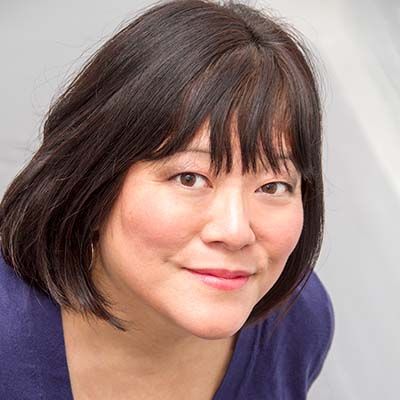
PROM star Angie Schworer, AVENUE Q star Ann Harada and Director Pamela Hunt are this episode's guests on “The Ladies Who Lunch”. Legendary Chorus Girl Angie Schworer made her Broadway debut in WILL ROGERS FOLLIES, followed by high-kicking rolls in such shows as CRAZY FOR YOU, SUNSET BOULEVARD, ANNIE GET YOUR GUN, THE PRODUCERS, SOMETHING ROTTEN!.. Read More
From the show: The Ladies Who Lunch with Donna McKechnie
Guests


Featured Shows


Videos
About
PROM star Angie Schworer, AVENUE Q star Ann Harada and Director Pamela Hunt are this episode's guests on “The Ladies Who Lunch”.
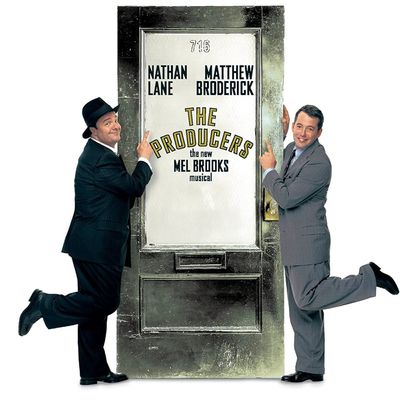
Legendary Chorus Girl Angie Schworer made her Broadway debut in WILL ROGERS FOLLIES, followed by high-kicking rolls in such shows as CRAZY FOR YOU, SUNSET BOULEVARD, ANNIE GET YOUR GUN, THE PRODUCERS, SOMETHING ROTTEN! and most recently as Angie in THE PROM.
Beloved performer Ann Harada made her Broadway debut in M BUTTERFLY followed by performances in SEUSSICAL, AVENUE Q, LES MISERABLE, 9 To 5 and, most recently, Rodger & Hammerstein’s CINDERELLA.
Originally an actor and dancer, Pamela Hunt has directed and choreographed shows at Regional Theaters all across the U.S. and Europe.
Produced by Dori Berinstein and Alan Seales, music composed by Matthew Sklar.
Part of the Broadway Podcast Network.
Every episode is recorded live at the legendary Sardi's restaurant, 234 W 44th St, New York, NY 10036. Thank you so very much to Max Klimavicius, Sean Ricketts, Beth Shafeman and the entire Sardi’s family for your tremendous kindness and delicious cuisine!
Transcript
This transcript was automatically generated and might contain errors.
[0:27] Donna McKechnie: I am so excited to see you all here. Uh, the ladies who lunch. I mean, uh, Stephen Sondheim said we are probably not the uh kind of women he thought of when he wrote this song because who has time? But I'm, I don't know, I'm a big fan, and uh, I can't believe that we haven't worked together, Pamela Hunt.
[0:47] Pamela Hunt: Yes.
[0:48] Donna McKechnie: You have, you're, you know, a fantastic director. I Googled you.
[0:52] Pamela Hunt: Yes, I did too.
[0:53] Donna McKechnie: Oh my god. Well, the theaters you've directed at. I mean, also you've the York Theater in New York.
[1:00] Pamela Hunt: Yes, many great shows, and congratulations on your, uh, you were nominated for a Drama Desk for What is That Music?
[1:10] Pamela Hunt: And, uh, we had a great success with it there. It played, it came back, and then it went off-Broadway for a year at New World Stages. And then it's played all over the country, and I'm still getting residual checks.
[1:21] Donna McKechnie: Yeah, so it's, it was a lovely thing.
[1:23] Pamela Hunt: That's great.
[1:23] Donna McKechnie: And Ann, you and I all worked together one night. Remember the bomb?
[1:27] Ann Harada: Yes, of course.
[1:29] Donna McKechnie: How could I forget? Um, remember that show we did, um, the Bombshell concert from Smash for the actors? That's how we crossed paths for a moment.
[1:38] Ann Harada: But really, yes.
[1:40] Donna McKechnie: And we shared a dressing room. And, uh, she played, of course, um, Ivy's mother.
[1:47] Ann Harada: That's right.
[1:49] Donna McKechnie: But, uh, also I'm a big fan, and I could kick myself because when I'm going over all of the great shows you've done, Avenue Q, that's when you were just, uh, when the New York Times, you know, this star-making review. I mean, that was so, was that the first? Really, it was certainly the first time anybody noticed me.
[2:09] Ann Harada: Yeah.
[2:10] Donna McKechnie: Big time. And because I just saw the show just recently when they redid it, and what a great, was that must have been a fantastic.
[2:18] Ann Harada: Oh, it was the greatest experience.
[2:19] Donna McKechnie: And you then you did it in London.
[2:21] Ann Harada: I did.
[2:21] Donna McKechnie: Oh great. But doesn't always happen when you originate a role.
[2:24] Ann Harada: No, that was just Sherlock. The actress they had hired, um, got a TV show at the last minute and backed out, and they were absolutely desperate. So, um, Cameron Mackintosh, who produced it in London, called and said, "Are you available to come over?" And I had just left the Broadway company.
[2:43] Ann Harada: Wow, because I just had my son and I wanted to spend some time at home with the baby. And then he was like, "Do you want to come to London?" I was like, "Yes, I do."
[2:52] Donna McKechnie: Did you pack up the baby if you did?
[2:53] Ann Harada: Of course not. I said, "Look, I sort of have a weird situation. Uh, Mr. Mackintosh, I have a husband and a baby, and my parents live with me," and he was like, "We'll bring them all over." I was like, "Okay."
[3:07] Donna McKechnie: That's why he's a good producer. Like, if he needs something, he has the means to get it.
[3:12] Ann Harada: That's amazing.
[3:13] Donna McKechnie: And Angie Schworer.
[3:14] Angie Schworer: Yeah.
[3:14] Donna McKechnie: Okay. Can I say again how great you were in the show, The Prom? I love the show. I loved everything about it.
[3:20] Angie Schworer: Thank you.
[3:21] Donna McKechnie: But you were a standout. And you were like, really, do you know each other? Have you just met?
[3:25] Angie Schworer: We were just kind of meeting, yeah.
[3:27] Donna McKechnie: So you were like famous before you became famous in that show, right? You were known.
[3:31] Angie Schworer: We, everybody—
[3:34] Ann Harada: No, I've never been famous.
[3:37] Angie Schworer: Well, you were, we all knew.
[3:39] Ann Harada: We all knew about you.
[3:40] Angie Schworer: Well, maybe just because I've been around.
[3:44] Donna McKechnie: Yeah, yeah, you know, um, that counts. But we did get to do, I did a moment of Bombshell with you, oh, if you remember, in the room. I mean, you were just so lovely and so fantastic in that. But we did one little moment in the studio where Scott and Mark had asked me to come and just read the Deborah Messing stuff in the studio. So I wasn't in the show, but that was like, I was, that's the one time I got to be in the room with you. I was so excited, but you know, fun to get to watch.
[4:12] Angie Schworer: Thanks. I, I just, I was probably so traumatized by stepping in and doing something I know before, but I, but I w, and I watched you, I watched you doing that, and it was amazing because I was like, it's just what we do. You're honed in.
[4:25] Donna McKechnie: I just, yeah, you know, I'm not social, but I don't socialize when I'm in rehearsal. I'm very like honed in on what I'm doing, and so I kind of watched you do that in that rehearsal, and it was quite amazing.
[4:37] Ann Harada: Well, thanks. I was like, that's why she is who she is. A great after party too, isn't it? But I love your story, Angie. Thank you. I love the way you started as a dancer, right? Always, always growing. Always did you have the dream as a young girl?
[4:37] Angie Schworer: You know, it's so funny. People ask me this in master classes, and I wanted to ask you guys because I, I didn't always know. Yeah, I wasn't like, "This is where I'm going to be. Yeah, I'm going to be on Broadway."
[5:08] Ann Harada: Or your fantasy of seeing yourself perform.
[5:08] Angie Schworer: I think I just always wanted to perform. I don't know what that was and how to have gotten to where I, you know, I grew up in a small town in Kentucky, Leroy Reims, your brother.
[5:21] Ann Harada: Oh my god, yes, um, was at the from the same dance studio. Um, he was a little older than me.
[5:26] Angie Schworer: Yes, but I knew of him on Broadway.
[5:28] Ann Harada: Yeah, but I didn't quite know how to get there, and my, I didn't really know the avenues.
[5:33] Angie Schworer: You had an idea that there that people had come before you, but I never thought I could just do it. So I just took the little shows that came to me, and it sort of got me here. I mean, it was theme parks, showgirl in Atlantic City, showgirl in Japan, MGM Studios, you know, just saying yes to whatever came my way, and it ended up being here. But I wondered, did you always know when you were little that this is what—
[5:56] Ann Harada: I always knew that. I always fantasized. The story is in A Chorus Line, my childhood story, but it's through another character. But I heard music, and I would just jump up and start dancing, and always fantasized seeing myself on a stage dancing, nothing else. I just, you know, so that I didn't know then, but I thought, thinking back as an adult, I would go that I always had that idea.
[6:28] Donna McKechnie: Now, you growing up in Honolulu?
[6:30] Ann Harada: Yes, well, outside of Honolulu, not even as glamorous as—
[6:34] Donna McKechnie: I know that sounds so glamorous.
[6:36] Ann Harada: Um, Hawaii.
[6:38] Donna McKechnie: In Hawaii, yeah.
[6:39] Ann Harada: Yeah, it was, yeah.
[6:40] Donna McKechnie: So was it the dance? What was it, singing?
[6:42] Ann Harada: Uh, oh, it was just performing.
[6:45] Ann Harada: It wasn't that.
[6:47] Ann Harada: Yeah, I mean, I saw school plays, you know. I went to this great school, Punahou, uh, Barack Obama was two years ahead of me in school. Um, and when I was, you know, I always tell this story. Like I was in sixth grade, and the high schoolers were doing Godspell. And so I watched it, and I was like, how can these high schoolers be so good? You know, and in that group of people in Godspell were two Tony nominees, um, Willie Falk and Angie Jones.
[7:20] Donna McKechnie: Oh my god.
[7:21] Ann Harada: Oh yes. And, but like I didn't know, you know, I didn't know that. But anyway, they were wonderful.
[7:29] Donna McKechnie: So they inspired you to be able to do that.
[7:30] Ann Harada: Yeah, they inspired me to go like, "Oh, people can do that." You know, like it just seemed like so far away from like my consciousness. And I started going to see plays and, you know, going to community theater plays, and I just loved it, but I never thought that I was going to be a professional performer.
[7:50] Donna McKechnie: Did you start in production? Did I read that?
[7:51] Ann Harada: Yes, I started as a production assistant.
[7:54] Donna McKechnie: You did?
[7:55] Ann Harada: Oh wow, on Broadway, yeah. I had—
[7:56] Donna McKechnie: You're on Broadway.
[7:58] Ann Harada: Well, this is what happened. I went to Brown University. Um, there was a producer who had also gone to Brown, and she was looking for an intern. So she contacted the theater department, and they basically went, "Does anybody want to be an intern for this producer?" And I was like, "Uh, I do." And I interviewed with her, and she said, "Okay." Um, and I moved to New York, and I lived in a converted garage, somebody's garage in Brooklyn. They had turned into an apartment, and I rented it for six hundred dollars a month.
[8:27] Donna McKechnie: Wow.
[8:27] Ann Harada: And I, you know, lived out of this garage, and I took the F train to work, you know, like anything, 1985.
[8:36] Donna McKechnie: So was that a treacherous train ride?
[8:39] Ann Harada: No.
[8:40] Ann Harada: It would have been in the 70s, it would have been. No, it wasn't particularly scary, but I didn't know any of it. I just learned where the F train was. Like, you know, yeah, like I literally carried my map like this in front of me everywhere I went.
[8:52] Donna McKechnie: Well, when you first come to New York, you're a young person, it's all fantastic. You're kind of omnipotent, you know.
[8:56] Ann Harada: Yeah, exactly.
[8:57] Donna McKechnie: You're just like, "I'm in the city, you know, I'm a city girl like Rhoda."
[9:01] Ann Harada: Yeah, yeah, that's funny.
[9:02] Donna McKechnie: What do I know? You know, like everything I knew was from TV shows.
[9:05] Ann Harada: Yeah.
[9:06] Donna McKechnie: I had no actual knowledge of New York City.
[9:10] Ann Harada: So when did the transition happen? Um, how did that happen?
[9:15] Ann Harada: Well, kind of because I was working as a production assistant on this Broadway show called Slight of Hand by John P. Olmeyer, who wrote Agnes of God. And this was a thriller. And we opened at the Court Theater and we closed in a week. But I had been there for the entire process of raising the money, doing the backers' auditions, you know, meeting all the people involved with putting on a Broadway show.
[9:37] Donna McKechnie: Wow, that's easy.
[9:39] Ann Harada: It was a huge education in a very short amount of time. And I had met, you know, the actors and their agents. You know, I was always at their offices because this was a long time ago, and we didn't have email, and I had to drop stuff off all the time. I would type the revisions, I would Xerox them, I would go to people's houses and either like put them under the door, you know. I mean, it was, that's how it was then. We just didn't have the technology.
[10:07] Donna McKechnie: Yeah.
[10:09] Ann Harada: You know, and I was the intern. That was my job.
[10:13] Donna McKechnie: So you could recommend this to some young person.
[10:16] Ann Harada: Well, it would never be the same now. It'd be so much different because you could just do all the changes.
[10:21] Donna McKechnie: Yeah, you can do it.
[10:23] Ann Harada: And then you email and you still get in the idea of all the things that are going on.
[10:27] Donna McKechnie: Of course, like just to be in the room when the auditions were happening was so instructive. Because then you get to see. And you know, I had come out of Brown and I was a theater major, but I wasn't like a great acting star by any stretch of the imagination. I mean, when I was at Brown, Laura Linney was at Brown. Tim Blake Nelson was at Brown. These were people who, you know, had huge amounts of talent.
[10:50] Ann Harada: It was quite obvious.
[10:51] Ann Harada: And Harada was at Brown, too.
[10:53] Ann Harada: But I wasn't, I wasn't a thing. You know, I didn't do, I wasn't great like they were. Like if you saw them, if you'd watch them act and do scene work and stuff, you'd be like, "Oh, they're not going to be a little bit." I get this, I get it, yeah, and like I'm not, I'm not that good. I probably, I'm not going to make it, you know, because you think if I'm not even that great in my school, how could I possibly make it in the real world? But I didn't realize then that sometimes it's your uniqueness that helps you get work. But you know, so I was, you know, I was doing, I was meeting all these people being the production assistant, and I met everybody's agents, and one of them was a manager who, uh, I don't know, we kind of clicked, and they came and she came to see me, you know, do my club act.
[11:26] Ann Harada: Where was that?
[11:26] Ann Harada: I want to see the Duplex, you know, back in the day. And they were like, "Well, we'll send you out." I was like, "Really?" And that's sort of what happened.
[11:59] Donna McKechnie: Did you write that show yourself, or did someone help you?
[11:59] Ann Harada: Yeah, no, I wrote it with my director.
[12:06] Donna McKechnie: Okay.
[12:06] Ann Harada: I had an idea, you know, see everybody knows you have to direct it. Well, also I worked in this office, right? I worked in this producer's office, and this guy, who was an aspiring director, also worked in the producer's office. And so we would talk during the day and come up with ideas around typing letters and making phone calls, you know.
[12:13] Ann Harada: You know, you had an idea though.
[12:27] Donna McKechnie: Oh my gosh.
[12:28] Ann Harada: That's fantastic.
[12:28] Ann Harada: No, it was really fantastic. It was, you know, it was a great time to be young.
[12:33] Donna McKechnie: But what so the, the first, the first show, the f, what was the first?
[12:38] Ann Harada: Oh, I, I, well, I guess it was, um, a one, two, three, four, five, Manhattan Theoretically.
[12:45] Donna McKechnie: Right, right.
[12:46] Ann Harada: I auditioned for that. I think because a girl from Brown was working as an intern in the casting office there. And they were like, "Do you know what's going on?"
[12:55] Donna McKechnie: That's right.
[12:55] Ann Harada: And they brought me in, and I got it. And I was like, "Okay."
[12:58] Donna McKechnie: So that changed your whole—
[12:59] Ann Harada: I got my equity card.
[13:02] Donna McKechnie: Yeah, that's it.
[13:03] Ann Harada: Was that your exact first audition?
[13:05] Donna McKechnie: Sorry, and was—
[13:06] Ann Harada: I don't know if it was my exact first audition.
[13:08] Donna McKechnie: But it was probably professional audition.
[13:12] Ann Harada: And you booked it.
[13:13] Ann Harada: Yeah.
[13:14] Donna McKechnie: Right.
[13:14] Ann Harada: I don't know if it was my first one, honestly. You know, it's all a blur. It was a really long time.
[13:18] Donna McKechnie: But it's life-changing to start seeing yourself, to perceive seeing yourself. To feel like you are good enough to be a professional, I thought was such a big statement to make. Because I did not have, I was not a trained person. You know, I mean, I went to school and I took an acting class, but I was, you know, a liberal arts major.
[13:41] Ann Harada: Yeah.
[13:41] Donna McKechnie: I mean, I wasn't, you know, a fantastic.
[13:45] Ann Harada: So you said something that I read once that was very moving, and I think we can all agree. It's, it's, you said something about being a journeyman.
[13:53] Ann Harada: Yeah, I am.
[13:54] Donna McKechnie: And, uh, and I relate to that too, because being, you know, doing A Chorus Line and, and I love the character with Cassie when she said, "I want to do it, I love as much as I can for as long as I can." And I went, "Gee, I always felt good saying that." You know, it was kind of a, you know, affirmation of something I really believed in, because you know, we're still here.
[14:14] Pamela Hunt: I still say that.
[14:15] Ann Harada: That's it.
[14:15] Pamela Hunt: I still say that too.
[14:17] Angie Schworer: Yeah.
[14:26] Pamela Hunt: Um, and I know that area.
[14:26] Pamela Hunt: I'm from Indiana.
[14:26] Pamela Hunt: I was in a nearby state in a farm community.
[14:26] Ann Harada: Right.
[14:26] Pamela Hunt: Nobody was in what city?
[14:30] Pamela Hunt: Carthage is the name of it.
[14:32] Pamela Hunt: 1060, or like to say 1059 people know.
[14:36] Pamela Hunt: Uh and so it's a little bitty town, and my mother was good enough to drive me to tap lessons.
[14:41] Pamela Hunt: Um, there was someone came from Indianapolis.
[14:44] Pamela Hunt: I I even then thought, they're not very good.
[14:45] Pamela Hunt: You know, as you know, there's good tap technique and bad.
[14:48] Pamela Hunt: So she's big.
[14:49] Pamela Hunt: Yeah, so she drove me to a guy that danced with Eleanor Powell, and it was a little town named Connorsville, and I went there for years, and then I actually got in, studied some ballet, got into Butler University and went there and got my BA there.
[15:04] Pamela Hunt: Wanted to be a performer, went to Chicago first, which was a very good move for me.
[15:08] Ann Harada: So when you were wanted to be a performer, where did you get it?
[15:13] Pamela Hunt: Dancing, I think, first.
[15:14] Pamela Hunt: Yeah.
[15:14] Pamela Hunt: I I don't I don't know.
[15:15] Pamela Hunt: My parents I I think TV movies, my parents did take me to Indianapolis to see a lot of road companies early on.
[15:21] Pamela Hunt: And then they took me to New York, and I was like, never I remember I forget what we saw, but I'm like, oh, I'm coming out of the theater.
[15:27] Pamela Hunt: They said it was very good.
[15:28] Pamela Hunt: I was like, I'll never be the same.
[15:31] Pamela Hunt: I want to do the yeah, and so so I did then I went to Butler and then I I came to New York and I started performing.
[15:38] Pamela Hunt: I was in something with actually God rest her soul, the late Georgia Ingle.
[15:42] Pamela Hunt: We did Lyndon Ear, that was an ELT.
[15:44] Pamela Hunt: That was I got a nice did some really specialty things.
[15:47] Pamela Hunt: Then I did that, and what happened to me was I was at a callback, I might as well date myself for the magic show for the Anita Morris part.
[15:55] Pamela Hunt: Right.
[15:55] Pamela Hunt: And I did a funny thing, and I I said, you know, I don't sing well enough.
[16:00] Pamela Hunt: It's interesting.
[16:01] Pamela Hunt: I just don't.
[16:02] Pamela Hunt: I heard this, I said, I'm not gonna get the things I'd like to get.
[16:06] Pamela Hunt: And so all at once I was offered a choreography job from that led to a directing job.
[16:12] Pamela Hunt: And once I got that, I never looked back.
[16:14] Pamela Hunt: And it was hard when I started because there still were not a lot of women.
[16:19] Pamela Hunt: Still not a lot of women directing, but really there weren't.
[16:21] Pamela Hunt: I remember somebody sat with me and said, I want to tell I'll go through this list of the regions or whatever of the places that like women.
[16:28] Pamela Hunt: I went, okay.
[16:30] Pamela Hunt: So I really didn't realize how difficult it was gonna be, you know, but I just kept doing it and I did well.
[16:36] Pamela Hunt: I just there was not a lot of women choreographing directly.
[16:39] Ann Harada: Or directing, yeah, yeah.
[16:40] Pamela Hunt: Just no, no, no.
[16:43] Ann Harada: So you negotiate your butt by just maintaining, just doing job after job and make it like you say, networking and such a.
[16:51] Pamela Hunt: And sort of my story too.
[16:52] Pamela Hunt: I was married, and then my my husband passed away, so I had to keep, I said, Well, I'm not gonna go, I'm gonna work at something I love, you know, and I'd started directing.
[17:01] Pamela Hunt: So I just kept at it.
[17:02] Pamela Hunt: I have a good agent, and that's just the thing.
[17:04] Pamela Hunt: I just kept, you know, and met good people along the line who helped me, and that's just kind of it.
[17:08] Pamela Hunt: Just keeping up with, you know, it's like we have so many friends in common.
[17:13] Ann Harada: And what was sort of the end of the, I I don't want to say the end of, but you know, like Kay Ballard, I mean all of those those wonderful people, Jane Connell.
[17:21] Ann Harada: I mean, I loved her like a big thing.
[17:23] Pamela Hunt: Well, we did one little a little short story.
[17:25] Pamela Hunt: We we did a show, I was asked to do a new show at Paper Mill, and we were workshopping at first, and they said, Well, we're gonna do a Pam, you're gonna direct it, but um, this is I think the late 80s, early 90s, and she said, and it gonna have a star, it's gonna be Kay Ballard.
[17:39] Pamela Hunt: And I said, Oh, you want me to work on something new?
[17:41] Pamela Hunt: Because I knew that we won't get into it, but it was a little rocky, you know, the script, and I said, Okay, it's a star, but let me do it.
[17:47] Pamela Hunt: Well, of course, what ended up happening is she and I hit it off.
[17:50] Pamela Hunt: Yeah, and she said, Would you come and revamp my club act?
[17:53] Ann Harada: Wow.
[17:54] Pamela Hunt: Which is what I did, you know.
[17:57] Pamela Hunt: Yes, yes, yes.
[17:58] Pamela Hunt: And so it was from then on, and she was also Henny Youngman jokes.
[18:02] Ann Harada: Yeah, oh God, she was so funny.
[18:05] Pamela Hunt: Just and we did other things, and I got her some gigs too, which was great.
[18:08] Pamela Hunt: I think you know, I did a thing for the Indian Symphony.
[18:10] Pamela Hunt: So it was it was just interesting how it all worked.
[18:13] Pamela Hunt: And I always told young people, take the job, you do not know who you're going to meet.
[18:17] Ann Harada: Yeah.
[18:17] Pamela Hunt: When people get like, I don't know, you just do not know what the connection is going to be.
[18:21] Pamela Hunt: And I've found that all along.
[18:22] Ann Harada: And you never miss performing after that.
[18:25] Pamela Hunt: Not a minute.
[18:26] Pamela Hunt: You never missed it.
[18:27] Ann Harada: You do a lot of comedy.
[18:28] Pamela Hunt: And I sort of decided to, as a woman, to kind of focus on that.
[18:32] Pamela Hunt: I do a lot of plays.
[18:32] Pamela Hunt: I do as many plays as I do musicals.
[18:34] Ann Harada: You have such a variety in your work.
[18:36] Pamela Hunt: Well, I kind of made it my business at one point to say I've got to do the play, because it's hard to do if you start with one thing, and to do comedy, because strangely enough, I think not as many women, or at least when I did comedy, or maybe even do comedy.
[18:49] Ann Harada: Yeah.
[18:49] Pamela Hunt: And so I kind of focused, honed in on that, and it's been it's worked well for me, you know, just to kind of it just sort of happen, and I just sort of, you know, formed.
[18:57] Ann Harada: That takes the special talent though.
[18:59] Pamela Hunt: Yeah, it's just and as I said, Kay was great.
[19:02] Pamela Hunt: Yeah, you know, presenting.
[19:03] Pamela Hunt: And we had a lot of laughs, and you know, she had such great material, and I would encourage her because she said, a little late again.
[19:09] Pamela Hunt: I'm tired of that material.
[19:10] Pamela Hunt: I said, put this back in.
[19:12] Pamela Hunt: She had some of the best special material I've ever heard anyone doing.
[19:15] Pamela Hunt: Arthur Siegel's working on the case.
[19:17] Pamela Hunt: Yes, and she just had this great song cut teeny tiny.
[19:20] Pamela Hunt: Have you ever heard that?
[19:21] Ann Harada: Yes, the little teeny tiny man that walked, she told this little story, and it was and she also played the flute.
[19:27] Pamela Hunt: She was very uh she was very there's something about her that I don't think people understand.
[19:32] Pamela Hunt: They think, oh, she's kind of broad and was broad, but she's also very delicate.
[19:36] Ann Harada: Well and had an unbelievable, great singing voice.
[19:40] Pamela Hunt: I mean, just amazing.
[19:41] Pamela Hunt: So that was she did this fantastic.
[19:43] Ann Harada: There's a documentary.
[19:44] Pamela Hunt: Have you seen her documentary?
[19:46] Ann Harada: Yeah.
[19:47] Pamela Hunt: I have not seen it.
[19:48] Pamela Hunt: It's fantastic.
[19:49] Pamela Hunt: And she's on a TV show.
[19:50] Ann Harada: She did a lot of television.
[19:52] Pamela Hunt: Can I tell you something funny about that?
[19:53] Pamela Hunt: She said, Well, Pammy, I've got the the documentary is coming out.
[19:57] Pamela Hunt: She said, I think it's at least as good as Rosemary's.
[20:01] Ann Harada: So you never lose your competitive edge.
[20:05] Pamela Hunt: No matter what level, right?
[20:06] Pamela Hunt: You know that so this is something I was thinking about because I always like to know why we do the things we do and how and how we're talking about the work and how we sustain ourselves, you know.
[20:19] Pamela Hunt: Um there are two little instances I want to relate that happened to me and that started me thinking about this, and then I'll throw the question out to the table.
[20:28] Pamela Hunt: Uh the first situation was um Sada Thompson.
[20:32] Pamela Hunt: Do you remember Thompson?
[20:35] Pamela Hunt: Fantastic actress.
[20:36] Pamela Hunt: She starred in Twigs, George Firth's play.
[20:40] Pamela Hunt: And I was really just kind of starting out, and I went to the uh Tony Awards, had a big celebration.
[20:46] Pamela Hunt: She won the Tony, best actress in the play.
[20:50] Pamela Hunt: And uh I was shy because I just adored her, so I'm a big fan, and I get really shy.
[20:58] Pamela Hunt: And I go, I have to go up and congratulate her.
[21:00] Pamela Hunt: And I got the nerve up, went to congratulate her, and I said, Congratulations on your Tony.
[21:05] Pamela Hunt: You were so wonderful.
[21:06] Sada Thompson: Yeah, but I don't know if I'll ever work again.
[21:10] Pamela Hunt: And she just said it like that, and I went, she didn't say, I don't know when my next job is really.
[21:17] Pamela Hunt: She said, I don't know if I'm ever gonna work again.
[21:20] Pamela Hunt: And I just was stunning.
[21:23] Pamela Hunt: Okay, the second one is um my I shared a voice teacher, I don't think I'm speaking out of school, um, uh Marge Rivingston with Bette Midler, who I adore.
[21:35] Pamela Hunt: Uh she's you know, passionate, she cares, she's so good.
[21:41] Pamela Hunt: She sold out Madison Square Garden, and Marge would go uh to her dressing room after uh and warm her down, you know, vocalize her before the show and then warm her down.
[21:53] Pamela Hunt: And she told me she came into the dressing room and Bet had her head in her hands, and she was going repeating over and over, it's over, it's over, it's over.
[22:06] Pamela Hunt: And it made me laugh because I thought, well, it's either like a joke and affect, you know, like huh, it's all or she was or she was feeling it that it didn't work, the show or something, and it was so stunning again that it made me laugh, but I thought that it's over feeling, you know, and I thought reflected on the times that my sister had to remind me that in my lowest ebb, there's always something that comes up when we talk when we talk about it later.
[22:37] Pamela Hunt: But I I get really into a place where I go, I don't know, I I is it over?
[22:44] Pamela Hunt: So I'm putting the question out there you put all this it is that's that's is it over feeling?
[22:51] Ann Harada: When does that have you ever had that?
[22:54] Angie Schworer: I'm having it right now.
[22:56] Angie Schworer: How do you bring yourself off the ledge?
[22:58] Angie Schworer: How do you talk yourself off the ledge?
[22:58] Pamela Hunt: I don't know.
[23:00] Angie Schworer: I don't because I don't think it's over.
[22:58] Angie Schworer: Yeah, that's good.
[22:58] Angie Schworer: I know I feel like I've had so many like long stretches of nothingness that I always just go like this is this is this and something will come along and something does.
[23:23] Pamela Hunt: That's very healthy.
[23:24] Angie Schworer: I don't at this point now I'm like I don't worry about it.
[23:30] Pamela Hunt: That's good.
[23:31] Angie Schworer: Um and I it doesn't I don't I don't know what I don't know that I need to say like I don't care.
[23:38] Angie Schworer: I do care I want to work I love to work.
[23:41] Angie Schworer: Um but I but you also have your son is that you I don't fear yeah you know like a break in the action um and I kind of enjoy it actually you can have a life sometimes but Angie now that the show is so everybody loved that show and they loved you in it it was it was fantastic so thank you and it's a family you know kind of a show is a is an intimate wonderful experience and I got a feeling from watching it that everybody it was a lot of love backstage.
[24:15] Angie Schworer: Yeah we've been together for a long time Brooks Manskiss Beth Level Christopher Siewer and I have been doing it for seven years.
[24:23] Angie Schworer: Wow so the four of us from the first table read in fact I'm seeing them later tonight we miss each other so much.
[24:28] Ann Harada: Oh that's great um so how do you how do you separate from that?
[24:32] Angie Schworer: Well I do have a crash a little bit?
[24:35] Angie Schworer: Yeah, I am.
[24:36] Angie Schworer: I think I finally have that the the three weeks after I literally had something planned every second of every day, as you well know.
[24:43] Angie Schworer: I may have may or may not have seen you at steps there.
[24:47] Angie Schworer: Um I have something planned, and I think I wasn't allowing myself to crash.
[24:52] Angie Schworer: You know, you just keep going, keep going.
[24:53] Angie Schworer: Um but um I do.
[24:56] Angie Schworer: I uh every time I close a show, I always it's sort of a joke to friends that know me.
[25:01] Angie Schworer: I've always like I always go, bye, Broadway, like when I leave the stage.
[25:05] Angie Schworer: Because I always in my in my head, I always go, it's the last thing I'm gonna do.
[25:10] Angie Schworer: But I think in my heart, yeah, I do know that I do have a network of people.
[25:15] Angie Schworer: Yes, and if there is something right, I'm very specific, so if there is something right that I'm right for, it will come along.
[25:22] Pamela Hunt: Right?
[25:22] Ann Harada: Right, yeah.
[25:23] Ann Harada: Because you have done so many different things.
[25:28] Angie Schworer: I have your musical background.
[25:30] Angie Schworer: I have, but mainly chorus.
[25:33] Angie Schworer: Yeah, right?
[25:34] Angie Schworer: Um, Ula and the producers, and then Angie.
[25:37] Angie Schworer: Angie was the only thing I've ever really created.
[25:39] Ann Harada: Yeah.
[25:40] Angie Schworer: Um also this is history making because I had a Donna McKechnie type audition once, but I didn't get it.
[25:48] Ann Harada: Oh that's really hard, you know.
[25:51] Angie Schworer: But you had a um uh a character named after you, right?
[25:55] Ann Harada: Right, what have thought of it?
[25:56] Angie Schworer: What if I don't what if they do it regionally and I don't get it?
[25:59] Angie Schworer: But then what do I do then?
[26:01] Angie Schworer: But they wrote it for you, yeah, and then they kept your name.
[26:04] Ann Harada: I mean, that is that's fantastic.
[26:06] Angie Schworer: I it was funny because that was Casey Nicola on the set of Smash.
[26:10] Angie Schworer: Were you I were we on the same, you were always on the episode, she was out there, and we were at going to craft services, and he said we're writing the show, and we call the character Angie Shore.
[26:18] Angie Schworer: They just had a chorus girl, and they just kept he goes, we call her Angie Schwar.
[26:22] Angie Schworer: And they just never changed, they they call I'm Angie Dickinson actually in the show, but they just never changed the first name.
[26:29] Ann Harada: Yeah, we're the only ones that get it.
[26:31] Angie Schworer: No, none of the younger people get it.
[26:32] Angie Schworer: But um that's right.
[26:34] Angie Schworer: Yeah, um, but uh so that yeah, I don't know.
[26:37] Angie Schworer: That was just all surreal, and I feel like now that it's over, it was like a dream, and what what I said to you earlier was um, you know, I just did my dream role that someone wrote for me.
[26:49] Angie Schworer: Like, what do I do after that?
[26:50] Ann Harada: Yeah, what do I do?
[26:52] Angie Schworer: Yeah, it's tough.
[26:53] Angie Schworer: It's like competing with uh I mentioned on a show here that uh Michael Bennett knew before anybody, because he didn't have to do the show, but he knew that the show was gonna nobody could compete with that show.
[27:09] Ann Harada: It's gonna be very hard after line.
[27:11] Angie Schworer: We had just moved to the Schubert, right across the street.
[27:14] Ann Harada: Love that theater.
[27:15] Angie Schworer: Yeah.
[27:16] Angie Schworer: And you know, it's true, you you have to just forge ahead and create the demand in another way, but and it and I agree with you, Anne, it does work.
[27:27] Ann Harada: It does just really oh, here we go.
[27:30] Angie Schworer: Hi.
[27:31] Angie Schworer: Ooh, deliciousness.
[27:32] Angie Schworer: Very nice.
[27:32] Ann Harada: We have a chocolate.
[27:36] Angie Schworer: Thank you very much.
[27:39] Ann Harada: I think you know, we have a joke in our house um about how for the rest of my life I'm gonna be Anne Avenue Q Harada.
[27:47] Angie Schworer: And I'm really happy to have that as my mail name.
[27:50] Ann Harada: Certainly.
[27:50] Ann Harada: Because nobody can take it away from it.
[27:52] Ann Harada: That's right, because you originated the role, and that's what you're known for, and whatever, and that's your thing.
[27:56] Angie Schworer: And for the rest of your life, you're Donna Chorus Line.
[27:59] Ann Harada: I know, and I didn't like it at first, but she looked.
[28:02] Angie Schworer: I know, why not?
[28:04] Angie Schworer: Okay.
[28:05] Angie Schworer: Because uh it's like Andrea McCardell and I worked together, and she's you know, Tomorrow is her song.
[28:13] Ann Harada: Yes, and she got tired of singing it, and I got tired of singing, you know.
[28:16] Angie Schworer: And then it hit us both as we grew up a little bit, you know, that and changed.
[28:21] Ann Harada: No, it's nobody it it's always here. It's like and it's and it's when you've been when you've been able to be in a Broadway show and originator role. Bon appetite ladies.
[28:32] Angie Schworer: Yes, cheers. I'm thank you. Thank you. Very well. Um, you know, I'm so grateful now. I uh I have a whole different perspective on it um with time, but but also experience, and uh I'm very proud of the show, of course. But do you know I admired when I was 20 years old, I did uh forum with um national tour with uh Chisa Chang and I would admire her then because she was so determined to bring a theater company for Asian actors um to to begin, you know, and start something to get that ball rolling.
[29:10] Pamela Hunt: And I thought and I admired her, and I just saw her recently. I mean, that's I can't even I might sneeze if I say the number, yeah, but you know, 45, 40, 50 years ago. Still going.
[29:25] Ann Harada: Was that an issue negotiating in theater?
[29:29] Angie Schworer: Of course. Yeah. You know, it's an issue for it's hard for a woman. It's hard for a woman's, you know, like I mean, I can't imagine what it was like for her. Do you know what I mean? Or in that generation, because it was so much worse.
[29:42] Pamela Hunt: Yes, but I think that's what you know you know when you think about Bayork and you know, who's had an extraordinary career. But you know, also kind of limited because of who who she is. She's so tiny person. She, you know what I mean? She could have had other roles, but they just weren't considering her because she was Asian. But like you said, she was very unique and very specific. And you know she wanted to, you know, very generously, but I think admire her so much too.
[30:13] Ann Harada: Well, I was uh co-president for a couple of years, um, a year ago of the League of Professional Theatre uh Women, and we honored her. She was honored for her work.
[30:22] Angie Schworer: Right. So we try to do that from time to time. Right. You know, every year, right? A chance part uh um Bayork said, I you know I want them to sing the cla the American classic Rogers and Hammerstein um all these roles that they won't initially until it breaks down a little bit, get cast in and have that experience because we do shows and we learn from the roles that we get and from we learn so much, you know, from the plays we do, and so that's I was just curious because Tisa is still going strong and and she's in a remarkable.
[31:01] Pamela Hunt: Oh, absolutely. You know, and I think that we all recognize, I mean, I think all certainly the actors of my generation and hopefully the actors after me recognize that like these people who had to blaze these trails pretty much all by themselves, but not a whole lot of help or support.
[31:19] Ann Harada: Right, you know, they are the ones who really kind of open the door. Right, you know. Um, and now, you know, I meet young actors all the time who look at me like, oh, you know, I listened to you when I was growing up.
[31:35] Angie Schworer: I know. You know, like good for you. You know what I mean? But you're like, like you're just part of a chain.
[31:43] Pamela Hunt: Yeah. Right. You know, but you help them find their niche. Just like them find their avenue. Which way to go. If your presence, you know, if you if your representation inspires somebody else to do it, that's huge. You know, that's that is part of why we do it. That's part of why we do it.
[32:01] Ann Harada: You know, I remember being 15 years old and standing in the wings, and this is something I want to ask each of you. If you, you know, you we have those I call it in the wings, uh, people that you watch, you learn about theater, about what and you get inspired by people who have paved the way. I would stand in the wings as a 15-year-old and watch Jeanette McDonald, who was originally in the film. Uh, she was on the cast theater stage, and she was 60 years old at the end of her career. And of course, that role uh that she was portraying was a young girl, and you know, ended up to be an older woman, and she still had that very light high soprano, uh, but it was beautiful and pure, and I remember standing there and going, I just got the concept. Oh, she's I'm here, and she's and I want to do that, and that's what we do. We keep moving, you know, and and doing and sharing in different ways.
[33:07] Angie Schworer: So that was that was your wings.
[33:10] Ann Harada: I don't I don't know that I do because I had said earlier, I and I don't want to say it was being naive or stupid. I just I just found the joy where I found the joy, and I and that's what got me here. But um, I will say I was planning a whole different life. I I was working at Disney and Orlando, and I knew a million people that had moved to New York, and were way more talented than me and weren't working.
[33:41] Pamela Hunt: And so I was like, I'm working at Disney, making a great paycheck. I did every show uh in Orlando. Orlando. Sorry, Walt Disney World, sorry. Uh doing every show on property, being a dance captain, running the show, doing this. They needed girls. I got girls to do this convention show. I was gonna build a house. I was probably 24. I was like, this is this is good, I'm good. And then through working with someone at Disney, again on relationship, my friend DJ Salisbury, was a PA on the WILL ROGERS FOLLIES, and he said, I think you should come up and audition for this. I had no idea what the show was, so I wasn't all in like Broadway, uh like I just didn't really know.
[34:21] Angie Schworer: And one of the prerequisites was being five foot eight. So I had that beat because I'm almost five, ten and three quarters. So I flew up and auditioned. I got it. I gave my notice at Disney, I pulled the down payment from the house I was gonna be. Oh my gosh. And I moved here. So I you know it's just a little different path for me.
[34:40] Ann Harada: New York, the New York experience.
[34:41] Angie Schworer: The New York experience. And what you were saying was you feel you kind of walking around going, oh, I'm like Rhoda or whatever it was you said. Mine was a little different because we did the workshop of the uh WILL ROGERS FOLLIES at the Palace. I'm sorry, at the um at the Niederlander on 41st Street. This was 1991. So it was a little sketchy for old bands from Kentucky. So I would kind of walk everywhere. I was nervous to take the subway. Dana Moore, who was in the show with me, she kind of helped me with the subway a little bit. But yeah, I would say my in the wings moment probably didn't come till then.
[35:19] Pamela Hunt: Yeah.
[35:19] Angie Schworer: Because I watched Tommy Toon and Jeff Calhoun creating. I uh Jerry Mitchell was in the chorus with me. I would watch him, I would watch Katie Huffman, and I was a swing. So that was my first job, having to learn all of those women. And so that was the awesomeness of I think that would be my in the wings moment because I watched how everybody worked.
[35:39] Ann Harada: And you decided this is for me.
[35:41] Angie Schworer: Yeah, I didn't know how, I didn't know the creation of it of a book show until probably then. I had done some in college, but uh not until then. I was like, you watched it being created as it was happening.
[35:55] Pamela Hunt: I don't know if I had an in the wings moment, but I just remembered watching these funny women and why I wound up in comedy. And you know, I think I saw Kayo on TV, but Pat Carroll, I've also worked with her quite a bit. And so just you know, just seeing the kind of work that they did and thinking, oh, that's you know really loving funny people. And I don't know if I really had a moment in the wings, but I think that was that was just what I saw on TV and what I saw in the theater inspired me, not particularly when I was doing it.
[36:26] Ann Harada: Right. Yeah. I love your story though of just uh um going right into the choreographer part, and it was literally because you said yes.
[36:36] Pamela Hunt: Yeah, and I did, right? And I hadn't thought of it. What if you were saying, you know, and I just said that my husband was still with us at the time, he said, you know, you'd be great at that. And I said, okay. And then and the director who was saying said, you know, you're gonna be directing really s shortly. Because he said you've got the head for it, you're you know, and that that's actually what happened. And I made a decision at one point that I mean I think I choreographed okay. I mean I I think I it it got me a lot. I do a lot I've done a lot of small quirky shows where I like it to be one one idea. But um I just think that um I'm very glad I did it, but then I I made a point that I am going to direct and I was offered career and turn them all down. I said I don't think 'cause I also as a woman I said you're gonna be second in command. That's just how I looked at it.
[37:27] Ann Harada: Yeah, yeah.
[37:27] Pamela Hunt: And I stuck it out and it you know that's a good one. Yeah, and then got to be it got to work out that you know then plays happen later. I'm gonna need all the guns I can get, right?
[37:37] Angie Schworer: Yeah, because I just I just that you know if I do that, then it's gonna be much harder to um, you know, you know.
[37:43] Ann Harada: But what I like is that you someone said because whether it's a mentor or someone encouraging you, someone said you should direct.
[37:51] Pamela Hunt: It just it yeah, it was it was a direct. I believe that uh you know sometimes it's just someone giving you a little nudge, just a little nudge like that. And then I think it was the next one who really I mean, I was doing a lot of stuff, but it was Kay just said, you know, you're really funny, and you know, she recommended me. I did a big production of a forum and I had to have permission from Larry Gilbar, and she called Larry Gilbert.
[38:14] Ann Harada: Oh that's amazing.
[38:16] Pamela Hunt: You know, that's that's a good thing that really helped. She said she's really funny. She'll she'll do it right. So, you know, it's just it's interesting how along the way, you know, and uh we're lucky, you know. There's there's there's always someone to look up to, I think, you know.
[38:31] Ann Harada: Yeah, I I think so too. And and to like help, for instance, always I said this before many times, but he uh, you know, he always said if you just need one person or one encouragement, you need every young person needs someone to say you can do it, or in some way say you can you can do what you love, you know, if that's the main thing. Because it's too hard, right?
[38:52] Pamela Hunt: Well, it's too hard to know, you know. Like again, you know, I was from small places, people are from small places. We don't I didn't have the experience of like I've seen every show on Broadway, and I know I'm as talented as that for no concept. Do you know what I mean? You're just in your own little space doing shows, going like, I like this, but I don't know if I can.
[39:17] Ann Harada: And for me, it was do you remember Roger Manami?
[39:20] Angie Schworer: Yes.
[39:21] Ann Harada: Oh, yeah. I think he was uh one of Liza's dancers in Liza with the Z. He went on to do a lot of things in uh Atlantic City.
[39:30] Pamela Hunt: Oh yeah, and he was Arthur and Arthur in the afternoon, I think.
[39:33] Ann Harada: Oh, right, right, right, right, right. Okay, that's where I remember.
[39:34] Angie Schworer: I think he was in Hawaii, and he came to see this production of Forum that I was at Forum that I was in, you know, a community theater production, literally a terrible, terrible community theater production, like in a theater that was next to the mental institution.
[39:55] Ann Harada: Oh yeah.
[39:56] Angie Schworer: I mean, I'm talking about. This is not a high class place.
[40:01] Pamela Hunt: And you still learn from it, right?
[40:03] Angie Schworer: Of course. No, I mean I gotta play Philia. The only time that will ever happen in my career, because I was a young person. I was young. So, okay, so doing this thing of form. And he shows up, and somebody says, That's Roger Manami. I said, Oh, you know, I was impressed. And he was like, You you're good. You could do this. And I was like, Oh, thank you very much. You know, I had no concept of good, bad, I don't know. You know, he was so sweet to say that to me. And I sort of hung on to that.
[40:39] Ann Harada: I think it means everything.
[40:40] Angie Schworer: Yes, it did. Because it's a professional. You know, again, an Asian professional who had had success on Broadway. Like, literally, it's like he's he's done, he's done Broadway with the best that there is, you know. It's like, well, he might know. Maybe he knows. You know, maybe he's not the stupidest person ever. Um, because if you don't have that self-confidence, which I didn't have, or anybody to say you should do this, because nobody in my world had ever thought of being a stage performer.
[41:12] Pamela Hunt: Well, how was your family? How did you have support?
[41:15] Angie Schworer: I they were, they were very supportive. Amazingly it wasn't their world.
[41:19] Ann Harada: No, of course not.
[41:20] Angie Schworer: Yeah. No, how could it be? We lived in Hawaii.
[41:24] Ann Harada: You know, they have theater there now.
[41:26] Angie Schworer: They do, and they had theater there then. But it was not necessarily at a professional level. You know, we would get touring companies. I saw the tour of a chorus line that came through. Um, you weren't in it. Um you know, and like, and when I was a little kid, they would take me to see, you know, the sound of music on tour, you're a good man, Charlie Brown, yeah, you know, whatever that came through. But that's still not like a world that you think you can be in.
[41:51] Ann Harada: It's just so far away.
[41:51] Angie Schworer: Exactly. You know, it's just so just foreign to your life. Um, and it really wasn't until later, where I was like, well, I'm on the East Coast anyway, maybe I'll move to New York. This is the kind of thinking I have. Cautious.
[42:09] Ann Harada: Well, it's like wanted to work in the theater. I knew I was gonna work in the theater, I just didn't know at what.
[42:15] Angie Schworer: That's so interesting.
[42:16] Ann Harada: That's interesting. You know, because I just loved it so much.
[42:20] Angie Schworer: I did, yeah. I was like, I could take tickets, I can show clothes, I can be a dresser. I mean, it was little, it didn't matter. I knew that I was gonna work in the theater. And I just had to sort of figure out what my calling was or what I was good at.
[42:33] Ann Harada: I love that you had the list of things that you were. Oh, I don't care what it is. And I've tried most of them. That's good. You know, when I came when I one of my part-time jobs when I wasn't working in the producer's office, I worked at the box office downtown and worked in like Vampire Lesbians of Sodom, remember? Province Town place I was like a box office, you know, substitute person. They would call me if they needed somebody. Well, I yeah, so I saw the show a lot, but I mean, you know, but like just let me just go and like pretend like I knew what I was doing. Yeah, here's your credit card, miss. You know, I mean like I didn't know everything. It's such a great education though about you could do anything in theater now.
[43:11] Angie Schworer: Yeah, but I don't think. But I could, but I don't like it. But I could. So was this fun your last experience? You were just in St. Louis.
[43:22] Ann Harada: I was, I was doing Matilda in St. Louis, which of course was fun because it's a wonderful show. And hilarious on that, you know, at the meeting, I was like, you have eleven days to put it up. Good luck, everybody. And you know. And you don't know what you're doing at any point in the game. It's like by the end of the run, you're like, oh, that number was pretty good, you know. But up until then you're like, I don't know, what's happening?
[43:48] Angie Schworer: They loved it. They loved it. And Angie, have you played the Muni? Did you?
[43:51] Ann Harada: I did do the Muni. I did in The Producers.
[43:56] Angie Schworer: Ooh. You know. They didn't make me audition. Thank God. But because I had done it on Broadway. Yeah. But you don't have to. I take everyone that you have to on. Yeah, offers only. That's what I want to do till I retire. But I um and then I also did Lola in Damn Yankees there at the Muni. That was many years ago. That was uh but yeah, I love working there.
[44:17] Ann Harada: But don't you find too, besides um we were saying that you have a mentor or someone that says you can do this. Um for my career. Exactly, but my for my career specifically too, they um for some reason I had Susan Stroman who just honed in on me. Right and took me under her wing, and I've done probably a total of nine productions without her can you know first national of um you know the shows and the Broadway, Crazy for You, Broadway Producers, First National of Broadway, The Merry Widow, Big Fish, out of town, Broadway. So it's like someone hones in on you in that way too that wants you in the room.
[44:56] Angie Schworer: Right. And wants you in the room, yeah. Yes, and I think that's the other thing, and you probably have people that you do as a director and choreographer too um, and that's the same thing how the Casey Nicholaw thing came. Because you make her work look great, and she's reliable for you.
[45:12] Pamela Hunt: Yeah, I know, but obviously. And that's what people do, I think. But also, I don't know if you heard this story. This really dates me, but Eli Wallach, uh, I had an acting teacher that said he was also a wonderful actor, but he would get hired more than a lot of character actors because they just liked having him on the set.
[45:32] Ann Harada: Yeah.
[45:33] Pamela Hunt: Because he was just such a I think that's a huge a pro, and he did, and he just, you know, and it makes sense because I knew him a little bit, and he was just a fine person and uh did his job, you know. You show up, and one less thing to worry about.
[45:47] Ann Harada: Right. That's right. Right. Is that how you feel as a director?
[45:50] Pamela Hunt: Yeah. Oh yeah. If you can, you know, yeah, definitely. It just makes your life easier. And right, uh Pamela, most directors, I mean, they well, my experience anyway, is like when they leave you alone, it's like I used to want notes.
[46:06] Ann Harada: Yeah.
[46:06] Pamela Hunt: Right. You say yeah. It's a dancer in me, right? It's because it's never good enough or something. Now it's no news is good news, right? But in a but as working in actor, you know, you know, usually directors they will get on a person who they they're trying to help or you know, direct.
[46:24] Ann Harada: Yeah.
[46:24] Pamela Hunt: And if you're doing your work and you're fine and you're bringing in good stuff, they leave you alone. That's pretty much. I think that happens, and that gets people confused who are really, you know, like everything is just hunky-dory and wonderful. They go, Do you have anything for me? No. Right? Right. You know, and then you do. Yeah, you always have something.
[46:42] Ann Harada: That's just so awful. Are we? We're like, we kinda want you to say we're good.
[46:46] Pamela Hunt: Yeah, the fragile. But then yeah, right. Yeah, you know. No notes? You know, no, you're not the issue. I used to drive Michael crazy in Company because there was the big dance number that he created, you know. And I used to come and I was so neurotic about that, I would say, no notes tonight. Can you give me notes? Because I just wasn't before therapy, I nothing could ever be good enough. You know, I just could I was just, you know, it was horrible.
[47:13] Ann Harada: Yes, so hard on myself.
[47:15] Pamela Hunt: And finally he said, Yes, I have a note. I said, Oh, good, thank you. What is it? He said, You're working too hard.
[47:25] Ann Harada: That's interesting, yeah.
[47:26] Pamela Hunt: And I think of that sometimes because it's like that's a tendency for people who, you know, are um what, insecure. Perfectionist. To leave leave yourself alone. Let you know, it takes an actor, what do they say at HB? 20 years just to learn to be. You know, that you were enough. And you can't hear that enough from my mind, you know.
[47:53] Ann Harada: I think it's just it's crazy to me that anybody like you would ever think that.
[48:00] Angie Schworer: I know. That's what I'm saying. I'm just standing here like just staring at her going. But it's this is why I love this conversation, you know, because uh it is that way. And it doesn't, and oh believe me, I mean, I'm I'm not that girl anymore, but there's enough of that girl in me, do you know, that you kind of, but at least now I know how to counsel myself and and uh get that you know kind of objectivity that we need, you know.
[48:28] Ann Harada: And we're so to take it personally, right?
[48:31] Angie Schworer: No. I think we're just so lucky to have done what we get to do for how many years on every different level that we have done, and um if you would have told that little toehead girl that she was gonna be sitting next to Donna McKechnie at Sardi's, I would be like, What are you talking about?
[48:48] Ann Harada: See, I don't even get what she said.
[48:50] Angie Schworer: See, I know, but I do.
[48:54] Ann Harada: I came up on my phone, I didn't know who it was. I was like, I guess I'll just answer it. I'm on vacation. Hello. Hi, this is Donna McKechnie. And I literally almost had a heart attack. Because I just thought, like, who would have thought that at any point in my life I'd answer the phone and it would be Donna McKechnie.
[49:15] Angie Schworer: No, he's not a club. But I'm going, I'm talking to Ann. She's been on Broadway and she was, you know.
[49:22] Ann Harada: So I was on you. We're on Broadway. This is what we do. I gotta get out more often, I guess.
[49:28] Angie Schworer: You do.
[49:29] Ann Harada: Yeah, exactly. Now what I also uh we're we're how's food, by the way. We're just working on it. How many times have we been in Sardi's one of my favorite restaurants for all these old people? I love coming here. Just wonderful. It just feels like the other thing I I just I because I don't have an immediate family, you know, and and I admire women like yourself, Angie. You know, you have a you married into immediate my second husband, yes. I raised two step teenagers from 10 to 12. They're now 23 and 25. Wow. And I have a little grandbaby. And it was the hardest thing I've ever done. They lost their mother, so I just took over and I was like, I got this. Right. We can do it. You know we are, you know we're workhorses. I got this. And it was hard, and it was emotionally abusive and hard, and we just made it through, and now I'm reaping the rewards. But it took a while.
[50:28] Angie Schworer: And you're working as well.
[50:30] Ann Harada: I was. We moved to Chatham, New Jersey for about six years while they were in um high school. And a little before their high school. Those years. Those years. And then I did a few shows. I just had to do the commute. And it was hard. I'm a city girl. I love being in the city. Um then once they graduated from high school, we moved back. Um and they went to college and they're doing great now. Yeah. But um, it was hard. But it also it was my foundation of life, and this is what I have to do. And I think it enhanced what I do, and I was like, that was my sort of respite of like, oh, I can go work now. Right. Even though you're working at home. But I think they all sort of intertwine and made each other, made each thing better. They didn't give one iota crap that I was playing Ula on the city.
[51:23] Angie Schworer: So that's how they met me? I was playing Ula. So that's how I met them all. Well the prom is the of the I mean they know you saw it in a way that's oh they don't care because that what I am on stage is you know it's uh to them I'm just Nagy Angie asking them to, you know, clean their room or do whatever. Um but now it's good, you know, they're older now, and my stepson just moved out into his own place in Astoria, so it's good. And you know, we didn't we didn't uh enable them. You know, they're tough. And I think it was good. I don't know, maybe there were things I could have done differently, but it was the way it was supposed to go. And yes, and uh ever and you have a son.
[52:06] Ann Harada: I do have a son.
[52:07] Angie Schworer: I love I I saw she raised him from a baby baby, yes, I saw Elvis on a little interview.
[52:14] Ann Harada: Yes.
[52:15] Angie Schworer: So adorable.
[52:17] Ann Harada: Thank you, thank you. And he loves uh does he is he interested in?
[52:22] Angie Schworer: He loves the theater. He loved The Prom. I will say that. It was his favorite show of last season. And we went a bunch. Um I took him, and then my I made his grandmother take him, or he made his grandmother take him. He just loved it, and it meant a great deal to him. Um, you know, and you know, in eighth grade, he was Max in The Sound of Music, and he was very good. I he was actually very good. And somebody had taught him a comedy bit that I had never taught him, you know. Um, and I was so excited that somebody had taught him that.
[52:57] Ann Harada: And he brought down the house.
[53:00] Angie Schworer: Yes.
[53:00] Ann Harada: And does he want to do it?
[53:01] Angie Schworer: No.
[53:02] Ann Harada: No interest, I don't think.
[53:03] Angie Schworer: No. He told me that this year he wants to work on Sound Crew for the musical, and I said that is absolutely fine.
[53:10] Ann Harada: Yeah.
[53:10] Angie Schworer: You know, great. Um, he's really interested in YouTube. I think if he had to pick a profession right now, it would be YouTuber.
[53:20] Ann Harada: Okay.
[53:21] Angie Schworer: Whatever that is in your world, fine.
[53:23] Ann Harada: Yeah, yeah. You know? I'm amazed at the actresses that raise the from you know, that have the baby and newborn all the way up to you know, I got them at 10 and 12, so they were already potty trained and all that. But I'm always amazed at people that work in the business and and do that, and you breastfeed and you bring your pump, and you gotta do this, and you're on your lunch break.
[53:42] Angie Schworer: Yeah.
[53:43] Ann Harada: Obviously, you went to London, you brought him to London.
[53:45] Angie Schworer: Yep, I sure did.
[53:46] Ann Harada: And so how was that? Like, was it?
[53:48] Angie Schworer: Well, it was easy because I had a support system. You know, my parents were there. Now my father has passed. But at the time, you know, he and my mother, they called themselves the butler and the maid, and we just went around. You know, it was like I went to London, everybody came to London. I had my entourage with me, you know. You just do it.
[54:05] Ann Harada: Yeah, you just do it.
[54:06] Angie Schworer: You know, and there are times when you make a decision and you're like, that probably wasn't the greatest decision. Like I had I was in Nine to Five, so the first part of that was going to LA. And I thought, well, it'll be worth it because it'll come into Broadway. It'll be a big hit. Okay. So I'm in, we're in LA, and Elvis is gonna be three.
[54:24] Ann Harada: I was gonna say ask how.
[54:25] Angie Schworer: And you know, we had only planned like one visit for my husband and him to come and visit. And they came and it was great, but it was such a long time from like from the time I left home to the time they visited and then to come back. I was just like, that was just too long.
[54:39] Ann Harada: Too hard for the family.
[54:42] Angie Schworer: Too hard for the family. You know, it's like your spouse does not sign up to be a single parent. You know, and then just sort of because you're working all the time at night on the weekend, that's sort of that's sort of the hours you're on duty, you know. Your spouse does because you work all the time. I just work, and that's you know, and that's it. I mean, you know, yes, there are trade-offs, obviously. And you know, we take turns. But I, before I had the baby, I was so scared about that. I said, look, every single time we need child care, I am not gonna be the default. Every as it every single time we're gonna have to negotiate, because I if I am always the default parent, I will never work again.
[55:25] Ann Harada: That's true, you know, and I just have to but you figured it out, you're amazing.
[55:29] Angie Schworer: You know, you figure it out.
[55:30] Ann Harada: Yeah, I mean, even to the point where I was like, I can't get pregnant unless I'm in a show and it's a hit, so that I have something to come back to.
[55:36] Angie Schworer: And see, that's so I mean that's how we have to negotiate.
[55:39] Ann Harada: That's what we have to figure out. Like it's I was already 48. I have to do things. I mean, I'm only one person, I don't even have a cat.
[55:45] Angie Schworer: Do you have a cat?
[55:46] Ann Harada: I have a cat, thank God.
[55:47] Angie Schworer: Yeah, I bet and a chicken.
[55:49] Ann Harada: Yeah, the children route it just didn't work out for me. I mean, I didn't have I don't feel bad about it. I mean, as I said, my husband and I did, but then he passed. And I just I I don't know, for me, I'm an only child, and on my mother's side of the family, I was the only child of like six, four couples.
[56:08] Angie Schworer: Wow.
[56:08] Ann Harada: So it was, I'm not, you know, just the the hunts have a lot of it. Then my mother's side. There just wasn't, so it just wasn't kind of it I think it's not in everybody's makeup. Right. I mean I get a lot of satisfaction in working with people and working with young people. So I feel like I get mothering goes into that.
[56:22] Angie Schworer: Yeah, it goes into that.
[56:28] Ann Harada: And now I have an aunt who was a working woman who is turning a hundred and two.
[56:31] Angie Schworer: Holy crazy.
[56:31] Ann Harada: And she's still at home and I'm helping make that happen. We've gone through it's a long, long saga.
[56:37] Angie Schworer: Wow.
[56:37] Ann Harada: And uh she was a working woman and and uh you know, so yeah, it's just amazing.
[56:42] Angie Schworer: So that's kind of what I you know, but it just it just wasn't in the cards for me. And I for me personally, how my life worked out. I think if I had of maybe, you know, I don't know, I didn't have with other gentlemen, but never met the other person I wanted to marry. I probably wouldn't be doing this. I don't think I probably would have to do something else, it's just my guess. And maybe I figured it all wrong. So I don't have any regrets about it. No. Sometimes I feel like, oh well, you know, it'd be nice to have you're getting older, that person, but that's no guarantee either. No, I was gonna say, I don't but it is fleeting with me, the thought of what if Yeah, I'm with you. And why don't because mom, my my friends uh or my age range are grandparents and they're and I in the joys of that.
Yeah, I mean you're just you just have a lot of people. Yeah, that's that's kind of fun. That is gonna be like a you know, so I live vicariously a little bit, but I don't really I I think you're right, Pamela. It just wasn't. But what I do recognize is that um my mothering uh is now instead of the men I used to date, it's it's going into it's for the students that I I may teach, you know, from time to time. And and that's what I love. I love seeing young people get it or uh allow them to find their passion. And that really excites me. So that's that's the I love to encourage that one.
[58:08] Pamela Hunt: And do you teach all the time? Do you do master classes?
[58:09] Angie Schworer: I do all the time. When I when I do concerts, I try to, um, not enough maybe. I would like to do more. I I started teaching at HB in the same studio where I studied.
[58:22] Pamela Hunt: All right. Interesting.
[58:23] Angie Schworer: And uh I did that uh years ago when Herbert was alive, Herbert Burgoff, and he said, You've got to do that, you've got to teach this, um, you know, musical theater. And I went, I I don't I don't know how to do it. And he goes, just just and he was the one who said, just do it, get your students auditioned. And uh, and I got like 15 students, and he was so right. They taught me because I don't teach, I kind of guide, I kind of like get everything from them. And I I think that's thrilling because it's so engaging for me. And I just want to grab from you, also all my experience has to come to the fore, and then I have to say, well, you're you if you if you played your intention more here, I would see more physical life.
It's like it's so telling. And I find it really exciting when someone can the light bulb goes off, or they they feel for the first time what it feels to sing with emotion. Um, you know, fill the the lyric with emotional life and and as opposed to being dry and just. You pulled that out. I just it it's thrilling. So I I I love I love doing that.
[59:36] Angie Schworer: Um, but but again, um there's no playbook for what we do in our, you know, we're the the journey is individual and it's um I love the way you can with your husbands, you know, talk about how we solve this together, and then and you're single, you find well what you know, where is this taking me? Where what can I how can I create the demand for this kind of work? You know, so did you have siblings?
[1:00:05] Pamela Hunt: Did you have yes?
[1:00:06] Angie Schworer: I still do my brother and my sister.
[1:00:09] Pamela Hunt: I'm the the oldest.
[1:00:10] Angie Schworer: The oldest, yeah, of three.
[1:00:11] Pamela Hunt: Yeah. And were they no one was musical?
[1:00:14] Angie Schworer: Nobody had children. No, that's not a coincidence, and I'm not sure why.
[1:00:19] Pamela Hunt: Okay.
[1:00:19] Angie Schworer: Uh but my sister and brother are really smart. Um, they paid for their own education, PhDs, my sister's a drama therapist.
[1:00:28] Pamela Hunt: Wow.
[1:00:29] Angie Schworer: And my brother is a scientist, and he teaches high school science to um special uh community of uh autistic autism. And uh yeah, so they're they're wonderful.
[1:00:42] Pamela Hunt: And your mom and dad were not musical or were we school?
[1:00:44] Angie Schworer: Nobody was. You just small time. Came out your own. You know, like India uh um Southern Illinois. I spent every summer there, yeah. I had a college friend who came home with me and said, My God, you are Becky Thatcher. Even though it wasn't Missouri. I said, well, I guess so, kind of.
[1:01:03] Pamela Hunt: Yeah.
[1:01:04] Angie Schworer: So as we wind up, I want to thank you for.
[1:01:07] Pamela Hunt: No, thank you.
[1:01:08] Angie Schworer: This is amazing. You know, I didn't know. I just love staring at you. I just I just love each and every one of you. And uh to get to know you a little bit like this, it's just it's wonderful for me. So thank you for coming.
[1:01:19] Ann Harada: We appreciate this champagne I would sit. Can I ask one more question?
[1:01:24] Angie Schworer: Yeah, sure.
[1:01:25] Ann Harada: I want to know. This is Angie's speech.
[1:01:27] Angie Schworer: Oh, this is Angie's speaking, yes. Sorry. And she wants to ask one more question. Did you ever have a bad audition?
[1:01:35] Pamela Hunt: Oh, and can you tell me what that is? Because I just want to know.
[1:01:39] Angie Schworer: I had a terrible audition, but because it was so bad. You can't talk about it. I got no, I got the job.
[1:01:45] Pamela Hunt: Well, it's because I got audited performance.
[1:01:56] Angie Schworer: That's terrible. Even though I can help people at their auditions. But I was auditioning for a funny thing happened on the way to the forum, the national tour. Stephen Sondheim, it was the first time I sang. I didn't even know who Stephen Sondheim was. I was so nervous as Philia. And you know, that's a very well-written, funny role. And my hand was shaking. And I guess my timing was so perfect or landed, I had no idea what it was. George Abbott literally fell off his chair laughing. So I got the job, and it took me the whole year to find those laughs. The whole year on the road to find the what you had done in the audition. Because I was clueless. I also, Marvin Hamlisch played for me, played my audition.
He was just out of Juilliard. And I was so nervous, I sang at a third higher. I sang baubles, bangles, and beads. A third higher than he was playing it. I was like, up to the and uh he with our left hand, he he played really strongly and got me back down. Right. Um, and that was it, and they laughed. They thought it was hilarious, and I was like quaking. And I got the job, and I had no idea what to do. A whole year, but you know, at least I had a year.
[1:03:15] Pamela Hunt: I just never thought you would have who you are.
[1:03:18] Angie Schworer: That's they were responding to the case. Well, you're vulnerable, and that's that's perfect. Well, I it was just I I don't know how it happened. It was just because I don't know. I I it was just I I I couldn't see the so I I took a I paused that that extra beat you need to land the joke. Right. Whatever it was. It's all mathematical. It's all mathematics, right? It counts.
[1:03:39] Ann Harada: That's amazing. I just wanted to know if you ever had that audition.
[1:03:42] Angie Schworer: So many that it's almost You need them, right? To go sometimes you go, Why didn't I get that? Why can't No, I know why I never get parts when I audition for them.
[1:03:53] Pamela Hunt: You always get them.
[1:03:54] Angie Schworer: No, I don't. I know I don't. I audition a lot for things I don't get, and then after the audition, I'm like, well, of course I didn't get that. I was awful that you know, not at all what I meant to do. You know, I but Sethsky, there's a whole there's a whole thing that he did where I sang both parts of I know him so well for an audition. Because I thought that was a good idea.
[1:04:21] Ann Harada: How do you do that?
[1:04:22] Angie Schworer: How do you do that?
[1:04:23] Ann Harada: Wasn't it good?
[1:04:25] Angie Schworer: Oh so good.
[1:04:26] Ann Harada: Wasn't he fun?
[1:04:28] Angie Schworer: Oh so fun. I mean, like you're it's ridiculous. You made a choice. Did you get it?
[1:04:34] Ann Harada: Of course not.
[1:04:35] Angie Schworer: And rightly so. What was I thinking? Why did I think that would be a good choice? To show my many selves? I have no idea. Like, what a crazy dummy. We take it. We take the no further interest. I mean, auditioning keep going hard, and I really try to be helpful. People said that you said you're so I'm really a good person to audition for. I just feel it's really hard. I said somebody got up for a woman. I said they cleaned up, they came down, they changed their shoes and put their their audition dress on. Come on, you know.
[1:05:13] Pamela Hunt: But I just think it's respectful. I mean, it's very hard. Very hard, which is another reason I'm glad I acted first before we got into this. Makes a big difference. People if they don't get it. Do people change still into their clothes?
[1:05:25] Angie Schworer: Oh, yeah, I think some people still do. Or just change, you know, their if it's a rainy day or that they put their pumps, you know, whatever, but you have to. You're coming in to present yourself. But people went through a lot to get there. I just feel that you know.
[1:05:38] Ann Harada: It's been so long since I've been to a dance call that I think audition is. Many, many, many, many, many years ago. I could did a complete costume change into a dress and a shoe out of my dance top.
[1:05:50] Angie Schworer: Oh, of course.
[1:05:51] Ann Harada: Of course, yes, to go in and sing.
[1:05:53] Angie Schworer: Yeah.
[1:05:53] Ann Harada: Right. Yeah, because you're gonna sing and you're gonna look a lot different.
[1:05:56] Angie Schworer: You really are because you've just seen me clump through the dance audition at which I was very bad. But when I put my shoes on, you're gonna give me that job.
[1:06:05] Ann Harada: Well, I mean, it's just nuts.
[1:06:07] Angie Schworer: It's nuts. We just do it. Yeah. Sorry, I I had to just ask that one last question. Thank you.
[1:06:13] Ann Harada: Oh my gosh, I remember one audition I had for Wayne Salento.
[1:06:17] Angie Schworer: Oh yeah.
[1:06:18] Ann Harada: Kind of, I guess maybe early on in his career, certainly early on in mine. I can't even remember what show it was, but I was so bad that literally all the dancers around the room were pointing and laughing at me.
[1:06:30] Angie Schworer: No, no, no, no.
[1:06:31] Ann Harada: No lie.
[1:06:32] Angie Schworer: See, now that's horrible.
[1:06:33] Ann Harada: That's all it's like. Yeah, I know, but it also reinforces my idea that like I'm not a good auditioner. And I should not be auditioning.
[1:06:41] Angie Schworer: Offers only.
[1:06:42] Ann Harada: Offers only.
[1:06:44] Angie Schworer: Come on. But you know, if I'm like, because when you're not a dancer, you know, I mean, you don't know because you don't know, but I'm not a dancer. So for me, it's all about sequencing, and that's the hardest part. And repetition. And like I can do the individual moves probably, but it's like you string them together, what order do they come in? You know, all that stuff.
[1:07:04] Angie Schworer: And that's very hard if you're not used to it. Luckily, you don't have to do that anymore.
[1:07:09] Ann Harada: You would think, but I have been to a dance call recently, and I fell down.
[1:07:13] Angie Schworer: Oh dear.
[1:07:14] Ann Harada: Yeah. And you booked it.
[1:07:15] Angie Schworer: No, I didn't. And it was so bad that like everybody in the room stopped and went, oh like, oh, that poor old lady fell. You know what I mean? And it was like, yeah, I know. I'm I just wanted to say, like, did I ask to do this dance call? No, you made me. So you know.
[1:07:34] Angie Schworer: I have a funny story. A friend of mine had a call back from Mayor Shin when Strowman did it. They were doing a replacement. And he came and he'd done the thing. He said yes, and he said, Now, do you want me to dance? And she said, No, he said, she said, no, you you don't have to. She said, You just had that look in your eye. He was very funny. I thought it was funny. He was terrifying because he was a good one. But he just said you just had that look in your eye out of his mouth. I thought that was hysterical.
[1:08:00] Angie Schworer: Oh god. What a lucky afternoon. Just take a moment. What's up next? You're you're uh you're doing a project, but you we can't talk about it.
[1:08:09] Ann Harada: Well, I I just I have a you know I have had a few auditions, but just things on you know, TV, like things on tape. Haven't booked any of those. Um, and I've the only thing I ever book is offers only. We've somebody offers me something.
[1:08:22] Angie Schworer: Yeah.
[1:08:25] Ann Harada: Um uh a reading and a workshop in the near future of some new projects.
[1:08:31] Angie Schworer: I love that.
[1:08:32] Ann Harada: I'm good. I'm starting a reading, a new I I can't even say anything, but what if it was the same one we're talking about?
[1:08:38] Angie Schworer: I don't know, it isn't.
[1:08:39] Ann Harada: No, no, it's I know it isn't. That would be fun. But it's hard to it's hard to get to I don't get that many, but to read a play that has actually a lead character that's over 65, you know, and really good writing. I mean, I so I jump on that. Um anyway, so these are things, you know, so that like you say, there's all something always bubbles, and my sister reminds me all the time. You know, and you can say things do workshops and readings of things that I'm not allowed to discuss.
[1:09:13] Angie Schworer: Yeah, should they come to fruition.
[1:09:16] Ann Harada: Right. But at least people are still thinking of us, right?
[1:09:19] Angie Schworer: That's it.
[1:09:20] Ann Harada: Yeah.
[1:09:20] Angie Schworer: I love it when people say, you know, are you available for reading? I'll think, yeah, I'm available. Let me check.
[1:09:26] Ann Harada: Yeah, like Alan.
[1:09:29] Angie Schworer: There you go, like Pamela. I'm gonna do. I was just asked to do a the York is gonna do these musical and muff days things, and they're doing a cold porter. Three different shows, 50 million Frenchmen. The last one is Panama Haday and I'm gonna do the decline and fall of the entire world as seen through the eyes of Cold Porter. It's a four-person review, and Kay did it. K Ballard. That's another reason they said, you know what? I said, I want to do that one.
[1:09:54] Ann Harada: Fantastic.
[1:09:55] Angie Schworer: That's great material as as some lesser known material in a chance. That's fantastic. And the longest title I've ever had. And it is. It was a Ben Bagley review. So I think it's gonna be interesting thing because it's not been done in quite a while. So good luck's gonna be fantastic. I say we just keep on going. Keep on going, ladies and we'll just chose this. No one's bringing us down yet. We're drinking water.
© Broadway Podcast Network, All Rights Reserved