

Beowulf Boritt is a scenic designer for theater. He is known for his Tony Award winning design for the play Act One in 2014. Hal Prince asked him to design Daisy Prince's production of The Last Five Years and later Prince's own production Paradise Found... Read More
From the show: The Producer's Perspective Podcast with Ken Davenport
Featured Shows

About
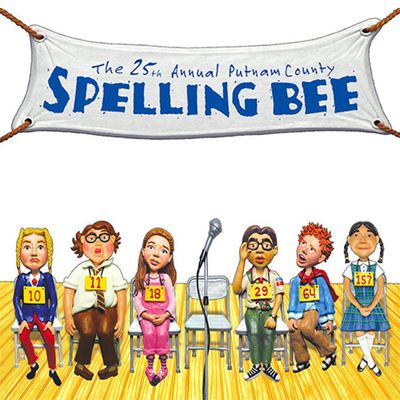
Beowulf Boritt is a scenic designer for theater. He is known for his Tony Award winning design for the play Act One in 2014. Hal Prince asked him to design Daisy Prince's production of The Last Five Years and later Prince's own production Paradise Found. Soon after, designing The 25th Annual Putnam County Spelling Bee launched his career on Broadway. Since then, he has designed over 20 Broadway shows, including his Tony Award winning play Act One and nominated shows The Scottsboro Boys, and Thérèse Raquin. In 2007, he was awarded the Obie Award for sustained excellence in scenic design. He has also won the AUDELCO Award for set design in 2002 and the 2012 Tina Award for Best Scenic Design.
In this week’s episode, hear him talk about the secrets of Broadway set design including . .
- How Lord of the Rings helped inspire him to be a designer.
- What he did in college that helped launch his career (if you’re in school, you should do this too, no matter what you want to do in the theater).
- The budgeting process on Broadway – what’s right, what’s wrong, and how to fix it.
- The difference between designing a musical and designing a play.
- The next big thing in set design is . . . . (hear his answer!)
Keep up with me: @KenDavenportBway
Transcript
This transcript was automatically generated and might contain errors.
[0:00] Ken Davenport: Hey everybody, wanted to give you this networking alert. This Saturday, the 21st of January, we're holding the largest networking event we've ever held. We're gonna mix producers, directors, writers, investors, theater lovers. It's gonna be big. It's gonna be at an undisclosed midtown location. If you want to come, you have to be a Producer's Perspective Pro member. Join at the Producer's Perspective Pro. Check it out, you get all the benefits, and this big networking event this Saturday the 21st. The ProducersProspectivePro.com. Now on with the podcast.
[0:32] Ken Davenport: I wanna be a producer with a hit show on Broadway. I wanna be a producer. Hello, everybody. Welcome back to the podcast. I am Ken Davenport. This is the Producer's Perspective Podcast, and I am pleased to welcome as my guest today, Tony Award-winning set designer and the guy with the coolest name on Broadway, Beowulf Boritt. Welcome, Beowulf.
[0:56] Beowulf Boritt: Hi, how are you?
[0:57] Ken Davenport: So, Beowulf won his Tony for his design of Act One, but has been nominated multiple times on Broadway. He's designed a slew of sets from Spelling Bee to On the Town to Hand of God to Rock of Ages, Scottsboro Boys, and many, many others. Off-Broadway, get this, designed over a hundred shows. Is that true?
[1:13] Beowulf Boritt: That's true.
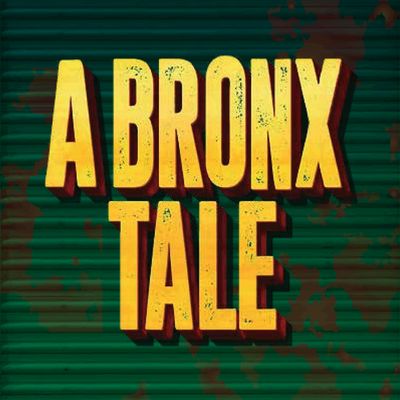
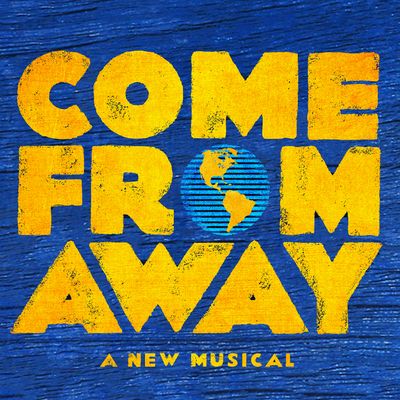
[1:14] Ken Davenport: Amazing. At this rate, he could do like a thousand shows before he gets his lifetime achievement award someday. This season, he's got the new musicals of A Bronx Tale, which is open and selling tons of tickets on Broadway right now, Come From Away coming up this spring, as well as a surprise this spring of Sunday in the Park, that transfer. Also, I was watching TV when I was on the holiday break, and there he popped up on a new commercial for Microsoft, which is awesome. So, Beowulf, tell me, when did you get hit by the theater bug? When did that happen for you?
[1:42] Beowulf Boritt: I think in high school, I guess, maybe junior high, somewhere in there. I was always kind of an artsy kid, and at some point I did, I think we did, it's a line in the wardrobe as a school play. And it's somewhat at my instigation with a couple of my friends who liked the book, and we for some reason thought we should do a play of it, and they did when we were in third grade, and I got to play Aslan, and I had a big cardboard mane stuck around my head, and I'm sure it was awful. Um and that it was very fun. So that was that's the first time I remember being in a play.
[2:15] Ken Davenport: And did you perform for years after that? Did that give you the acting bug?
[2:18] Beowulf Boritt: I did a little bit, yeah. Um I, you know, around the same time, actually, even about that same age, actually. We lived in Memphis. My mother used to sing in the chorus of the Memphis opera, and she would take me to dress rehearsals, and this story I told a lot, that I remember going backstage for she took me backstage at the intermission of Verdi's Macbeth, and the set was these big like stonehenge rocks. And I watched this guy come out on stage and just push this boulder that was 40 feet tall across the stage by himself, and I was flabbergasted by it. And it definitely had some kind of impact. I remember it vividly to this day. But it was my first kind of notice of set design, maybe. And so through high school I kept performing in things.
I did summer stock one summer at a little theater in Gettysburg, Pennsylvania, where we lived at that point, and that was the first time I'd be kind of I was acted as like an intern in the plays and you know, played third guard from the right kind of thing. But I also worked in a shop and there was a set designer, and I sort of became aware of that as a possible thing that one could do in life. I don't think I was quite aware of it as a job before that. So somewhere in there, I think is where I started thinking, oh, I maybe want to do this. I liked theater and I enjoyed acting, but I don't think I ever had any illusions about being a great actor. And I acted in plays in college and I even spent a couple summers in Gettysburg working for the National Park Service, playing Civil War Soldiers where I would be in character and go do a walk and you know, I'm Edward Speed from North Carolina, and you know, take people out around the battlefield that way. But I never seriously considered pursuing acting. But at some point I realized that set design was something I really wanted to do.
[3:51] Ken Davenport: What's the first step? So you have that realization. I'm sure a lot of people out there are starting to realize, even for themselves, on the what do you say, okay, what do you do first?
[4:00] Beowulf Boritt: You know, I think I thought I was going to be a set design professor. And so I just thought I would study it in college and get a master's degree and go teach somewhere. I mean what I really did first is I once I realized I was interested in it, I was still in high school, and I went to the woman who ran the English department in my high school and said I want to design the set for the school play, and they let me do it. And I did a couple of those while I was in high school, and they even hired me for a year after I was out of school to come back and design their spring musical for them. And that was sort of my first experience doing it, really.
[4:30] Ken Davenport: What was the play?
[4:31] Beowulf Boritt: Uh Barefoot in the Park was the first thing I ever designed.
[4:34] Ken Davenport: But were you an artist before this? Where could you draw a little bit?
[4:36] Beowulf Boritt: Yeah, I love to draw. I, you know what's interesting? I drew obsessively. I was a big dorky Lord of the Rings fan and still am. And my parents' kitchen when I was a little kid was just covered with pictures of the entire Lord of the Rings illustrated and magic marker. And my parents were very patient about letting me put them up everywhere. Okay, I don't I can draw okay. I'm not a I've never been brilliant that way. I was I've always been more sort of sculpturally technically able to do things. And I used to, as a kid, also like my parents gave over a series of shelves in their den where I was allowed to do little dioramas with blocks and Playmobil people and stuff like that. It was again usually the Lord of the Rings was what I was making dioramas of.
But that's sort of the first time I probably started making little set designs. But what always I think fascinated me about it was the storytelling part of it more than the design part. I'd been visually oriented, and so telling a story visually was what was interesting to me. And I think what I started to realize over the years is that I sculpturally could express what I was trying to express better, and that I love the real people being in there telling the story and like letting the story come to life. And so I always sort of come at things from that angle, I think. And it I am visually oriented, but it was I was never I've never been a great visual artist, and I don't I used to try to like make myself go out and paint every day or something to just you know to practice it, and I never enjoyed it very much, so it didn't stick.
You know, occasionally I was in Spain once for 10 days, and I said I'm gonna do a watercolor a day for 10 days, and I did, and they were okay, but I don't think I've ever done that since. I just don't enjoy the act of visual creation on its own enough to make that something I want to do.
[6:14] Ken Davenport: So you went to school thinking you would teach it someday. What made you decide that, oh, you know what, I'm gonna actually do this? How did that happen?
[6:23] Beowulf Boritt: I, you know, my college set design professor encouraged me to go to NYU, and I got in and did, and that brought me into New York, and that was probably pivotal for me. NYU, the design program there was you were not allowed to confess that you had any desire to be a teacher. It was purely a pre-professional, you're supposed to want to be a Broadway designer if you're going there. And plenty of people go on from there if you teach and do any number of other things, but at least when I was there, it felt like if you admitted to anyone that you thought you were going to be a teacher, they'd just kick you out of the program right away. And so I kept it to myself, but I also, while I was there, I got a little sick of just making paper projects and not actually doing theater.
And so I started looking around for something to scratch that itch. And within six months of coming to New York, I got a job at a place called the Belmont Italian-American Playhouse in South Bronx that doesn't exist anymore. But they were looking for a costume designer for Titus Andronicus. And I thought, well, I love Shakespeare and let me do this. And it was opening in ten days, and I, you know, had $200 or something to costume Titus Andronicus. But I did it, and then they asked me to come back and do their next show and their next show, and that led to other things, and the way that a theater career kind of branches out. By the time I got out of graduate school, I actually had designed a lot of off-off Broadway shows and knew a lot of people.
And I was like, okay, well, I'm gonna stick around New York for a while and just you know keep doing this. This is fun, and I'll apply for teaching jobs, and when something comes along, I'll go do that. And it was a few years later that I think a teaching opportunity finally came up, and my then girlfriend, now wife, Nina Bolinski was like, What the hell are you doing? Stay here and do this, you don't need to go there and do that. And probably that was really a turning point. She was, you know, she got really mad at me at the thought that I might go do this, and so I didn't, and you know, things with a lot of luck, things kind of just progressed.
[8:12] Ken Davenport: Had you designed costumes before?
[8:14] Beowulf Boritt: I did, I did I used to do both all the time, and I think I maybe even did clothes before I did scenery in college because there were two design professors who did sets and only one who did costumes, so there were more opportunities there. And I used to do both a lot. At some point in the early 2000s, I was doing, you know, my 60th off-Broadway show with a $2,000 costume budget and trekking down to TJ Maxx for the hundredth time that week to try to costume a show where all the actors were mad that it wasn't Armani, and I was getting it was making me angry. I just I was frustrated by the sort of monotony of it I was doing a lot of modern dress shows that didn't really interest me. And it I found it was making me unpleasant, or I was becoming unpleasant to others and to myself.
And at some point after a particularly rough show, I just said, you know what, I'm not gonna do clothes anymore. And I stopped for about five years. I didn't design costumes at all. And since then I do it occasionally. It's I more often than not, it's in sort of a regional theater situation where there's a good shop support. And it's but it's usually it's a show that interests me for whatever reason, and often Shakespeare plays, which I do love doing clothes for. And then sometimes I'll say to the director, Hey, can I do this one? And big British thing.
[9:23] Ken Davenport: Yeah, yeah, yeah, yeah. It's I like doing it. I really do. It's just you need you need the logistical support to make it possible. And I don't know, I would actually I'd love to do clothes on Broadway someday. I've never done it, and I don't think I've ever had a play come along where there either wasn't a costume designer already attached, or it seemed like it would be in my wheelhouse. There's a lot of stuff that I just know I wouldn't be great at, and there are so many great costume designers that you know better to have lady might be wrong and do it because it'll be better than whatever I can do. But someday I sort of I don't know, I hope something will come along that I'll be able to say, Hey, can I do this one? Because it would be fun to do at least once.
[9:57] Ken Davenport: I'm taking a note right now to talk to Wolfy about costumes on a show one day. Uh, what's your process for designing a set? First thing you do, I call you and say, Hey, I want you to think about designing this set for me. What do you do first and what's the process?
[10:11] Beowulf Boritt: Almost always I read it first. I sit down, I try to do it like on a Sunday morning when the phone's not gonna be a ring, no one's gonna bug me, and preferably before my wife's gotten out of bed, so the apartment's quiet, nothing's going on, I'll get a cup of coffee and sit down with a script and just read it straight through once. And if it's a show that I already know, then it's a little different. But I even even if it's a show I know well, I try to do that and just kind of experience it as literature once. Just see what pops into my head, try not to put any particular pressure on myself, and just let free associate see what happens. And maybe take a couple of notes based on that. But kind of just impressions and not really practical things.
I try not to worry about, oh, we need a door here or a staircase there, or those kind of things. And then after that, I like to sit down with a director, really before I've done anything else. I might do a tiny bit of research, but usually not. Usually I just sit down with a director, and I want to hear what they think. Because that to me is really what drives every production, is what the director's take on you is. And sometimes it'll be something clear, sometimes it won't be, but you know, usually an hour or so of just kind of chatting about it. Like, what do you think it's about? What's important, what do we want to emphasize? And I'm not interested in, again, like, oh, I think the wall should be green, or we need a picture of the father over here or whatever.
Like that kind of stuff, I can read the script later, and it'll either be obvious in the script or I don't know. Sometimes it is those kind of practical things are come into those discussions, but it's usually more tonal. Like when James and I first talked about Act One, he had sort of talked about this kind of Nicholas Nickleby construction as a way to do the show, something kind of abstract with levels in it. But the thing he said to me that really landed is he said, I just feel like Mossheart has this youthful energy, and I see him running up and down stairs a lot. And that in a funny way actually led to what the set was in the end. Just that, but it was about the energy of the show and the energy of the character more than anything else.
More even than stairs. I mean, I'm not sure even the stairs were important. It was just how do you express that kind of crazy energy, and I certainly remember that in my own youth, just like dashing from place to place because I was so excited to get from this to that to whatever. So I do that meeting and sort of talk about those kind of things. And the more kind of thematic and impressionistic that discussion is, the better for me. When a director sits me down and says, I want it to be green and I want a door over here, it usually makes me think it's not going to be a very interesting production, because I just don't care about that stuff at that point. Ultimately those choices are important, but they're not what I'm what I'm trying to get to as a designer, what interests me the most, and what's been my best work, I think, is when I can boil the set down to a fairly simple visual idea, whatever it is, that has some kind of thematic relationship to the show.
[12:49] Beowulf Boritt: And that's almost always what I'm trying to put on stage. And it's even though I've done some very big sets and some very complicated sets, they really almost always boil down to kind of a simple kind of literary idea. In Thérèse Raquin, it was about a, you know, a girl who's trapped in a cage. Funny White Bronx Tale is kind of the same thing. It's a kid who's trapped in a neighborhood that is its own little small town in the middle of New York, and it's that pressure cooker of you live in a place where there's 200 people who know you really well, and they know everything you're doing, and that's kind of great, and it's kind of horrible. And anytime I can do that, then I kind of know how to design the rest of the set, because it starts to answer all of the, you know, should this be red, should this be blue.
If I know the thematic conceit that I'm trying to play with, it starts to answer all those questions for me. And until I know what that is, then I don't know whether it should be red or blue, or you know, whether it should be realistic or abstract.
[13:39] Beowulf Boritt: Another thing that I find has become more and more important to me is because I do so many sets that are multiple location things, either musicals or plays that are essentially written like musicals or movies or whatever, is getting from place to place is always important. And people often say that Broadway transitions are more important than what the sets are. But shows are so much written like movies now, you've got to get from point A to point B instantly. And that I keep calling it a transformation of space over time, but it's taking a space, making it from one thing to the next, whether it's going from a living room to a kitchen or one abstraction to another abstraction. Getting there in a way that plays into the pace of the show is super important.
And sometimes it means things have to happen almost instantly. Sometimes it means you can take a long time to do it, and sometimes it's a balance of both. Sometimes you want a big ponderous set change that's going to last 30 seconds and really have some thematic import if it's landing at a point in the show that needs that kind of punctuation. And sometimes you've got to get there instantly.
[14:40] Beowulf Boritt: And when we were working out Act One, and we were continually kind of reconfiguring where the different plane spaces were going to be, we would sort of chart through, like these this series of scenes all needs to flow seamlessly and quickly, and then here there's a beat where it's okay to see certain Moss Hart go walking around the edge of this turntable and we're actually going to take 20 seconds to do a big turn to reset back to location A again. But because of the moment in the show, that was okay. Whereas at other points in the show, you if you took 30 seconds to do a scene change, it would just kill the pace of the show. Similarly, in Thérèse Raquin, we flew in the house for the first time, it was intended to be this big, kind of slow, ponderous, awful scene change that her world is the lights being blocked out and she's being locked into a cage.
And it was a, you know, at other points in the show you couldn't have spent 30 seconds on the scene change, but there it was useful to do it. And so that kind of pacing is always really interesting to me.
[15:30] Beowulf Boritt: In Grace a few years ago, we had the turntable that was kind of slowly revolving with some doors and windows around it that were revolving either with it or against it, depending on the scene. And a lot of them were these incredibly slow, you know, a 20 minute cue where the turntable moves three feet in the course of 20 minutes, that you almost couldn't see it happening, except at some point you realized everything was in a different place than it used to be. And we were having some mechanical issues in previous. I remember saying to Jeff Wilson at some point, I was like, oh my god, the turntable's not working. And he was like, how can you tell? How can you tell it's moving? But it I sort of had learned to like watch points on the stage to see as things either converged or pulled apart. And over 30 seconds I could tell if something was moving or not moving, even though I don't think anyone else in the room probably could.
[16:15] Beowulf Boritt: I love this idea of the set, of course, telling the story. Let's step away from your work for a second, and of all the sets that you've seen throughout your career that you have not designed, what's been the most successful example of that that you've seen? God, that's interesting. Some of the ones that I remember the most, and I'm not sure it's quite answering that question. I remember vividly in Robin Wagner's Victor/Victoria set, there was a bit it was a hotel room set that turned inside out and flipped upstage and became the street in Paris or wherever it was, I think. And it was one of the more it was one of the most beautiful scene changes I had ever seen, I thought, and it felt like space turning itself inside out.
And it that was one that really affected me just in terms of a manipulation of space in front of the audience's eyes, and the sort of the magic and the lyricism of that. I'm trying to think about I should have this at my fingertips, and I'm not I'm so bitchy about other people's work. And there's plenty of people's work that I've seen and loved. I'm trying to think of an example of it. Let's come back to that one when I think of it later.
[17:20] Beowulf Boritt: Do you find yourself working with writers as well as the director, or are you pretty much streamlined right with the director in terms of the concept of the show? You know, a bit of both. I feel like I guess how we know what I'd say is I feel like the director, especially in musicals, it's less true in plays, but especially in musicals, because there's so many moving parts, that the director has to be the top of the pyramid, and everybody has to be sort of serving the director's vision is maybe too large a word, but the director has to be making the ultimate decision, they have to be the benevolent dictator. And so in that sense I feel like it's useful if everybody's impressions sort of filter up and then back down again.
And although I think I tend to be very friendly with the writers and enjoy listening to them, I feel like there's often less direct collaboration there. Sometimes there is, and sometimes there's just practical questions. I'm doing an adaptation of Murder on the Orient Express right now and that Ken Ludwig's doing, and he'll email, I want to put this scene here and this scene there, can we see these two parts of the train at the same time? And those kind of practical things, absolutely. But I feel like just in terms of making the machine function smoothly, I tend not to so much collaborate with writers. And but it's more that's m it's more a matter of protocol, honestly. I think plenty of what I'm doing is a collaboration with the writers, it's just going through the director and back to me.
[18:36] Beowulf Boritt: You know, and certainly when it flows most of it is the you know what flows out of the writing is driving the design. But sometimes we're run I'll run into, you know, this would be a really cool solution to this, but it doesn't work because of this thing in the writing can that change? And you know, sometimes it can, sometimes it can't. But I certainly have had those conversations too. What's the greatest change you've seen in set design over the past ten, twenty years? You're a young guy, but you started young as well, so you've seen a lot come and go. You know what is I I mean, as with the whole world, honestly, the internet and the speed of communication and and the speed that computers allow us to do things at has sort of amped everything up, I think.
I used to do 20, thirty shows a year, but even now I'm probably doing fifteen to 20 shows a year, and I think prior to being able to do so much by email and so much remotely, it would have been impossible to do that.
[19:30] Beowulf Boritt: The just technologically what it means in terms of I you know sit on a plane and draft a set model that I sent to a 3D printer to get printed and it shows up at my house done and it's all been created virtually originally. And you know, dealing with shops being able to just update things on a set of virtual drawings that you know the updates take two seconds rather than sitting down to have to redraw the entire play of drafting again, or you know, trying to erase the thing you don't want and replace it or whatever. But that those kind of technological innovations have changed things hugely. I I'm not sure for better or worse. It means we're all doing much more at any one time, and I feel like the industry has basically responded to it that everybody kind of understands that that happens, and oh, I you know, I'm doing the show, but I'm not actually gonna be there for this part of tech or whatever, which I I don't love.
I honestly I love it when I can, you know, just sit down and do a show from start to finish without a lot of interruptions, but it doesn't happen often and almost nothing pays well enough to be able to block out the amount of time you'd need to to do that. So I think everybody has always got their fingers in 6,000 things at once. But it's I feel like people are generally understanding of it, but it doesn't make us all a little bit schizophrenic at the same time.
[20:44] Beowulf Boritt: And you know, we've all done the thing where you work on a show and you've never had a production meeting with everybody in the room at one time until you're in tech, and even then you probably don't have them all, but you sort of all get together for the first time then. What's the next thing you see coming for set design in the next 20 years that will affect it enough? I think the 3D printing thing is gonna be huge. It's it's in terms of conceiving scenery and building models, it's already becoming pretty prominent, but I think in 10 20 years, maybe sooner we're gonna have it on an industrial scale or printing scenery where I draw something that goes to the shop and it's just printed full scale. And it's when that becomes affordable, it it's gonna be I don't know how that will play out or what that will mean, but I think it's gonna be radically different.
[21:31] Beowulf Boritt: Even now, that kind of automation is so changing how shops build things. That you used to do drawings that a shop would build. Now I feel like my drawings go to a drafting office in the shop who essentially builds like draws in their computers kind of an IKEA kit of the scenery, and it goes on to a CNC machine that then cuts the plywood into a bunch of shapes that a carpenter assembles. So there's this sort of step of virtually creating a an assembly kit, basically, that you build scenery from. But there's an automated step in there that didn't used to exist. And I don't that doesn't particularly change how I design things, but it changes how things are built and it pulls one piece of human interaction out of it.
And which not always for the good. In scenery I don't find it bothers me so much, but with digital printing, there's a lot of pressure to print backdrops or you know, painted things to print them instead. And I often am adamant that I really want a scenic artist involved in it, because that extra step of an artistic hand to take what I did and improve it a little further is really important if I if I've got a good scenic. I've got a bad scenic, then it might as well be printed. But but with some of the really good painters that I get to work with, even though I may create the paint elevation in Photoshop or something, and it is a digital thing as it originally exists, I want that human hand added on top of it to to give it some life.
[22:50] Beowulf Boritt: And Joe Forbes at Scenic Art Studio runs kind of the biggest paint shop around, and I'll discuss with him like what painter should paint this particular thing based on what it is. And I there's there's a woman up there who I love named Irina who I sort of ask for in everything and sometimes Joe was like, well yes you can ever know you can't ever but also sometimes it'll be like, well no someone this person would really handle this well and this is who we should have do this one. And it's that's really important to me and something and that I really fight not to lose. And you know sometimes it's perfectly fine to print something, depending on what it is, it it might be the better choice to do a printed thing. But not always. And I thought I would answer to the first the other question too. Great, let's scroll back.
[23:28] Beowulf Boritt: You know, I d one of the sets that I love the most that I saw recently was for Bright Star, Eugene's set for Bright Star. I'd sort of loved that whole show. It was sort of non real, but it had a an emotional quality that just the show was so sentimental and there was sort of a hardness to the set that I thought was fantastic that that counterpointed the sort of the gushiness of the show. And I enjoyed the show very much. I know some people didn't like it. I really loved it. And I found the the sort of simplicity of the staging and the abstraction of the staging in conjunction to a kind of a folk tale, fairy tale I really found beautiful and I loved it. And actually similarly what Mimi did for Natasha, Pierre, again it's a very kind of sentimental story and I think in the wrong kind of staging I might have found it unbearable.
But the way they told the story I really enjoyed it. The sort of again the abstraction of putting it in this club and the just the vacillating the whole thing as they've expanded it to fill a whole imperial I found just kind of exciting and wonderful and I thought, you know I I'm not the kind of person who would ever want to go to a drunken orgy in a Russian nightclub. But this is a sort of safe way to experience that without ever without actually having to do it that is fun. So those are two recently that I liked a lot.
[24:45] Beowulf Boritt: So the old school process of how we get shops to build sets of oh, we do a model and we have this bid process, right? You get a studio, all the shops come in, you talk them through the set, and then in a week they start saying how much everything's gonna cost, and you pick a shop. Do you find that to be the most effective way of getting a show built, or is there a way to improve on that? It's a good question. And you know what's interesting is I find because of who the production managers are right now, I try to think when I last did a bid, an honest to God bid session. I because I work with either Neil Mazella or Hillary Blanken so much, and when the two of them are doing it, nine times out of ten, it's either going to Hudson or PRG. I mean, they do, they will bid the shows, and if if their own shops don't come in at a price that the show can afford, then you have a discussion about it.
[25:36] Beowulf Boritt: But what I will say that I like about the bid process is that it forces everyone to think about streamlining it and how to save some money on it. And since as much as people like to say, oh, I don't want to shackle you with money, just imagine things, it always comes down to money in the end. I find it a waste of time to not be shackled by knowing what that is, because there's no point in my imagining a million dollar set if we've only got $10. And similarly, if you've budgeted a million dollars, well then tell me that, and I'll design something that's really fantastic that takes advantage of that and not do the simple $10 version because I don't think I can do anything more. And, you know, most of the time at the end of the process, I come in over budget and I have to cut some scenery, but not always.
I both come from away and Sunday in the Park came in under budget on the first round. Shockingly. And I'm loath to admit it, because it'll probably never happen again. And both are very simple sets, and intentionally so. But I didn't feel a pressure to expand the set to fill the budget, and you know, the production will use that money on something else. But I, you know, I'll design the set that I think is appropriate for the show, but I will also won't be stupid about it. If there's $10, I'll try to design about a $10 set. But I do think the bid process is kind of helpful in just keeping everyone honest. That if you know that someone else is going to do it, if you bid too much, it makes you try to streamline it, figure out smart ways of keeping things cheap.
The only caveat to that is every soft and there will be some lowball bid from someplace that I just don't think can actually do it, and then I want the producer and general manager to be open to that discussion. But, you know, barring that, if you're dealing with sort of the established New York area shops, either the union ones or the non-union ones. I work with all of them enough that I have a sense of who's good at what and who I trust to do what. And you might be the best person for this particular job, because they're all different. What they need is all going to be different from show to show.
[26:41] Ken Davenport: You talk about a $10 set or a million dollar set. Is there a minimum though? You know, I think one of the challenges for producers anyway, speaking for myself, is we often don't know. Well, sure, I've been doing this for a long time and I have an idea of what things cost, it's hard for me to say, oh, this show should be X. Do you, if I said to you, look, what's the minimum you can do a Broadway show for? Is there like, look, you really can't build a show that a Broadway audience wants to see for less than this much money because of the way the industry works?
[27:58] Beowulf Boritt: It's so interesting. I honestly don't know that I have an answer to that. I would have said that number was about $250,000. That is a very constraining lowball number. But somebody in the park is going to cost less than that. Scottsboro was actually cost less than that. That's a beautiful set. Thanks. Yeah, and it again, but Sunday in the Park we're conceiving as essentially a no-set production. There is going to be a set there, but it's sort of trying to not be there. And Scottsboro was similar. It was the idea was that there was nothing there but nine chairs. And you know, there were a few more things than nine chairs there, but not much more. So if that, but this is what's hard is if the conceit of the production is that, then you sometimes can do it quite cheaply, but until you figured that out, I think it's hard for you guys to put a number on it, because you could have a fairly simple idea that, you know, and I've done plenty of them, things that were fairly simple sets that still cost several hundred thousand dollars on Broadway, and not because they were being overpriced or over anything.
[28:54] Beowulf Boritt: The only other thing that I will say, but I don't know that it really answers the question, is the old cliché of time make it cheap, make it fast, make it good, pick two, is true. And that if I get to design a show 18 months out or a year out, and we can start the process really early, then I can often get a lot more for a lot less money. And the tricky thing with it on Broadway is you don't know what theater you're going into, and that's what always throws a wrench in the gears. And you know, with Broxdale, we ran into a set that suddenly was fitting into a playhouse, and we had to do all sorts of crazy things to get it in the door and make it work. And that kind of thing happens all the time.
But on Act 1 at Lincoln Center, where we knew a year and a half ahead of time we were going into the Beaumont on this day, James and I sort of came up with an idea for the set that I knew we couldn't afford, and we sort of went through the process of explaining it to Andre and explaining it to Lincoln Center, and they were all a little dubious, but we said, let us do this, let us bid it out, and if there's absolutely no way we can do it, then there's still time for us to think of a new idea. And we did it, and because we actually didn't even bid the show, we just went straight to show motion because they had a good relationship with Lincoln Center. Jeff Hamlin, who was the production manager at the time, said, let's just go to them, let's work with them and see if they can build this for the money that we've got.
And it was about a two-month process of back and forth, and we shrunk a couple things down. And I had actually made a couple assumptions of things I thought would be cheap that turned out not to be, and we changed those ideas around. But at the end of that time, we came out with exactly what I wanted for the money that we had available. And nine months before the show was supposed to load in, we had a deal with a shop to build it. And you know, I think for them it was less than it would have cost if they had to do that at the last minute. But they then knew every time they had them down week and they would have had to let people off, they could put them to work on a piece of this or whatever, prep it over time.
And it really does pay dividends. I had the same thing happen to me at City of LA when I did a show there that we bid it out way ahead of time, and we got a lot more scenery for a lot less money for the same reason that people could just put it on the floor when they had a minute to work on it, and it wasn't there was no overtime and there was no rushing to get it done. And you didn't have to, you know, rush order things all of Broadway works in such a last minute panic all the time that what we think of as the base cost for things is driven up by a lot of overtime and a lot of rush, this, that, and the other thing. And when you can pull that out of it and give the shop some time to think it through and think, oh, well, I was gonna do this, but I can do this instead, and it will be cheaper, you can start saving money there.
And that always makes me happy because then I get what I want, it doesn't cost a fortune, and it actually can work out. Now I sooner or later this is gonna not work for me. But in theaters where I know I'm going into a specific theater, I've had good luck with that.
[31:41] Ken Davenport: That's the super pearl of wisdom there and big take actionable takeaway and just hire your set designer early and get that thing done early, and you'll save money, it sounds like come up with a better product at the same time as well.
[31:52] Beowulf Boritt: It's I often try to, you know, when shows are workshopping, if I've got some time with the director, if I can get hired ahead of time and you know, given a little money to get things going so that we can sort of design a set before the show workshops, it affects everything throughout. John Rando and I do that a lot. And the set may not even really stay the same as that as the thing goes forward, but at least when he's workshopping it, he's trying out some ideas, and yes, this is enough space, no it isn't, whatever. Those kind of things you get to sort out there and know them, and you're not guessing at it when you suddenly end up on stage on the Broadway show.
[32:25] Ken Davenport: Biggest misconception producers have about the set design process. Something that you would love to say to them all if they were in a room at the same time.
[32:34] Beowulf Boritt: Yeah, that's interesting. Again, honestly, the time thing is probably the biggest thing that I feel like, and we all do this a little bit, that we assume, oh, I'm just gonna wait to pull the trigger and then I'm gonna call so-and-so on March 1st and get them going on March 2nd. And none of our lives work that way. And if it's a big enough project, yeah, maybe it'll push everything else out of the way to deal with it. But more often than not, it just leads to rushing and not being ready. Time is really the biggest kind of free thing that I can offer up. That the same way I was saying, if the shop knows something ahead of time, they've got time to plan out. Same thing for me. When I have a down week between two things, I can work on your show and figure it out if I've got more time on it.
And being brought in at the last minute, it isn't always bad, but the more time I've got to sort of think about things, the better. So that I think that's the biggest thing I would say. And I do it myself too. I'll, you know, I'll call my props person and say, hey, can you do this show? We need you to start tomorrow. And they're like, well, no, I took another job because of whatever. And you know, or my assistants or whatever. It's, you know, we all kind of do that. That oh, when I want this person, they're gonna be there. But in fact, they're maybe not, and the more you can give people a heads up on things, the better. But again, it's hard because Broadway is so everything's so last minute all the time that it's tricky.
[33:53] Ken Davenport: Alright, my last question, my James Lipton like genie question. I want you to imagine that the genie from Aladdin comes to see you, knocks on your office door, and says, thank you so much for your contribution to the theater and to the visual art form of set design, and I want to thank you by granting you one wish.
[34:11] Beowulf Boritt: Oh man. You're such an even-keeled guy. I want you to imagine, like, think about what makes you so angry and mad that would have you jumping up and down and throwing your computer and your CAD drawings out the window that you'd ask this genie to change about Broadway life with that one wish.
[34:30] Ken Davenport: Yeah, just blunt about that. It can't be anything about president of the United States or anything like that.
[34:34] Beowulf Boritt: No, it's confirmed, no politics. But that's a totally different podcast. Anything about the theater that you'd change that makes you something that really drives you effing crazy.
[34:46] Beowulf Boritt: You know, honestly, the thing that makes me the most crazy is it does all come back to money. It's when I'm trying to figure out how to get a show in within a time frame or a budget frame, and suddenly someone changes the goalposts on me. Oh, X changed, and we thought you had this much money, and we down to this much money, less money. It's always when money goes down, it's what makes me crazy. When it goes up, it doesn't bother me. But it honestly is just being lied to in the theater, it makes me nuts. The couple of and I feel like in general people do theater because they like it and for the most part we're all people who are interested in putting on good art and you know we all have slightly different things we want, but when I'm fighting with a general manager about money, I understand that it is their job to get the show in under budget and that if they don't do that the show will not run and that that's as that has to happen.
And that no matter how much money I might want for the set, they can't give it to me necessarily because it will make the whole house of cards fall down. So that part of it I understand what makes me nuts is when I think I've got X pot of money and suddenly it turns into something different. Or this happens to be less because the one thing I will say the Tony Award grants you is the ability to be a little bit of a dick about things and say no tell me what the budget is, don't tell me to go design in the cloud. But where I have to guess at what the budget is makes me kind of crazy too. It just feels like a waste of time. And I guess a similar corollary of this is if the show has been done out of town first without a commercial producer attached and suddenly it's coming in so the thing kind of exists as an idea and it's not budgeted to support that idea.
That's tough as well where oh well we know you guys developed the show this way but we've only got 50 cents now. And although even there I think, you know, at least then I have the option of saying well I don't know how to do it for 50 cents so I'm just not going to do it. As long as I sort of I'm presented what all of the various parameters are at the top then I feel like it's up to me either to make it work within those parameters or to turn the job down. But once I've taken the job and I think I know what the parameters are and those goalposts move, that is the thing that makes me nuts and the thing that I will blow other people about. And I am mostly even-tempered, I think, but the people I've worked with who've seen me lose my shit and go kicking things and throwing things and screaming like a baby. It's almost always about something like that.
[37:05] Ken Davenport: Well, it's just a question of being one transparent and two, remembering we're all on the same team.
[37:10] Beowulf Boritt: Yeah.
[37:10] Ken Davenport: So to keep something from a team member, you're all trying for the same goal to make the show great and to make the show run as long as possible. And it makes no sense to hide things from people to say 10 grand or 20 grand. When you're we have to remember you're trying to do that for us too and deliver the greatest piece of art that we can.
[37:29] Beowulf Boritt: Yeah, absolutely.
[37:30] Ken Davenport: Alright, well, thank you so much for that answer. Thank you so much for all that you do for the theater and your beautiful work. Thanks for joining us here today.
[37:37] Beowulf Boritt: Thanks for having me. It was fun and good to see you.
[37:39] Ken Davenport: Good to see you as well. And we will see and you will hear me next time on the Producer's Perspective Podcast.
[37:45] Ken Davenport: Thanks so much for listening. Don't forget to subscribe. I hope to see you this Saturday at the Producer's Perspective Pro Networking event. Join at the Producer's Perspective Pro.com today. We'll see you this Saturday on the 21st. Look how broadly here I come.
© Broadway Podcast Network, All Rights Reserved