

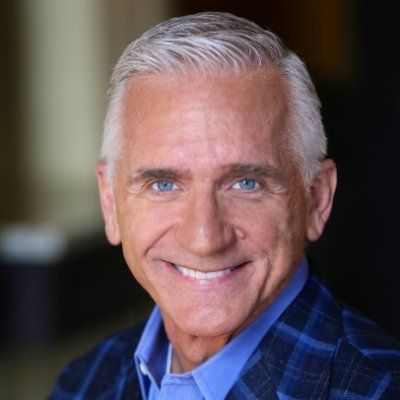
Mark Hoebee is a producing artistic director at the Paper Mill Playhouse and has been since 2000... Read More
From the show: The Producer's Perspective Podcast with Ken Davenport
Guests
Featured Shows
About
Mark Hoebee is a producing artistic director at the Paper Mill Playhouse and has been since 2000. Under his leadership, Paper Mill was presented with the Regional Theatre Tony Award in 2016 and in recent years launched such noteworthy projects as the world premieres of Newsies, Honeymoon in Vegas, Ever After, Bandstand, A Bronx Tale, The Honeymooners, My Very Own British Invasion, and The Sting, as well as the American premieres of the 25th Anniversary Production of Les Misérables, and Stephen Schwartz’s The Hunchback of Notre Dame, and the national tour of The Bodyguard. He has directed national tours of Victor/Victoria, Dreamgirls, Company, and An Evening of Lerner and Loewe. His directing credits at Paper Mill include West Side Story; Beauty and the Beast; Annie; Mary Poppins; Dreamgirls; Hello, Dolly!; The King and I; Miss Saigon; Smokey Joe’s Cafe; Oliver!; Damn Yankees; Thoroughly Modern Millie; Curtains; and The Full Monty.
Tune in to this week’s podcast to hear what it’s like to run one of the most powerful regional theaters within kick-ball-change distance of Broadway as well as . . .
- What Broadway had to do with the Paper Mill’s recession.
- How he looked at himself as an audience member, not an Artistic Director, in order to program his seasons.
- Working with commercial producers on out-of-town tryouts.
- Why Cameron Mackintosh started stumping for Paper Mill.
- The difference between the relationship with the consumer on Broadway versus the consumer at a Regional Theater, and how we can learn from each other.
Keep up with me: @KenDavenportBway
Transcript
This transcript was automatically generated and might contain errors.
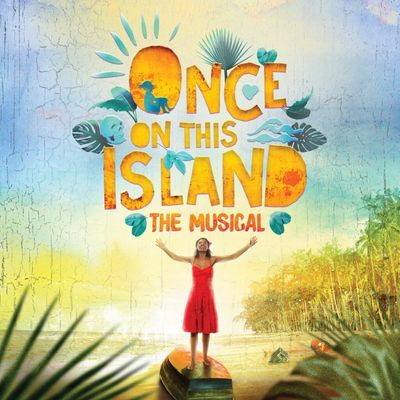
[0:00] Ken Davenport: I can't believe it, but we're already in our last week of previews of Once on This Island on Broadway. We open this Sunday, December 3rd. If you are within flying distance of New York City, come see the show. Come say hello. I promise you have a great time. We will see you at the theater and wish us luck on opening. I wanna be a producer with a hit show on Broadway. I wanna be a producer.
[0:26] Ken Davenport: Hello, everybody. Welcome back to the Producer's Perspective podcast. I am Ken Davenport. You know, over the past 20 years, Broadway's relationship with regional theaters has deepened, especially when it comes to developing new musicals for the Great White Way. Well, today we're talking to the producing artistic director of one of the most premier tryout spots in the country that's also the closest to New York City. You could like pick up a rock and throw and practically hit the theater from here. Please welcome to the podcast, the producing artistic director of the Paper Mill Playhouse, Mr. Mark Hoebee. Welcome, Mark.
[0:56] Mark Hoebee: Hey, thanks for having me. Good to see you.
[0:58] Ken Davenport: So under Mark's leadership at Paper Mill, they won the Regional Theater Tony Award, and they've also launched such Broadway shows as Newsies, A Bronx Tale, Bandstand, Honeymoon in Vegas, and this season alone. You've got like three shows, right?
[1:11] Mark Hoebee: That could we have four premieres, two world premieres into what I call second stops. So Outsider is a play that had one regional trial. And then we're closing the season with Halftime, which was Gotta Dance in Chicago last year.
[1:25] Ken Davenport: Right. You have Sting as well.
[1:27] Mark Hoebee: Sting World Premier, and we just closed the Honeywater's World Premier.
[1:30] Ken Davenport: You're like a new musical factory over there. It's amazing. All those shows could end up on Broadway. So, Mark, tell us when did you get to Paper Mill? How long has it been now?
[1:38] Mark Hoebee: It's scary for me to talk about, but I started in 2000. So I've been there 17 years, which is crazy. I started as this made-up title called the Associate Director, which was kind of like a resident director, and eventually became the associate artistic director. Worked under Robert Johansson and then Michael Jennero, and then took over the organization during the crisis, which started in 2007 as the acting artistic director, then became the artistic director and eventually producing artistic director. So, but I say really, I've been running the place since like 2008.
[2:13] Ken Davenport: So like nine years, right?
[2:14] Mark Hoebee: Oh, 2008. A really good time to run any business.
[2:17] Ken Davenport: Yeah.
[2:20] Mark Hoebee: And I'll tell you the crazy part about that is we had this terrible crisis where we almost went out of business in 2007. And we had $6,000 in the bank, and literally we're about to close our doors. And it's a crazy story about how we made it back, really through the generosity of our subscribers, donors, education parents who gave $100, $150, and we raised $1.2 million in just like a couple of weeks to keep the doors open. And then a bridge loan from investors bank. And then the town of Millburn purchased the property, which we owned for $9 million. And that was the turning point because we could pay off all our debt and put a couple million dollars in the bank. We signed those papers. Well, I didn't, but the town signed the bond papers like August 28th of 2008.
So to float this bond for the town. And literally, like four weeks later, the stock market crashed. And had we not signed, made that deal and signed those papers, we never would have recovered because you know, tons of people went out of business then, not just theaters. So we just squeaked by on that deal. It's an amazing, you know, timing story. They say timing's everything. Thank goodness.
[3:29] Ken Davenport: So you let's just put that in perspective for everyone. You had $6,000 in the bank. What is the operating budget of Paper Mill Playhouse on a yearly basis?
[3:38] Mark Hoebee: About $19 million.
[3:40] Ken Davenport: $19 million. You were down to six grand. You were down to looking between couch cushions.
[3:44] Mark Hoebee: Yeah. We really were. We were doing things during that crisis moment, like a Broadway cares type event at the end of every show, sending the actors out saying, Look, if you enjoy not just this show, but what you've seen at Paper Mill over the last 60, 70 years, please give some money on your way out. And we did those bucket drives for weeks and weeks and weeks and weeks and weeks.
[4:06] Ken Davenport: Yeah. So what do you think happened that caused the decline? Did the audience just be like, ah, we don't need it? Is it because of the proximity to New York? What was it?
[4:13] Mark Hoebee: It was a lot of things that came together. At one point we had about 45,000 subscribers. You know, Paper Mill shows were almost sold out before they opened, but that was before the change in 42nd Street and the Disnification of Broadway, and you know, Paper Mill made its big money back in the 80s on revivals of old musicals, and then Broadway took that on. So our model sort of fell apart. Plus, the theater was never that great at raising money, you know, contributed income. And there were some warning signs that people ignored for many, many years. So it was a long tumble, but then it all came to a head at one moment, and we discovered when we thought we were two and a half million dollars in the hole, we were really three and a half million dollars in the hole, and there was just no money coming in.
And our subscriptions had dropped down to about 12,000, 12,500. So we were really just kind of, you know, we'd been coasting on fumes for a long time. And then, and then you know, it was time to pay the piper, and there was just no money.
[5:20] Ken Davenport: And enter stage left Mark Hoebee. Take the reins at a very challenging period of time.
[5:25] Mark Hoebee: Well, it's funny because I was already there, and in all honesty, I didn't enter. I was kind of the one left standing. People left. At that moment, during the crisis, and the board had wanted to close the theater. We had no marketing director, no director of production, no managing director. People had just run for the hills because they needed work and they knew that we were, you know, gonna go, they thought that we were gonna go out of business. And two things kept me going. One, I really believed in the theater. We had a long legacy of success and a great fan base in terms of New Jersey citizens and also supporters, foundations, the Jersey government, and stuff. So I really believed that we could succeed.
And the other part of it was I had a young son, and I lived in New Jersey. My family was in New Jersey, and until I worked at Paper Mill, I'd only ever been a performer and a director and choreographer. And I thought to myself, well, who's gonna ever hire me? So I gotta figure out a way to make this work. So it really was, you know, putting one foot in front of the other every day and trying to attract and surround myself and the board members who stayed, some great board members who stuck with us, with people who believed in the theater, wanted to be there because we couldn't really pay them a lot of money, and just loved musical theater. And so it was a long, long, slow process. But yeah. So I stepped in, yeah, when there was kind of not a lot there.
[6:49] Ken Davenport: And if you could point to one thing that you believe turned the corner for Paper Mill during that period, because look, I mean, you could write a book about the revitalization of that theater from six thousand dollars.
[7:04] Mark Hoebee: It's a musical, actually.
[7:05] Ken Davenport: Yeah, it is a musical premier Paper Mill. Six thousand dollars in the bank to now winning the Tony.
[7:12] Mark Hoebee: You don't win the Tony, but we earned the, we were given the Regional Theater Tony and you know, four shows on Broadway, and we've launched, we have the Bodyguard Tour out running now. We launched, oh no, it was five because we actually premiered the new version of Les Mis that went on tour and eventually made its way back to Broadway. Little House in the Prairie tour went out. So yeah, there's been a lot of great, and even shows like Hunchback, which premiered with us, didn't go to New York or on tour, but is now out and across the world and you know, Tokyo and Germany and all over the place. So yeah, if I was gonna point to the two, I think there's two things that really turned Paper Mill around.
One was a shift in the programming to really give the audience what I thought they wanted. And it really was a more family-friendly, and I don't mean family-friendly by kid version, but I mean sort of intergenerational choices in entertainment. And we started off, you know, really, really focusing on the family element. And I thought, you know, I was a New Yorker, I lived in New York for many years. I performed on Broadway and I moved to Maplewood, which is right next to Millburn, because my partner and I wanted to start a family. And I thought, you know, I'm the audience that Paper Mill should be attracting. So what do I want to see? What are the shows I want to see? You know, I don't want to, if I want to see something really edgy and downtown, well then I'll go to New York.
But if I want to bring my young son, my parents to a musical, what are those shows that I want to see? So that change in programming was a biggie. And then the other thing was making Paper Mill an attractive partner. And that started with both working with other not-for-profit regionals and also trying to break into the commercial market, finding commercial producers who wanted to work at Paper Mill and thought Paper Mill was one viable and two a great place to launch a new musical. For many years, no one would bring a new musical to Paper Mill. And I think it was a lot of reasons. One, everybody said it's too close to New York. You can't get away. And then there were a former administration that wasn't friendly and open to collaborations.
And so Paper Mill was looked at as kind of like this closed-off little fiefdom on top of a hill and didn't want to play nice in the sandbox and too close to New York. And two things changed. During the crisis, I said, okay, that's all over. We have to open up the doors and partner with as many arts organizations as we can. We worked with an art gallery to bring art into the theater. We were working with New Jersey Ballet. We worked with, started working with the Symphony, New Jersey Symphony. And I started actively looking at other not-for-profit regionals that we could co-produce with. And then at the same time looking for potential commercial partnerships. So that started. And then also I remember very vividly, I believe it was Shrek that premiered, I think at the Fifth Avenue in Seattle.
And the day after they had their first preview on YouTube, there was somebody had filmed the bows on their phone. And I thought on their, I don't know if it was an iPhone or whatever it was back then. And I thought, wow, you can't get away anymore. There's no more out-of-town tryout, really. Because, and it's gotten worse or better, right? But social media and you can't hide anymore. You can't, I mean, remember in the old days, you went all the way to Connecticut for now, or Boston, right? For an out-of-town tryout. Now you can be in Seattle, and the next day, people in New York know what you're doing. And so I think that changed people's perception of why you go out of town. There's still reasons to go out of town, but it's not that quiet, comfortable oasis that's untouched by the rest of the country.
And then, of course, there's the financial aspect to it, which any commercial producer understands that when you take a whole company of people out of town, that can cost you millions of dollars. And what's Paper Mill's in your backyard? So you don't have to make those kind of financial commitments. But the thing that really turned the channel for us was the first year we came back from the crisis, we partnered with Bob Boyette on a new musical called Happy Days, which was, you know, based on the television show and worked with Gary Marshall.
[11:17] Mark Hoebee: And that was the first big sort of commercially enhanced project that I negotiated and did. And that's really what started what I call the new Paper Mill. And it went very well. And we got a lot of enhancement from Bob and got that show up and worked with good speed on it. And it was sort of the best of all worlds of collaboration. And then a couple of years later, I was working on the deal for Newsies with Disney. I knew them because I had lobbied to get the rights for High School Musical, which they granted me after an interview process, and then they came and saw it and were happy. And we were, they were talking about other shows that they were working on. One of them was Aladdin, which I didn't know at the time.
But they said, uh, would we be interested in Newsies? And I knew them to film. And I said, Oh, yeah, of course, let's do it. So we worked out all of those deals, and truly, it was not meant to come to New York. Everybody says, oh, they knew, right? But they didn't. They thought it was going to go to licensing like High School Musical. We were in the midst of working on that deal. And at the same time, I had run into a friend of mine from Networks, this guy Seth Wenig, and I said, What are you working on? Could we work together on something? He goes, Oh, yeah, I'm gonna, we're gonna do this tour of Le Miz. We're working with Cameron on that. I said, Oh, hey, would you want to launch that from Paper Mill?
He goes, Oh, I don't know. So we figured that out. So they decided to premiere the 25th anniversary production of Les Miz at Paper Mill and launch the tour. And the reason that's important is because the day after the opening of Les Mis at Paper Mill, I got a phone call that next afternoon from the folks at Disney, and they said, Well, um, you have a big fan in Cameron Mackintosh. And I said, Oh, well, how do you know that? And of course, Disney and Cameron had worked on Mary Poppins. And after the opening of Les Miz, he went to the Disney offices and was kind of singing our praises about the great time he had at Paper Mill. And so right after that, we, you know, came to an agreement and inked the deal on Newsies.
And then News, of course, had a great success at Paper Mill and moved to New York, and all of those things together all of a sudden said, Wow, now Paper Mill is not only a viable option as a place to premiere a new musical because we had the infrastructure and the personnel to, you know, give you what you needed, but also could launch a show that would then move to Broadway. So that all changed kind of the world's perception of who Paper Mill was and currently is, and how we might be helpful and a partner in premiering some new work. And since then we've done a lot, you know.
[13:40] Ken Davenport: So what amazes me about this story, and frankly, about you already is this business sense that you have that like my favorite part of that was when you said you like thought about what show you and your partner and your son would like to see. You were looking at the market, which is really like Peter Lynch, you know, the investment guru strategy of invest in what you use every day and looking around at your market. And you were a performer on Broadway and director and all this. Where did you get this business sense? Negotiating deals with Bob Fayette, you know, television legend, Broadway recruitment legend. So where did it come from? Where did you learn this stuff?
[14:14] Mark Hoebee: I learned it on the fly, literally. I had been, as she said, I started out my career. I actually started as a gymnast, then became a dancer, then became a choreographer and then a director, all because opportunities sort of presented themselves to me and I took them on. And when I went to Paper Mill, the very first day I sat at my desk and I had a phone. I called my partner and I said, okay, this is my phone number, but I don't know what I'm supposed to do. Because I'd never had a job like that before, you know. The first time I went to a budget meeting and I sat down and looked at the papers, I didn't even know which line they were talking about, you know? So it I had to learn a lot. And the years before the crisis, I was like a sponge.
I just wanted to learn every part of everything it took to produce theater. Never knowing I was gonna wind up being the person running Paper Mill. But so it was, you know, six or seven years of learning all of that. And then truly in the crisis time, being, I think it was two things. I was open to any opportunity, not that I would say yes to anything, but I didn't have a preconceived notion about how the theater should run. I knew how it shouldn't run because I'd lived through those years. So I was open to conversations all the time. And then the other thing that I think worked in my favor is I was a little naive, so I didn't really know how badly it could go. Do you know what I mean? So I didn't have that fear.
And also I at the early part, I thought, well, um, if it goes out, I'm gonna be out of a job anyway. So let's just do our best to keep it going. And then, of course, as you know, you learn. You learn by your mistakes. You learn by the deals that go bad and the deals that go well, and you learn by the people you work with that you get along with and you work very well together personality-wise, and that you trust. And you know, there's a lot of trust in theater because you're investing in a product that you must believe in. It's not proven, especially if it's a new musical, right? No one's ever seen it. So you all have to believe together and trust your partners. And you know, I'm very lucky that I can say almost all of the relationships we've had have been very successful and really good.
And I think part of that is because I approach things with my team about being open and honest and just putting it all on the table. Let's be completely transparent. And that's the way we had to be in the crisis, right? Here it is: the good, the bad, the ugly, right? Do you want to work with us or not? And if other people react in that same way, you know, usually you'll find common ground. So yeah, it was a lot of on-the-job training. And I'm still learning every day, every day.
[16:44] Ken Davenport: Me too. So you now get a real bird's eye view of the development of a lot of new musicals produced by major corporations like Disney to independent producers, Jeffrey Finn did Honeymooners. In all of the things that you've now seen of these developing new musicals with big Broadway dreams, yeah. Anything you can point to because some have gone on, some have not. Right. Anything that you can point to that would lead to a successful development out-of-town tryout?
[17:16] Mark Hoebee: Wow, if I could answer that, I'd be the richest man in the world, right? I mean, all I can tell you is what works for me. And I'm lucky because we don't have a second space. We have one 1200 seat theater. We don't really even have a developmental arm of the organization, right? Our artistic department's very small. It's me, my partner, uh, my associate artistic director Patrick, and then half of Chris Slavic, who works with our managing director, Todd Schmidt. So, in looking at the millions of projects that present themselves as new musicals, I can only look at a small segment of that because they have to be ready. If they're gonna come into the Paper Mill season, they have to be ready to go into big production, full on production right away.
So I'm only really looking at stuff that is far along in its developmental process. So that makes it easier for me. But really, when I see it, I have to fall in love with it. I have to think I really love this show for whatever, because of the score, because of something in the storyline, because the director's point of view. And then I also have to say I believe our audience will love it too. There's things I've passed on because as much as I love them, I don't think they'll play at Paper Mill. Do you know what I mean?
[18:25] Ken Davenport: Can you name one?
[18:27] Mark Hoebee: Well, let me think. Oh you put me on the spot. Let me think. As we're talking, I'll try to come back to here at the producer's perspective, put people on the spot. But yes, there are shows that I have loved and said this isn't right for Paper Mill. And so that's when I have to be being producing artistic director, it's two sides, right? The producing side, I always have to think of the whole organization, the money, the budgets, the marketing as the artistic director side, then I'm just looking at the show itself. But yeah, so it's a challenge, but a great one.
[19:02] Ken Davenport: Yeah, it's not, listen, it's not unlike what I do here as well. One, I have to if I decide to produce a show, I have to love it. And two, I have to think about my audience as well, which is the Broadway audience, and also my investors, which are also my audience. And if I feel like I love I like a show or that I but I can't sell it to them, it's really it's hard to pick up. And I've I've certainly passed on a couple that I've gone on to big hits myself, including Once. I remember, you know, I yeah, I was pitched once, oh, you should watch this movie. Just check out this little movie. I didn't I didn't see it, I didn't see it. But I say this to people all the time. It and it's so much about timing and personality and how that material is presented to you and whether you have a relationship with anybody involved in the project.
You know, Honeymoon in Vegas, which I loved. I just love that project. And I I'm sorry it didn't have a more successful life on Broadway because I really thought it was a great evening in the theater. That came to me through Dennis Jones, who's a choreographer, who one of my go-to guys, and he said, you know, I'm working on the show, you should look at it. And I looked at it and it was fantastic. And then weirdly, like Bronxdale came to us through Alan Menken because Alan was working on it with the Dodgers. I didn't even know it was in development. And Alan said to Michael David, hey, have you talked to Mark Hoebee? Because I've worked with him a bunch and we have a great time there. Michael David, so sweet, what a just the most wonderful man, sent me an email, which I kept saying, Hi Mark, my name's Michael David.
I don't know if you know who I am. And I was like, Are you kidding me? Oh my gosh. So, but such a sweet, you know, unassuming guy. And so that project came to us through Alan. So, you know, there's a trust there, right? And a belief and an understanding in those relationships. I know Dennis, he knows me. We've worked together. Alan, I've done a lot of his shows. I know what his music is. So, you know, those kind of relationships are incredibly helpful, as opposed to something that arrives on your desk that you have no idea who it is, who's it from, what it is, you know, then you're entering blind.
[21:00] Ken Davenport: Well, it's word of mouth. I mean, word of mouth what sells tickets? Word of mouth, do you have relationships like you talked about Cameron talking to Disney? You did great work, which you know, we got you some more great, great work. Right. What's your what's the relationship with the commercial producers that you have during a trial? What's the what's the best way to work or producers to work with you? I have a new show. Yeah, I'm pitching it to people. How's that relationship? Talk a little bit about that.
[21:25] Mark Hoebee: First of all, I think it's important for me and for our team to understand. I don't speak for other regional theaters, that my goal always working with a commercial producer, because sometimes our goals are a little different, right? A commercial producer has a much longer vision of what this piece is gonna be. For me, I'm concerned about getting the best production of it up at Paper Mill for our audience. But also, you know, I want to be the best host possible. I'm not taking a project from a commercial producer and owning it. It's not my project. It's your project that you're gonna bring to Paper Mill, hopefully, because you think we have the artistic integrity and the production personnel to realize your show in a way that you can see it and it will help you take it to the next step.
[22:13] Mark Hoebee: It's I think it's a relationship like a director has with a designer, right? That we are working on the same project, but from different points of view. And I always try to be incredibly respectful of the commercial producers' vision because you have to buy into that, right? I'm not, you own the project. I would never get, we would never have gotten Newsies if Disney didn't partner with us. We would have never gotten Honeymoon in Vegas if Jeffrey didn't bring it to us. So there has to be a very deep collaboration. And it's also different how into the weeds you get, right? Some commercial producers are very hands-on, down to being in tech every day and giving notes at, you know, those post-evening sessions and all of that.
Some aren't. Some are a little more, they take a step back and they want me and my team to step in and, you know, give some of those really, really detailed notes. And I think the people who do step back recognize that Paper Mill is a unique space. It's a unique, like every theater is, right? There's some things we've learned over the many, many years about what plays, what doesn't, what works, what can help in the space. And so it's about, um, I think a relationship that is mutually respectful and working toward the same end at Paper Mill. And then the commercial producer has goals far beyond that. That's one of the things that's always interesting to me. People say, "Oh, what's the next show you're moving to Broadway?" and "Is this going to Broadway?"
And I have to explain to them, I don't know. And I have nothing to do with that. Once the show closes, like Honeymoon in Vegas, I mean, um, the Honeymooners, we do all the honeymoon shows. The Honeymooners closed whatever it was, October 29th. Then the show is out of our hands, right? It becomes Jeffrey's baby, and I hope it moves to New York or goes on tour or whatever, but I can't influence that. We've done our part.
[24:00] Ken Davenport: How much of your day is spent raising money? Do you, as the producing artistic director, do you have to get involved?
[24:05] Mark Hoebee: Well, yeah, not enough. I'll tell you that. And part of that is because, uh, just a matter of time. But yes, I'm involved in fundraising, meeting with, you know, donors and certainly, um, foundations and people like that, but I need to do more of it because we need to raise more money. That's our biggest issue is unearned income. I think that's an issue for every not-for-profit regional, but you know, we have a huge, you know, we're a $19 million organization. We raise probably three and a half million dollars, maybe three six, and we really should be raising like five or six million dollars every year. That's a big jump, right? So fundraising is on the top of everyone's list and has been for about the last year.
The board, the staff, the management, you know, my partner Todd Schmidt, and we have a strategic planning committee. It's all about how do we, well, you said it earlier. We have a great story to tell, right? We have like this amazing rags to riches, Phoenix from the Ashes story to tell. We just have to tell it to the right people who want to invest in us so that we can continue along this path. This is another thing that people don't realize that nonprofit theaters and commercial producers have in common. We both have to raise money. Big money, right?
[25:15] Ken Davenport: Yeah, big money. Any tips on how you do it when you're sitting with someone that's worth, uh, $100 million?
[25:22] Mark Hoebee: Well, I always say that I am more than happy to do the dog and pony show. You know, uh, because I love what I do. I feel incredibly lucky, blessed to leave my house every morning, go to a job that I love with people I love, it's challenging, and then go home to a family. But I am happy to tell the story, and there's great things to tell. And we also have, I don't even know if you know or your listeners know, we have a huge education program. Uh, it reaches like 40,000 students across the state of New Jersey every year. We're a leader in access. We were the first theater to do an autism-friendly production ever, anybody in the country. So there's that whole side of it too. But I'm just, it's hard for me to actually make the ask to say, "Will you give me money?"
I did, going back to the Bob Boyette story, I did ask him for a million dollars. He's, and I remember I was on the phone, I said, "I need a million dollars to do this show," and there was a long pause. And he said, "Well, I wasn't thinking that much." But anyway, we came to an agreement. But actually asking for the money is hard for me. I don't know why, it's just one of the way.
[26:19] Ken Davenport: And what gets you to be able to do it? Because you have to do it.
[26:22] Mark Hoebee: When Todd or B. Daggett stick the pin in my side and say, "No, no, no. No, now." I mean, we all have to, we all have to do it, you know. And really, I've been doing it since we had six thousand dollars in the bank, but we need to get better at it. Is there anything from a marketing or customer service perspective that you think regional theaters like yours do better than we do on Broadway?
[26:43] Ken Davenport: Oh, anything we should learn from you all out there?
[26:46] Mark Hoebee: I think it's a different model, as far as I know. I mean, I'm not a commercial producer, but you'll tell me. One of the things that's important to us is a long-term relationship with that person, right? And we talk about this all the time too. We have this new marketing director, Holly Abelow, who's fantastic. And, um, in sort of looking at rebranding the organization and how can we be more consumer-centric, right? And I don't know the details of the story, but somebody told me, you know, I'm in love with Disney, I love everything Disney. Somebody told me that in Disney, every time somebody walks through the gate, like at a park the first time, that their employees are told that's not just a one visit.
They're, they could be a lifelong relationship with that person. And that's kind of what regionals want. We want people to buy a ticket because they're excited about a show. Then we want them to become a subscriber. Then we want them to become a donor, right? Us and then a super subscriber that's a donor too, and then eventually become a legacy person that they, when they pass, they leave us something in their will. So we are constantly caring and trying to learn how to better care for those people in the long run. I don't know. Do you think of a patron in that way, or is it more transactional, like come to this show and maybe I'll send you a, uh, you know, a flyer for my next show too because you liked whatever, you know. I don't know, is it different for you?
[28:04] Ken Davenport: It's a great question, and actually, I think that's one of the challenges of being an independent Broadway producer, is especially because we don't have access to our customer data.
[28:13] Mark Hoebee: Oh, wow.
[28:14] Ken Davenport: So we can't communicate with our, because we go through third-party ticket sellers, telemetry ticket managers. So I can't even send them a flyer without renting it or buying the list.
[28:23] Mark Hoebee: Well, we buy lists from you too. I mean, everybody buys lists, but that's data, and we're just switching over our whole system of data right now, is so important to us. You know, if you, and one of the things we're working for now, if you call up and buy a ticket, I want to say, "Oh, hey, Mr. Davenport, great. I see you saw the Honeymooners. How was it? And how did your daughter enjoy taking that theater class? And thank you for your donation." And you, you know, you want to feel special. It's like, okay, I just went to Macy's this weekend, right? And everybody's in the friends and family program, right? Now you're not, we're not really friends and family, but they try to make you feel a part of it so that you shop at Macy's and you get those discounts more than walking down the mall to whatever, Neiman Marcus, right?
So that's the way I think we're different than you. That we're, and I have to sell five shows a season, right? I want you to buy all five. I want you to buy all five before you even know the titles, right? I want you to say, "I love Paper Mill so much, I'm gonna sign up for five shows before I even know what they are." And then I want you to come back next year and pick the dates on when you're gonna see these shows. That's the most amazing thing. Me, I don't know what I'm doing next week. You want me to tell you what I'm doing next November? And I think the key to that is for us is flexibility. If you buy a subscription from us for five shows, you can change those tickets as many times as you want. No, no, no charge, no cancellation, you know, no fee or anything like that.
[29:41] Ken Davenport: But yeah, it's so crazy because everybody who decides everything at the last minute from what's in the palm of their hand now, right? To try to think, okay, a year and a half from now, what are you doing on, you know, June 3rd at 1:30?
[29:54] Mark Hoebee: So I don't know. All right, my last question, since you're a Disney fan, you'll like this one. It's my genie question for all of our guests here. I want you to imagine that the genie from Aladdin comes to pay you a visit and says, "Mark, you've done such a tremendous job at revitalizing Paper Mill and giving birth to so many of my Disney friends' shows over there." Uh, Genie's gonna grant you one wish. What's the one thing that drives you crazy about Broadway or the theater in general? You, we can go to theater. It drives you so crazy, it gets you mad and angry that wants you to throw things against the wall that you'd ask this genie to wish away in an instant. That has to do with Broadway or the theater.
[30:33] Mark Hoebee: Well, the easy answer is that we don't have enough money, right? So the genie would just throw money at me. But I think art, one of our biggest challenges really in producing theater is that we are so close to New York that we get shut out of the rights. And I'll tell you a story. So I started in the year 2000, and they said to me, what show would you want to direct? And I knew immediately, I didn't even have to think about it. The very first musical I ever appeared in at a community theater was, um, West Side Story. I was Baby John. And then in college, I was Action at Northwestern University. Michael Grife was Baby John, Greg Edelman was Tony, and Megan Malale was Anita. And then my first Broadway show that I performed in was Jerome Robbins' Broadway, and I was a swing, so I covered all this stuff.
So I said, "West Side Story, that is the show I want to do." And I didn't direct it till 2015. It took us 15 years to get the rights because there was either a tour out or there was an impending revival. I mean, the revival eventually came, and then it sent out more tours. So I think that would really help us. You know, anybody who's thinking about a revival, we can't get the rights. There were theaters all over the country in those 15 years who did West Side Story, but we couldn't do it. Yeah, I do think there's a revolution coming in the same way that it's okay for us now. We understand that movies help musicals that are running on Broadway. For a long time we were afraid to do that. Right.
We were also afraid that, oh, if we do a revival of this musical in a regional, if we let the rights out, it's gonna infringe on our audience. And I think that's changing too. It helps market it, it helps actually. The other thing that's interesting too is the telecasting that opera's done, the live broadcast. And some theaters, I guess, in Europe are doing that. And I know there's a big fear about that too. Well, if you broadcast it, who's gonna come see it, right? So I don't know if that's helpful or harmful or what, but that's a wave of the future too, I think. Next season, live stream from Paper Mill Playhouse.
[32:32] Ken Davenport: I don't know about that. Thank you so much for being here. Really an amazing story about what you've done over there at Paper Mill. Congratulations. Go. It's only 35 minutes away by train. Go check out a show there. Thanks to all of you for listening, and we'll see you next time. Don't forget, Once on This Island opens this Sunday, December 3rd. We've got one more week of previews. Come on down, come say hello, come enjoy the show. We'll see you there. Look out Broadway here I come.
© Broadway Podcast Network, All Rights Reserved