

In a special LIVE panel discussion, moderator Erika Alexander (Living Single, The Cosby Show, Get out, John Lewis: Good Trouble) will be guest hosting the 100th episode of The Theatre Podcast with Alan Seales, exclusively on the Broadway Podcast Network... Read More
From the show: The Theatre Podcast with Alan Seales
Guests

Featured Shows


About
In a special LIVE panel discussion, moderator Erika Alexander (Living Single, The Cosby Show, Get out, John Lewis: Good Trouble) will be guest hosting the 100th episode of The Theatre Podcast with Alan Seales, exclusively on the Broadway Podcast Network. This panel, composed of prominent BIPOC Broadway performers, will discuss how to move forward from where we are and create an equitable, anti-racist, and safe Broadway community. If the industry is torn down, there will be nowhere left to work. We must help create the world we want to live in.
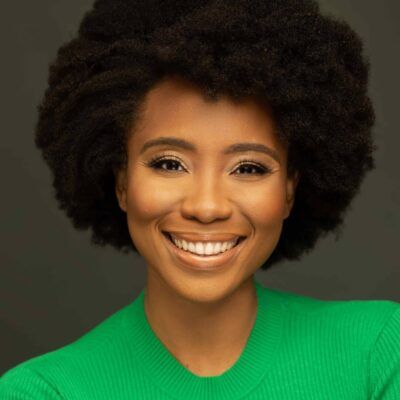
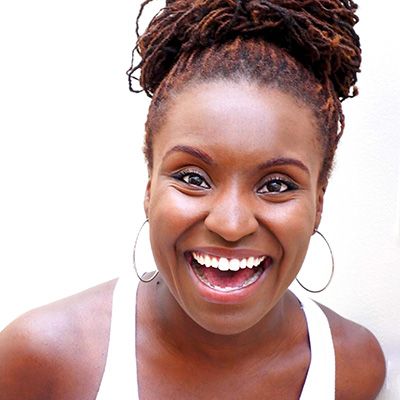
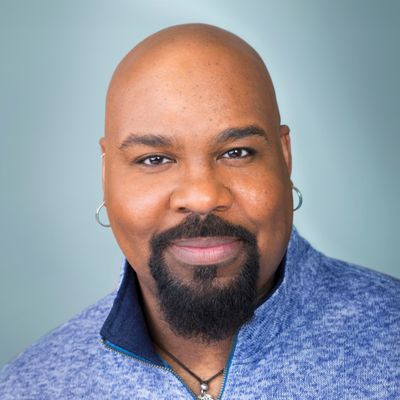
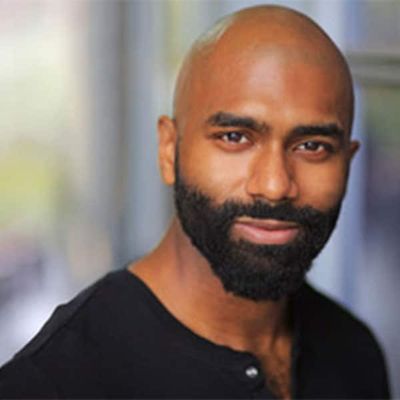
Panelists: Tony-winner Karen Olivo (Moulin Rouge, West Side Story), Tony-winner James Monroe Iglehart (Freestyle Love Supreme, Aladdin, Hamilton), Nik Walker (Ain’t Too Proud, Motown, Hamilton), Adrianna Hicks (The Color Purple, SIX), & Brittney Mack (SIX).
Moderator: Erika Alexander (Living Single, The Cosby Show, Get out) who most recently produced the documentary John Lewis: Good Trouble.
A roundtable discussion designed to bring to light the inequality and racist behavior towards Black people and people of color in the theatre and wider entertainment industries, presented in a way that offers an open-discussion for BIPOC performers to discuss their experiences and their hopes for the future.
Watch the video of the event here: https://www.youtube.com/watch?v=jKVK-LmwZA0
Connect with The Theatre Podcast:
- Support us on Patreon: Patreon.com/TheTheatrePodcast
- Twitter & Instagram: @theatre_podcast
- Facebook.com/OfficialTheatrePodcast
- TheTheatrePodcast.com
- Alan's personal Instagram: @alanseales
- Email me at feedback@thetheatrepodcast.com. I want to know what you think.
A very special thanks to our patrons who help make this podcast possible!
Cheryl Hodges-Selden, Paul Seales, David Seales
This episode is released in a time of crisis and mass awakening. Black Lives Matter. Please consider donating to any of the following:
Transcript
This transcript was automatically generated and might contain errors.
[0:00] Alan Seales: Welcome to the Theatre Podcast. Intimate, personal conversations with theatre's biggest names. I'm your host, Alan Seales, and this episode is Episode 100. This is a special live panel discussion. And actually, I wasn't part of this episode at all. It was moderated by Erika Alexander, who has been in Living Single and The Cosby Show, and most recently produced the documentary, John Lewis, Good Trouble, about the late, great Congressman John Lewis. She hosted the 100th episode. It was live on the Broadway Podcast Network YouTube channel, and it was comprised of prominent BIPOC Broadway performers, and they discussed how to move forward from where we are and create an equitable, anti-racist, safe Broadway community.
The panel was comprised of Tony winner Karen Olivo, Tony winner James Monroe Iglehart, Nik Walker, Adrianna Hicks, and Brittney Mack. It happened back on July 16th, 2020, and if you want to actually watch the replay of this on YouTube, you can go to bpn.fm slash rebuilding broadway. So, as always, please find me online at Instagram and Twitter at theatre underscore podcast. Please leave a rating wherever you're listening in Apple or iTunes or Stitcher or Spotify or wherever it is. Every little bit helps. And now, everybody, please take some time and listen to this very special 100th episode about rebuilding Broadway.
[1:29] Erika Alexander: All right. Boom shakalaka. Welcome to this very special live episode of the Theatre Podcast. I'm Erika Alexander. I'm an actress and an activist, an entrepreneur, creator, producer, and director. My company, Color Farm Media, has released our latest project, John Lewis, a documentary film about the legendary congressman and civil rights icon John Lewis. This panel composed of prominent people of color, Broadway performers, will discuss, excuse me, will discuss how to move forward from where we are and create an equitable, anti-racist, and safe Broadway community. We must help create the world we want to live in, and there's no better way to do that than through non-violent activism and education.
But before I bring in the panelists, I encourage you to have a productive and respectful conversation in the comments, wherever you are watching right now. And if you have any questions for myself or the panel, please feel free to write them in the chat so they can be incorporated into our wider discussion, if they're appropriate.
[2:33] Erika Alexander: I'm going to introduce the panelists, and they're here. Our panel consists of five of the most talented, educated artists currently on Broadway. Currently making her Broadway debut in Six musical after coming off of the amazingly successful Chicago tour of the same show, is Brittney Mack. Yeah, there you go, girl. Recently starring in The Color Purple Revival, and also now in Six the Musical, is Adrianna Hicks. Recently seen in this little show called Hamilton, and currently starring in Ain't Too Proud as Nik Walker. And recently starring in Freestyle Love Supreme, Hamilton, and Aladdin, Tony Award winner James Monroe Iglehart. And currently starring in Moulin Rouge, her previous credits include Rent and West Side Story. Welcome Tony Award winner Karen Olivo.
[3:20] Erika Alexander: All right, here we go. Now we're back to where we started from. The icebreaker for all representation in theater. I'd like everyone to answer if you'd like to. Did you see yourself on stage as a young person? What made you decide that you wanted to pursue a career on stage? And when you did, were you dissuaded or persuaded to do so?
[3:43] Brittney Mack: I grew up going to the theater. We had programs in our school that allowed us to go on field trips and things like that. So I grew up, my first influences of seeing Black people on stage was Alvin Ailey, American Dance Theater. And so because I grew up watching old classic music theater, Rodgers and Hammerstein, things like that. So vocally, there was my influence, but they didn't look like me. So, okay. But as far as representation on stage, it started in the dance community specifically. And then I said, well, I'll do that. So I started dancing first because that's where I first saw Black people on stage that looked like me and looked like my family and looked like people that I saw every day because I'm from the South side of Chicago.
So it was just like I saw one girl walking down the street and that could be her on the stage. So that was where my influences started. So I started dancing before I started training in musical theater. And then from there started to see more Blacks in music theater, very far and few in between, but saw enough to know that I could do it. And where I saw holes, I wanted to fill them. Awesome. Wonderful.
[5:05] Adrianna Hicks: Yeah. I know for me, I didn't, I knew nothing about musical theater until I went to high school and I saw my first production of Guys and Dolls. And mind you, I lived in Texas. I grew up in McKinney, Texas. So having representation on stage for me wasn't around, but I did have me, myself and I in my room, watching Disney, watching Beyonce, doing my thing. And I just, I knew that I wanted to sing. I discovered that I was like, oh, I want to act because like I'm putting on movies and I'm trying to imitate that. And, and afterwards, once I saw my first musical, like I said, Guys and Dolls, that's when I knew I was like, oh, you can do all three. Like I can sing, act and dance. And that was my arrival into like, oh, this is something that I want to do as a career. And it's evolved from there.
[5:54] James Monroe Iglehart: I saw Rita Moreno in the movie, West Side Story. And that was the first time that I'd ever seen someone that looked like she could be related to me singing and dancing. And then my dad explained to me that there was a place called Broadway, where people got paid to do it. And so then I was like, oh, I'm going to that place. And then I went into school for it. And I was really discouraged because it was just me and a bunch of white girls. And I was like, I don't feel like I can have a career here. And then Rent came out. And I saw Daphne Rubin Vega. And I was like, oh, no, I'm in the right place. And then I immediately moved to New York to be in that show. And then that started really my professional career.
[6:39] Nik Walker: Oh, thank you so much, James. No, so I grew up in Boston. And that brought with it its own issues. Boston is a very, I love my city. My city is also, I'll say, racially confused. And there's a lot of things that happen when you're a young black man growing up in Boston. But yeah, I grew up on films. I grew up on movies. I'm obsessed with movies. And the stage was something that I did as a form of storytelling. But I was never like, okay, this is what I want to do. Really, it was about film. Then in 2001, I will never forget, I saw Jeffrey Wright and Mos Def in Top Dog, Underdog. It was amazing. And it was not only that moment, but it was the moment where I was like, not only was the stage something that I wanted to do, not only was the first time that I'd seen black people on a stage when they weren't playing hyenas or sharecroppers, no offense, like, straight up.
But it was also a moment of like, oh, you can actually talk about your trauma. You can actually tell a story about your history, and put it on stage in a commercial setting, where people will pay to see it. And that truly, that moment in that play defined my life. And I was definitely welcome. I would say in the second part of your question was definitely welcomed into theater, but it took me a second. And we can get into this later, but it took me a second to find my place as a young man of color in the theater. That took a long time.
[8:03] James Monroe Iglehart: Yeah. My mom was a music teacher and played at church to this day. And my father was an actor in the 70s. So it was no, I always saw some black man on screen, because it was either my dad or one of his friends. And then when I was really, really young, my mom and my dad both love musical theater. So the first show I saw was a San Francisco tour of The Wiz, and Ted Ross was there. And the next day, right after that, the movie came out. And so I saw Michael, and I saw Nipsey, and I saw Ted. And I was like, oh, yeah, I can do this. And so there was always theater around the Bay Area. So we saw, you know, we saw Pearly. And so we saw all the different things with all these, you know, all these different black people.
So I always saw black people performing. And because of my family, you can ask Nik, this is true. I'm a little, I'm kind of an egomaniac. So I never, ever thought I couldn't do it. So when I got to college, and I was the only, in my college, there was like one black guy each semester. So as one graduated, the next one came in. So when I came in, I'm like, well, I guess I'm the next brother then. That's just what's gonna happen there. Like, well, you can't play that role, because, you know, you're black. I was like, like, let the auditions choose who's gonna play what. And so I always kind of felt like that. So when I got to, it wasn't until I got to Broadway, that I started feeling a little bit like, oh, oh, there's, there's, there's issues here.
You know, because, you know, you start playing roles that are typically for what you consider, you know, that whole non-traditional casting thing. It wasn't until I got like professional when it really got, I started feeling something. But even then I was like, well, you know, if I got to be the first one, then I guess I'll be the first one. So, but I always wanted to, this was all I ever wanted to do. From the first time I sang a song and heard applause, I was like, this is it. This is what I want to be on stage in front of folks.
[10:02] Erika Alexander: So James, since you are talking about that, and it's all sort of made me talk a little bit about more about our own experiences as people of color on Broadway, standout memories, good or bad, you know, any of that, that made you feel seen or unseen in the business that you said, you know, when you arrived, you realized, oh, okay, there are issues. What types of issues did you see?
[10:22] Nik Walker: I think they weren't, they were never blatant issues. They were never like, you are, shouldn't be here. But it was always that moment of when you went to the audition and you would always be like, there was that look of, oh, well, why are you at this audition? You know, it's like, there's that moment where, okay, Miss Saigon's going to come out. So, you know, all the Asian actors are going for that. Color Purple's coming out. So, you know, if you go to the audition, you're going to see all your, all your peoples. But then when there's a certain audition, you go to Oklahoma and you show up and they look at you and they're like, oh, well, this is interesting. Well, what are you going to sing for us today?
You know, it's one of those, so you're like, oh, oh, oh, all right. Well, let me just do my thing. It was, it was things like that. Or when you're in a situation where you're surrounded by the people with money, the producers, there is a, there's a certain amount of leeway they feel they have to say certain things or touch you when you're trying to talk or the way they say things to you or the, I hate, forgive me for this, but the way the, the word brother is thrown around, hey brother. And you're like, nah, there's an A on that, not an ER. You don't have to, don't, don't, don't say it like, stop saying, and you gotta be cool because you don't want to snap because all of a sudden you will be the angry person of color who was snapped and they don't understand why you are upset and why you're mad and what did I do wrong?
And you're like, okay, let's back things up. You know, if I went over and just perched my hand on your, on your wife's shoulder, you would feel interesting. That's why I feel interesting when your wife perches on my shoulder, I'm going to step off. You know, it's, it's, it's the little things that when you get to a professional setting, when there's money involved, where people think that you're not just a performer, you're kind of okay business to say whatever, touch whatever, do whatever. And you, you're so lucky to be there. It should just be okay. And you're like, no, that's, and I, I, to be honest, I feel worse for the women because the women of color have to deal with it even more than the brothers do.
Cause there is a certain amount of fear. I hate to say it. There's a big black man walking in the room, certain things, you know, you can't do, but there's just certain when the women come in the room, they just say things, do things. And it's, it just puts you in an awkward position because you know, it's not overly blatant, but you also know it's ignorant and you have to, how do you fix it without sounding crazy without, you know, throwing the race card down.
[12:44] Adrianna Hicks: Like, what do you do? So it was, it was, it was kind of having to navigate that when I finally got to this thing called professional theatre.
[12:54] Erika Alexander: Anyone else want to talk about their experiences?
[12:57] Adrianna Hicks: Oh yeah, just to tag along with just meeting producers and going into our first Broadway show with The Color Purple revival. That was really interesting. I remember we had a meeting together, and they wanted to give us food and celebrate something that happened. I don't know if it was a Huffer show or something like that. And I just remember looking at the producers and being like, there's no, there's no representation behind the table. There's, it's all, it's all white, mostly male people who are funding this show. And I remember thinking to myself for the first time, like, oh, I want to be a producer one day because I want to change the script. Like, I want to do, do that and see what it entails to actually put up a show of this magnitude with, because first of all, I was so, so proud to be a part of a show, my first all black cast show that I've ever been in.
Like I said, I'm from Texas and went to school at the University of Oklahoma. So I had a very different journey when it came to, you know, I'm looking at you, James and Nik, like everyone who had the ability to see black faces on stage. You know, like black performers on stage and my very first performance that I ever saw all black cast was The Color Purple back when I was in high school. So just how it kind of made a loop and then seeing that and seeing the producers, it just kind of put me in that place of like, yeah, I totally just had along with you, James, seeing all of that. It's really there.
[14:27] Brittney Mack: It's an interesting thing, like I think coming from. Because I love the regional theater circuit. Right. And so this is Six is my Broadway debut. But the audition, I've always thought of Broadway as a street. I've always thought of it as a stepping stone to the next and then the next and then the next. And the next meeting, what what other what other barriers, what other things can you can you do? What are the barriers? Can you break down? And so coming from from working regionally and things like that, that audition room, like James was saying, man, it's it's enough to make you. You know, I think it's part of what white people throw in the towel, the towel or white people give up, especially people of color specifically, not just black, but Asian and Indian.
And anyone who has an interest in music theater, when you stop, see when you when you you a you don't see yourself behind the table and then you start being asked certain things in a callback situation. Oh, can you. Our favorite is. Do you think you could try that like a little more? You know, and you're like, no, I don't I don't know. I don't know what you mean. You know, it's it's it's like a favorite and that urban. Right. Can you try that more urban? And I was trained classically, vocally. And so I was like, you I'm sorry. You want me to do a riff? I don't want to be more. Yes. Can you sound more? Can you sound a little more? You know, it's the, you know, pause. It's that. And you're just like, no, I don't know. I don't know what I don't know what that means.
[16:28] Brittney Mack: And I I cannot so much so that I took a break from because I graduated from AMDA. And so I being in New York and auditioning and was working, was working and had a great experience regionally and off Broadway and things like that. But then you go in for these for these specific shows. You know, I wasn't I couldn't I didn't sound black enough for The Color Purple. I didn't sound black enough for Motown. I didn't sound black enough for, you know. And so I was like. I mean, but OK, OK, cool. So when I went and I did cruise ships, I went and did cruise ships and made a whole lot of money and taught myself how to sound a certain kind of way, how to hopefully maybe deliver this this sound, how to come across sounding black.
Right. And so it's it's very interesting what your experiences are based off of what what your influences are when when you grow up and, you know, as as because you are a product of your your surroundings, your upbringing. And so, like James, having all of this blackness, like all around you, you being like, yeah. So, I mean, who won't check me like what? And and it's part of like you were saying, coming in and even on Broadway with these producers and things like that, that especially as a woman, you know, who we it's a whole nother situation.
[18:20] Brittney Mack: How how how some never I've never been that woman to be like, oh, my God. You know, oh, my God. Hey, how can I help? How are you? How's it going? You know, I've always kind of been that person. And it could be because I'm so petite. It could be because I'm just in a place where I'm not having it or whatever the case may be. I know that I I have had very different experiences with with producers and things like that on on my first Broadway show that I think started as I'm in my theatrical kind of journey to this point. So it does make a difference, though, and being a woman is a whole nother thing to it. You know, it's funny because when I first started theater, there were actually there were very few things you could do on television and film besides Cecily Tyson or maybe somebody like Lorraine Toussaint, you know, Regina Taylor, you know, for the most part, you were expected to go into theater and do that.
I did five plays before The Cosby Show plucked me off of there. And then I, you know, and that was at the public. And and I did, you know, finally television and sort of got into that space. What was I find it unique that everyone then had an expectation that they would spend their lives in theater, not just people I knew, like Sam Jackson and Tanya Richardson, but in every now and then maybe somebody could make a Yafit Cotto move.
[19:26] Erika Alexander: You know, there were no black ingenues. There were no parts for them. There were. Forget the fact that they were doing huge shows like Ragtime and and Porgy and Bess and things like that. In fact, the sound that you're talking about, Britt, I grew up with that Marian Anderson sort of feel of black women sort of embodying that very, you know, that you're saying they didn't want you to do. I want to know, when did they start thinking that we sounded a certain way on Broadway outside of like the state of jazz sort of things that the revival plays that they did? Is there is there you feel like there was a point?
[20:04] James Monroe Iglehart: I feel like there was a there was a moment. I feel like there was a sparkle and then there was a moment. Now, I'm probably wrong on my history here, but there was a sparkle with The Wiz and Mabel King. There was a sparkle with Nell Carter and Amos Behaven. And, you know, the three ladies in that wonderful show. I mean, they're all fantastic. But then Dreamgirls, Dreamgirls, Dreamgirls, when Dreamgirls hit, there was a large black woman with a voice that was bigger than the house. And yeah, with Jennifer Holliday. And there's something about that gospel sound that touches people. And I've always tried to explain this because I'm not the toot my own horn. I won the Tony and I did a praise shout.
And all of a sudden, at the end of it, people would say they would come to the line and go, hey, can you do a little dance you did on the Tonys? I'm like, it's not a little dance. There was a praise moment. I was giving praise to God, honest to God. I did not know it was going to happen. There's moments where things hit, they hit, they happen. You give praise, you move on. Well, people who don't live in that world don't understand that that is not a show. They don't understand that they feel something from the music, but they don't know what they feel.
[21:18] James Monroe Iglehart: And so everybody wants to have that moment in the show. You know what we need? It'd be so cool if we could have like a gospel moment in the show. And so here you have a show that has nothing to do with gospel, but we're going to put a gospel moment in the show. And so we need that voice. And what's funny is the thing that we call belting. There was a moment in Broadway where every biage knew pretty much sound alike. And I may be wrong about this, too, but I think it's around the time that Barbra Streisand came out and she like belted and they went, oh, my God, that's a, that sound. And that was kind of like the black sound of belting and everybody wanted to belt. So everybody had to, every woman had to belt.
Now every black woman has to like riff or scream or holler. And we're finally, we're finally starting to get away from that because all these, a lot of black women don't want to do that. That's eight shows a week. And also not many people have the skill set for that. That's a lot of the gospel singers, real gospel singers are getting vocal coaches so they won't kill themselves. But it was around Dreamgirls when that kind of sparked and like all of a sudden, if you had a woman in the show, a black, a woman of color in the show, it didn't matter whether she was black or not. Black people in the show always had to kind of scream and holler and because it gave this feeling and it's the feeling is great, but you have to know where it comes from.
[22:29] James Monroe Iglehart: And also you know that everybody doesn't do that. That's not everybody's. That's not everybody's style. Right. I think that's kind of and they do the same thing with the dudes, too. You know, I want to be in Dreamgirls so bad. It was one of my favorite shows, but I'm always been a thick brother and everything Motown and Motown and Dreamgirls thick brothers. You were either fat, somebody big, somebody little big, somebody you you weren't just in the group. You were you had a name and you did this that thing. And that's, you know, this is the way it is. So I had to accept that. But doors opened. But I think that was I think that was around the time that that that sound and I'm not going to name anybody.
There are a couple of writers. There are a couple of writers on Broadway that no matter what show it is, there is always some form of gospel number. And I always kind of like this. I always kind of like let you go to myself. I'm like, OK, I know what you're doing. And the audience is like, isn't this great? And they're clapping on the one and three and you're like, stop. And so it's just the thing that sound will always be on Broadway.
[23:29] Erika Alexander: But, you know, got it. I see these next questions. I want to acknowledge that all the challenging experiences we've all happened that have happened to all of us, excuse me, in our personal lives and certainly our careers. And with Broadway shut down and simultaneously the civil unrest, we have an opportunity in time to evaluate our situation. And what is most important to us, we can learn from our past and focus on building a better future and a better Broadway. And to that effect, we need to start now to be the change we want to see later.
[24:01] Erika Alexander: James, it says here that you said if you tear Broadway down, we'll have nowhere left to work. So with that said, Cale and Nick, tell us, since we're at least six months or more away from Broadway being able to reopen in any form, what are some of the things that we can do right now?
[24:13] Nik Walker: Please, I think I think a restructuring of foundations and organizations is the thing that we need to start with, because systemic racism is something that is prevalent. We all know it. We can't hide from it anymore. And organizations have to think about restructuring what their what their rooms look like, what their boards look like. You cannot you there can no there cannot be equality if there's not equality inside all of those rooms for us, you know. And so, I mean, I look at the way that we've like completely we've priced out entire demographics and groups of people from our medium. They can't even afford to come anymore. Then I look at like the fact that when we do shows, we have producers who are trying to tailor make the show for a very specific group of people that come from the Midwest.
And when you look at this pandemic and when Broadway does open up again, do you think that those people I mean, the Midwest is going to be rife with COVID very, very soon. Do you think those people are going to get on planes to come to Broadway? We've already we've already priced out the people who would want to come. They don't feel like Broadway is theirs anymore. So we have to think about like what we're putting on the stage. We have to think about the people that are like actually making the choices.
[25:29] Nik Walker: And we have to change what those managerial positions look like and that comes with like education and restructuring. I don't think we need to burn it down. I think we need to rebuild it smartly and we have the time to do it. So we should really be thorough. Right, if you have any thoughts about that. And by the way, as Broadway starts to reopen and existing productions are cast and new ones are written, what would you like to see happen as we reopen?
[25:56] Nik Walker: So I am very in line with the writer of my current piece, Dominique Morisot, who if you don't know her, she's an incredible, incredible, incredible playwright. And I have loved, as I've gotten into the Ain't Too Proud world, I've loved seeing her journey with the show because, okay, look, we're here to be real, so I'm gonna be real. I don't come to Broadway to see myself. I gave that up a long time ago. That's not what Dave Chappelle said it best, the intersection of art and commerce. And that's what Broadway is. It is the intersection of art and commerce. We are trying to find things to sell to you so that you keep coming back. I don't think that's right. I don't think that's the right thing to do.
I don't think that's the right thing to be, but I think that's what we are. When I joined Ain't Too Proud, Dominique in her amazing way, and excuse me, because I'm not going to swear, but she was like, look, I know this show's on Broadway. F a Broadway. I don't care about a Broadway. I wrote the show for my people, for the people of Detroit. And she is the kind of person, the kind of woman, quite frankly, who has the foresight and the strength to say this is my story and I don't care who's going to come. I'm writing my story for my people. And if you want it to be on Broadway, that's your business. But this is my story for my people.
[27:27] Nik Walker: I think that we have such a fear of shows not making it to Broadway. Let Broadway be Broadway. Broadway is what it is. That's fine. I go down to the public when I want to see some art, when I want to see some... If art, the In the Heights and Hamiltons and Sixes of the World are exceptions to the rule, if those shows make it, that's amazing and that fills my heart because y'all worked your asses off to get it there. But that's not why Broadway's... And that might be my cynicism, but I'm like, but those shows are in the minority. And if we, now we have two choices, we can change that, we can fight to change that. And I think you're right, Karen, I think that is a complete restructuring. I think that is producers who understand that if you're investing in a Broadway show, it's a gamble anyway.
What the hell do you have to lose? You're investing in a Broadway show. If you wanted a safe investment, go into stocks, do you know what I mean? Like, and that's not even safe. Yeah, it's safer than Broadway. That's what I'm trying to say, like if you're putting your money into a show anyway, then we need producers who understand, you know what, it's a gamble anyway. Let me try to tell some truth and try to help some people and that doesn't mean your show has to be serious. That doesn't mean your show can't be fun, but it just means your show has to be real. And that's what we, I think we so often get scared of.
[28:54] Nik Walker: And the other thing, look, to this day and I've been on Broadway now, you know, for almost 10 years, but some of the best theater I've ever seen happened in a black box in Boston. So we need to be lifting up other forms of theater. Broadway is a destination. It is not theater. Actors' equity goes all across the nation. And the final thing I'll say, I promise I got off my soapbox. I was having a really interesting discussion with one of the producers from the Broadway League and he was talking about how, quite frankly, to piggyback off what you're saying, Karen, we can't have the prices that we had before the pandemic. It's gonna have to go back to the Joe Papp thing of like, hey, you got five dollars in your pocket, there's an orchestra seat open.
Come on in. Yeah, and I'm not mad at that. I think that's possibly one of the best things that could ever happen to our industry because the people, the kids who need to see this work are not seeing this work. The kids who need to see Hamilton are still, even with all that Hamilton has done, and I was in that show three and a half years, edge of your hands, all that, still are not seeing Hamilton. And that, we need to open the doors and we need to open the doors so that people don't feel... I can't tell you, it ain't too proud, how many black audience members are shamed because they're being too loud for Broadway when they respond in their seats. There should be no such thing. It's Broadway, y'all. Like it's Broadway, like this is the, you paid so much money to get in these seats, you can respond however the hell you want as long as you're not hurting anybody next to you. Come on.
[30:26] Nik Walker: So I'm sorry, there's a whole... I'll shut up because there was no fourth wall for Jeannie, Jeannie could tell people that. I would tell people, I was like, look guys, this isn't phantom, you can respond, you can say something, say hello. I also think that when we talk about education, I think it also is an education of, I don't know how you guys were as kids, but I never saw what a producer did. I only saw the performers. So when you're coming up, especially if you're a person of color, it's already hard enough to tell your parents I want to be a performer because they already think, oh my god, my child's going to starve. Or the unwritten thing, they don't want to say, oh my god, they're never leaving the house, they're going to be here forever, and I can't kick them out.
And I've worked all my life to get you out of the house, and now you want to be an actor, you know what I mean? All we see is what's in front, so we don't see what's in back. We don't see the guys, and I'd say there are a lot of ladies, but we don't see the guys on the crew who are on IATI who stay there forever. We don't see who make money for their children for like three generations. We don't see the writers. We don't see the music writers. We don't see the producers. We don't see the directors. We don't see the choreographers. We don't see them until after we're already there, and then you see all these actors saying, okay, I'll only do this for five years and I want to choreograph because I know what I want to do.
What we need to do is also when we bring the kids to the theater tell them, look, it's not just this because we always make sometimes we make kids of color feel bad because they can't perform. You know, we always put kids in these colors of you have to sing, you have to dance, you have to play a sport or something. It's like no. No, no, are you good at math? You know what we need? We need a Broadway accountant. We need someone who counts. We need a fool who knows where the money goes. You do not play basketball well, but you're very well at putting together a team, you know what that is? That's a person who could put the writer, the director, and the person in charge and that person does that.
That, those are the things you need to do. We need to bring the kids in and let them know what you're seeing on stage is not the whole enchilada. There is so much going on. There's so many other jobs for you to do that you can be involved and that will put people in those places because all we know is what's in front and we've been told you can be an actor. You can be a singer. You can be a dancer. You might be a choreographer, but the directing thing they really don't tell us that and then when they do, when you do find that one director, it's like three of them. It's like, you know, George C. Wolfe, Kenny Leon, and whoever that question mark is who comes in every once in a while goes I'm a director Broadway play, then go back to television.
You know what I mean? It's one of those things where it's like we need to teach the kids that you can do more than what we're doing on stage because what we do on stage is great. Yeah, but if we have people who know what's going on backstage, that's when we'll start having those other things because it's like in business if someone makes a decision, it's like those commercials you watch and it's like there's a hip-hop moment and you go there was nobody black on that team. There was nobody black on that team that said that shouldn't be on TV. And we see a commercial that with all races, they use like somebody of color wasn't on that team. And it wasn't, it's not like it was bad, it was just an ignorant moment of like them not people not knowing, oh, we mean maybe we shouldn't have done that. Or it was all male team and you're like you probably shouldn't be selling that to women because you have no idea what you're talking about.
[33:42] James Monroe Iglehart: Adrienne, I want to ask a quick question because you know, James, thank you for elaborating on that because that's important, the way that you're talking about that we need to show that there's more opportunity beside being on stage. But just give us, do you think you can give me a definition of what's the difference between colorblind casting and color conscious casting?
[34:02] Adrianna Hicks: I don't know. I'm the right person to ask that question, honestly.
[34:08] James Monroe Iglehart: How do you answer it then?
[34:09] Adrianna Hicks: Yeah, I was like I honestly perhaps you can just give me what you think it is and maybe somebody knows those well. Well from my experience with going to auditions and also being called in for roles that I was like, oh, I would never, I would never be called in for. Yeah, it's just my definition of colorblind casting. It's just like, okay, these typical roles that are offered primarily to white performers are now like in the running for you to be able to take over that position and it's not always necessarily the top, top lead part of female lead part or whatever, but someone like a co-star like just right there like it varies but yeah, that's kind of how I've defined it and also like so what's color conscious, right?
Just making sure that you have maybe like having that token, the token black performers in the show, yeah, like having like make sure you got at least two of them in the show a color conscious and just like so we can mix it up a little bit, but you still have a primarily white. So, I mean y'all help me out. I think that's...
[35:14] Brittney Mack: Yeah, I think that's it. I mean, I maybe that that's a different what's the responsibility, Brittney, of the entertainment industry to make space for the trauma that's caused it's people of color artists and workers. What's the responsibility?
[35:30] Brittney Mack: Um, I think just like they just like the industry attempts or tries to allude to being color conscious, it's being aware of the effects of that right of what happens is when you're the only black or a token or someone in an all-white cast, you're going to have that person, that black person, that person of color is going to be uncomfortable, period. They're going to feel some kind of way. There's no one there that looks like them if you're talking about relating, you're talking about and if you're talking about a Broadway contract, right? So anywhere between depends on what it is six months to a year, then you're in this position for a year. So then if you're if something happens, which we've all heard stories, especially now, we've heard awful terrible stories of people in the ensemble coming at leads, whatever, coming out saying, hey like I reported these different issues going on or I reported, you know, this happening specific racial injustices and things that have happened within cast, reporting them to their stage managers and things like that and the responsibility has not been taken let alone they haven't, these actors have not been taken seriously.
And I think that goes back to the restructuring thing. It's an inside out type of situation. And so I think if you work something like that, a situation like that, there has to be some type of like why wasn't? Why is it that there's a chain of multiple emails coming out from someone saying yeah, no, I did report it to my stage manager. I did report it to equity. I did go down the necessary chain of command saying these are the things that I did and there was still nothing done that something is wrong with that. So if we're talking about you what should what is the remedy? What what do you say?
[37:35] Brittney Mack: I think something that could be put in place is like a three strike system, right? If we're talking inside out something where these there has to be some type of, I think there needs to be an outside HR, some type of something that these things get reported to because obviously are you do you? Whatever is getting reported in the ether, nothing's happening. So, okay, all right, fine. So then we have to have somewhere where these reports, these things go to where someone is saying that's not so, uh, so.
[38:13] Erika Alexander: Yes, there has to be some type of system because the problem is there's no repercussions, there's no consequences for these actions, for things just leaving or staying, hanging, because as Black artists, as artists of color, the fear is if we speak up about these things, that we'll lose our job.
[39:04] Erika Alexander: So our consequence, the way we handle it is, oh, you're going to lose your job. That's what it just comes down to. And it's not even a lot of times. It's not what you do, it's how you do it. Maybe if you don't come. So, you know, we again, you don't want to be the loud Black person. You don't want to be the angry Black person, things like that. So if I'm upset, if I'm like people handle being upset, fear, all types of things, different ways. So if they're coming to your stage manager saying, hey, like, this is what's going on and whatever. But if I'm if it's a person like me who can speak very sternly about what's happening, then it's like, oh, well, she has an attitude and she's gonna then it flips all of a sudden.
There's so much that happens. So there has to be some type of outsource, something I think that these things can be reported to. There has to be some type of system and some sort of, you know, repercussions for people who are the do you know what I'm saying? A three strike system. Maybe you get suspended. Maybe you lose some of your unions. You know, maybe you are suspended from the union for six months or something. Something big so that this doesn't keep happening.
[40:13] Erika Alexander: What do you think about it? I think this boils down to education yet again. So we have people who are running companies and are producers who don't understand what it's like to be a person of color and don't understand how to be a useful employer in a lot of senses. And so when things come up and they are their trigger things for us and people get emotional because this is still business, even though we are in the business of acting and art, let's be straight. This is still a business. We need HR. We need someone who's going to talk about the personal. You can't assume that a producer, because they put money into things that are theatrical, understands emotions and understands trauma. And so without that, we're not going to we're going to keep hitting these roadblocks.
So we need to figure out a way to also give these producers and I know a lot of producers want to do the right thing. Give them the tools so they understand you need to fix something in here in the way that you interact with us so that we can all give you what you need in the end. We need to work together. And that is education.
[41:22] Erika Alexander: I mean, this is we talked about outside external trauma. What about internalized trauma? Can we maybe jump back to the Tories and universities that, you know, I didn't go to school for this, but there are many times in an artist's life. It starts very early on and they come to the stage with all sorts of things that have happened to them. So can Nik and James speak on that a little bit? I'm going to give a little room for some questions from people outside.
[41:52] James Monroe Iglehart: You know, actually, that's exactly what I want to talk about. Listen, listen to this. The biggest thing, not only internalized trauma by the time you get to Broadway, but when you're on Broadway, all of the thing, Karen, I think you're exactly right. This comes down to education on the producer's part, but we cannot educate them if we are not unified ourselves. And if we as people of color are not making space. So I had this talk and James, I hope you don't mind that I'm using our conversation, but we had to talk about the Antonio's. Now, I'm not calling out the I thought I think the Antonio's are a wonderful thing. I really do. But here's the issue. Whenever you have and this is not to take both of you who won your amazing Tony Awards were so well deserved, but whenever you have an award show.
It by its very nature is a competition. Right. So all of a sudden, when you have when you have a landscape where these people you had strange loop in there. Now, people in our community know it's strange. We know it's strange loop is people don't people in the Midwest don't know it's strange. I mean, they haven't marketed to them. I mean, like, so all of a sudden you have that show complete competing against blockbuster shows that have been and all of a sudden it's fan service and all and it's all. Yes, it's all commercial to get the word out. But you are putting black shows in competition with each other or shows of color in competition with each other.
[43:15] James Monroe Iglehart: Not only that, but I can't tell you. I can't tell you the amount of and this is nobody's fault, but this is just cultural. This is what happens. We have a strata within our society as people of color. We do. And we and there and there are certain types of people that we like hanging out with types that we don't. And when somebody is angry and fiery about something and we don't like that and we think they're being too loud or too. There is so much that we have to come together on. It's secure your own oxygen mask before you assist the child next to you. The producers are the child, but we have to take care of our own stuff. And I'm not saying that they both can't happen at the same time, but I'm saying that to ignore what happens within our own circles.
[44:03] James Monroe Iglehart: I, I, I, as a me, this is where me and James, this is where James is my big brother and I love him forever. I'm a black nerd. I've been a nerd since I was in high school. I'll be a nerd to the day I die. I got a whole cupboard that my wife hides from me of Disney Park memorabilia and comic books. Right in my room over there. So I am. I can't tell you how often I have been, especially like early on in my experience in this world. Like it was like high school all over again. It was like, oh, yeah, he doesn't really. We don't really know how to hang out with. So he's gonna he's go over. And then all of a sudden I'm in an all black show, but I'm feeling like I'm the token back in Boston. You know, I mean, like we have there's there's some stuff we've got to figure out. And yeah, go ahead.
[44:51] Nik Walker: No, no, no, no. Because there's the funny thing is what people don't understand is there is a and this is it's one of those things where we as a group have to go for a focus. But we also have to make sure that we also take care of other things. You know, what's the main focus that we as people of color are going to do now? But we also have to deal with our own inner trauma. And there are different forms of people of color. You know, there are the cool kids and there are the nerds and the cool kids sometimes bully the nerds. And when the nerds come up and do something popular, the cool kids don't know what to do because they don't do that. You know, there is a group of people of color that all sing that way.
We were talking about and they all riff and they all sing high and they get belt for days. And if you can't do that, they're like, oh, you're not a part of our group. You know, oh, you sing like that. But then someone like Audra comes in and then becomes the big thing. And then the haterism starts, you know, it becomes, oh, well, you know, they like her because she sing like that. It's like, well, you don't know anything about Marian Anderson or people who came before that. You don't know. You don't know your history enough to so you to talk like that.
[45:55] Nik Walker: So there is a inner trauma that we as a people of color as a group need to take care of. But there also is something that Karen said that is true. We are in show business and we in theater, not so much in film, at least from what I've seen, but we in theater treated like a family. And because we treat it like a family, we get our feelings hurt when business things happen. So stage managers are not managers. They call the show. A manager knows how to deal with different people's personalities in the show. They don't deal with everybody the same way. It doesn't matter, male, whatever, male, female, trans, white, black, purple, Asian. They know that particular personality. You know, when K.O. comes in the room, we know how to deal with K.O. We know how to deal with Nikki when she comes in the room. We know how to deal with Adriana. Stage managers need to be managers. We need to have we need to treat our business like a business.
[46:54] Nik Walker: We have the culture that we've created from the first moment that I think Oklahoma started. We've created this. It's a family atmosphere. So the actors feel like we are all brothers, sisters, cousins. But the business people, we're family until it's time for business. And they do what is best for business, but then sometimes make us feel guilty when we do what's best for our particular business. We don't work for the show. We are all independent contractors. We are all independent businesses on our own. So we have to know our business and the business has to be treated like a business. If it was treated like that, then the checks and balances would be there. I think there'd be an HR person. There'd be a stage manager who's above the stage manager who goes, what happened?
What happened? What happened? There'd be a manager who can look at someone and wouldn't just go, oh, my gosh, you're just having a bad day. No, no, no. What's really the problem? Is it the is it the is it cold in their dressing room or was it something that happened before they got to work? And the cold is dressing room is what set them off. You know, it's it's we have to treat. We have to rebuild our business like a business.
[47:59] Nik Walker: And for the actors to once it's treated like a business and once we have it that way, not get our feelings hurt when it is business, not be like, oh, me and the producer had lunch yesterday. Well, you can have lunch yesterday, but on Tuesday it's back to business and you got to treat it like that. You have to you have to be able to separate that. And I think once we get that in our own personal people of color thing, once people of color realize that we're all people of color, we're all black, we're all Asian, we're all Latin, but we're also singular people. We always going to do the same things. So stop trying to group everybody into one group. If what if we don't want white people to group group us in one group, we as a people can't group us up in one group.
I'd be mad about something when it doesn't happen our way. How come they're not writing for us? No, no. Right. They're not going to write for us. They don't know how to write for us. Right. You write. You'll find someone to write. You'll find someone to produce. You can't expect them. And that them is a terrible thing because it makes you can't expect folks who are not you to write your story and then get mad when there's the white savior that happens. I get it. I get it. The structure is there. But if we're going to rebuild the structure, rebuild it. Right. And then follow the rules that we've put in place.
[49:09] Brittney Mack: I think the same thing is happening in television and film and all of y'all who've done all these things. The truth is that black people fall into a family naturally. I think it's a protective thing. And that has happened. I was a single for many years and the so-called family thing was told to us a lot. And I kept saying, no, I'm a Warner Brothers lot. And it really was important for me to separate that because I thought it was a great manipulation to do that. And then suddenly you didn't advocate for yourself. You didn't even know you could because you kept feeling some sort of guilt about the hierarchy that exists. And it does exist. So I really believe that also performers talking to each other across platforms is going to be strong. I think we should have more of these discussions together because I think we can help each other. I want to play a tweet. Apparently it's we see you white American theater and we'll play this and then you'll tell us about it.
[50:11] Karen Olivo: I, Karen Olivo, Tony Award winner, in an effort to uplift my black and POC community, vow to withhold my artistic force and services from any theater company or persons who would knowingly fund organizations that would perpetuate inequality. We work too hard to fund hate. If you want my services, show me the receipts.
[50:33] Brittney Mack: Wow. Yeah, I just want to really quick that that is actually that is that was just something that I did that wasn't linked to anybody or any organization. Me and actually my friend in Espinosa started getting really angry because we saw a lot of the money that we were making going to candidates that would.
[50:57] Erika Alexander: You're telling me something about the kind of people that you are and then I can't really be crazy when I get into some sort of contract with you and then you treat me like I'm a second class citizen.
[51:27] Erika Alexander: Had I looked at the numbers prior, I would have known and I would have known to steer clear of you. So we're trying to create a resource for people out there and that'll be happening pretty soon.
[51:57] Erika Alexander: Listen, you also are speaking as a Latina and a person of color and therefore have a different experience perhaps. There might be a lot of parallels between everyone who doesn't present as white and what other people of color do to be the best.
[52:33] Karen Olivo: You know, this is presented as an ally, but you're not an ally to me. You are it.
[52:40] Karen Olivo: So you said something really interesting here to Alan Seales during your interview for this podcast. Back in February, you said that every night in Moulin Rouge, when you are revealed to the audience for the first time, you have this moment of anxiety where you feel like you try to be the best woman of color the audience has ever seen. Can you just tell us more about what that meant to you when you said that?
[53:01] Karen Olivo: Well, I play Satine, which was a role that was originated by Nicole Kidman and it was done fabulously by her in the movie. And so there was always, you know, people who come to see Moulin Rouge know the movie for the most part. And even though there's a huge picture of me outside and there's sort of a buildup to Satine coming down on the swing and I could feel sort of this sense of the air being sucked out of the room at times when I would come down because I am not what they know as Satine.
[53:41] Karen Olivo: And so early on, I know that I was probably the only person who was clocking it, maybe a handful of other people. But it became a pressure nightly for me to be a woman of color and leading role in something that was originated by a white woman. I mean, it's not the same kinds of struggles that I think a lot of other people probably on this panel have felt. And I think that there's actually an important sort of place for what that is. But I don't know that necessarily that is as important as some of the other things that I'm hearing as far as like generational trauma and things like that that are coming up.
[54:20] Karen Olivo: I feel like the Latin experience on Broadway is about being sort of tokenized and either tokenized or ignored. But I find that black bodies are used in a way that I find reprehensible on Broadway at times. And so that's a completely different thing. I think that's just my own personal opinion.
[54:43] James Monroe Iglehart: Yeah, it's a very complex thing that I'm learning a lot about and trying to learn more about. I got a time. She played the genie. Do you have any thoughts about that?
[54:55] James Monroe Iglehart: I kind of felt that when the genie first came out, it was, you know, because it was Robin and all that kind of stuff. I really felt like I want to do this well, but I also want to show that there is a strong, intelligent and talented black man doing this. And I want you to know that. And because the great thing was, I wasn't blue, so I couldn't hide behind just a blue character. It was me and glitter. And so they knew he was black. And so there was a moment. I won't get too deep in it, but there was a moment where one line would bothered some people in power and they didn't want me to say it. Well, they kept saying, well, the genie's not black. And I was like, yes, he is. Yes, he is. He's he is.
And so there's got to be a moment where, yes, he's a mythical creature, but the person playing him is black. So that moment is going to hit a certain way. And once we had this one of those moments where you once you have a discussion with someone who's actually listening to you, they go, you know what? I didn't see it that way. I don't understand. Go right ahead. Do it. And once we did it, every time that that moment hit a certain way and the audience felt it and you go.
[55:57] James Monroe Iglehart: But there was always a moment where I was like, Nick will be with me. I don't want to do something too funny because I don't want to cool it up and I don't want somebody to be like, oh, he's doing this. So I want to be funny enough where I'm still me. I don't want to get to more like, oh, I know where that's from. I was like, you know, it's like there's this line you're crossing your line, you're dancing on when you're doing comedy because you don't want to go so far where they miss who they don't see who you are anymore. So it was a very long line of always coming out of the lamp and going, OK, let's do this. But let's also get that strong moment. So when the white folks see you, they respect you. And when the black folks see you, they are so happy to see someone looks like them on stage doing what you're doing.
[56:39] Erika Alexander: Thank you for that. Listen, we're going to have to close out of it. And thank you, my darlings, for your time and for your truth and and your real honesty here. I appreciate all the work that you do and the burden it bears on your body, literally in your instruments and your psyche. I'd like to acknowledge that I'm a great envious of you because it's a real, I think, athletic thing that you do. And so to do it in the wrapping that you're in is fantastic and it's excellence.
[57:14] Erika Alexander: I want to say that while systematic racism is nothing new, we are at the very beginning of a new movement. Reverend Barber calls it the third reconstruction. And just as Congressman John Lewis said in my documentary, Good Trouble, when you see something that is not right, not fair, not to say something, do something, get into trouble, good trouble. Can you quickly, all of you, just give us one little thing that you think you can recommend to the viewers at home to do to get into their own good trouble in order to help our industry and the world? Just quickly.
[57:43] Karen Olivo: Can I quote something that I found in your documentary, which I was I want I'm going to have tattooed on my body? John Lewis says, when you lose your sense of fear, you're free. That one really got me. I would tell people to learn more than what you think you need to know. People always want to learn exactly about, oh, I need to learn to be this. I need to learn this. Yeah, well, learn more than that. Go learn more about the sphere you want to work in. And then you'll be you'll you'll know the business of whatever business you're trying to do.
[58:25] Adrianna Hicks: I would say just continue to, especially for people of color, just to continue to tap back into identity, like fully rooted in understanding that you are enough and dismantling the things that psychologically with systemic racism that is implanted within us, like to continue to go on that journey and to do just continue to do the research and to educate yourself on like what is happening. And one of the people that I really look up to most recently, actually, Sherilyn Eiffel watching her legal defense in the NAACP. She's she's an incredible woman, a mediator.
[59:11] Nik Walker: Yeah, I will say take your space. My mother is a preacher and I have never seen another person who knows how to take their space. Know that the space is yours to take. Know that nobody is going to take the space until you take the space. It is literally your space. And you would be surprised at how much of a rebellion taking your space is.
[59:36] Erika Alexander: So take your space. And Brittany, I think we've lost her. Listen, you wanted me to check out the live comments of Carl Lowe. So shall I read it or do you want to? Yeah, I know. I just I just want to know what what it what what. Because I can't I think it got cut off.
[59:54] Erika Alexander: But I was just I was just trying to figure out what he what he meant by that. What do you want? Because it seems like it got cut off on like a dot, dot, dot. It does. Unless he was sort of being poetic for us. I don't know.
[1:00:11] James Monroe Iglehart: Thanks, Carl, for that. He's talking about the branch universe theory that they play with. And he's talking about illustrating going back into time and doing something that could change the outcome. Situation that's already happened. God has proved branch universe. Not a theory that controls history. Father, son, holy ghost. Bless me to share that with you in real time. What is taking place over the years? Just as a nation to get to where we are today. The pebble that changed history is the rock. And so thanks, Carl. We appreciate that. And well, for people, Carl, you're watching or listening at home. Please show your support in any way you can, whether it's financially or otherwise. There's some links to resources in the description of the stream.
[1:01:01] Erika Alexander: Where can we find you on social media? You can give us your social media.
[1:01:06] James Monroe Iglehart: They can find me on Instagram at J.M. Iglehart and on Twitter at James M. Iglehart.
[1:01:14] Adrianna Hicks: Yes. Instagram and Facebook for me under Miss M.I.S.S. Adriana Hicks.
[1:01:21] Nik Walker: Mine's right there at Nikki Walks and I K.K.Y. W.L.K.S.
[1:01:27] Karen Olivo: I'm Karen Olivo, 76, on Instagram and Karen Olivo on Twitter.
[1:01:33] Erika Alexander: Oh, take your space. Take your space. Take your space. OK. And I'm Erika Alexander, Erika Alexander the Great on Instagram and E.Alex. E.Alex the Great on whatever, Twitter. And so and Erika Alexander on Facebook. And Color Farm Media is my company. Go to www.colorfarmmedia.com. To watch Good Trouble, you can go to www.JohnLewisGoodTrouble.com. We appreciate your support. And then perhaps if you're interested in watching it through a portal, whether it's NAACP, the Poor People's Campaign and or Color of Change, they also have portals where if you buy that ticket there, half of that proceeds goes to the organization itself. It's one of the impact programs that we put into place to honor what John Lewis would want.
[1:02:28] Erika Alexander: Right now, everybody knows that he's struggling and putting up a great fight with the patriotic cancer. And we don't know how long we'll have for him. But I want to put out there that I'm sure he was a person who loves art. And you can see that in the movie. And so we would love all of you. And I think that he sees you as his children, that he was trying to make the beloved community a lot safer for you. And so as you go through your careers, making that community safer for the people to come after you, I want to thank you because you are the gladiators and you're taking up your leg of the relay race now. And it won't be easy, but you guys are fast runners, you're great sprinters and you're made for this moment.
So thank you so much. And thank you so much, Alan Seales, for inviting me to be a part of this. It's my great pleasure to be with you this afternoon. And I want you to all stay safe and healthy because we all know that this disease attacks the lungs and the brain. It's uniquely the things that you guys need the most. So stay safe.
[1:03:32] Erika Alexander: Stay safe. All right. And thanks for everybody coming out.
© Broadway Podcast Network, All Rights Reserved