

After first joining the podcast back in episode 96, Taylor Trensch returns with a Tony nomination under his belt and a powerful performance in Floyd Collins that's leaving audiences breathless... Read More
From the show: The Theatre Podcast with Alan Seales
Guests

Featured Shows
About
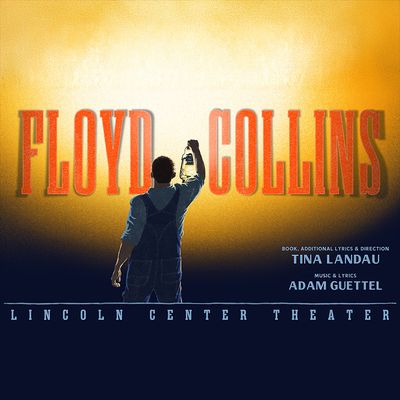
After first joining the podcast back in episode 96, Taylor Trensch returns with a Tony nomination under his belt and a powerful performance in Floyd Collins that's leaving audiences breathless. We dive into the fascinating real-life story behind the show, his emotionally raw portrayal of journalist Skeets Miller, and how a tragic event from 100 years ago still mirrors today’s media culture. Taylor shares what it’s like to be the emotional center of a musical, how his understanding of connection has deepened post-lockdown, and the joy (and challenge) of performing for an audience that includes a dog with pink ears in the front row.
From mental health advocacy to navigating the tension between real-life presence and online identity, Taylor gets candid about the evolution of his craft and the culture around him. He even takes us on a comedic detour into the plot of Cats (kind of) and imagines a version of Into the Woods that features Titus Burgess in every role, with the Muppets rounding out the cast. Whether you’re here for the insight, the artistry, or the chaos—it’s all here.
Taylor Trensch is a Tony-nominated actor currently starring as Skeets Miller in Floyd Collins at Lincoln Center Theater. His past Broadway credits include Dear Evan Hansen, To Kill a Mockingbird, The Curious Incident of the Dog in the Night-Time, Hello, Dolly!, and Matilda. He's also known for his advocacy around mental health and his commitment to emotionally resonant storytelling on stage.
Connect with Taylor:
- Instagram: @knucklesandwich
- Listen to episode episode 96
Connect with The Theatre Podcast:
- Support the podcast on Patreon and watch video versions of the episodes: Patreon.com/TheTheatrePodcast
- Twitter & Instagram: @theatre_podcast
- Facebook.com/OfficialTheatrePodcast
- TheTheatrePodcast.com
- Alan's personal Instagram: @alanseales
- Email me at feedback@thetheatrepodcast.com. I want to know what you think.
Transcript
This transcript was automatically generated and might contain errors.
[0:00] Taylor Trensch: Hi, I'm Taylor Trensch, and welcome to The Theatre Podcast with Alan Seales.
[0:30] Alan Seales: Kill a Mockingbird. Taylor Trensch has continued to take on roles that demand heart, vulnerability, and a willingness to perform opposite dyed-pink dogs in the front row. Yes, really. So, we talk about that surreal moment, plus the emotional depth required to play Skeets Miller in Floyd Collins, how a nearly century-old media circus still echoes today, and how he's grappled with the push and pull of staying connected online vs. staying present in the real world. And just wait until he dreamcasts Into the Woods entirely with Titus Burgess and the Muppets. Yes, we go there. So, as always, find me online, on all the social media, tag me in your stories, leave ratings, leave reviews, you know all the things. And now, everyone, please enjoy this episode with Taylor Trensch. Here you go. One, two, three.
[1:27] Alan Seales: Today's guest is making his return to the podcast after first joining us back in episode 96. Wow. So, if you haven't heard that one yet, go back and listen to hear his full origin story, from growing up in Tampa to starring on Broadway in Dear Evan Hansen, and To Kill a Mockingbird, and several other things. And so now he's back with a Tony nomination under his belt for his haunting and powerful performance in Floyd Collins. I can't wait to catch up with everything he's done since 2020, since episode 96. I'm coming up at episode 400, by the way. Including his evolution as an artist, his continued advocacy for mental health. I can't say the word advocacy this morning, apparently. And what it means to dive headfirst into emotionally demanding roles. Taylor Trensch, welcome back to the theater podcast.
[2:14] Taylor Trensch: Thanks for having me, Alan. 400, holy moly.
[2:17] Alan Seales: Right? Right? You were like right there before episode 100, and then all of a sudden, like, here we are. Five years later, almost.
[2:27] Taylor Trensch: That's extraordinary. Congrats to you.
[2:30] Alan Seales: Congrats to you, my friend. Thank you. Congrats to you for your Tony nomination for—
[2:35] Taylor Trensch: Thanks.
[2:36] Alan Seales: For Floyd Collins. My God, dude. Did you see this coming? I mean, does anybody ever see it coming?
[2:42] Taylor Trensch: I mean, probably Audra McDonald. But no, not at all. You know, there are all of those theater awards leading up to the Tony Awards, like the Drama Desks and the Outer Critics Circle. And I wasn't on any of those lists. So I was like, totally fine to wake up that morning, Tony nomination morning and just celebrate everyone else. So what a huge surprise to be among those names.
[3:05] Alan Seales: Wow, that's actually a good point. Like all the awards, everything just comes at us so fast right now. And I mean, I was going to say, like, why don't they space it out? But it makes sense, right? I guess.
[3:15] Taylor Trensch: Yeah, I guess.
[3:16] Alan Seales: The other nominations follow the Tonys or the Tonys follow the others. I don't know. But it's just like the month of May is insane. And on top of you're already demanding performance that you are giving eight times a week, you have to do fun things like this and do additional press. You know, like how many things are you doing today before your show? Today's a Wednesday, right? So is it two show day for you?
[3:41] Taylor Trensch: Two show day, I get to chat with you. And then I'm taking, I think, Broadway.com on a backstage tour. But that's I mean, yes, it's, it can be like a sleepy time. But sleepy in the sense of me being sleepy, not like sleepy pace wise. But it's like a lot better than serving jury duty or something. So I'm happy to be doing it.
[4:03] Alan Seales: That is very fair. I would much rather be giving anybody a backstage tour than doing jury duty. Let's dive in then to Floyd Collins and playing Skeets. And like, I guess for those who don't know, this is a revival of Floyd Collins, but like give us kind of the what's your elevator pitch of what the story is and who you are in Floyd Collins?
[4:32] Taylor Trensch: Sure. Floyd Collins is the true story of a man named you guessed it, Floyd Collins, who was a cave explorer in like the early 1900s 1920s ish in rural Kentucky. And the musical is about the end of his life, he goes down into a cave hoping to make like a huge money making tourist attraction gets trapped there. And then above ground, it becomes one of the first real media circuses in America. All of these people, I think 30,000 people descend into this teeny, teeny town.
[5:10] Alan Seales: Was it really that sort of dance on his grave?
[5:16] Taylor Trensch: Yeah.
[5:16] Alan Seales: Wow. That's, that's crazy. And then and then you play Skeets, who's like, you're kind of like this at the time, what that this person in real life was sort of like a third string newspaper writer.
[5:31] Taylor Trensch: Totally read it in my doncha.
[5:34] Alan Seales: Well, then you I mean, come on, you turn this you turn this third string writer into a Tony nominated performance. So I mean, hats off to you. Speaking of which, your hat that says groceries don't know what it means. Love it. But if you're watching this episode, I just want to blackout that says groceries because I'll get you one.
[5:47] Taylor Trensch: Thanks. Thanks. Appreciate it. And but yeah, you show up, write this article, this person shows up Skeets shows up writes this article that gets syndicated. And this is at the time, you know, in the early 1900s, being syndicated across newspapers was the equivalent of going viral today.
[6:08] Taylor Trensch: Totally.
[6:09] Alan Seales: And so you this article about this, this guy who wanted Floyd who wanted to be who wanted to turn this cave into like a tourist attraction becomes a tourist attraction himself, while he's still alive.
[6:22] Taylor Trensch: Yeah, it's pretty, pretty grim. Yes, he's the only person who physically can fit down into the tight squeeze. So tiny, look at me so petite. And so yeah, he starts he's the only connection between the American public and Floyd Collins. So he's firing up all of these articles, initially from his own point of view, and then they start to become interviews with Floyd so that people can understand what it feels like to be in this horrible, horrible position.
[6:48] Alan Seales: Did you talk to anybody? I mean, this is, you know, 100 years ago, almost at this point, I guess, but like, is there anybody from that era or that was directly involved that you that you and the cast got to really like, sink your teeth into and hear from?
[7:02] Taylor Trensch: Yes, this this amazing guy named Roger Brucker, who wrote a book called Trapped, which I think I maybe have in the dressing room somewhere. He's sort of like the leading scholar, when it comes to Floyd Collins in this tragic event. He wrote this book called Trapped, which is the jumping off point for the musical. And he came to visit us during technical rehearsals, and sat in the house. And I got to chat with him a little bit. He's in his early 90s, I think.
[7:31] Alan Seales: Wow.
[7:31] Taylor Trensch: And he was really good friends with, with Skeets. And told me that to this day, Skeets Miller is the most empathetic person he's ever met. And so I really tried to like, hold on to that and thread it through the show somehow.
[7:46] Alan Seales: That was gonna actually be like, well, I guess not my next question. But I was trying to get there eventually of the way that you bring Skeets to life. I mean, you're just crying on stage. I mean, you're going full Dear Evan Hansen level snot again, right? And, and so you're just crying on stage being you care, Skeets cares so much about this prior stranger that now is just completely, you know, got his leg pinned in a hole that nobody should have been able to fit through and then ends up of course, spoiler alert, dying from it. And I guess, before you talked to him, were you, did you take sort of the connection to Floyd, you know, the Skeets Floyd connection, did you take it to that sort of depth? Or did like that sort of add a flavoring, a color to it that you hadn't thought of before?
[8:43] Taylor Trensch: It was certainly the conversation I had with Roger was certainly enlightening and, and like deeply useful. But I remember Tina said, Tina Landau, the book writer and director, said very early on that other than Floyd, Skeets is the person who changes the most from beginning to end. And I think it's largely because he feels so responsible. He's the only person in the world of our play who's able to make any real difference. And I think he starts to really beat himself up for not being able to, to help more to actually rescue Floyd. So I think from the beginning, that was always like a little part of it. I mean, the, what I love about this, what I love about doing this show so much is that it's almost Greek in, in its scope, like it's life or death. It's really serious, epic stuff. We're dealing with the life of a, of a man, the life and death of a man. So I think that that was always there, but talking with Roger certainly helped deepen it.
[9:44] Alan Seales: That's really, it's really interesting. Yeah, the emotional arc of these supporting characters, sometimes it makes the whole show some, you know, really, because I, as an audience member, when I watched it the, the, the way that the play is, or the musical is presented, it's, I mean, Floyd, Jeremy Jordan as Floyd is, is doing his singing his butt off and doing his best and you're following him. But then the, what really made me care, and this is no shade against Jeremy Jordan, what really made me care is how you brought Skeets to us and we followed through your eyes, how much it means and how much we should be caring about this guy who's stuck, you know, downstage right for most of the show.
[10:31] Taylor Trensch: Yeah, I credit, I mean, I credit Tina in such a huge way, Tina and Adam, because I think that the device of the character I play is that most of, or not most of, but a lot of my scenes are direct address to the audience. And I think that is like really was a really smart choice from then to get the audience like activated and engaged with, with what's going on.
[10:52] Alan Seales: I love it. I really, I really do love it. And being in the Vivian Beaumont, you know, Lincoln Center Theater, LCT, it's one of the most beautiful spaces you could be in and bring it there. And, you know, I love it.
[11:06] Alan Seales: I love seeing Dear Evan Hansen's snot again. That's always my bar. I'm like, once I saw you do Dear Evan Hansen, I'm like, nope, that's it. Is he ever going to get back there again? That's good. I enjoy that. So last time we talked, it was early, early 2020, and the world was not so great. And I mean, it was the height of lockdown in the world. The theater industry has changed so dramatically since then, and you've come out and done a bunch more work as well, obviously. But has your personal approach to performing, to character development, now that we've been so isolated through that year and come out of this, how have you changed in regards to your craft?
[11:55] Taylor Trensch: I don't know. Maybe I'll discover later in life that something about my approach to making theater has changed. But I feel like what I'm most aware of is just how much more appreciative I am for every performance after being so isolated. And even now, as things have relaxed post-lockdown, we're still so hermetically sealed from each other in so many ways, like self-driving cars and self-checkout at the grocery store and having whatever you need delivered to your doorstep. I just feel like increasingly as a culture, we're being trained to not interface with each other anymore. And so I am always so grateful to be in a theater, having a communal experience with a bunch of strangers. And I always loved that about theater, but I think now I'm really making it a point to be present and grateful for every moment.
[12:52] Alan Seales: I 100% agree with that. I love it. And that was one of the things, I've said this so many times on the podcast now since COVID was that the thing that I miss most about Broadway being shut down is that shared experience with a room full of strangers. Because regardless of who you are, where you're from, what you identify with or as, everyone cries together, laughs together, shuffles and coughs together if we're all uncomfortable. There's a way to hold your attention. And yeah, it brings such a light. It brings such a, oh God, yeah, an energy to the room. And if I'm feeling down, even if I watch something sad, it still feels good because I get to just work through that. And I guess that's a good segue. That's a little B plus transition here to your advocacy on mental health and stuff too. So you've continued to be vocal about that. And so what makes you want to continue to talk about that from a personal level?
[13:47] Taylor Trensch: I guess like similarly, at a time when I think people are, it's so bizarre because the internet at once can make us feel so connected, but there's something sort of false in that connection.
[14:00] Alan Seales: Oh, 100%.
[14:03] Taylor Trensch: So I think, yeah, as I said, like just during a time when we're all feeling so far away from each other and alone, I know I always appreciate it when somebody makes me feel less that way. So I always try to talk about when I'm feeling depressed to hopefully make other people feel less alone in that experience. I mean, there's no right or wrong for anything. People feel what they feel. Sorry, I'll rephrase that. There's no right or wrong for how people are feeling. They feel how they feel. Feelings are feelings because they're feelings. And I guess you kind of, I mean, you said you brought up the depression in sort of like a jokey way, but is there still like, is there still stigma around that?
Because it's somebody myself who like, I struggle with just, I call it being in a funk. And sometimes I just don't want to do anything. You know what I mean? But then I guess that's why like we're all here in the theater because getting on stage or talking to people like you or bringing these conversations, just being around people who want to connect brings me back.
[15:13] Taylor Trensch: Definitely. Yeah. I think so too. It's like, I sometimes when I get so nervous about, I mean, as we watch this administration, like strip funding away from the arts, I get so nervous that it'll go away. But then I have to remember that it's survived this long under like also horrible conditions. And I think we'll just always be so hungry for a community. That's the whole point of being alive, I think, is to like build friendships and relationships and have communal experiences in theater. It's like one of the only live music or other live performance, but it's so essential to our wellbeing, I think, to gather with other people and have like catharsis.
[15:54] Alan Seales: Oh, absolutely. Well, how do you balance then? Because I have trouble with this, balancing the need. And I do think it is a need now in our culture, in our society and in this industry to be active and we will call popular on social media, while still then putting your phone down, getting off the screens and having these connections. Like, how do you balance that? Because for me, I'm just, it's like either dive into one or the other. And I don't know how to like do both at the same time.
[16:22] Taylor Trensch: I know I'm bad at it too. I'm sort of hoping that we're moving away from this idea that you have to have an internet presence in order to be like a commodity on the marketplace or whatever. I hope, because it's so silly and should never have been the case in the first place. Yeah, I don't know. I'm trying to be better about it too. Somebody was just telling me about the Light Phone. Have you heard of this?
[16:49] Alan Seales: No. What is this?
[16:51] Taylor Trensch: It's a new cell phone to try to like wean you off of your serious addiction to social media. And it'll only have like email, text messaging, calls, maps and music on it, I think. And otherwise, you can't access any of the other things. And I keep almost taking the leap to do that. But like you said, we're encouraged to self-promote in order to remind people that we exist and can be hired to work.
[17:20] Alan Seales: Is it an actual hardware device? Or is it like an app that you put on that locks your phone down?
[17:24] Taylor Trensch: No, it's like a hardware device. It's like a new phone.
[17:27] Alan Seales: And I think it's called the Light Phone, L-I-G-H-T.
[17:30] Taylor Trensch: Oh, I'm going to look that up because...
[17:34] Alan Seales: You should. Let's do it. Let's start a revolution together.
[17:36] Taylor Trensch: Revolution. Revolution, I suppose. There's this movement now, actually, in my kid's school, my older son is in fourth grade about to graduate and go into fifth grade. And one of the parents of his classmates has gotten a bunch of us together of this friend group and said like, hey, let's all pledge not to give our kids cell phones until eighth grade. And I'm like, I'm down with that.
[18:03] Alan Seales: Yeah, for sure.
[18:04] Taylor Trensch: Because I really look around and you know, like all these studies are coming out now about being addicted to your phone, like these kids, kids don't know how to have conversations and don't know how to look people in the eye and are losing basic social skills. And they're being, yeah, like you said, the addiction to scrolling, the addiction, what's happening in your brain when you see likes and when you get positive comments and all this stuff, it's literally the same chemical reaction as I mean, it's dopamine release. It's literally like what happens when you do a drug and you get the same reaction.
[18:41] Alan Seales: So, yes, your brain is chemically addicted to social media.
[18:46] Taylor Trensch: Yeah, I think and we'll just only continue to learn how harmful this has all been, I think, as the years go on. And it's all thanks to techno fascists and capitalism rock on. And I yeah, I hope things like that. I hope we can all band together to try to like set boundaries for ourselves to prevent all those people from just taking over the world and melting our brains.
[19:06] Alan Seales: Well, every technology is going to be good, used for good and evil. I mean, nuclear technology, good and evil, you know, it's all the same. AI going to be good and evil. Anyway, speaking of, you know, band techno fission, that was my college band name. Just kidding. Don't go anywhere. We'll be right back after this break.
[19:29] Alan Seales: Welcome back to the episode. Bringing this back to Floyd Collins for a second, because I still want to I still go back to the time period this was set in. It was the first media circus. And I wonder, you know, when you were putting this together, when Tina was helping craft this show with all of you, did you talk about, you know, the time period it was in and what it meant to be the first media circus? Because now with now with everybody, literally, as we're talking about, everyone's got a camera in their pocket, a video, a high-end video camera in their pocket with their cell phones. So it's easy for things to go viral. And then all of a sudden, it's just gone. But did you talk about, like, the fact that this was so pivotal to the American news cycle at that time?
[20:08] Taylor Trensch: Yeah, definitely. Especially in contrast to the pace of life in this place, prior to all of these people descending upon the town and causing all the hullabaloo. I don't think I've ever used that word in a sentence until today. So huge for me. Yeah, we talked about that a lot. And I think also how it foreshadowed what our media landscape would look like now. I mean, maybe more than ever, so many of our TV shows and movies are exploiting people's, like, deeply painful tragedies in order to turn a profit and, like, create entertainment. And this feels, Floyd Collins was like, a super early example of that. It's also, like, why I think it's such a great time for it to be on Broadway all these years later, is that it, like, perfectly mirrors where we've landed in terms of, like, American culture and media.
[21:04] Alan Seales: That's interesting. I wonder how that would happen. Like, if the same thing happened today, you know, I don't think people would even care. There's just so much bigger stuff. I mean, it might be like, you know, a two-minute mention on a nightly news segment, and then that's it.
[21:16] Taylor Trensch: Right. Although, do you remember the children who were trapped in the cave in Thailand?
[21:28] Alan Seales: Oh, yeah. Okay. So that was children. I guess we care more about children. We should.
[21:32] Taylor Trensch: Yeah. Hey. Hey, wait a second.
[21:37] Alan Seales: Wait a second. I think there is something thrilling about, like, a rescue effort.
[21:44] Taylor Trensch: Yeah, okay. It's like a real-life movie, more or less.
[21:48] Alan Seales: There's only one way to find out. I'm going to go get trapped today.
[21:52] Taylor Trensch: You'll see if you can get some buzz going, okay?
[21:54] Alan Seales: I'm 6'1", so I think there's smaller people who would be able to get it, but I'll live stream you getting stuck, and then we'll get accused of it being fake, and then we'll have to deny that, and that'll become a scandal. So we're planning our scandals.
[22:08] Taylor Trensch: All press is good press, Alan.
[22:10] Alan Seales: That's right.
[22:12] Taylor Trensch: One of the most interesting things that's happened within the walls of the theater is there was a dog in the front row with dyed pink ears watching the play. I thought that was pretty exciting. I think what's been a really meaningful audience response for me is just how many young people are coming to see it. I think largely because of Lizzie McAlpine and Jeremy Jordan, people who love Lizzie's music and who have loved Jeremy in The Great Gatsby and in Newsies and his other shows. So many young people come to see our show and I don't think it's like, I can't imagine in 1996 at Playwrights Horizons, they were like packing it in with teenagers. I think it was probably like a traditional subscriber theater audience. I love that so many teenagers and young people are getting to see this kind of strange, complicated, sad, experimental musical. I hope that means that now moving forward, they'll learn about other sort of more like off the beaten path shows.
[23:43] Alan Seales: I can see that. I can see that. Adam Guettel's score, the Bluegrass score is so original, so unique for, I guess, out of tradition for what we would call a Broadway score.
[24:21] Taylor Trensch: I like to see that kind of thing on stage because you take bold swings and you get bold results and you're going to inspire people in a way that maybe you won't see right away, but they're going to see this as a 15-year-old and then 10 years from now, bring something out that is totally unusual, inspired by this. I heard something the other day from this early 20-something kid and it sounded, it was very much R&B and kind of rap combined with traditional Broadway and his saying that is like a big inspiration was Hamilton because it's that kind of thing that just changes the game. It takes a decade or so and then all of a sudden, it just starts to shift in a way that we don't realize until we look back and say like, oh, wow, yeah. The rock opera too, what Rent did.
[25:09] Alan Seales: Yeah, right. I'm glad to hear you got my demos for my new R&B musical inspired by Hamilton.
[25:15] Taylor Trensch: Oh, yeah. Sing a little bit for me. I forgot how it goes.
[25:19] Alan Seales: Yeah, of course.
[25:19] Taylor Trensch: Trapped in a cave, yeah.
[25:22] Alan Seales: Trapped in a cave, yeah, yeah, yeah. Gotta get out, yeah, yeah, yeah. That's what I have so far.
[25:29] Alan Seales: That's pretty good.
[25:30] Taylor Trensch: Those are not long things, but I'm working on it. When I say R&B, kind of what you heard from me just now, maybe that isn't necessarily what you think of as traditional R&B, but once I really get in my Casio keyboard underneath, it really starts to come alive.
[25:45] Alan Seales: You need to bring those old school MIDI sounds out.
[25:47] Taylor Trensch: Exactly.
[25:49] Alan Seales: Yeah, and then the air horn. If you don't have a, then it's not a real song.
[25:53] Taylor Trensch: That's how every song ends.
[25:57] Alan Seales: Every song on the album just ends, next.
[26:02] Alan Seales: All right, so a new game we have added here on the podcast since you have last been on the pod is called Plot in 60 Seconds. And so I have a list now of 17 popular musicals. You give me a number, 1 through 17, which corresponds to a show on my list, and then you have to give me the plot to that musical that you chose in 60 seconds or less.
[26:30] Taylor Trensch: Okay.
[26:31] Alan Seales: 1 through 17.
[26:32] Taylor Trensch: Do I tell you the number now?
[26:33] Alan Seales: Yes.
[26:34] Taylor Trensch: Okay, I'm going to go with 13 because Jason Robert Brown came to see the show last night and he wrote the musical, 13.
[26:41] Alan Seales: That corresponds to Cats. Go.
[26:43] Taylor Trensch: 60 seconds remaining. So the plot of Cats is about a bunch of little kitties wearing yak hair wigs, and they come out and they shake their little booties, and they say a bunch of words that rhyme with jellicle, which is pretty cool. And then there's a cat that's old and dirty, and she's like, hey, what about me? I'm Nicole Scherzinger. And then, because she played that part once. And then a spaceship also plays into it in some way. I've got to be honest. I've watched Cats a lot, and I know what the plot is. There's a spaceship. There's old Deuteronomy, and that's funny because it kind of sounds like old duty. That's kind of something fun to play with. We got Mungojerrie and Rumpelteazer coming out doing double cartwheels, which is always impressive.
And recently, I tried to convince Jeremy Davis, who's on the ensemble of Floyd Collins, to go on stage with me doing the Mungojerrie-Rumpelteazer cartwheel, but he politely declined. What else happened? There's a white cat, and then they turned it into a movie with all their buttholes showing or something with Judi Dench, I think.
[28:03] Alan Seales: The butthole with Judi Dench movie.
[28:05] Taylor Trensch: The legacy of Andrew Lloyd Webber. Speaking of which, you saw the movie, it sounds like.
[28:09] Alan Seales: I did see the movie. At the end, when she breaks the fourth wall and turns to the audience.
[28:10] Alan Seales: That was a very Skeets Miller move, and one of the weirdest things I've ever seen. I mean, Tom Hooper, what were you thinking?
[28:14] Taylor Trensch: A real Skeets Miller move.
[28:17] Taylor Trensch: Chilling, to say the least. But hey, any chance Judi Dench is going to look at me, I'll take it.
[28:22] Alan Seales: All right. Well, we're going to put that on the universe. We're going to be like, Judi Dench is actually going to come guest star, stunt cast and replace Jeremy Jordan.
[28:30] Taylor Trensch: Oh my God, she'd be incredible.
[28:31] Alan Seales: Right?
[28:32] Taylor Trensch: Right? That'd be pretty cool.
[28:35] Alan Seales: Jeremy Jordan, we're calling in Judi Dench.
[28:37] Taylor Trensch: All right.
[28:38] Alan Seales: Three standard closing questions that you did answer in 96. We still ask them in episode 96, not 1996.
[28:45] Taylor Trensch: Oh, I was like, in 1996, we talked in 1996. I was two years old.
[28:50] Alan Seales: And I've got your answers the first time. So we're going to ask them again and we'll compare them to the first time. The first one simply is just what motivates you.
[29:01] Taylor Trensch: In within the context of theater or in life itself?
[29:04] Alan Seales: What motivates me?
[29:08] Taylor Trensch: What the heck did I say last time? What motivates me? Like a carrot on a stick. Oh, I guess like, I'm always in pursuit of trying to be a better global citizen. Like in pursuit of mutualism over individualism.
[29:32] Alan Seales: All right. First time you said storytelling.
[29:35] Taylor Trensch: That's good too. That one, that one. I changed that one. Let's see. You said you're a lazy procrastinator, but ultimately storytelling.
[29:44] Taylor Trensch: Okay. I stand by a lot of that.
[29:46] Alan Seales: Okay. Okay. What advice would you give to your younger self and younger people starting out now down a similar path?
[29:51] Taylor Trensch: Oh, read a lot and learn about things that aren't necessarily connected to like the one thing you want to do, whether that be theater or something else. It doesn't need to be so single-minded. I encourage everybody to learn about lots of different things to make yourself a better or a more well-rounded person, which in turn, I think will make you a better artist.
[30:18] Alan Seales: Awesome. The first time you said you used to struggle with rejection and have learned to reframe it because your rejection, we'll put in air quotes, is somebody else's dream come true. So celebrate it.
[30:30] Taylor Trensch: Yeah. Hey, yeah, that too. You're so profound.
[30:36] Alan Seales: Last question. If you could only see one show for the rest of your life, if you could see it as many times as you want, what would you see?
[30:41] Taylor Trensch: What would you she? What would you see? What would you see? What would you see? Alan has a big cigar in his mouth.
[30:46] Alan Seales: Yeah, I got my big walrus mustache. One show for the rest of my life. My first thought was Angels in America, but that's heavy to see every day, if I so choose. Maybe I'll go Into the Woods.
[31:05] Alan Seales: All right. The current revival?
[31:07] Taylor Trensch: Are they the most recent revival?
[31:09] Alan Seales: Most recent revival?
[31:10] Taylor Trensch: Yeah. Oh, I was just thinking, I guess, like more abstractly, like in general.
[31:14] Alan Seales: Sure, sure. Originally, you said Curious Incident of Dog in the Nighttime.
[31:18] Taylor Trensch: Oh, that too. Which is also very good. Okay, so who's your dream cast of... If you're going to dream cast Into the Woods right now, that you would want to see for the rest of your life, who would be in it?
[31:30] Taylor Trensch: Okay, Titus Burgess as the witch. Titus Burgess as Little Red. Titus Burgess as the baker's wife. Titus Burgess as the birds that come in to help Cinderella pick through the ashes. We're pulling some Dorian Gray shit right here. Yeah, and then other than Titus Burgess, then The Muppets, the cast of The Muppets as everybody else. I mean, that's pretty good. I would like to see Kermit play Milky White.
[32:00] Alan Seales: Oh, he'd be great.
[32:03] Taylor Trensch: Miss Piggy as the stepmother.
[32:05] Alan Seales: Yeah, I'm down with that.
[32:07] Taylor Trensch: All right, so where can we connect with you? Online on the social medias, you know, playing that whole game and getting your dopamine addictions. Well, you better get in there now before Alan and I buy the light phone and you'll never see us again. I am on Instagram at knuckle sandwich. I should really change it to something professional. But when I was a teenager, I was like, I'm going to do a cool name on my Instagram. I'm going to give you a knuckle sandwich. That'll yeah, I'm always skateboarding. I'm not always skateboarding. I'm anemic. I'll break all my bones. Yeah, I'm on Instagram and knuckle sandwich. And I think I think that's it. That's a good enough. We'll go there and you can find me on all the places.
I'm out there because, you know, I'm out there. I'm not so good at it, but I am. Threads, Instagram, TikTok, Facebook, leave a rating, leave a review. If you're listening on Spotify or Apple or anywhere else that, you know, takes reviews. Thanks to jukebox the ghost for the intro and outro music. And Taylor Trench, thank you so much for coming on the pod again. Congratulations again on your well-deserved Tony nomination.
[33:11] Taylor Trensch: Thank you very, very much, Alan. Take a deep breath. Make the world a little colorful.
© Broadway Podcast Network, All Rights Reserved