

Two artists with big hearts take center stage to talk about building a true home for kids in the South Bronx. Casimar Valles shares how The Haus of Performing Arts grew from an uncle’s dream into a community hub that picks students up after school, feeds them, and lets them stand up and create instead of being told to sit still... Read More
From the show: The Theatre Podcast with Alan Seales
Guests
Featured Shows

About
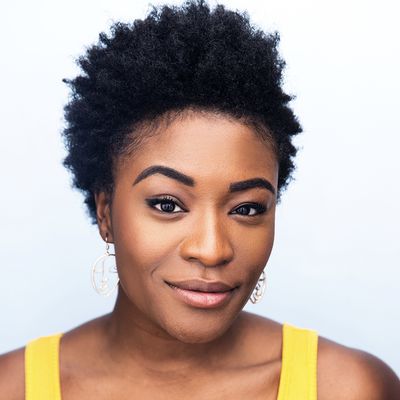
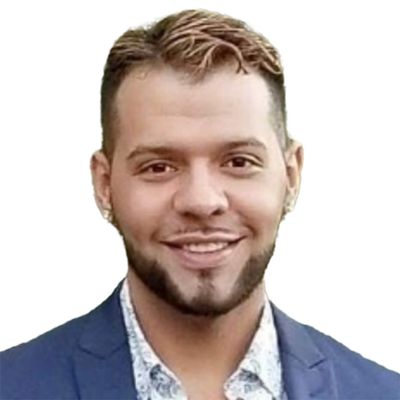
Two artists with big hearts take center stage to talk about building a true home for kids in the South Bronx. Casimar Valles shares how The Haus of Performing Arts grew from an uncle’s dream into a community hub that picks students up after school, feeds them, and lets them stand up and create instead of being told to sit still. Broadway powerhouse Nasia Thomas jumps in with lived proof of what early arts access can do, reflecting on mentors who poured into her and why representation matters when a dark-skinned Black girl sees someone like her headed to rehearsal. Together they unpack real needs on the ground from mirrors to meals to hygiene supplies while celebrating the kids’ artwork, dancing, and the joy of a safe space to go and grow.
They also invite us to show up for “A Night in December,” a fundraiser on December 1 at the Hard Rock Cafe in Times Square, doors at 6:00 PM, with Broadway friends slated to perform and all proceeds supporting The Haus’s programs. If you cannot attend, you can still donate here.
Listen for how The Haus celebrates neurodivergent students, why community grandmothers helped it blossom, and the moment Casimar decided that every child deserves a place in the front row.
Nasia Thomas is a Broadway artist and educator whose credits include Six, Ain’t Too Proud, and Beautiful: The Carole King Musical. Casimar Valles is a co-founder of The Haus of Performing Arts in the South Bronx, a multi-disciplinary nonprofit for ages 5 to 17; a ballroom and Latin dancer; and an educator with a master’s in education committed to making arts training accessible, affirming, and safe.
This episode is powered by WelcomeToTimesSquare.com, the billboard where you can be a star for a day.
Connect with Nasia, Casimar and The Hause:
- Nasia Thomas: Instagram @nasiathomas
- Casimar Valles: Instagram @casimar
- The Haus of Performing Arts: thehaus.nyc
Connect with The Theatre Podcast:
- Support the podcast on Patreon and watch video versions of the episodes: Patreon.com/TheTheatrePodcast
- Twitter & Instagram: @theatre_podcast
- Facebook.com/OfficialTheatrePodcast
- TheTheatrePodcast.com
- Alan's personal Instagram: @alanseales
- Email me at feedback@thetheatrepodcast.com. I want to know what you think.
Transcript
This transcript was automatically generated and might contain errors.
[0:00] Casimar Valles: Hi, I'm Casimar Valles.
[0:02] Nasia Thomas: And I'm Nasia Thomas. And welcome to The Theatre Podcast with Alan Seales.
[0:13] Alan Seales: Hey, everyone. Welcome to another episode of The Theatre Podcast. I'm Alan Seales, and our guests for this episode are Casimar Valles and Nasia Thomas, who are here representing The Haus, that is spelled H-A-U-S, no relation to the House of Holbein. And The Haus is this organization, a non-profit that Casimar and his co-founder set up to give children in South Bronx, basically an easy door into entertainment and theatre. And there's people like Nasia and other Broadway performers who come in and teach and consult and meet with these kids and just give them a clearer direction and a wonderful place to, like a safe place to be when sometimes at home, there just isn't something that's really all that safe.
So right now, as I'm releasing this episode, there's a fundraiser coming up called A Night in December, which is happening at the Hard Rock Cafe in the heart of Times Square, right there at 43rd and 7th, I believe. And they're raising money for just basic things like mirrors and more meals for the kids and things that a lot of us just kind of take for granted when we go into rehearsal spaces. So if you can, you don't have to show up at all in person, but there is a place to donate. But if you want to show up to the actual event, there's going to be some Broadway performers that are actually going to be performing, including Nasia. The link to the fundraiser to donate and or get tickets is going to be in the show notes.
So please check out the show notes, look for that. I just love the passion that these two have for educating youth and giving people an entry point into the arts like this. And I mean, I'm just going to get right into it. I'm going to let them speak. Let's kick into the episode. Special thanks to welcome to timesquare.com, the billboard where you can be a star for a day. And everybody now please enjoy this super cool episode with Casimar Valles and Nasia Thomas.
[2:13] Alan Seales: Today's guests are artists, educators and advocates using their creative gifts to open doors for young people in the South Bronx. One has starred on Broadway in Six, Ain't Too Proud and Beautiful: The Carole King Musical, while the other has built a vibrant arts community as the co-founder of The Haus of Performing Arts, a multidisciplinary enrichment program offering training in performing, visual, musical, culinary and literary arts for kids ages 5 to 17. Together, they're helping the next generation discover confidence, creativity and purpose through the arts. Nasia Thomas and Casimar Valles. Welcome to the theatre pod.
[2:49] Nasia Thomas: Thank you. I love that entrance.
[2:51] Casimar Valles: Okay. I sound special.
[2:53] Nasia Thomas: There you go. I'm special.
[2:55] Casimar Valles: You are special. I'm all special.
[2:57] Alan Seales: Well, yeah, let's dive right in. Casimar, I want to start with you because like, tell us what The Haus is.
[3:00] Casimar Valles: So, The Haus is a nonprofit in the South Bronx. And basically, we do everything it is that you just said. Arts is what drives us. So, starting off with just the performing arts, you know, we wanted to do something that, you know, we can offer something that we know about. But then we quickly realized that parents needed child care. You know, that it wasn't just about doing something that, you know, that we know that kids like. They actually need child care. So, then for the kids that are not just into the arts, you know, they want us to do something more. We started introducing, okay, let's draw anime. Let's do culinary arts. Some of you need help with literary arts. So, now we're just like a full-on arts program. But like, go back to the beginning, beginning though. Like, where did, why did you co-found this? Why did you get it started? Where was the need for all of this to exist?
[3:49] Casimar Valles: So, all of this really started with my niece. You know, as the gay uncle, when you have a niece, you're like, yes, you're going to be Beyonce. It's just the thing. You know, so, and luckily for me, she enjoyed dancing. I'm a Latin ballroom dancer. She likes to dance and then that was the thing. You know, I put her in a program that I was working at in Harlem. But I realized quickly that although she was one of the most talented kids, she was often getting in trouble and that the stage had a gradient where she was in the back and she just so happened to be one of the dark-skinned girls. A literal color gradient.
[4:22] Nasia Thomas: The darker-skinned girls, sorry.
[4:24] Casimar Valles: Yeah, yeah. And I hated that and I didn't know how to address it. I didn't know how to address it as a man. I didn't know how to address it in general. So, I just decided, I was like, you know something, I'm going to just create another program where you can learn despite your learning disability or, you know, despite your skin color, you can be in the front. And then that just kind of snowballed, you know, and working with my co-founder Alexis, we found a bigger space. We were dancing in, what is that called, a barber shop. In a barber shop and then grandmothers started walking by saying like, hey, what are you guys doing in there? It was like, oh, we're just dancing. Oh, can I put my granddaughter in there? So, like that, grandmothers just started putting in their kids and then the company grew.
[5:07] Nasia Thomas: Thanks to the grandmas.
[5:08] Casimar Valles: Thanks to the grandmas, we'll save the day. My mother always says that. She's like, a grandmother will save the day. I believe that.
[5:12] Alan Seales: And Nasia, how did you get involved with this whole program and everything?
[5:17] Nasia Thomas: Yeah, so I moved in the area and I saw that there was a performing arts school and also like as a performer seeing an open studio performing arts in the Bronx. Like what? I had never seen anything like that. Usually I got to go all the way down to Midtown, but of course, because that's where things are more accessible and, you know, that's where the people are. But I had never seen anything performing arts related in the South Bronx. You know, sometimes I'm walking down the street, I'm like, I'm the only one who probably Broadway and, you know, people aren't going to understand that I'm bopping down the street, listening to something from Six or listening to something from Beautiful or anything like that.
So I was really intrigued and it just so happened, you know, I was moving into this apartment and they were also there and it's like, wow, what is this? This multifaceted, these people that I'm seeing, you are helping me with this, but also here's a school. And then, you know, of course, I'm like, hey, I, you know, am on Broadway. Sometimes I also want to get involved with creating a safe space for the next generation of artists. That's always been something that's very, very close to my heart. So I was like, anything that I can do, like, I don't know if I had the time to commit to, you know, eight times a week doing a class, but if I need to do a talk back, if there's anyone I need to speak to, how can we get the kids into some shows?
What discounts can we provide? What, like, what can I do? How can I help? And, you know, now is the time after what that was 2021. And now is the time to come together and, you know, people are making it happen. These two are making it happen and I'm along for the ride to help in any way that I can. But I really just lucked out in finding this space, but also finding my two friends who also share the same passion that I do in a way that I have not seen in a lot of people. A lot of people are like, yeah, we care about the arts, you know, but who are the people who care about the arts who don't have the funding? Like, who are, I hate the word scrappy, but sometimes I use the word scrappy because sometimes it's like the scrappiest people are the ones, I'm scrappy myself.
Like, how can we take these two pennies or any sort of like accessibility and visibility and, well, lack of, and try to make something for other people. That does not happen. People don't do that and it's never driven from money or anything like that. It's like, this is what we love to do and Lord, we're going to figure out how we're going to do it. And they have done that. Remarkably, they have done that. It's ridiculous.
[8:11] Casimar Valles: And even though like, you know, this is happening now, like even just in passing by, like we'd be having classes in Asia where like just step inside and just say, hi guys, how you all doing? And it just, it lightens up the room because it shows the kids that what they're doing is more than just, you know, that tiny little studio that we were in, which by the way, back then we had a small studio that could only fit 10 kids and now we can fit a hundred kids.
[8:33] Nasia Thomas: Whoa, that's big. That's a big upgrade.
[8:36] Casimar Valles: So the idea is to reach as many kids as we can. You know, this type of thing is needed. I guess we can, like you said, we think Beyonce, right? It all goes back to wanting to be Beyonce.
[8:46] Nasia Thomas: Yeah, yeah. Always.
[8:48] Casimar Valles: And that is how Six came around, right? Because you got to do these pop concerts.
[8:51] Nasia Thomas: Oh yeah, yeah.
[8:52] Casimar Valles: Pop concert style.
[8:52] Nasia Thomas: I mean, hey. And I am such a big fan of like making sure people, and especially the youth, can see that it's possible representation. It's like coming and seeing there is another black woman, a dark-skinned black woman who is right here where you are and is going off to, you know, go to rehearsals for her Broadway show. It's like, I am exactly in the place that you are. There is nothing that you can't do. I mean, I was a student from an art school as well. I grew up, the only reason why I am here today, five Broadway shows later, is because there was a teacher who believed in me and gave me these resources and these connections for free. I went to a whole art school. Adrian Warren went there.
[9:39] Casimar Valles: No kidding.
[9:39] Nasia Thomas: Rasheedra Scott, Anthony Wayne, Grant Gustin, Mary Faber. I mean, I could go on and on and on and on and on about, you know, free arts education and why it is extremely important. So, like any time that it's like, let me show these kids that, you know, it's possible. It is absolutely possible to come from a single family home and go to an after school program and then be able to do stuff like this. It is all within your reach and it takes people who believe.
[10:13] Alan Seales: And Casimar, have you heard feedback from the parents and the grandmas who have been like, you know, my kid is in so much less trouble now. They're enjoying what they're doing. And like, just seeing the feedback from the community, have you been able to, like, measure that in any way?
[10:28] Casimar Valles: Yeah, of course. I mean, measuring it is like, it's in my heart, but also in my office, I do write these things down. I'm just like, I got emotional thinking right now just of one parent, because specifically she has a boy who is neurodivergent and he was constantly getting in trouble. And she found it difficult to find a space that she can leave her son, come back after a hard day of work and not have to hear a complaint about her child. So, she was like, even in thinking about transferring schools, she had asked us, will you still pick up my son from this school? Because if not, I'm not going to transfer his school.
[11:04] Alan Seales: Wow.
[11:04] Casimar Valles: Wait, you do pick up too?
[11:05] Casimar Valles: Yeah, we pick up the kids from school. That's how they get to us.
[11:07] Alan Seales: You got a whole bus service going.
[11:09] Casimar Valles: We wish we got legs that work.
[11:10] Alan Seales: Wow.
[11:12] Casimar Valles: Legs that dance and legs that walk to pick up these kids.
[11:14] Alan Seales: Oh, that's great.
[11:15] Casimar Valles: Yeah. So, just in that and being able to give a mom that piece, it's not just that we're working with the kids. We're an extension of the family. We are the village for them. A lot of them are single moms just trying to make it work, coming back from two different jobs to pick up their kids and then have to worry about homework or worry about socializing their kid. That's what we're there for.
[11:39] Nasia Thomas: Yeah.
[11:40] Casimar Valles: We get to be that extra extension that the parent can be, that the school doesn't have necessarily the time to do. We get to be that and that's a very special role that we fill.
[11:48] Alan Seales: Yeah. It sounds like it's become a home away from home, a chosen family, which is what theater is in general, right? It's like a group of merry misfits and you've made it accessible in a place where it is probably, I guess, definitely desperately needed to show representation, to show that everybody is equal and show that they have the same opportunities. I mean, we live in frickin' New York City and you came in from the South Bronx to be here for this interview and it only took you 30 minutes. That's the same for me to get from Brooklyn. That's shorter than the people to come in from Washington Heights. The opportunities you have here and you're putting it out there and I can't say no nice things. I literally have goosebumps right now.
[12:33] Casimar Valles: Awesome.
[12:34] Alan Seales: Things are so good. But what do you need next? I know you've got a fundraiser coming.
[12:41] Casimar Valles: Money.
[12:41] Alan Seales: Yeah, money, I'm sure. Talk about that. How do you raise money? How can people get involved and donate and show their support?
[12:50] Casimar Valles: So for sure, our website, www.thehaus.nyc. You can go there to donate. I have links and everything there. Very easy to find. But right now what we're working on is our first huge fundraiser.
[13:05] Casimar Valles: Which is basically the Bronx to Broadway. And I'm like, I'm like, I'm like getting flustered even in trying to think of how special this is for us. Because we're doing something so grand at the Hard Rock Cafe. And like, right here, like right here, right here below us, right here. Yeah. And it's, it's, it's so exciting to think that, you know, we have so many artists ready to like, just jump on board to help us attract people in. Our kids are dancing every single day. They are so excited. Like, they get to us, they want to rip up their uniform, they want to dance, they want to be comfortable. They're excited. Each of them has like their own little spot to be in the front. Yeah. So right now, that's what we're doing.
We're doing our fundraiser. It's on November 24. The doors open at 6 PM. Tickets and everything are online. Also sponsors. If anybody wants to sponsor, come through. Yeah, that's that. That's what we're doing. Hate to say that money makes the world go round, but especially in, you know, in times like this, we need the money to, you know, make sure that everybody is comfortable, the catering, sound, the musicians, the costumes, like all of these things, all of these things cost so much money. And yes, we can all do everything for free that we can. But I mean, to be able to have some outside assistance would be nice. It would, it would be really, really, really lovely. We've kind of stretched as like, we've stretched as far as we can go in terms of like, what we can do already with the limited resources.
Yes. You know, like, we've, I mean, my co-founder and I, Alexis, like, we've done a lot already for free. And we have a lot of amazing volunteers willing to donate their time. But unfortunately, you know, we need to keep the lights on.
[14:58] Nasia Thomas: Yeah, absolutely. You know, we need to keep the lights on. We need mirrors.
[15:02] Casimar Valles: Yeah, Con Ed isn't going to donate power for free.
[15:04] Nasia Thomas: No, they definitely not. No, when they call, they're not offering free electricity. You know what I mean? All of those things matter in terms of elevating the experience. And a lot of times, you know, we skip these low income communities and we think, oh, well, we already have enough. We don't need to be investing in other areas. And I was saying the other day to someone who said, you don't need to reinvent the wheel. And I said, but we have so many tire companies. We have tons of, I'm looking in this room, so many different places to sit. Somebody didn't say, don't reinvent the chair. So why is it that investing in our children and thinking that we can create the next great creative, the next innovator? Why are we not giving that also to this community? Why are we just skipping over it?
[15:52] Casimar Valles: What is your background in education? Did you just literally just like your passion for your niece and you're just like, I got to do this? Or do you have an actual education background?
[16:01] Nasia Thomas: So I'm a master's in education.
[16:03] Casimar Valles: There you go.
[16:05] Nasia Thomas: Yeah, but I grew up with my mom. My mom is a single mom of four, and she's a nurse. Now she's a school nurse, still working at 71 years old. My mom taught me that education was worth more than money in your pocket. And if I wanted to do anything, I had to make sure that I educated myself first. And that's really what propels me is seeing that there is a space for learning. And if that's supposed to be the great equalizer, and I have the ability to do something, it's as natural to me as breathing. It's not as if I made a choice to do this. This is just what I was supposed to do.
[16:45] Casimar Valles: Don't go anywhere. We're going to take a quick commercial break.
[16:49] Nasia Thomas: All right, everyone, now we're back. Did you grow up in this area?
[16:52] Casimar Valles: I grew up in the South Bronx.
[16:53] Nasia Thomas: South Bronx, yeah.
[16:54] Casimar Valles: Yeah. Nisha, were you in the area too?
[16:55] Nasia Thomas: I grew, I was born in Queens, but I was raised in Virginia.
[17:01] Casimar Valles: And that's where the art school was that I went to, yeah.
[17:03] Nasia Thomas: Interesting. So then what got you into performing then when you were a little kid?
[17:08] Casimar Valles: Yeah. So the Governor's School for the Arts is a school in Norfolk, Virginia that I went to after school. It's a high school program. So I went to regular high school for half of the day, and then I got on a bus, and I went to another city with some other kids. And we went to the Governor's School for the Arts where they trained us in visual arts. Well, I wasn't in that department, but there's visual arts, there's straight theater, classical music, instrumental music, all of these things. And that's where I went from the age of, I guess, 14 to 18. And we had some notable alumni that came out of the school.
[17:47] Nasia Thomas: So it's like, oh, these people like Adrian and Rashidra, those people that I looked up to, they're out in New York doing the thing because of this program. This is the only program that existed, at least that I knew of, to that caliber in Norfolk, Virginia. So that's how I started. They introduced me to people who went to Elon University where I graduated. There were some alum who went to Elon University. And from there, I was able to soar, but I was getting professional level training at 14 years old.
[18:23] Casimar Valles: In Norfolk, Virginia?
[18:25] Nasia Thomas: In Norfolk, Virginia, which propelled me to be successful at Elon where the Governor's School kids were so much more, not advanced, I don't want to sound crazy, but we had the tools already that were starting to be sharpened at 14, 15, 16 years old. And that's when it's like, this is the same thing that could be happening for these children to be so propelled forward. And also the Governor's School shaped my humanity. It shaped who I am as a human, which is the most important thing. Taught me how to be a good, empathetic, graceful human being. And that's what happens when you start to pour into kids at a young age. And these kids are getting it at seven years old. Oh my goodness, could you imagine being seven years old and being poured into like that?
But people who actually care about you, I'm not here for the money. You pour differently when you pour from your heart and not your pockets, but we do need the pockets. You know what I'm saying? I wouldn't be where I was, where I am today without that training. It's so important.
[19:34] Casimar Valles: It's such an important age, like that 7, 8, 9, 10 is when you start to develop your critical thinking, your executive function, right? And so if you feel, if you go through life with fear or even thinking that you don't belong or you have nowhere to go, like it-
[19:52] Nasia Thomas: Messes with you.
[19:52] Casimar Valles: Yeah, messes with you in a way that I don't know, like it takes a long time to recover from if you can recover at all. So you're giving these kids a safe space.
[20:02] Nasia Thomas: But we are.
[20:04] Casimar Valles: Definitely not just me. This is a whole group effort. I wanted to say that that's what you just said is part of the reason why we call it the house is because for us, I know for myself, I won't speak for everybody, I did not come from the most stable home. So for me, afterschool was that space that from first grade, second grade, third grade, fourth and fifth, I knew where I was going and I was safe there. So in calling this the house, it's because for a lot of these kids, this is their first stable home. So when you think about it that way, we're creating stability. We're creating that safety net that they can go where they know, like, okay, this person is not going to walk out of my life, where there's consistency that I can build a platform and then grow from that platform. That right there is what keeps, you know, I wish I knew like more like building analogies, but it's like whatever it is that keeps the building stable.
[21:03] Nasia Thomas: Foundation.
[21:04] Casimar Valles: Yes, all of those big words. That's what it is. You know, that's what keeps us going.
[21:12] Nasia Thomas: You're also providing meals for these children.
[21:15] Casimar Valles: Oh, yes.
[21:16] Nasia Thomas: That's also something else. It's like you come here and I know that there will at least be food for me to eat, I don't have to pay for it. And this is happening out of like their own pockets. You know what I mean? It's remarkable. I've never seen anything like it. It's so beautiful that you said this is a stable home. At least I know that from this time to this time, I am going to be somewhere safe where I'm respected and I'm neurodivergent. And my neurodivergence is celebrated instead of pushed to the side and I can eat. Some people don't have meals at home. And you provide all of these things. I've never seen anything like it.
[21:54] Nasia Thomas: And like our arts program, like this is the one space that like neurodivergency is celebrated. You know, like forever, we're like we're being told to sit down and learn. And here I'm being told to stand up and create.
[22:02] Casimar Valles: Oh, I like that.
[22:03] Nasia Thomas: Yeah, make a stance on that one. You know, like, it's tough being that kid that is just like, okay, for eight hours, I have to sit down like this, I have to learn in this type of way. And here you get to learn how you learn. And you get to move your body, which for these kids is super important. You get to figure out what is it that you like? How do you best express yourself? I mean, art does that. And here are 17,000 ways in which you can learn how to, maybe it's not dancing, maybe it's singing, maybe it's drawing, like you have these students. And inside the house, there's this wall of just like beautiful art that I was like, I would have never known that a 10 year old made this, I would buy this for a lot of money. But you know, you have so many different disciplines. Maybe it's not the dancing, but it's picking up a pencil.
[23:02] Casimar Valles: What if your fundraiser, you auction off some of these, this artwork?
[23:06] Nasia Thomas: We are. I'm keeping my favorite, but we definitely are. No, because like some of this stuff is really good. It is. I'm not kidding when I tell you that it's really good. And I brag. I'm like, yeah, my student did that, their name and their age is right next to it. What if somebody wants to come in and teach and contribute into the educational side?
[23:24] Casimar Valles: Oh, please email us, call.
[23:28] Nasia Thomas: Where do they email you?
[23:30] Casimar Valles: info at the house dot NYC.
[23:32] Nasia Thomas: All right. Okay. What do you need the most of?
[23:35] Casimar Valles: The most of? Other than money.
[23:37] Nasia Thomas: Other than money. Geez, my mind just went to a million different places.
[23:42] Casimar Valles: I mean, volunteers, people who can come in and pick up, let's just say like shifts at the after school or people who want to come in and donate costume pieces or people who have connections, who wouldn't mind connecting us with people who also have connections or who like to volunteer or like I have mirrors. They are dancing in a space that doesn't have mirrors. Maybe you are an old furniture store or something and there are mirrors you can donate, things that you can donate, chairs, maybe you can sign up to do food every now and then for the kids, you know.
[24:27] Nasia Thomas: Thank you for jumping in because I got overwhelmed by thinking of how much it is that we need. Like, yes, to piggyback off of that again, thank you. Like when you walk into our space, you know that it's a space that things get done, but you also get left in wonder like, how is this happening? Because you see that we've repurposed a lot of stuff. So, like mirrors has always like been like the biggest thing. Speakers are generally like pretty affordable, so we have speakers. But even things like our flickering lights. Oh, you know, I've never priced out a giant mirror. It's about, I looked on Facebook Marketplace like $3.95 for like a rolling mirror or something like that. I'm like, oh God, $3.95.
That's a lot. Or we can just find those mirrors from Target or something and just paste all of them together, but that takes time and that takes glue. And precision, because then you end up with mirrors that kind of look a little wonky and then your face is all distorted. But yeah, for sure, just like the, when I say like light bulbs, you know, how some of the ceilings look and making sure that like every bathroom itself has a mirror.
[25:43] Nasia Thomas: Mm-hmm.
[25:43] Casimar Valles: And just like, and also our program has a lot of girls, toilet paper, like, you know, these things that like people don't think about that. It's just like, hey, hygiene, feminine products. Like this, this is all a part of the learning process as well. Our basic human needs.
[25:54] Nasia Thomas: It's a house. Hello. Houses need soap and paper towels and disinfectant spray. The kids get sick all over the place. Masks, you know, healthy snacks. Yeah. And then we're all like singing. So it's just like, you know, if you have a cold and you don't say nothing because you're a kid.
[26:11] Casimar Valles: We need the disinfection. Yeah, it's gonna be that right touching everything. Yeah, it's sneezing on me like my bed.
[26:18] Nasia Thomas: They fart on me.
[26:21] Casimar Valles: Come on, sounds like yesterday.
[26:24] Alan Seales: Have you both found that you're sort of becoming like mentors, big brothers, big sisters to a lot of these kids?
[26:30] Casimar Valles: That's funny. We were just saying the big brother, big sister thing. Yeah. I mean, in that respect, there is a family feeling in this, you know? I find myself feeling like everybody's uncle, which is funny because all of this really started with my niece. So when the kids run to you, I'm thinking of one kid, like he always jumps on my shoulders. He's 10 years old, but he's such a tiny thing. And I know the days that he did not take his medicine because he's always running around. Then he'll jump on top of me and he's like, "You're just so tall." And a part of me wants to be like, "Boundaries." A part of me wants to be like, "Hey, you know, respect my personal space." But the other part of me is just like, when does he get to do this? And then that's when it's just like, you know what? I'm gonna be your uncle for the day. I'll be your godfather for the day, whatever you need me to be because obviously it's more than just a teacher at this point.
[27:33] Nasia Thomas: Are you feeling the same thing?
[27:35] Casimar Valles: Yeah, I mean, I haven't been able to interact with the kids as much, but I know in my own personal life, any students that I come across or coach, it's often like, "Alright, so let's get on the Zoom and I want you to tell me about what's going on at school." And, you know, being able to be a safe space that's not necessarily their parents while also still, you know, keeping it together and enforcing those boundaries in those ways. Being someone that they can talk to is super duper important because sometimes they don't want to go to their parents, and sometimes it's easier to relate to someone who might be closer to their age because I am still in my youth.
[28:17] Casimar Valles: Any eye cream this morning?
[28:20] Nasia Thomas: Yeah, I know what it felt like to wish like I was, I'm the oldest, so I didn't have like somebody to call and say, "Hey, my mom is tripping. Can you tell me if I'm wrong or not?" Or like, "I have a crush on somebody." Oftentimes, all those things you have to kind of keep inside or I need guidance on very, very specific things I can't talk to my parents about because it's weird, you know? Having someone else there to talk to is super duper important, and it informs so much of their humanity. So I do think it's important. I also think it's important to let the kids know that we are accessible to you at any moment if you are ever feeling unsafe. Being a safety net, another safety net for these kids is important.
[29:08] Casimar Valles: Yeah. I mean, kids in general, they need to feel safe. We were just talking about that, whether it's in sports or rather in class or at home, especially like if you can't go home and feel safe, then yeah, the downstream trauma of that isn't, you know, we're just now coming out with all these studies and everything. So like, it's just brilliant. I really think it's brilliant what you're doing. And then you're here and then Alexis, co-founders over here off-camera. Like the two of you guys, what you're doing is just, thank you for what you're doing because you're making the next generation of creators and inspirers and generators.
[29:40] Nasia Thomas: Yeah, I mean really we're just the facilitators.
[29:47] Casimar Valles: Yeah, but you're giving it a place to happen. You're the catalyst.
[29:52] Nasia Thomas: Yes, conductor.
[29:52] Casimar Valles: There you go. You're the rubble teaser.
[30:03] Alan Seales: Did you ever perform at Busch Gardens Williamsburg?
[30:08] Casimar Valles: No, 'cause I did.
[30:09] Nasia Thomas: Okay, but I auditioned.
[30:14] Casimar Valles: What? And I don't remember. I mean, I never worked there, but I feel like I had a successful audition, but maybe there was something else that I did. But I do remember getting up and driving to my audition. Yeah, I always wanted to feel like everybody worked at Busch Gardens except for me, but I was always there on the Apollo's Chariot.
[30:32] Casimar Valles: Yeah, I worked there off and on for about three years, and yeah, we went to Norfolk a lot.
[30:35] Nasia Thomas: Come on, come on.
[30:41] Casimar Valles: Yeah. Oh, yeah. We take a bus, a midnight bus, midnight up to New York on a Sunday night, and then we spend all day Monday because Monday was our day off, but all day Monday in New York. Sometimes we hit an audition or something if there was one. I bombed everyone I went to, and then Monday evening come back, get in at about 6 a.m. and then go do 10 shows for the day because they were 30-some shows for the day for $10.
[31:10] Nasia Thomas: Yep.
[31:11] Casimar Valles: And I never made it to cruise ship life, but you know, the different thing, I feel like it's, yeah, it could be the same in 2025. It's probably the same thing now.
[31:21] Nasia Thomas: Oh, yeah.
[31:21] Casimar Valles: No, the cruise ship life. I've talked to a couple of cruise ship people, and it's still exactly the same. It's just, it's so hard to get on. Once you're on, it's like, depending on who you are, it can be such a terrible gig or mostly a great gig because your expenses are pretty much paid for, and you just sit on a ship, travel the world.
[31:37] Nasia Thomas: You know where you're going.
[31:40] Casimar Valles: Yeah.
[31:41] Alan Seales: Alright, so just wrapping up talking about The Haus, is there anything that you want people to really know that we haven't talked about yet?
[31:47] Casimar Valles: No, I mean, I think that we hit everything. I mean, we've said what the company is. The company is a home for the performing arts, and it's a safe space for children to go and grow, go and grow, go and grow, and in whichever direction it is, as long as the trajectory is upwards, it's only okay with that.
[32:06] Alan Seales: And your fundraiser that's coming up on December 1st, what else about that?
[32:11] Casimar Valles: Doors open at 6 p.m., and they can get their tickets online at thehaus.nyc. And there is our Broadway cabaret where we have a variety of artists. We have some performers that you've seen on Broadway stages, on the TV coming in. I have around like eight or nine confirmed right now, some dancing. Are you allowed to say?
[32:33] Casimar Valles: Yeah, Nasia Thomas will be there for sure. But I do have some of your faves from this past season. We have some people from Real Women Have Curves. We have people from Ain't Too Proud, The Lion King, The Color Purple, MJ, Disney Cruise Line. We have some Freestyle Love Supreme. It's like we have some heavy hitters on the bill.
[32:56] Nasia Thomas: You got a nice lineup coming in there.
[32:56] Casimar Valles: Yeah, Anissa Folds, you know, if I'll text her and see if she's available, but Lord, she's so busy all the time. But you know, I was like, it's gotta be.
[33:05] Alan Seales: Yeah, I love her.
[33:07] Casimar Valles: Don't go anywhere. We're gonna take a quick commercial break.
[33:11] Alan Seales: Alright, everyone, now we're back. Alright, so now we'll shift over to Plot in 60 Seconds. So this game is that I normally have one-on-one guests, and they have to give me the plot to a show that they choose in 60 seconds or less. So would you guys like to do this together or each do your own?
[33:31] Nasia Thomas: Okay, alright, we have to choose the show.
[33:35] Alan Seales: Yeah, so 1 through 17 though. I'm gonna tell you what show it is based on what number you...
[33:35] Nasia Thomas: 6.
[33:38] Casimar Valles: Okay, 1 through 17, give me a number.
[33:46] Alan Seales: Alright, let's do it. Okay, Last Five Years, go!
[33:54] Casimar Valles: The plot of The Last Five Years. So we have Kathy and Jamie, two people in a relationship. The show goes, you know, Kathy's story goes backwards. Jamie goes forward. They only meet in one place in the middle. It's a story about this beautiful human relationship and the ups and downs of their relationship over the five years that they were together. A heartbreaking, beautiful, funny story written by Jason Robert Brown, a musical genius. Ah, we love him. I have 28 seconds.
[34:25] Alan Seales: Alright, alright, I like that one. So now three standard closing questions. Each will get to answer. Let's see. So Casimar, we'll start with you first. Simply just, what motivates you?
[34:31] Casimar Valles: Family.
[34:37] Casimar Valles: The hope of generations to come and all the things that they are, that they have at their fingertips and what they do with it, and knowing that we could be a small part of it.
[34:50] Alan Seales: Alright, Nasia, we'll start with you this time. What advice would you give to your younger self and younger people listening now starting out down a similar path?
[34:55] Nasia Thomas: Oh my goodness. Look in the mirror and know that you are beautiful. Know that the rich, beautiful hue of your skin is actually your superpower. Know that sometimes no is the best thing that could ever happen to you, and that whatever is made for you won't pass you up, and what passes you up is never made for you.
[35:32] Casimar Valles: Yes, mark. Trust yourself more. If I could speak to my younger self, I would say you were right. Your emotions were there for a reason. Everything that you thought you wasn't crazy. You were assessing the situation, whether you were thinking about surviving or thriving, you were right.
[35:55] Alan Seales: Alright, last question. This is the hardest one. Alright, who's gonna go first? I'll let you choose.
[36:00] Nasia Thomas: Okay.
[36:01] Alan Seales: If you can only see one show for the rest of your life, you can see it as many times as you want. What would you see?
[36:05] Nasia Thomas: Oh, geez, there's just so many. I... Okay, I have to say Wicked. I do have to say Wicked. I just love the pink and green. I love the story. I love the relationship, you know, the misunderstanding and then the understanding.
[36:26] Casimar Valles: Yeah, I would watch that show.
[36:33] Nasia Thomas: Yeah, there's so many layers to that. I like that answer.
[36:37] Alan Seales: Alright, Nasia, you are on some other planet right now.
[36:41] Nasia Thomas: Oh man, 'cause I'm trying to think. I would probably say, you know, when we watch these shows, you have to think like what's gonna be okay looping in my head, looping in my head, looping in my head. I would have to say In the Heights just because the music never fails. There's not one song that you could really get tired of. Oh, and Ain't Too Proud. Oh, yeah, sorry, I know we supposed to choose one, but you know, I would say those two. Yeah, I went back to Finding Neverland. Like that's the soundtrack that I play over and over.
[37:14] Alan Seales: Yeah.
[37:15] Nasia Thomas: I know we supposed to pick one.
[37:18] Alan Seales: You know, I mean, I get it. I get it and understand we had an understanding for the answer.
[37:23] Casimar Valles: Standby, swapped it in.
[37:24] Alan Seales: Alright, so tell us where we connect with you personally and connect with The Haus, and of course remind everyone where to get tickets for the fundraiser.
[37:30] Casimar Valles: Yeah, so, well for me personally, I mean my Instagram is the best thing. It's my name. Luckily, it's unique enough. It's Casimar, C-a-s-i-m-a-r. And then the company, if you want to donate or get a ticket to go see A Night in December, it's thehaus, H-a-u-s dot NYC.
[37:45] Nasia Thomas: Yeah, and I'm at nasiathomas on Instagram, n-a-s-i-a-t-h-o-m-a-s. You can reach out to me as well as The Haus if there's anything that you might feel like you want to donate or you're not quite sure. Just like we're both, everybody involved, we are here to answer any questions and support and welcome any support in any way, even if I want to donate some shoelaces, crackers, well, you know, whatever. Just don't be afraid to reach out. There's a place for you at The Haus.
[38:31] Alan Seales: Alright, get more of me online on all the socials. I'm just fine, I'm out there. Leave a rating, review, tell your friends. Of course, everybody go visit thehaus.nyc. Thanks to Jukebox the Ghost for the intro and outro music. Thanks to WelcomeToTimesSquare.com for the lovely use of this studio. Nasia and Casimar, thank you so much. You guys are doing such great work, and I hope it only just grows and grows from here. Thank you for your enthusiasm, and we can certainly tell that you're passionate about this as well, and that is what makes this whole exchange very special. So thank you for the platform.
[39:01] Nasia Thomas: You're welcome.
[39:01] Casimar Valles: Yes, any time.
[39:08] Alan Seales: Thank you so much. I'll just echo that. Thank you.
© Broadway Podcast Network, All Rights Reserved