

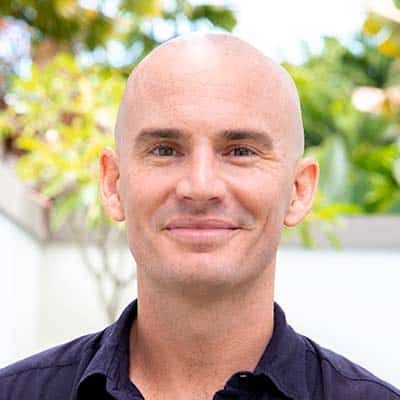
Welcome to Season Four! On this episode of Conversations with Changemakers, we speak with David Chase, Music Director, Music Supervisor, and/or Dance Arranger for 40+ Broadway productions, as well as innumerable film and TV credits... Read More
From the show: The Tony Howell Podcast
Guests
Featured Shows
About
Welcome to Season Four! On this episode of Conversations with Changemakers, we speak with David Chase, Music Director, Music Supervisor, and/or Dance Arranger for 40+ Broadway productions, as well as innumerable film and TV credits.
Listen now to discover:
How music is made—beyond sounds to theatrical storytelling and audience catharsis.
The secrets of successful creative collaborations and artistic leadership.
How to create art that AI will never be able to replace.
Bonus tips for showbiz couples, parents, and those interested in legacy.
Click here to access bonus resources from this episode.
Connect with David Chase:
- Website
- Instagram
- YouTube
Connect with Tony Howell:
Episode Credits:
- Art by Tony Howell + Gertrude Pillena
- Hosting by Broadway Podcast Network
If you enjoyed this episode, visit RateThisPodcast.com/tonyhowell. Be sure to check out our past conversations and subscribe for next month’s special guest!
Transcript
0:00 David:
There's a reason why during the Depression all those films had Fred Astaire and Ginger Rogers in top hat and tails and long gowns dancing the night away. We went you know, people went to the movies to escape. I don't think we go to escape to theatre right now to escape. I think we go to theatre to have hope.
0:25 Tony:
Hi, I'm Tony Howell, and I am so excited to welcome you to season four of the podcast: Conversations with Changemakers, where we explore how you can use your work to change the world.
In this episode, we have a conversation with David Chase, Music Director, Music Supervisor, and Arranger for over 40 Broadway productions, as well as innumerable film and television credits, from The Sound of Music LIVE to Schmigadoon! And just as many music credits, collaborations with everyone from the Boston Pops to Essential Voices USA.
But for decades, David's work was pretty much invisible, and that was by design. In this conversation, we talk about why he finally stepped into the digital world with an official website and social media presence, what Arrangers and Music Directors actually do. What makes a great leader, a great collaborator? And how to create art that AI will never be able to replace. And stick around to the end. It is a long episode, but towards the end of the conversation, I got in a few bonus questions with David that are really special, particularly if you are a show biz couple, parent, or care about legacy like I do. I am so excited to share this convo with you.
Let's go on with the show.
1:46 Tony:
David, thank you so much for coming on the podcast. It's been a few months. How are you?
1:48 David:
Tony, yay. So glad to be here. Yep. It has.
1:54 Tony:
You're settling into two new homes. You've got your offline home and your digital home.
2:00 David:
Aha... yes. So we we moved our our actual physical home about I guess it's been nine months ago now, and we are actually beginning the first real round of renovations to make it to as as my wife Paula says, Chase-ify our home.
2:16 Tony:
What does Chase-ify mean other than excellence?
2:19 David:
I don't know other than it it involves a lot of time looking at different shades of green.
2:26 Tony:
I did see that on Instagram. I'm like, they are really trying on every every shade.
2:32 David:
Every possible shade. And my digital home is the most fabulous mansion built by Mr. Tony Howell. that I still haven't finished decorating all the rooms because it is a daunting task but I'm excited by it.
2:49 Tony:
I have to say though, you are moving in, and that's been a joy. And I want to credit our other two collaborators, Max Cove, who built the house. Like we designed it together, and he then developed that further. And then, of course, JJ Ignotz who took your gorgeous photos that make up the beauty of the About page and other such special places.
3:12 David:
And both of them excellent great artists.
3:16 Tony:
Indeed, indeed, David. Last night I went to bed watching your Sheen Talk with the Gemignanis and Warren Carlyle. And this morning it was fun to wake up to an Instagram post talking about arranging and The Trude Rittman Project. Which to me feels like a whole new David because for decades you've been invisible. So what made you decide, you know what, I'm gonna get a website and I'll even start posting on social media?
3:44 David:
I decided it was time to get a website for a couple of reasons. One that I do think that as especially as an Arranger and a Music Director working in the musical theatre there's not a lot of awareness as to what those jobs are. I think there's this kind of strange mythology that and it goes back to even if you watch old Hollywood films, the Composer is also the Rehearsal Pianist and is conducting the orchestra and is writing the orchestrations and the arrangements. And that's not how it ever happens. There's always a team of people collaborating to make whether it's a musical of any sort, or even I would say I would extend that to any musical form if you're not a Solo Artist sitting at your home recording studio. There are other people involved. So and having been one of those people who has sort of has been involved in so many facets of especially Broadway shows. As a Conductor, as an Arranger, most of my orchestration work has been outside of Broadway, has been TV and film stuff. But it's all part and parcel of the same and music producing stuff. It's all... I'm exercising the same muscle just in different ways. And I just thought it was time for a lot of reasons to kind of gather all these strange and disparate things together and try to make sense of them not just for my kids who are they're both in their twenties now and we're not quite at the grandchild stage yet, but it's probably not terribly far off. You know, it's what legacy am I leaving for them? And then even more important, not more important, equally important is the fact that I come from a family of educators and I like to educate people. And I think there's a lot of things that people don't know about historically and how this is done and both from a sort of what happened in the past and how do you do it in the future for people that are interested in in doing this or even what does that mean.
I do find there's there still remains, and it's hard to explain, what some of these job titles really mean. because every situation is different. Every Composer you work with has a different skill set, and you're filling in different needs for different Composers in every single situation.
6:24 Tony:
I want to applaud the fact that you've worked behind the scenes and your work is invisible and noticeably so that it's been intentional. And I think one of the things that we did together was to try to make you more visible so that people could connect with both the artist as well as the art. And I have to applaud you, David, publicly because you're one of the few clients who actually updates their site. And so it's a joy for me to go to DavidChaseMusic.com and see the announcement bar be updated or see that you've already added Tony Awards and Tony Nominations and things like that. So now that you've had a chance to move in, is there a particular part of the website that you like the most that you hope people visit?
7:10 David:
I find well as you described it, the you know, the sort of the the entrance hall or the front room is the one that certainly most people step into and I've that's what I probably spent the most time updating. And it also, I mean one of the sort of, and this is I think a fairly unique problem, is that because I share the name with somebody who is famous in a related field, so much of the endeavor here was trying to say, you know, if somebody was looking for me or Googling me instead of just getting The Sopranos,
7:51 Tony:
Ha ha ha.
7:52 David:
And then maybe five or six pages later you might get a reference to me, or maybe you'll get my credits, but with his picture. Yeah, that that that's happened. Thank you, Playbill. This, which got corrected only after my mother like reached out to Playbill. This is 20 years ago.
And it did get corrected. But and then there was like ASCAP sending my albeit it meager sort of royalties for the various th things here and there I've done, that he received them for three years, not me.
8:29 Tony:
Wild.
8:29 David:
And it took a long time to correct, but that's okay. Now, interestingly, because he does not have a website, I actually think my website has gotten a lot more attention because I will say about once a week I get an email from somebody who really wants to be on the next Sopranos.
And I want to shake them and it's quite all right. No, but I think it's good.
8:50 Tony:
I'm so sorry.
8:53 David:
in that it's actually it drives traffic. And what's fascinating is I'm sure I'm I mean, I assume that there are people that click on it and go, "Oh, no, that's not The Sopranos person." But it's astonishing how many people don't pay any attention and still and send me emails hoping for something to do with The Sopranos. But I will say I answer them all.
9:14 Tony:
Yeah. You've got fans.
9:16 David:
I very kindly, except for the one person who reached out and excoriated me f or for what was it exactly? It was like the way that I treated women in my shows.
9:32 Tony:
Shame on you.
9:33 David:
But they were very, very nasty about it, and I said, "I agree with you that women should not be treated badly and I I wish I had something I could help you with with The Sopranos, but I'm not the right person."
9:51 Tony:
There you are. Well, I think it's it's wonderful that we have this representation now and I've been looking at your analytics and and clicks and things are definitely going up. So this is all good news. This is I think a success problem that you're getting these these alternative emails.
10:09 David:
Absolutely. And I'm and and I will say and I'm getting lots of emails or or reach outs from people who are actually looking for me.
10:20 Tony:
Very good.
10:20 David:
And the one thing that's absolutely spurred is I think the Boston Pops may actually start licensing my arrangement of "12 Days of Christmas." And that's because every time I get a reach out on the website, which is I'd say in the last 9 months I've probably gotten 15 or so, I forward it immediately to the Boston Pops and say, "This is the people to talk to," or "These are the people to reach out to, and they have the rights and they have the ability." So here you know "Please, please, Pops," do it. And they they look like it looks like they're on the verge of doing that.
10:56 Tony:
Love that. Fantastic! Well, let's talk about collaboration.
One of the things that I loved working with you was watching the way that you work. And particularly last night, you know, in this conversation about how a musical is made. You are such a great collaborator.
And I even came to you with a a challenge early on of you know some creative differences and you gave me some advice, some paternal advice. So for our listener, David, what would you tell them about the art of collaboration and some essential skills in order to create the best product?
11:38 David:
Well, I think it's important to say in all ways that everybody's view is valid. Everybody's take on something is valid because it's their opinion.
Collaboration is the essence of musical theatre. I'm sure it's the essence of life in many ways, but in a perfect show, everybody is doing the same show together. And no, that doesn't always happen. But everybody needs everybody else. I work as a Dance Arranger very closely with Choreographers. They're creating steps based on my music, I'm creating music based on their steps. It's all serving the Composer's needs or desires. It's all serving the storytelling of the Writer or and/or the Director. It's all serving, it's all interacting with the Designers in terms of like how the music informs, the movement informs the way it all looks.
It's so important to communicate and to always be together with the same goal. And that's that to me is also the joy of working in the musical theatre. When it works, that's also that can be some of the greatest frustration too, is when you feel like people are not communicating. But the key is to communicate. The key is to offer up.
Assume that whatever each person has to say is valuable and is all working towards the same goal. And of course, at the end of the day, you're all serving the vision of it of the Director. Sometimes the Writer or Producer might be a stronger central vision than the Director, that's okay, but you're serving one vision.
And shows, even good shows, and I've done worked on shows at where the writing and the design was all great, but everybody was doing a different show because for whatever reason there wasn't a cohesive central vision and they don't work. On the other hand, I've worked on shows where there is a very cohesive central vision. And it's a joy. And it you know, one of the the most joyous shows I worked on was the revival of Kiss Me, Kate in 1999. And maybe three or four months before rehearsals were to start, Michael Blakemore, who was a Director, brought everybody on the creative team into a room. We sat down on a big table and he said, I just wanted to put everyone in the same room. Say hello, and I'm just gonna leave you with this, which is that in the case of Kiss Me, Kate, he said, "Everything we do in this production is about the battle between men and women, the conflict between genders. So I don't know how that informs the notes you write or the steps you choreograph or the clothing colors you choose, but that's but think about that. Every time you make a decision. Be thinking about that and how maybe that could inform your decision." And clearly it wasn't he was not trying to micromanage, he was actually doing the opposite, which is empowering everybody to have their own approach, but through a very specific central goal. And that as a result, I think that production was unique and stunning.
15:27 Tony:
I love it. That's why I'm here. Get these nuggets.
So let us let us actually jump to Keith Lockhart and Boston Pops and then Judith Clurman and Essential Voices. I'm sure there are dozens of other names and organizations that I could mention, but David, you've been sitting at tables with some of the best people in the arts and entertainment. Are there any insights or discoveries that you've made when it comes to leadership for our listener that is gonna step up and be an Arranger or a Director or a Set Designer, what can you pass on?
16:03 David:
Well, I think the biggest thing I I first worked with the Boston Pops, I'm gonna say not quite 30 years ago and did a few "Evening at Pops" as the Arranger and Music Director for Sarah Jessica Parker and Nathan Lane and a couple other of those and then over time started doing arrangements for them and had a great interaction with Keith Lockhart who I thought was, is, was and is brilliant at sort of trusting someone in like my position who's coming in To say, "You take charge of like how, for example, Sarah Jessica Parker or Nathan Lane is going to do this, and we will just, we will communicate." He basically was the conduit from what the artist was doing through me. He was the conduit to the orchestra.
And it wasn't about, "No, I'm going to impose my will and it has to be this way." And he would have very specific opinions and musical opinions about things, but it was also about trust. And so that's why I've really enjoyed kind of an ongoing relationship with the Pops, which is that he will call out of the blue and say, "Hey, I wanna..." you know, like this last year was, "We wanna do a special thing with a a an artist named, (I'm gonna mispronounce it), Tomie dePaolo, who is a children's artist, and we wanna do a piece using the friendly beasts, that song, which is a kind of simplistic little children's song, but we want to show visuals from the book, do something. Make an arrangement. And we want to use, you know, four singers, and we wanna, you know, and it would be like here here are the parameters Be interesting." And the one thing that I've found over the years is I love what I'm bringing to them is a sense of theatre, which is not always inherent in, say, a symphonic or a or a pops orchestra. Not theatre for theatre's sake, but just again, storytelling. And I will often put like for the Tanglewood Festival Chorus, if I'm doing something for them, I'll put little acting instructions in. You know, for the musicians.
18:30 David:
For the musicians.for the singers more than the musicians. and and to me the goal is always that they're enjoying what they're doing. They they like, they they enjoy it, the audience enjoys it, and great music is made. All that to say that I think one of Keith's great skills as a leader is to trust those around him, but also to have a clear vision. I mean it's the same thing I just said about Michael Blakemore. It's find the people you trust and then guide: point them in a direction.
19:05 Tony:
And how did you get connected with Judith Clurman and Essential Voices?
19:09 David:
The Judith Clurman connection started when she was doing a concert in Salzburg, Austria, which, as you know, is where what takes place? Very good.
19:21 Tony:
The Sound of Music
19:25 David:
And she wanted to do a medley of songs from The Sound of Music with chorus. and the Rogers & Hammerstein Organization which I also had a very long-standing association with or have had, she reached out to them and said, "Who would you recommend?" And they gave her my name. and so I did, and I had just done at that point The Sound of Music LIVE so it was very much in my in my brain.
And that actually got us started on talking about Trude Rittman, which I know we'll come back to. but but she and I, Judith and I bonded over a great passion for choral music, which even though I had been writing vocal harmonies for in the context of shows for many, many decades, I actually grew up singing in choirs, both in church choirs and in high school especially, and then in college at the at the university choir. Yes, that that college. Led by
20:38 Tony:
Harvard.
20:43 David:
this fantastic Choral Director named John Ferris who was absolutely one of the most influential people to me. John Ferris, okay, I'm gonna do a sidebar about John Ferris. He was he was the Choral Director and the Organist for the Harvard University Church, Choral Director for the University Choir. And I had sung one semester with another choir, and I won't say what, because it was not, , it wasn't an unpleasant experience. But to me every for this other choir the rehearsals were about everybody stand on stage and we were working on Judas Maccabeus, which is a oratorio by Handel, and we would sing a chord, and the Choir Director would come around and as we were holding that chord, he would say to each person, less vibrato, a little sharp, a little change your vowel and and it would fine-tune every single person and then we'd move to the next chord. And so it might take the entire two-hour rehearsal to get through twelve bars of music. We weren't making music.
21:53 Tony:
Yeah.
21:53 David:
We were making lovely sounds, but we weren't making music. We were making or I I'll put it a different way, it was vertical music. It was snapshots.
Whereas what John Ferris did as a Conductor was make horizontal music. Music that started here and flowed. And it wasn't about he didn't ... yes, he wanted us to be on pitch and match vibrato, but he trusted us to do that. But what he knew his job was was to get us from point from the beginning into the, you know, where it gets bigger, where it gets softer, and where it ends, and take the audience on a journey, which is to me is the essence of theatre, and is the essence of art, and is the essence of of music of any kind, which is you have to have a journey.
The listener has to be transformed, has to be changed by the experience.
If you're the same after you've heard a piece of music, it didn't work. If you aren't moved in some way to joy, to sadness, to some new state of emotional being, then the music didn't work.
Which is why muzak sucks. You know Muzak by definition, I don't even we don't have muzac anymore in elevators, but but any time where music is used as a background, sort of as a bed, that's that's antithetical to the entire purpose of art. Art should engage us.
So Judith Clurman, after I did this Sound of Music arrangement, and I also did she had a had found a manuscript of Trude Rittman's for a three part women's treatment of "Getting to Know You." And it hadn't been edited, it had it needed to be kind of so I cleaned it up, I like made sure, that you know, that's not clear what that note is, let me make sure it's... and kind of did that, and that was the first time that I really even though I knew who Trude Rittman was, I did a deep dive into the way that Trude Rittman's mind works.
So that concert in Salzburg was very successful, and maybe a couple months later, out of the blue she called and said, "Hey, I'm in the middle of doing a a new recording of Christmas songs, and I have one more slot. Do you have anything sitting around that you've arranged?" And I went, "No, because I don't do that. I don't like sit at home and like just arrange things for fun."
24:42 Tony:
Just creating, yeah.
24:44 David:
It's it everything has to have like I I need to be told, not be told, but I need to be sort of given a parameter. Like you you could say, "Write me a song about, you know a person running down the beach in Bali who whatever," and I'll write and I'll do something. But if you just say... r r Yeah, okay. But if you just said
25:02 Tony:
Great, I'll follow up after this call.
25:06 David:
like "Just write anything you want." I can't do that.
But she gave me the parameters, which is "I need it to be three minutes and SATB with and I have a Pianist, and you know, this is this the skill level" and I went, "Okay, great. Here you are."
And she recorded that, went very well, and then it sort of became a thing where every six months she'd call and she's she's has is filled with fantastic ideas. And she has a fantastic history, too. She was she taught at Juilliard for many years. She was the Vocal Director for Sesame Street for many years. She conducts at the chorus for the New York Pops now. For a while she was she conducted The Living Christmas Tree in the Macy's Parade. So there's, and she always has... "And I wanna do this, and I'm gonna record this, or I'm gonna... here's a project." So it's been glorious where she'll like just out of the blue say, "Okay, I wanna record a song that says... I found this great quote from somebody. I want it I want a choral arrangement."
And to me that's like that's so joyous 'cause it's drawing on my experience from singing in in choirs, it's I've learned enormous amounts writing for for choral voices. And I think she's learned a lot by the fact that I approach everything theatrically. So it's been a very good very good collaboration.
26:42 Tony:
I wanna tap in a little deeper and I'll give you two choices and maybe you can take both.
26:46 David:
Okay.
26:47 Tony:
I want you to talk a little bit about working with the untrained or sort of more raw talent. If you get a celebrity or a young musician and this idea of making music instead of this precision, a vertical of like keeping the story the most important thing, how you handle developing talent. And the other is well, we'll start with that.
27:08 David:
Okay. The essence of art is to communicate. So I'm a very firm believer that especially in the commercial theatre, what is happening on that stage is and must be in conversation with the cultural moment we're in. What do I mean by that? I mean that the audience is going to bring its own expectations into a theatre, and the expectations it brings in in 2026 are going to be different than 10 years ago, 20 years ago, 1999.
And we as artists in a LIVE performance context have to be in constant conversation with the audience in this moment. So that doesn't mean contemporize or simplify or modernize or allow people not to, for example, if if they are not primarily a singer or they're coming if they're a celebrity and they haven't sung before. You have to get them to them to the point where they are fully communicating with the audience. And that may not necessarily mean singing every note exactly right. On the other and and I will say I have one caveat, which is you can't have bad pitch.
Everything else, if if you're communicating, I will forgive everything else. But I won't and can't forgive bad pitch.
So a lot of the job of whether it's the Music Director or the Arranger or both together and working with someone who's struggling is to really find I mean because we again we are in the commercial art world, theatre world, and so sometimes we are presented with "This is the person who's going to do it and make it work." Is it ideal? Sometimes no.
But you do everything you can to make it work. You first of all, investigate every possible key. You investigate every possible sort of like just the f the physical mechanism of are they breathing, are they supporting? Are they doing how can I help them just produce the sound better? Or if I can't, can I send them to somebody who knows how to help them produce the sound better and hopefully send them early enough that they learn some good techniques before they have to do it on stage. And then if for some reason they can't, then then you're looking at all the possible ways you can for example Have change the nature of how the song is performed, add somebody else, add add an ensemble to to to support them vocally, change the way it's orchestrated, change the tempo, change any of those things. There's so many things that we can and do do to help shape performances with always the goal of making sure that they whoever the person is comes across really well and that the audience is getting the story and is being communicated with properly. And I will say that 80% percent of the job is to make people feel confident. Cause if people are confident, they will they will communicate.
31:03 Tony:
That's the secret.
31:04 David:
And that's the secret always. That's in good in life too, so
31:09 Tony:
Amen. I wanna actually also highlight you've been talking a lot about commercial theatre, but just to connect the dots to people, you have compositions that are published by Hal Leonard, you have numerous film credits and television credits, and one of the things that we should address is that you have two Emmy nominations for music directing, the LIVE telecasts of both Sound of Music LIVE and Peter Pan LIVE. So my second question was like w taking it back to Rodgers & Hammerstein and The Sound of Music LIVE, this master's degree that you have of R&H and Trude Rittman. I actually want to take it
31:45 David:
Not yet, yes.
31:46 Tony:
to the person coming up behind you. If they are put in charge of a LIVE telecast and it's like a special one-night-only, the Olympic Opening Ceremony, something huge that is going to be televised. What are your insights for these big moments that are different than working for you know 8 months behind the scenes? How do you handle those big high-stakes moments?
32:10 David:
Well, I will say that The Sound of Music LIVE was to some extent a unicorn because LIVE musical theatre had not been done for decades and nobody who did it and I mean realistically it was done a fair amount in starting kind of in the mid 1950s, late mid to late 50s with
32:39 Tony:
Cinderella and things like that.
32:40 David:
With Cinderella, and then that was repeated again in 1965 five with Cinderella and then there were all sorts of, you know, LIVE things done for a while and then that fell away. Even the people that were used to doing variety shows in the 70s, those people were not around. There was no record of how they did them. Although I did I will say Ted Chapin from The Rodgers & Hammerstein Organization, gave me a wonderful book or compilation of things about how the original Cinderella was done, which small sidebar was at the Ed Sullivan Theater, and they built the sets in a big circle with the orchestra in the middle. And then they could just move the camera around. But when we did The Sound of Music there, we could not have the LIVE orchestra. That was something that I was told first thing, no LIVE orchestra. So everything was pre pre-recorded. So a lot of it was about how do you... we ha we had to like do enough rehearsal to know how we were shaping the songs. So that we had could do the pre-records before the broadcast and early enough that we could rehearse with the tracks before the broadcast. I will say I fought very hard to do to have a LIVE orchestra, and had we done The King and I in year three, which was one of the plans, that would have had a LIVE orchestra.
The other thing about Sound of Music is there was no from the TV side, which I knew almost nothing about at that point, there was no real support, for example, from the sound team. The people on in sound, I don't mean the I mean the sound operators, not the people who did the sound itself, but the the operator was somebody who had only ever done, for example, LIVE award shows, but didn't had never done theatre. And looking back we needed somebody who understood theatre, who understood that people were playing parts. So that and also simple things that that happen in theatre, which is like, you've two people on stage, you don't just turn their mics on. You go you literally go back and forth. And that didn't happen in Sound of Music. So if you listen to Sound of Music, as my mother-in-law asked, it's like, "Now I know you were near the ocean because I could hear it." It's like the entire broadcast had feedback. You know, like waves crashing on shores the entire time because the mics weren't mixed properly. That we learned we we realized and got fixed for the for the second year. There were a lot of things like that, just even how playback worked. I mean, I ended up having my only time behind a mixing board was doing cast albums. I live mixed "Do-Re-Mi" on that sound on on the LIVE performance, which was I think the scariest thing I've ever done in my life. Because literally, like, you know, you have all the kids, yeah, "Do-mi-mi, mi-so-so, re-fa-fa" which by the way, was written by Trude
36:01 Tony:
Frickka, frickka... like a marionette.
36:07 David:
Rittman. Yeah. And it was just go, go, go, go, go. Because the sound operator just got overwhelmed. And anyway, so that but there was also like a c some thrilling moments that happened because of the LIVE thing. About a day or maybe two days before the broadcast, Audra McDonald said, "You know how you have, and this was in the original score, this little bit of underscoring that leads into 'Climb Every Mountain.'" She said, "I want to... I actually don't want the underscore. I want to come in cold." And it was like "And just so I know, how are you getting your pitch?" and she's like, "Don't worry." So literally the LIVE broadcast, the guy who is hitting ... I'm I'm standing over this fantastic guy named Mark Waglinski, who we called Wedge, who is the person who's going to hit the go button on the playback. And we are watching for Audra to breathe be f before she goes "Climb." But Audra doesn't breathe big. Audra doesn't go "Climb." She just goes "Climb." So it was the luckiest thing in the world that we just it he hit the button exactly the right moment and it all lined up, but boy that was scary. And knowing that
37:38 Tony:
A lesson in trust.
37:40 David:
A less lesson in trust. And there were what, 20 odd million people who watched that. The other big lesson about that show is Sound of Music is not a Broadway musical or even a film musical. It is a religion. It is and I what I mean by that is that even people that think they hate musicals can sing every note of Sound of Music. Because they grew up with it. It's the ultimate sort of kids movie growing up that everybody just knows. It's so much a part of our culture and our just shared experience, at least, you know, in this world that we're in, this side of the world, that even though like the show anything that deviated from the movie was just wrong, at least in the eyes of a lot of people. You know, people could not wrap their heads around the fact that "Lonely Goatherd" was sung where... "Isn't that where 'Do-Re-Mi' is supposed to be?" And like things like that. And then, you know, in Peter Pan we learned a lot of lessons, but the basic material simply didn't hold up as well. And there were other challenges. But And then after two of them I said, "No more."
39:05 Tony:
I think you got eaten by the fans, it sounds like. I'm like they were both wonderfully done and you're nitpicking, but they were both incredible LIVE telecasts with Emmy Nominations.
39:15 David:
Well, with yes, and just a side note about the Emmy Nomination is that the Emmy Nomination for Music Direction is only for LIVE shows. So I was not eligible for Schmigadoon! where I did what would traditionally be considered music direction as well as arranging or co-arranging with Doug Besterman.
If it were a Broadway show, I would have been the Music Director. but because it's not LIVE, the Emmys do not recognize the job of Music Director. It's only eligible for an Emmy if if it's a LIVE show. So that's why the people that win or that get nominated for Emmys are the people that do award shows because those are l are LIVE shows. Or or shows that are tributes to various people, things like that. Which is leads to another interesting point, which is that at some point historically, if you go back and look at all the MGM musicals, there is a Music Director. The person in charge of the music, making the musical decisions. At some point historically, the Director's Guild decided that people would be confused by the term Musical Director and think that they were the person who directed the musical. And so they said no one is allowed to call themselves Music Director. Along the same lines, no one's allowed to call themselves a Casting Director or a Fight Director.
You will not see those terms in films or on TV. You will see casting by or fights staged by or but you will not see the term the only other use of the word "director" that's allowed is Director of Photography. And the Director, the DP and the Director, both are members of the DGA. So as a result, we have this when we had this sort of resurgence of movie and TV musicals starting 10-12 years ago, none of them have music well, s I none
41:37 Tony:
Led by David Chase.
41:41 David:
of them have Music Directors. Wicked, there's no Music Director. The Music Director's Stephen Oremus But he's not allowed to have that title. You know, same is true for everything that you know, just all of these musical films.
So what's happened is a great deal of confusion about what to call the person who is a Music Director. Some people take on the term Music Producer or Executive Music Producer, but that means something else. You can't say Music Supervisor which is what Broadway has started adopting as a term, because in TV and film that means something entirely unrelated to music direction. It means the person who spots the songs and you know, pre-existing songs and clears rights, or helps the Director or the Writer, or the Showrunner find how to where to place songs and what songs to place. But they're not coaching singing or guiding the shaping of of a musical, which is what Music Supervisor at least implies on Broadway. And of course, on Broadway, the term Music Supervisor is simply a larger use of the word Music Director, which has na now if you see Music Director on Broadway, that really means Conductor. But that's just you know, title inflation.
43:15 Tony:
There's so much insights here and I want to share that if you are watching this and your mind is blowing up like mine was, you can actually go to DavidChaseMusic.com and read more about The Sound of Music LIVE or these roles in music. Even the awards have some footnotes and things which are all juicy fun details.
43:36 David:
There's entirely too much information right up here, and most of it useless.
43:40 Tony:
I love it. It's it's wonderful. The details matter, as as Mr. Sondheim told us.
So I wanna drive to what's coming up, and it'll probably already be released by the time we release this episode, the Schmigadoon! cast recording and your relationship with that. So we talked a little bit about working with LIVE TV musicals. You know, what would you like to share about anything in the journey of Schmigadoon! from the first draft to to where we are today as the Tony Award winning Schmigadoon!
44:15 David:
Well Schmigadoon! is a very phenomenal thing. and it sort of landed in my lap at the most incredibly opportune moment, which was about six months into the pandemic. It was a piece that Cinco Paul, who is the nicest man in in show business and with a brilliant puzzle mind, he had been working on in various forms, thinking it was heading towards a stage version is when it started. I think he'd started working on it, I want to say 2008 perhaps, 2007. And then, you know, did some work on it, put it aside, and between the pandemic and looking for sort of a project to develop for television from Broadway Video, Lorne Michael's company, somehow Schmigadoon! ended up being pretty much fast-tracked very quickly the summer of 2020. And there had been a you know a handful of readings before that, but it really started when Cinco, who is a is a lovely pianist and a very smart musician, he had sort of done all of the readings and played for people. And when it was like, okay this is going, he reached out to he knew Doug Besterman from a project way, way back and said, "Doug, what do I need?" And Doug said, "Well let's start with you need David Chase to music direct and arrange," and Doug was orchestrating and arranging, and then the third member of sort of the the music team, Scott Rizette, came on as sort of the genius technical person.
So, you know, Scott is a wizard behind the the c you know, mixing and doing all of that, has a phenomenal musical ear as well. And the three of us just really had an enormously excellent time kind of between I would say August of 2020 and it started shooting in was it September? No, it couldn't have been that fast. No, it wasn't that fast.
46:42 Tony:
That's so fast.
46:44 David:
I don't well. It was it was all pretty quick that basically maybe we started in July doing the arranging Doug doing orchestral mock-ups. You know, we would set do arranging, figure out like tempo mapping. I would get together with when they you know, once they sort of settled on certain cast members, because this was all during the pandemic, I would Zoom with them and because on Zoom you can't sing back and forth, it we I figured out, okay, so I make a recording, I the in in my com a digital recording, I can send it to you, you sing. With the recording, and we get to a point, like I can remember Alan Cummings saying, I really want another breath here. It's like, "Okay, give me a second", and I'd go to the computer, add an extra little time there, send it back to him, he'd sing it back to me, and it's like, "Yeah, that's great," or "a little more," or "can we go a little faster here?" And we just did that back and forth, all of it over Zoom. We did demos with four studio singers in LA just to demo the backup ensemble stuff so they would have something to shoot to, and did that all remotely with each you know, with everybody on Zoom and they did it individually and then we had to you know, and then Scott would take it and kind of stitch it all together. and it was just it was an amazing... and then Steven Malone, who is now the Music Director and Conductor Schmigadoon! on Broadway, was sort of our boots on the ground in Vancouver, and he and I would you know, he would Zoom me into rehearsals or Or when we shot something and then he would be there and if the adjustments had to be made, we'd make the adjustments. So and then we did all of the ensemble vocals and the orchestra. We recorded LIVE players and singers in post. And again, it was still during the pandemic, so every like all the singers had their own booths and the musicians would, you know, wear masks and we were very careful about the people that like all the violinists could be in the room together because they could all wear masks. But the the blowers, as we call them, there's the blowers, the scrapers, and the bangers. theblowers, the trumpet players, and the woodwind players, and the trombonists, you know, they we had to be very careful about being tested and all, you know, how much time they could spend. But we made it happen, and the show is joyous because it's a show about hope. It's a show about yes, it it's looking back to the golden age of Broadway and Hollywood musicals, but it's also saying you know, it's it's pointing towards hope. And so we did a second season, the third season, was ordered by or was asked for by Apple TV and then they decided they didn't have the funds to pay for it, but that's a whole other conversation. Who knows, maybe it'll come back someday. And at a certain point, Cinco and the Producers, the Lorne Michaels' Broadway Video team, said, "Okay, let's get this on a stage."
And it was a very natural thing. We there were a lot of edits made, there were lot of new pieces of music written. a l dance I extended almost all the dance music and wrote quite a bit of new dance music. I wrote all new incidental music that, you know, was meant for stage scene changes, because of course in TV you don't have that.
50:22 Tony:
Jump cut.
50:23 David:
Yeah, jump cut. so it was about and Chris Gattelli was brilliant in sort of figuring out how to, you know, take that moment and by doing this and you know, so the the stage musical is a very it was a very smooth and I won't necessarily say no, it was. It was pretty easy. And it is one of the most joyous, happy casts and bands and backstage of any show I've ever been involved in. Because everybody loves what they're doing and there's it's a show about joy and it's a show about hope. And what could be better? That's what we need right now.
You know, going back to what I said earlier about how we're always in conversation with our cultural moment, you know, There's a reason why during the Depression all those films had Fred Astaire and Ginger Rogers in top hat and tails and long gowns dancing the night away. We went you know, people went to the movies to escape. I don't think we go to escape to theatre right now to escape. I think we go to theatre to have hope.
We need hope. There were you know, three years ago all the sh all the hit shows were about retribution. They were all about the the leading man or these the you know the Sweeney Todd or Franklin Shepherd who had the power, misbehaved, and we were very happy to see them get their comeuppance. Well in the last few years, the the misbehaviors are not getting their comeuppance. So instead of wanting revenge or or retribution or justice, we've turned instead to saying, Okay, we're gonna grit our teeth and just know that we're gonna get through it and that there's a brighter future.
52:27 Tony:
David, I'm so glad that you brought up joy and hope because it does feel like at least the past 10 years have been quite turbulent from 2016 to 2020 and now today. I brought the podcast back because I wanted to create. I wanted to be having conversations that I'm having in my work life, but being able to share them with a a larger audience. So I'm wondering if you could speak on, particularly this season, I'm I'm really trying to embrace and investigate how AI fits into the world of storytelling that we are all, you know, trying to make our lives and our careers out of. But particularly I'd love for you to maybe connect the dots from the last decade of what you've seen change. You mentioned cultural moments and and where you think we're heading towards in entertainment.
53:19 David:
So I think AI is a very powerful, exciting, scary tool. And I use the word tool in the sense of I don't I think it will get really good at seeming to replace art, but it will never actually replace art. Because it it's not I think it's just really quick. And much faster sometimes than than we as humans can f process on our own. And when I'm talking about that, I'm talking about, for example, my good friend, Music Producer Stewart Lerman, w he and I were talking about this not long ago where he just said, I want you to listen to like I was playing with this new music tool and you can plug this in and this in and this in and it's astonishing. I don't think anybody will ever write an advertising jingle again. I think or at least a human won't. I think AI can write all of that. And even though it's feeding off of what already exists. It's astonishing how quickly it can amalgamate and and spit out something that works for very specific situations. What it will never ever replace is the experience of being in a room with other human beings having communal ecstasy or sadness or whatever.
Meaning, what I'm hoping and I see this in my especially my younger son is a desire to be in movie theaters, in the LIVE theatre, in hopefully in the concert hall, at the ballet, being with other people. I mean I movies are different I know because you're not watching LIVE people but being in situations that you can't be in in the comfort of your home. because you're having a collective response. I read somewhere recently, and I think this has to be true, that one of the things we've lost as a as a culture is singing together.
We used to as a culture have community choirs, have church choirs. I mean they're still you know, they exist, but they're not important the way they were throughout in our entire history singing together. And I remember reading something where in a lot of primitive languages there's And I this may be completely made up, but I'll say it with authority anyway.
Because that's what I do, make things up. the But in a lot of primitive cultures, there's one verb that means to sing, to speak, to dance, to communicate. The mode of communication is just communication, however you do it. We lost something as a as a species about I'm gonna say 300 years ago when we started making a distinction between professional musicians and audience.
Maybe it's 200 years ago, maybe it's you know, but somewhere in the last couple centuries, it used to be that everybody made music. Now you go to experience music, to be an audience, to be a I mean an audience obviously is derived from the Latin for audio, for hearing, to li to listen, to hear.
But music and theatre should be is a especially and LIVE theatre, even though you're not participating with what's on stage, you are participating in the act of experiencing what's happening on a stage. I hope that that is that remains, and if anything, gets stronger and stronger. And for people who are creators, AI continues to be or have the potential to be a useful tool. But never a replacement. I've not really used I've not used it at all in the context of music. we've used it to look at paint colors, and it's frightening how it remembers things and and ties things together and and all of that. I'm also fascinated by I've seen AI say things that are completely wrong, and if you say that's wrong. it usually comes back and goes, yeah, you're right. I'm wrong. It's like the scary part is that what when it comes back it says, no, no, I'm right. Maybe you know, when that when that happens we should all run for the hills. But until then, I you know it hopefully it never at least I mean it's not gonna replace the best writing, the best art making, the best music making, the best theatre. But maybe it will help it. Maybe it will it's just a tool. I mean, I remember reading this really interesting article in about 1999, and it was when Napster was coming on the scene. Maybe it was ninety, maybe was 2000, somewhere in there. And it was in the in some musician's newsletter or something. And it the first paragraph, the first couple of sentences, the essence were we have to really be on our guard and fight this new technology, because if we give away music for free, there will never be another musician. And then you read the
59:48 Tony:
Fear.
59:49 David:
next paragraph. Because radio is this evil thing that's going to hurt us. And then you keep reading and you realize, this article was written in 1928.
Now, did we lose all the musicians when radio happened? No. What we lost was the third violist in the rooftop band at the Hilton or at the Savoy. Because the Savoy n no longer needed to have a big rooftop band. But did other opportunities arise? Yes. If you were dedicated to being the third violist for the rest of your life, not so good for you.
But we have to adapt, we have to change. Now, having said that, I'm also aware that I'm in the business of nostalgia to a certain extent. All art draws from what has come before. It's always in dialogue with what the audience, the listener, the watcher is experience and has experienced.
I wish I knew more about sort of I mean, I know that you and Bali are probably experiencing all sorts of phenomenally interesting cultural clashes on a daily basis where the sounds of certain things are not in your cultural background and experience, but they're very much in the cultural background experience of many of the people around you. Therefore you're gonna experience them differently.
That's the essence of theatre, too is to find that balance between making you the the audience member feel comfortable enough that you understand Things like, okay, if I see a red dress, that maybe means this. If I if a song starts, I kind of expect it to have, here's the A section. I know there's gonna be another A section that will reiterate it. And then there's gonna be a B section that that has it starts with "But," and then there'll be a final A section. That's song form, and that's American popular song form, and has been the standard in theatre music, even you know, even as people like Cole Porter does writing "Begin the Beguine" have stretched those rules completely out of shape. Or Stephen Sondheim has thrown the ru some of those rules out the window entirely.
But those are still that's in our cultural DNA, the way that it's that going back to, you know, the entire the beginning of the 20th century, even earlier than that I suppose that form of storytelling and how songs function. So I, as an audience member, going in to experience a new piece of musical theatre, I carry that knowledge even if I can't put that into words. I, as a creator of musical theatre, know that you have that knowledge even if you can't put it into words, so I'm going to have a conversation with that knowledge. I might extend the section of something in a way that's surprising, but not so surprising that it's confounding. It's kind of the Beethoven principle. Beethoven famously was so good at transitioning from point A to point B that he was able to both amaze you and surprise you with the transition, but also make it seem completely inevitable. And that to me is like the essence of what I try to do as an Arranger, as a musician, which is I both want to constantly surprise and delight you or make you have an emotional reaction, but not upset you to the point that you turn it off.
1:04:00 Tony:
That's not The Sound of Music.
1:04:01 David:
That's yeah. Well, but in in the sense of like if if this is why pitch is a problem, bad pitch. It's like bad pitch makes you go, that's not I don't you might not understand why, but bad pitch stops you from experiencing the music. Now, as a as somebody with a degree in biology, I'm gonna make something up completely right now, which is one thing I do know, having r read some about this, is that and I find this fascinating, pitch is the only thing that our brains actually experience. Literally. What do I mean by that? I mean that color is an interpretation.
Blue means different things to different people. You're interpreting color. You're interpreting what you see, what you taste, what you feel. But your brain actually vibrates at a pitch. So everybody is hearing, if you're hearing, if if if a pitch is playing at a certain vibration, everybody hears the same pitch. What you know, whether you interpret it as an A or an A flat, you know, w that's that's a different thing. That's just about language, the language you use. But pitch is literal. So that's also why music has this ineffable force and power, which is it can communicate with us on this deeper level that we don't even understand.
So going back to the AI question What makes music what what what engages us Engages us in a performance is if it's too perfect, we turn it off in our minds. We psychologically shut it out. If it's too imperfect, it's agitating. It's not right. It makes us uncomfortable.
So to me, the essence of theatre is writing that line between just imperfect enough that we are constantly engaged, constantly surprised, and constantly moving forward.
1:06:42 Tony:
It's human. It keeps us human. David, that was brilliant, as always. And one of the things that I'm connecting the dots is this relationship between audience and artists and creators, performers, things like that. so to to carry us out, I wonder if you would think about the people that are listening to this episode and imagine that one of them happens to be a younger version of you. So from this position in the future, if you were able to talk to your younger self, what would you tell him? let's let's let's start like pre-college, but what would you tell him about this wonderful journey of being a storyteller that he should look forward to?
1:07:29 David:
I think there are three main components. Be curious. Meaning ask questions, learn, learn from everybody around you, grow, find out things, study, research. If you have a project that's set in 1954, re s listen to 1954, what did that sound like? Not just what did it really sound like, but what do people in 2026 think 1954 sounded like? Those are different things. Be curious.
Related to it, be passionate. Go full hog into everything. Believe in what you're doing. Know that you have a voice. Know that you have something to say. And by extension, find the people around you that are passionate. Hook up with them. Find if you're a young wannabe Music Director or Arranger, find the young wannabe Director or Composer or Choreographer or Actor and ride the journey with them.
And most importantly, be kind. Be nice to people. Be everybody gets a pass every once in a while for bad behavior days or things happening. But be kind, I think, is the most important thing of all. Because nobody deserves to be treated differently than anybody else. Everybody deserves the best treatment of all. And by which I mean I mean one of the questions you had answ asked me about was, why do I why am I a Dance Arranger? It's like I love being in a room with Dancers because they are the most dedicated passionate, hardworking, supportive people.
Everybody in the arts is that way. But there's there is a certain mindset when people are moving together and by extension singing together, going back to what we were saying about the value of choral music, that you realize, as you said, we are all human. There is no other. There's only us. So let's celebrate us.
1:10:18 Tony:
We'll be right back after this quick break. If you are loving this conversation and want to work on your online presence, I would love to have a conversation with you. Head over to TonyHowell.co and book your free call today. And now, back to the show.
1:10:37 David:
I think one of my greatest goals right now, and this is related to the website, this is related to where I am in my life and all of that, is that I really do want to change the historical perception of Arrangers. that And I'm starting with Trude Rittman. And Trude, whose real name is Gertrude Rittman for those who don't know, here here's my big provocative thesis statement which I've been working on, which is the sound of the golden age of Broadway is the sound of Trude Rittman. And most people are gonna go, who is that?
And the answer is Trude Rittman scored, not wrote the songs, but scored, meaning wrote incidental music, dance music, vocal music, accompaniments, transitions for almost every Rodgers & Hammerstein show, starting with their second one, Carousel, for every Lerner & Loewe show. For 60 Broadway shows between about 1943 and nineteen in the I would say late 1960s, including working with almost every single n Composer that was working at that time. And because she came from a classical composition background, she pretty much, I think, single-handedly invented the concept of a musical. That's not a collection of songs, but that has a score, that has that uses themes, that uses that underscores in specific ways.
And yes, there were people doing it here and there before then, but that was the real change. People pointed Oklahoma! as being the change, and I will say my other huge hero is Oscar Hammerstein, the second, which is the one we all know, the Lyricist. Because I think he was He was he was like an incredible progressive thinker. And the strange thing about history is that history can look back and say, he wrote you know, such and such a character, such and such a situation that you can't do that now. But if you look at h what he did in the context of when he did it, he was so far ahead of his time. And I think the genius of the American musical theatre was when Oscar Hammerstein, Richard Rogers, and Trude Rittman walked into a room together.
And then Trude Rittman walked out of that room and walked into the room with Fritz Loewe and and Alan J. Lerner and did Brigadoon and Paint Your Wagon and Camelot and all you know, all of their shows. And then, you know, walked into a room with Agnes de Mille and Kurt Weill and did One Touch of Venus. And with Burton Lane and did, you know, On a Clear Day with Josh Logan and did Fanny, with Harold Rome and You know, that and with Leonard Bernstein and did all the connected material in Peter Pan. And then a year or two later walked into the same, you know, same room and did Peter Pan with Mary Martin and Moose Charlap. And created the concept of a score. And we only celebrate the people who wrote the songs.
And yeah, they're great songs and they were great writers. But let's celebrate her. And is that a selfish wish? Yeah, because I I know what I've done in my career, and I know that I remain pretty invisible. I know that it upsets me when Schmigadoon! does an announcement of Ana Gasteyer is leaving the cast and Playbill puts in the entire cast and creative team except me. Does that hurt?
1:15:14 Tony:
Mm.
1:15:16 David:
Sure. Why do they do it? Music's not important to them. So can I correct that? I don't want to correct it by me standing up and shaking my fist. I want to correct it by saying, "No, arranging is is an overlooked part of of this whole world." You know, it does not spring from the brow of the Composer like Athena from the brow of Zeus. There's a lot of people especially involved in that process. And that's not taking anything at all away from the Composer and especially in the case of Schmigadoon! Cinco Paul who did brilliant work. But it's the sum total of all of our work.
That said, at the end of the day, I know that that people still aren't gonna understand, but at least maybe they'll be a little more educated.
1:16:18 Tony:
You're picking out paint colors with Paula. I wanna just highlight how much joy and light she brings. not only obviously in your household, but also on the internet and in the in the industry. so, you know, I I don't really know too much of your backstory. I I know bits and pieces, but what I particularly love is Dance Music Arranger and Dancer.
What are what are things that Paula has taught you? yeah.
1:16:49 David:
Well, it's interesting a lot of people you wouldn't necessarily know this. Paula has a very s unique sort of origin story. in that I think from an a very early age she always had a performer streak in her and sang and was very physical to the but At one point, and I want to say it was when she was 10, 11, 12, she was given the choice of you can take dance or gymnastics, but not both. So she opted for gymnastics. and did that, and then got taller and taller and taller, and eventually as she's you know says, got too tall for the you know, for the beams. and Never took a formal dance lesson until she was in her mid-twenties. And she went to school at Indiana University in the music department, studied basically with all the opera singers as a voice major, knew that she never wanted to do opera. and in fact they frowned deeply at her final recital when she sang musical theatre. How dare she. It's so beneath them. And so she left there, came to New York, did several jobs here and there, and including a version of A Chorus Line that where they didn't do much of the original choreography. I think it was was it Westchester somewhere. and someone said, you should audition for the Broadway show. So talk about confidence, she dropped off her headshot at the stage door of the Shubert Theatre and they called her in to audition for the Broadway show. And the dance captain, a guy named Troy Garza, came up to her and said, "You look like you should dance better than you can." Which is a very odd thing. I mean not odd thing, but it's like a kind of a backhanded insult. and he said, Why don't you go take some dance class? And so she did. She spent a year basically scrubbing toilets at steps and taking ballet and tap and then, you know, after another job or so, came back and the next time she auditioned for A Chorus Line, which is 1989, she was cast. So she made her Broadway debut in a A Chorus Line, dancing, having started dance classes a couple of years earlier. And it was yeah, and
1:19:48 Tony:
On work study, it sounds like, yeah.
1:19:51 David:
it was so she was, I mean, talk about being passionate. and dedicated, and she talks about it being like a fish to water with dance, and people would come up to her and say, "So what ballet company were you with before this?" And so all that to say that then her calling card in a way was somebody who had this incredible dance skill and a background in in opera, or at least vocal
1:20:21 Tony:
Mm-hmm.
1:20:22 David:
performance from an opera program. sh She did the last nine months of the original run of A Chorus Line. And then we met a few years later. doing after the Broadway had closed, she had gone on tour with A Chorus Line, came back. I was doing A Chorus Line at Paper Mill Playhouse as the Associate Music Director. and and she was she was a last minute replacement. and that's when we met. We didn't start dating until about a year later. Actually at the so in that year, then she got her second Broadway show, which was the original company of
A Chorus Line I mean of sorry, of Crazy For You. thank you. Okay, yes.
1:21:05 Tony:
I was about to correct you, but I knew you would you would get it.
1:21:10 David:
No, she came so she got her second Broadway show, which was the original company of Crazy For You, and we had stayed in touch and in touch and she said, Why don't you come with me to the the Tony party? And so I did and which would have been June of 1992. We got engaged in early August and married in December. So we just kinda went, "Yep, this is it. We know. Okay, good." And one of the things I think that's been really important to us is that we've at least not w in our younger marriage and during kids, you know, we we said we're not gonna go out of town for a long time or go on the road. There's a maximum amount of time we will spend away from each other. And I think that has been very important. and I think we've
we've also you know, we share great love of bluegrass, for example. Which is not something you would immediately say, that must be in your interest area. but you know, very early on she I remember her playing a Bill Monroe recording and we went, "Yep, we've we are meant for each other," and in fact our second son Dashiell's middle name is Monroe. So, you know, we shared all sorts of those kinds of interests and in a weird way, you know, she grew up in southern Indiana, my family I'm an army brat, but I my family is from West Virginia, so in the grand scheme of things we're not that far apart. and we've just had a good time. We make each other laugh. She keeps me from being too serious, which I probably could be. And and I'm really good I'll go back to your initial your initial intro, I'm really good at explaining the alphabet, is how she puts it.
1:23:24 Tony:
Yes, I remember you saying that. and I'm I'm glad we we brought that up. Are there any other insights? I like this idea of you know staying in town. Is there anything else for our showbiz couples that that are are listening that that you could pass on that have been secrets, also with parenting or new parents, things like that.
1:23:45 David:
Well, there there's no question but She as the mother and bearer of children has the much greater responsibility and that has the much greater impact on her professional life. I we have tried very hard to like to always balance things, like if she ha gets an opportunity to do something, not talking about like when we had kids, then I would do my best to do something where w I was home and, you know, could work mostly from home and and we were very, very lucky in finding we found a fantastic babysitter who was willing to to c basically come on a show schedule and be there in the evenings and it was this this woman who, as she said, like grew up on the back of a motorcycle in the sixties and was kind of a free spirit and and she loved especially Kyler, our older son, she took care of and then her daughter took care of Dashiell when he was little. But you know, they would come because our family schedules were odd. But one thing I think Is extremely important, and I give Paula complete credit for this is that we we we made every effort to have dinner together, all of us. And that we had a lot of specific family traditions. For example, Thanksgiving is always at our apartment, and we always bring in what we call showbiz orphans. You know, people who have to do a show that night or have to do Macy's that morning and can't go home or what and, you know, don't either don't have a partner or what whatever or don't have, you know. So we've always had big Thanksgivings and we always have them in New York. We always have had Christmas Day in New York, except 2020, during the pandemic. but we were together. And in fact You know, the pandemic was yes, it was an incredibly difficult time for everybody, but we were so lucky that the four of us, you know, here we have at this point, you know, our older son Kyler was already out of college. He was he continued working remotely, and our younger son Dashiell was in college, but we had about six months where we were all just together and it was a gift. And you know at a time when they had already conceptually left home. Now they're back home and and so during that time it was the same thing. Every night we had dinner together. We started family yoga. We started family you know, whatever it might be. And other traditions like
1:26:44 Tony:
I love that for you.
1:26:46 David:
You know, I was ... I'm terrible at it. you know, every Tuesday night was fondue night. You know, things like that. So I think that's what a lot of it is, is that we as a family have grown up with with traditions that we have created. And you know, even things as simple as we make a point of of singing together, or the three of them sing and I play for the Christmas Eve service at the the Presbyterian church where that's nearby here. things like that. And it's just and it's yes, it could be pulling teeth to get the family to like rehearse together. But they also they love that we do it. so and that's you know, I think both boys they're both in New York still. They probably they may be in New York forever. Will we be in New York forever? Probably. Or at least have some you know, something here. Will we ever retire? Probably not. You know, maybe we'll continue travelling more, but you know, will we retire? No.
1:27:59 Tony:
I wanna bounce and say speaking of traditions, we have not talked about James Raitt, and I know you have a tradition of conducting with his baton. So briefly will you tell us a little bit about James and and how you inherited his famous baton?
1:28:14 David:
Well, so James Raitt was a brilliant Arranger and Music Director. His cousin is Bonnie Raitt. His uncle was John Raitt of Carousel and Pajama Game fame. and James was a very tall, very vibrant, very funny, very talented man, who I got to know in the early nineties, right? I moved to New York in 1990. I met him in 1991, playing auditions for Pageant. which he was the original Arranger and Music Director, for which he was, as well as for Forever Plaid. and we just we communicated a little bit then and and he asked me he was actually looking for a sub pianist for Forever Plaid to play the next couple of weeks to learn the show really quickly. And I remember just in chatting and he said, you know, "What are you doing next week?" And I said, "Meh?" And he said, "Great, you're gonna play Forever Plaid." So that became again, this wonderful sort of professional partnership, mentorship thing where I I was his Associate Music Director on a lot of different like workshops and projects. I did Forever Plaid off and on for better part of a year and a half, perhaps. we did like he would arrange the back when the Easter Bonnet show was had a full orchestra, he would he arranged and I orchestrated. we did that for a couple years. And and he was somebody who he had done a couple of Broadway shows but never as the Music Director th from the start. so when the revival of Damn Yankees came up, he was offered the job as the Arranger based on what he had done with Forever Plaid, which is the same time period, late 1950s or mid-50s, and to be the Music Director, and he said to me, and I remember this very clearly, he said, you know, "I'm gonna be Music Director and the Conductor, and you should be my Associate because I'm gonna be dead." And he was not being silly. He he at that point knew he had AIDS. He knew he was struggling. this was the summer of 1993 or maybe but summer by the time we were into rehearsals and or casting anyway. the show went to San Diego, started in San Diego in the fall of 1993, and he had done the bulk of the vocal arranging, and he conducted through opening night and then basically said, "You take over." And I actually had I had never conducted a Broadway a show at all at that point. I conducted one performance of A Chorus Line at Paper Mill. It wasn't something on my radar to be a Conductor, but he said, "You should do it."
So I went, "Okay." I conducted the whole run out in San Diego. By the time we came to New York and had been picked up for a Broadway run, he was in considerably worse physical shape. And he to the point that he would come in for the last hour of rehearsal every day. But his goal was to open, to be conducting on Broadway. and he did. He conducted the the final invited dress run through, which was on a Sunday night. He conducted the Monday night preview and the Tuesday night preview and and I'm playing piano in the pit. and after the show, after the Tuesday night preview he said, "Why don't you conduct tomorrow afternoon for the Wednesday matinee? I'm gonna sit out and take notes." and so I conducted and then I looked for him afterwards and got a message, that, "Something had come up. Conduct tonight, he'll take notes tonight." And this went on for a couple more days, of him sort of I won't say avoiding, but just trying to he just didn't have the the the strength at that point. And so at a certain point we had a like he said, "I'm not coming back to the theatre." He did he went into the hospital. He was there for several weeks and then went back home and he Damn Yankees opened March 3rd of 1994. It was a week after I turned thirty and he died in late April. And the thing that I think a lot of people, especially younger people, don't realize is that this was I mean, everybody knew it was a death sentence and it was happening constantly. People getting sick and dying. And that doesn't make it any less. In fact, it makes it more tragic that but we lost James. We lost the PSM in that September. We lost the Associate Director during over the summer. All to AIDS from Damn Yankees. and so From that Tuesday night when he left his baton on the music stand, that's the baton I used. And that's the o baton only baton I've ever used for everything I've ever done.
1:34:09 Tony:
I think it's such a beautiful way to honor his his legacy and and then carry it forward.
1:34:16 David:
Well, and I you know, he not only was a brilliant musician but had a phenomenal sense of humor. And when I talk about being curious, like I can remember and talk about like people having a point of view which is that's a phrase I haven't used, but it's an important phrase, which is you've gotta have a point of view. And I remember Damn Yankees so the the side note here is that Doug Besterman, who was a young wannabe Orchestrator. Yeah. Okay. So
1:34:45 Tony:
Who I'm gonna try to get off the show later this year.
1:34:49 David:
Doug was a young wannabe Orchestrator and and I knew him through various things, including Forever Plaid. He was also a James Raitt sort of acolyte. and so when Damn Yankees came up, James said, "Doug, you sh do you want to be an Orchestrator? Here, you orchestrate this." Which is a little different because from my situation, because I didn't say, "I want to be a Conductor." You know, he said, "Doug, this is what you want to do, you do it." He said, "David, you don't know it, but you should do this, so do it."
Which is I remember him sitting Doug and I down and saying, "Okay, here's (you know, back in the day of cassette tapes) here's a bunch of cassette tapes of this that we're gonna use for this and this we're gonna reference here." And and think they weren't just fifties things. There was also like, you know, stuff from the twenties and stuff from all over and just he had done his research and really thought long and hard about what he wanted this to sound like. and that to me is like that that's a great gift from him is that passion and attention to detail. And then with the constant sense of humor about it all, too.
1:36:03 Tony:
What a way to open season four. David, thank you for your decades of artistry, for stepping out from behind the scenes, and for trusting me to build your digital home.
Before you go, I want to remind you of David's recipe for a life in the arts. Be curious, be passionate, and above all, be kind. And hold on to what David said. AI can be a tool, but it will never replace the best of what we create and share as artists and audiences and reducing the distance between us.
What resonated with you? Take a screenshot right now and tag @DavidChaseMusic and @TonyHowell with your takeaways. We'd love to hear from you. To go deeper, you can visit DavidChaseMusic.com or come find me at TonyHowell.co.
Now, if you enjoyed this conversation, please leave a review on Apple Podcasts. Subscribe for the rest of the season and dig into our three years of past conversations while you're there. Thank you so much for hitting play and sticking all the way to the end. Now, go out there and use your work to change the world. I hope you and I have a conversation very soon.
© Broadway Podcast Network, All Rights Reserved