

“Junior does not have an agent or a manager. Junior has a community in front of him and we had to move through that in order to get the call.” This episode features the casting directors of Cats: “The Jellicle Ball” Victor Vazquez and Sujotta Pace of X Casting talking about casting the show from early workshops through the PAC run and to Broadway... Read More
From the show: The Wrong Cat Died
Miniseries Inclusions

Featured Shows
About
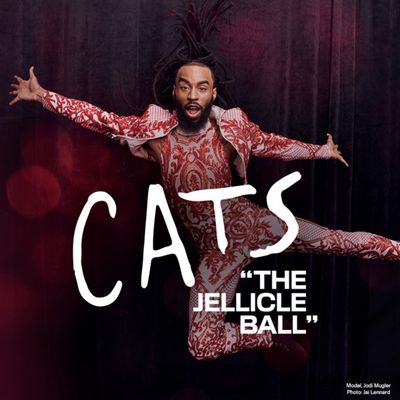
“Junior does not have an agent or a manager. Junior has a community in front of him and we had to move through that in order to get the call.” This episode features the casting directors of Cats: “The Jellicle Ball” Victor Vazquez and Sujotta Pace of X Casting talking about casting the show from early workshops through the PAC run and to Broadway. They discuss their personal introductions to CATS, receiving the initial “ballroom CATS” pitch, and how evolving workshops shaped everything about the show. They describe prioritizing the ballroom community through dedicated open calls, using community networks to reach artists without traditional representation, and the challenges of assembling an ensemble while honoring CATS legacy. Enjoy this deep dive into the creative process and the intricacies of the show.
02:31 The Ballroom CATS Pitch
04:56 Writing the Viral Casting Call
07:34 Workshops and Role Discoveries
09:43 Finding Stars and Ballroom Legends
32:40 Casting For Representation
41:48 Honoring Elders Legacy
45:13 Icons Leading The Company
48:20 Rapid Fire
- Check out X Casting on Instagram: @xcastingnyc
- Check out Victor on Instagram: @victorvictorv
- Check out Sujotta on Instagram: @sujotta
- Check out CATS: The Jellicle Ball on Social Media: @catsjellicleball
- Check out CATS: The Jellicle Ball: catsthejellicleball.com
Produced by:
Alan Seales & Broadway Podcast Network
Social Media: @TheWrongCatDied
Transcript
This transcript was automatically generated and might contain errors.
[0:00] Mike Abrams: There's a cat over here. There's a cat over there. And the wrong one died. And the wrong one died.
[0:15] Mike Abrams: Welcome to The Wrong Cat Died, the podcast breakdown of Catastrophe. I'm your host Mike Abrams and today we have another two amazing guests. They are the brilliant minds behind the incredible casting of CATS The Jellicle Ball from X Casting. So welcome Victor Vazquez and Sujotta Pace and thank you for joining me.
[0:34] Victor Vazquez: Hi. Thank you for having us.
[0:36] Sujotta Pace: So excited to have you because I have loved how you all approach this and I love that you're all sharing how you approach this. So we're going to get into that in a minute because I always love to start this podcast with understanding people's CATS familiarity because especially for you all with The Jellicle Ball, it is a different reimagined version, but it's still CATS. So what was your introduction to CATS as a musical?
[1:06] Victor Vazquez: I mean, I remember watching it in a very dark lecture hall in undergrad, like for one of those theater history classes. That was my first sort of time and just being completely not into it.
[1:23] Sujotta Pace: So you saw the 1998 movie in school at some point and were just like, yeah, this ain't for me.
[1:28] Victor Vazquez: All right. Okay. Okay. Yeah. For me, my introduction to CATS was the movie with Idris Elba.
[1:33] Sujotta Pace: Oh, it's a new movie. Oh, wow. What an entry point.
[1:39] Victor Vazquez: So that was my introduction to CATS.
[1:40] Sujotta Pace: That's so funny, Sujata, that you saw it. I never actually looked at that one.
[1:45] Victor Vazquez: You still haven't seen it? Wow.
[1:46] Sujotta Pace: No. Well, for me, because I had never seen it before and I knew we were working on this project. And that's why you watched it?
[1:51] Victor Vazquez: I said, let me watch this movie called CATS and see what it was about.
[2:02] Sujotta Pace: I can't believe you went to that one first though. Most people go to the 1998 movie.
[2:06] Victor Vazquez: It's not a pro shot, but it looks more like a pro shot. When I started this, it was when the 2019 movie was coming out. And so it was kind of leading up to it, but everyone was like, go watch that pro shot version. And so I started there.
[2:17] Sujotta Pace: I'm impressed that you started with 2019.
[2:24] Victor Vazquez: Yeah. I said, let me start with something a little bit newer.
[2:27] Sujotta Pace: Okay. Okay. And so then I want to hear when you heard this idea, because you all were involved from the workshops and day one. What was that call like? What was that introduction of just, hey, here's what we're thinking about five years ago, six years ago at this point?
[2:47] Victor Vazquez: Yeah. I think the offer officially came in maybe end of 2021 with a workshop maybe in November 2021 going into 2022 with the production being in 2023 at PAC, I believe. And yeah, I mean, I was in the taxi cab and Mei-Yin Wang, who was a producer at PAC when she called with the offer. It was just nuts. I mean, I didn't know what to think of it really. I mean, I was just like, what do you mean ballroom and CATS? And she said, I know, let me send you a deck. And so she sent the deck. I remember looking at it in the cab and be like, I don't know, sure. Let's see what happens, right? This sounds interesting. And I think the challenge was the thing that to me was the most captivating. What happens if you take these two things and you try to form a casting strategy out of it? That to me was the most captivating question.
[3:43] Sujotta Pace: Yeah. I think for me, it was when Victor came to me and said, hey, I have this show. Do you want to co-cast it with me? And he told me what it was. And I was like, of course. Sure. I don't think we knew what we were getting ourselves into at all. And I think had we known the mountain that it would have been at the beginning, it would have been really daunting, to be honest. But I think the fact that it was broken into steps, right? Because we didn't know it was going to be on Broadway. We knew there was a possibility. That's what we framed it at the beginning. And that's how it was framed to us, that there's a possibility that this will have an off-Broadway production. And so even when we first started auditioning, it was like, there is a possibility of a production.
And I think it's because everything had to be approved, right? Even Andrew Lloyd Webber and his team had to approve whether this thing was going to happen or not. And so it was all very hypothetical. It was all very speculative, right? And so I think that that also took the sort of pressure off of it that like, okay, well, this might not happen. So we can really be far-fetched here.
[5:03] Mike Abrams: Yeah. So my introduction to you all, and it's funny now looking back so many years from this point, but your original casting post that made it on the bulletin boards are what got sent to me and what had a lot of viral moments from a couple of the theater influencers who were like, we're looking for a Draggle Deuteronomy, or we're looking for these, and you, I'm assuming that's what you all wrote out for this workshop. And that's what piqued my interest. I actually reached out to Bill at that time of just, I don't know what y'all are doing, but I want to know more. And I remember his response back to me was, hey, this is really early and it's really just an idea. And so we'll talk if we get closer. And then obviously when they announced the pack, we were full steam ahead on doing a bunch of stuff together. But when you were writing that, how do you even draft those casting calls when it is so vague at that point?
[6:01] Victor Vazquez: Yeah. I mean, we were also just meeting the characters in a new way. And I don't mean that meeting them in the traditional form. I mean, we were really collaborating with our entire team, because we were working with our core choreographers and with our gender consultant. And Bill and then Jalen also came in a little later. And that's a whole different story. But even just collaborating with them and being like, who is old Deuteronomy? Who is Gus, the theater cat? And we really had to figure out one by one, because there was no, even that early draft of the character descriptions, it was all speculative. It was like, well, maybe this, maybe that. But those things changed drastically, step by step.
I mean, we had several workshops that first year alone. So even our audition process were very confusing because people didn't know what they're coming in for. They didn't. I think with each workshop, they learned more and more. So it was like, oh, we found out Grizabella would be this. And Monk and Shrap would be this, or this is what we desire. And then when it got to the next one, it was like, oh, let's include dance. And these are how these people dance. And speaking with Amaro and Arturo really helped us, like the movement of it all, really come together with that self-discovery.
[7:38] Sujotta Pace: Yeah. I mean, I'm sure having so many workshops and you being a part of that, you get to see the iterations of that. And it's got to be, I mean, wildly challenging on one hand, because you're taking something that's so well known and has such a place in lore and history and years of casting a certain type of individual for it and almost turning it completely upside down at points, but still staying so true to the source material in a sense. So what was the moment where maybe it felt a little bit like, oh, I think we've got this one nailed, or we've got that. We've got to completely change this one. I mean, but we tried so many different computations of each character. I mean, we also learned a lot by meeting people through open-ended audition processes, where we wouldn't even give them a role.
We would just say, prep this song generally, and we'll see what it's like in the room with you. But when we auditioned to Sydney James Harcourt, and he walks in, and we're like, that's Rum Tum Tugger. And then even just hearing Sydney's story about what ballroom means to him and how when he was 18 years old in New York City being embraced by people in the ballroom community as a young queer person of color in the city, it was just these stories behind these people. And that's when we started seeing certain parts of it more clearly. Even when we had these open submission portals for a year or two, and that's how we met Robert Silk Mason, who submitted through our open call. And then we bring in, and we're like, they need to be in the show, somehow.
And they immediately became Mr. Mistoffelees from the beginning. I mean, just from the first year. So there were moments where we locked in on people so quickly, and they remained in their roles. But then some of them were very tricky. Finding a Skimbleshanks was very hard. Or even Sujata was part of the sessions of finding Bustopher Jones. And even us ideating of who's Gus the Theater Cat when we have Andre De Shields as Old Deuteronomy. How do we think head to head? And I meditated over that and prayed over it so much, because there's a huge responsibility, right? It's like this casting choice that hinges, the show hinges on that in a lot of ways. And there's a lot of story there, but it's just, yeah.
[10:27] Sujotta Pace: Yeah, and it's just like when he talks about Sidney, and he talks about Silk, we also talk about Primo, one of our ballroom dancers who was an assistant to the choreographers at the time. And I think one day we were sitting down, and we were like, what about Primo? You know, like, what about him? And then it was also, you know, when Victor talks about Gus the Theater Cat, it's, I love to tell this story, because it's my first experience in like a ballroom setting, like going to a ball, and, you know, and finding people that way, and just researching that way, but also going to the ball specifically to find Junior LaBeija, right? And going to his house and saying, hi, you know, this is who I am.
I know that, you know, I'm not in this world, but, you know, I would love to connect with you and find Junior, and have conversations to, you know, have him be a part of the process. Because Junior does not have an agent or a manager, but Junior has community in front of him.
[11:35] Victor Vazquez: Yeah. And like, we had to move, you know, through that in order to get the call, right? Like, even just to be like, can we give him a call to like, talk to him? And yeah, and even that in itself was like a whole, you know, process where like, we emailed Bill and Jalen the pitch. And we're like, you know, we think, you know, I remember reading a Hollywood Reporter article on Junior LaBeija from like 2017. And when I read that, and I was just doing research, you know, I remember thinking, like, I think this is a great possibility as an idea. And we pitched Gus, I mean, we pitched Junior LaBeija alongside Ken Page for Gus the Theater Cat, right? Because either, like for us, I'm like, there's two different lineages here, right?
We can pair Andre with, you know, his like, his colleague in theater history, right? Or we can meet Junior LaBeija. And so, we invited him into a workshop. And we're like, you can come witness, you can come observe. We don't need a commitment from you. And he came and he watched and he participated. And then we made him an offer. And we said, now that you kind of know what it's about, you know, do you want to join us? And that's when he was like, yes. And we're like, great. We figured that puzzle out, right?
[13:00] Mike Abrams: I'm curious how many more were like Junior in the sense that, you know, there's the theater world has a process, like, you know, there's an audition process, and there's agents, and there's equity, and there's all this, like, more standardized version. The ballroom community doesn't have that for this space. And so, how much of that was going, you know, two balls, like you said, you went to a ball or going and talking to, you know, being networking within that own community to find people versus some of them kind of just being part of the open call?
[13:41] Sujotta Pace: Yeah, I think they do have a system. It may not be like ours, but they do have a system of community where they connect with each other. I think just using Junior as an example until what Victor was saying, that I had to call someone, Jeffrey LaBeija. And he had a conversation with me, because he said, hey, I want to, you know, make sure it's like, basically legit, but also that he's taken care of. So I am his manager in this moment, in a way, you know, and me forming a relationship with that person to, you know, have him come in the room. But with open calls, I think it's also like just having certain conversations. We really relied on Arturo and Amari, excuse me, to connect us with folks. I know we posted a lot on Instagram. I think it's
[14:39] Sujotta Pace: Just like getting out into the community, I think is what we were so great at. And really connecting with this ballroom community to say, hey, I remember people were hesitant. It's like, hey, hop on the phone. Let me tell you what this is. Because it was a really, I think, hesitance of like, we don't want ballroom to be told in a way that isn't true. That is, you know, like commercial, you know, in the commercial, we want it to be in truth, right? So having those communications with those folks, I think really helped. And I think they really appreciated that we were so open about it. And I think I also want to add that we know one of the original ethos and all this was like, so Bill Rauch has a history working and creating Cornerstone Theatre Company.
And he created that right out of like undergrad when he was like at Harvard, like, you know, years ago, right? And Cornerstone Theatre Company has this really specific methodology of how they work in community to create theatre, you know, processes. And for me, that was really pertinent to this because I was like, okay, this is part of Bill's legacy, right? Like what he's actually how he started in theatre. And so for us, I was like, we're going to model our process a lot after Cornerstone Theatre methodology. And what that means for us at the beginning was like, a ballroom community gets invited first, first and foremost, before we even talk to any agent or manager or any theatre person, we're going to have an open call exclusively and only for ballroom.
And so that initial posting that you that you saw on Instagram, you know, from like, years ago, four years ago, we, we said we said it like, like, it was just part of it. We're like, we invite the ballroom community first, you are the first to be seen, we're having an open call. We want to meet you and see you first, because I think that that prior priority actually really matters. You know, they're not a sort of like, afterthought. Yeah, it's like, no, our, our process actually is rooted on prioritizing you and seeing you first, because then we can start to figure out where do we scaffold and support with Broadway off Broadway talent? Right. But that was always part of the process for us. It's like, how do we honor and prioritize ballroom community in this entire casting process?
[17:25] Victor Vazquez: Yeah, it's great to hear that, too. Because it's like, you know, we now have the benefit of seeing what this is turned into. And like, you see the now, you know, the pack output, and now the Broadway output, and you see that incredible, what's the right word, like, just acknowledgement and honoring the ballroom community and like moments of happiness and all those pieces. And, and you knew that that had to be rooted in the community really helping like really frame a lot of that. And so hearing that that's the way you kind of started is, is fascinating, because it's like a big part of how that that really gets to that point and allows you to build what you able to build. So I want to go fast forward to the pack now.
So now you're rounding out, you know, an actual full on stage ticket sales beyond the workshop. What were some of the like, challenges of doing that or some of the you know, the the last couple pieces you had to put together to kind of build this hit out at the pack?
[18:21] Sujotta Pace: Sujata, what were the final roles that I feel like we're like left to cast? I remember Skimbleshanks was towards the end. And we're like, that was like one of the final roles and figuring that one out was very, very interesting. Bustopher Jones. Bustopher Jones, who else? Because I feel like there was some that we just had in the pocket from the from the get go, right? Like Mistoffelees, Tugger, Victoria was always Victoria. Yeah. I feel like Mungojerry and Rumpleteazer were pretty early on, you know, even having a conversation with Jonathan Burke, where we're like, I remember where we called his agent and we're like, um, we know that he probably wouldn't do ensemble, right? Because of his status, but this is such a magical, beautiful, interesting, unique project that we absolutely want him part of it.
But can we talk to him about what this might be? Right? And then like Jalen jumped on the phone with Jonathan, and then we had to sort of like, have a very like personal conversation, right? For him to say yes, right? Because we still have like this sort of status distinguishing and the cats is hard, because there aren't that many principal roles. Yeah, it's very much an ensemble based production. And you know, like, sure, you have memory, right? Like as a as a featured song, but and then every sort of cat has their like featured moment in a way. But in terms of contracts, right? It's mostly ensemble contracts. Completely. Yeah. And so that's also a hard negotiation. And in terms of like how we approached talent. But yeah, I think like even finding Emma Sophia from a tape was, was like a fascinating like process because her tape was just batshit crazy. And it was perfect for us. It was perfect.
[20:15] Victor Vazquez: She is the only person that's been on this show twice. And she's about to be the only person on the show probably three times. Wow. Because she actually auditioned for the 2016 revival and her audition story for that if you've not heard it, it's the first episode I did with her is fascinating. Wow. Hilarious. Wow. She went all out for that as well. And not surprised. Did not book it and then told me about the her crazy Skimbleshanks audition for you all, which is amazing and hilarious. And it's on her Instagram for anybody who wants to. Yeah, yeah. She posted it. It is fantastic. But but I think to answer your question, it's like one of the things that we learned during the run was how difficult of a show it is on a performer's body.
And we you know, it got extended three times that pack, but we had to add emergency like cast members towards the tail end of that. And we're also experiencing that on Broadway, too. Yeah. Yeah, it's such a physical show. I mean, the, you know, the cats cats, I never know what to call it because there's Joe Cabal, and then there's the cats costume cats. That is a similar very physically demanding. They're dancing the whole time. But the Joe Cabal, even though there's not as much of that, you know, full on dance at all moments at all times on the stage, there is so much dancing happening and so many other moments added that there's, you know, the the drops are I can't even imagine the toll that takes on your body as you're doing it.
And just something that looks so second nature to these professionals. But it's like, again, physically, cannot believe it. So we're gonna take a quick break. And then we'll be back for more of the wrong cat died. I only have one other question about the pack before I want to talk a little bit about some of the Broadway changes at the pack. One thing that that I'm curious about is, you know, you have a couple like you have the what I'd call the core characters. But as you said, there's a lot of it's an ensemble show like at its core. And so there are a few that you have that have really important symbolic roles that fit part of the storytelling that was in cats from the get go. And then you have a few others that there are some of the ensemble characters that you could have picked different cats names or just character types.
So how much did you go back into, like the three words that they gave the cats and some of the like true historical storytelling of cats to figure out some of those other characters that maybe aren't as clearly defined as like, skimbleshanks, or you know, some of the other ones where they have a very clear moment in the show.
[23:00] Victor Vazquez: So do you want to jump in? You want me to jump in? You go ahead.
[23:04] Sujotta Pace: You know, there's Yeah, because there's there's such a long list of like available roles, right? But even even in our production, we had to sort of limit and find what is truly our ensemble. But in a way, again, meeting certain people, right, like even meeting Teddy Wilson, you know, and being like, Oh, what we there were certain people were just like, we want them in the show. And so how can we find a way to integrate them? Right? What role can they then start to take on and build and grow? And so there were there were a lot of performers that we just like met and fell in love with as a creative team, that we were just like, come in, and we'll find a place for you, you know. And then it was like trying different roles or trying different renditions.
But yeah, we worked really collaboratively. I think, you know, I was listening to a panel that Omari and Arturo were on, I think at the Guggenheim, and they were just talking about how involved they were in this process versus, you know, how maybe uninvolved they might be in other processes. And it's true. You know, like, as, as casting directors, we were our job is to push along the conversation of casting the show at all times. And we bug everybody about it all the time, like it doesn't end right. And it was a continuous conversation for years. And so what they were telling in that panel was like, they would receive, you know, 70 emails a day, right, where we're just like, throwing out ideas and sort of just like, challenging them back and forth, like, Bill, Jalen, us, you know, Omari, Arturo, our gender consultant, you know, and then it's just like, just like sort of like, just like taking this Play-Doh called Cats and seeing how malleable it is, because then there's the idea of categories, too, right?
Like what, if we were to cast a certain person, then what category do they play in a ballroom setting? Right? And so even just like finding Buster for Jones was very much like, okay, well, then the category is body. Yeah, right. Or, you know, like from a cavity, the, the, the, the, the category is labels, right? So then how do we find somebody that brings that kind of status, right, etc.
[25:22] Victor Vazquez: And to echo what you're saying, Victor, and to talk about a little bit more about like the challenges, as we all know, in musicals, we have to, we have the music department, we have the dance department, and we have the directors, right? I know, I forgot about William, but William was there, too. And even with, and a fun fact is William is a part, you know, I believe a part of the original Cats or his connections with that. And so he was very instrumental, instrumental in saying like, hey, we have to keep this sound. So another thing aside from dance was music, and saying who can sing these parts? And how can we still have the best show and the most, most truthful show while keeping the sounds right.
And I feel one thing that I love about this team, that they really allowed casting to be a part of all of these conversations, and really allowed us to, you know, sometimes they say casting is very administrative, but they allowed us to be very creative in this process, and give our two cents of what we thought and how it should be shaped, really, when it came around these roles, right? Because I remember a conversation we were having, where we wanted to actually have the audience really see this, this group of people and say, I see me. So just thinking about Buster for Jones, you know, especially me being a plus size woman saying, Oh, like, I could do this. You know what I'm saying? And I can have this confidence and I can x, y, and z. So I think the challenge was like a beautiful challenge.
I would like to say that a beautiful challenge to be able to just have these group of people that look totally different, and sound totally different, and say, we need you to be a part of this. And we'll make it work for you. Right? Because sometimes it's like, we have to make it work for the production. But it's like, no, we're going to make it work for you, because we really want to invest in you.
[27:39] Victor Vazquez: Yeah. And I think there's just to add to the vocal requirements of the show, right? Where it's like, there are certain moments where we're just playing, we're, we're sort of figuring out this like, algebra problem of like vocal parts, right? Because then, if we cast this role with this kind of vocal, you know, this, this, this vocal range over here, then that means we got to do this over there. Right? So it was a lot of like, we don't know why until we figure out x, and we certainly don't know z, right? And it was just a constant sort of like puzzle making of a process between every single collaborator. And that's what I really appreciated about our creative team was that everybody was just game to try to figure it out.
You know, there were no egos, everybody was so hands on and so collaborative. I we would meet so often on zoom to just like, again, challenge these questions of like, okay, so we cast this person, then that allows us to cast this other person over here. Right? And, and then truly, like, even after the pack, we learned so much, right? And so then even just breaking it open after pack and being like, okay, we have this other opportunity. What can we do to change a few things up here? You know, and that became a different process.
[29:06] Sujotta Pace: Just to highlight, I think one of our favorite moments. And Victor, sometimes you speak on this is when we have to put all the headshots down.
[29:19] Victor Vazquez: And say, okay, these are Bustopher Jones. These are Demeters. These are Jenny Antidots. And it was so tough because we had so many great people. But like, you know, we have to form an ensemble. But we would have late nights. And like, I think Bill would say sometimes, well, let me, I know. There was like this one, this one, one day where we're in sessions from 9 AM to 9 PM. And Sujotta and I obviously they're early, right? So we're there since like 7 AM. And we're there till 9 PM looking at headshots. They're literally scattered all over the studio floor. Like we're not kidding. Like people use tables. No, we had so many headshots as like, like possible candidates that we like had to use the entire floor of the studio.
And we would just walk around and just leave post-it notes on the shots. And then at the end, you know, it's like getting closer to 10. And Jalen's there and Bill's there and Omari and everybody, William. And then we just can't wrap our heads around the sort of formula. And Bill's just like, let's order pizza. I'm excited. Because I think like, obviously for him, it's like exciting to have this problem. But we're all looking at him like, Bill, we want to go home. Like we, this was, this, I think this was such a delight for him, because he's had such a vision for this question that's been inside of him for decades, right? Like, what does cats look like if you break it open in such a queer way?
And I think a lot of us, right? Like, even just like, as a queer individual myself, I'm just like, that is such a cool project, right? Like the project of like queering something, of holding something to the light in a new way, even particularly during, you know, politically turmoil, like, really just like interesting times, right? Like the idea and the challenge, the creative challenge of telling ourselves as a team, like, we want to cast as many trans women as possible. Like, we want to give them employment. I think that is such a radical project, right? And even just like, we want to have a very out loud queer cast. That in itself is a radical project. And so, I think all of us were fueled by that.
But I think the person that's been most fueled by that is Bill Rauch. And that's such a beautiful, like, thing, because like, I just, I love his enthusiasm, because it comes from such a really beautiful, deep spirit, sort of like profound well there. And I think he's just, I'm always just so grateful for him taking this idea and bringing us all into it to figure it out with him.
[32:22] Mike Abrams: I love hearing that. I mean, I'm a little fascinated by Sujotta, you saying the like, administrative view of casting, because like, I'm not in this space. And I just can't imagine it not being as collaborative as you all have been, because it feels like it has to. And maybe that's unique to this show, because of how groundbreaking it is in many cases. But hearing you all talk about this, I think one thing, like, my next question was going to be about representation. And this show does an incredible job of representing groups that aren't always represented, especially on a Broadway stage. And so, you know, as you, you know, obviously had people that came in and you're just like, this is the person we got to figure out how to put them in the show.
But how much did you go seek out for certain roles of like, we want to have maybe a trans woman here, or we want to have somebody for this particular role, because that actually happens in regular cats, a lot of the other cats, I don't want to call regular, there's not one or the other. But the other cats, you know, they look for, for Bombay Arena, a taller woman for that. And, you know, so there's some things where they have, like, they've placed those things, but you almost had a blank slate that you could play with. So I'd love to hear a little bit about how you approach that part of it.
[33:32] Sujotta Pace: Yeah, I think it all started to what Victor was saying, conversation of like, Jaylen and Bill and their ideas of what this world could be. And for us asking the questions of like, you know, I think we went role by role to say, like, hey, how do you envision these people in the world? And then it's taking that information. And then for us coming back and saying, we think this person would be great. And I think, and I know, casting's job is also to bring people to the table that you would never think of, just to open the mind of saying, like, oh, I never thought of it that way. So I think it was like, taking what we had, and with the music, with the script, and with the director's ideas, with the choreographer's ideas, and pulling names, right?
And saying, like, and just throwing names at the wall. Sometimes that's how we start. Let's just throw names on the list, and then narrowing it down and saying, oh, this would be dope. This would be exciting to see this person with this person, right? So I think that was a little bit of it, Victor.
[34:48] Victor Vazquez: Yeah, and it's even just like, so like, even take Laomie from a cavity. I mean, Laomie was on our minds since the beginning of this project. You know, we initially approached her during one of the first development workshops, right? But back then, she didn't know what this was, right? And then by the time we had the PAC production, you know, we invited her to come see it, and she saw it. And so then she became familiar with it. And so once Broadway was announced, we re-approached her, you know, and we invited her into the studio. We met her. We got to see what she could do, right? But, you know, even just like coming up with a list from a cavity, like, we still have lists of, like, really interesting ideas of people that we might try in the future, right?
Should this continue and run? And that's the cool part about it, right? It's like that even, like, when certain people are like, okay, I think I'm done with the show, and should it run for a year or more? Then there are still additional surprises and permutations that are completely possible, that would not follow the same model that we've already laid down. And I think that to me is, like, very exciting, right? Because it becomes a kaleidoscope of bodies of possibilities.
[36:04] Sujotta Pace: And to chime in on the process of casting, I am actually a huge, you know, advocate of the idea that casting really should be seen more as an art form. I really do think that we have failed our field by not thinking about it as a design process. I think it is incredibly curatorial. I think not only, sure, do we have the relationships to, you know, the agencies and management in the traditional ways, but the way that we think about inhabiting a world is a design process, right? And for me, it was such a gift to have a team that was so welcoming to that, and just looked to us to lead these conversations, to really be like, what do you guys think? And what do you have for us? Who should we see?
You know, and they still honor that, and they still approach us in that way. And the invitation is so open to be like, okay, who do you think we should look at for Macavity, right? And we're like, fantastic, like such a gift, right? And so I think having that kind of relationship, it's not that it's not traditional, it's that I think it's actually hidden. And I think that people don't get to see the kind of collaboration, the intimate kind of collaboration that happens between a director and a casting director. Because it happens from the beginning, and it happens in the background, and then we do our jobs, and when we do it well, it remains invisible, right? But when we f up, it becomes a controversy, right?
And it becomes a very loud one, one that could potentially close a show. And we were very mindful of that, right? We were very mindful of like, we don't want to make many mistakes here. And we want to approach this in such a creatively abundant, joyful way. And so then that was part of our process the entire way through. And I just think that I'm very proud of the work that we've done, Sujata and I in this process, I'm very proud of our team. And I'm very proud of the ensemble that we've put together, because I think there's a lot of magic happening on that stage, because particularly of the performers that we curated into the process.
[38:42] Mike Abrams: Yeah, it's so true, because I've definitely seen some Broadway shows, I won't name names, but there's been a handful where I've seen multiple different versions with different cast members performing the same role as they've moved people in and out. And at times, they're different shows. I mean, they're vastly different experiences. And I think that's a part of you all having to be a voice in that, because your decision impacts a lot of the rest of the decisions that impacts some of the other stuff. And even some of the adjustments between the PAC and Broadway, like adding Leomi, the Macavity story kind of adjusted and changed in that. And I noticed that as someone who has always been fascinated by the Macavity story in general.
But knowing her background and all that, that's such a beautiful moment. If it wasn't her, that storyline probably looks different, depending on what you do. But one thing that you all did that I loved, and I want to hear a little bit about the decision to do this, because it feels uncommon, or I just haven't seen it elsewhere. But really early on before the Broadway opening, you all posted on social media, like, here's how we casted these three distinct pillars. And you were very open with that process and sharing kind of how you went about it and the mindset there, which I loved, because I thought it was an insight into the process that we don't normally get. So, how did you all make the decision to make that a public-facing, here's part of our process?
[40:20] Victor Vazquez: I think it has a lot to do with a few different things. And first of all, I think that we in casting have to be better about how we tell our story. And I think that there's a sort of misunderstanding a lot about what we do and maybe a mystery about what casting does. I think people think very generally about our jobs and our roles. And there's a sort of gatekeeping quality to it. But really, if we shift that to curatorial, I think it actually makes more sense. And so, even with Sujata and this process, early on, I was like, I want us to be able to tell the story of how we've done this, because there's a lot of intention here. And it's not very different than any other show. We approach all our shows uniquely with their own strategies.
And sure, no two shows are alike, but that doesn't take away from the creative approach that we have with any show. And so, first, I think the priority was, we've got to tell our story a little bit better. And then second of all, it was really sharing, just like even Sujata and I, as individuals, the way that we approach our work is different than maybe other offices approach their work. And the way that we think about legacy is different. And the way that we think about our elders is different. I come from a culture where respecting and honoring your elder is just common sense. You take care of your people, particularly as they age. And I think that that, for me, became a design element in this, where I was like, we are going to really, really try to have elders.
I mean, I remember, Sujata, remember early on when Bill was like, who are all these folks that are in that age category? You know, and they're performing and are people of color. And I remember emailing Bill and saying, Bill, they're dead. And he was like, what do you mean? You know, people over their 60. I'm like, Bill, like, they, you know, artists who were Black and Latino in New York City, a lot of them died during the AIDS epidemic. You know, it really annihilated our community and took away so many of our elders who would have been so influential to us today. Right? But we've had that sort of footprint erased. And so, even finding someone like Junior LaBeija was a miracle, you know? And we were told, like, he's not old enough.
And we're like, that's what you get. He's a perfect performer for this role. But we're not going to find an 85-year-old, 97-year-old, you know, performer because it's Andre De Shields. Like, and then where are the rest of them? Well, they're not working. The community, the entertainment community hasn't taken care of them. They haven't been able to sustain a career. There hasn't been enough opportunities for them to stay in the game. Either that or they were just annihilated by this virus. Right? And so, to me, it's just like, you know, thinking about all this was just part of our thinking.
[43:59] Sujotta Pace: We have a category in the Emmys. We have a category now in the Oscars. And all that's missing is the Tonys. And I hope that our community continues to advocate for this collectively. And for us as young people in this industry, as we're coming in, in this new generation, I think it's our duty to tell our story better.
[44:30] Mike Abrams: Yeah. I think you all... I mean, I really love the transparency and the way you went about it. And I think it's really great for also the audiences to hear and for people that are coming to the show to get a peek behind the scenes of all that goes into it.
[44:57] Sujotta Pace: Yeah. And just speaking, I would like to speak a little bit about what Victor said about our elders. And when it comes to Andre DeShield and Junior LaBeija, you have these two icons, one from musical theater and one from the ballroom scene. So it's like, when you talk about casting, that's the intentional thing. When we say like, hey, it's this guy, it's this person named Junior LaBeija that we think would be great in this role. It's like, hey, how do we bridge both of these worlds together? And I remember sitting in a workshop and just listening to both of them speak about their experiences. If you ever get to speak to Junior and what Cats means to him, he's like, this is my life. Cats is my life.
If you think about every cat, that's a person that has been in my life. Right. And the journey that we have had, but also to have these two leaders guide this company is a beautiful thing. And it tells a big, it tells, I think, a bigger story than if we cast a musical theater person as Gus. Not saying that they couldn't do it, not saying that it wouldn't be magical, but I feel like it's a statement when you have these two people leading the ship.
[46:46] Victor Vazquez: I remember when we had the phone call with Junior, our first phone call with him, the two of us. And when we were just talking about the project and Junior said to us, well, we're like cats too. He's like, people are like cats. He's like, when we're young, everybody loves us. Everybody wants to touch us and pet us and welcome us. He's like, but as we grow older and older, we're thrown out into the street and forgotten. And he's like, I feel like that cat. And he's just like, I appreciate this invitation to be seen, right? Because I think that that's what it really is about. Now people get to see these two icons together on stage. I think in the legendary way where it reminds us, even to see the spectrum of ages from people in the early twenties all the way to seeing Junior and Andre on that stage, even followed by Ken Ard, who was in the original 1982 production playing Macavity. So all of that to us is very intertwined into how strategic we were about this work.
[48:12] Sujotta Pace: You all have nailed it and you will continue because I'm sure this hopefully this runs for way more than one year and many, many, many years.
[48:19] Mike Abrams: I hope so. People can go out there and see it, please.
[48:25] Sujotta Pace: So we're going to take a quick break and then we'll be back for more of The Wrong Cat Died.
[48:28] Mike Abrams: Okay. Let's do some quick rapid fire for cats. So if you could perform as one of the cats in the Jellicle Ball, who do you want to perform as?
[48:36] Sujotta Pace: I feel like I would be Demeter because she's just like up there having so much fun. Is it, it's Bebe, right? I just feel like Bebe is just having a ball and I'm just like, that looks like a fun track. Maybe I don't got to do too much dancing. I just got to sing.
[48:55] Victor Vazquez: I think I would be DJ Grindelwald because Ken Ard, let me tell you, he gives a performance and if I could give a performance like that, I just love him up there in that DJ booth.
[49:10] Sujotta Pace: Yeah, he's having a blast.
[49:12] Mike Abrams: Um, who are your favorite, uh, characters in the show? And then who are your, not least favorite characters, but if like, I always think about this from a family, like which, which one's going to bug you a little bit and which one is going to be like your best friend?
[49:27] Sujotta Pace: I think I love Munkustrap. Um, I just love the, the stage presence. I love the control. I love the, um, the, uh, call and response. I just love all, and the costumes. Amazing.
[49:44] Victor Vazquez: Mungojerrie and Rumble Teazer bug the shit out of me. And I love my, I love my twins, but I'm just saying just like, just the, the being, being thing, having things stolen, I just be like annoyed by it. But I think my, my, what was the favorite or who was, who would be the one you'd like to hang out with?
[50:06] Sujotta Pace: I think, you know, the one that, that, that struck me very differently this time around on Broadway that I really, really appreciated was Cillabub. I just really was just like, I don't know why, even just like having, I watched it recently, like two weeks ago again, and I was just sitting in the audience and I just paid a lot of attention to Cillabub. And I was just like, I think it's having like Teddy being perceived as like the youngest on stage in a way, but it's, and, and particularly the moment of happiness moment and, and the sort of like allegiance that they have in like seeing Grizabella. I think for me, it was just like, wow, that's such a beautiful story there that I feel like there could be a whole new musical about Cillabub after this. And I would be so profoundly into it.
[51:04] Mike Abrams: Okay. Favorite song in the show.
[51:08] Sujotta Pace: Oh, it's so many.
[51:12] Victor Vazquez: Mine is Mistoffelees. It's just, it's always just in my head.
[51:18] Sujotta Pace: Yeah. Mistoffelees. Yeah.
[51:20] Victor Vazquez: Yeah. I think that's a jam. That is a jam. That makes you get out of your seat and rock.
[51:26] Sujotta Pace: It's just got like a groove to it.
[51:28] Mike Abrams: Yeah. Okay. If you could be in one of the houses that you've added to Cabal, so House of Dots, House of Glamour, House of Macavity.
[51:33] Sujotta Pace: I would be House of Dots just because my Latina queen, Jenny Annie Dots. Easy.
[51:35] Victor Vazquez: Okay. Okay.
[51:38] Sujotta Pace: I think I would be with Macavity.
[51:41] Victor Vazquez: A little dangerous. A little dangerous and feisty.
[51:43] Mike Abrams: And then the million dollar question. My show centers around that. I don't think Grizabella is the right joke of choice. I think this version of it makes it a lot harder to make that argument because I think they've, you know, you all have changed what the Heaviside Lair looks like here, but I want to hear who is your joke of choice and why?
[51:59] Sujotta Pace: I think, I would have been thinking about this this whole time. I think Syllaba for me because that's my heart cat. Because I, as that cat, I relate more to that cat of being loving and they always wanted to help Grizabella and allow her to see her beauty. And me as a person is like that. So I would say Syllaba.
[52:31] Victor Vazquez: I would say Munkustrap for me because I'm like, man, our Munkustrap is doing so much work up there. Like being the master of ceremonies is a lot of work. And the person who's doing the most welcoming and hosting deserves to have a moment. So I would pick our Dudney.
[52:51] Sujotta Pace: It's so fun. So Dudney's episode will have probably just come out by the time this one's come out. And I got Dudney to do a chant for this podcast, which was super fun. But I'm also fascinated because I loved how Dudney approached the Old Deuteronomy chant. And he started telling the story about how Andre is just like working up there. He has to do this to just keep going and going and going for that whole moment. There's like, I think, in our show reports, where it's like sometimes he goes longer.
[53:16] Victor Vazquez: Yeah. I was like, that is a workout almost in itself to be able to do that. So I love that. And then Syllaba, I was laughing because I got a message from a former guest who had not seen the Jellicle Ball at this point. And they're like, can you tell me what the Syllaba story is in the Jellicle Ball? Because Syllaba got a lot of votes when I did the Gold Carpet and in general. I noticed that. I noticed that. I was like, hey, you got to come see because Teddy does a lot of work. And yeah, there is a reason for that. And I told this person, you're going to love how the Syllaba story is approached here. It's so different than the other cats. Syllaba's character is very ensemble and sometimes can blur in the background if you're not really paying attention.
[54:07] Mike Abrams: Right. Right. Right. Okay. Well, this has been so fun, fascinating to hear how you all approach this. I loved hearing this. And I mean, I appreciate y'all answering all the questions. So how can people stay in touch with you both and casting and all you're doing?
[54:16] Sujotta Pace: Yeah. So you can find us on xCastingNYC on Instagram. And then individually, I'm at VictorVictorV and Sujata is at?
[54:24] Victor Vazquez: At Sujata. Both on Instagram.
[54:32] Mike Abrams: Great. Okay, we will link all that as well as how to get tickets. The Jellicle Ball's nominated for a bunch of stuff. Hopefully soon for a Casting the Tonys. I love that idea for that to be a future category. And also we're going to be looking for more additional people in the next few weeks. And so we'll put that out on Instagram just to start meeting some additional performers for new future casting.
[54:48] Sujotta Pace: That's awesome. So if you if you're ready to go, if you if you're ready to be in the show, I have no skills to provide you all for that.
[55:03] Victor Vazquez: So you could be our DJ.
[55:10] Mike Abrams: No, I can't be the DJ because no, because now that you've got to understudy it, you know, the magic about understudy can like that's the other thing we didn't talk about is like how all these people internally cover each other. And so maybe that's another, but that was his own. Can I tell Ken's story really quick?
[55:27] Sujotta Pace: Yeah, we can piece it together. So Ken, I remember meeting, I went to, I think I had went to the show for the second time or for closing or something. And I was walking down the steps.
[55:36] Victor Vazquez: You mean at PAC?
[55:43] Sujotta Pace: Yes, PAC. Thank you. Thank you. And I just started, I don't know how I started talking to this gentleman. I think someone said, hey, Sujata, you know, he, he was in the original Cats. And he was just saying how he said he would have never went downtown again, because he used to live down there during 9-11. And so he was just saying, like, you know, I just, I don't know about coming because I have a lot of, you know, story feelings about this place. And so he was saying that how he went to the story and how it meant to him what it meant to him. And that he was just so thankful for this story, that I remember when we started talking about Broadway, he just had emailed. So this is this is a story to all the actors to say, shoot your shot.
[56:40] Victor Vazquez: Yeah, shoot your shot, because he sent a an email to Bill. And then Bill connected us with him. And we had him, you know, we started the process to see him dance to hear him sing on the music. And he just became the obvious choice, right?
[56:52] Sujotta Pace: Yeah. So I just say all to Ken stories that he just has a beautiful story of what this show means to him, what downtown means to him. And the story of like, hey, I need to speak up for advocate for myself. So I'm going to email. So to anybody listening, please shoot your shot.
[57:15] Victor Vazquez: Definitely. I had we did an episode with Ken and I loved he talked about how he had such not difficult and challenging memories of that being downtown of just like of his life.
[57:21] Sujotta Pace: Yeah.
[57:26] Victor Vazquez: And how going to the PAC really, you know, replaced it with a beautiful and positive memory and how it was like really transformational for him.
[57:31] Sujotta Pace: Yeah, I can't do anything Ken does, though. I can't dance in the joke of our walk. What I can do is I could guest judge for y'all one day. That's that's probably the extent of what I'd be able to do.
[57:41] Mike Abrams: Let us know that's that will be it. But I love that this is going out. So by the time this comes out, hopefully it will be shortly after you all will be posting about more people that can apply. So yeah, shoot your shot. Come come be part of the Jellicle Ball. It's an amazing show. And if you haven't if you can't do it, just come see it and come see it a bunch. I know a few people I know have been 10 plus times already. And it's a beautiful, beautiful show. And it's so energetic and fun that you can go back many, many times. It will definitely make you happy.
[58:14] Sujotta Pace: Yes. Amen. Well, thank you both for coming on. It was so fun to have you.
[58:18] Victor Vazquez: Thanks, Mike.
[58:21] Sujotta Pace: Thank you. Thank you for having us.
[58:24] Mike Abrams: And thanks everyone for listening to this episode of The Wrong Cat Died, the podcast breakdown the catastrophe. To follow along, you can subscribe on Apple Podcasts, Spotify, or any podcast on social media or check the website thewrongcatdied.com.
© Broadway Podcast Network, All Rights Reserved