

Normally at the end of each season I take a chance to look back at the guests and conversations we’ve had throughout the year, but for this special episode you aren’t gonna be getting some "best-of" retrospective (although I will be counting down the Top 5 guests of 2021)... Read More
From the show: Why I‘ll Never Make It
Guests
About
Normally at the end of each season I take a chance to look back at the guests and conversations we’ve had throughout the year, but for this special episode you aren’t gonna be getting some "best-of" retrospective (although I will be counting down the Top 5 guests of 2021). Instead I’m bringing back two former guests and introducing you to a new creative ,as we talk about what this year has meant for theater in general and special events coming up next year.
Featured in this episode:
- Clayton Howe and his podcast Entertainment(X)
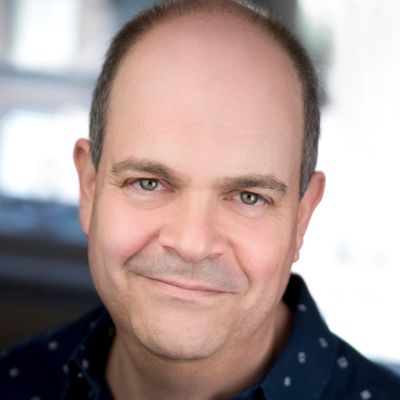
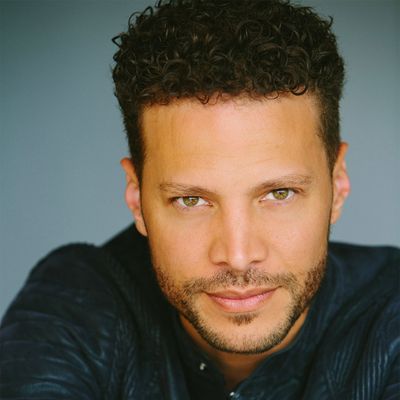
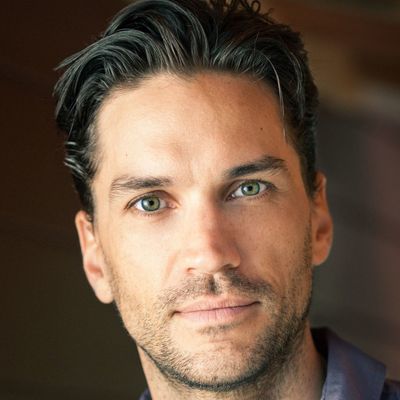
- Justin Guarini, MoonAmie Productions, Terry Knickerbocker, Will Swenson, and Brad Oscar & Diego Prieto
- Review of Season Five on Why I’ll Never Make It
- Matthew Stern and Broadway Stage Manager Symposium
- Anna Robb and TheaterArtLife
SUBSCRIBE TO WINMI
Get access to Audition Stories, the Final Five questions, and other bonus content by becoming a monthly or yearly subscriber to Why I’ll Never Make It. Producing this podcast is rewarding in its own way, but I’m essentially a one-man operation. So it is both costly and time-intensive to put together each episode. By subscribing you’ll be supporting these podcasting efforts, and have access to extended conversations and other bonus content. Your financial support of this podcast is greatly appreciated!
- Subscribe to get access to bonus episodes and extra content
- Make a one-time Donation to support transcripts and podcast production
- If you’d like to support WINMI but have limited funds to do so, then contact me directly for reduced-price or even free access to the bonus content.
Follow WINMI: Website | Instagram | YouTube
Why I’ll Never Make It is an award-winning, Top Theater Podcast hosted by actor and singer Patrick Oliver Jones and is a production of WINMI Media. Background music is by John Bartmann and Blue Dot Sessions is used under a Creative Commons Attribution-NonCommercial 4.0 International License.
Transcript
This transcript was automatically generated and might contain errors.
[0:00] Patrick Oliver Jones: Normally at the end of each season, I take a chance to look back at the guests and conversations we've had throughout the year.
[0:07] Patrick Oliver Jones: But for this anniversary episode, you're not going to get just some best-of retrospective.
[0:14] Patrick Oliver Jones: I'm actually bringing back two former guests and introducing you to a new creative as we talk about what this year has meant for theater in general, as well as special events and happenings coming up in the next year.
[0:27] Patrick Oliver Jones: This podcast has played just one small part in the further growth and evolution of theater in the arts and the community that surrounds us.
[0:38] Patrick Oliver Jones: I think it's one of the great things we've realized and we can take away from the shutdown is that the world is really small, and we have a lot more in common in our struggles, our challenges, and because we all come from different places, we've developed different solutions, different methods, different ways of working.
[0:58] Patrick Oliver Jones: Happy birthday and welcome to this special anniversary episode of Why I'll Never Make It, or Win Me for Short, one of Feed Spot's top 25 theater podcasts.
[1:09] Patrick Oliver Jones: I'm your host, Patrick Oliver Jones, podcasting since 2017 and performing on stage and screen since 1992.
[1:17] Patrick Oliver Jones: The website is why I'll never make it.com, and while you're there checking out the latest episodes and artist resources, you should definitely sign up for the Win Me newsletter.
[1:28] Patrick Oliver Jones: That way you can stay up to date on what's happening with this podcast as well as upcoming guests and events.
[1:33] Patrick Oliver Jones: Again, that website is why I'll never make it.com or click on the link in the show notes.
[1:45] Patrick Oliver Jones: This year brought the first glimmers of hope for a theater industry that was decimated by the COVID pandemic.
[1:52] Patrick Oliver Jones: There were definitely some stops and starts along the way, and it wasn't perfect, but many regional theaters as well as Broadway have come back in full force, not only providing jobs to actors and other artists, but also giving audiences a chance to once again sit in that darkened magical space and experience new stories and familiar characters.
[2:14] Patrick Oliver Jones: We're certainly not out of the woods yet, and there will be a bumpy road to go, but I'm certainly glad that theater is finally making a comeback.
[2:23] Patrick Oliver Jones: Also, this year it brought about some firsts for the podcast.
[2:28] Patrick Oliver Jones: For example, we reached 50,000 downloads, which I am so grateful for.
[2:34] Patrick Oliver Jones: So a big thank you to you for all the times you've listened to these episodes.
[2:40] Patrick Oliver Jones: And also another great honor for the podcast was being named one of the top 25 theater podcasts you must listen to for 2021.
[2:48] Patrick Oliver Jones: And that honor was bestowed to me and this podcast by FeedSpot.
[2:53] Patrick Oliver Jones: I'm so grateful for their recognition and support of this podcast.
[2:58] Patrick Oliver Jones: But this year also gave you the opportunity to not only listen to episodes, but watch them as well.
[3:05] Patrick Oliver Jones: With the whole world now familiar with Zoom and most of my conversation with guests taking place on that virtual platform, I introduced more video episodes on YouTube this year.
[3:17] Patrick Oliver Jones: And there was one special presentation I tried for the first time: a live episode.
[3:24] Patrick Oliver Jones: I was trying out a new podcast app called Bullhorn, which offers a way to go live on their platform.
[3:30] Patrick Oliver Jones: So I called up a good friend of this podcast, Clayton Howe, and we were joined by those watching and listening to us talk about the state of theater today and where we're headed as an art form.
[3:43] Patrick Oliver Jones: Here are some of the highlights from that live conversation back in October of 2021.
[3:56] Clayton Howe: You're an actor just on hold right now, but you've been an actor, and that's how you and I met.
[4:01] Clayton Howe: And the pandemic really put that on hold as well as put it in perspective as far as what kind of actor do I want to be?
[4:08] Clayton Howe: Am I still an actor even though I'm not acting?
[4:10] Clayton Howe: What does that look like?
[4:11] Clayton Howe: So I think for us actors, that was a big pickup call, at least for me, and I know other friends of mine that I've spoken to, as far as the kind of performer that we want to be and the kind of theater we want to be doing.
[4:24] Patrick Oliver Jones: For you, have you seen or heard from others about getting back to auditioning and that's picking up more and how that's changing?
[4:33] Clayton Howe: Uh there's not a lot, is what I'm hearing.
[4:35] Clayton Howe: As far as theater is concerned, everything's been cast, everything's back out.
[4:38] Clayton Howe: I think everything is, you know, set for now, and people have to figure out how to make it work in the meantime, because you know, things are limited.
[4:48] Clayton Howe: There's trepidation as theater reopens in all forms tours, Broadway, regional, bah bah.
[4:54] Clayton Howe: And that's you just you have to stay flexible with it right now.
[4:57] Clayton Howe: If there's one good thing that the pandemic and just the social justice movement of last summer, is that I have definitely seen more people that are coming into the writing space, the management space that are doing more and bringing different voices than I have seen before, which I think can only be a good thing going forward.
[5:17] Clayton Howe: It will take time, it's not going to be a light switch overnight, but I think it will be something that over time, and hopefully it will accelerate that there will be just these different kinds of stories that will appeal to not just newer audiences, but the audiences that already exist.
[5:34] Clayton Howe: And it will be just a much more collective experience for all of us to be in a theater.
[5:39] Clayton Howe: And Ashley just made a really great point that the stories have been around well before the shutdown.
[5:44] Clayton Howe: It's just that people are a bit more aware because the theater community had to sit down, and I'll add to that, Ashley, and shut up.
[5:53] Patrick Oliver Jones: Right.
[5:53] Clayton Howe: Because we weren't doing anything else.
[5:55] Clayton Howe: And so we were able to take notice of things that maybe we didn't have a chance to see because we were going to the same shows.
[6:02] Clayton Howe: We were doing the same thing over and over again.
[6:04] Clayton Howe: But then we actually had to stop.
[6:06] Clayton Howe: And I had someone, one of my favorite guests on my podcast, Chris Eli Black, and he is an upcoming playwright.
[6:13] Clayton Howe: He's done TV film stuff as well as theater.
[6:17] Clayton Howe: He's a poet.
[6:18] Clayton Howe: And he's someone like he and I just connected on a personal level.
[6:21] Clayton Howe: But then as we got talking about the artistry of things and his own story, it's just there's so much more avenues, which I hope continue to open up.
[6:31] Clayton Howe: But I just saw him utilizing more and more avenues as I watched him and followed him on Instagram about him being in this play festival and this one and presenting this work and that.
[6:41] Clayton Howe: And I was like, I am so glad that more and more places are opening up to these newer and younger voices.
[6:49] Clayton Howe: Yes.
[6:49] Clayton Howe: Yes.
[6:50] Clayton Howe: And a personal, the personal goal of mine is to connect these younger voices with the older individuals in the industry.
[6:59] Clayton Howe: And those people are over over 60, over 65.
[7:03] Clayton Howe: And I have a vested interest in getting them connected with young artists and young producers.
[7:09] Clayton Howe: You know, there's a lot of new technology that's coming out of this pandemic.
[7:13] Clayton Howe: And I my ears are tuned to a different frequency, whatever you want to call it, where there's a lot of new technologies that are really coming out of this pandemic.
[7:24] Clayton Howe: Marquee Digital is a company, the only one I know of, that's digitizing playbills.
[7:29] Clayton Howe: You can listen to the author, read the author's note on that playbill.
[7:33] Patrick Oliver Jones: Oh, that is cool.
[7:34] Clayton Howe: I mean, yeah, but that's a good idea.
[7:35] Clayton Howe: Yeah, to be a much more immersive experience.
[7:37] Clayton Howe: Even um theaterly, new er, news outlet, journalists in theater.
[7:43] Clayton Howe: Uh, it's a new platform, and their voices, the articles, what's written, the editorials, take a look at it.
[7:49] Clayton Howe: It's different and it's fresh.
[7:51] Clayton Howe: There's some exciting things across, and it takes a village.
[7:54] Clayton Howe: I mean, the goal is to get the butts in the seats.
[7:57] Clayton Howe: That's the goal.
[7:58] Clayton Howe: And I think it takes a whole group, everyone firing on all cylinders from all aspects to change that.
[8:04] Clayton Howe: I was listening today to a podcast talking about the labor market, and they were talking about these people that are leaving their jobs, the people that are holding off, or people that are striking from jobs that they do have.
[8:16] Clayton Howe: There's a lot of just vocalizing of no, this has to be better.
[8:16] Clayton Howe: This has to be different.
[8:22] Clayton Howe: We can't be like this anymore.
[8:24] Clayton Howe: And that's happening in just the nine to five manufacturing day-to-day workers.
[8:28] Clayton Howe: And I think that same kind of thing is starting to happen when it comes to the theater and performing artists as well.
[8:35] Clayton Howe: I do see a lot of them wanting to do a different kind of theater.
[8:39] Clayton Howe: They wanted to be a different kind of actor.
[8:41] Clayton Howe: They're wanting to tell different kinds of stories.
[8:43] Clayton Howe: And so I it's I just see the labor market in general, and theater is just part of it that is really uh transforming.
[8:51] Clayton Howe: I've likened a lot of the pandemic to a forest fire.
[8:56] Clayton Howe: It's burning everything down, but you get some brand new plants as a result because the old trees are gone.
[9:03] Clayton Howe: And that's what I've been thinking about for over a year now.
[9:05] Clayton Howe: It's you know, it's sometimes a fire is okay.
[9:09] Clayton Howe: But it's also started, I think the new burning passion and a new burning desire within people to be different and make theater.
[9:19] Clayton Howe: I think what it's always meant to be, it's always meant to be something that shows us who we can be.
[9:25] Clayton Howe: It shows us what we are, where we're going.
[9:28] Clayton Howe: It's a way to show me and you and others listening.
[9:31] Clayton Howe: It's a way to show us a different life, a different story, a different person, something that is so foreign from our life, but yet we can still relate to it.
[9:41] Clayton Howe: We can still be invested in those characters and in that story in a way that then opens our eyes up to other parts of the world that are physically around us.
[9:51] Clayton Howe: I think every story is relatable.
[9:54] Clayton Howe: It's just the layers thrown on top of it that make it seem so different distant from our own.
[10:01] Clayton Howe: Megan, she brings up a good point here that a fire is okay, you know, when we actually start something new, but if it burns down and then we bring back the exact same thing we had before, what have we learned?
[10:12] Clayton Howe: And I think that that's what's going to be the real test that's incumbent upon all of us, especially as actors, we can take certain stands and let our voice be heard, the management, and it's basically keeping those voices going, keeping those conversations going, making sure that producers and directors and those that are in the position that they're bringing in better writers, newer writers, we're bringing in a different new voices.
[10:39] Clayton Howe: Yeah, yeah, yeah.
[10:40] Clayton Howe: They're bringing in a a new a new crop of actors and and and people that want to be there that may not have been there before.
[10:46] Clayton Howe: So I mean, it really is incumbent upon all of us to make sure that that fire has birthed something brand new and isn't just the same all.
[10:54] Patrick Oliver Jones: Yeah, that's a good point.
[10:55] Patrick Oliver Jones: I was reading an article before we started talking and it was talking about storytelling just in general and how the pandemic, you know, because we really had to pare down for Zoom presentations and going online so it's not the big stage production, and how this pandemic and coming back from it may increase a reliance more on on the actual captivating stories and talented actors rather than fancy lighting or or high budget sets and that kind of thing.
[11:25] Patrick Oliver Jones: Artistic director for Baltimore Center Stage, Stephanie Yarborough, she said that it's going to be a long time before audiences return in person, you know, without masks and and the numbers that they were before.
[11:37] Patrick Oliver Jones: But she hopes that when they do that stories can be told in simpler ways, fewer sets and costumes, and and really return to a time when it was all about the story.
[11:37] Patrick Oliver Jones: It was all about the talented actors engaging and bringing an audience with them to go on that ride.
[11:54] Clayton Howe: I have a lot to say about that.
[12:03] Clayton Howe: And really in the last what, seven years, seven, eight years with Instagram, it's the level at which we entertain ourselves, meaning, you know, watching a video on Instagram, watching, you know, uh something unfold, the the I I you know, and I hate to be this blunt about it, but the kind of educational level has kind of dropped as a result of what we've been fed.
[12:30] Clayton Howe: Even pre-like television set.
[12:32] Clayton Howe: People were reading more.
[12:34] Clayton Howe: And it activates the mind in a different way.
[12:36] Clayton Howe: The words are thought out.
[12:37] Clayton Howe: You know, the amount of memes I read that are hard to understand because they're not grammatically correct is mind-boggling.
[12:45] Clayton Howe: And that feeds into the way a play is written.
[12:50] Clayton Howe: I'm telling you, if you have a strong, strong book, you don't need a costume.
[12:50] Clayton Howe: You don't need a set.
[13:00] Clayton Howe: You don't need, you need maybe light so people can see.
[13:03] Clayton Howe: Quite honestly, it can be done in the dark.
[13:05] Clayton Howe: And I think if we can get back to strong books, then I think you could have minimal set, minimal costumes, minimal all of that.
[13:15] Clayton Howe: You know, the text has to be strong.
[13:17] Clayton Howe: It's gotta, it's gotta stand up.
[13:19] Clayton Howe: Yeah, I have found, at least in my own experience, when doing a new musical, the music tends to kind of click along and it's on a path.
[13:28] Clayton Howe: The book is what has to constantly be rewritten and like, oh, that joke's not landing, or that tragic scene isn't quite landing, or it's or it's too cliché.
[13:37] Clayton Howe: Or it's cheap.
[13:38] Clayton Howe: It's not getting to the like what Connor's saying here.
[13:41] Clayton Howe: The gimmicks have been at an all-time high, and people will come back quickly and rev up sales with the gimmicks, you know.
[13:46] Clayton Howe: And of course, Connor as well is mentioning that the shows have done sold well and coming out of such a drought uh has made authenticity of theater hard to get back to.
[13:56] Clayton Howe: But you know, it's it's it's the core needs.
[14:00] Clayton Howe: It's what is this human need?
[14:01] Clayton Howe: The basic wrestler about a basic human need.
[14:04] Patrick Oliver Jones: I mean, at its core. And watch that character avoid that need at all costs, maybe even to the point of death. And you've got an interesting story. But so much of it has just been like so shallow. But I also think that if there's a way to bring that cost of theater down, whether it is minimal sets or minimal costumes, but just so that it doesn't take a Hugh Jackman for your cost to be recouped. It doesn't take a Denzel Washington being in your show that you can actually just present something that gets a buzz, something that goes viral. There's something that happens that triggers a thought, a moment, a movement, and I hope that theater can learn a bit from social media in that respect about how to generate buzz.
Be More Chill is an example of that. It certainly had a following and it had great moments that then brought people in person in theater. So I have to admit that I really enjoyed that live episode that Clayton and I did. It was good kind of getting my feet wet in that part of live podcasting. So I certainly hope to do more of that and have conversations like that, because social media has certainly become a big part of marketing of both theater and podcasting. There's a somewhat lighthearted statistic that states podcasting is 20% production and 80% marketing. Now those percentages may be a bit exaggerated, but the truth of it is getting people like you to actually follow and listen is really the hardest part of building a successful podcast.
[15:43] Patrick Oliver Jones: So based upon your listens and your downloads, I'd like to share with you the top five episodes of 2021. Number five was actually the very first guest of season five, Justin Guarini. The former American Idol finalist and Broadway star really kicked off the season with wonderful insights from his experiences in both of those arenas and what ignited his passion for performing in the first place. And it wasn't until I saw Barnum, my freshman year of high school, that I was like, whoa, that's amazing. That's so cool. I want to do that. And then the next year they did Pirates of Penzance, and I auditioned for it, and I got Frederick, who's one of the leads, young Frederick. And that was, I just I fell head over heels. I had already been to Broadway shows. I had already seen musical theater and I loved it. But something didn't connect with me that this was available for me to do, and it was a high-quality thing that I could do in school.
[16:54] Patrick Oliver Jones: Number four was actually an organization that I found on Instagram and loved what they were doing down in Florida so much that I wanted to bring them on the podcast, Munami Productions. Now they train children and young adults in the performing arts, and I spoke with director of music Priscilla Blanco about vocal coaching and giving students a hands-on experience in putting a show together. I also spoke with artistic director Monica Nicole Rosell about the importance of the training that they provide and how it better prepares their students for further studies and maybe one day a career in theater. You know, my acting classes just introduce them to as many playwrights as possible, as many plays as possible.
I want you to have this knowledge so that when you're with a director, a casting agent, and they're talking about plays, you're not like, What? Who's that? I have no idea who this person is, right? Who's Sarah Ruhl? That's oh, okay. I've heard of that monologue. I want them to understand who these amazing playwrights are, what their work is. Script analysis is incredibly important for me as an actor, the same way that Priscilla talks about understanding counts, sight reading. When you're here, when you're acting with me, I want you to be able to look at a script and analyze it on your own. Where are the beats? Where can we find a great monologue for you?
[18:18] Patrick Oliver Jones: Number three was acting teacher and theater director, Terry Knickerbocker. Now his acting studio actually reached out to me, which was pretty great because I've always wanted to have an acting teacher on the podcast. And so my conversation with Terry was it was just so engaging, and we made such a connection that I actually signed up for his summer intensive program. And of course, like most training has been over the past year and a half, this summer intensive was online via Zoom. But even though we weren't in the same room together, we were still doing exercises and scene work and learning the basics of Meisner technique together. We had an amazing scene. There's a beautiful scene from Clifford Odets' Waiting for Lefty.
An old scene that the Group Theater used to do, and it's a wonderful scene. And Clifford Odets was so much about social justice. So the bad guys have taken away all the furniture in the house because this poor couple hasn't made their payments. And if you miss one payment, the repo man takes your furniture. And so this woman is feeling upset because her kids don't have a bed to sleep on. There's literally no furniture. And then her husband comes home, who works for the cab company who has the crooked union, and her objective is to get him to go to his union bosses and like say, Give us more money. It's not fair. And so at one point the woman starts the scene scrubbing the floor. So this actress had her MacBook on the floor.
She's on her hands and knees scrubbing. At a certain point in the scene, the guy says, Where are you going? And she gets up because she can't get through to him. And so the only way she knows to get through to him is to try to make him jealous. And so she starts to get dressed as if she's going out for a date. He says, Where are you going? She says, Never mind. She says, No, you tell me where you're going. Says, you know, remember Bud Haas, my old boyfriend, he earns a living, right? And the actress with it without skipping a beat, picked the MacBook up off the floor, walked with it like it was a camera shot, put it someplace else and started getting dressed. I mean, it was just a magnificent piece of work and just thoughtfulness on her part of like, how am I gonna tell this story so everyone at home can see it? And I can still live it out. So people have gotten very inventive, and I was so I'm getting chills thinking about that moment because it was really cool.
[20:45] Patrick Oliver Jones: Number two was with my good friend and Tony nominee, Will Swenson. Years ago, he and I worked together at Disney World, and he has gone on to some fantastic roles on Broadway, such as Burger in Hair and Javert in Les Mis. But he's also had some disappointing shows as well, like the Anne Rice musical Lestat, which only lasted one month on Broadway. It's always funny to think of it as having such a short run because from my experience in my memory, it was like such a long process. Because there was like the rehearsals and then the out of town in San Francisco, and then re-workshopping it because it wasn't working in San Francisco, and then coming back and trying to get it done. And I think we all knew that it just wasn't great, kind of from the beginning.
So yeah, I mean, I remember having conversations with our castmates just going, it's like watching a slow-motion train wreck. It's just like, oh no, that decision seems like it's never going to work, and it's costing millions of dollars, and it's too late to stop it. And oh no, it doesn't work, and it's bad. And it seems like it should have. I mean, it was an Elton John score and based on the Anne Rice books, which are hugely popular. And I think we all thought that it was just gonna be a slam dunk, but it was not.
[22:12] Patrick Oliver Jones: And finally, the top episode of 2021 was my conversation with theater husbands Brad Oscar and Diego Prieto. I first met both of them when I was performing in Las Vegas, but have since gotten to know them through the wonderful organization Only Make Believe, which has also been featured here on the podcast. Now they shared not only their individual experiences on stage, but also what it's like to be in a marriage of two actors and what they've learned about themselves and their careers along the way. Again, never stop learning, never stop challenging yourself, and never be afraid of that either. Just suddenly feel like, oh God, I'm not what I thought I was, or I'm not as good as I thought I were, I'm not whatever those judgments are, to just say, you know, screw it, trust, you're here because you're meant to be here.
Each of those top five episodes, except for Munami Productions, was released not only in audio format, but also on video. So if you haven't checked out WINMI's YouTube channel, then look for links in the show notes to those episodes and more.
[23:21] Patrick Oliver Jones: While those episodes were certainly successful and garnered a lot of interest and downloads, there were a couple of things this year that didn't quite go as expected for the podcast. I mean, it is called Why I'll Never Make It, so I'm going to talk about ways this podcast did not make it. Now, one of those was the listener survey I conducted back in April. However, all I got were bots and nonsensical answers that were pretty much unusable and unhelpful. So I'm gonna have to think long and hard about how to plan another listener survey to elicit actual responses from listeners like yourself. But one of the biggest failings of this podcast, though, has been the addition of bonus content. You know, those special episodes I talk about, like Final Five or Audition Stories that I do with each guest, that I created solely for supporters of this podcast.
I mean, just to let you know, total production costs for Why I'll Never Make It are more than a thousand dollars each year. So I was looking for ways that people could support and contribute to the ongoing work of this podcast. But I'm guessing the content I offered wasn't enticing enough or just didn't garner that much interest. So I'm gonna have to think up new ways that you can support this podcast. Because going forward into next season, I would like to start transcribing all of my episodes so that deaf and hard of hearing artists can also access these conversations and learn from them as well. But like most any service, it'll cost money to do those transcriptions, and finding supporters who could contribute financially to the podcast would go a long way towards providing things like that.
[25:08] Patrick Oliver Jones: But certainly something that doesn't cost any money is the WINMI newsletter. It'll give you a heads up on upcoming guests and resources, especially as we head into the new season. So by subscribing, you'll be one of the first people to know about the new format of the show. That's right. New guests that will be coming up, as well as new artwork for the podcast. That's right. Why I'll Never Make It is kind of getting a whole makeover as I start to dig more deeply into the true message of what it means to make it and not make it in this business. So I'm really excited about what's coming up next season, which includes a live in-person interview with Kevin Spiritus here in New York City at the Green Room 42 at the end of January.
Those who support this podcast with $50 donations or more will get first access to those tickets. And then in February, yours truly, along with some previous guests of this podcast, will be appearing in a panel at BroadwayCon. Keep up with all these new and exciting events coming up in 2022 by subscribing to that newsletter. Again, go to whyillnevermakeit.com or click on the link in the show notes.
[26:27] Patrick Oliver Jones: But now I want to tell you about another event that will be happening January 10th of 2022. And it's called the Entertainment and Performing Arts Industry Conference, or EPIC. Now, this global event is a one-day 24-hour conference featuring sessions covering the areas of create, perform, design, and produce. And it is for anyone and everyone working in, aspiring to work in, or wishing to explore the arts and entertainment industry. Listeners of Why I'll Never Make It even get a discount on tickets. This event will feature artistic and creative speakers from around the world. And I recently sat down with the co-founders of EPIC. One is a former guest of this podcast, Matthew Stern, and the other is a fellow stage manager and producer, Anna Robb.
[27:21] Matthew Stern: Hey, I am Matthew Stern, and I am a stage manager. I spent about 20 years on Broadway, 20 plus shows, and also do many events for pharma, tech, financial, and all around the world. I'm the founder of the Broadway Stage Management Symposium, which is an annual conference for stage managers, and very happy and proud to be working with Anna Robb as co-producer on EPIC.
[27:47] Anna Robb: My name is Anna Robb, and I am a producer slash production stage manager originally from Australia. But I have lived all over the world. I've lived in America and Canada, Belgium, and now been in Asia for the last 11 years. I've done 10 years in the circus realm with Cirque du Soleil and Franco Dragon Entertainment Group.
[28:07] Anna Robb: I am also the co-founder and managing director of TheatreArtlife.com, which is an online platform for entertainment industry professionals and a global media site on all things entertainment, and which is how I kind of met Matthew Stern and developed this relationship where we are co-producers on this project together between Hong Kong and New York.
[28:31] Anna Robb: I think the first spark was me picking up the phone and calling Anna and saying, I've got this crazy idea. Am I just crazy or is there something there? And then she just stoked that fire. I was like, this sounds great. Let's do it.
[28:47] Anna Robb: So how exactly was this conference going to be different from other entertainment like a Broadway con or different things like that? The big difference is that this event happens all around the world. It really is about harnessing the great parts of the technology that we've learned about during the pandemic that can bridge continents and cross oceans and allow everyone around the world to participate at exactly the same time.
[29:16] Anna Robb: So no matter where you live, in the 24 hours that is epic, you can log on, connect with people from around the world who do what you do or are doing what you want to do, and learn and grow and get inspired by these amazing people who are coming together literally from around the world. That is one of the features of this that it takes place over a 24-hour period consecutively.
[29:44] Patrick Oliver Jones: What was the impetus behind that rather than spreading it out over, say, three or four days?
[29:49] Anna Robb: I think that was more my idea because I have been to a lot of conferences through COVID that were on American time and I live in Hong Kong, and staying up till 2 a.m. is not a great thing for me. And I thought I said when Matthew suggested it to me, I was like, you know what? If we're gonna do it and it needs to be global, we can't just do it on one time zone. It needs to be accessible to anybody anywhere at any time.
[30:12] Anna Robb: Now, our tickets also allow you to re-watch everything for a month afterwards if you buy the premium ticket. But if you just want to buy the standard ticket, you can join at some point in your time zone and listen to a good 12 hours of content and not miss out. And that's really what we wanted to do. I, as in my ass in theater art life, we often do have a hard time picking time zones because we have a global audience. And I was like, let's not make that an issue. Let's make it accessible for everybody at any time.
[30:42] Anna Robb: So within that 24-hour period, people are going to be live, or are these going to be pre-taped sessions, or how is that going to work?
[30:50] Matthew Stern: There's a combination of both, you know, depending on we have one panel that has projection mapping experts from three different continents. So getting those three together to align was quite a jigsaw puzzle. So it's like, okay, we'll record the session, we'll have it for everyone, and everyone can enjoy. But there are a lot of great live sessions coming up. We've got, well, some of the people who you'll know very well, Brett Schuford, Patty Murin, Rodney Hicks, um, they're gonna be in mountain time, Pacific time, and in Australia, and we found a way to get them all together live and Canada. Fascinating with Patty Murin staying up late at night making it happen.
[31:28] Anna Robb: Now, one of the nice features of this is that it has four different tracks that people can choose to kind of guide them through these different sessions in the 24-hour period. There's the create, perform, design, and produce. And so within each of those tracks, someone can decide what or how they fit into the industry and can really choose what they want to do.
[31:51] Anna Robb: Yeah, I think the rationale behind create, perform, design, and produce was to acknowledge all of the facets that go into creating live entertainment and theater and arts around the world. And knowing that some people are very specialist and prefer to stay in that lane and understand and learn about those aspects and maybe hear from those pro speakers within that realm, but also knowing that there are a lot of people in the industry that are more generalists of interest, right? And want to know across the board.
[32:22] Anna Robb: And so I think those people who are producers or managers and or people that have a general interest are gonna have a hard time choosing between the four sessions that are happening simultaneously. But, um, you know, the good thing about it is that you don't have to stay in one track. You can choose your own adventure in any sense of the term. I just think that that's a great option. So you're not just stuck with one agenda, you can choose what's your favorite path throughout the conference.
[32:48] Patrick Oliver Jones: Now I can certainly see people staying up the full 24 hours, hitting a session every hour, but even then they still won't be able to get everything, right, Matt?
[32:58] Matthew Stern: That's correct. That would let you do, as Anna said, be choose your own adventure or stay in one pillar the entire time. That's why there's that option, as Anna mentioned with the premium ticket that actually gets you all 50 sessions. So no matter what your interest, you're able to catch up on every single bit, 50 hours of content. It's a real masterclass in what we do as collaborative artists.
[33:23] Patrick Oliver Jones: And how did you go about deciding the guests? Did you reach out or did some reach out to you? What was that process like?
[33:29] Matthew Stern: We have a curation team who have absolutely nailed this. I mean, I never expected to bring some of the people that we have on the lineup into this conference. And they have done such a wonderful job pulling these people in and reaching out to them and pitching them our idea and getting them in the conference. It's kind of wonderful. I've always joked that unlike the game Six Degrees of Kevin Bacon, in our profession, there's really one degree. And you can literally get to everyone if you find the right one person.
[33:59] Matthew Stern: And the networks between the two of us and the creation teams go everywhere. And it's been fascinating watching one spark come, you know, from New York, bouncing off to someone in Hong Kong, then to someone in Las Vegas, and then all of a sudden you're chatting with someone in the Middle East.
[34:16] Anna Robb: Yeah, I mean, just going through the names that people here would recognize. There's Aaron Sinflarity, famous composing and lyricist duo, Ken Davenport, Broadway and Off-Broadway producer Natasha Katz, Tony Award-winning lighting designer, Misty Copeland from the American Ballet Theater, Tara Rubin, casting director, us in New York, we certainly know that name. So it really does kind of capture, as you say, this global market of both interest, but also in the actual people that you have represented.
[34:47] Anna Robb: I think it's one of the great things we've realized and we can take away from the shutdown is that the world is really small. And we have a lot more in common in our struggles, our challenges. And because we all come from different places, we've developed different solutions, different methods, different ways of working. And to be able to share that cross-culturally, I mean, Anna's career, even more than mine, has been really intense in different parts of the world. And she's seen a lot of variety in the way that we work. And to be able to take these people and bring them all together in one place, it's just mind-blowing to look at the list of people, just like, and everyone's so thrilled. It's not like, okay, Matt, Twist Maram, I'll do a favor for you. It's like, this sounds great, I'm in.
[35:34] Patrick Oliver Jones: Yeah, because both of you are from the production side of the world. So, you know, just to appeal to us artists who are more creative, what is in it for us so that we don't think, oh, I'm just going to like a technical convention?
[35:48] Anna Robb: Well, I think, you know, and Matthew and I have had a number of conversations. I think one of the things that I always see with people who are in the performance realm who are interviewed by journalists or people in the press is that they talk very superficially about, you know, their role in that play or their career. And I think our approach is we are industry people and we understand your life and your work. And let's talk about what really moves you, what is your passion? Let's talk on another level, not just what that role is on stage, but let's go under that layer and talk about all of the things that really that you're really passionate about.
[36:26] Anna Robb: And I really want to set the tone in that conference is that it's not necessarily a show and tell of our industry, it's from our industry and for the industry. And so I think the conversations that you'll see with people like Misty Copeland and Isaac Cananders and some of the wonderful people in the perform pillar, you'll see that it's another side of them that you don't normally see in the media realm. It's from us to you as fellow performers, and that's what I hope to get out of the conference.
[36:55] Patrick Oliver Jones: Yeah, I can certainly relate to that. My own podcast, that's something that I strive to do is bring this different side of performers. So I think it's great that you two are trying to pull that from performers to not just talk about the ABC of what they do, but really dig deep as far as how it affects them as an artist, as a person, and how they put that out in the world. That's really, really wonderful.
[37:16] Anna Robb: And I think our unique position as stage managers really places us in the center of the entire process. We have to have an affinity and an understanding of what performers are going through, of what the designers really need to do their job, what directors' vision is, how the choreography functions with the lighting and on the dancer. So to wrap all those things up as a stage manager, we're already kind of plugged into the what you need and where you work.
[37:46] Anna Robb: So what is it about you, Patty Murin? Talk about the psychology and the challenges that you've been going through. Let's really dive into it. How does that function for you in that workspace where you're coming to work every day at the theater and you're talking to me as the stage manager about what you need? Like let's really dig into that. The session we have with Paul Taswell and the Hamilton wardrobe supervisors. How do you really get that wardrobe, that sketch that you make onto an actor on stage and the quick changes that need to happen and the functionality needs to happen, not just the pretty picture that we're painting and the story we're telling. It all has to function together.
[38:22] Anna Robb: So I really think we've got a great insight to pull out really rich depth, just like you're doing.
[38:28] Patrick Oliver Jones: So it sounds like a lot of these sessions are about stories, life experiences, professional experiences, that then those who attend, the listeners, the watchers, they can draw lessons from that and apply that to their own creativity and craft. Is that what I'm understanding?
[38:45] Anna Robb: Absolutely. That's why, you know, we bring you in and you're attracted to the perform pillar, but then you see these perhaps these other sessions across the board, you're like, oh, maybe that would be interesting. And you pop over to something in the produce pillar or the design pillar. Also to think outside the bounds, which is really something that's important to me because I've worked in lots of different genres. To think about outside the bounds of Broadway or outside the bounds of being a performer on stage or a dancer. There's lots of other people around the world doing that on cruise ships, in circus, in events, in opera, in a small stage in Western Australia, you know, it's all over the world.
[39:25] Anna Robb: And there are other avenues for your craft to be practiced. And I just love that way that across the board, what we're doing around the world is creating culture and we can learn from each other. And I think that's what we want to create in this conference. We want people to see the opportunity that we all stand here on the world stage performing, creating, and producing art around the world. And actually, there's a lot we have in common. And Matt and I, I think from the very core of even our initial relationship, that's what we realize with each other. And we're like, well, that's why we should do something like this.
[40:02] Patrick Oliver Jones: So I'm gonna put you both on the spot. Obviously, each of these guests are wonderful in their own right, but was there one that once you landed that particular guest, you're like, oh my gosh, I can't believe this person is going to be joining us? Was there one that excited you the most?
[40:16] Matthew Stern: Actually, yesterday, you can't see me, but yesterday when I read that this person was in, I literally was in my chair bouncing up without. So, uh, it's Billy Porter. I'm thrilled. He was my teen angel on Grease on Broadway a million years ago. And to have watched his spectacular and so deserved rise to stardom has been thrilling. And I'm like so grateful for him and so thankful and appreciative of his career and to take time out to give back and join and share his story and his act. And when you talk about artistry and activism, I'm so thrilled. And like Billy, anything you want to talk about is fabulous because you are fabulous.
[41:01] Anna Robb: I would have to say a little bit different to Matthew because I come from the circus world. To have Gilles Saint-Croix, the co-founder of Cirque du Soleil, um, on board is huge for me. Plus all of the people that have come from the circus realm and the people from Broadway that have been supporting us is a great motivation to share and have the kickoff conference. So I'm really excited.
[41:27] Patrick Oliver Jones: Well, thank you so much for joining me on this special end-of-the-year episode. And I can't wait for season six to start up in mid-January. As always, I'm your host, Patrick Oliver Jones in charge of writing, editing, and producing this podcast. Publicity provided by Imagine PR Group. Background music featured in this episode is by Chad Crouch and Blue Dot Sessions. Join me next year as we continue to talk more about why I'll never make it.
© Broadway Podcast Network, All Rights Reserved