

For most theater actors, Broadway is the ultimate status to attain in this industry. It’s the highest level any of us can reach and is the utmost definition of making it, but just because an actor has been on a Broadway stage, it doesn’t mean they don’t go through the same frustrations and doubts that we go through... Read More
From the show: Why I‘ll Never Make It
Guests




Featured Shows


About
For most theater actors, Broadway is the ultimate status to attain in this industry. It’s the highest level any of us can reach and is the utmost definition of making it, but just because an actor has been on a Broadway stage, it doesn’t mean they don’t go through the same frustrations and doubts that we go through. That really gets to the heart of Why I’ll Never Make It and especially today’s episode, which is brought to you by We Audition (get 25% off membership with promo code: WINMI25).
This is part two of my focus on Audition Stories: the good, the bad, and the hysterical. You’ll hear from the following Broadway stars about the trials and tribulations of auditioning, including those pesky self-tapes...
- Mykal Kilgore - actor and R&B singer from MOTOWN and HAIR
- Hannah Elless - actress and singer from GODSPELL and BRIGHT STAR
- Douglas Sills - iconic leading man from SCARLET PIMPERNEL and THE ADDAMS FAMILY
- Gabrielle Ruiz - quintessential triple threat from IF/THEN and CRAZY EX-GIRLFRIEND
- Geoffrey Owens - actor and director best known as Elvin from THE COSBY SHOW
- Sally Wilfert - actress and singer from ASSASSINS and KING DAVID
- Will Swenson - actor and singer from WAITRESS and PRISCILLA QUEEN OF THE DESERT
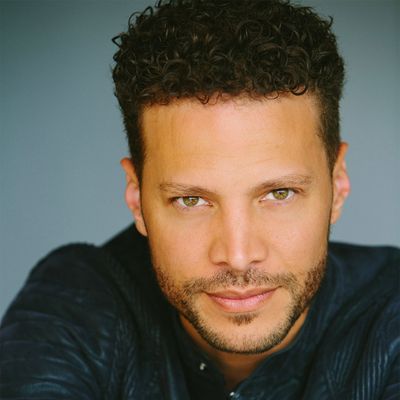
- Justin Guarini - American Idol and Broadway actor from WICKED and IN TRANSIT
Here's a special gift to you for listening to these stories (and reading these notes) - a bonus video episode with Adrienne Walker sharing her LION KING audition story. Enjoy!
SUBSCRIBE TO WINMI
Get access to more Audition Stories, the Final Five questions, and other bonus content by becoming a monthly or yearly subscriber to Why I’ll Never Make It. Producing this podcast is rewarding in its own way, but I’m essentially a one-man operation. So it is both costly and time-intensive to put together each episode. By subscribing you’ll be supporting these podcasting efforts, and have access to extended conversations and other bonus content. Your financial support of this podcast is greatly appreciated!
- Subscribe to get access to bonus episodes and extra content
- Make a one-time Donation to support transcripts and podcast production
- If you’d like to support WINMI but have limited funds to do so, then contact me directly for reduced-price or even free access to the bonus content.
Follow WINMI: Website | Instagram | YouTube
Why I’ll Never Make It is an award-winning, Top Theater Podcast hosted by actor and singer Patrick Oliver Jones and is a production of WINMI Media. Background music is by John Bartmann and Blue Dot Sessions is used under a Creative Commons Attribution-NonCommercial 4.0 International License.
Transcript
This transcript was automatically generated and might contain errors.
[0:00] Patrick Oliver Jones: For most theater actors, Broadway is the ultimate status to attain in this industry. It is the highest level any of us can reach and is the utmost definition of making it. But just because an actor has been on a Broadway stage, it doesn't mean they don't go through the same frustrations and doubts that we go through. And that really gets to the heart of this podcast, and in particular this episode, which is brought to you by We Audition and is part two of my focus on audition stories: the good, the bad, and the hysterical. You'll hear from Broadway stars like Justin Guarini about the trials and tribulations of auditioning, including those pesky self-tapes.
[0:47] Justin Guarini: Knowing that the tech is all good, I then forget about the tech, and then I just hit record and I do my thing 50,000 times like we all do in self-tapes. I never work again if I took the first take.
[1:14] Patrick Oliver Jones: I'm your host, Patrick Oliver Jones, and each week I explore the realities of a career in the performing arts. The website is why I'll never make it dot com. There you can sign up for the WINMI newsletter, check out artist resources to help you in your career, as well as get access to bonus content and special episodes. All that and more can be found by going to why I'll never make it dot com or clicking on the link in the show notes.
[1:45] Patrick Oliver Jones: I'm going to start off this audition episode with a double header. Last year in season four, I spoke with Mykal Kilgore and Hannah Elless, who are two of the actors I worked with years ago in a staged reading called Star Child. In that episode with them, we talked about their wonderful Broadway careers, like Mykal in Motown and Hannah in Bright Star, just to name a few. But once we started talking about auditioning, the conversation really came alive. Mykal started this off with the trouble he faced as he was leaving one Broadway show and auditioning for another.
[2:21] Mykal Kilgore: I was in Book of Mormon, and I just put in my notice that I was quitting the show. I had an audition for Aladdin. And it was like a final. Everybody on earth was in there in the room. You know what it's like when it's like every producer is in there, only three of them are paying attention. Um, and I go up there and I sing my, like my before I go to go to sing, I go put my music down, and I'm about to open my mouth to do my first thing. And Casey Nicholaw, who directed Book of Mormon, was directing Aladdin. And he goes, Michael, so I hear you're leaving my show. I said, Yeah. He goes, Okay, go ahead. And I was like, so I already know I'm not cast. But girl, if you don't get out of this chorus girl mentality and act like you run the show, um, so my eyes rolled all the way down the street from that.
I mean, I called my managers, my caller managers and was like, I didn't book it. They're like, why? I was like, Oh, I was fierce, but I didn't book it as soon as I walked in that door. So, so you're so we're fine. We're moving on with glad feet. But like, when it comes to like it's a world of yes and a world of no, like this musical theater world. Sometimes you're gonna know. You will have to move on, you'll have to shake it off and move on and keep living. And guess what? I have an NAACP Image Award nomination. I'm fine.
[3:50] Patrick Oliver Jones: All right, Hilda. What's what's a memorable one to you?
[3:53] Hannah Elless: I'm gonna give you two. I'm gonna give you the good and the bad, the ugly. No, I'm gonna give you my first one is my Godspell audition, which I think is awesome because I didn't have an agency. So I just love telling this story for people who are out there wanting to hear like alternative stories to booking things. So I was actually working in Chicago and had an agency there, but um, through Star Child, had made a relationship with um a director that was like, Can you sing backup for free at a concert in New York City? And it was a moment I said yes. And I spent my money to fly to New York City and sing backup for a concert for free. And I met Charlie Alterman there, who happened to be the music director for Godspell that was going to Broadway.
And I just met him, he was, you know, a nice person, and we just connected, and that's it. And I went back to my job in Chicago, and the writers for the show that I was working on in Chicago know Charlie Alterman, and they said, You met our friend Charlie. And I said, Yeah, I did. And they said, Well, he's music directing Godspell on Broadway, you should audition for that. I said, I don't have an agency, I couldn't get an audition for that. And they said, Why don't you email Charlie? And I said, Oh my gosh, I could never do that. And they said, you know, tell him that we told you to email. So here I am being like, Hi, I'm so sorry. I met your friends. Could I get an audition for Godspell? It just felt so out there, like it would never happen.
And of course, as the story goes, Charlie is an amazing person, actually said yes, got me an audition. I flew to New York City, put my understudy on in Chicago, flew to New York City on a red eye, did the audition for Godspell, was asked in the room to sing, bless the Lord, a song I wasn't ready for, and belted to high heaven, and it's like 10 o'clock in the morning and all that jazz. But I felt good about it, and I didn't book the show. And that was it. I didn't book it. And I was like, wow, this was my first Broadway audition. I didn't book it. I cried a few tears, went back to my life in Chicago. Got on tour, and two months later they called and said, Hey, the girl that took Godspell is actually moving on.
Do you want it? So sometimes an audition you don't book. And it leads to, you know, but down the road, they had kept me in mind, and I didn't have to audition again. They just offered me the role. So it was like technically my Broadway first Broadway show was like a straight offer from an audition that I had done and not booked. Like what a weird way to get a show.
[6:13] Patrick Oliver Jones: But you did the thing that every actor wants to do more than anything else. You didn't book a role, you booked the room. So those people in that room are like, Hannah, she may not be. I we got to find a place for Hannah because I like her. Whoever she, whatever we can do, we gotta we gotta bring her, bring her back. And I think all the time about like, who says no to Audra McDonald? Right. Michael John LaChiusa, right? He said no to her. And she didn't book. And then he was like, Well, let me go ahead and write you a whole musical. Right. There, you know, it's so true. Life is so funny. It's like the way that all this stuff happens, and that was without an agency, and it was singing free concert, you know, backup singing for a concert, which, you know, three years ago, I headlined a concert with the same person I sang backup for, only like I was in a better slot than her.
I was like headlining the concert in a bigger way, and I had been singing backup for free for her seven years prior. So, like, life is funny, keep going, do your best, win people over. And then just as a little like tag end, I was auditioning for a replacement in Matilda, and they said, Come and do a dance call. Oh, it's for all the principal players who don't really have to dance. I mean, you'll be with some dancers, but we know that you are just coming in for Miss Honey, so you won't really have to dance. Okay, baloney, like two and a half hours, two and a half hours later, I am like still in that dance room, partner dancing, like, so you think you can dance, like level of dancing. And I am literally thinking in my head, how do I fake a nosebleed?
How do I fake a nosebleed? And like literally, like eventually was like, Oh, my no, my nose, and like left and was like, I will never do that to myself ever again. Like, what a terrible, terrible. No, I was in to uh to understudy the father, and they said, Yeah, this is we'll bring you in for the adult call. You know, you know, you don't have to do all the dancing the kids do. I'm like, okay, I can uh uh no no no because then they get in and then they say, Well, there is this one section where we just have all of the understudies are ensemble, they all just kind of do the same thing the kids do. I'm like, okay, so I gotta bring it. And my body was wrecked after that audition. Like, it was like an hour and a half, and my I was hurting.
I was hurting. It was like flamenco dancing. Like, if you can't do a triple, just nail the double, then and then improv. I was like, Where am I at? I was like, I'm the center stage. I have to leave right now. I have to leave.
[8:44] Hannah Elless: Oh, dance auditions. Oh, that reminds me of the first national tour that I did for The Addams Family. It was a dance callback where we had to do ballroom dancing, which is actually one of my favorite types of dancing to do for an audition. But uh oh. Thank goodness I had a great partner. She and I made it through and uh yeah, and I I got to do that national tour. But in that tour of The Addams Family, it was there that I met the wonderfully talented and gracious Douglas Sills, who made a name for himself with his Broadway debut in The Scarlet Pimpernel. Now he shares with us two audition stories. One is from an audition for the legendary Jerry Zaks, who was the director of The Addams Family. But in this case, Doug is auditioning for La Cage aux Folles. But the first audition story he tells is from before his Broadway debut, when he was pounding the pavement and getting to any and every audition he could get to.
[9:45] Douglas Sills: One was a big first audition. I just got my equity card and I went to the equity office. They were holding an audition there for a play or a series of plays by Shalom Aleichem, who's a famous Jewish writer. And the famous comedian, Jewish comedian, Jack Guildford, who everybody would know by their face, he's very funny, a sad sack sort of face, wonderful actor, was directing it. And I waited my turn. You stand in line at the equity office, a long line of actors, and you wait and you're nervous and oive. Can you prepare the material, whatever that was? And I went in and um Jack said, Can I help you, young man? And I said, I'm next. I'm the next auditioner. He said, Well, you know what this play is.
I said, Yeah. It's a Jewish play. I said, Yeah, I know it's Shalom I like him. And it's about Jewish people, he said. I said, I said, I said, I understand that. It's for Jews. I said, I get it. I'm Jewish actually. And I went to Hebrew school environments. He said, Oh, well, I don't care what you are. He said, You look like Wonder Bread. Go down the hall and audition for somebody else. Stop wasting my time. Wow. I was, I was stunned. I was to not even get to open my mouth. I yeah. Coitus interruptus. So that was my introduction to being typed out from something that you are. Well, I was originally typed out for The Addams Family as well. When it was on Broadway, I was typed out. So, see, you just never know.
[11:15] Douglas Sills: I remember auditioning for Jerry Zaks' revival of La Cage aux Folles. And I wanted to play Zaza, the drag queen. And uh they sort of said, No, you know, we don't see you in that role. And I said, I don't remember how, but I pushed it. Like, please, giss give you. And so I knew I was gonna have a lot to prove. And it was very intense process, both to learn the material, it's a very difficult material. The characters going through these very difficult circumstances with a lot of unusual given circumstances to absorb. And Douglas had to go through a lot to do it because he was gonna step in front of the most, some of the most important people on Broadway, producers, directors, theater owners, and be the thing he had tried for so long to not be, to be openly gay in a believable way, so it couldn't be put on.
[12:12] Douglas Sills: And I even didn't understand quite how difficult it would be or challenging. It was one of the most I worked so hard as though I was trying to present this delicate, you know, that glass unicorn and um glass menagerie. That comes to mind. Like this role was so important, and I worked so hard on it, and I busted my ass, and it was hard. I mean, there were gremlins coming at me in my head during being genuine and being gay and very effeminate and vulnerable. There was no way to sort of fake it, and I didn't want to fake it. That's more important. And it was really challenging, and I didn't get it. I don't even, I probably wasn't even close because they had something else in mind. But they did offer me the other part, uh George.
But I, you know, I didn't get it, but it was really such a it was a life-changing thing to prep it and do it. It changed me. It changed probably how I existed in the business in New York, maybe. It was great. Not that my gayness was any secret from anybody, but for you to embrace it as as Doug and as an actor. Yeah, do it, just do it up. Um, because I'd spent so it's it's so hard for people to understand now, but I'd spent a long time trying to find out what that thing was that makes people say, oh, he seems gay, and push it down when I wanted to, because people said, Oh, he's too this or he's not enough this, or he's too Jewish, or he's not gay, or he's he's not gay enough, or that was said to me too.
And oh, he's a little light in his loafers. He's, you know, any gay actor will tell you from my period, will tell you the things they ran up against. So um, so that was a challenge and wonderful, a wonderful challenge in retrospect, one that I will never forget. And it's a role I didn't get, which is funny. And then they cast me in the other role. Which is funny. And then I ended up not taking it. It was one of the wonderful decisions I had to make in my life. It was either spam a lot playing Sir Galahad. Oh, or my dream roles. Or Lakage. That was interesting. It's always interesting to look back at the shows that could have been the roles that you almost had. In fact, for myself, there's a couple of bucket list roles that I was actually cast in, but ended up turning down for various reasons.
One of those was Corney Collins in Hairspray. I turned that down in a regional company to do an off-Broadway show in New York. Another was Trevor Graydon in Thoroughly Modern Millie. That was a regional production that I turned down to do the Avita national tour. That actually started the following year after the Adams Family Tour closed. And it was about, I don't know, five or six months into that tour, that one of our dancers injured herself and had to leave the show. So of course, we needed a replacement to cover her while she was out healing and recovering from her injury. And that's how I first met and got to know Gabrielle Ruiz, a wonderful performer and the true definition of a triple threat.
She went on to be one of the stars of the TV comedy Crazy Ex-Girlfriend. And she joined me on the podcast earlier this year for Women's History Month to talk about her professional journey from the stage to the small screen. But her audition story showcases how our personal lives can easily find their way into the audition room.
[15:41] Gabrielle Ruiz: So my audition story of choice, because there are many dramatic ones, is a very bad one. And it's hilarious because it has to deal with my last Broadway show that I booked, if then. And I was a first replacement understudy for Stephanie Clemens when she left to do Hamilton. But go back a year before when they were auditioning the original cast. And I had just broken up with the last guy that I dated before I met Philip. And I was so angry. Like that angry month, you know, like that real angry month. And especially then like add on New York grit and add get the fuck out of my way. It's just perfect, especially when you're angry. There's like a Sex in the City episode where she goes, You're so busy.
When the guy runs into her because she just had a bad breakup, Carrie Bradshaw. And I'm like, every time that episode comes up, I'm like, ah, I love those days. I love that part about being a New Yorker. You're just like, you're so busy. And so like I was that kind of angry. I go in for Michael Grife. And it's an under it's an ensemble understudy role. And there's music that's not even in the show at that point. Like, that's how new and workshop it is at this point. And I come in and I'm like, hi. So excited to be here. Blah, blah, blah, blah. I have questions. So, why am I singing this song and where am I singing this song? And I just want to know blah, blah, blah, X, Y, and Z, blah, blah, blah, blah, blah.
And he's just like, I don't know. I remember him saying that to me. He was like, I don't know. Just sing it. Right, great. I'll sing it. I'm gonna go get that chair and I'm gonna bring it to the center. This is at Telsey. I'm gonna go get that. I'm saying this in the room. I'm gonna go get that chair. And I'm gonna bring it here and I'm gonna use it. Can I use this chair? Because I just like was like a seasoned Meisner actor. So like I'm bringing it all in the room, you know. And so I mess up the song and I tell the music, probably the music director, but I was so fucking blind to my own anger. The accompanist, I said, go back and start again. Oh my gosh. Oh my gosh. I loved it. I tell this story honestly and humbly because it was such a great lesson in the end.
Not then. And I go in, I'm like, thank you so much. And I'm like, I fucking booked that. I nailed it. Yeah. He's gonna love that. I was ready to work, I was ready to create. My agent calls me like a day later, and she's like, Hey, um, I was like, what they say, what they say. She goes, So, you're not getting callback, but how you doing? Like, you um, I got some feedback from the casting that you were just kind of aggressive, and also quote Michael Grife after you left the room, he said, Ugh, she must be a pain in the ass to work with.
[18:31] Gabrielle Ruiz: Oh my god. No, I wasn't laughing about them. I start crying in like of course the lobby of Ripper League Rear and the near like packs, you know. And I'm like, I just broke up with my red, and I'm just so mad, and blah blah. She's like, Okay, I don't know what that is, but listen, like she totally doesn't care. It's like, okay, whatever. Like, I've always had I've been lucky enough for those agents to be like, snap out of it, you know, like let's go. And she's like, they're not gonna see you again, but like, don't do that in the room. I don't know what happened really, but casting said that. So I called my good friend Javier Muna Munoz, and I was I was like, This is what happened, and I'm so blindsided.
What happened? And he was very good at explaining like male or female dynamics. Put you know, yes, that counts. Like, can a man do that in the room? Can a woman? Yes, we can we can we can debate that. He was like, but directors need to feel like you're not commanding for them to give you explanations, especially in this early stages of the of the process. He was like, also calm the fuck down. I e just don't do that again. And so like a year later, Stephanie Clemens is leaving the show, and I'm like, oh my god, they're calling me back in. Like, I do they remember what happened last year? Of course, I remember what happened last year. So I kind of had a redeeming opportunity, and I was a fucking angel in that room.
I bet you smiled and I was workable, and I said, whatever you need, and I didn't ask a single question. Of course not. I was like, Michael has to remember. I guess he didn't because I booked it. I booked the replacement, and I worked with him when I understood for Jan Callella. And um he was he was wonderful to work with. I never felt like he was in any way like overbearing or you know, any kind of nightmare story, but I just I never reminded him that that happened. I just never wondering if that ever went on behind the scenes, either maybe your agent or just someone said, Okay, she was having a bad day, that's not who she is. I that had to have come up at some point. I hope so, because somebody fought for me, somebody vouched for me, and I'm greatly appreciate it. And I'm so glad they didn't remind Michael that I was that person that day.
[21:07] Douglas Sills: Yes. Well, no, no, after you you do that after, after you've booked it, after you're in the show, it's like, remember, Michael, this was No, never, no, no. Never. So, like, that was very that was that was a great learning lesson. That was a terrible audition that I I mention often to people like you will have bad auditions. And bad days. Because I'm sure your audition itself, I mean, I mean, yeah, you you you messed up that song, but I'm sure the audition itself was fine, was good, you were strong, but it was everything around it. How it was packaged was go back again. Start from the top. Yeah, yeah. You know you're doing well when you're yelling at the accompanist. That's that's usually the music director, so they have say, you know what I mean? What a dummy. Just bring it all in the room, all in the room.
[21:57] Patrick Oliver Jones: Now, some of these stories from parts one and two of this audition series, as well as many more you haven't heard, are actually bonus episodes that have been available to monthly patrons since last year. Go to why I'll never make it.com to support this podcast and find out how you can get these bonus episodes in your podcast feed. Back in February, I had the immense pleasure of sitting down with Jeffrey Owens. While he is mostly known for the Cosby Show and other TV shows and films that he's done, the theater is his true love, and particularly Shakespeare. The Shakespeare audition I had for a very famous director. And I was auditioning for a role in a production of The Merchant of Venice. And we got to a spot in one of my of my speech, my audition speech, where my character uses uses the word creeps, C R E E P S. And somewhere in the middle of my speech, this director stopped me.
And he proceeded to go on for maybe five or ten minutes, a a diatribe, a dissertation about the word creeps and how the word creeps was being used in the speech. An intellectual literary analysis in the middle of my audition on Shakespeare's usage of the word creep. And at the end of it, when I safely assumed that he was finished, and I while he was talking, I was saying to myself, Jeffrey, don't do it. Don't do it, don't do it. And I did it. He finished, and there was a pause, and I said, So what you're saying is Shakespeare feels like this character is a creep. And he looked at me like I had just insulted his mother. He looked at me like, what?
[24:07] Patrick Oliver Jones: And I took a quick look around and reading of the temperature of the room, and all the assistants and people in the room were like, oh dear, oh no.
[24:18] Patrick Oliver Jones: And I said, I'm joking, of course. Um, I know what you mean. And he's like, Oh, oh, yes, okay, fine. And then I proceeded to do the rest of the speech or the speech again, which probably was not noted by anyone in the room, and left thinking, well, I just shot myself in the foot, but it was a whole lot of fun.
[24:45] Patrick Oliver Jones: Another guest from earlier this season is Sally Wilfert. She and I did a gorgeous production of The Light in the Piazza several years ago in upstate New York. And she reminds us that sometimes we have to just stand up for ourselves in the audition room and really show them what we can do, no matter what it takes.
[25:07] Patrick Oliver Jones: So I think this was probably about 15 or so years ago, maybe longer. Um, I went in to I think it was a Jason Robert Brown musical. It was for a regional theater, and I decided that I wanted to sing I'm not afraid of anything. So they said, Oh, and against my better judgment, I should have just said, I'm just gonna do the song as I have it. But they asked, they said, Oh, we don't need to hear the whole thing. How about just do the first verse and then the bridge and then the end? And I was like, Oh, okay. And in my head, I'm like, what is that structure? What are those words? How does that go?
[25:51] Patrick Oliver Jones: So I got to a part in the song where you usually go into another verse or something, and you're supposed to go into I can say that or whatever it was. I've been doing this song forever, like I know it the back of my hands, but I couldn't, I know it as is to in the moment to edit. So I stopped and I was like, uh, oh, I'm oh I'm so sorry. Can I just start? Can I just start again? So I started again and I got to this place, and the same thing, I just like I forgot the words. And then I said, just bear with me. I'm gonna do it one, and the same thing happened. And they interrupted me. They're like, oh, you know what? We're over it. It's fine. And I was like, no, no, no, no, no, no, no, no, no. I'm over it now. And I said, and all I know is no one's leaving the fucking room until I finish the goddamn song.
[26:52] Patrick Oliver Jones: And uh and what was their reaction? Oh, it was like gobsmacked. They were just like eyes open. They're like, don't work with the cuckoo. Don't work with the crazy one right there. And I was like, and then of course I think I said my agent like I can't believe I didn't get that job. Really? How dare they? Like, who else on the planet could ever do that? Because in the moment you no longer care about them or it's like, no, I myself need to know that I can do this song the way you asked. Thank you. I came in with my shit together, and you I allowed you to screw with me. To throw it off. Screw with me. And I thought I was being funny when I was like, no, no one's leaving the fucking room until I finish the goddamn song.
[27:45] Patrick Oliver Jones: And I forget, I used, I think I knew the piano player too. And later he was like, Wilfert, I was like, I couldn't help it. I couldn't. I'm sorry. I felt humiliated and I had to somehow get my shit back together. I can't think of a time when I ever had the balls to stand up like that in an audition. I I've done the little minor ones where they ask for something, and I say, you know, I would actually rather do this, so I'm gonna do this. We're just kind of shift away from that song they want. It's like I'm gonna do this song instead. I've done that, but it but and usually they're just like, okay. But uh yeah. Yeah. To stand up for yourself in the middle of something that was interesting and probably new. I've probably been just I probably had just started therapy, so I had I felt very brave or something. And I needed to take ownership of my time.
[28:36] Patrick Oliver Jones: And there was another one too. You're just making me think of this one. I can't stand when you walk into auditions where you give your music to the piano player, and they're like, they only want to hear so many bars. And I was like, What what? Why are you talking? What's happening? You know what I mean? Like, what's and so I turned and I said, I'm just gonna, I think it was Pat McCorkle. And I turned, I was like, I'm just gonna start. And if you guys want to stop, then stop me. But I'm just gonna start. So I started the song, and I just kept going because most people like for me to sing a lot. So I kept going to the end of the song, and I finished the whole thing. They never stopped me, and I finished it, and I looked at the piano player and I was like, see.
You are see, like, stop it. You'll you're gonna you're gonna be happy that you got to do this whole song with me there, buddy. Ballsy and brassy. I was just I can be. And a very nice Midwestern smiley face.
[29:48] Patrick Oliver Jones: Now, this is a question. Whenever you do auditions, now you're you're probably at another echelon from where I'm at. I'm still in the 32 bar cut section. No, you're not. Oh, oh, I am. Oh, I am. I basically go in with a a verse and a chorus, and that's generally all I get. And that's a damn good verse chorus. Oh, it's a value the almost. That's a good but I can't remember the last time I did a full song. I think it was for Bridges. When I had to do the full it all fades away. Oh wow. I think that was the last time it was it was such a great production. And Lauren Kennedy, she directed just beautiful. My God. But I think that was the last time I had to do a full song. Usually it is a section of a song, or of course in the audition, then it's just that that verse chorus. 90 seconds, you know, whatever you can fit into 90 seconds.
[30:33] Patrick Oliver Jones: Right, right, right, right. So do you normally sing an entire song if you're auditioning?
[30:39] Mykal Kilgore: I normally do if if they're even asking for my own material, because oftentimes I'll just get like whatever the show material is, and I never even get to mine. Um, but yeah, I absolutely will will have to sing my own songs. And I also have to be, I remember recently, maybe a couple years ago, there was a a show that I was up for and I was I was sort of like, oh, I'm not sure if I I read the script and uh it was a new piece and it was really interesting, but the role was uh it was very dark and I was like there was just some themes in it with that I was like, oh God, I don't know if I can do this. It was like, you know, incest and some other stuff, and I was like, oh Lord, this is heavy. And um, they wanted something very specific as from the singer, and I was torn between a couple of songs, and my husband, who's not in the business that he's he's very smart with the he's he might as well be in the business, um, because he's pretty savvy to all of it.
And I I said, I don't know, should I sing this song or this song? And he's like, Well, here's the thing, Sally. If you sing option A, it's a lovely option. And you'll probably be in the running for the job. But if you sing option B, when you sing that song, you usually stab people in the heart with your voice, and people will hire you immediately. So you have to be super careful. So if I do sing my own material, I have to be um, I have to be careful about what it is that I'm putting out there. Um, because there are some things that are just amazing songs that I found that I love to sing. And if I have the opportunity, then I know that I can kind of say, ah, gotcha, I gotcha.
[32:26] Patrick Oliver Jones: As a singer myself, I too have those go-to songs, those that I keep in my back pocket that I pull out whenever I really want to wow them, when I really want to make an impression. And this next audition story comes from Will Swenson talking about one of his back pocket songs.
[32:43] Patrick Oliver Jones: Now, coming up next month as a lead-in to the Tony Awards, which will finally take place after more than a two-year absence, I'm going to be talking with a few performers like Will Swenson. So don't miss next month whenever those episodes come up.
[32:58] Patrick Oliver Jones: Now, of all the guests that I've brought onto the show, uh I actually have known Will the longest. He and I worked together back in the late 90s at Disney World, both performing the role of guest on in the parks version of Beauty and the Beast. And in this audition story, uh, Will shows us that even those trusty songs we have can have very different outcomes from one audition to another.
[33:25] Will Swenson: Well, this this one is sort of in two parts. Um, so when I was first hitting the city, uh, I had a newborn baby, and um, because I wasn't making money, my wife was working at a law firm, and um, and so she, you know, we were just tag team like you'd have to take the baby, and we couldn't afford a babysitter um often. So I I would uh take my baby with me to auditions. And and literally I would, if I knew somebody in the hallway, I'd like, can you watch my baby while I go in? And if I didn't know anybody, sometimes I'd ask if I could bring the baby in if he was asleep or something. So once I was an audition and nobody else was in the hall, and I was like not gonna leave my baby out in a in a in a hallway as I went in to sing.
Of course. And so I brought the baby in with me, and it was I can't even remember the show, but I had decided to sing Pity the Child, uh, because I was like, I'm gonna sing these crazy high notes and show them that I can sing crazy high. And uh, and of course, when I sang the high notes of the song, which is screaming basically, uh, I woke the baby up and the baby was screaming, and it was just like total mud on my face. Um, but I booked that show. So like that was a good one. It was like, okay, um there was a good look charm, so to speak.
[34:34] Will Swenson: Great. Yes, yes. Cut to years later, I went into audition for in that song, is it's from chess and written by the folks that were from ABBA. And they had another musical years later that never ended up making it to Broadway, but they were auditioning for it. I can't remember what it was, but I was like, Oh, I'm gonna go in and sing Pity the Child for these guys, because I've got these high notes. I want to show off these hang notes. And I went in and I couldn't have cracked any worse. I it was just horrifying. And I, because of my my cockiness, I I crashed and burnt in front of those guys. So that was my Pity the Child um full circle story.
[35:15] Patrick Oliver Jones: I actually did a little bit of research, and that musical by Bjorn and Benny from ABBA was called Christina. The Swedish musical had an English language workshop back in 2006 featuring Alice Ripley. And there had been talk of a 2007 opening at the Broadway Theater. But according to Wikipedia, those plans never quite materialized, partly due to a drawn-out legal battle over the use of the original book written for the musical. So shows themselves can also find failure and rejection and even some anguish, just as we actors do in the audition room.
[35:55] Will Swenson: And the other one quickly was um I had a nervous breakdown in front of Susan Stroman and Harry Connick Jr. He had that musical called Um Thou Shalt Not at Lincoln Center. And I had a final callback for that, and I hadn't been on Broadway yet.
[36:09] Will Swenson: And I was like, oh my gosh, this could be the thing. And the morning of my callback, my wife and I were trying to buy an apartment, and we were pregnant. We hadn't, you know, had the baby yet, and we had gone through all of the process except for the co-op board and buying property in New York is like the biggest joke. And we'd, you know, we've gotten lead inspections and we got the bank approval for the loan, and then the morning of this final callback, the co-op board just said, We're not even gonna interview you because we've just decided that we don't want you here. So we're literally eight months pregnant, and we had ended our lease at our one place, and we're planning to move in, you know, the next month to have our baby, and they just basically stranded us and just said, Nope, not even gonna interview you.
We don't need to tell you why. But now I know it's just that I was an actor that wasn't currently in a show, and they were just like not gonna risk it on me. So I've got a pregnant wife and nowhere to live, and I'm going in for this massive pressure callback all the way in the room. I have to have it. And of course, you know, I go in the room and there's Harry Connick Jr. himself and Susan Stroman, and I had a complete nervous breakdown and just like before you sang, or like while you were singing. No, in the room, in the room. I was like, you know, I started the song and realized I didn't know it as well as I wanted to, and I just kind of had an anxiety attack, and obviously didn't get the show.
But anyway, what was their reaction to that? Oh, they were sweet as could be. They were like, Are you okay? Another bizarre part of that is that the reader in the room was a friend of mine from college, and so there was also like this weird sort of personal embarrassment to it because this girl that I went to school with was the reader in the room. It was not great.
[37:53] Patrick Oliver Jones: Wow. Oh, wow. Well, you know, you survived.
[37:55] Will Swenson: I survived. Have you gotten to audition for Susan Stroman since?
[37:59] Will Swenson: Uh yeah, and she's the loveliest. And I've done a couple of readings with her, couldn't be a sweeter lady. I've never reminded her of that moment, and she'd probably be like, That was you. I bet you that's what she would say. She'd be like, Oh, yeah. I mean, she sees thousands.
[38:13] Patrick Oliver Jones: Yeah.
[38:13] Will Swenson: How does she keep us, especially before we are a known quantity? You know, I'm sure.
[38:19] Patrick Oliver Jones: Yeah. Because the one time for do you remember happiness?
[38:24] Will Swenson: Sure.
[38:24] Patrick Oliver Jones: On the subway.
[38:26] Will Swenson: Yeah, yeah. Right. So I went in. This is EPA, mind you. Awesome. But I walk into the room, there's seven people, including Tara Rubin, Susan Stroman, produce like amazing. This is an EP. That doesn't happen at EPA.
[38:39] Will Swenson: No, no, it doesn't happen. So the song that I'm singing is called Leading Men Don't Dance. And I had adjusted the lyrics because before it's talking about like Gene Kelly and all these older people. So I brought it up to talking about these current directors, i.e. Susan Stroman. That was one of my lyrics. Awesome. And so in this first part, I'm listing off, you know, Jerry Mitchell. I get to Susan Stroman, they fall out laughing because it's supposed to be a funny song. So there's that. I'm singing about her. I get to the end, they applaud me. Awesome. Bring me back for the callback. And then the next is a dance audition that I never made it past. But curse you moving. Damn it, you dancers. But uh, but but no, so that's like my one really one of my best auditions I've ever had. I love it. I love it.
[39:27] Patrick Oliver Jones: I love it.
[39:30] Will Swenson: Uh, those dance auditions. I tell you, there have been several, several callbacks that I have not gone any further because of the dancing.
[39:39] Patrick Oliver Jones: Well, as we end this audition stories episode, I wanted to take one from the opening episode of season five, my conversation with Justin Guarini. Now, he has come a long way from his initial stardom with American Idol, from theater to television and film. He has had a robust career full of many highs and many lows. But even Justin, with his fame and talent, is still subjected to what I consider to be the bane of an actor's existence now the self tape audition. Now, look, I know there can be a difference of opinion about this, but for me, self-tapes, especially for theater auditions, they just remove an essential element of the audition process: live people in a room responding and reacting to a performance.
And I share with Justin my feelings that self-tapes not only reduce the work for casting directors, but potentially eliminate even the need for them. Casting directors are realizing, oh, I don't need to rent out rooms for hours on end, days on end. Yeah, I can do all this online now. And that's going to be us in our bedrooms putting up a sheet and singing and making sure. Oh, am I lighting? Oh, am I framed up? And it's like, you know, all the things that we never had to think about before. Never wanted to think of as if there is an adult to think about, right? I still to this day, I realize television and film make more sense because it's a visual medium, so you need to look good on camera. But for theater, I've always thought casting directors were just lazy when they wanted me to do a self-tape.
Because it's like it's basically you want me to do all the work so that you can just sit back and hit play. When in you know, when you go to Pear Studio and you're in front of them, a lot of that's just taken care of. And it's so much more alive. I have done plenty of self-tapes, but you know, this past year and into this year, I've done online auditions, like literally there's you and it's so strange because there's the person who's reading with me, and then there's this black screen that has the casting director's name, and you know they're looking at you, and they know they're watching you, and you see this sort of like the darkness or like a picture or something that is not it's not alive, right? And you can't see I just feel like the pull of the dark square or rectangle there when I'm doing online auditions, and I miss the live nature of collaboration that walking in the room is.
[42:13] Will Swenson: Yeah, because I did my first online virtual audition. I've done lots of self tapes, but this was my first time. It was for a TV show. And so I set up my phone, you know, because it has the best camera. So I'm gonna set up my phone and I have it in landscape mode. And she comes on and she's like, You're you're you're you're turned the wrong way. Can you please so I'm like, okay, so I'm having to so then I have to put my phone up horizontally vertically, and then I'm changing that, and you know, I'm trying to fit it with the lighting, and then so then it's literally I'm basically on FaceTime, but auditioning for a major Netflix show. And I'm like, And that is what I love. I love, I love, I love teaching people how to avoid that trap.
And I mean, really, just it's so many things that we have to think of when it comes to okay, how do I tell this story? How do I relate to the all the the script analysis and the work that we just have to do just to just to get the story out? Then you think, oh, I gotta go throw lights on top of that, and my phone or my camp laptop, how am I gonna get books out to try and get the levels right? I mean, it's like and the microphone, and people don't even think about the microphones and whatnot. And so I love to teach people hey, here is how you separate those two worlds. And do you have a plan? Do you have a process that you go through? For example, my process, I deal with all the tech first. Like I'll do, but I'll get my sides in the mail, and great, and I'll do my work on the sides.
But then when I get to the point where I tape, it's like I set up all my lights. I set up my backdrop. Usually I have a blue backdrop right now for I have a red curtain, but I'll set my backdrop, my lights, and I'll make sure my tech is good to go. For self-tapes especially. And then I'll go and I'll do a little bit more of the work on the actual stuff. And I'll really get comfortable with it in the moment and then I'll come and knowing that the tech is all good, I then forget about the tech and then I just hit record and I do my thing 50,000 times like we all do in self-tapes.
[44:25] Will Swenson: Oh my god then that's all I'm worried about, right? That's it's other that's another process and another just a just a just a bite of hell. But yeah so many times I mean that is the one if there is only one there is one beauty of self-tape and that you can do it as many times as you need to get the right take. Oh thank God I'd never work again. I never work again if I took the first take. Yet as theater people we should be ready to do that first take. Because that's all we have that's all we have oh it's it and that's it. I mean it's not only is it technological but it's also mental and and a perspective shift and just learning how to bring that same sort of willingness to play and to let whatever happens happens to a situation that you can control where it's start and stop and start and stop and and you know we fall into the trap of perfectionism and whatnot.
But it has been a lot of fun to work with students and to teach them the process of undoing so much of the mental traps and undoing so much of the little stories that we have about ourselves that we put in the way of our success and that we put in the way of our ability to deliver the story, which is the most important thing.
[45:52] Patrick Oliver Jones: These audition stories truly illustrate what Justin is talking about. Even more than a showcase of acting and singing ability, auditions are a test of our mental fortitude to stand up to the pressures of performance and possibility of failure and rejection. Something he said about self-tapes, I've actually adopted into my own practice, and that is to deal with the tech first. I now set up all the video and lighting and background first, then I go away. So that when I'm ready, I enter my little recording studio, so to speak, and all I have to do is log on to We Audition, find a reader, we go over it a couple of times, which is great prep for me as well, and then I record it. Again and again and again if necessary.
Because I know for me, I get the most frustrated when I'm trying to work on the character and the video elements at the same time. And then I just end up not doing either one very well. So what is your audition story? I mean, what has been your experience either in the room or online? I would love to know your reactions to the stories you've heard as well as your own experiences. Now you can find me on Instagram and Twitter at winMe Podcast. So share your stories, comment there, and of course, you can always contact me through the website, why I'll never make it.com.
[47:26] Patrick Oliver Jones: Well, I am your host, Patrick Oliver Jones, thoroughly enjoying and thankful that you have joined me for these audition stories. I'm in charge of the writing, editing, and producing of the podcast, publicity provided by Imagine PR Group, and all music in this episode was created by yours truly on GarageBand. Why I'll Never Make It is a part of the Helium Radio Network and a member of the Broadway Makers Alliance. Join me next time as we talk more about Why I'll Never Make It.
© Broadway Podcast Network, All Rights Reserved